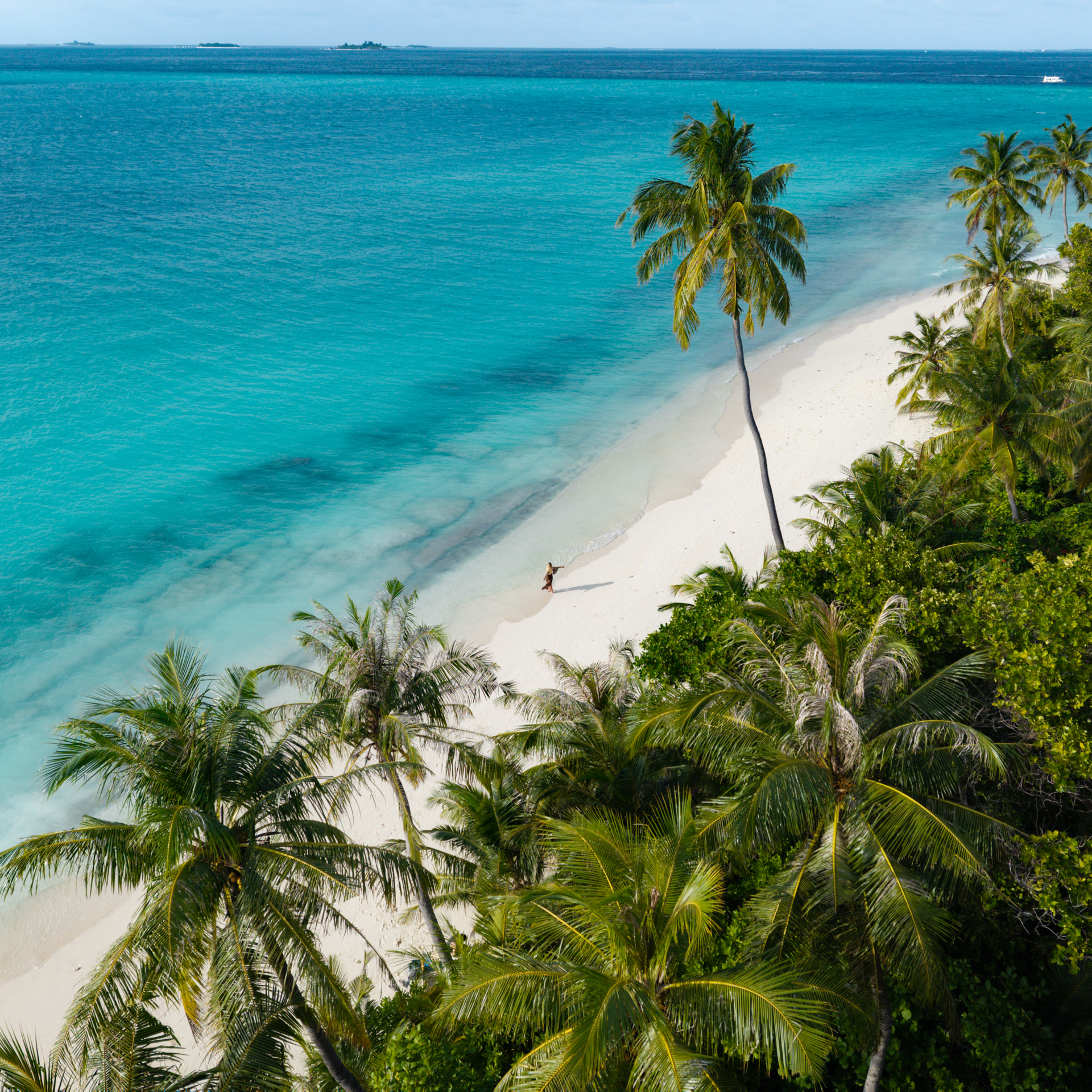
El Salvador Travel Guide

Home El Salvador
From no-go zone to welcome home

Explore
El Salvador

Welcome to a small, but amazing country that has gone through drastic changes in recent years, transforming from one of the most dangerous countries in the world into one of the safest. 

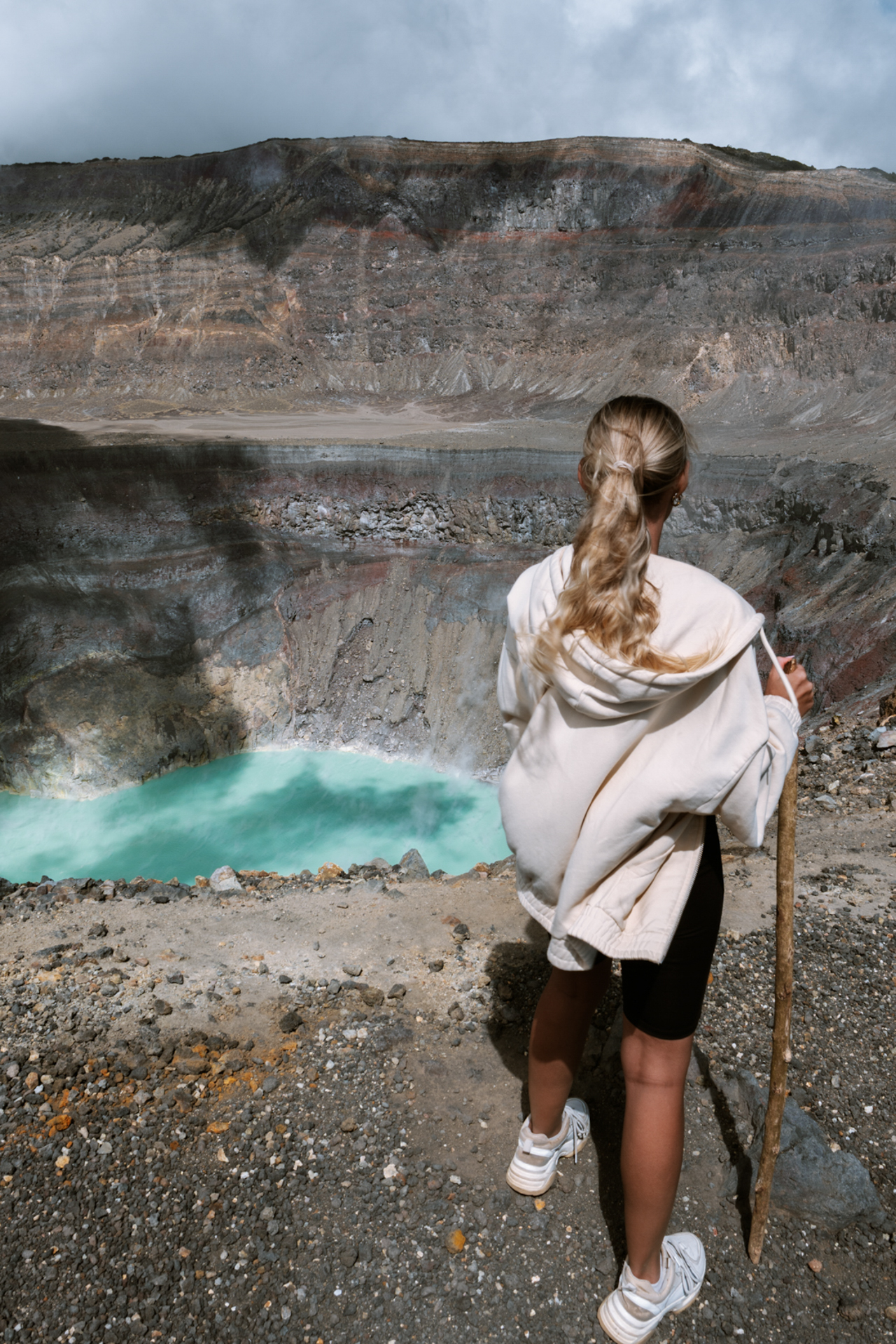
This was mainly due to gang violence that once ruled the streets, but that has changed dramatically. Today, there is absolutely no reason not to visit El Salvador. Crime has become nearly nonexistent. Prepare to see volcanic landscapes, black sand beaches, and historical towns come together in one compact yet powerful destination. From misty mountains to laid back surf villages and lively local culture, El Salvador is full of surprises. Watching the sunset over the Pacific after a day of surfing is the highlight of any El Salvador travel experience.


Costa Rica Cluster

Hello / Greetings:

Thank you:

Excuse me:

THE WEATHER

Best Time to Visit El Salvador

El Salvador has a tropical climate, which means warm temperatures year round, especially in the lowlands and along the coast. It follows a clear wet and dry season pattern typical for Central America. In the highlands, such as Cerro Verde, temperatures are much cooler due to the higher elevation, and mornings and evenings can feel surprisingly cold compared to the coast. 

DRY SEASON

November – April: This is the best time to visit El Salvador. Days are sunny and warm, perfect for surfing, hiking, and exploring towns and national parks. Roads are easier to navigate, and the coast is especially beautiful during these months.

WET SEASON

May – October: The rainy season brings higher humidity and warmer temperatures, especially along the coast. Rain usually falls in heavy but short bursts, often in the afternoon or evening, leaving plenty of dry hours to explore. 

Best time to visit El Salvador:
Best time to visit Vietnam

What month did I travel to El Salvador?

I explored El Salvador in November, which marked the beginning of the dry season. The weather was warm and sunny along the coast, while the highlands felt cooler and refreshing, making it a great time to explore both beaches and mountain towns. It’s is also a great time for surfing!


Culture lives in every dish and every tradition

Salvadoran Food, Culture, and Traditions

Culture in every flavor

Food, Culture, and Traditions

Bolivian Food

Salvadoran food is simple, comforting, and full of flavor. Pupusas are the national dish and can be found everywhere, filled with cheese, beans, or meat, and usually cost around $0.50 to $1 per pupusa.

Along the coast, the food scene becomes more diverse, with plenty of international options. The quality is great, but prices are noticeably higher. Don’t miss horchata, which is made from morro seeds and blended with cinnamon, cacao, vanilla, and lot’s of sugar. Riguas are savory corn cakes made with sweet corn, cheese, and crema, giving them a slightly sweet flavor. My favorite fruit was granadilla, which we tried at a local market! It’s similar to passion fruit, just sweeter.
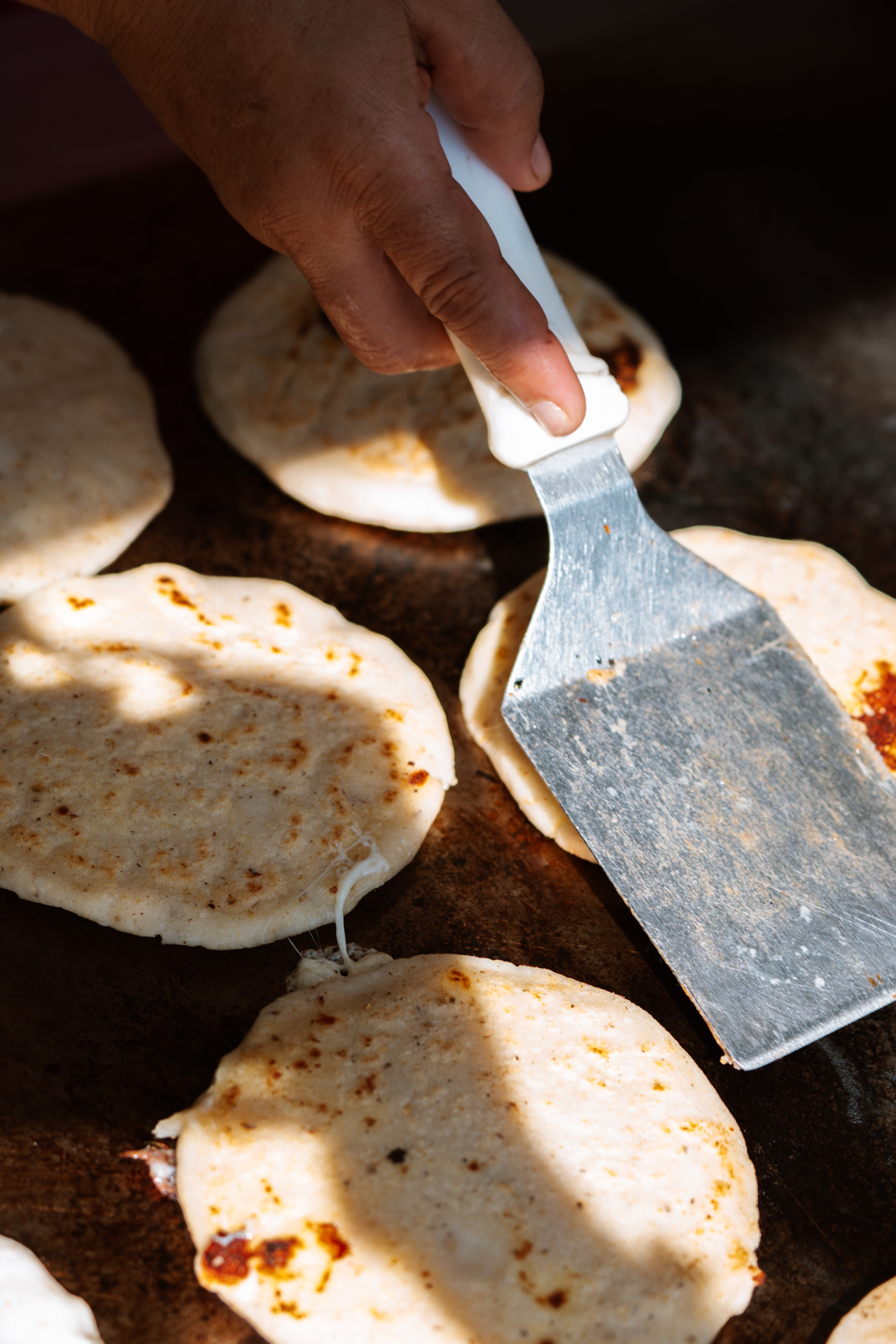
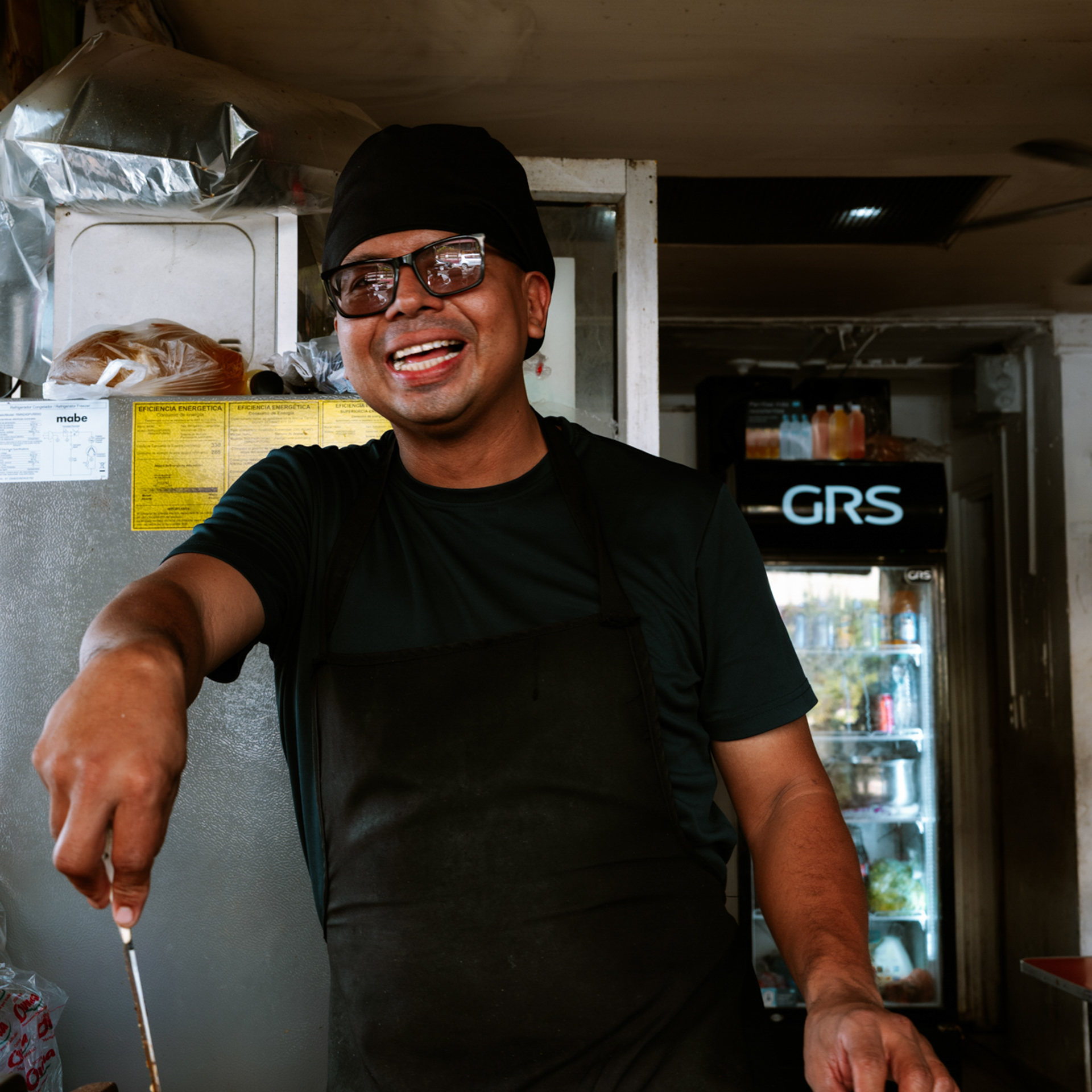
Traditional Salvadoran pupusas being cooked on a hot griddle.
Street food vendor cooking and smiling at his stand in El Salvador.
Peruvian Culture

El Salvador’s culture is shaped by strong community bonds, creativity, and resilience. Music, street art, and family gatherings play an important role in daily life, and people are incredibly welcoming.

Surf culture is also deeply rooted along the coast, where early mornings revolve around the tides, surfboards line the beaches, and seaside communities are built around the ocean. Visitors are often surprised by how open, friendly, and proud locals are of their country.

Bolivian Traditions

Traditions in El Salvador are closely tied to religion, family, and local celebrations. The country is mostly Christian, with Catholicism being the most common religion, alongside a strong and growing Evangelical community.

Town festivals fill the streets with music, dancing, and food, and many traditions have been passed down through generations. In the Ruta de las Flores, the Feria de Gastronomía takes place on weekends, celebrating local dishes, street food, and regional flavors. Hospitality comes naturally here, and guests are often treated like friends rather than visitors which I experienced myself.
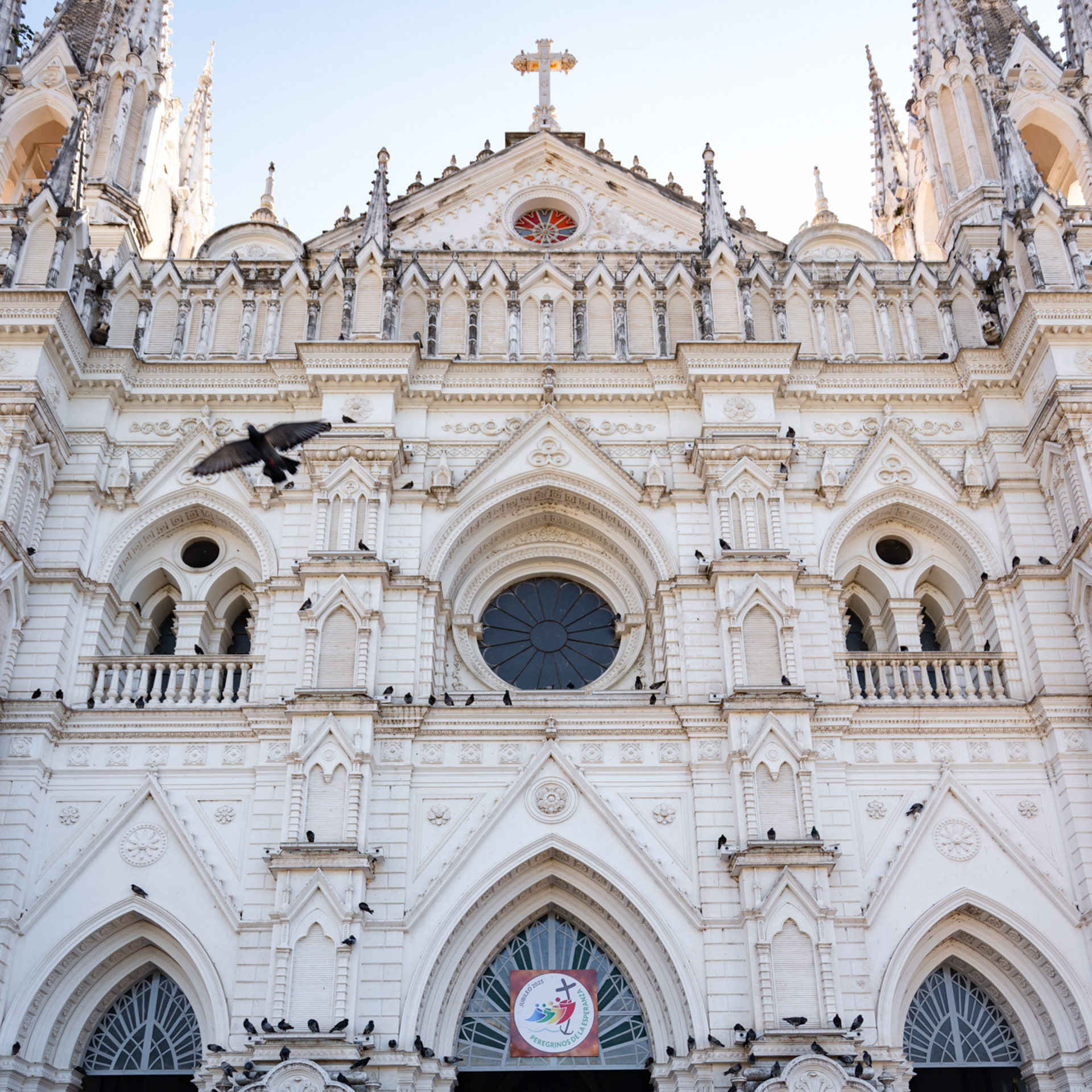
Front view of the Gothic-style Santa Ana Cathedral in El Salvador with birds flying.

Did you Know?

Interesting Facts About El Salvador
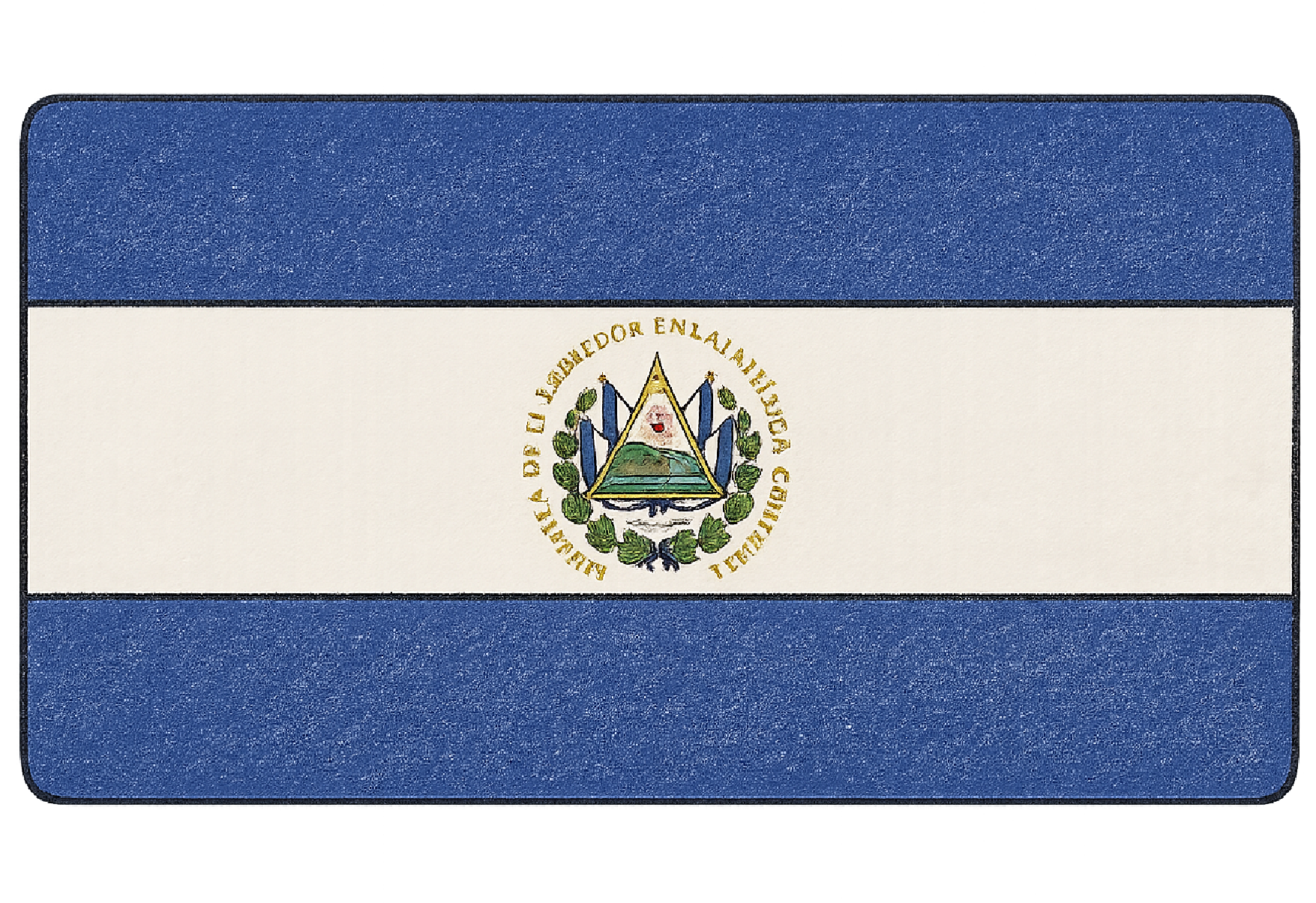
El Salvador's Flag and its meaning

Meaning of El Salvador’s Flag

The blue stripes represent the sky and the Pacific Ocean, while the white stands for peace and unity. In the center is the coat of arms with five volcanoes, a Phrygian cap, and a rainbow.
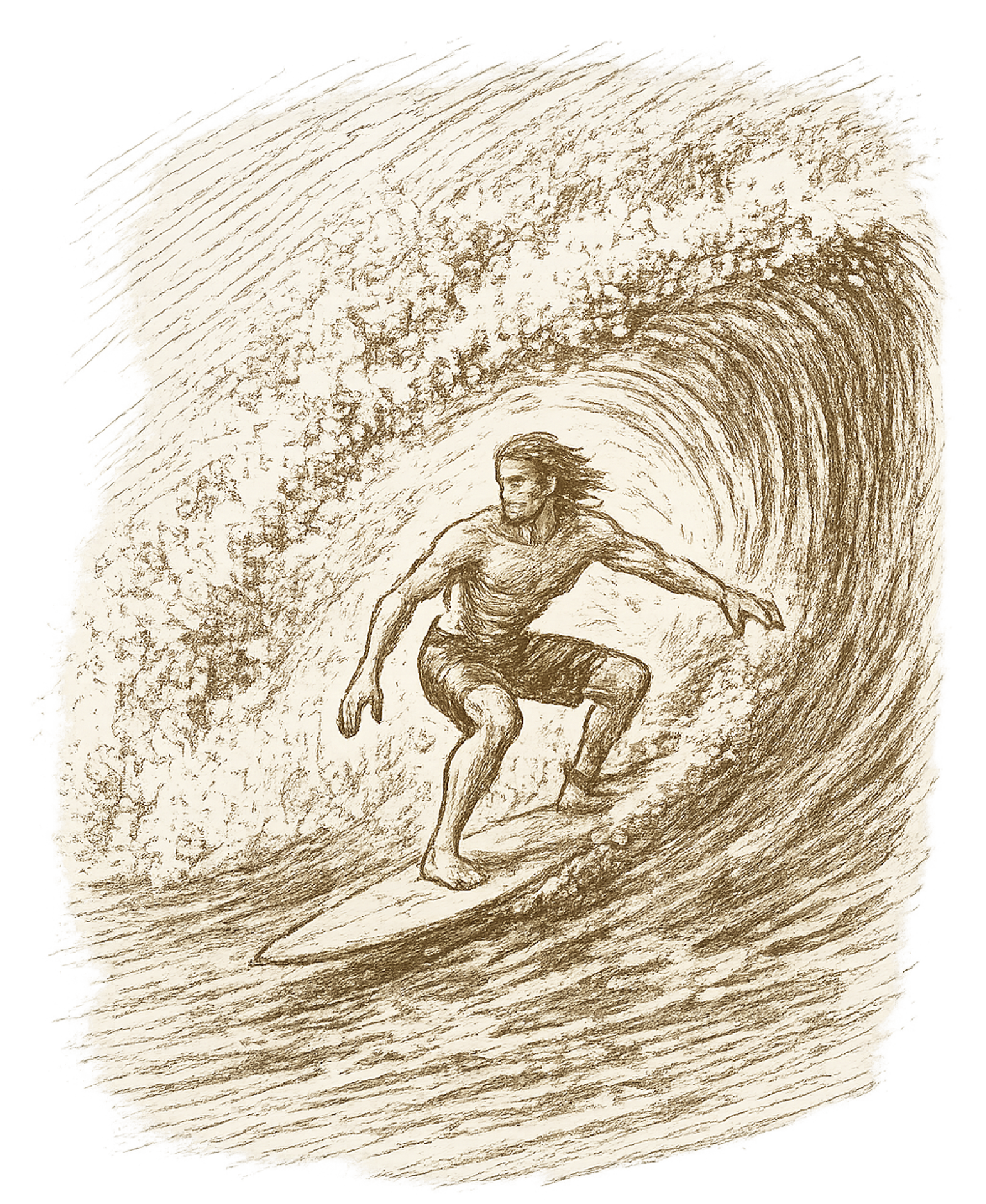
Surfing in El Salvador

World Class Surfing

El Salvador is world famous for its consistent waves and is considered one of the best surf destinations in Central America. Its Pacific coastline offers reliable year round swells.
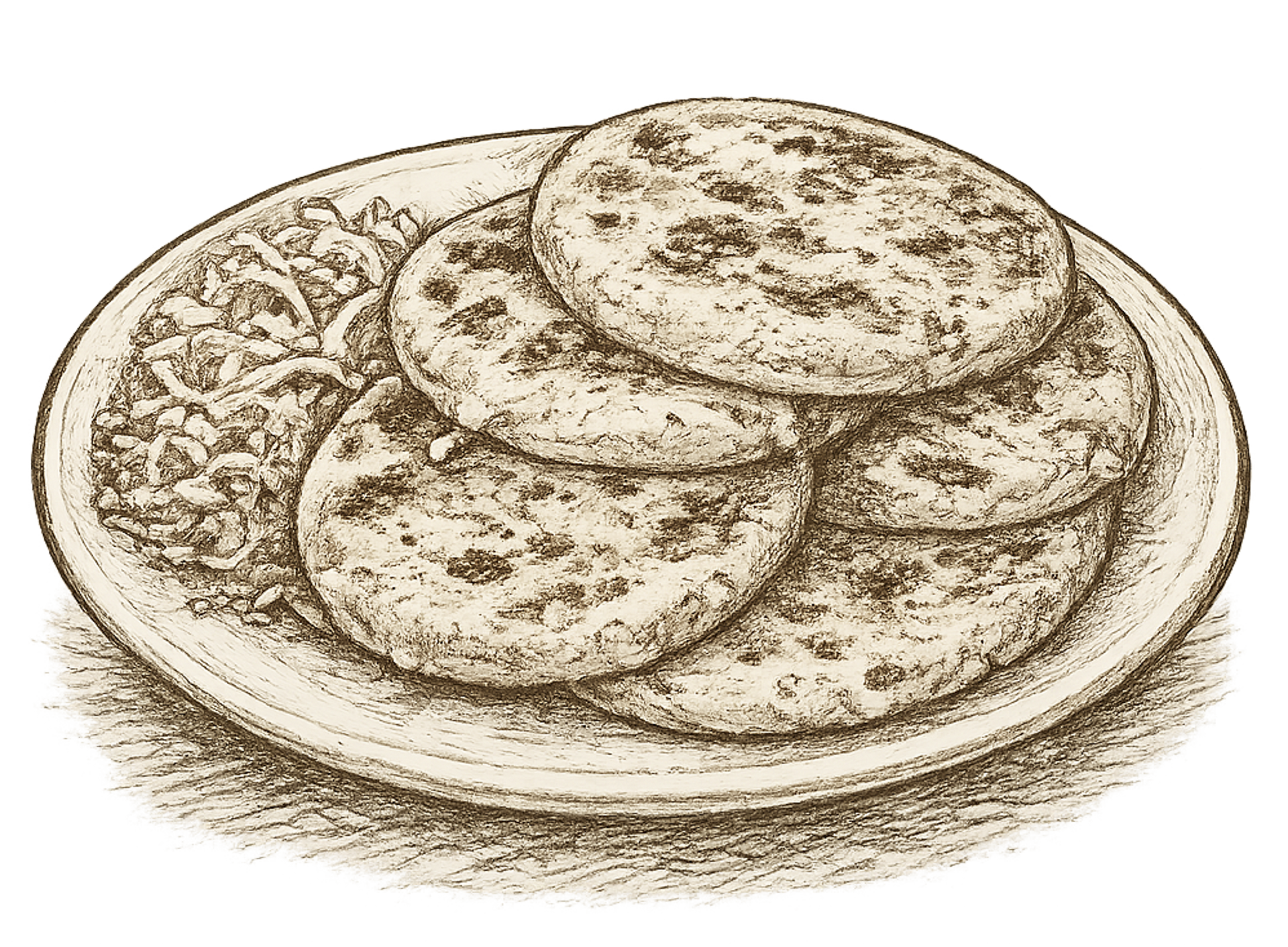
Pupusas are so important to Salvadoran culture.

National Dish Pride

Pupusas are so important to Salvadoran culture that they even have their own national day. It’s celebrated every November with festivals, special menus, and pupusa competitions.

El Salvador made history in 2021 as the first country to adopt Bitcoin

Bitcoin Makes History

El Salvador made history in 2021 as the first country to adopt Bitcoin as legal tender alongside the US dollar. Today, Bitcoin is accepted in many shops, restaurants, and hotels nationwide.


How each place feels so different

Best Places to Visit in El Salvador


How each place feels so different

Best Places to Visit in El Salvador


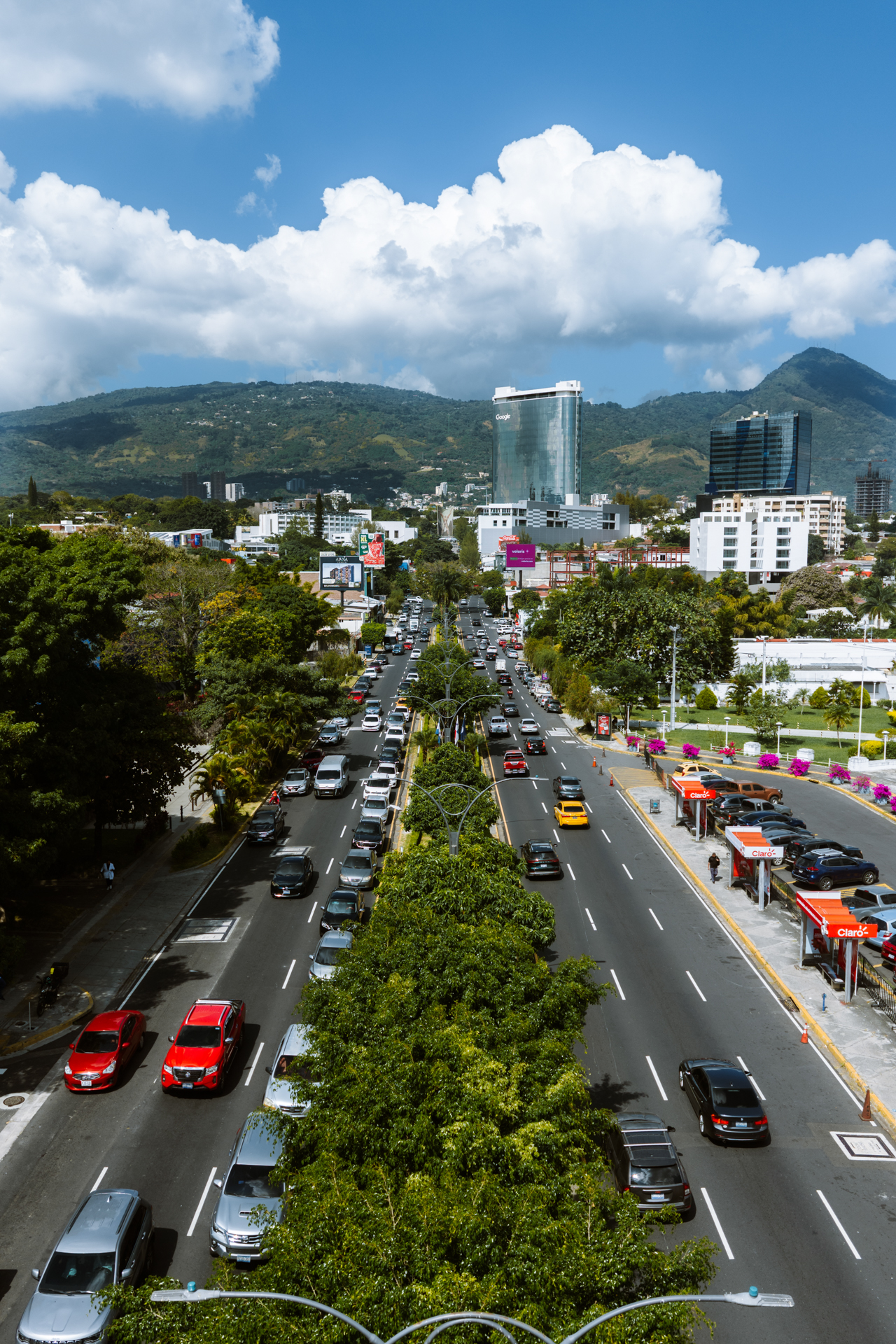
San Salvador

The lively capital city, full of history, museums, and local markets. A must-visit hub for culture, food, and nearby adventures.
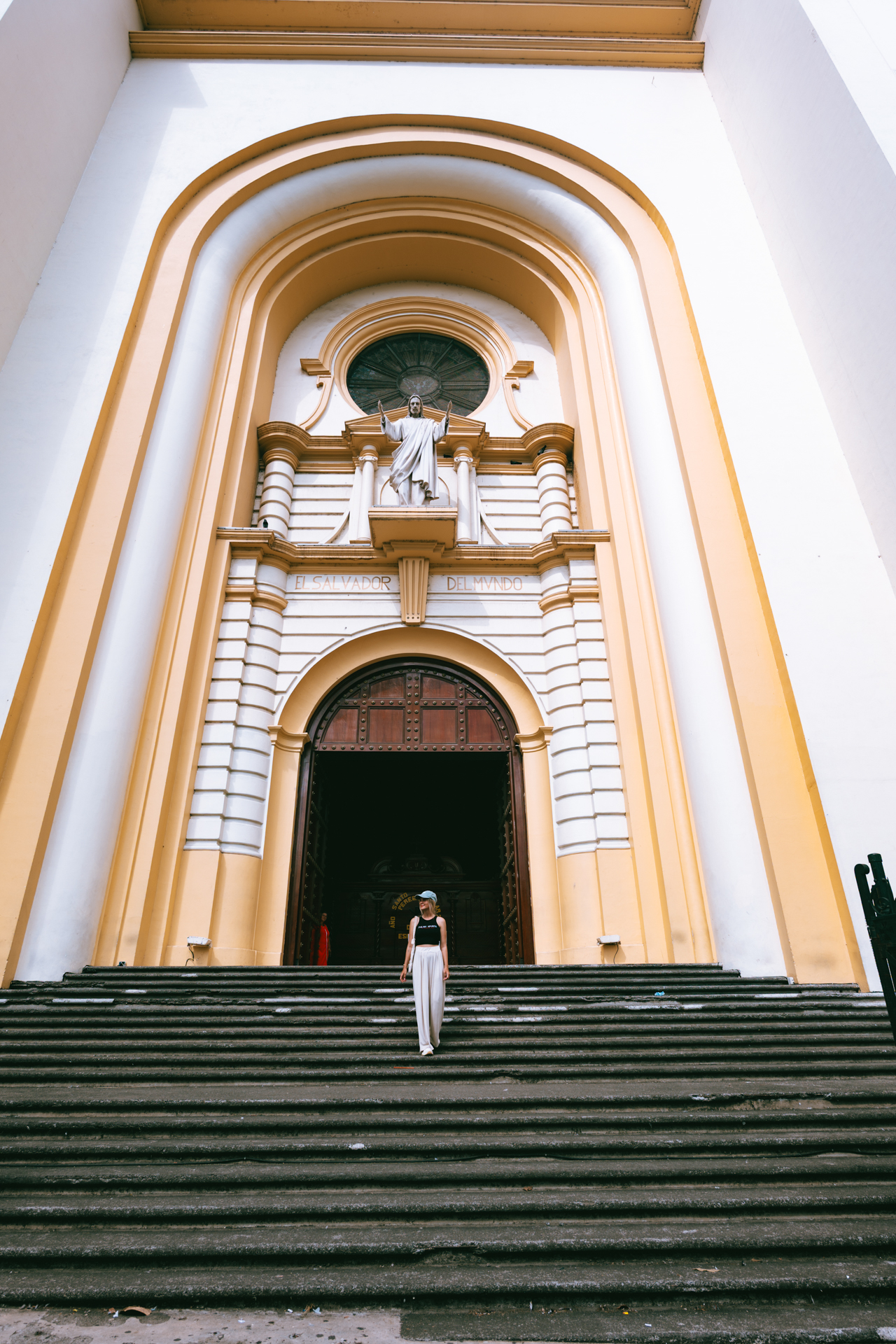
Traveler standing on the steps of a grand cathedral in San Salvador, El Salvador.

Santa Ana

A charming colonial city known for its historic architecture, lively central plaza, and easy access to Santa Ana Volcano and Lake Coatepeque.
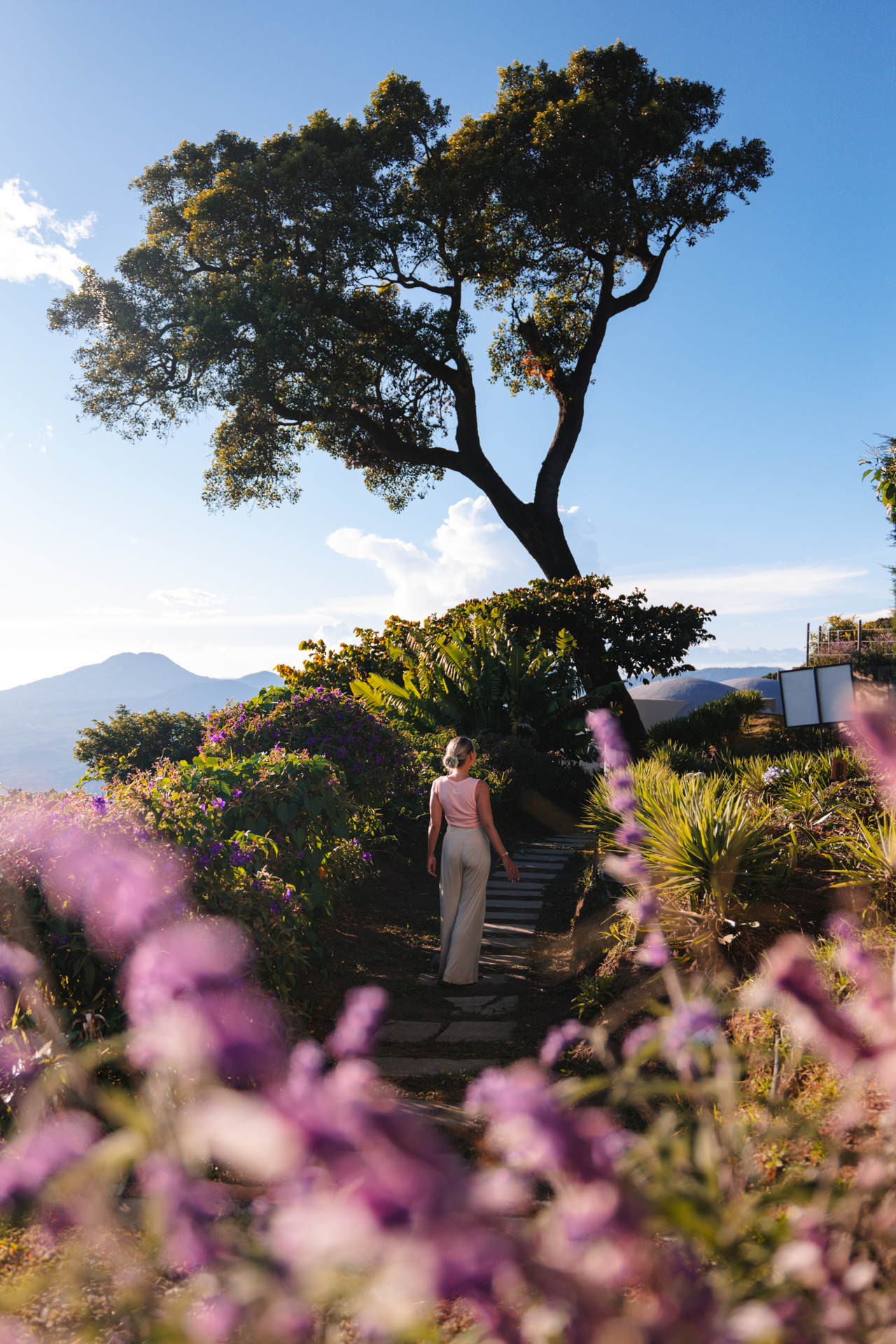
Traveler walking through vibrant flowers with the Campo Bello volcano in the distance, El Salvador.

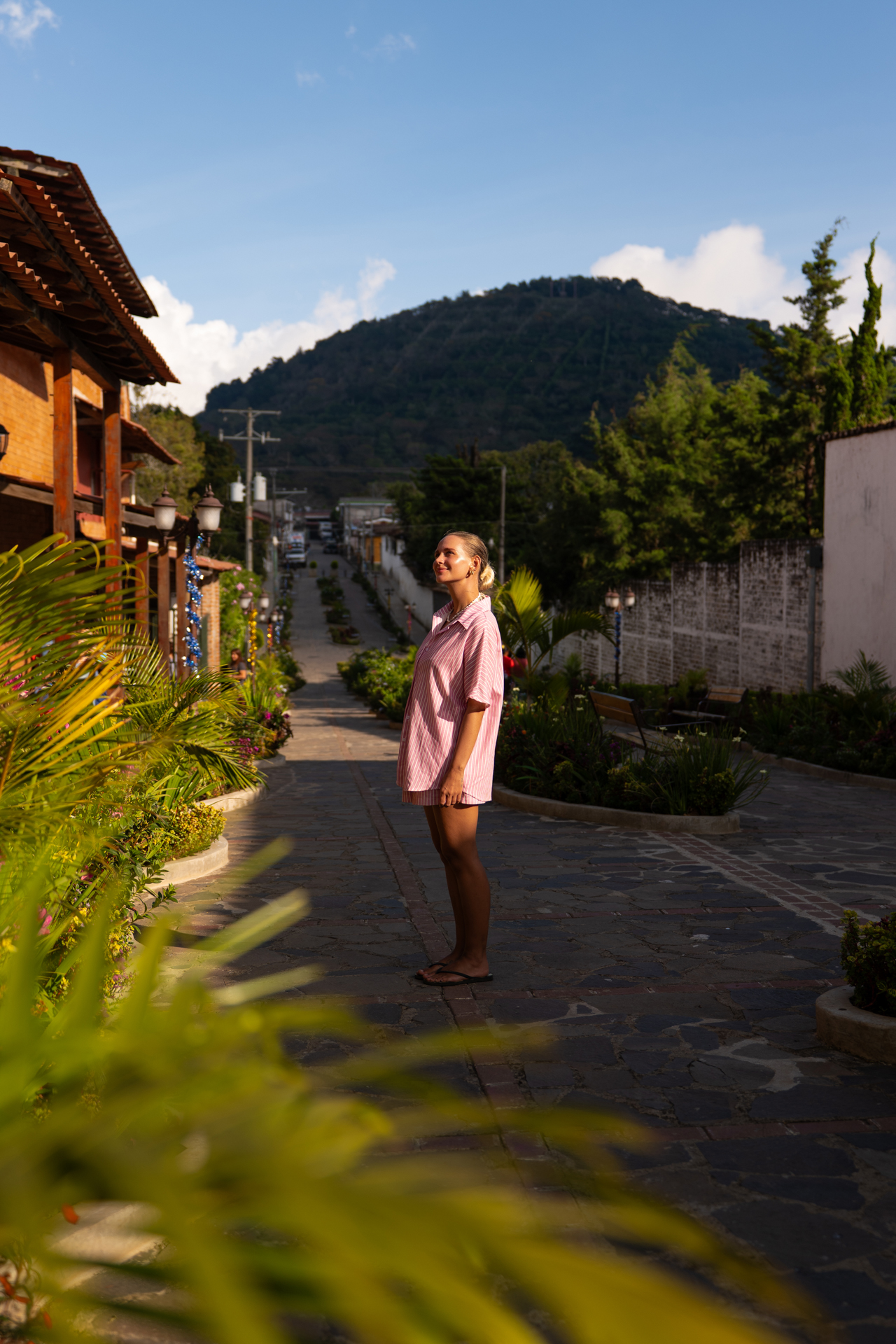
Ruta De La Flores

A scenic route through five colorful villages, coffee farms, and mountain landscapes, known for local markets and festivals.
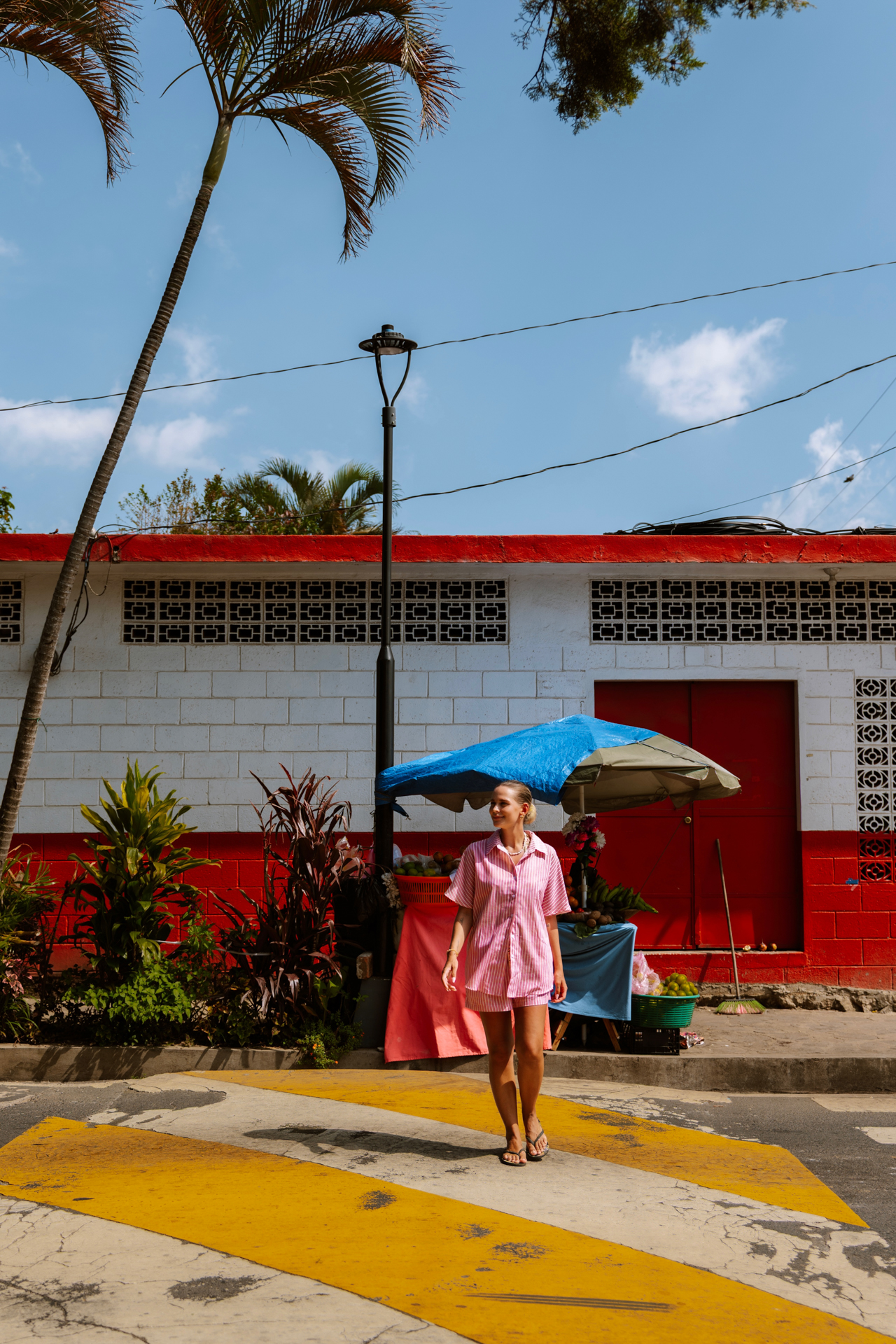
Traveler walking along Ruta de las Flores, surrounded by colorful walls and local market stalls.

San Salvador

The lively and pretty capital city, full of history, museums, and local markets. A must-visit hub for culture, food, and nearby adventures alike.

Traveler standing on the steps of a grand cathedral in San Salvador, El Salvador.

Santa Ana

A charming colonial city known for its historic architecture, lively central plaza, and easy access to Santa Ana Volcano and Lake Coatepeque.

Traveler walking through vibrant flowers with the Campo Bello volcano in the distance, El Salvador.

Ruta De La Flores

A scenic route through five colorful villages, coffee farms, and mountain landscapes, known for local markets and festivals.
Traveler walking along Ruta de las Flores, surrounded by colorful walls and local market stalls.

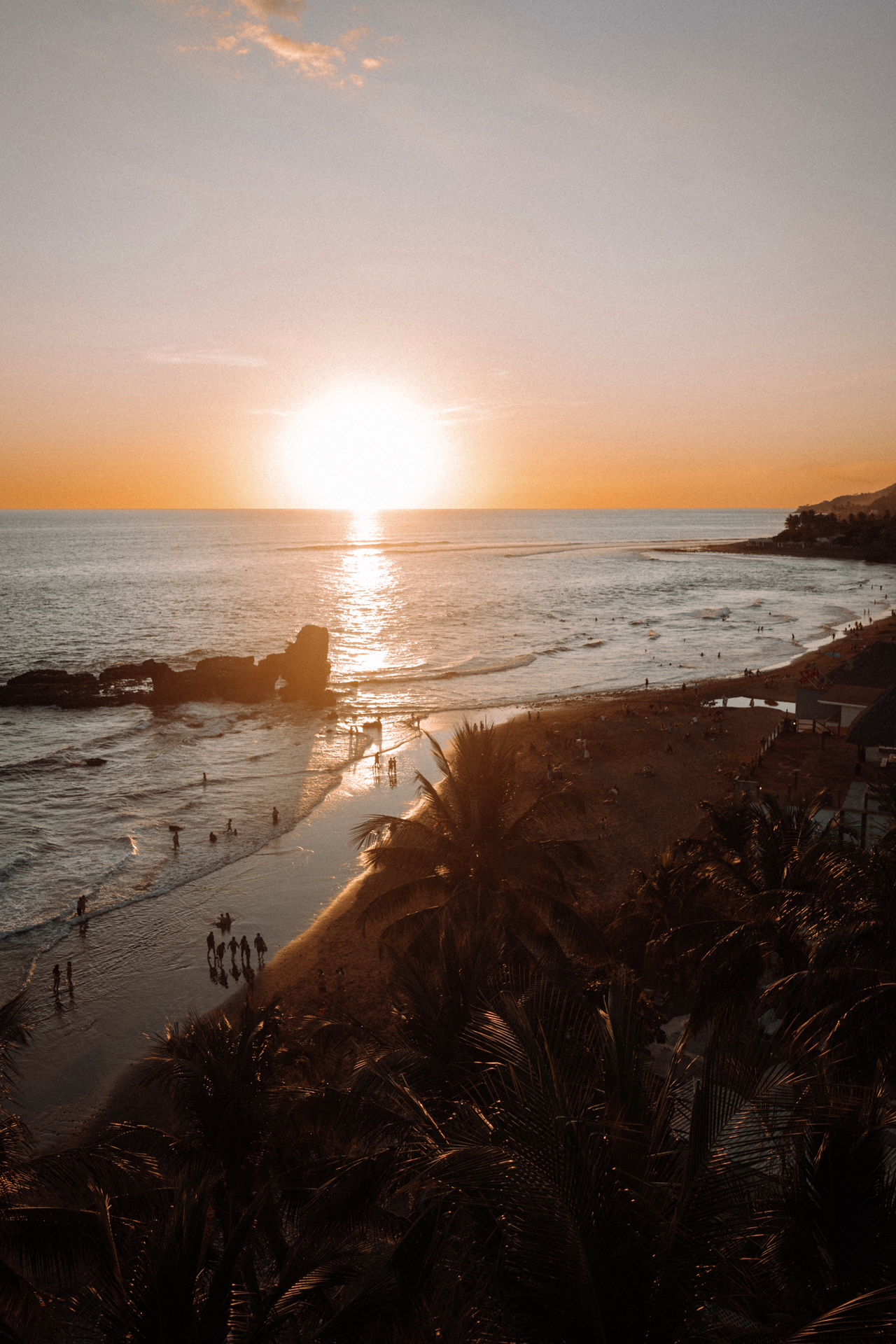
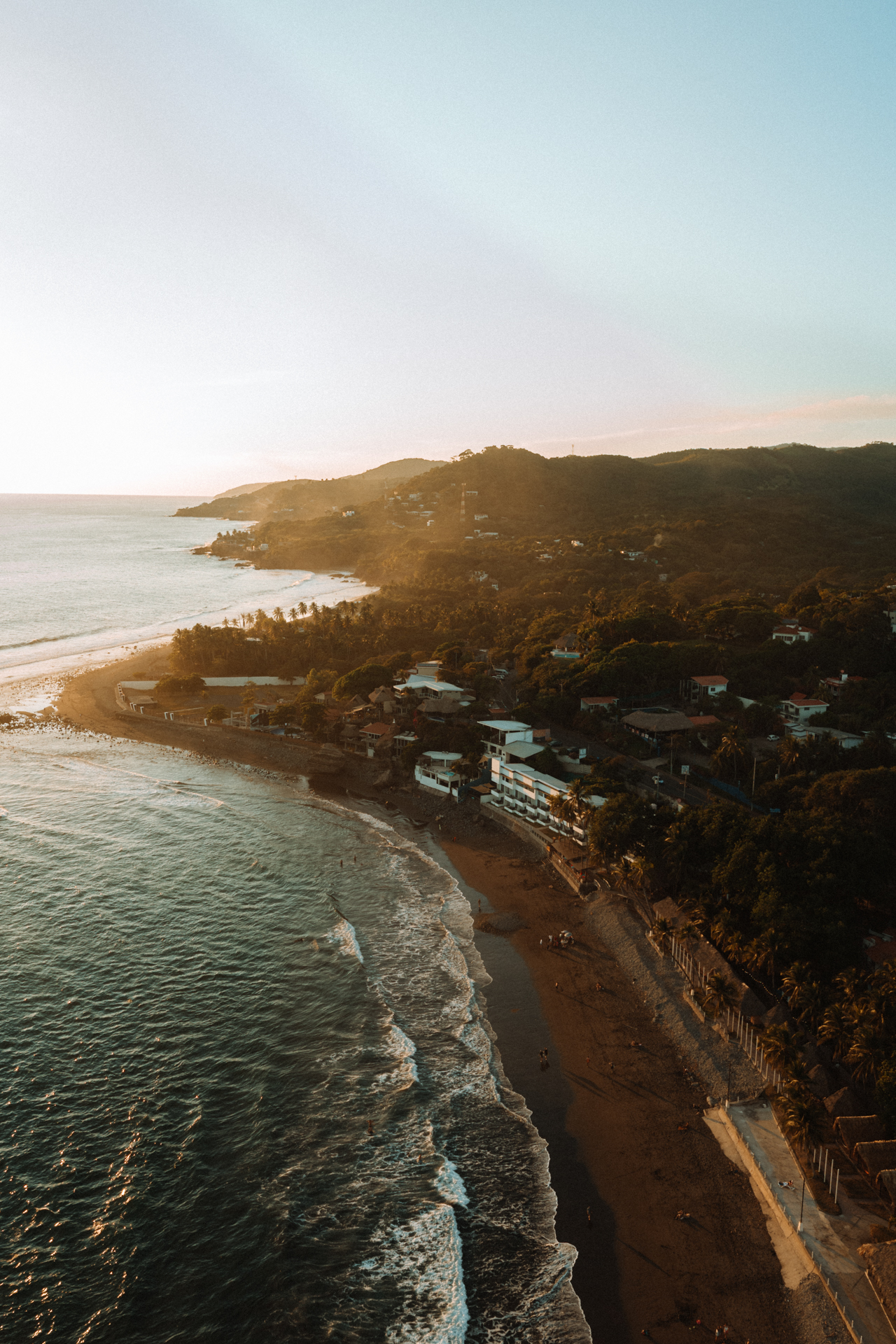
El Tunco

A popular surf town known for black sand beaches, sunsets, and relaxed vibes. It offers consistent waves, nice cafés, and a laid back surf scene.

Aerial view of El Tunco Beach at sunset, with waves crashing along the coastline of El Salvador.

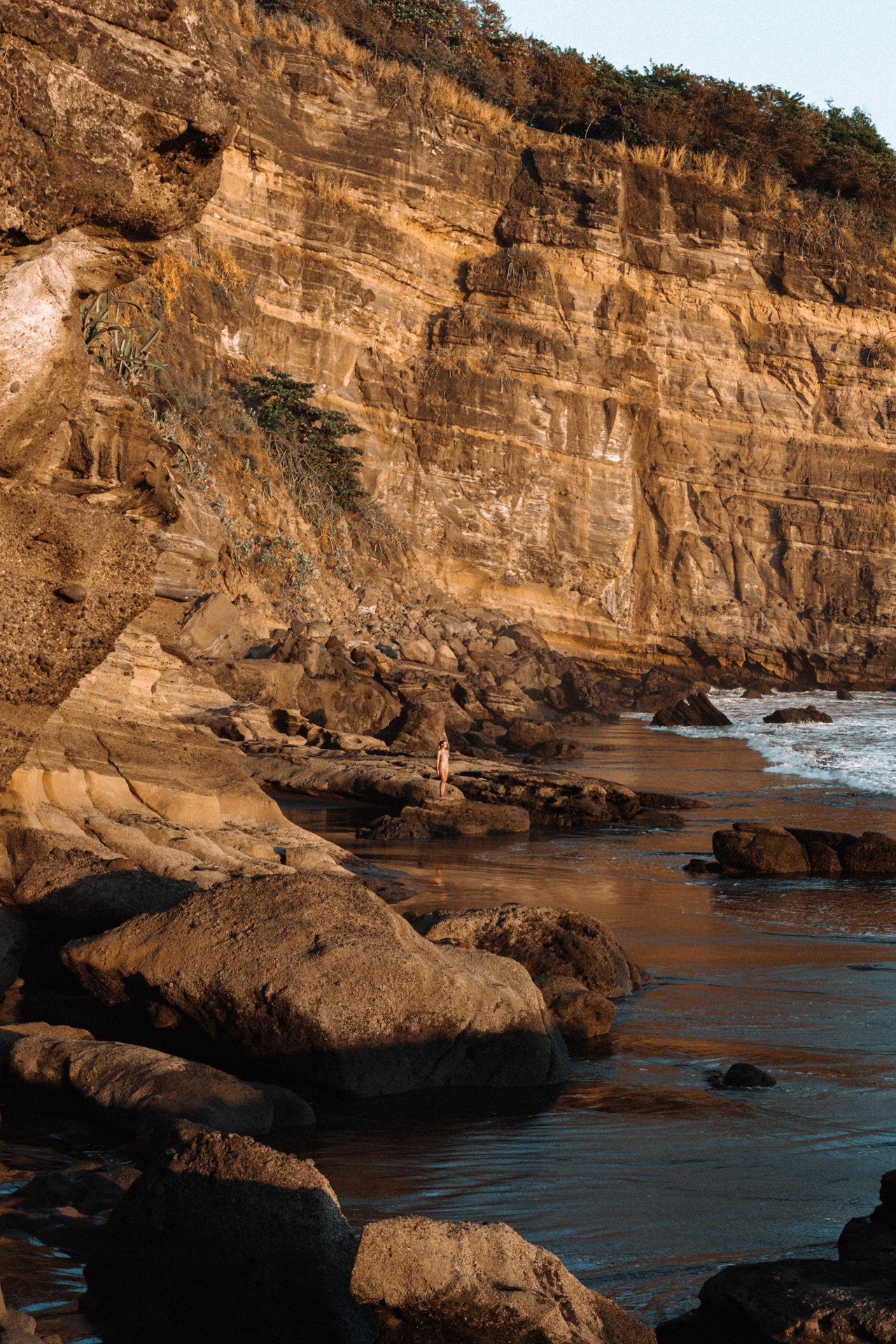
El Zonte

A laid back surf village known for consistent waves, beach sunsets, and a strong local surf community. It is smaller and quieter than El Tunco.

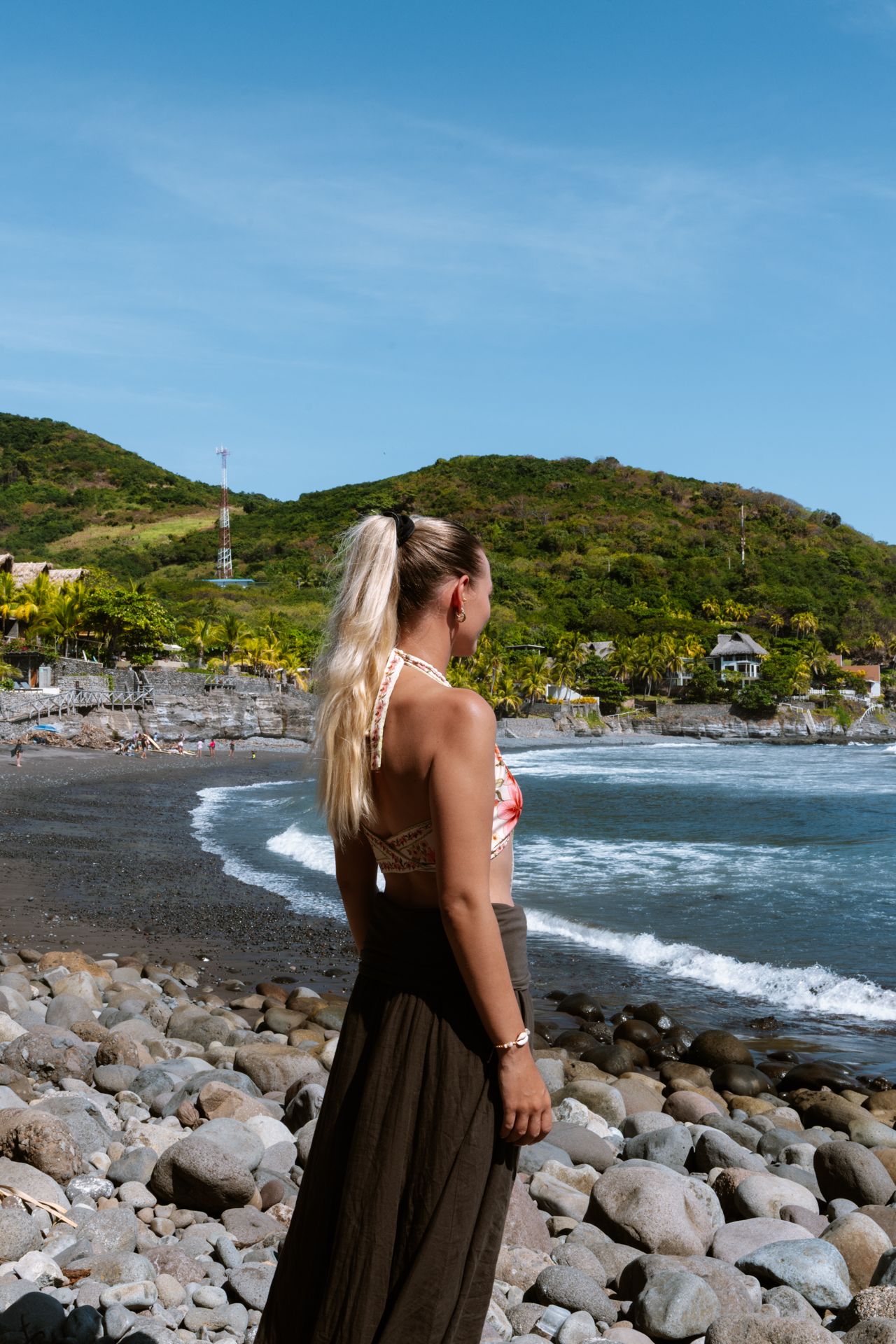
Traveler standing on a rocky beach in El Zonte in El Salvador.

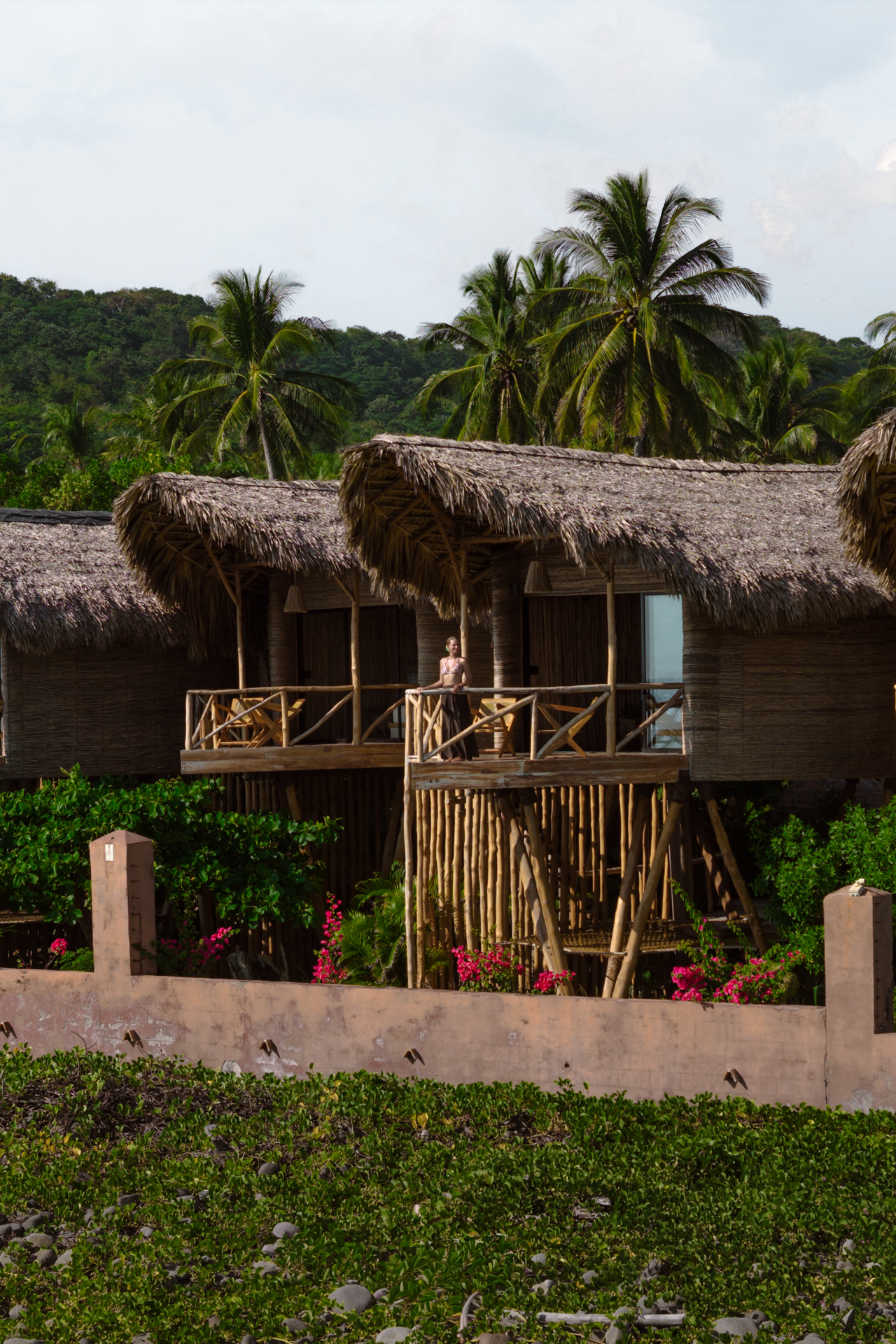
Mizata

A quieter coastal spot surrounded by nature, offering uncrowded beaches, lush surroundings, and (also here) a relaxed surf vibe.

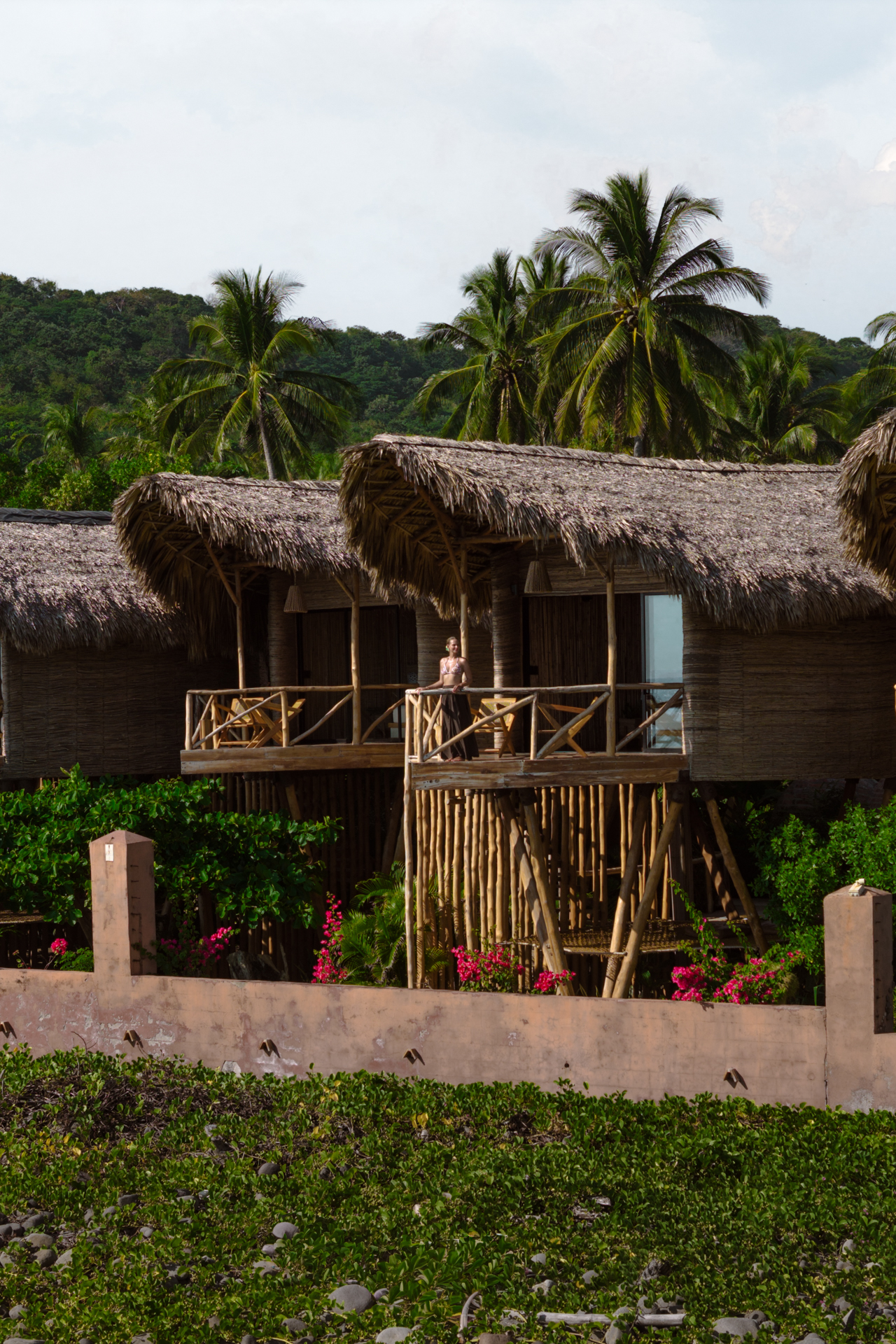
Traveler standing on the balcony of Nawi in a a bamboo bungalow at Mizata, El Salvador.

El Tunco

A popular surf town known for black sand beaches, sunsets, and relaxed vibes. It offers consistent waves, nice cafés, and a laid back surf scene.

Aerial view of El Tunco Beach at sunset, with waves crashing along the coastline of El Salvador.

El Zonte

A laid back surf village known for consistent waves, beach sunsets, and a strong local surf community. It is smaller and quieter than El Tunco.

Traveler standing on a rocky beach in El Zonte in El Salvador.

Mizata

A calmer, quieter coastal spot surrounded by nature, offering uncrowded beaches, lush surroundings, and (also here) a relaxed surf vibe.

Traveler standing on the balcony of Nawi in a a bamboo bungalow at Mizata, El Salvador.


El Salvador travel guide


Questions & Answers

El Salvador travel tips
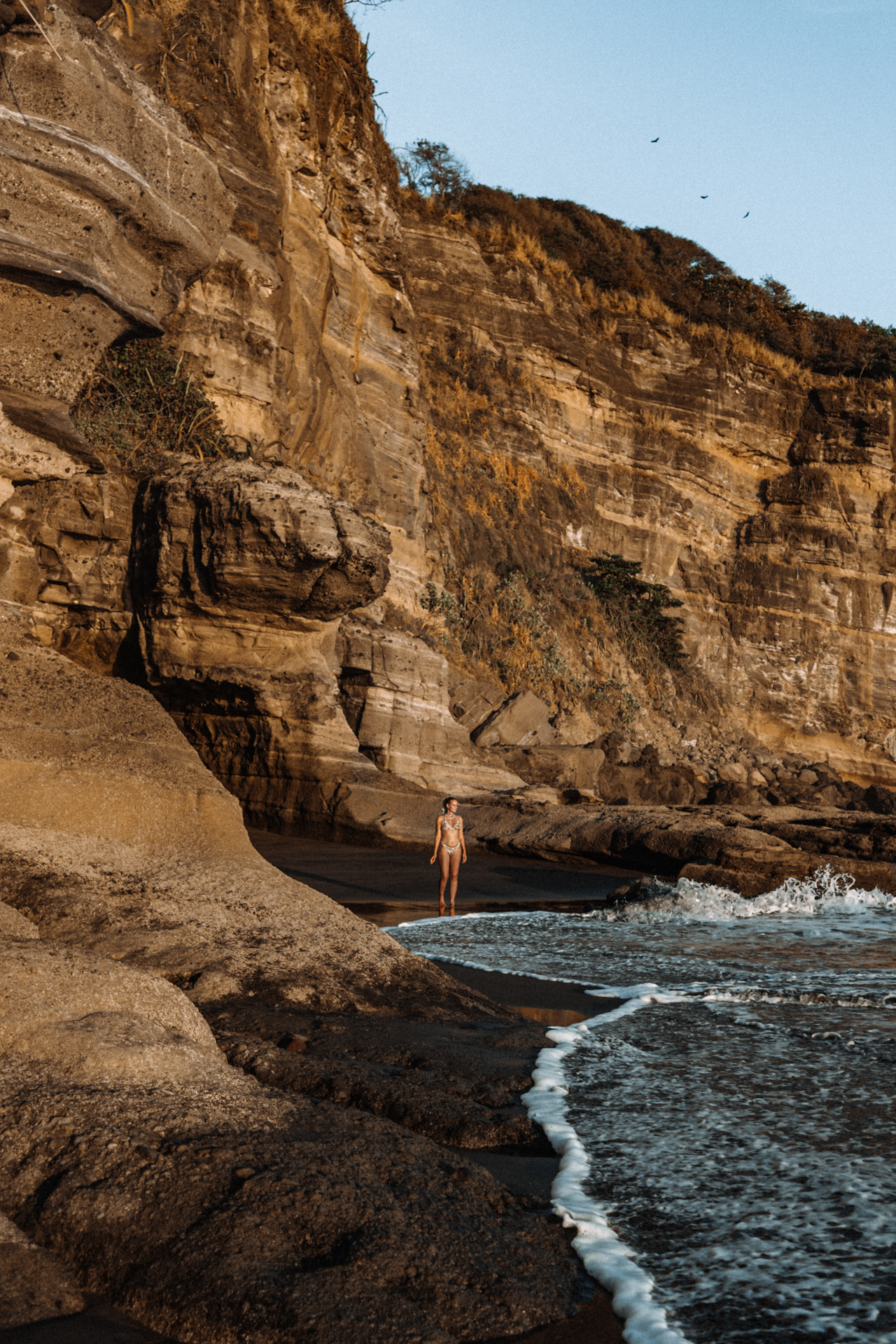
Traveler standing on coastal rocks below golden cliffs at sunset in El Salvador.

El Salvador travel tips

Pack light clothes for the heat, swimwear, sunscreen, and comfortable shoes. Bring a light jacket for the evenings and any personal medications. A reusable water bottle is useful since tap water is not drinkable, unlike in Costa Rica. An umbrella is also helpful for sudden showers or wet the season. Ohh, and don’t forget your face zinc if you go surfing! Power adapters are Type A and B.

Yes, El Salvador is very affordable and cheap! Local meals often cost just a few dollars, especially pupusas, which are filling and cheap. Compared to Costa Rica for example, it is sooo much cheaper. If you stick to local food and avoid trendy cafés and upscale restaurants, you can see and do a lot here without breaking the bank. Currency: US Dollar (USD).

It’s no secret that El Salvador was once called the murder capital of the world. Why? Because it was ruled by violence and controlled by gangs for many years. Under the leadership of a new president, Nayib Bukele, a heavy-handed approach to crime was introduced, and the country was turned upside down. Now, it is the safest it has ever been and is welcoming travellers with open arms.

Many travelers from Europe, the US, UK, Canada, Australia, and other countries can enter visa-free for 90 days. Always check the latest requirements before you travel.

Spanish is the official language. English is spoken in some tourist areas. I do have to say that many people speak only Spanish, and if they speak English at all, it’s usually un poquito, with the exception of hotels. So knowing a few Spanish words is very helpful

I loved it. I honestly have to admit that when I stepped off the plane, I did have a strange feeling about arriving in what was once considered one of the most dangerous countries, so yes, I was a bit nervous, but that changed quickly. With its surf beaches, volcanoes, friendly people, and authentic culture, I promise you El Salvador is one of Central America’s most exciting destinations.

Traveler standing on coastal rocks below golden cliffs at sunset in El Salvador.

Pack light clothes for the heat, swimwear, sunscreen, and comfortable shoes. Bring a light jacket for the evenings and any personal medications. A reusable water bottle is useful since tap water is not drinkable, unlike in Costa Rica. An umbrella is also helpful for sudden showers or wet the season. Ohh, and don’t forget your face zinc if you go surfing! Power adapters are Type A and B.

Yes, El Salvador is very affordable and cheap! Local meals often cost just a few dollars, especially pupusas, which are filling and cheap. Compared to Costa Rica for example, it is sooo much cheaper. If you stick to local food and avoid trendy cafés and upscale restaurants, you can see and do a lot here without breaking the bank. Currency: US Dollar (USD).

It’s no secret that El Salvador was once called the murder capital of the world. Why? Because it was ruled by violence and controlled by gangs for many years. Under the leadership of a new president, Nayib Bukele, a heavy-handed approach to crime was introduced, and the country was turned upside down. Now, it is the safest it has ever been and is welcoming travellers with open arms.

Many travelers from Europe, the US, UK, Canada, Australia, and other countries can enter visa-free for 90 days. Always check the latest requirements before you travel.

Spanish is the official language. English is spoken in some tourist areas. I do have to say that many people speak only Spanish, and if they speak English at all, it’s usually un poquito, with the exception of hotels. So knowing a few Spanish words is very helpful

I loved it. I honestly have to admit that when I stepped off the plane, I did have a strange feeling about arriving in what was once considered one of the most dangerous countries, so yes, I was a bit nervous, but that changed quickly. With its surf beaches, volcanoes, friendly people, and authentic culture, I promise you El Salvador is one of Central America’s most exciting destinations.

Traveler standing on coastal rocks below golden cliffs at sunset in El Salvador.

Pack light clothes for the heat, swimwear, sunscreen, and comfortable shoes. Bring a light jacket for the evenings and any personal medications. A reusable water bottle is useful since tap water is not drinkable, unlike in Costa Rica. An umbrella is also helpful for sudden showers or wet the season. Ohh, and don’t forget your face zinc if you go surfing! Power adapters are Type A and B.

Yes, El Salvador is very affordable and cheap! Local meals often cost just a few dollars, especially pupusas, which are filling and cheap. Compared to Costa Rica for example, it is sooo much cheaper. If you stick to local food and avoid trendy cafés and upscale restaurants, you can see and do a lot here without breaking the bank. Currency: US Dollar (USD).

It’s no secret that El Salvador was once called the murder capital of the world. Why? Because it was ruled by violence and controlled by gangs for many years. Under the leadership of a new president, Nayib Bukele, a heavy-handed approach to crime was introduced, and the country was turned upside down. Now, it is the safest it has ever been and is welcoming travellers with open arms.

Many travelers from Europe, the US, UK, Canada, Australia, and other countries can enter visa-free for 90 days. Always check the latest requirements before you travel.

Spanish is the official language. English is spoken in some tourist areas. I do have to say that many people speak only Spanish, and if they speak English at all, it’s usually un poquito, with the exception of hotels. So knowing a few Spanish words is very helpful

I loved it. I honestly have to admit that when I stepped off the plane, I did have a strange feeling about arriving in what was once considered one of the most dangerous countries, so yes, I was a bit nervous, but that changed quickly. With its surf beaches, volcanoes, friendly people, and authentic culture, I promise you El Salvador is one of Central America’s most exciting destinations.


Loved it? Pin it, Share it!

Inspire Others to Travel to El Salvador


THE TRAVEL

Woman standing on salt brick stairs – Uyuni