


TROPICAL RHYTHMS
Explore Colombia
Welcome to the vibrant country of Colombia, where Caribbean beaches, lush jungles, and lively cities come together in the most colorful way, the highlight of any Colombia travel experience.
This is a place where colonial towns, wild jungles, and towering mountains come together in the most vibrant way. You’ll feel the warmth of its people everywhere you go, whether you’re dancing salsa in Cartagena or sipping coffee in the green hills.
Days here are filled with sunshine, flavors, and little moments you won’t forget. One day you might be wandering through Cartagena’s pastel streets, the next hiking in the Cocora Valley among giant wax palms, or relaxing on a Caribbean beach. In Colombia, every day feels alive.
Hello / Greetings:

Thank you:

Excuse me:

THE WEATHER
Best Time to Visit Colombia
Colombia doesn’t really have traditional seasons—it’s warm year-round, but the weather changes depending on altitude and region. The lowlands are tropical and hot, while the mountains are cooler. Rainfall also depends on the region, so it’s always smart to check where you’re heading.
Dry Season
December – March: These are the sunniest months in many parts of Colombia, perfect for exploring Cartagena, Bogotá, or Medellín, and for hiking in the coffee region or Cocora Valley. If you’re heading to Tayrona National Park, try to skip December, as it’s peak holiday time for locals and can get really crowded.
Wet Season
April – November: You can expect occasional rain during these months, especially in the Amazon and on the Pacific coast, but the showers are usually short and leave everything beautifully green. With fewer crowds, lower prices, and plenty of pleasant weather, the off-season can be a surprisingly great time to explore Colombia.
Best time to visit Colombia:


What month did I travel to Colombia?
This is the most asked question I get under my videos. I explored Colombia in March and all I can think of was sunny and beautiful weather. To me, it was the perfect time to explore Colombia.
Culture lives in every dish and every tradition
Colombian Food, Culture, and Traditions
Culture in every flavor
Food, Culture, and Traditions

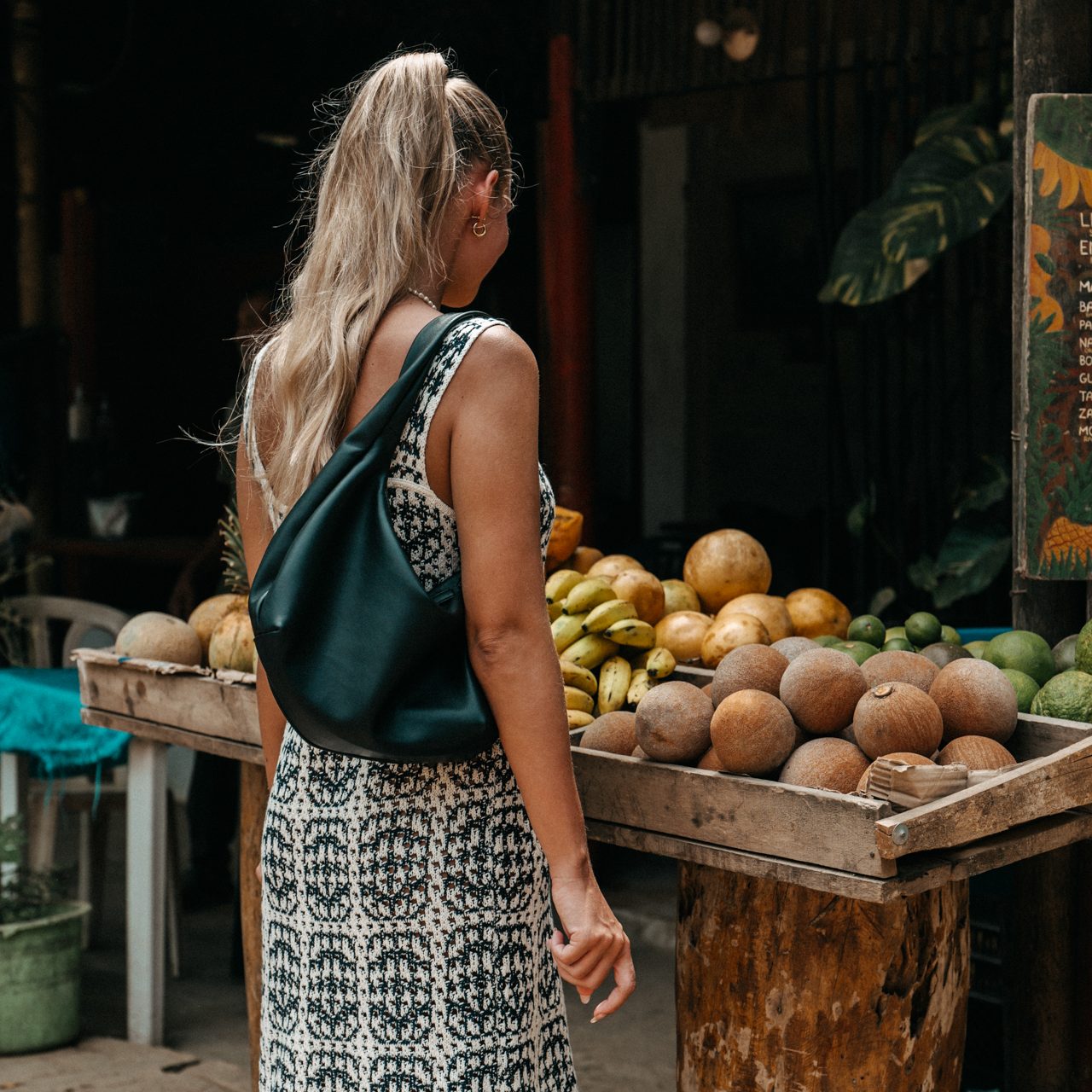
Colombian food is hearty, colorful, and full of aromas, with each region offering something unique. You’ll find arepas (corn cakes) on every table, fresh fish on the coast, and exotic fruits you’ve probably never tried before (I fell in love with mangosteen!).
Meals are all about comfort and sharing, and of course, Colombia’s world-famous coffee is a must-try for every coffee lover.
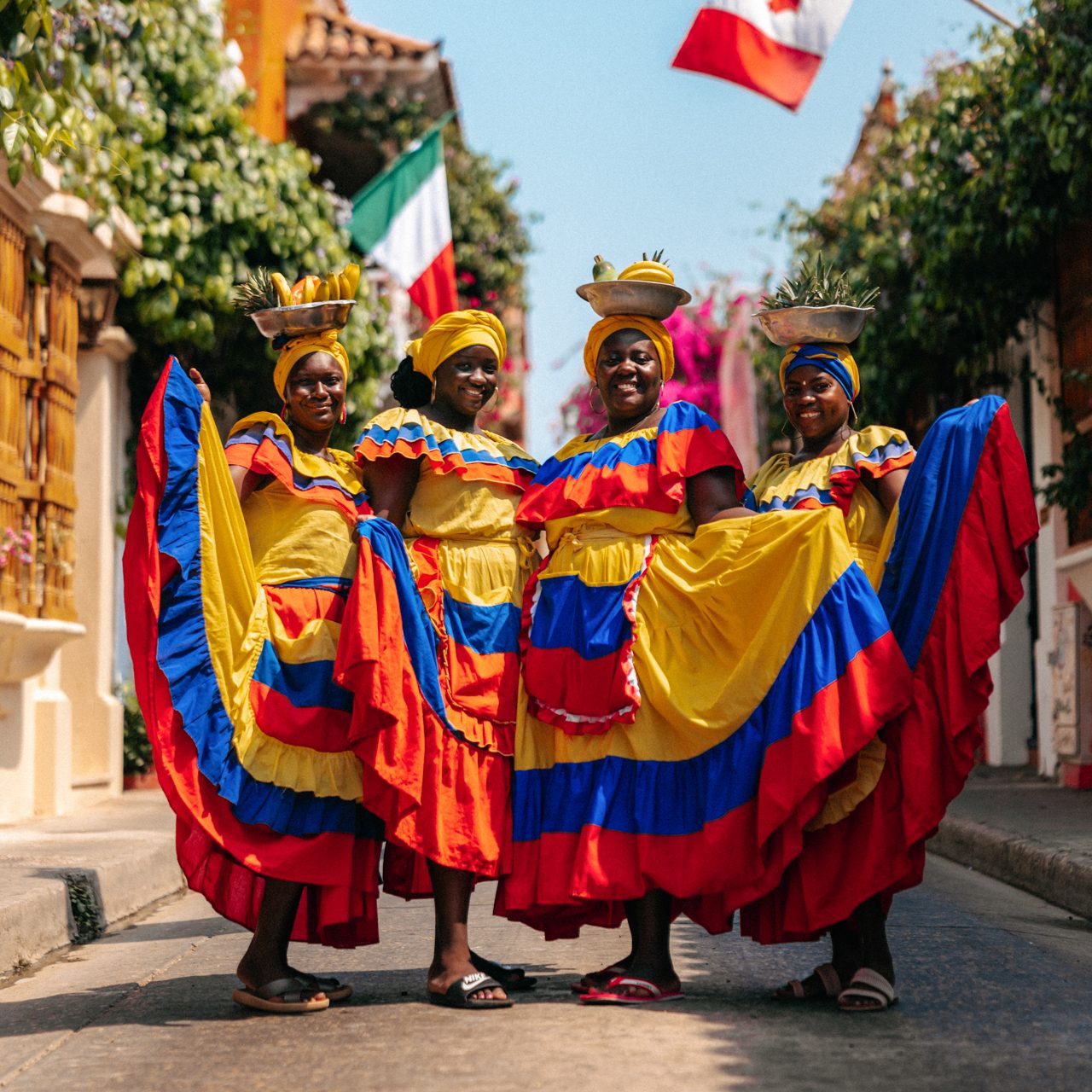

Colombia’s culture is a mix of Indigenous, Spanish, African and Caribbean influences, making it incredibly rich and diverse. Street art, music and creative expression, from salsa to cumbia on the coast, fill the streets with bold colors and energy and reflect how communities share their stories today.
For example, in Medellín, Comuna 13 has completely transformed. What was once one of the city’s most dangerous areas is now covered in vibrant street art that tells stories of struggle, hope, and change.

Traditions in Colombia are full of music, family gatherings, and big celebrations. Festivals like the Barranquilla Carnival explode with costumes, dancing, and parades.
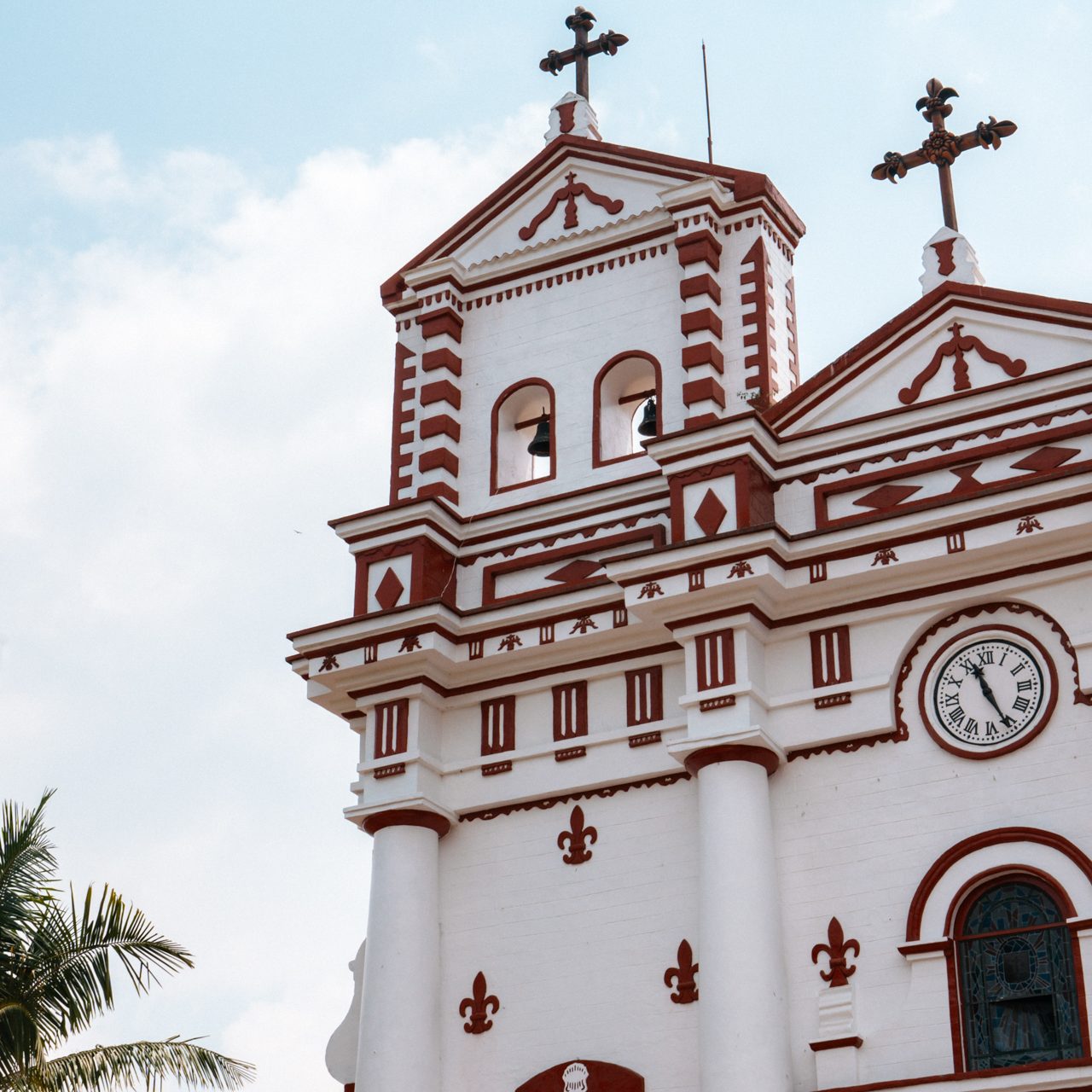
Religion plays an important role in Colombia, with most of the population practicing Catholicism. You’ll see its influence in the beautiful churches and cathedrals that stand at the heart of cities and towns across the country.
Did you Know?
Interesting Facts About Colombia
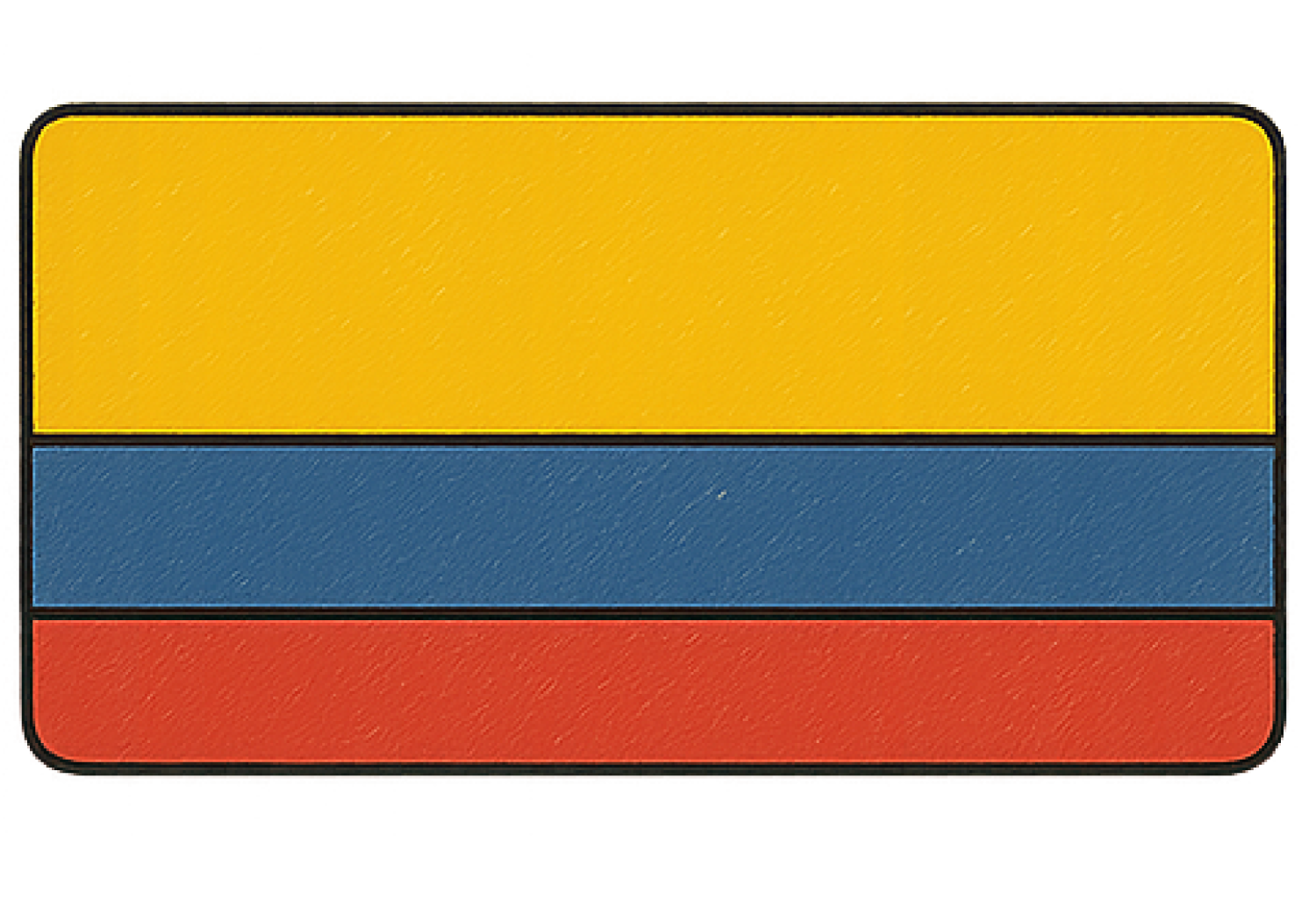
The Meaning of Colombia’s Flag
Colombia’s yellow, blue, and red flag represents the country’s great wealth (yellow), the seas (blue), and the blood shed for freedom (red). It’s a powerful symbol.

World’s Emerald Capital
Colombia produces around 70–90% of the world’s emeralds, making it the largest emerald producer on the planet, which are world-famous for their intense deep green color.
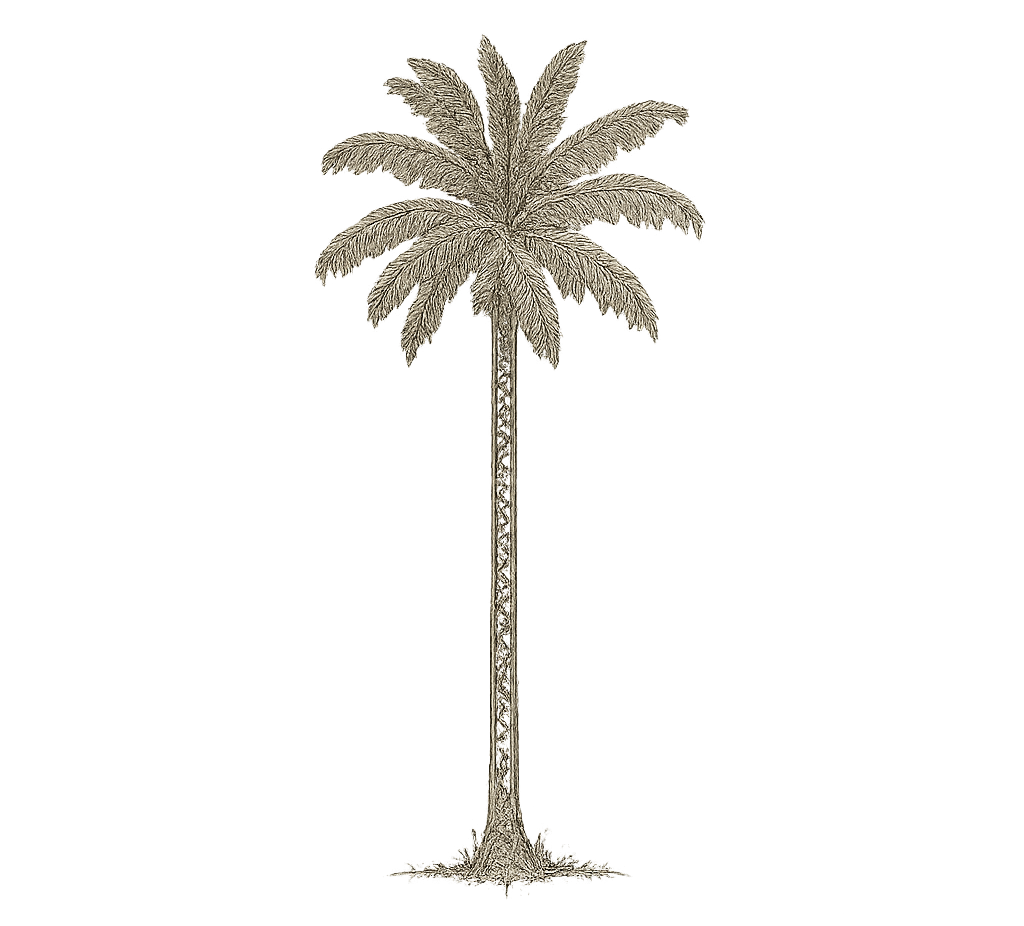
World’s Tallest Palm Trees
Home to the world’s tallest wax palm trees, some reaching up to 60 meters high, creating one of Colombia’s most surreal landscapes. They’re also the national tree.

Country of Rhythm
Colombia is the birthplace of world-famous rhythms like cumbia and vallenato. Music isn’t just entertainment here, it’s a joyful and natural part of everyday life.
Medellín
Rolling hills, vibrant neighborhoods, colorful street art, and dynamic culture make it a must for travelers seeking history, transformation, and creativity.
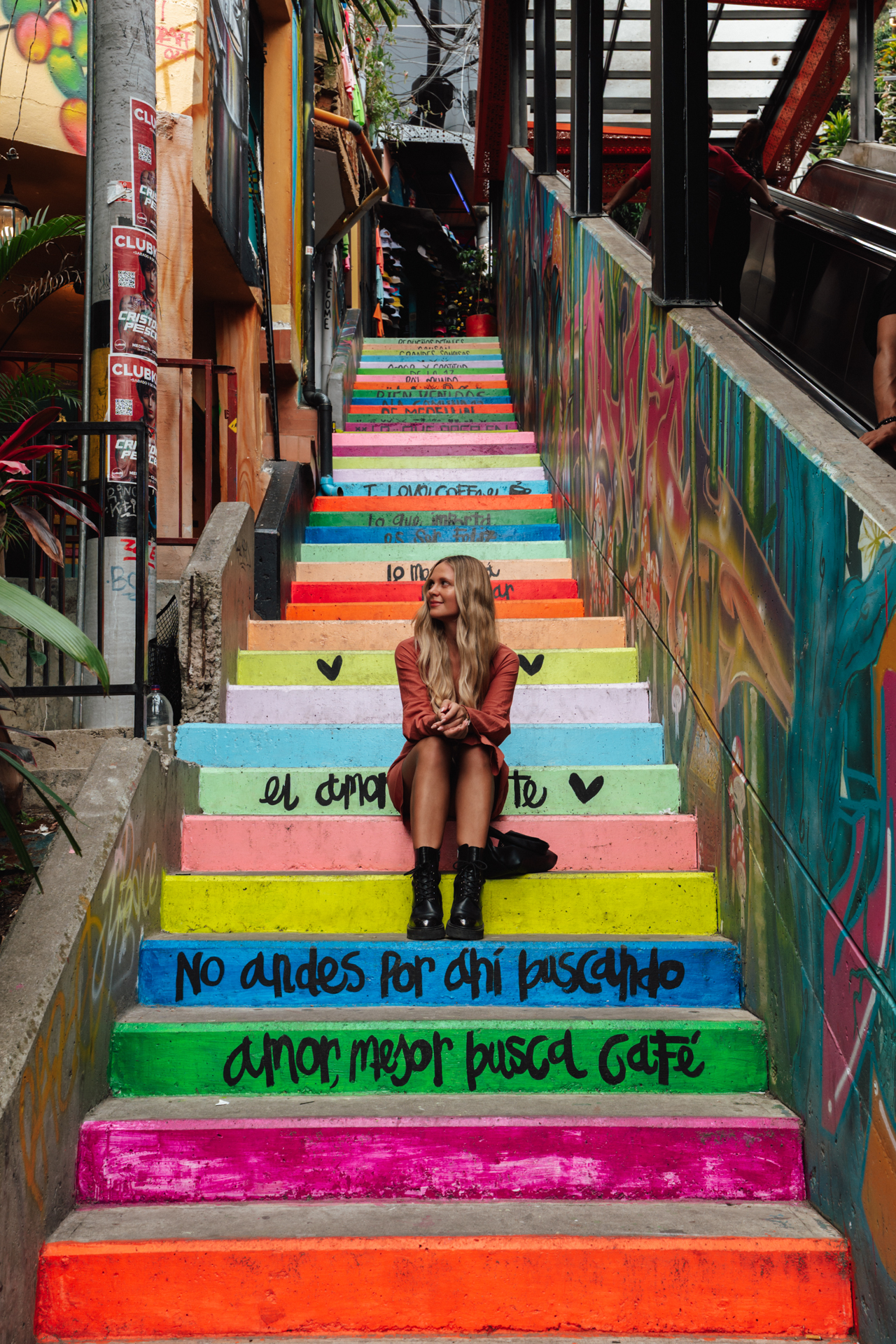
GUATAPÉ
Famous for its colorful zócalos and the giant El Peñol rock, this lakeside town is a mix of cobblestone streets, local charm, and stunning mountain scenery.
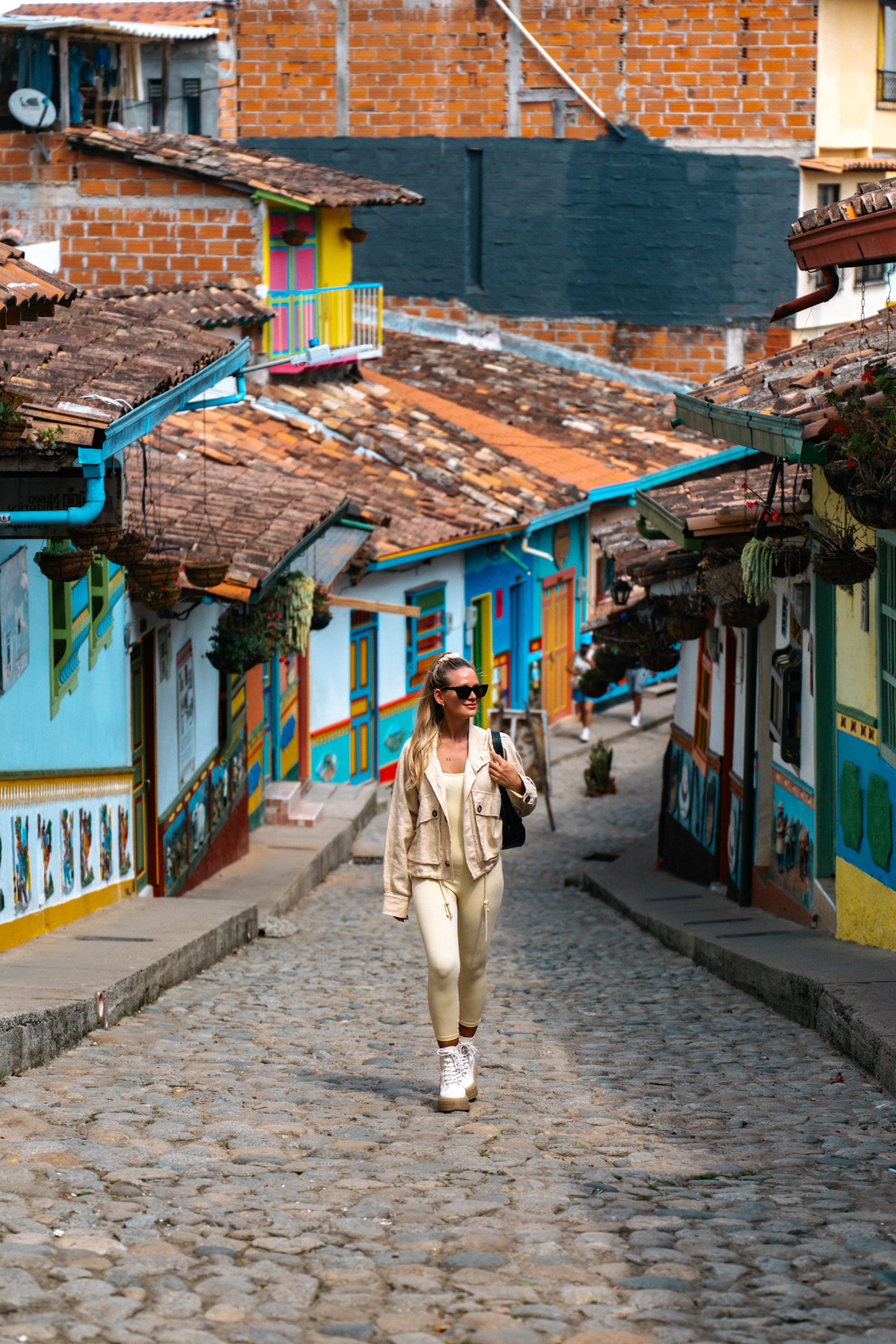
Palomino
A laid-back coastal town where the jungle meets the sea. It is full of tropical vibes, surf culture, and breathtaking sunsets on the Caribbean coast.
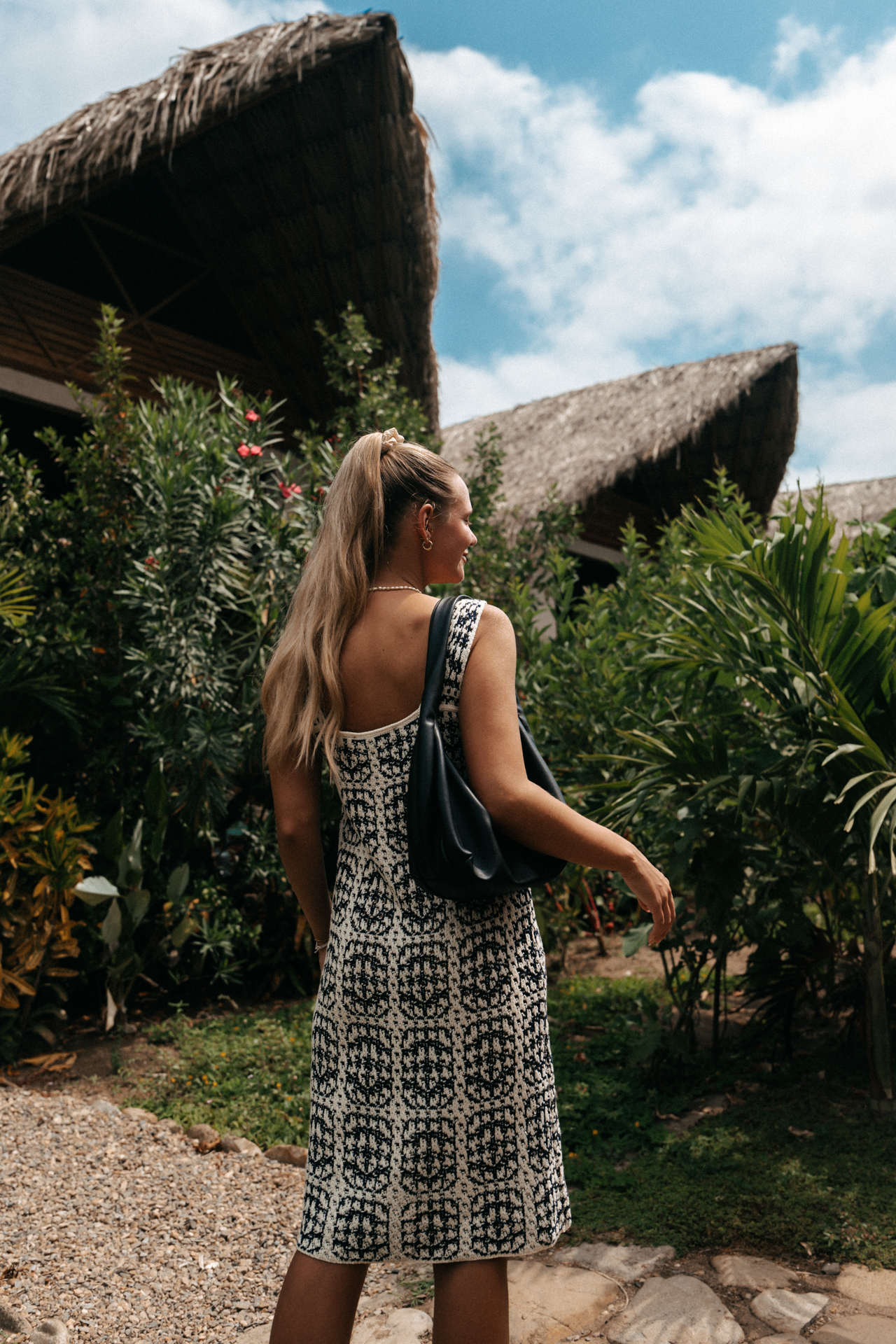
Tayrona NP
One of Colombia’s most beautiful national parks! It combines pristine beaches, lush jungle trails, and rich biodiversity along the Caribbean coast.
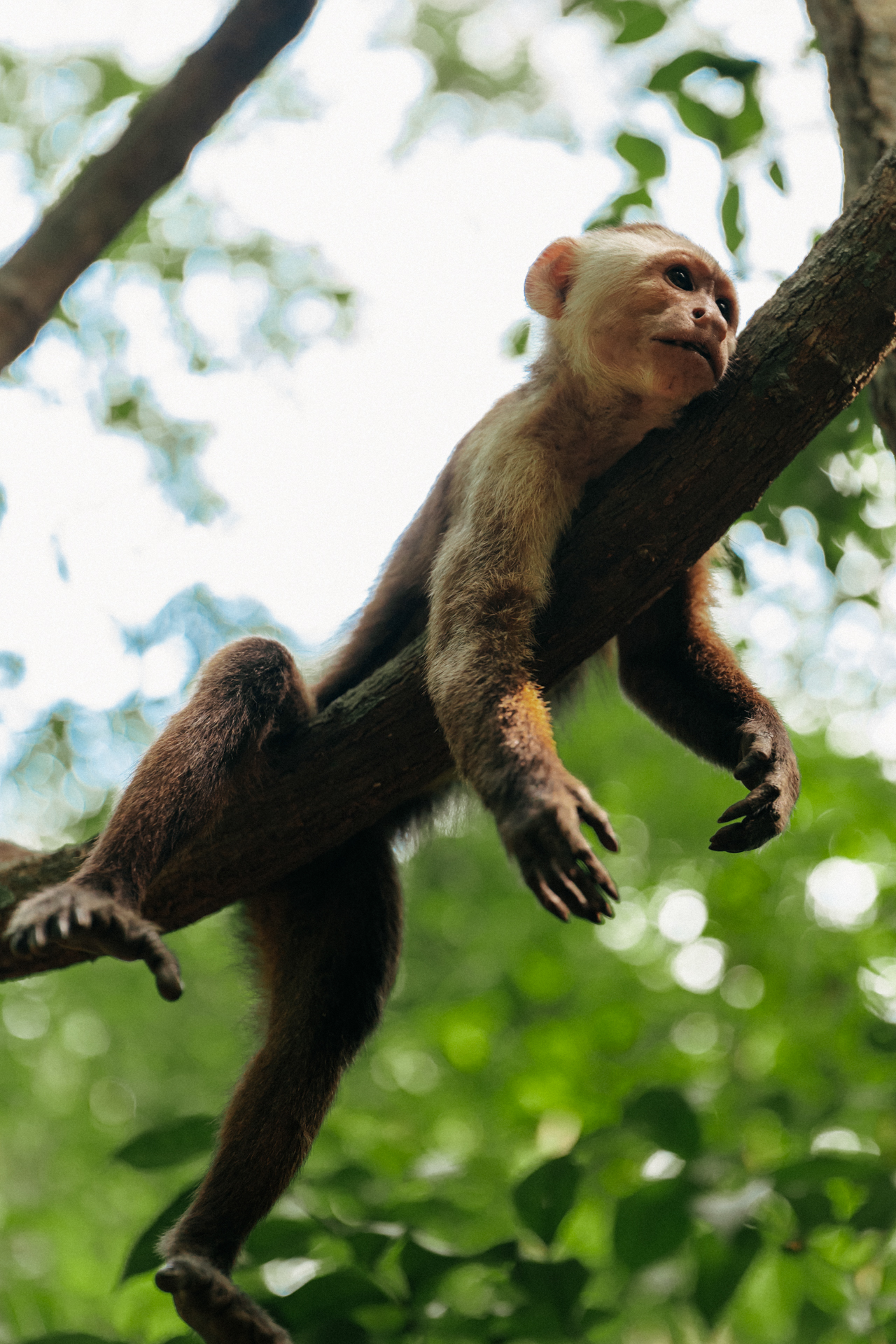
Cartagena
A vibrant colonial city with cobblestone streets, colorful facades, and lively plazas, it is a blend of Caribbean charm, history, and culture.
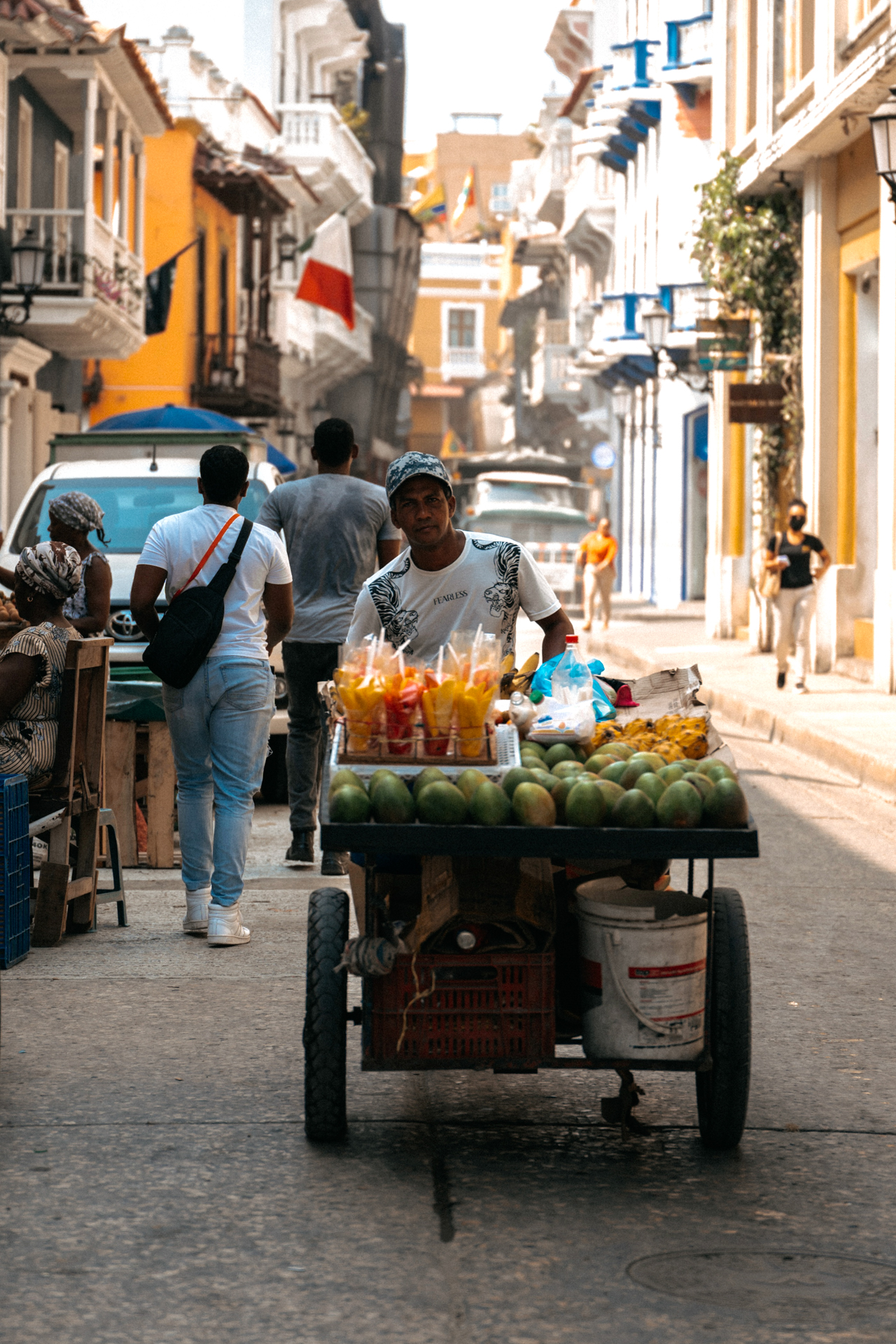
Salento
Nestled in the coffee region, Salento is known for its colorful streets, artisan shops, and access to the stunning Cocora Valley and wax palm forests.
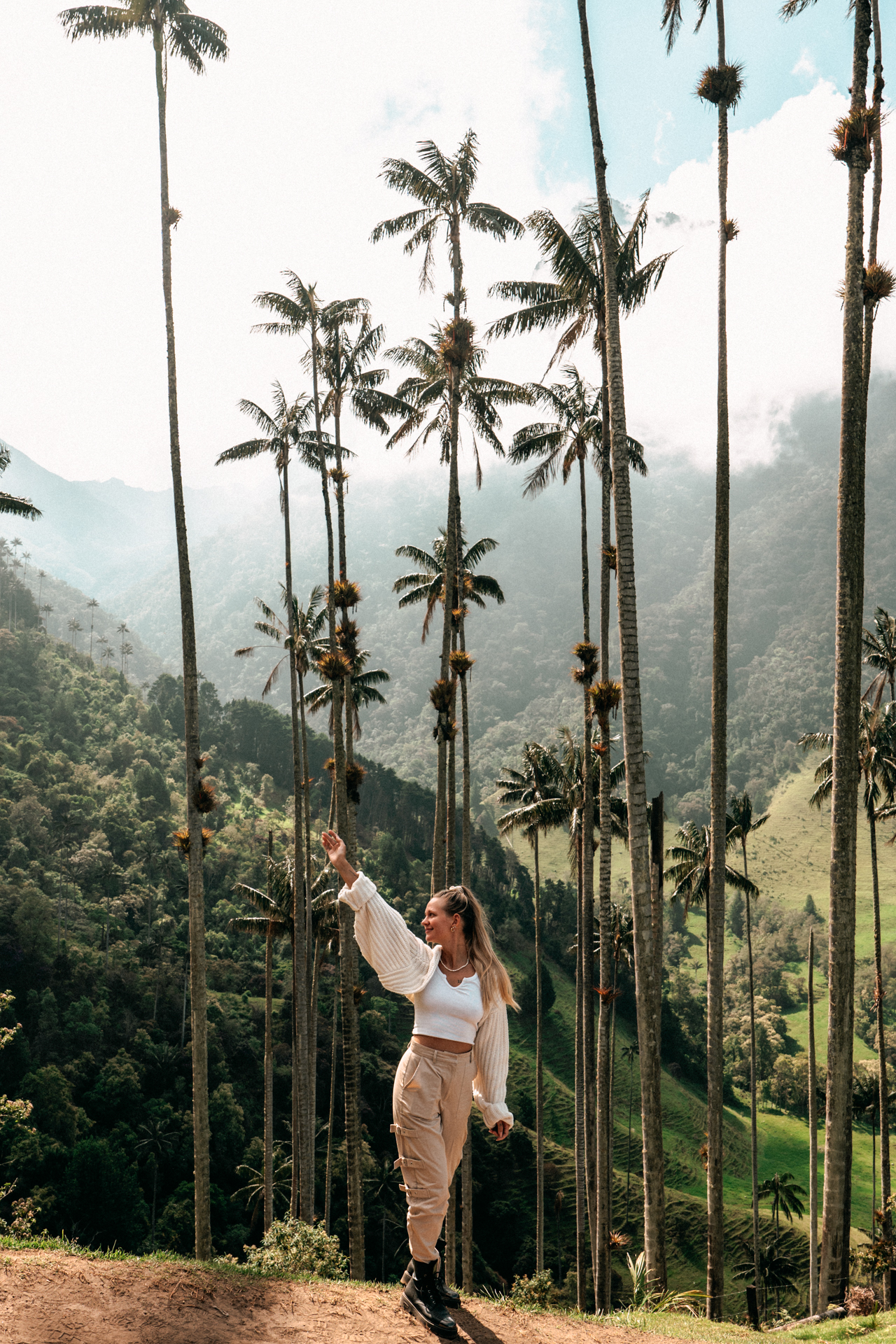
BogotÁ
Colombia’s capital city, Bogotá blends colonial architecture, vibrant street art, bustling markets, and a rich cultural scene high in the Andes.
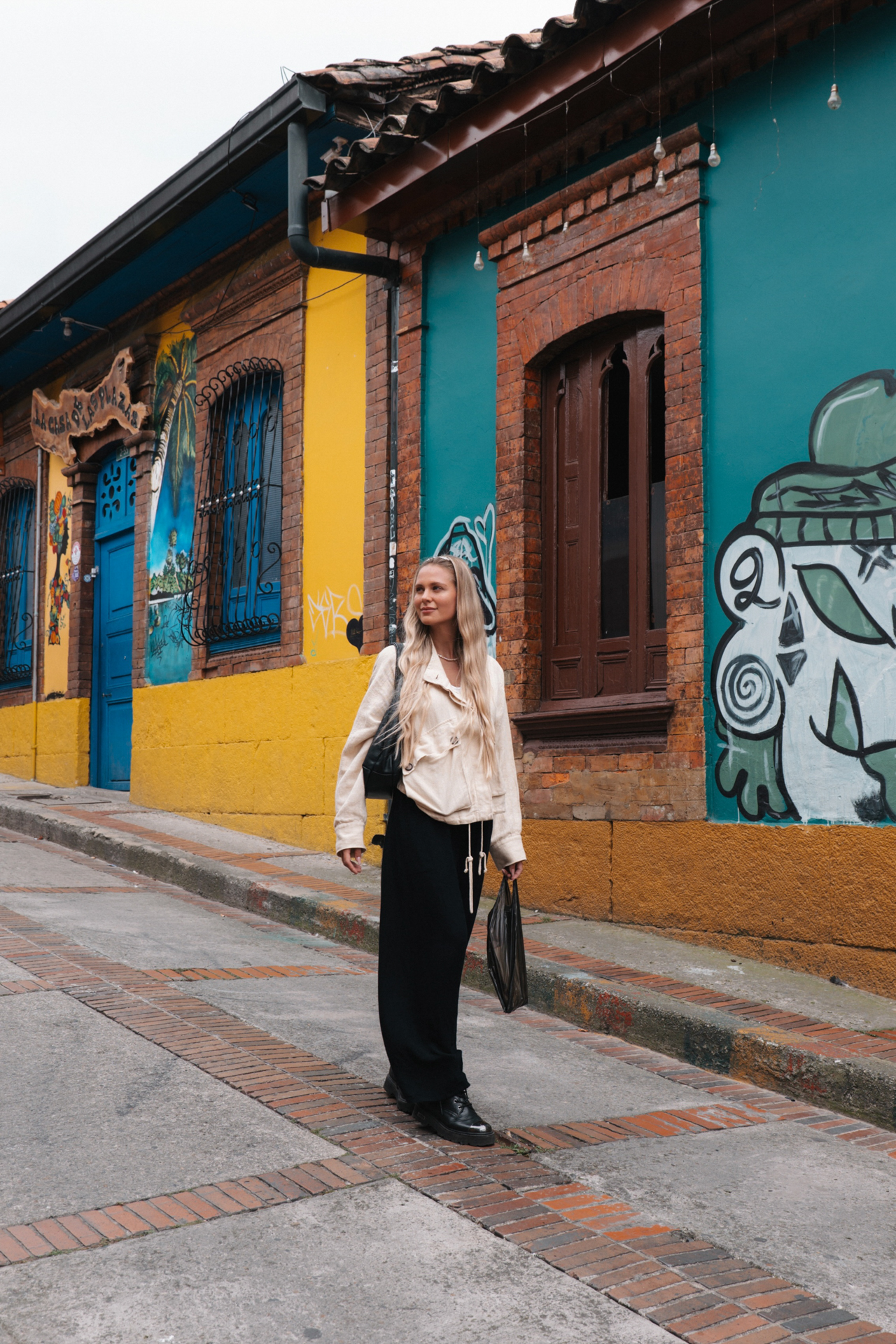
Medellín
Rolling hills, vibrant neighborhoods, colorful street art, and dynamic culture make it a must for travelers seeking history, transformation, and creativity.
GUATAPÉ
Famous for its colorful zócalos and the giant El Peñol rock, this lakeside town is a mix of cobblestone streets, local charm, and mountain scenery.
Palomino
A laid-back coastal town where the jungle meets the sea, Palomino is full of tropical vibes, vibrant surf culture, and breathtaking sunsets on the Caribbean coast.
Tayrona NP
One of Colombia’s most beautiful national parks, Tayrona combines pristine beaches, lush jungle trails, and rich biodiversity along the Caribbean coast.
Cartagena
A vibrant colonial city with cobblestone streets, colorful facades, and lively plazas, it is a blend of Caribbean charm, history, and culture.
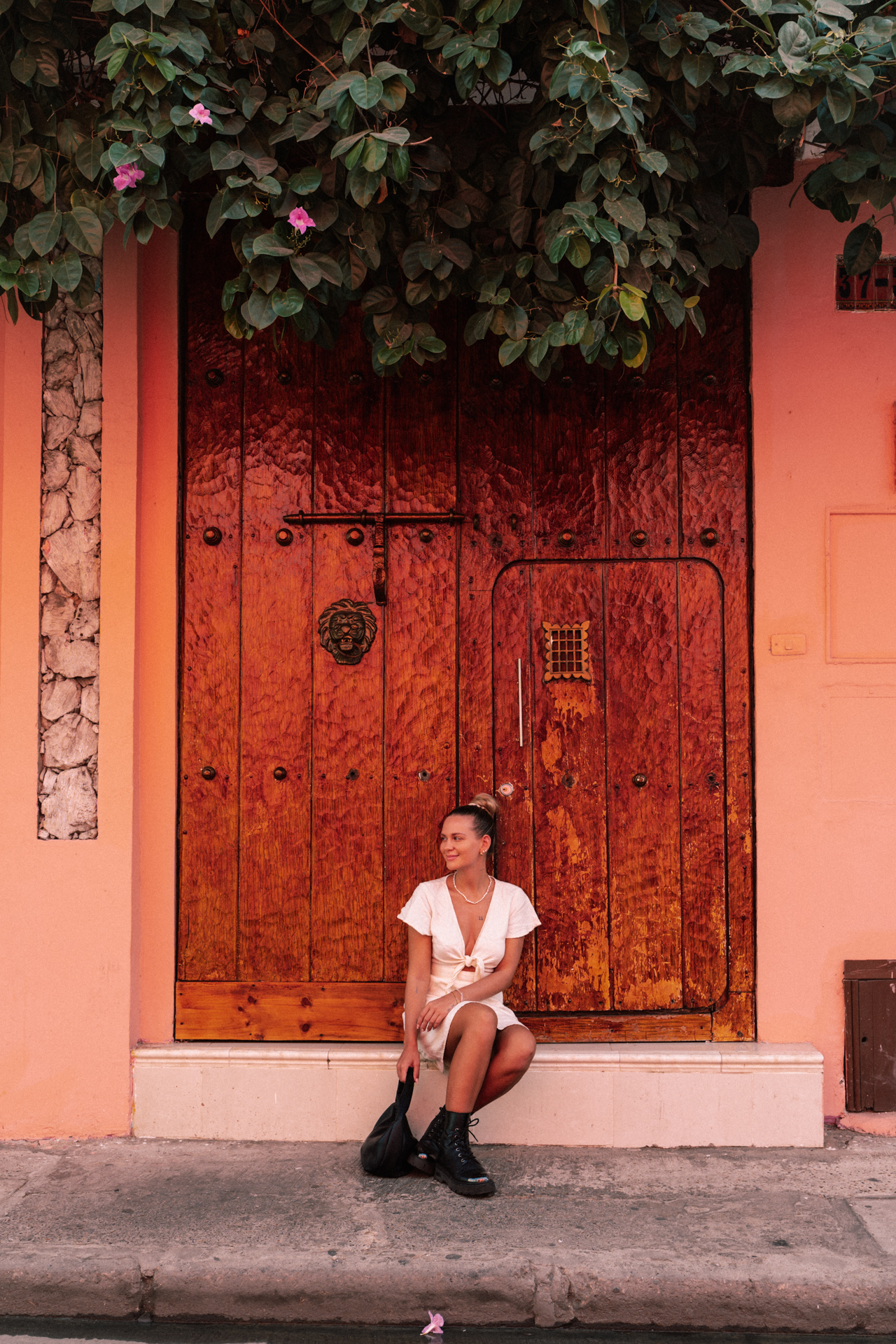
Salento
Nestled in the coffee region, Salento is known for its colorful streets, artisan shops, and access to the Cocora Valley and wax palm forests.
Bogotá
Colombia’s capital city, Bogotá blends colonial architecture, vibrant street art, bustling markets, and a rich cultural scene high in the Andes.
Colombia travel guide
From vibrant Caribbean coastlines to lush Amazon jungle, colonial cities to colorful street art, Colombia is a country of rich contrasts and living traditions just waiting to be explored.
Are you ready to uncover its magic and find some inspiration?
Questions & Answers
Colombia travel tips
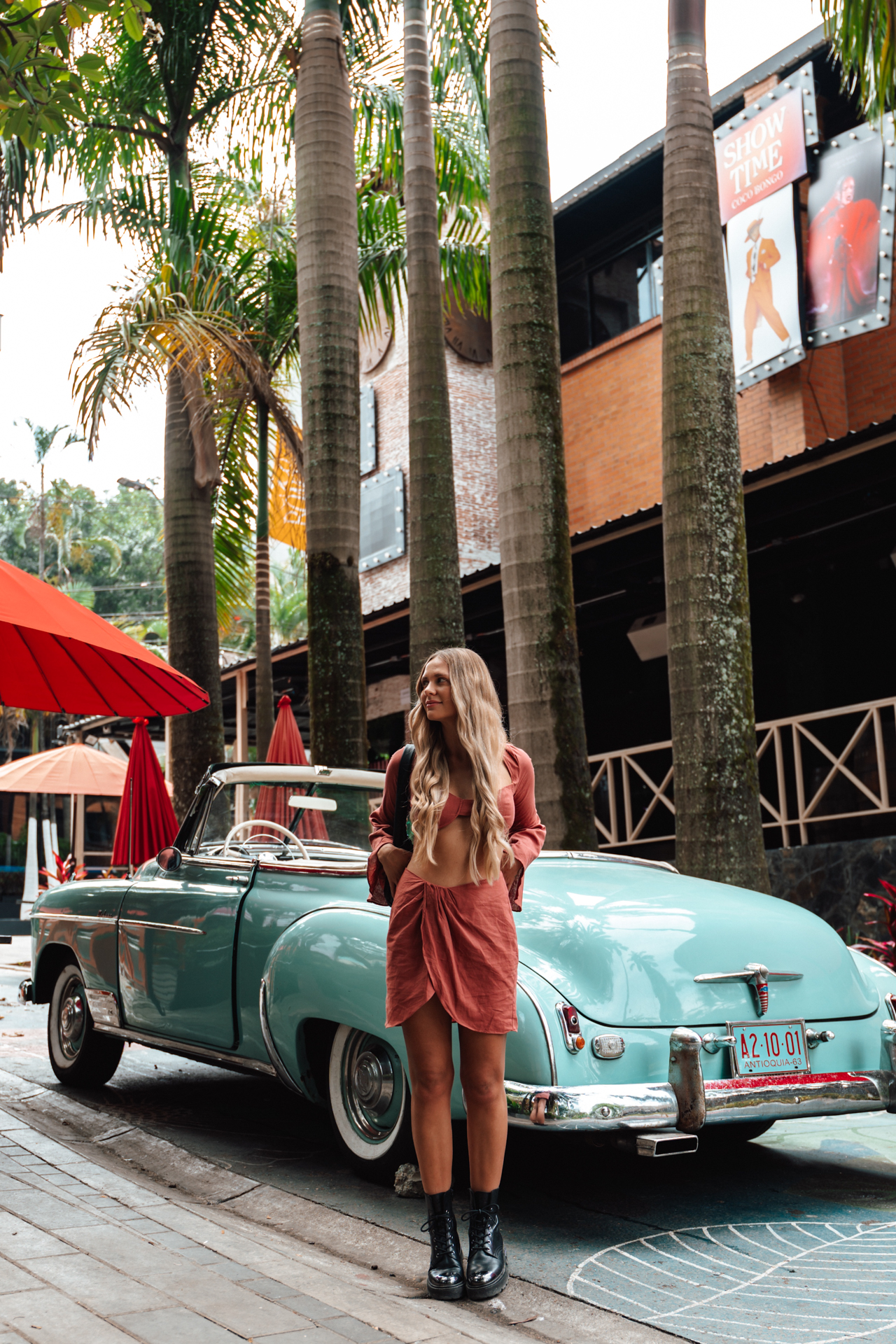
Colombia travel tips
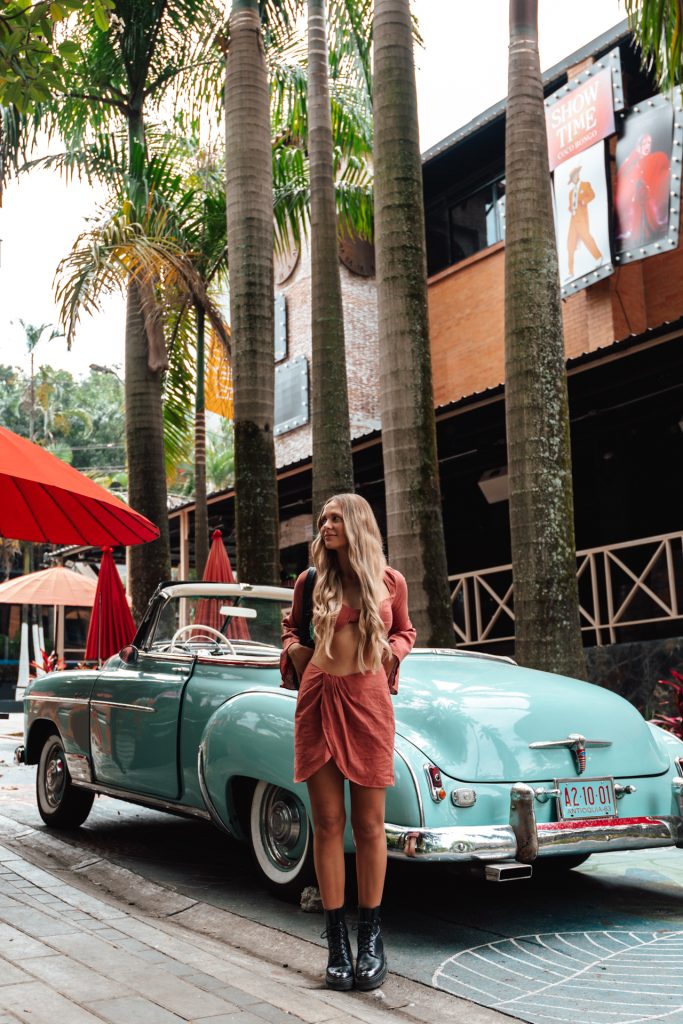
Loved it? Pin it, Share it!
Inspire Others to Travel to Colombia


COLOMBIA YOUTUBE VIDEO
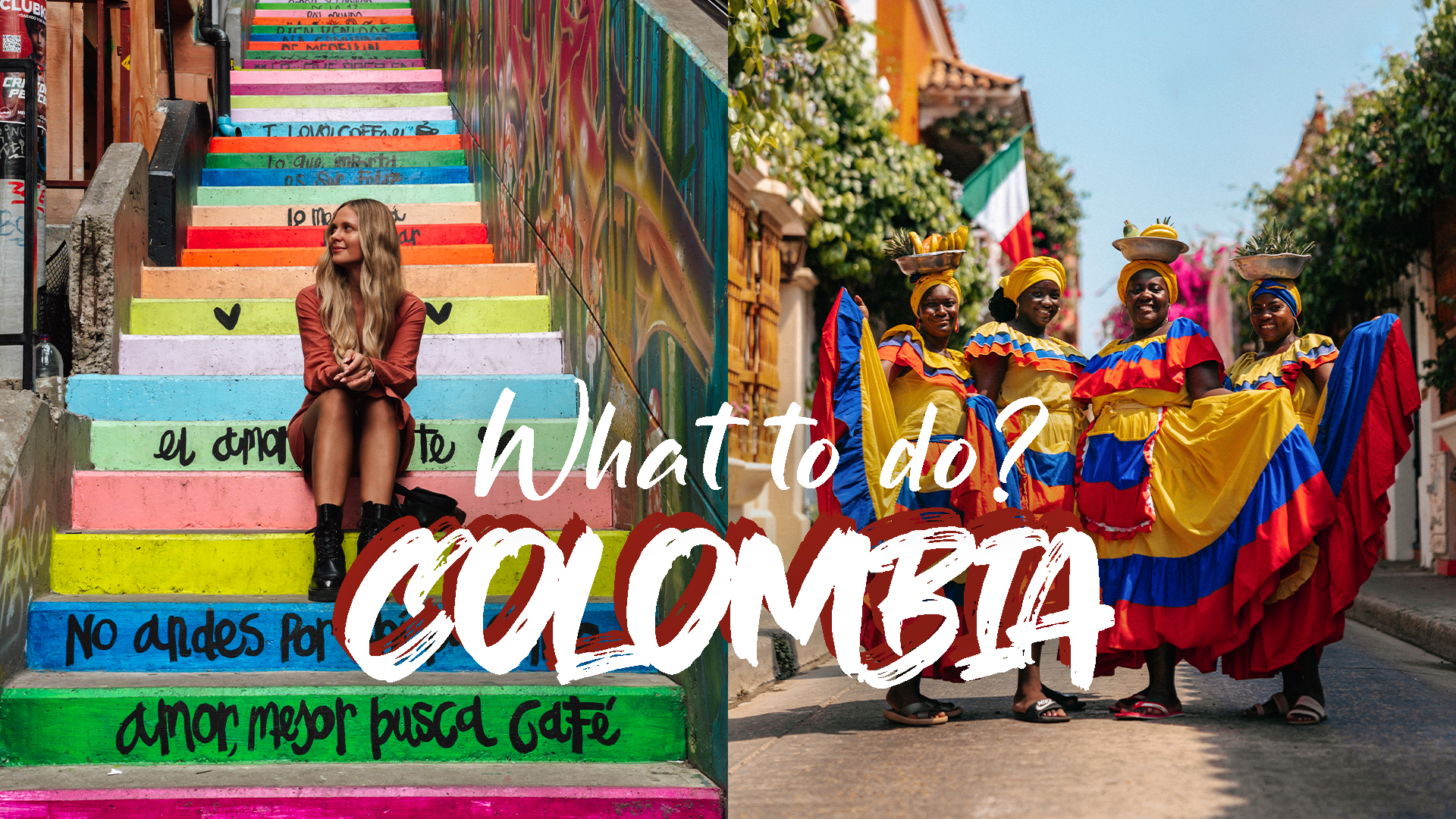
COLOMBIA Travel Vlog – What to Do?
Craving more? Head to my YouTube channel for the full adventure in motion. Get inspired through stories, scenery, and tips!

THE TRAVEL

Let’s stay connected!
Get inspired, helpful tips and exclusive updates straight to your inbox. Subscribe to join a community of explorers.