

RICE FIELDS & STREET FOOD
Explore Vietnam
Welcome to this captivating country in Southeast Asia, where timeless traditions, street food, and stunning landscapes blend together in perfect harmony, making every Vietnam travel experience unforgettable.
It is one of those places that leaves a mark on your heart. The mix of vibrant cities, lush nature, and deep-rooted culture makes it feel so alive. From the mystical beauty of Ha Long Bay to bustling street markets and the endless green of rice terraces.
Every day here is filled with the aroma of fresh pho, warm smiles from locals, and little moments that take you by surprise. One day you’re gliding through lantern-lit streets in Hoi An, the next you’re riding a scooter through mountain passes or wandering through the pine forests of Da Lat.
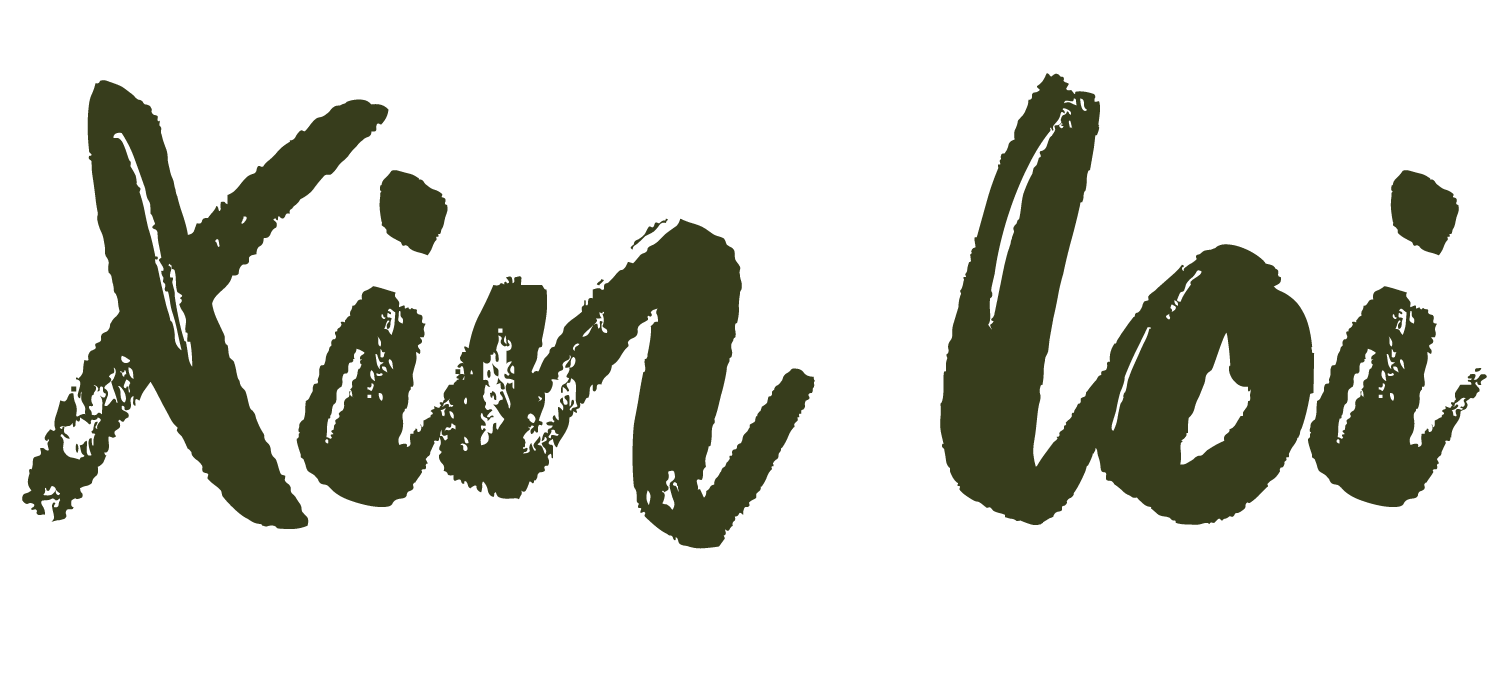
Hello / Greetings:
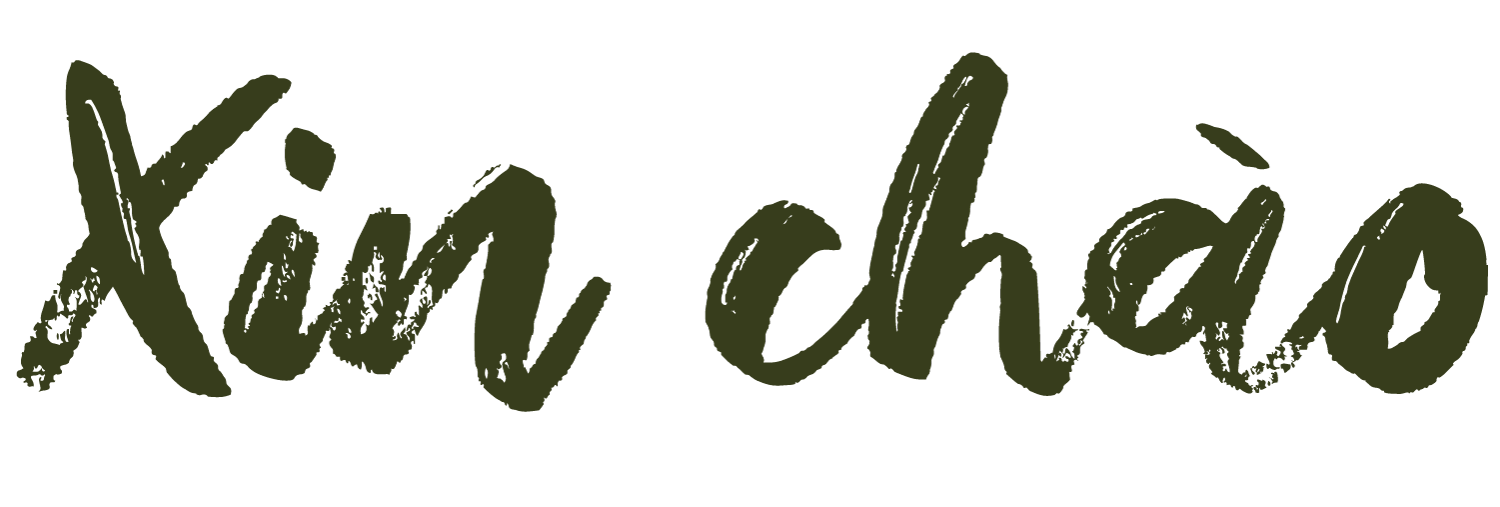
Thank you:

Excuse me:
THE WEATHER
Best Time to Visit Vietnam
Vietnam stretches long from north to south, so the weather varies a lot depending on the region. Generally, the north has four seasons, while the south stays tropical year-round.
North Vietnam
Home to the lively capital Hanoi, northern Vietnam experiences hot, humid summers and cooler, drier winters. The best time to visit highlights such as Ha Long Bay is in spring, from March to May, or in autumn, between September and November.
Summer lasts from June to August, bringing heat, humidity, and frequent rains while winter runs from December to February, often misty and chilly but with fewer crowds.
South Vietnam
Southern Vietnam enjoys a steady tropical climate year-round, with the best time to visit from November to April to discover the Mekong Delta and the bustling city of Ho Chi Minh. The central coastal city of Nha Trang is best enjoyed between January and August, while Da Lat in the Central Highlands offers a cooler, spring-like climate all year.
Best time to visit Vietnam:


What month did I travel to Vietnam?
I explored South Vietnam and the Central Highlands in June, and it was mostly sunny with only occasional rain. I had a great time during this month enjoying the beaches of Nha Trang and the cool mountain air of Da Lat.
Culture lives in every dish and every tradition
Vietnamese Food, Culture, and Traditions
Culture in every flavor
Food, Culture, and Traditions

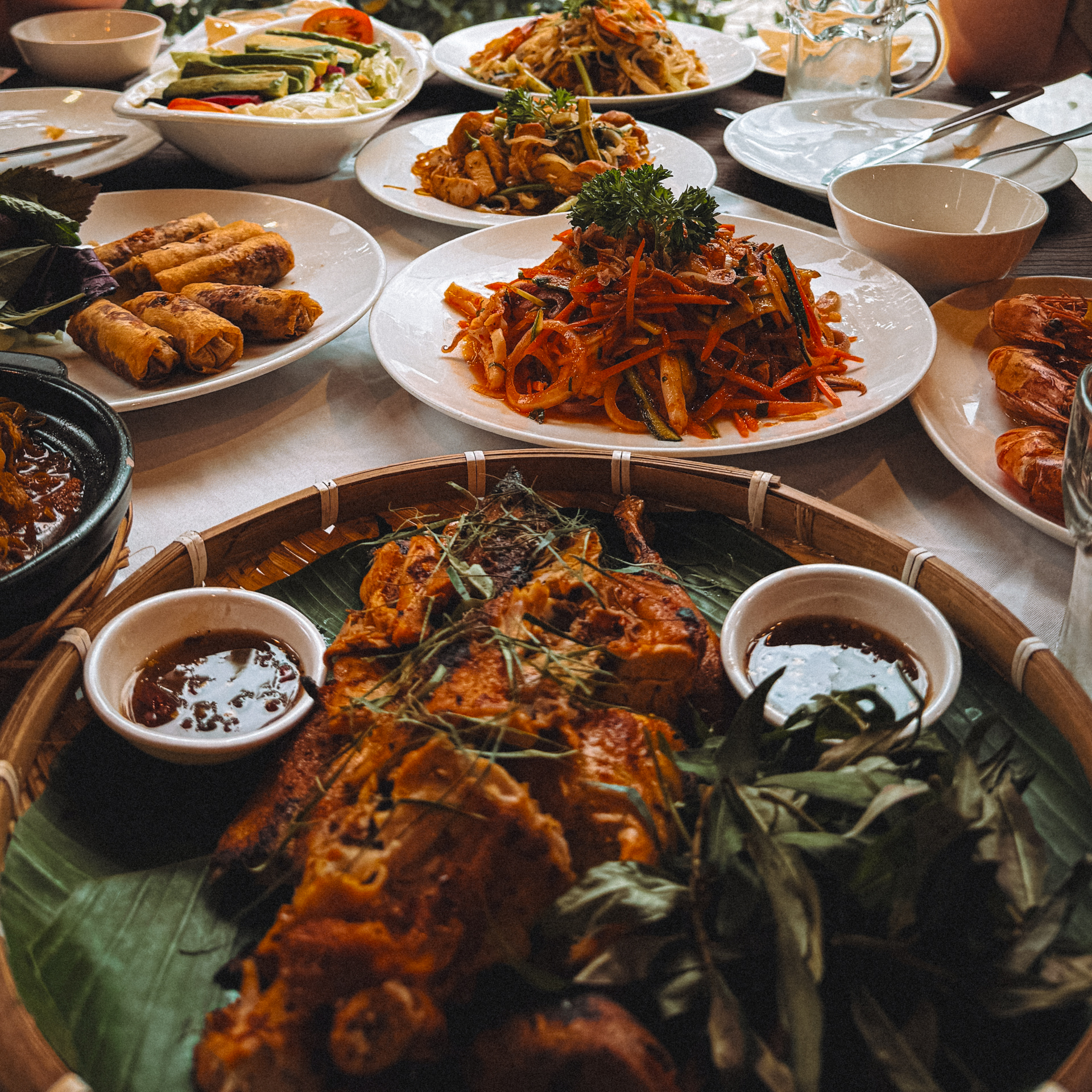
Meals in Vietnam are light, fresh, and full of flavor, turning every bite into an experience. From steaming bowls of pho and crispy banh mi sandwiches to sizzling banh xeo and fresh spring rolls, the variety is endless! Along the coast, seafood is a highlight, while meat lovers can savor dishes like pho bo and bun cha.
Vegetarians won’t miss out either, with plenty of tofu-based and vegetable-packed options. What makes it all special is the focus on locally sourced ingredients, fresh herbs, rice noodles, and flavorful dipping sauces, creating a perfect balance of tastes, textures, and aromas. I really love Pho, the savory noodle soup!
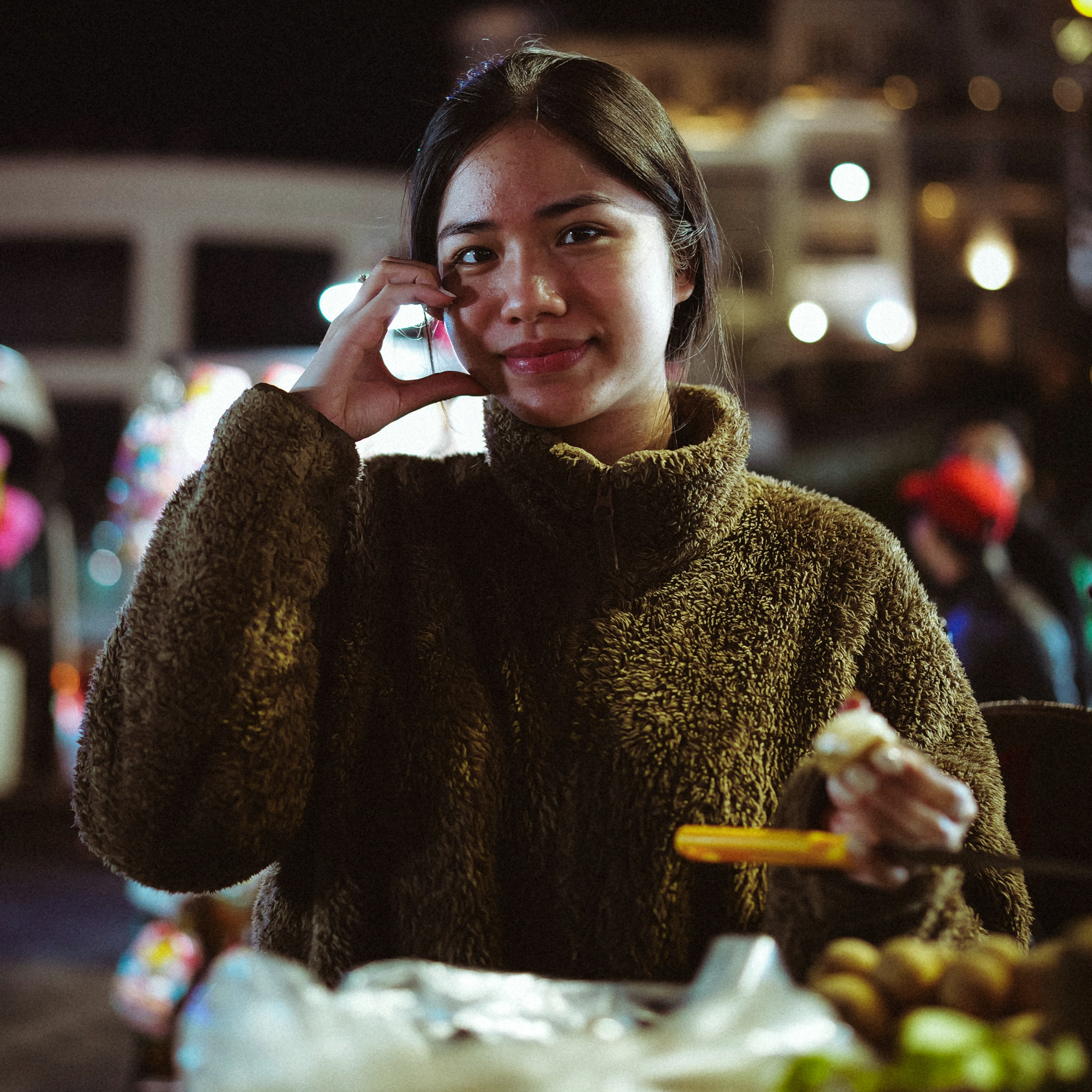

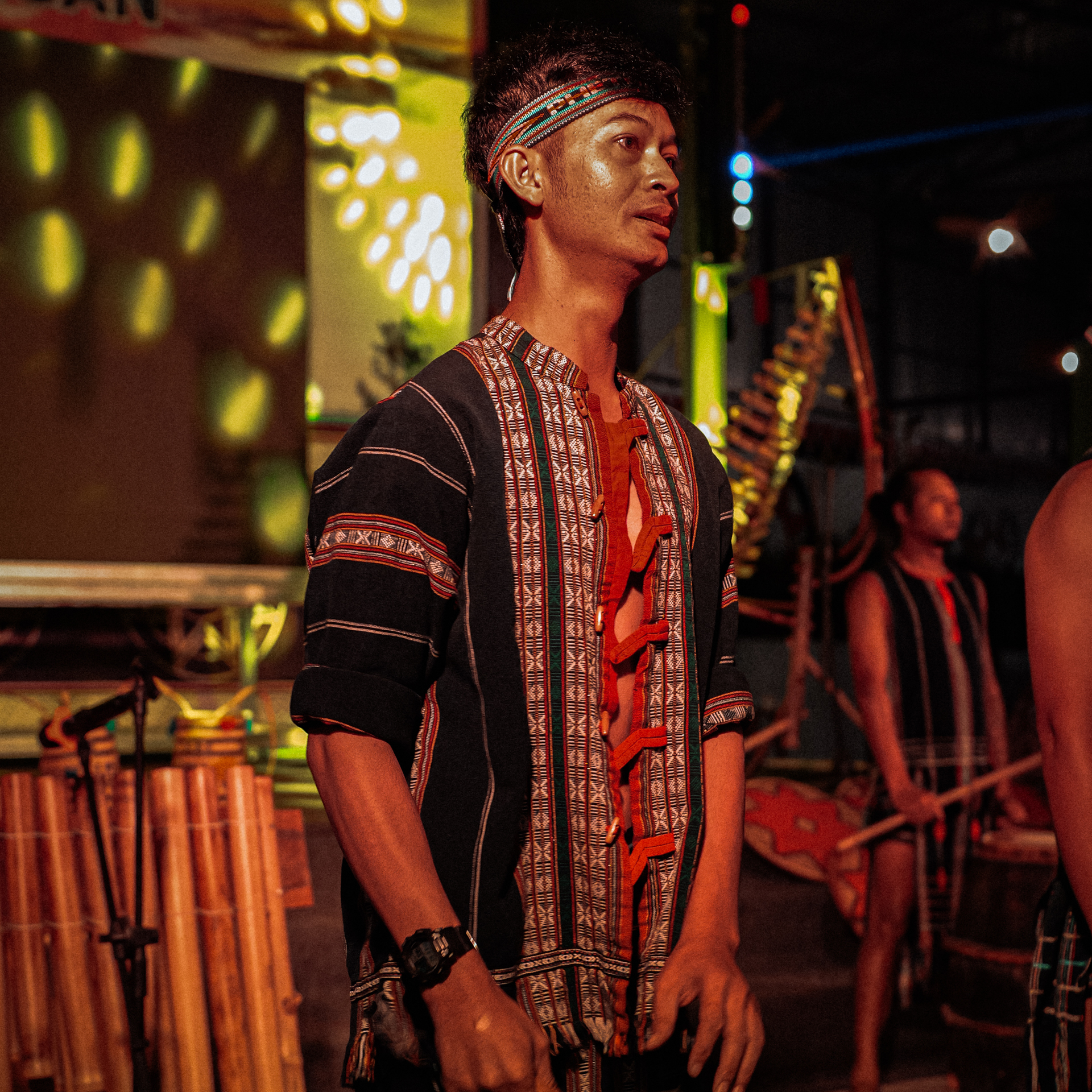
Vietnamese culture is deeply rooted in thousands of years of tradition, shaped by indigenous heritage as well as influences from China, France, and neighboring Southeast Asian countries.
Family ties, respect for nature, and community rituals play a central role in daily life. At the same time, you will find a vibrant mix of old and new, with pagodas and bustling markets alongside French colonial architecture, while motorbikes and a youthful spirit bring the streets to life.

Family and community lie at the heart of Vietnamese traditions, where respect and togetherness are woven into daily life. Spiritual practices are diverse, with Buddhism, Confucianism, Taoism, Catholicism, and Cao Dai all followed peacefully across the country.
Ancestor worship and seasonal celebrations such as Tet, the Lunar New Year, highlight the deep cultural connection to both family and faith. Visitors can witness this spiritual heritage at sites like Tran Quoc Pagoda in Hanoi, set serenely on West Lake, or the colorful Cao Dai Temple in Tay Ninh province.
Did you Know?
Interesting Facts About Vietnam
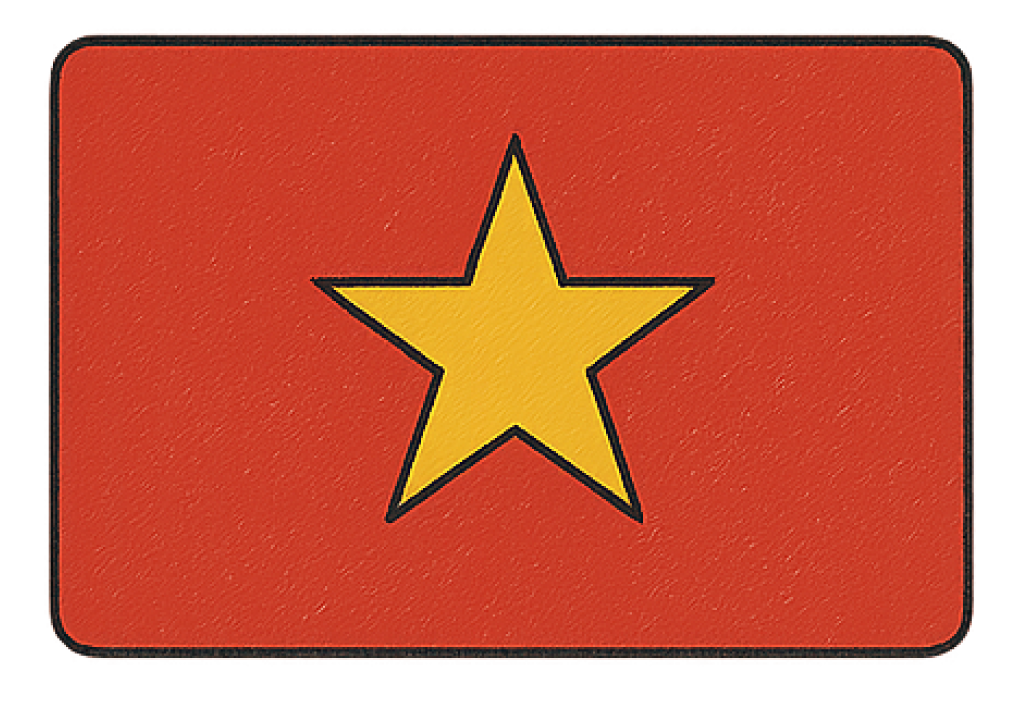
The Meaning of Vietnam’s Flag
The red background stands for revolution and bloodshed, while the golden star represents unity: the five main classes of intellectuals, farmers, workers, soldiers, and youth.
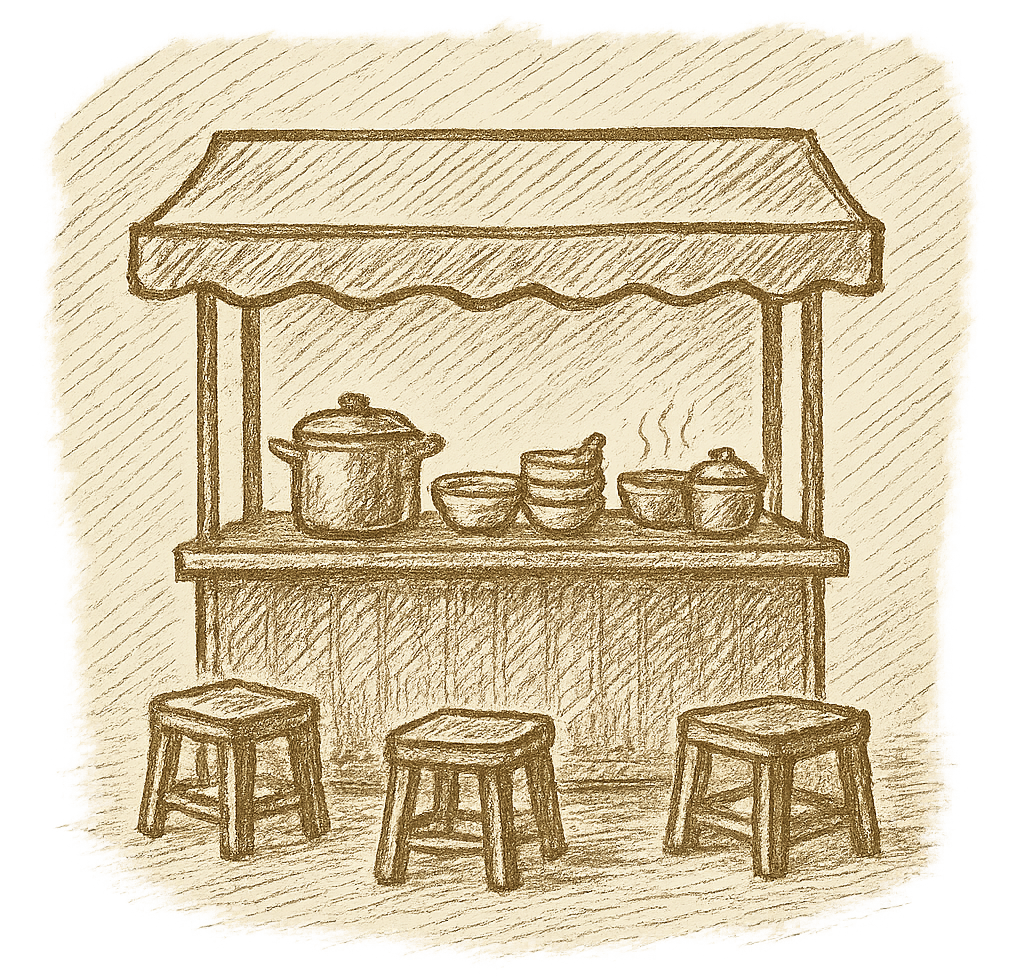
Street Food Capital
Vietnam is considered one of the best street food destinations in the world. Its diverse flavors reflect the country’s rich history and regional traditions.
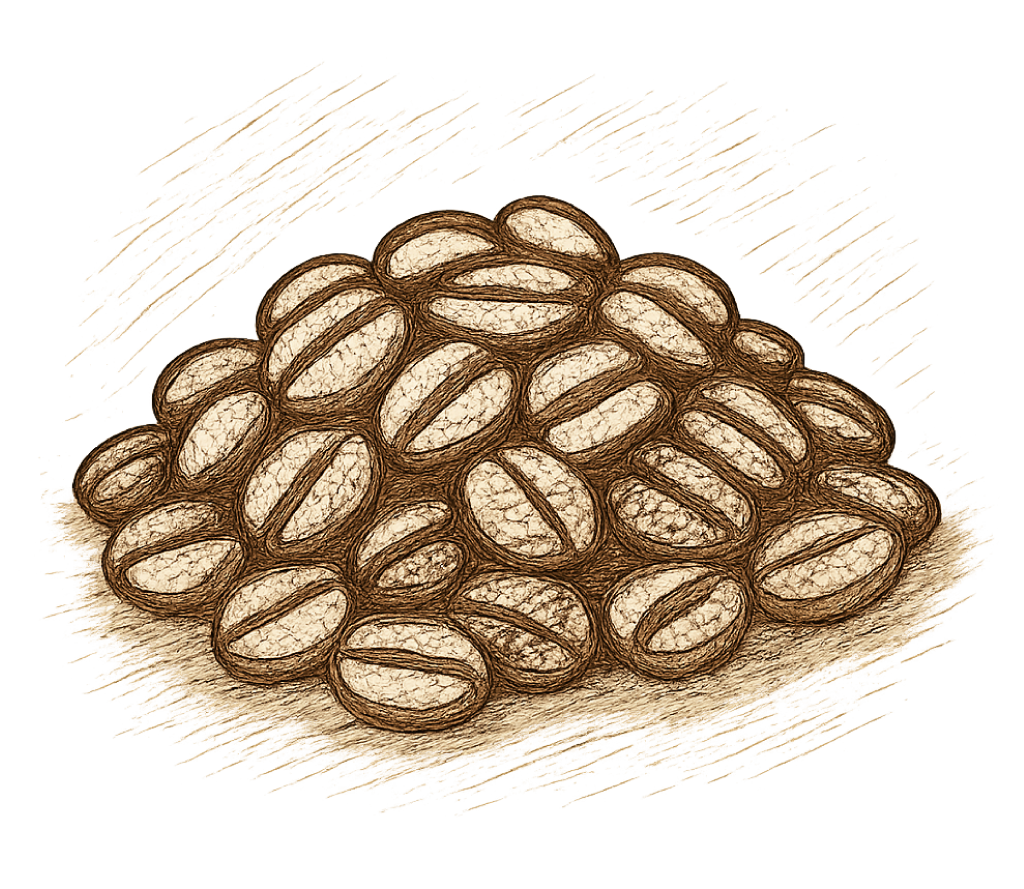
Second-Largest Coffee Producer
As the world’s second-largest coffee producer, the country is famous for its strong drip brews and unique egg coffee, with café culture deeply woven into everyday life.
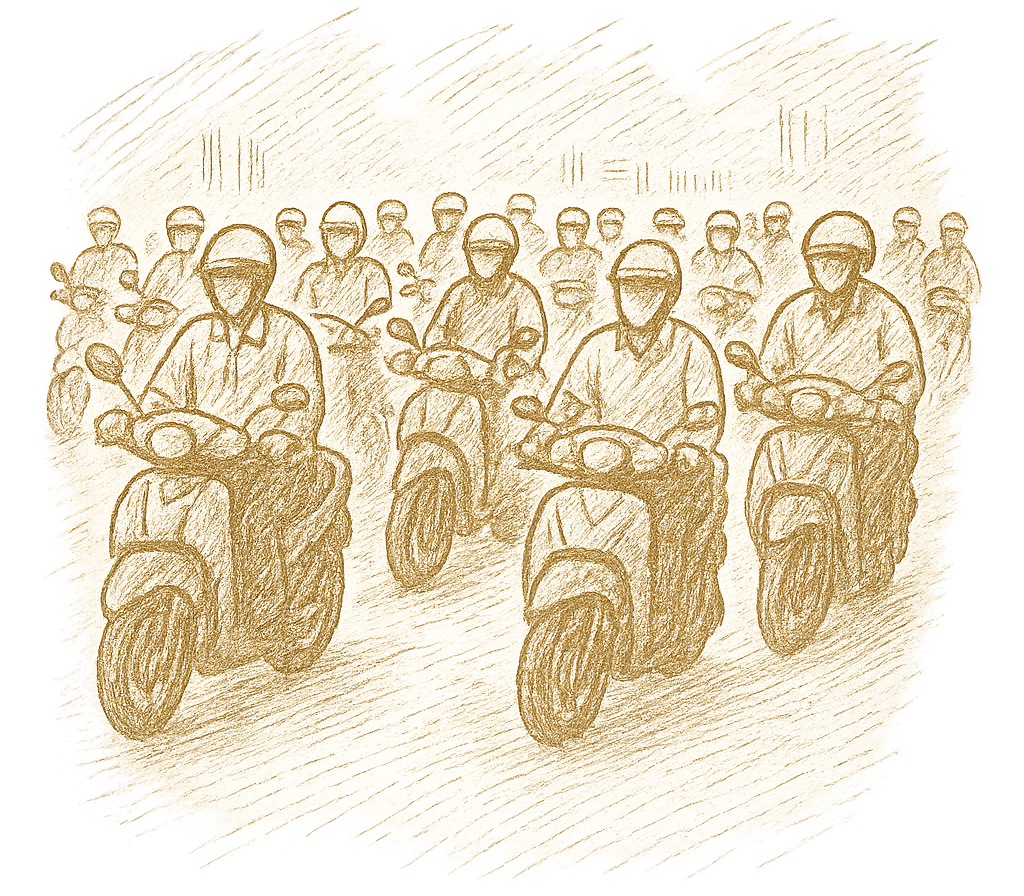
Two-Wheeled Country
There are more motorbikes than cars in Vietnam. With over 45 million motorbikes registered nationwide, they are by far the most common way to get around.
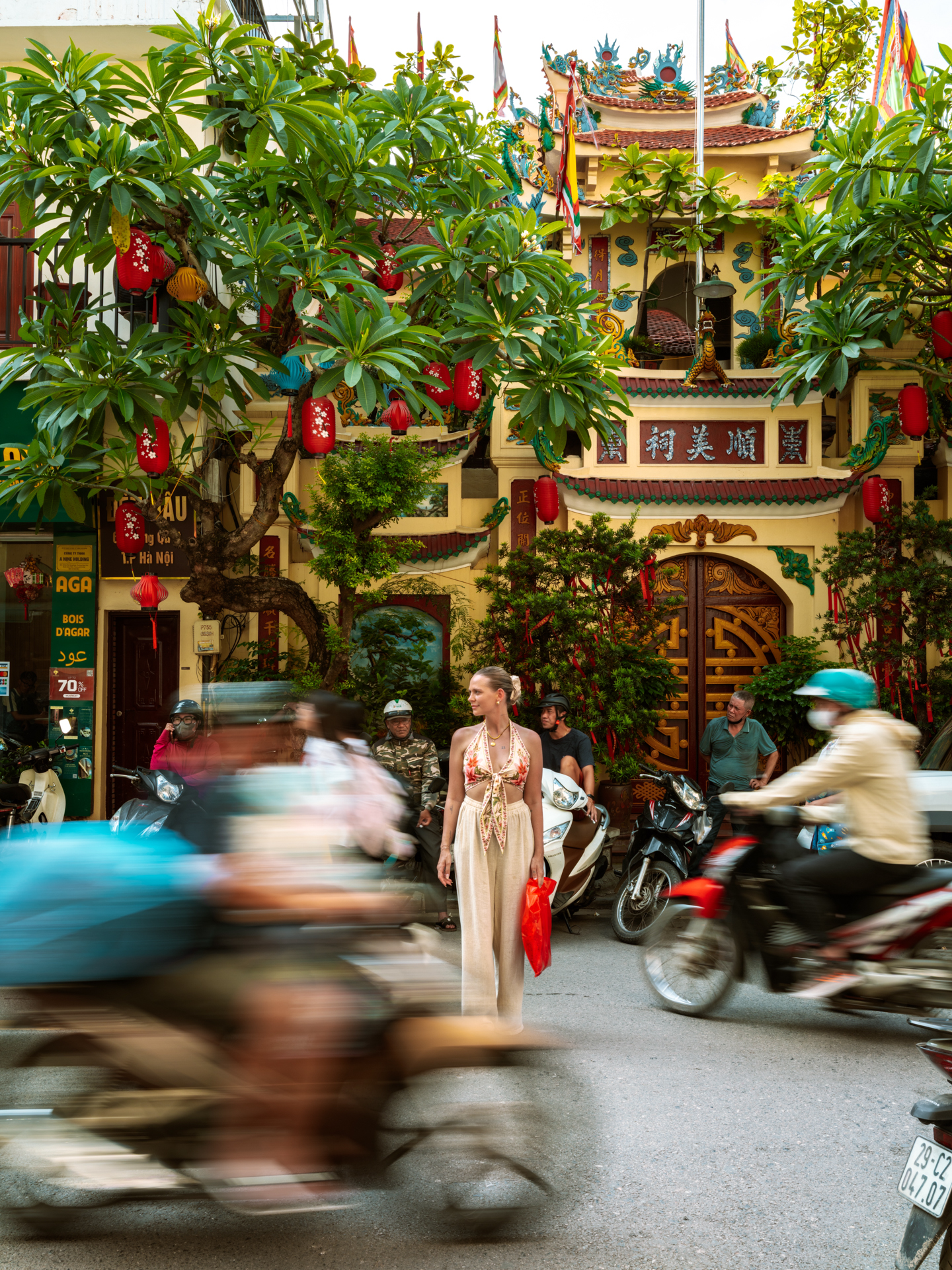
Hanoi
Historic temples, bustling old quarters, rich street food, and colorful local culture make Hanoi a fascinating blend of tradition and modern energy.
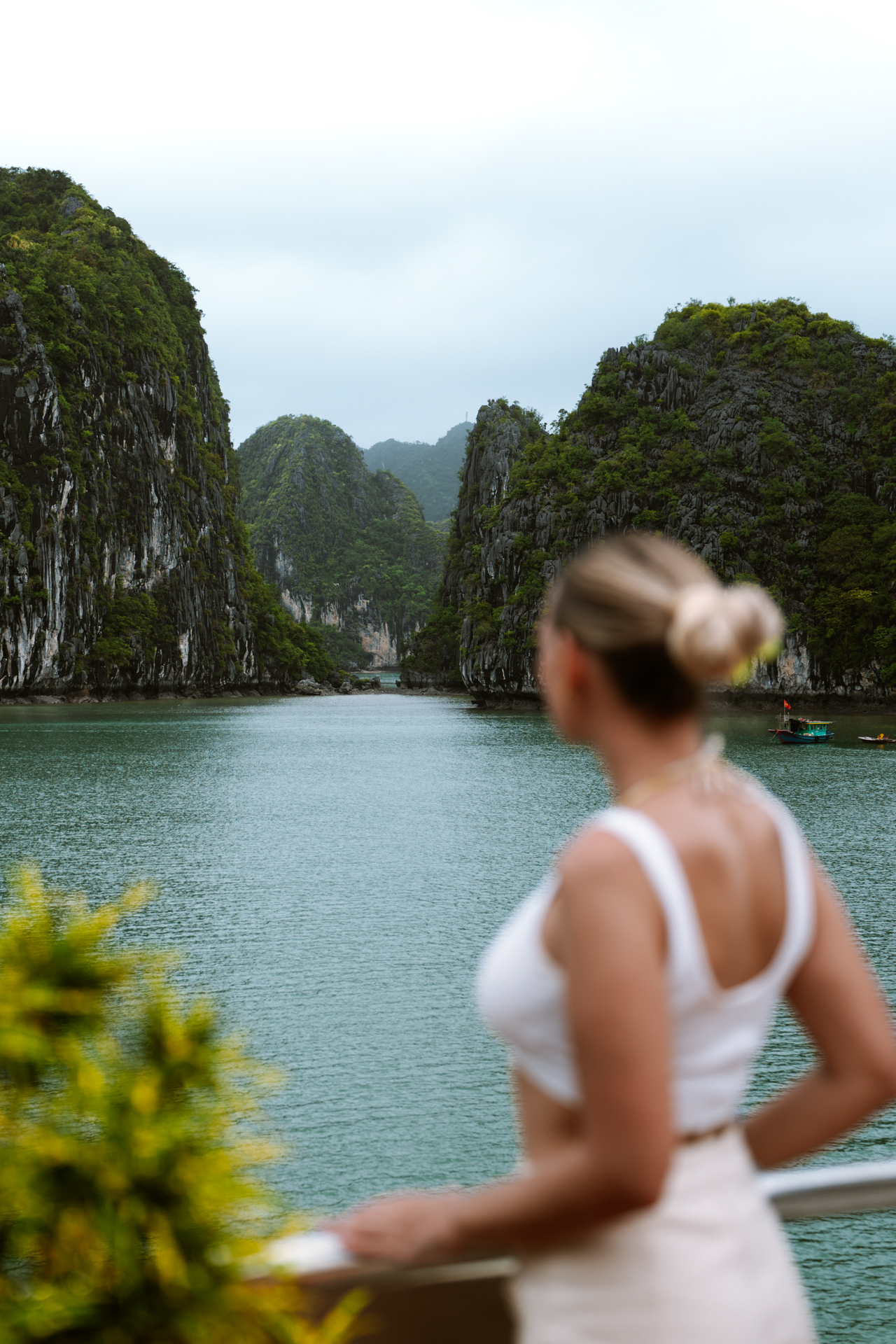
Cat Ba
Dramatic limestone cliffs, secluded beaches, emerald bays, and scenic hiking trails make Cát Bà a perfect escape for nature and adventure lovers.
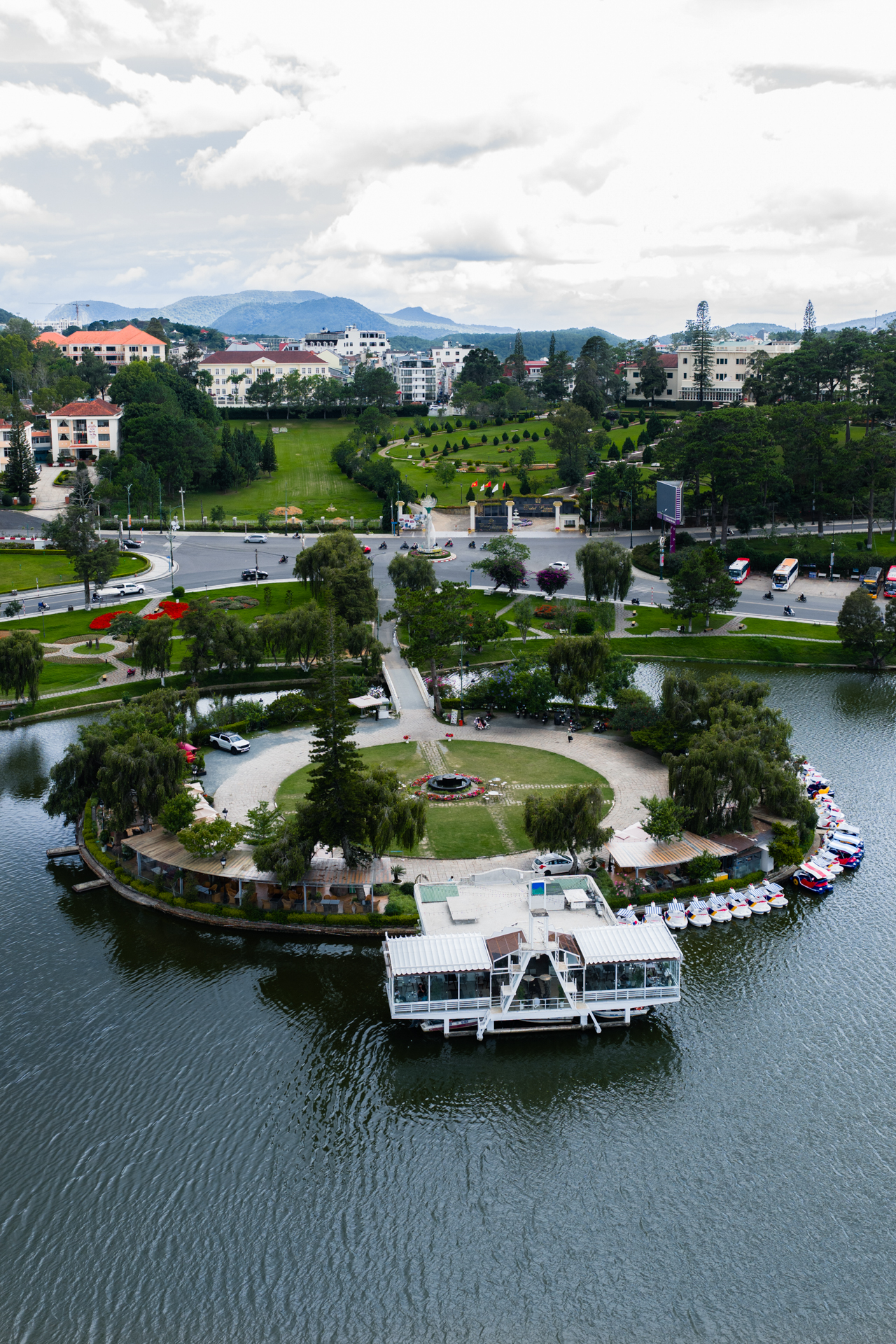
Da Lat
Pine-covered hills, flower gardens, French villas, and cool mountain air make Da Lat a charming escape for nature and romance seekers.
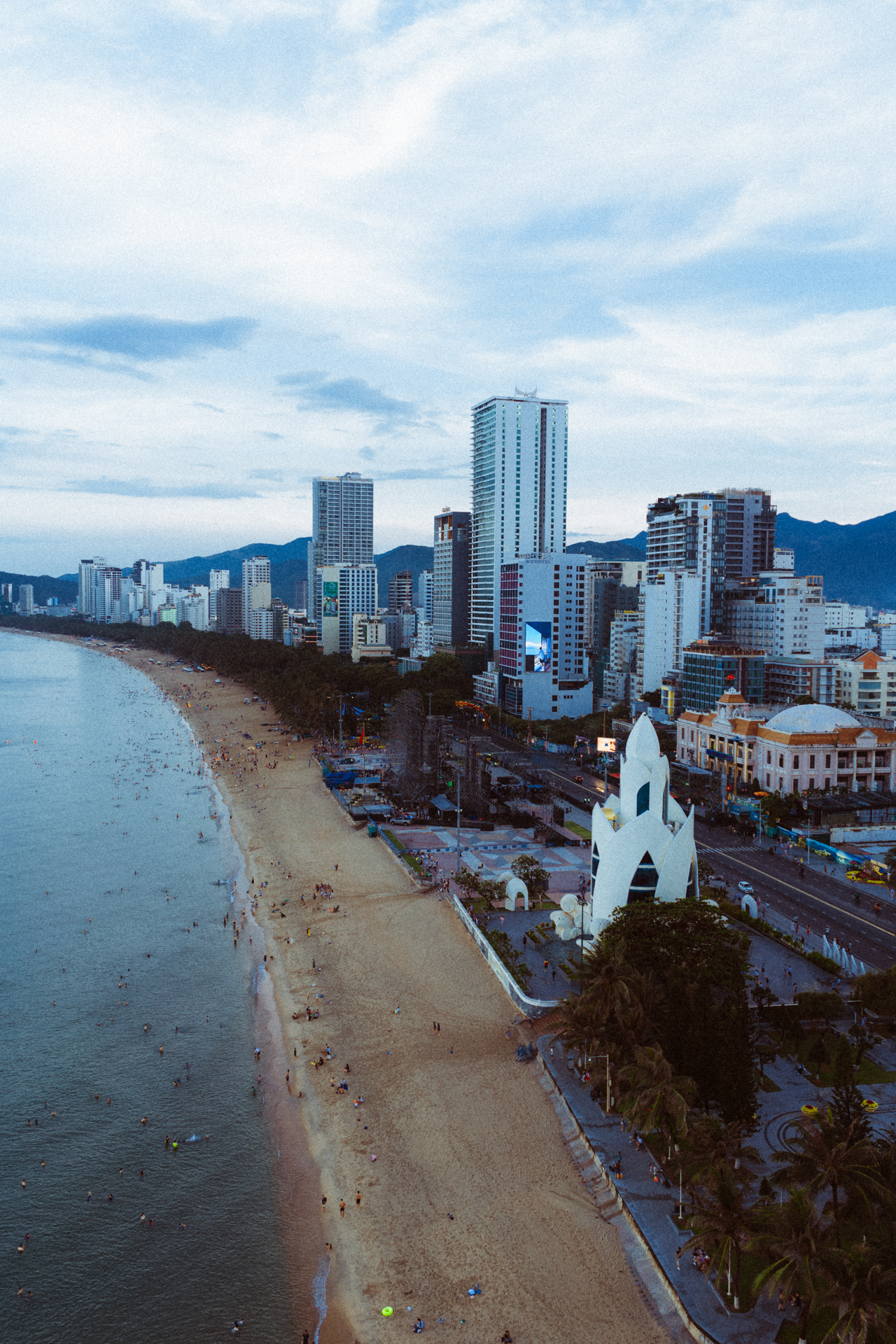
Nha Trang
Sandy beaches, turquoise waters, lively nightlife, and ancient Cham towers make Nha Trang a perfect mix of relaxation and cultural immersion.
Vietnam travel guide
From green rice fields to busy street markets, peaceful beaches to old temples, Vietnam is a country full of beauty and tradition waiting to be explored.
Are you ready to uncover its magic and find some inspiration?
Questions & Answers
Vietnam travel tips
Vietnam travel tips
Loved it? Pin it, Share it!
Inspire Others to Travel to Vietnam



THE TRAVEL

Let’s stay connected!
Get inspired, helpful tips and exclusive updates straight to your inbox. Subscribe to join a community of explorers.