
BOlivia


My Go-To Spots in Bolivia
10 Best Things To Do in Bolivia
While traveling through Peru, I already knew where I wanted to go next. Something about Bolivia kept pulling me in.
Bolivia challenged me in ways few places ever have. Long days on the road, high altitudes that slowed every movement, and moments without signal or comfort forced me to be fully present. It’s not an easy destination, but that’s exactly where its magic lies. Every experience feels earned, every landscape hits deeper, and every stop leaves a lasting impression, I promise you that.







Must-See & Do
Things to Do in BOLIVIA
From endless salt flats that blur the line between earth and sky, to remote deserts, colorful lagoons, and cities clinging to the mountains, Bolivia constantly reminded me why I travel in the first place.
This list brings together my personal highlights and favorite experiences, the best things to do in Bolivia that shaped my journey and made this country one I will never forget.
1. Explore the incredible Salar de Uyuni
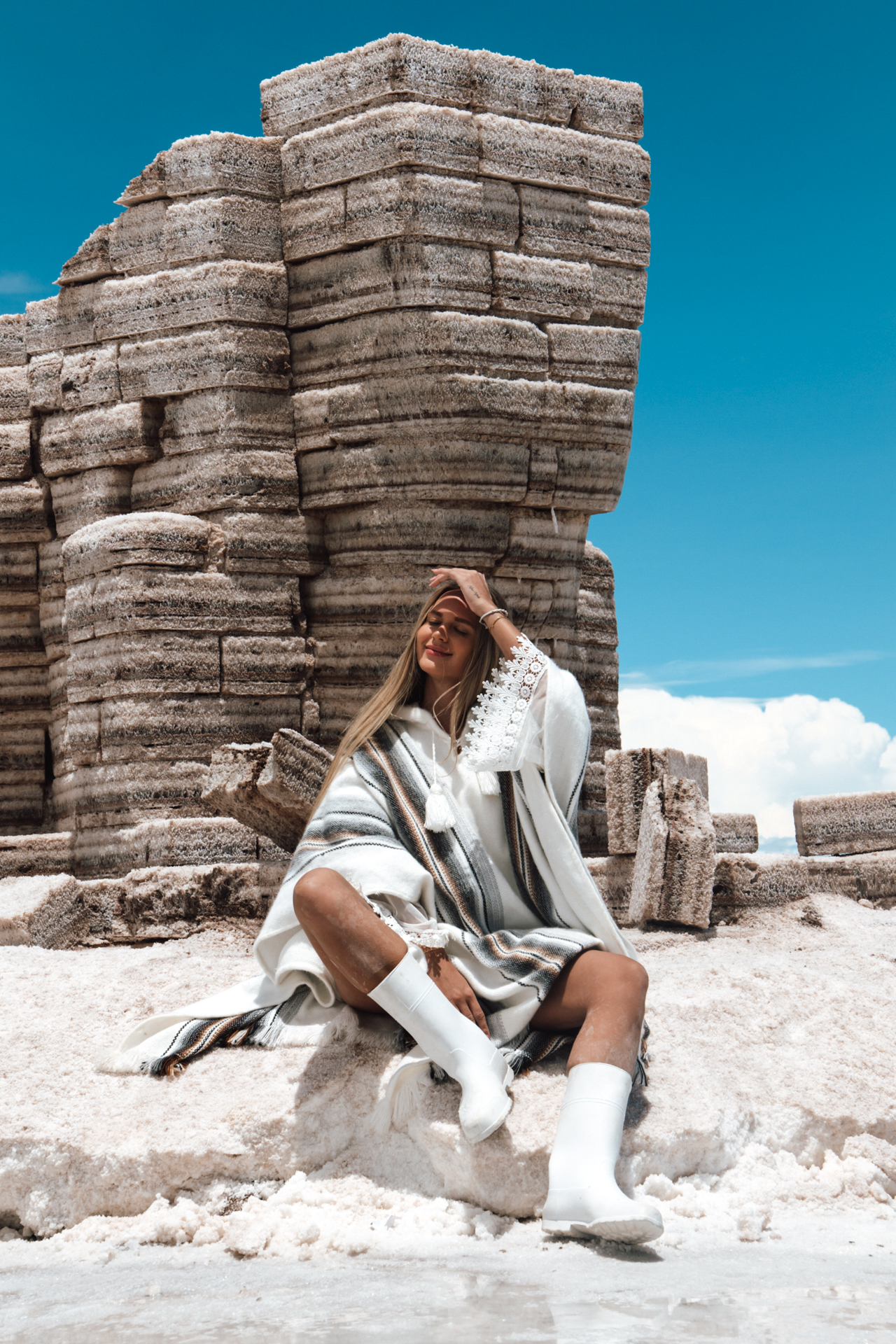
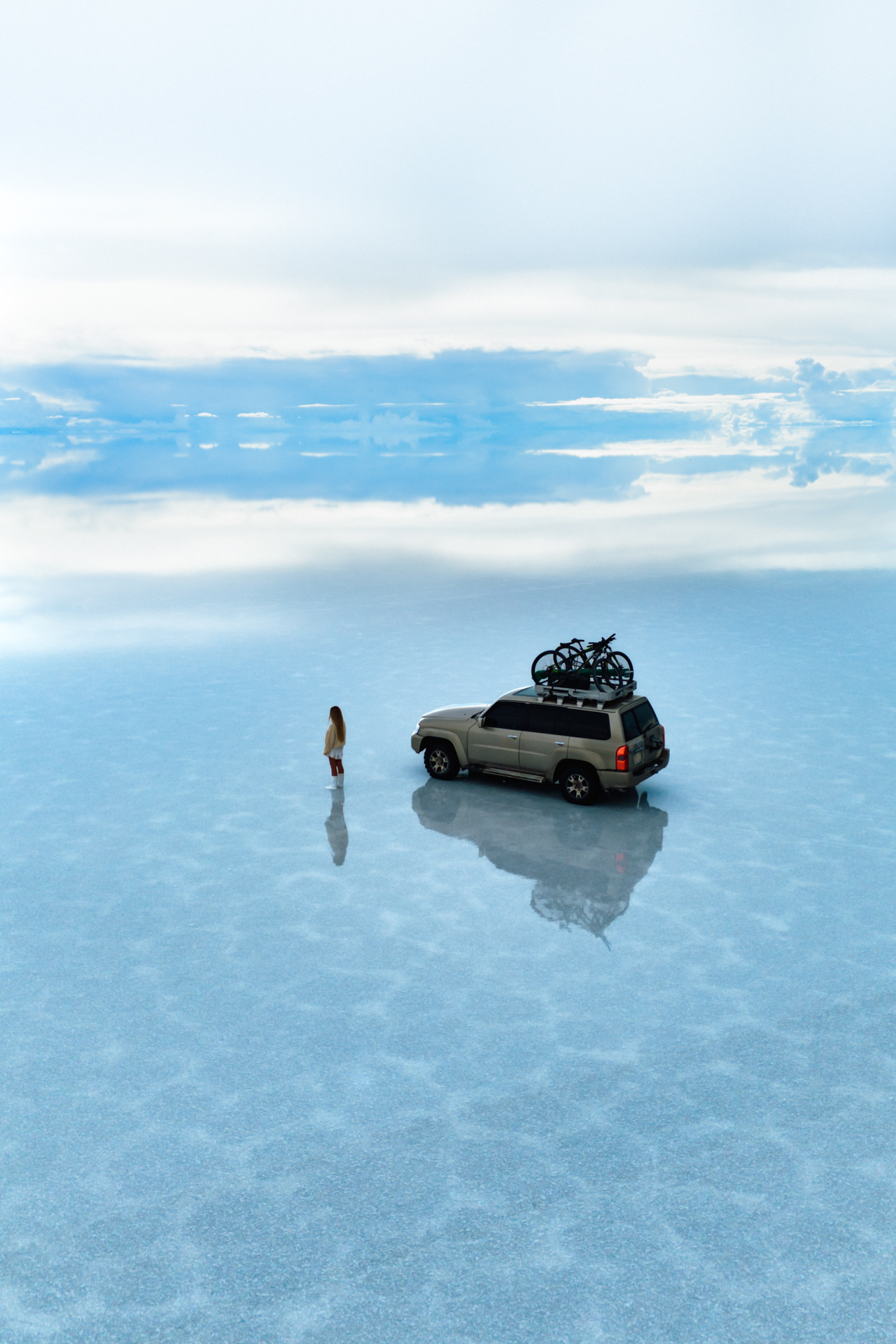
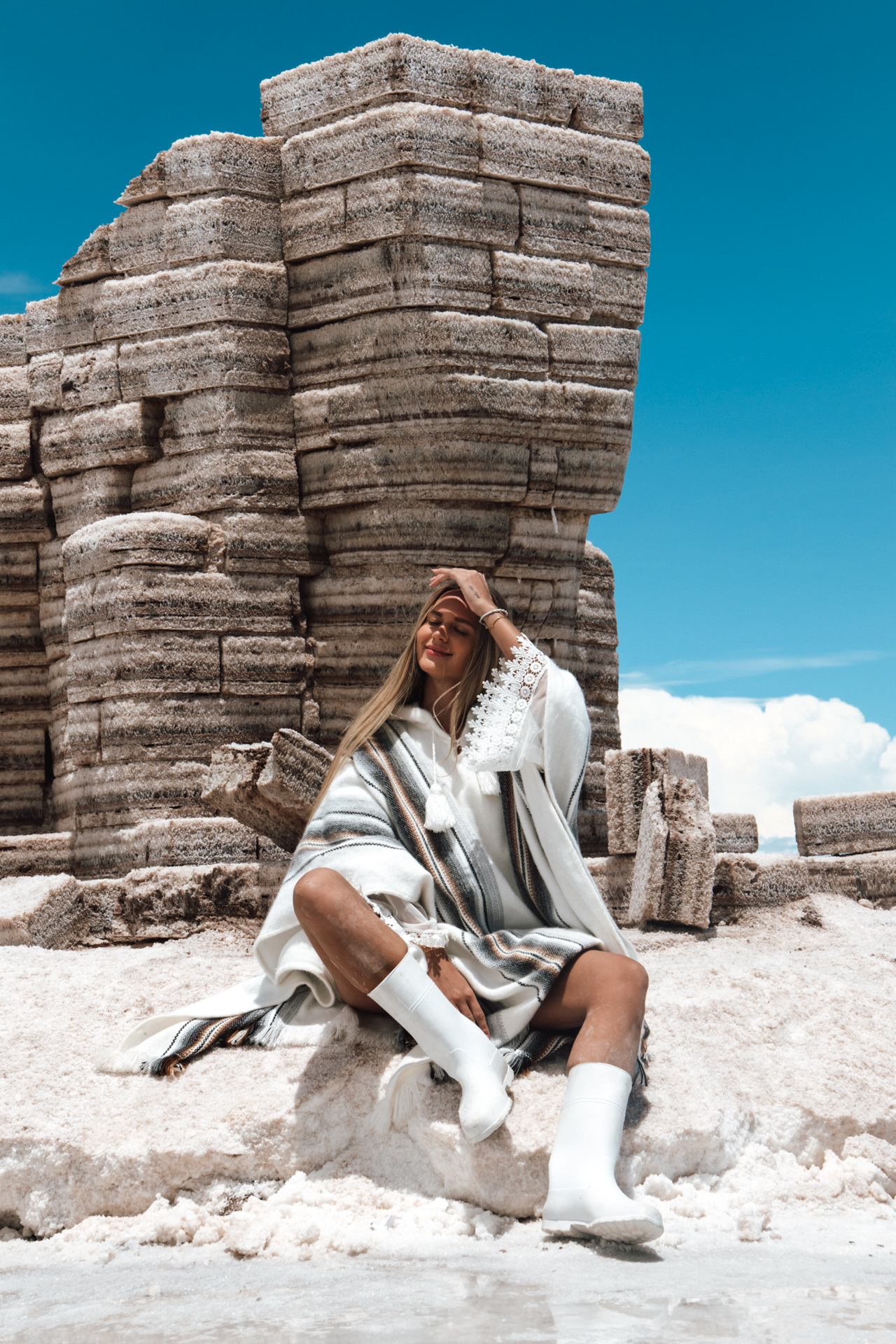
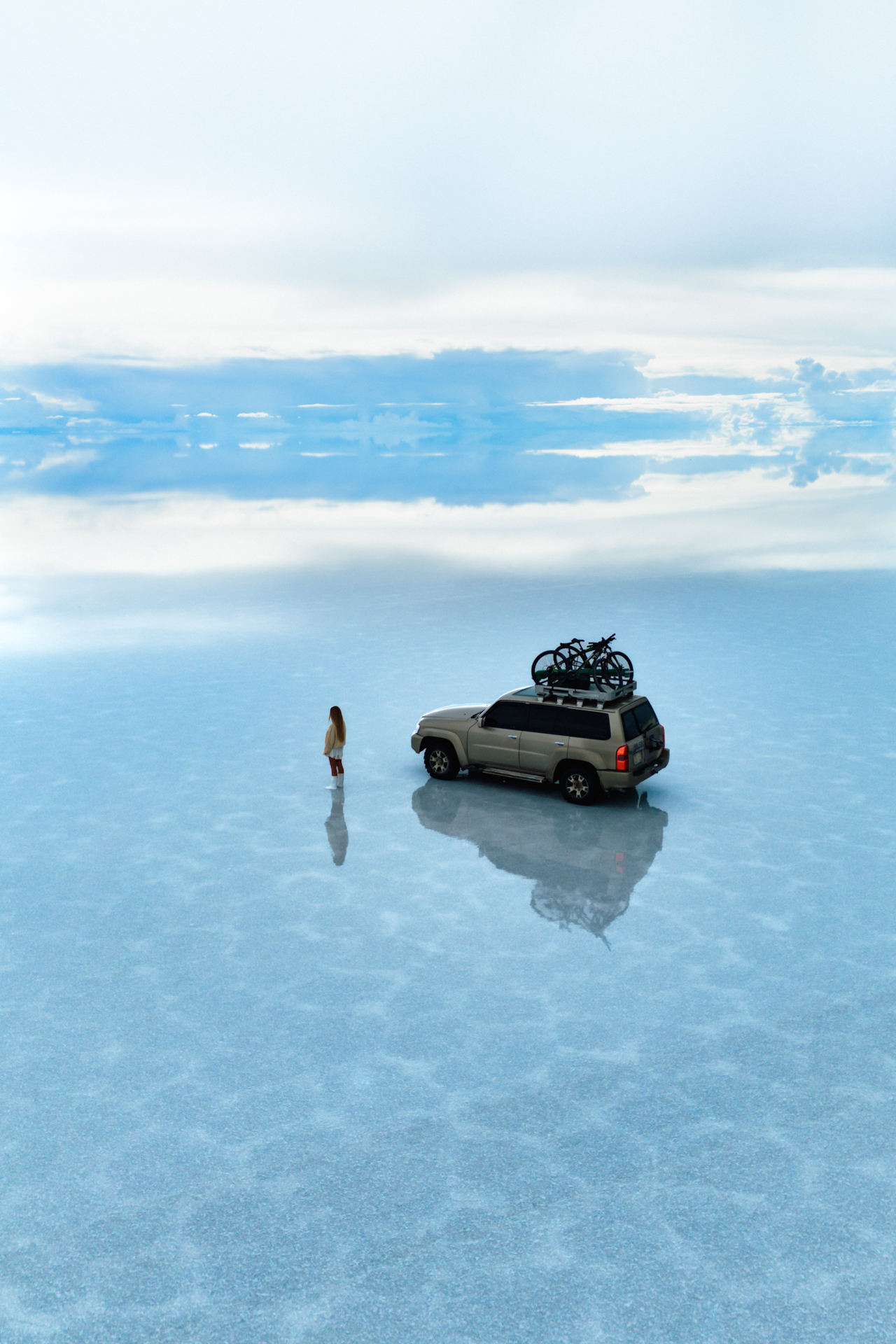
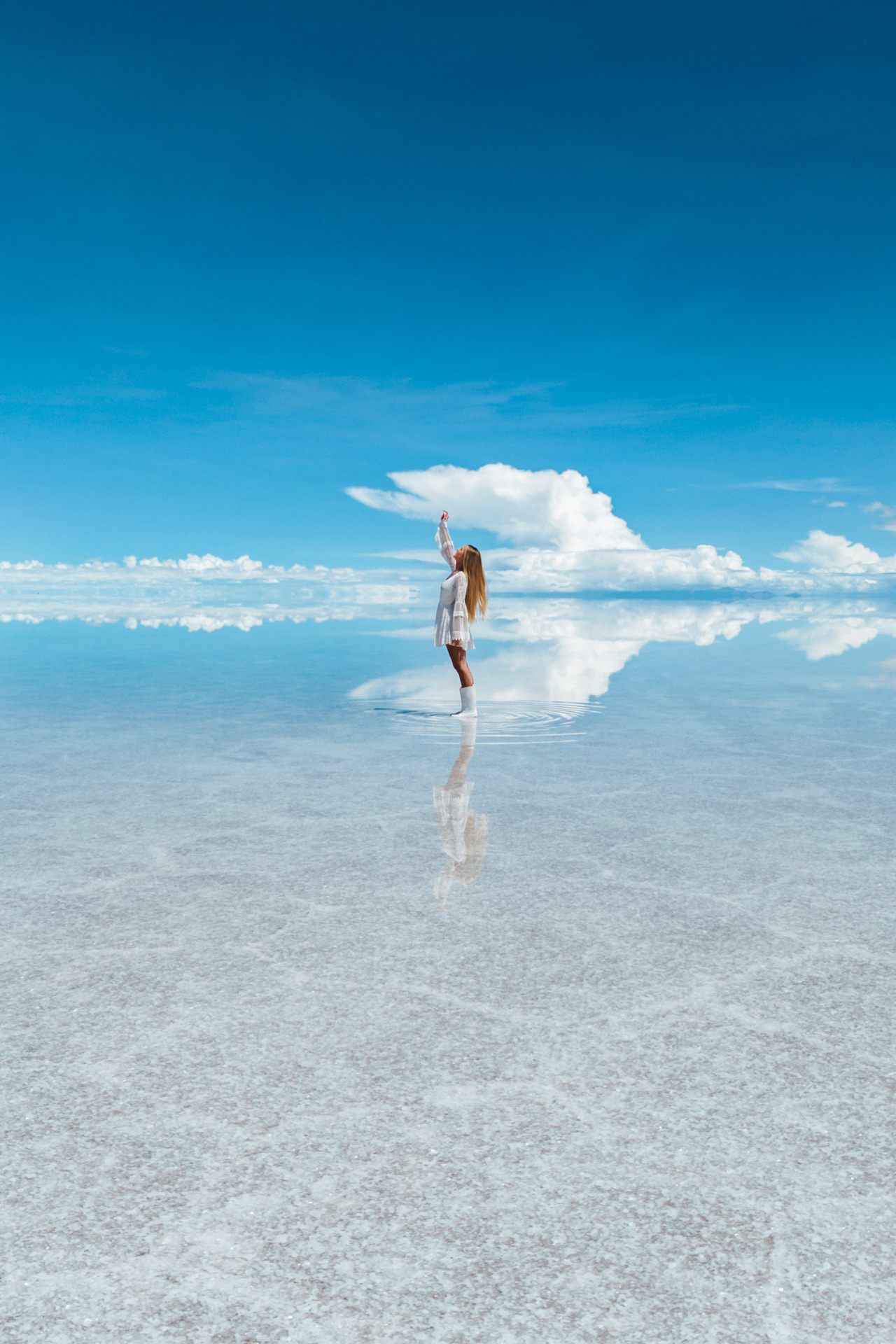
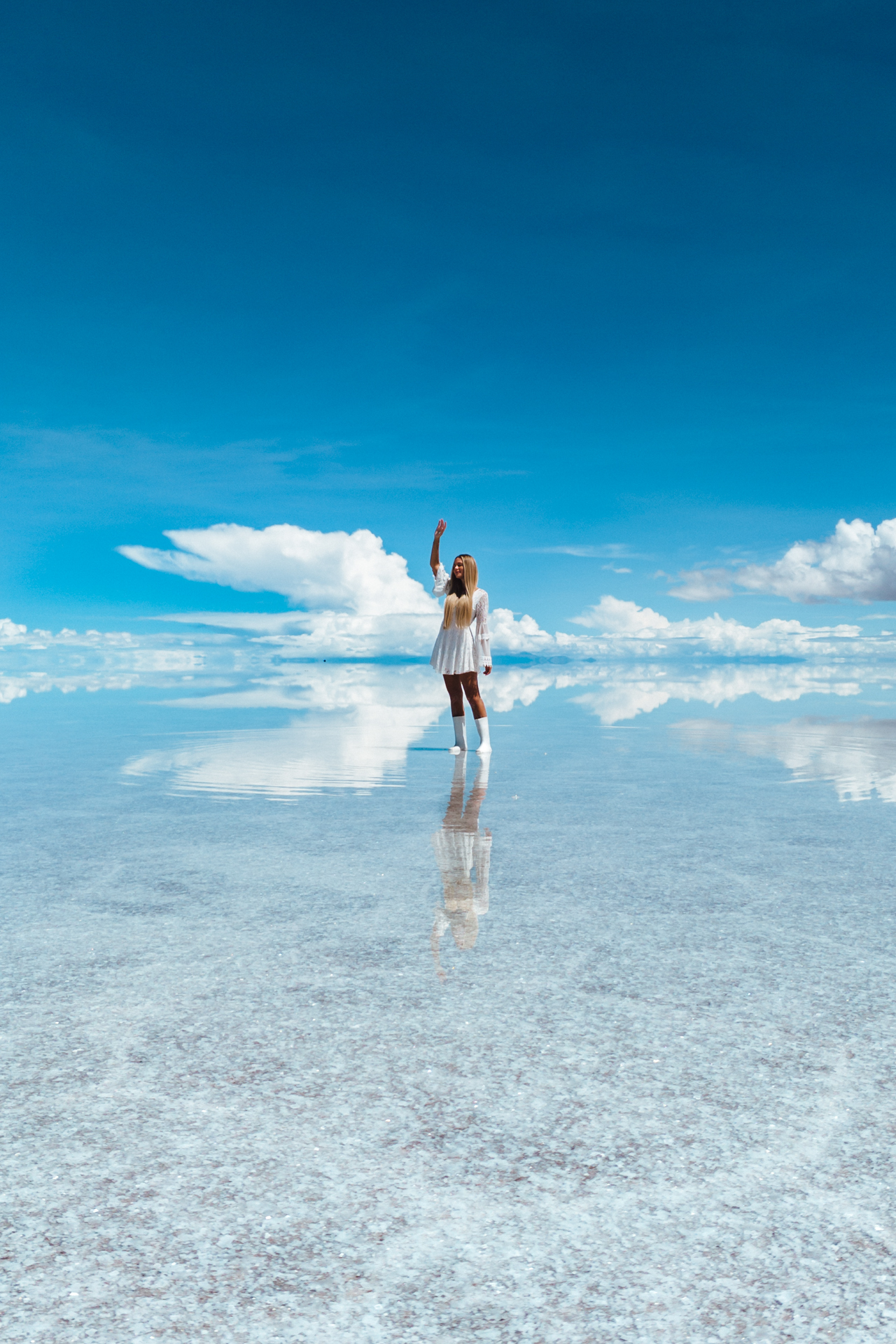
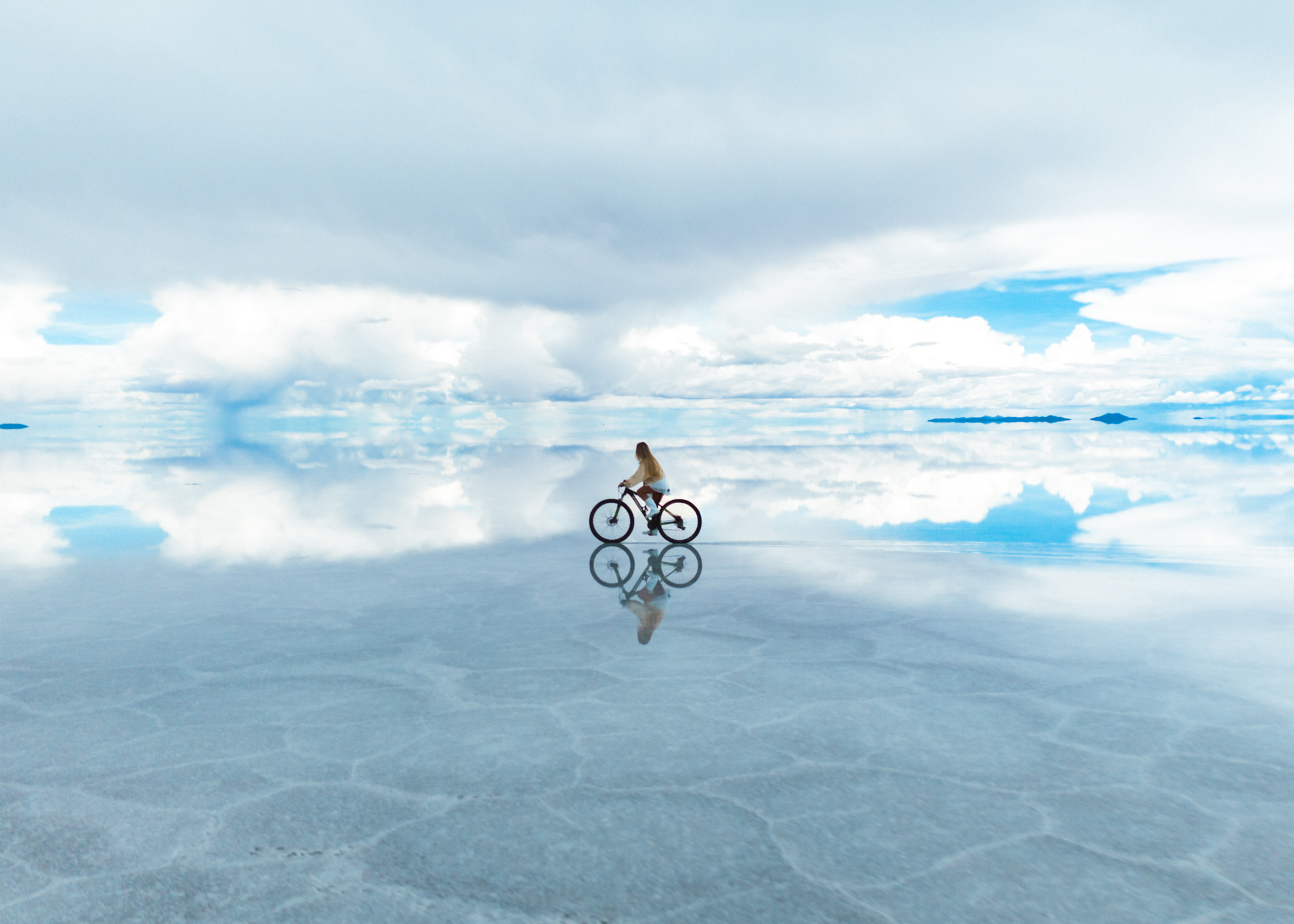
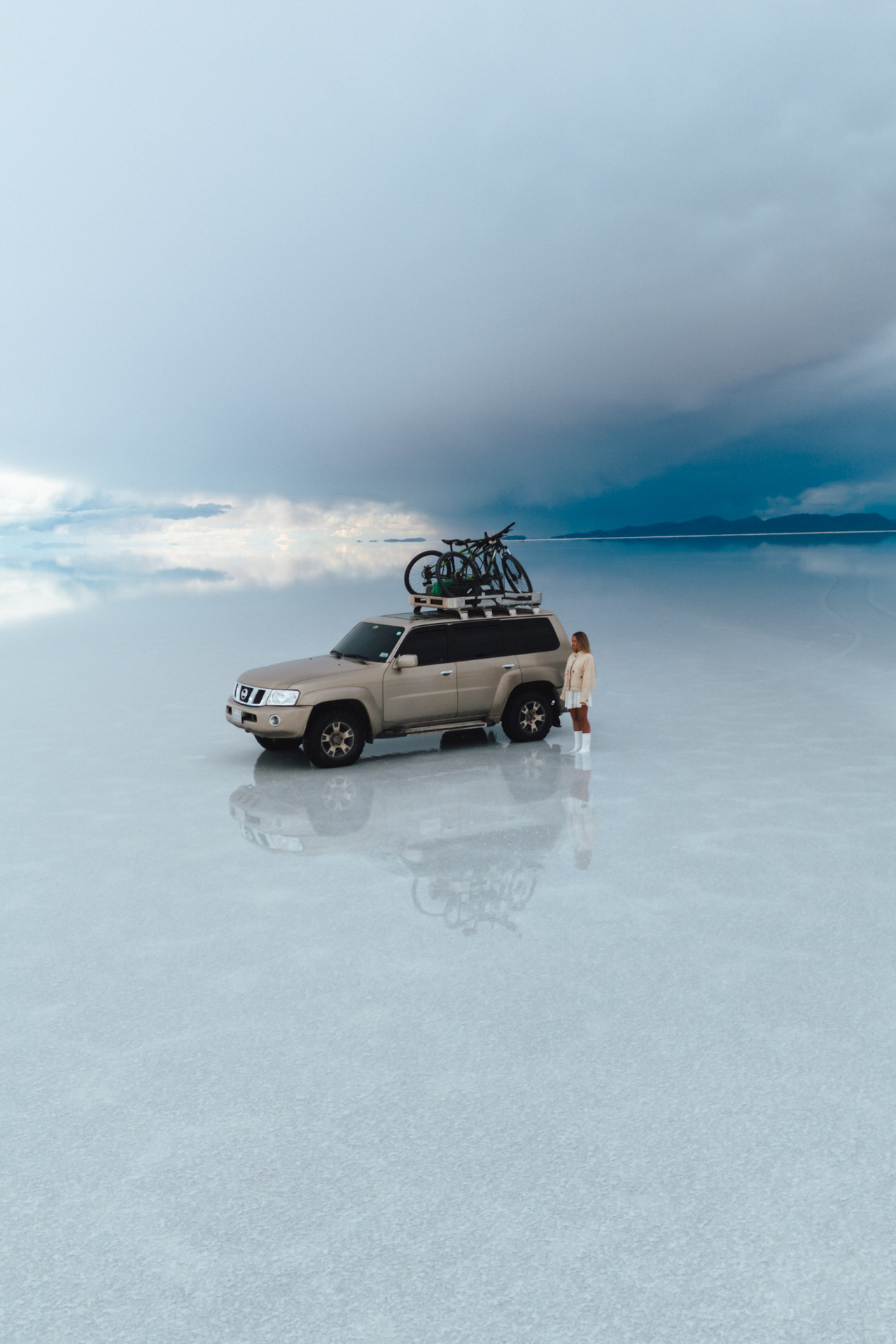
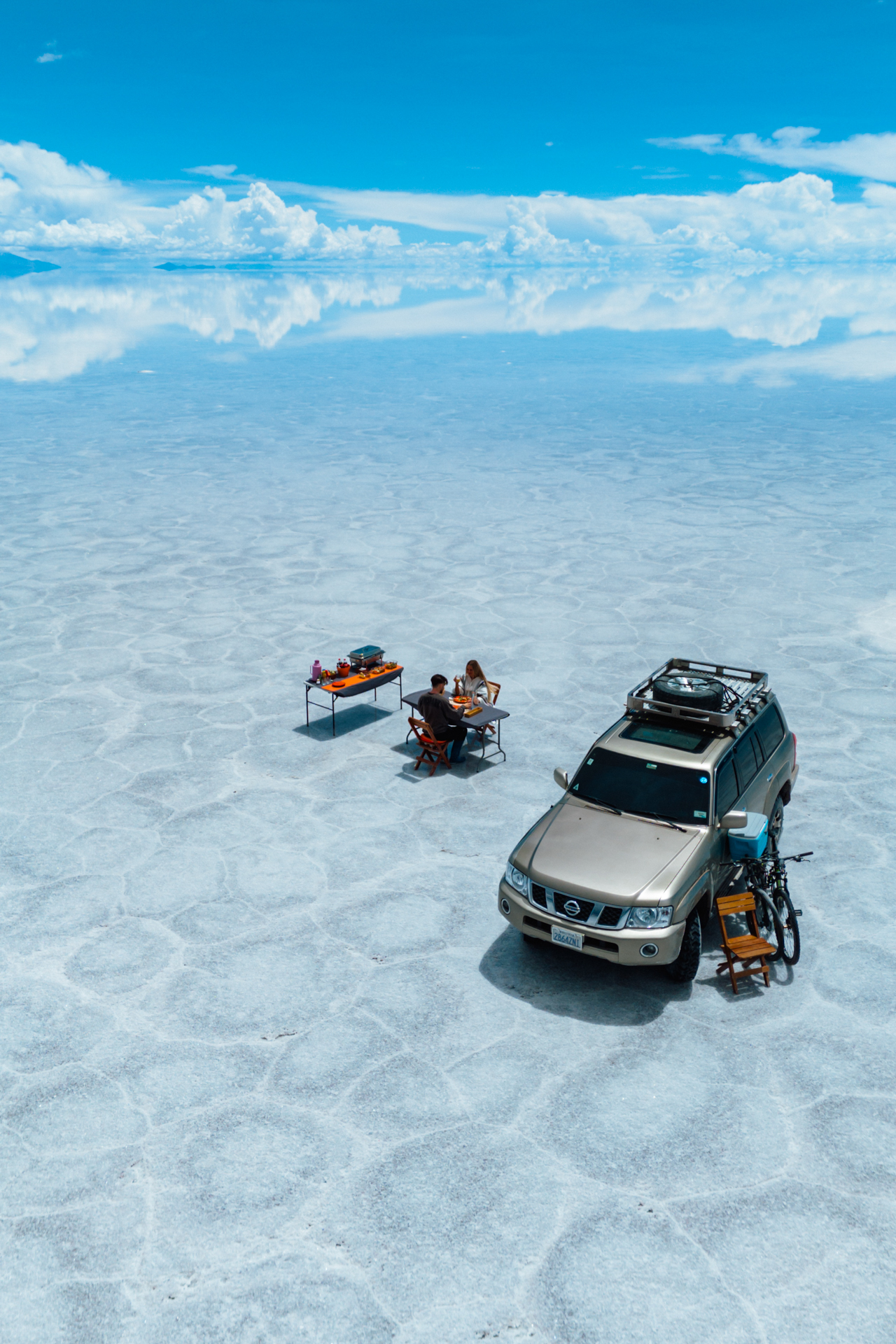
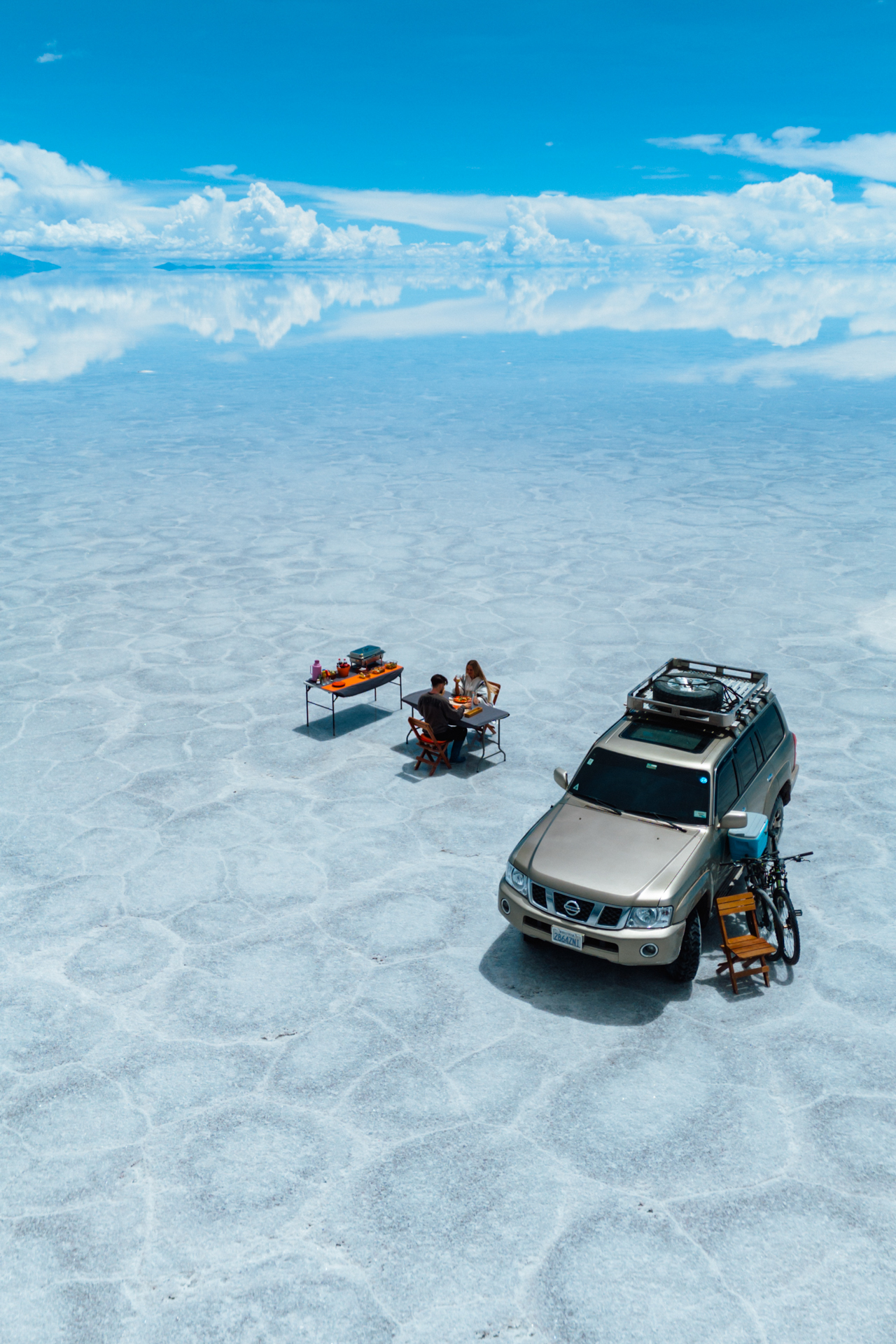
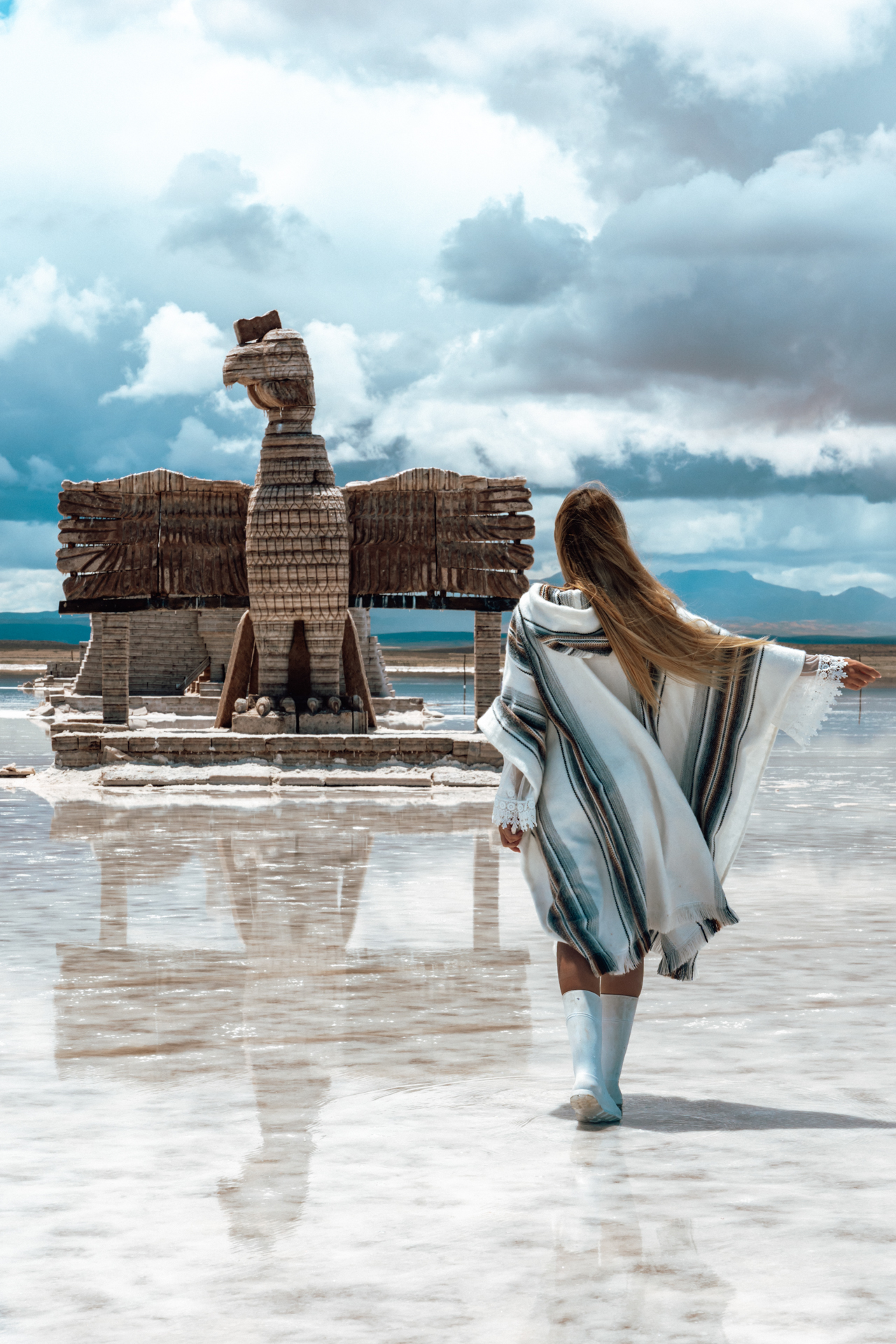
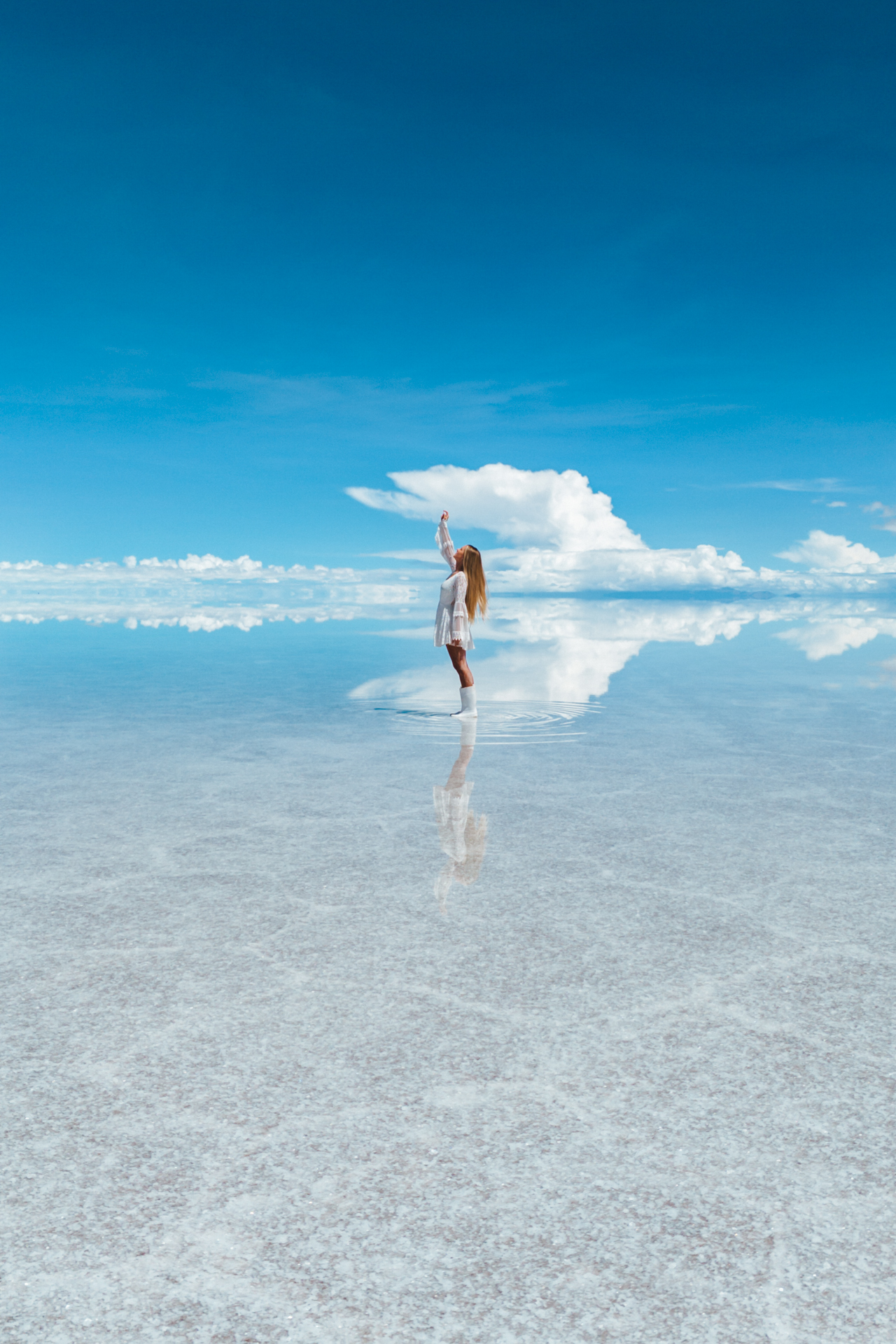
Standing on the world’s largest salt flat feels unreal. Stretching endlessly in every direction, the Salar de Uyuni looks like a frozen ocean of white. During the rainy season, usually from January to March, it transforms into a giant mirror reflecting the sky, creating one of the most surreal landscapes you’ll ever see.


2. Sunrise & Sunset on the Salt Flats
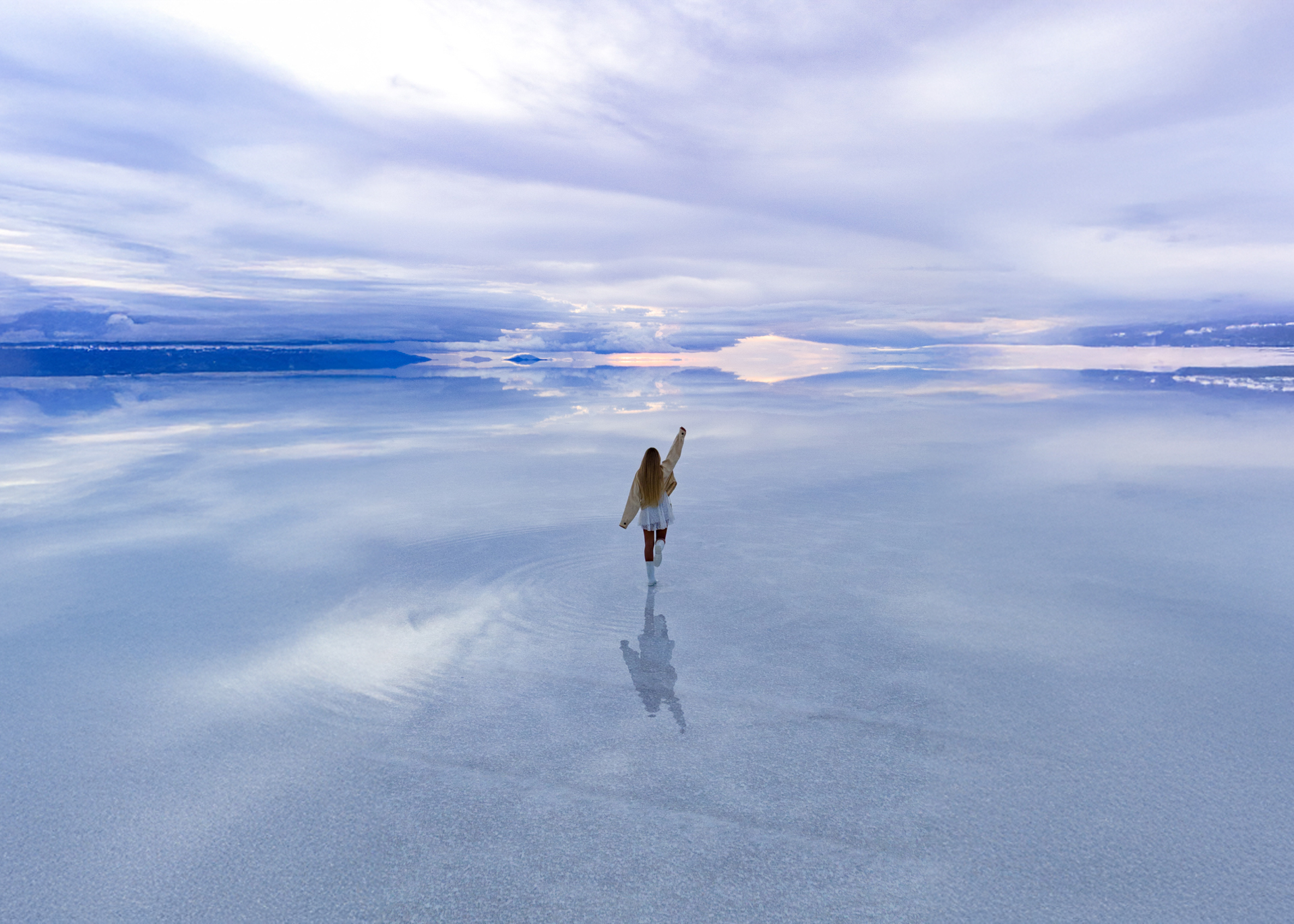
Whether it’s soft pastel tones at sunrise or dramatic colors at sunset, these moments on the salt flats are unforgettable. The silence and the light make this one of Bolivia’s most magical experiences.
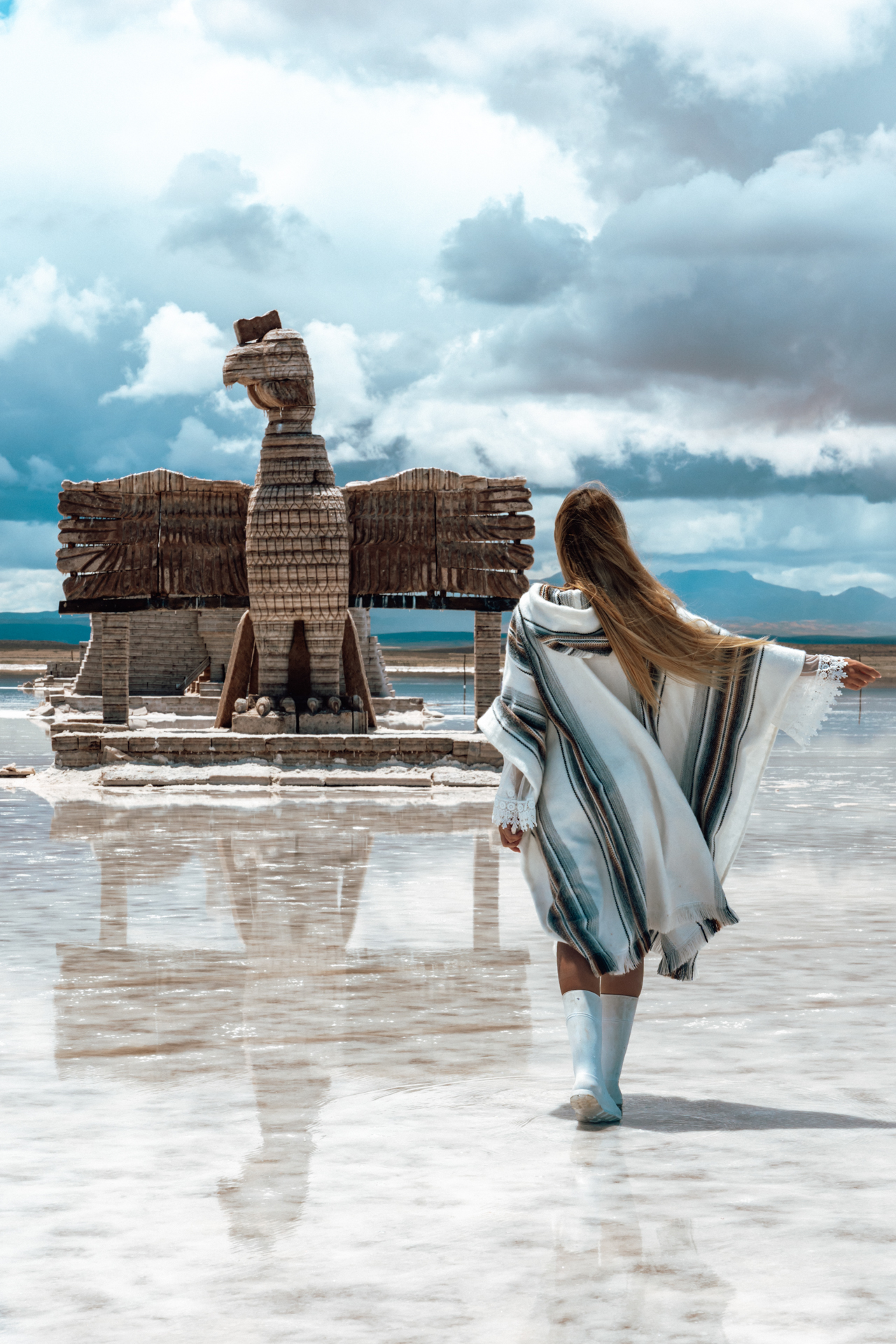
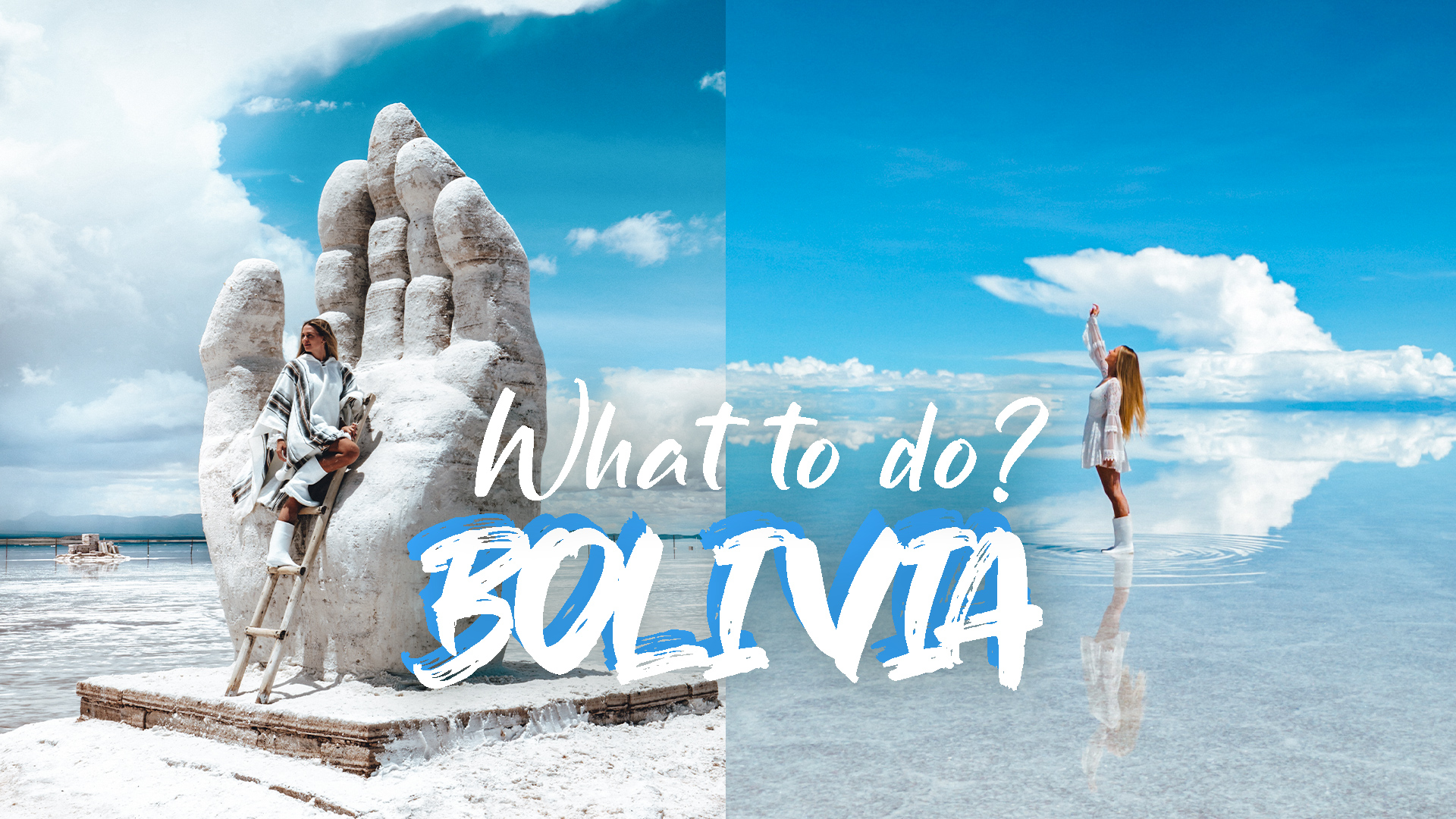
I got this question a lot about where the boots I’m wearing on the salt flats are from. For the salt water, you usually don’t need to bring your own boots. Tours and many hotels provide rubber boots and hand them out for the time you’re there.

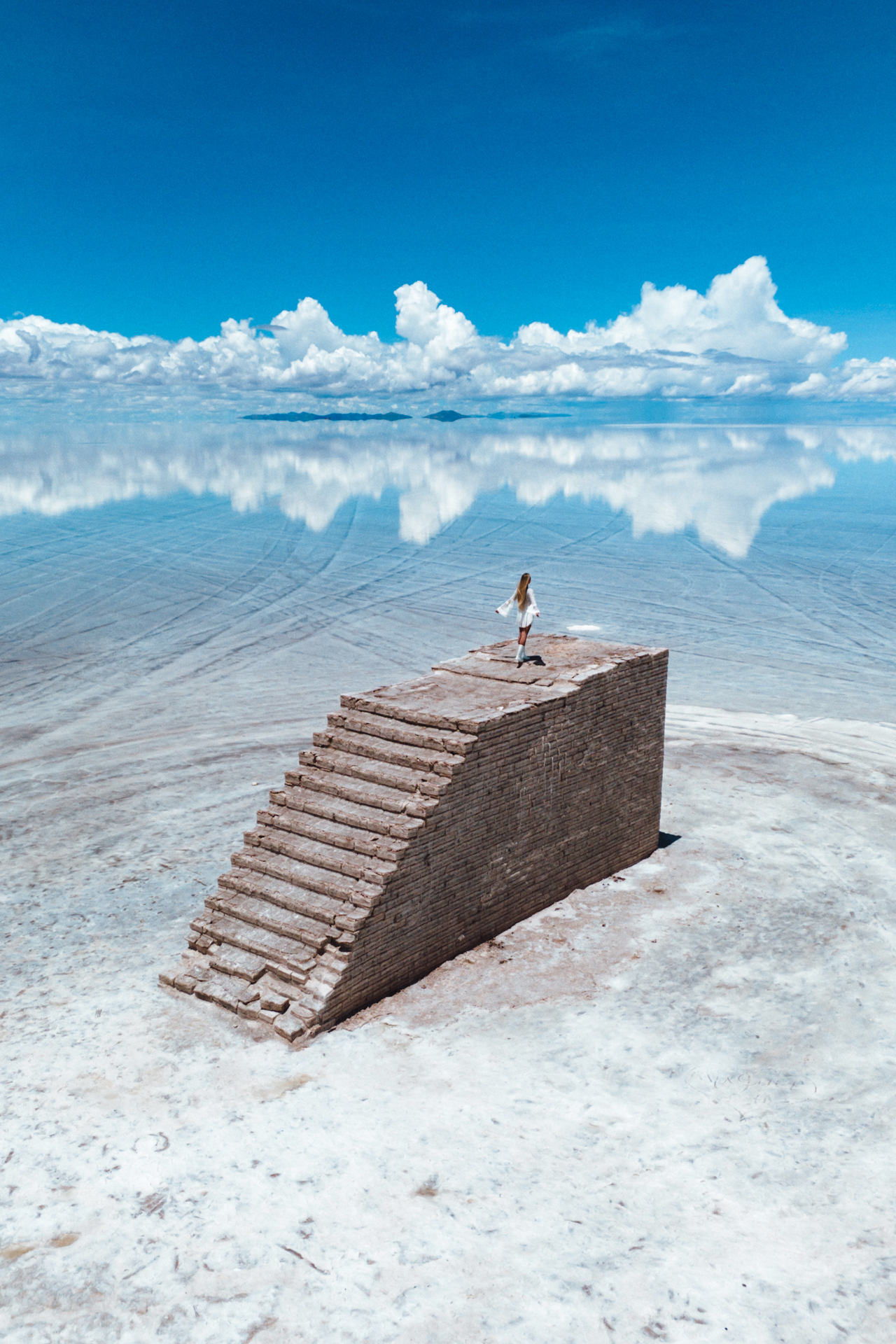
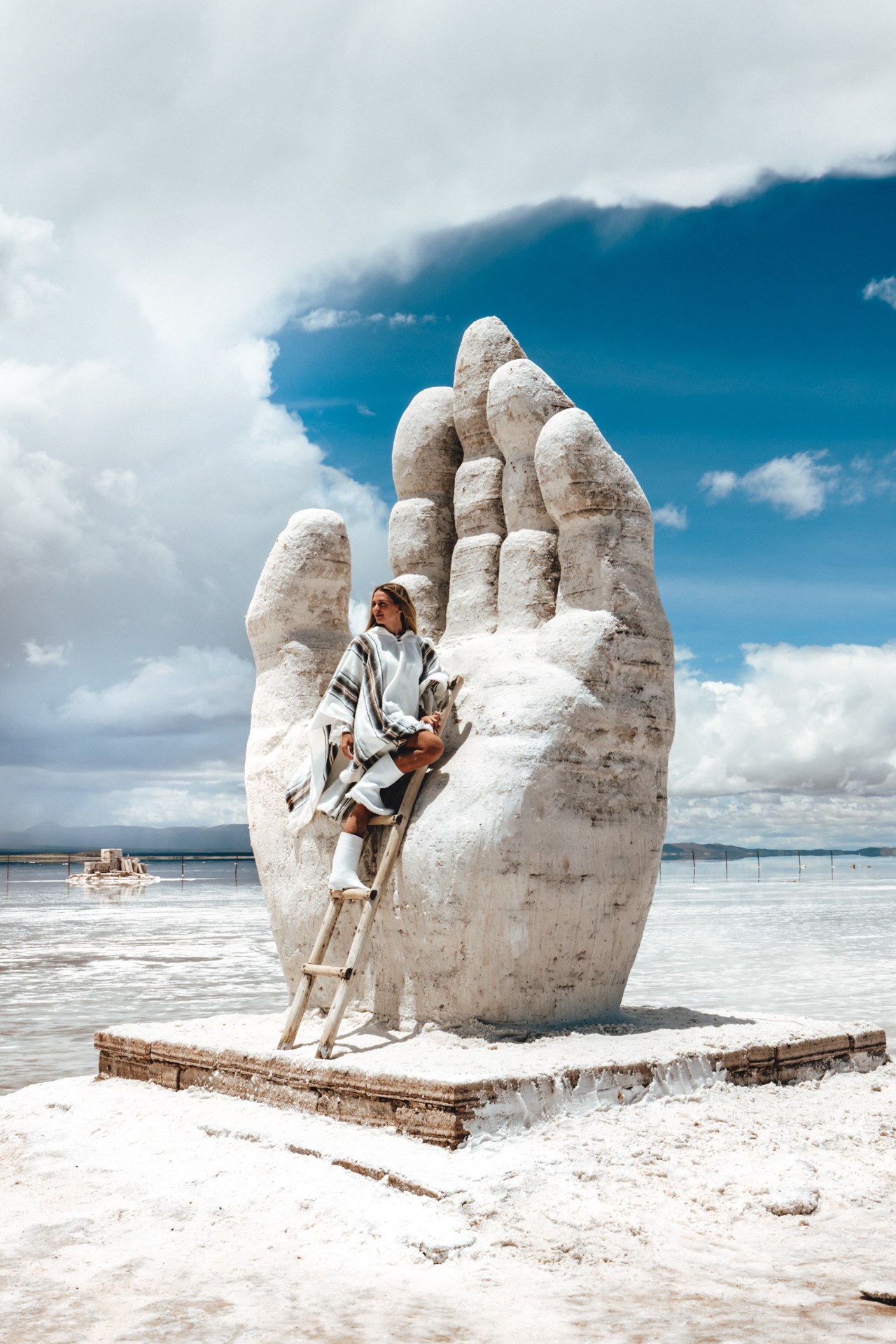
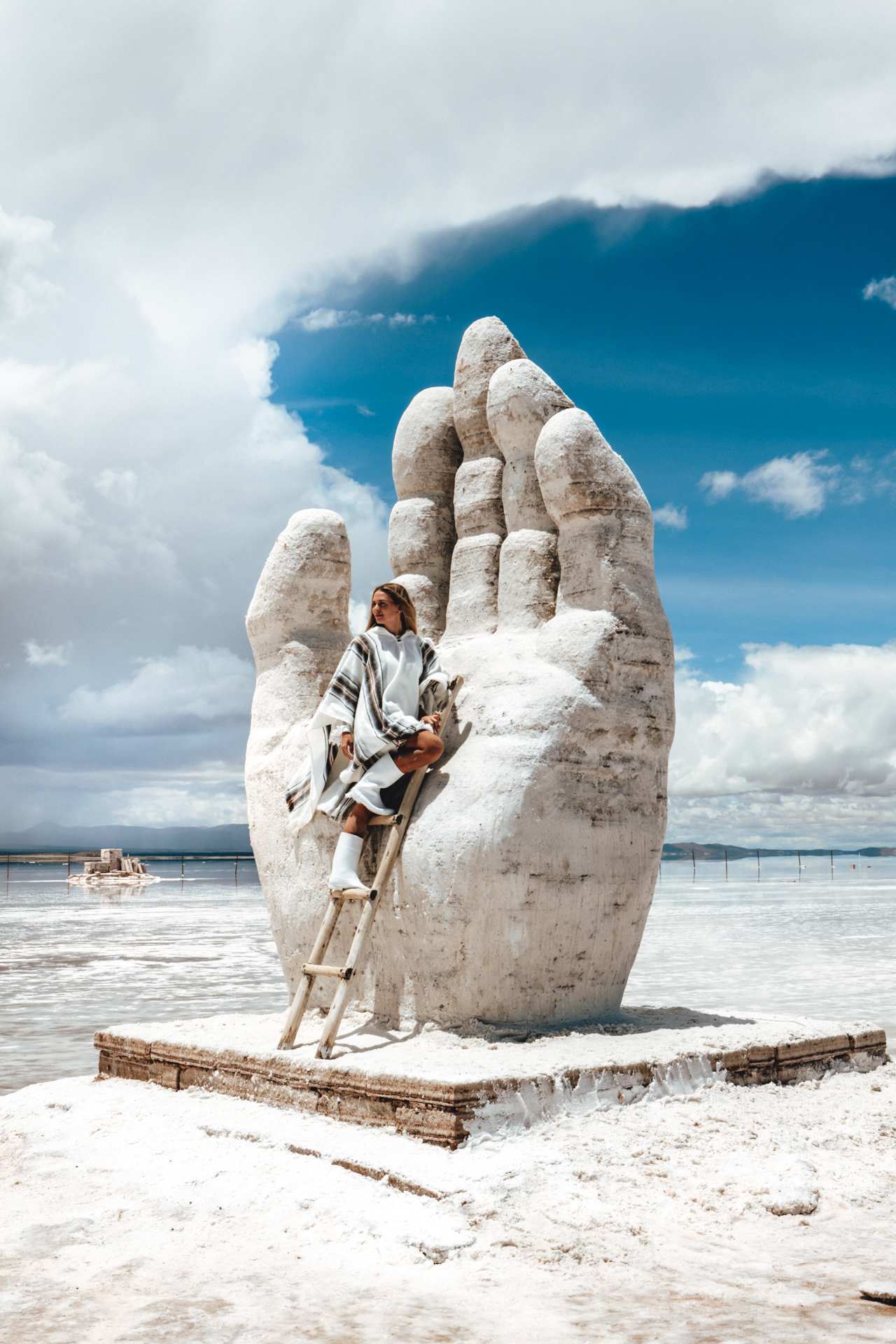
There are also some activities you can do on the wide salt flats. Don’t miss visiting the Stairway to Heaven, the salt sculptures, and Incahuasi Island while exploring the area.
3. Landscapes of Eduardo Avaroa Andean Fauna National Reserve
This remote reserve in southern Bolivia is pure wilderness: colorful lagoons, volcanic deserts, flamingos, llamas, and endless open space. It’s a long journey, but the raw beauty makes every kilometer worth it.
The entrance fee to the reserve is 150 Bolivianos (around €18 / USD 21) per person, paid directly at the checkpoint when entering.
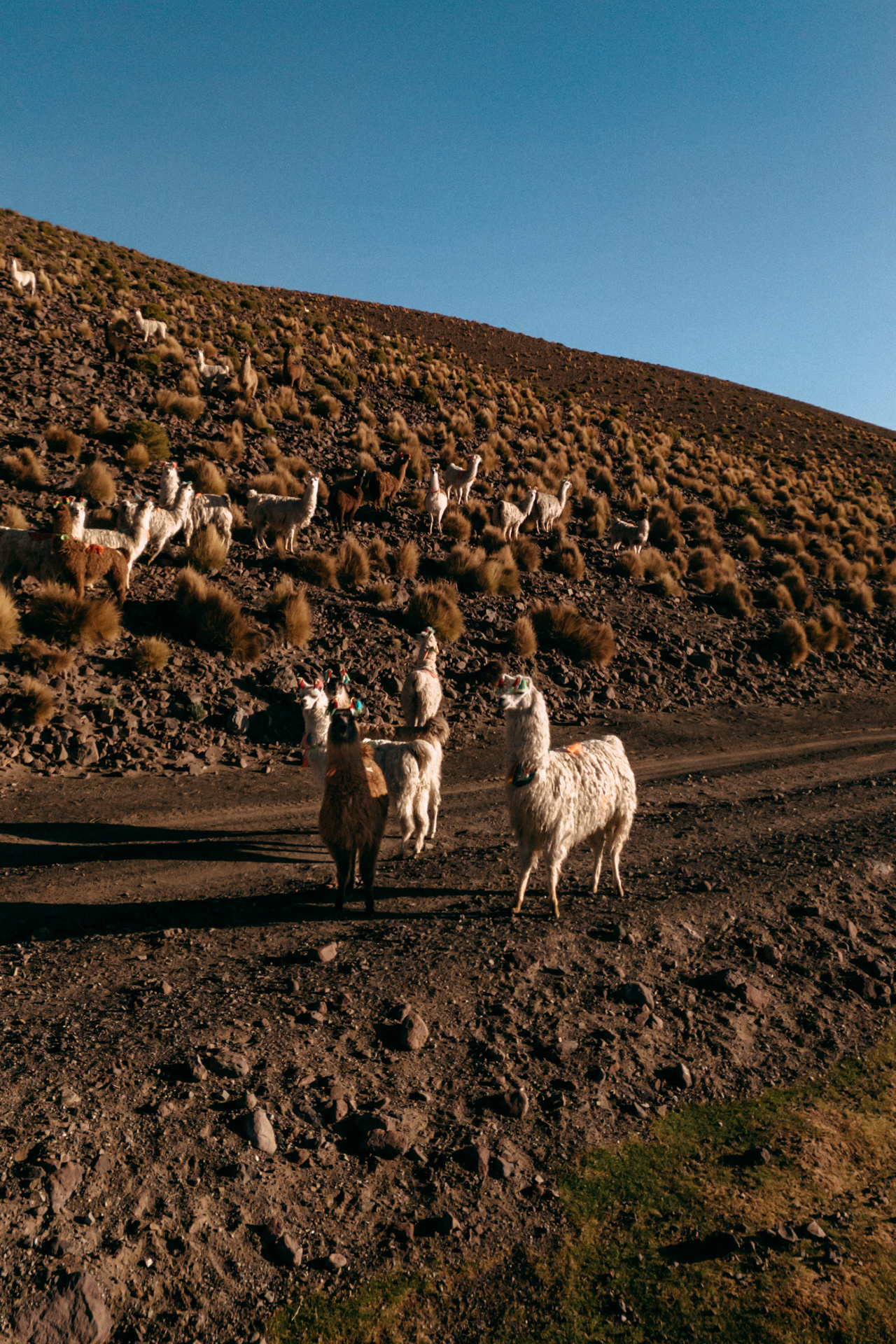

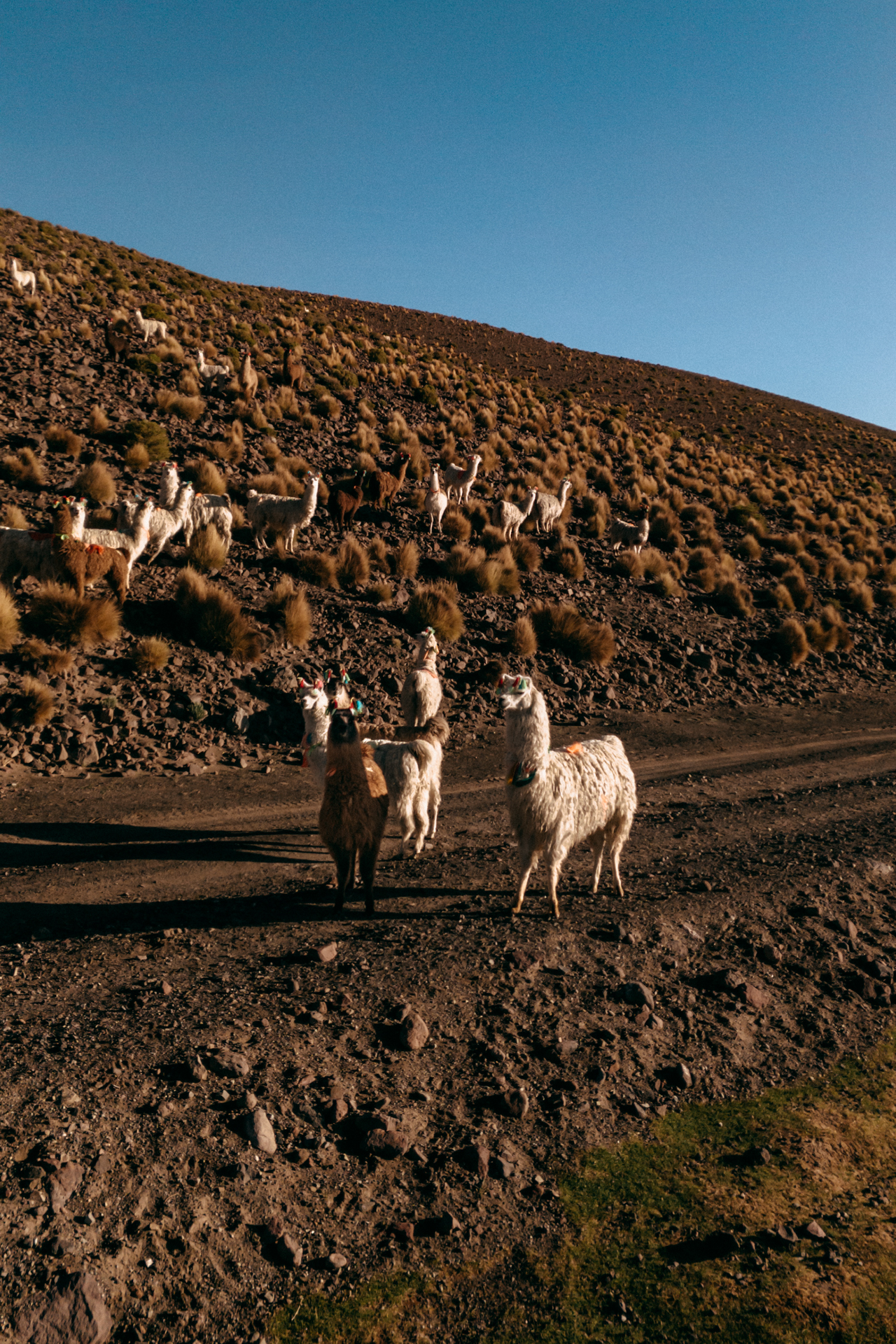

It is located in southern Bolivia near the Chilean border and sits at altitudes of around 4,000–5,000 meters above sea level. The area is extremely remote, with little to no phone signal, no Wi-Fi, and only a few lodge or homestay options. All of this adds to its raw, off-the-grid feel and makes preparation essential when exploring the region.
Important: Bring enough cash. Lodges and homestay options only accepted cash payments.
We explored this reserve on our own with a rental car from La Paz, without a local guide. Be aware that it can get quite challenging, as you’ll need to plan and handle everything yourself. A big recommendation is to carry extra gasoline in a canister, as the last gas station is in San Cristóbal.
4. Watch Flamingos at Laguna Colorada
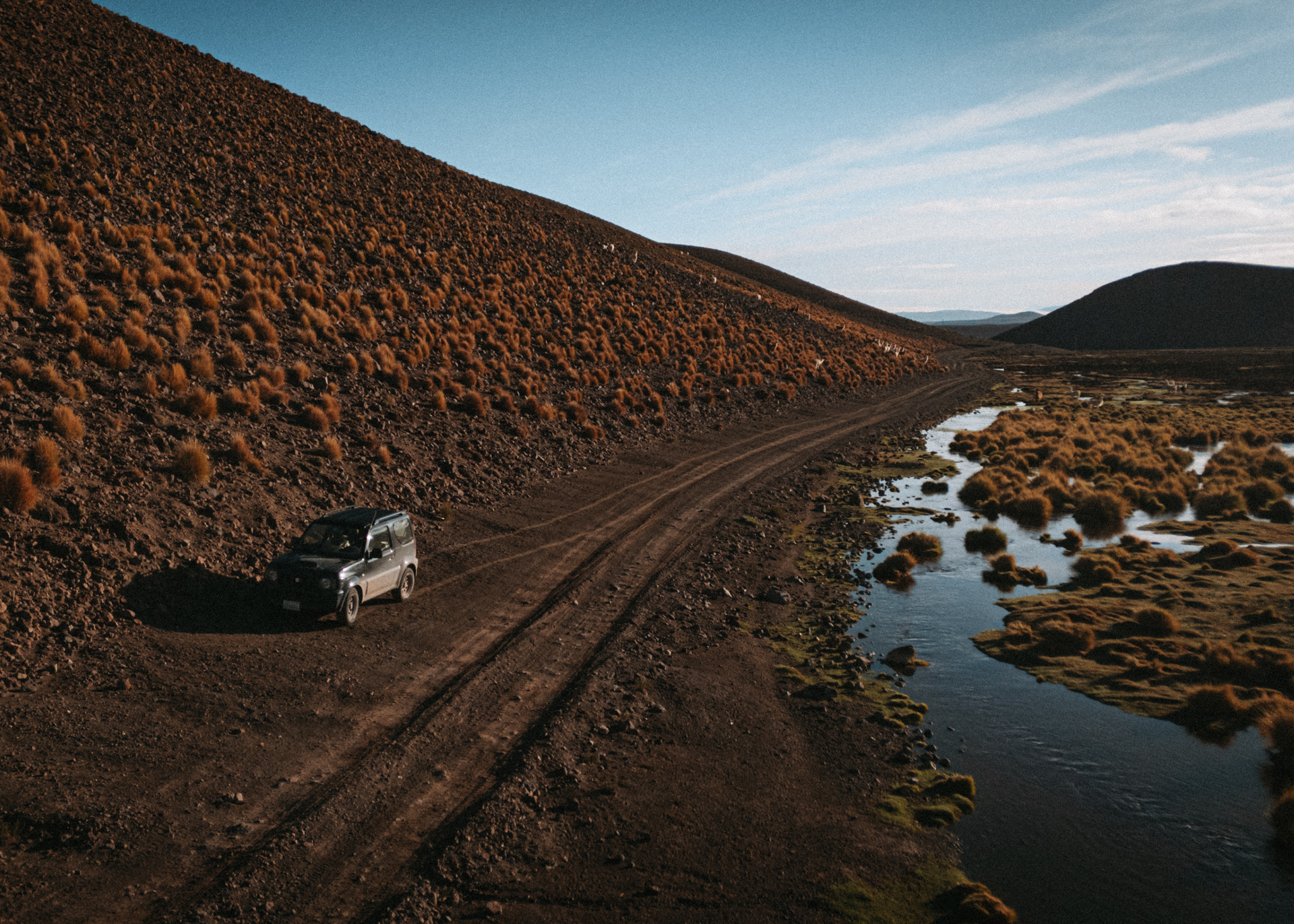
One of the most surreal sights in Bolivia, a red-hued lagoon set against barren mountains and dotted with hundreds of flamingos. The contrast of colors here feels almost unreal. The lagoon’s intense red tones come from algae and minerals in the water, creating a unique habitat for flamingos.
5. Experience the Sol de Mañana Geysers
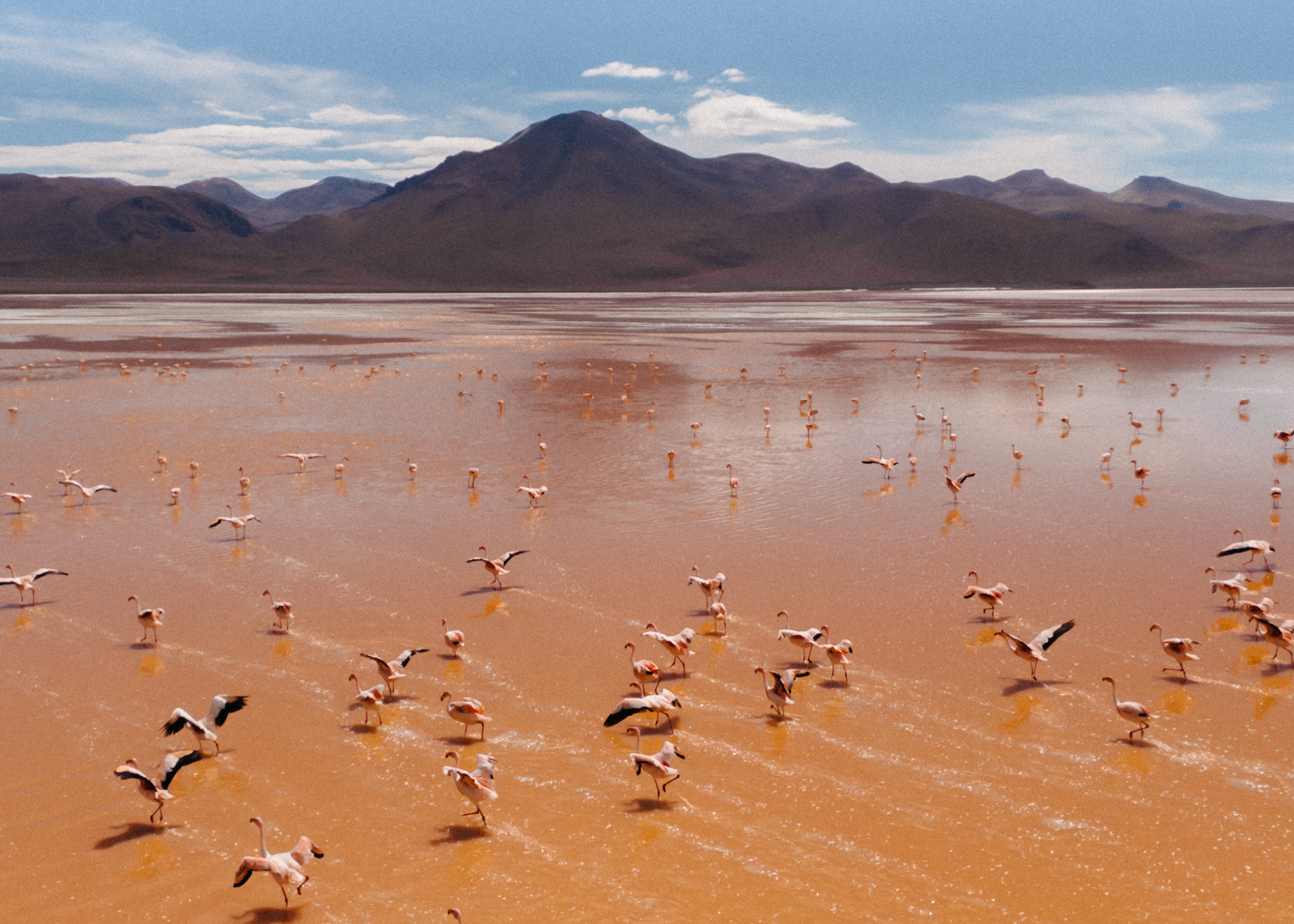
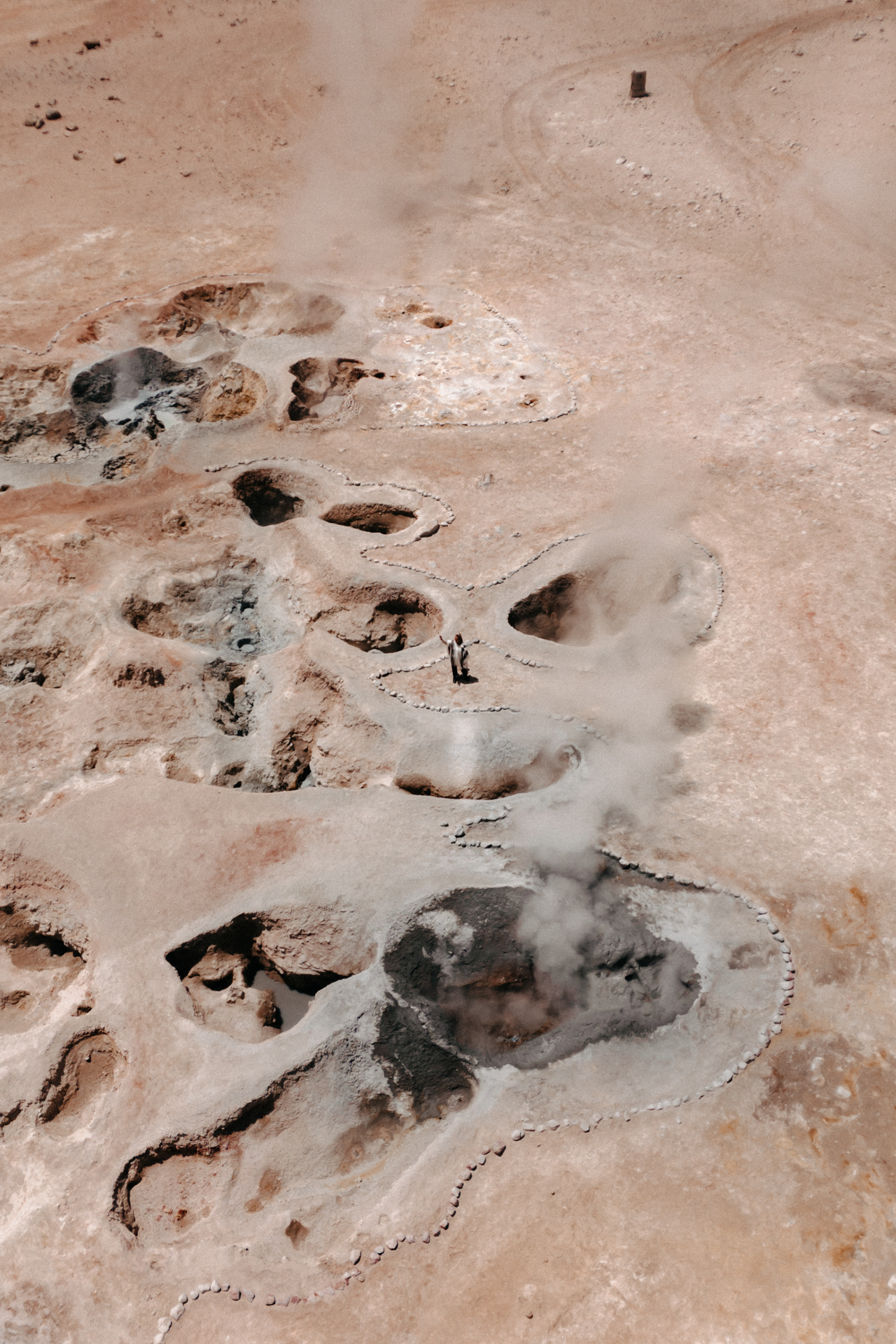
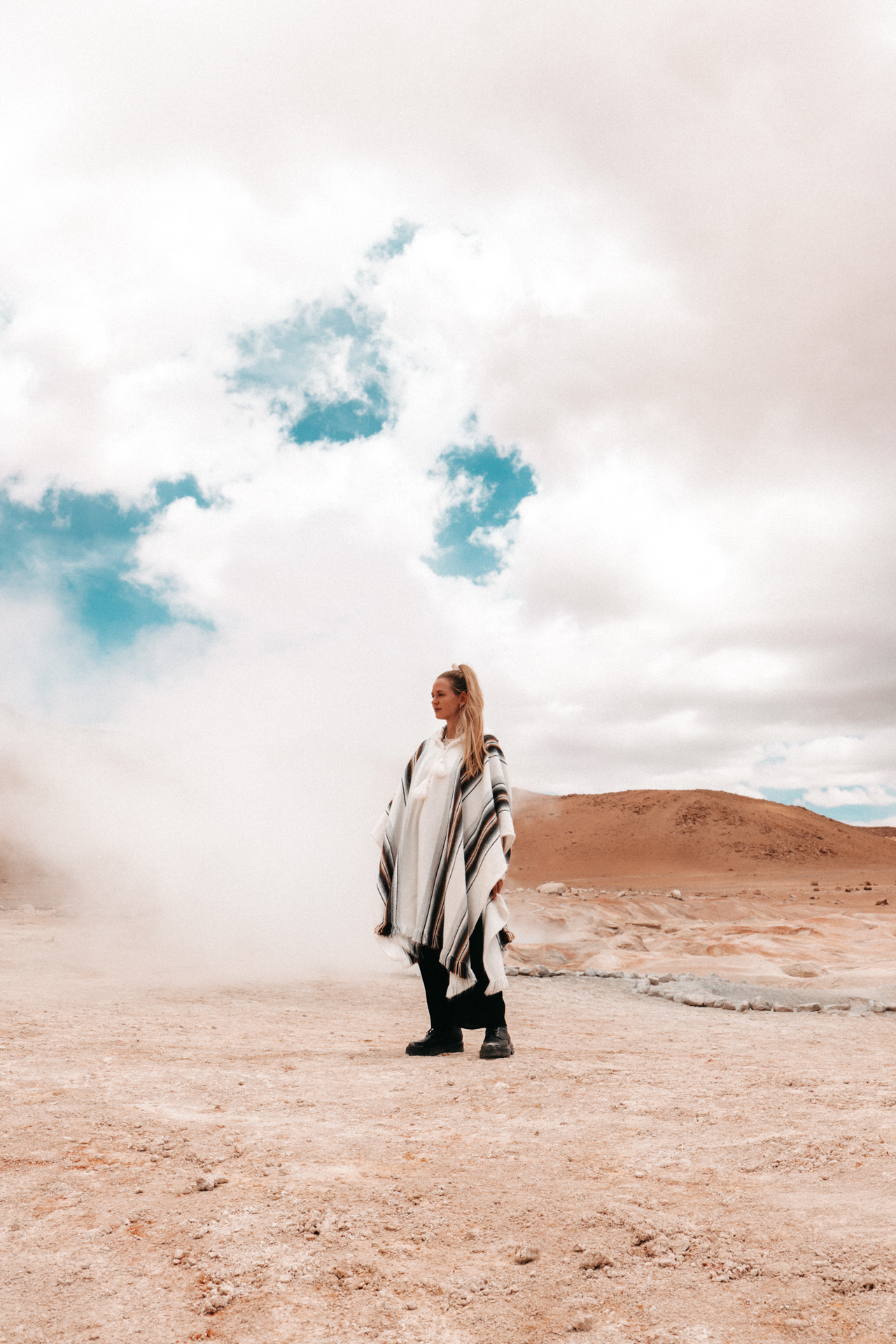
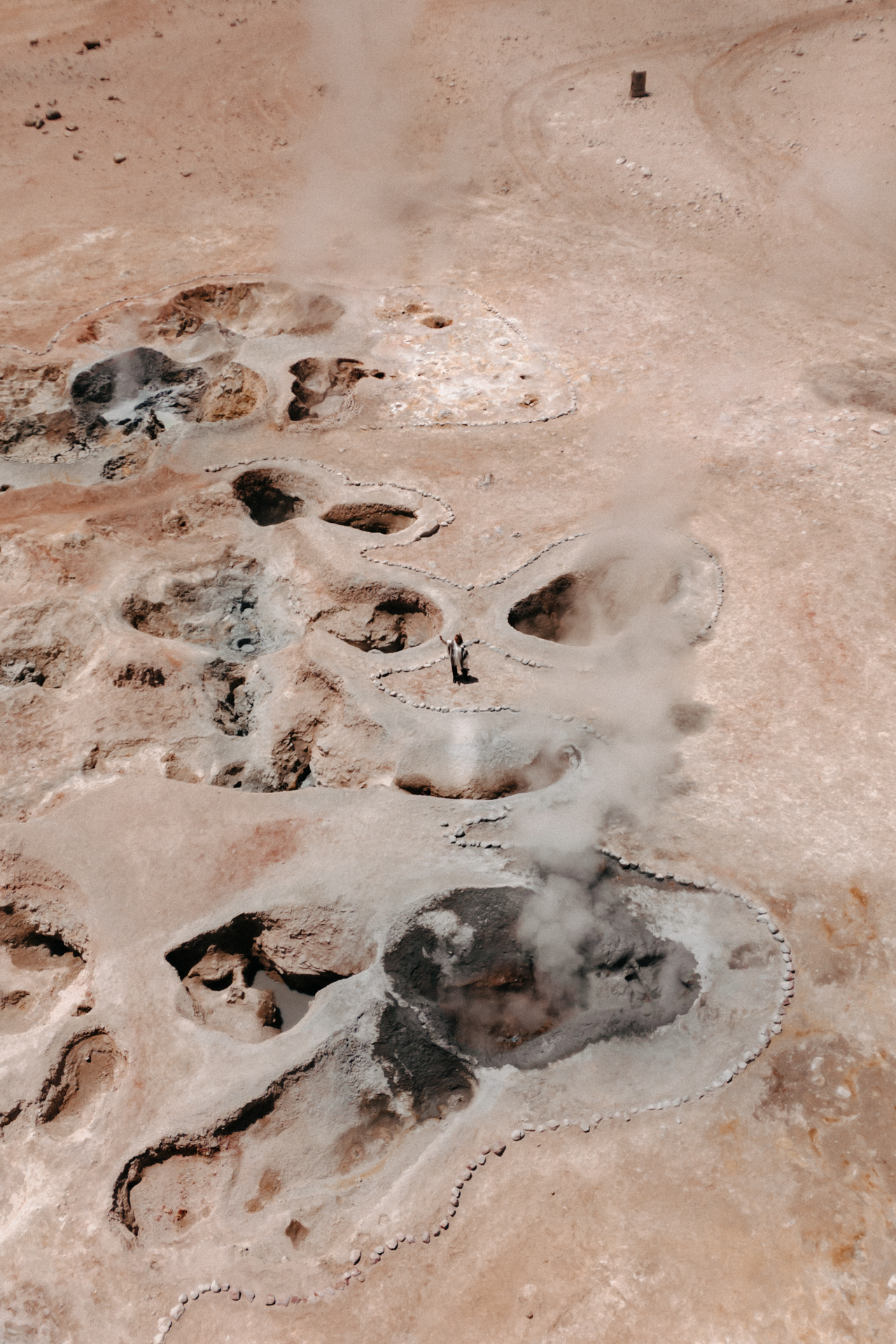
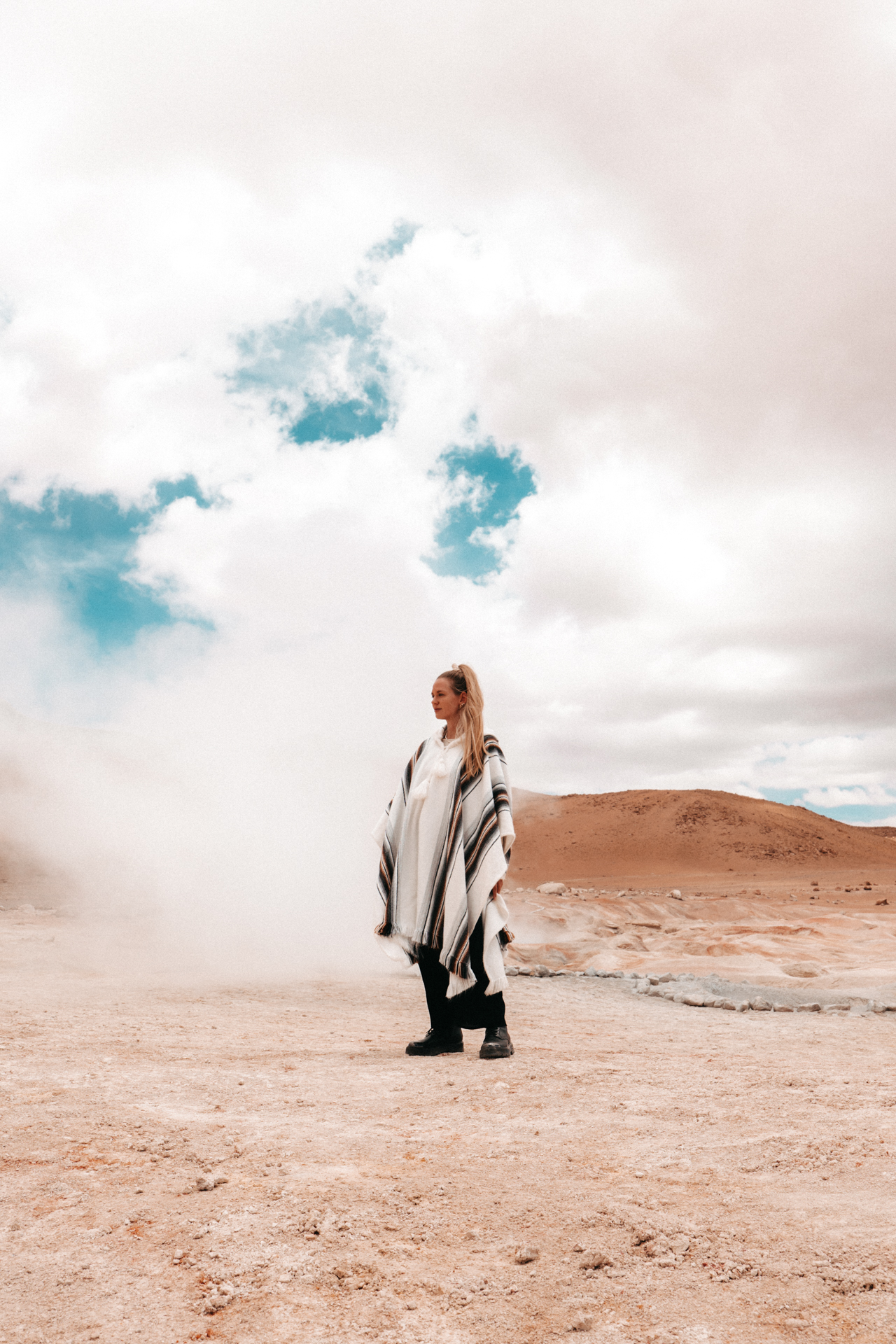
Here, steam rises from the earth at nearly 5,000 meters above sea level. Bubbling mud pools and hissing fumaroles create a dramatic, almost lunar atmosphere, and the air smells, not kidding, like rotten eggs, the kind you definitely notice right away. It’s again another one of the most unique natural experiences in Bolivia.
The geysers are caused by volcanic activity beneath the Earth’s surface, where magma heats underground water, creating steam and pressure that erupt through vents in the ground.
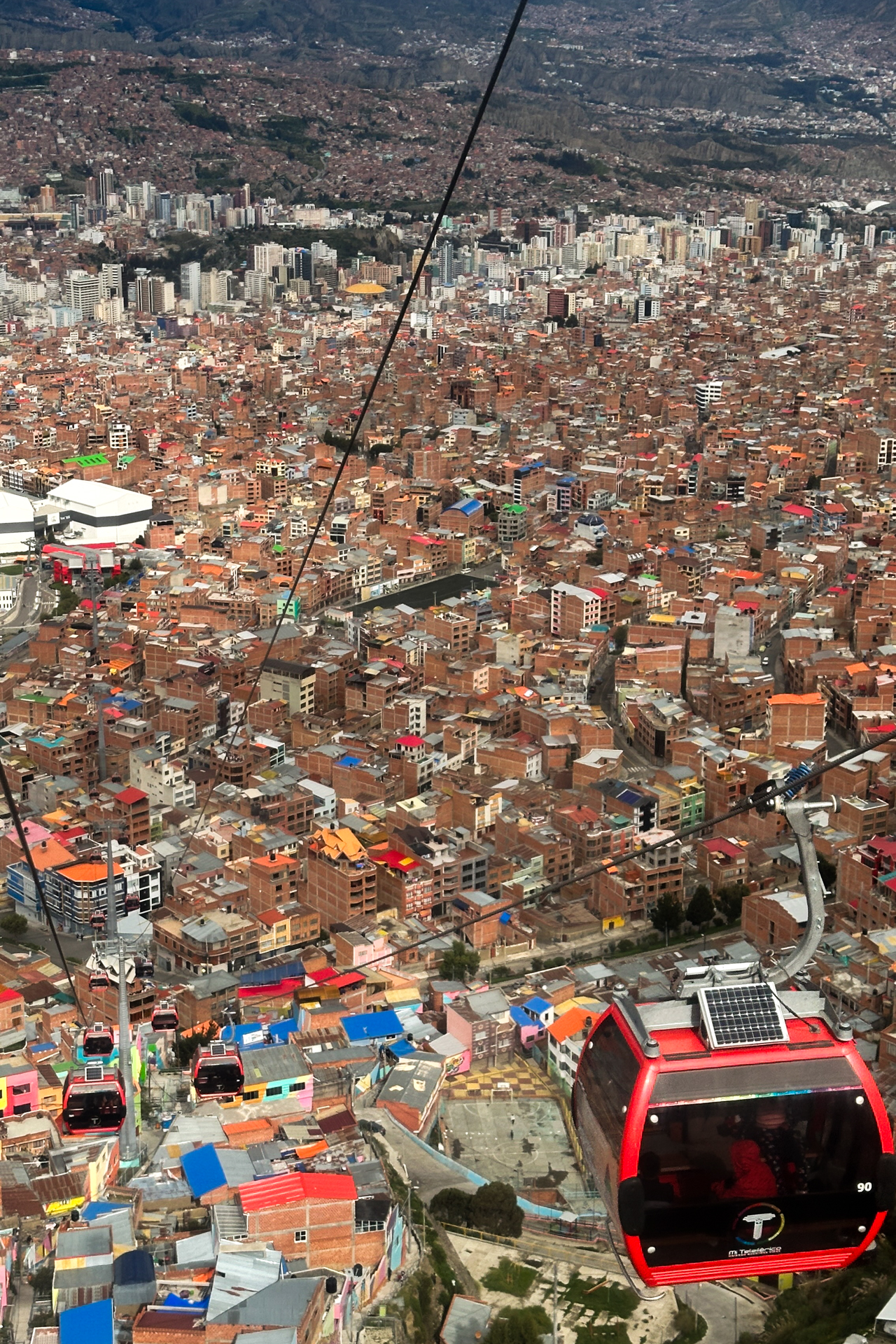
6. Ride the Mi Teleférico in La Paz
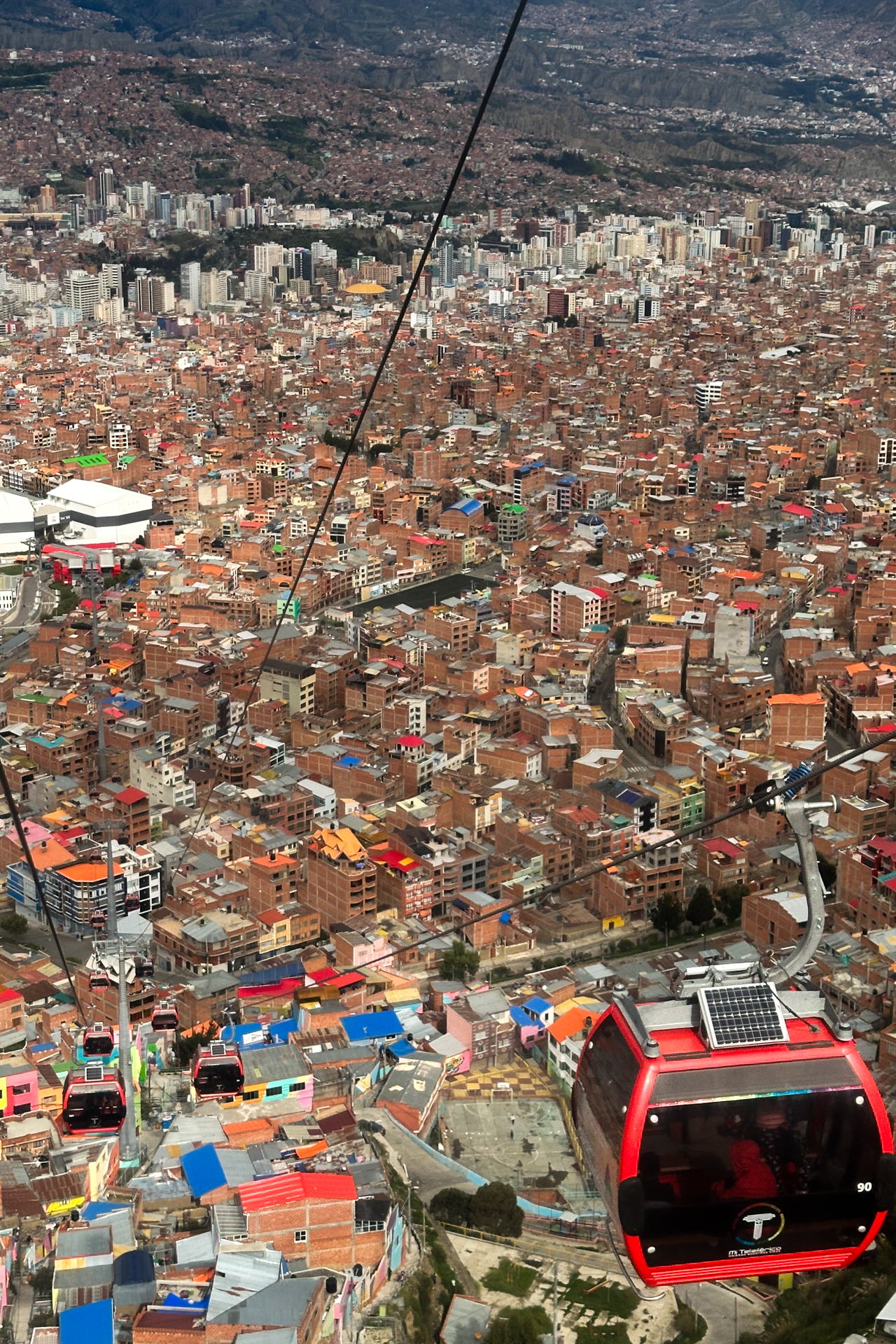
La Paz’s cable car system is more than public transport, it’s an amazing experience! Floating above the city gives you incredible views of the urban development, surrounding mountains, and daily life unfolding far below.
A ride on Mi Teleférico in La Paz costs 3 Bolivianos (around €0.40 / USD 0.45) per trip, making it one of the cheapest and most convenient ways to get around the city.
These cable cars were built to ease traffic congestion (traffic is crazy here!) and to provide a more efficient transportation system for residents, especially those living in steep and densely populated areas.


7. Challuma Neighborhood Walk
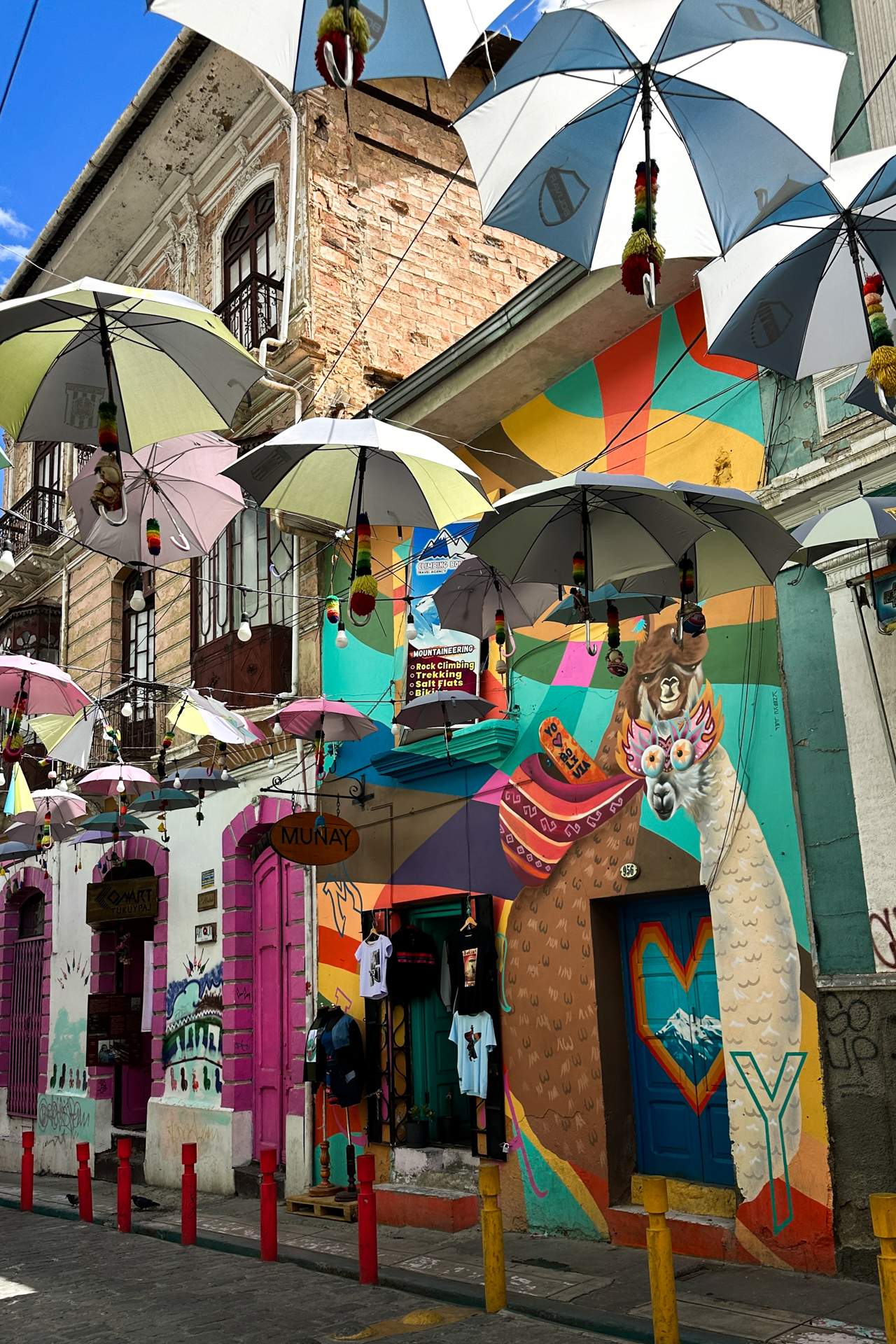
The most colorful neighborhood in La Paz! Tucked away from the busy city center, Challuma offers a more local and authentic side of the city. Its quiet streets are lined with colorful traditional houses, and the views over the valley make it perfect for a relaxed walk and photography.
Like Comuna 13 in Medellín, Colombia, Challuma has transformed from a once struggling neighborhood into a vibrant and beautiful area.




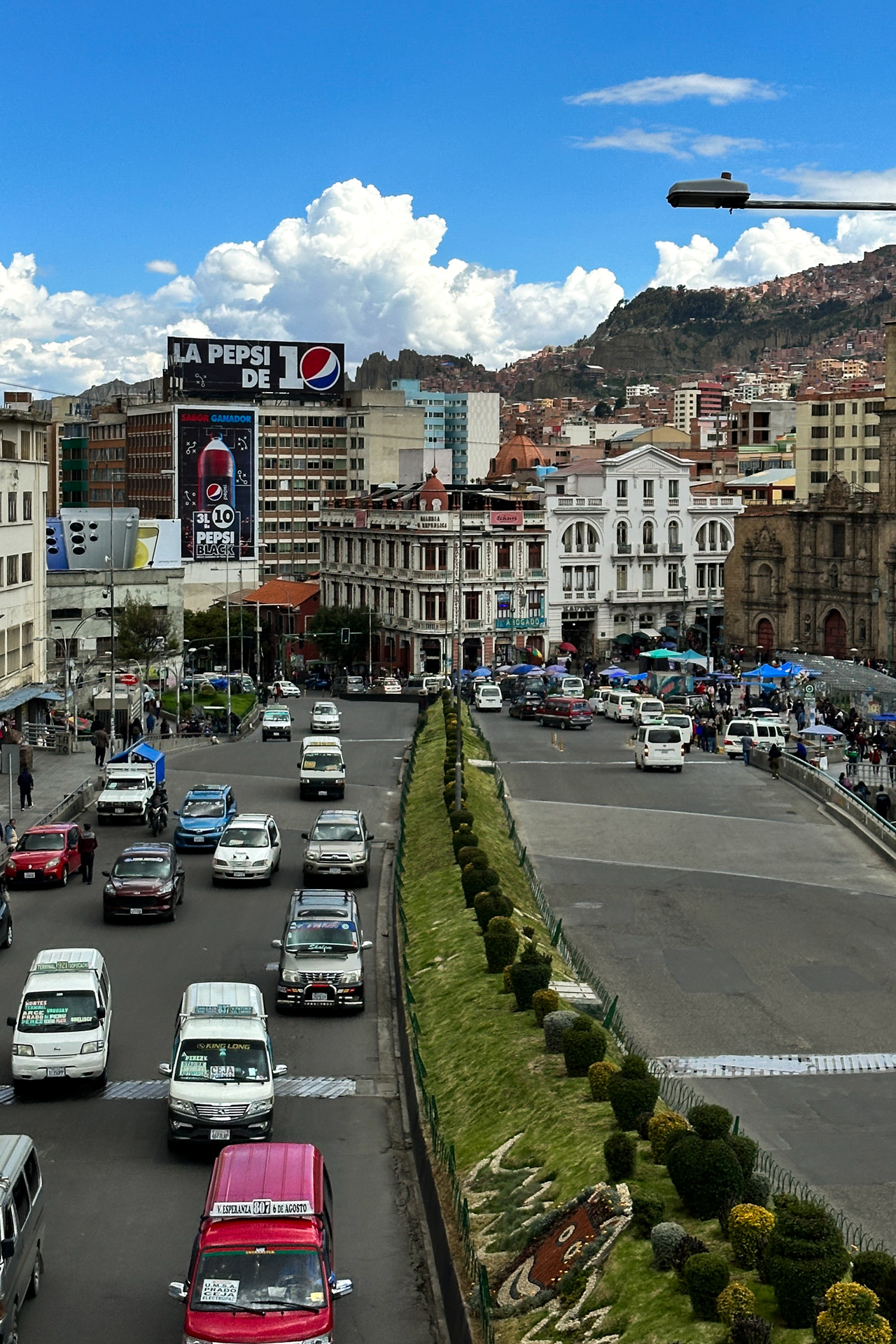
8. Visit San Francisco Basilica in La Paz
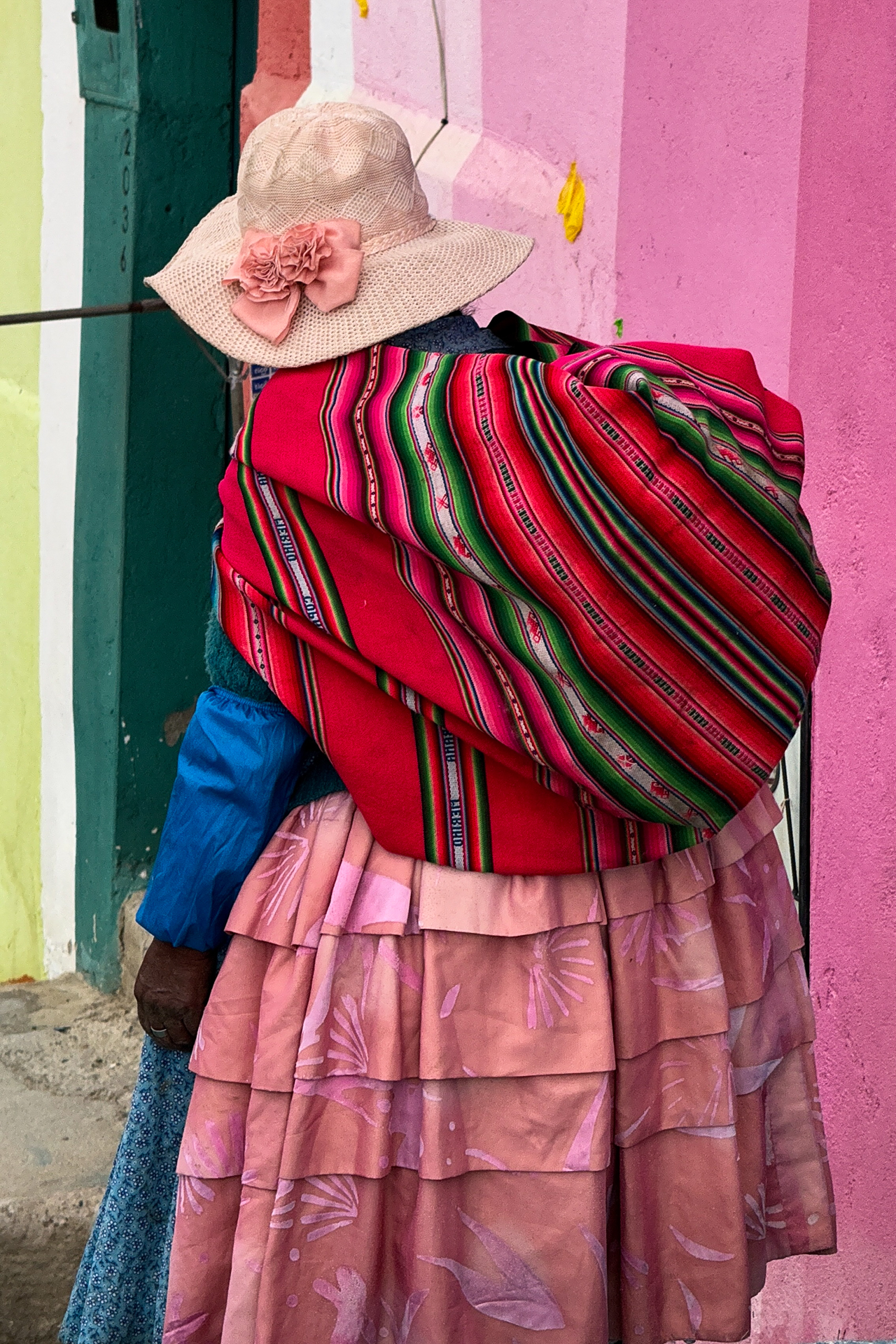
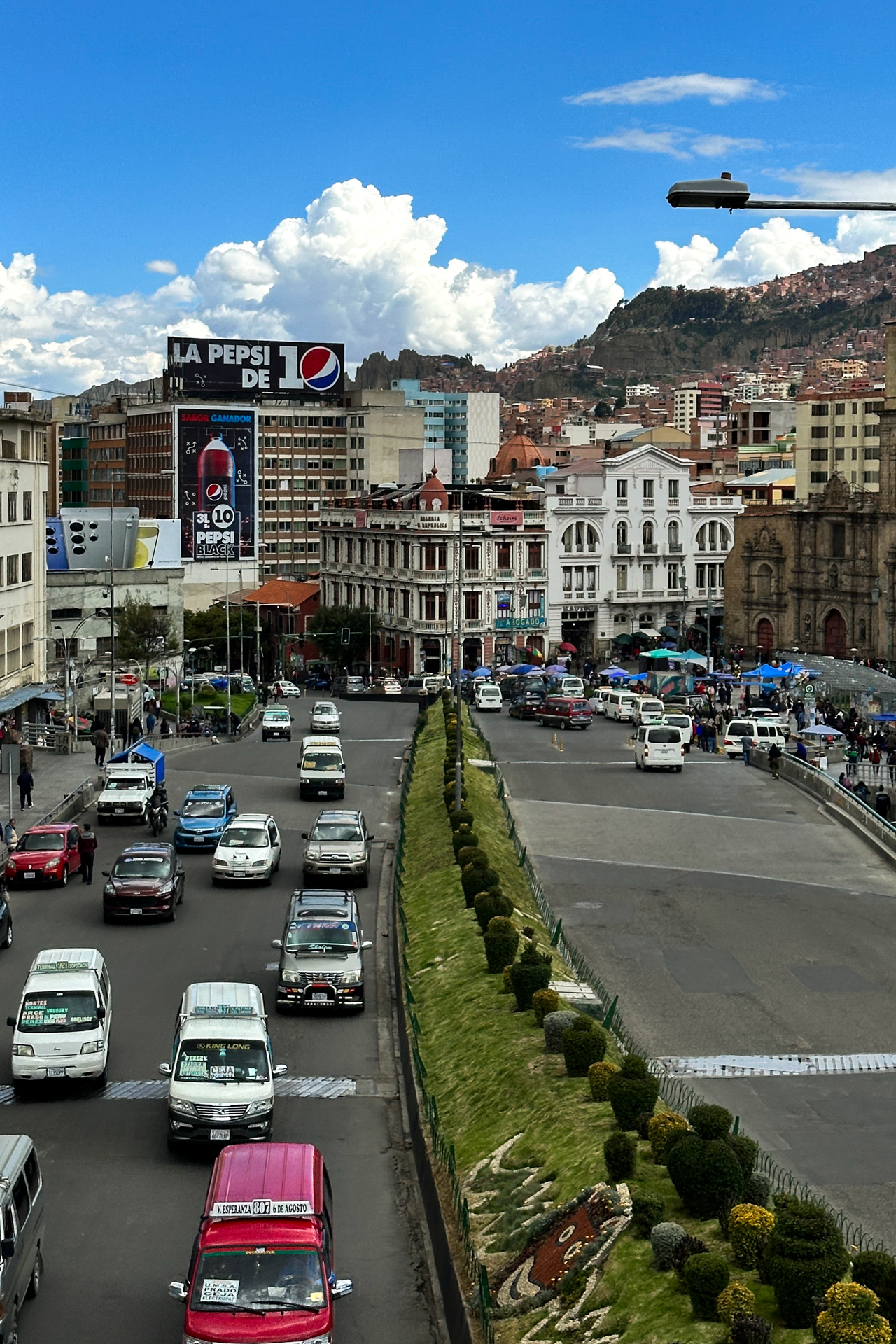
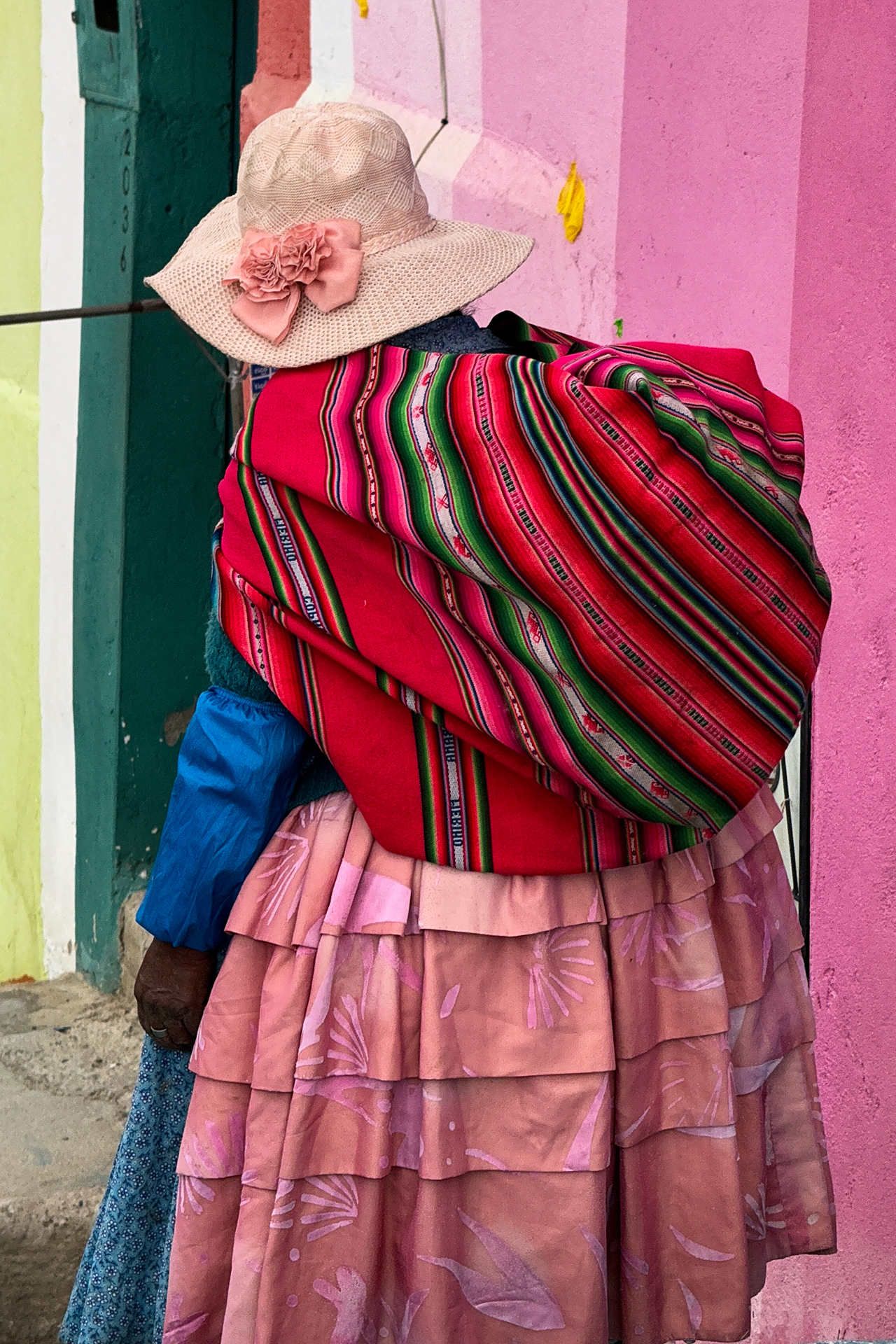
Located in the heart of the city, this historic basilica is one of La Paz’s most important landmarks. Its detailed façade, rich history, and central plaza make it a must-stop while exploring the city on foot, and it’s also a great place to see many cholitas going about their daily lives.
Cholitas are Indigenous Aymara and Quechua women from the Andean regions of Bolivia. They traditionally dress in colorful clothing and wear hand-woven blankets on their backs, often used to carry items or even babies.
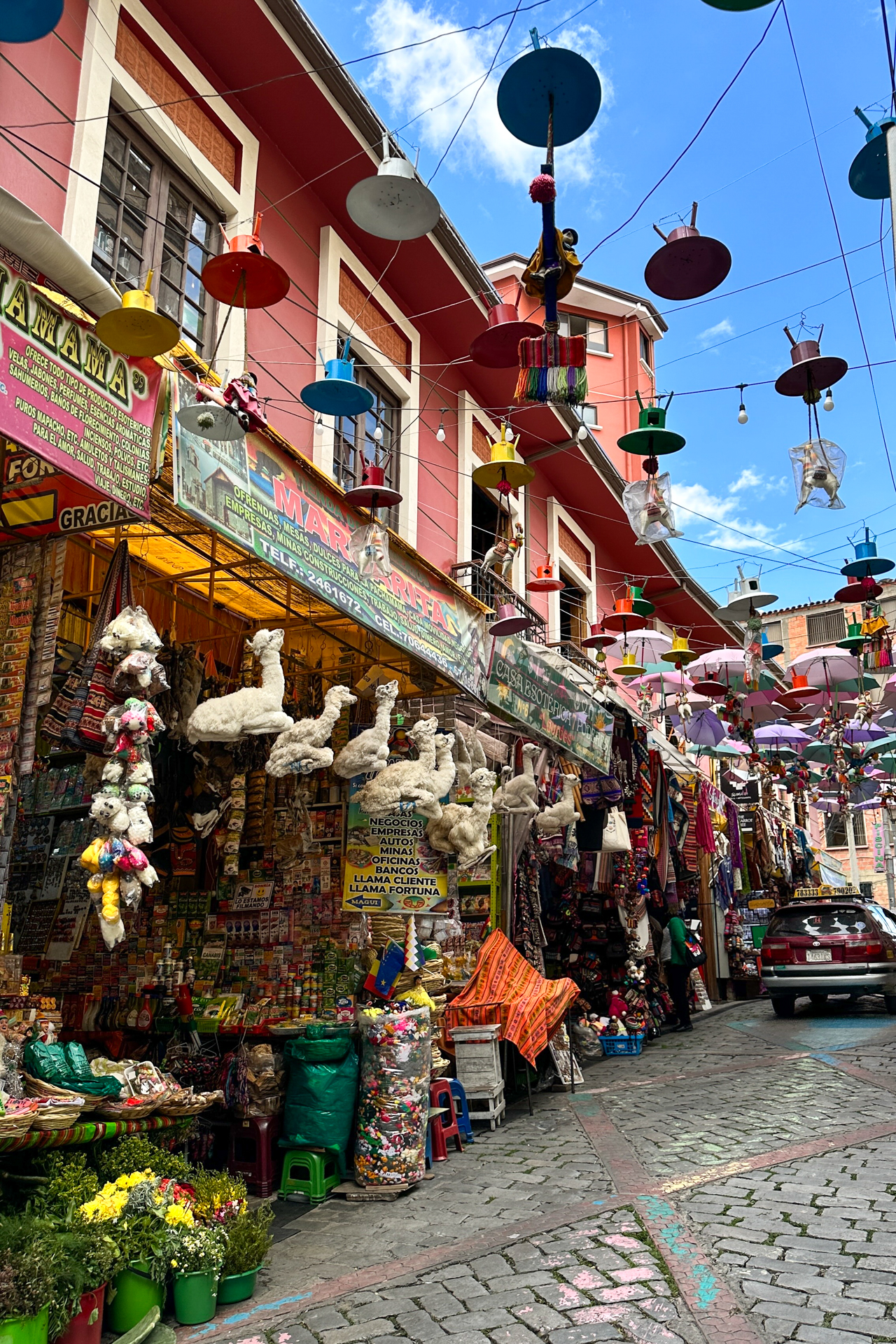
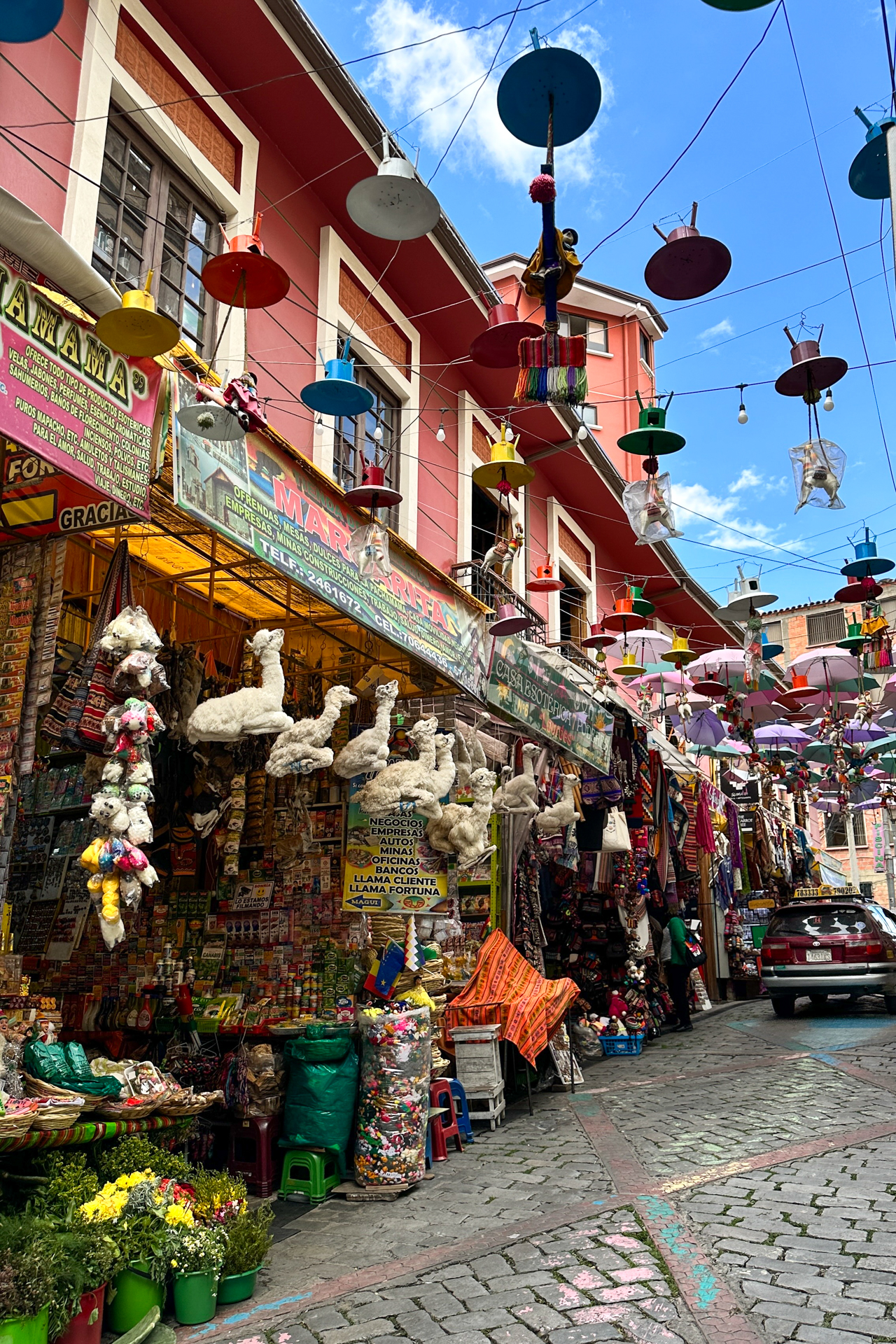
9. Wander the Witches’ Market
A fascinating glimpse into Andean traditions and beliefs, known as the Mercado de las Brujas. This small street is lined with stalls selling herbs, talismans, and offerings used in indigenous rituals, and it’s also a great place for unique souvenir shopping you won’t find anywhere else.
Combine your visit to the Witches’ Market with a walk along Calle Sagárnaga. The two streets are just a few minutes apart and make a perfect loop for souvenir shopping, cafés, and exploring the historic center on foot.


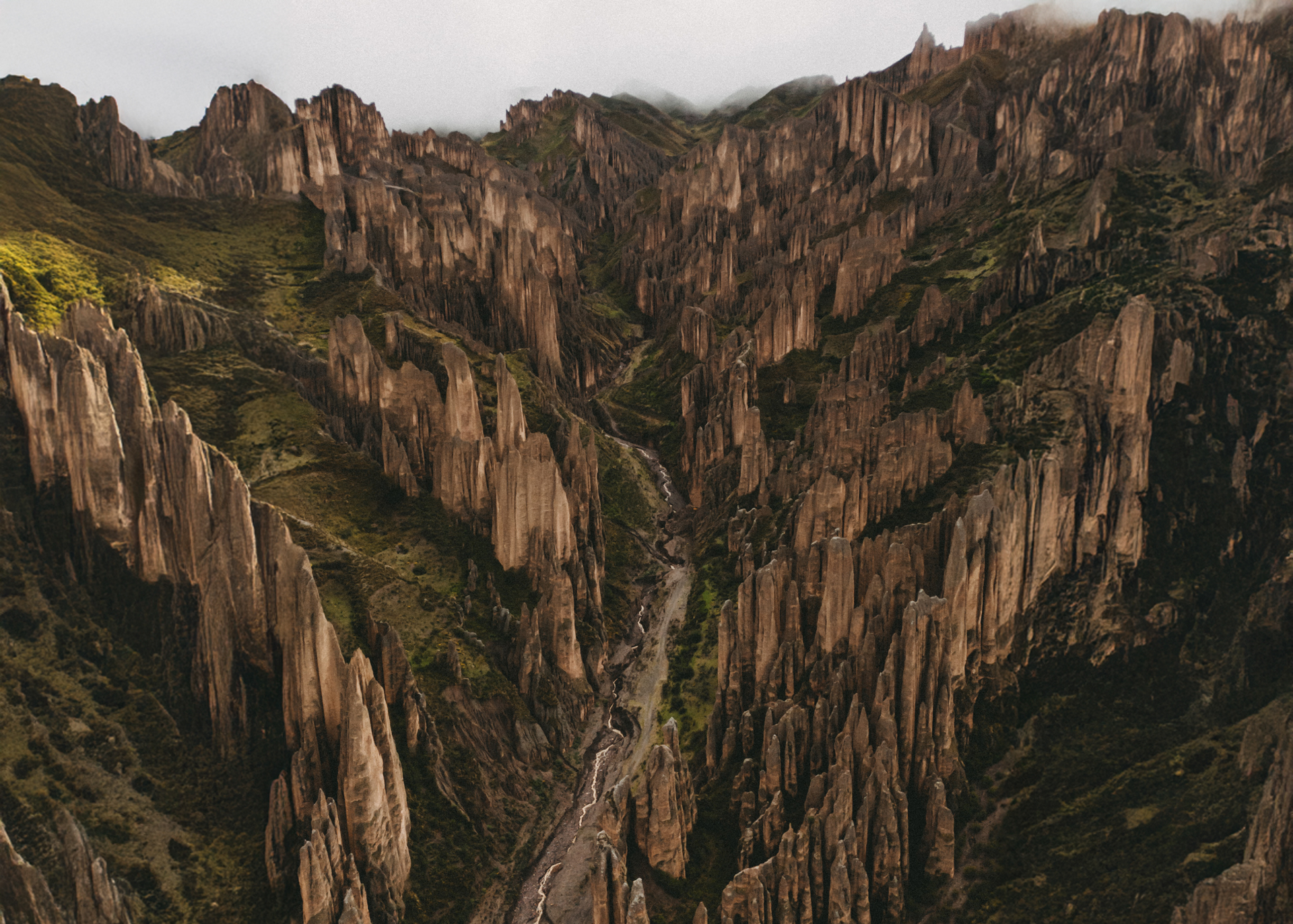
10. Hike Through Valle de las Ánimas
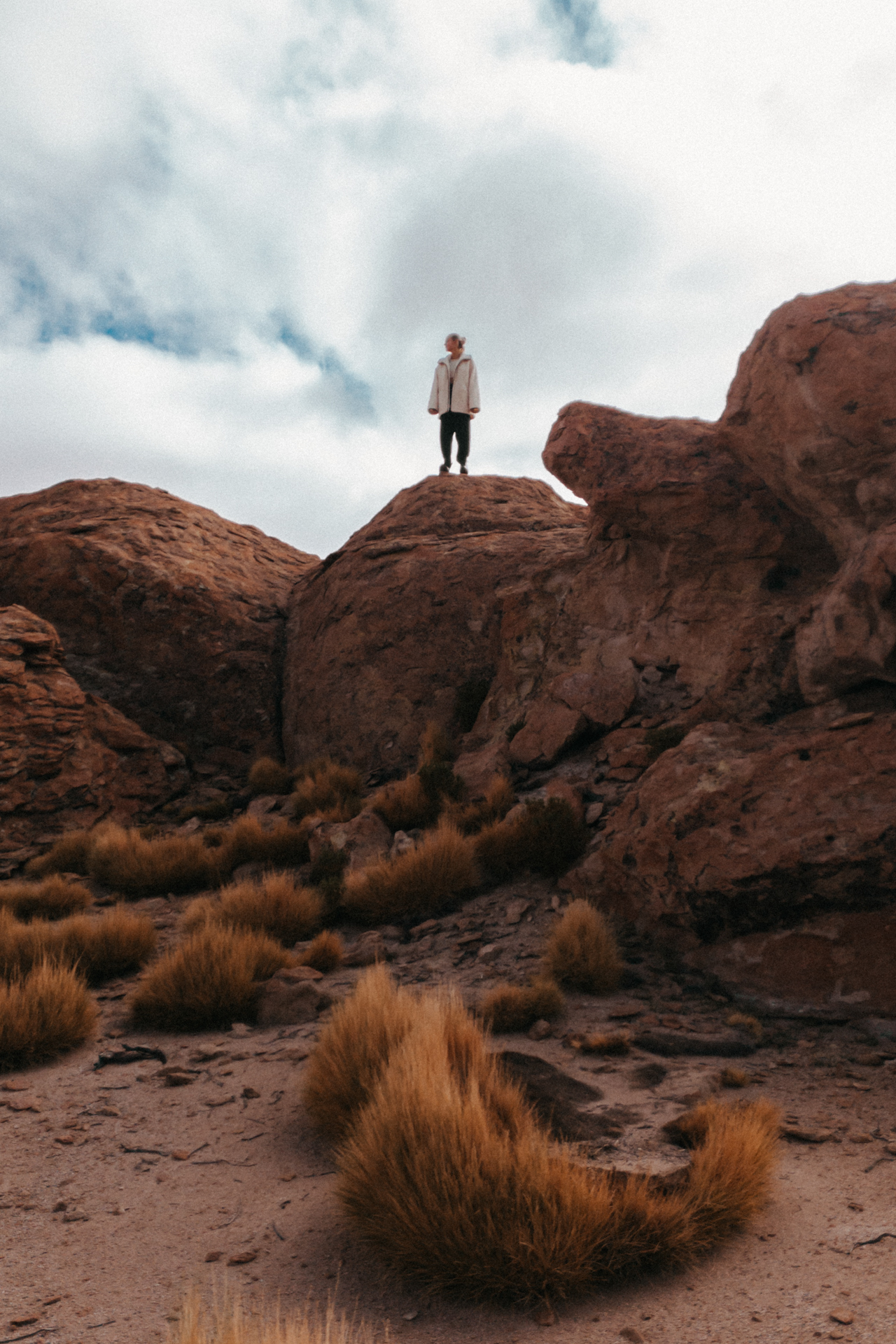
Just a 30-minute drive from La Paz, this dramatic landscape of eroded rock spires feels completely otherworldly. It’s an easy escape from the city and perfect for hiking, photography, and soaking in Bolivia’s unique geology.
Top Places to Stay
Where to Stay in Bolivia
Staying in Bolivia offers a wide range of options, from boutique hotels in historic city centers to simple lodges in remote landscapes. In cities like La Paz, you’ll find comfortable hotels with easy access to sights and transport. Budget travelers will also find plenty of affordable hostels and guesthouses across the country.
It’s difficult to find lodges and guesthouses in the south. We stayed at Lamphaya Lodge Andino, where payment was only possible in cash. Don’t expect nice apartments in this region, as there are very few options available, but the remoteness and raw landscapes make the experience truly unforgettable.
El Alto is fascinating but not recommended for tourist accommodation.
If you’re not sure where to stay in La Paz, I’d definitely recommend Sopocachi. This neighborhood is one of the safest areas in the city, offers great restaurant and hotel options, and is especially popular among tourists. It’s also quite centrally located, making it easy to get around. This was also our base during our stay.

My Top Picks
Bogliasco has a range of great places to stay, from cozy seaside guesthouses to charming boutique hotels with stunning sea views. Here are a few of my top picks:
Hotel XXX
via Booking.com
Hotel XXX
via Booking.com
More Hotels
via Booking.com
Where to Eat & Sip
Best Cafés & Restaurants Bolivia
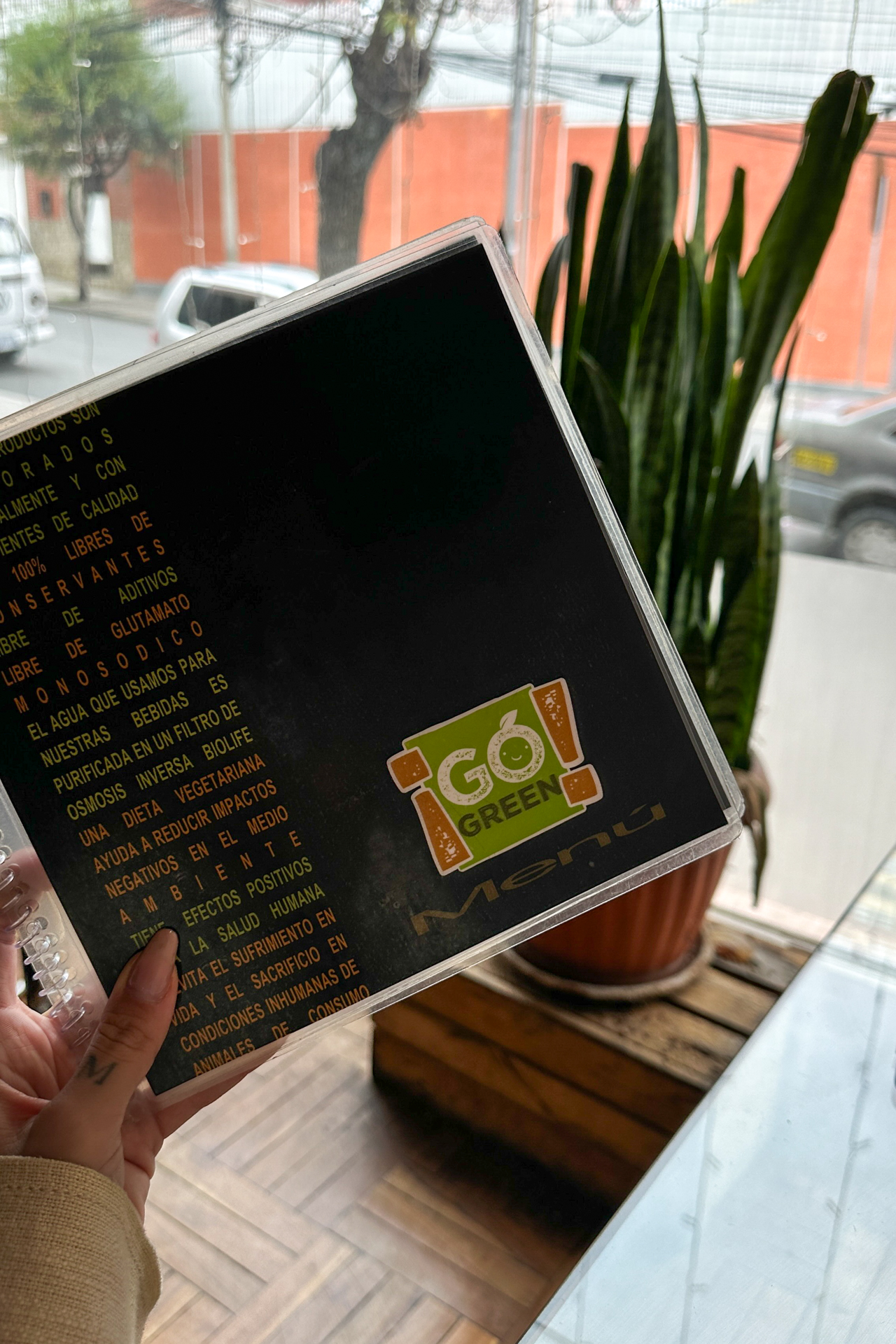
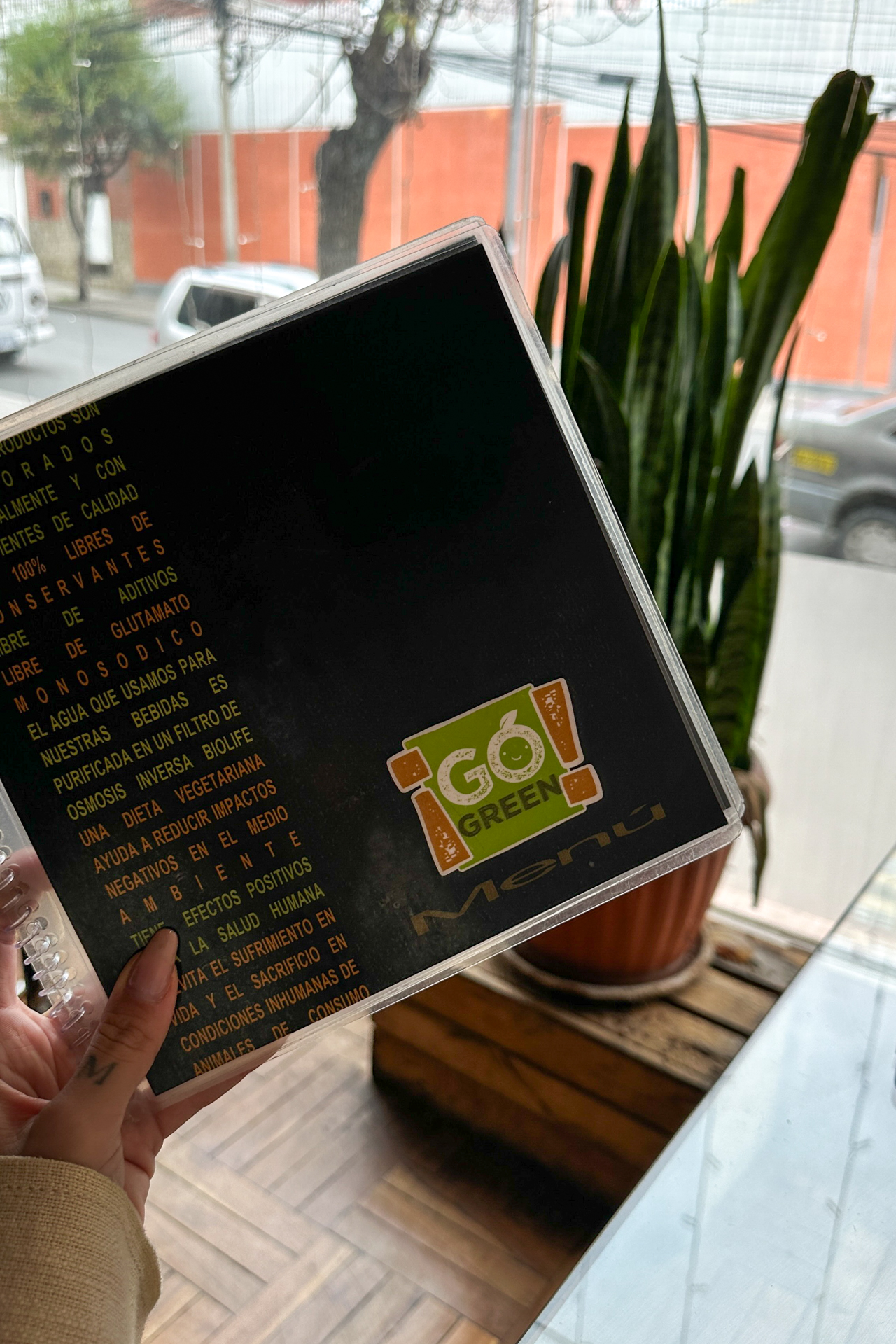
Eating in Bolivia is simple, local, and deeply connected to place. From small cafés in La Paz to family-run restaurants in remote towns, meals often reflect the altitude, the climate, and what’s available nearby. Expect hearty dishes, fresh ingredients, and warm hospitality.






Transportation
How to Get Around Bolivia
Getting around Bolivia takes time, patience, and a bit of flexibility. Distances between destinations are long, and travel often takes longer than expected due to road conditions, altitude, and the remote nature of many regions.
By Bus
For long distances, buses are a popular option. There are several overnight bus connections from La Paz to Uyuni. Todo Turismo and Panasur are considered reliable options. However, there are no public buses to the REA National Reserve itself. This region can only be accessed by organized tours or private 4x4 vehicles, as infrastructure is extremely limited and distances between stops are endless.
 Stairway to heaven
 Challuma
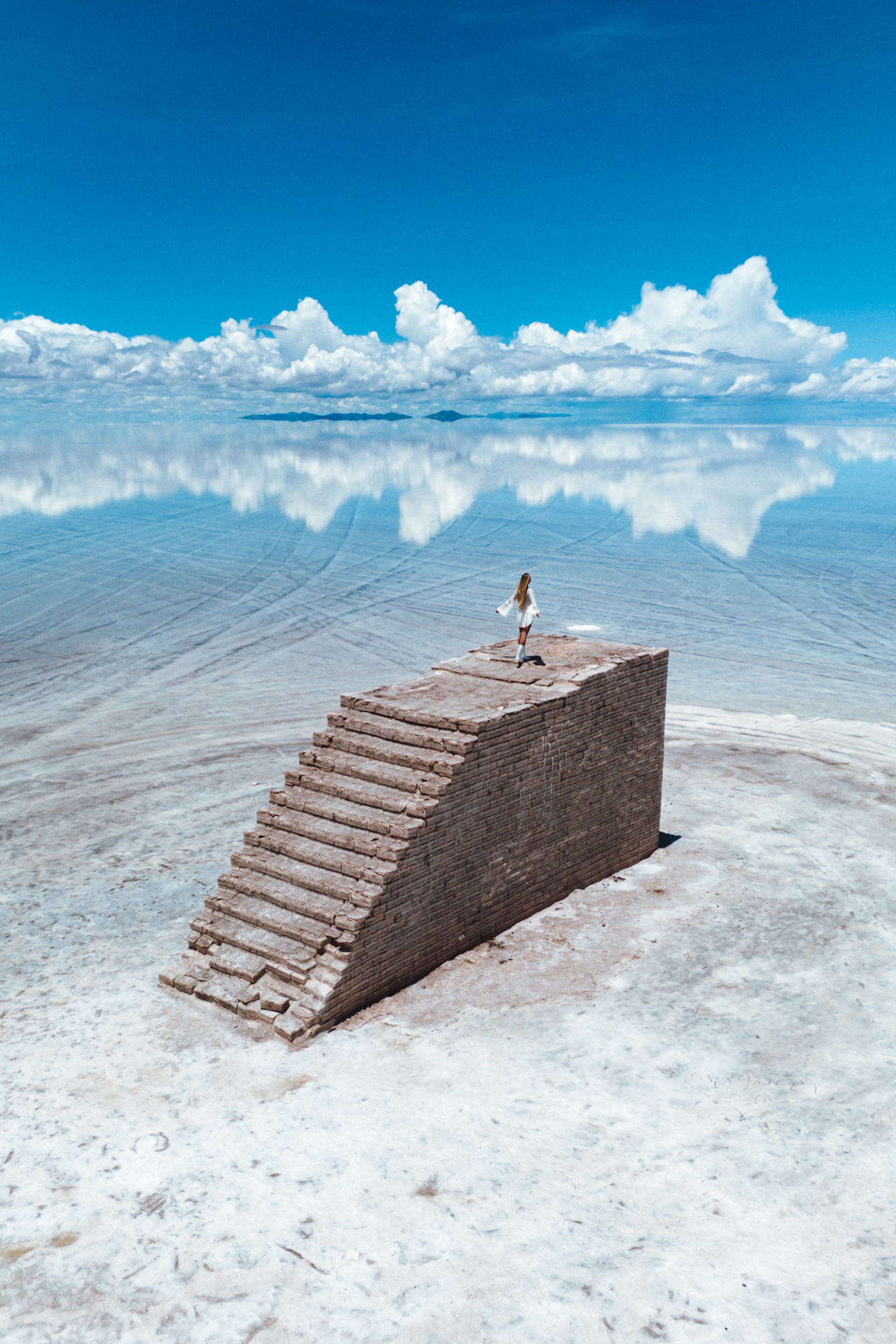 Stairway to heaven
 Challuma
On Foot
In cities like La Paz, walking, cable cars and Uber are the easiest ways to get around. Exploring on foot is a great way to experience daily life, especially in central neighborhoods, markets, and viewpoints, although the steep streets and altitude can make distances feel longer than they look.
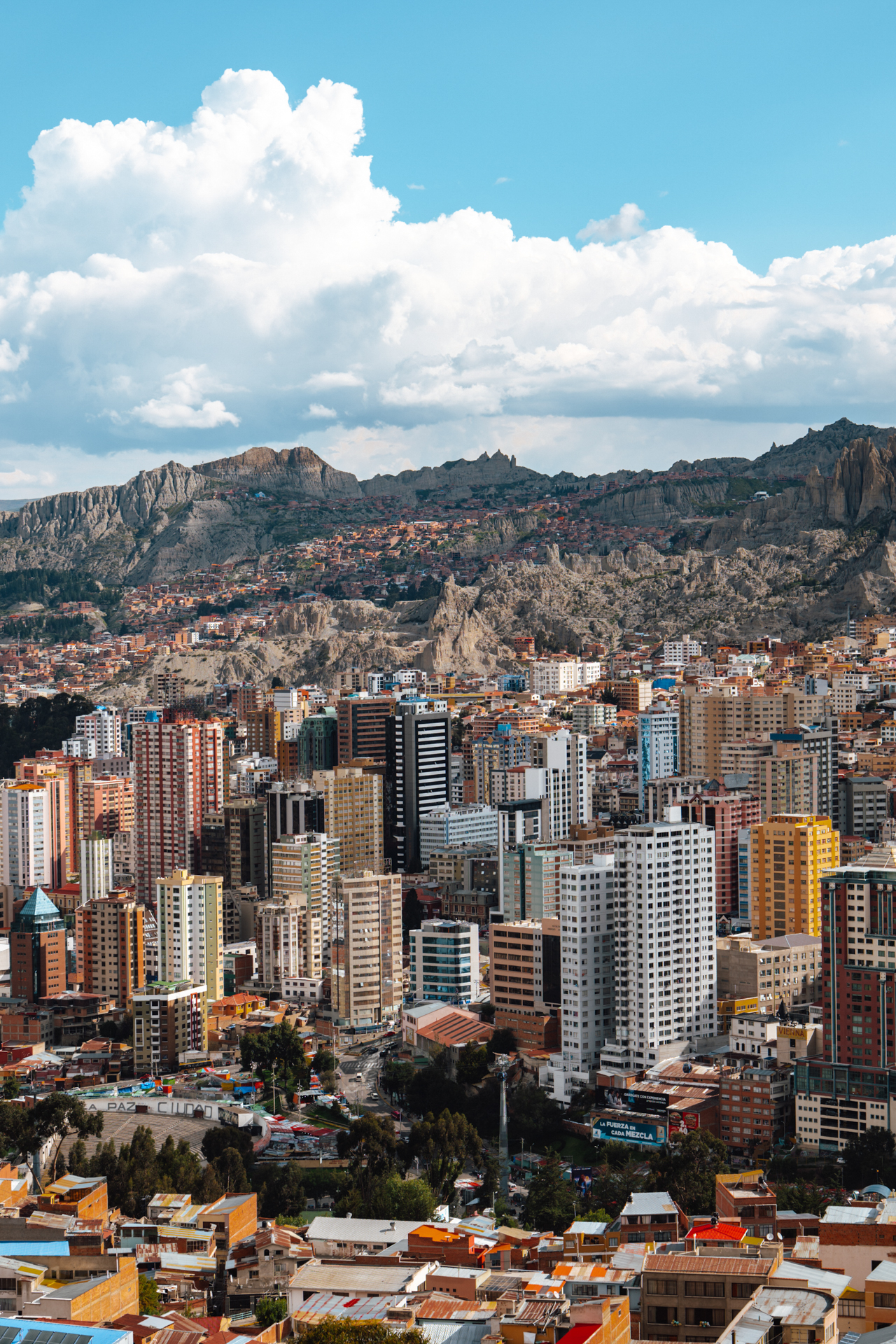 La Paz
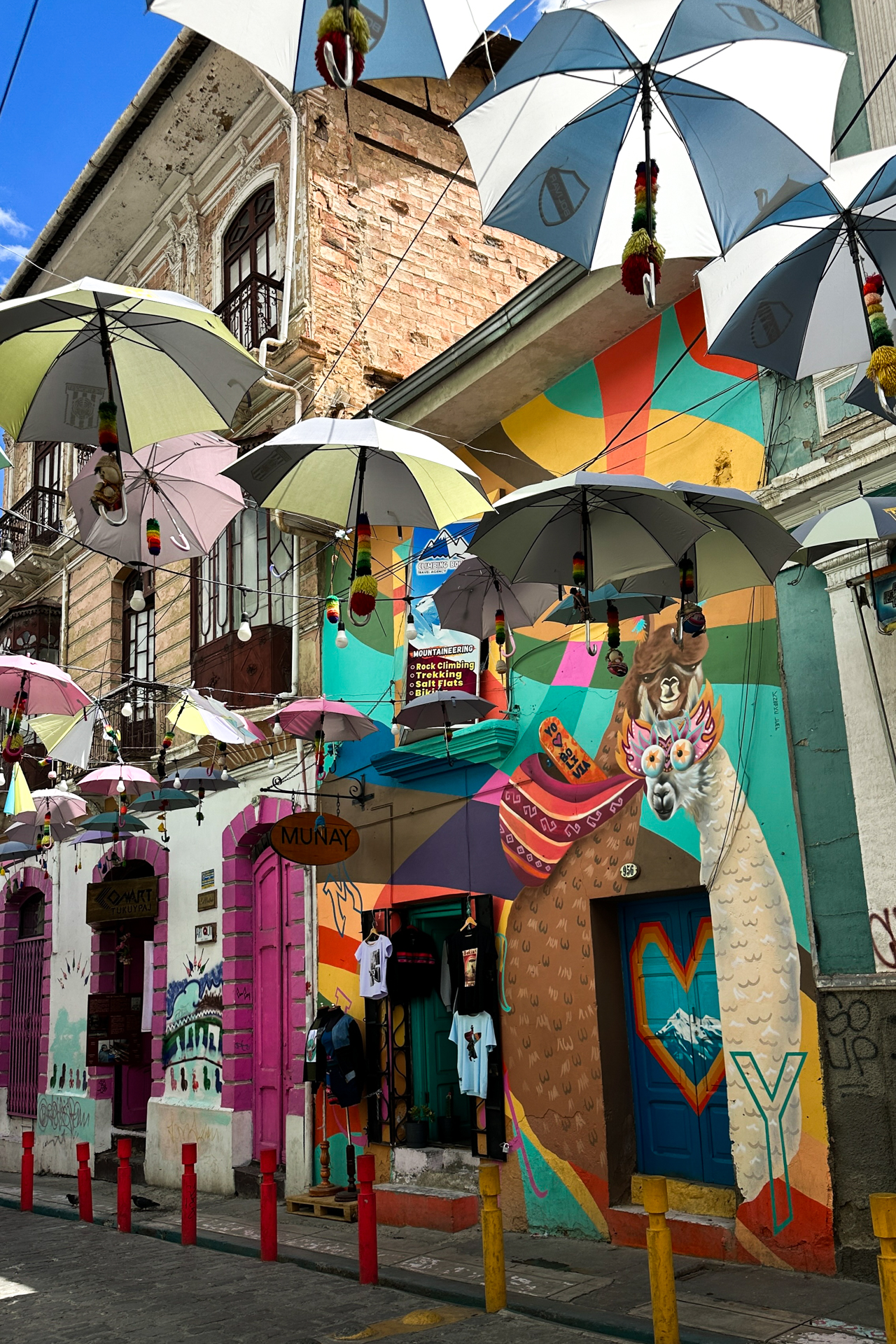 La Paz
 La Paz
 La Paz
By Car
Are you brave enough to rent a car? When exploring southern Bolivia and remote areas such as the REA National Reserve or the Uyuni region, travel is usually done by 4x4 vehicle or you can be part of an organized tour. Roads are often unpaved, unmarked, and rough, making guided transport the safest and most practical option for most travelers. That said, we actually rented a car and explored Bolivia independently, which gave us a lot of freedom but also required careful planning and confidence.
By Taxi or Uber
In larger cities like La Paz, getting around is much easier. Uber is available and works well, and we used it frequently while exploring the city. Taxis are also widely available and affordable, just negotiate in advance.
TRAVEL SMARTER
Bolivia Travel Tips
THE WEATHER
Best Time to Visit Bolivia
Bolivia has two main seasons—the dry season and the wet season. Weather and temperatures can vary a lot depending on altitude, but overall, the dry season is best for clear skies and easier travel, while the wet season brings rain and that magical salt flats reflection. Temperatures usually range between 10°C and 20°C (50°F to 68°F), depending on where you are.
Dry season (May – October): The best time to explore most of Bolivia, with sunny days, cooler nights, and a lower chance of rain. This season is perfect for visiting the Andes, the Uyuni Salt Flats in dry conditions, and cities like La Paz. Clear skies make it ideal for hiking, road trips, and sightseeing across the country.
Wet season (November – March): Rainy season with afternoon showers, especially in the highlands and Amazon. This is when the Uyuni Salt Flats flood, creating stunning mirror reflections, but some areas can be harder to reach. February is a popular month for this!
I explored Bolivia in February, which is the rainy season (though it wasn’t raining much) because I wanted to see the salt flats with a bit of water for that iconic, incredible reflection!
Just a little note
If you book or buy something through one of my links, it helps support the work I do, and it doesn’t cost you anything extra.
Find Hotels
via Booking.com
Find Flights
via Skyscanner
Tours & Attractions
via GetYourGuide
Loved it? Pin it, Share it!
Inspire Others to Travel to Bolivia
Keep Exploring
More Travel Guides from Bolivia







THE TRAVEL

Let’s stay connected!
Get inspired, helpful tips and exclusive updates straight to your inbox. Subscribe to join a community of explorers.
Leave a Reply