
Discover Ruta de las Flores

Every Place Has a Story
RUTA DE LAS FLORES EL SALVADOR: Complete Travel Guide
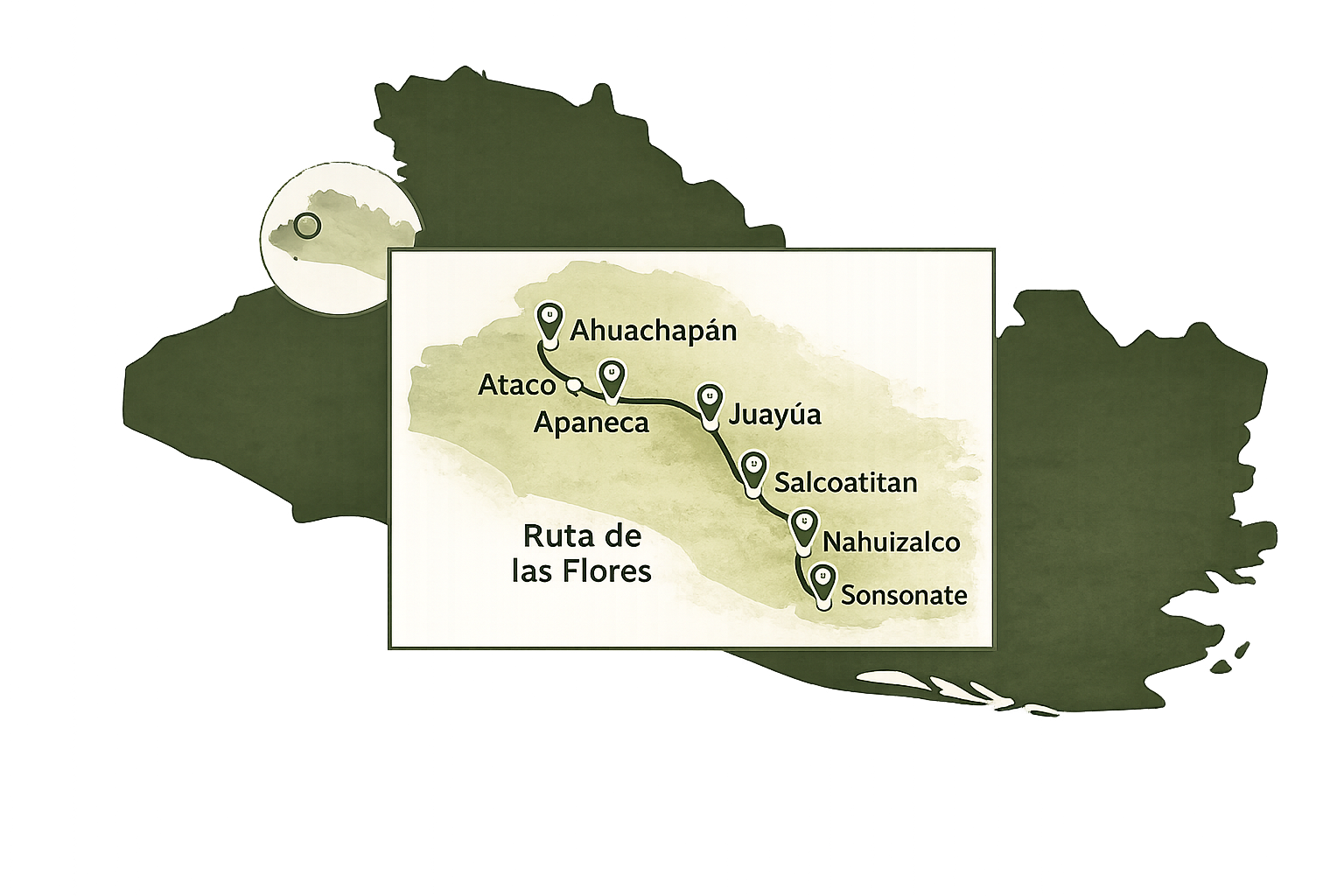
Ruta de las Flores is a scenic route through the western highlands from Sonsonate to Ahuachapán, connecting five charming towns, each with its own personality. From indigenous traditions and weekend food festivals to colorful street art and coffee farms tucked into misty hillsides, every stop offers a different experience.
The route stretches for about 35 km (21 miles) and gets its name from the wildflowers that bloom along the road during spring — which is why it’s often called “the flower route.”
This travel guide will walk you through each of the five towns, what to see, where to eat, and everything you need to know to plan your visit along one of the most beautiful routes, known as the Ruta de las Flores in El Salvador.

One route, five unique towns
DISCOVER THE DIFFERENT SIDES OF
RUTA DE LAS FLORES
The hidden gem of the route
Nahuizalco
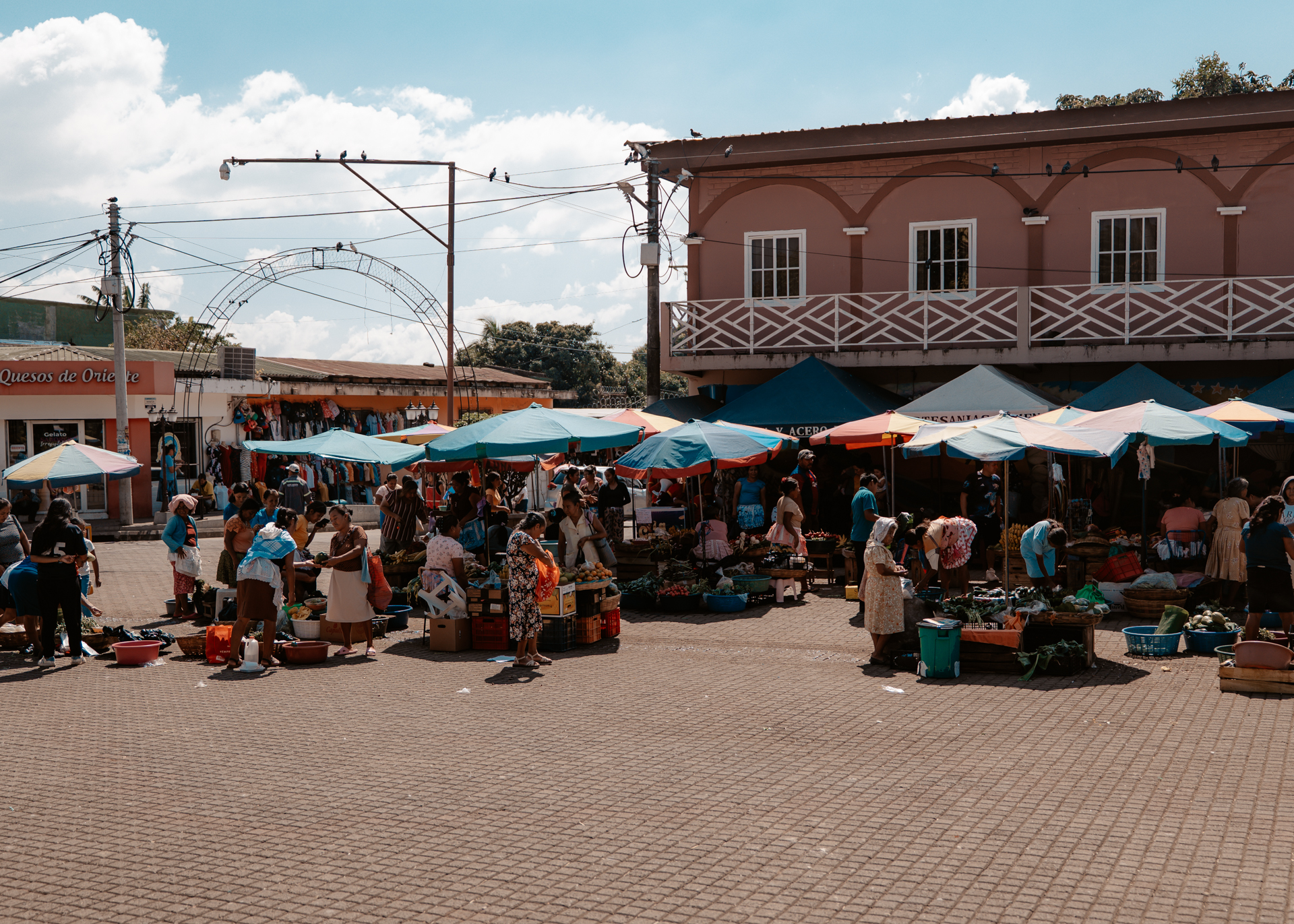
Nahuizalco is the least visited of the five towns along La Ruta de las Flores, but that is exactly what makes it so special. This small town at the southern end of the route has a strong indigenous Pipil heritage that you can still feel in everyday life. Women in traditional dress, handwoven crafts, and a night market that feels completely untouched by tourism.
It is not the prettiest or most polished stop on the route, but it is one of the most authentic. If you want a glimpse into the local culture that most visitors completely skip, Nahuizalco is where you will find it.
Why Visit Nahuizalco?
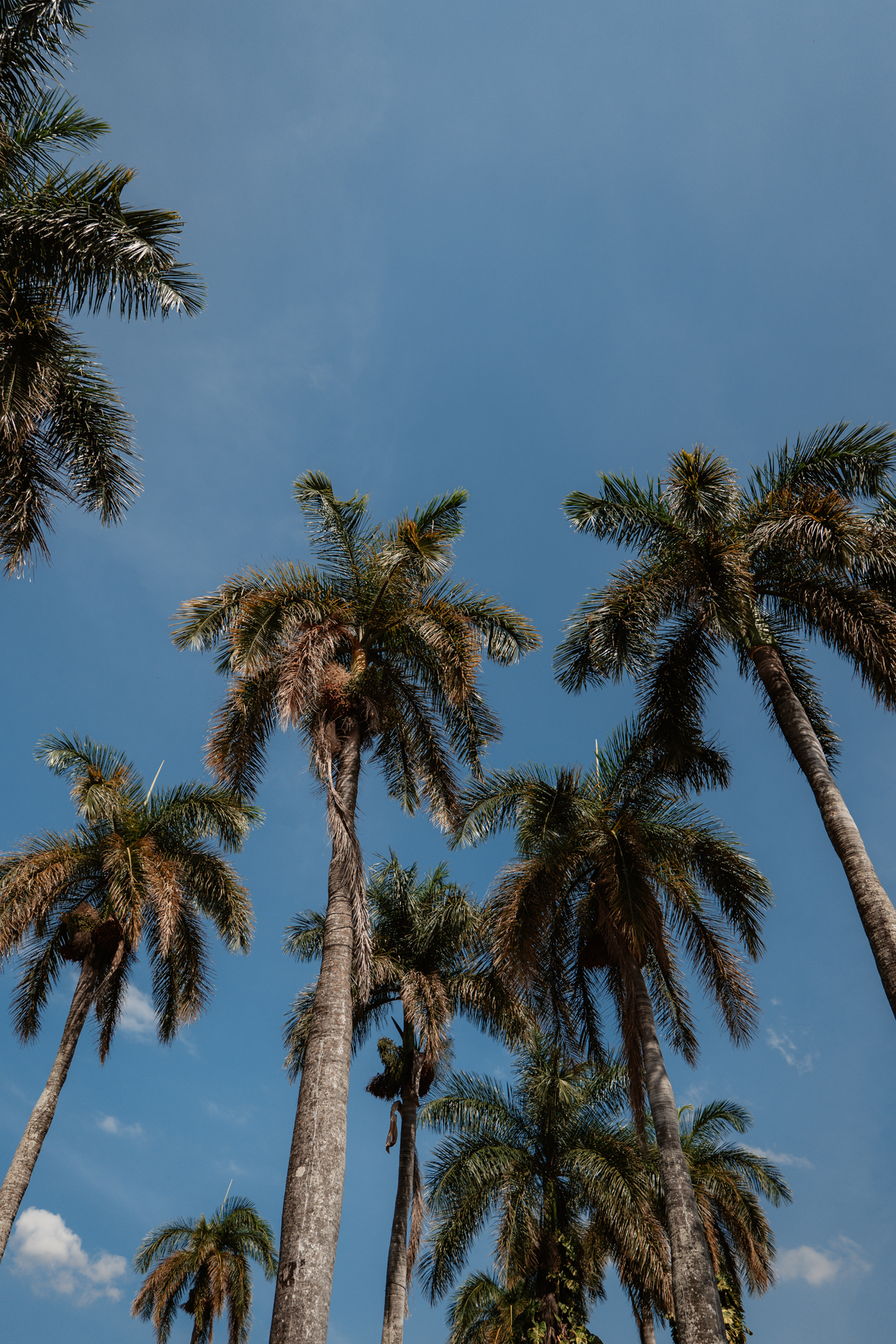
Best Things to Do and See in Nahuizalco
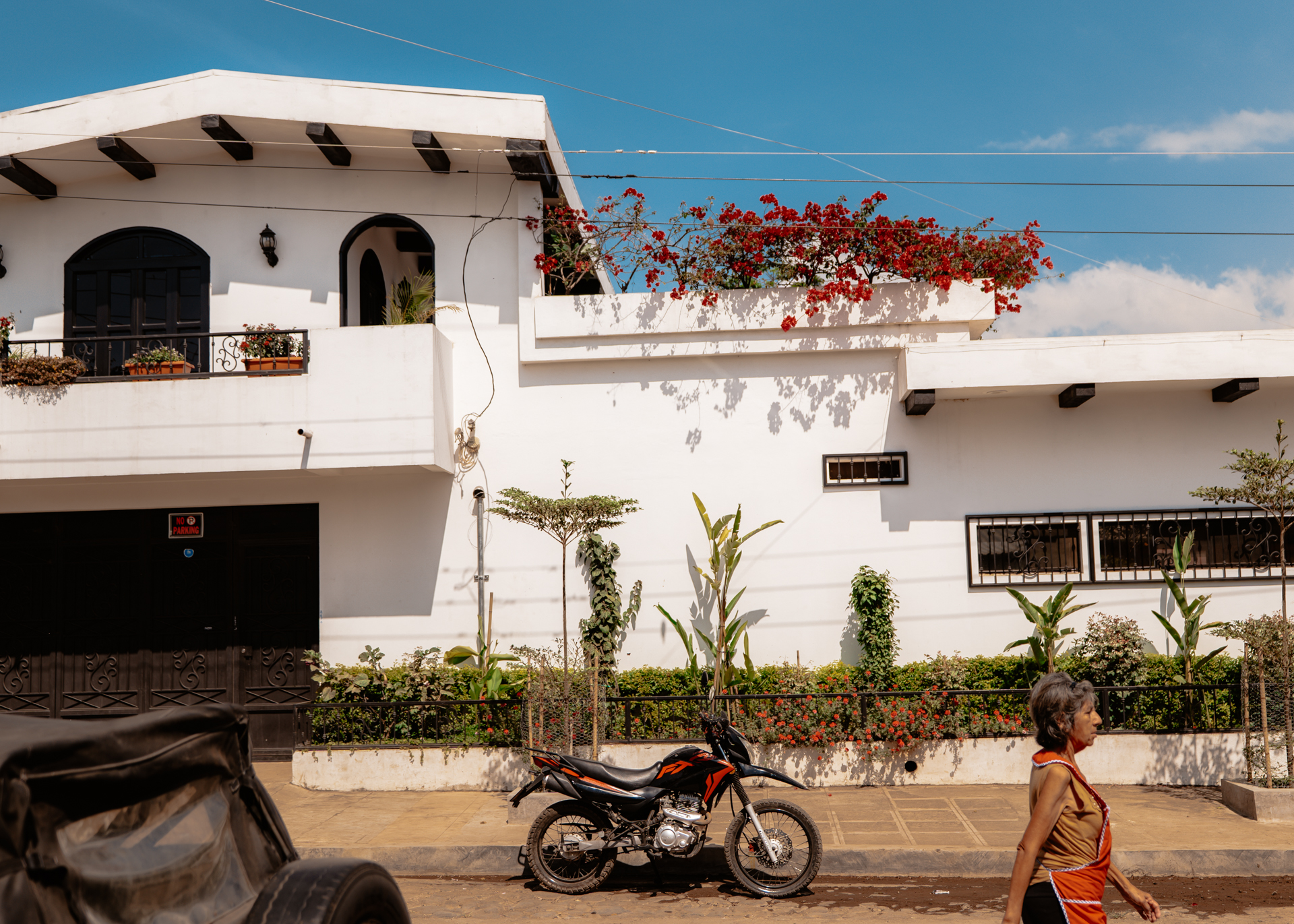
Best Cafes and Restaurants in Nahuizalco

Nahuizalco’s Mercado Nocturno is one of the few night markets in El Salvador. It originally started as a way for local farmers and artisans to sell their goods after the workday ended, and that tradition has carried on ever since.
The quietest corner of the route
Salcoatitán
Salcoatitán is the smallest of the five towns on La Ruta de las Flores, and it might just be the most peaceful. Meanwhile, tucked between Nahuizalco and Juayúa, this tiny town is best known for its deep connection to coffee. The surrounding hillsides are covered with coffee plantations, and the local cafes take their brew very seriously.
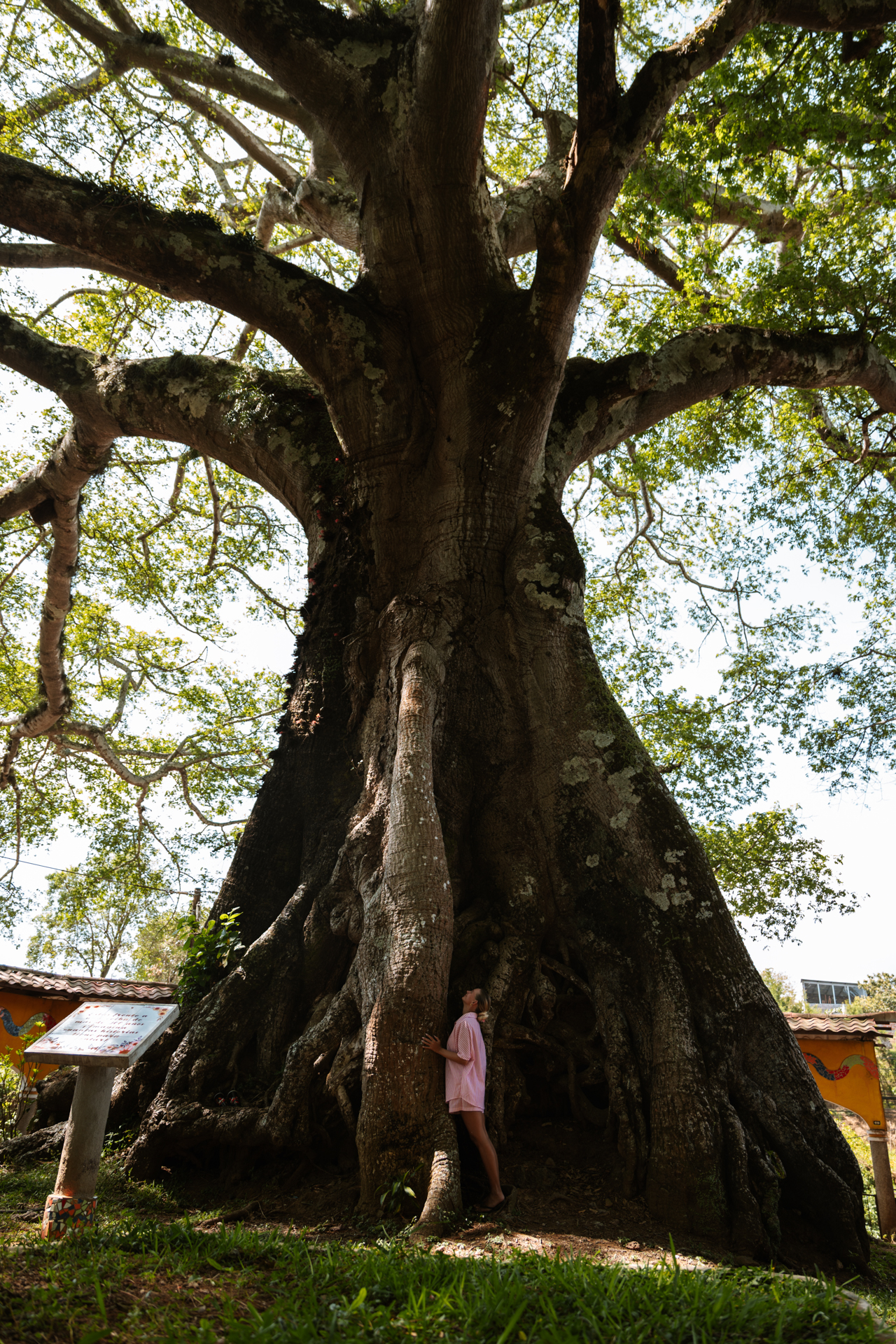
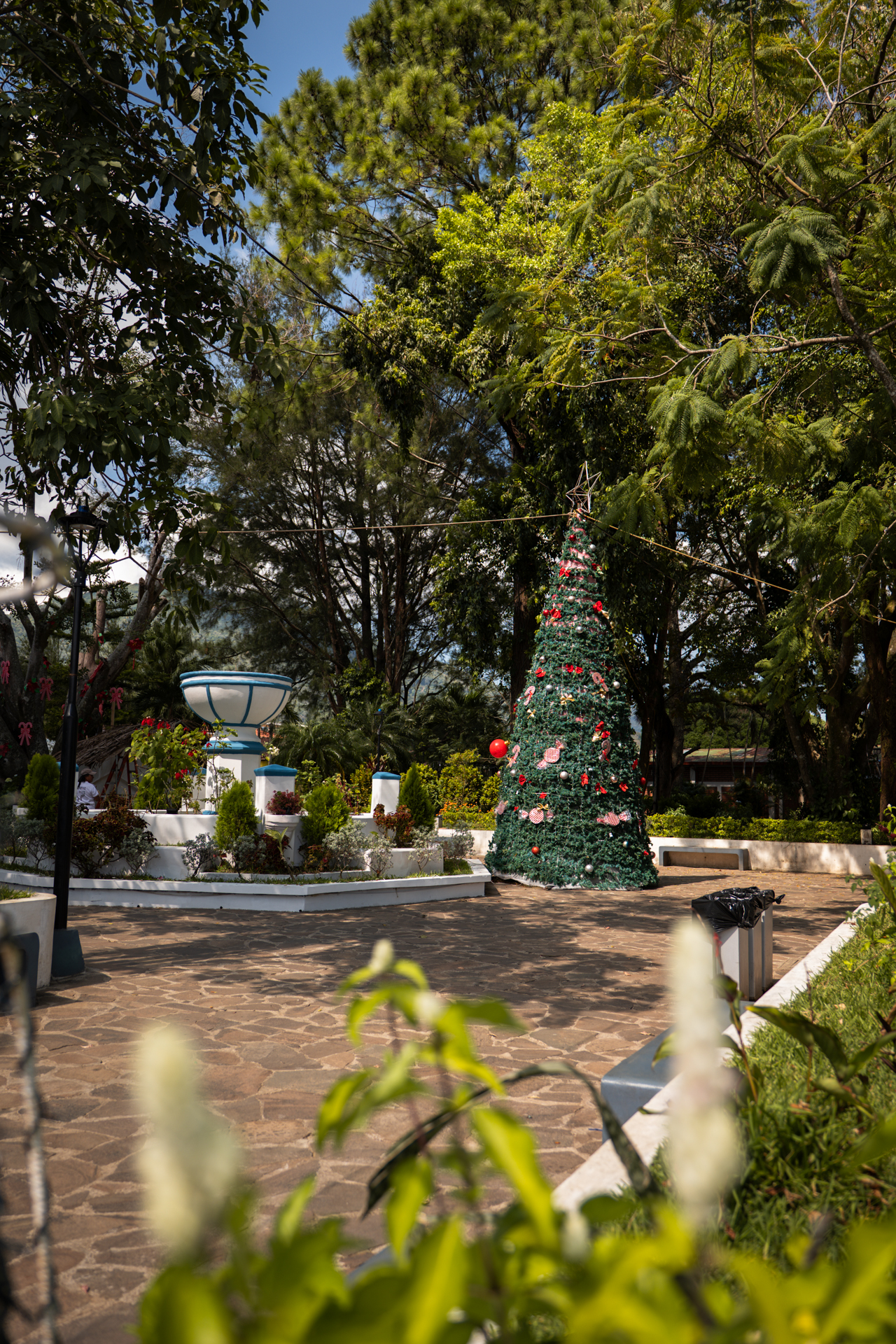
There is not a ton to do here, but that is kind of the point. A short stroll through the center, a stop at the iconic 350 year old Ceiba tree, and a really good cup of coffee is all you need to appreciate what Salcoatitán is about.
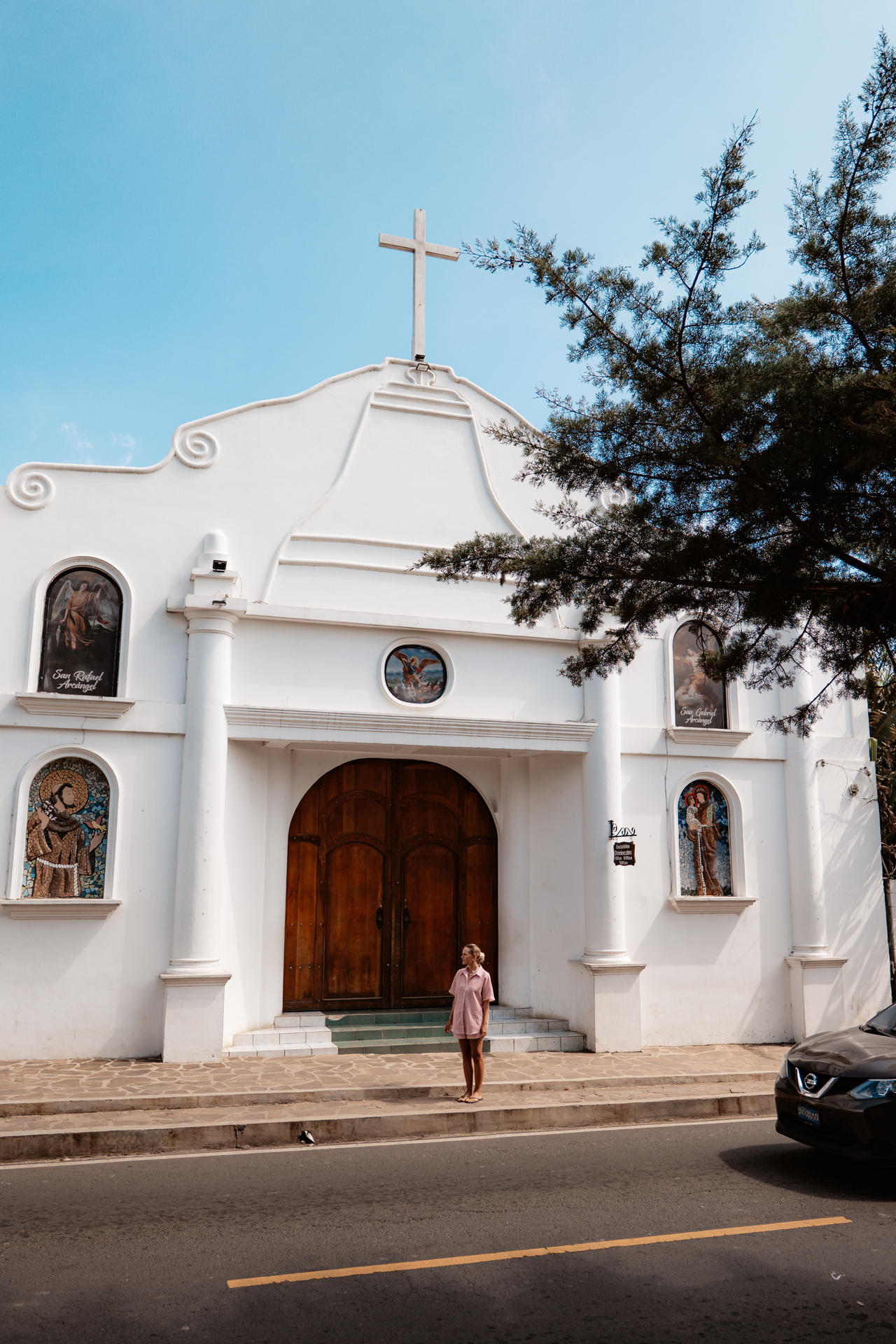
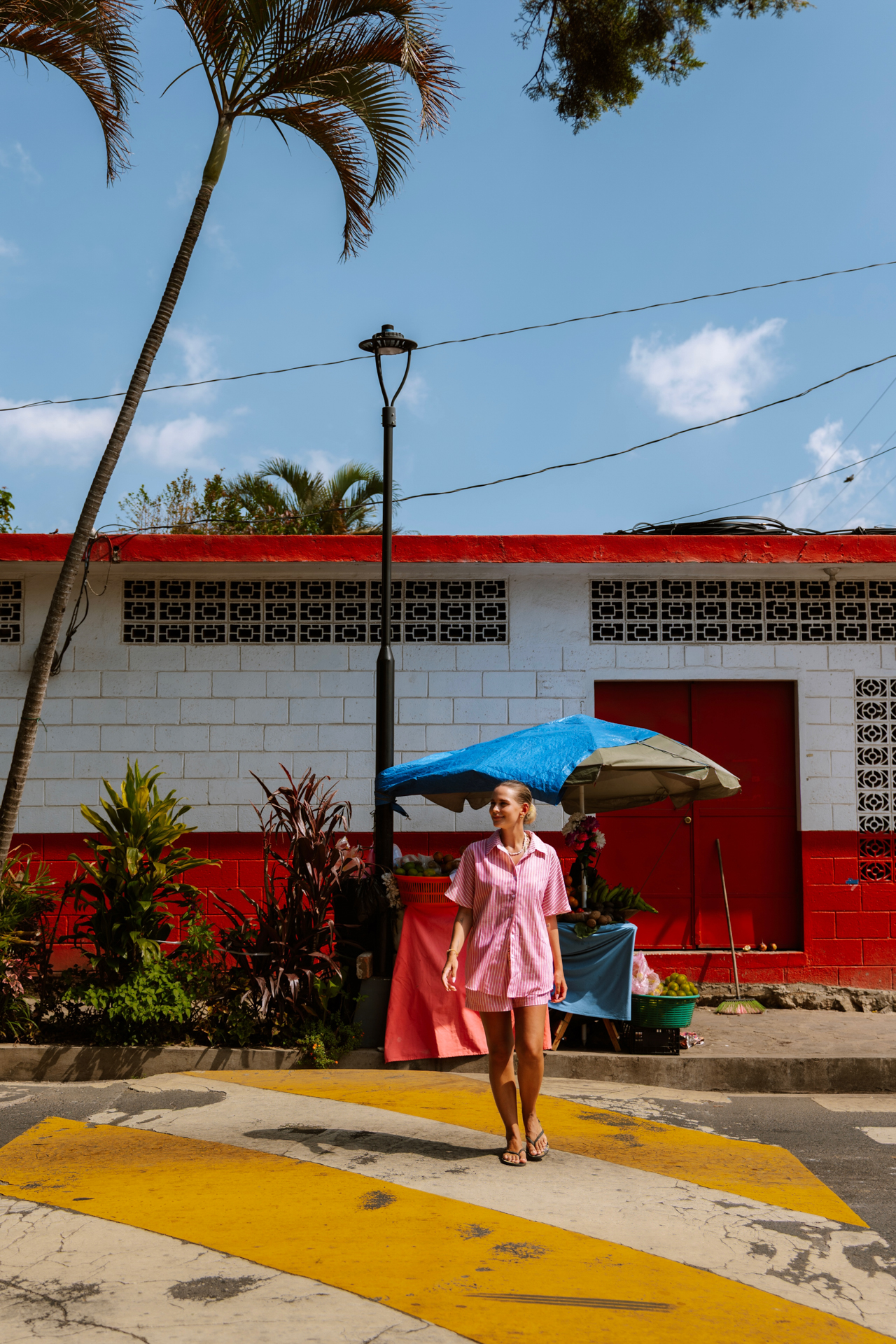
Why Visit Salcoatitán?
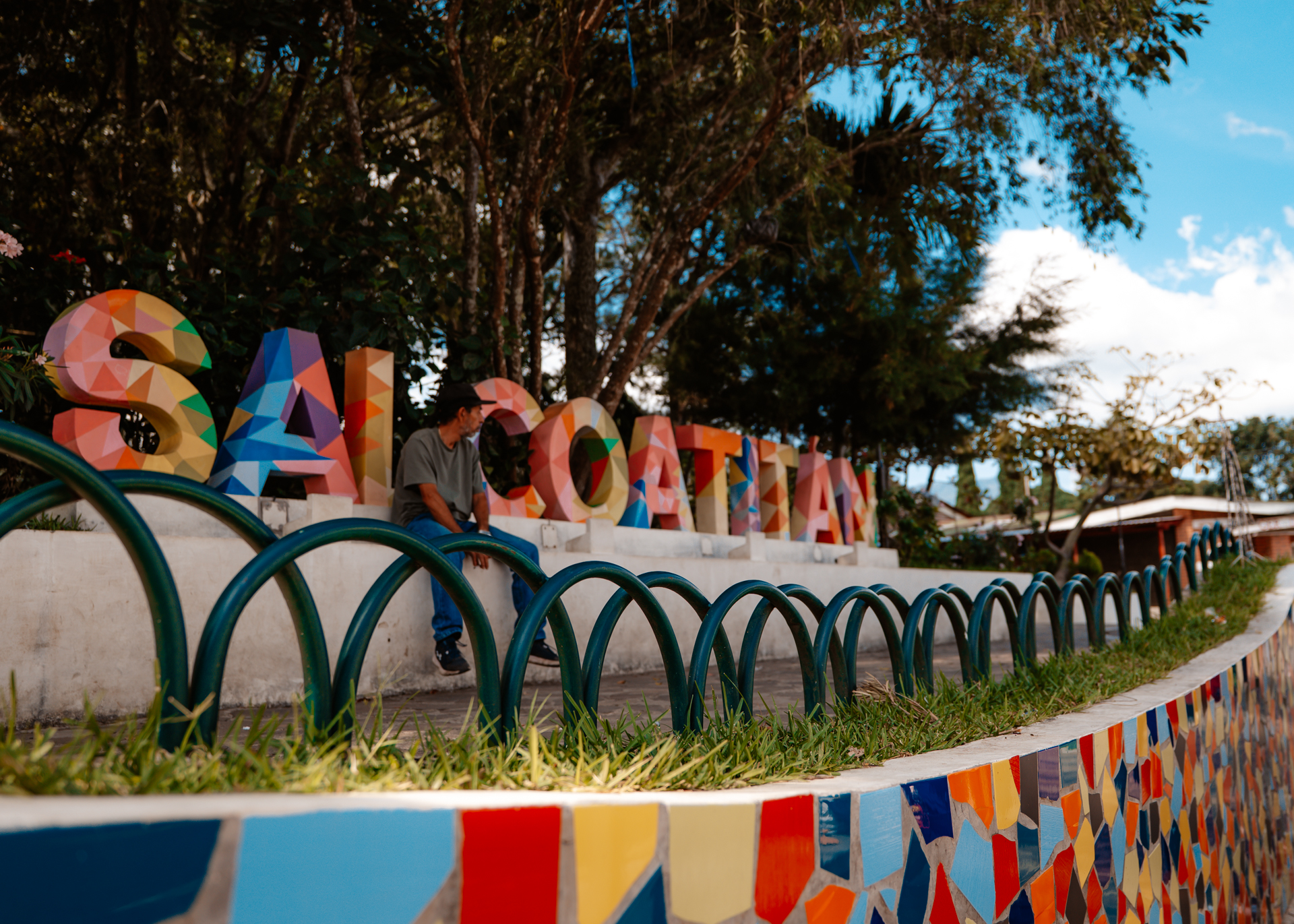
Best Things to Do and See in Salcoatitán
Best Cafes and Restaurants in Salcoatitán
The Ceiba tree is considered sacred in many Mesoamerican cultures. The ancient Maya believed it connected the underworld, the Earth, and the heavens. Finding one this old and this large along a roadside in El Salvador is pretty remarkable.
The heart of the route
Juayúa
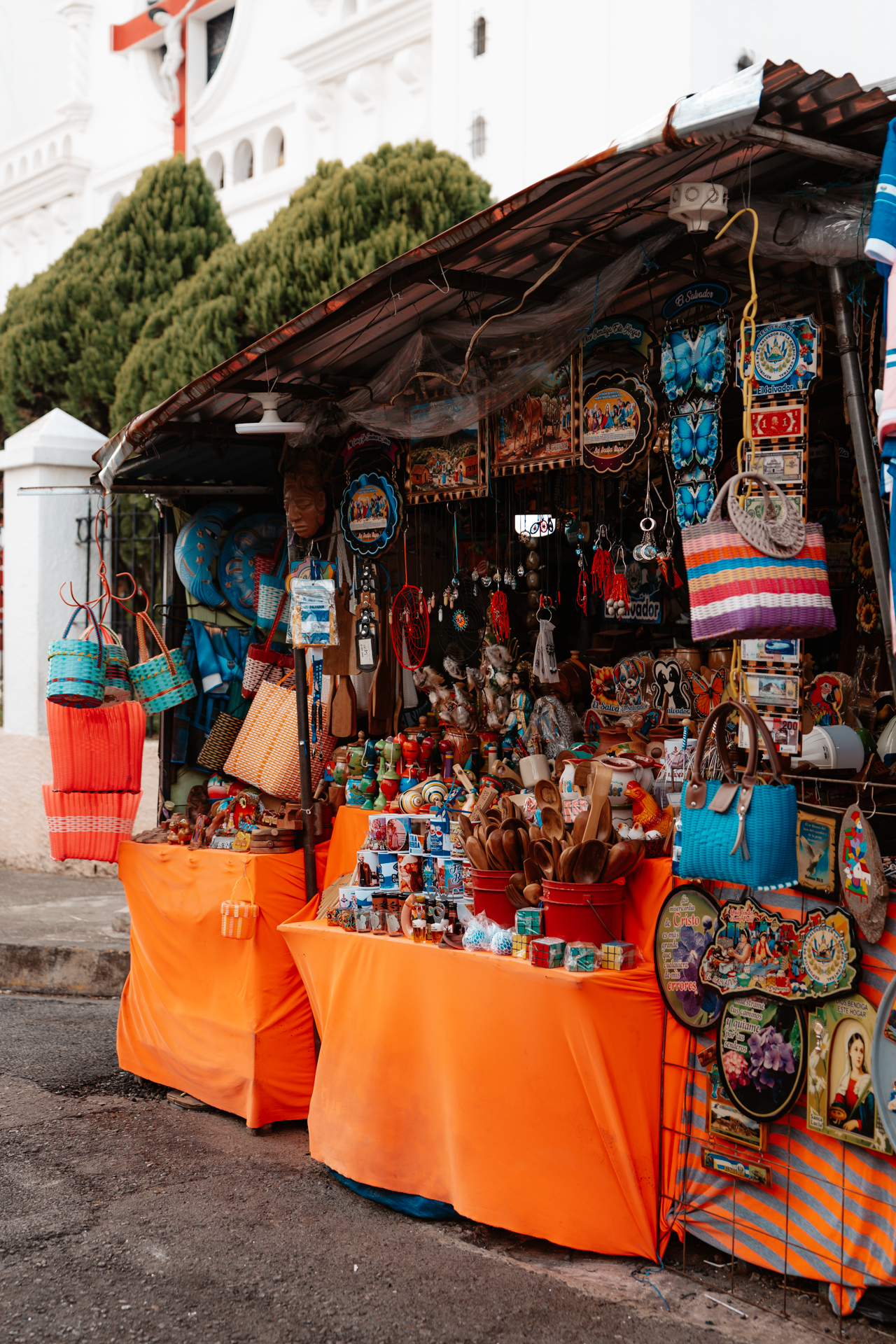
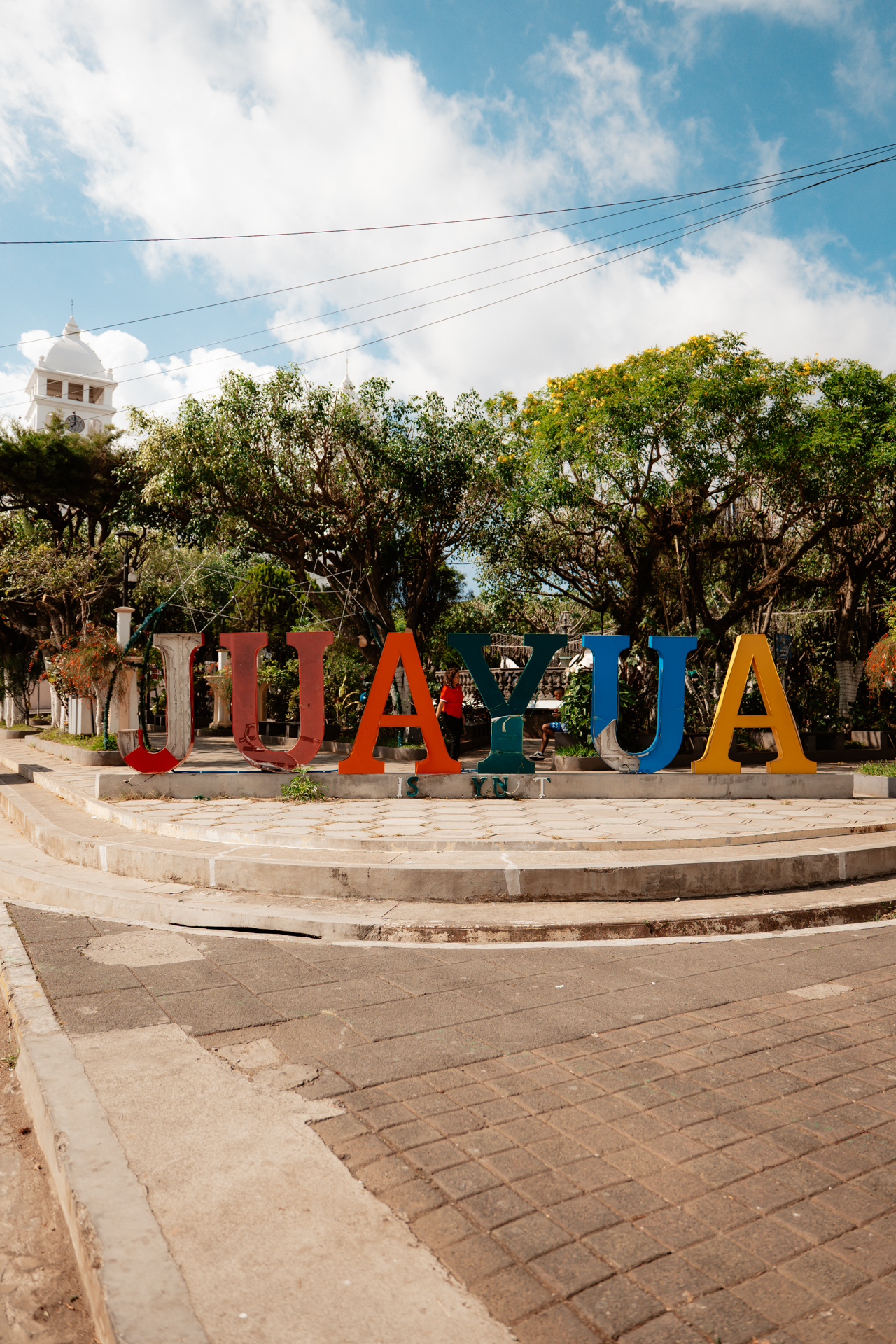
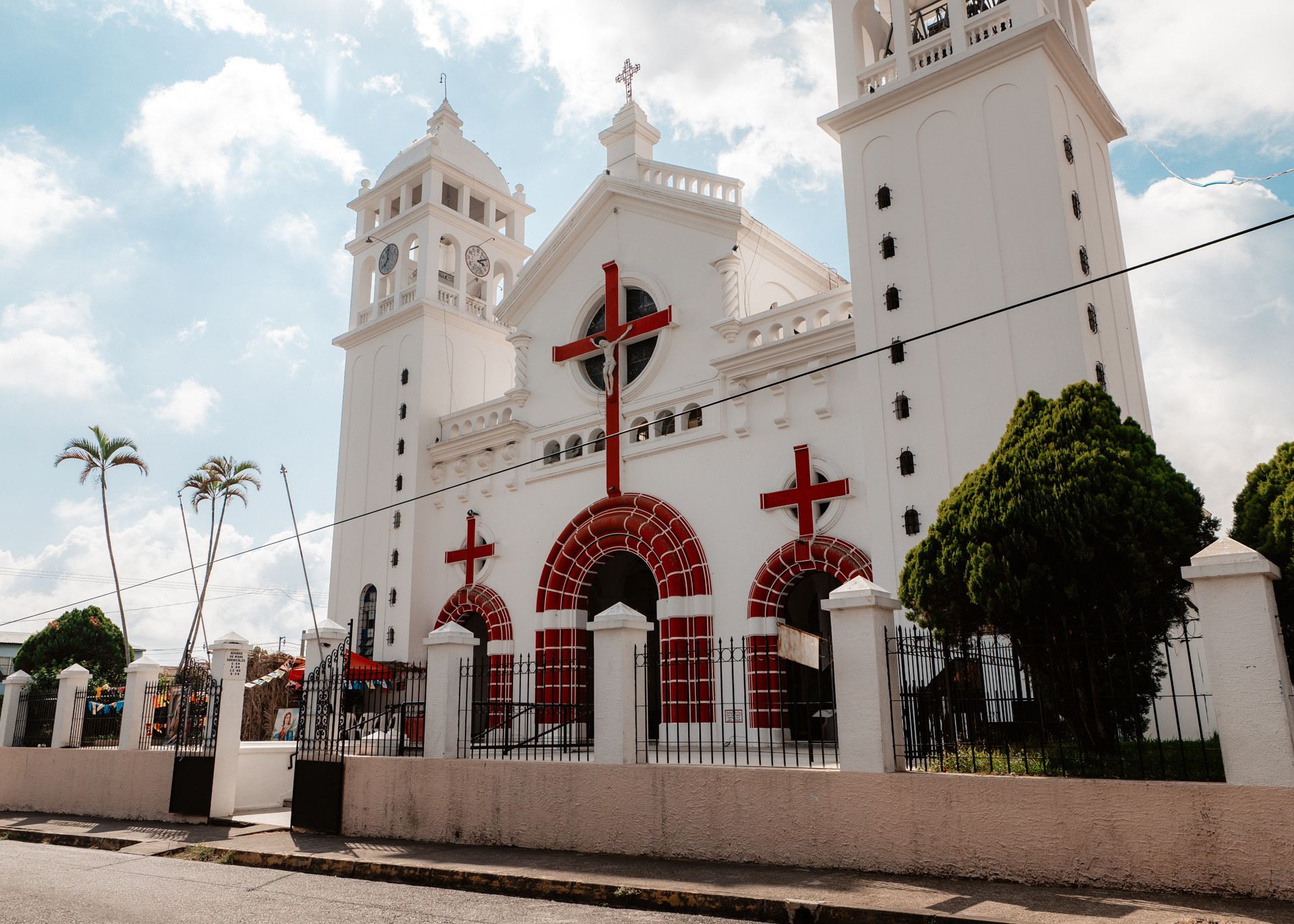
Overall, Juayúa is the biggest and most central town on La Ruta de las Flores, and for many travelers it is the best base for exploring the whole region. With two towns to the north and two to the south, it sits right in the middle and has everything you need: solid restaurants, accommodation options, ATMs, and a vibrant main square.
But the real stars of Juayúa are the famous weekend Feria Gastronómica (food festival) and the incredible 7 Waterfalls Hike, one of the best outdoor activities in all of El Salvador. If you only have time for one town on the route, Juayúa is the one.
Why Visit Juayúa?
Best Things to Do and See in Juayúa
Best Cafes and Restaurants in Juayúa
The name Juayúa comes from the Nahuatl language and roughly translates to “river of purple orchids.” It was named after the wild orchids that once grew along nearby rivers, and the area is still known for its lush, flower-filled landscapes.
Adventure in the highlands
Apaneca
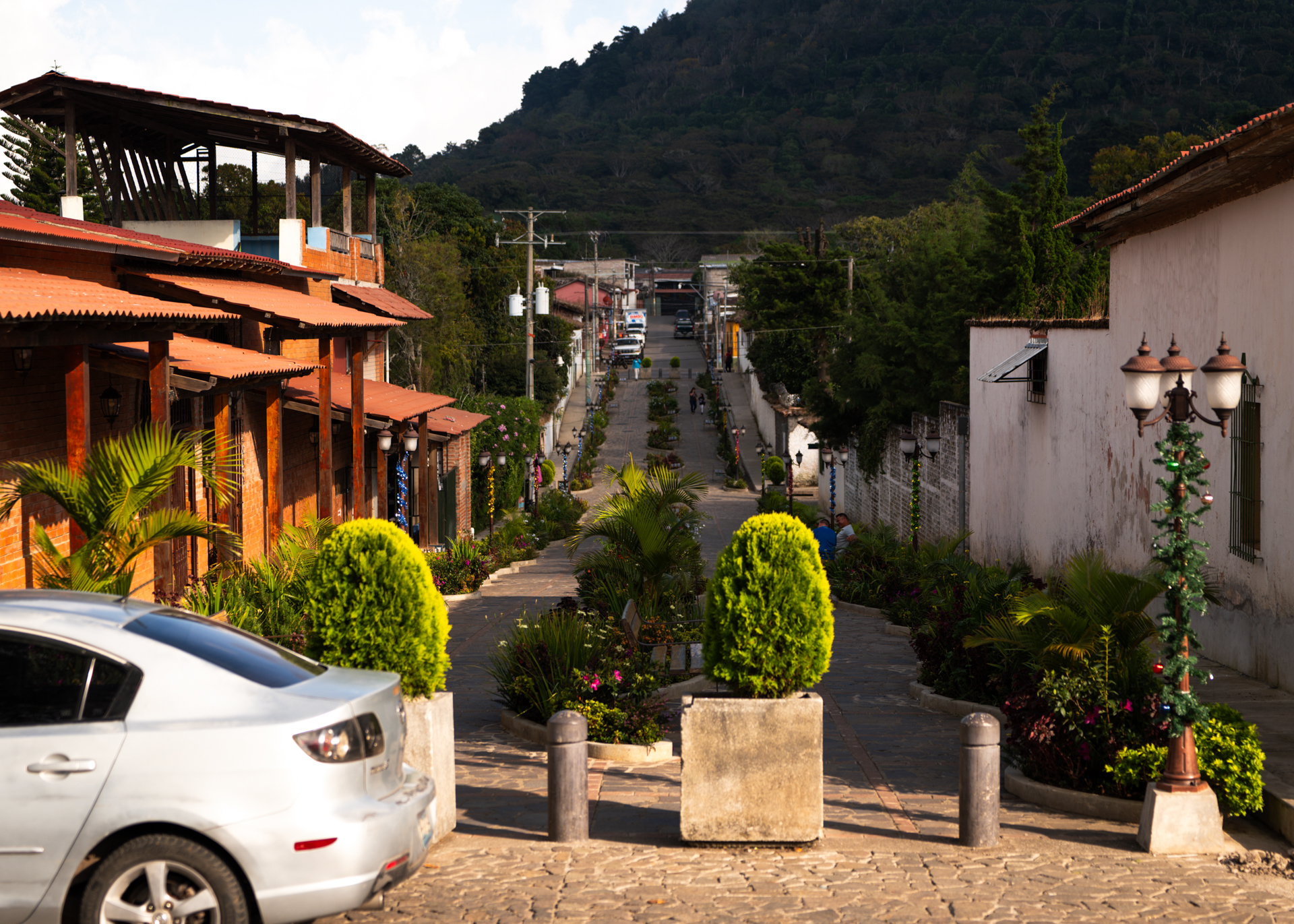
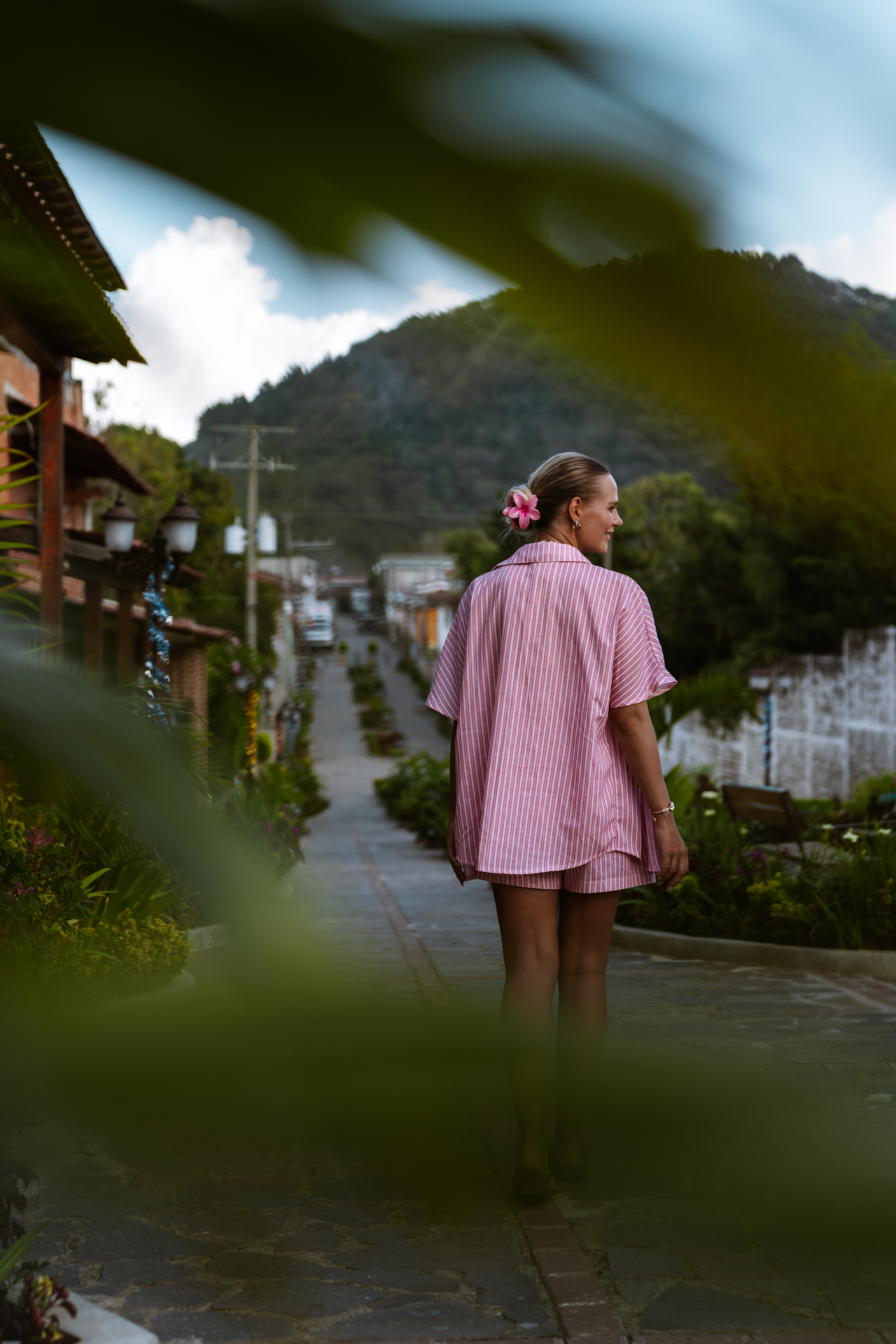
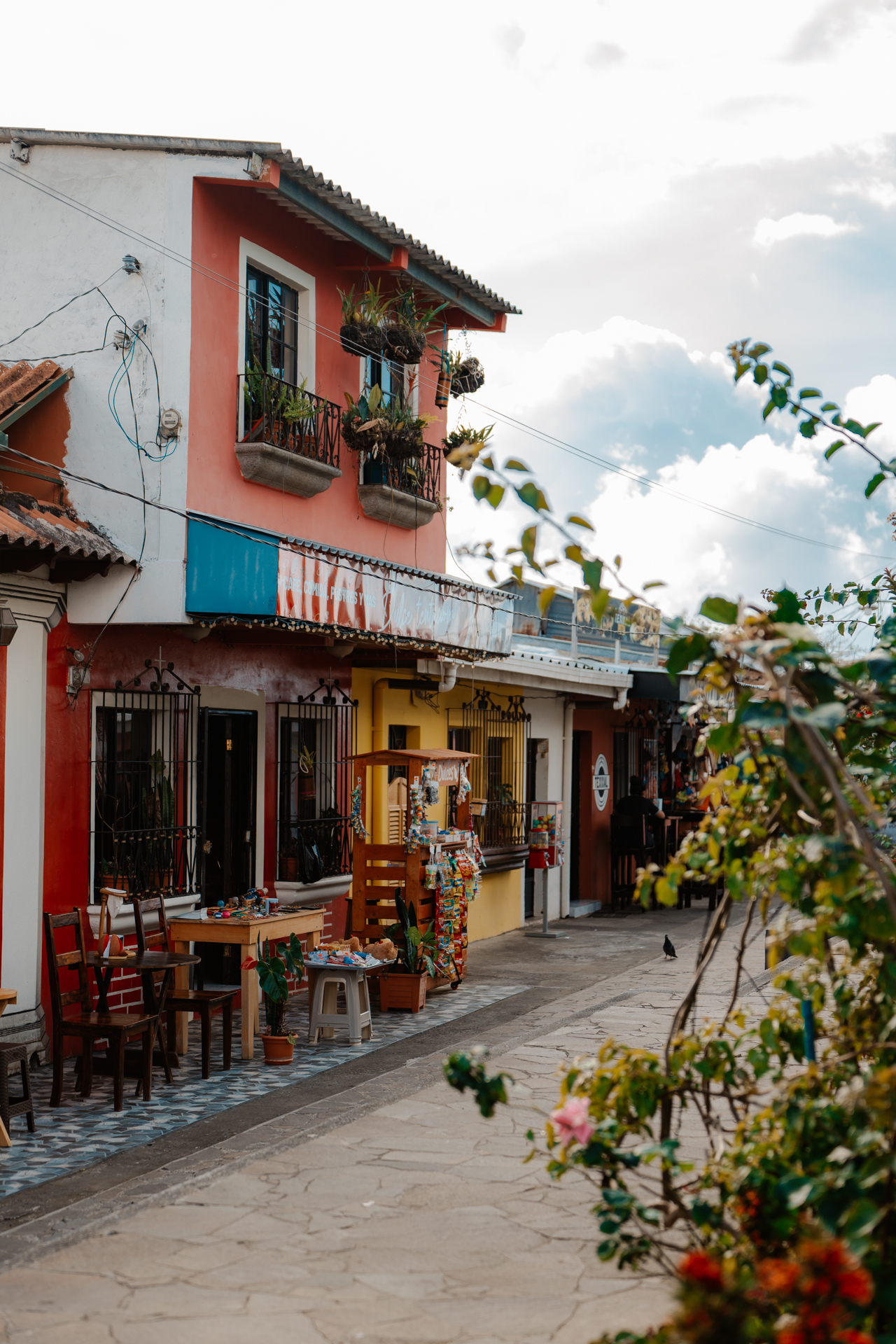
Apaneca sits at the highest elevation of any town on La Ruta de las Flores, and the views from up here are absolutely stunning. Surrounded by coffee plantations and rolling green hills, this mid sized town has a really nice laid back atmosphere.
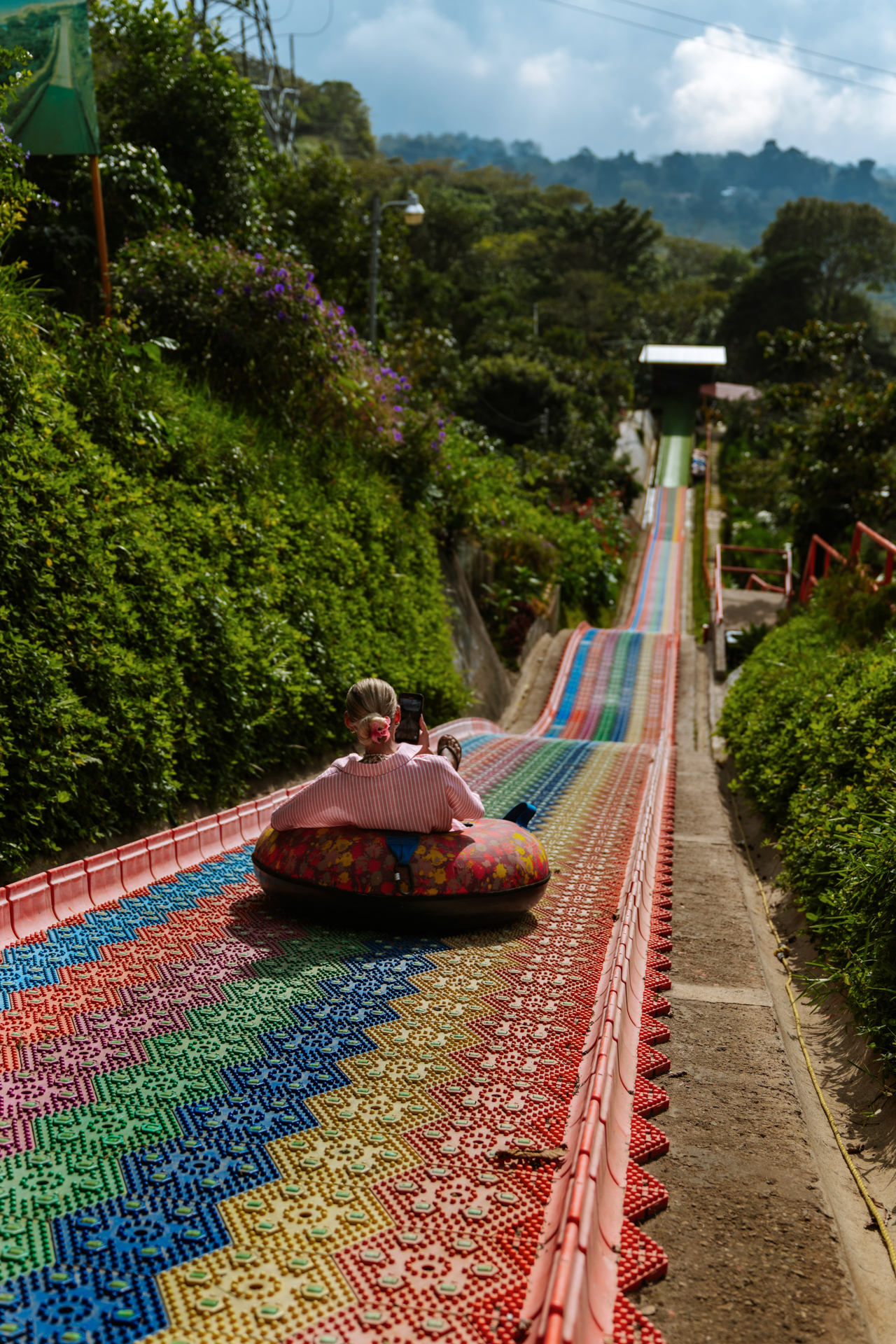
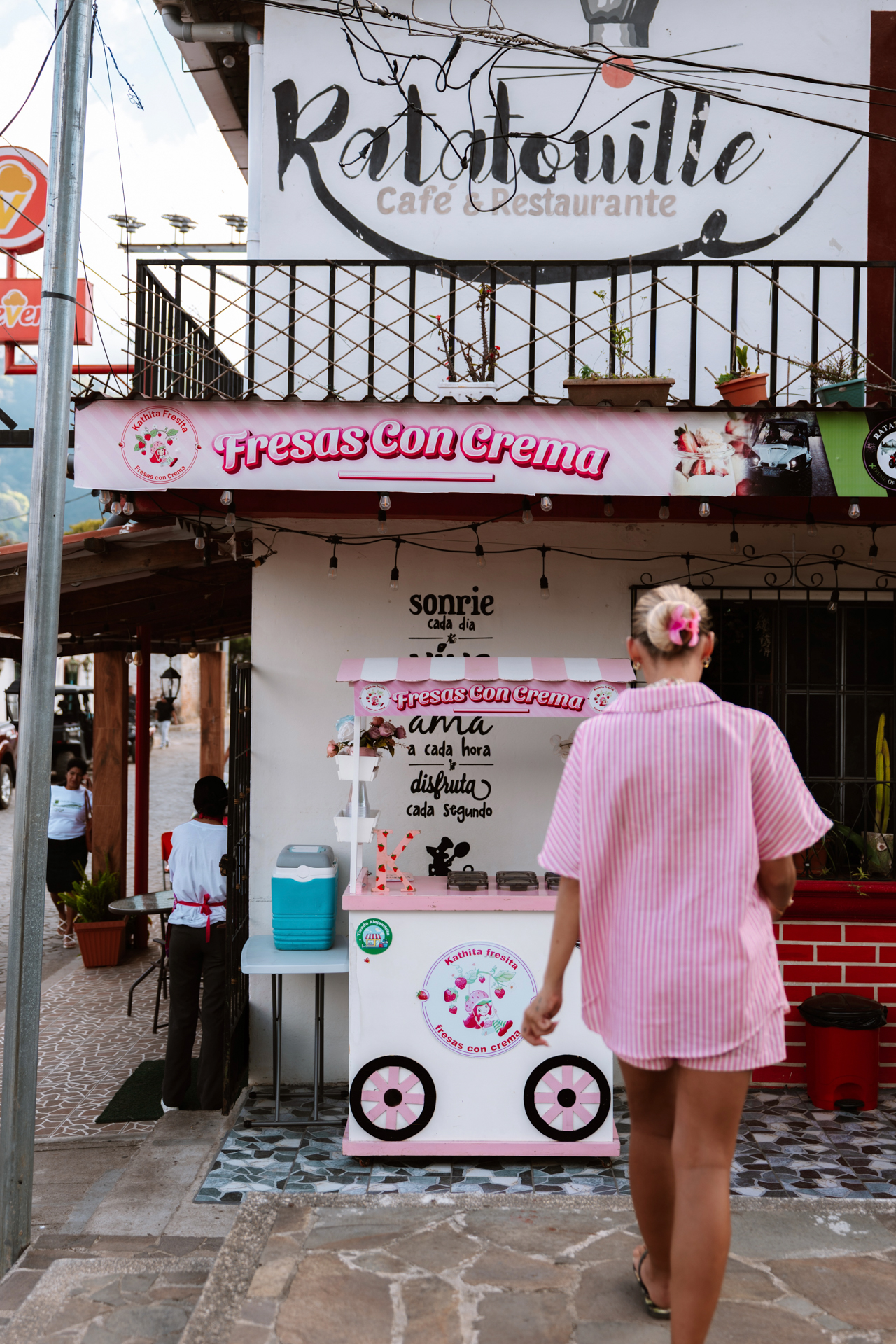
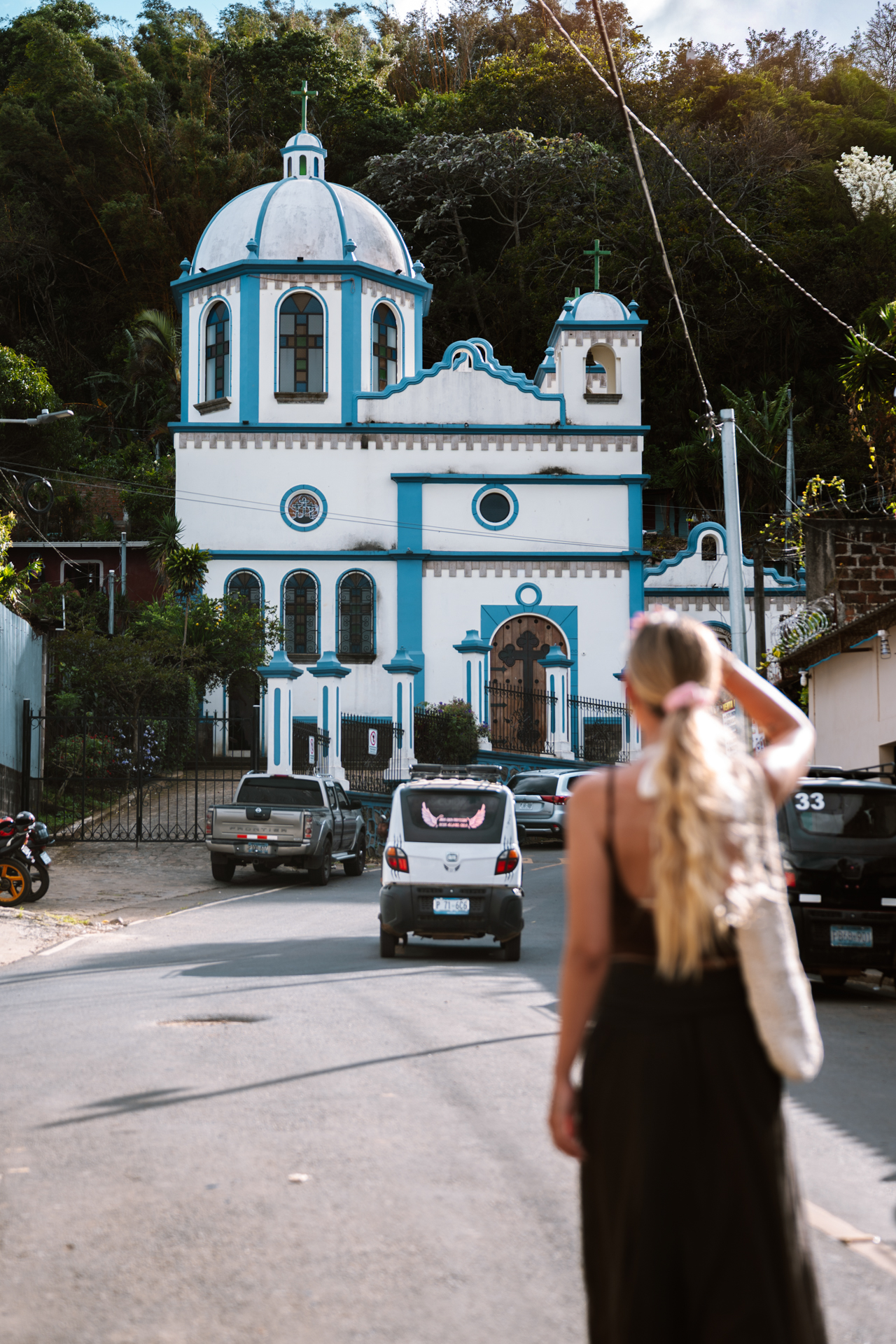
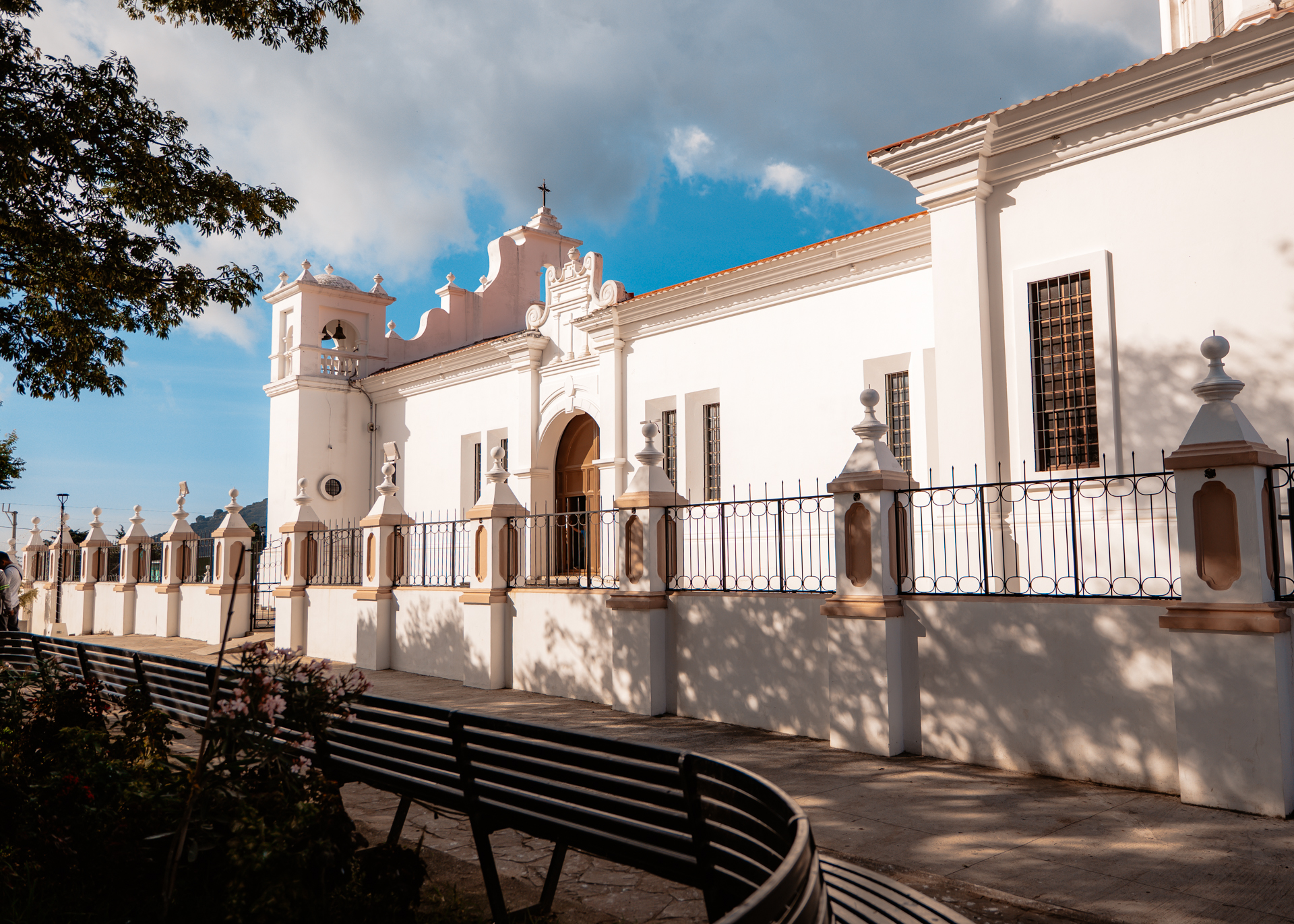
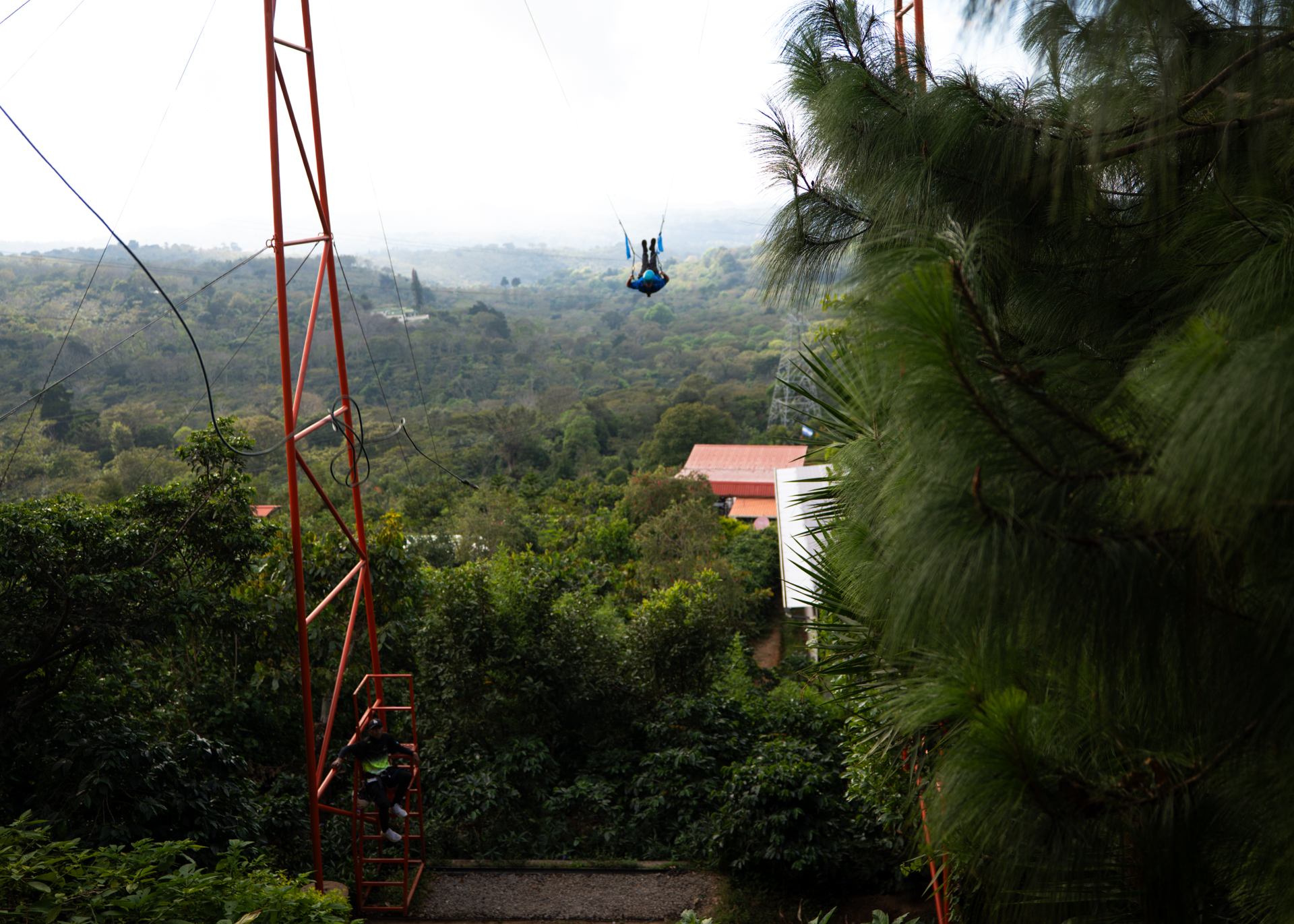
The town itself is charming with a pretty white church and colorful murals, but it is really the surroundings that steal the show. For example, Café Albania with its famous rainbow slide is nearby. Laguna Verde and zipline adventures through the canopy are also within easy reach. Don’t forget to find the beautiful mosaic roundabout on one of the main streets.
Why Visit Apaneca?
Best Things to Do and See in Apaneca
Best Cafes and Restaurants in Apaneca
The most colorful town on the route
Concepción de Ataco
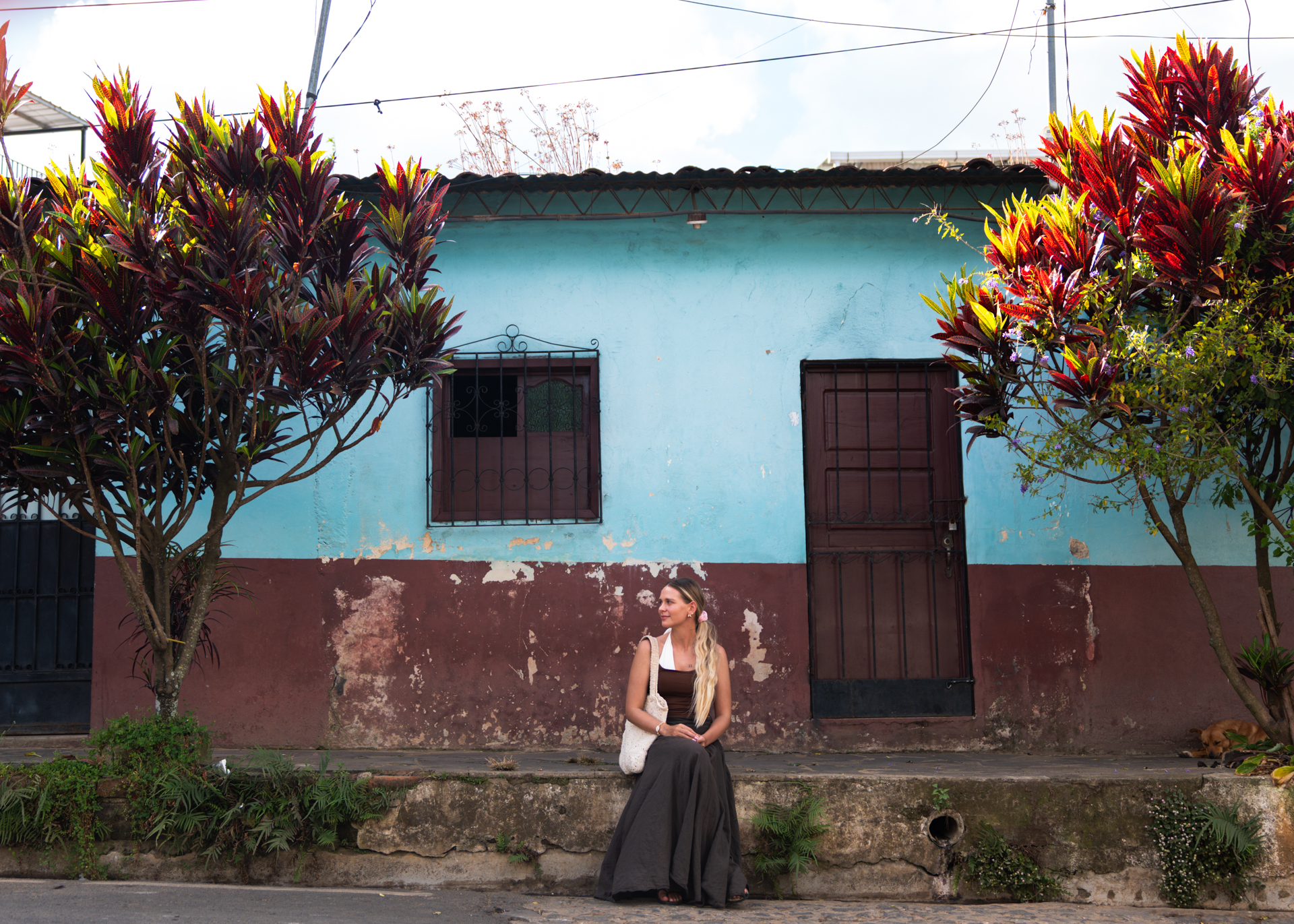
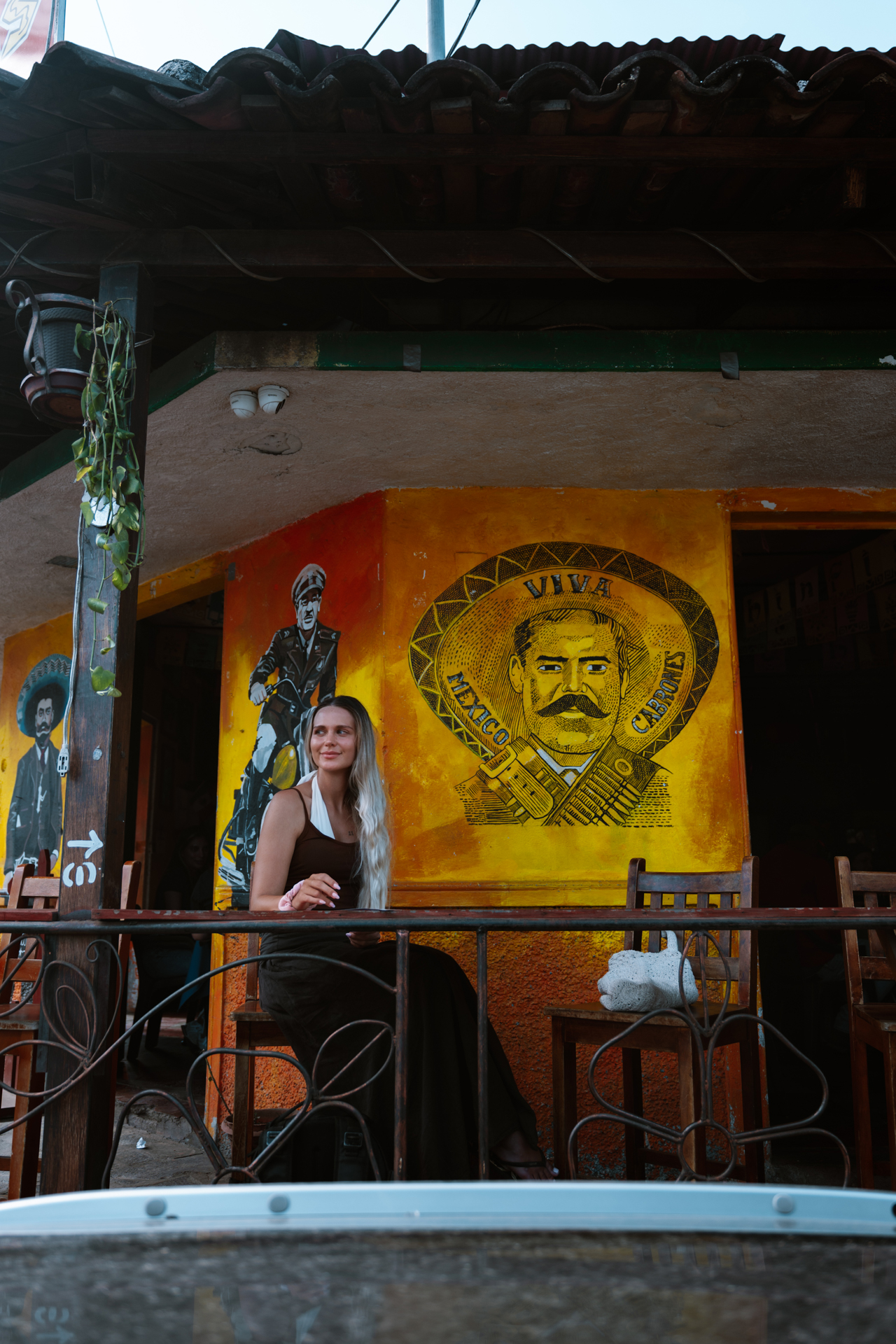
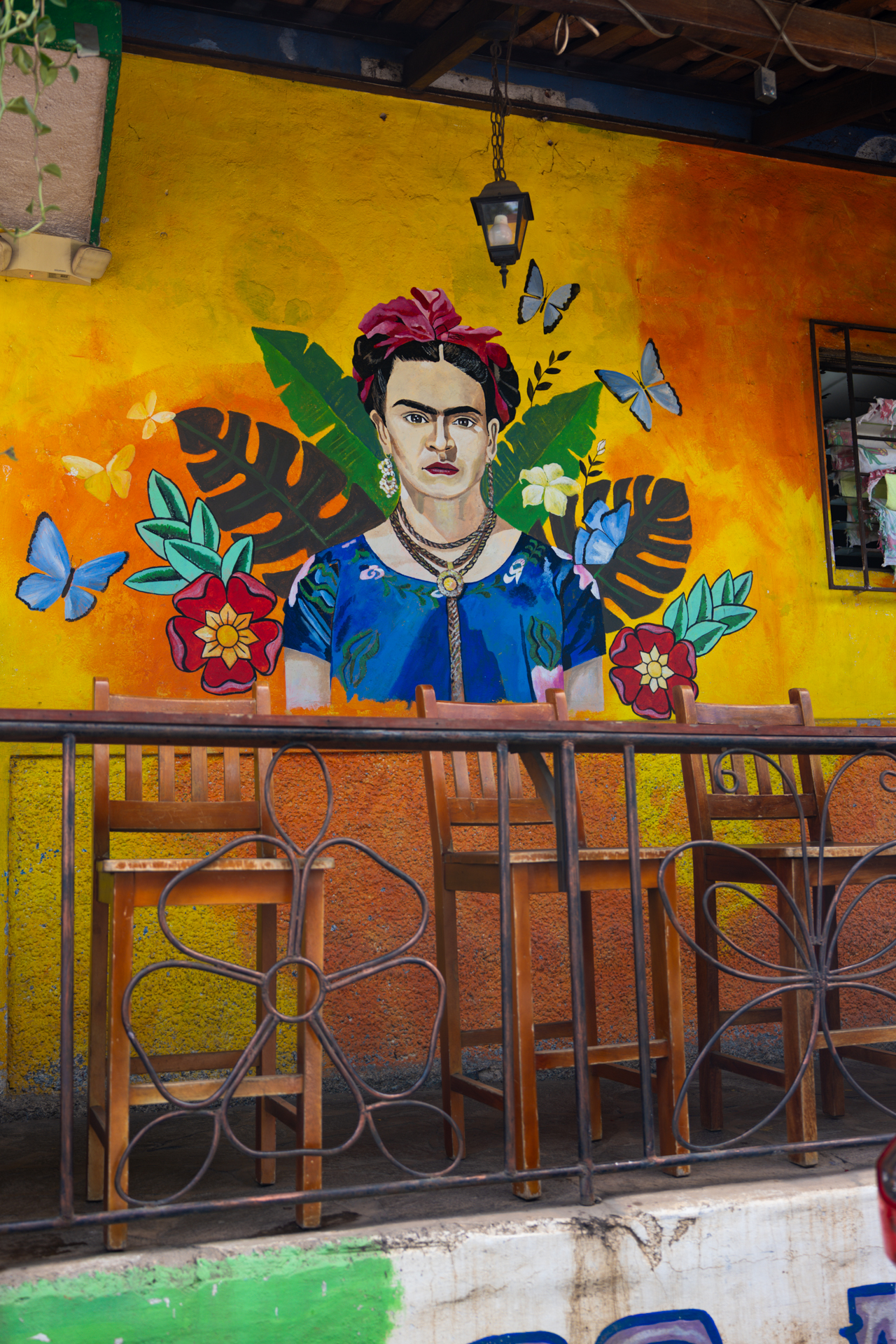
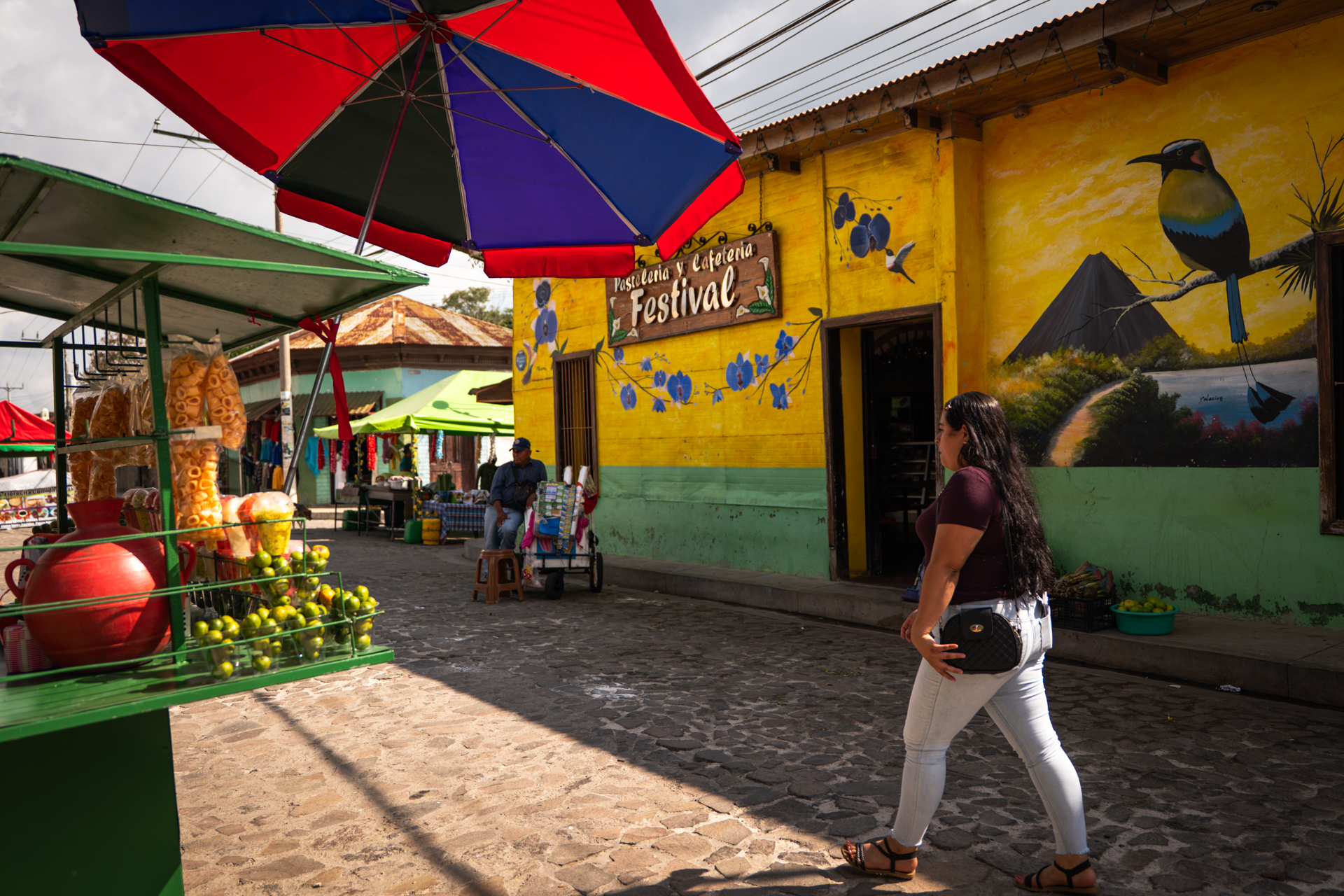
Finally, we reach the colorful town of Concepción de Ataco. It is the second largest town on La Ruta de las Flores and, without a doubt, the most colorful. In fact, every street is a canvas. For example, you'll find massive murals and mosaic walls cover the streets. Colorful flags hang across the roads, and shop fronts are painted in every shade you can imagine. It is the kind of town where you can easily spend a couple of hours just walking around with no plan at all.
On top of the visual charm, Ataco has a great food and cafe scene, a lovely central park, and plenty of artisan shops selling handmade goods. Walk up to the Mirador de la Cruz for a panoramic view over the town and the surrounding coffee covered hills.
Why Visit Concepción de Ataco?
Best Things to Do and See in Concepción de Ataco
Best Cafes and Restaurants in Concepción de Ataco
Many of Ataco’s murals were created during organized art festivals where local and international artists were invited to transform the town’s walls. What started as a small initiative has turned Ataco into an open air gallery that keeps growing every year.
A tradition brewed into every town
THE COFFEE CULTURE
If you're a coffee lover, this place really is for you! Coffee is not just a drink along La Ruta de las Flores. It is a way of life.
Coffee farms and plantations surround many of the towns along the route. Several of them offer tours and tastings where visitors can learn about the production process. Towns like Salcoatitán and Apaneca are literally surrounded by coffee farms, and the local cafés serve beans that were grown, roasted, and brewed just steps away.
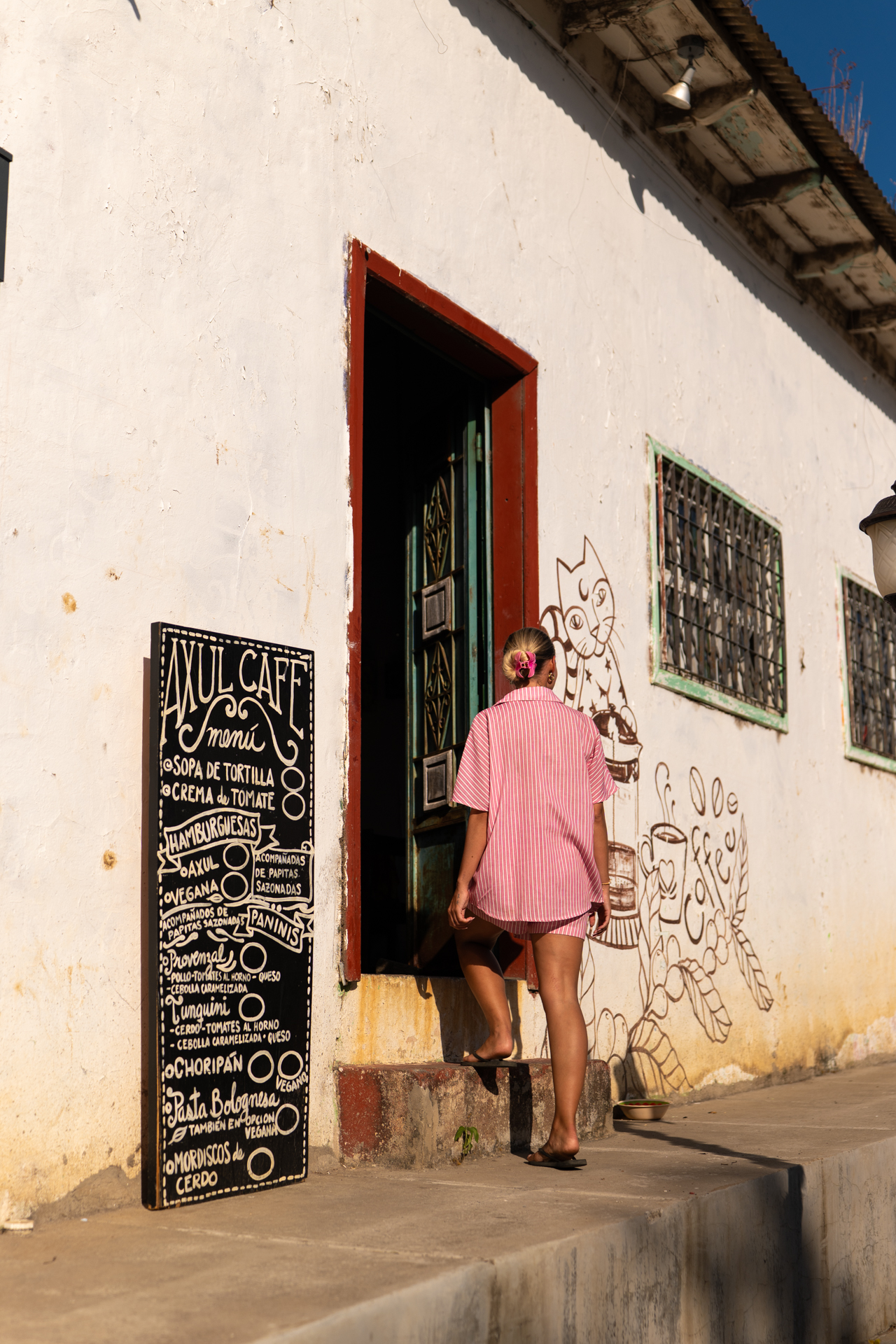
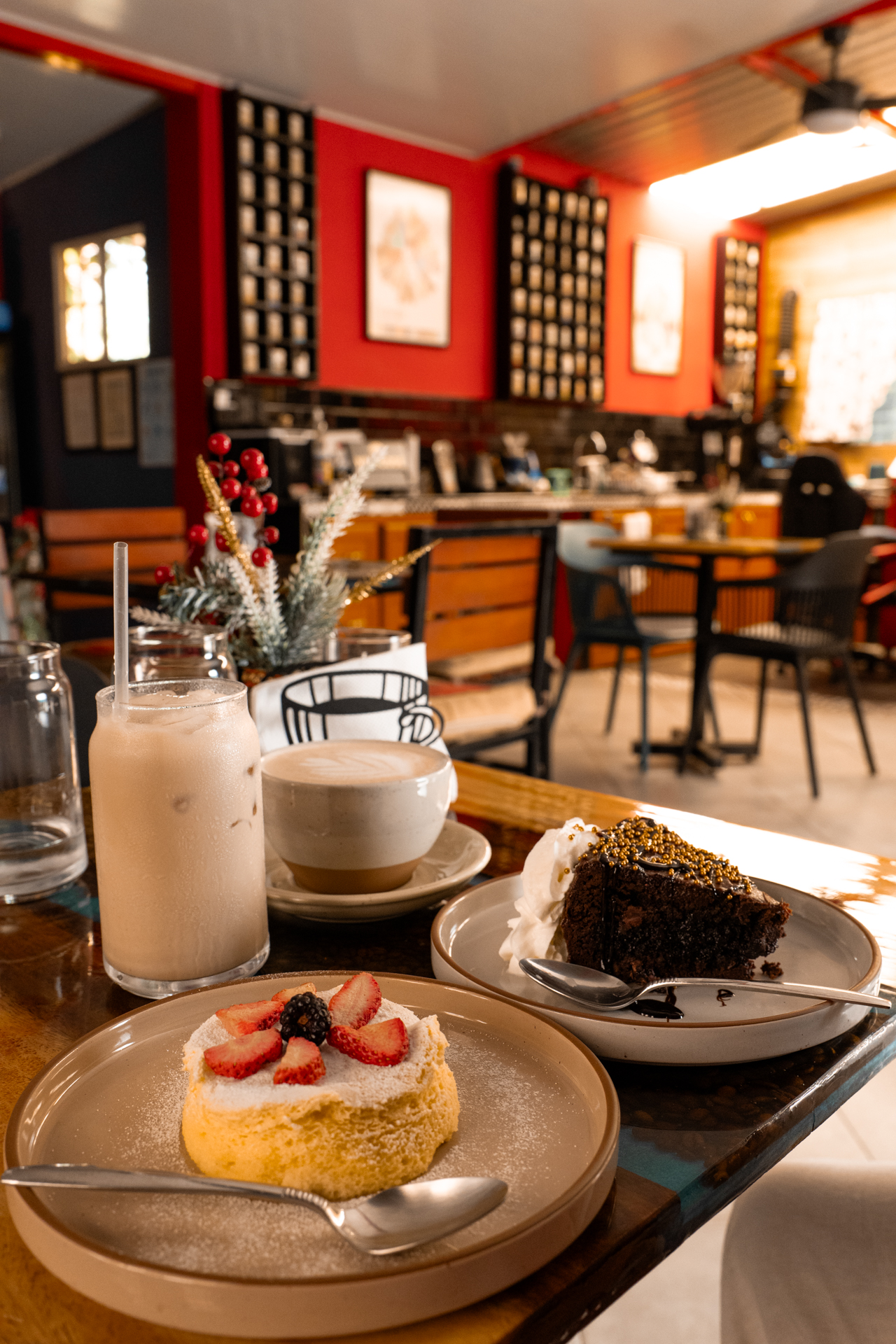
El Salvador is known for producing high quality Arabica coffee, and the western highlands have the perfect combination of altitude, volcanic soil, and cool temperatures to grow some of the best beans in Central America. Whether you take a full coffee tour at a place like El Carmen Estate in Ataco or simply sit down for a pour over at a local cafe, you will notice the difference right away.
El Salvador’s most famous food festival
LA FERIA GASTRONÓMICA
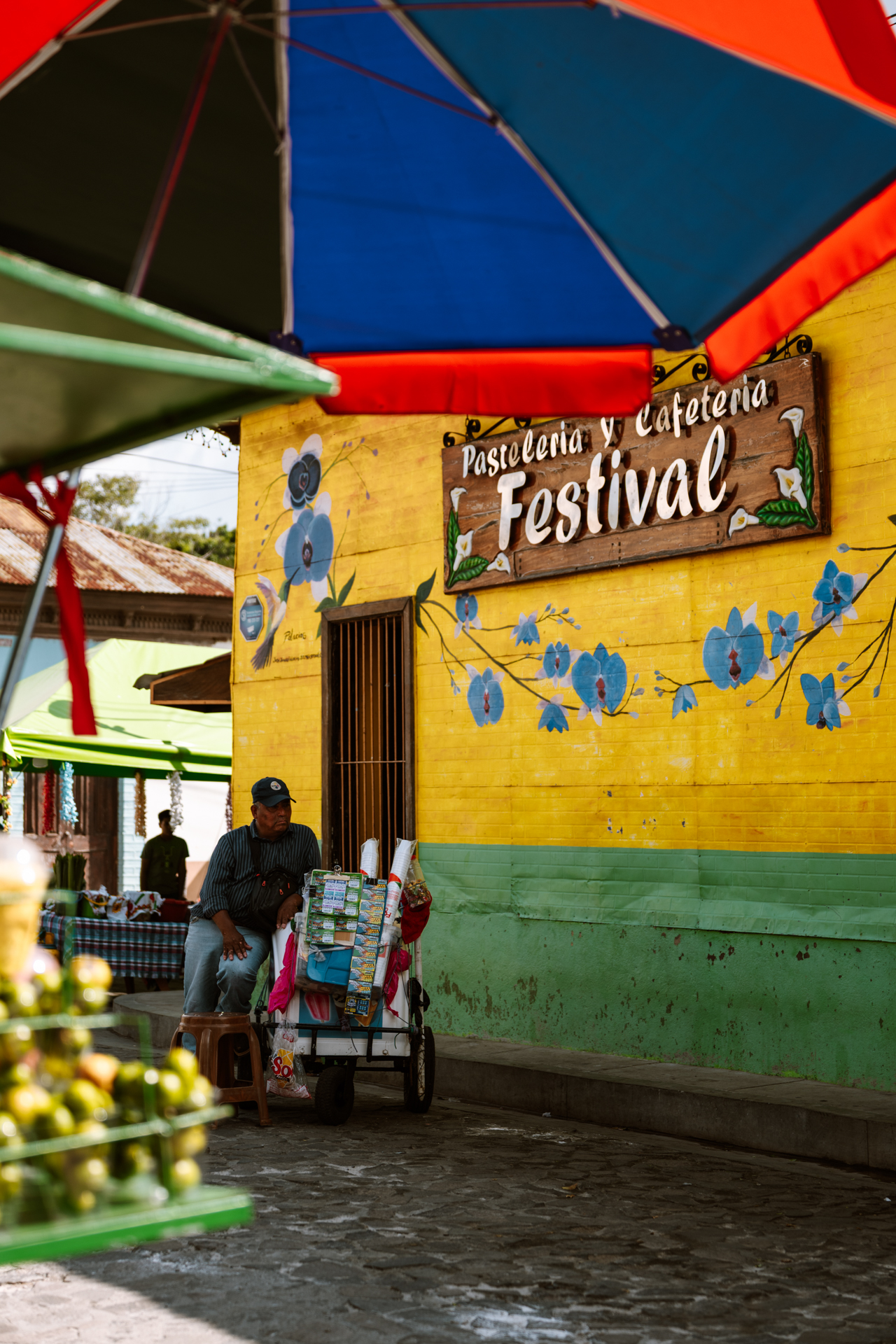
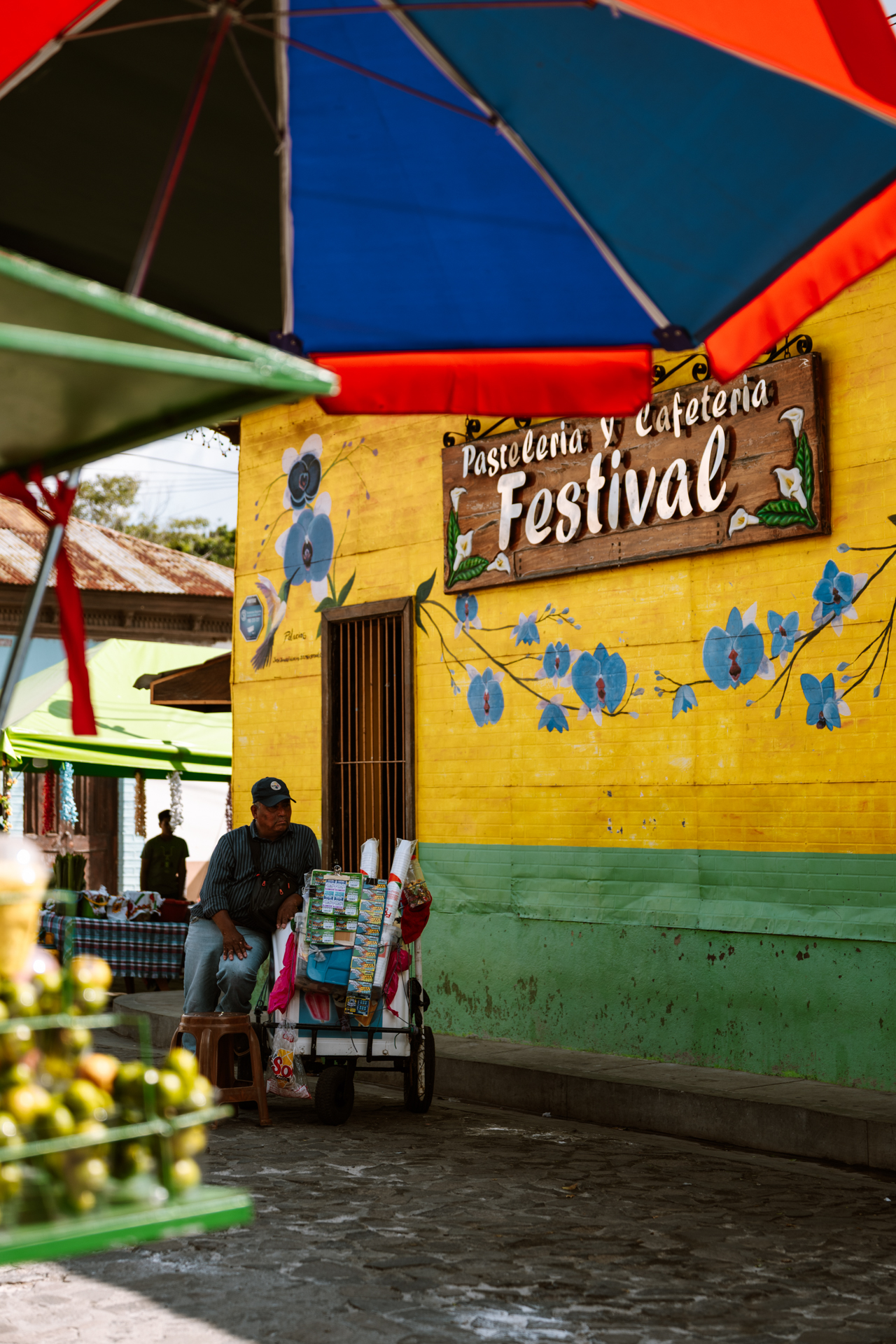
Every weekend, the main plaza in Juayúa transforms into one of the most vibrant food festivals in Central America. Dozens of stalls line the streets, each offering a different selection of traditional Salvadoran dishes! From grilled meats and fresh seafood to pupusas, yuca frita, and sweet corn cakes called riguas.
Typically, the festival runs from around 11 am to 5 pm on Saturdays and Sundays, though some stalls open earlier and stay later. In addition, most dishes are incredibly affordable, and the portions are generous. It is not a fancy dining experience. It is noisy, crowded, and full of life. And that is exactly what makes it so good.
What you should know
SAFETY ALONG THE ROUTE
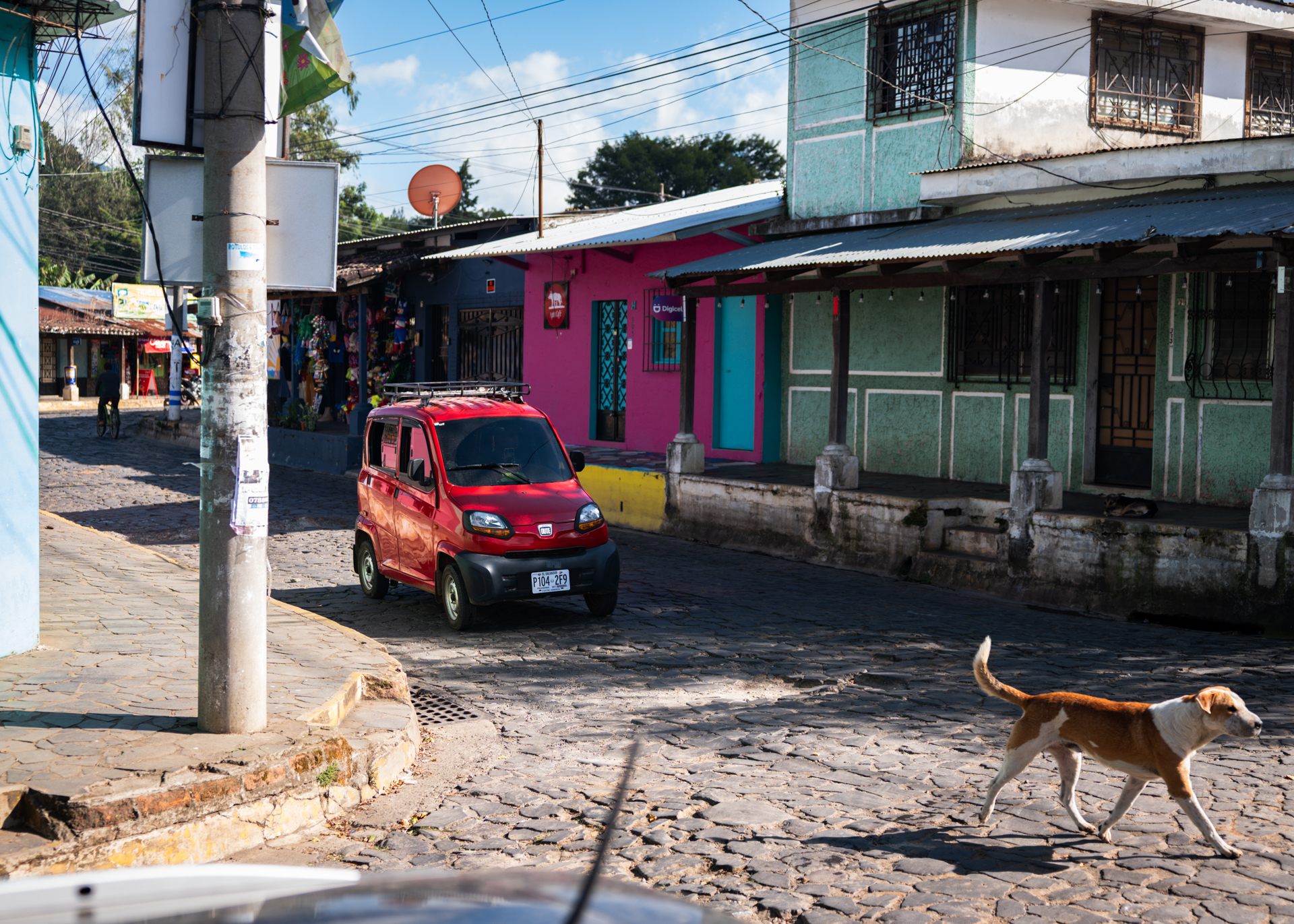
El Salvador’s reputation often worries first time visitors, and that is completely understandable. The western highlands are one of the safest and most welcoming areas in the entire country.
The five towns along the route are small, community oriented, and familiar with both local and international visitors. During our time on the route, we felt completely comfortable walking around, eating at local markets, and exploring on our own.
Of course, like anywhere in the world, common sense goes a long way. But honestly, the biggest surprise for most travelers is how warm, friendly, and genuinely welcoming the Salvadoran people are.
Making the most of your time
HOW MANY DAYS for RUTA DE LAS FLORES
Most travelers spend between 2 and 4 days exploring La Ruta de las Flores, and that is usually enough to see all five towns and enjoy the main highlights.
If you are short on time, two full days will let you visit all the towns with a quick stop in each, plus one main activity like Café Albania. With three days you can take things slower, enjoy the Feria Gastronómica on the weekend, and squeeze in a coffee tour or a trip to Laguna Verde. Four days gives you room to truly relax and explore at your own pace without rushing through anything. This completely depends on your own interests.
I would recommend basing yourself in either Juayúa or Ataco and doing day trips from there. Both towns have the best selection of accommodation and restaurants.
transportation
Getting to Ruta de las Flores
There are a few different ways to visit La Ruta de las Flores, depending on your travel style and budget.
By Rental Car
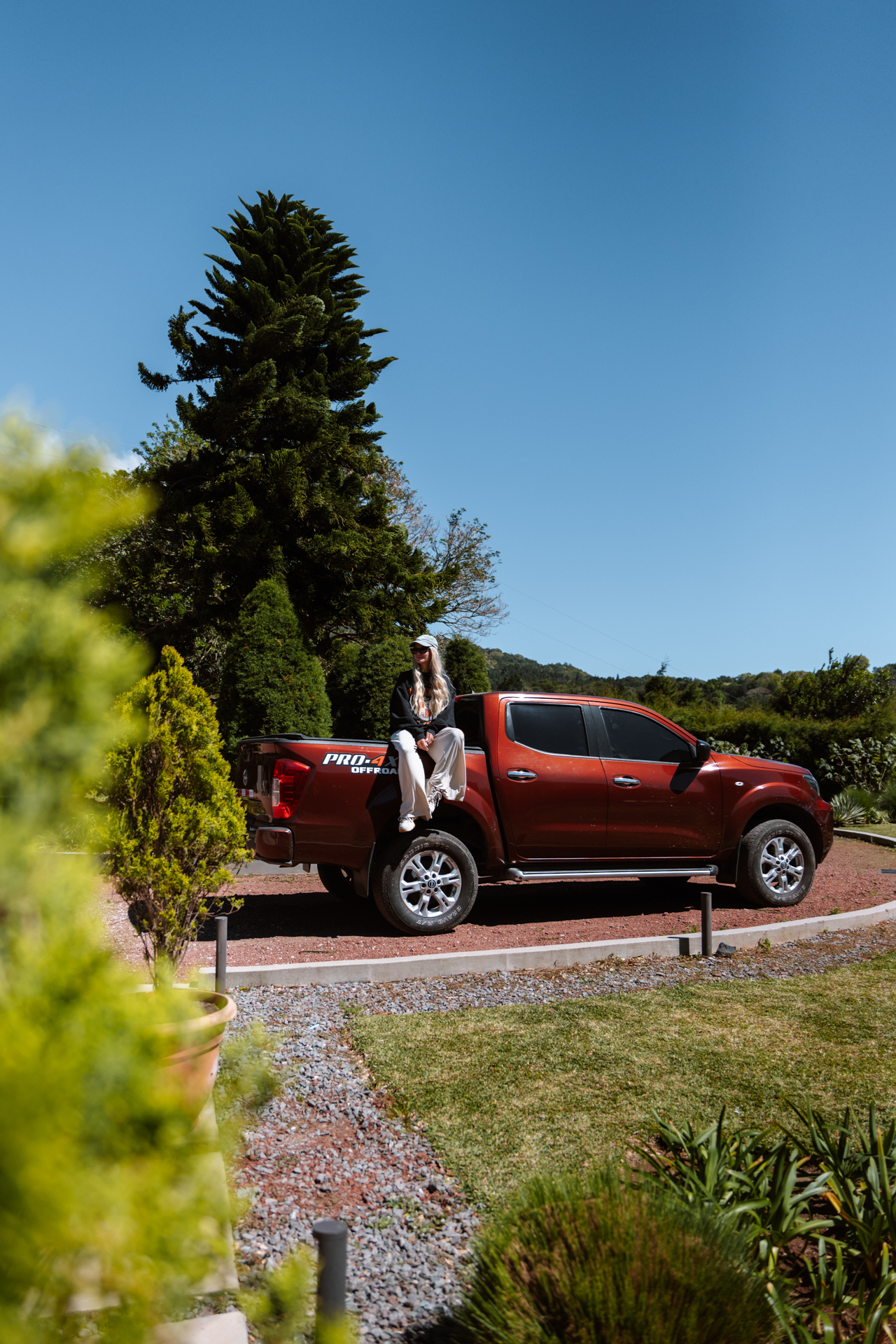
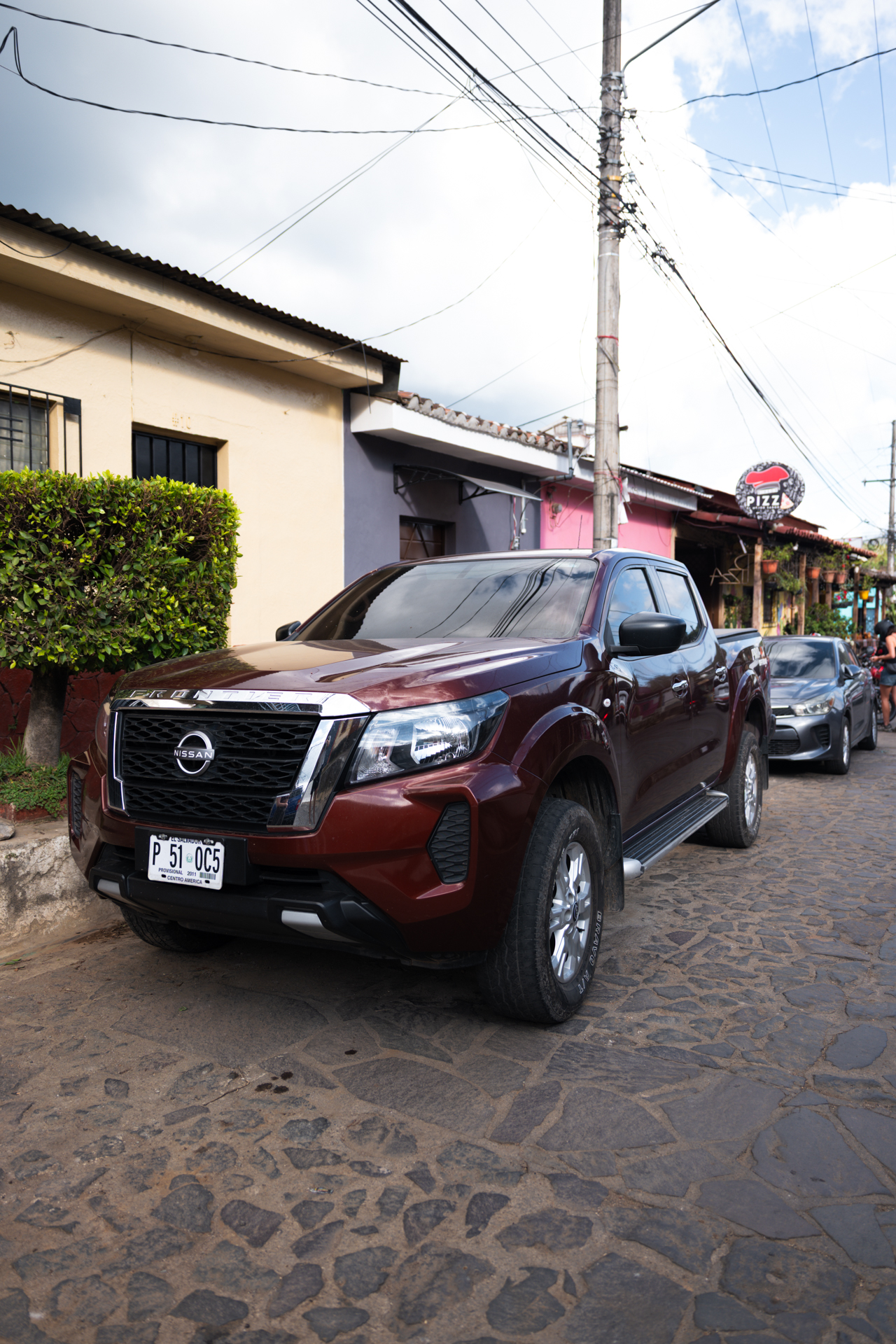
Overall, renting a car gives you the most flexibility. The route runs along the CA 8 highway from Sonsonate to Ahuachapán, and all five towns are easy to reach with well marked turnoffs. The drive from San Salvador takes around 1.5 to 2 hours depending on traffic. We rented a car and El Salvador is really a great country to drive around.
Chicken Buses & Shuttles
Meanwhile, local "chicken buses" run between the towns along the route. They are cheap, frequent, and a very local experience. Expect packed buses, loud music, and no air conditioning, but you will get there!
By Tour
If you prefer not to worry about logistics, several tour operators in San Salvador offer full day or multi day trips along the route. This is the easiest option, but you will have less freedom to explore at your own pace.
When to plan your trip
BEST TIME TO VISIT RUTA DE LAS FLORES
The best time to visit La Ruta de las Flores is during the dry season, which runs from November to April. The skies are clearer and the roads are easier to navigate. You will also get the best conditions for hiking and exploring the towns.
If seeing the flowers is high on your list, the best time to visit is usually between November and February, when many of them are in bloom. That said, the flowers are only a small part of what makes this region so special. Even if you visit outside the blooming season, the Ruta de las Flores is still a beautiful destination and well worth exploring at any time of the year.
If you want to time your visit around the Feria Gastronómica, remember that it runs every weekend year round, so you can enjoy it no matter when you go.
Many visitors expect endless wildflower fields along the road, but most of the color actually comes from flowers in the towns, gardens, and coffee farms, especially in places like Ataco and Apaneca.
Good to know before you go
RUTA DE LAS FLORES TRAVEL TIPS
Just a little note
If you book or buy something through one of my links, it helps support the work I do, and it doesn’t cost you anything extra.
Find Hotels
via Booking.com
Find Flights
via Skyscanner
Tours & Attractions
via GetYourGuide
Loved it? Pin it, Share it!
Inspire Others to Travel to El Salvador








THE TRAVEL

Let’s stay connected!
Get inspired, helpful tips and exclusive updates straight to your inbox. Subscribe to join a community of explorers.