
DISCOVER Santa Ana


Where Colonial Charm Meets Volcanic Power
Santa Ana, El Salvador: Volcano Hike + Complete Travel Guide
At first sight, it feels like a laid-back Salvadoran city with colorful streets, colonial architecture, and a slower pace compared to the capital. But spend a little time here, and you’ll realize it’s the perfect gateway to some of the most incredible landscapes in the country.
Just outside the city lies one of El Salvador’s biggest highlights: the Santa Ana Volcano. Towering above the surrounding highlands, it offers a hike that leads you right to the edge of a dramatic crater, where a surreal, neon-green lake bubbles deep below. It’s raw, powerful, and unlike anything you’ll see in most places.
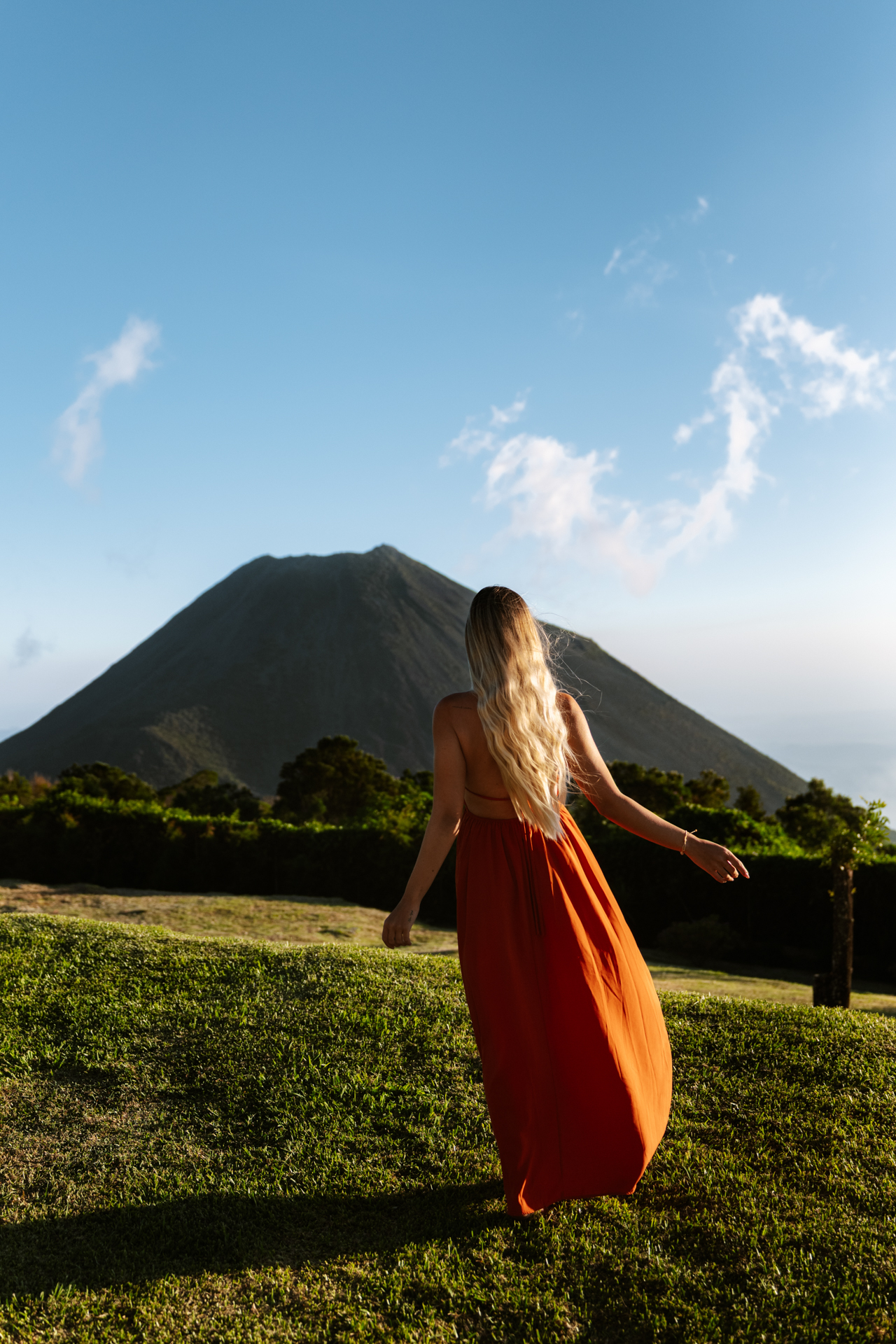
In this guide, I’ll walk you through everything you need to know, not just for the Santa Ana Volcano hike, but also how to make the most of your time in Santa Ana city itself. From getting there and organizing the hike, to tips that will save you time.

A Slower Side of El Salvador
Santa Ana
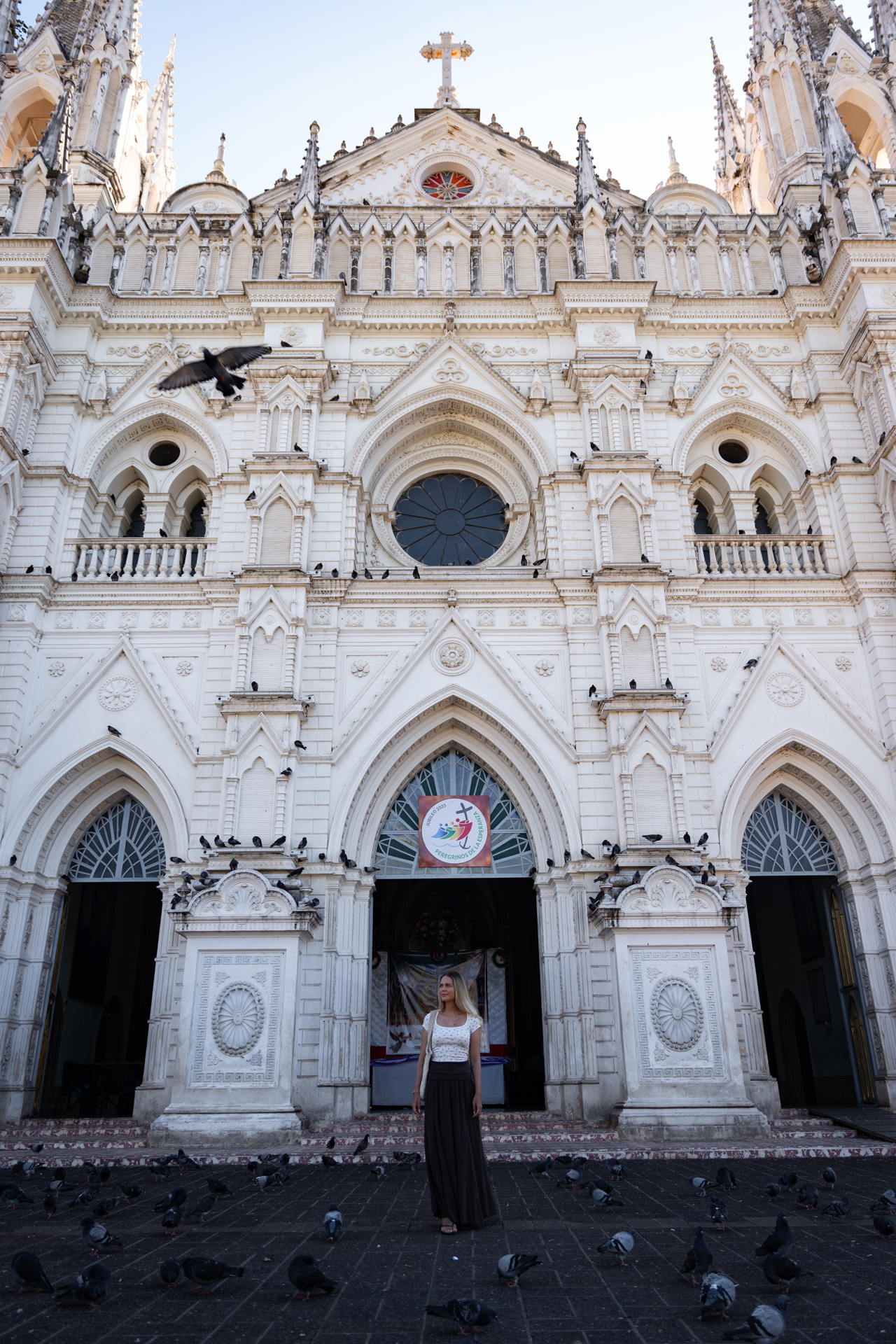
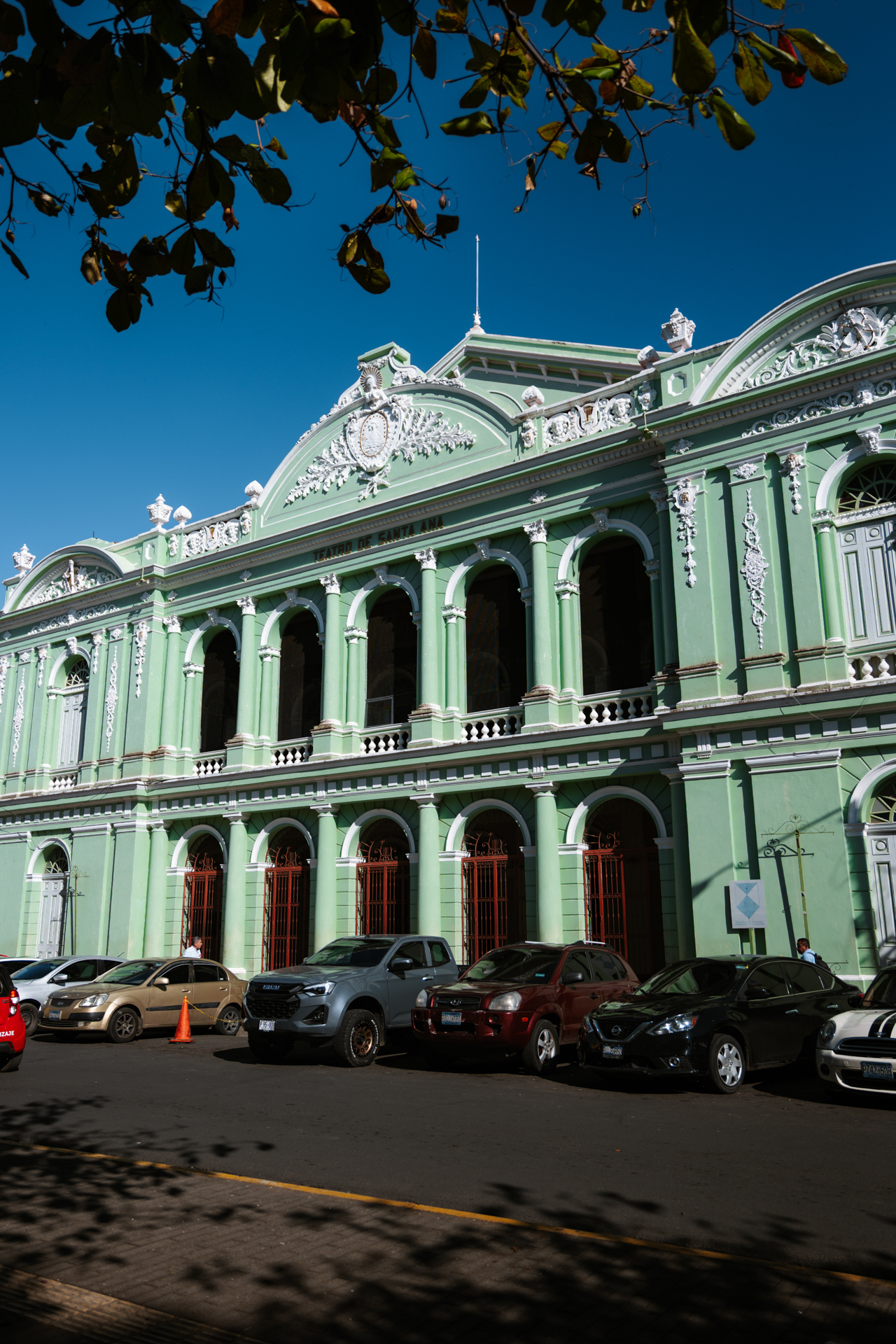
Santa Ana is El Salvador‘s second largest city and a very charming place to visit. The colonial center feels calm and well preserved, with a gorgeous cathedral and a relaxed pace of life that is very different from the capital.
There isn’t much to do in Santa Ana itself, but it’s a great base to explore its surroundings and to plan day trips. The Santa Ana Volcano, Lago de Coatepeque, and the Tazumal Mayan ruins are all within easy reach. It’s the kind of place where you can mix culture with adventure in a single day.
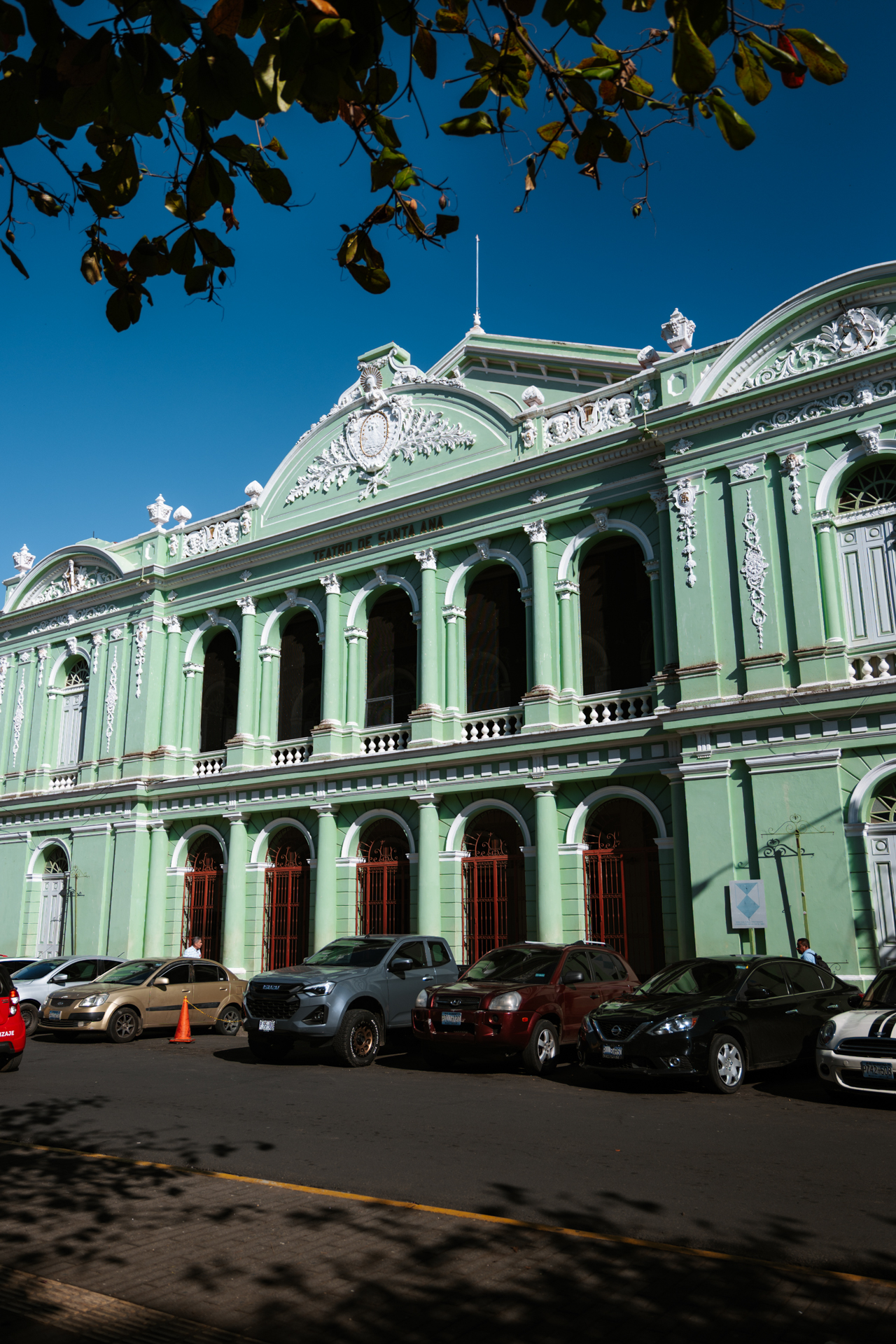
Why Visit Santa Ana?
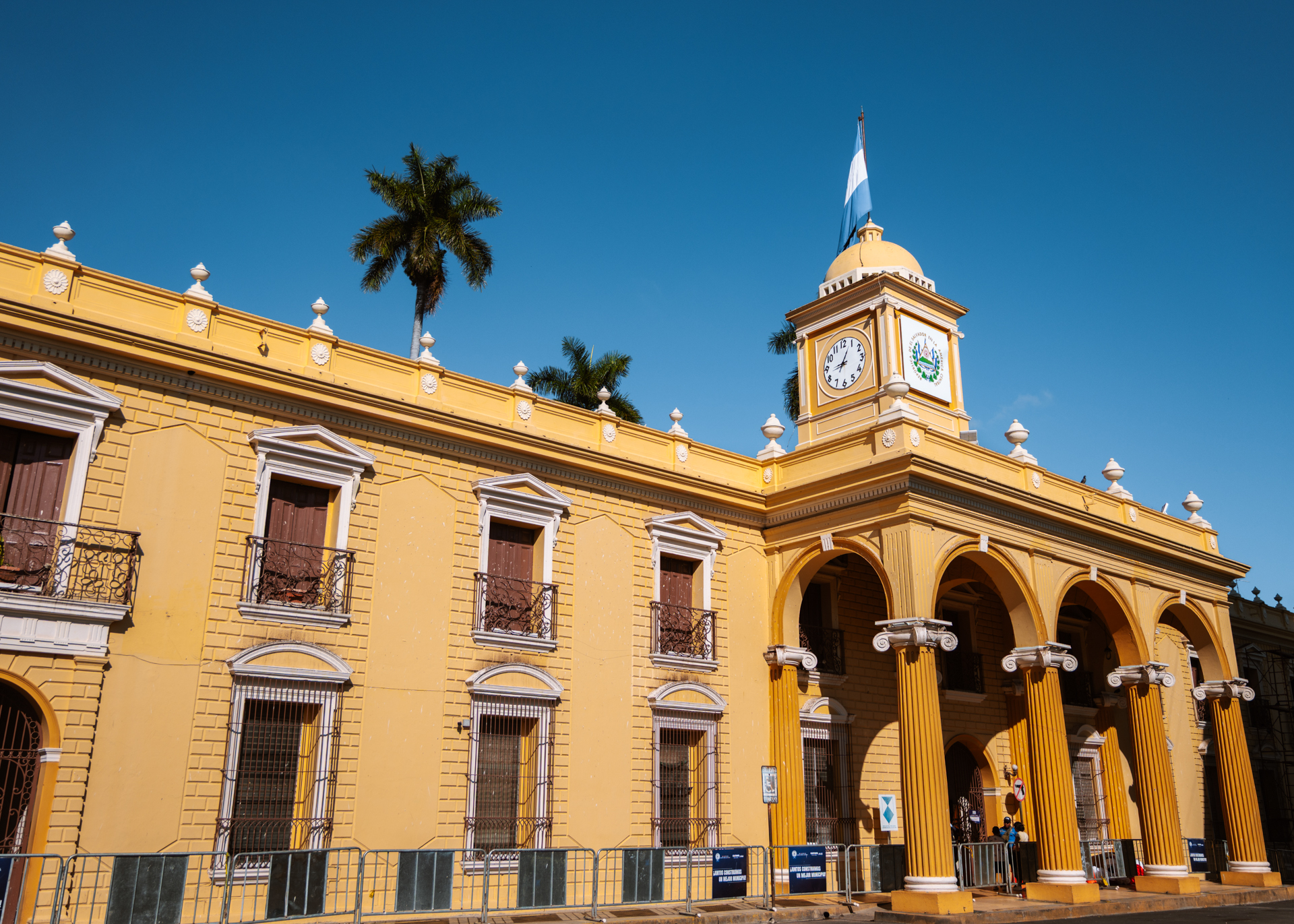
Best Things to Do and See in Santa Ana
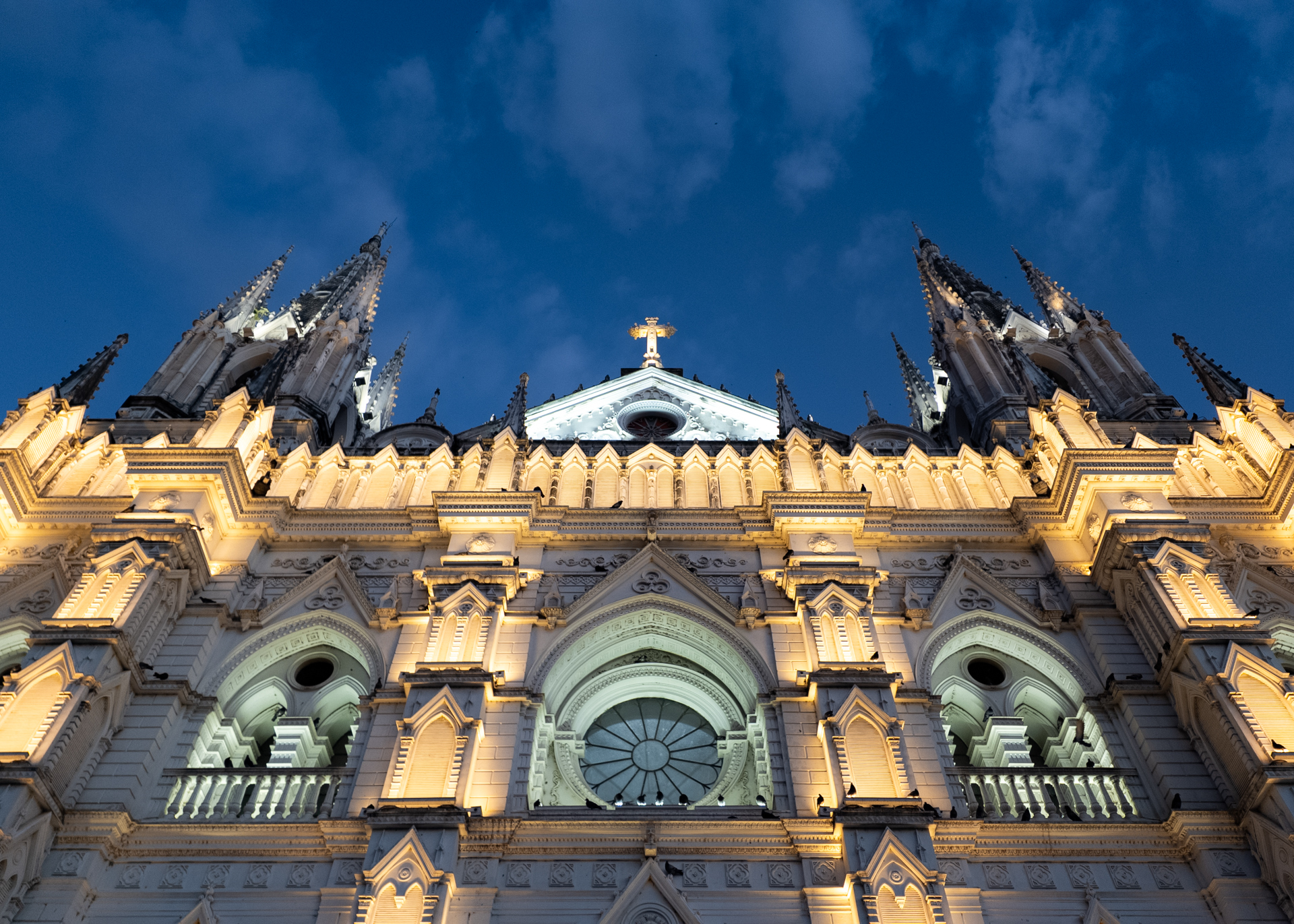
Best Cafés & Restaurants in Santa Ana
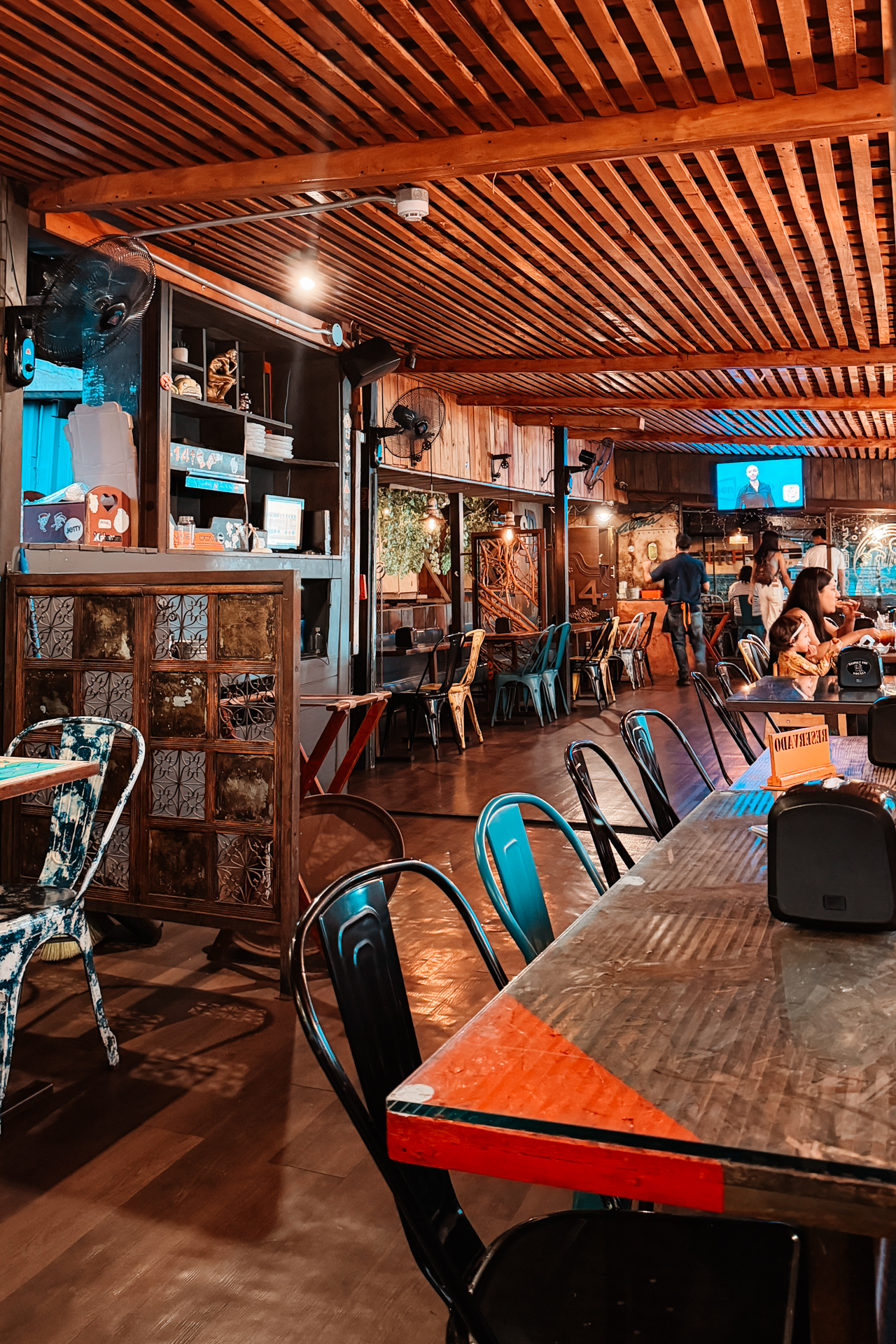 Simmer Down
 Simmer Down
Where to Stay in Santa Ana
Most accommodations in Santa Ana are small boutique hotels, hostels, and guesthouses, many within walking distance of the main square, which makes it a super convenient base. The historic center is the best area to stay if you want to explore on foot, with easy access to cafés, the cathedral, and local life. We stayed at Kali Hotel y Eventos.
For a quieter, more scenic stay, you can also stay just outside the city near Lake Coatepeque or Cerro Verde, where you’ll find beautiful nature-focused hotels with views of the volcano and lake.
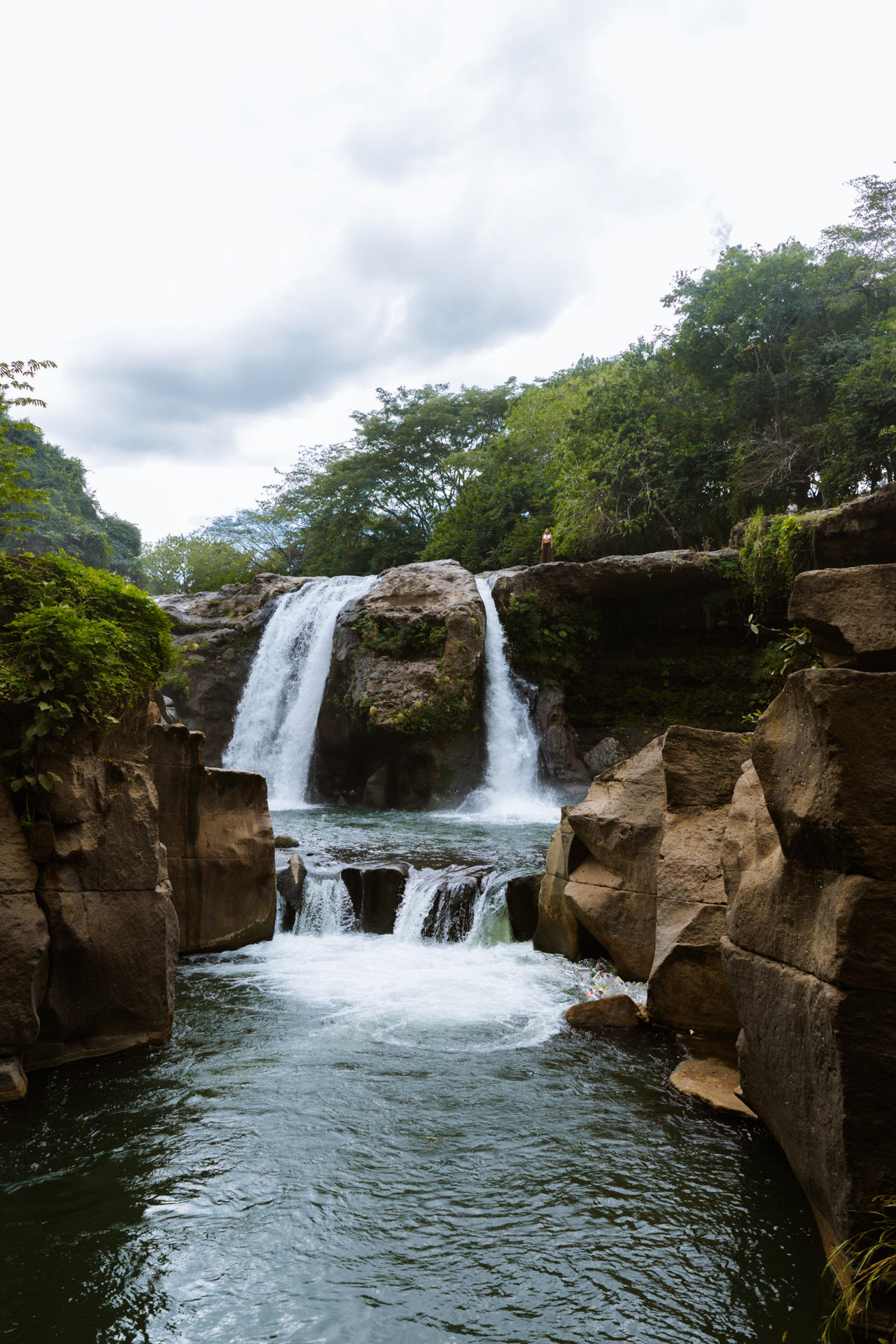
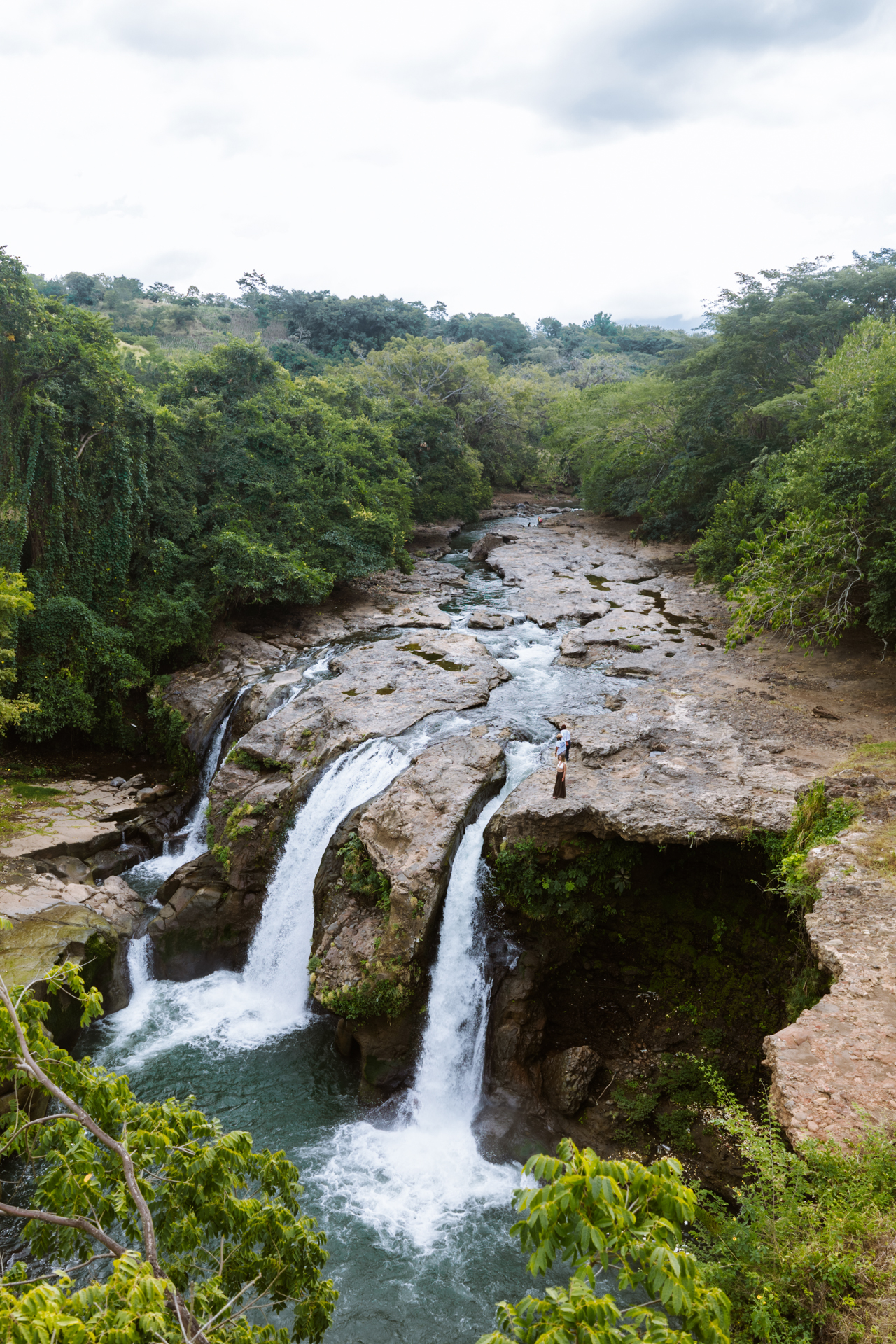
Salto de Malacatiupán: Hot Springs Waterfall
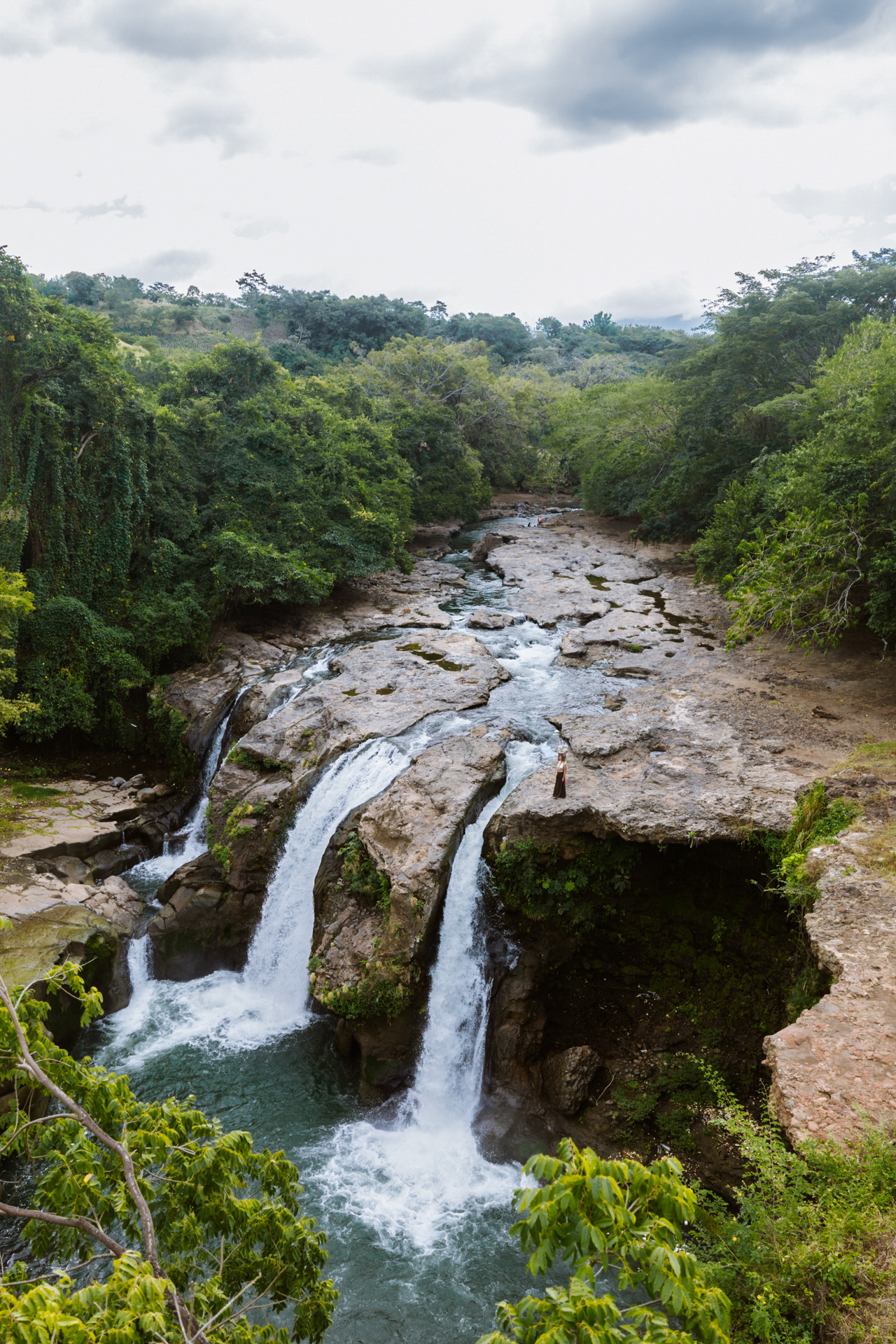
A great day trip from Santa Ana and one of the most unique natural attractions in the area. The drive from Santa Ana to the waterfall takes about 1 hour, making it an easy and rewarding excursion.
Once you arrive, the walk from the parking area to the waterfall is literally just about 5 minutes, so no long hikes are required. What makes this spot especially memorable is that the water here is warm due to natural thermal activity, creating a relaxing soak in a tropical setting.

This waterfall is anything but ordinary. It's actually HOT! The entrance fee is around USD 1 and the exact location is here.
Los Ausoles: Geothermal Springs
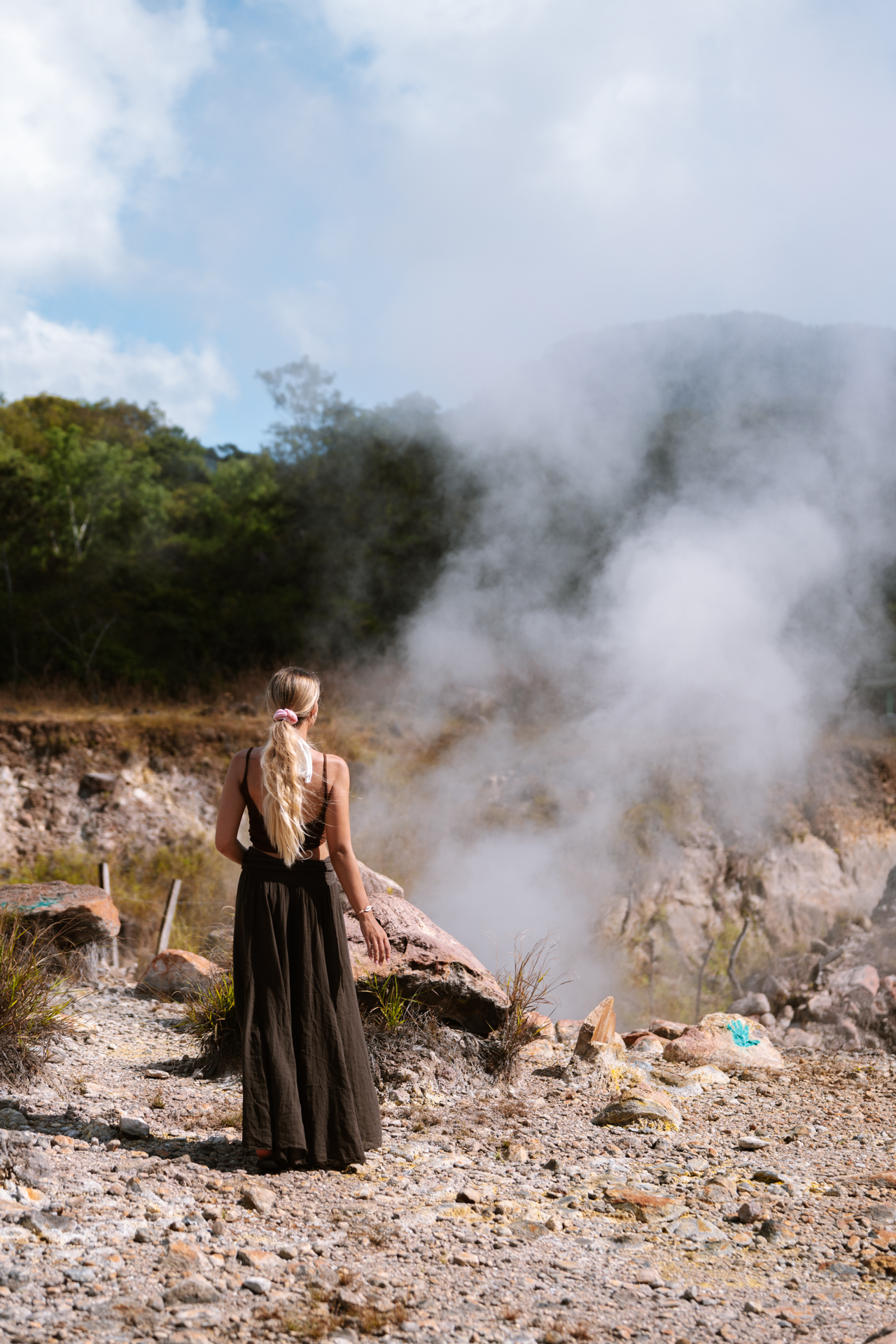
I’m always drawn to places that feel a little off the radar. With so much volcanic activity across the country, El Salvador is filled with incredible natural wonders, from crater lakes and hot springs to black sand beaches. But an interesting one are these geothermal fields, where steam rises from the earth and bubbling pools form naturally, known locally as Los Ausoles.
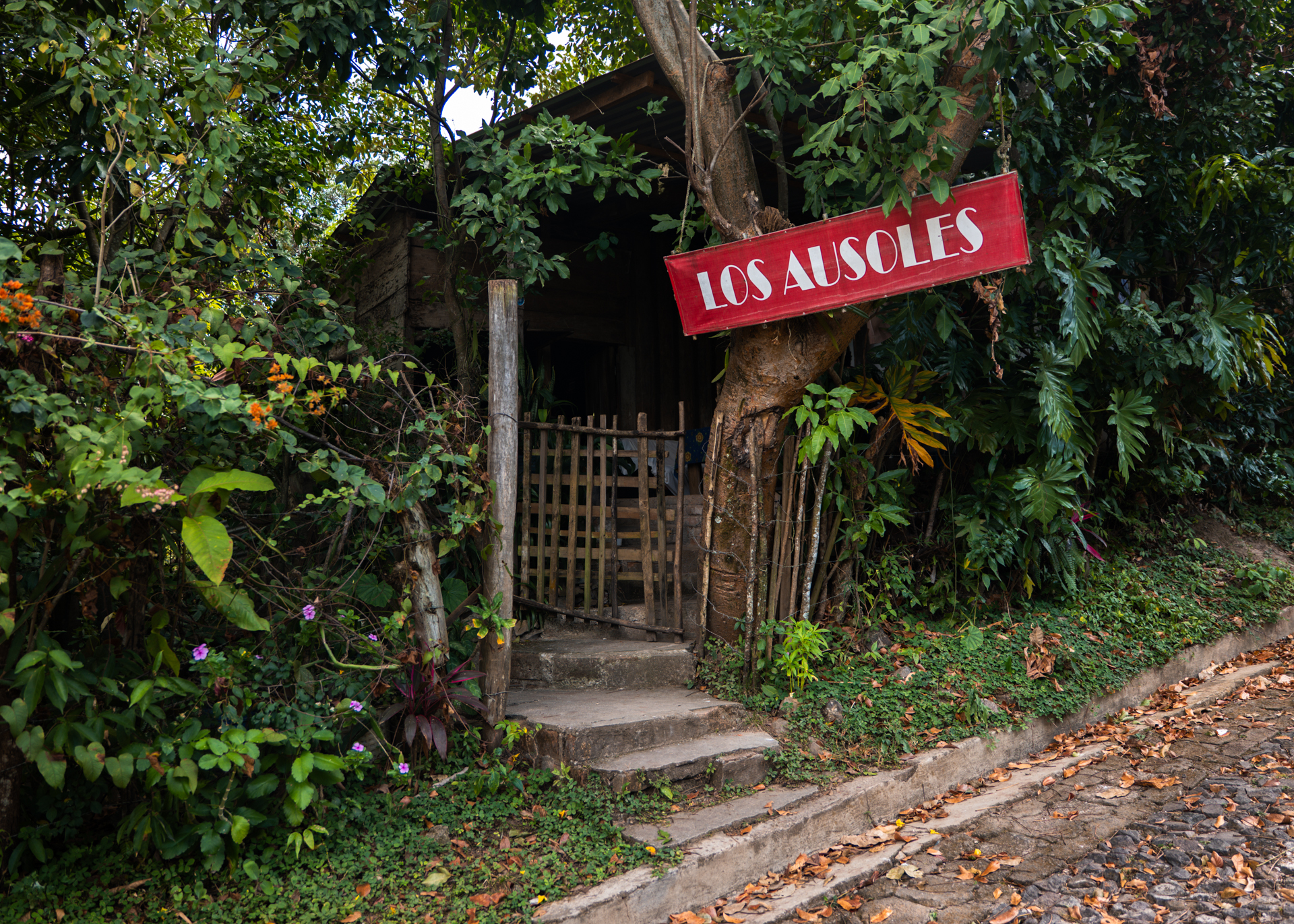
It’s not a huge spot, and you likely won’t spend too long here, but it’s worth a quick stop if you’re nearby. Just be careful where you step, as the ground can get extremely hot in some areas. Entrance fee is USD 1 and you can find the location here.
I just had to come here after my geyser experience at Sol de Mañana in Bolivia!
 The Entrance
The must-do hike in El Salvador
Santa Ana Volcano Hike
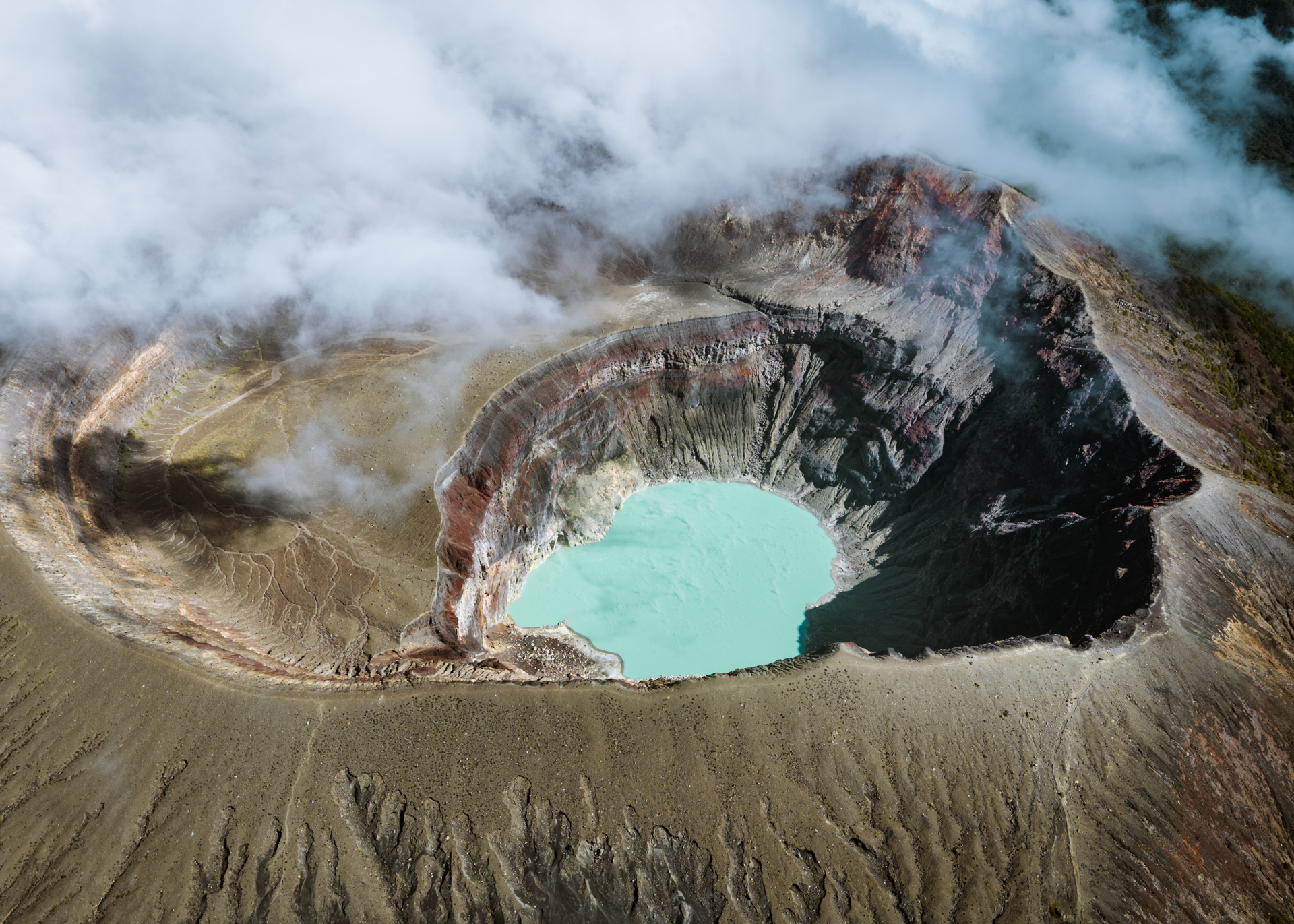
The Santa Ana Volcano, also known as Ilamatepec, is the highest volcano in El Salvador and one of the most popular hikes in the country. At 2,381 meters above sea level, it is an active stratovolcano with a stunning turquoise crater lake at the summit. On a clear day the views stretch all the way to Lake Coatepeque and the Pacific Ocean.
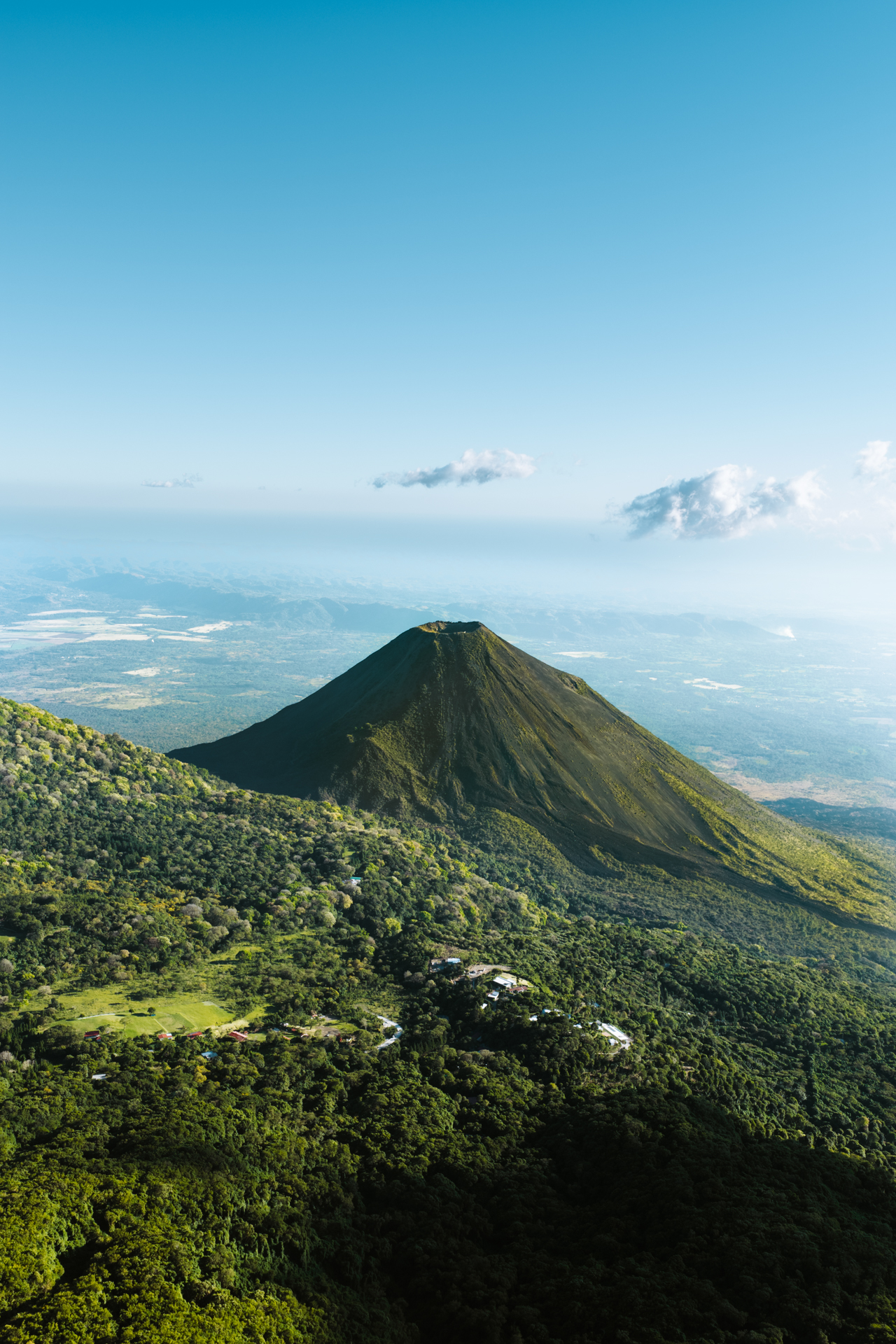
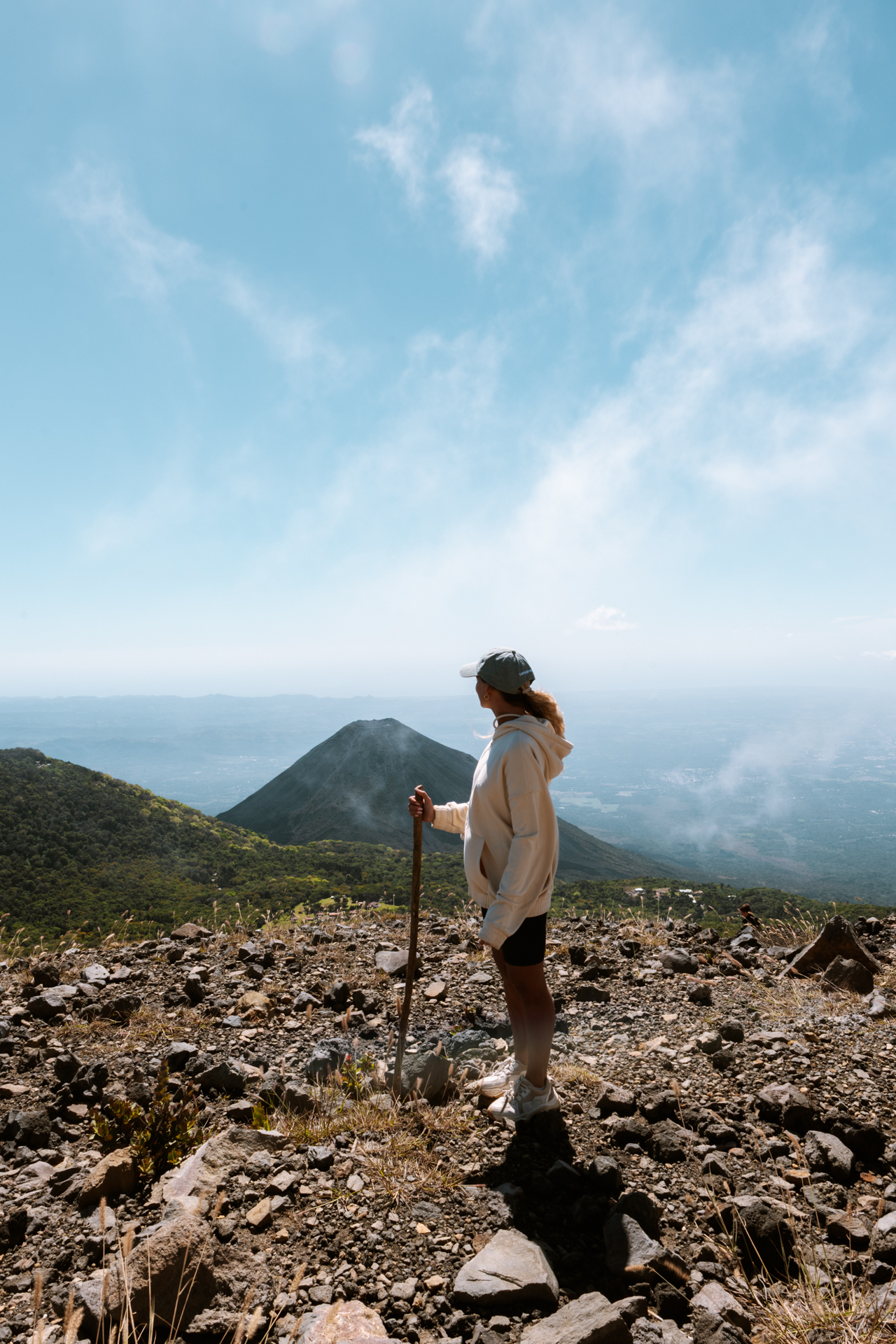
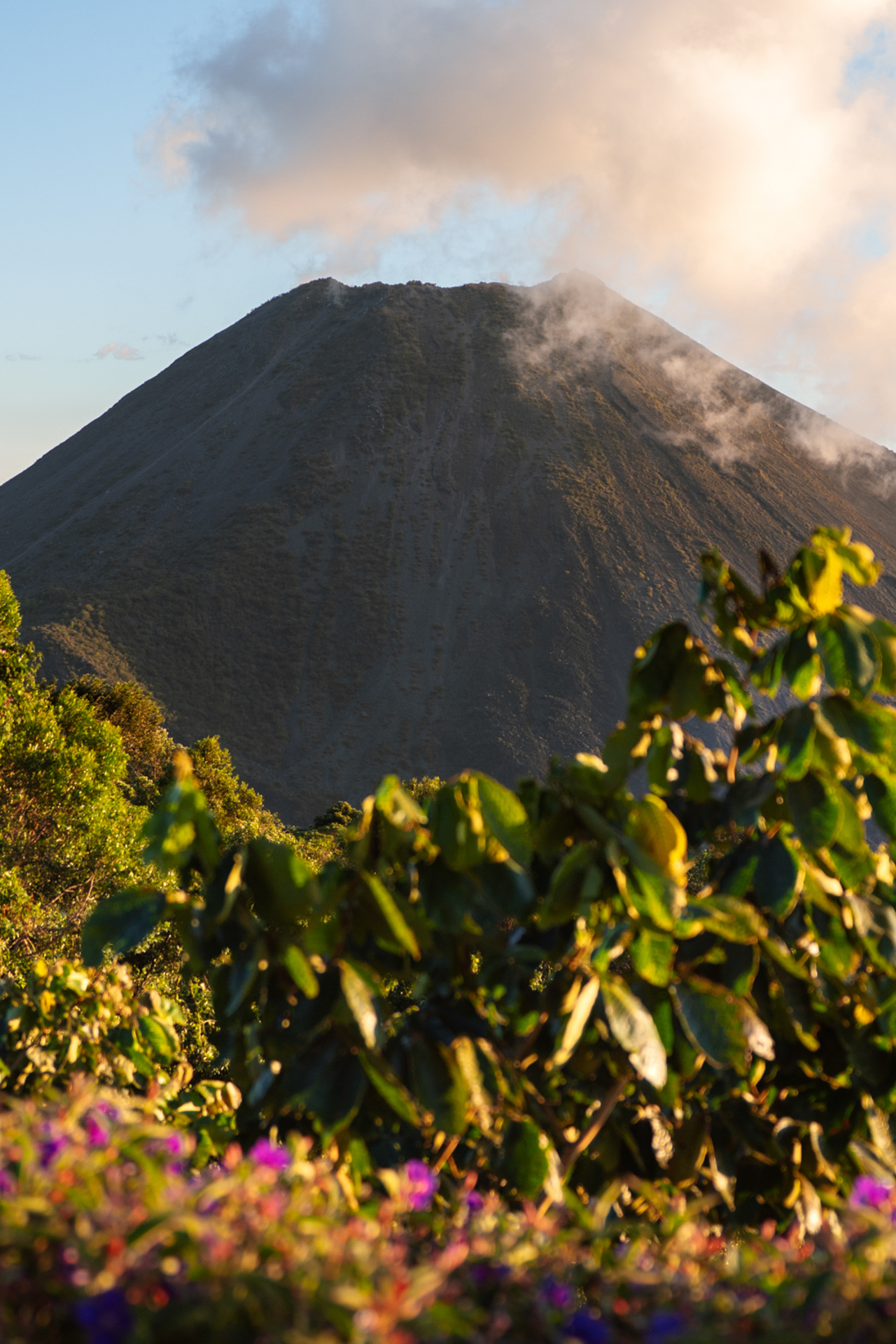
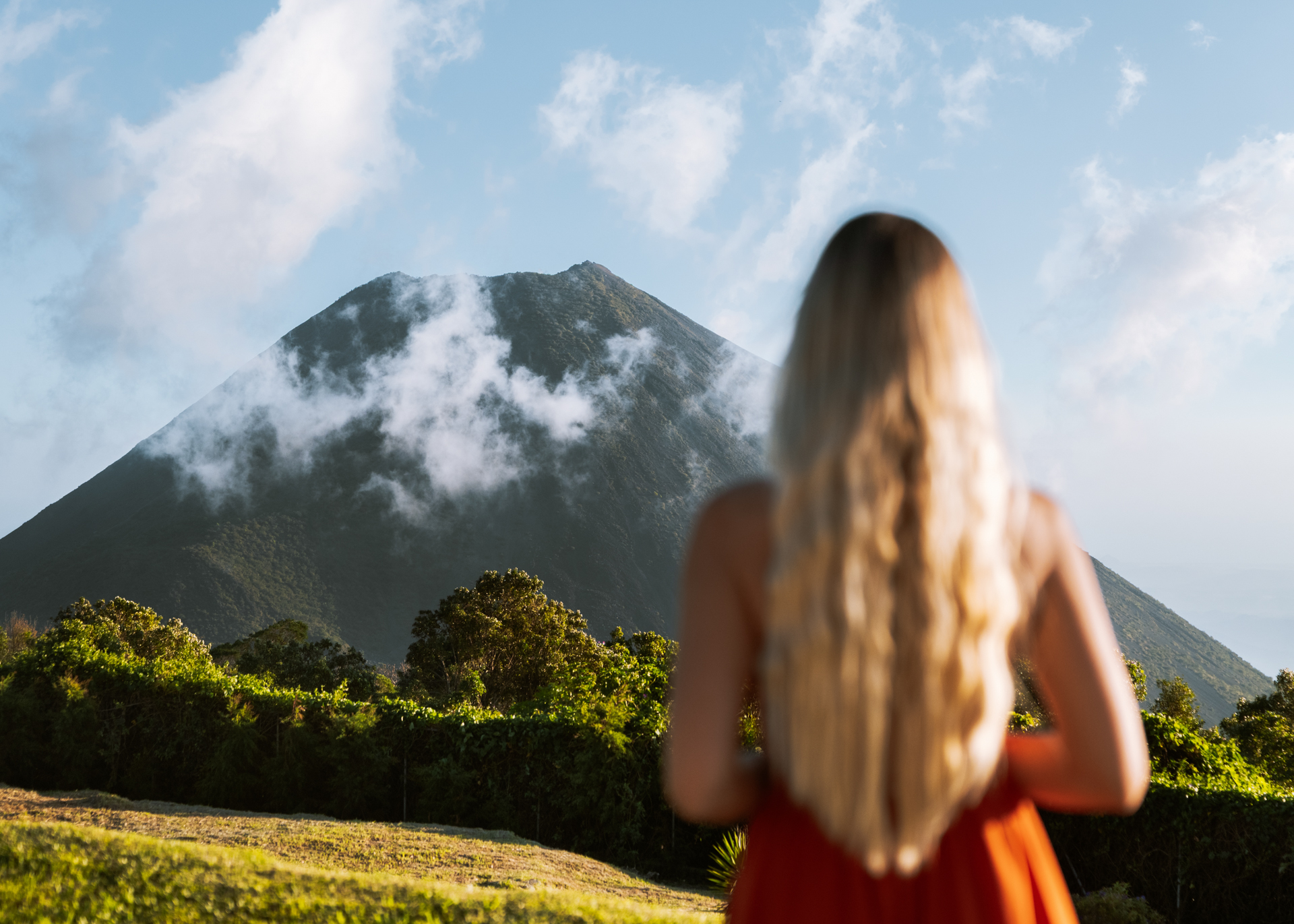
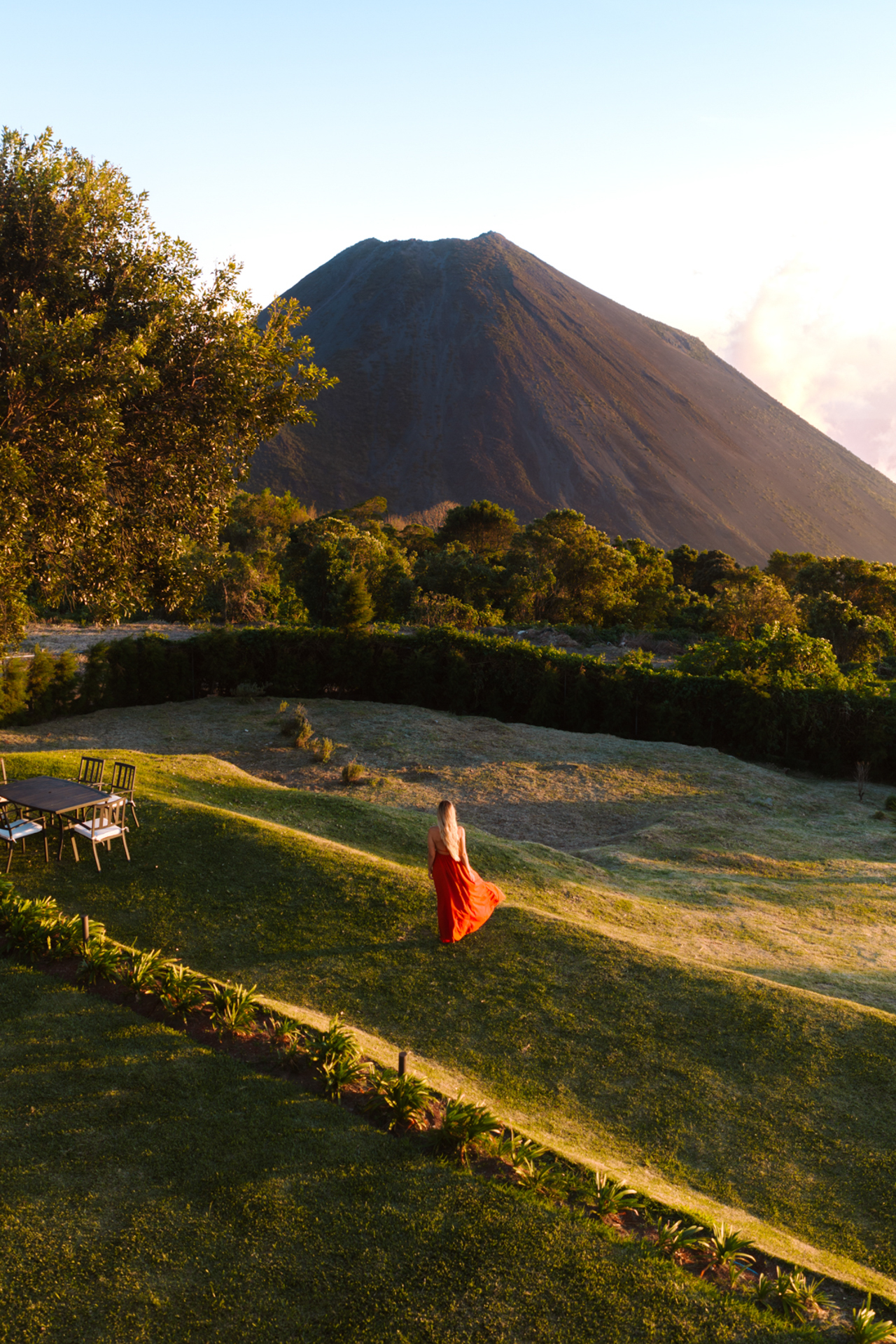
Santa Ana Volcano is part of Cerro Verde National Park, where you’ll actually find three volcanoes in one area. Right next to it are Izalco Volcano and Cerro Verde.
Izalco is the more challenging one, with a steeper and tougher hike. Cerro Verde is completely different. It’s an extinct volcano that’s now covered in dense, green forest.
So in one place, you get three totally different landscapes, which is what makes this area so special.
Santa Ana Volcano Hike Overview
Santa Ana is still an active volcano, with its most recent eruption happening in 2005, when it sent out lava and massive chunks of rock. That might sound a bit intimidating, but there’s no need to worry. The volcano is closely monitored, and authorities keep a constant eye on its activity, so they would know well in advance if anything were about to happen.
 Izalco Volcano
How to Get to the Santa Ana Volcano
By Car
If you have a rental car, drive to Cerro Verde National Park where the trailhead is located. The road is paved and well signed. There is a parking lot at the top where you pay USD 3 per car.
Having your own car gives you the advantage of getting there early, before the larger groups arrive by bus later in the morning around 9:30 to 10:00 AM. Since the park opens around 8:00 AM, you can start your day ahead of the crowds.
One thing to keep in mind is that if you arrive early, you might end up being the only one at the trailhead. In that case, you’ll either need to pay for a private guide (around USD 50) or wait until more people show up.
By Shuttle or Tour
Several tour operators in Santa Ana and San Salvador offer day trips that include transport, a guide, and sometimes a stop at Lake Coatepeque on the way back. This is the easiest option if you do not have your own wheels and don't want to take the bus.
Definitely the most expensive way to experience the Santa Ana Volcano hike, but you’ll avoid the planning and won’t need to worry about transport.
By Bus from Santa Ana City
The majority of travellers head to Santa Ana Volcano by taking a bus from Santa Ana city. Take bus 248 from Santa Ana toward Cerro Verde. You have to take the bus at 7:30/7:40 AM (from La Vencedora Station) to arrive at the trailhead around 9:30–9:40 AM.
The trip should cost 70 cents, one-way and the bus drops you off at a junction known as 'El Tibet', near the trailhead. From the bus stop, it's a very short, easy walk to the ticket booth to meet the guided hiking groups.
The Hike Experience
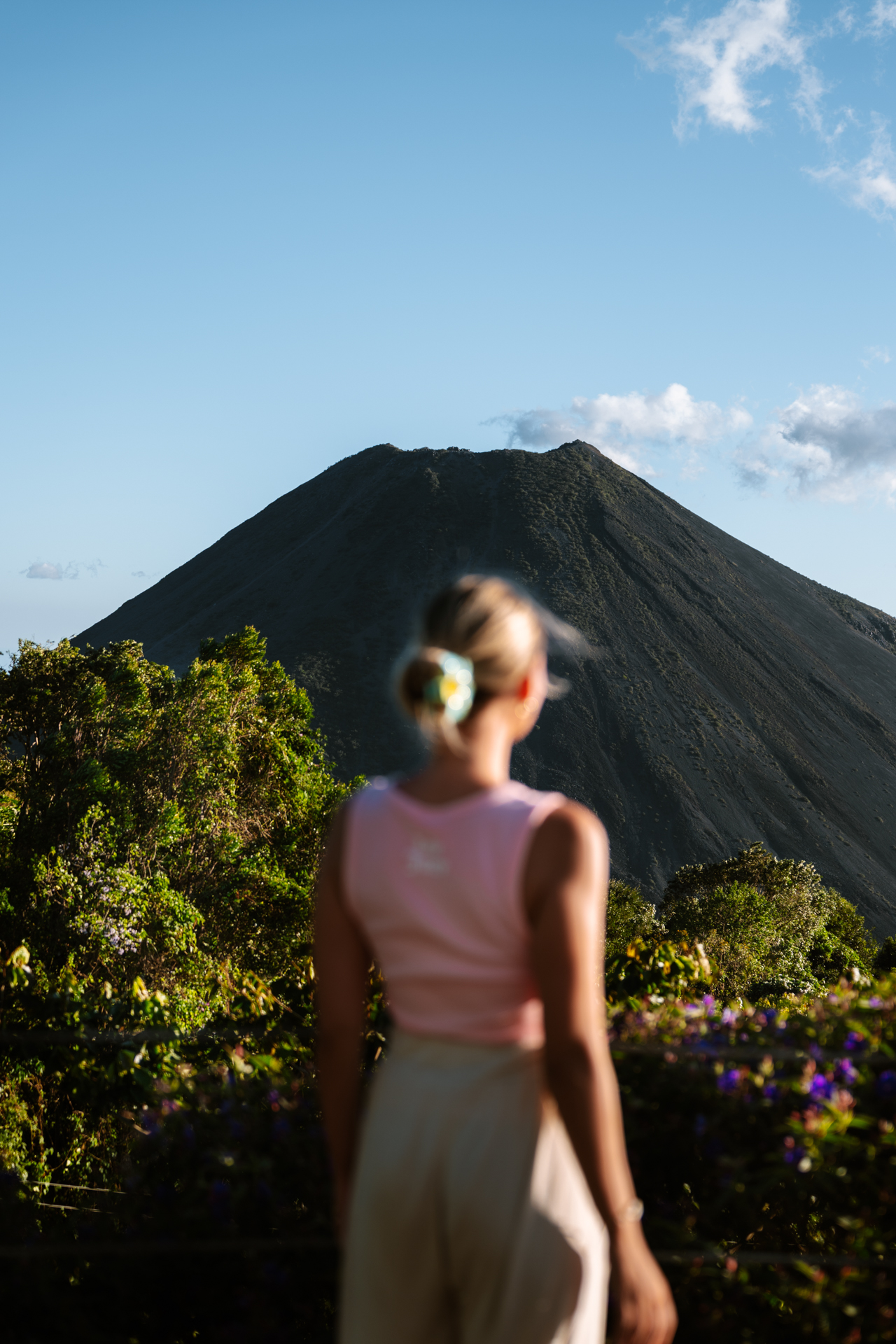
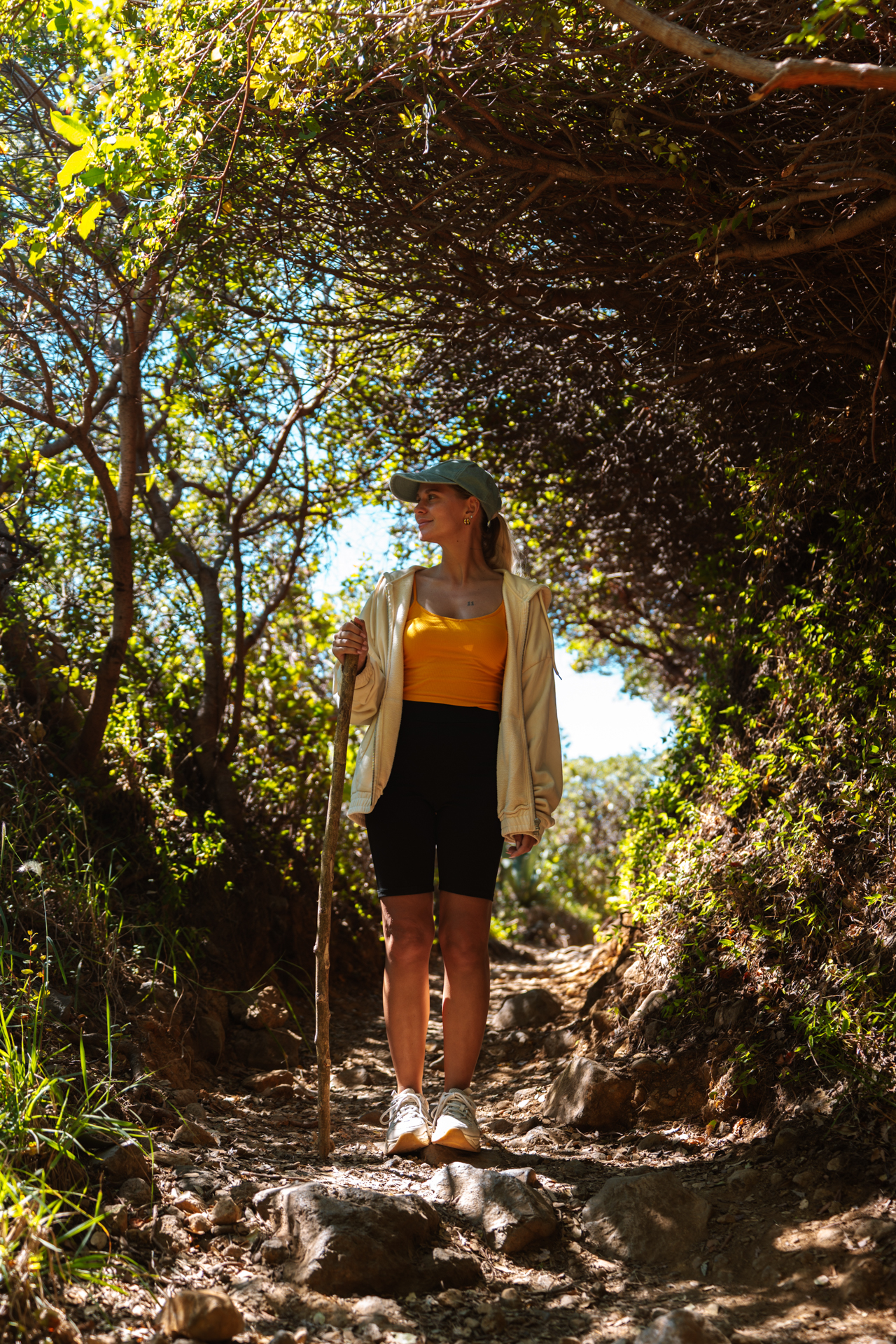
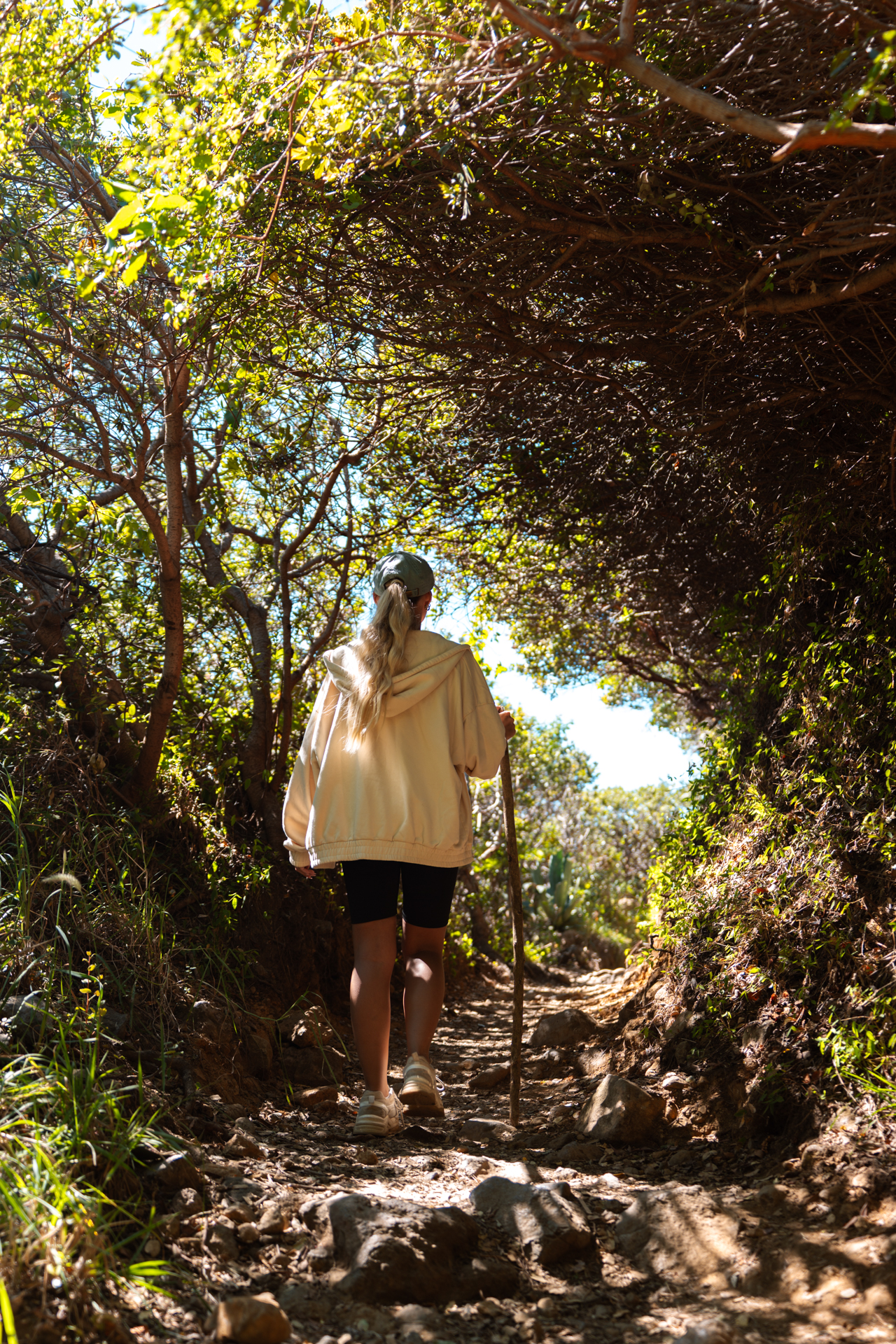
The trail starts gently through a dense cloud forest, shaded and cool. Honestly for the first stretch you almost forget you are climbing a volcano.
Then the forest opens up. The shade disappears, the sun starts to hit hard, and the trail becomes more exposed. This middle section is where you really start to feel the climb. But it's also where the views begin. Turn around and you can see the green hills rolling out behind you, with glimpses of Lake Coatepeque shimmering in the distance.
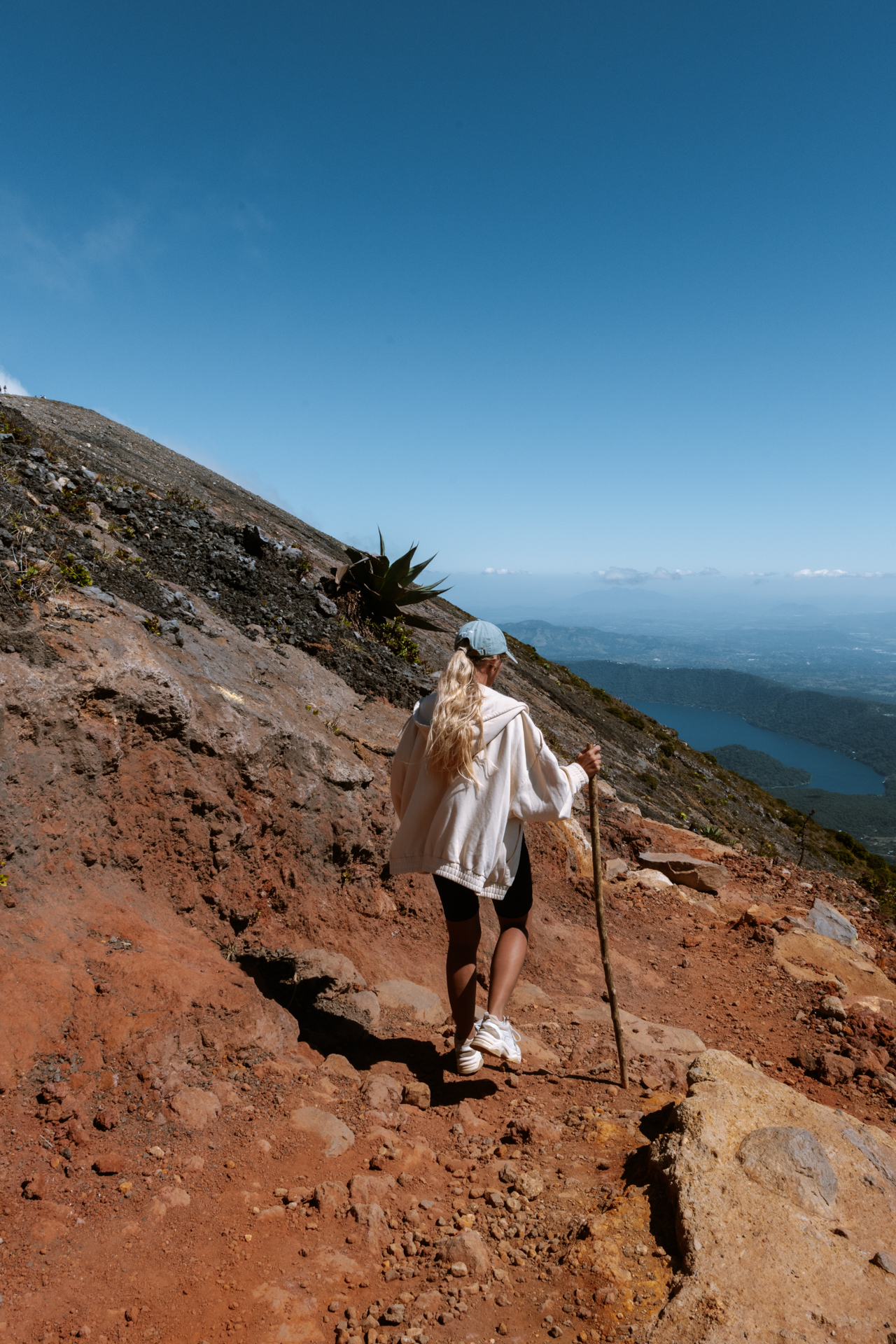
The final push is the steepest. The path narrows, the ground turns to loose volcanic rock and ash, and your legs start to burn. It feels like the summit is just around the corner, and then there is another false peak. Keep going. :)
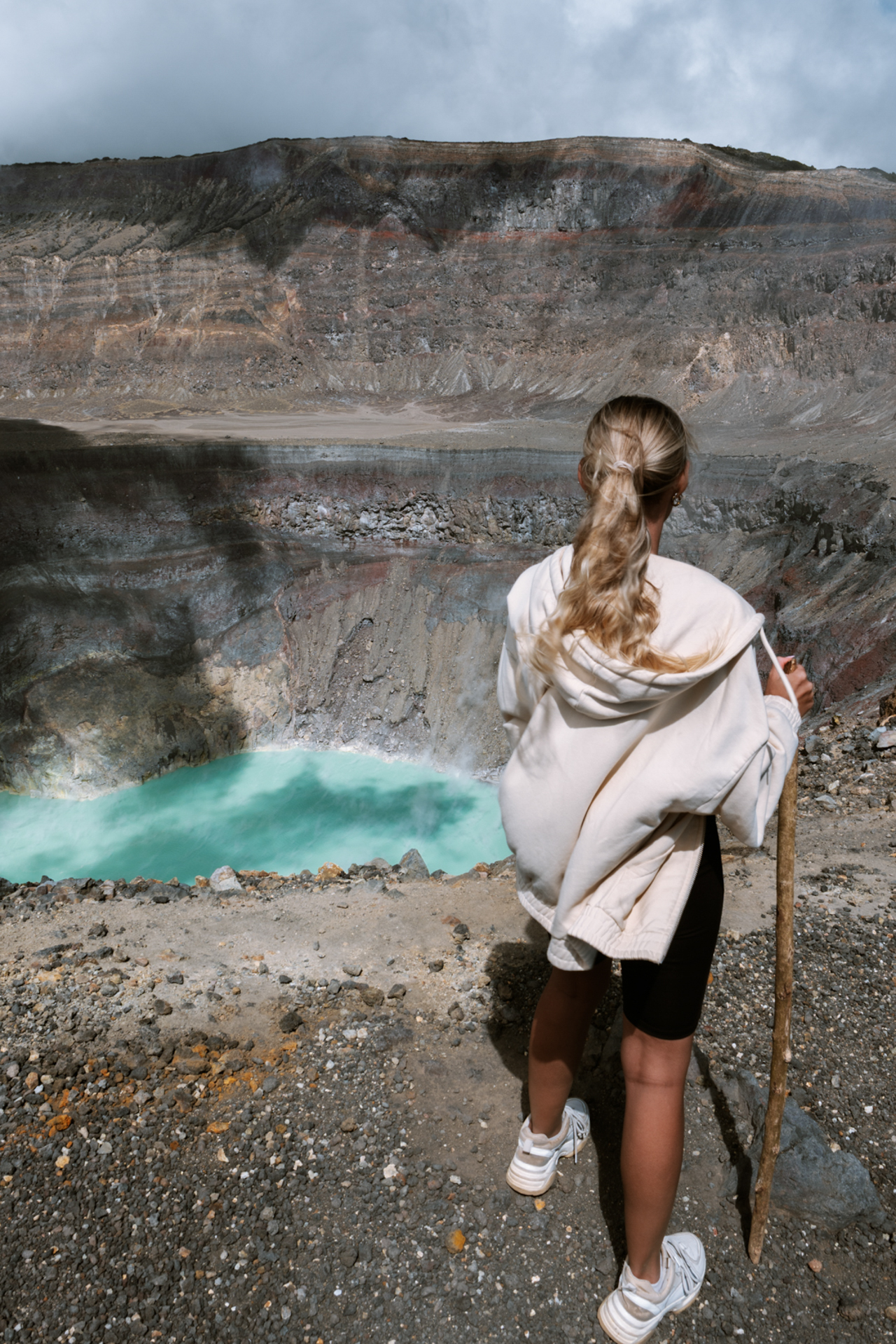
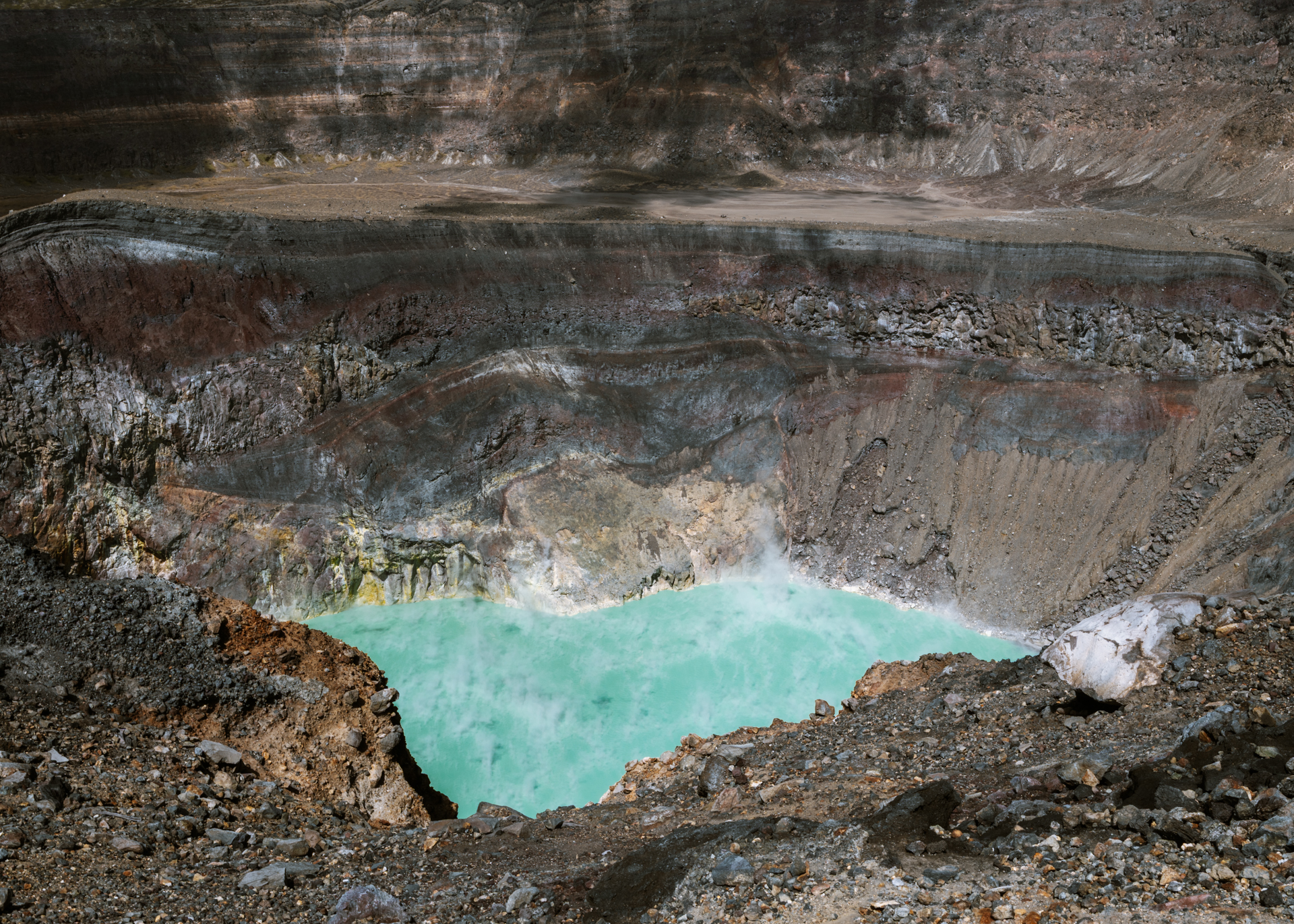
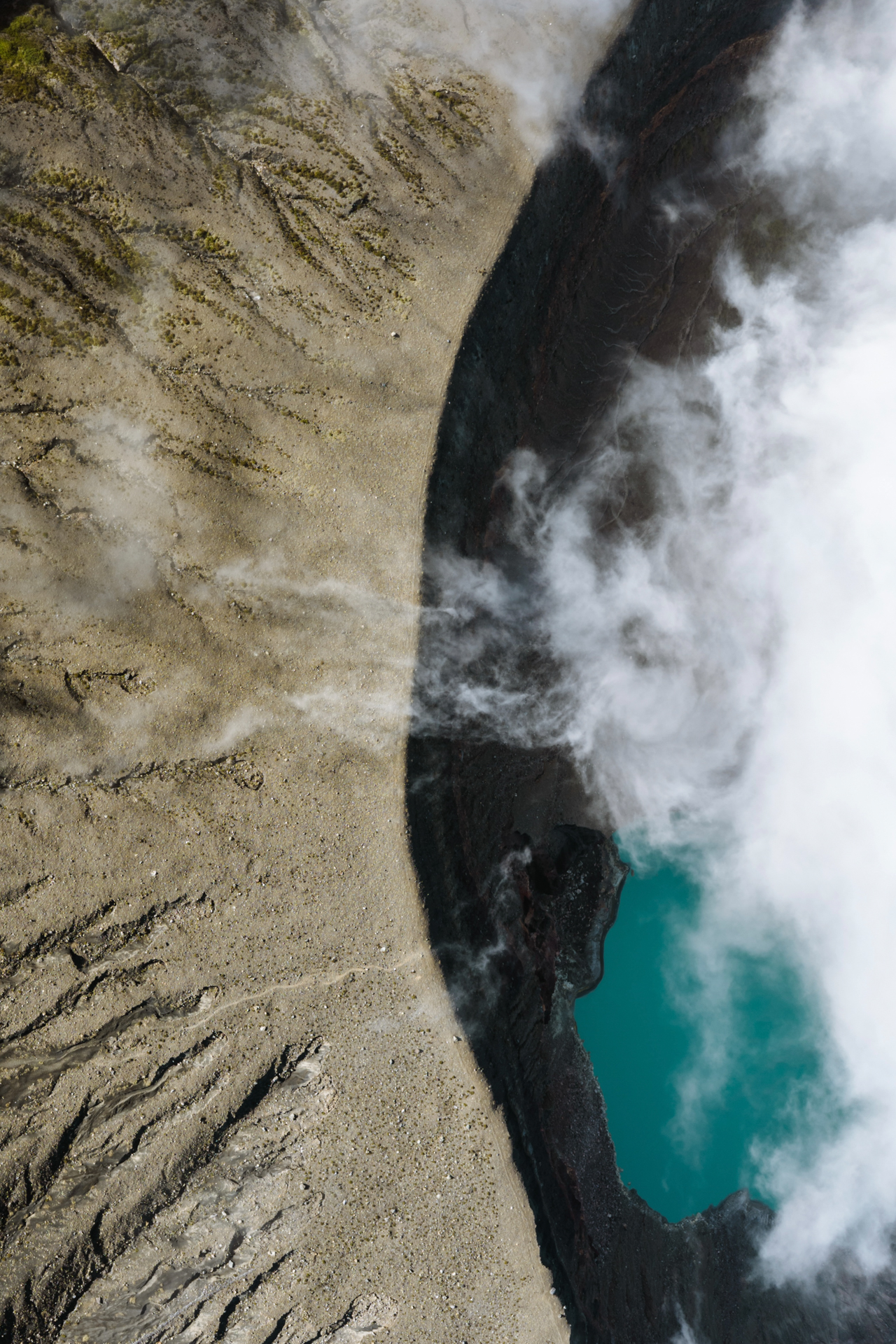
And then, finally, you are there. The crater opens up in front of you, a massive bowl of turquoise water surrounded by volcanic walls, with steam rising from the edges. It's one of those moments where you just stand there, trying to take it all in.
When we reached the summit, we were lucky to have completely clear skies, but the wind was incredibly strong. Our guide told us it’s not usually like this, and that the day before there was almost no wind at all. We had planned to fly our drone, but there was no chance in those conditions. The guide even laughed and said that just the day before, people were flying their drones without any issues. It really showed how unpredictable the wind can be up there.
Why You Need a Guide to Hike the Santa Ana Volcano
Hiking the Santa Ana Volcano without a licensed guide is not allowed. This is a regulation enforced by the local authorities, and it applies to everyone, whether you are a solo traveler or in a large group.
At first, it might seem a bit unnecessary that you’re required to hike with a guide here. The trail itself is straightforward, clearly marked, and not particularly technical, so reaching the summit on your own wouldn’t be difficult. Because of that, the guide requirement has become a bit of a debated topic among travelers. Some people find it frustrating and get annoyed by it.
But the rule is in place for a reason. It likely helps protect the environment, keeps hikers from wandering off trail or getting too close to the crater, and ensures everything runs in a controlled and safe way. They know the terrain, the weather patterns, and can help in case of emergency. In the past, this area wasn’t always considered safe, but those measures have completely changed the experience today.
That said, it’s part of how the park operates now. As visitors, it’s important to respect local rules. And honestly, having a guide can add to the experience. Many of them share insights about the volcano, the landscape, and the history of the area that you’d otherwise miss.
Is the Santa Ana Volcano Hike Difficult?
It's rated as moderate, and I would agree with that. If you hike regularly, you will find it manageable and enjoyable. If you are not a regular hiker but are in reasonable shape, it will be challenging but absolutely doable.
The total distance is just under 7 kilometers round trip, with about 471 meters of elevation gain. The steepest section is near the top, where the volcanic terrain gets loose and slippery, but it's short.
We did the hike at a comfortable pace and it took us about 2 hours up and just over an hour back down. We saw families with kids, solo travelers, and people of all fitness levels completing the trail. As long as you bring enough water, wear proper shoes, and take breaks when you need them, you will be fine.
Combine with Lake Coatepeque
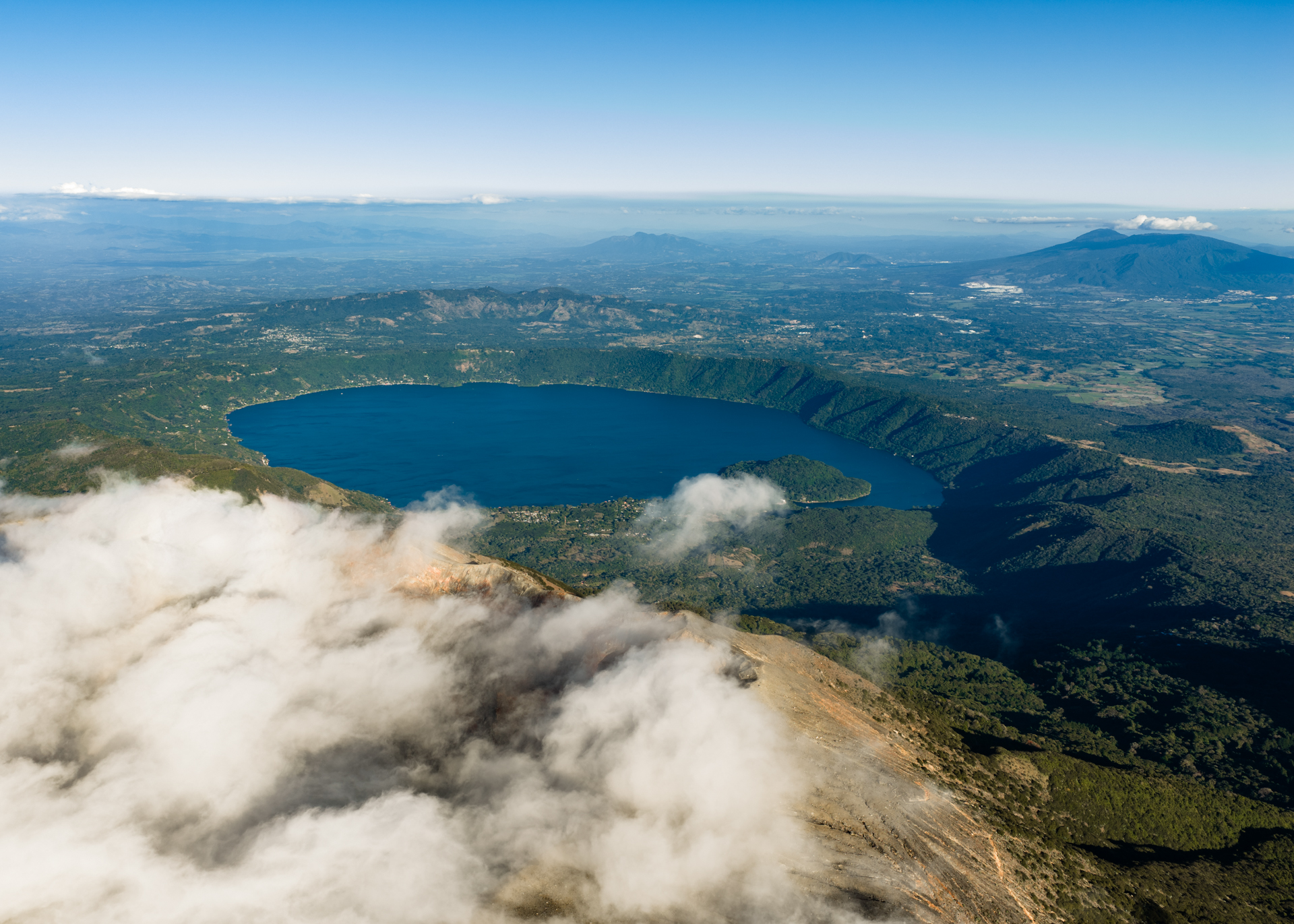
One of the best things about the Santa Ana Volcano hike is that Lake Coatepeque is right there, just a short drive from the trailhead. After a few hours of hiking in the sun, there is nothing better than heading down to the lake for a swim in the cool, clear water or for lunch.
Lake Coatepeque is a volcanic crater lake with a deep blue green color that looks incredible. There are a handful of lakeside restaurants where you can grab lunch, rent kayaks, or simply sit by the water and recover. It's the perfect way to round out the day.
I would highly recommend planning both on the same day. Hike the volcano in the morning while it's still cool and clear, then drive down to the lake for the afternoon. It makes for one of the best single day experiences in all of El Salvador.
What to Pack & Wear for the Hike
Best Time to Hike the Santa Ana Volcano
The best time to hike is during the dry season, from November to April. Skies are clearer, the trail is less muddy, and your chances of getting a clear, beautiful view from the summit are much higher.
Regardless of the season, try to start as early as possible. Clouds tend to build up around midday, and if you arrive late you may reach the top only to see a wall of white. An early morning start gives you the best shot at clear views of the crater lake, Lake Coatepeque, and the Pacific coastline.
Loved it? Pin it, Share it!
Inspire Others to Travel to Santa Ana





THE TRAVEL

Let's stay connected!
Get inspired, helpful tips and exclusive updates straight to your inbox. Subscribe to join a community of explorers.