

High-Altitude Wonders
Explore Bolivia
Welcome to this incredible country, where nature and culture weave together in breathtaking harmony, the highlight of any Bolivia travel experience.
Bolivia captivates with its raw beauty, vibrant traditions, and deep connection to the earth. From the vast Uyuni Salt Flats to bustling markets and the high-altitude magic of the Andes, it invites you to slow down and feel its pulse.
Days here are filled with mountain breezes, rich flavors, and moments that stay with you long after you leave. You might be sipping coca tea (a local favorite for altitude sickness!) in a quiet village, wandering colonial streets, or standing in awe before nature’s wonders. In Bolivia, you don’t just visit, you really live every moment.
Hello / Greetings:

Thank you:

Excuse me:
THE WEATHER
Best Time to Visit Bolivia
Bolivia has two main seasons—the dry season and the wet season. Weather and temperatures can vary a lot depending on altitude, but overall, the dry season is best for clear skies and easier travel, while the wet season brings rain and that magical salt flats reflection. Temperatures usually range between 10°C and 20°C (50°F to 68°F), depending on where you are.
Dry Season
May – October: The best time to explore most of Bolivia, with sunny days, cooler nights, and less chance of rain. Perfect for visiting the Andes, Uyuni Salt Flats (dry), and cities like La Paz. The clear skies make it ideal for hiking and sightseeing.
Best time to visit Bolivia:

Wet Season
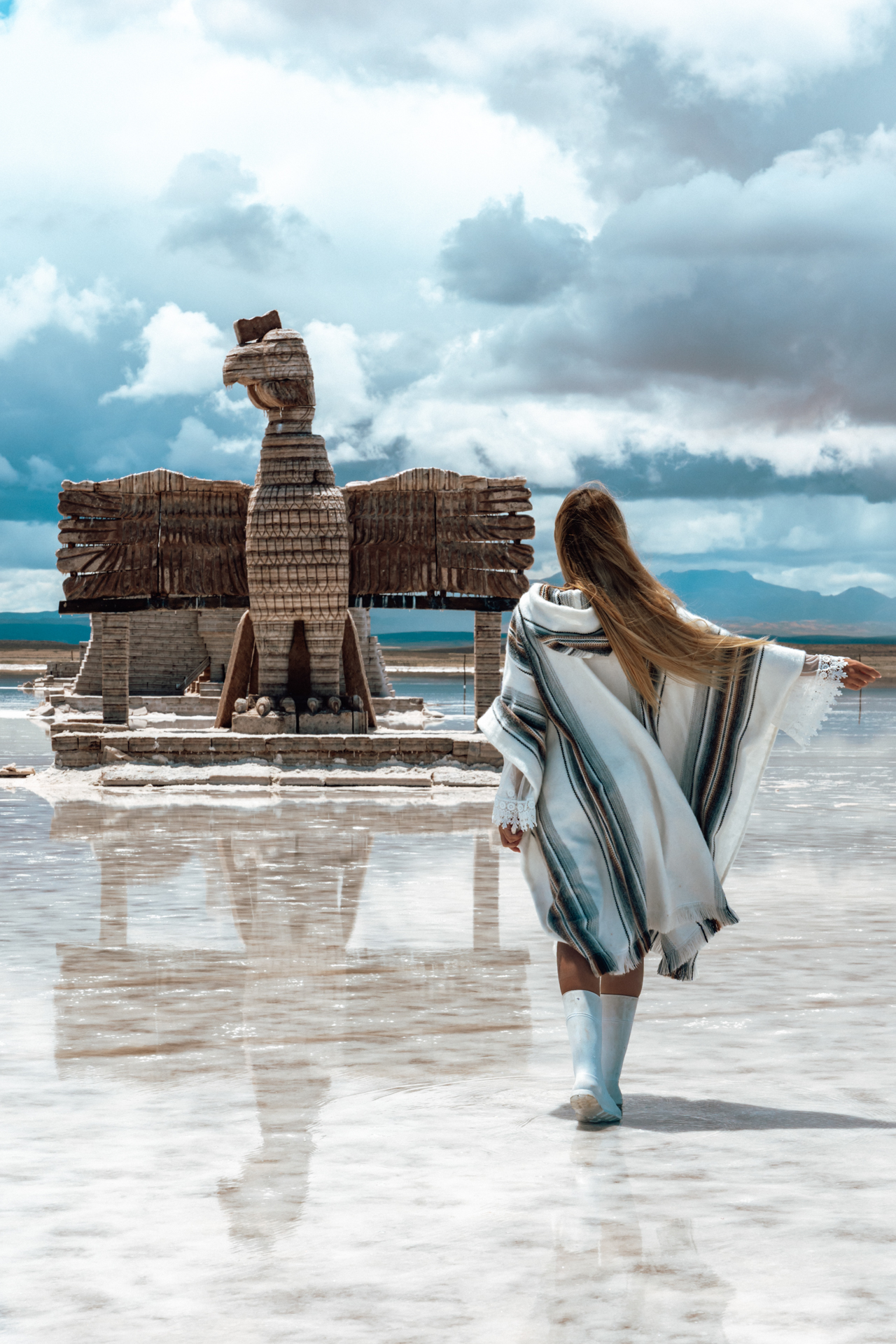
November – March: Rainy season with afternoon showers, especially in the highlands and Amazon. This is when the Uyuni Salt Flats flood, creating stunning mirror reflections, but some areas can be harder to reach. February is a popular month for this!
Best time to visit the Salt Flats:


What month did I travel to Bolivia?
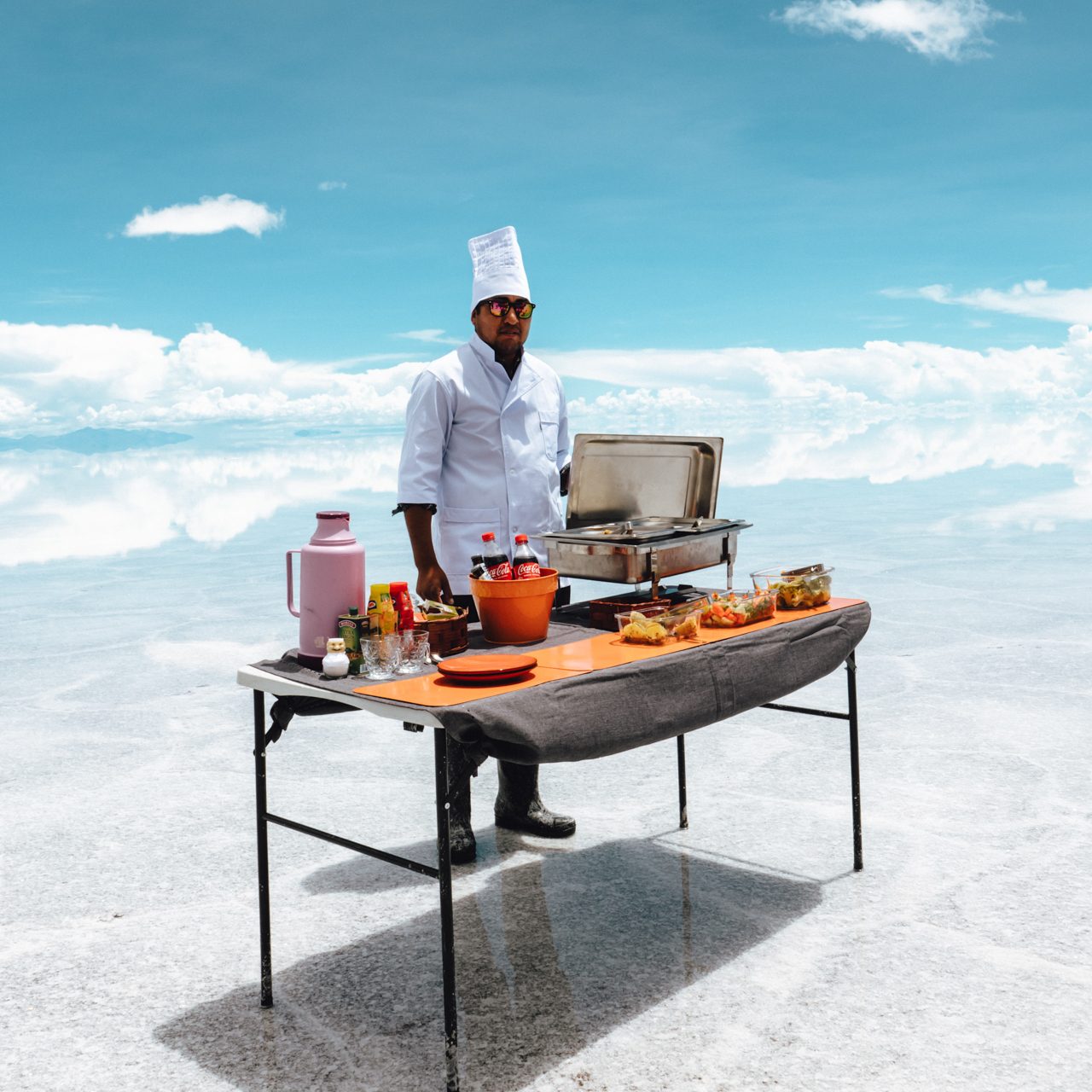
This is the most asked question I get under my videos. I explored Bolivia in February, which is the rainy season (though it wasn’t raining much) because I wanted to see the salt flats with a bit of water for that iconic, incredible reflection!
Culture lives in every dish and every tradition
Bolivian Food, Culture, and Traditions
Culture in every flavor
Food, Culture, and Traditions

Bolivian food is full of bold flavors and deep traditions, shaped by the land and its people. Staples like potatoes, corn, quinoa, and beans have fed locals for centuries and mix with Spanish-introduced ingredients like rice, wheat, and meats.
From hearty stews like pique macho to crispy salteñas (a Bolivian type of baked empanada). Meals here are about more than food, they’re about community, sharing, and savoring a culture rooted in the earth, often enjoyed with a strong cup of coca tea.
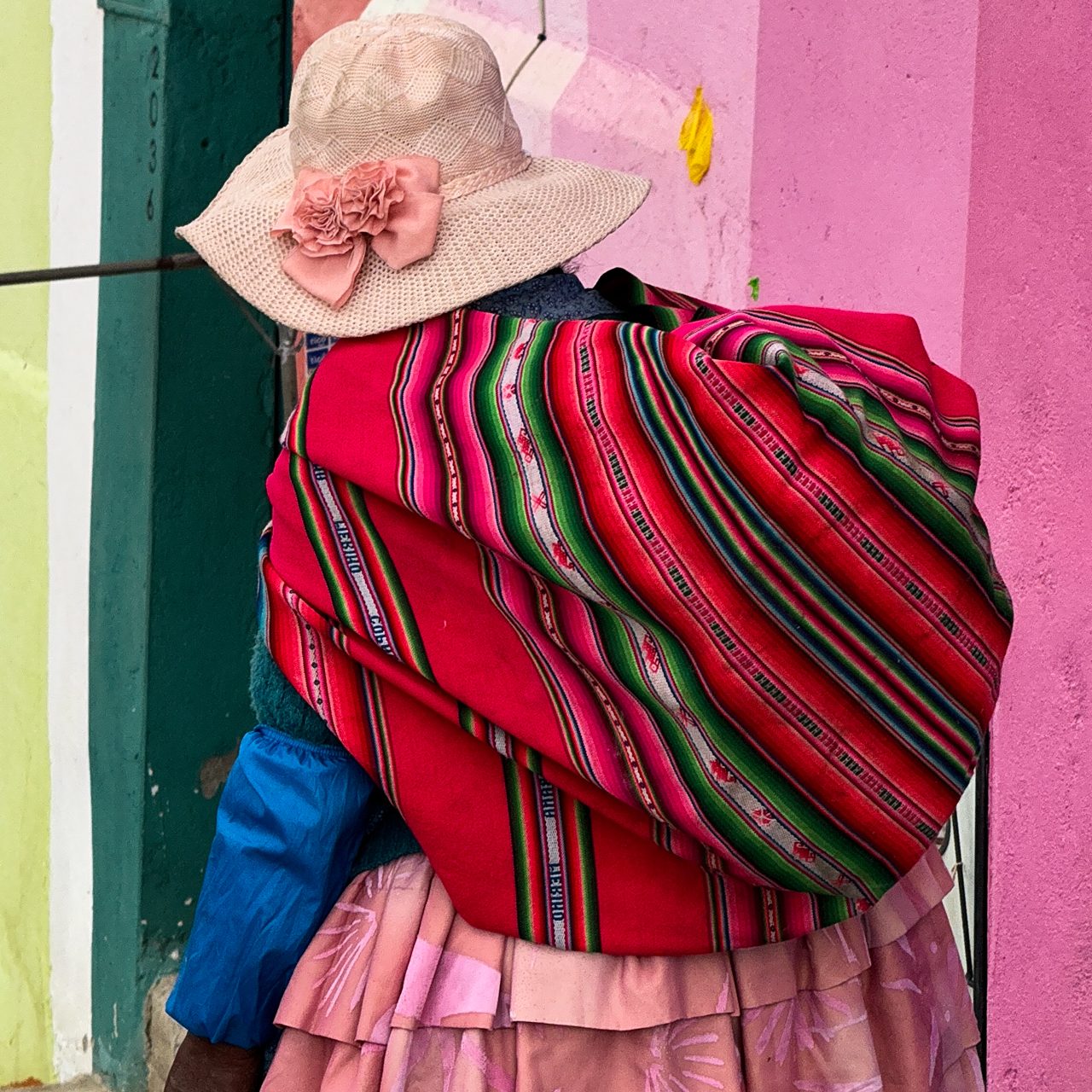

Bolivia’s culture is a beautiful mix of ancient indigenous roots and Spanish influences. Music, dance, and colorful festivals bring people together all year long. You’ll see women called cholitas wearing their traditional, colorful skirts and bowler hats, an important part of Bolivia’s identity.
Whether you hear the haunting sounds of the charango (a small Andean stringed instrument, like a tiny guitar) or see the amazing costumes of the Diablada dance, you’ll feel the pride and spirit of the Bolivian people everywhere. History here isn’t just in museums, it’s alive in everyday life, stories, and smiles.

Bolivia is a place where faith and tradition blend in beautiful harmony. Catholicism, brought by the Spanish, mixes with indigenous beliefs in a unique spiritual dance. You’ll see this fusion in vibrant festivals, sacred rituals, and the reverence for Pachamama which means the earth mother.
Traditions and religion in Bolivia is less about walls and more about connection: to community, to nature, and to something larger than ourselves. It’s a faith you can see, hear, and feel everywhere you go.

Did you Know?
Interesting Facts About Bolivia
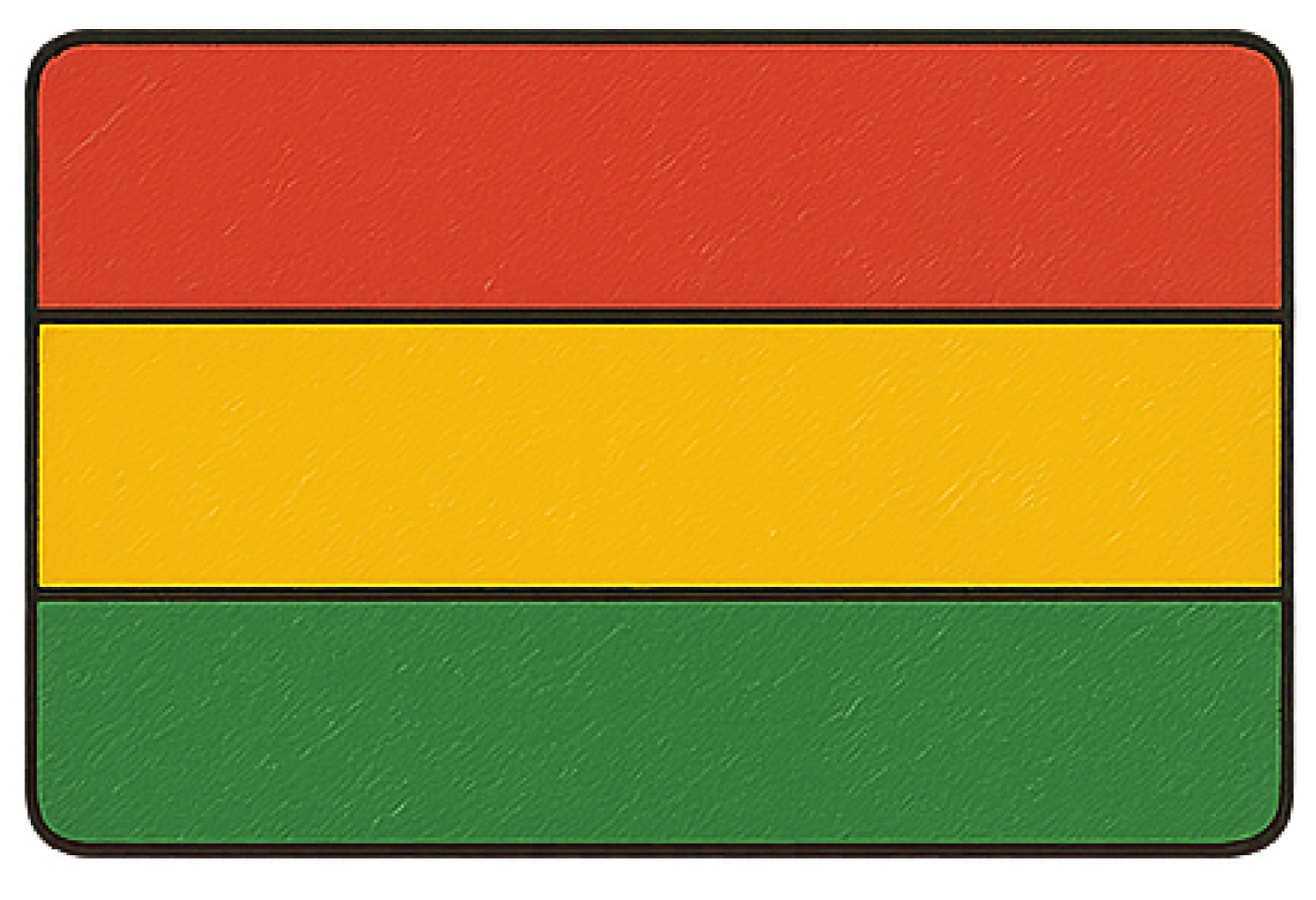
The Meaning of Bolivia’s Flag
Bolivia’s tricolor flag features red for the blood of those who fought for independence, yellow for the nation’s rich mineral resources, and green for its fertile land.
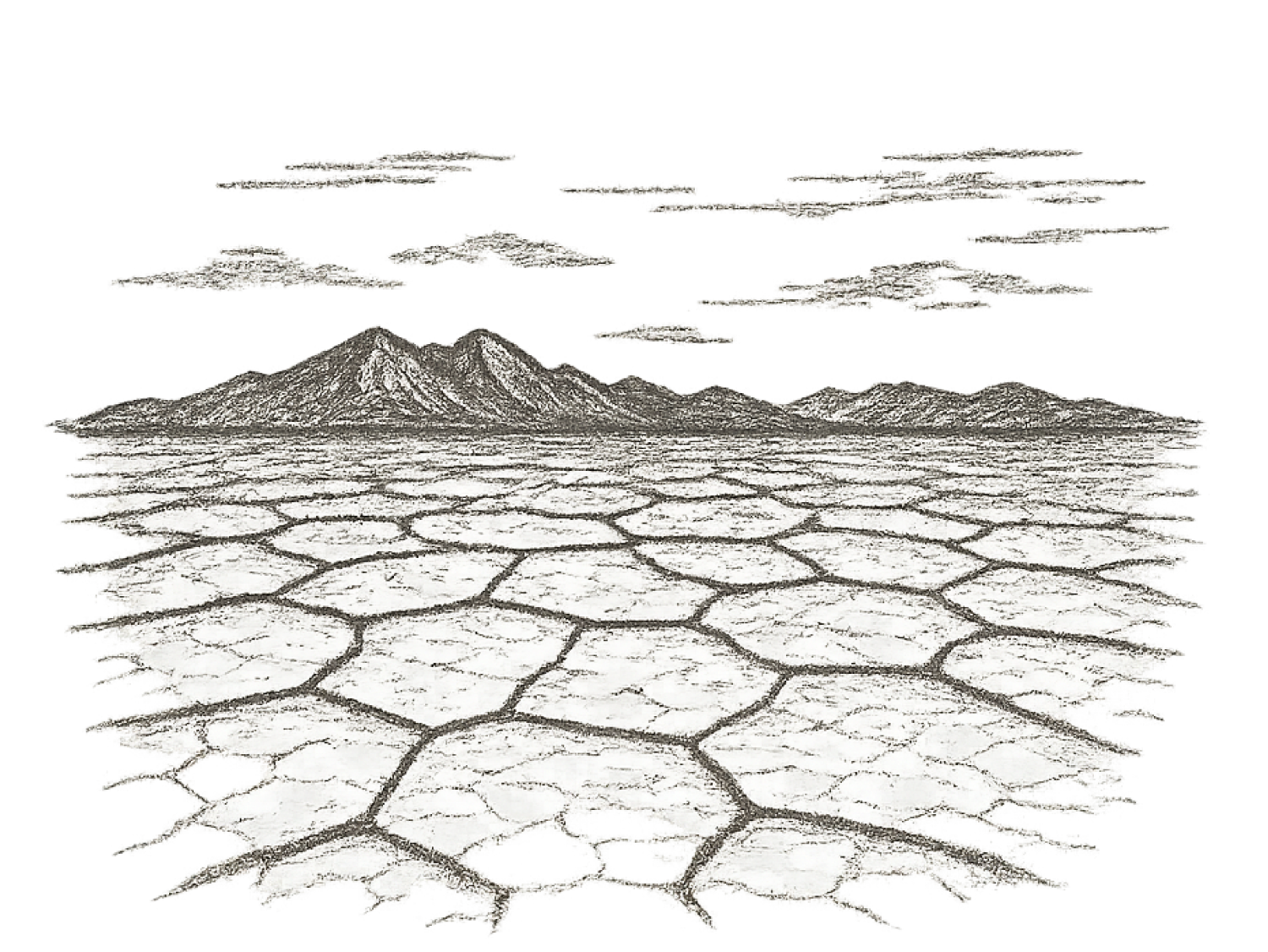
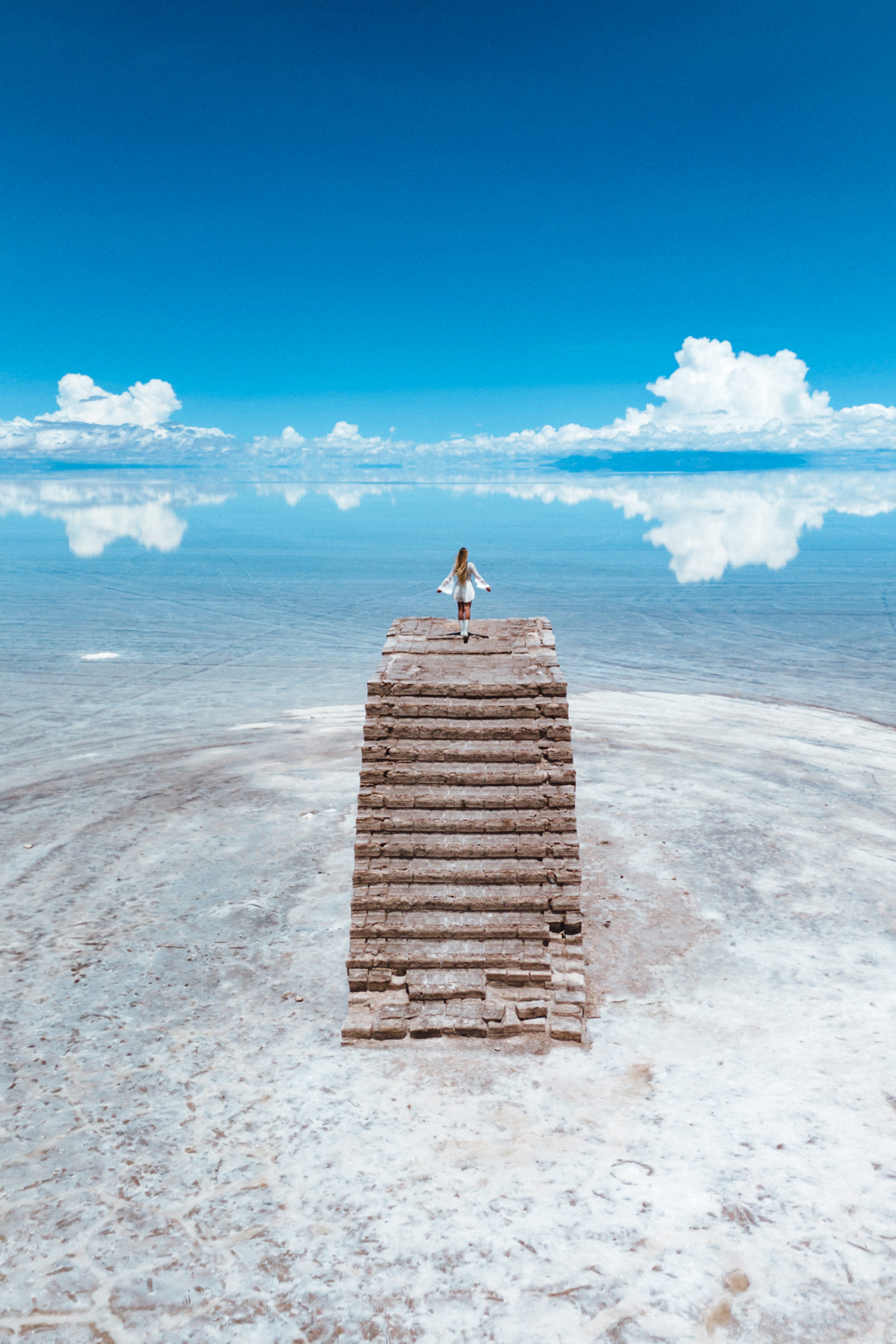
The World’s Largest Salt Flat
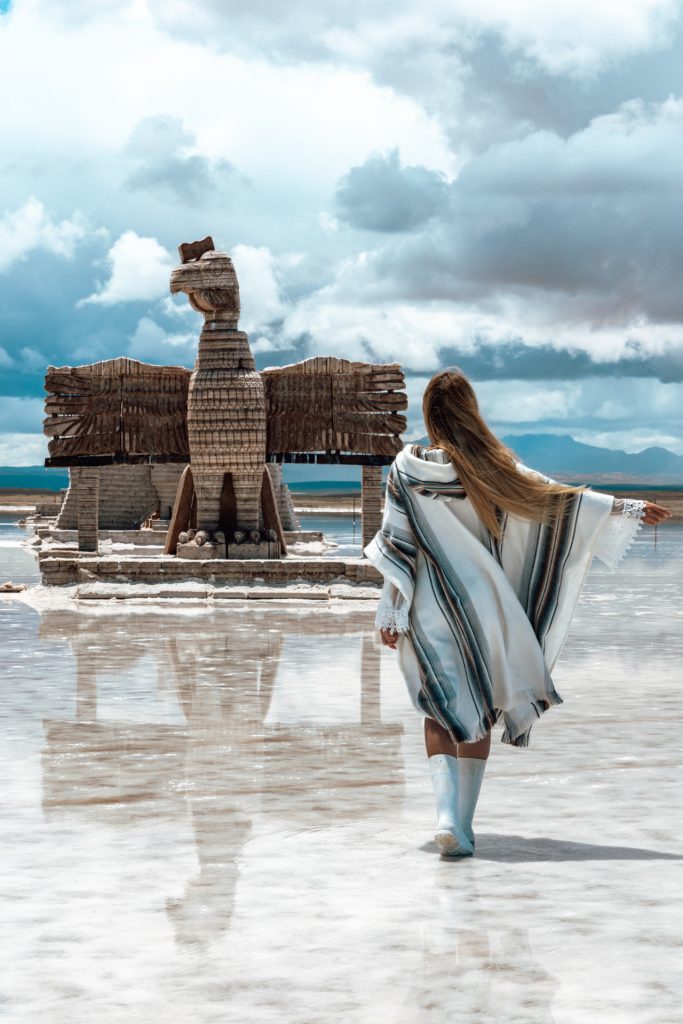
The Uyuni Salt Flats cover over 10,000 square kilometers, creating a surreal mirror effect during the rainy season and ranking as one of Bolivia’s most famous landmarks.
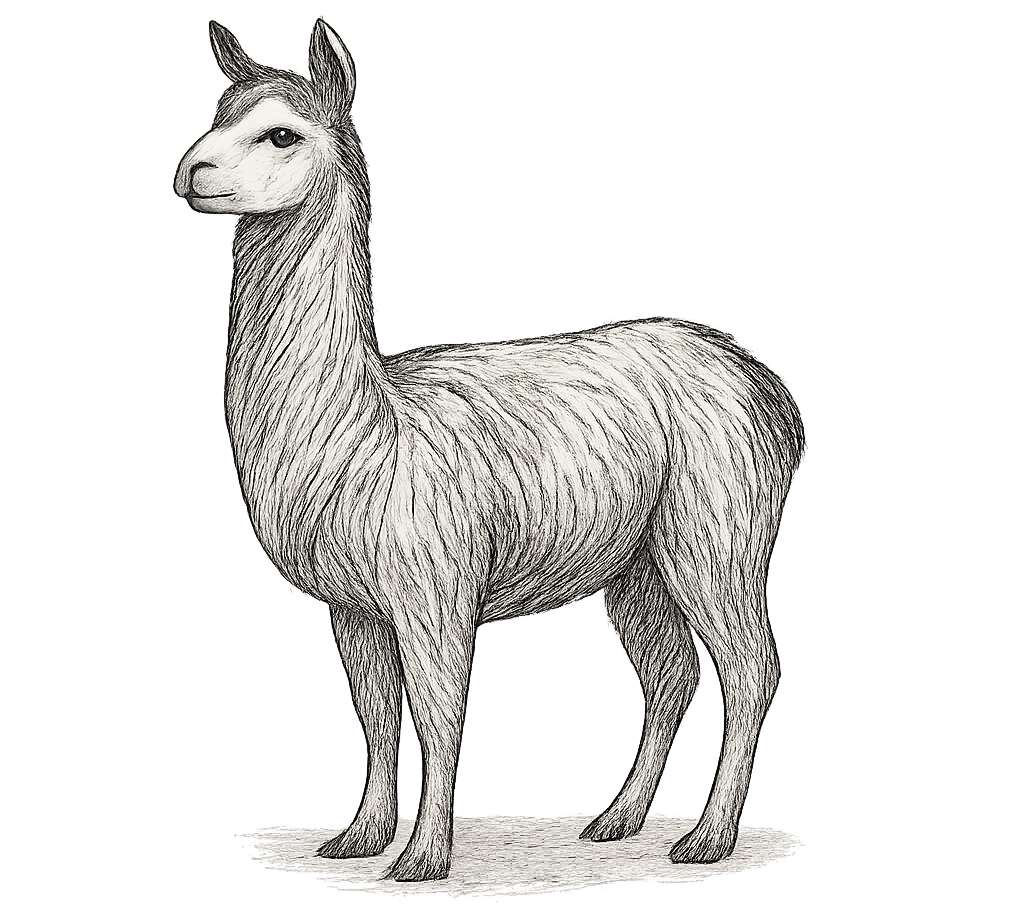
Llamas and Alpacas
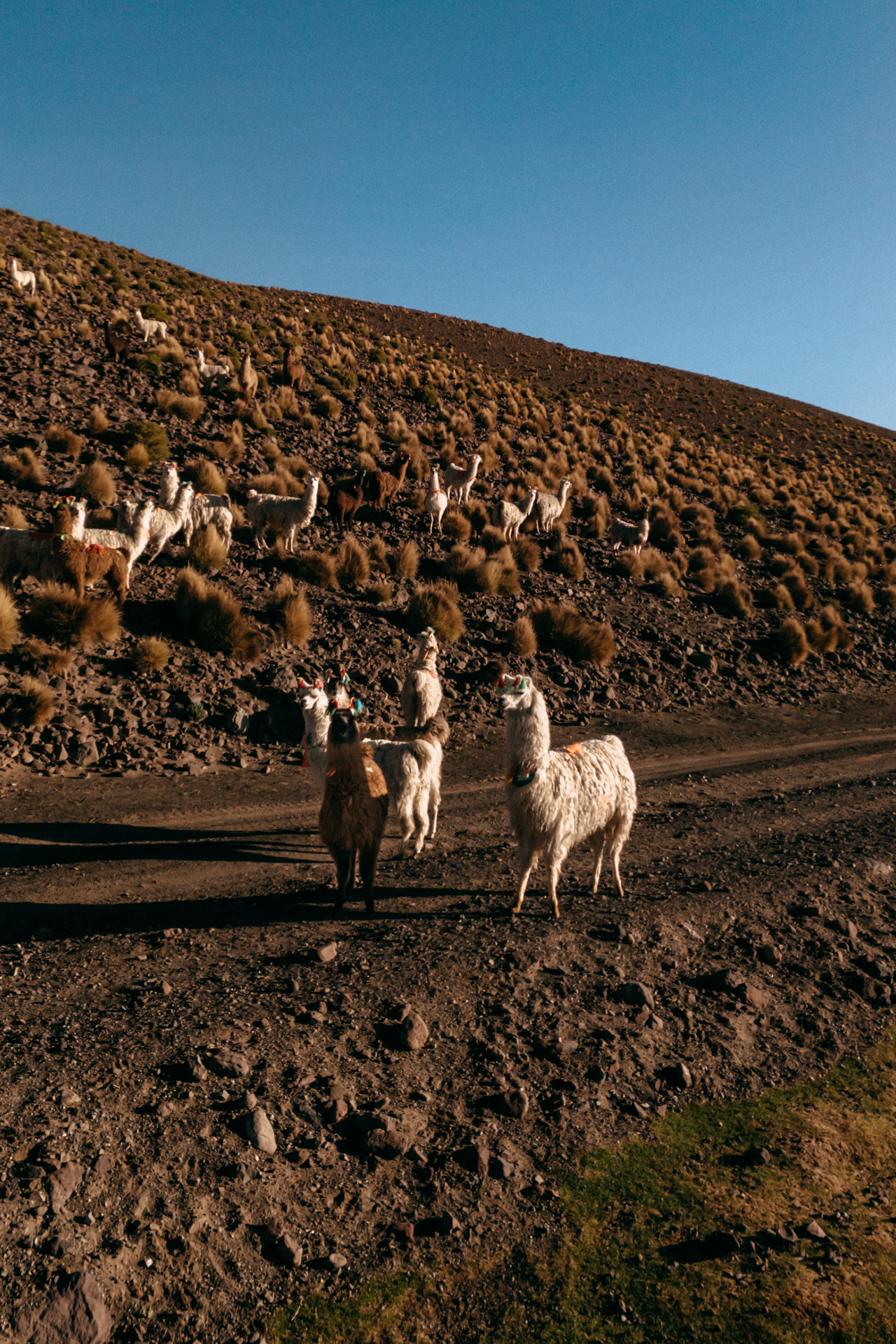
These Andean animals have been vital to local culture for centuries, providing wool, transport, and food, and remain a proud national symbol of Bolivia today.
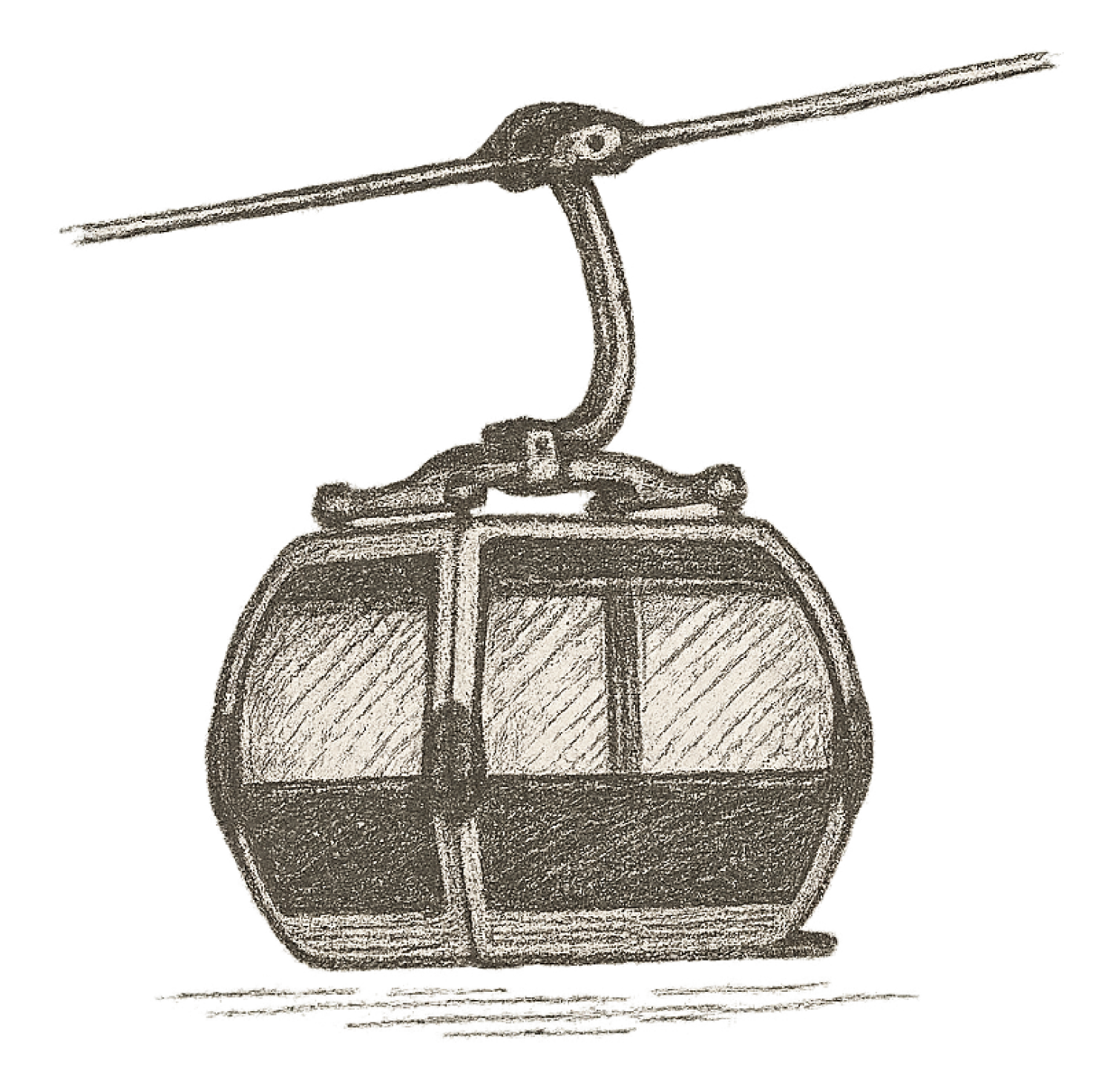
World’s Highest Cable Car
Bolivia’s capital city, La Paz, is home to Mi Teleférico, the highest and longest urban cable car network in the world, offering truly breathtaking views of the Andes.
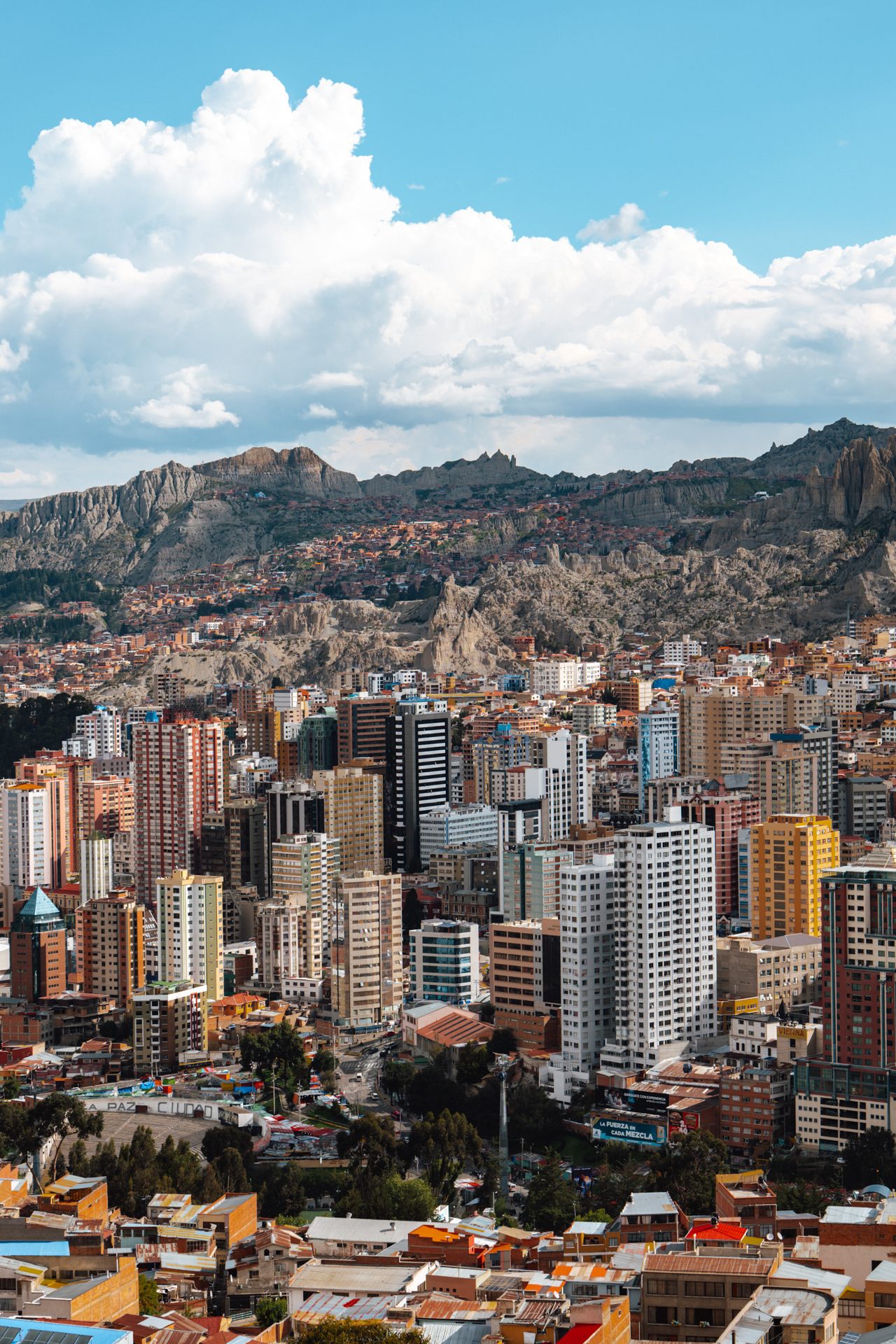
LA PAZ
Bolivia’s bustling administrative capital, perched high in the Andes but very urban and lively.
SALAR DE UYUNI
A small town located in the southwest, best known as the gateway to the Salar de Uyuni — The world’s largest salt flat!
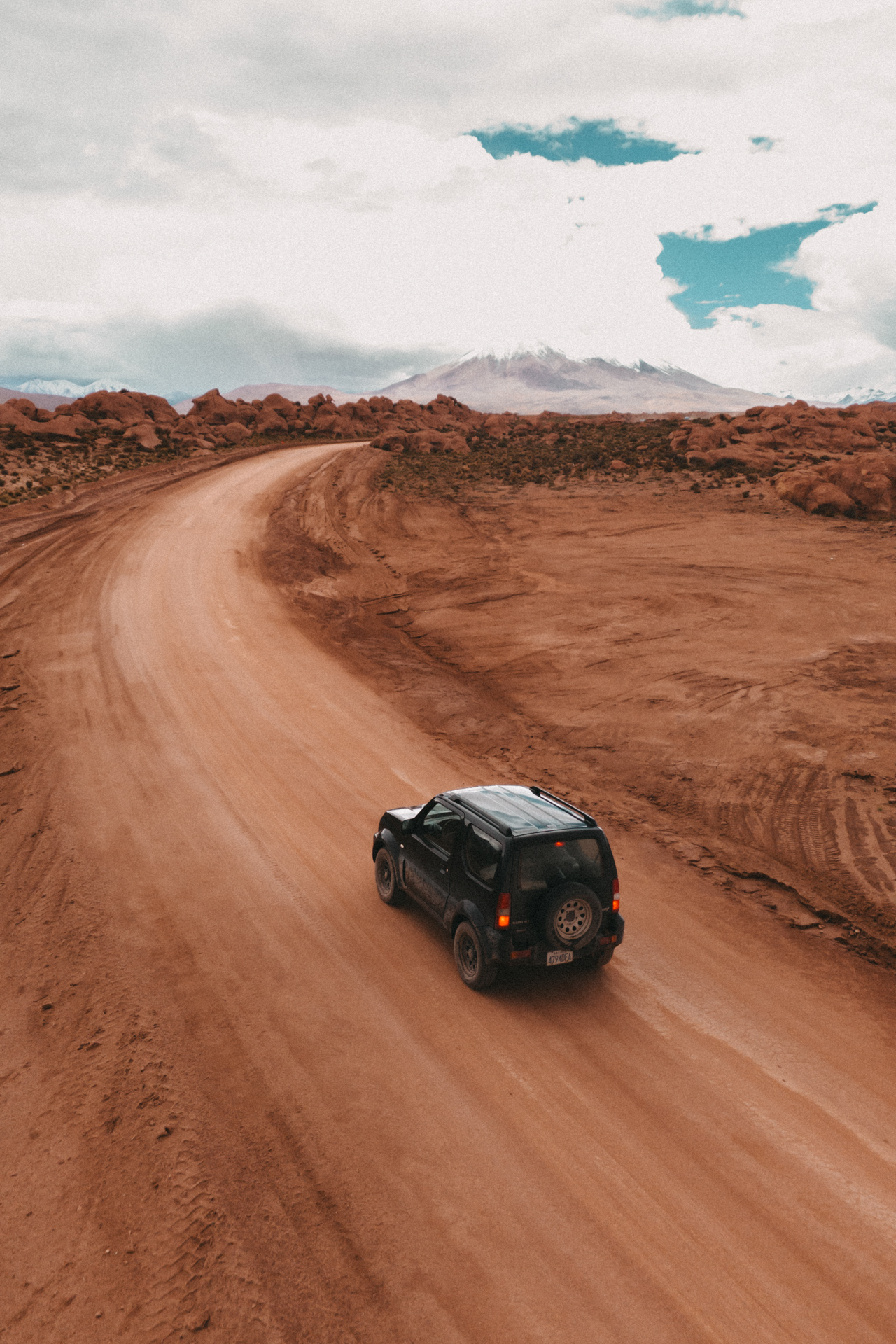
THE SOUTH
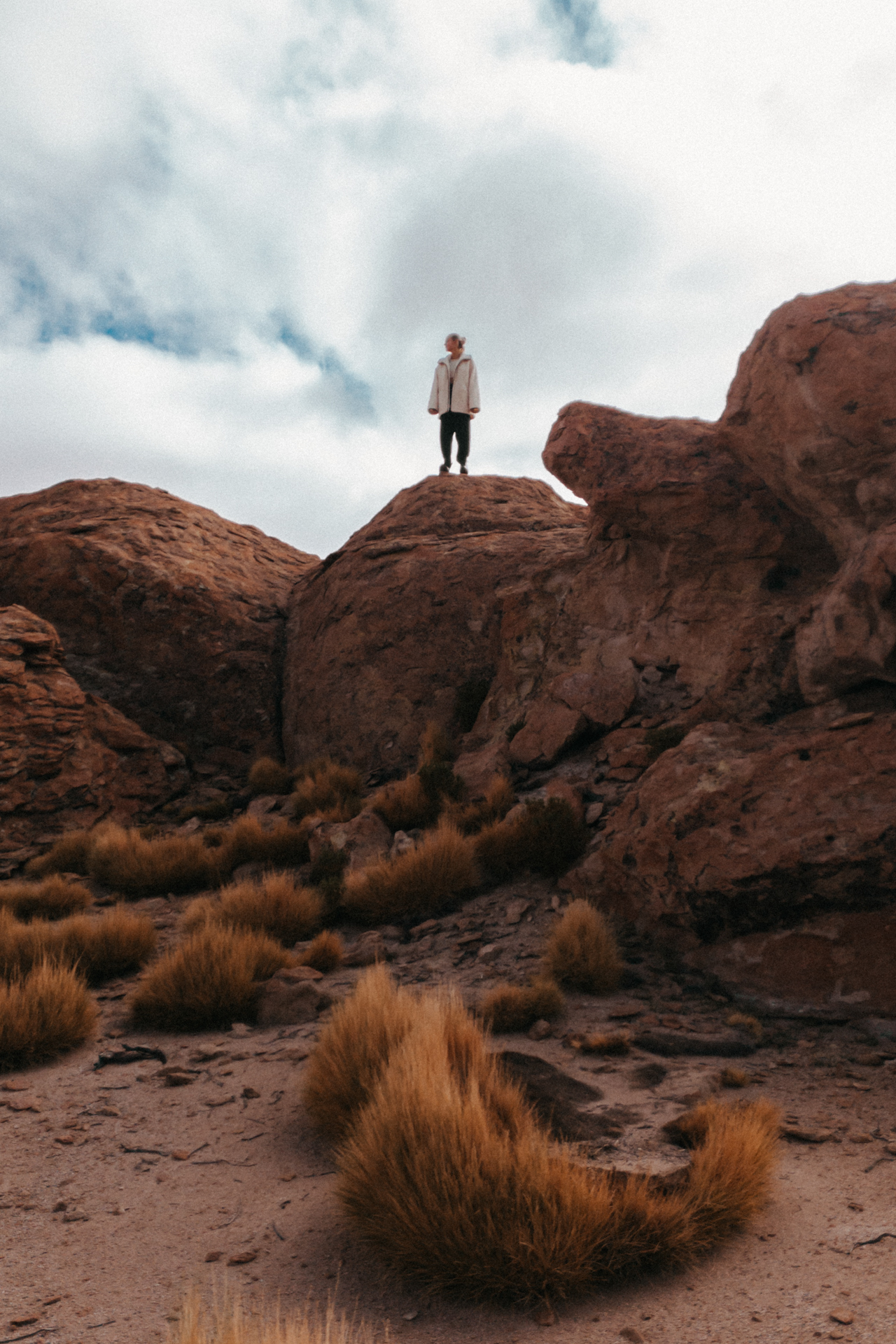
The South feels incredibly remote! It’s mostly vast open spaces and stunning scenery, with very few towns around.
La Paz
The bustling administrative capital, perched high in the Andes, is a very urban and authentically lively mountain city hub.
SALAR DE Uyuni
A small town located in the southwest, best known as the gateway to the Salar de Uyuni — The world’s largest salt flat!
The South
The South feels incredibly remote! It’s mostly vast open spaces and stunning scenery, with very few towns around.
BOLIVIA travel guide
From soaring Andes mountains to vast salt flats, vibrant markets to ancient ruins, Bolivia is a land of breathtaking landscapes and rich cultural heritage waiting to be explored.
Are you ready to uncover its magic and find some inspiration?
Questions & Answers
Bolivia travel tips
Bolivia travel tips
Loved it? Pin it, Share it!
Inspire Others to Travel to Bolivia
Keep Exploring
More Travel Guides from Bolivia


Bolivia YOUTUBE VIDEO
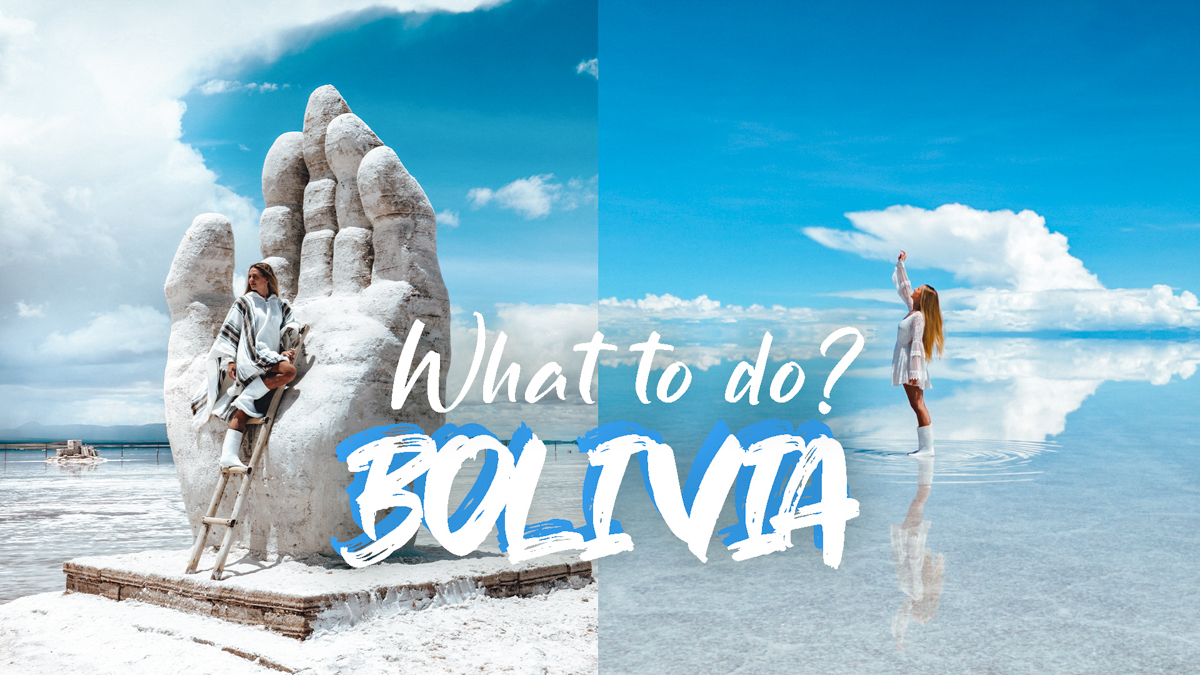
BOLIVIA Travel Vlog – What to Do?
Craving more? Head to my YouTube channel for the full adventure in motion. Get inspired through stories, scenery, and tips!



THE TRAVEL

Let’s stay connected!
Get inspired, helpful tips and exclusive updates straight to your inbox. Subscribe to join a community of explorers.