welcome-to-pakistan
welcome-to-pakistan

Home Pakistan
Mountain Majesty

Explore Pakistan

Welcome to this incredible country, where rugged mountains, traditions, and hospitality create the highlight of any Pakistan travel experience.
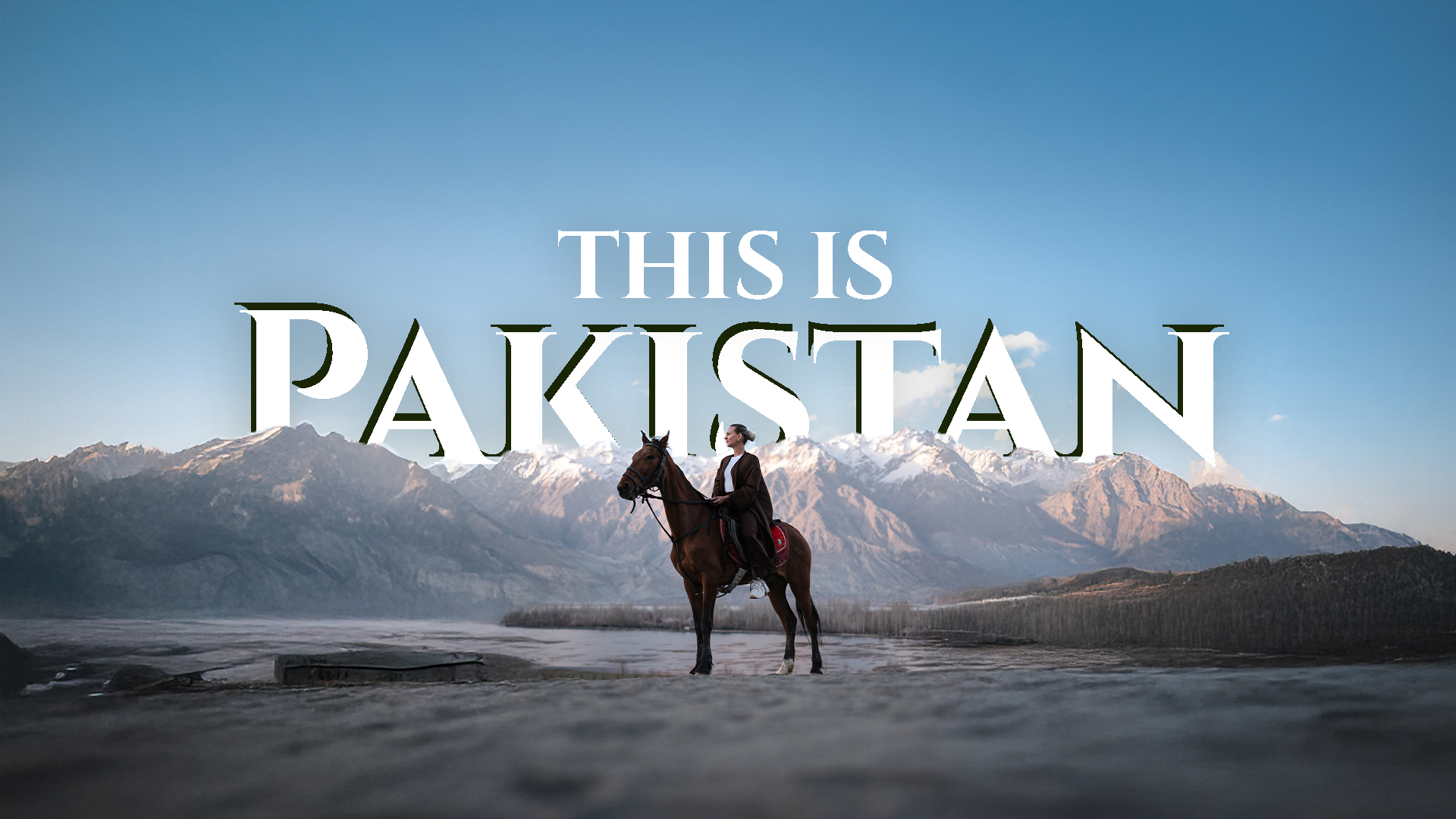
Pakistan is home to some of the world’s most dramatic landscapes, from soaring peaks to crystal-clear lakes, with Skardu and villages that feel timeless. Skardu is known for its beautiful valleys, serene lakes, and stunning mountain views.

Every day here honestly feels like an adventure. You might be trekking through the Hunza Valley, sipping chai in a cozy mountain guesthouse, or crossing a suspension bridge high above a rushing river. In Pakistan, you don’t just visit, you live the raw beauty of the majestic mountains and always carry those moments home.


Hello / Greetings:
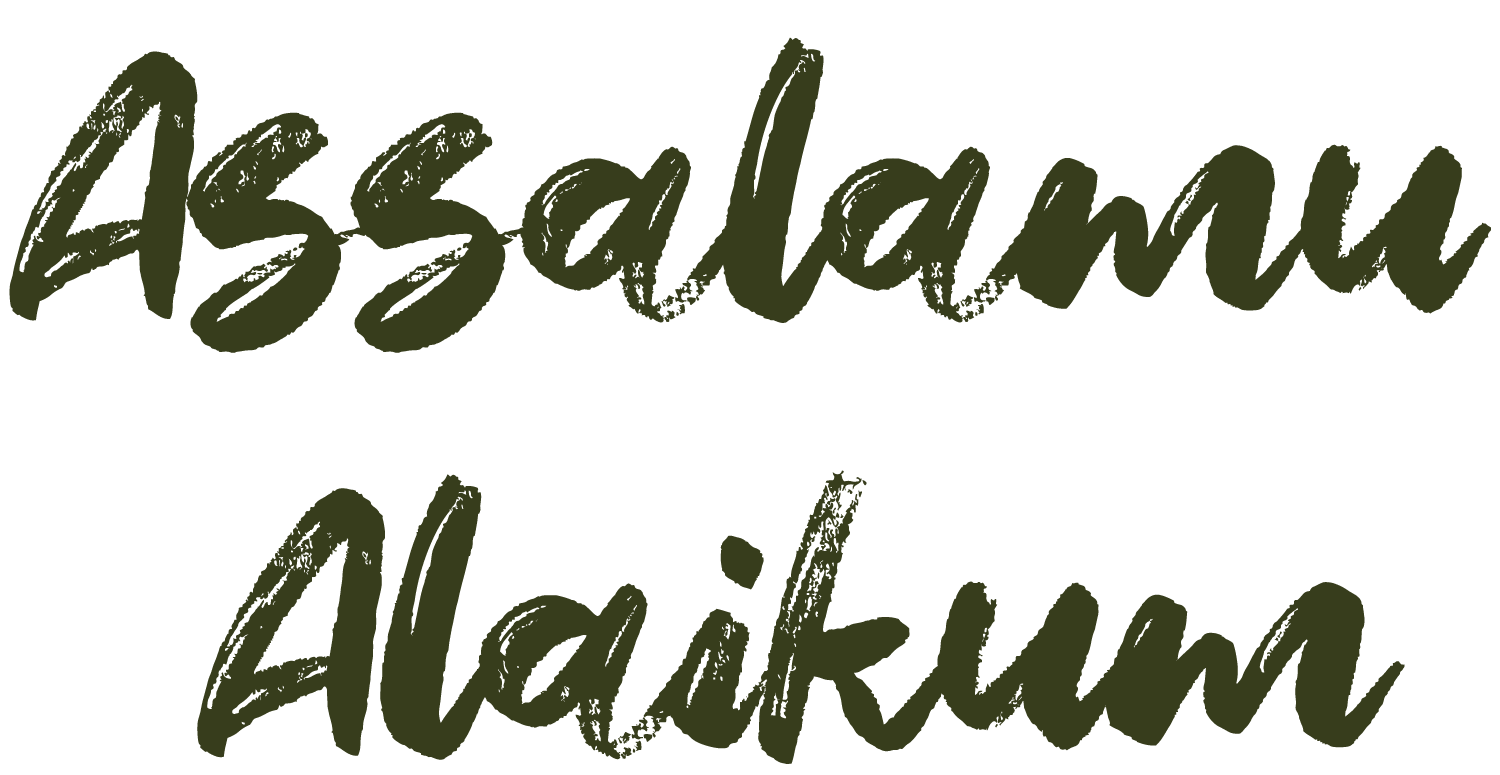
Hello in Urdu, Pakistan language

Thank you:

Thank you in Urdu, Pakistan language

Excuse me:

Excuse-me in Pakistan Urdu


THE WEATHER

Best Time to Visit Pakistan

It largely depends on the region you plan to explore, as the country has diverse climates. Northern Pakistan is best visited in the warmer, drier months. Winters can be very cold and snowy in the mountains, while summers bring pleasant days and cool nights.

Spring Season

March – May: Valleys like Skardu come alive with apricot and cherry blossoms, green fields, and snow still capping the peaks. Days are mild and perfect for sightseeing before the summer crowds arrive.

Summer & Monsoon Season

June – August: Warm days and cool nights make June, early July, and (September) ideal for trekking. Late July–August bring monsoon rains, turning valleys green but causing landslides and travel delays.

Autumn Season

September – November: A beautiful season in the Northern Areas, with colorful foliage and pleasant weather. Golden trees stand out against snowy peaks, creating perfect conditions for exploring.

Best time to visit Pakistan:

Winter Season

December – February: Heavy snowfall closes many mountain passes, but valleys like Hunza and Skardu transform into winter wonderlands. Best for those seeking snow and solitude.

Best time to see cherry blossoms:

cherry-blossoms best time to visit in Skardu, Pakistan

What month did I travel to Pakistan?

I visited Pakistan in April, the perfect time to see the pink apricot and cherry blossoms in Skardu and across Gilgit-Baltistan. April is part of spring, when the valleys in Northern Pakistan turn colorful with blooming orchards, clear skies, and warm sunshine during the day, followed by refreshingly cool evenings.


Culture lives in every dish and every tradition

Pakistani Food, Culture, and Traditions

Culture in every flavor

Food, Culture, and Traditions

Bolivian Food

Food in Pakistan is simple, hearty, and comforting, exactly what you need after a long day in the mountains. 

Expect fresh bread such as naan, lentils, vegetables, and plenty of fragrant rice dishes. Chai is an everyday drink, while apricots from Hunza and Skardu are celebrated across the country. Sharing meals is also an essential part of hospitality.
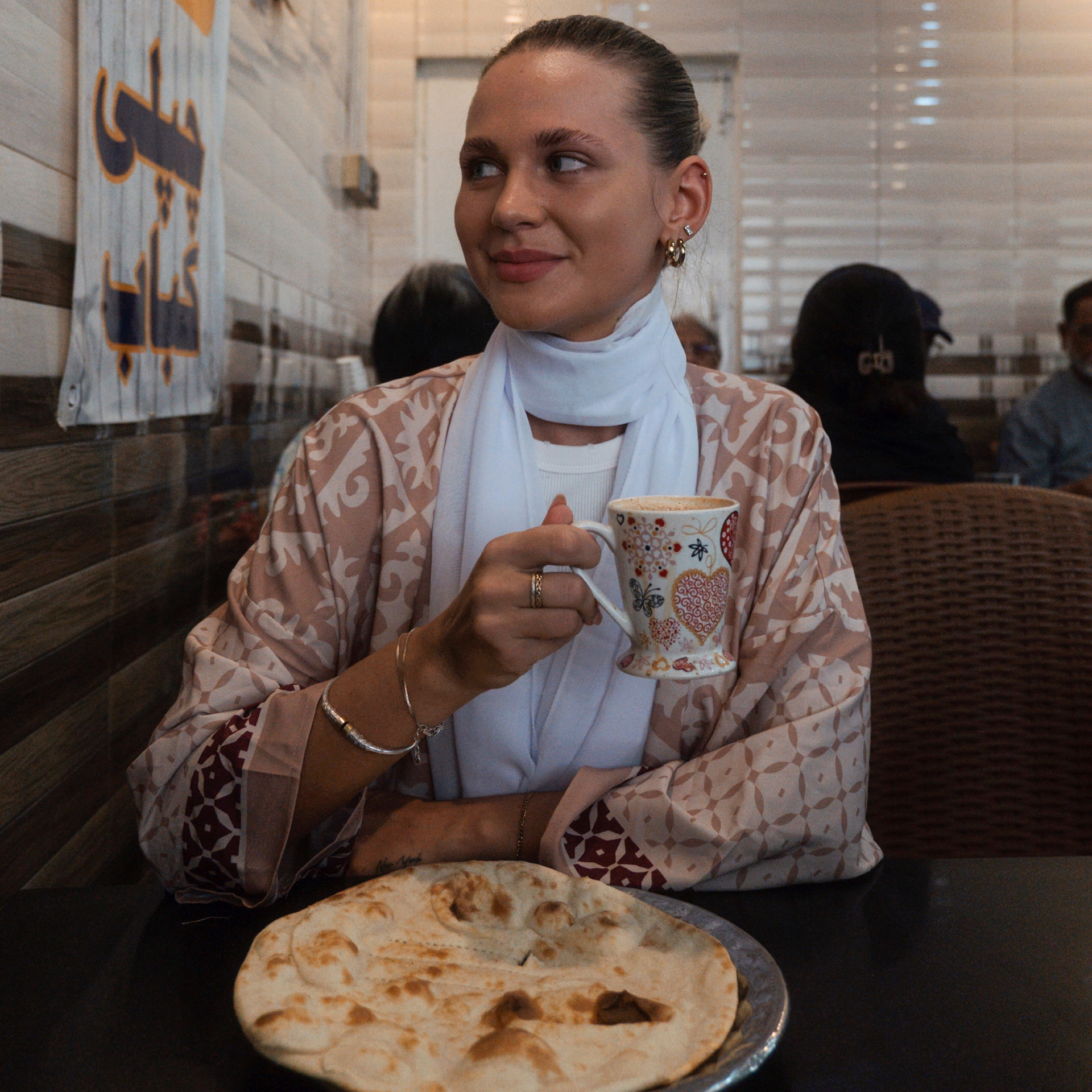
Woman drinking chai with naan in a traditional eatery in Pakistan
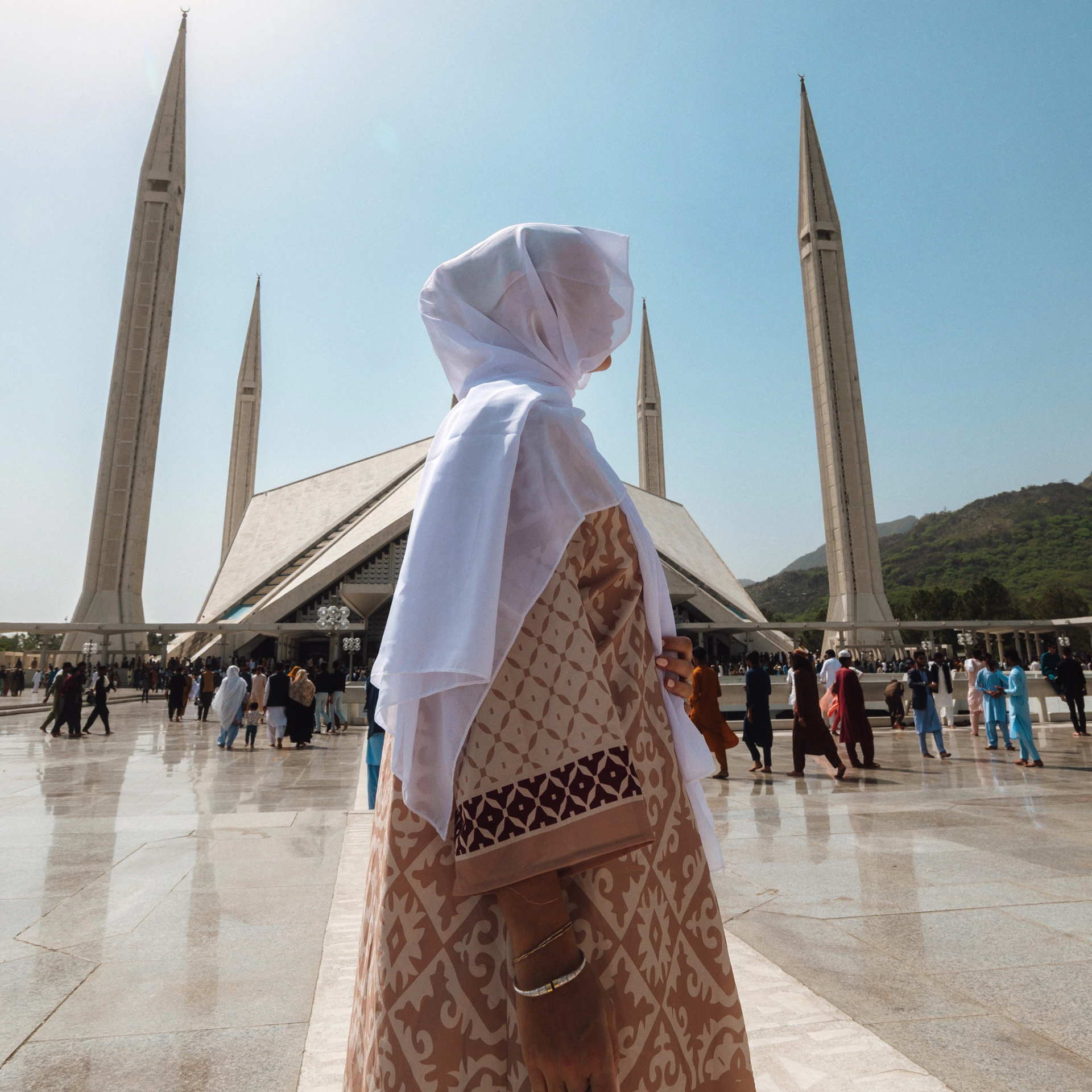
Woman in traditional dress standing at Faisal Mosque in Islamabad, Pakistan
Peruvian Culture

The culture of Pakistan is shaped by its rich history, diverse ethnic groups, and varied landscapes. Influences from South Asia, Central Asia, and the Middle East blend together, creating a unique cultural identity. 

Languages, art, architecture, clothing, and cuisine all reflect this diversity, while hospitality and community remain at the heart of everyday life.

Bolivian Traditions

Traditions in Pakistan are deeply rooted in community, family, and faith. Muslims pray five times a day, a practice that shapes the rhythm of daily life. Festivals such as Eid are celebrated with prayers, food, and gatherings.

Weddings in Pakistan are big celebrations that last for several days, with music, dance, and vibrant clothing. Across the country, sharing meals, offering tea, and showing hospitality remain important expressions of respect and connection.
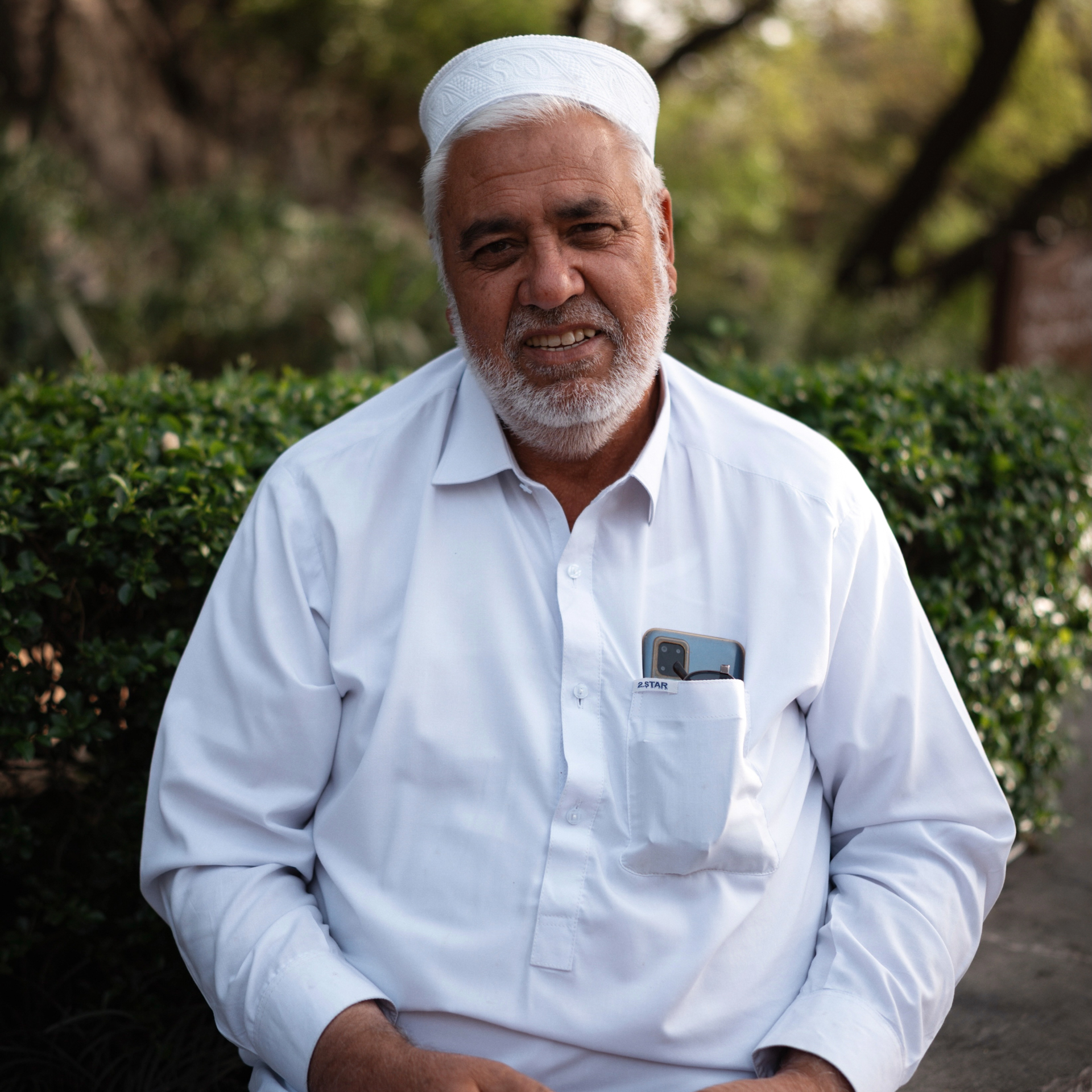
Portrait of an elderly Pakistani man in white shalwar kameez sitting outdoors

Did you Know?

Interesting Facts About Pakistan
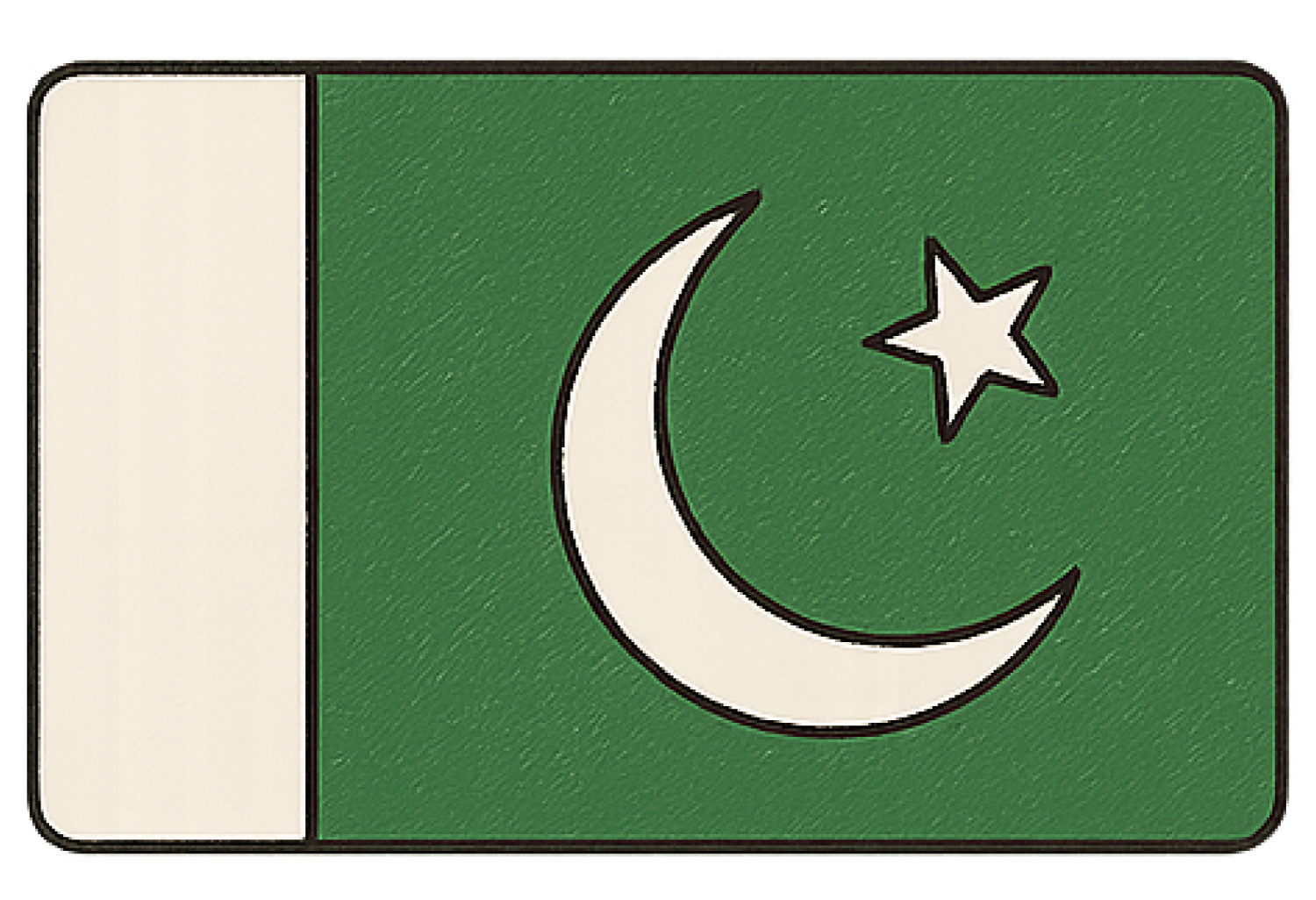
Flag of Pakistan

The Meaning of Pakistan’s Flag

The green stands for Islam, the majority religion, while the white stripe shows other faiths. The moon means progress, and the star stands for light and knowledge.
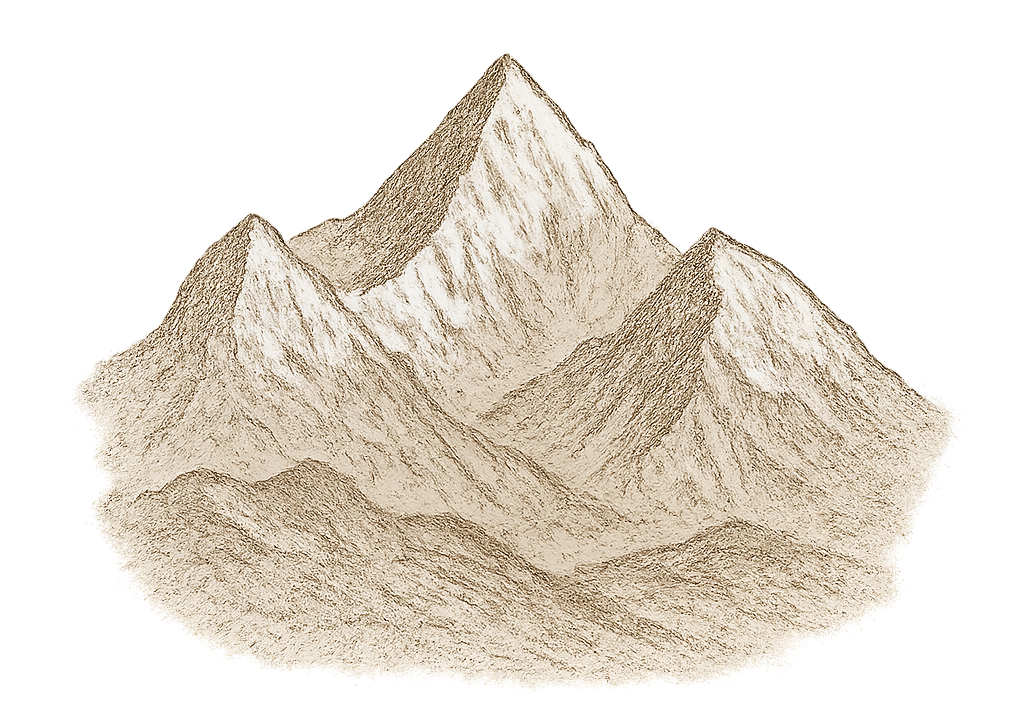
Pakistan-Mountains

World’s Highest Peaks

Pakistan is home to five of the world’s 8,000-meter peaks, including K2, the second-highest mountain on Earth. These giants make it a paradise for mountaineers.
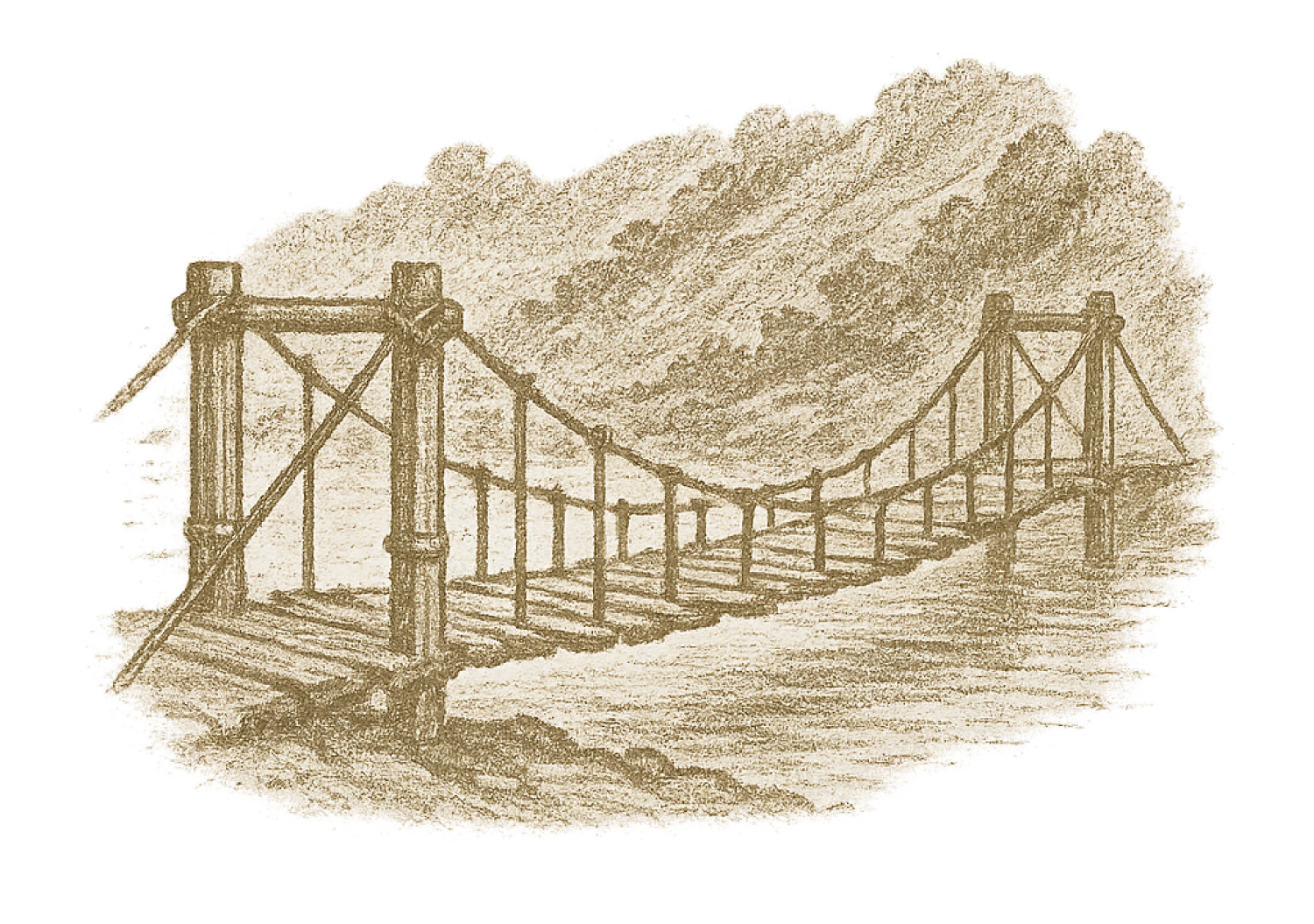
Suspension-Bridge

Suspension Bridges

Northern Pakistan is filled with wooden suspension bridges over rushing rivers, and crossing them is an adventure. They link remote villages and offer amazing valley views.
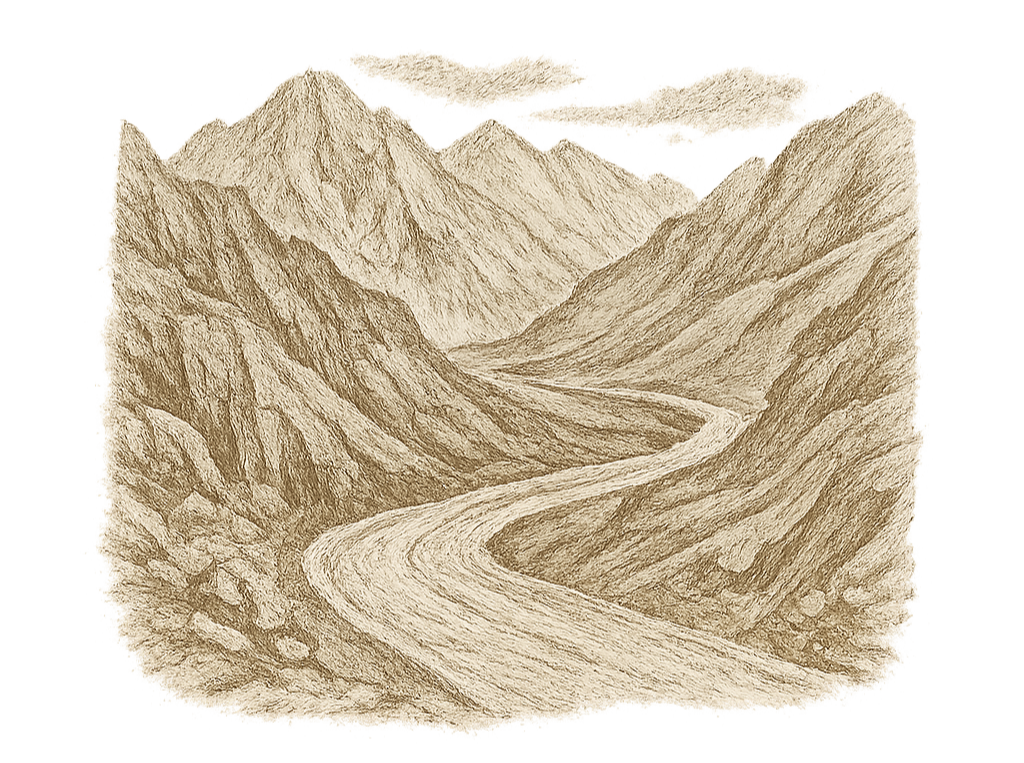
Highway-to-China

Highway to China

The Karakoram Highway in Pakistan is one of the highest constructed roads in the world, linking the country with China. It is often called the Eighth Wonder of the World.


How each place feels so different

Best Places to Visit in Pakistan


How each place feels so different

Best Places to Visit in Pakistan


Islamabad

The modern, green capital of Pakistan, Islamabad is often the starting point for journeys into the north, with views of the Margalla Hills.
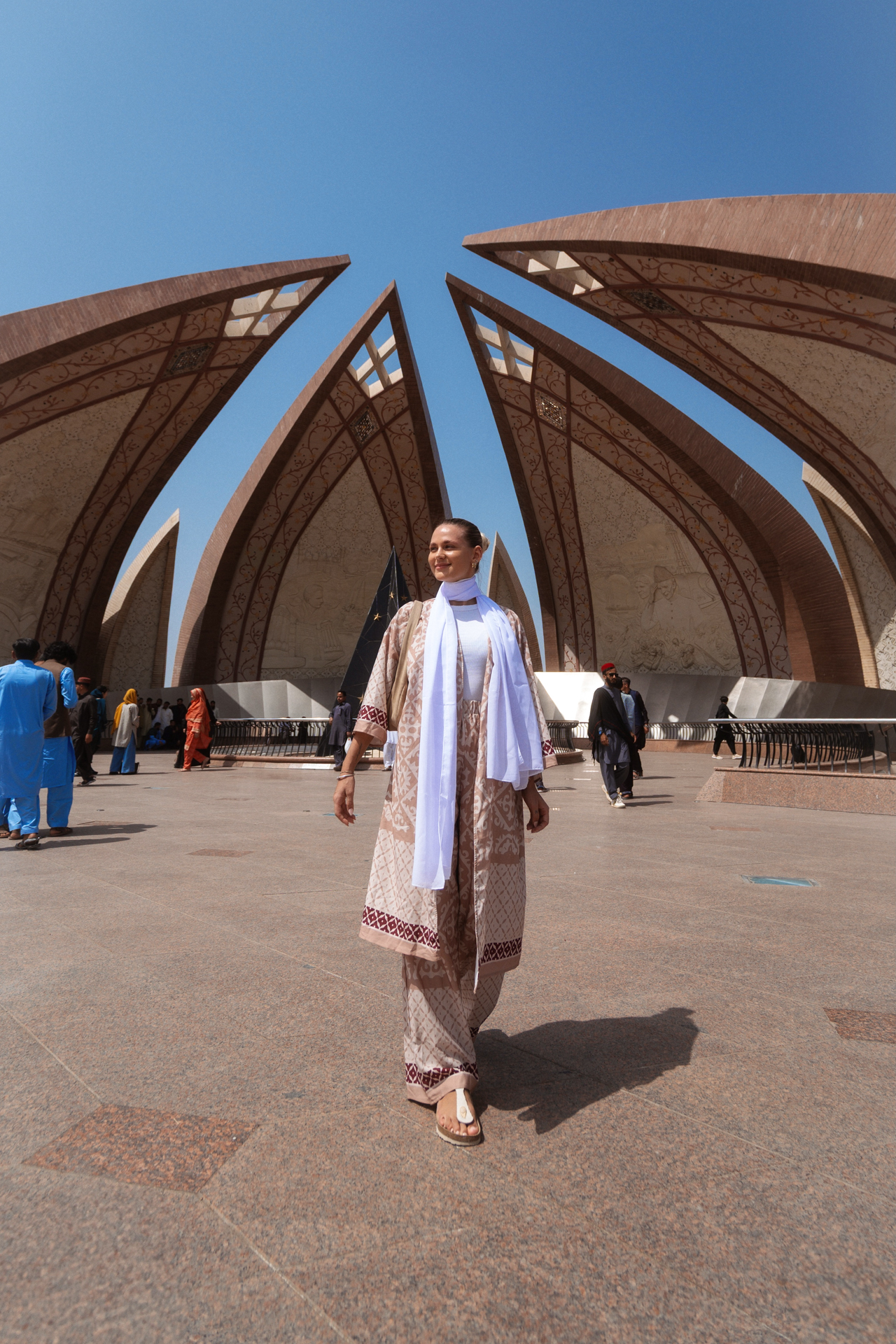
Woman walking at the Pakistan Monument in Islamabad, Pakistan, with the national heritage structure in the background under a clear blue sky.

Skardu

Gateway to some of Pakistan’s highest mountains, turquoise lakes, and trekking routes, Skardu is a base for exploring the wild beauty.
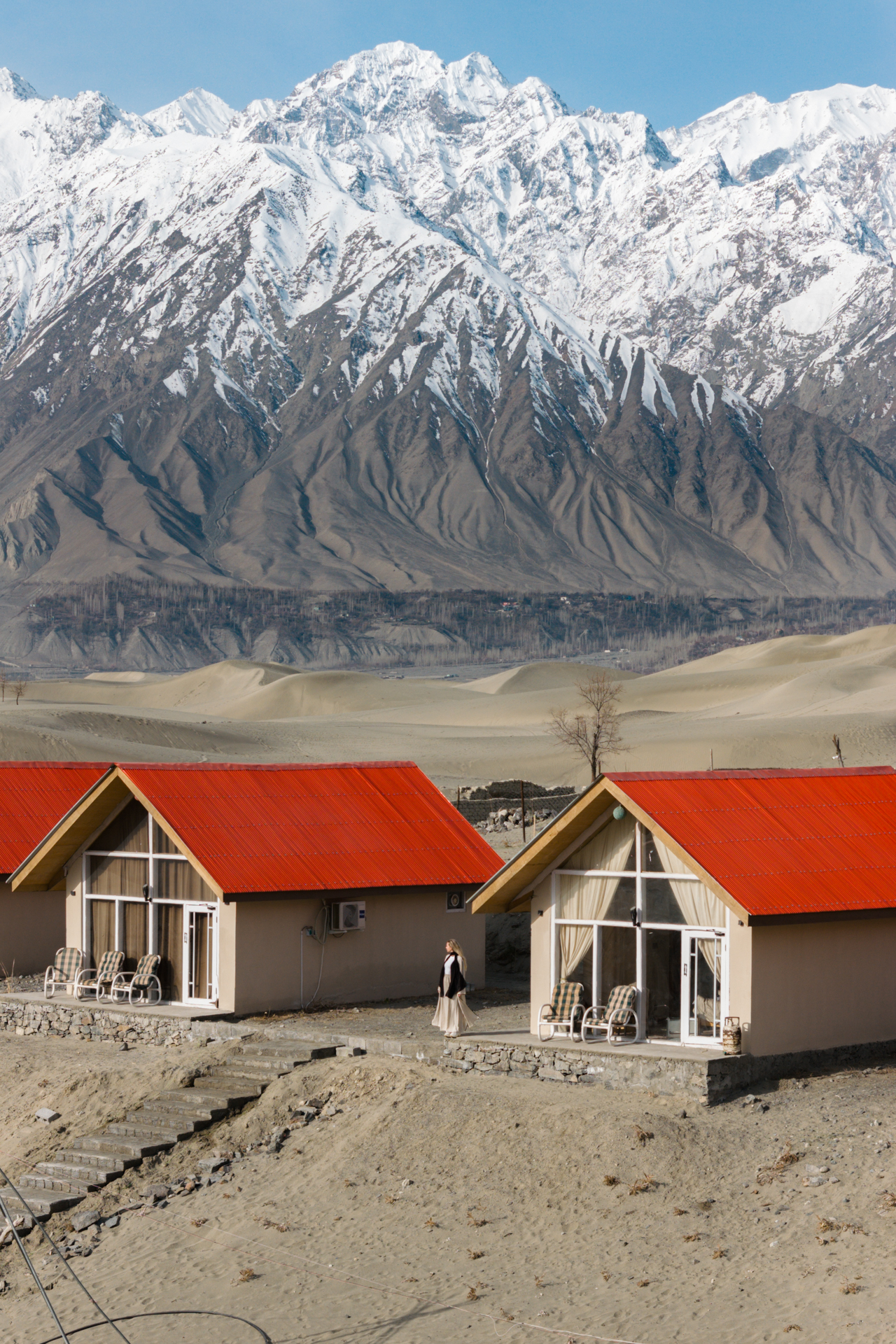
Scenic view of cottages with red roofs in Skardu’s Cold Desert, framed by snow-covered mountains in Gilgit-Baltistan, Pakistan.

Khaplu

A serene town surrounded by mountains and rivers, Khaplu is known for its historic palace, peaceful valleys, and access to hidden trekking routes.
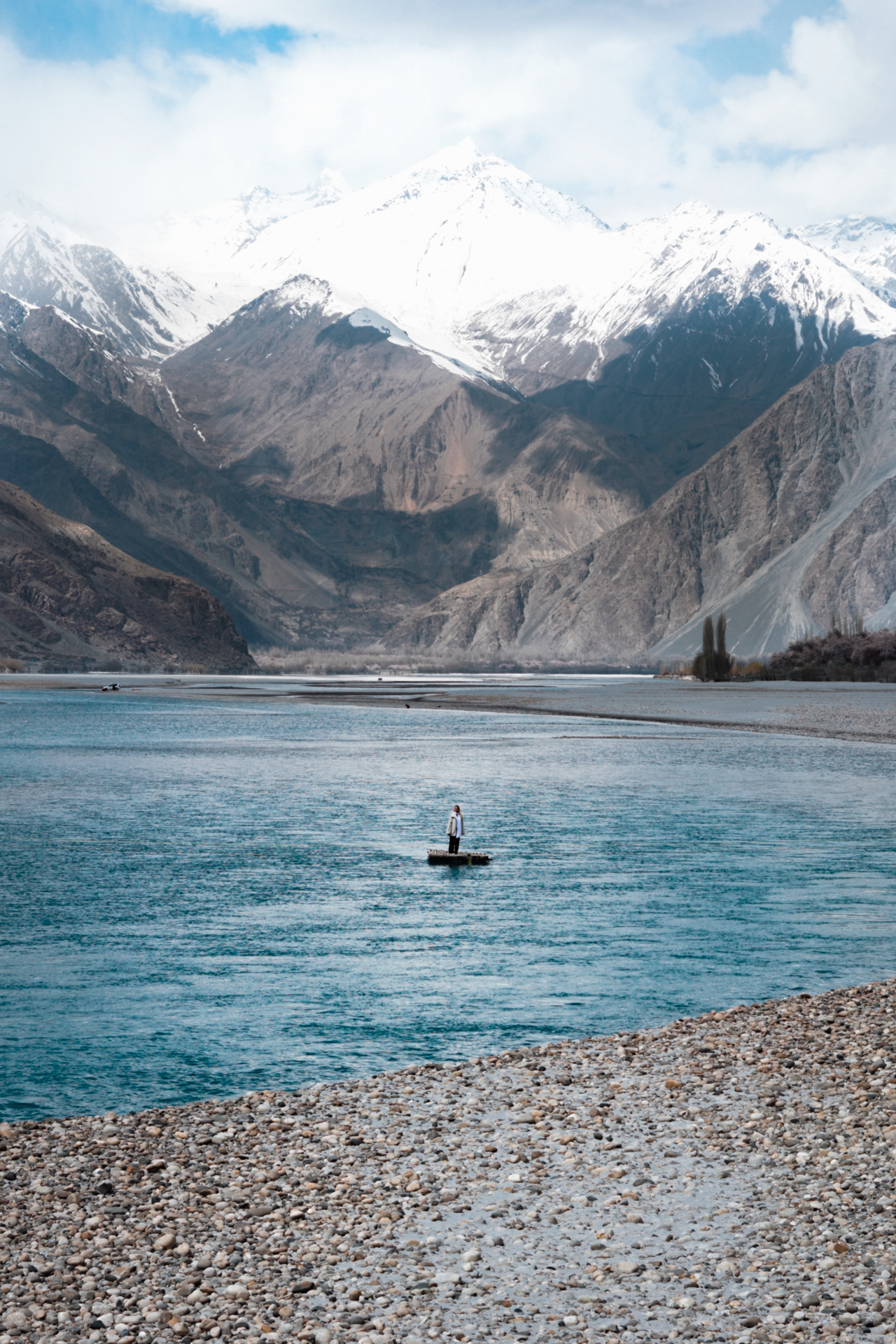
Shyok River with the dramatic Karakoram mountains in the background.

Islamabad

The modern, green capital of Pakistan, Islamabad is often the starting point for journeys into the north, with views of the Margalla Hills.

Woman walking at the Pakistan Monument in Islamabad, Pakistan, with the national heritage structure in the background under a clear blue sky.

Skardu

Gateway to some of Pakistan’s highest mountains, turquoise lakes, and trekking routes, Skardu is a base for exploring the incredible wild beauty.

Scenic view of cottages with red roofs in Skardu’s Cold Desert, framed by snow-covered mountains in Gilgit-Baltistan, Pakistan.

Khaplu

A serene town surrounded by mountains and rivers, Khaplu is known for its historic palace, peaceful valleys, and access to hidden trekking routes.

Shyok River with the dramatic Karakoram mountains in the background.

Hunza Valley

Surrounded by towering peaks, Hunza is famous for its natural beauty, apricot orchards, and welcoming locals, offering breathtaking views at every turn.
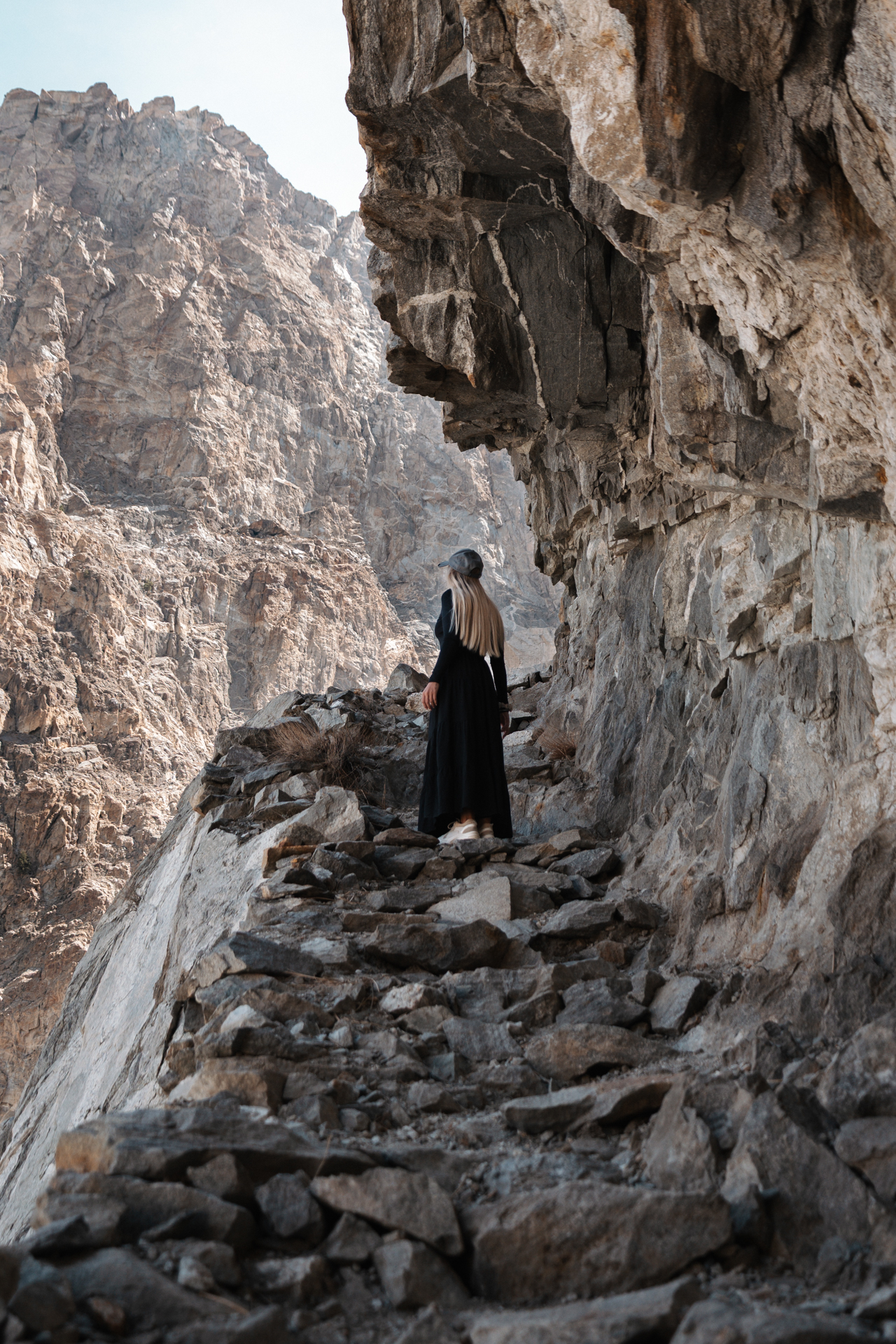
Woman walking along a rocky mountain trail under steep cliffs in Hunza, Gilgit-Baltistan, I in Pakistan.

Naltar Valley

Famous for its alpine lakes and pine forests, Naltar Valley is a peaceful mountain retreat with hiking trails and one of Pakistan’s oldest ski resorts.
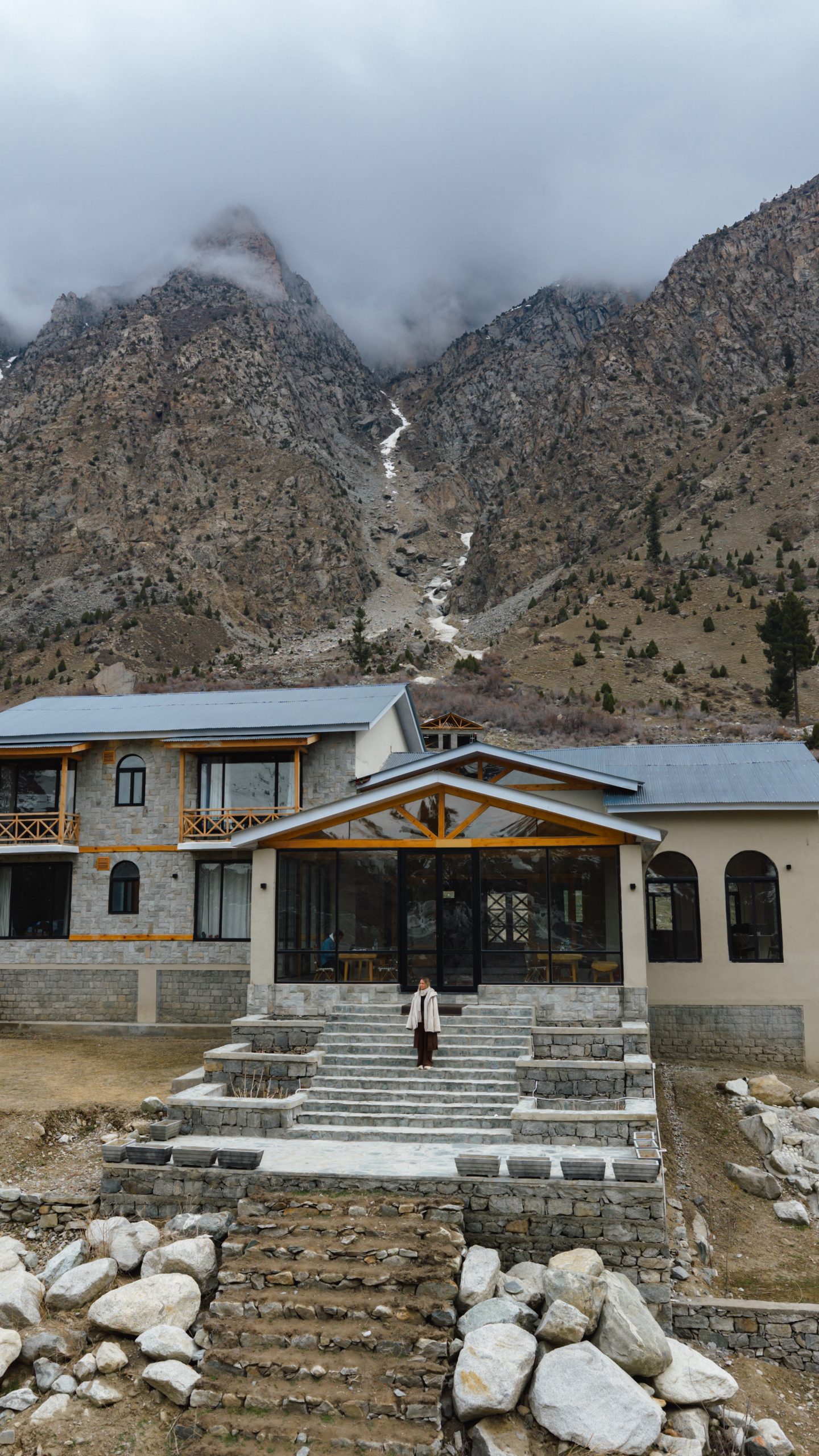
Mountain lodge in Gilgit-Baltistan, Pakistan, with a woman standing on stone steps and misty peaks in the background.

Hunza Valley

Surrounded by towering peaks, Hunza is famous for its natural beauty, apricot orchards, and welcoming locals, offering breathtaking views at every turn.

Woman walking along a rocky mountain trail under steep cliffs in Hunza, Gilgit-Baltistan, I in Pakistan.

Naltar Valley

Famous for its alpine lakes and pine forests, Naltar Valley is a peaceful mountain retreat with hiking trails and one of Pakistan’s oldest ski resorts.

Mountain lodge in Gilgit-Baltistan, Pakistan, with a woman standing on stone steps and misty peaks in the background.


Pakistan travel guide

LET THE JOURNEY BEGIN
(coming soon)


Questions & Answers

Pakistan travel tips
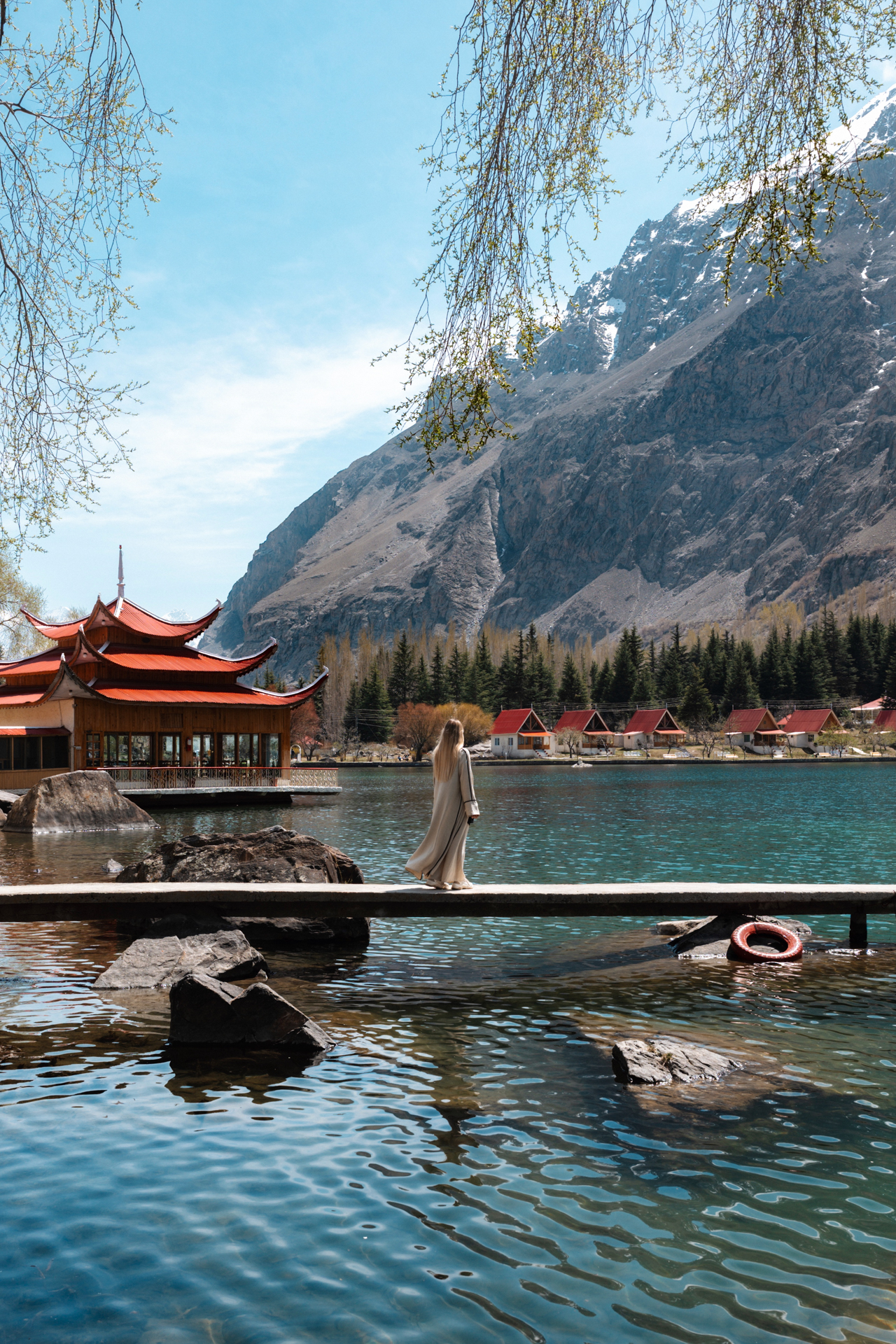
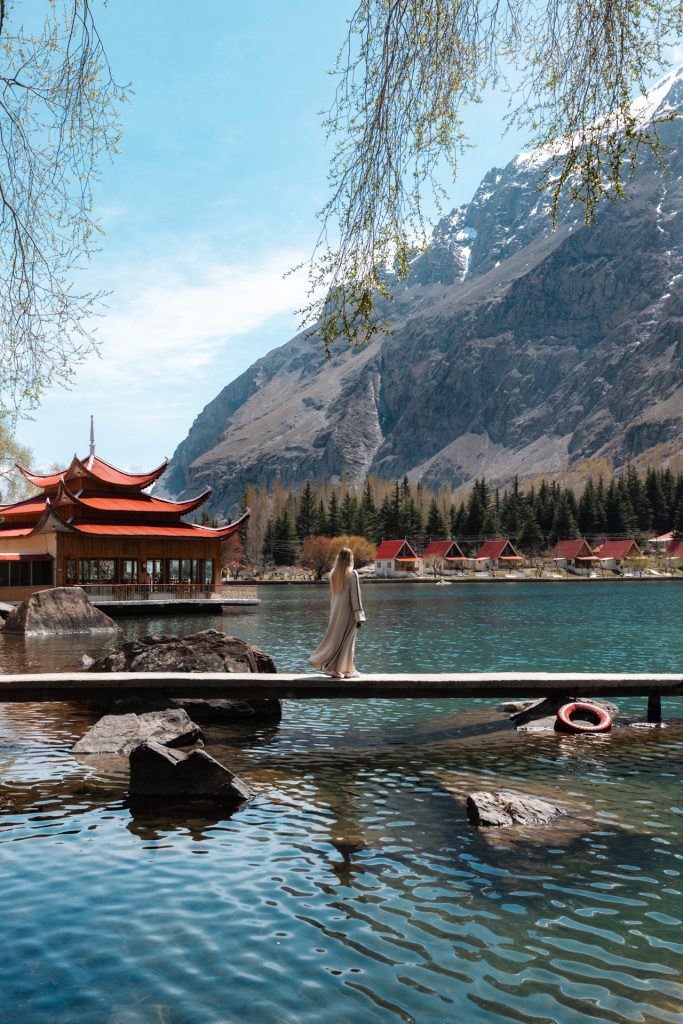
Shangrila Resort lake with woman walking by the water in Pakistan.

Pakistan travel tips

Pack layers for the mountains, warm clothes for chilly evenings, and light clothes for the daytime. Don’t forget hiking shoes, sunscreen, a hat, and a good jacket (evenings can get very cold!). Also pack basic first-aid and any personal meds. Out of religious respect, I always tried to match local clothing by wearing long pants and also long sleeves. Power adapter: Types C and D.

Pakistan is one of the most affordable destinations in Asia. If you make friends here, which happens quickly since people are so welcoming, you’ll notice their incredible generosity. Often, they won’t even let you pay. They’ll even invite you as a guest to their home for dinner or lunch. To be honest, people are really friendly here, and nothing is about money. That’s how I felt. Currency: Pakistani Rupee (PKR).

There is no short answer to it. Safety in Pakistan largely depends on the region you may be heading to. Islamabad, Lahore, and the northern areas like Gilgit-Baltistan (Skardu, Hunza, Khaplu, etc.) are generally safe (I felt really safe during my entire trip!) and have become popular destinations for trekkers and travelers. Locals are incredibly welcoming, and safety for tourists has greatly improved. Avoid traveling to the southwestern province, since it is a dangerous and unstable region in the country. For example Balochistan (bordering Iran and Afghanistan). It’s dangerous even for Pakistanis themselves.

Yes, most travelers need a visa, but Pakistan now offers an easy e-visa system for many nationalities. The tourist visa is valid for up to 3 months (single entry). Always double-check the latest entry requirements based on your passport.

Urdu is the national language, but English is widely spoken in cities and by those working in tourism. In the mountains, you’ll also hear regional languages like Balti, Wakhi, and Shina.

To me, it was one of the most adventurous destinations. From the towering mountains to the warm hospitality of its villages, Northern Pakistan is one of the most beautiful and rewarding places you’ll ever visit — an experience that truly defined my Pakistan travel journey. Make sure to check out Socotra as well!

Shangrila Resort lake with woman walking by the water in Pakistan.

Pack layers for the mountains, warm clothes for chilly evenings, and light clothes for the daytime. Don’t forget hiking shoes, sunscreen, a hat, and a good jacket (evenings can get very cold!). Also pack basic first-aid and any personal meds. Out of religious respect, I always tried to match local clothing by wearing long pants and also long sleeves. Power adapter: Types C and D.

Pakistan is one of the most affordable destinations in Asia. If you make friends here, which happens quickly since people are so welcoming, you’ll notice their incredible generosity. Often, they won’t even let you pay. They’ll even invite you as a guest to their home for dinner or lunch. To be honest, people are really friendly here, and nothing is about money. That’s how I felt. Currency: Pakistani Rupee (PKR).

There is no short answer to it. Safety in Pakistan largely depends on the region you may be heading to. Islamabad, Lahore, and the northern areas like Gilgit-Baltistan (Skardu, Hunza, Khaplu, etc.) are generally safe (I felt really safe during my entire trip!) and have become popular destinations for trekkers and travelers. Locals are incredibly welcoming, and safety for tourists has greatly improved. Avoid traveling to the southwestern province, since it is a dangerous and unstable region in the country. For example Balochistan (bordering Iran and Afghanistan). It’s dangerous even for Pakistanis themselves.

Yes, most travelers need a visa, but Pakistan now offers an easy e-visa system for many nationalities. The tourist visa is valid for up to 3 months (single entry). Always double-check the latest entry requirements based on your passport.

Urdu is the national language, but English is widely spoken in cities and by those working in tourism. In the mountains, you’ll also hear regional languages like Balti, Wakhi, and Shina.

To me, it was one of the most adventurous destinations. From the towering mountains to the warm hospitality of its villages, Northern Pakistan is one of the most beautiful and rewarding places you’ll ever visit — an experience that truly defined my Pakistan travel journey. Make sure to check out Socotra as well!

Shangrila Resort lake with woman walking by the water in Pakistan.

Pack layers for the mountains, warm clothes for chilly evenings, and light clothes for the daytime. Don’t forget hiking shoes, sunscreen, a hat, and a good jacket (evenings can get very cold!). Also pack basic first-aid and any personal meds. Out of religious respect, I always tried to match local clothing by wearing long pants and also long sleeves. Power adapter: Types C and D.

Pakistan is one of the most affordable destinations in Asia. If you make friends here, which happens quickly since people are so welcoming, you’ll notice their incredible generosity. Often, they won’t even let you pay. They’ll even invite you as a guest to their home for dinner or lunch. To be honest, people are really friendly here, and nothing is about money. That’s how I felt. Currency: Pakistani Rupee (PKR).

There is no short answer to it. Safety in Pakistan largely depends on the region you may be heading to. Islamabad, Lahore, and the northern areas like Gilgit-Baltistan (Skardu, Hunza, Khaplu, etc.) are generally safe (I felt really safe during my entire trip!) and have become popular destinations for trekkers and travelers. Locals are incredibly welcoming, and safety for tourists has greatly improved. Avoid traveling to the southwestern province, since it is a dangerous and unstable region in the country. For example Balochistan (bordering Iran and Afghanistan). It’s dangerous even for Pakistanis themselves.

Yes, most travelers need a visa, but Pakistan now offers an easy e-visa system for many nationalities. The tourist visa is valid for up to 3 months (single entry). Always double-check the latest entry requirements based on your passport.

Urdu is the national language, but English is widely spoken in cities and by those working in tourism. In the mountains, you’ll also hear regional languages like Balti, Wakhi, and Shina.

To me, it was one of the most adventurous destinations. From the towering mountains to the warm hospitality of its villages, Northern Pakistan is one of the most beautiful and rewarding places you’ll ever visit — an experience that truly defined my Pakistan travel journey. Make sure to check out Socotra as well!


Loved it? Pin it, Share it!

Inspire Others to Travel to Pakistan



Pakistan YOUTUBE VIDEO

Pakistan Proved Me Wrong!

Craving more? Head to my YouTube channel for the full adventure in motion. Get inspired through stories, scenery, and tips!

THE TRAVEL

Woman standing on salt brick stairs – Uyuni