


ISLAND OF UNIQUE WILDLIFE
Explore Madagascar
Welcome to this extraordinary country, where rare wildlife and breathtaking landscapes create the highlight of any Madagascar travel experience.
Madagascar is an incredibly large island that requires plenty of time to explore. Often overlooked compared to more famous destinations, it is one of the most biodiverse places on Earth, home to species found nowhere else and filled with stunning natural wonders. Though it is one of the poorest countries in the world, it has so much to offer! From lush rainforests and towering baobab trees to pristine beaches and unique wildlife like lemurs, Madagascar is full of hidden gems waiting to be discovered.
Hello / Greetings:

Thank you:

Excuse me:

THE WEATHER
Best Time to Visit Madagascar
Madagascar has a tropical climate with two main seasons: the dry season and the rainy season. Temperatures vary by region, with the coast (e.g., Nosy Be, Morondava) generally hot and humid, the highlands (e.g., Antsirabe, Andasibe) cooler, and the south (e.g., Toliara, Fort Dauphin) drier.
Dry Season
May – October: The best time to visit for wildlife spotting, road trips, and exploring the national parks. Days are sunny, with pleasant temperatures across most regions, particularly from June to September.
Wet Season
November – April: Expect heavy rains, especially from January to March, which can make travel difficult. The south and west of the island generally experience less rainfall than the north and east.
Best time to visit Madagascar:


What month did I travel to Madagascar?
I explored Madagascar in June and July, and it was beautiful with sunny skies and incredible wildlife encounters. July falls in the dry season, making it one of the best times to visit.
Culture lives in every dish and every tradition
Malagasy Food, Culture, and Traditions
Culture in every flavor
Food, Culture, and Traditions

Malagasy food is simple and filling, centered around rice, meat, and fresh vegetables. Zebu (local cattle) is common, and street snacks like mofo (fried bread) are everywhere.
Seafood is freshly served, especially along the coast. Meals are often accompanied by a spicy chili paste called sakay, which is a staple on many tables.
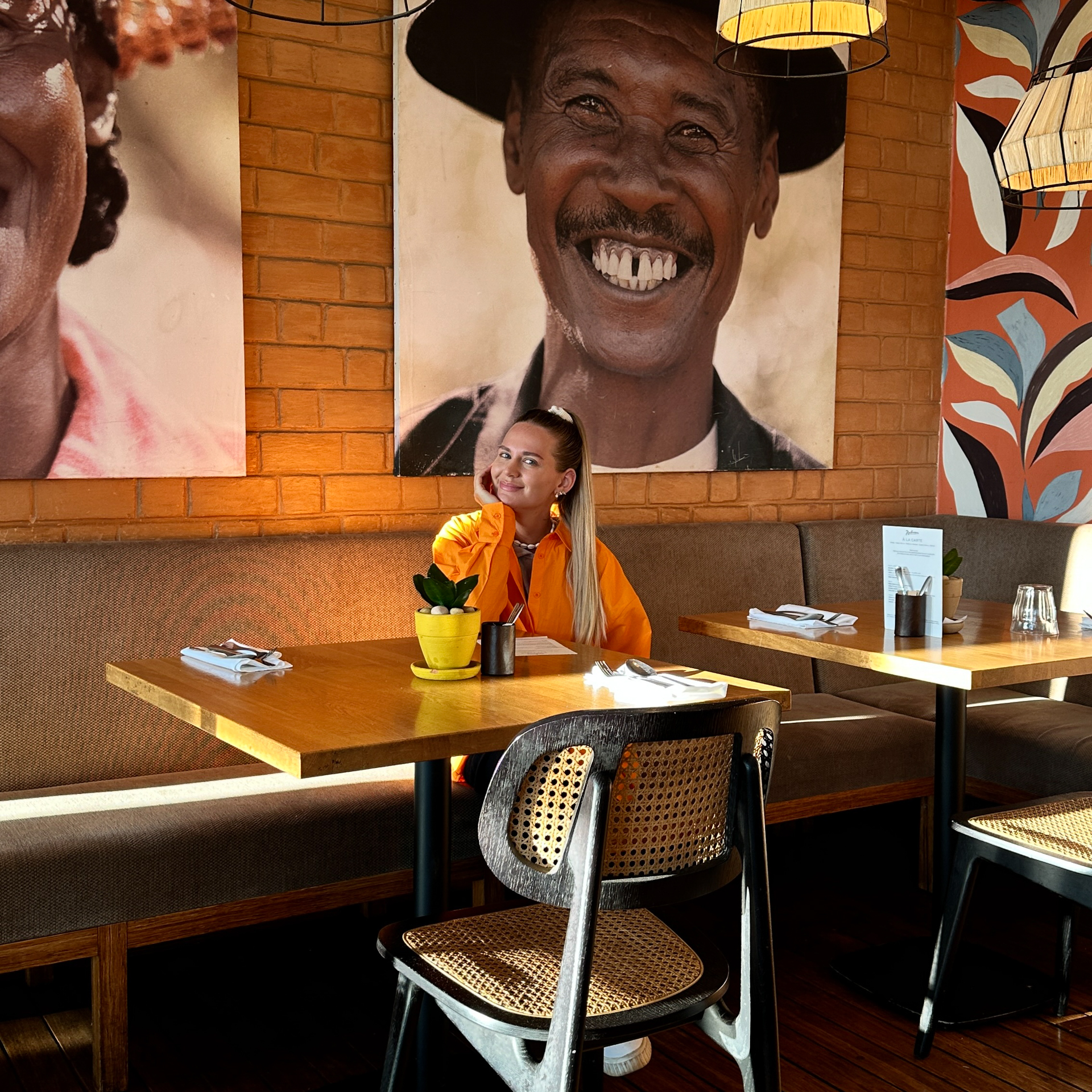
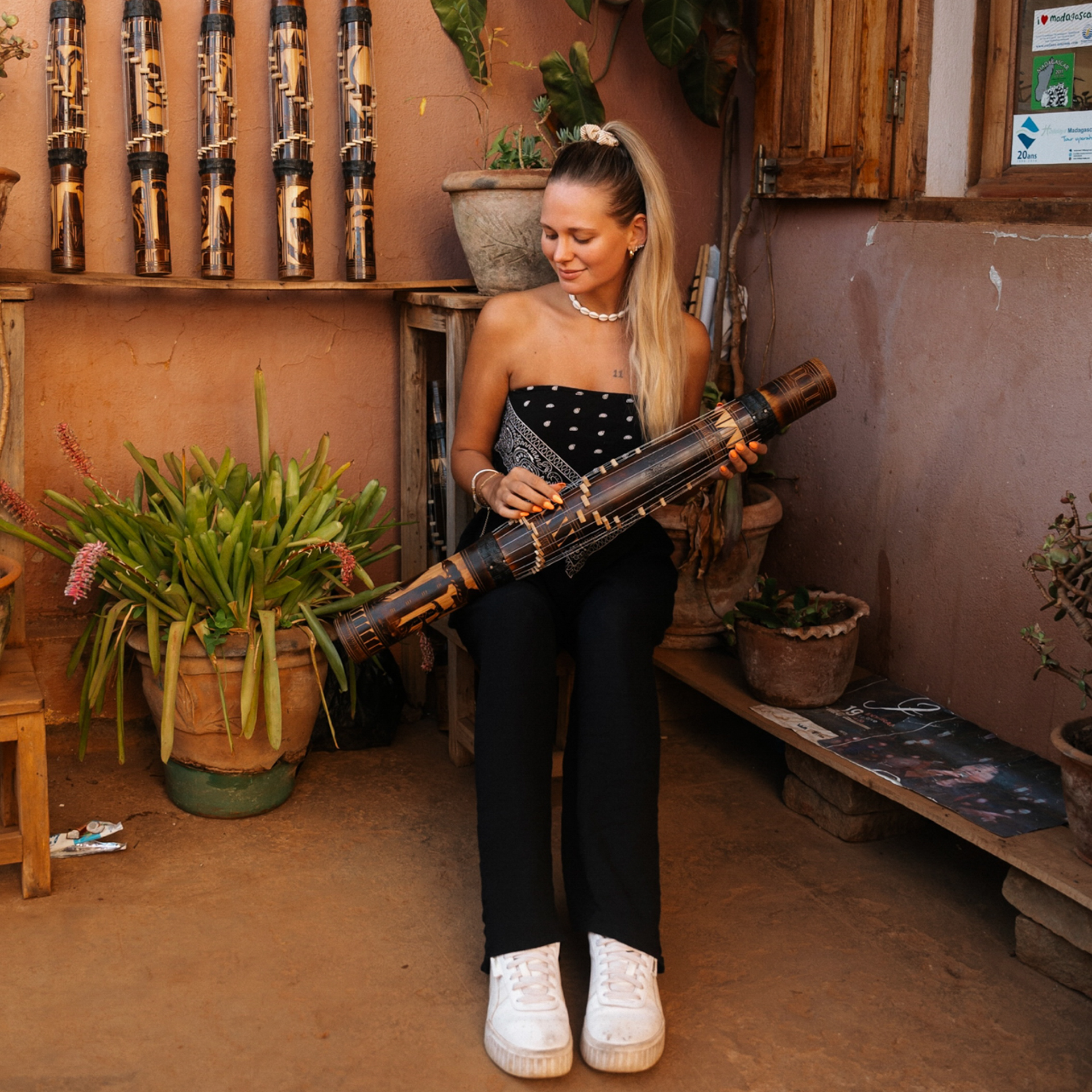

Madagascar’s culture is a unique blend of African and Asian influences, with strong community ties and respect for tradition. Music and dance play a big role in daily life, and every region has its own customs.
The island is home to 18 tribes, each with their own languages, traditions, and cultural identity. Storytelling, proverbs, and oral history also play an important role in passing down knowledge through generations.

The Malagasy people honor their ancestors through ceremonies and rituals like the famadihana (turning of the bones). Family and respect for elders are central to everyday life.
Traditional beliefs often coexist with Christianity, blending spirituality with local customs. Many communities also practice fady (taboos), taught from an early age, which range from avoiding certain foods to not entering specific places and vary by region.
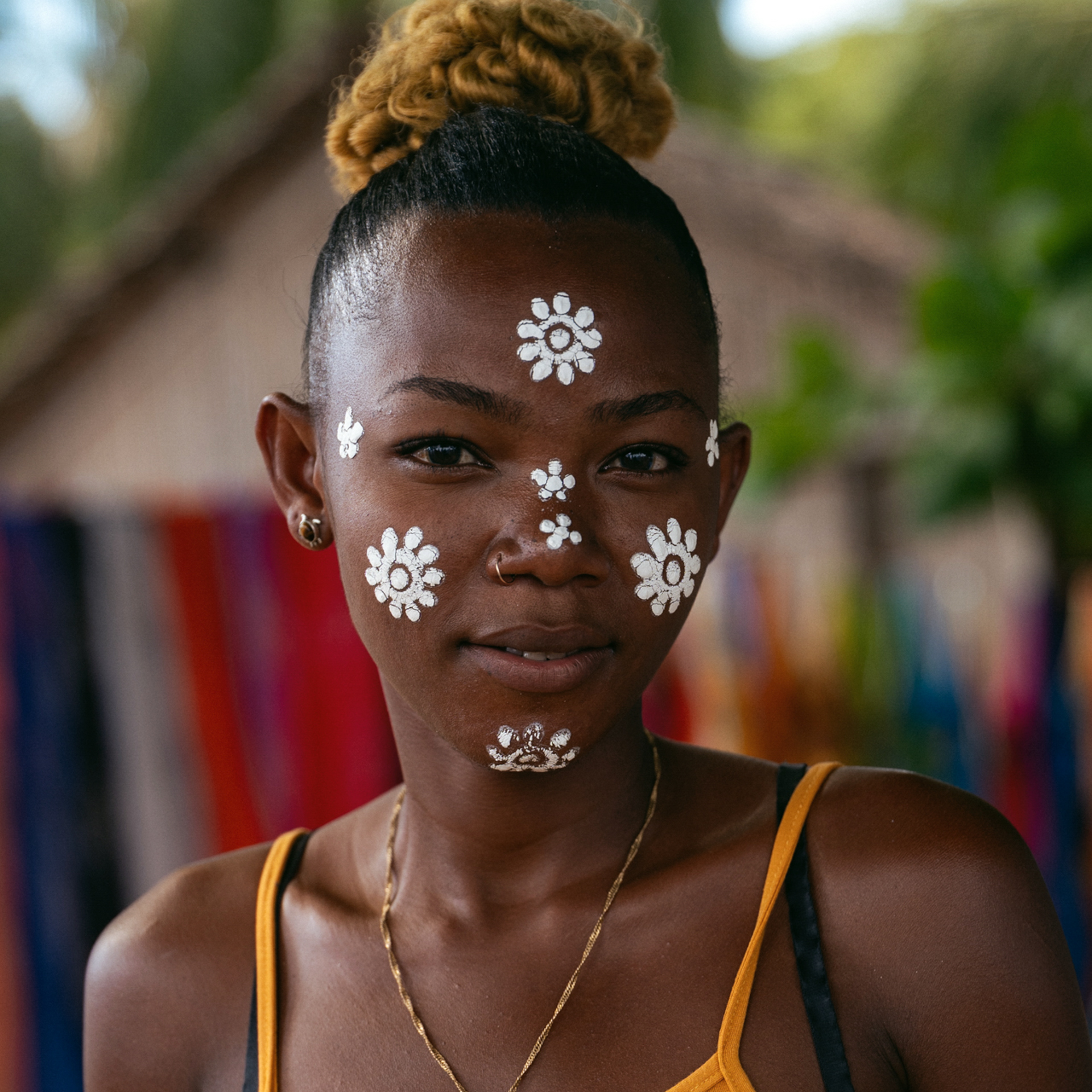
In coastal regions, many women practice masonjoany, a tradition of painting their faces with a natural paste made from tree bark. It serves as sun protection, skincare, and decoration, especially during festivals.
Did you Know?
Interesting Facts About Madagascar
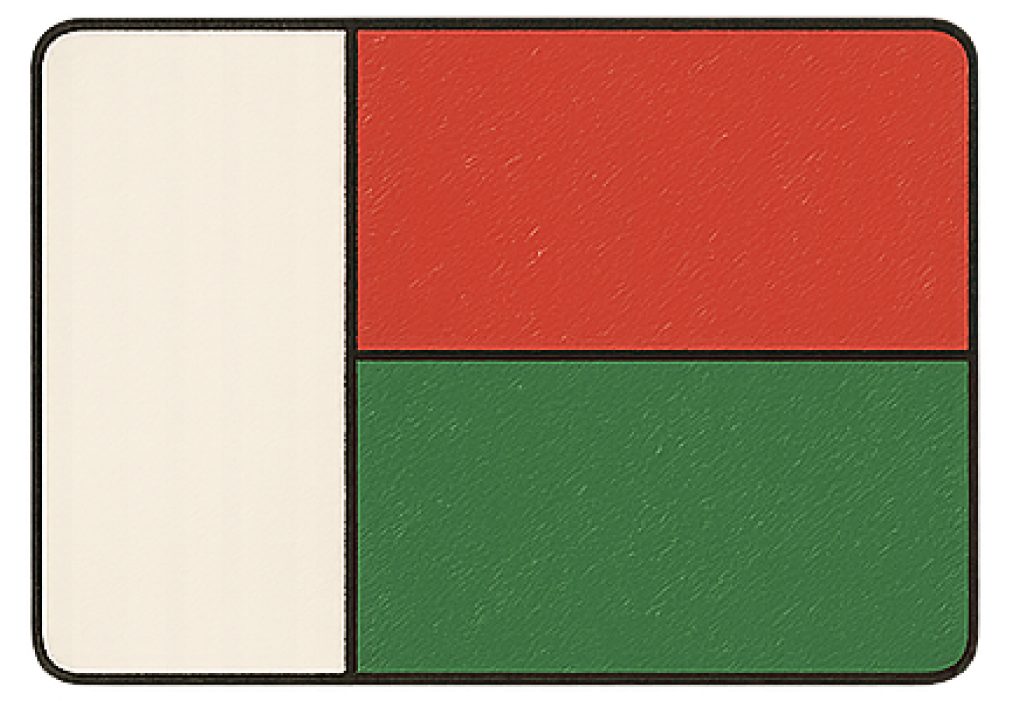
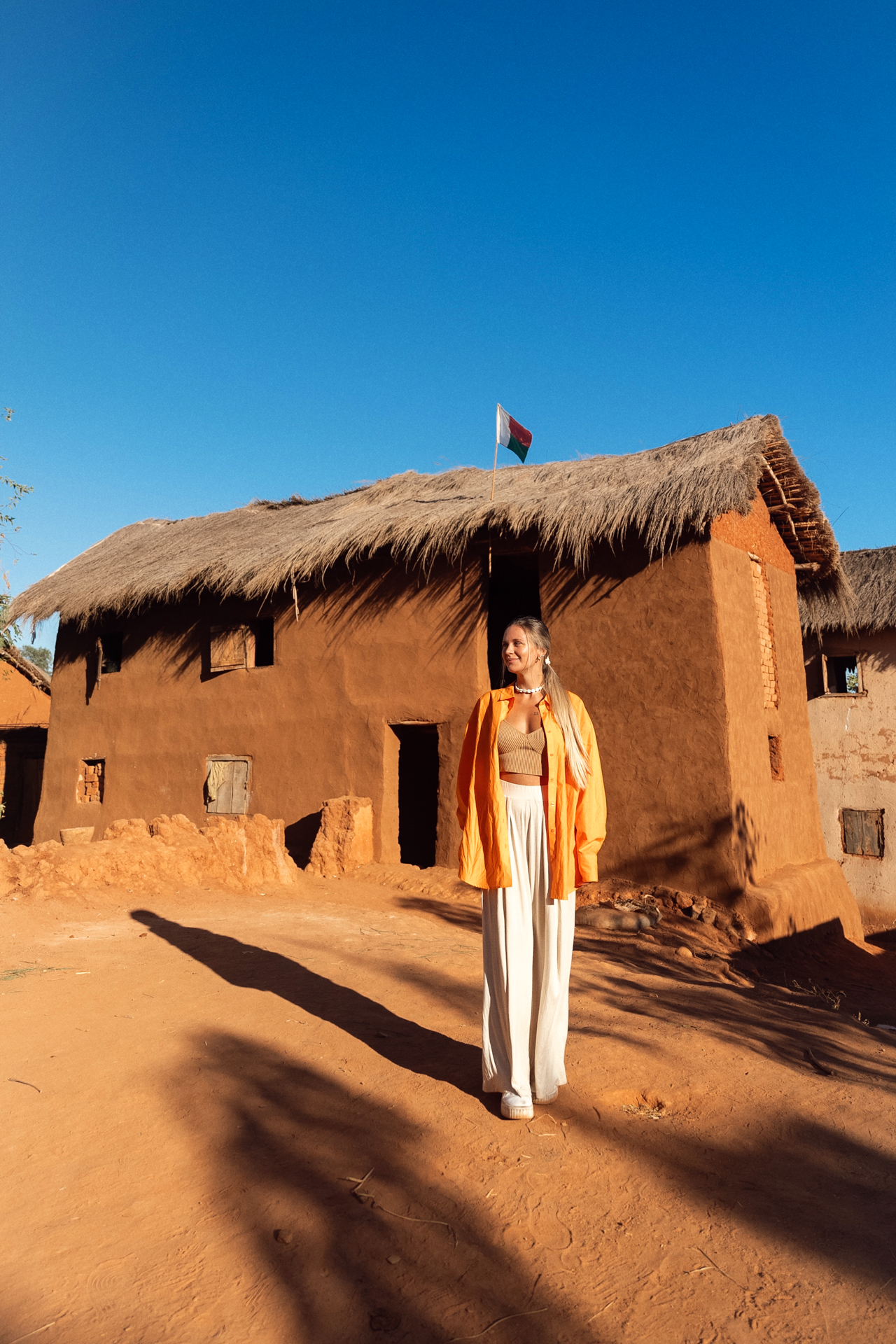
Madagascar’s Flag
Red and white represent the Merina Kingdom, while green stands for the coastal regions and common people. Together, these colors symbolize history and unity.
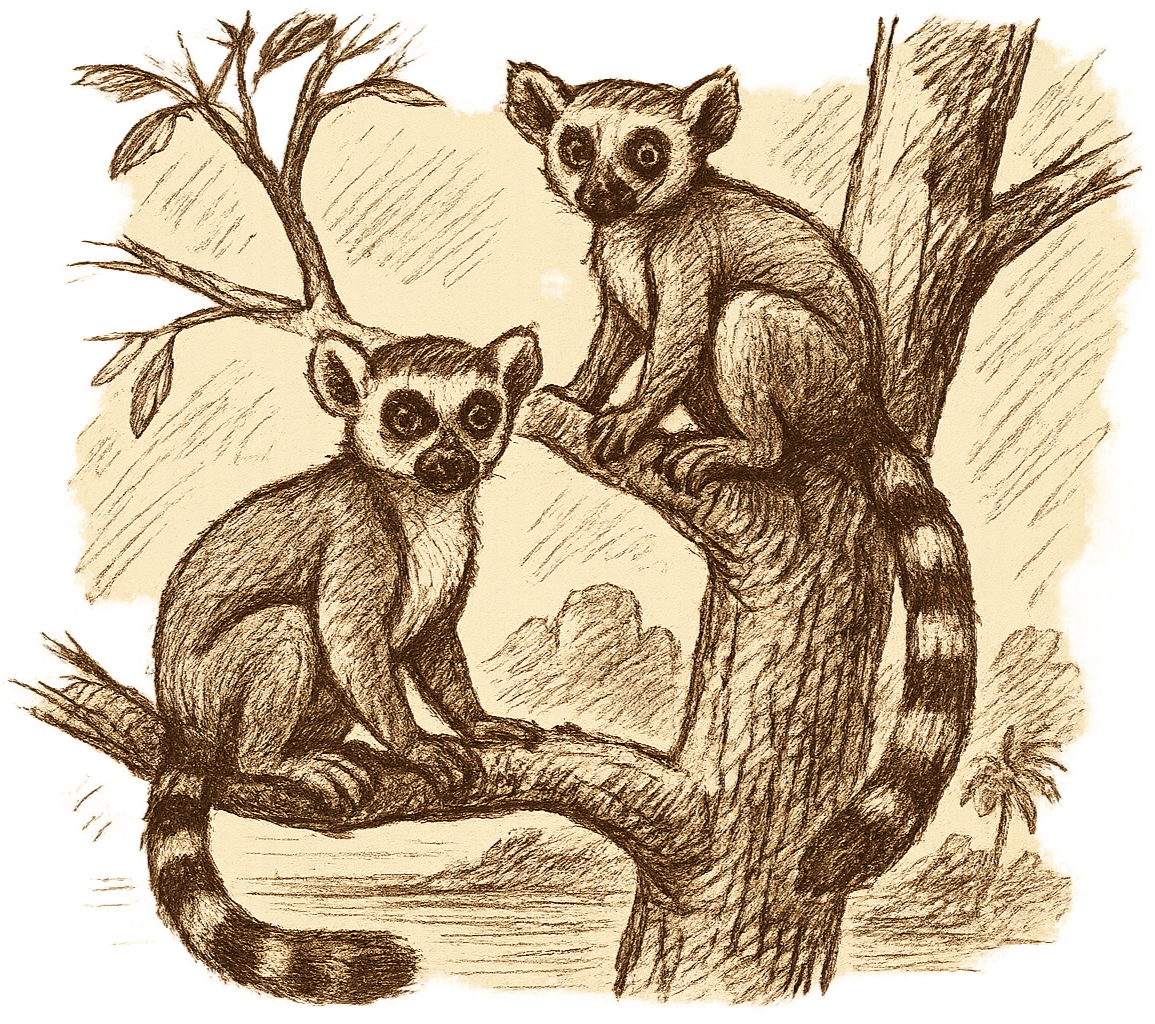
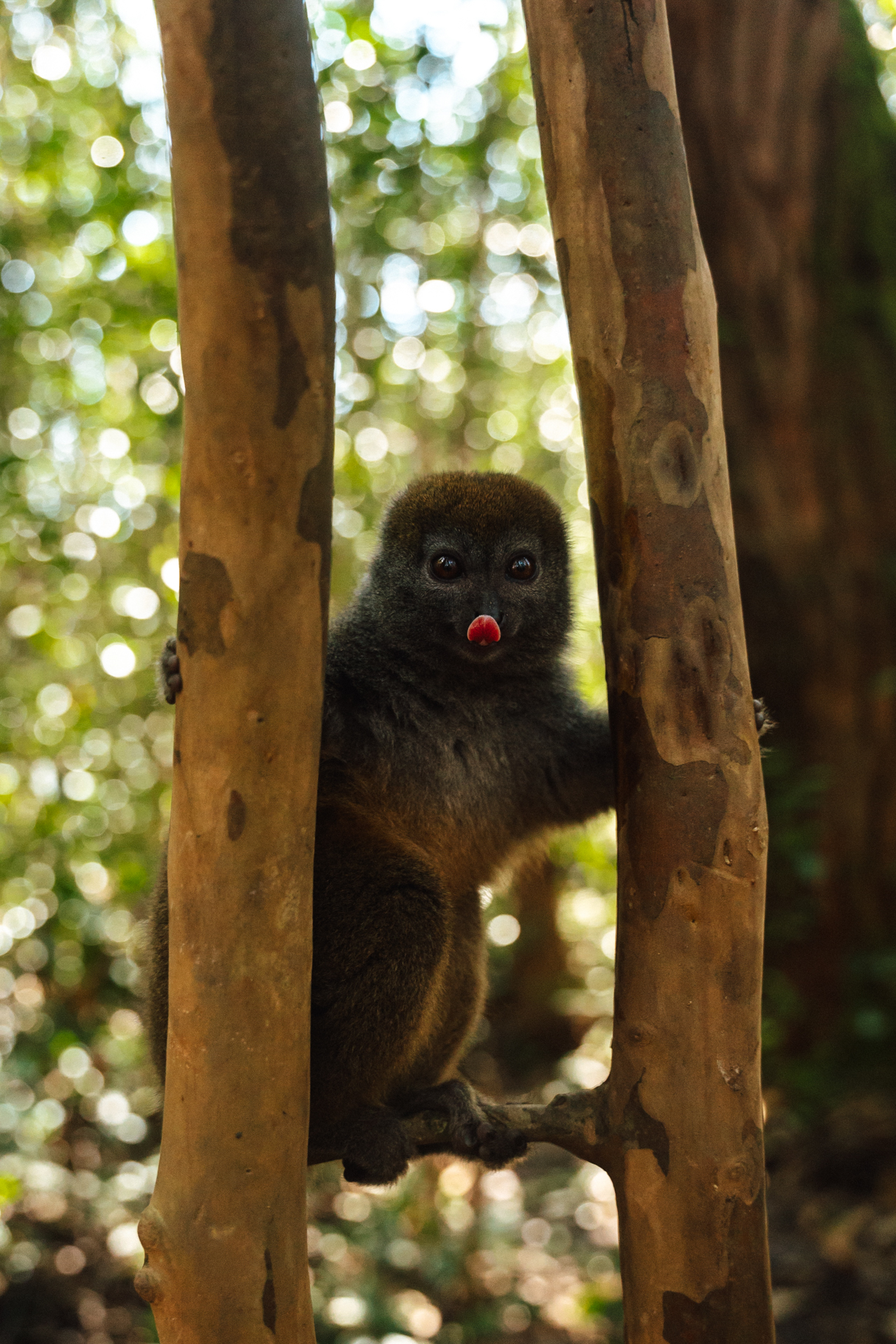
Country of wild Lemurs
Madagascar is the only place in the world where lemurs live, with over 100 species found here. Many are endangered, making the island vital for wildlife conservation.
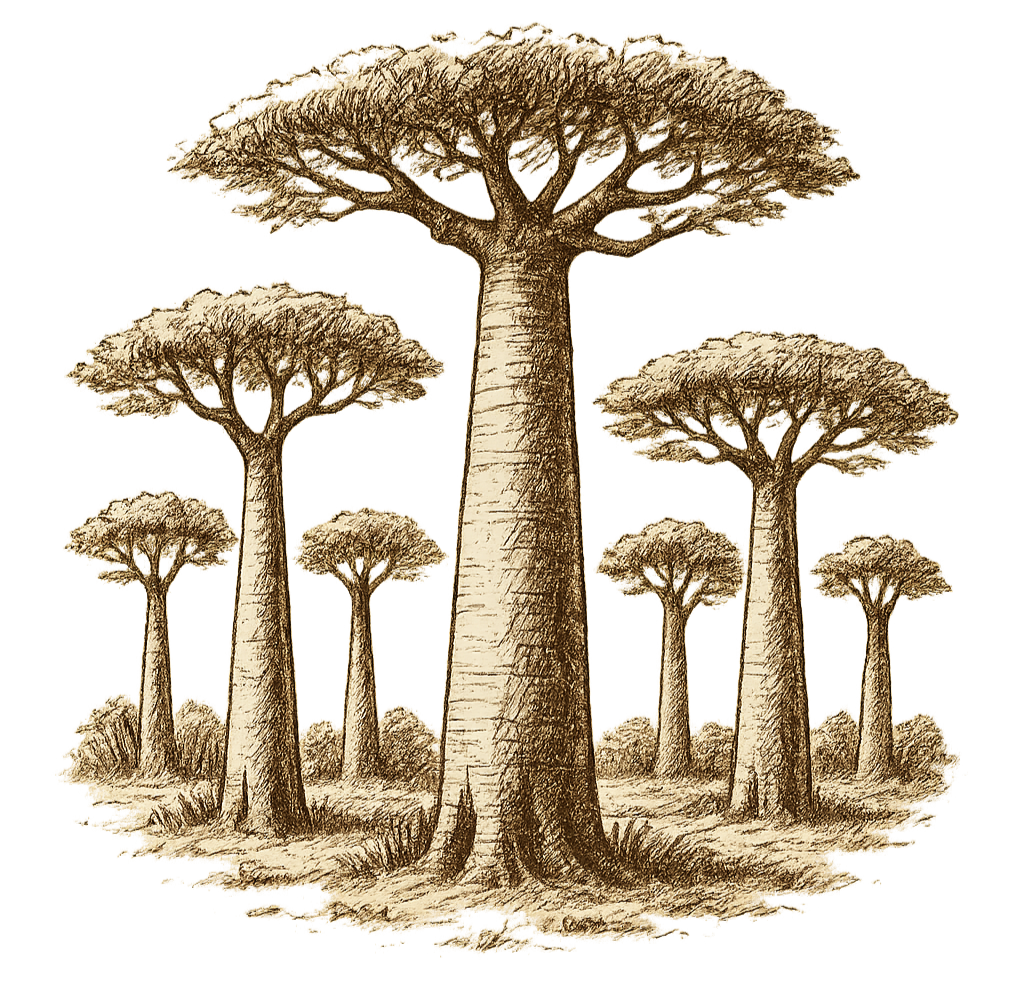
Majestic Baobab Trees
The baobab is one of Madagascar’s most iconic trees, with massive trunks, unique shapes, and lifespans that can reach hundreds of years. Often called the ‘tree of life’.
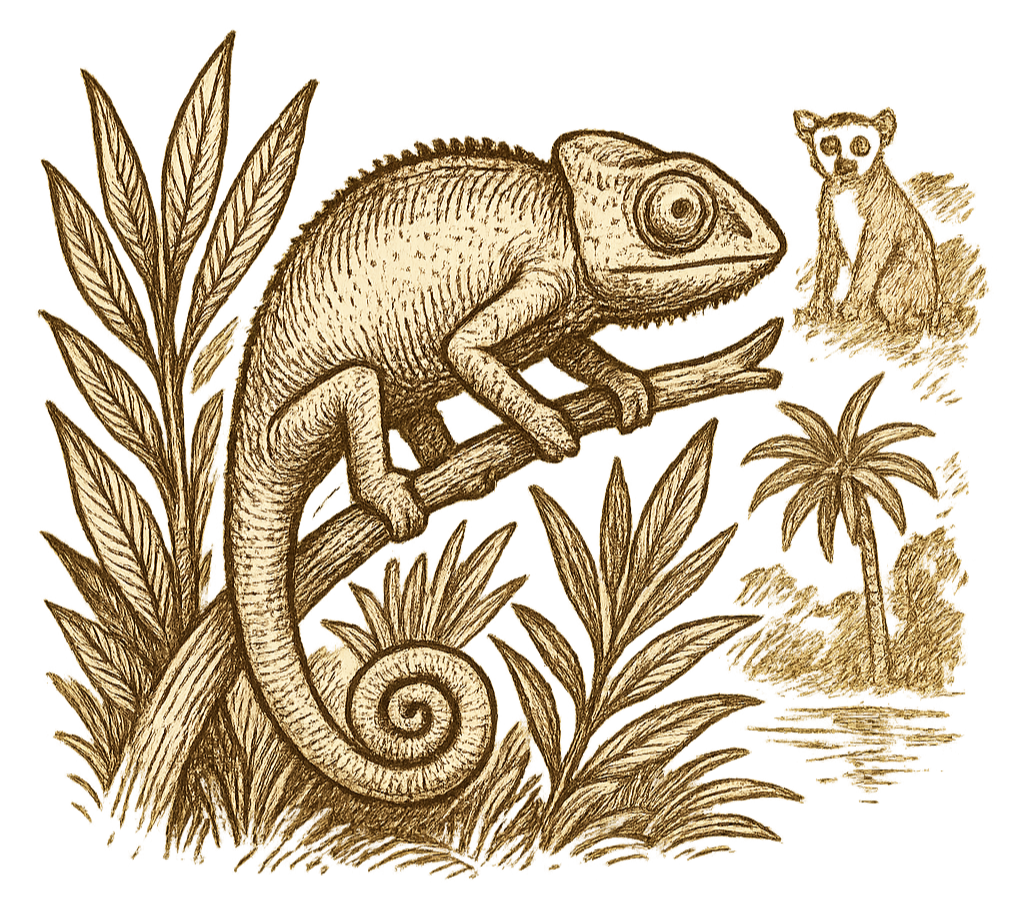
Incredible Biodiversity
Around 90% of Madagascar’s wildlife is found nowhere else on Earth. This includes lemurs, chameleons, and unique plant species, making it a global biodiversity hotspot.
Nosy Be
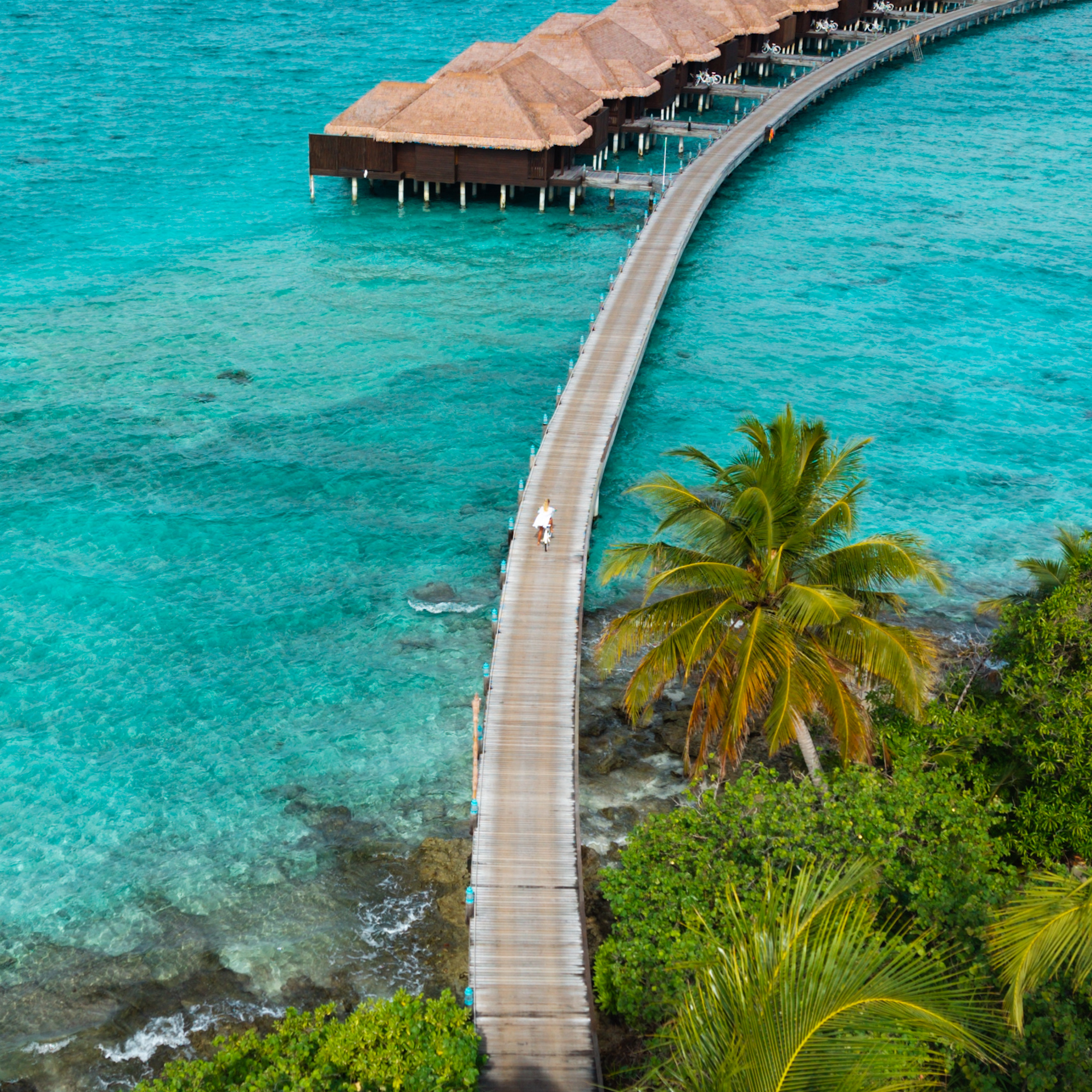
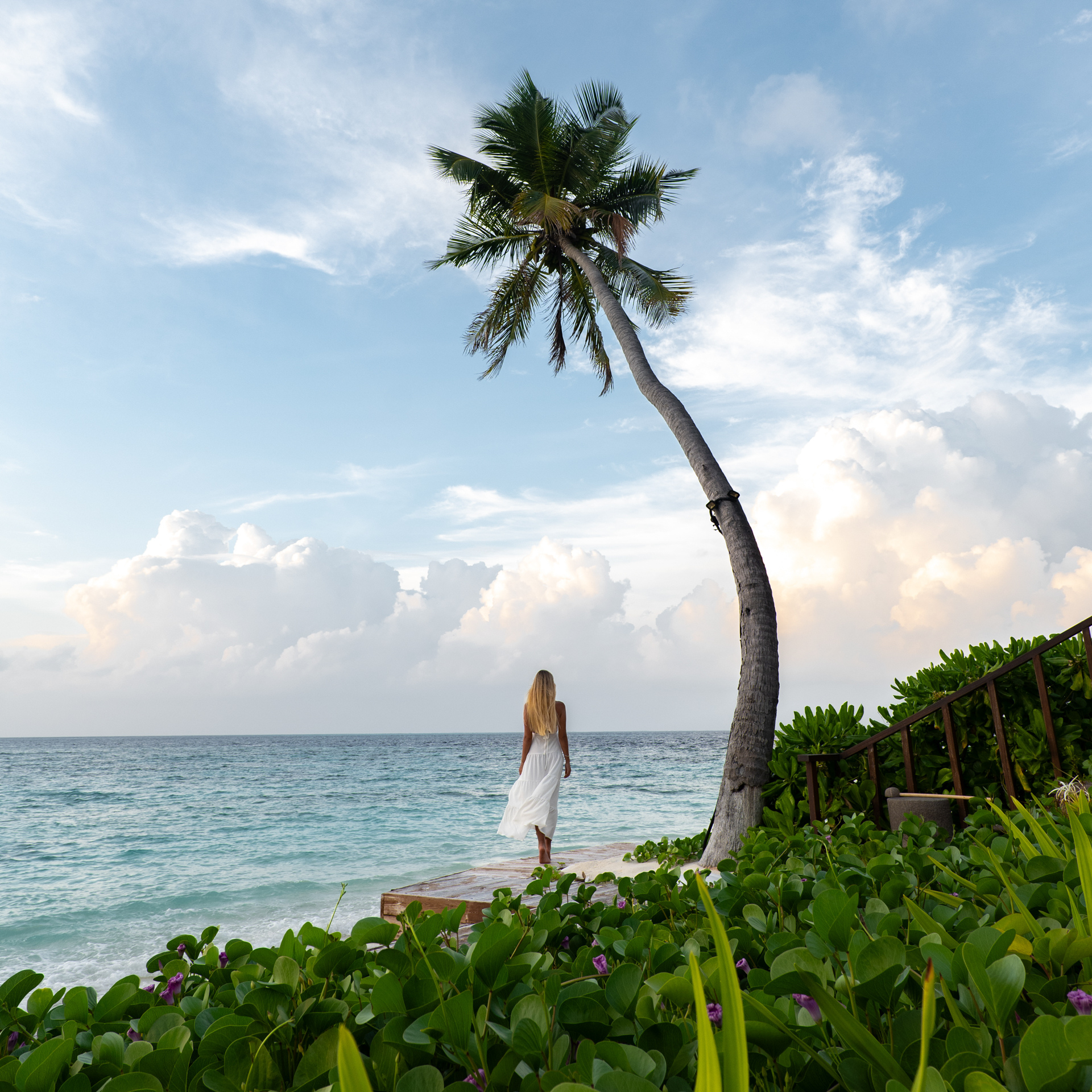
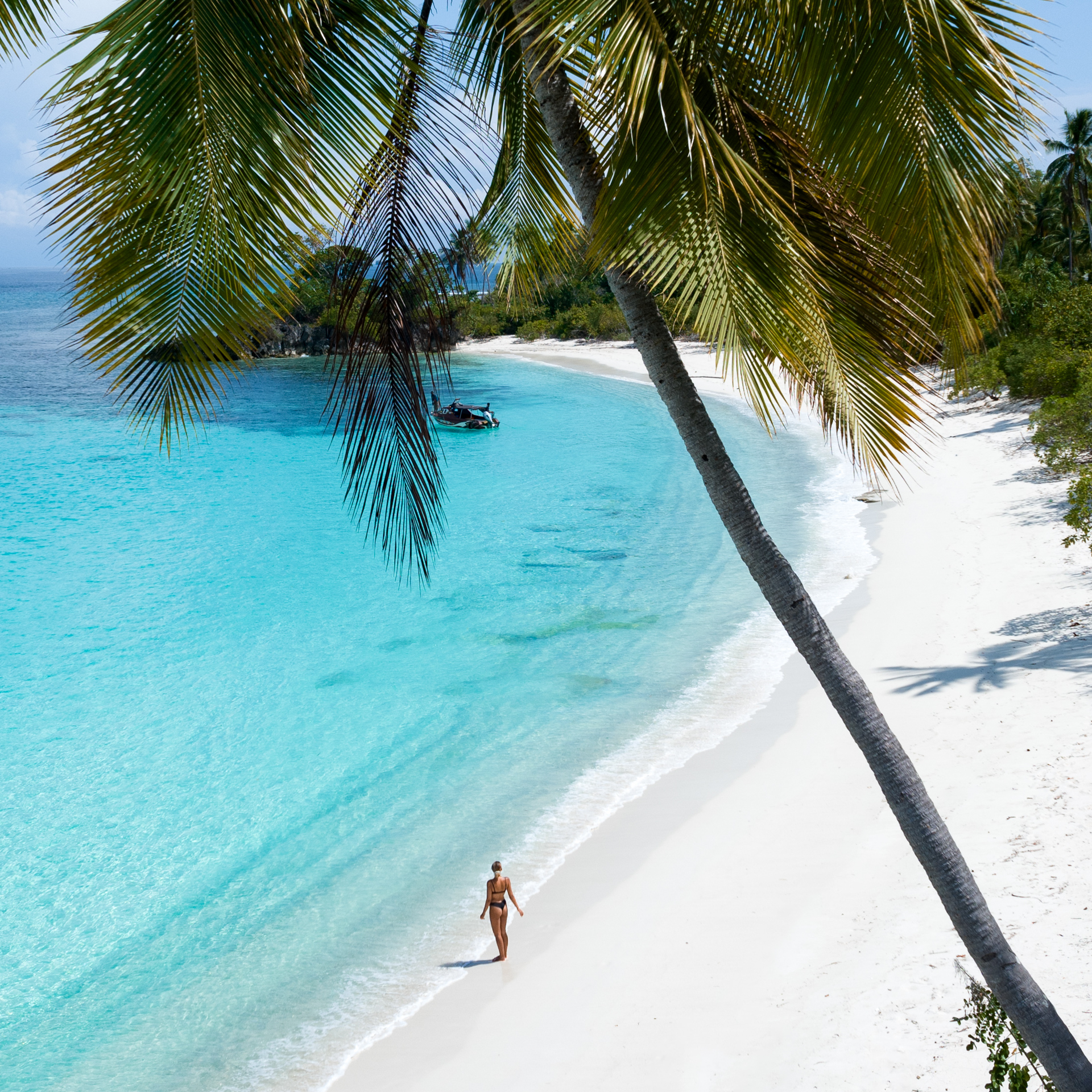
A tropical island off the northwest coast, perfect for relaxing on beaches, snorkeling in crystal-clear waters, and island hopping to nearby islands.
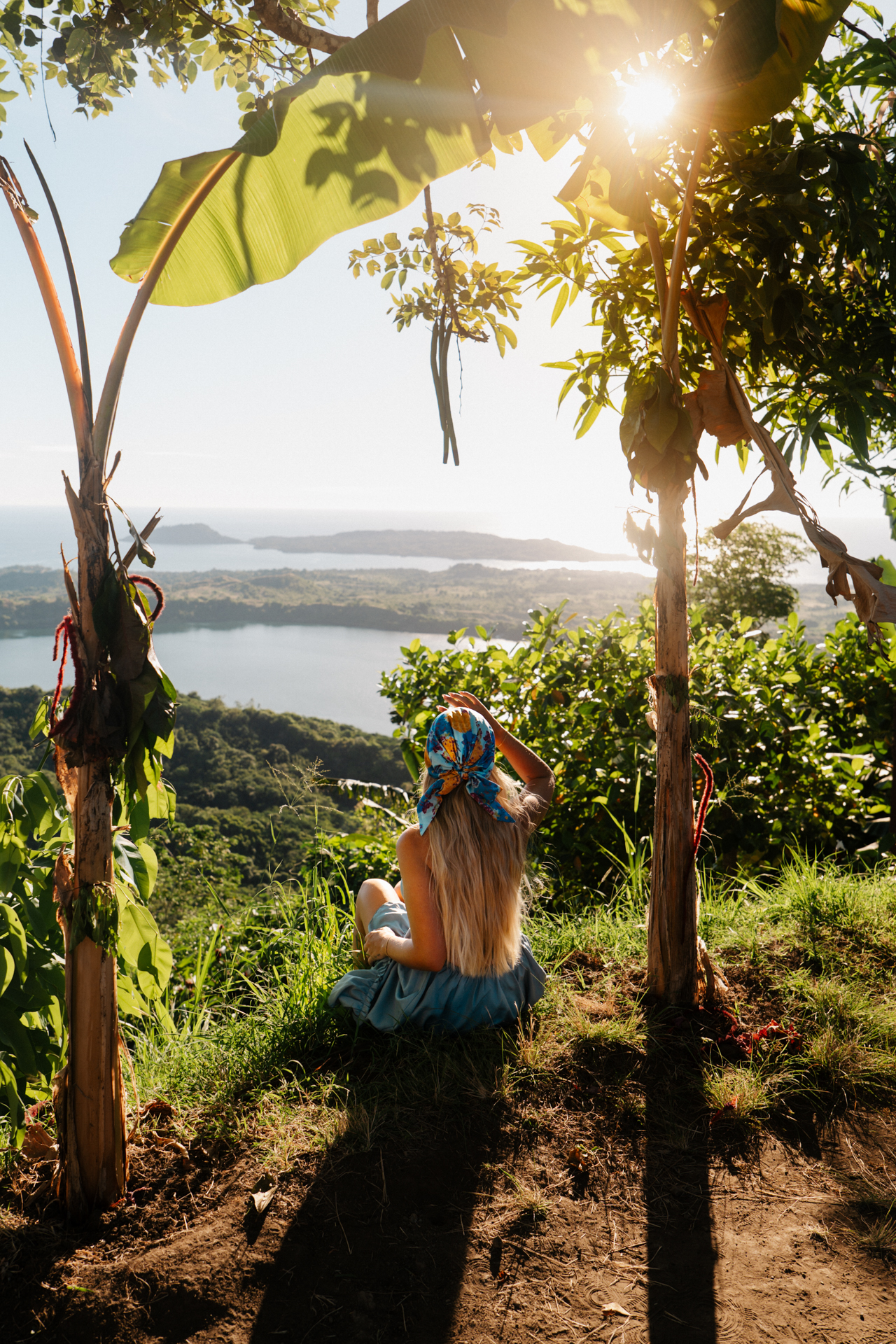
Antananarivo
The bustling capital in the central highlands, filled with colorful markets, rich history, winding hills, vibrant culture, and lively city streets.
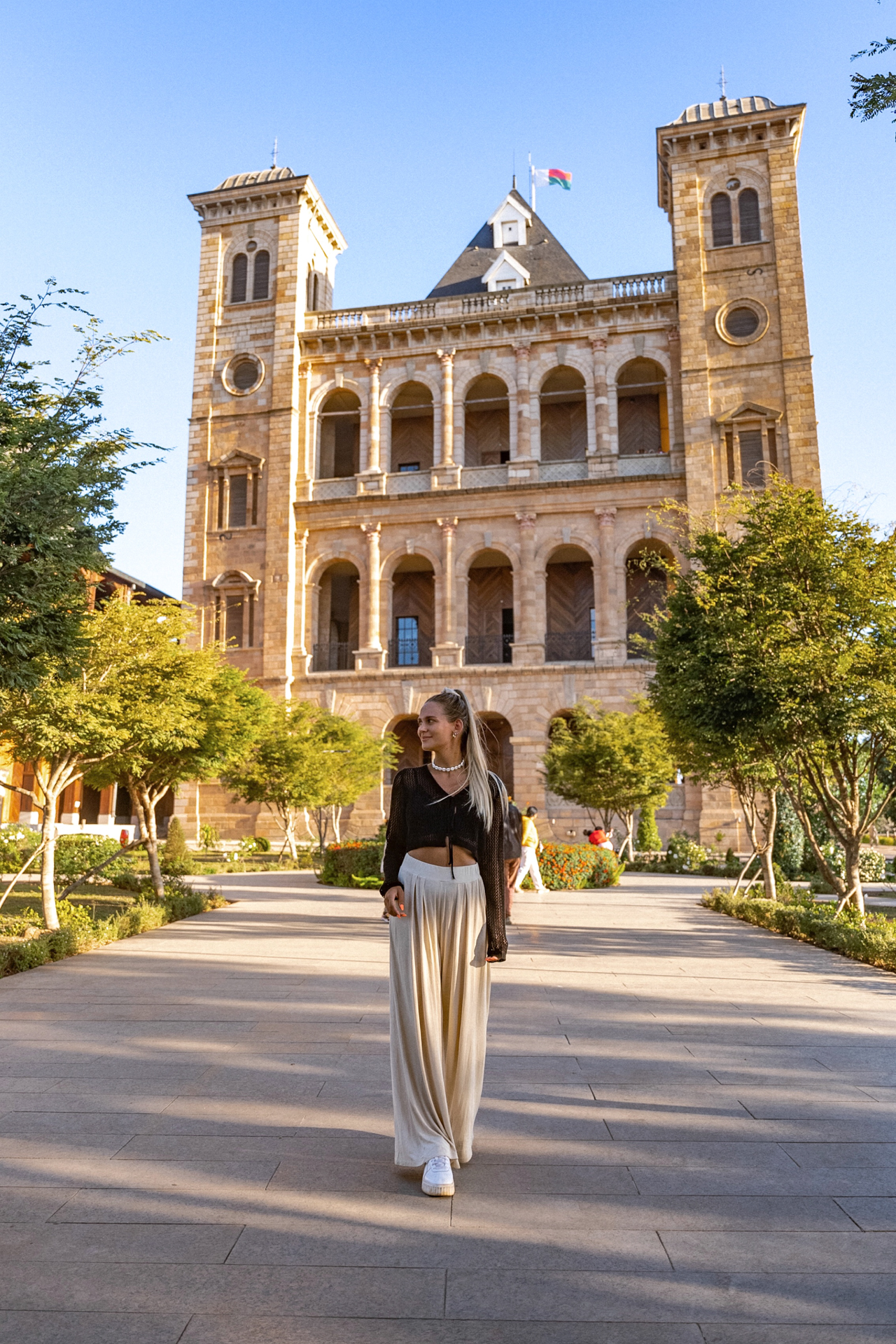
Antsirabe
A charming highland city, known for its cool climate, thermal springs, colonial architecture, bustling markets, and colorful rickshaws.
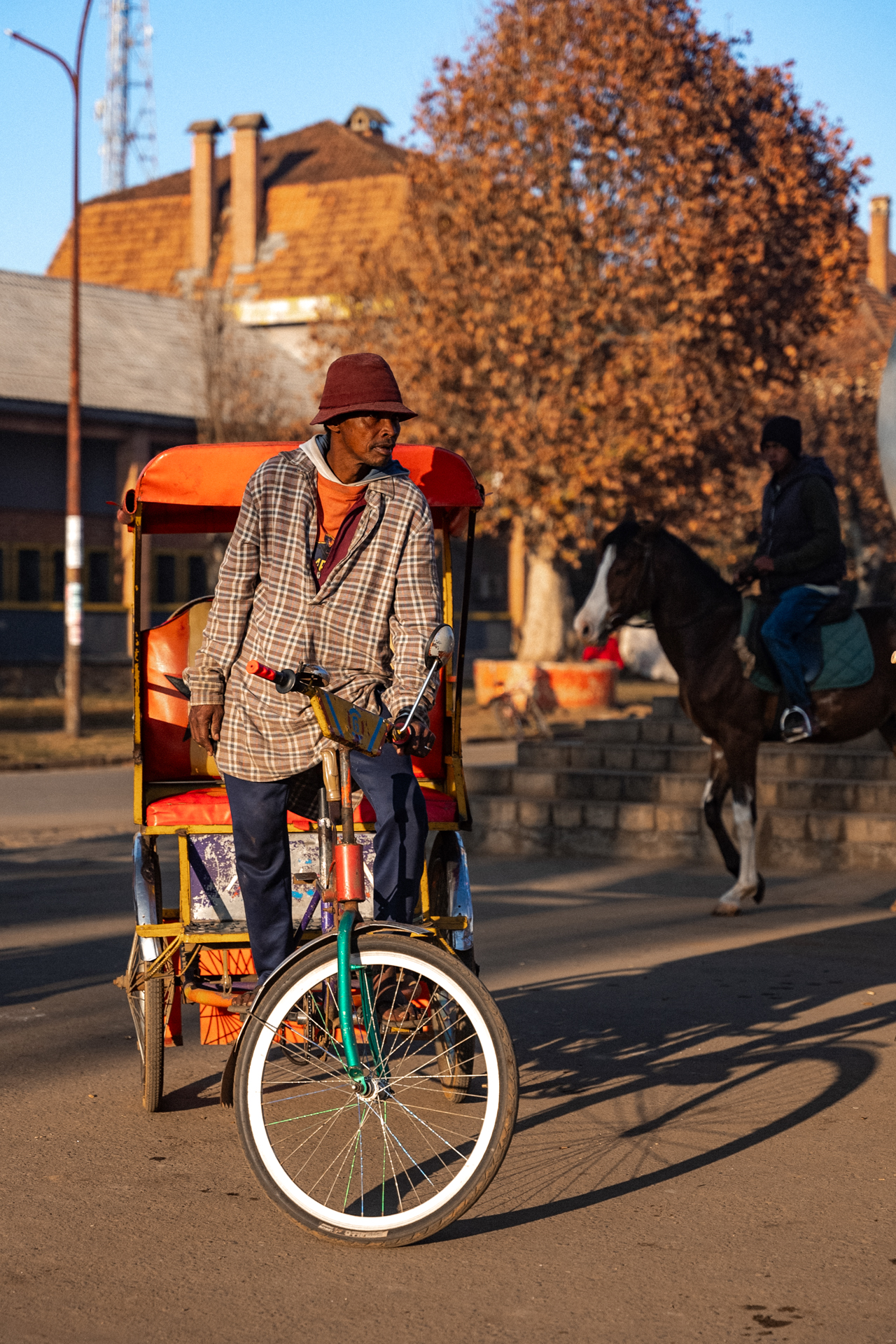
Miandrivazo
A small riverside town in the west, it is also one of the hottest places in the country. We stopped here for a quick local lunch during our journey.
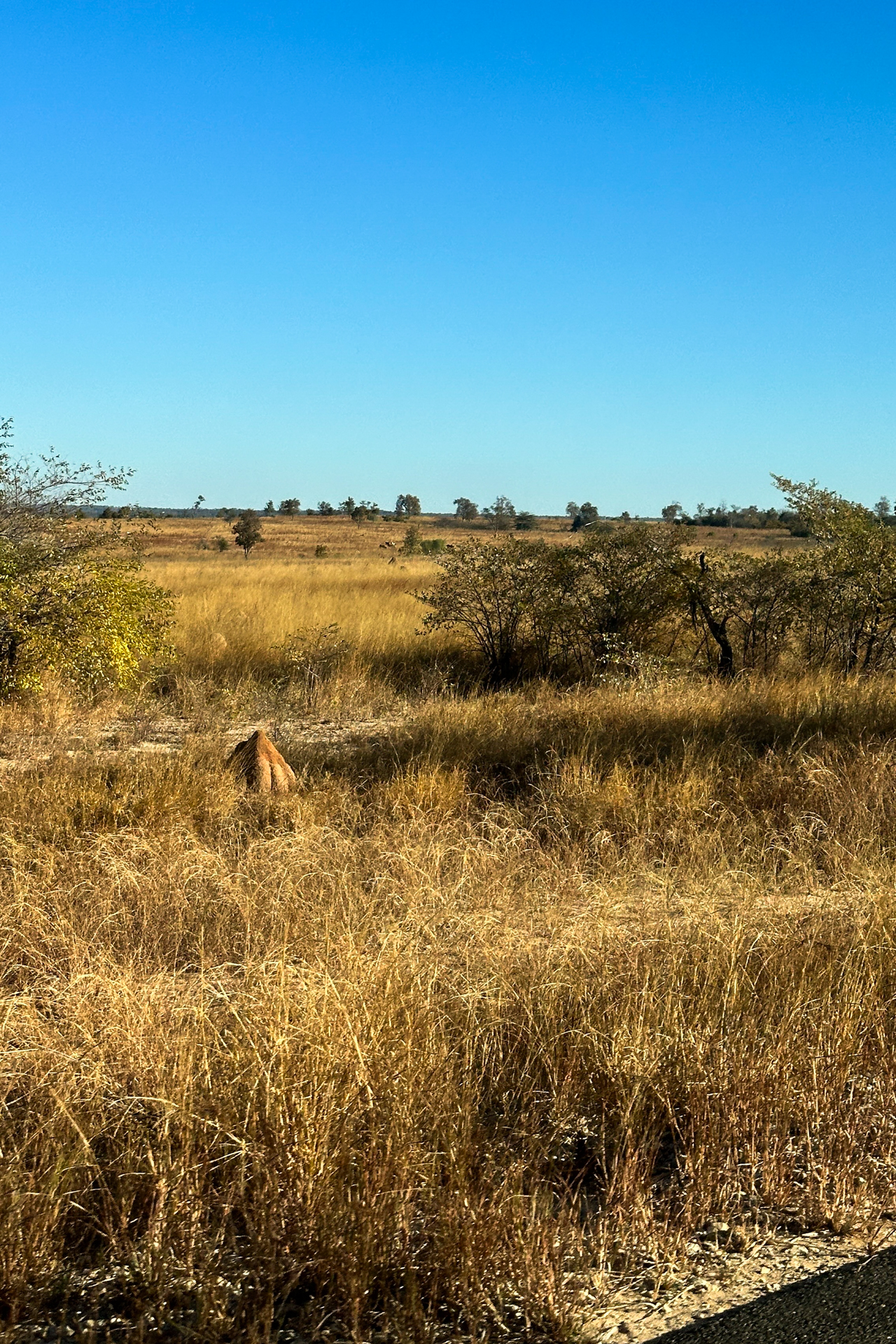
Morondava
A laid-back coastal town, famous for the iconic Avenue of the Baobabs, stunning sunsets, fishing villages, and a relaxed coastal seaside vibe.
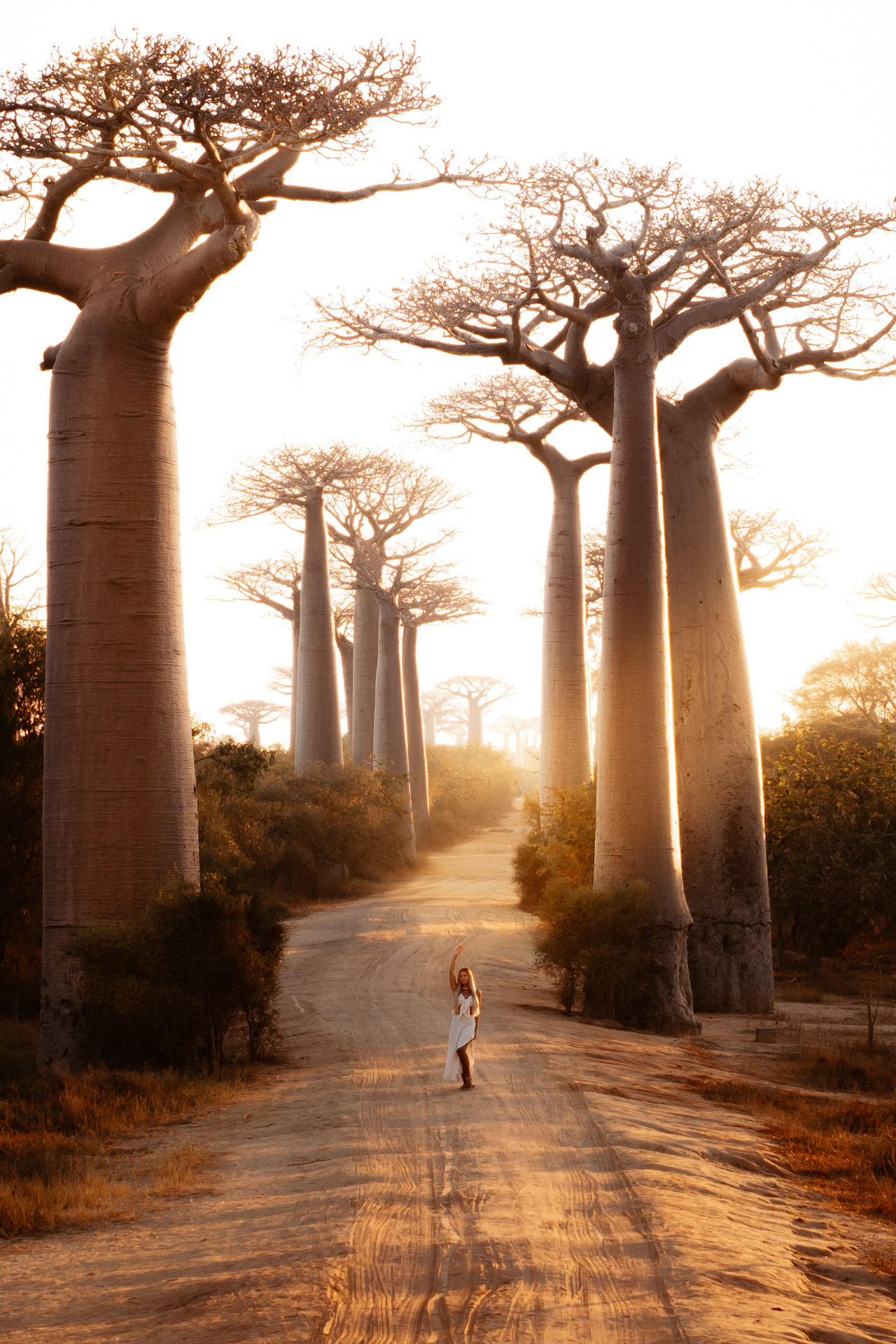
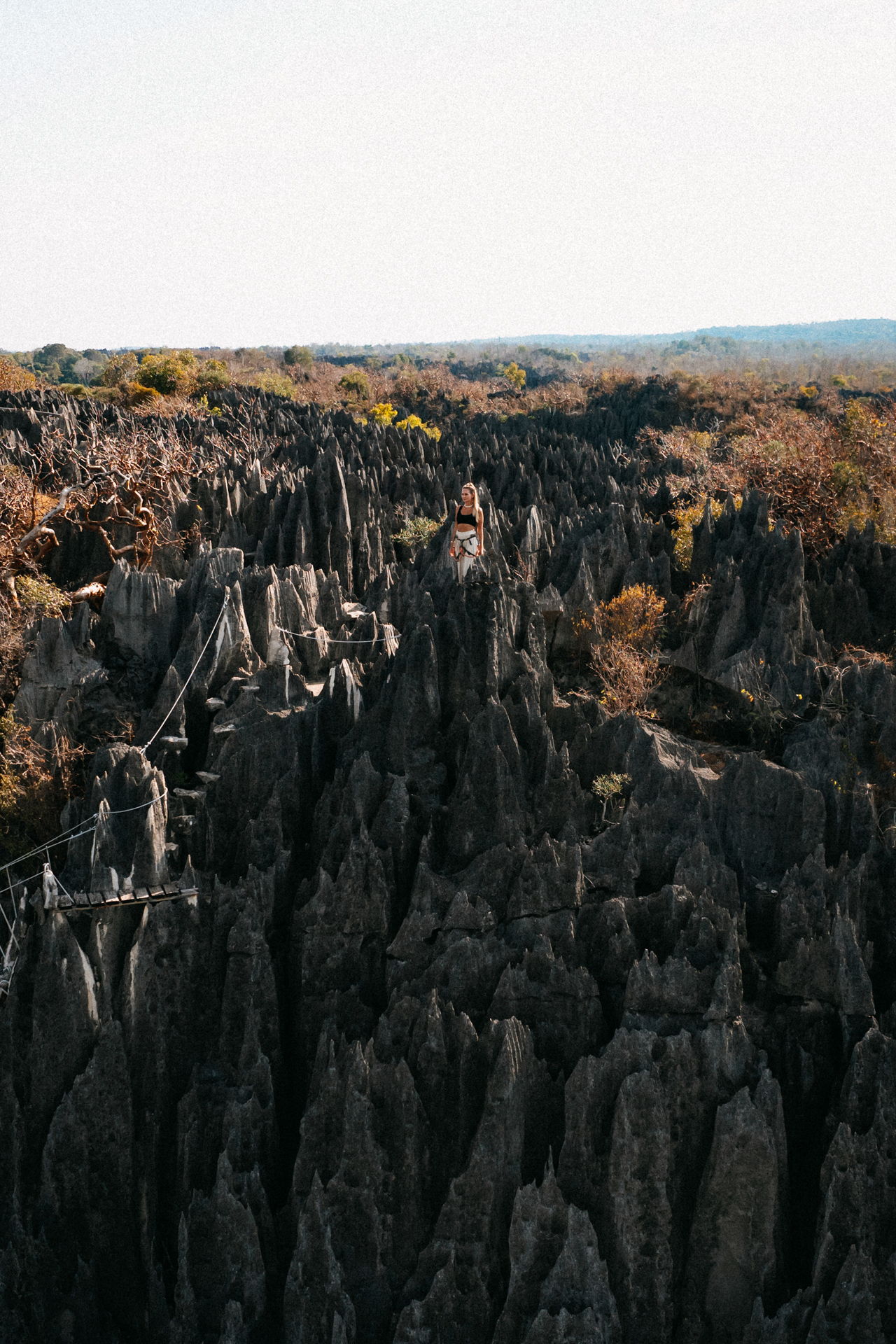
Bekopaka
A remote village, best known as the starting point for exploring the Tsingy de Bemaraha National Park and its dramatic limestone formations.
Andasibe
A lush rainforest region, home to the Andasibe Analamazaotra National Park, famous for its indri lemurs, rich biodiversity, and cool climate.
Madagascar travel guide
From towering baobab trees to lush rainforests, pristine beaches to unique wildlife like lemurs, Madagascar is a country of natural wonders and rare beauty waiting to be explored.
Are you ready to uncover its magic and find some inspiration?
Questions & Answers
Madagascar travel tips
Madagascar travel tips
Loved it? Pin it, Share it!
Inspire Others to Travel to Madagascar


Madagascar YOUTUBE VIDEO
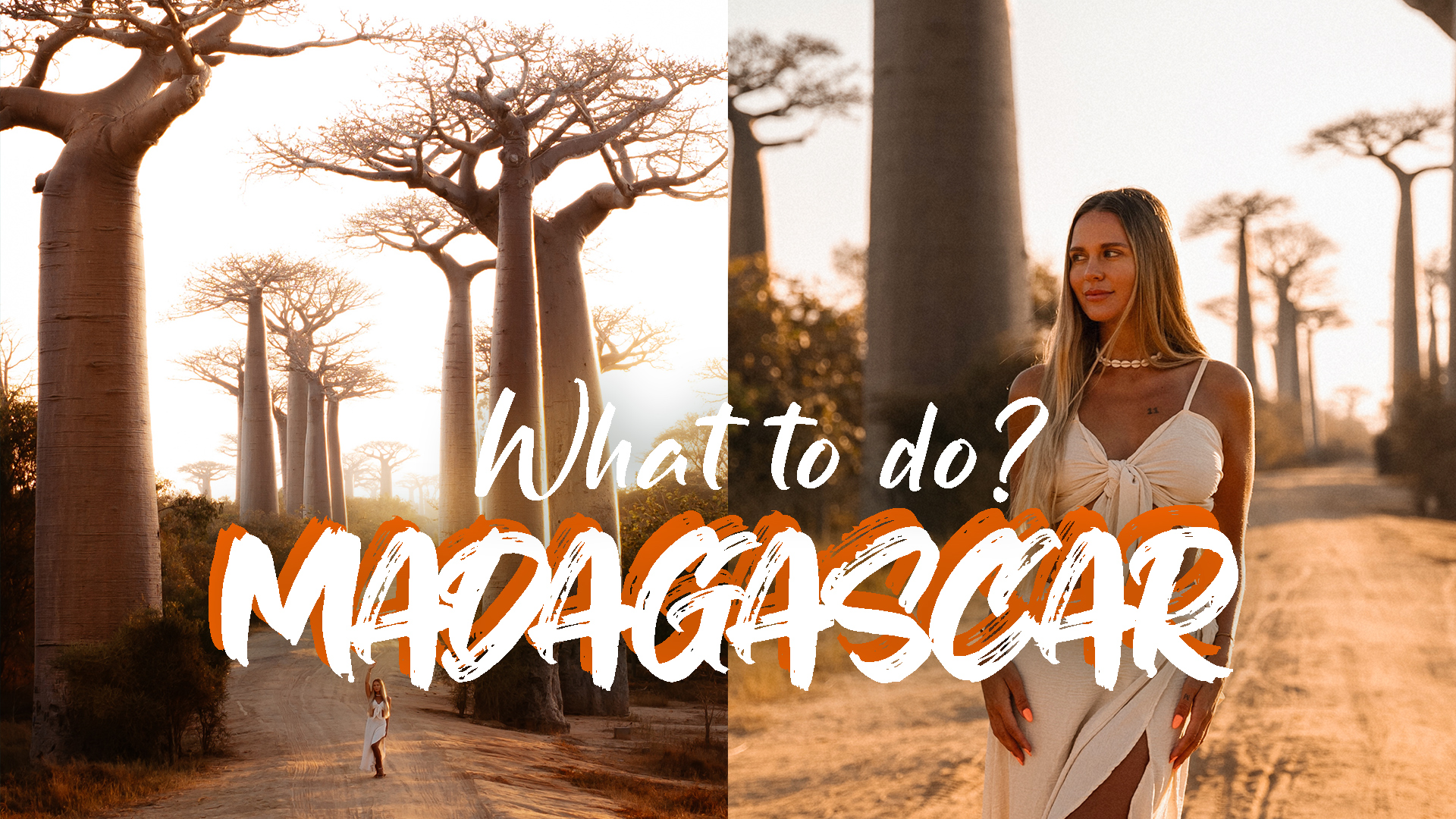
MADAGASCAR Travel Vlog – What to Do?
Craving more? Head to my YouTube channel for the full adventure in motion. Get inspired through stories, scenery, and tips!
And don’t miss Nosy Be — also on my channel!

THE TRAVEL

Let’s stay connected!
Get inspired, helpful tips and exclusive updates straight to your inbox. Subscribe to join a community of explorers.