Spain travel
Spain travel

Home Spain
Sun, Siestas and Soul

EXPLORE SPAIN

Welcome to this sun soaked country, where centuries of history meet lively streets, incredible food, and a way of life that makes you never want to leave. It’s the highlight of any Spain travel experience.

Spain captivates with its warmth, both in temperature and in people. From golden beaches and medieval villages to tapas bars and flamenco rhythms, it’s a place that quickly feels like home.

Days here are filled with long lunches, cobblestone streets, and endless sunsets. You might be sipping sangria in a plaza, exploring a Gothic cathedral, or wandering through a coastal village. In Spain, you don’t just visit, you fall in love with the lifestyle.


Costa Rica Cluster

Hello / Greetings:

Thank you:

Excuse me:


THE WEATHER

BEST TIME TO VISIT SPAIN

Spain enjoys a mostly Mediterranean climate with warm, dry summers and mild winters. The weather varies by region though. The south gets scorching hot in summer, while the north is greener and cooler year round. The Balearic Islands like Mallorca are perfect in spring and early fall.

Spring Season

March – May: Spring is widely considered one of the absolute best times to travel. Temperatures are mild, flowers are blooming, and the country comes alive.

Summer Season

June – August: Summer is peak season with hot temperatures, packed beaches, and higher prices, but it is also when Spain feels most alive with festivals and nightlife.

Autumn Season

September – November: Early autumn is also highly favored by locals. September and October offer nearly perfect, good weather, while the November months tend to be cooler and rainier.

Winter Season

December – February: Winter is quieter and cooler, making it perfect for cozy city breaks and festive Christmas markets. The Canary Islands are great to visit which stay warm year round.

Best time to visit Spain:

Spain travel weather

What month did I travel to Spain?

I explored Spain in May and July and I would honestly plan your trip for May, June or September. You get great weather, fewer crowds, and prices are way more reasonable than peak summer.


Culture lives in every dish and every tradition

SPANISH FOOD, CULTURE, AND TRADITIONS

Culture in every flavor

FOOD, CULTURE, AND TRADITIONS

Spanish Food

Spanish food is all about simplicity, quality ingredients, and sharing. Every region has its own specialties, from paella in Valencia to gazpacho in Andalusia. Olive oil, garlic, fresh seafood, and cured ham are the foundation of most dishes.

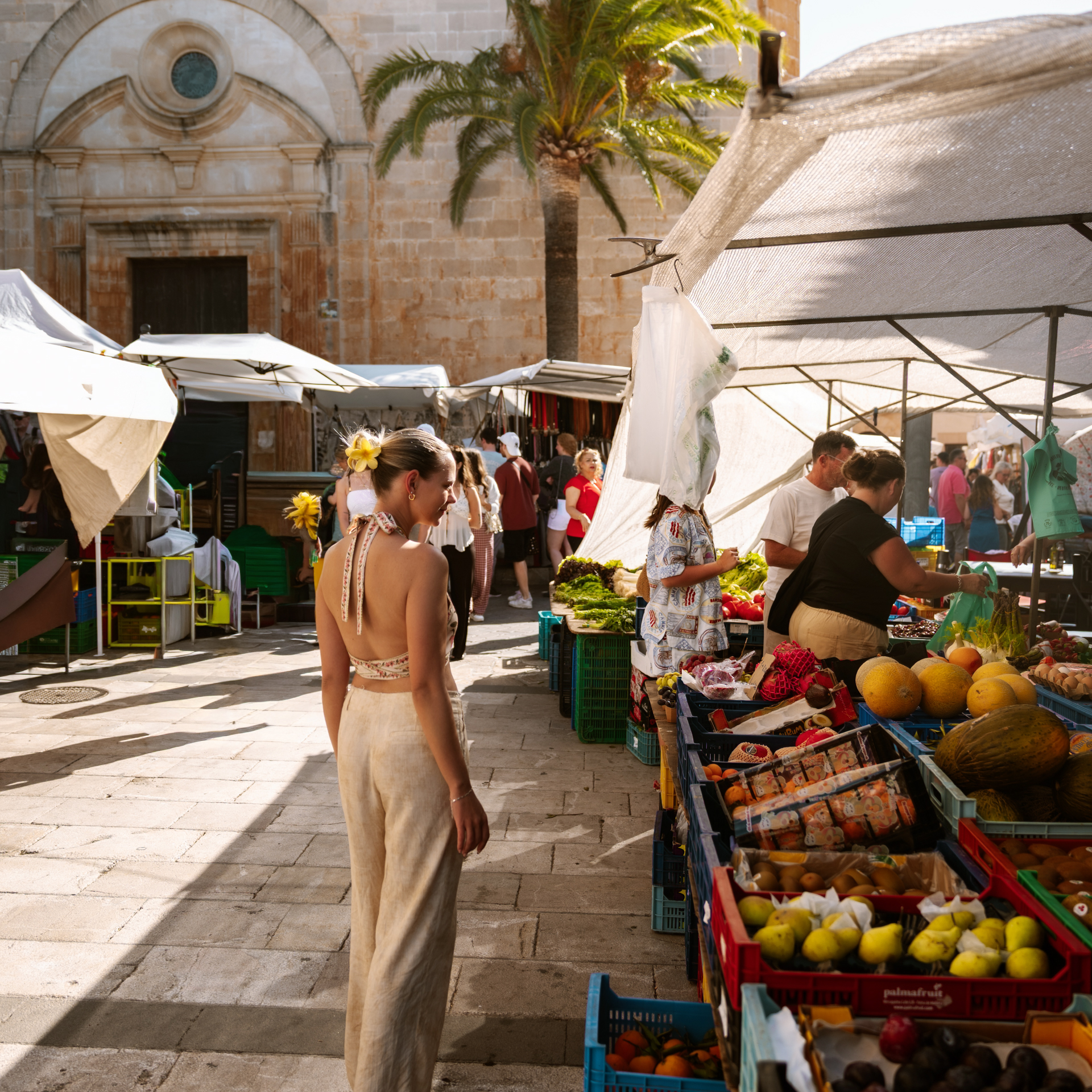
Meals here are a social event. Lunch is the main meal and can easily last two hours, and dinner rarely starts before 9 PM. Whether you are hopping from tapas bar to tapas bar, trying tortilla de patatas for the first time, or enjoying churros dipped in thick hot chocolate, eating in Spain is an experience you will never forget.
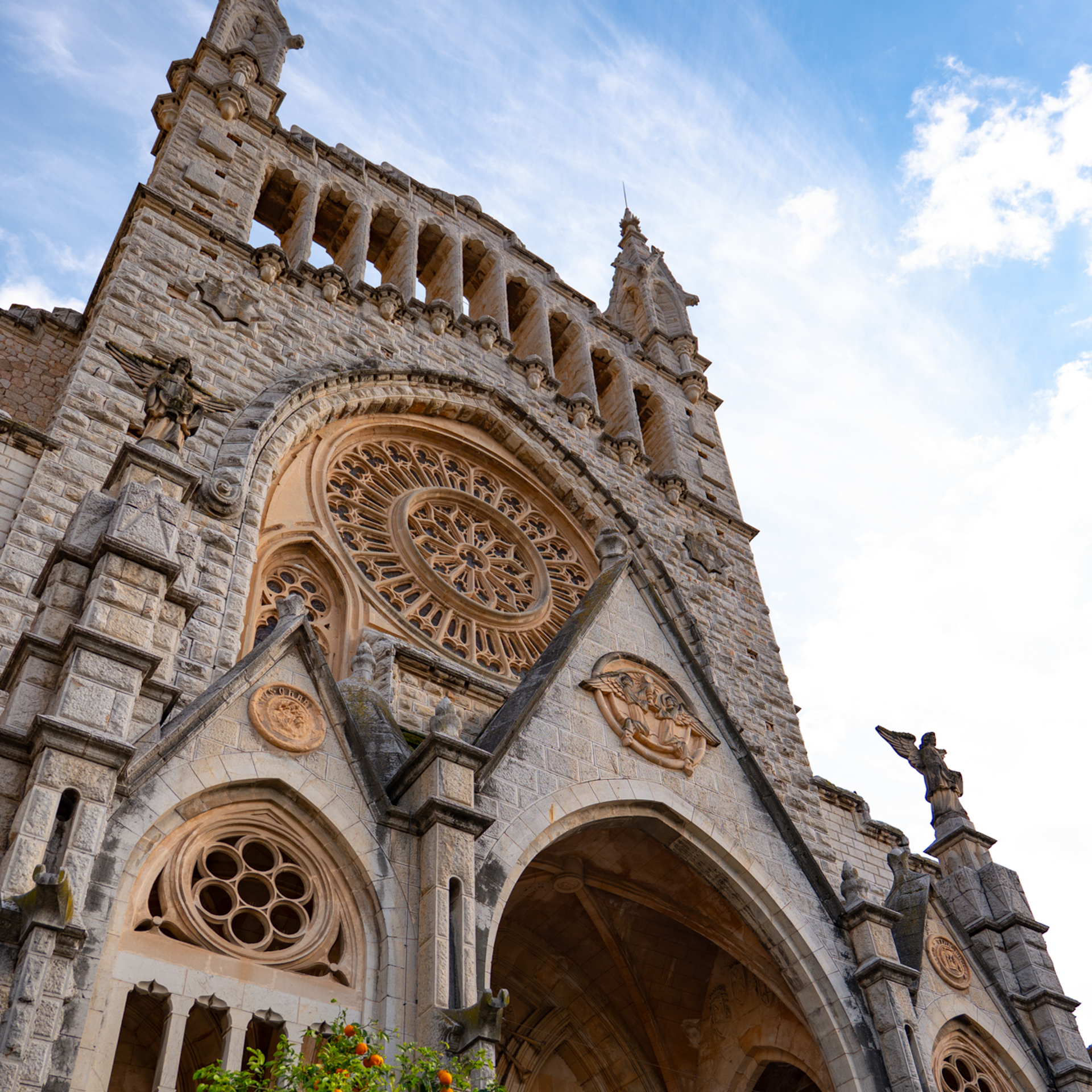
Church in Soller, Mallorca
Spanish Culture

Spain’s culture is a mix of influences, from Roman and Moorish heritage to the fiery passion of flamenco and the artistic genius of Gaudi, Dali, and Picasso. Festivals like La Tomatina, San Fermin, and Semana Santa (Holy Week) bring entire cities to life with energy, color, and emotion.

Whether you are watching a flamenco show or simply sitting in a plaza watching the world go by, you will feel the warmth and pride of Spanish culture everywhere. Life here is lived outdoors, with family, and always with good food nearby.

Spanish Traditions

Spain is a place where traditions are celebrated with serious passion. From the dramatic Semana Santa (Holy Week) processions to the lively summer fiestas in every small town, there is always something happening. Family is at the heart of everything, and Sunday lunches with the whole crew are sacred.

The siesta is still alive in smaller towns, shops close in the afternoon, and life slows down beautifully. Whether it is the tradition of eating 12 grapes at midnight on New Year’s Eve or greeting friends with a double kiss on the cheek, traditions in Spain are warm, joyful, and deeply human.
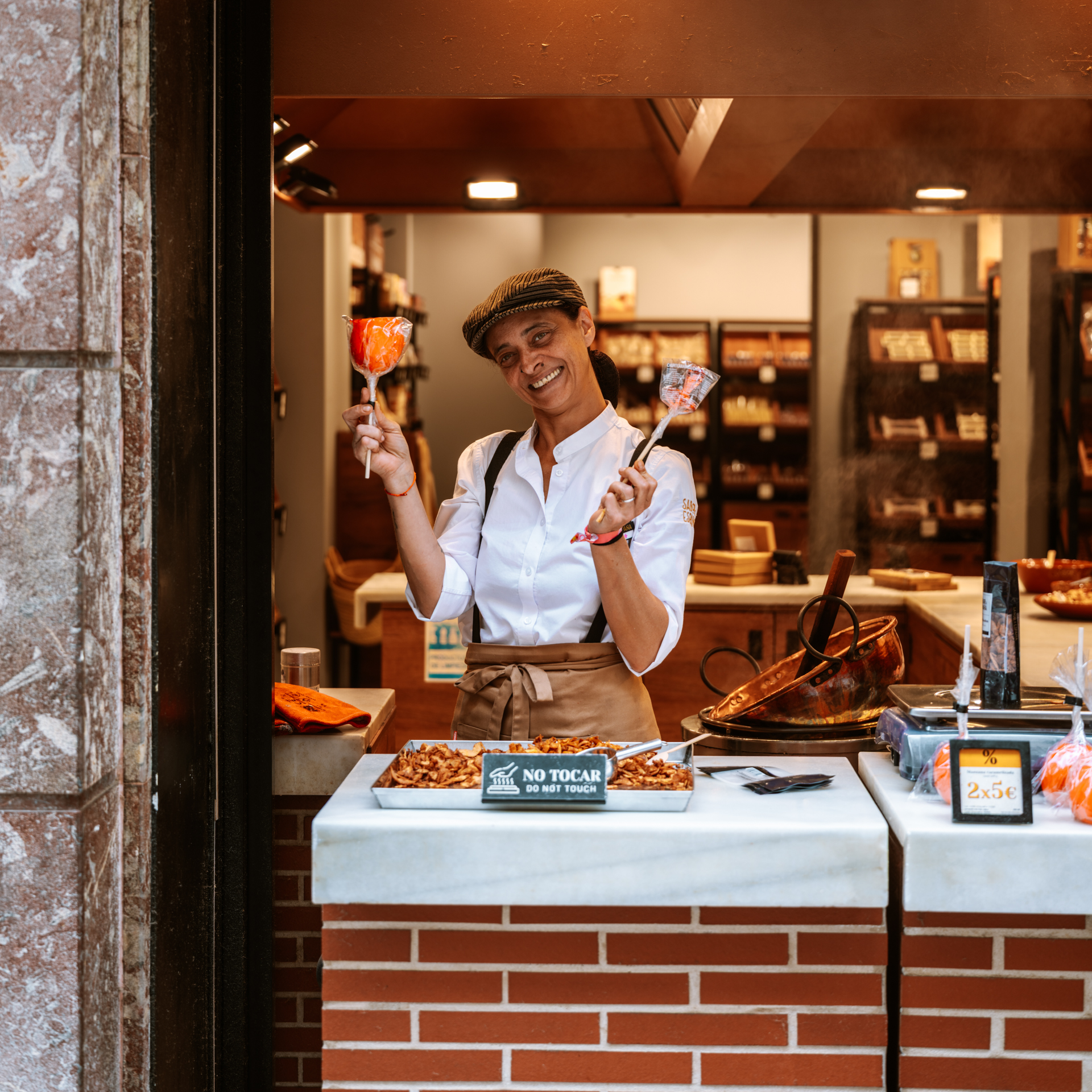
Palma de Mallorca, Spain

Did you Know?

INTERESTING FACTS ABOUT SPAIN
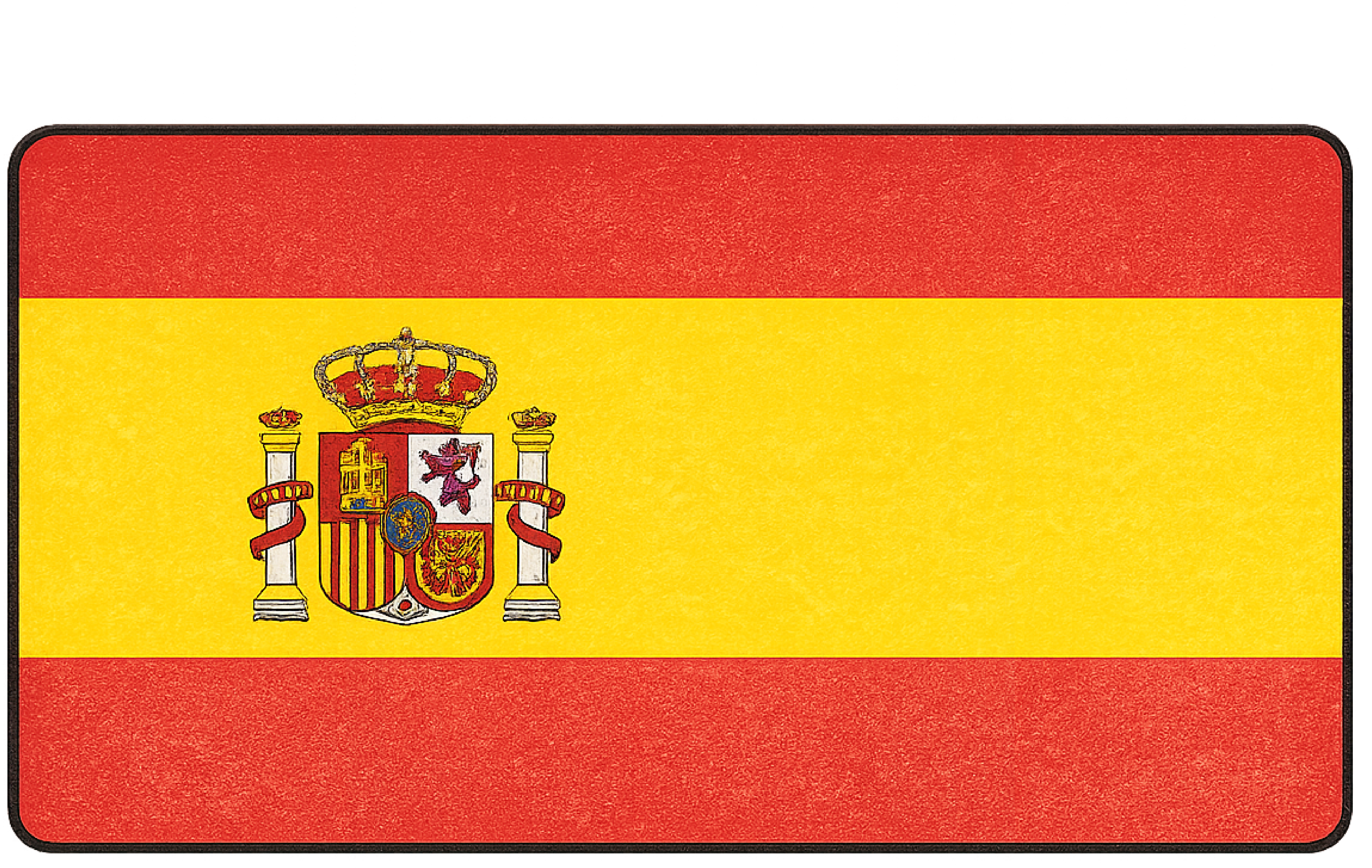
Flag of Spain

The Meaning of Spain’s Flag

The red and yellow horizontal stripes are known as the Rojigualda. The colors come from the historic kingdoms of Castile and Aragon. The coat of arms in the center represents the country’s historical regions and the constitutional monarchy.
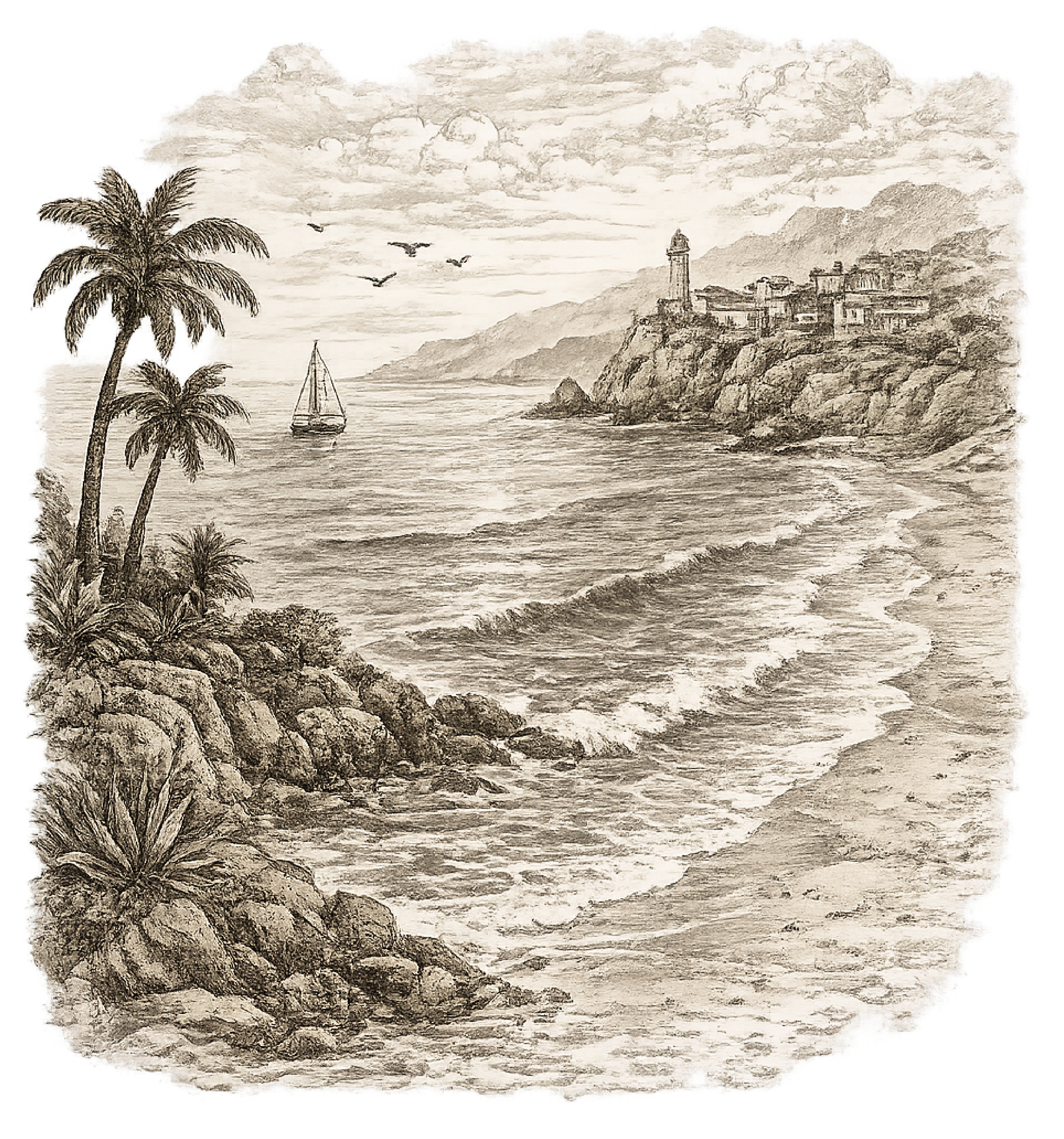
Spain travel

Home to many Coastlines

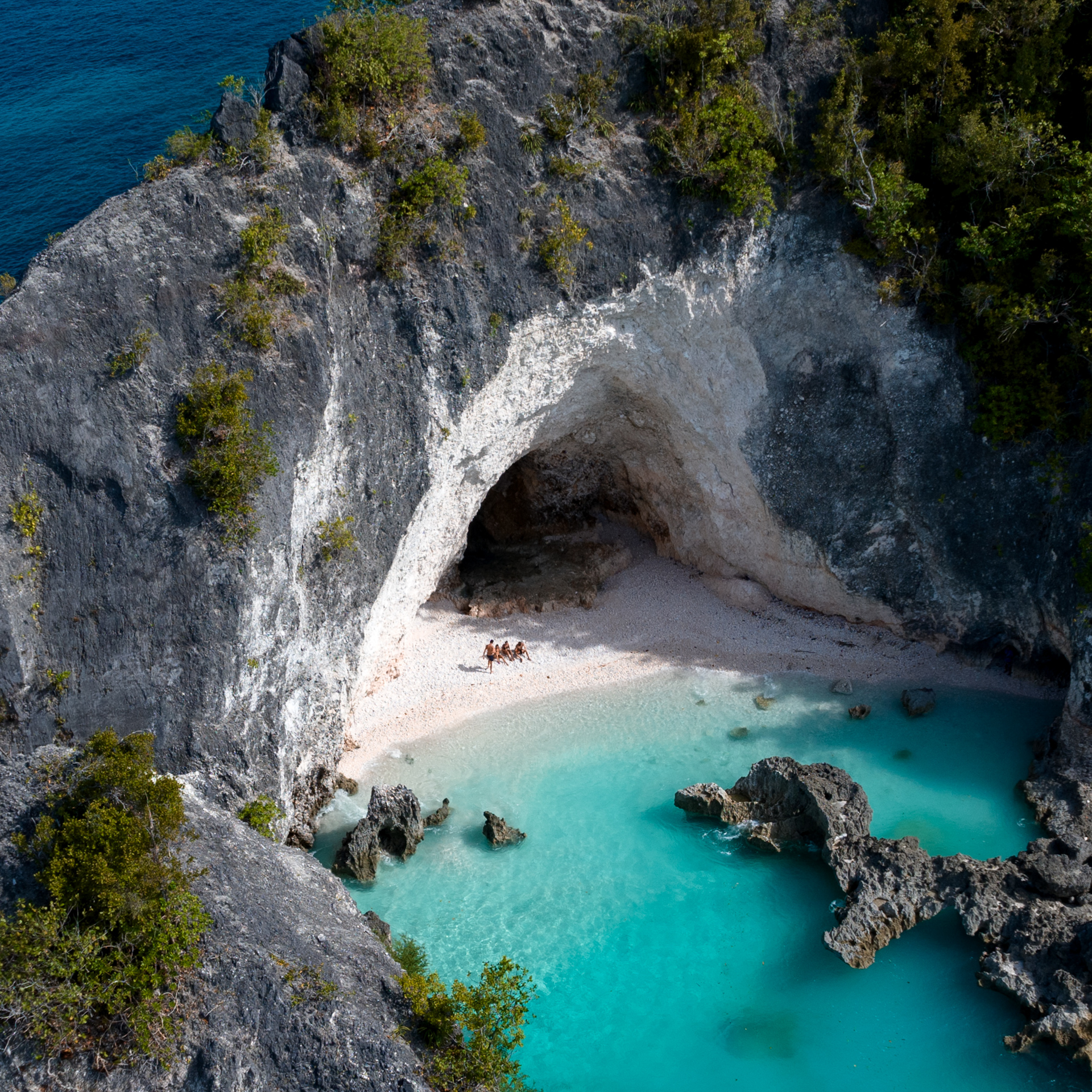
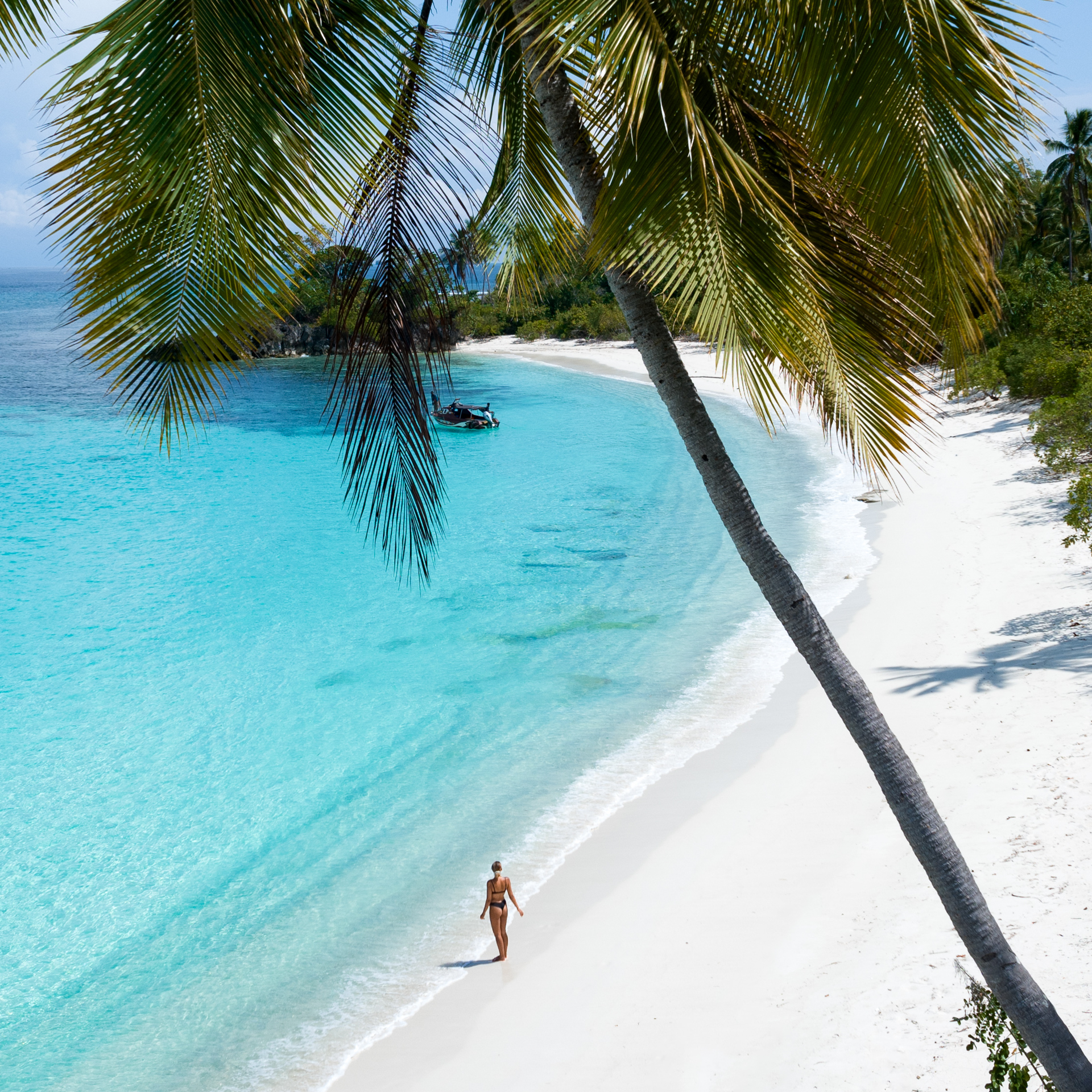
Spain has over 5,000 kilometers of coastline, from the Mediterranean beaches to the wild Atlantic shores. From hidden coves to dramatic cliffs and island beaches, the country offers some of the most diverse coastal scenery in Europe.
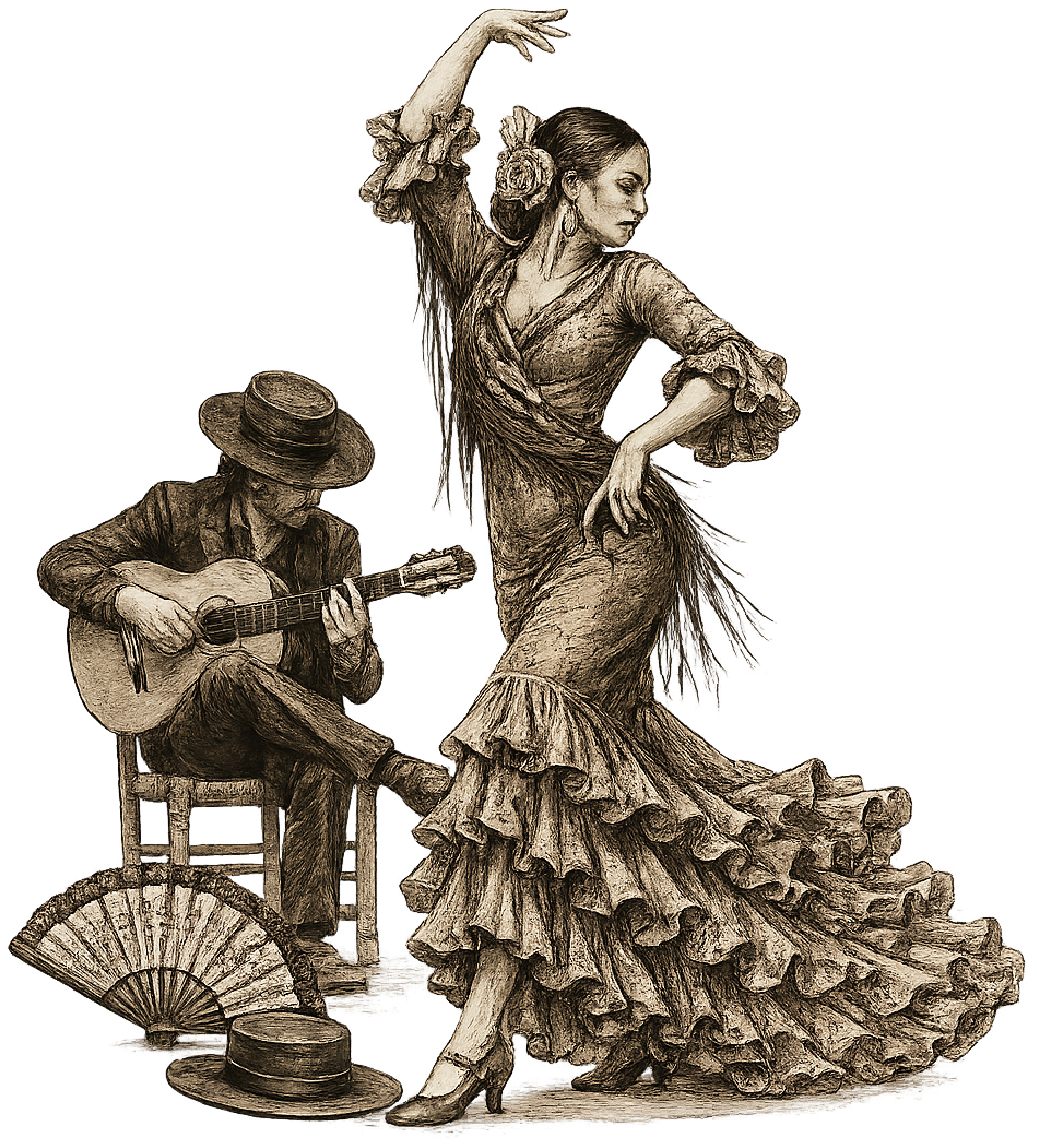
Spain travel

Iconic Flamenco Culture

Flamenco music and dance originated in southern Spain and remain an important part of Spanish culture and identity today. With passionate guitar playing, singing, and dancing, these performances are famous around the world.
Spain travel

Late Night Lifestyle

In Spain, dinner is often eaten very late, sometimes after 9 or 10 PM, and long social meals are a huge part of everyday life. Many restaurants do not even open for dinner before 8 PM. Lunch is also considered the biggest meal of the day.


HOW EACH PLACE FEELS SO DIFFERENT

BEST PLACES TO VISIT IN SPAIN


HOW EACH PLACE FEELS SO DIFFERENT

BEST PLACES TO VISIT IN SPAIN


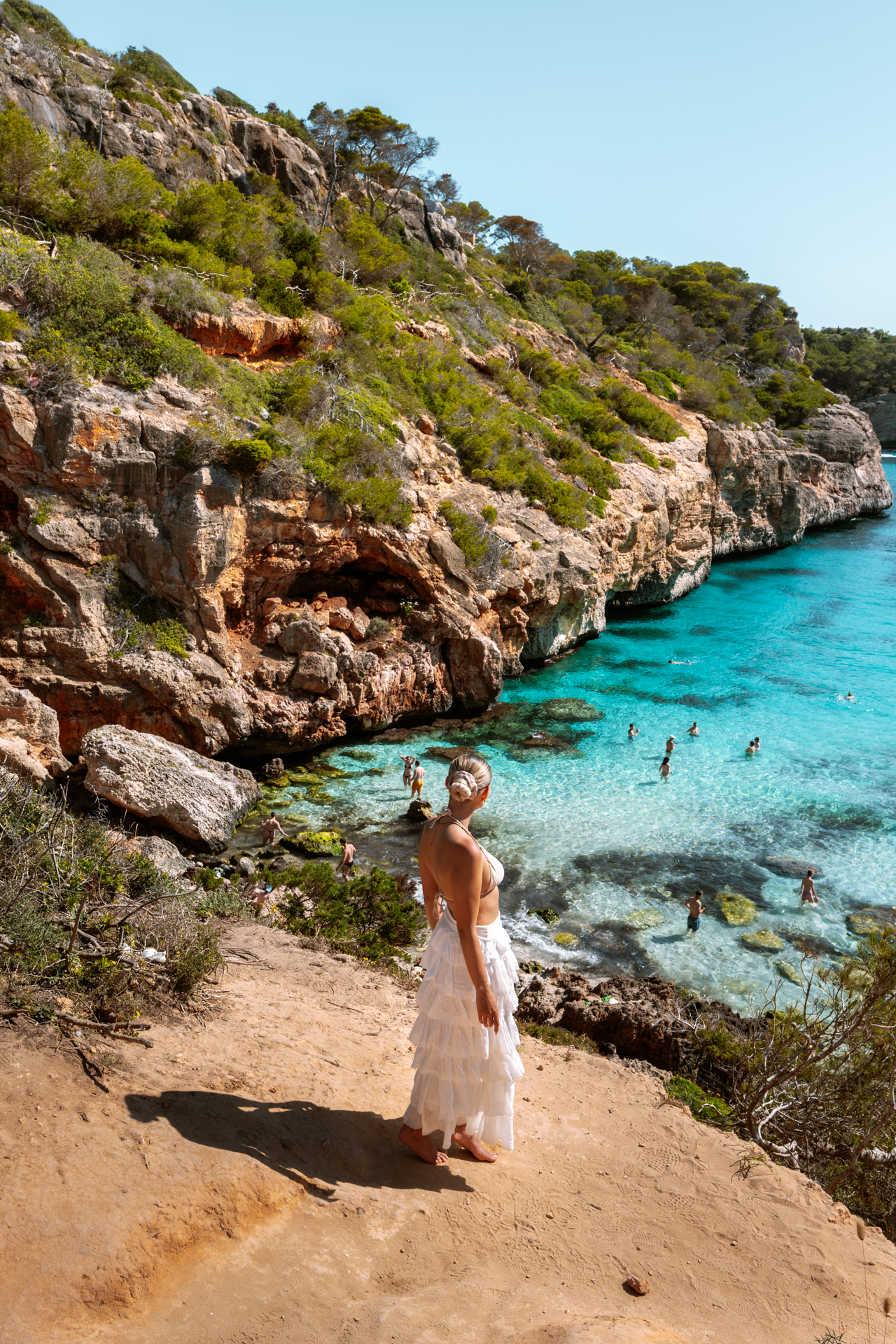
Mallorca

Spain’s most beloved island in the Mediterranean, known for its stunning coves, charming mountain villages, and golden sunsets that make this island life feel irresistible.


SPAIN travel guide

LET THE JOURNEY BEGIN
(coming soon)


Questions & Answers

SPAIN TRAVEL TIPS

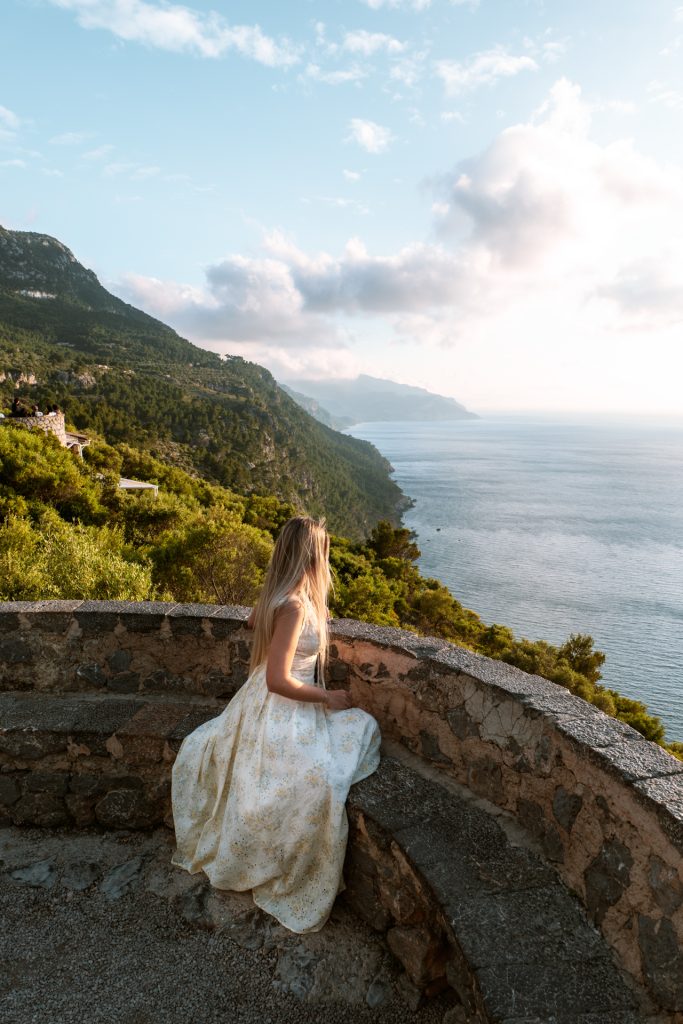
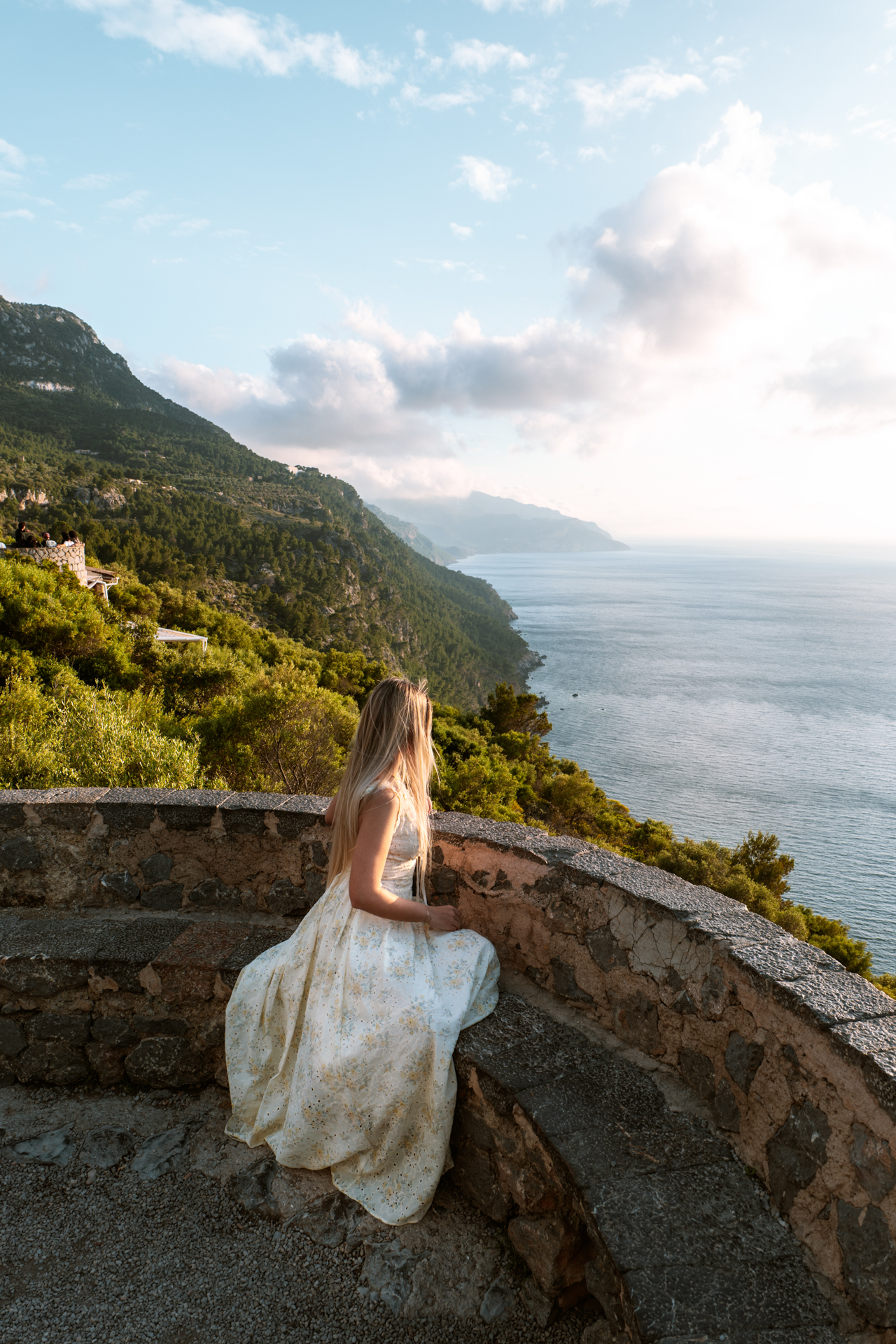
Woman overlooking Sa Foradada coastline in Mallorca at golden hour

SPAIN TRAVEL TIPS

What to pack for Spain depends on the season and region. Pack light and breezy clothes for summer, plus a good pair of walking shoes for all those cobblestone streets. A light jacket for cooler evenings, especially by the coast. Sunscreen, swimwear and a hat are a must in summer, and don’t forget a reusable water bottle. Power adapter: Types C and F (Europlug).

Spain offers great value compared to many Western European countries. Tapas and set lunch menus are incredibly affordable and delicious. Transportation is well connected with budget airlines and a solid train network. Big cities like Barcelona and Madrid are pricier, but smaller towns and islands in the off season can be very budget friendly. Currency: Euro (€).

Spain is very safe for travelers and one of the most visited countries in the world for good reason. Violent crime is rare, and most areas feel comfortable even after dark. Just keep an eye on your belongings in busy tourist areas and on public transport, as pickpocketing can happen in crowded spots like Barcelona and Madrid. Common sense goes a long way here.

Spain is part of the Schengen Area. Citizens of many countries — including the EU, UK, US, Canada, and others — can visit visa-free for up to 90 days within a 180-day period. However, entry requirements depend on your nationality, so always check the latest rules for your passport before traveling.

Spanish is the official language, and you will hear it everywhere. In some regions you will also hear Catalan, Basque, or Galician. English is spoken in major tourist areas but not always in smaller towns. Learning a few basics like hola (hello) and gracias (thank you) will make your experience so much better and locals really appreciate the effort.

Without a doubt! Spain has something for everyone, whether you are into beaches, history, food, nightlife, or nature. It’s one of those countries that keeps surprising you. If you are exploring Europe, make sure to also check out Italy as well!

Woman overlooking Sa Foradada coastline in Mallorca at golden hour

What to pack for Spain depends on the season and region. Pack light and breezy clothes for summer, plus a good pair of walking shoes for all those cobblestone streets. A light jacket for cooler evenings, especially by the coast. Sunscreen, swimwear and a hat are a must in summer, and don’t forget a reusable water bottle. Power adapter: Types C and F (Europlug).

Spain offers great value compared to many Western European countries. Tapas and set lunch menus are incredibly affordable and delicious. Transportation is well connected with budget airlines and a solid train network. Big cities like Barcelona and Madrid are pricier, but smaller towns and islands in the off season can be very budget friendly. Currency: Euro (€).

Spain is very safe for travelers and one of the most visited countries in the world for good reason. Violent crime is rare, and most areas feel comfortable even after dark. Just keep an eye on your belongings in busy tourist areas and on public transport, as pickpocketing can happen in crowded spots like Barcelona and Madrid. Common sense goes a long way here.

Spain is part of the Schengen Area. Citizens of many countries — including the EU, UK, US, Canada, and others — can visit visa-free for up to 90 days within a 180-day period. However, entry requirements depend on your nationality, so always check the latest rules for your passport before traveling.

Spanish is the official language, and you will hear it everywhere. In some regions you will also hear Catalan, Basque, or Galician. English is spoken in major tourist areas but not always in smaller towns. Learning a few basics like hola (hello) and gracias (thank you) will make your experience so much better and locals really appreciate the effort.

Without a doubt! Spain has something for everyone, whether you are into beaches, history, food, nightlife, or nature. It’s one of those countries that keeps surprising you. If you are exploring Europe, make sure to also check out Italy as well!

Woman overlooking Sa Foradada coastline in Mallorca at golden hour

What to pack for Spain depends on the season and region. Pack light and breezy clothes for summer, plus a good pair of walking shoes for all those cobblestone streets. A light jacket for cooler evenings, especially by the coast. Sunscreen, swimwear and a hat are a must in summer, and don’t forget a reusable water bottle. Power adapter: Types C and F (Europlug).

Spain offers great value compared to many Western European countries. Tapas and set lunch menus are incredibly affordable and delicious. Transportation is well connected with budget airlines and a solid train network. Big cities like Barcelona and Madrid are pricier, but smaller towns and islands in the off season can be very budget friendly. Currency: Euro (€).

Spain is very safe for travelers and one of the most visited countries in the world for good reason. Violent crime is rare, and most areas feel comfortable even after dark. Just keep an eye on your belongings in busy tourist areas and on public transport, as pickpocketing can happen in crowded spots like Barcelona and Madrid. Common sense goes a long way here.

Spain is part of the Schengen Area. Citizens of many countries — including the EU, UK, US, Canada, and others — can visit visa-free for up to 90 days within a 180-day period. However, entry requirements depend on your nationality, so always check the latest rules for your passport before traveling.

Spanish is the official language, and you will hear it everywhere. In some regions you will also hear Catalan, Basque, or Galician. English is spoken in major tourist areas but not always in smaller towns. Learning a few basics like hola (hello) and gracias (thank you) will make your experience so much better and locals really appreciate the effort.

Without a doubt! Spain has something for everyone, whether you are into beaches, history, food, nightlife, or nature. It’s one of those countries that keeps surprising you. If you are exploring Europe, make sure to also check out Italy as well!


Loved it? Pin it, Share it!

INSPIRE OTHERS TO TRAVEL TO SPAIN


THE TRAVEL

Woman standing on salt brick stairs – Uyuni