
DISCOVER Cyprus

Every Place Has a Story
Cyprus Travel Guide
Cyprus is one of those Mediterranean islands that somehow manages to pack an incredible amount of variety into a relatively small space. Ancient ruins sitting right next to turquoise coastlines, lively resort towns just a short drive from quiet mountain villages, and a history so layered it feels like every place is a bit different.
With year round sunshine and a warm, welcoming culture, Cyprus is a place you’ll remember. Whether you come for the beaches, history, or food, you’ll leave with a deeper appreciation for this island.
This Cyprus travel guide will walk you through the top destinations and highlights of the Greek side of the island.

One island, many experiences
DISCOVER THE DIFFERENT SIDES OF
CYPRUS
Where turquoise waters meet the party
Ayia Napa
Ayia Napa started out as a quiet fishing village and has since transformed into one of the most popular beach destinations in the entire Mediterranean. Known for its stunning turquoise coastline and nightlife, it draws visitors from all over Europe, especially during the summer months.
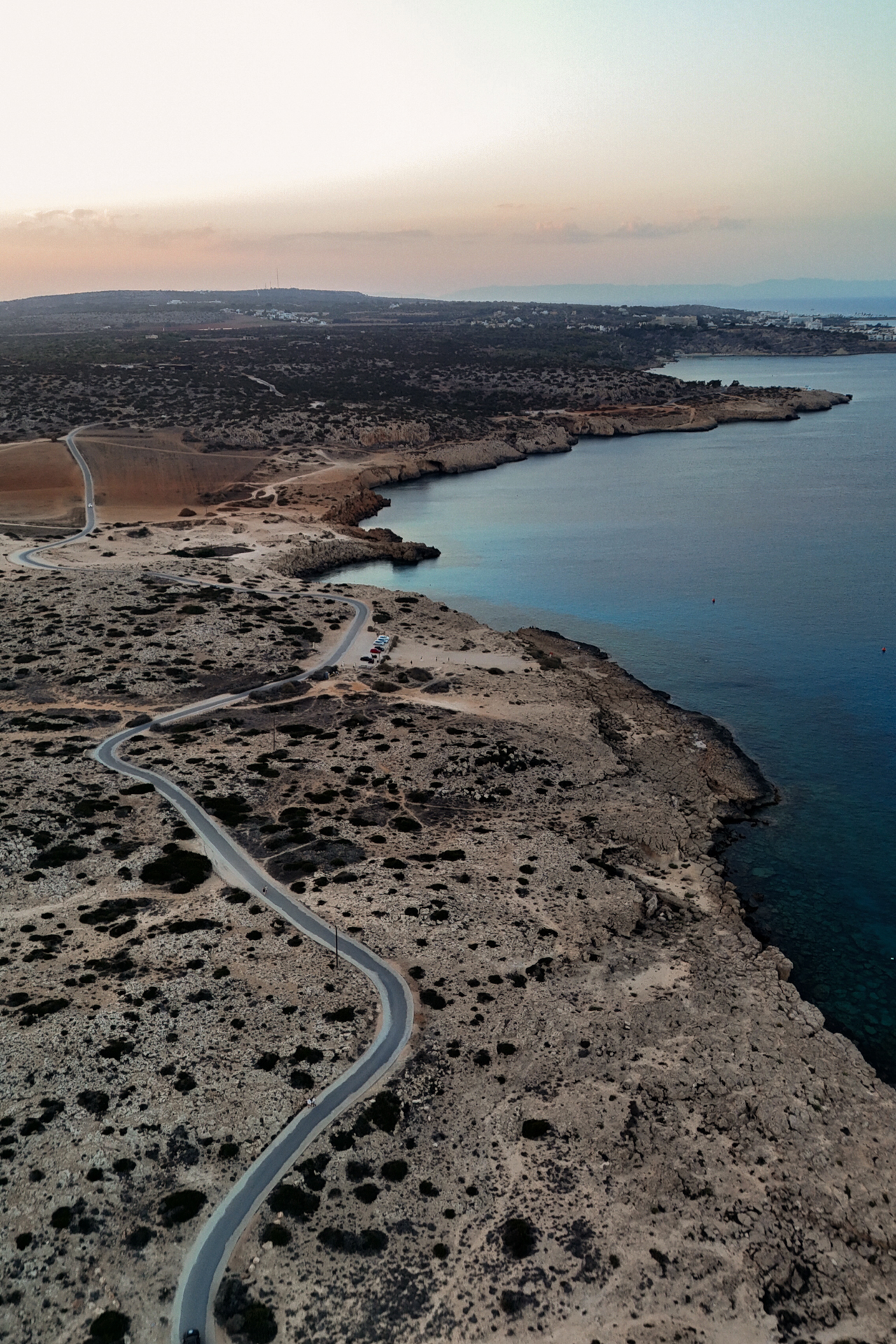
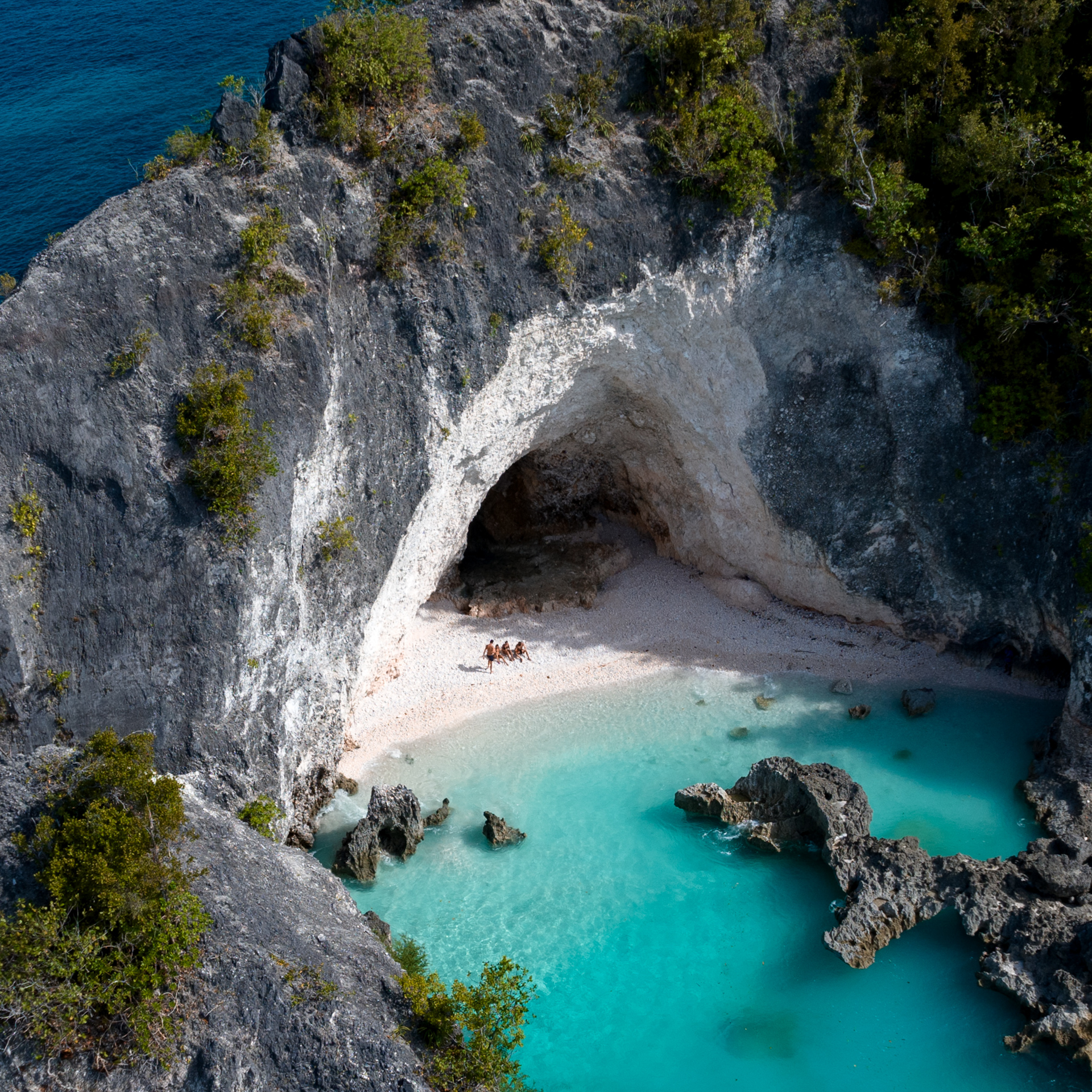
But there is more to Ayia Napa than just the party scene. The surrounding coastline is genuinely beautiful, with dramatic sea caves, crystal clear waters, and some of the best beaches on the island. Whether you are here to unwind on the sand or explore the Cape Greco peninsula, Ayia Napa is the place you have to visit.
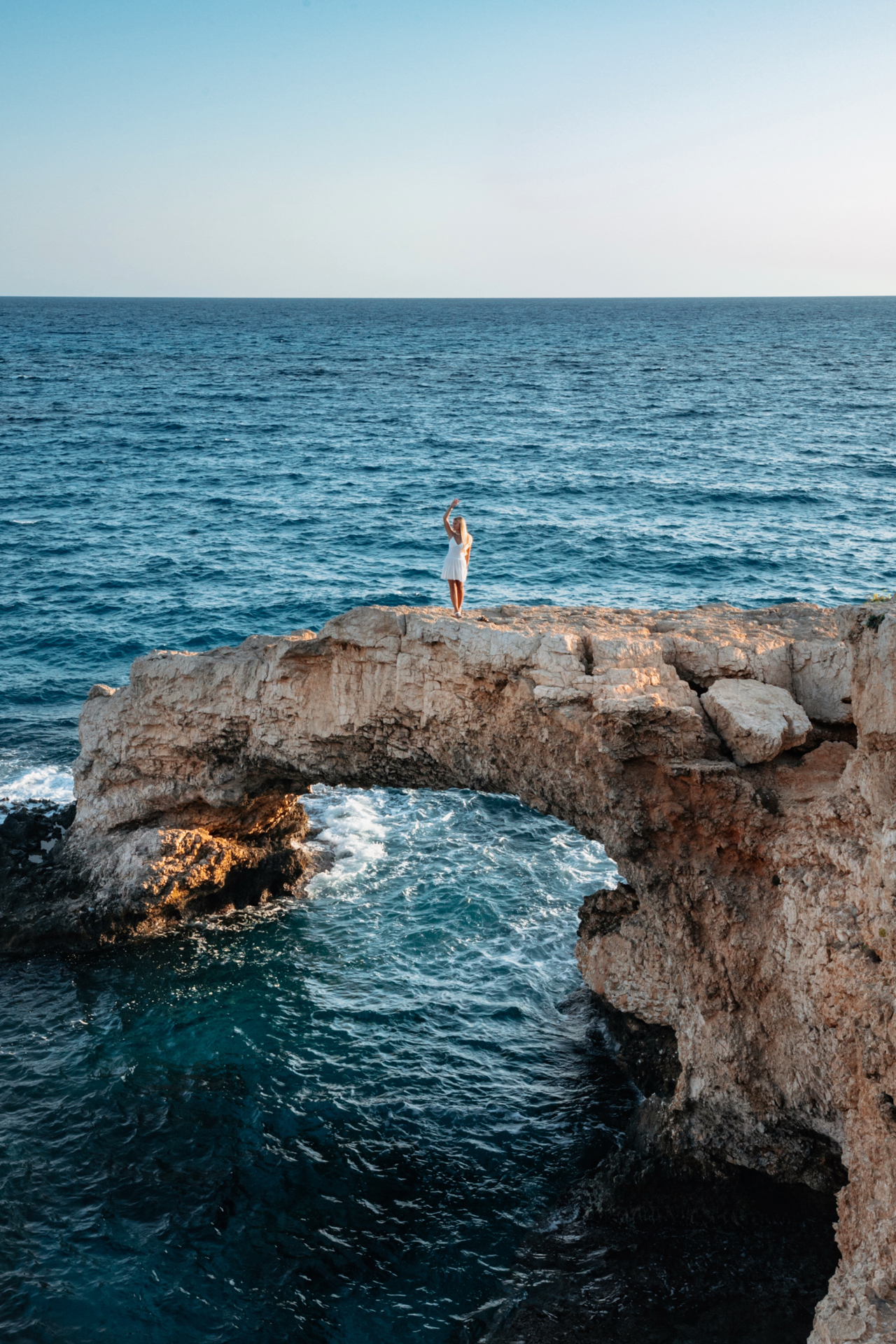 Bridge of Lovers
 Cape Greco
- Bridge of Lovers
- Cape Greco
Why Visit Ayia Napa?
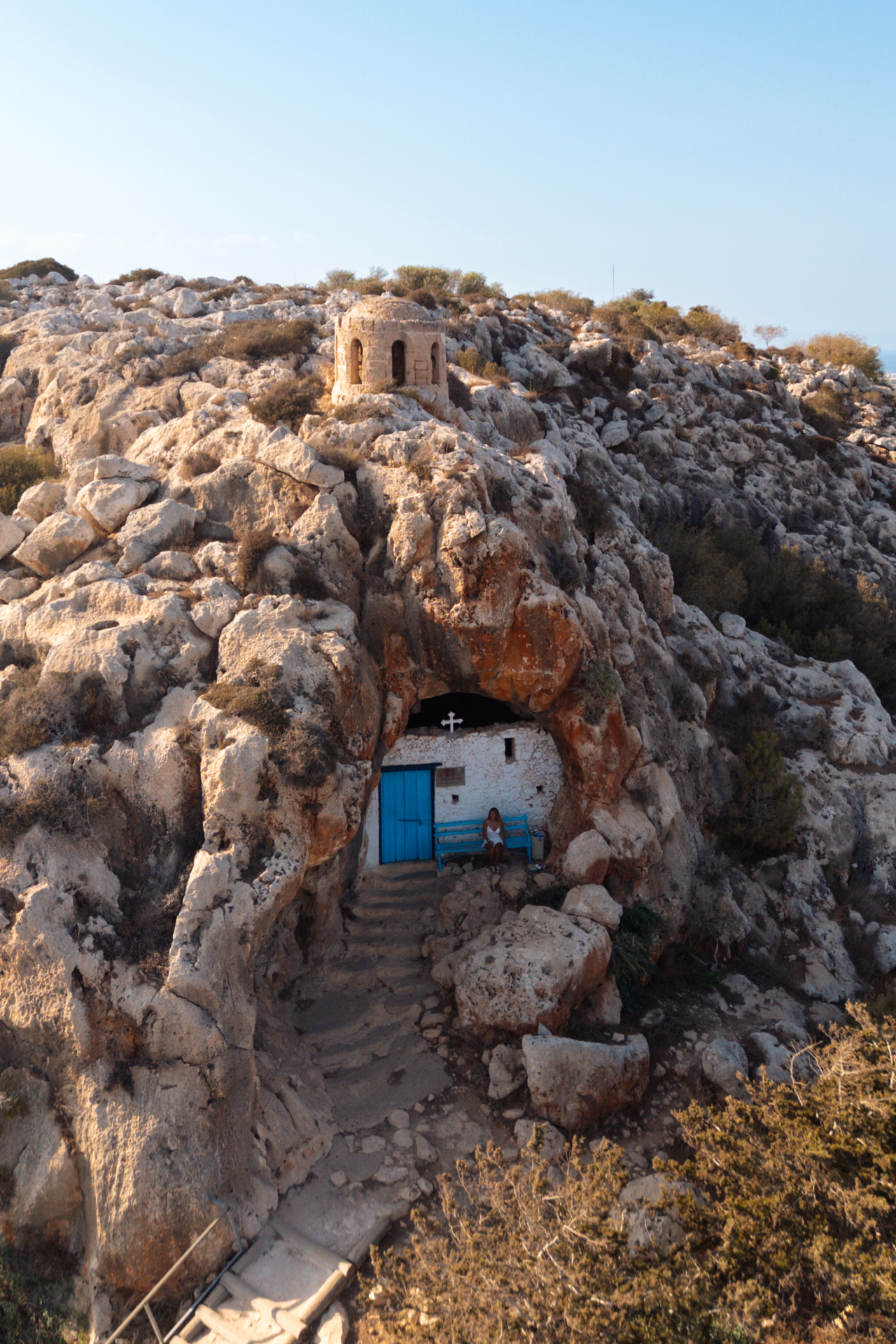 Agioi Saranta Cave Church
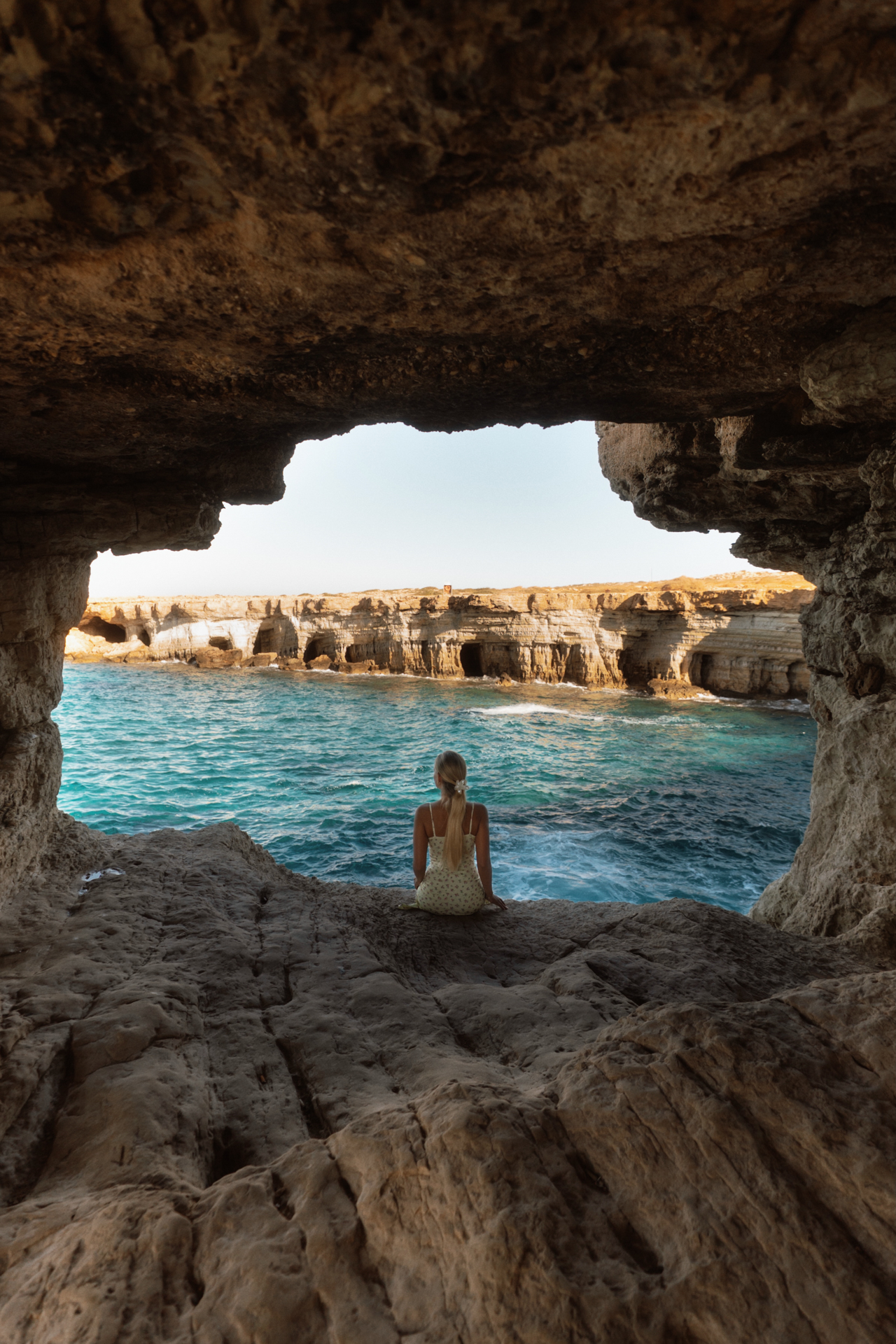 Cape Greco Sea Caves
- Agioi Saranta Cave Church
- Cape Greco Sea Caves
Best Things to Do and See in Ayia Napa

Nissi Beach gets its name from the Greek word for 'island.' At low tide, you can actually walk across the shallow water to a tiny islet just off the shore. It's a fun little adventure.
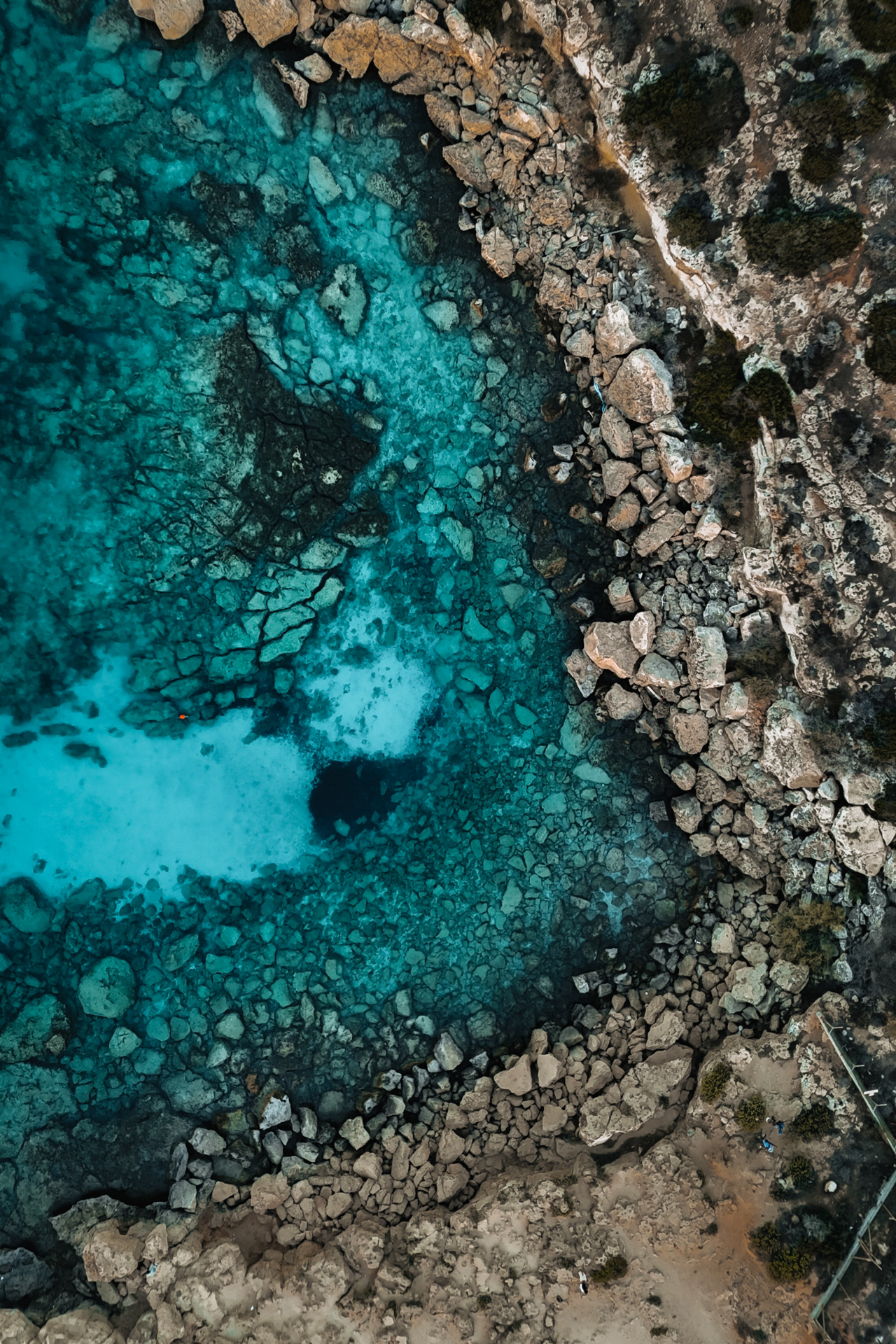 Blue Lagoon
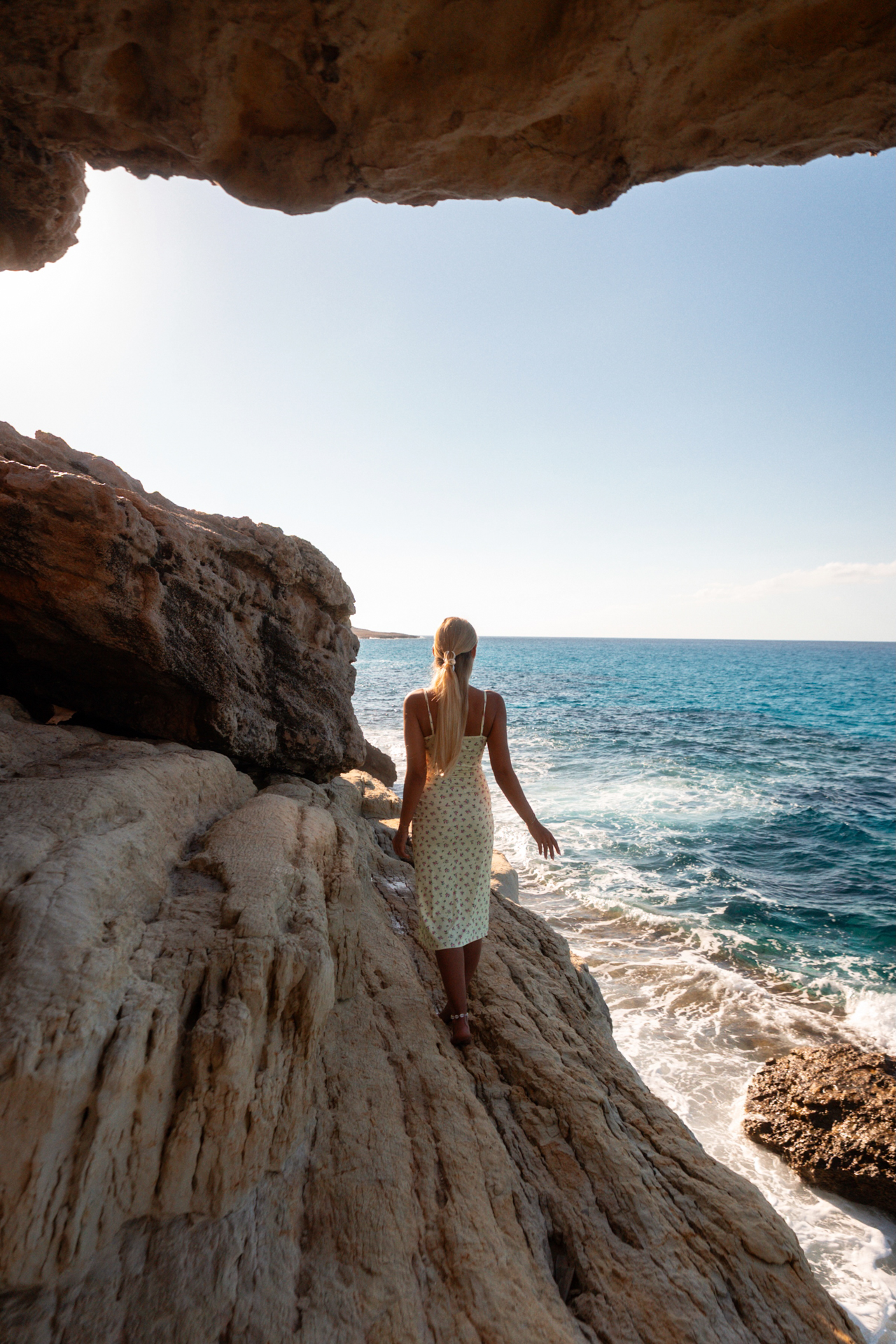 Cape Greco Sea Caves
- Blue Lagoon
- Cape Greco Sea Caves
MUSAN Underwater Museum
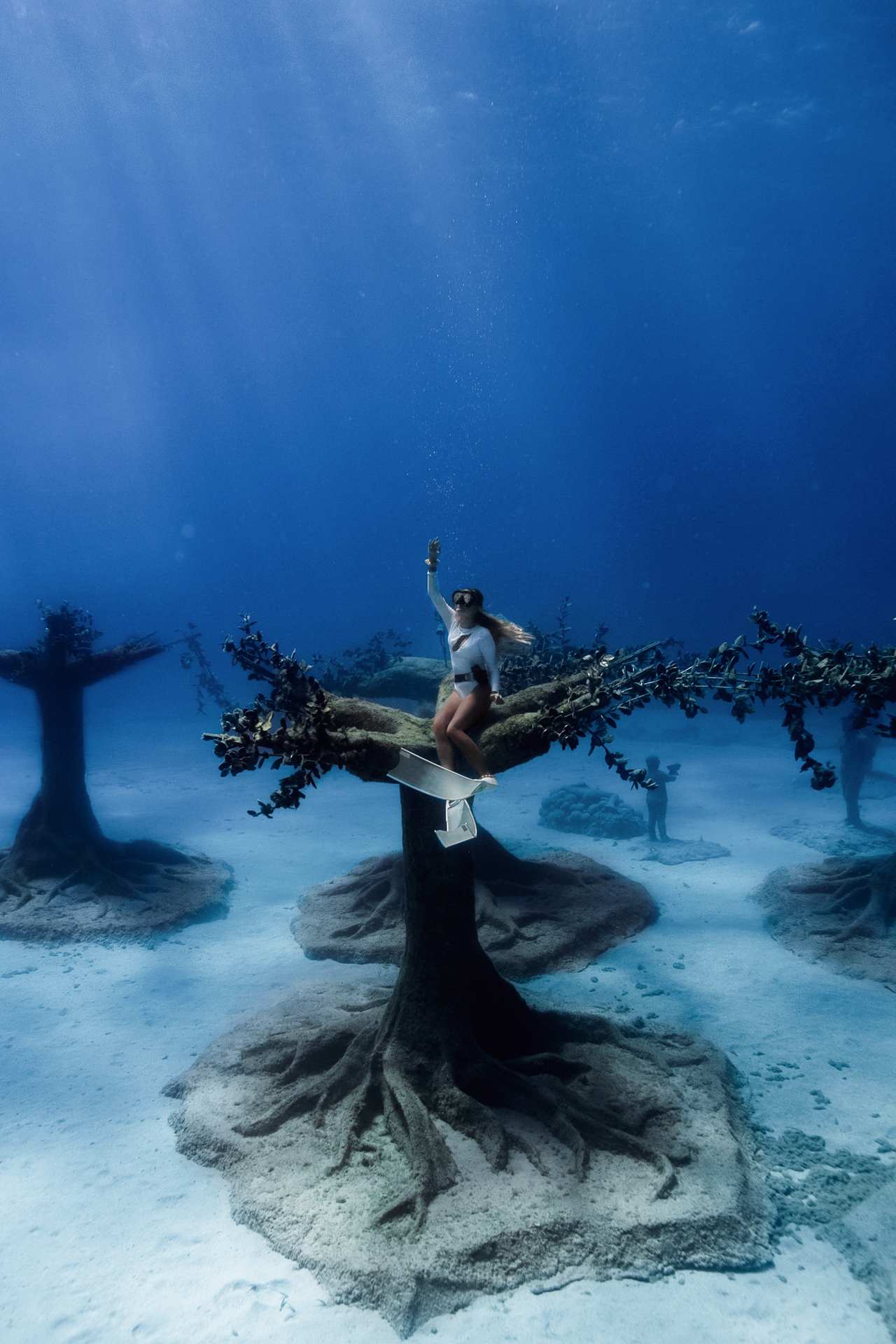
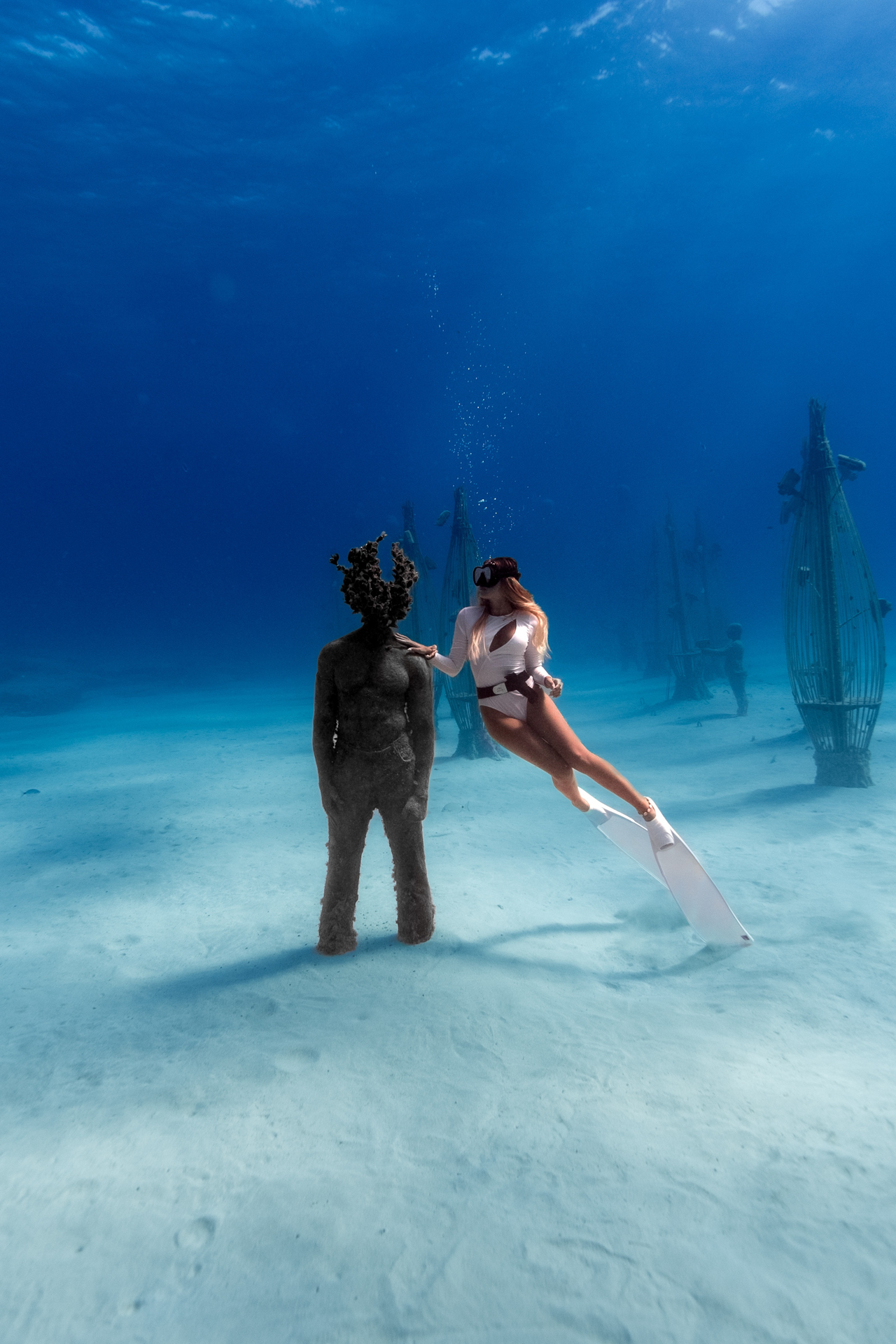
One of the most unique experiences in Cyprus lies beneath the surface of the sea. The MUSAN (Museum of Underwater Sculpture Ayia Napa) is the first underwater museum in the Mediterranean and offers a surreal blend of art, nature, and adventure.
Located about 200 meters off the coast of Ayia Napa, this underwater “forest” features over 90 sculptures. Set at depths of up to 10 meters, the installation is designed not only as an artistic statement but also as a living reef that encourages marine life to return and thrive.

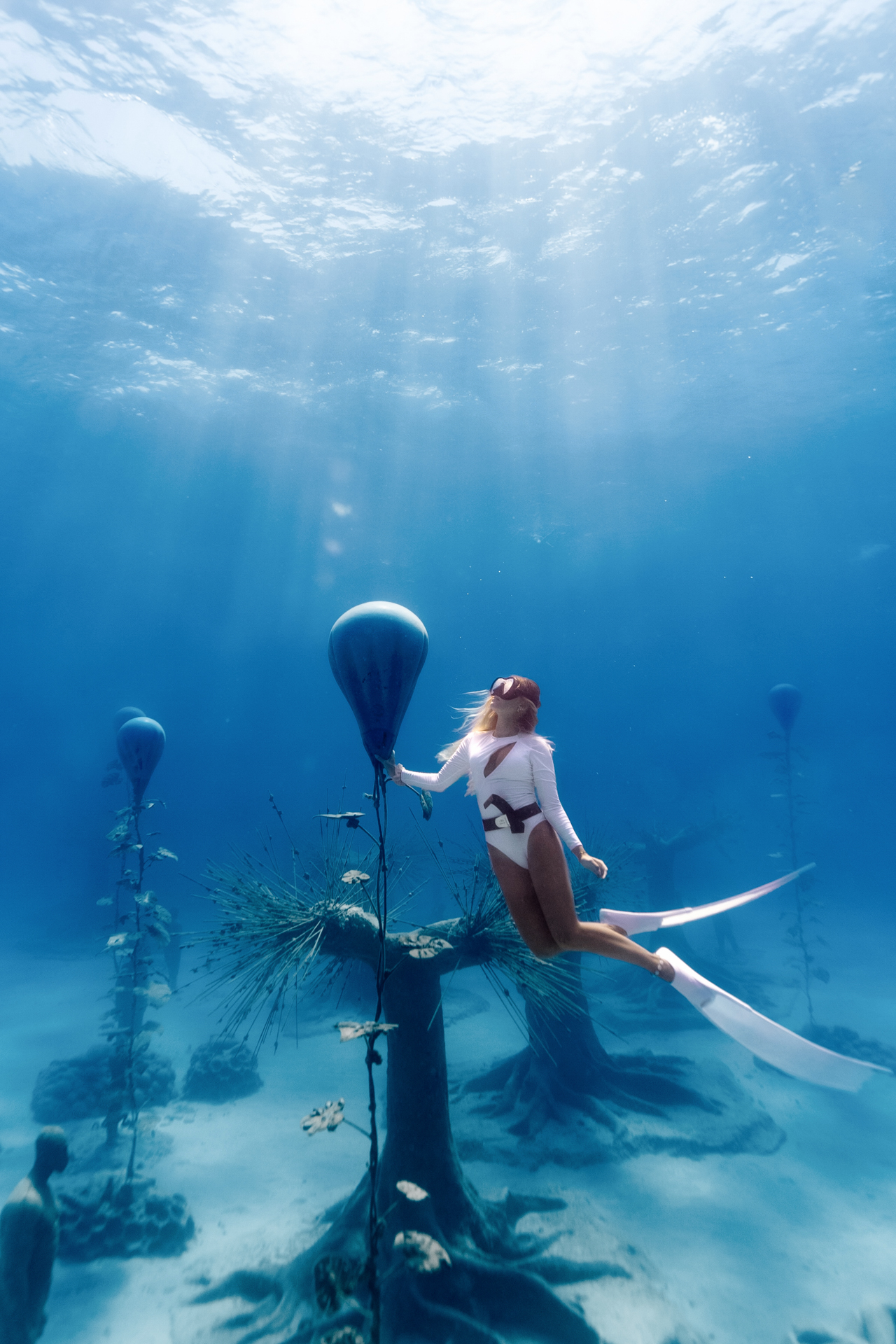
Whether you explore it while snorkeling, freediving, or scuba diving, MUSAN offers a truly unforgettable experience.
The underwater museum is clearly structured and easy to navigate: it begins between two grey platforms and ends between two yellow buoys. Along the way, you’ll find three floating resting platforms (pontoons), perfect for taking a break.
A coastal city with layers of history
Limassol
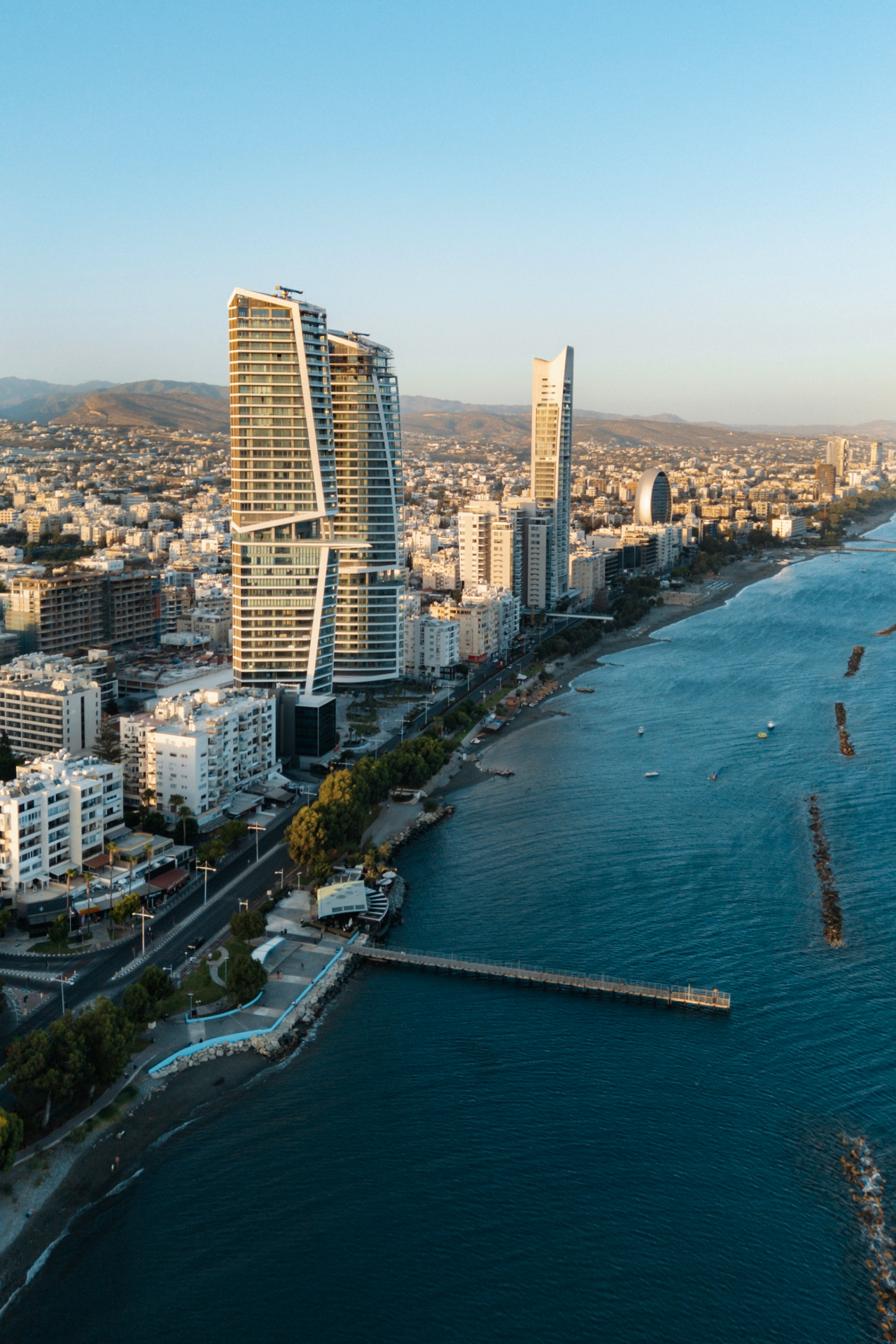
Limassol is the kind of city that blends old and new. As the second largest city in Cyprus, it has a buzzing waterfront, a modern marina, and a lively food scene. But step into the old town and you will find narrow streets, traditional tavernas, and a medieval castle that dates back to the time of the Crusades.
It's also the gateway to some of the island's most impressive historical sites, including the ancient ruins of Kourion and the medieval fortress of Kolossi Castle.

Why Visit Limassol?


Best Things to Do and See in Limassol
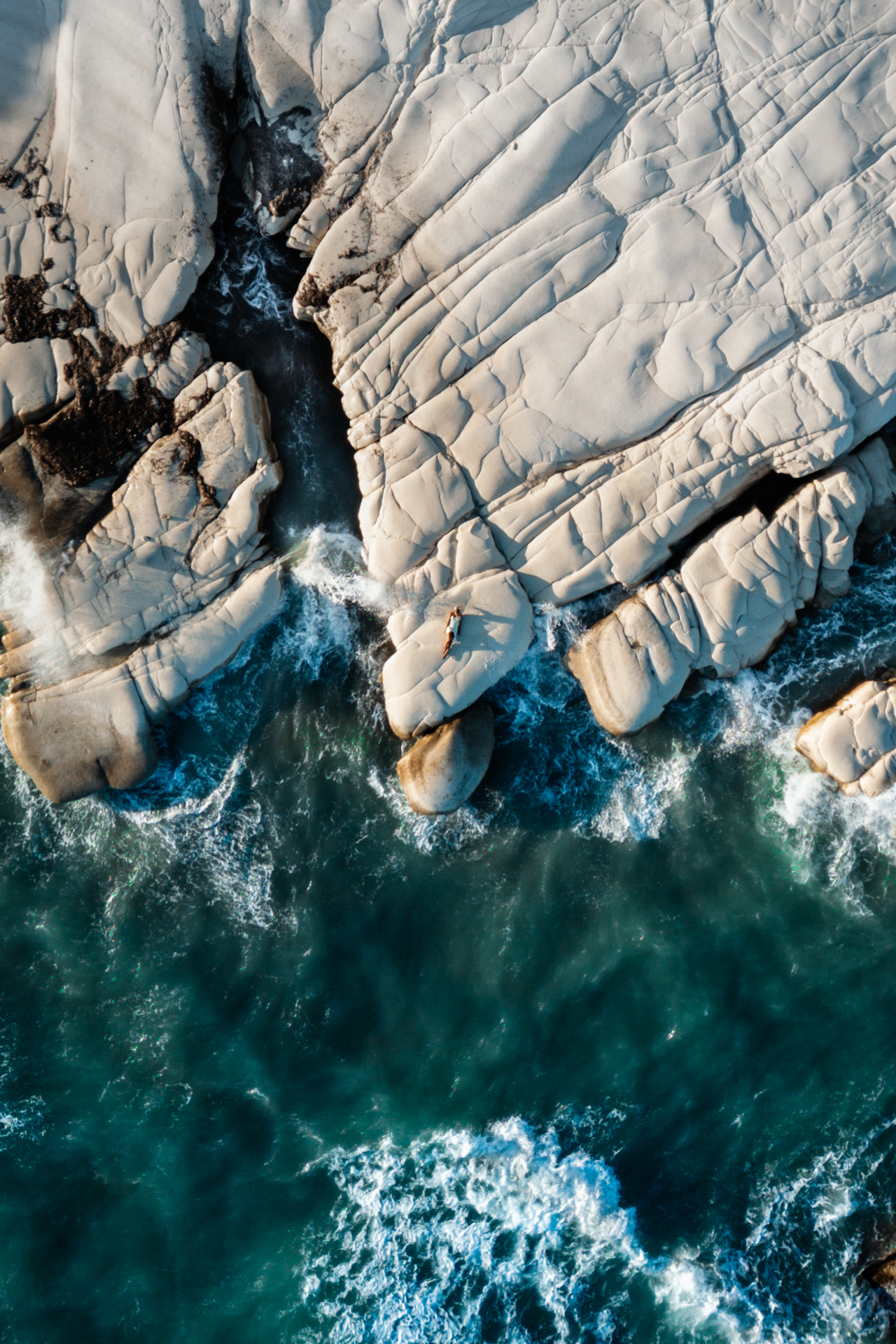
 Governor's Beach
 Governor's Beach
- Governor's Beach
- Governor's Beach
Commandaria, produced in the foothills near Limassol, is believed to be the oldest named wine still in production.
Where mythology meets the Mediterranean
Paphos
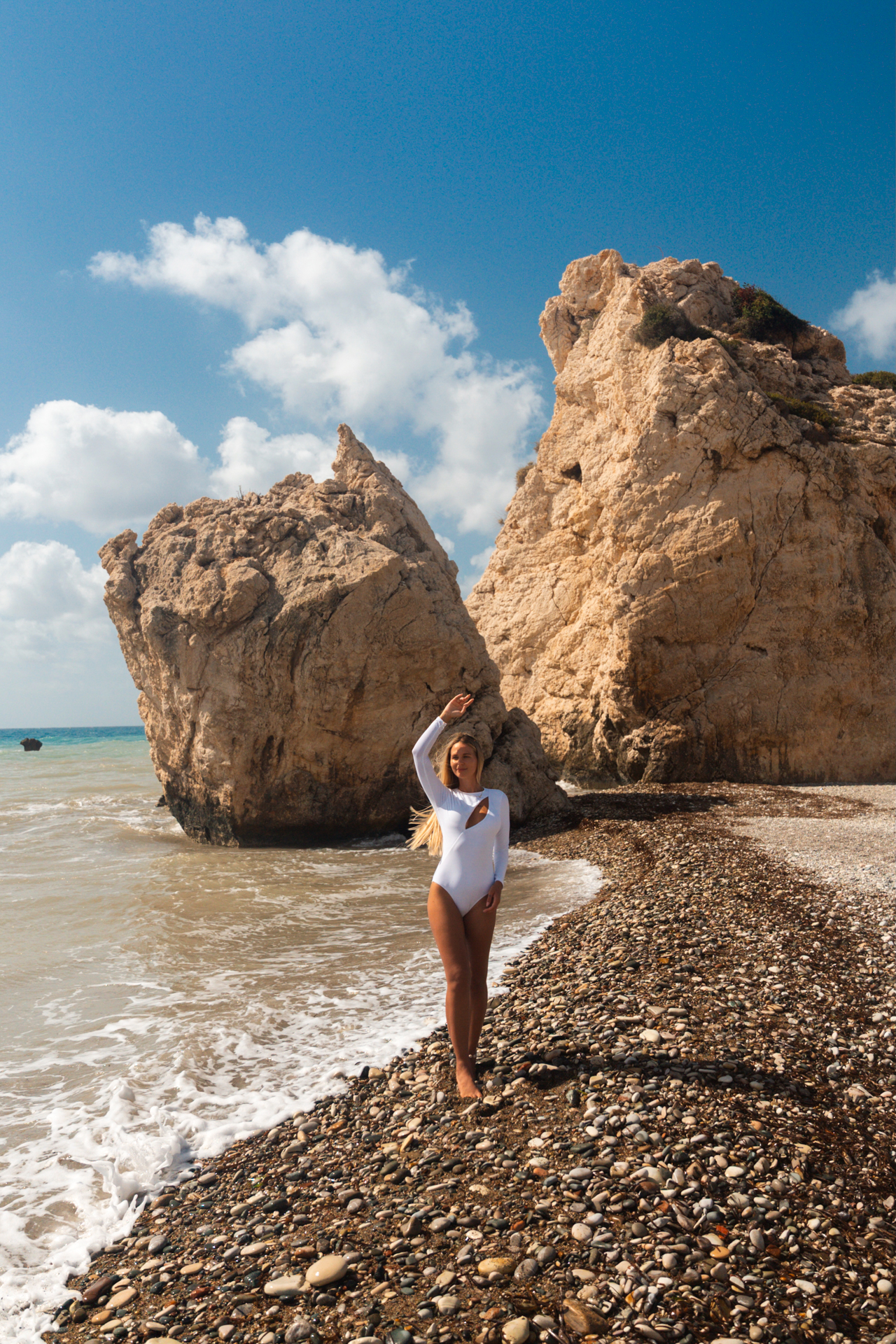
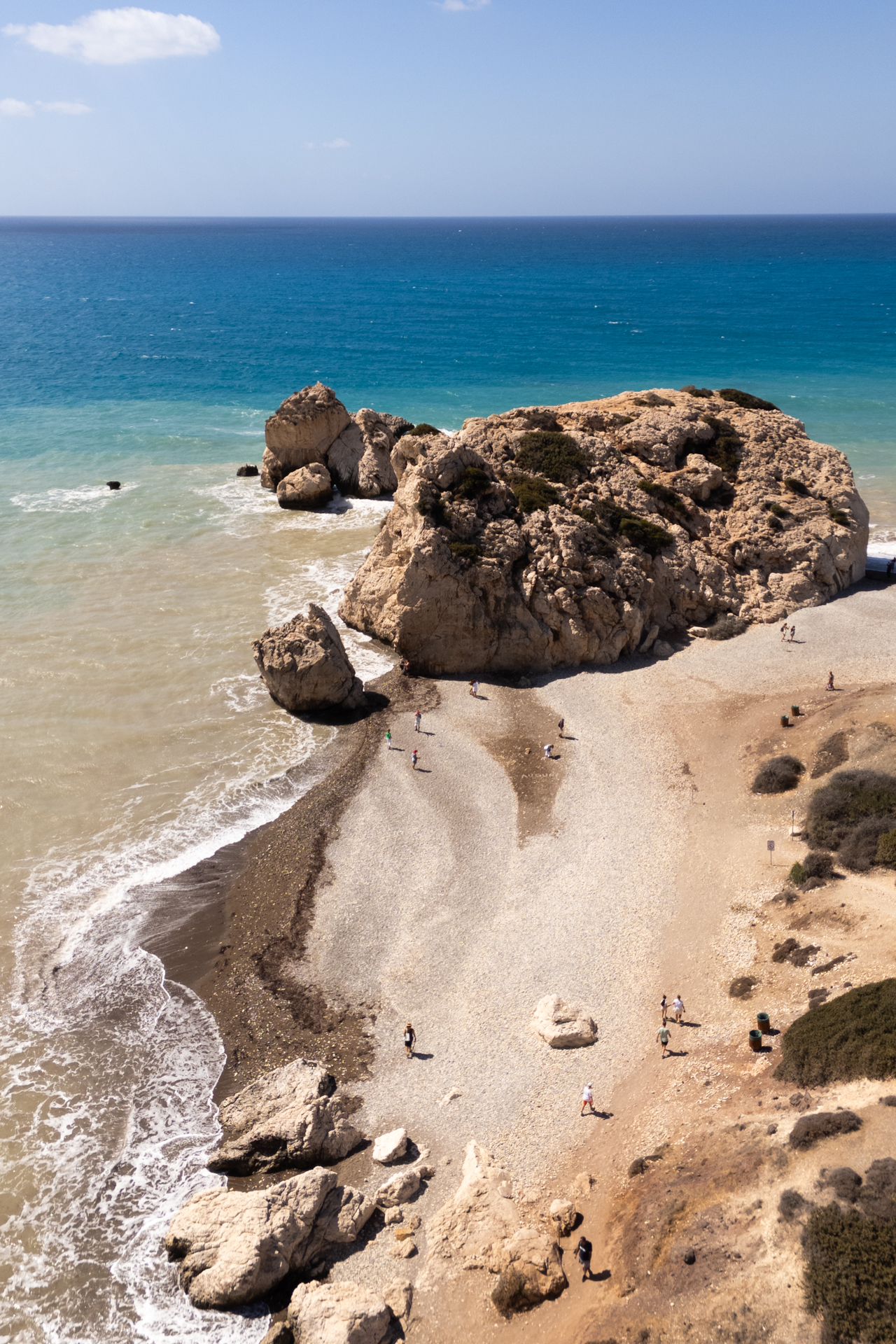
Paphos feels like a living museum where ancient mythology and everyday life sit side by side. This is where Aphrodite, the goddess of love, is said to have been born from the sea foam. And honestly, when you see the coastline here, that story doesn't feel far fetched at all.
The entire town is a UNESCO World Heritage Site, with Roman mosaics, underground tombs, and a charming harbor that glows beautifully at sunset. Beyond the archaeology, Paphos is also the starting point for exploring the wild Akamas Peninsula, one of the last truly untouched corners of the island.


Why Visit Paphos?
 Aphrodite's Rock
 Aphrodite's Rock
- Aphrodite's Rock
- Aphrodite's Rock
Best Things to Do and See in Paphos
 Cape Aspro (Pissouri)
 Cape Aspro (Pissouri)
- Cape Aspro (Pissouri)
- Cape Aspro (Pissouri)
According to Greek mythology, Aphrodite, the goddess of love, was born from the sea foam right here at Petra tou Romiou. Locals say that if you swim around the rock three times, you will be blessed with eternal beauty.
Good to Know
The Divided Island
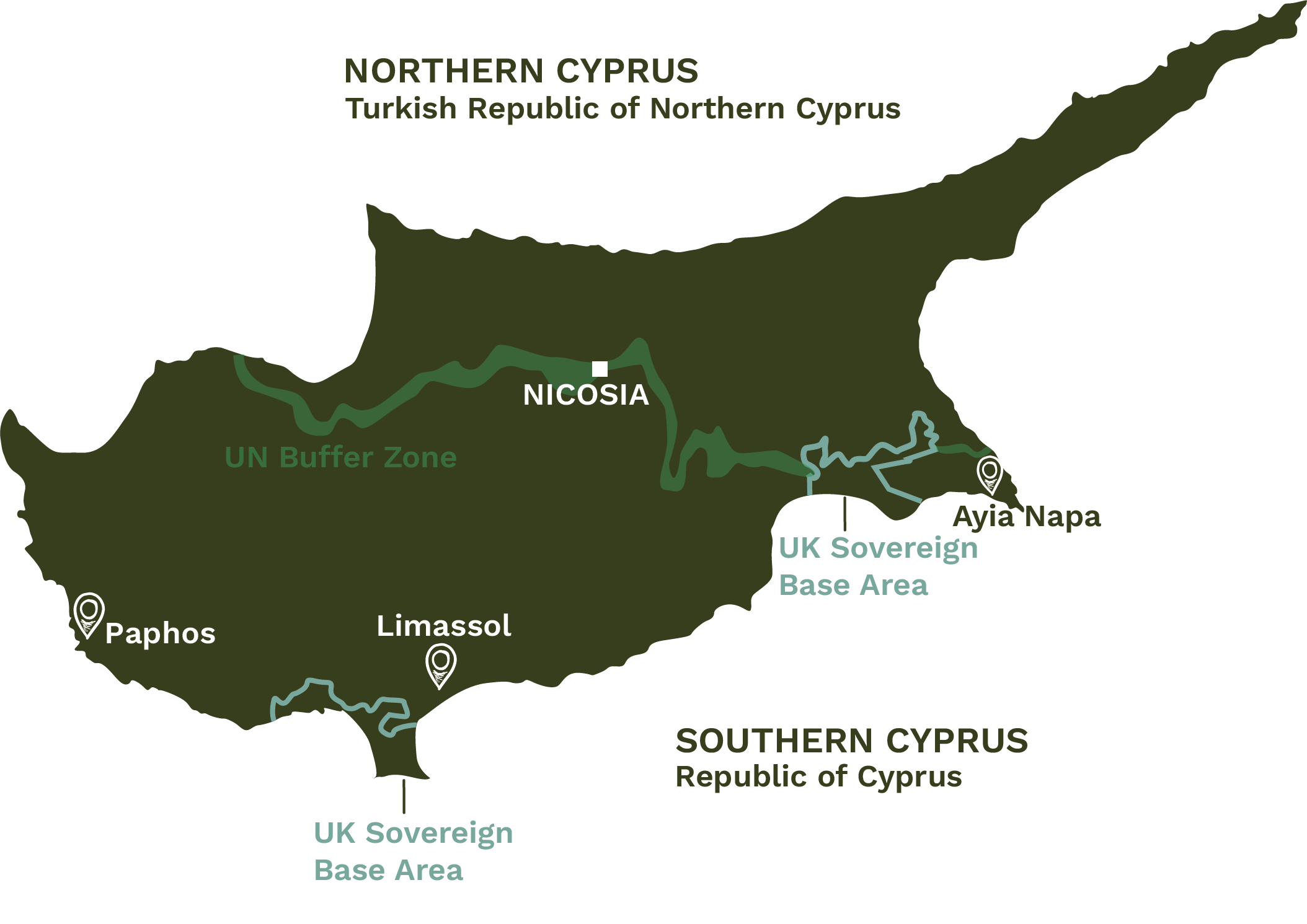
Cyprus has been a divided island since 1974. After a military coup and the following Turkish invasion, the island was split into two parts: the internationally recognized Republic of Cyprus in the south and the Turkish Republic of Northern Cyprus in the north, which is only recognized by Turkey.
A United Nations buffer zone known as the Green Line stretches roughly 180 kilometers across the entire island, cutting right through the heart of the capital, Nicosia. This makes Nicosia the last divided capital in the world.
 Cape Greco
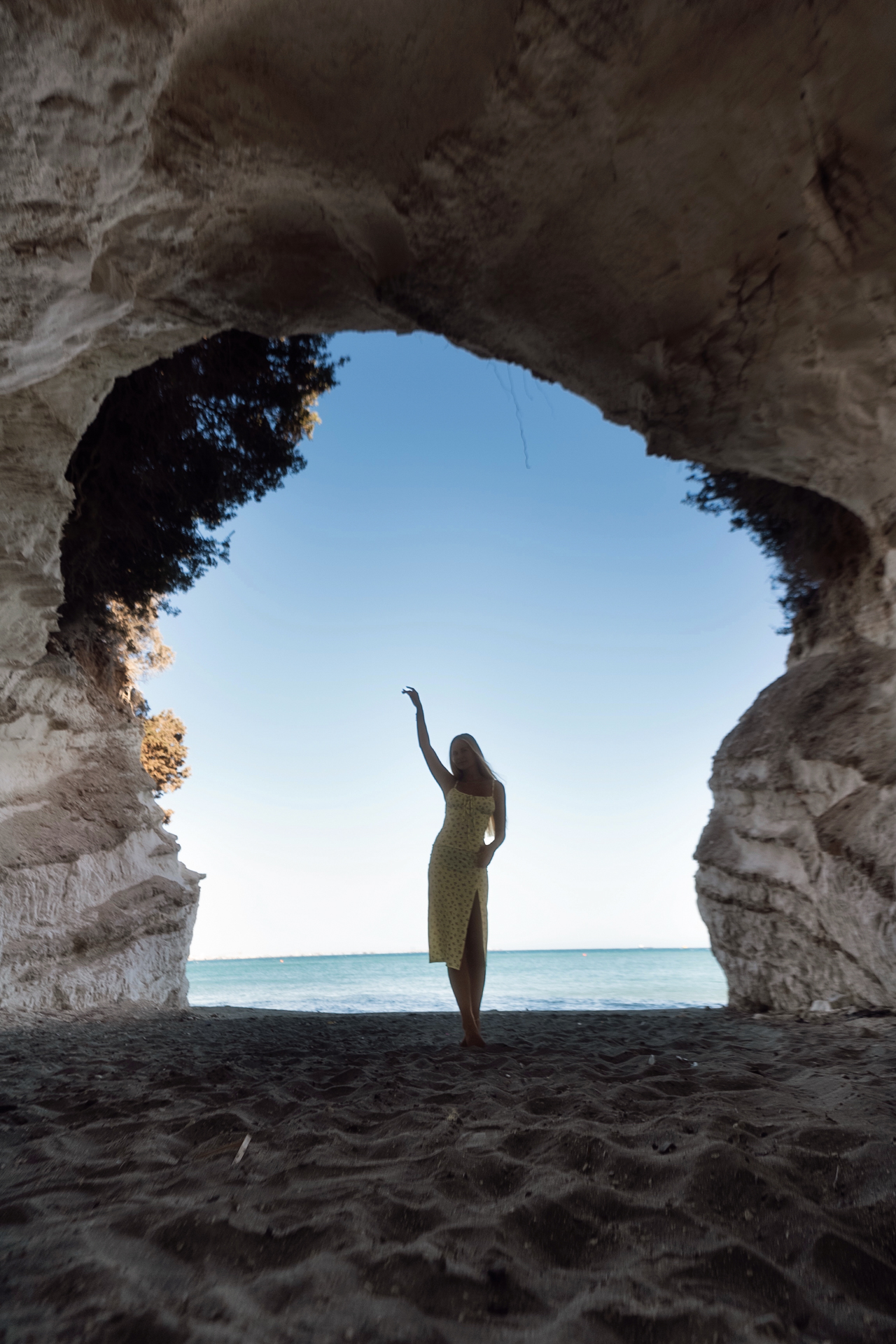 Governor's Beach
- Cape Greco
- Governor's Beach
As a visitor, you can cross between the two sides at several checkpoints. The most popular crossing point is on Ledra Street in old Nicosia, where you simply show your passport. It is a surreal experience, going from Greek Cypriot cafes and shops on one side to Turkish tea houses and mosques on the other, all within a few steps.
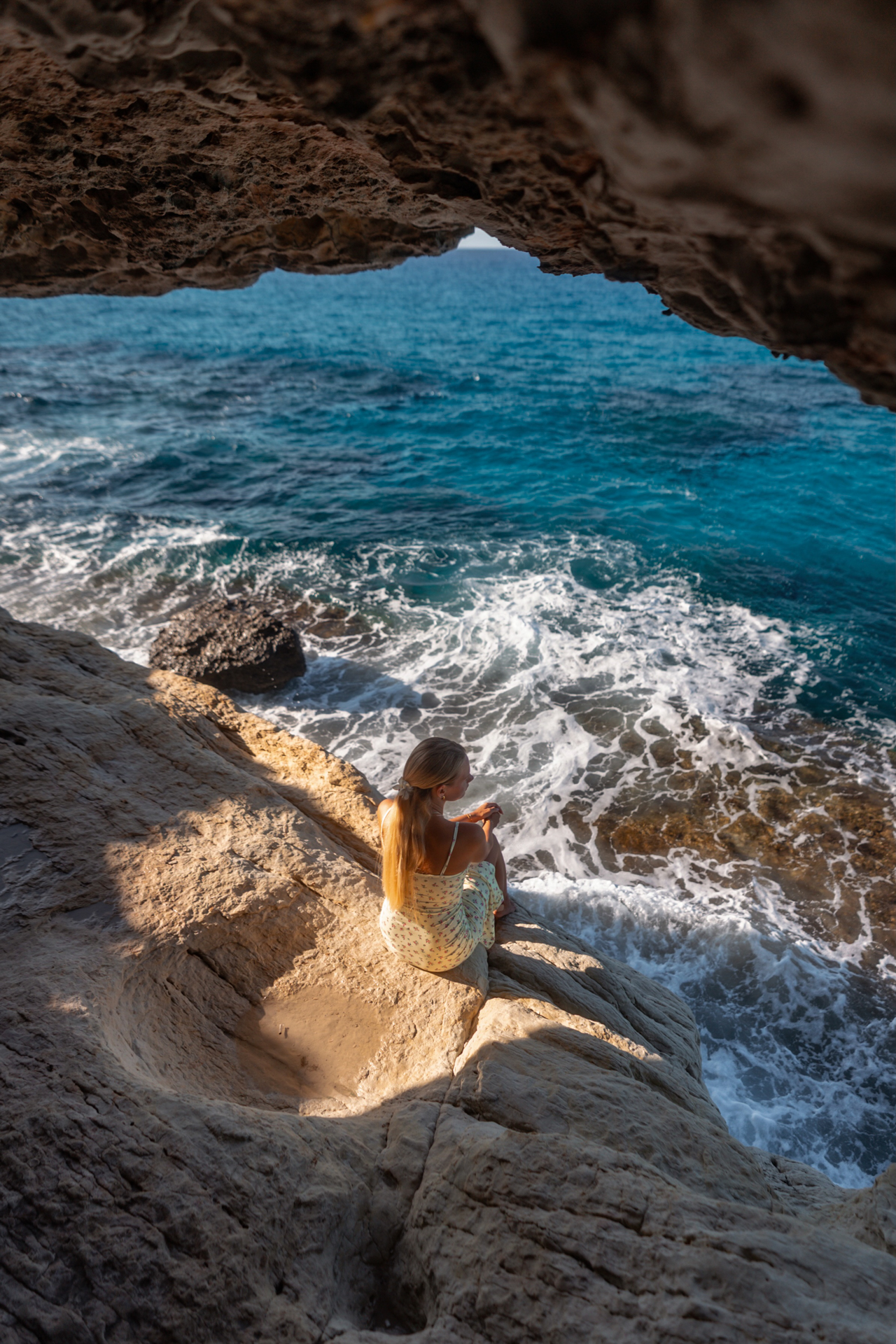 Cape Greco Sea Cave
 Limassol
- Cape Greco Sea Cave
- Limassol
Most travelers visit the southern part of the island, but I heard crossing into the north is also really worth it if you have the time. The contrast between the two sides is fascinating and adds a unique layer to your Cyprus experience that you really won't find anywhere else in Europe.
The name 'Green Line' comes from a British officer who drew the ceasefire boundary on a map of Nicosia with a green chinagraph pencil back in 1963. The line stuck, and so did the name.
Loved it? Pin it, Share it!
Inspire Others to Travel to Cyprus








THE TRAVEL

Let's stay connected!
Get inspired, helpful tips and exclusive updates straight to your inbox. Subscribe to join a community of explorers.