
Tuscany


My Go-To Spots in Tuscany
10 Best Things To Do in Tuscany, Italy
Tuscany is a region of rolling hills, medieval towns, cypress-lined roads and some of Italy’s most beautiful countryside.
We did the whole region as a road trip in August, sleeping in a different town every night or two, though we kept coming back to San Quirico d’Orcia and ended up staying in this area longest.
This guide is everything I would tell a friend before they go: the best things to do in Tuscany, Italy, which tiny hilltop villages are worth the detour.







Must-See & Do
Things to Do in Tuscany, Italy
Tuscany is big, and you could spend a month here without running out of hill towns. Many of the main places are only an hour or two apart, so you can mix and match your itinerary without spending all day in the car.
Some days were pure cliché in the best possible way, driving cypress lined roads with the windows down and no particular plan. Others were a lot sweatier, like queueing for gelato in San Gimignano at 2pm.
1. Discover the Medieval Charm of San Quirico d’Orcia
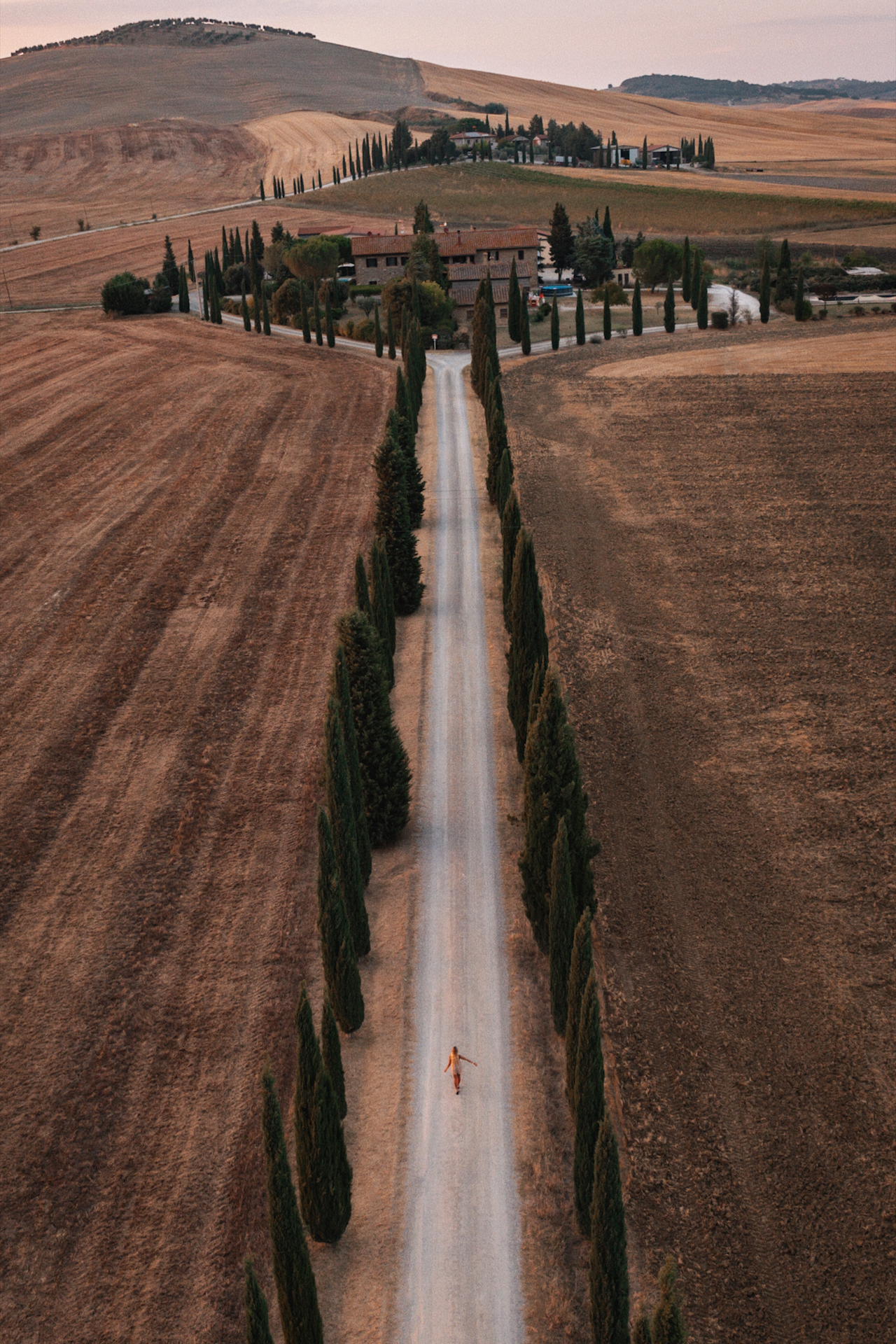
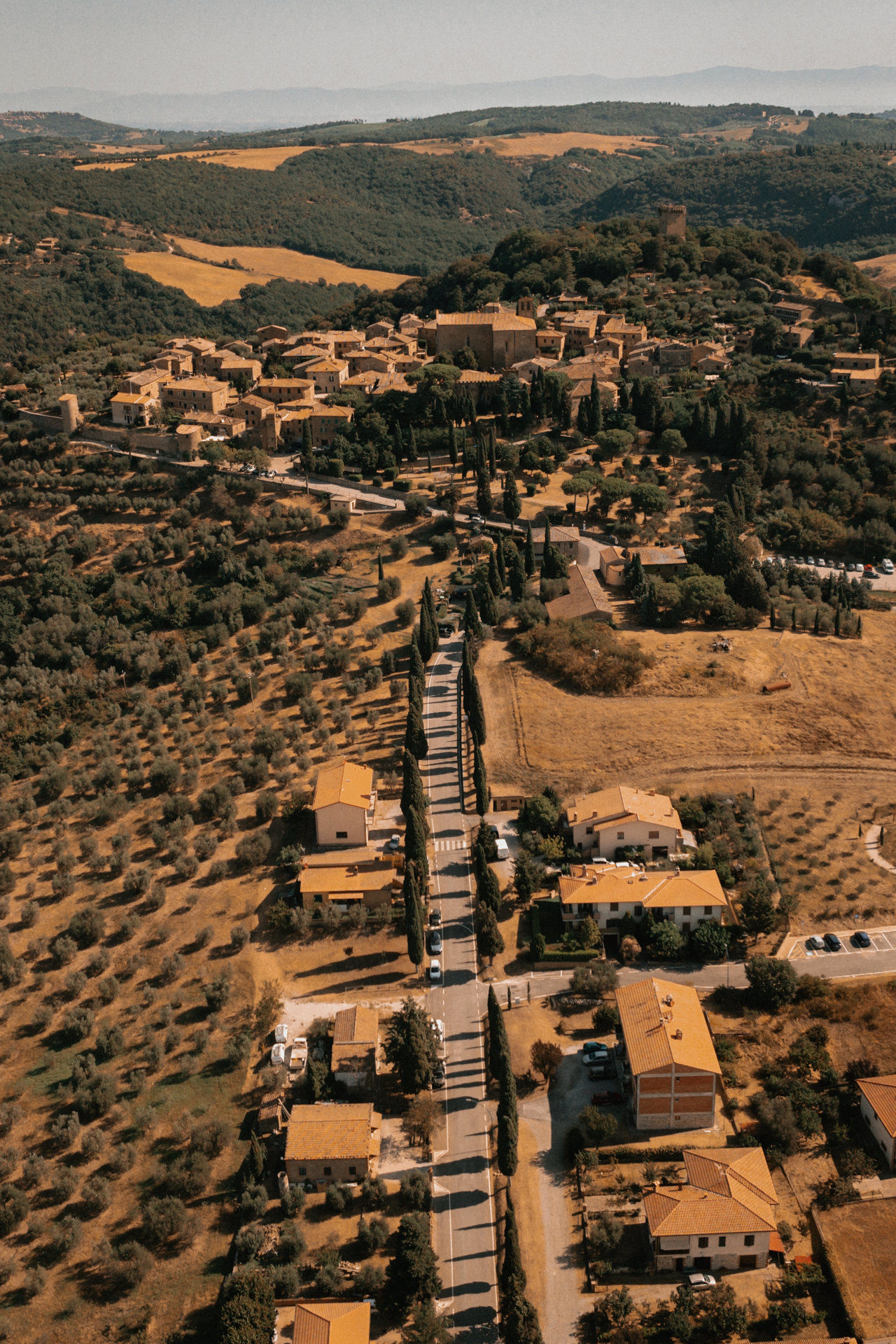
San Quirico d’Orcia became our home base almost by accident, and it turned out to be the best decision of the whole trip. It’s small enough to walk end to end in about ten minutes, it sits right in the middle of the Val d’Orcia, and unlike the more famous towns nearby it goes really quiet once the day trippers leave.
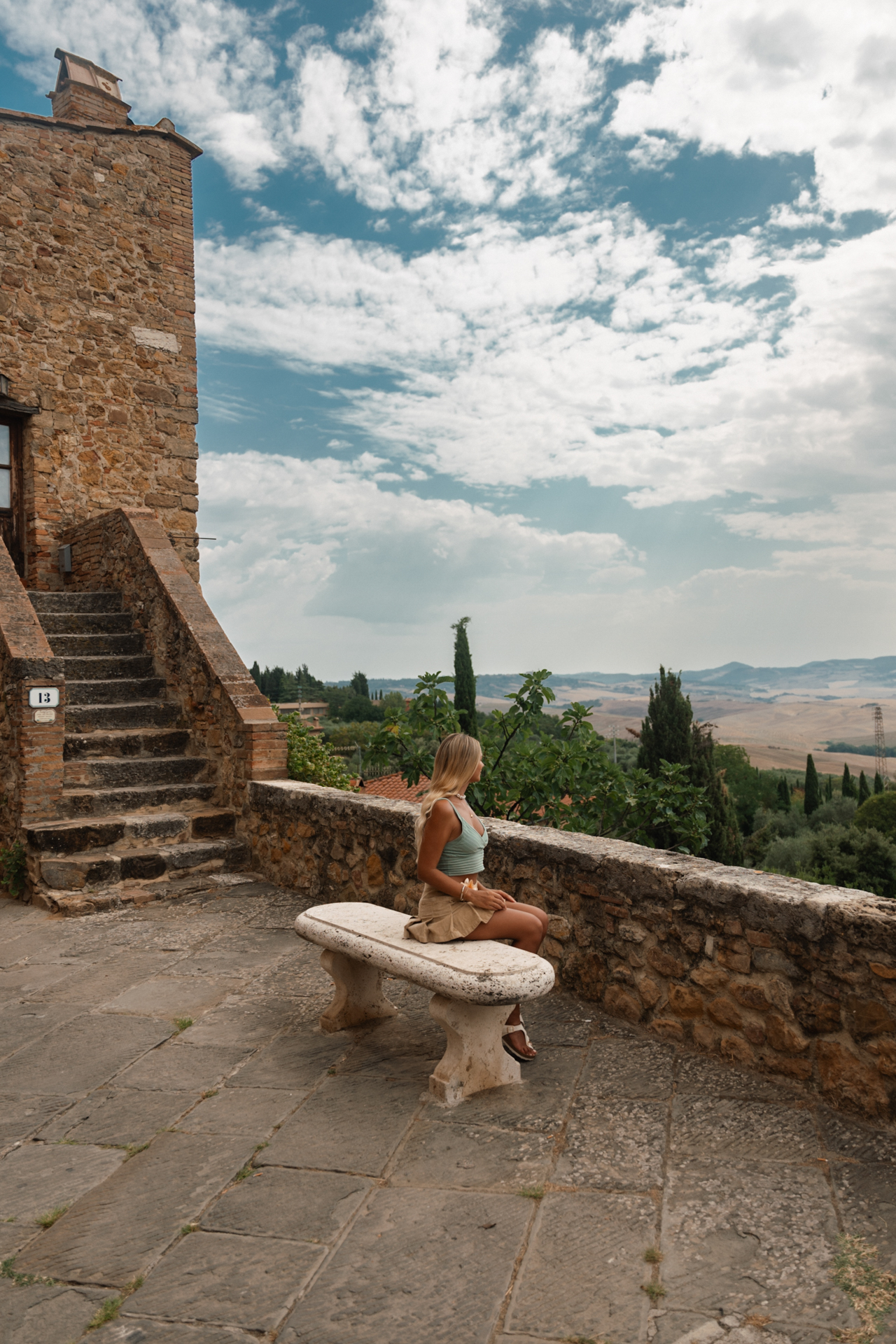
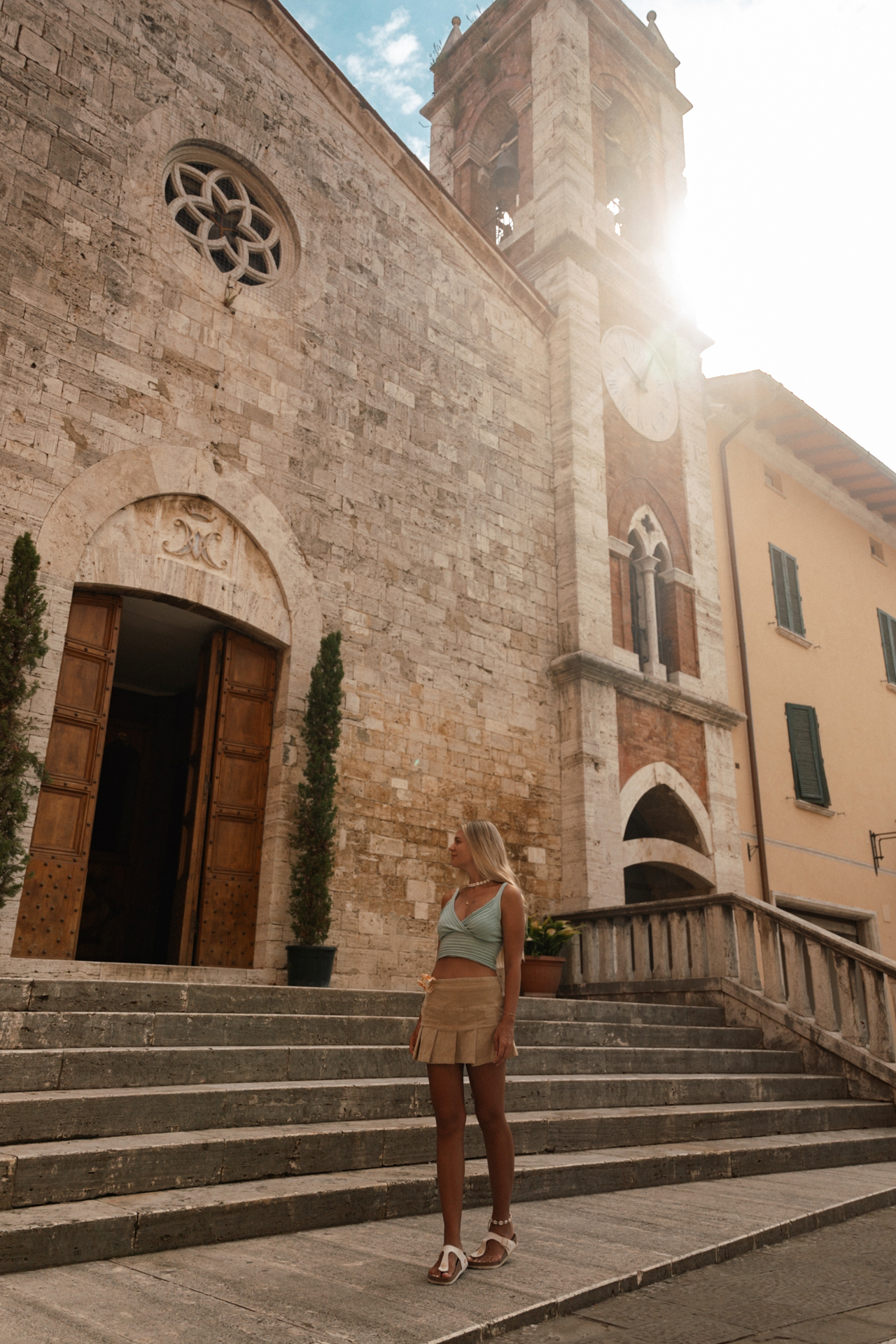
Start at the Collegiata, the 12th century church with three carved portals and a pair of weathered stone lions guarding the main door. Then find your way into the Horti Leonini, a formal Italian garden laid out around 1580 with clipped box hedges tucked just inside the town walls. It’s free, usually empty, and it’s a lovely place to sit for a while.
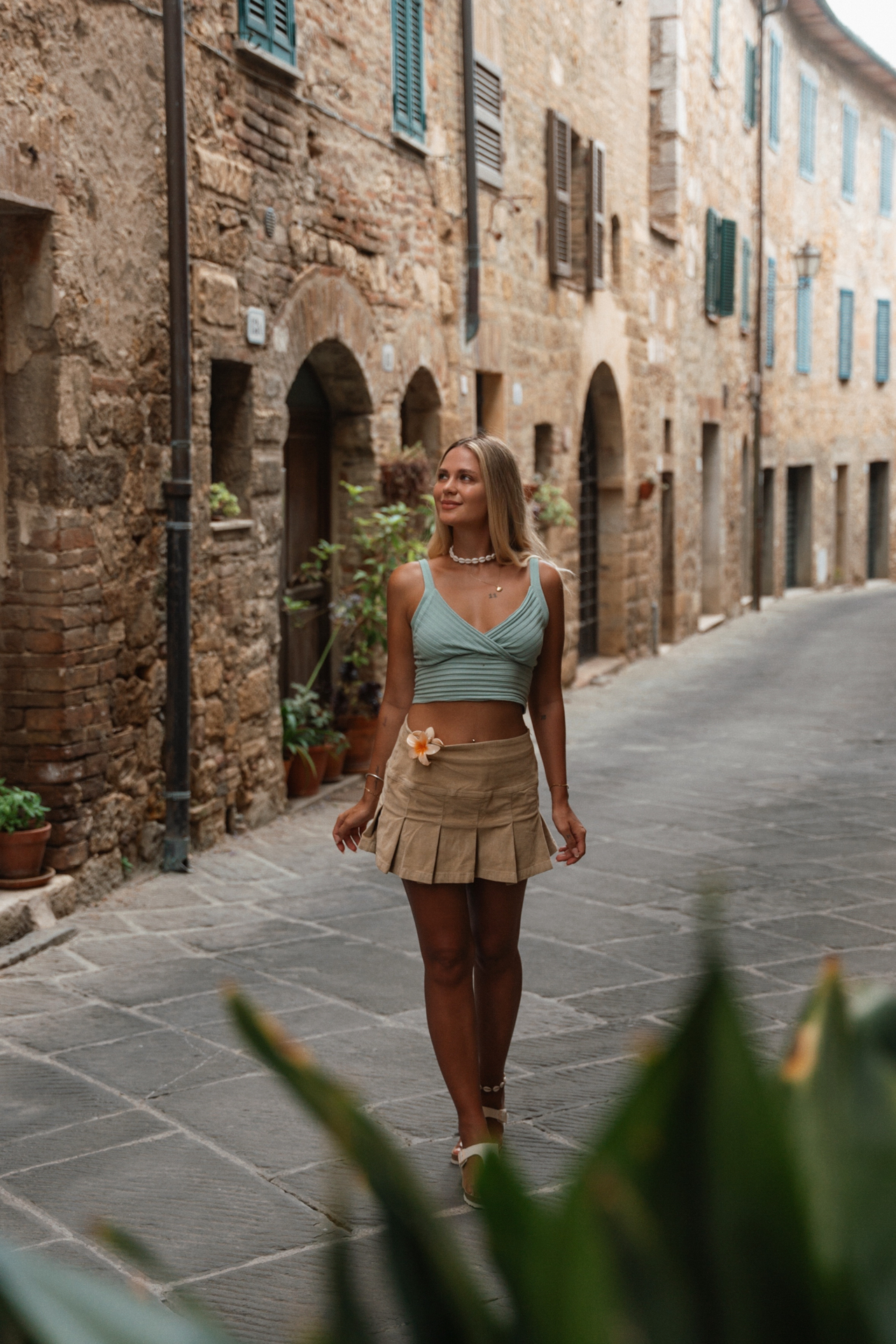
The rest of the village is honey colored stone, sleepy piazzas and a surprising number of very good restaurants.

Base yourself here if you prefer quieter villages. San Quirico is roughly half an hour from Pienza, Montepulciano, Montalcino, Monticchiello and Bagni San Filippo, which makes it a great base for exploring the whole valley.
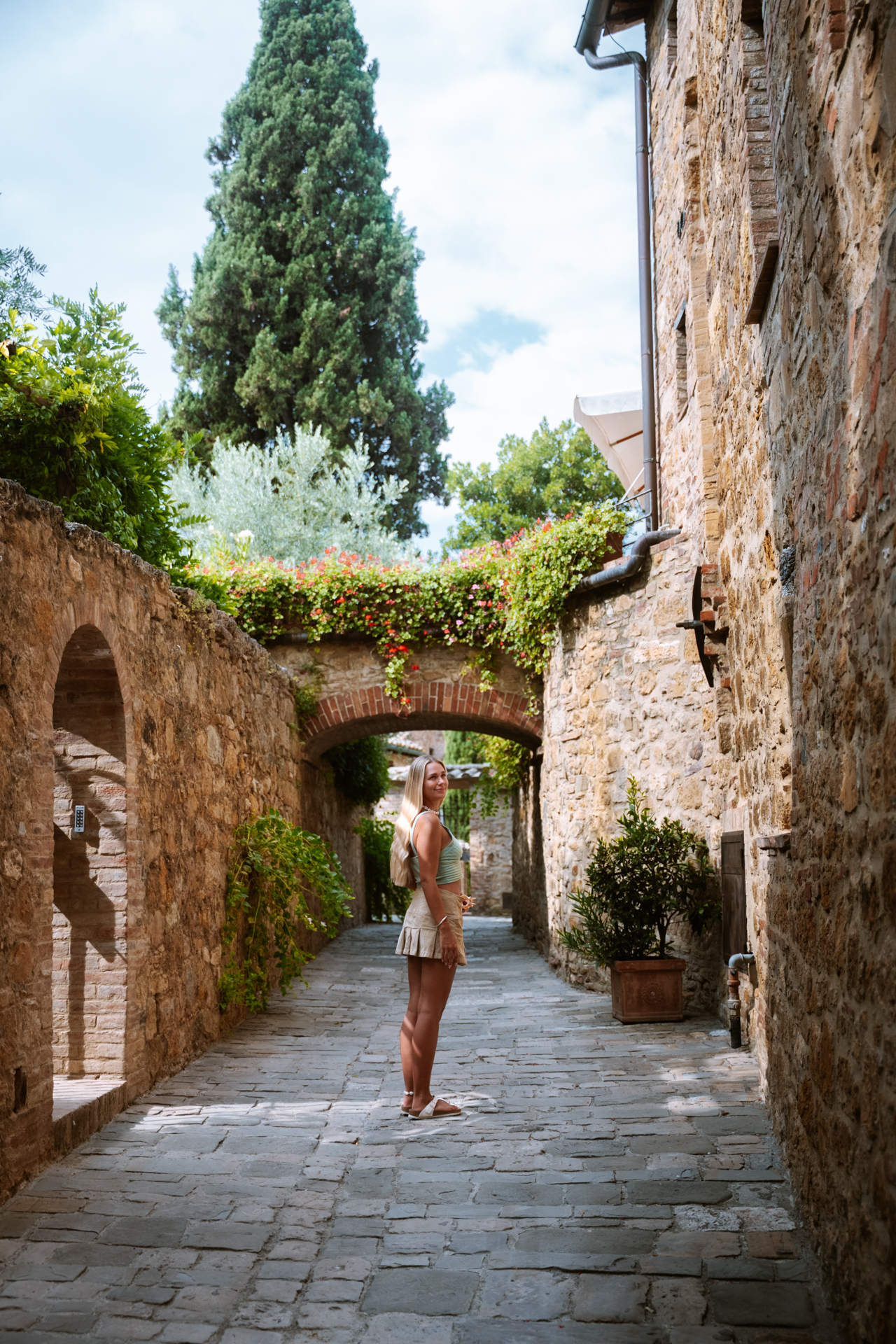
2. Visit the Hilltop Village of Monticchiello
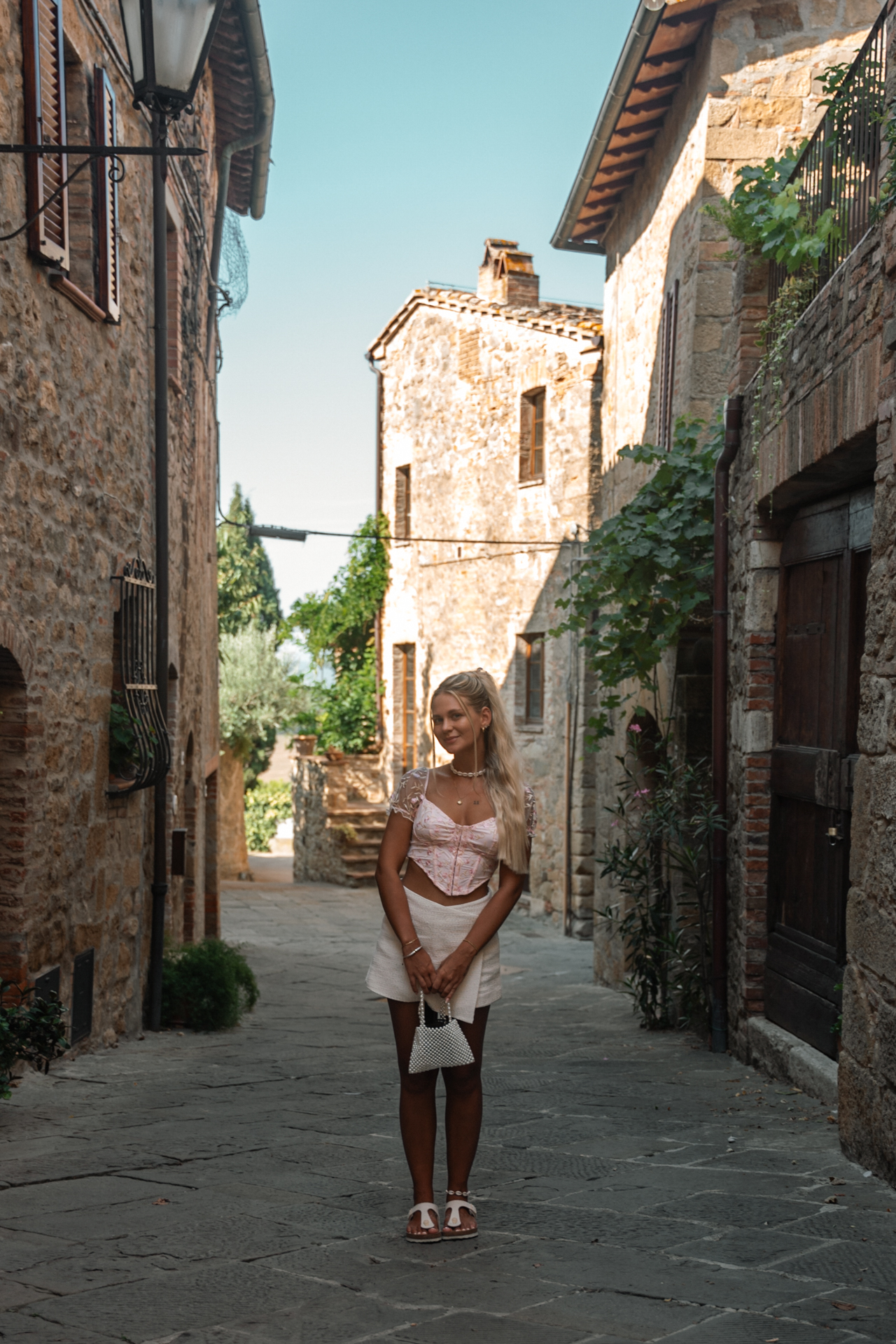
Around 200 people live inside these walls, which have been standing since the 1200s, and the entire village takes maybe twenty minutes to walk. You come in through Porta Sant’Agata, an arched gate flanked by two old watchtowers, and step straight into stone lanes covered in flowers and shutters.
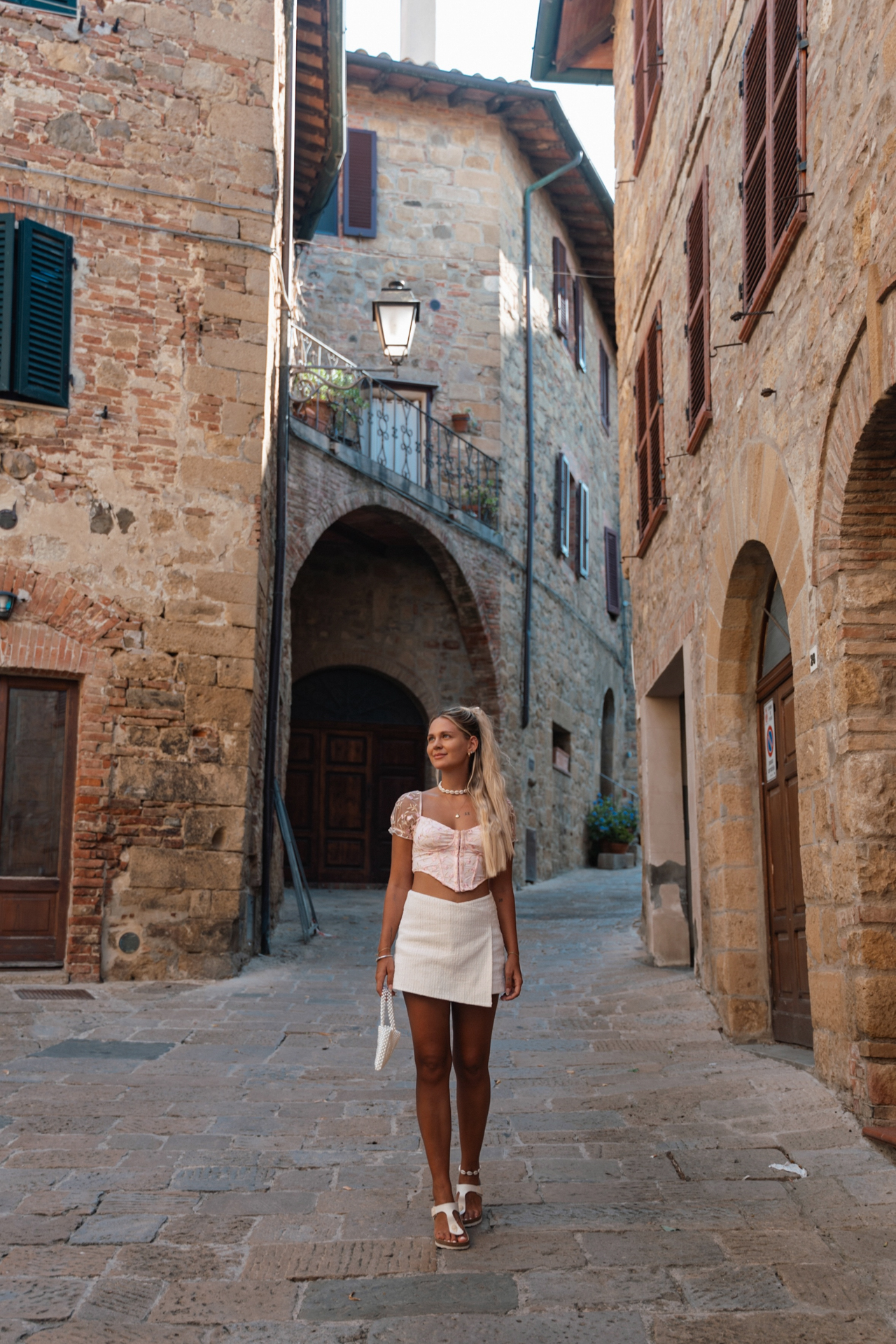
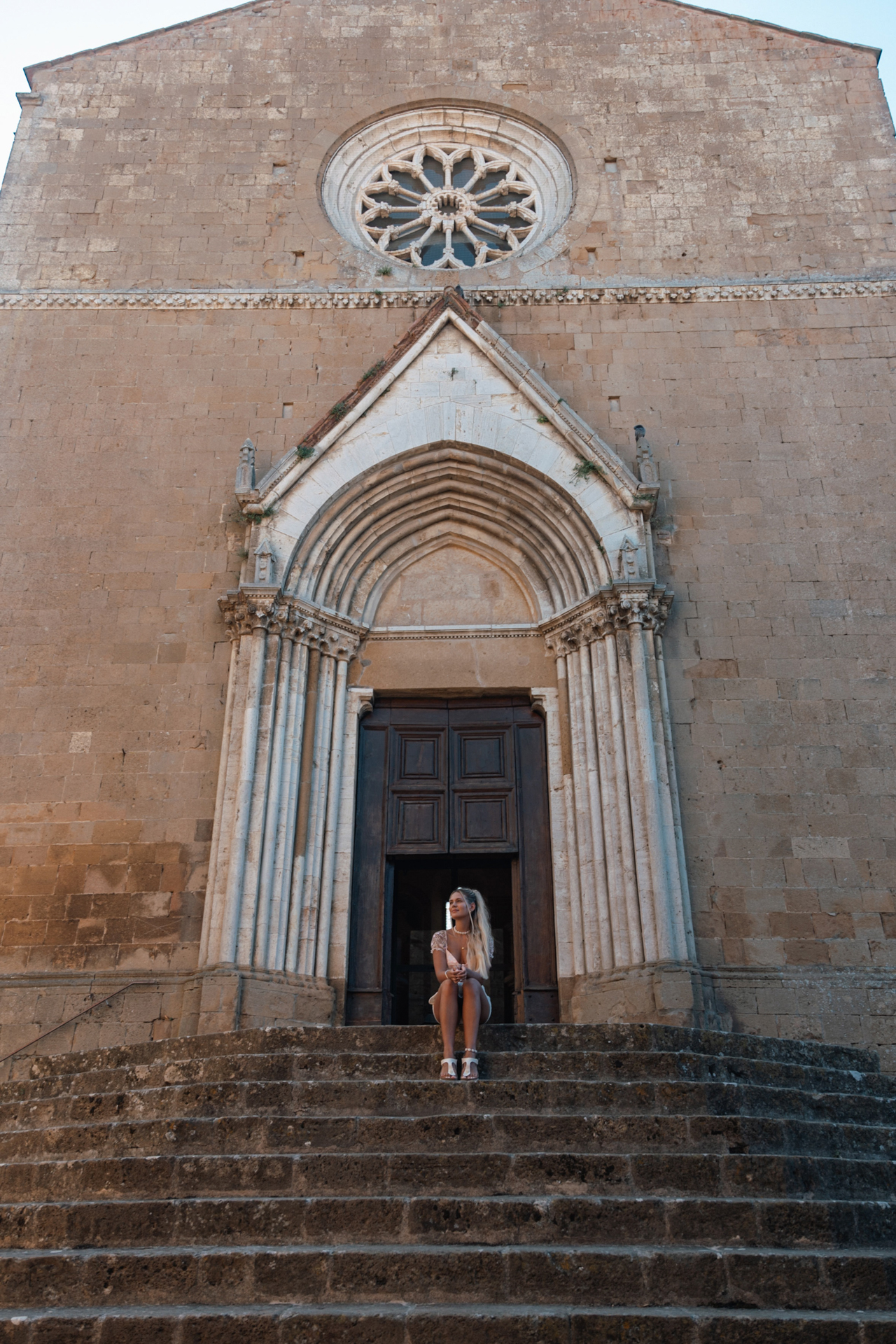
Before you go through the gate, walk over to the belvedere just outside it. The view stretches across the whole valley toward Montepulciano. There is nothing really here to tick off a list, which is exactly the point. You wander, you take far too many photos of doorways, and then you sit down for lunch with a view.
In late July and August, the villagers also stage the Teatro Povero, an annual outdoor play they write and perform themselves, which has been running since the 1960s.
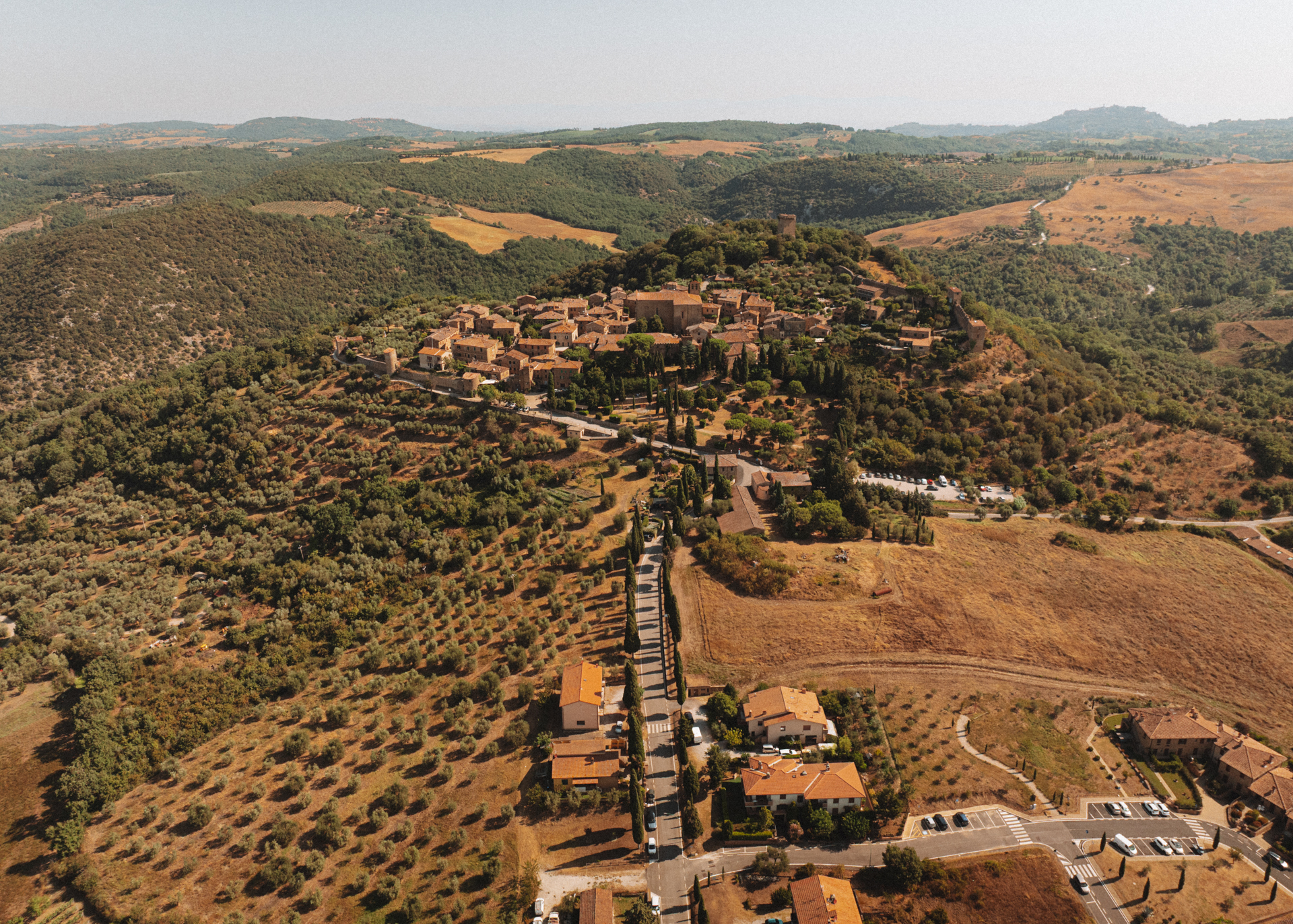
3. Explore the Historic Streets of Siena
Everything leads down into Piazza del Campo, the shell shaped square that slopes toward the Palazzo Pubblico, and it really is one of the most beautiful public spaces in Tuscany. Climb the Torre del Mangia if your legs are willing, because those 400 steps end in a view over every rooftop in the city.
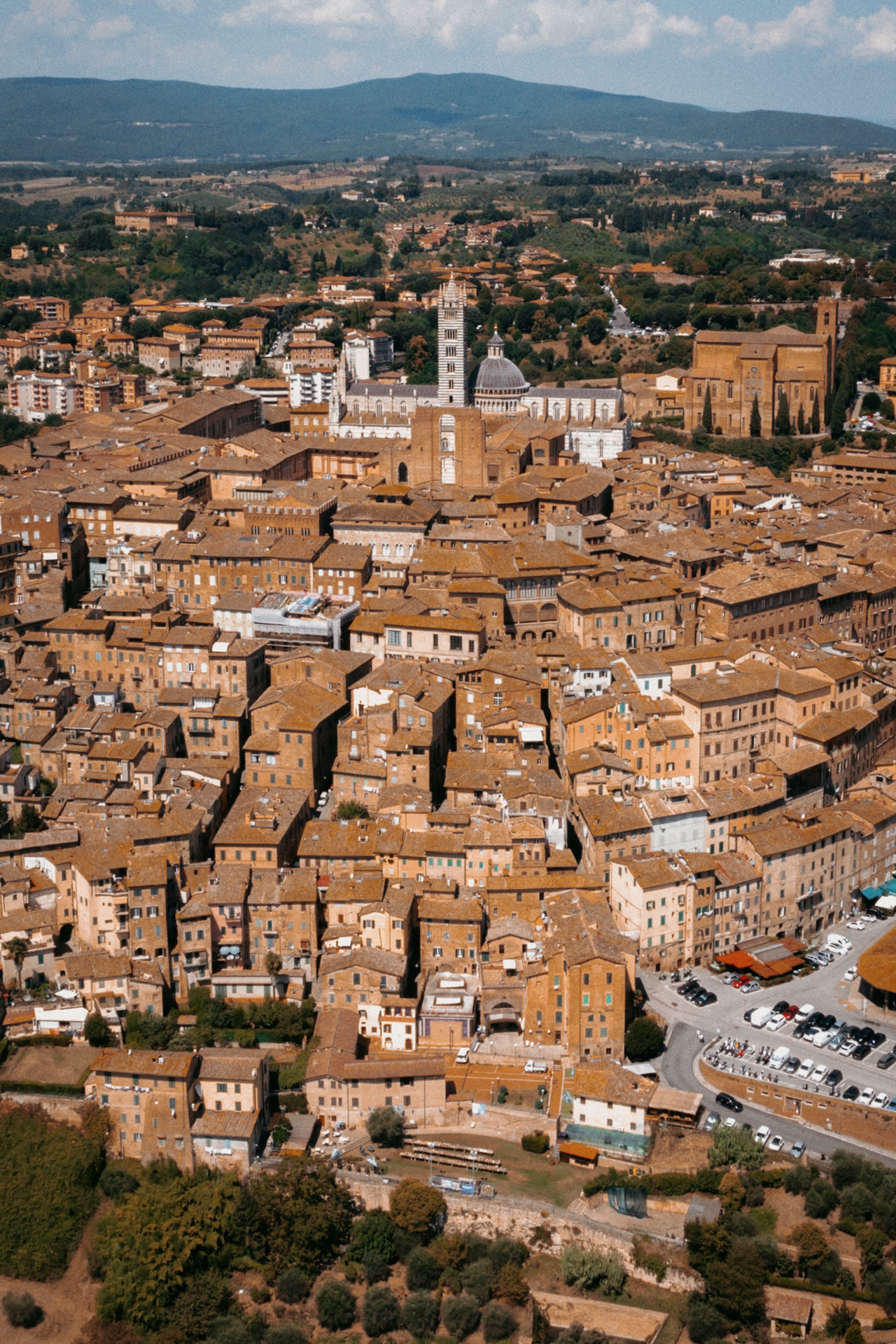
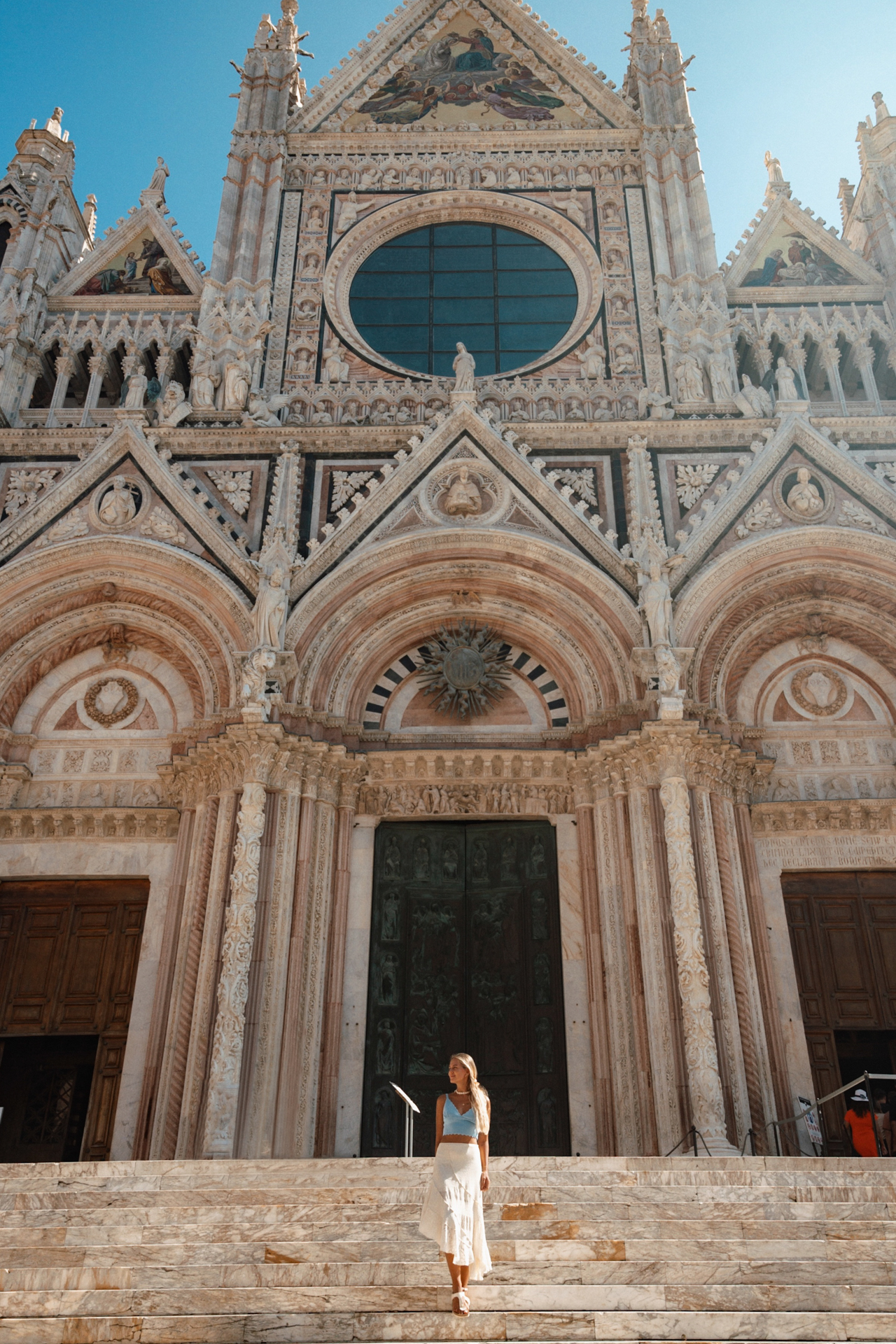
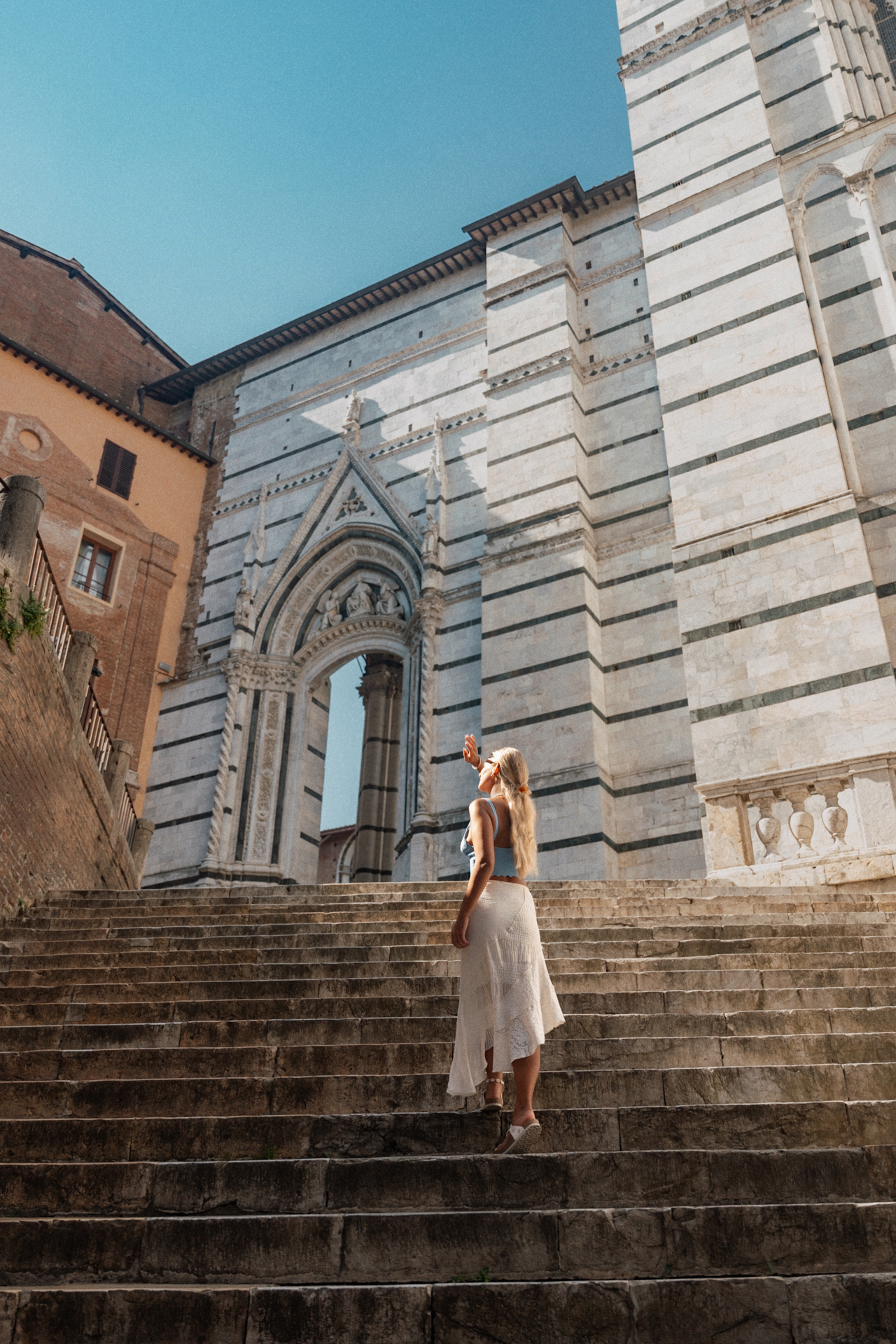
Then go straight to the Duomo, all striped black and white marble outside and even more over the top inside, with an inlaid marble floor and the Piccolomini Library covered in frescoes. After that, just walk. The medieval lanes are steep and narrow and strung with contrada flags, and getting slightly lost is half the fun.
The Palio, Siena’s bareback horse race around the Campo, runs on the 2nd of July and the 16th of August. It’s spectacular, but the city is rammed and rooms triple in price, so decide early whether you are coming for it or dodging it.
4. Walk Through Medieval San Gimignano
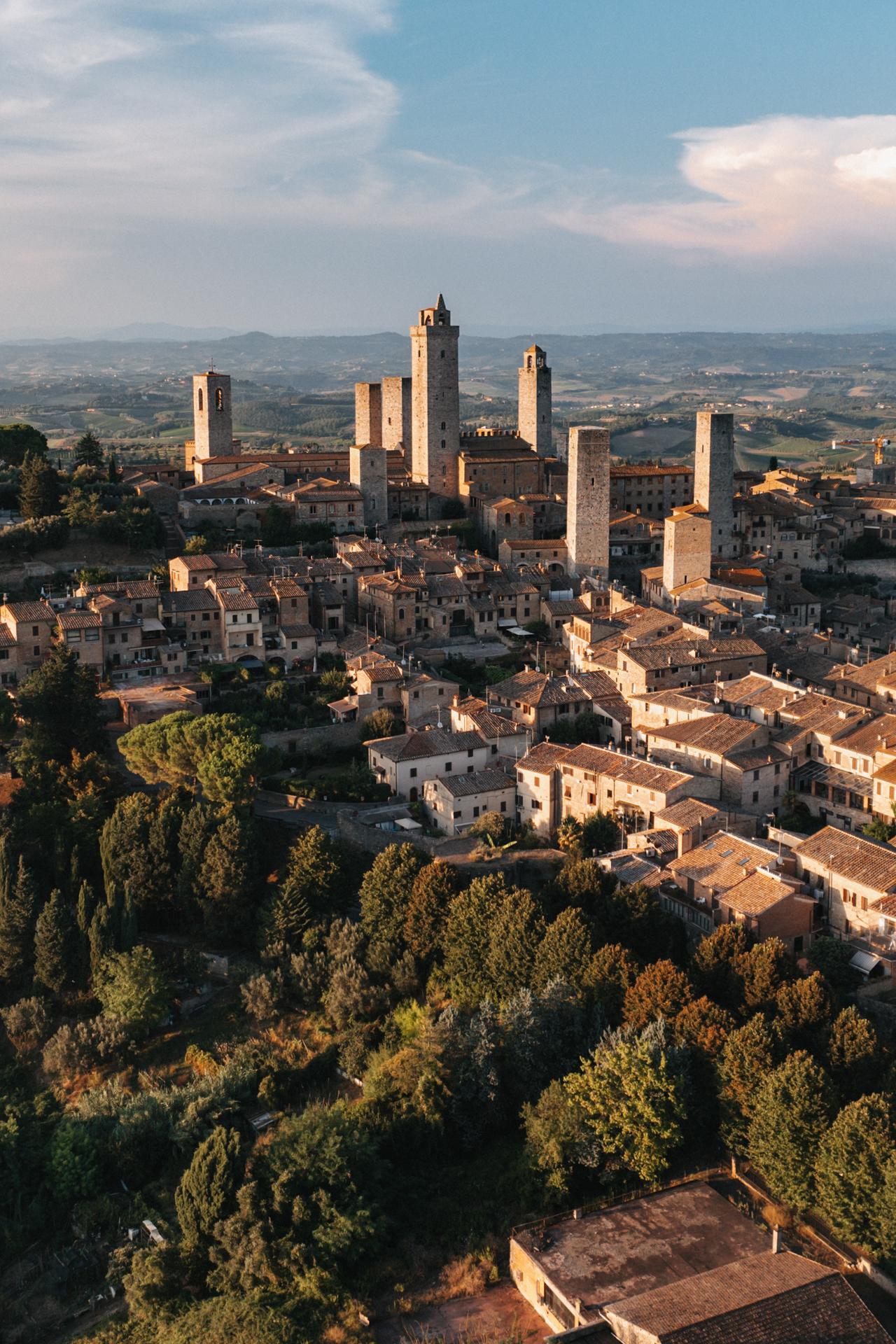
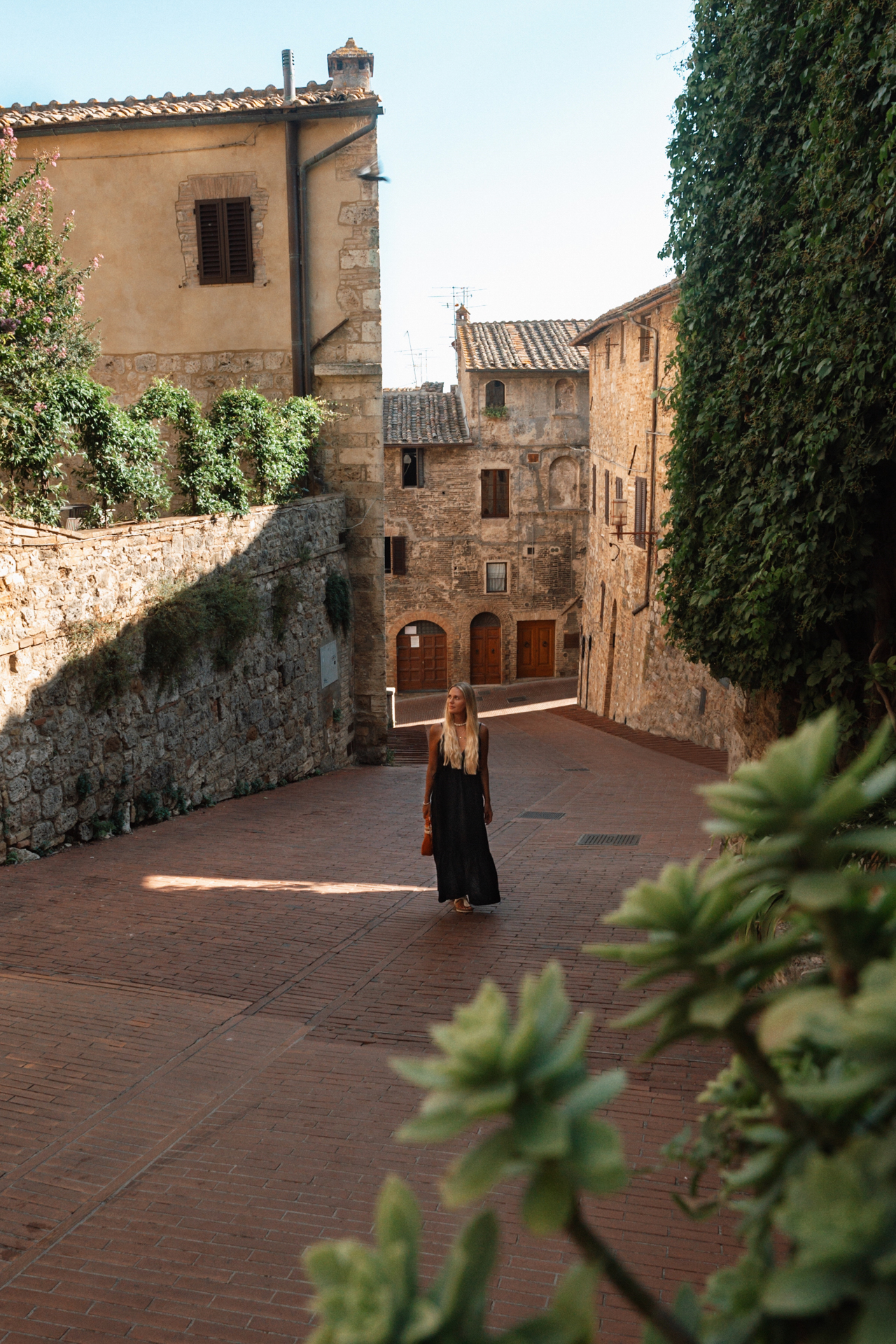
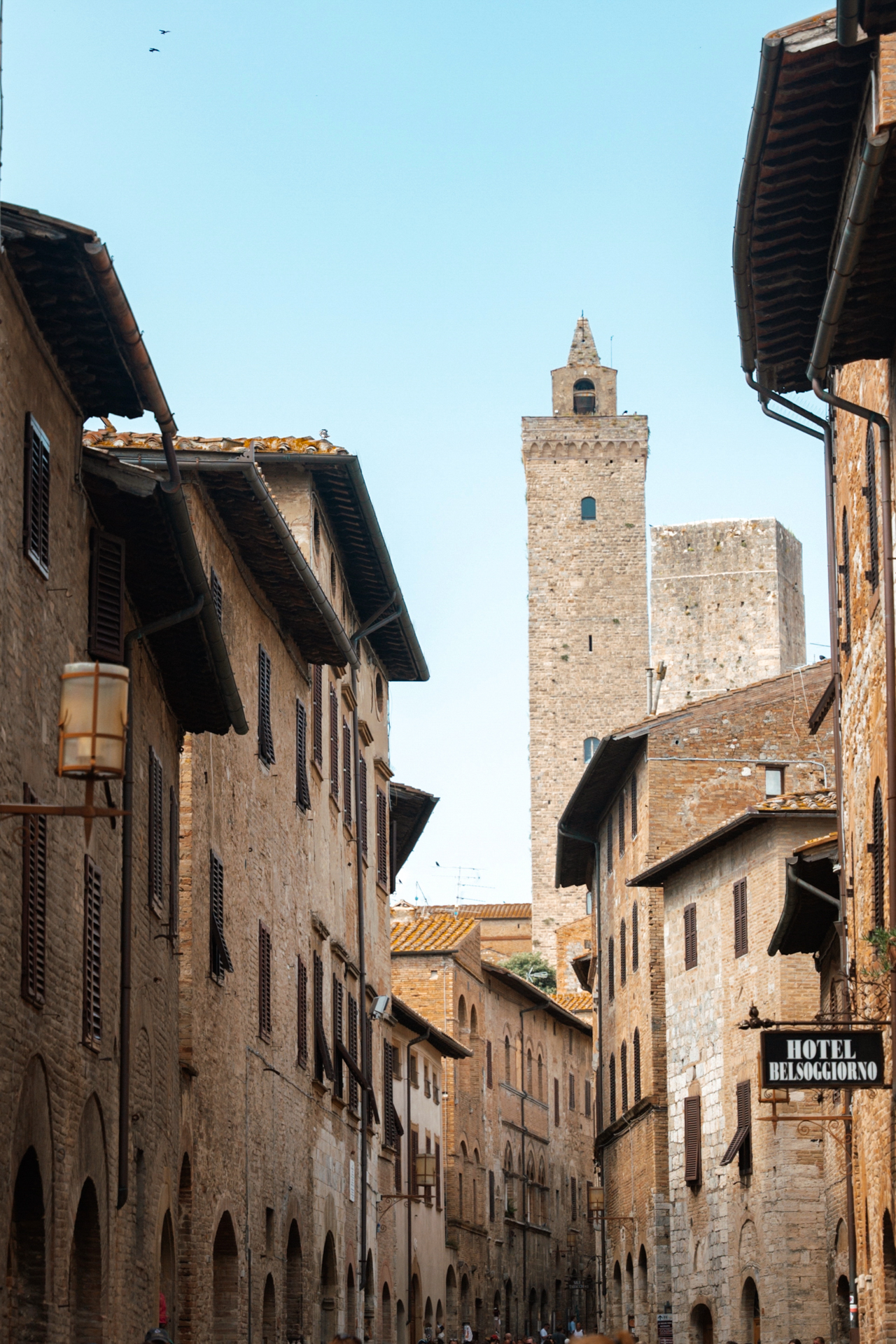
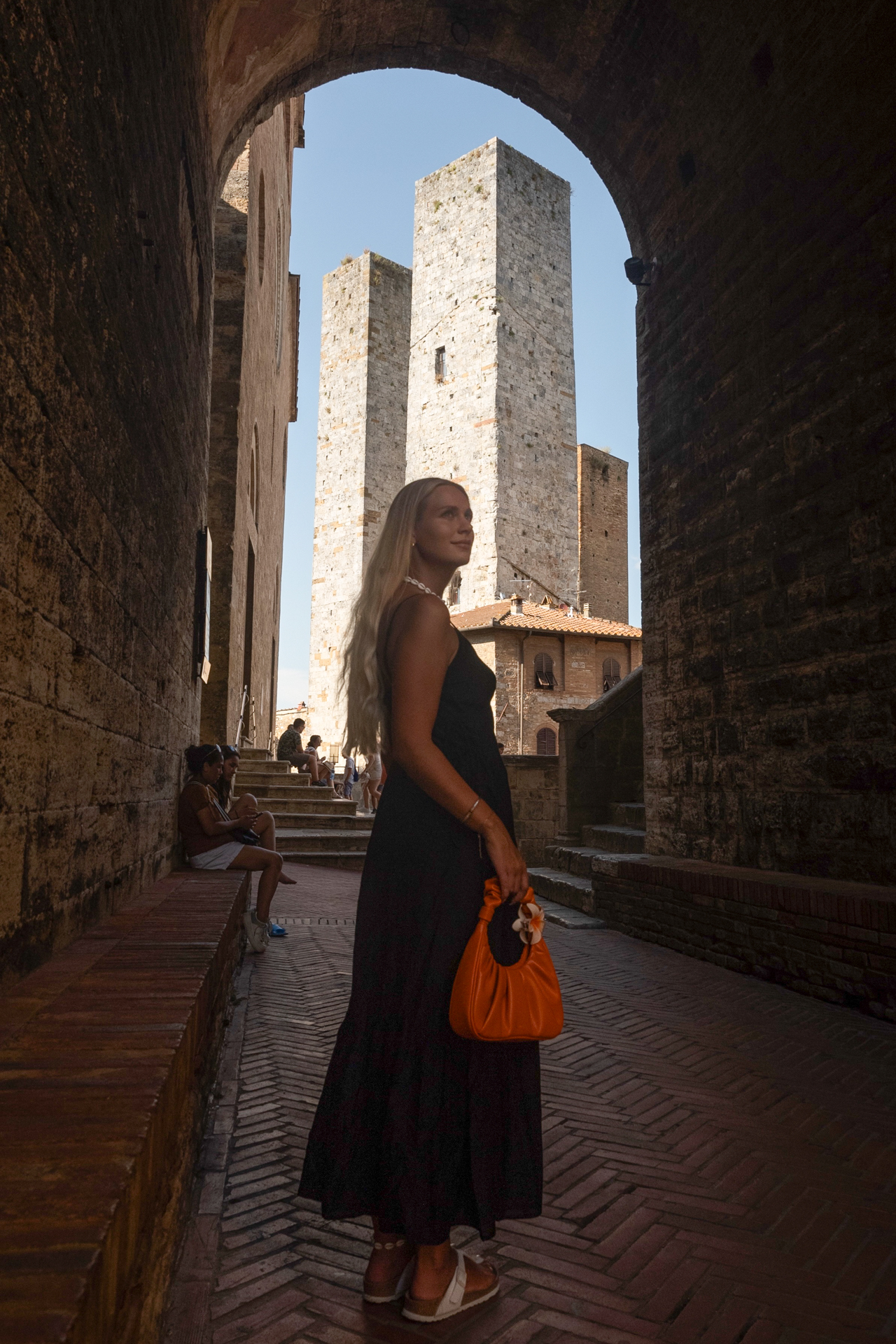
San Gimignano is known for its towers and is often called the “Manhattan of the Middle Ages.” And yes, it is every bit as photogenic as everyone promises. There were 72 of them at one point, each built by a wealthy family trying to out do the neighbors, and 14 are still standing. Torre Grossa is the tallest at 54 meters and the only one you can actually climb, which gets you a full 360 degree view over vineyards and rooftops.
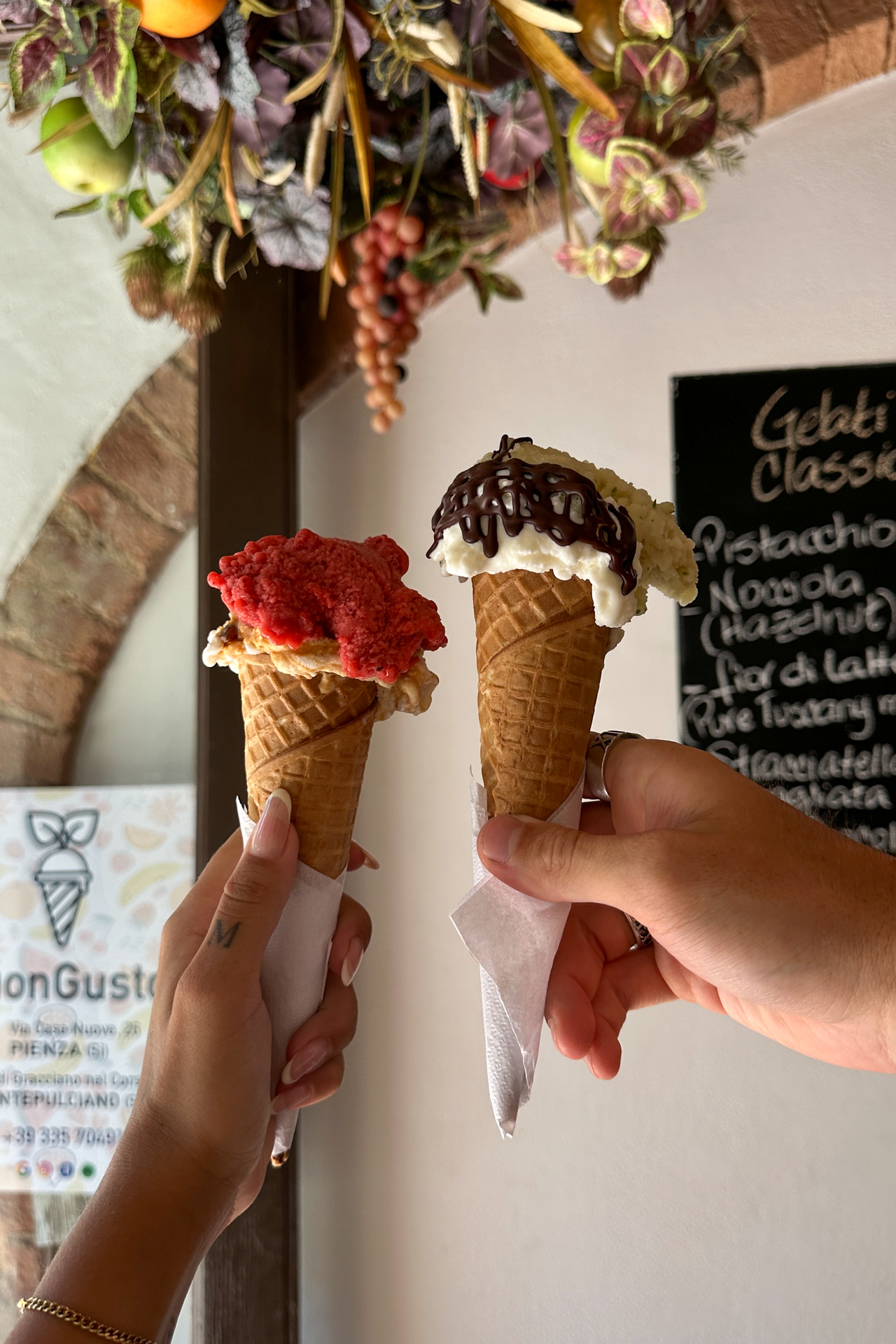
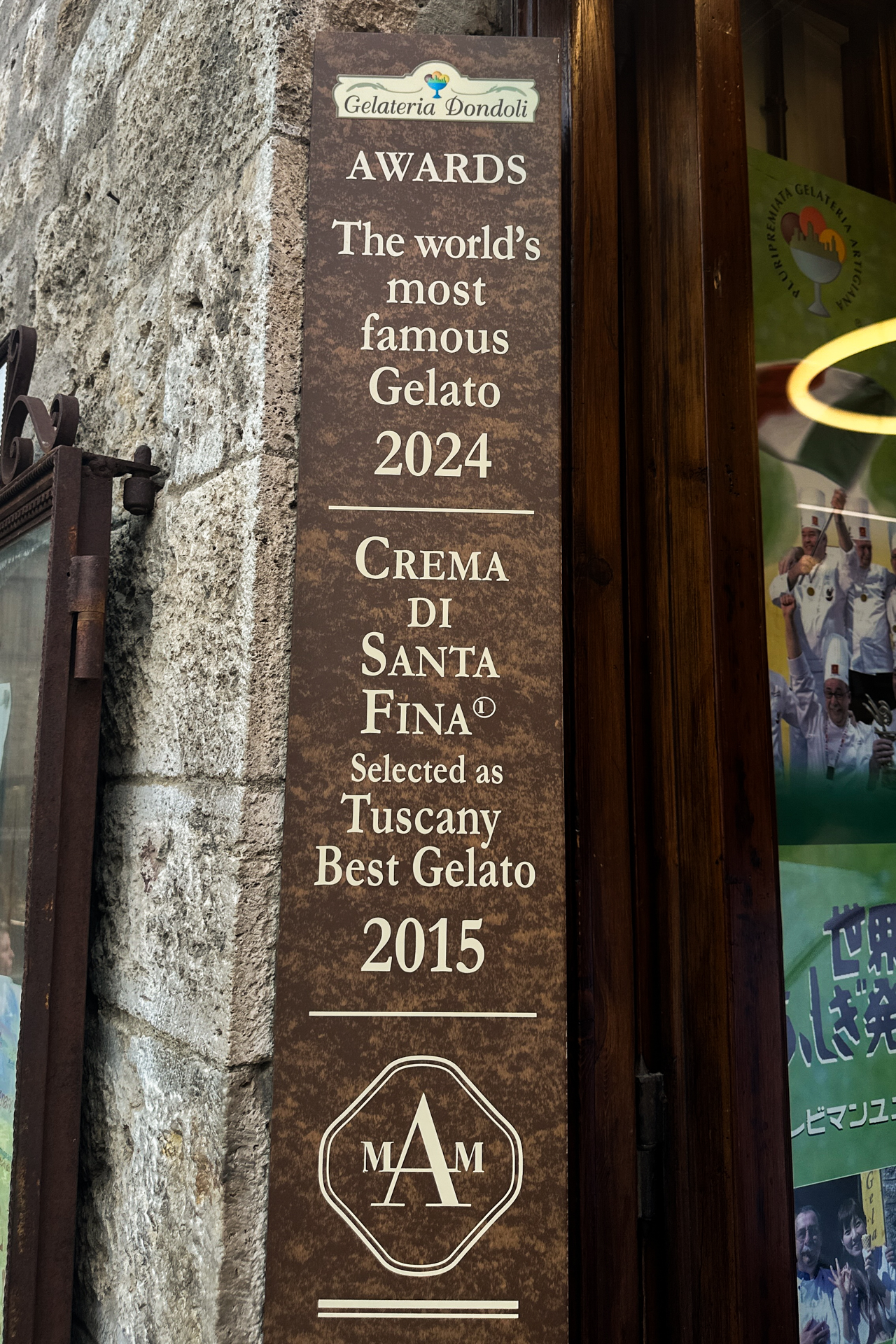
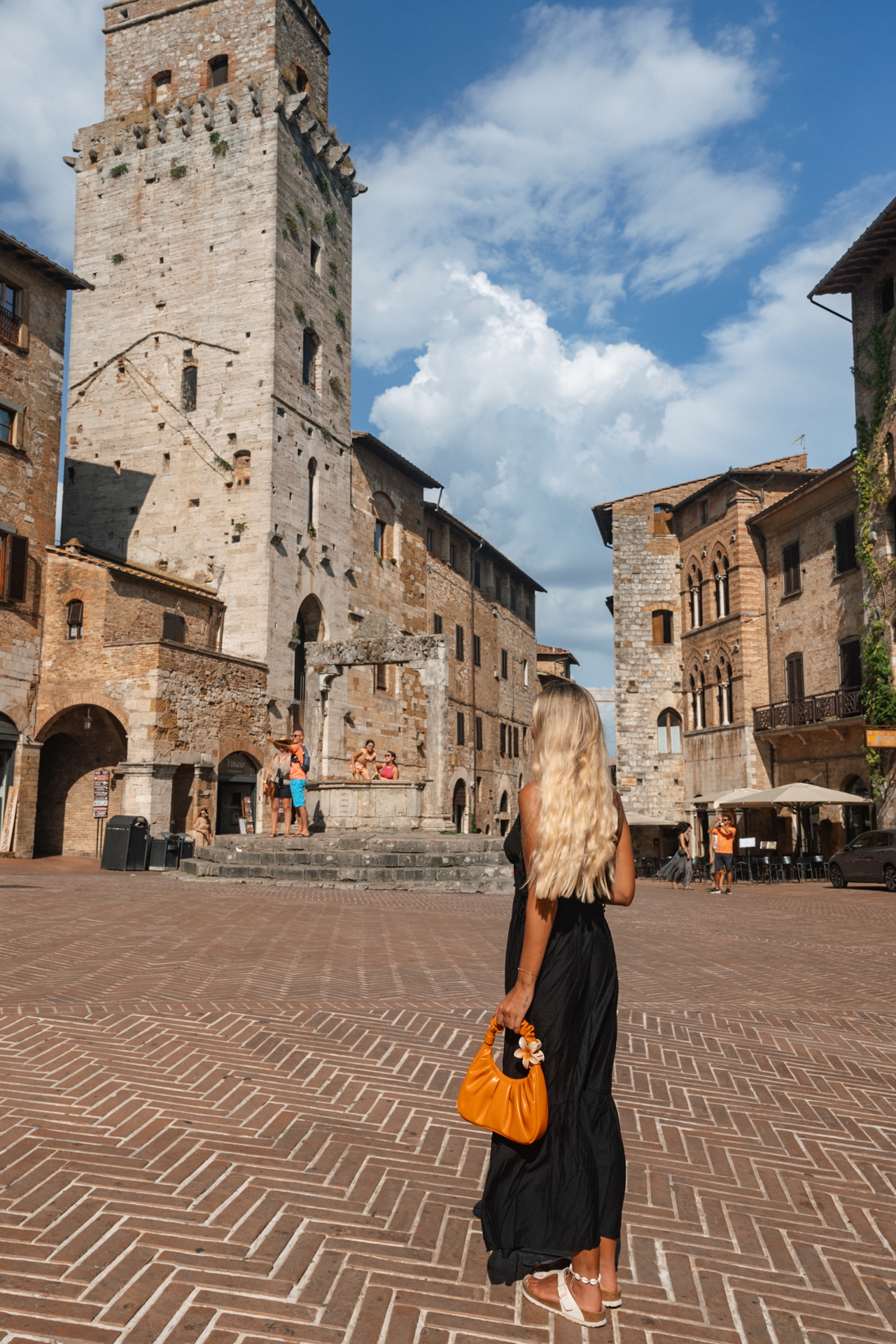
Down at ground level, Piazza della Cisterna is the heart of it, a triangular square built around a medieval stone well and ringed by tower houses. This is also where you will find Gelateria Dondoli, a multiple world champion gelateria with a queue that looks terrifying but moves fast. Get the raspberry with rosemary, it’s so good!
5. Take a Scenic Drive Through Val d’Orcia
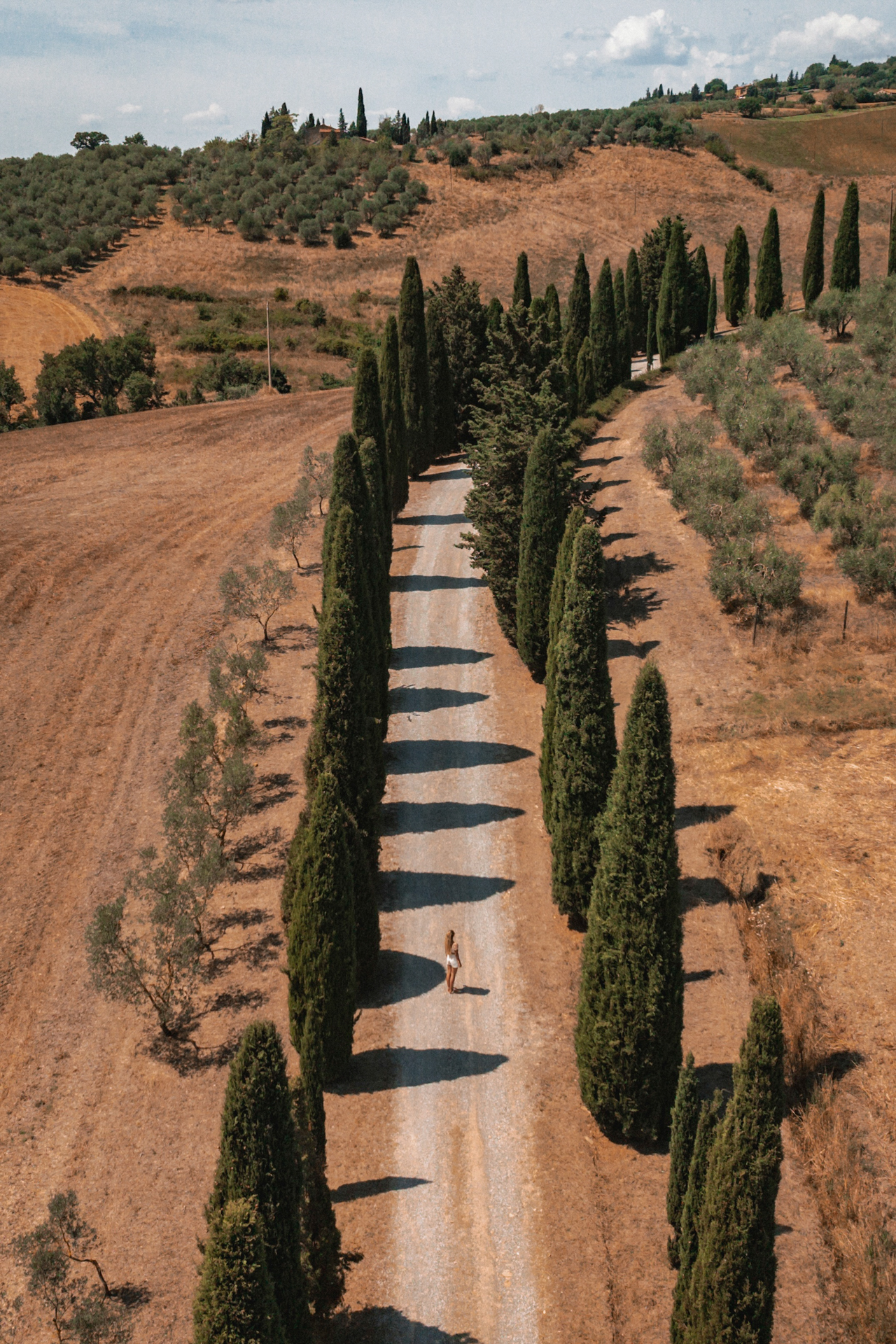
This is the Tuscany you already have in your head: golden hills, lone farmhouses, and cypress trees standing in rows along the ridgelines. The whole Val d’Orcia is a UNESCO World Heritage Site, and honestly the driving itself is the attraction.
The SP146 between Pienza and San Quirico d’Orcia is the famous stretch, and it is where you will spot the Cappella della Madonna di Vitaleta, a tiny chapel standing alone in a field that has ended up on roughly every Tuscany postcard ever printed.
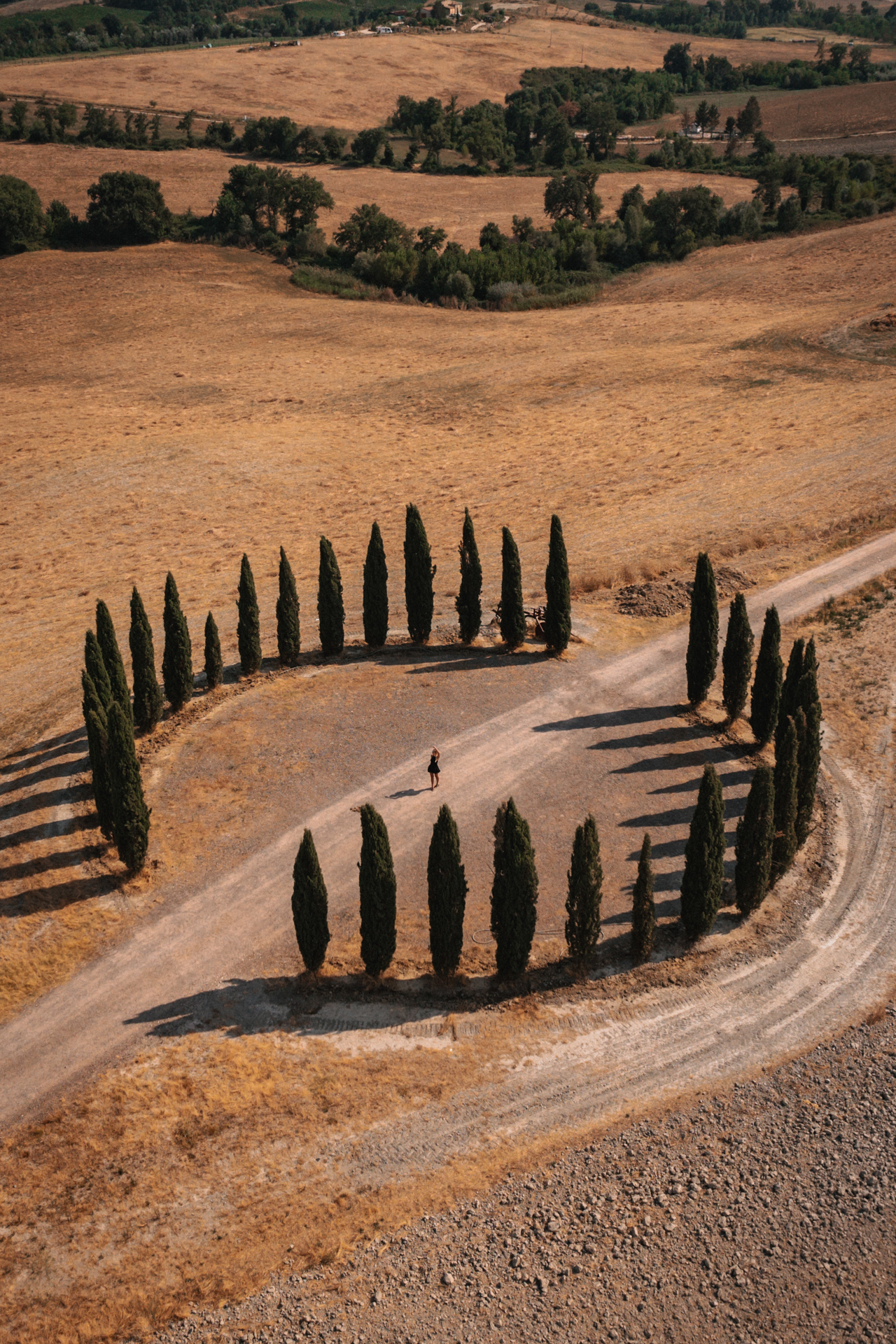
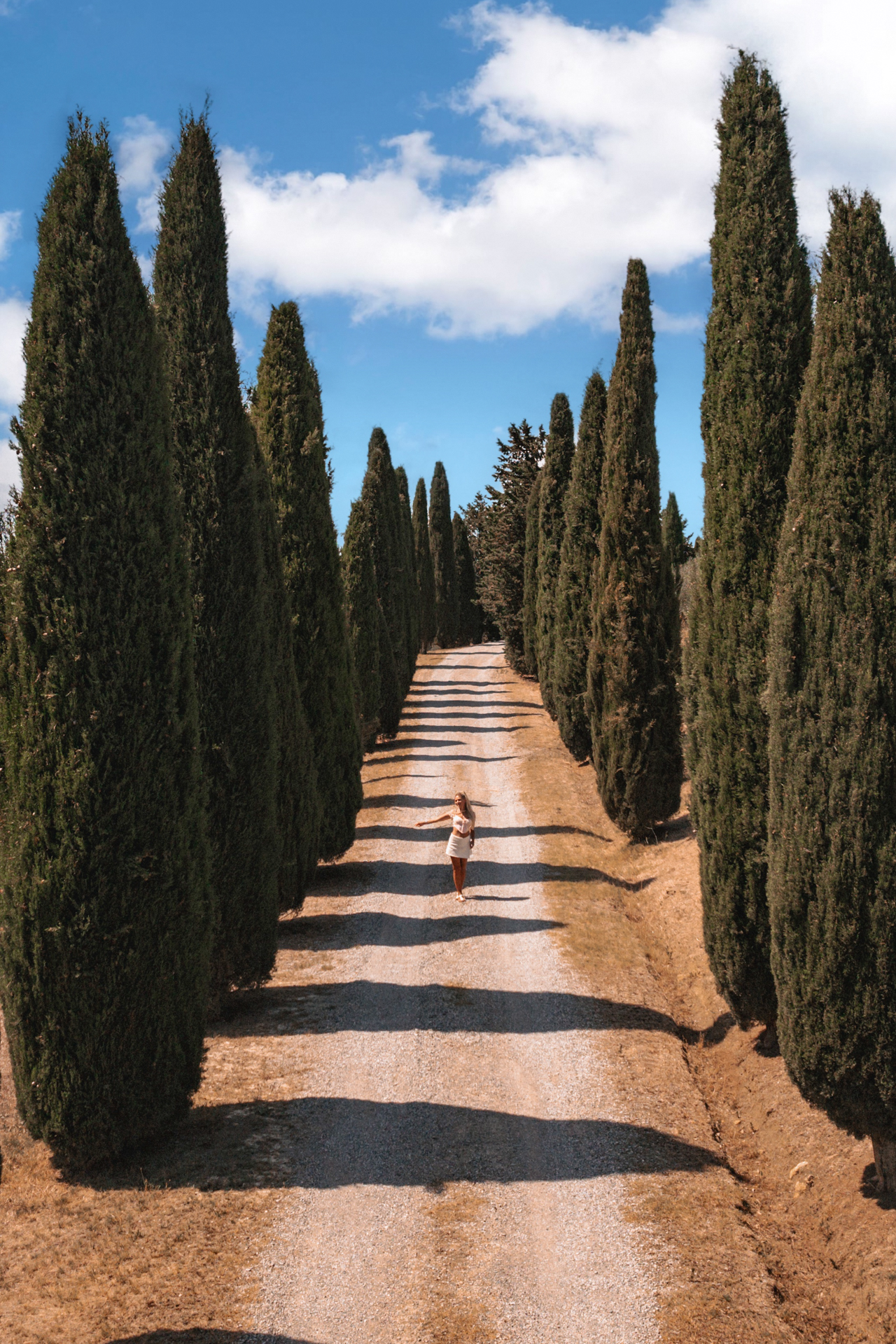
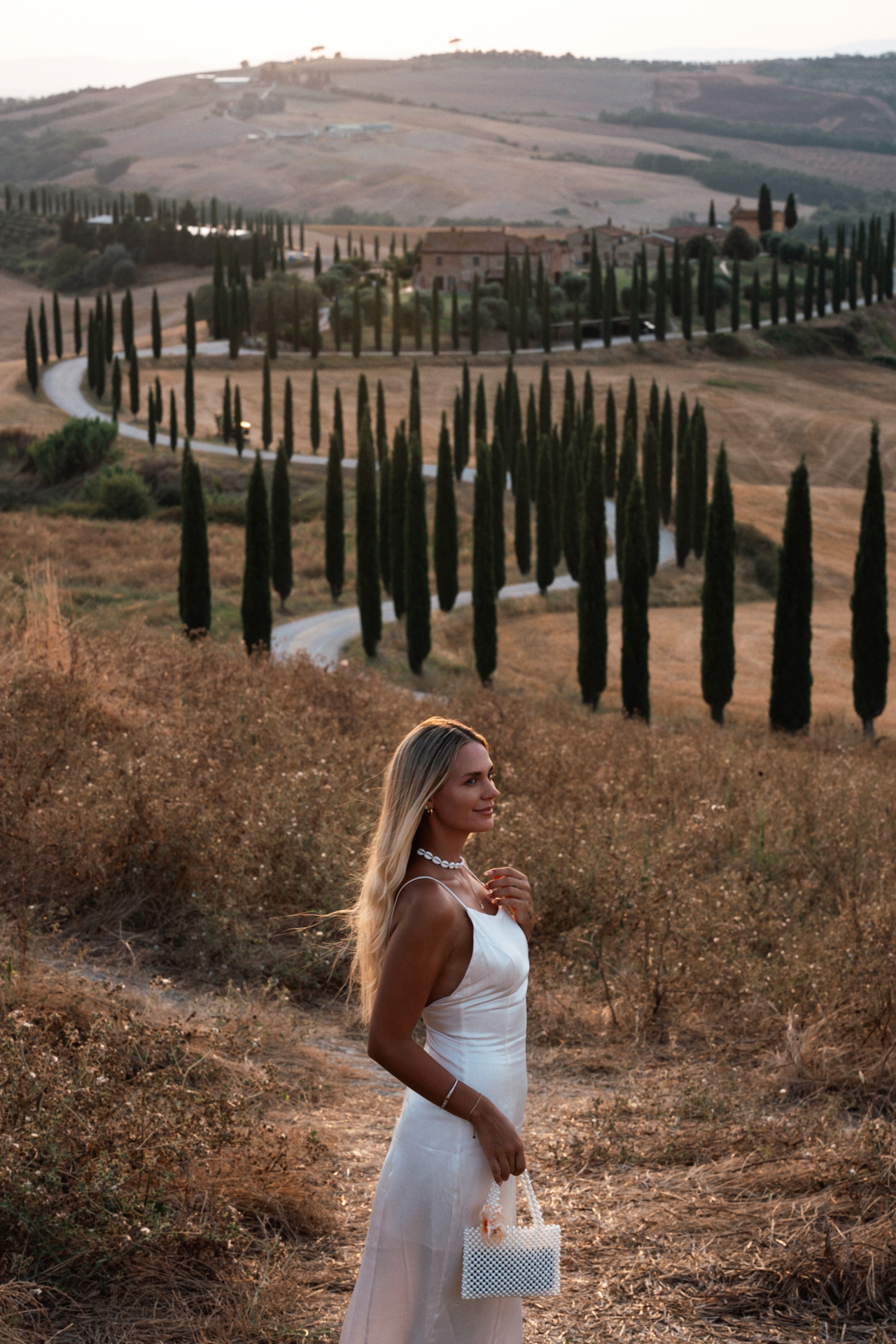
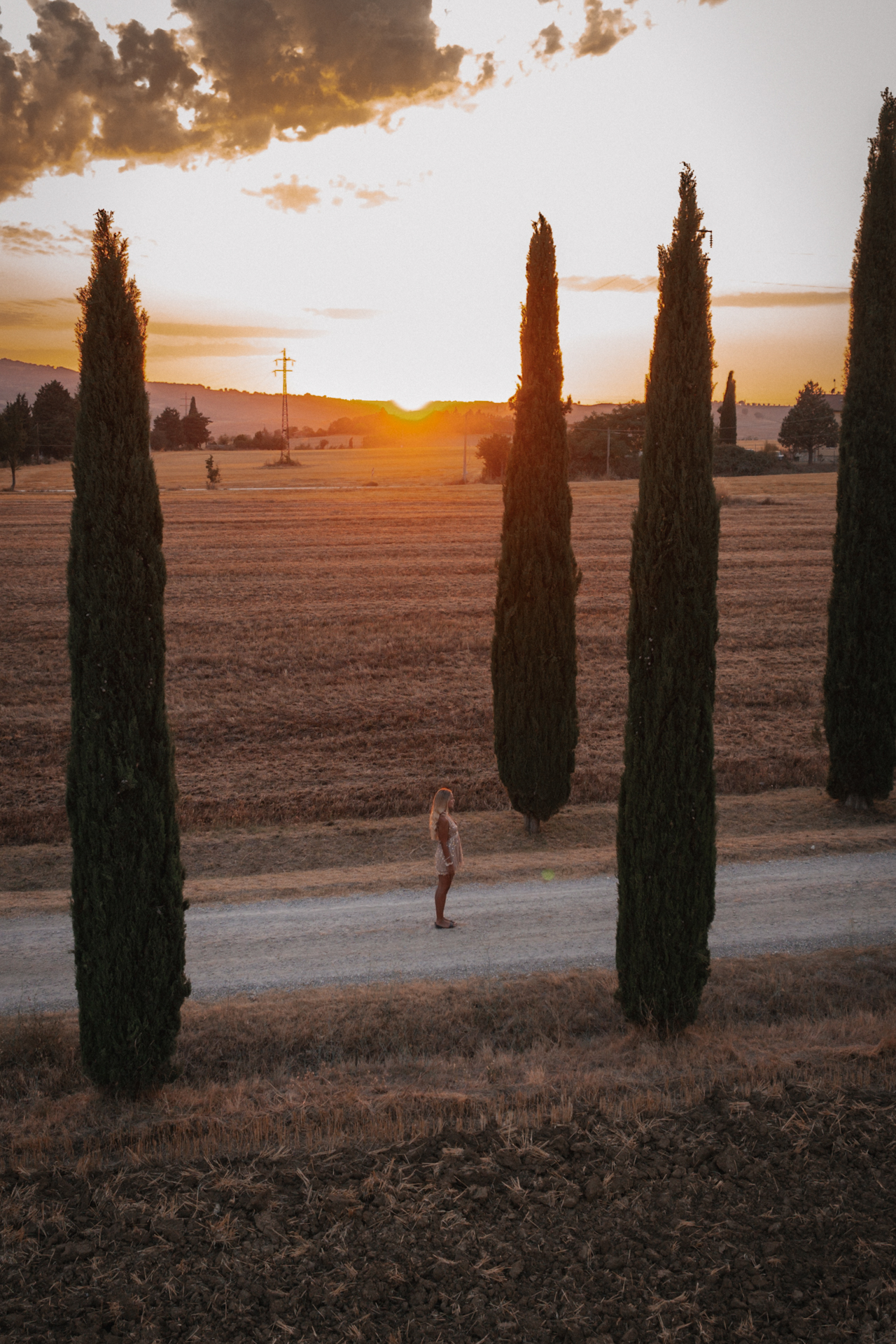
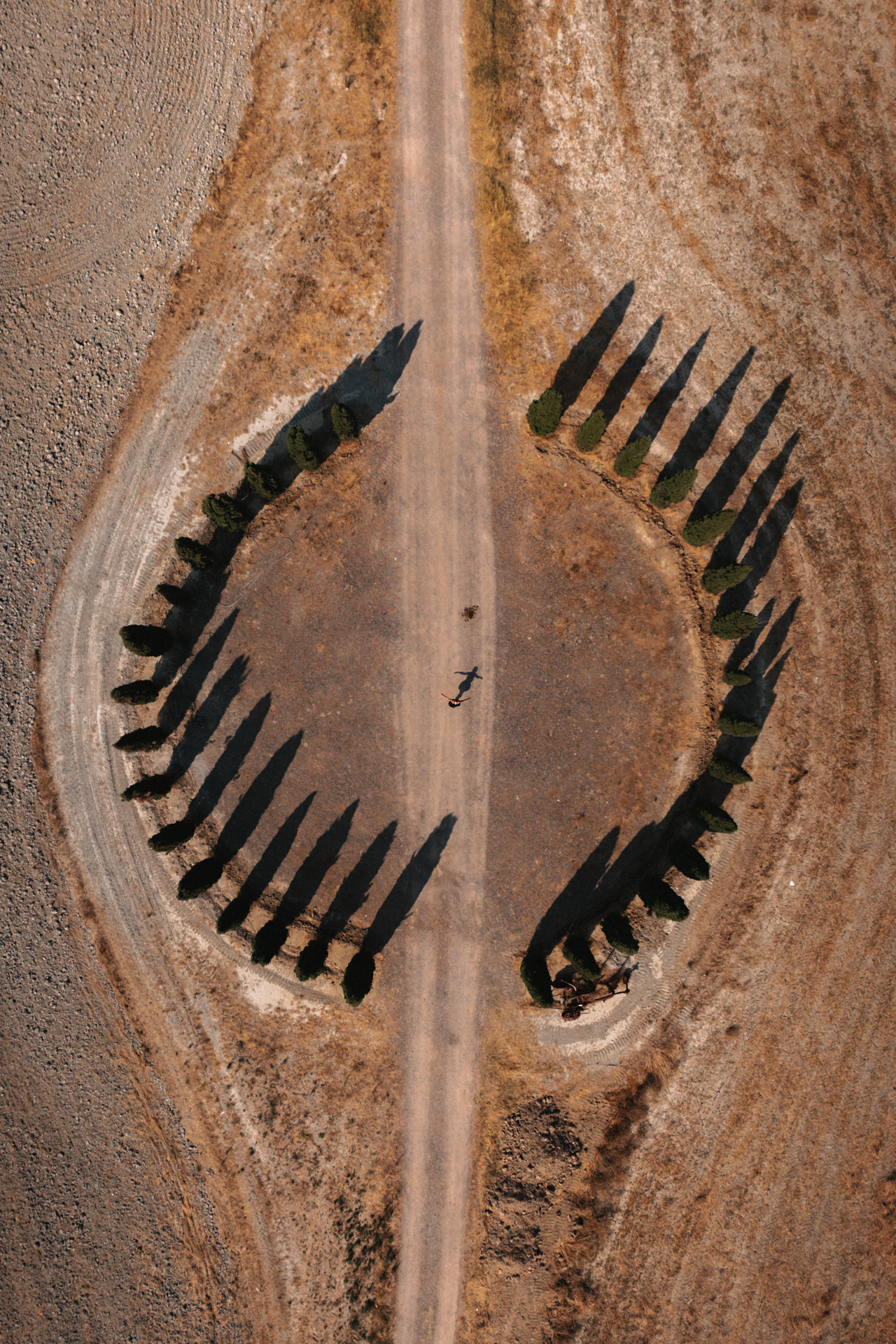
There are so many beautiful cypress-lined roads where you can stop and take photos. We even found a cypress spiral near San Quirico d’Orcia, which was also amazing! Don’t plan this drive too tightly, you will stop constantly.
When exploring Tuscany, skip the highways on Google Maps and take the scenic backroads instead! You’ll get to soak in those iconic rolling hills, charming villages, and endless vineyards. Plus, you might discover some hidden gems off the beaten path, just like we did!
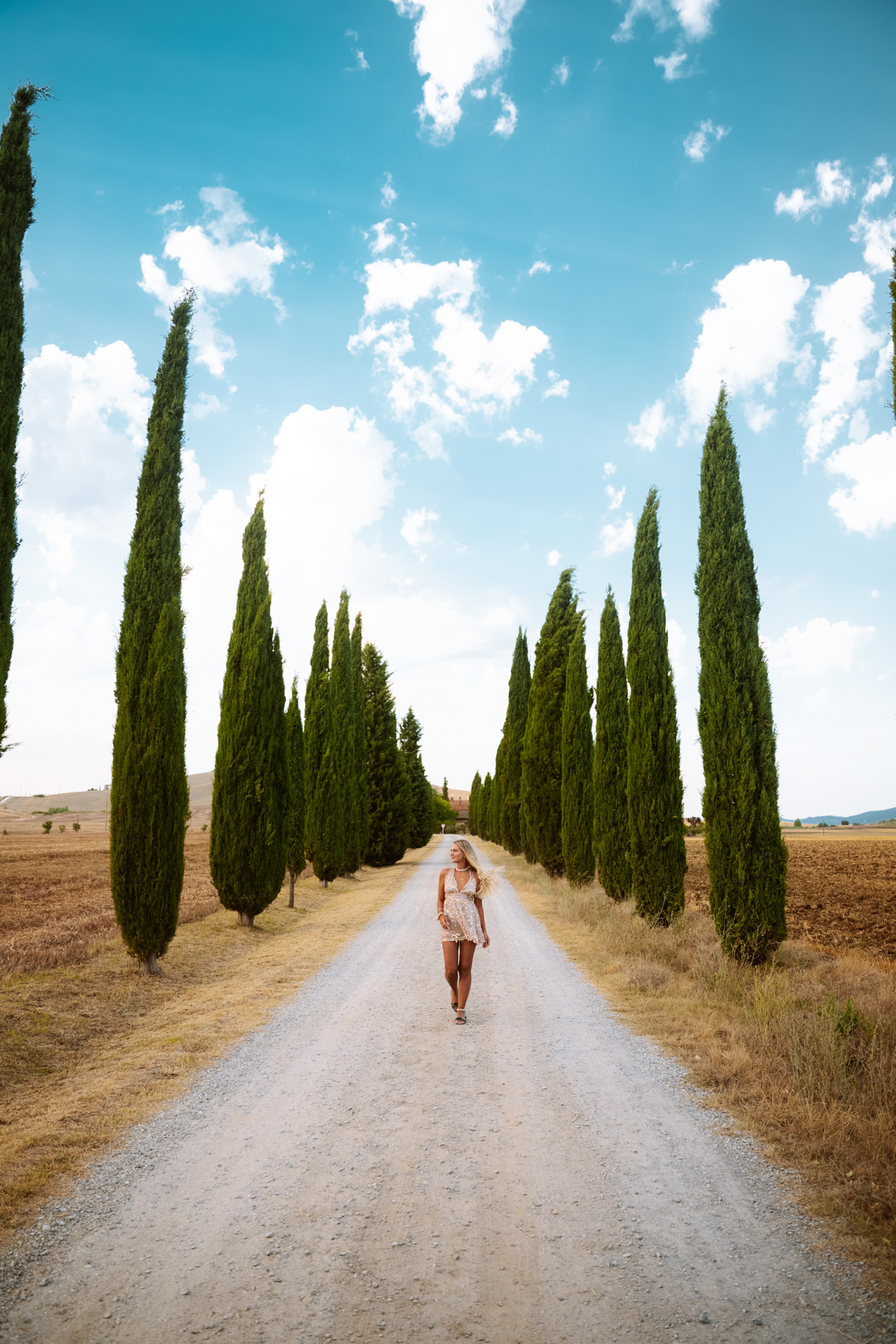
We found an open cypress-lined road from the photo above by accident. Many of these beautiful spots are private, closed off or protected, so you cannot always enter them. Here is the exact location from the photo above. And here are 2 more locations:
6. Explore Beautiful Pienza
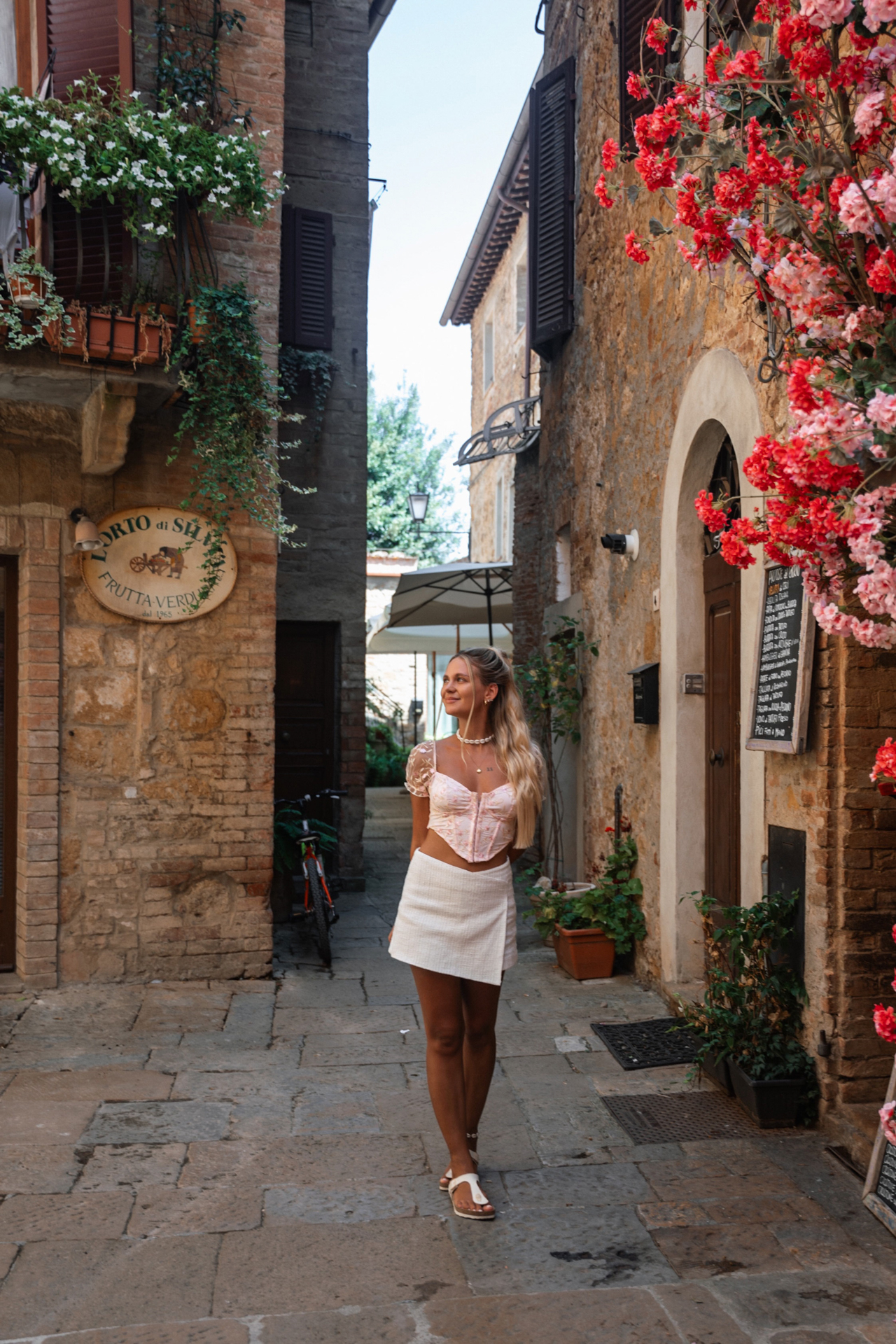
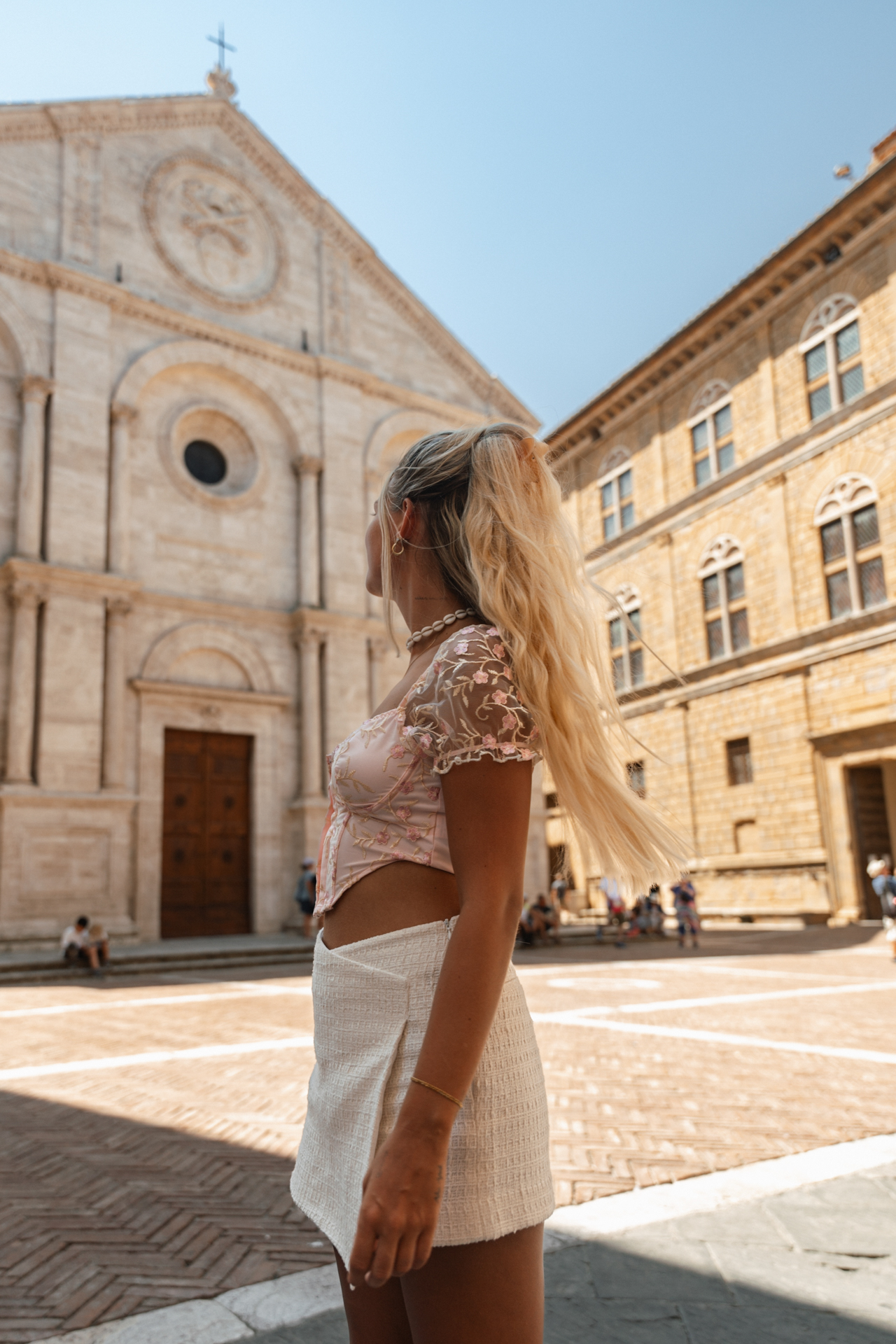
Pienza is a tiny and charming Renaissance town, rebuilt by Pope Pius II in the 1460s. The main street, Corso il Rossellino, is lined with delis, ceramic shops and plenty of local pecorino cheese.
Pecorino di Pienza is made from local sheep’s milk and you will find it fresh, aged, wrapped in walnut leaves or rolled in ash, and every shop will happily let you taste before you buy.
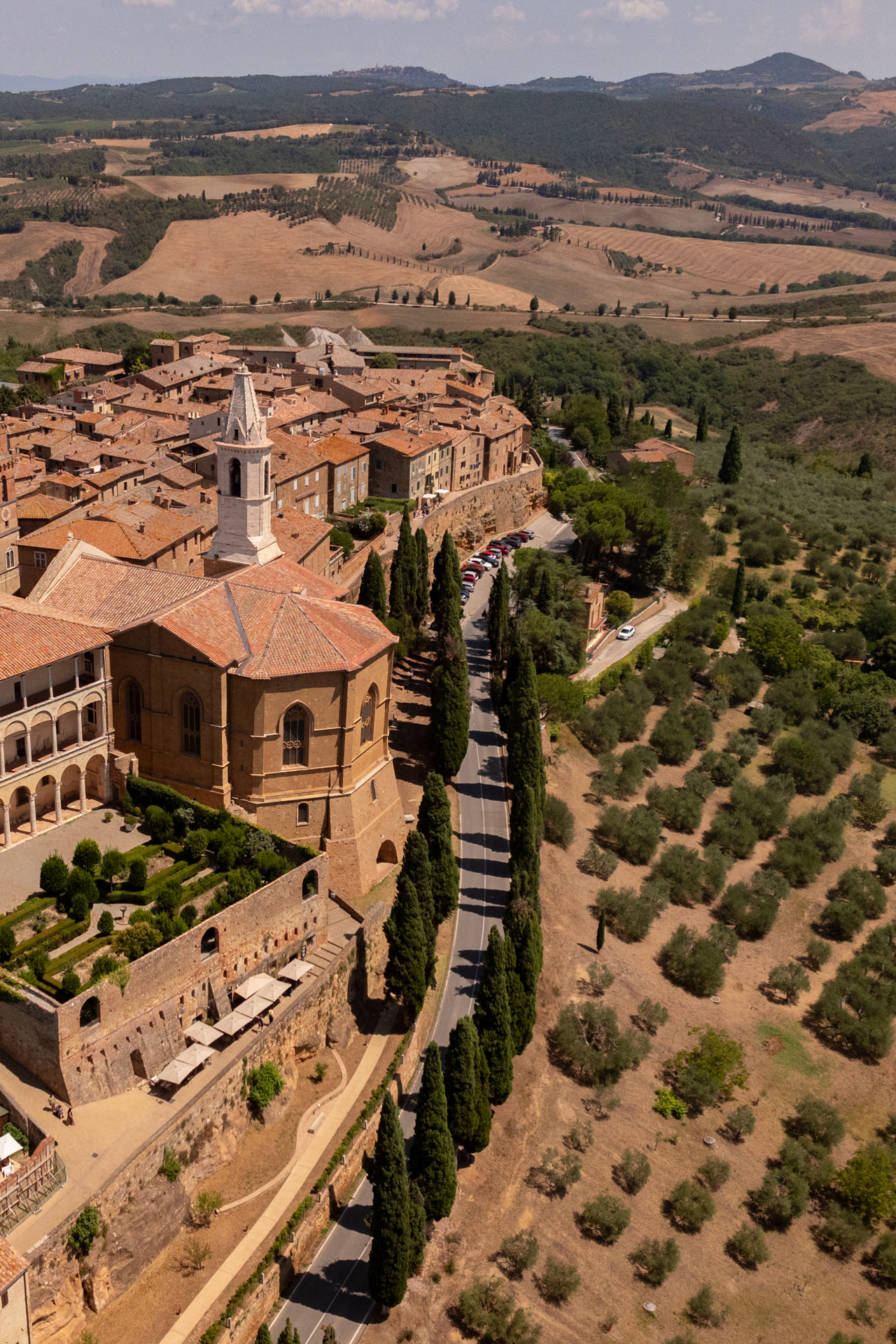
Don't miss the walk along the southern walls behind the cathedral either, where you get a beautiful view over the Val d’Orcia. Palazzo Piccolomini is worth the entry too, mostly for its hanging garden and the covered terrace overlooking the valley.

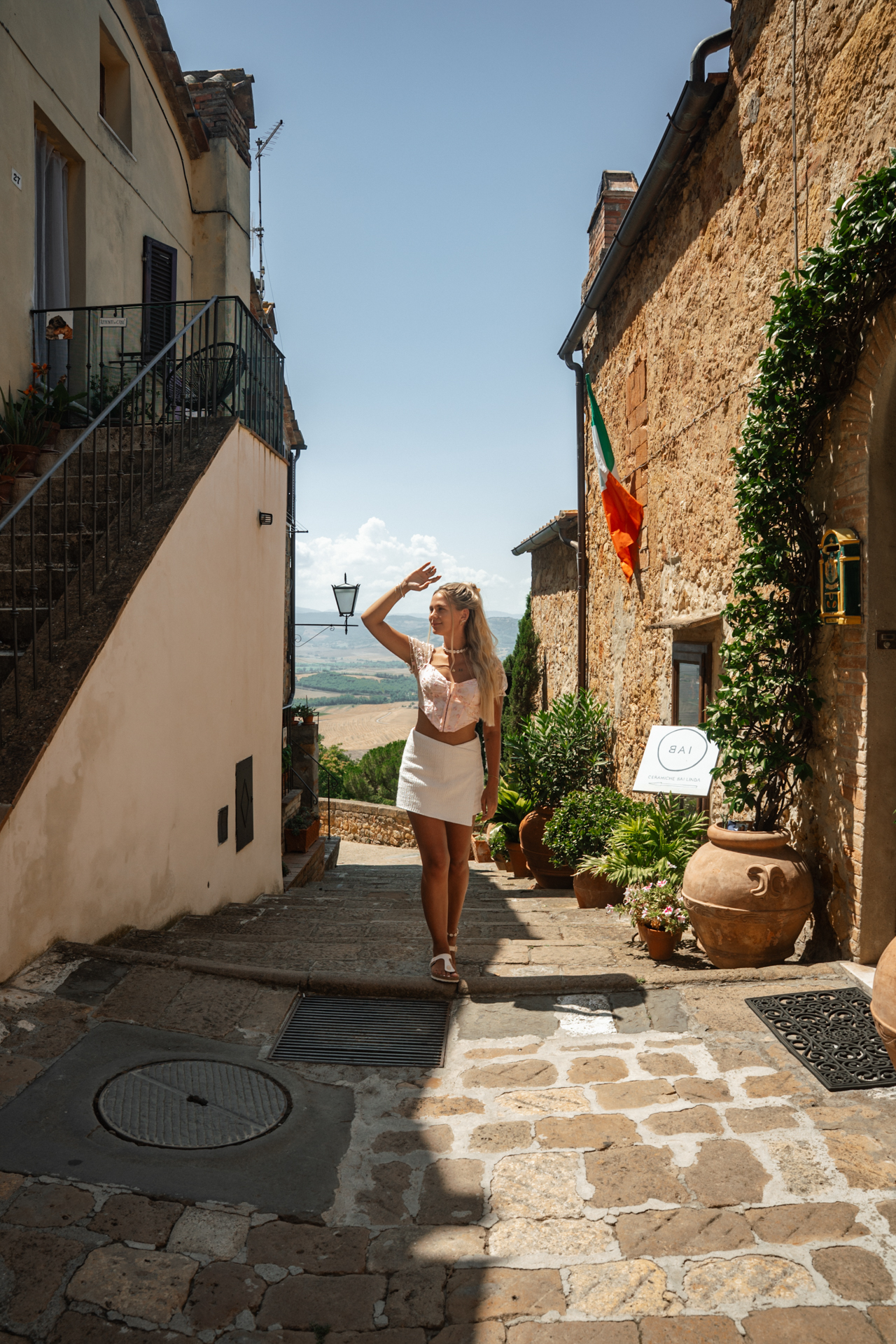
Montepulciano
Try to fit Montepulciano in as well, even on the same day. It sits about 25 minutes from Pienza on a long, steep ridge, and the walk from the bottom gate up to Piazza Grande is a proper workout in August heat. But the reward is a beautiful Renaissance square and, underneath it, a bunch of wine cellars.
This is the home of Vino Nobile di Montepulciano, and historic cantinas like Contucci and De’ Ricci let you walk down into the vaulted tunnels and taste right there among the barrels, usually for very little money.
Park in one of the paid lots at the bottom of Montepulciano and walk up, because the center is a limited traffic zone and those fines find you months later. If the climb sounds heavy, there is a small orange shuttle bus that will save your legs.
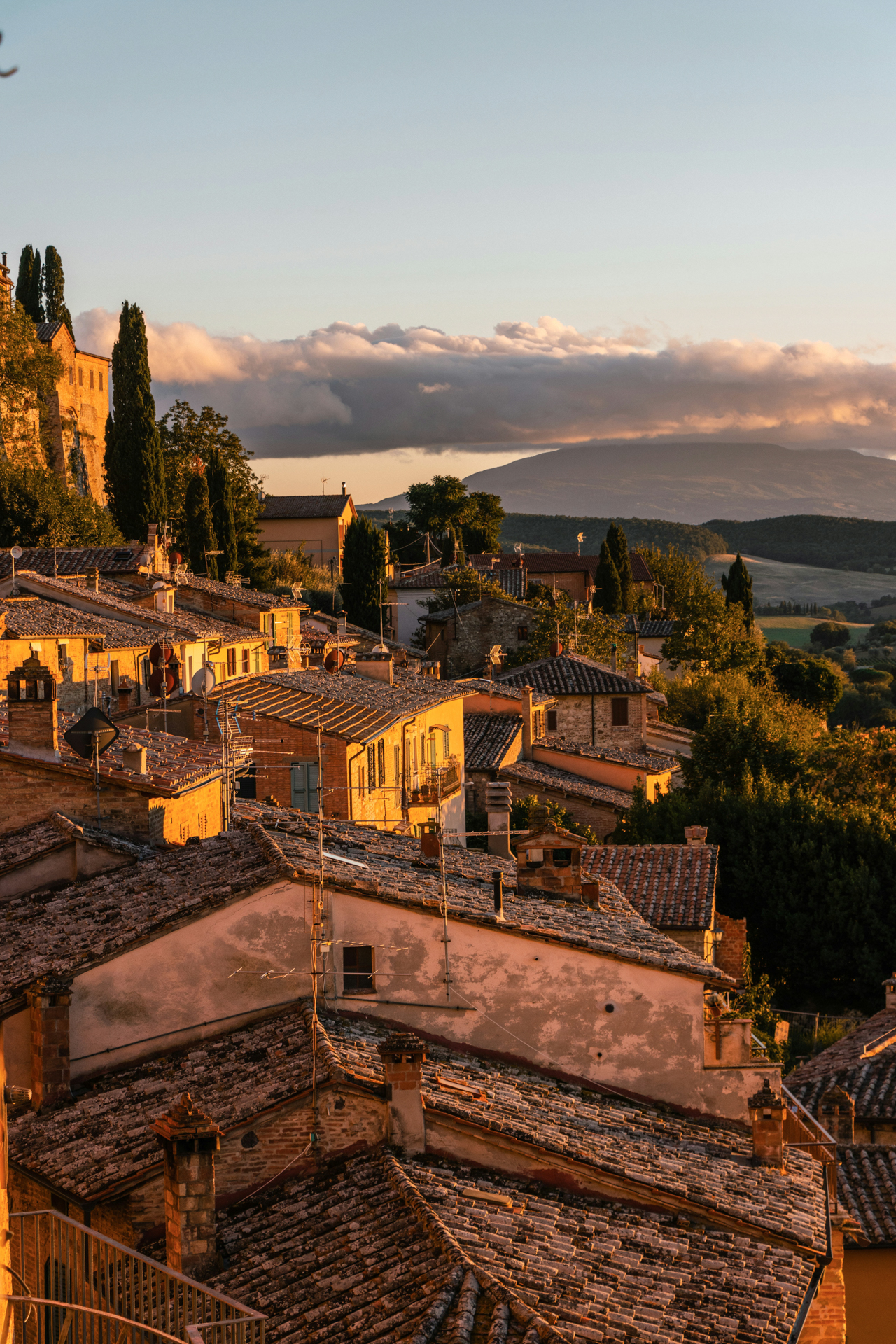
7. Relax in Bagni San Filippo’s Hot Springs
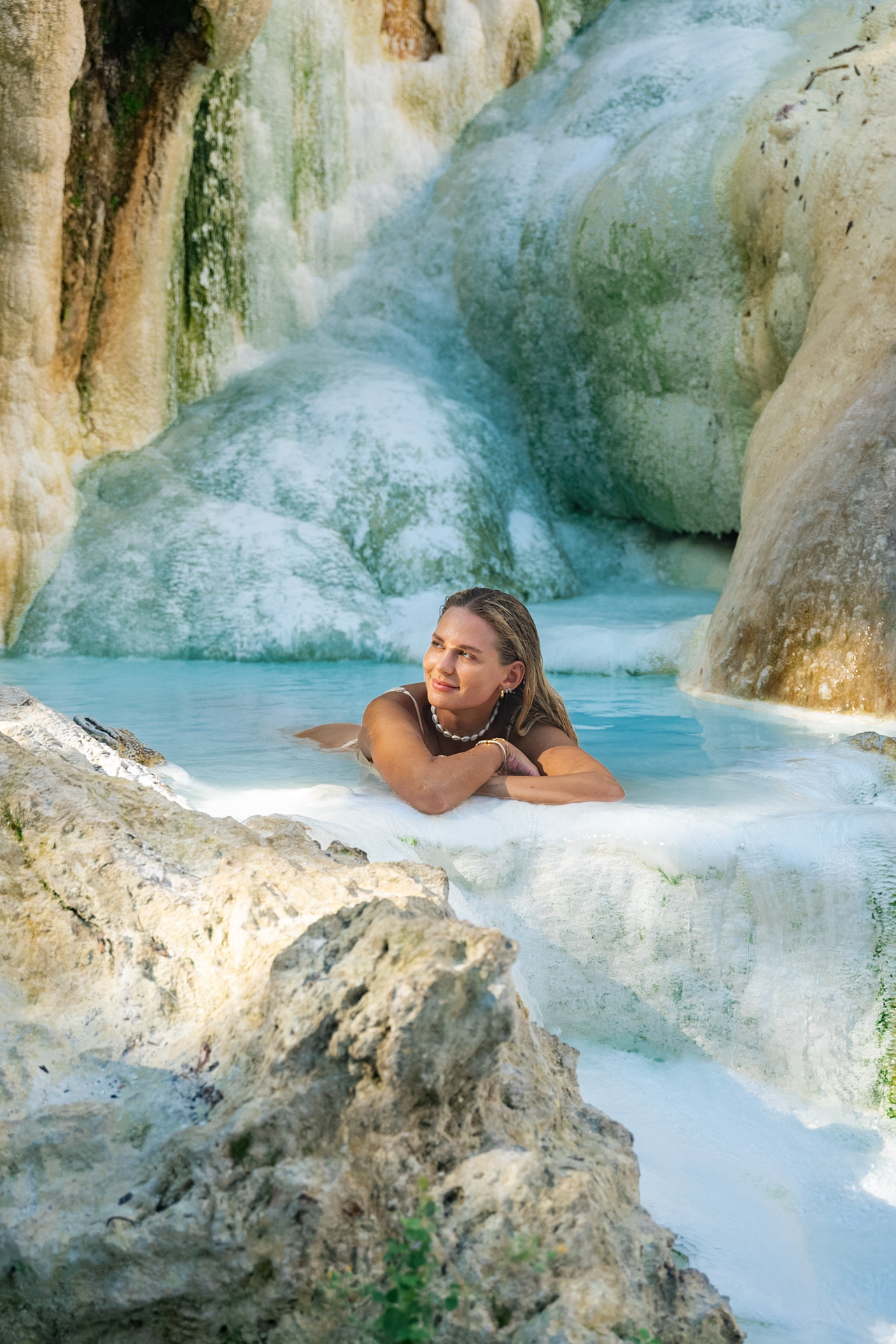
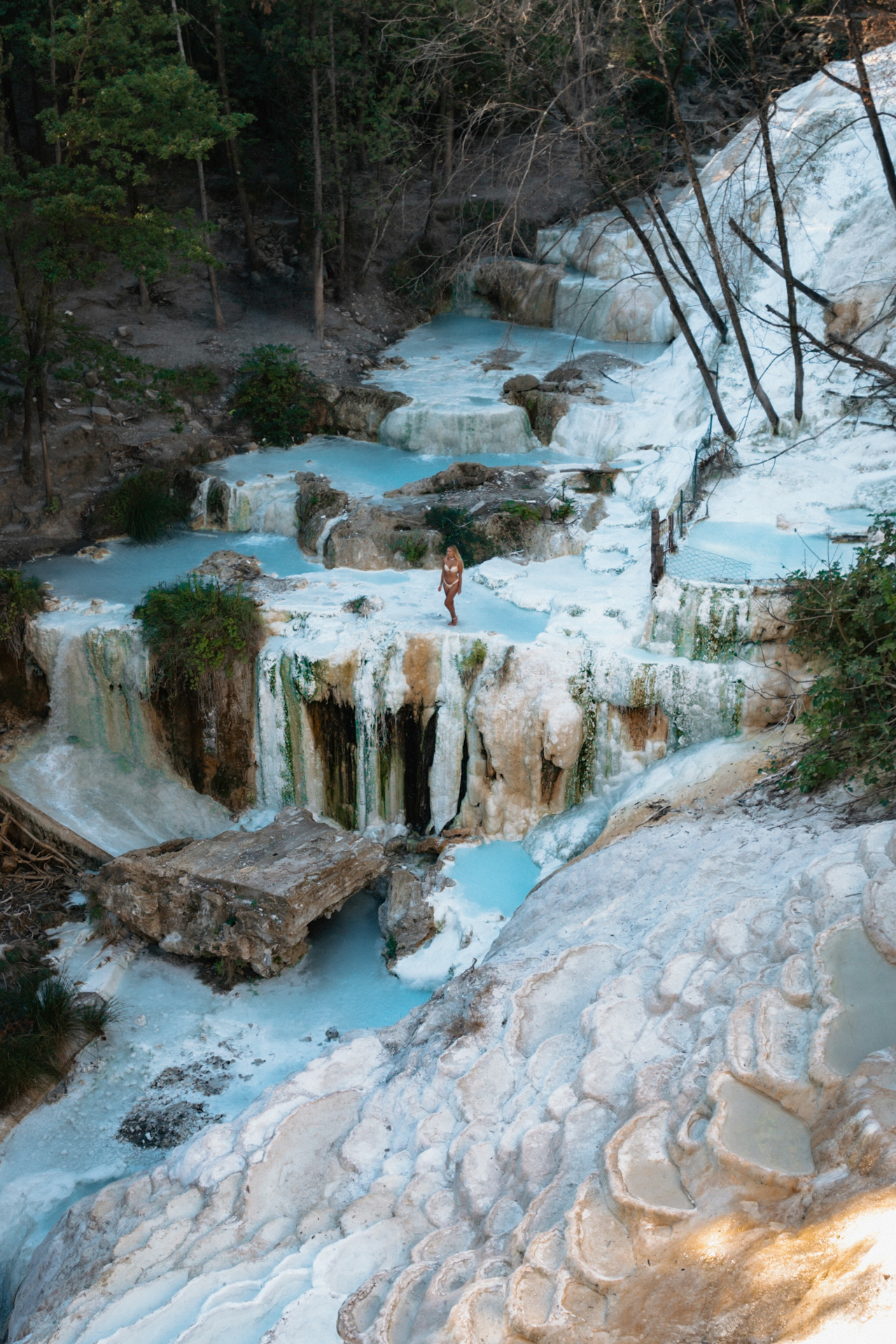
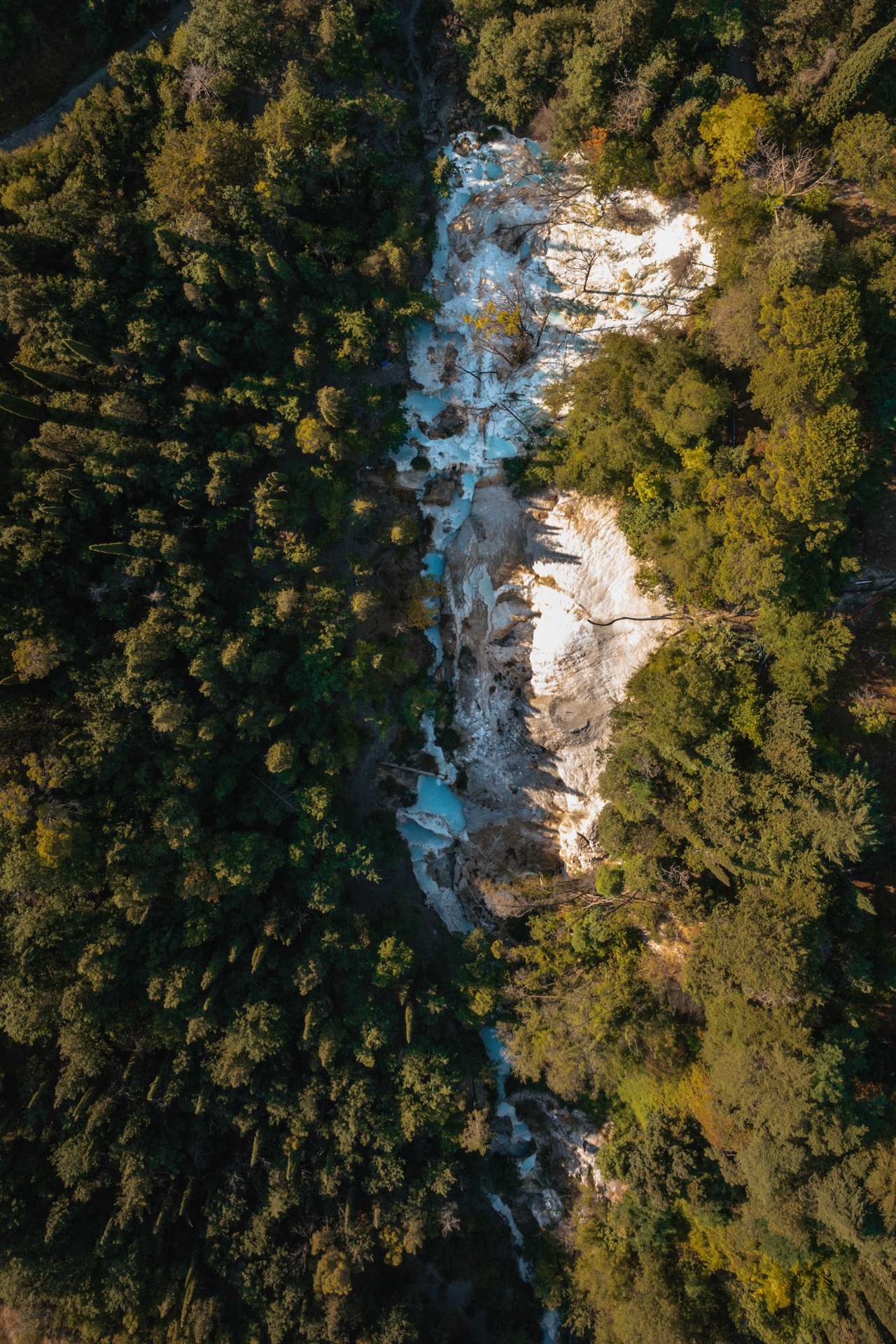
After days of cobblestones this felt like a treat. Bagni San Filippo is a set of natural thermal pools tucked into the woods below the village, and the star of it is the Balena Bianca, the White Whale: a huge white limestone formation built up over centuries by hot water running over the rock.
The first pools are about 5 minutes from the entrance, and the White Whale is roughly 10 minutes further along the path.
Bagni San Filippo is completely free to visit, usually much quieter than Saturnia and set right in the heart of Val d’Orcia.
Saturnia
If you have time, Saturnia is worth adding too, but it can get overcrowded. The Cascate del Mulino are the free terraced pools you have definitely seen online, and they are genuinely beautiful, all milky turquoise water spilling down over pale rock.
The catch is the crowds. Saturnia is far busier than Bagni San Filippo, especially in summer, and unless you turn up at sunrise you will be sharing those pools with a lot of other people. It's also a longer drive further southwest, so treat it as its own half day rather than a quick stop on the way to something else.
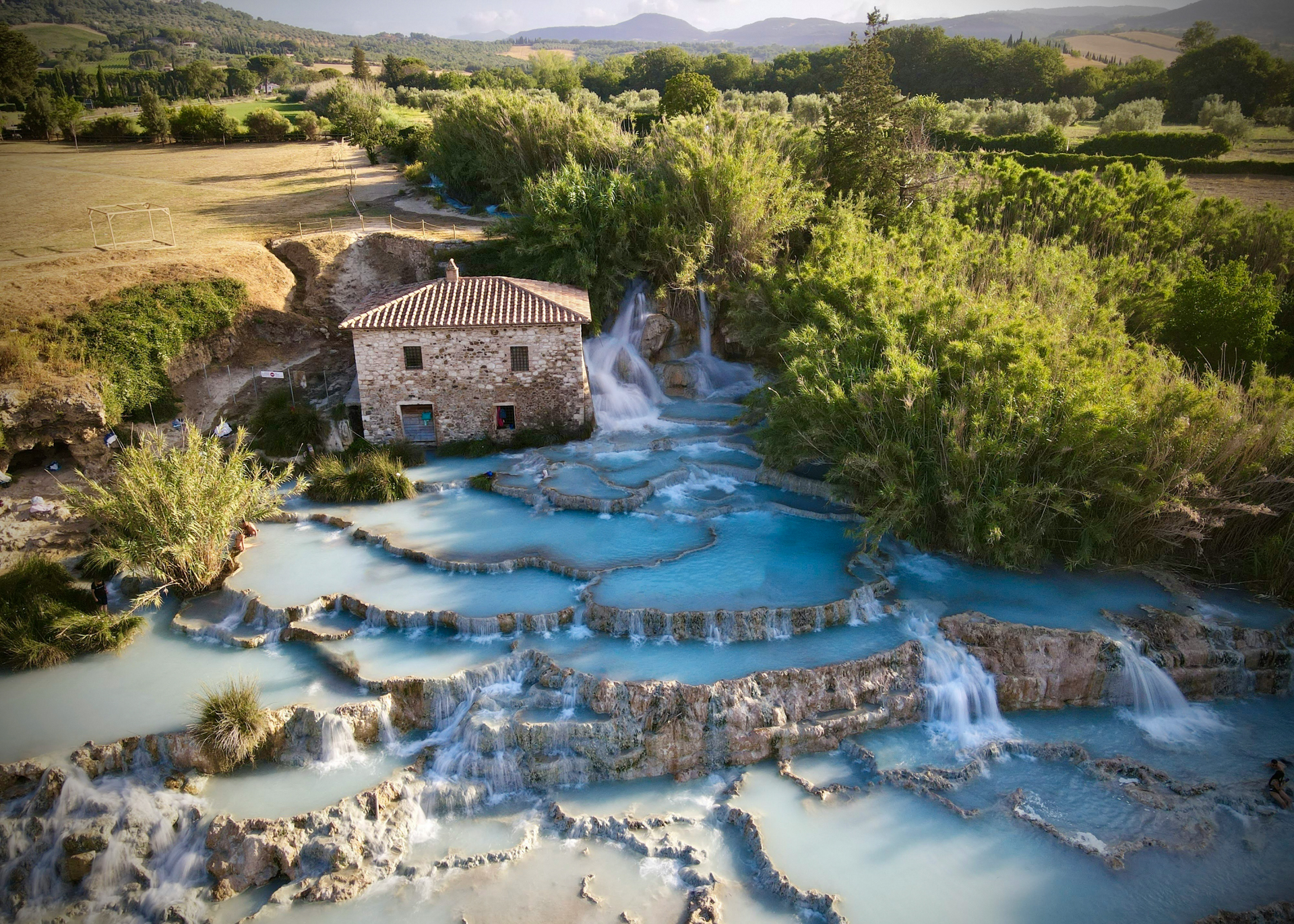
There’s another free hot spring just 20 minutes from Bagni San Filippo, which we also really enjoyed relaxing in. Here is the location.
8. Go Wine Tasting in the Tuscan Countryside
You cannot really come here and skip the wine. Tuscany has three big names within easy reach of the Val d’Orcia: Brunello di Montalcino, the serious, long aged red from the hills around Montalcino; Vino Nobile di Montepulciano, softer and a bit friendlier on the wallet; and Chianti Classico further north between Florence and Siena.
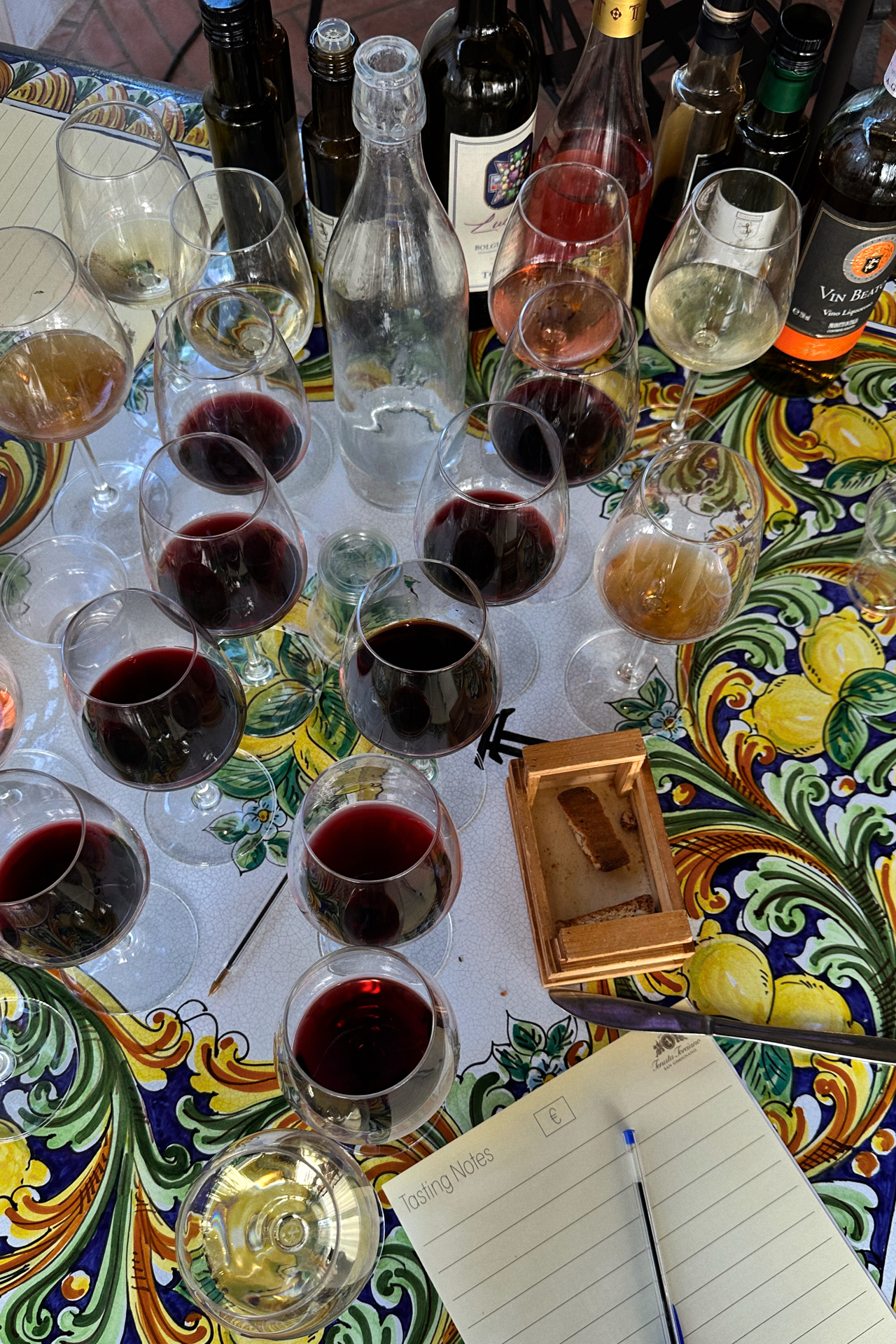
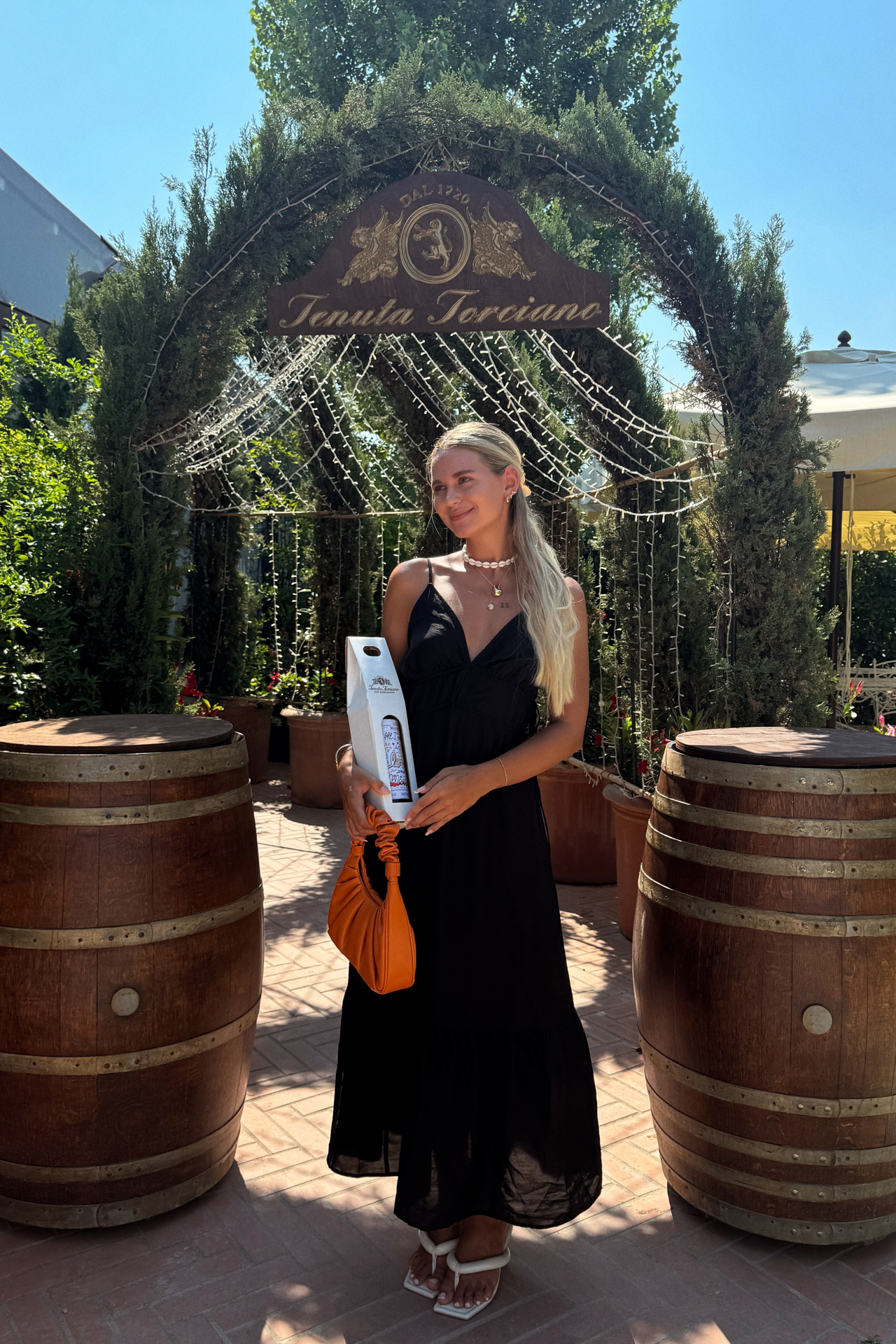
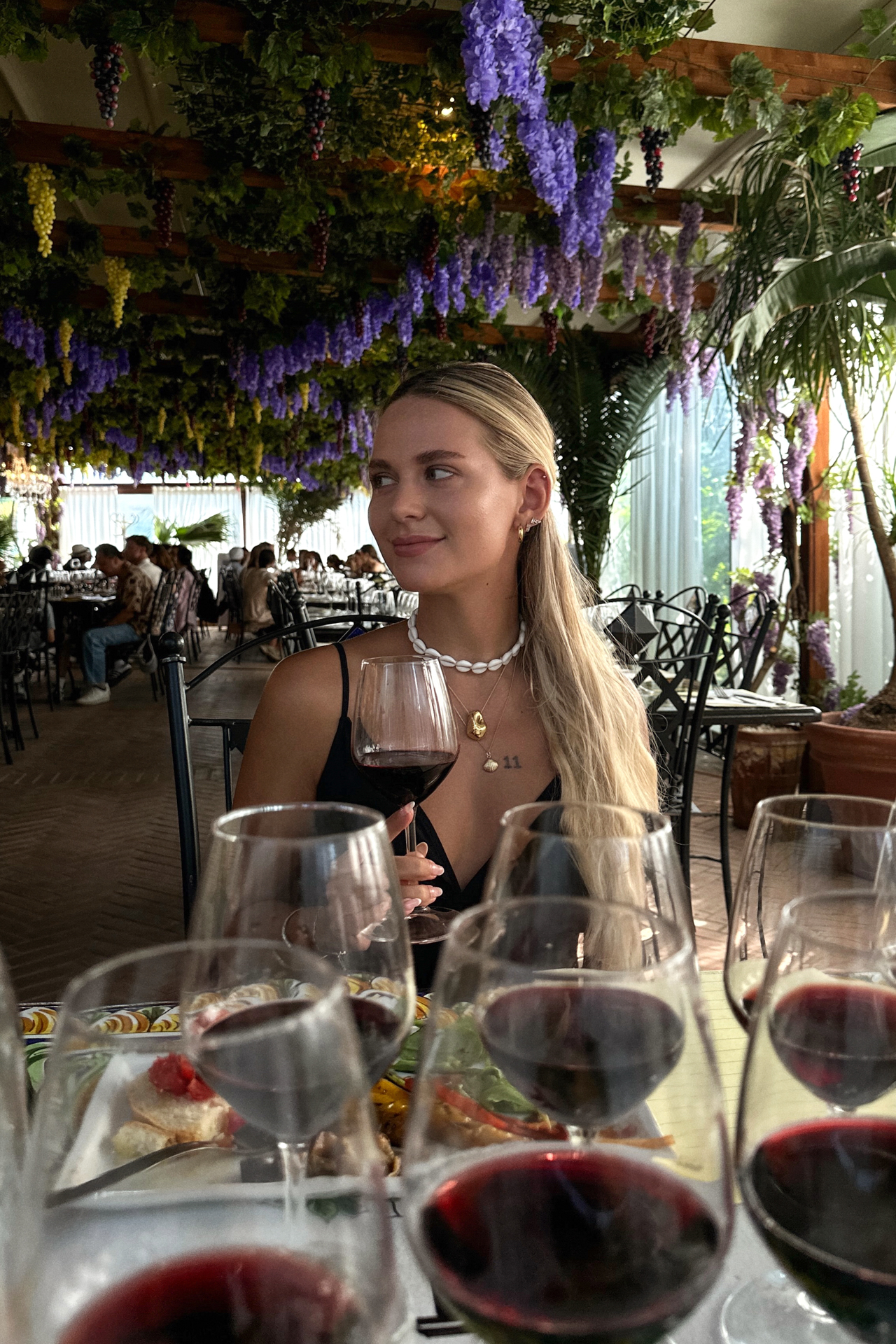
Most of the good tastings happen at family run estates rather than slick visitor centers, and that is the whole appeal. Someone walks you through the vineyard, takes you down into the cellar, and then pours four or five glasses at a table with a view while explaining why this hillside tastes different from the one across the valley. Add a plate of pecorino and there goes your afternoon.
Book ahead. In July and August the smaller wineries fill up a week or two in advance and plenty of them will not take walk ins at all.
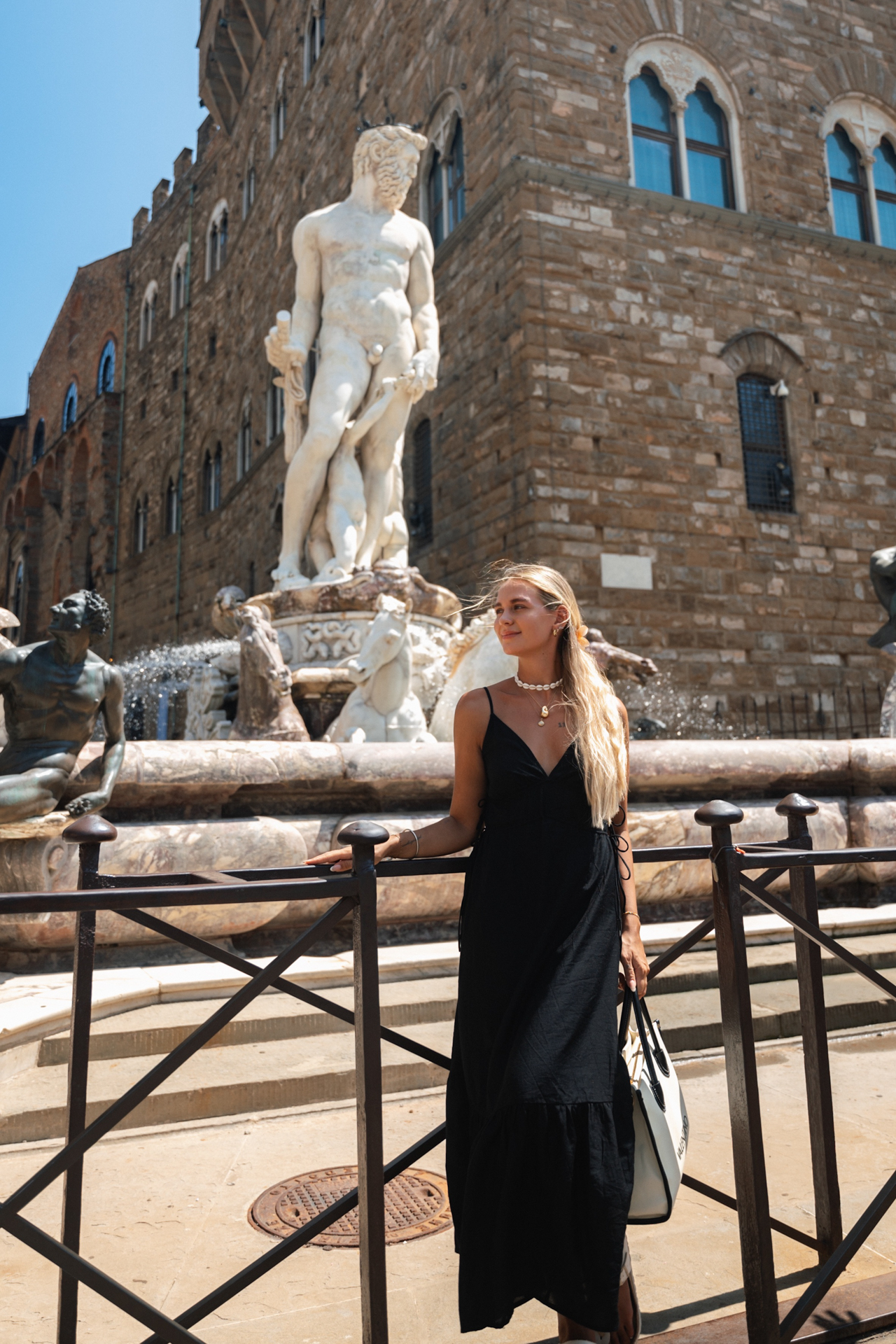
9. Explore the Renaissance Beauty of Florence
Florence may be fairly small, but you can still fit plenty into one day, from beautiful architecture and famous art to amazing food and wine.
A must-see in Florence is the Cattedrale di Santa Maria del Fiore, with its beautiful white, pink and green marble exterior and huge red dome. You can climb 463 steps to the top for one of the best views in Florence.
Book the dome climb weeks ahead. Slots are timed, strictly limited and regularly gone two to three weeks out in summer.
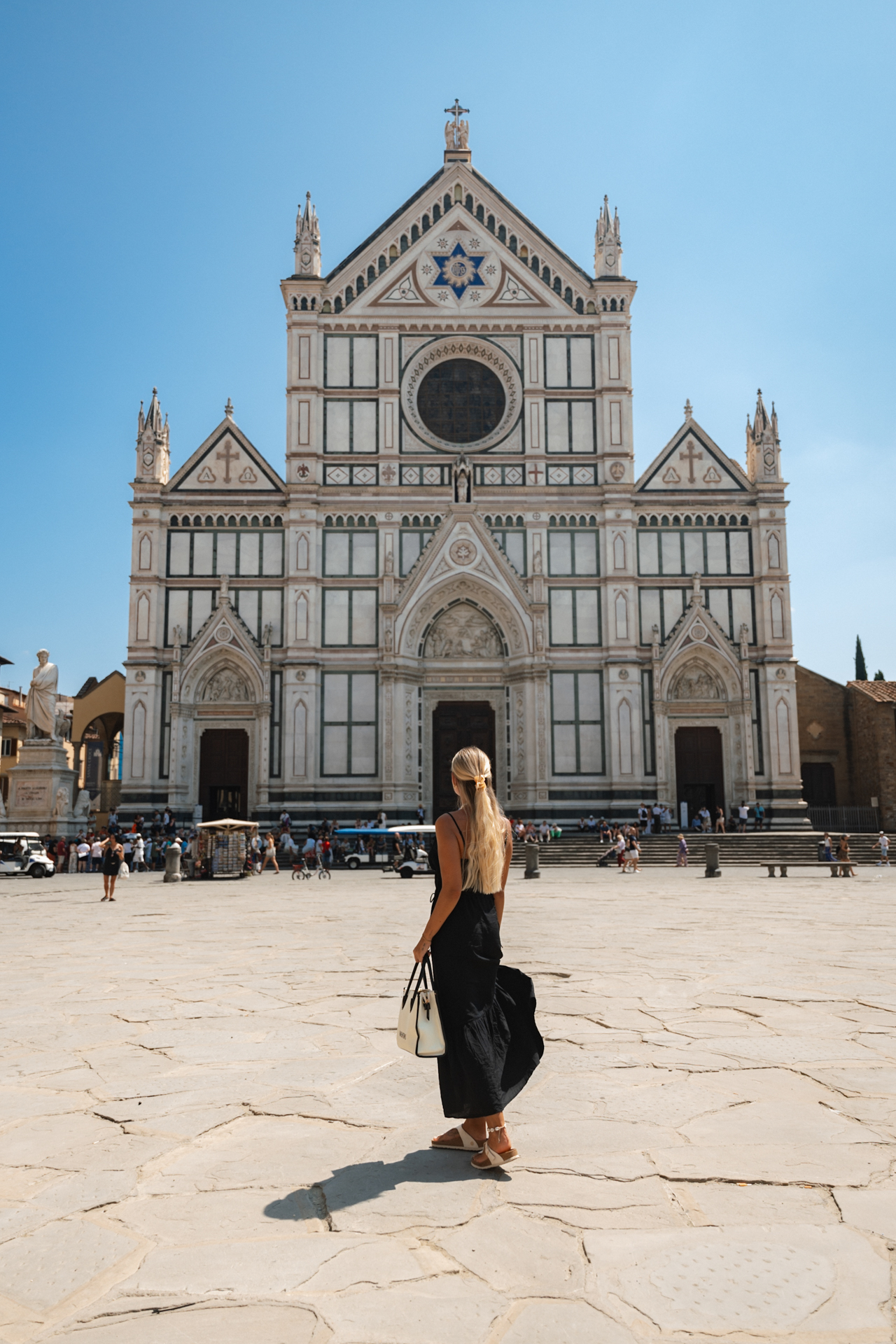
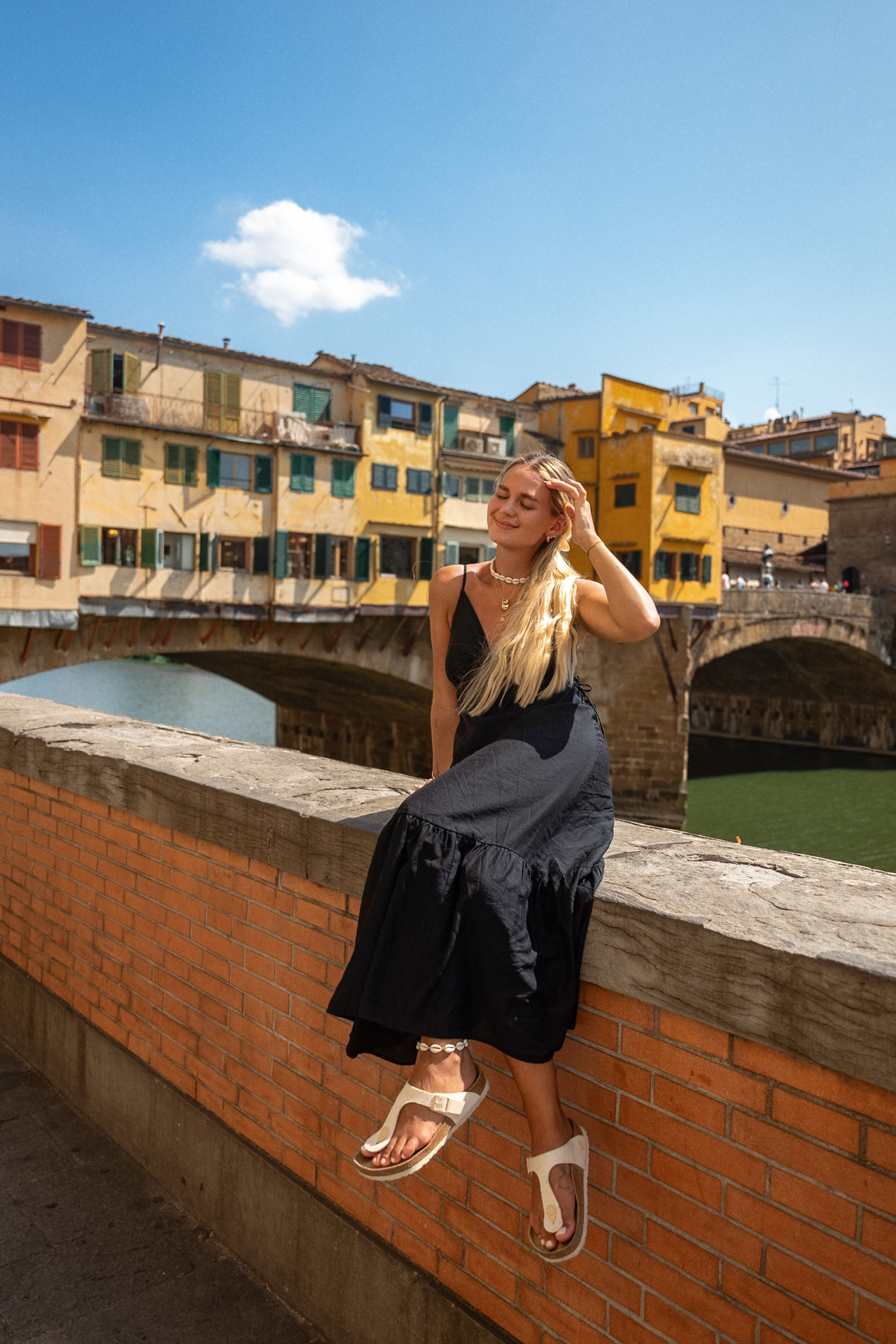
From there, walk to the Arno River and cross Florence’s oldest bridge, the Ponte Vecchio. Spend some time exploring the quieter Oltrarno neighborhood on the other side, then finish the day at Piazzale Michelangelo, about a 25-minute uphill walk away, for beautiful views over the city as the sun sets.
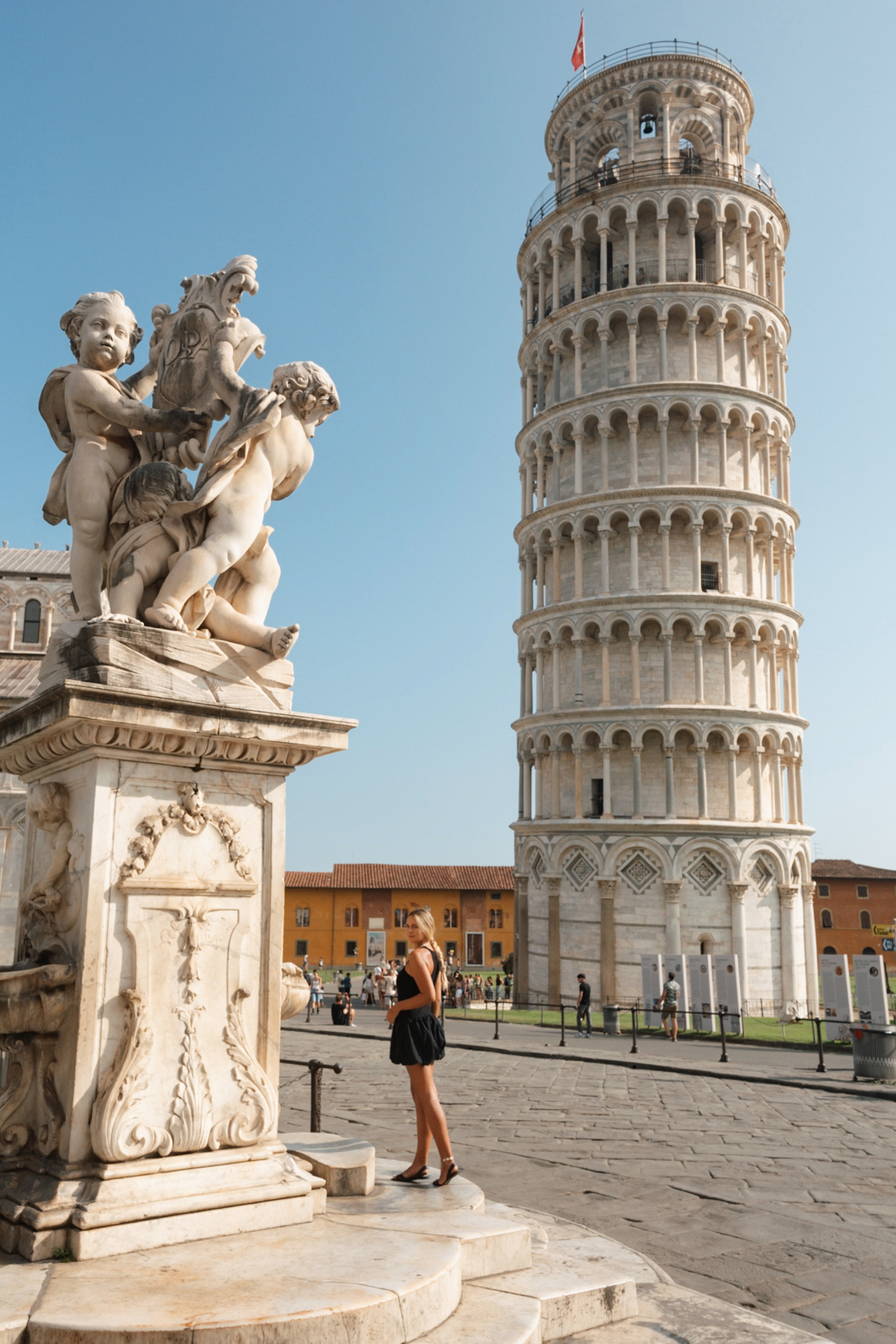
10. Admire the Iconic Leaning Tower of Pisa
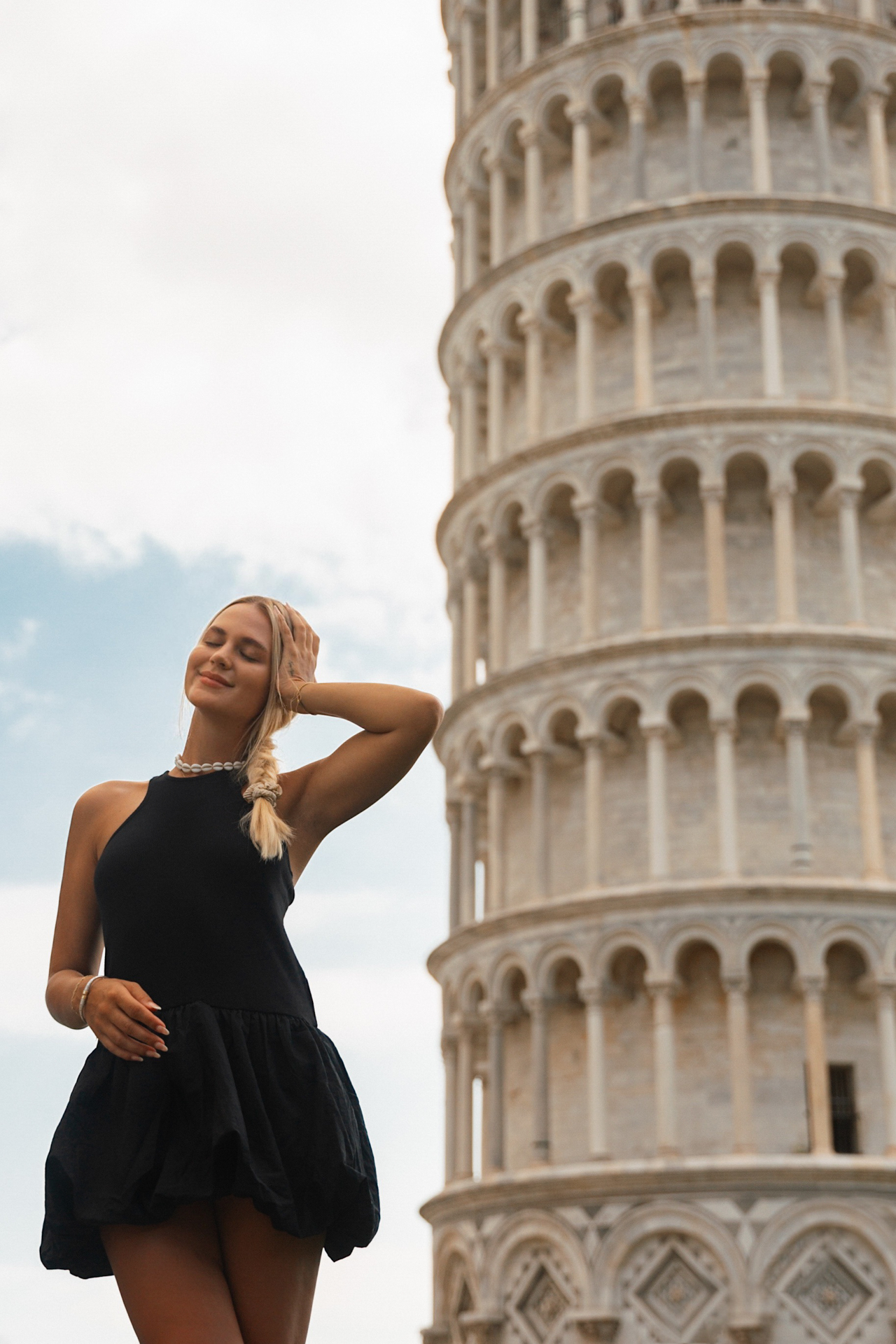
Pisa gets a bit of a hard time as a tourist trap, and yes, the lawn is full of people doing the pushing pose. Go anyway. Piazza dei Miracoli is a genuinely beautiful square. The tower leans a lot more than you expect, and standing directly under it is really amazing.
Climbing it is worth doing at least once: there are 294 steps, the tilt makes the spiral staircase feel wrong by pulling you sideways as you go, and the view over the cathedral and the rooftops at the top is lovely. The Duomo next door is included with your tower ticket and often has no queue at all, which is a nice bonus considering hardly anyone seems to bother going in.
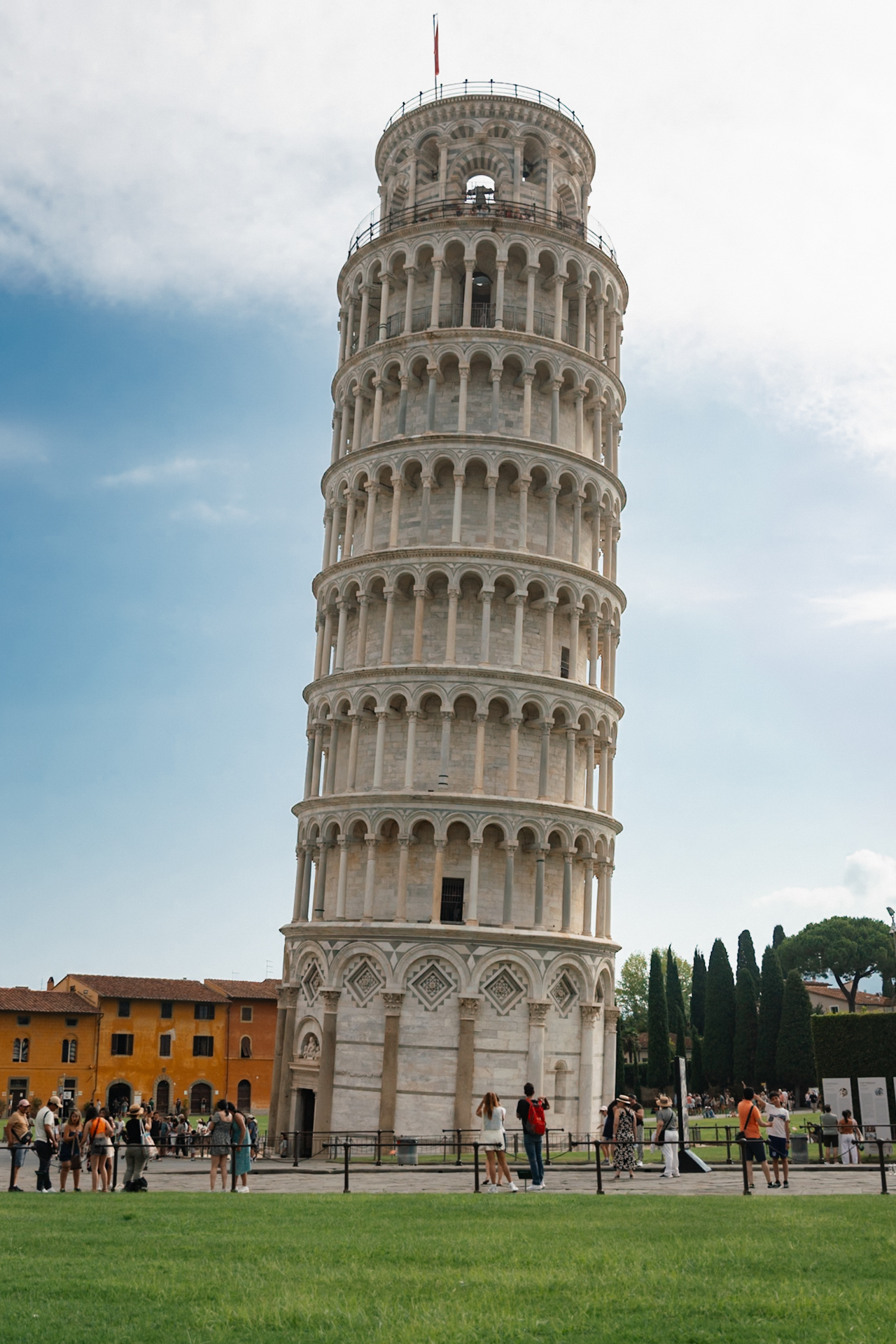
Besides the Leaning Tower, visit the Baptistery, Cathedral and Camposanto in Piazza dei Miracoli. Afterwards, explore the colorful buildings along Borgo Stretto, one of the best shopping streets in Pisa. Then wander through the city’s small alleys and pretty squares to find a good place for lunch or dinner.
Top Places to Stay
Where to Stay in Tuscany
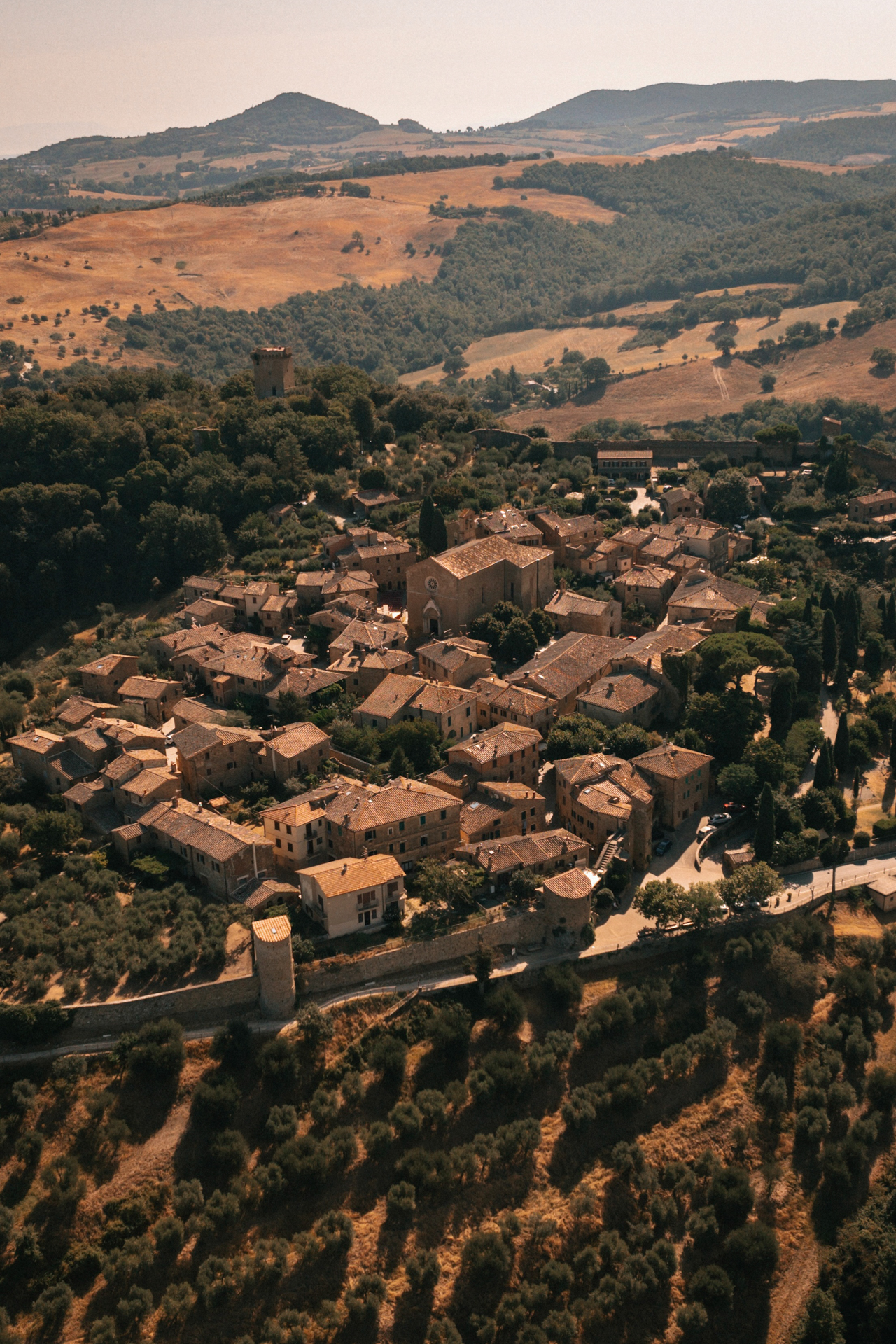
Tuscany works best as a road trip, so instead of choosing just one base, we stayed in a different town every night or two. Our longest stay was five nights in San Quirico d’Orcia, which we used as a base for day trips around Val d’Orcia.
Along the way, you’ll find plenty of beautiful places to stay, from traditional farmhouses and countryside villas to cozy apartments and affordable hostels. Here are our favorite accommodations from each stop on this Tuscany itinerary:
Where to Eat & Sip
Cafés & Restaurants in Tuscany
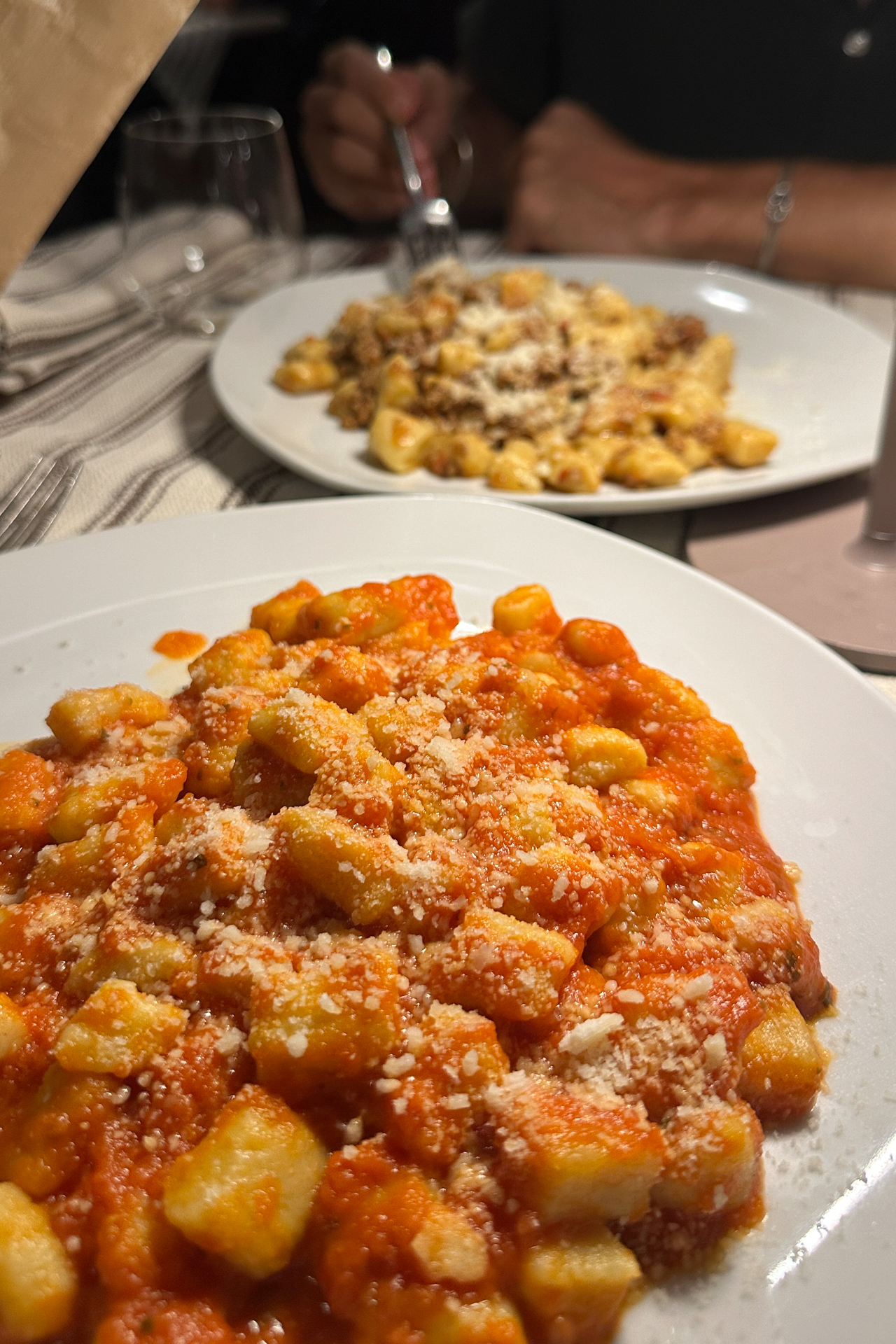
Eating is a huge part of why you come to Tuscany, and the food shifts noticeably as you drive around. Expect pici, the thick, hand-rolled pasta made throughout the Siena area, along with ribollita and more pecorino than you could possibly eat. These are the places I recommend:

Transportation
How to Get Around Tuscany
Tuscany is one of the few parts of Italy where I would say a car is genuinely worth it. The cities are easy enough by train, but the hill towns and the whole Val d’Orcia are much harder to reach without one, and the driving is half the pleasure anyway.
By Car
A rental car (what we did) is really the best thing you can do for a Tuscany trip. The roads are well maintained, distances are short, and it means you can stop every time a view appears, which will be often. Pick up your rental car at Florence or Pisa Airport, and choose a small one because village streets and parking spaces can be tight. The main thing to watch out for is the ZTL, a limited-traffic zone found in almost every historic center. Park in a paid car park outside the town walls and walk in.
By Train
Trains are quick and cheap between the bigger towns. Florence to Pisa takes around an hour, Florence to Siena about an hour and a half, and both run regularly all day. Trenitalia is the main operator and regional tickets cost very little. What trains will not do is get you to the small hill towns, which is exactly where the car earns its keep.
By Bus
Buses fill the gaps the trains leave. Autolinee Toscane covers most of the region, including the run from Siena to San Gimignano and Montepulciano, though you often have to change and services thin out on Sundays and outside summer. You may also take a taxi from bigger towns to the more remote places, but this can get expensive. Doing this trip without a car is possible, it just costs you time.
TRAVEL SMARTER
Tuscany Travel Tips
THE WEATHER
Best Time to Visit Tuscany
Tuscany is beautiful all year, but the season you pick changes the trip completely. The hills go from bright green in spring to gold in summer to a soft, hazy amber in autumn, and the crowds swing just as hard. Here is roughly how it breaks down.

Spring (March to May) is arguably the best time to come. The countryside is green and full of wildflowers, temperatures sit somewhere around 17 to 23 degrees, and the famous spots aren't that busy.
Summer (late June to August) is what we did, and it is hot and busy. Expect low to mid thirties, long queues at the big sights and the highest prices of the year, but also golden hills, very long evenings and fireflies in the vineyards. It works if you start early and book everything in advance.
Autumn (September to November) might be the real sweet spot. The grape and olive harvest is on, the wineries are at their most alive, the light turns soft and gold, and the crowds thin out after the first week of September.
Winter (December to February) is quiet, cheap and atmospheric, hovering around 7 to 10 degrees with short days. Plenty of countryside hotels and restaurants close, but the cities stay open.
Just a little note
If you book or buy something through one of my links, it helps support the work I do, and it doesn’t cost you anything extra.
Find Hotels
via Booking.com
Find Flights
via Skyscanner
Tours & Attractions
via GetYourGuide
Loved it? Pin it, Share it!
Inspire Others to Travel to Tuscany
Keep Exploring
More Travel Guides from Italy





The Travel

Let’s stay connected!
Get inspired, helpful tips and exclusive updates straight to your inbox. Subscribe to join a community of explorers.
Leave a Reply