
DISCOVER Peru

Every Place Has a Story
Peru Travel Guide
Places to visit in Peru range from ancient Inca ruins and vibrant colonial cities to dramatic mountains and wild coastlines — can you see just how diverse Peru is?
From the historic streets of Cusco to the Sacred Valley and the iconic heights of Machu Picchu, Peru is a place that instantly pulls you in and never really lets go. Travel through landscapes that constantly change and experience a culture deeply connected to its past. Every region feels different.
Peru was one of my favorite places I have ever visited, and I’m not just talking about South America. Whether you’re here for adventure, culture, food, or simply to experience something truly special, this Peru travel guide brings together highlights, tips, and inspiration to help you plan an unforgettable journey.

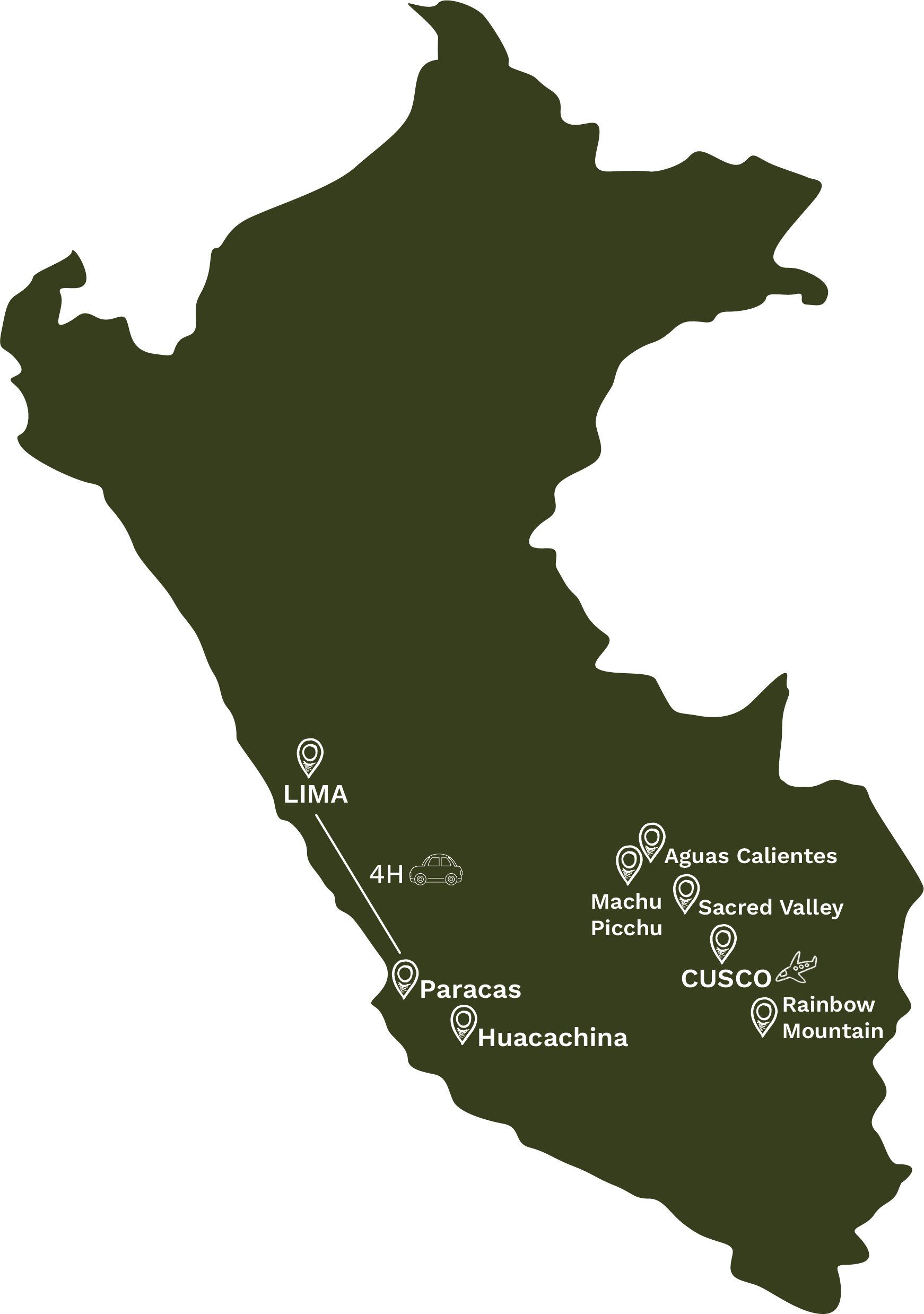
One destination, many experiences
Discover the Different Sides of
Peru
Peru's beautiful Coastal capital
Lima
Peru’s coastal capital, set along the Pacific Ocean and full of character. From historic colonial architecture to modern neighborhoods overlooking the ocean, the city blends old and new in a way that feels dynamic and alive. Often underestimated, Lima surprises with its energy, culture, and incredible food scene.
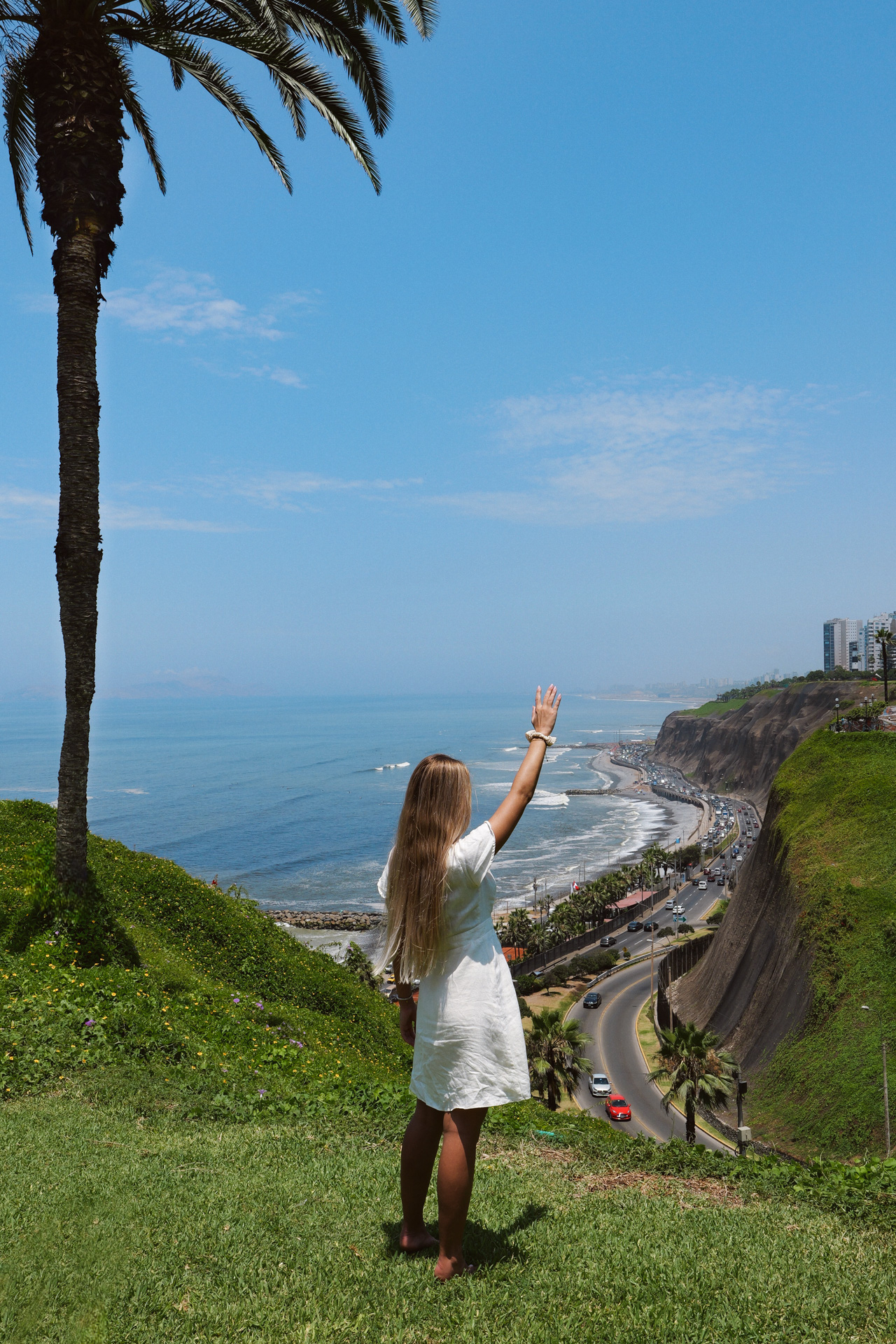
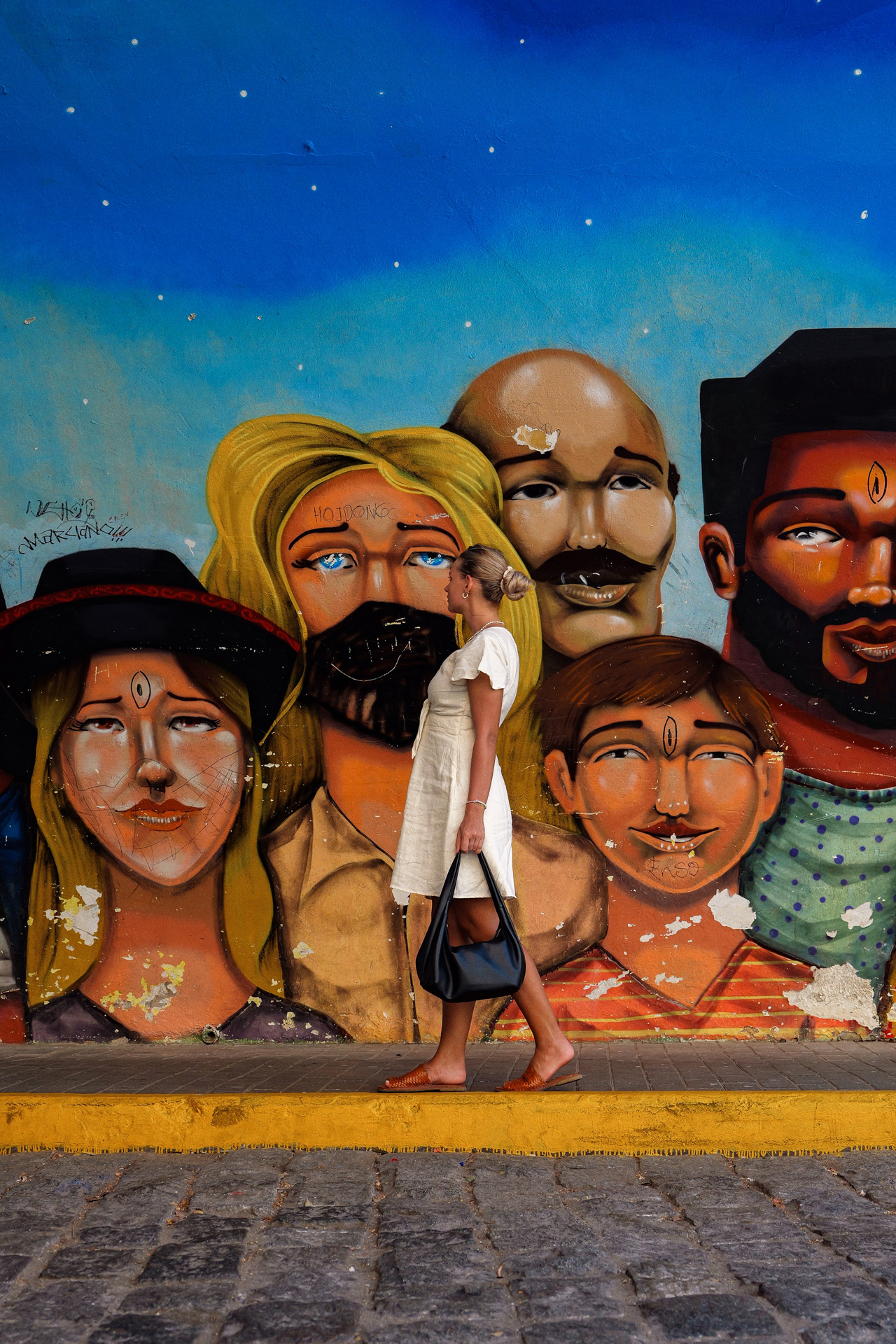
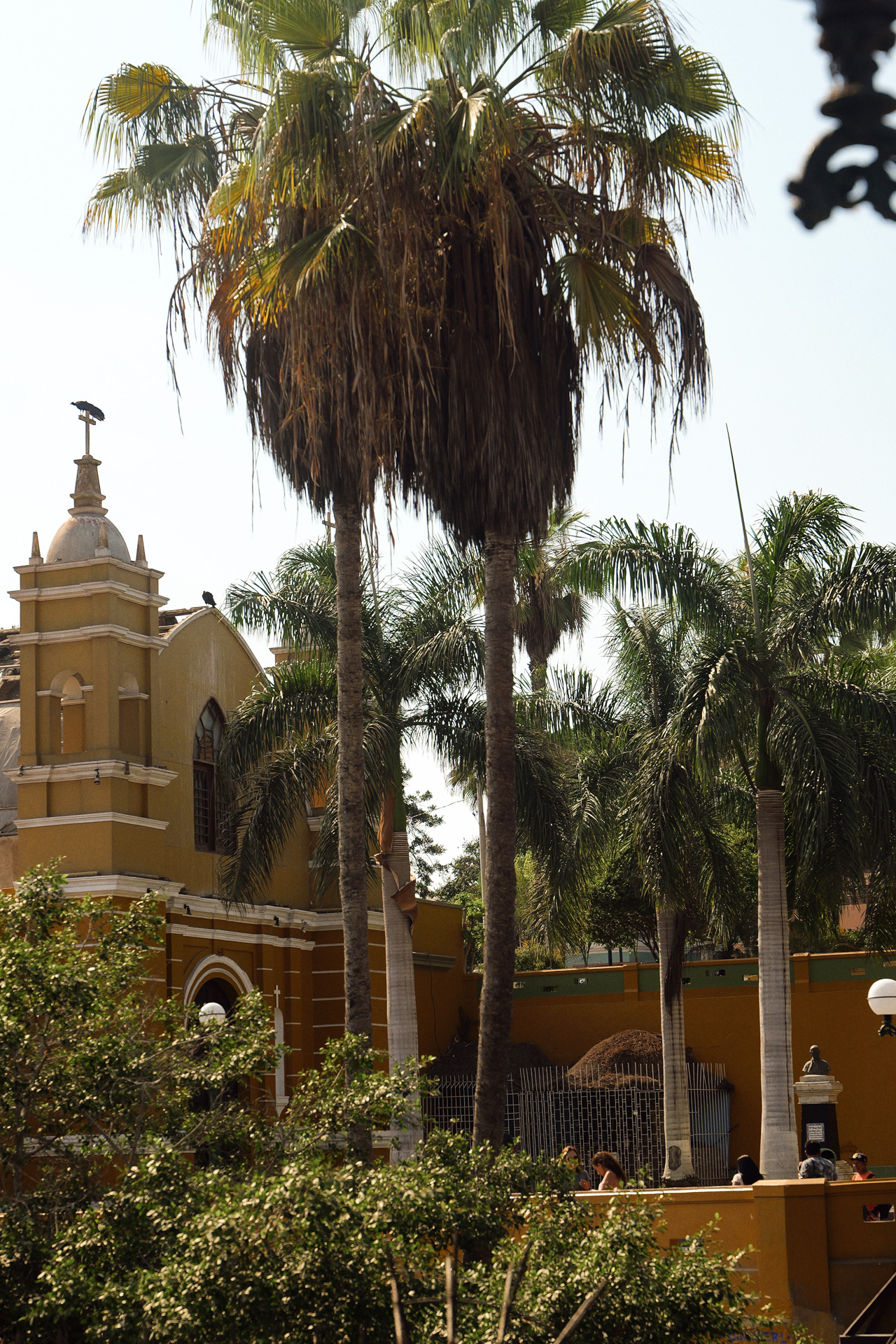
We spent time exploring districts like Miraflores and Barranco, wandering along the clifftop promenades, watching surfers below, and discovering colorful streets filled with cafés and galleries.
Whether you’re here at the start or end of your trip, give Lima 1–3 days for exploration. It’s worth it!
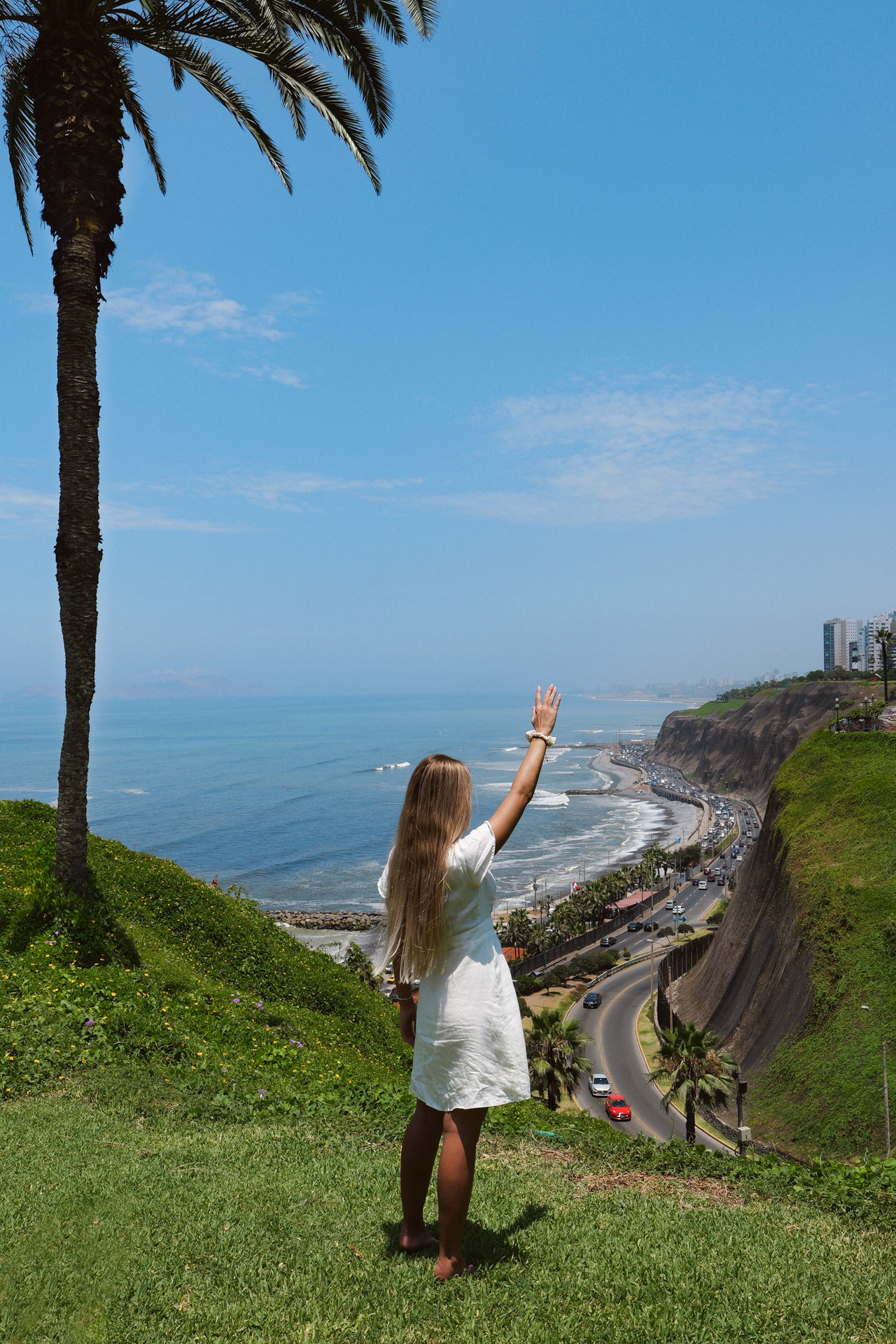 Miraflores Coastline
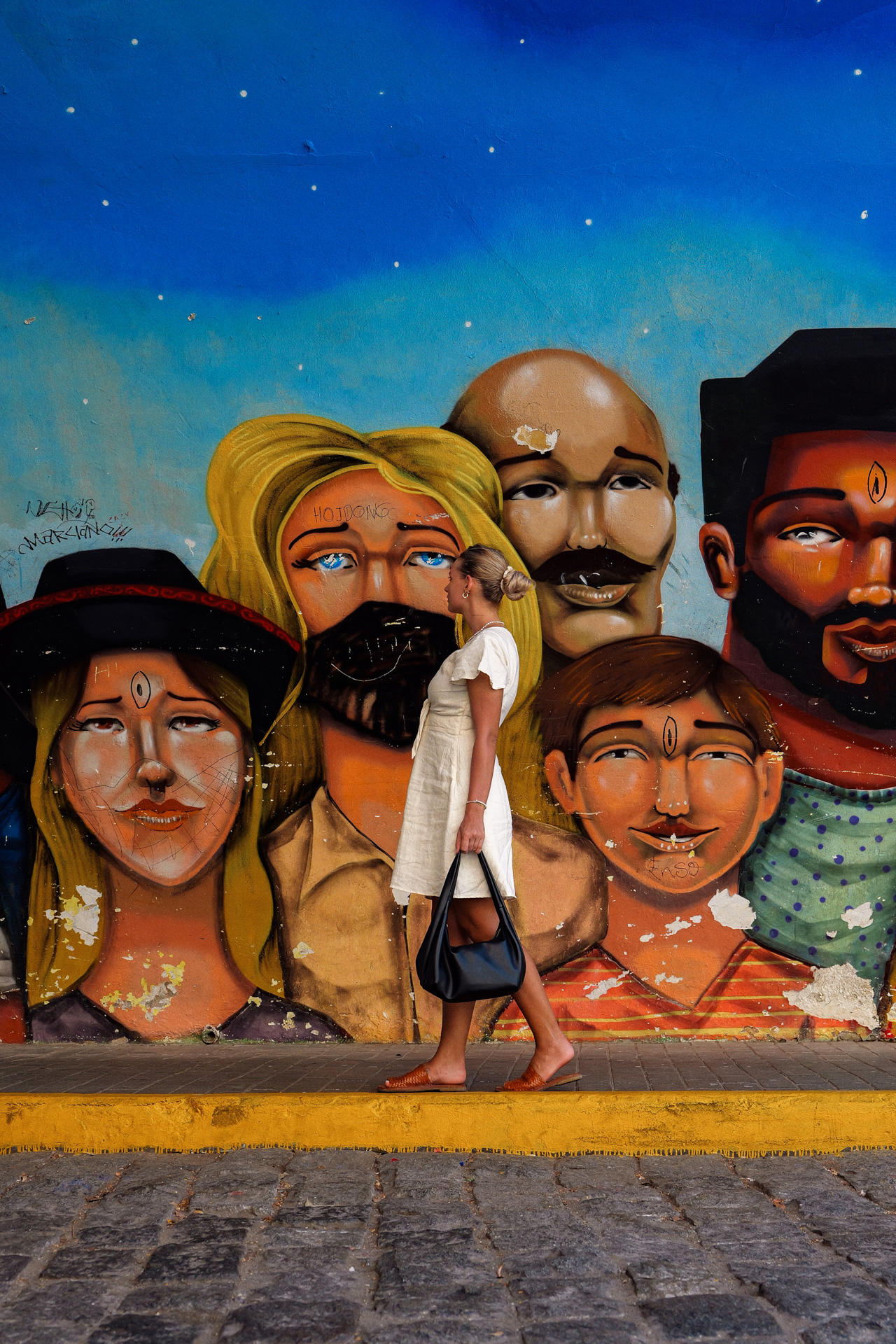 Barranco
 Miraflores Coastline
 Barranco
Why Visit Lima?
 Barranco
 Barranco
 Barranco
 Barranco
Best Things to Do and See in Lima

Looking for a Lima Travel Guide & Tips?
WHERE DESERT MEETS THE PACIFIC
Paracas
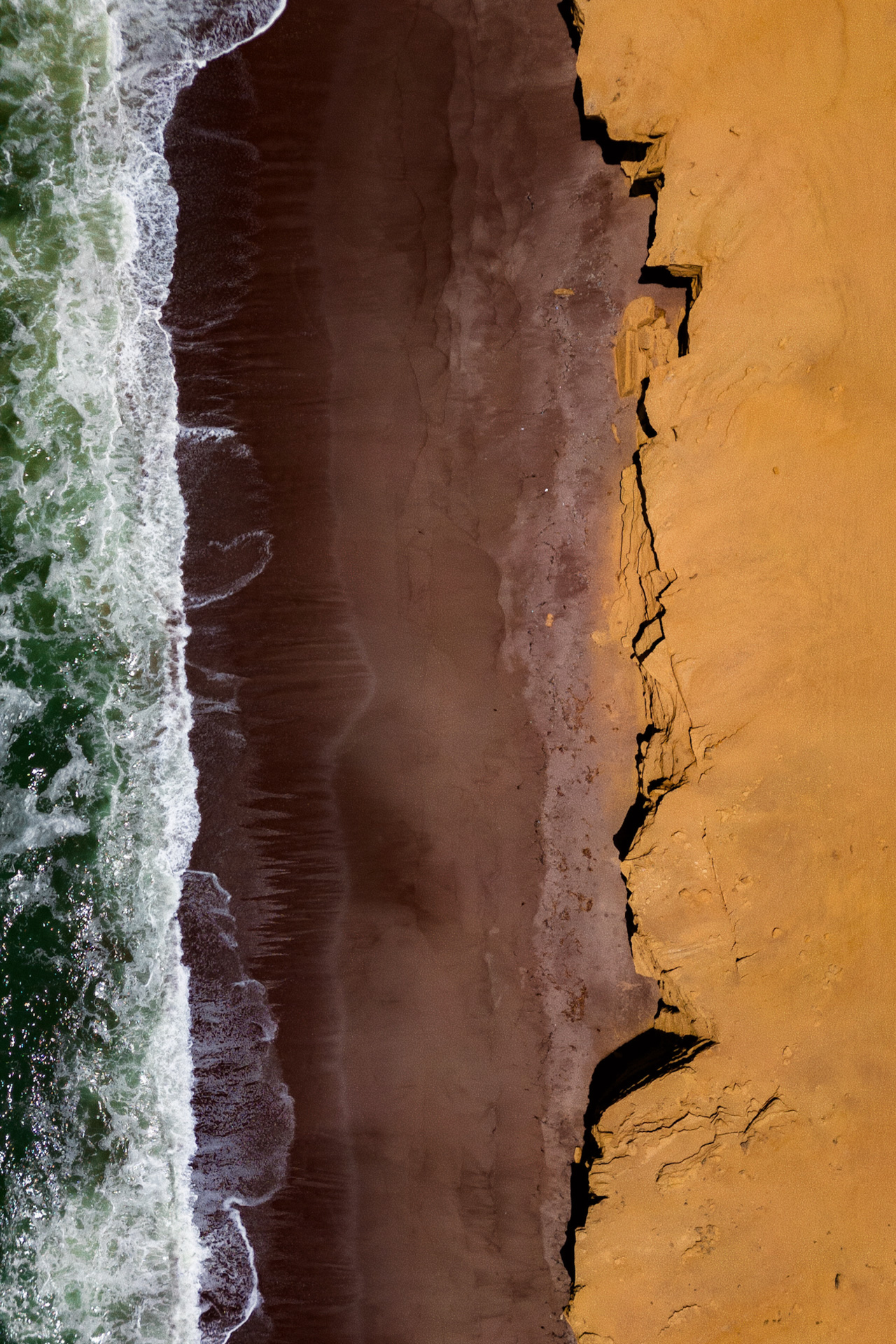
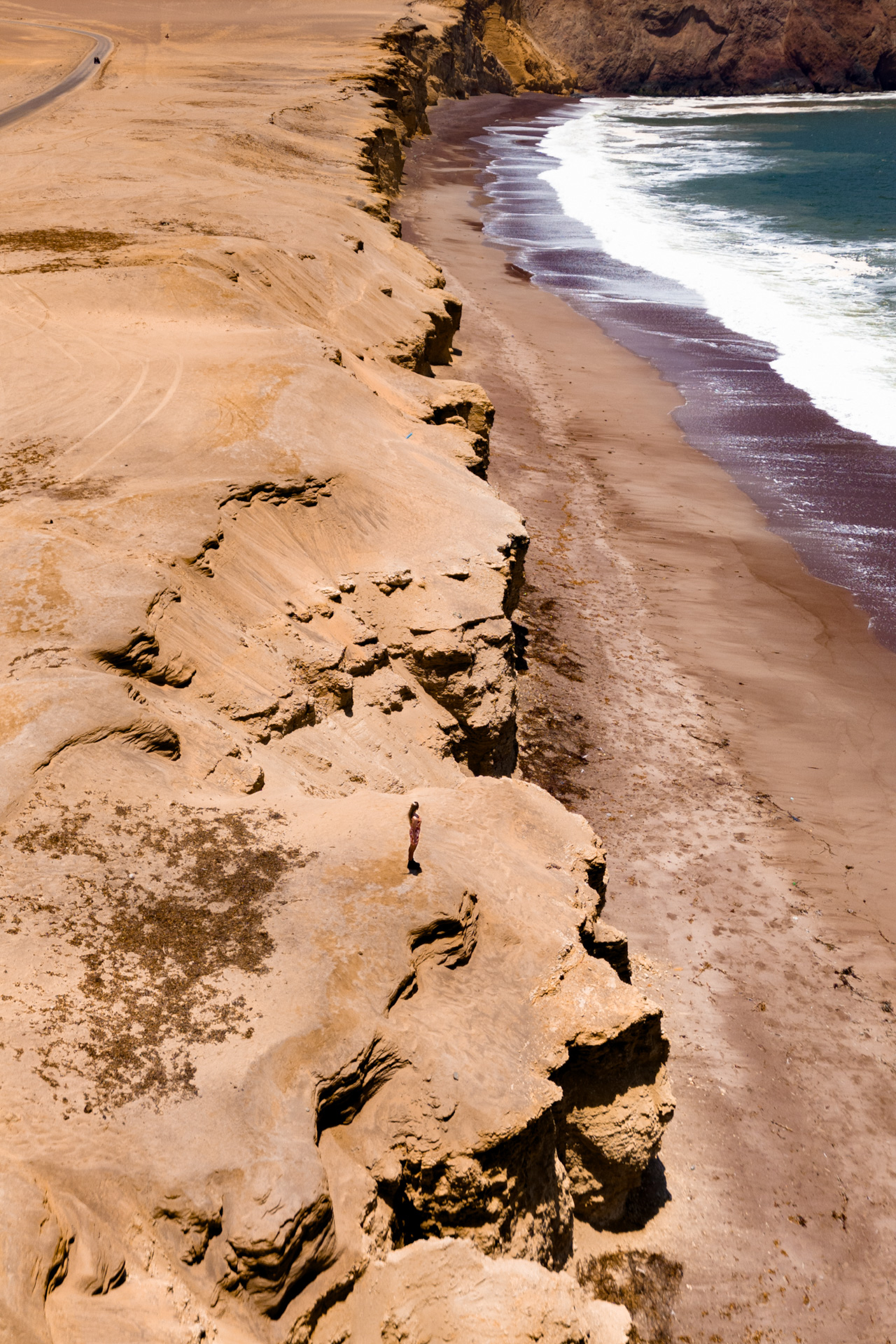
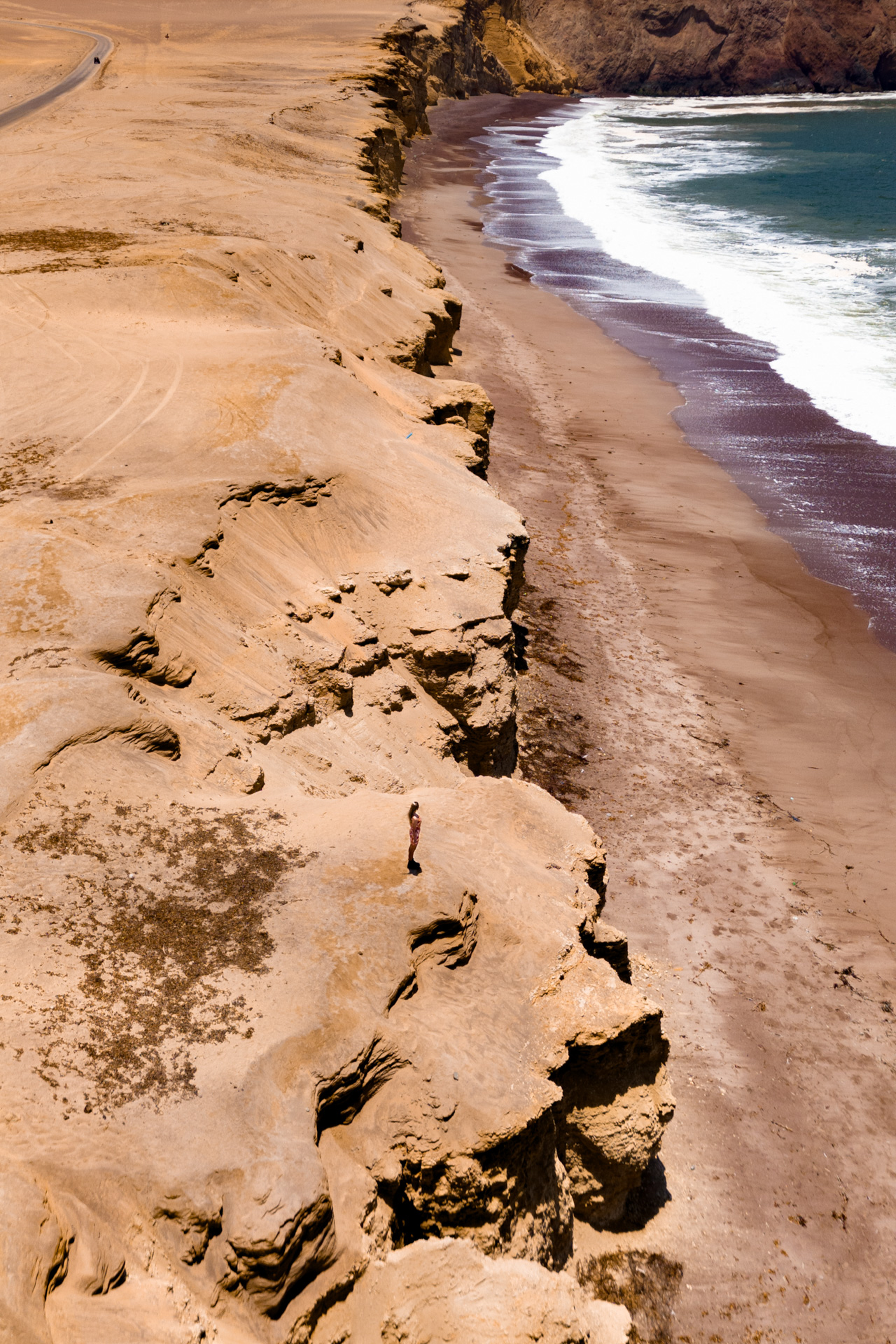
Paracas is a small coastal town best known for its dramatic desert-meets-ocean landscapes and rich wildlife. Located along Peru’s southern coast, it’s the gateway to the Paracas National Reserve, where rugged cliffs, sandy beaches, and deep blue waters create a surreal setting.
Despite its remote feel, Paracas was an easy and incredibly rewarding stop for me. Boat tours to the Ballestas Islands offer the chance to see sea lions, penguins, and countless birds in their natural habitat, while drives through the national reserve reveal windswept coastlines and wide desert scenery.

Calm, quiet, and naturally beautiful, Paracas is a refreshing contrast to Peru’s busy cities and the perfect place to slow down and reconnect with nature.
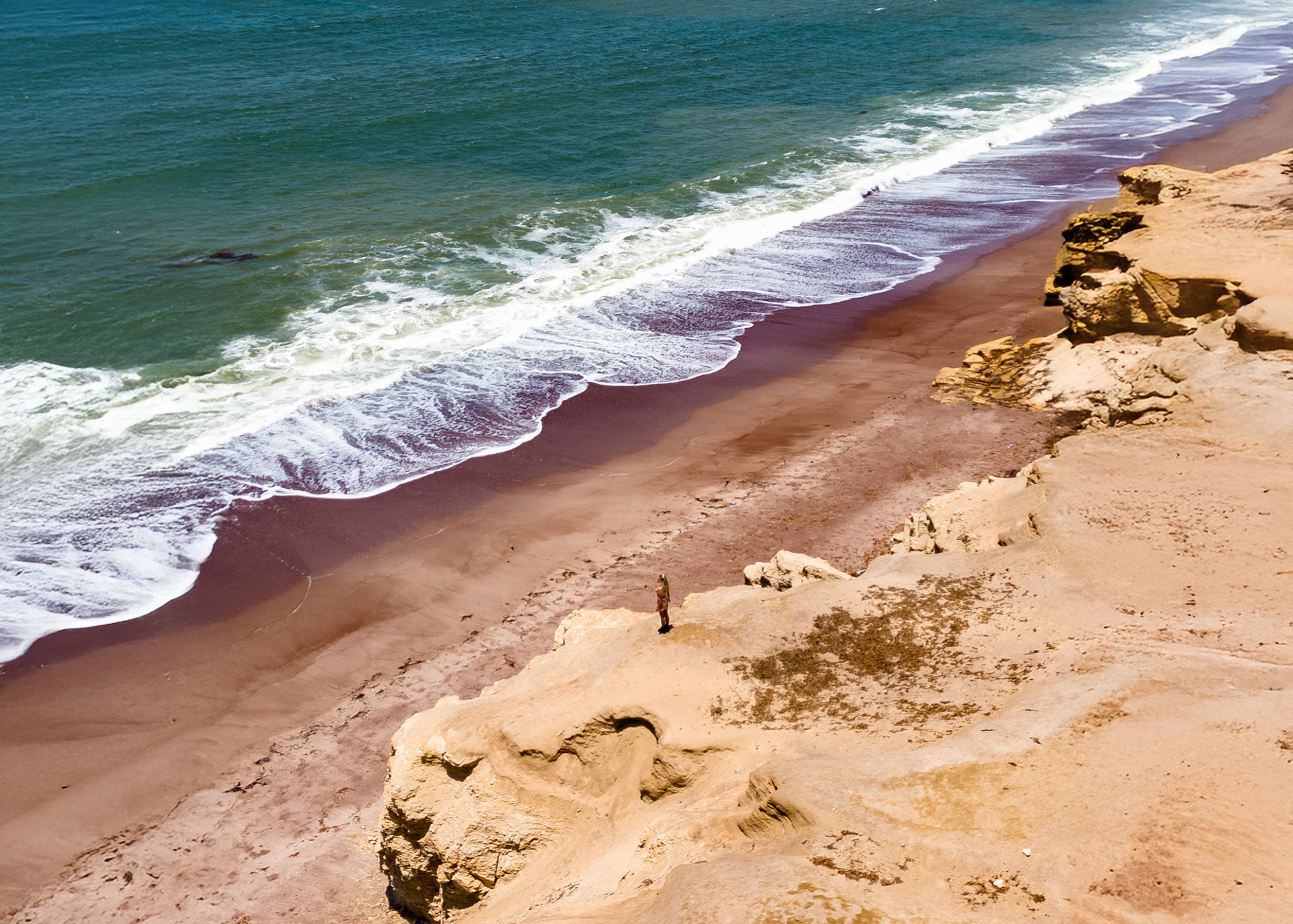 Paracas National Reserve
Why Visit Paracas?
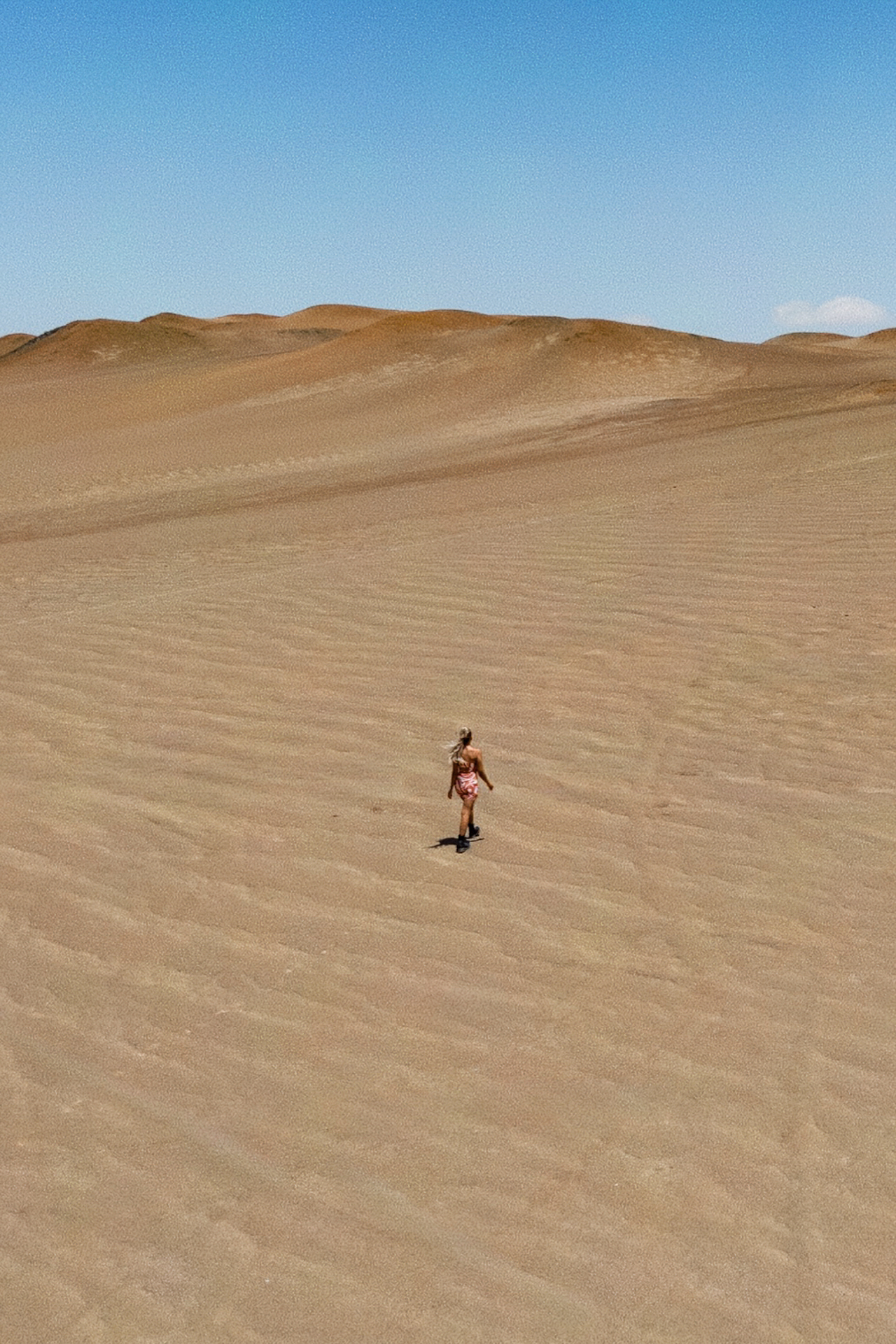 National Reserve
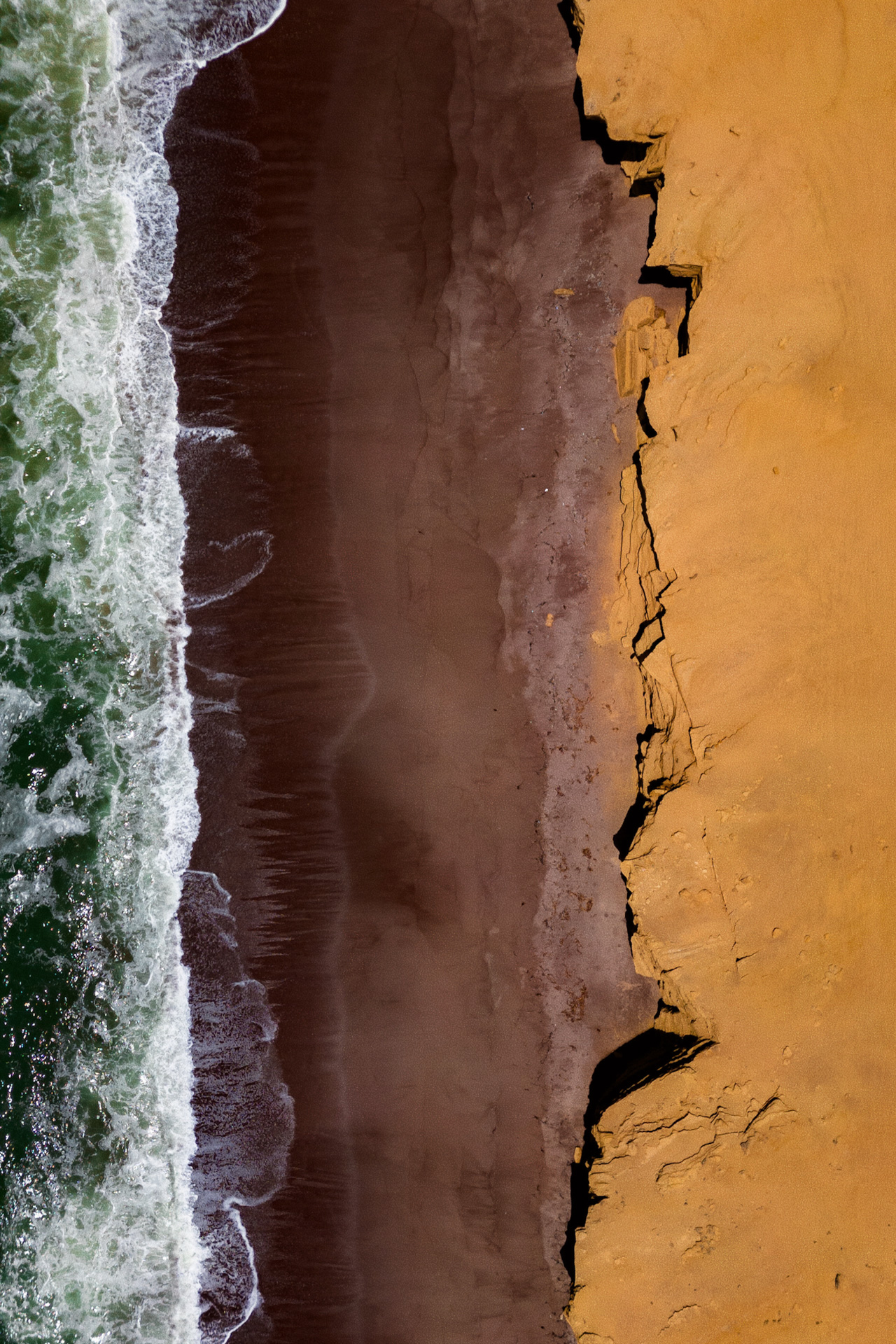 Playa Roja
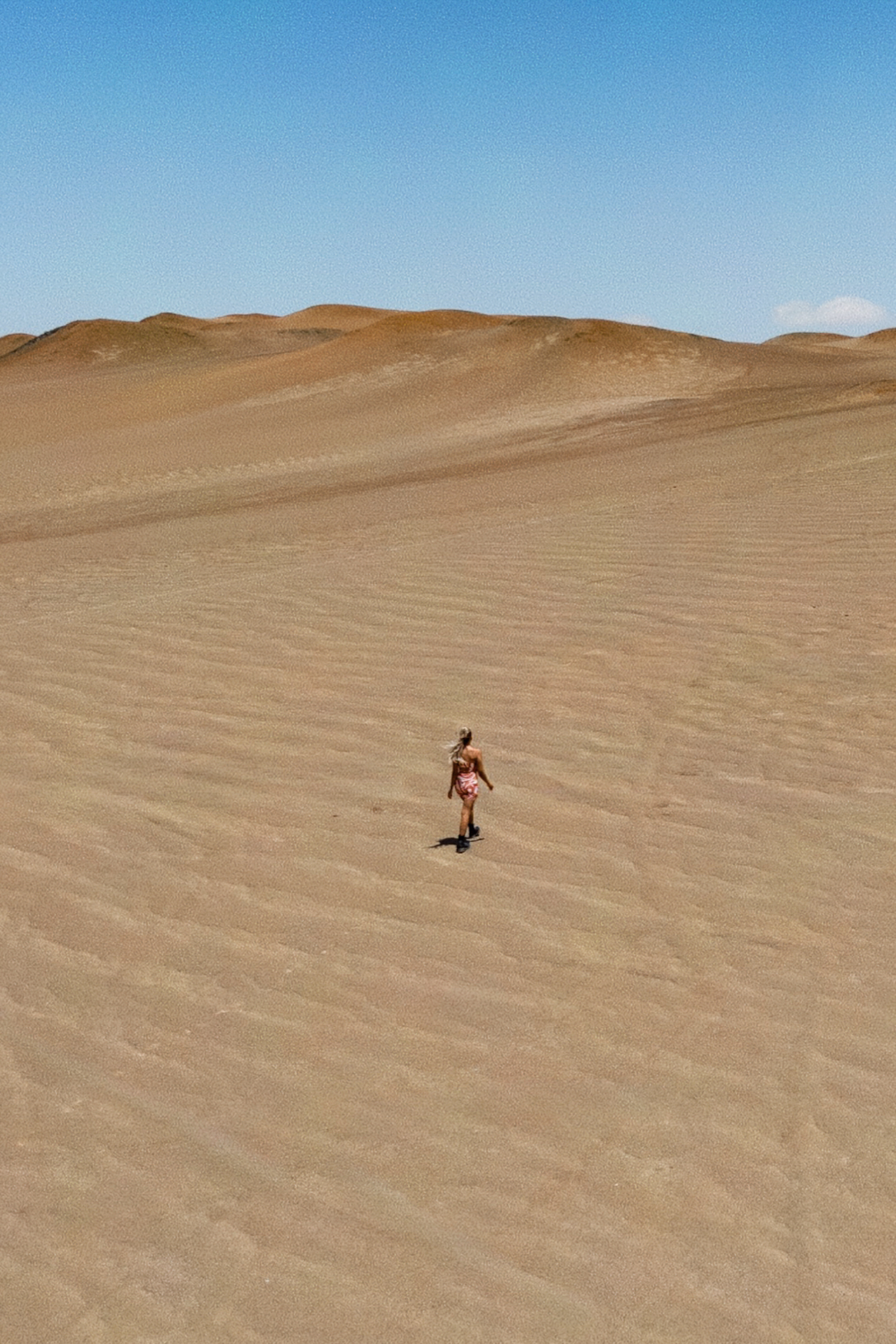 National Reserve
 Playa Roja
Best Things to Do and See in Paracas
 National Reserve
 Playa Roja
 National Reserve
 Playa Roja
Entrance to the Paracas National Reserve cost 11 Peruvian soles per adult (around €2.70 / USD 3) and was valid for one day.
Looking for a Milan Travel Guide & Tips?
AN OASIS AMONG THE DUNES
Huacachina
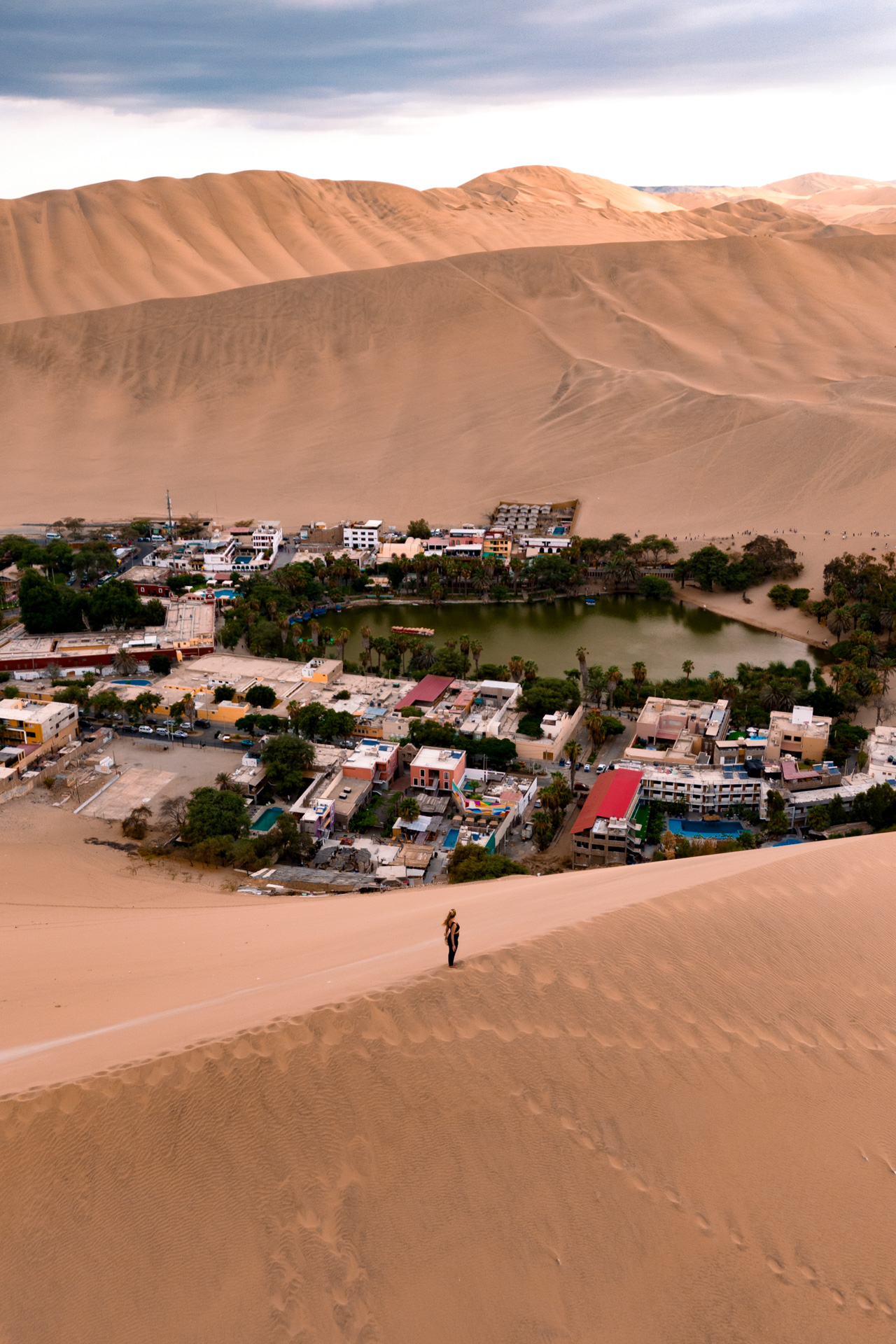
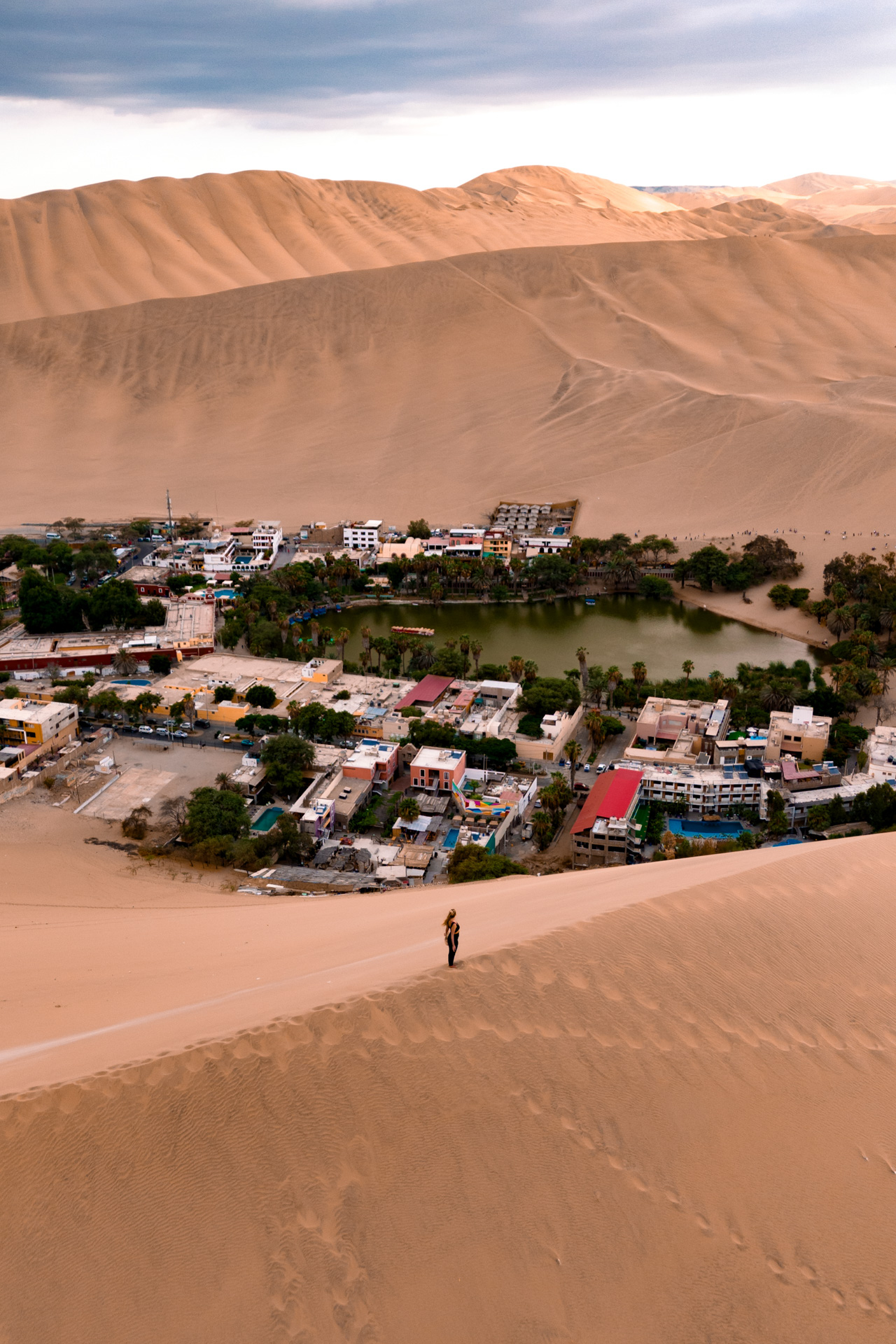
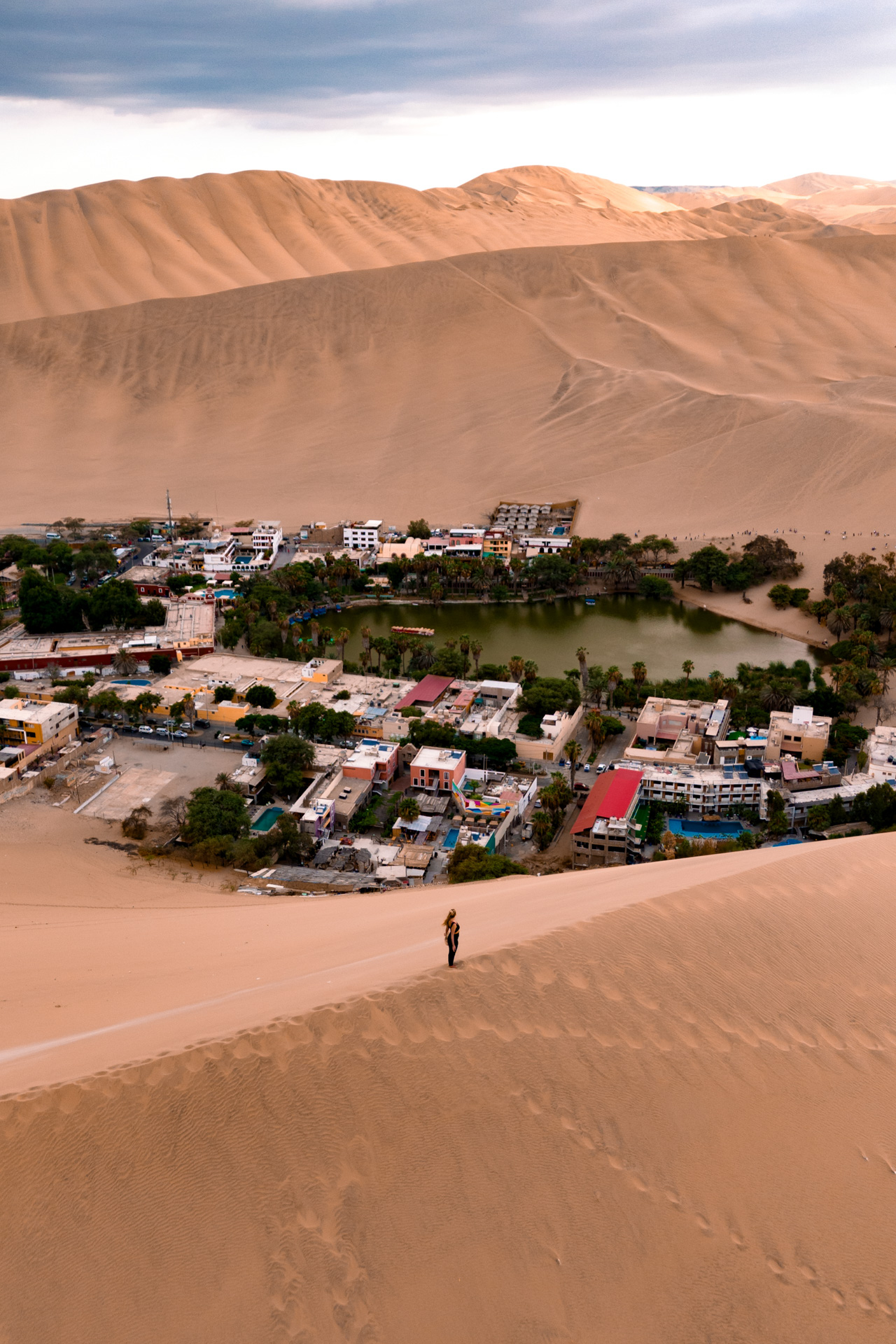
A small oasis town surrounded by towering sand dunes that feel almost unreal. Palm trees, a quiet lagoon, and endless golden dunes create a setting that looks straight out of a movie and instantly sets a slower, dreamlike pace.
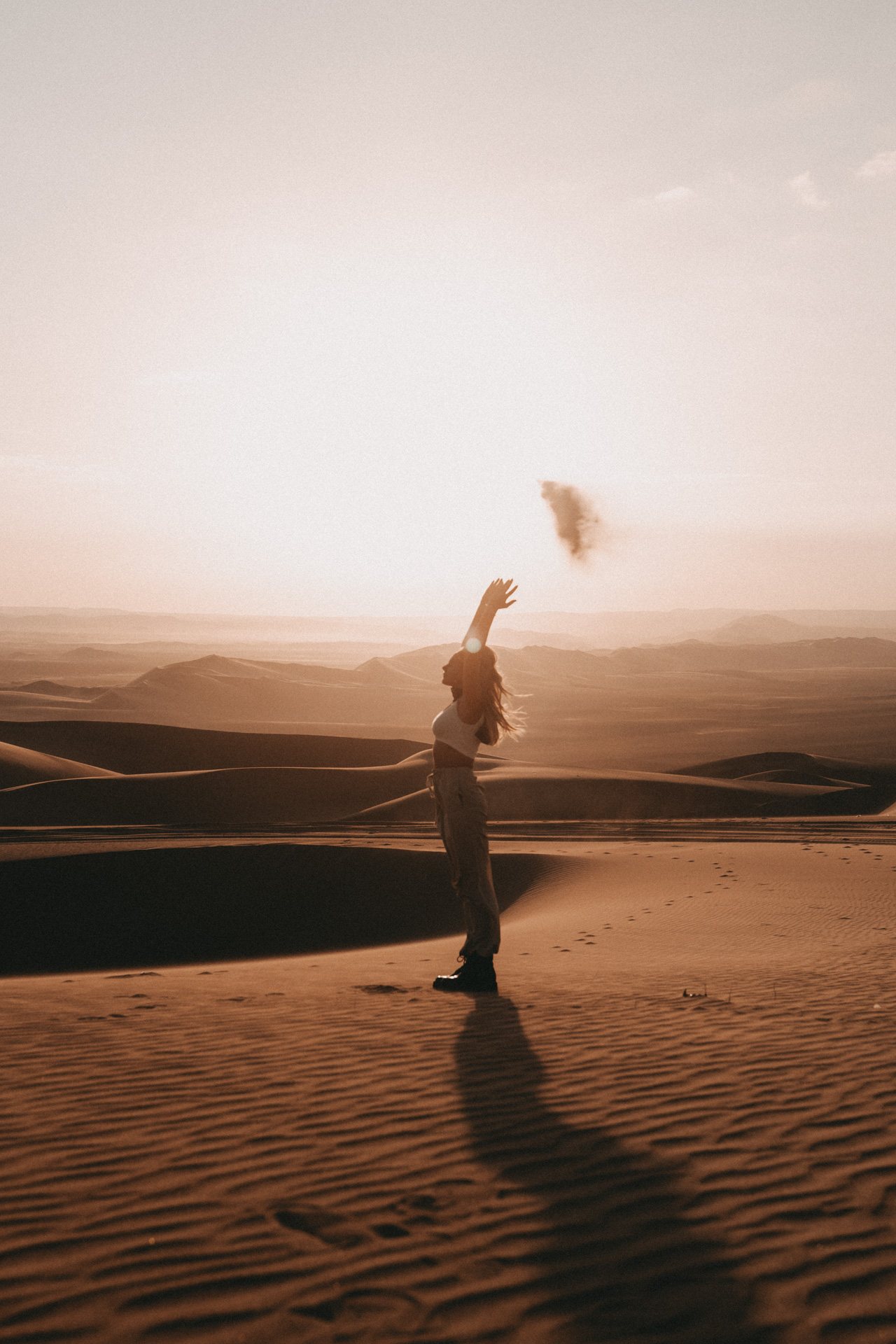
This place is all about the desert experience. From dune buggy rides and sandboarding to watching the sun set over rolling dunes, it’s a place where adventure and stillness exist side by side. Compact, unique, and unlike anywhere else in Peru, Huacachina is an unforgettable stop and a perfect contrast to the country’s cities and mountains.


Why Visit Huacachina?




Best Things to Do and See in Huacachina


Looking for a Huacachina Travel Guide & Tips?
THE HEART OF THE INCA WORLD
Sacred Valley
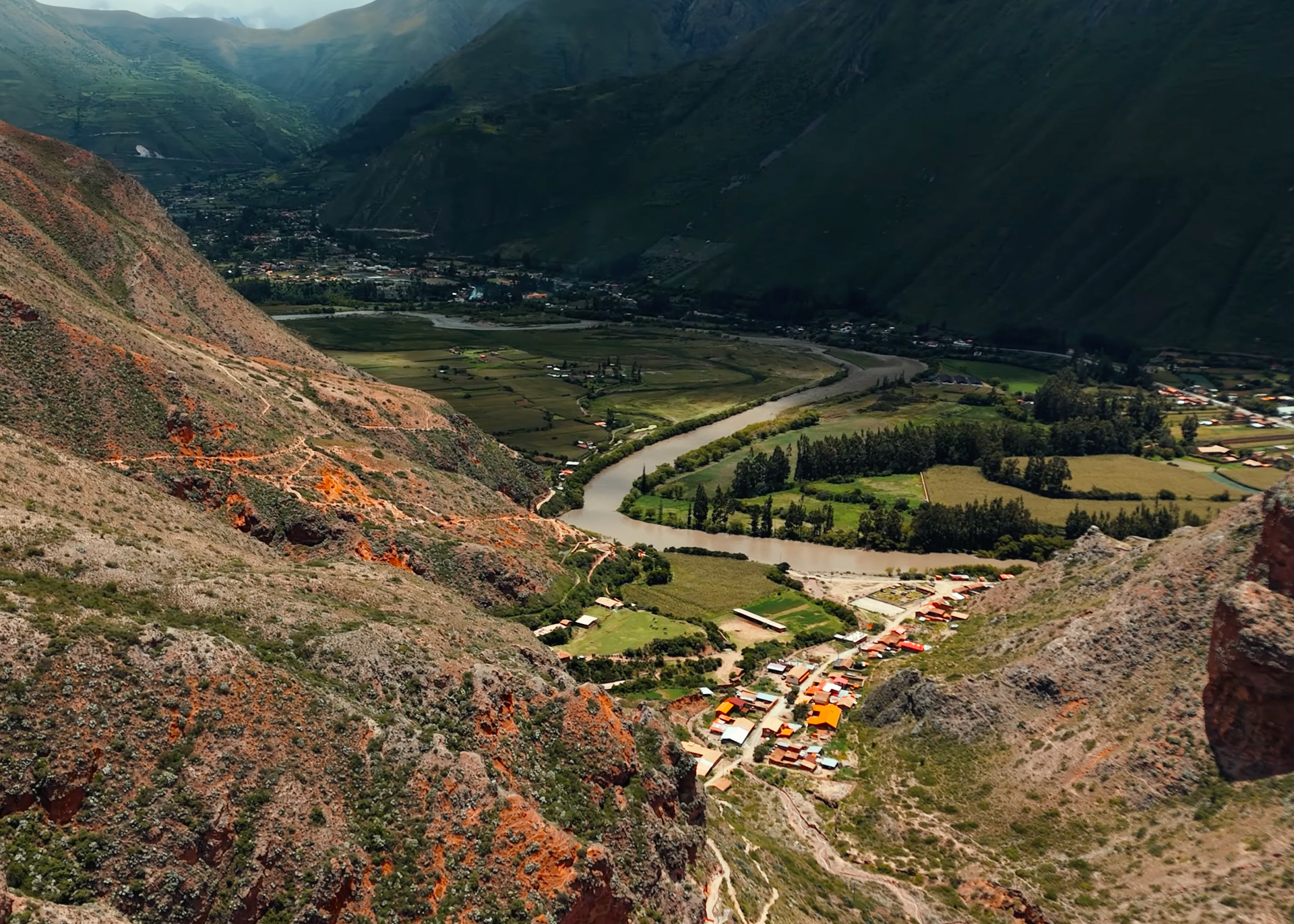
Stretching between Cusco and Machu Picchu, the Sacred Valley feels like a place where time slows down in the best possible way. Green valleys, winding rivers, and dramatic mountain backdrops are dotted with ancient Inca ruins and small traditional villages, making every drive feel like a postcard come to life.
What makes the Sacred Valley so special is its calm energy. Mornings are quiet, the air feels lighter, and life moves at a gentler pace than in Cusco. From exploring archaeological sites like Ollantaytambo and Pisac to wandering local markets and simply soaking in the views, it's less about rushing and more about experiencing.
Why Visit the Sacred Valley?
The Sacred Valley sits at a lower altitude than Cusco, making it a great place to acclimatize before heading higher. Spending a night or two here can make a big difference in how you feel later on.
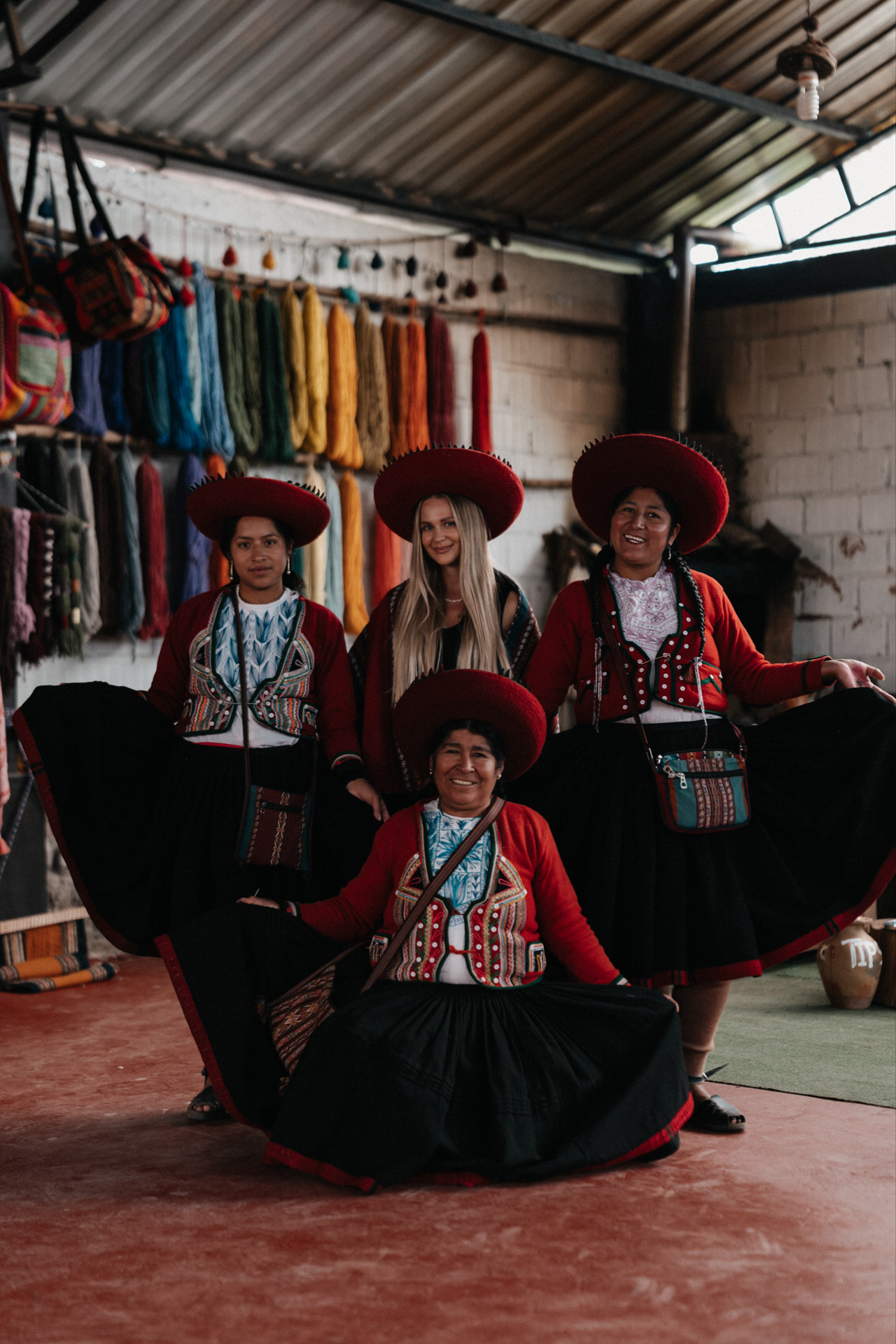 Chinchero
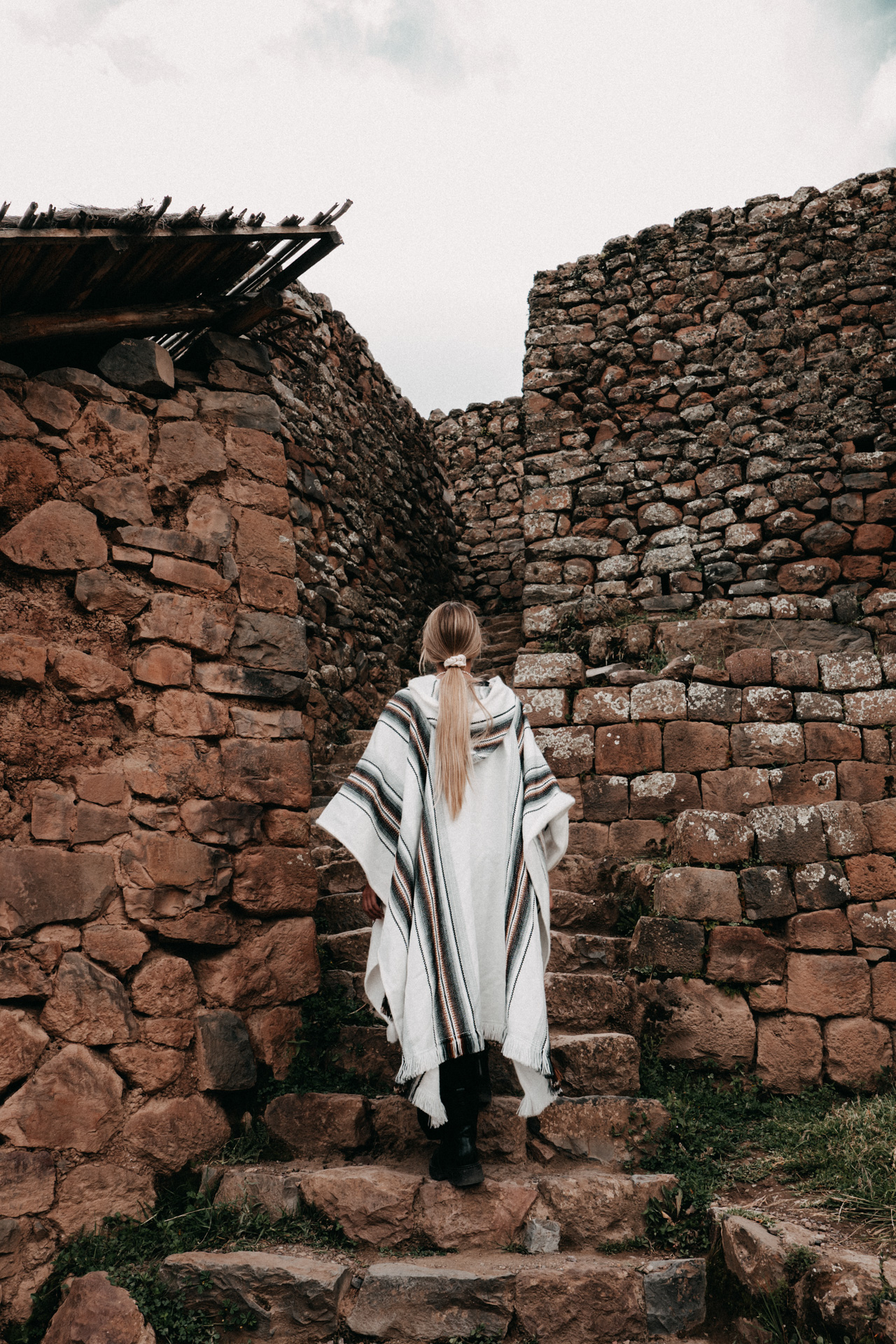 Pisac Ruins
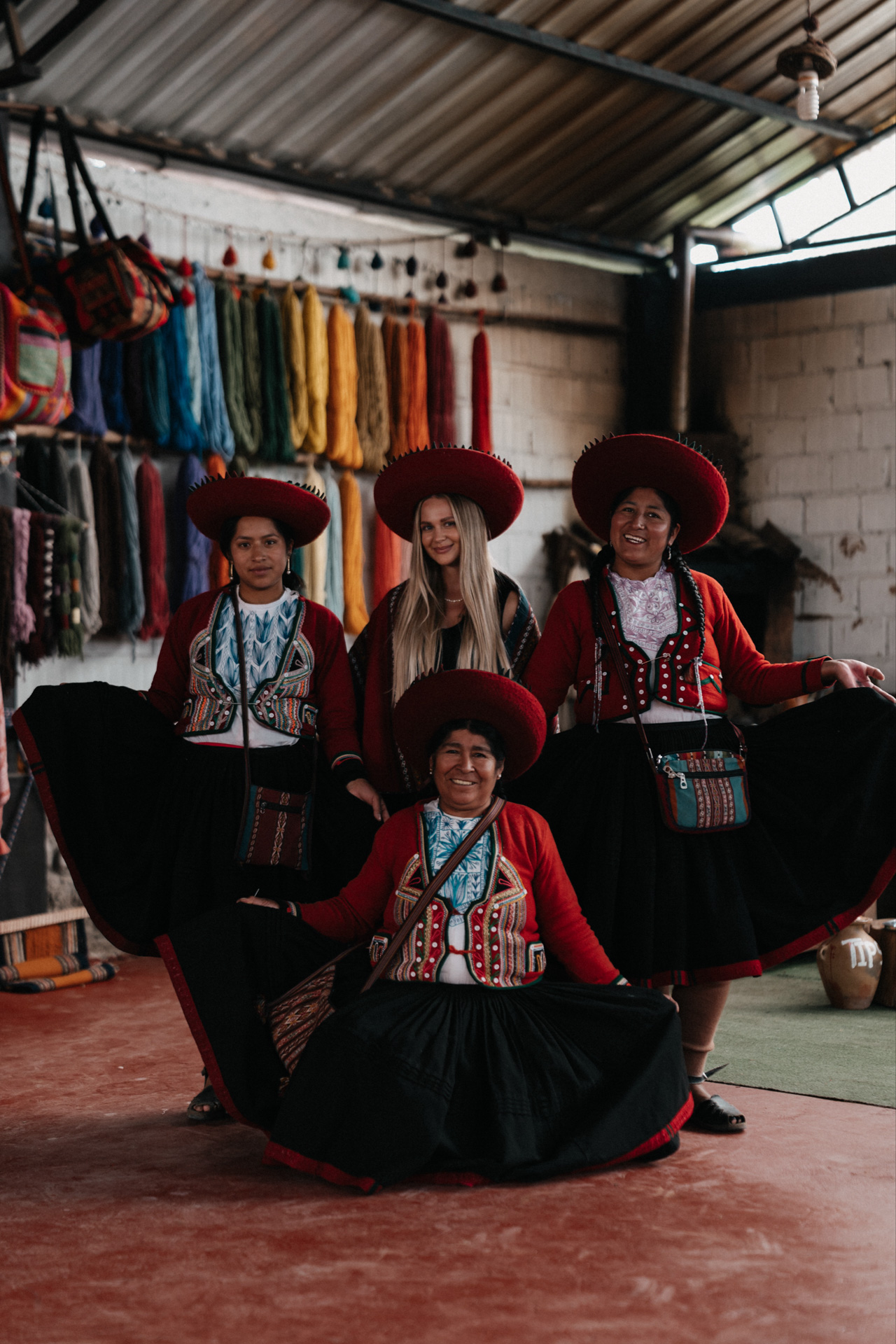 Chinchero
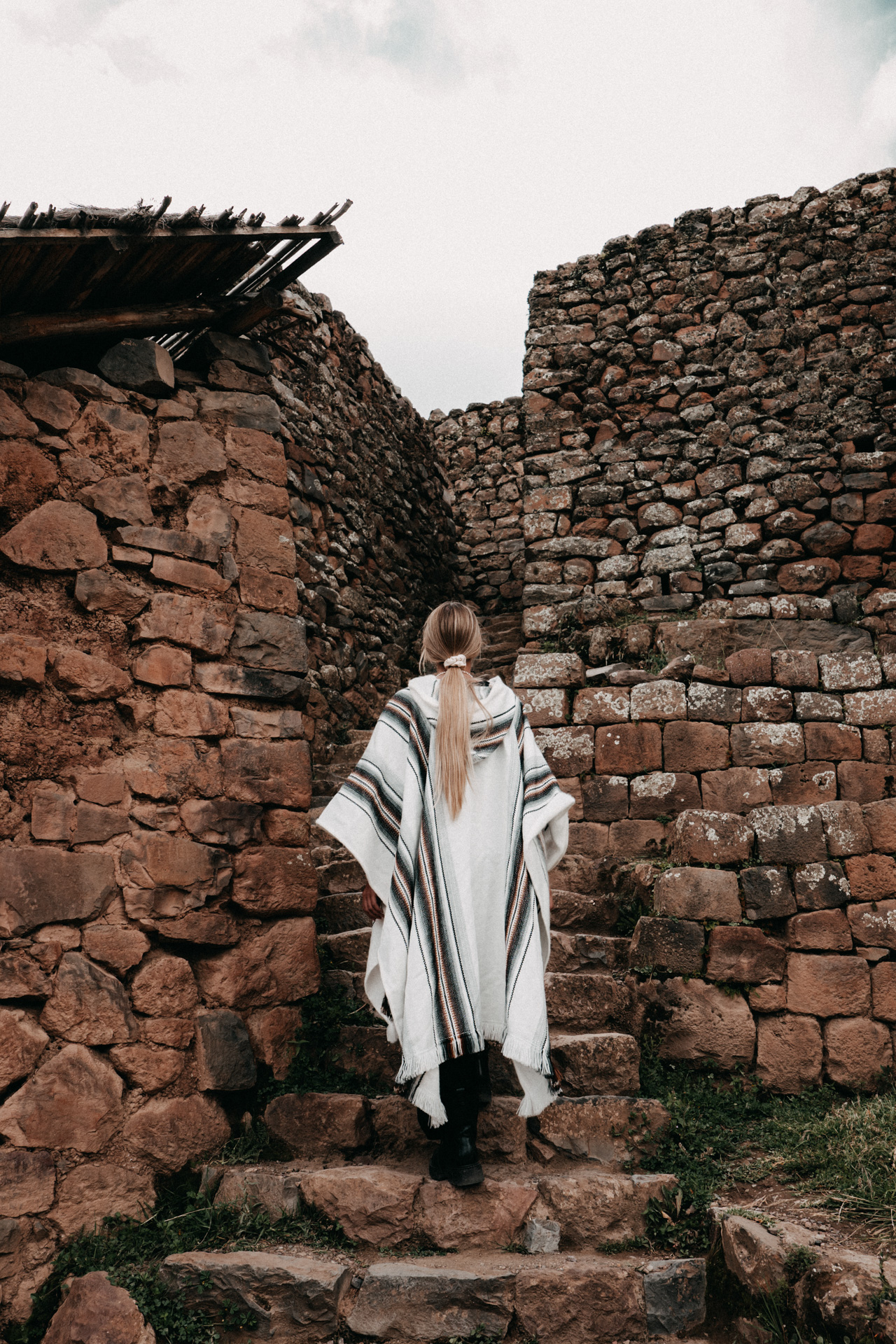 Pisac Ruins
Best Things to Do and See in the Sacred Valley
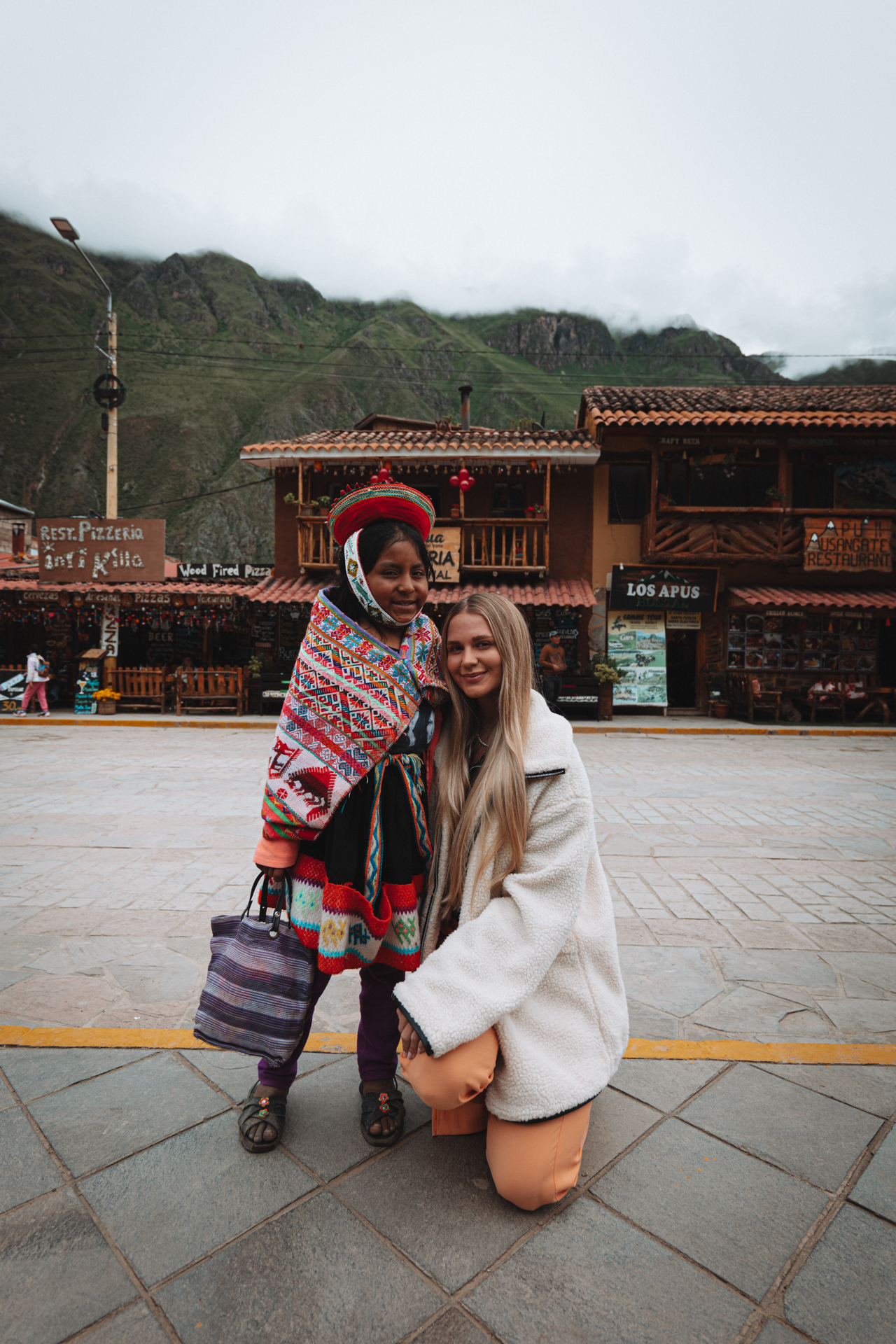 Ollantaytambo
 Sacred Valley Mountains
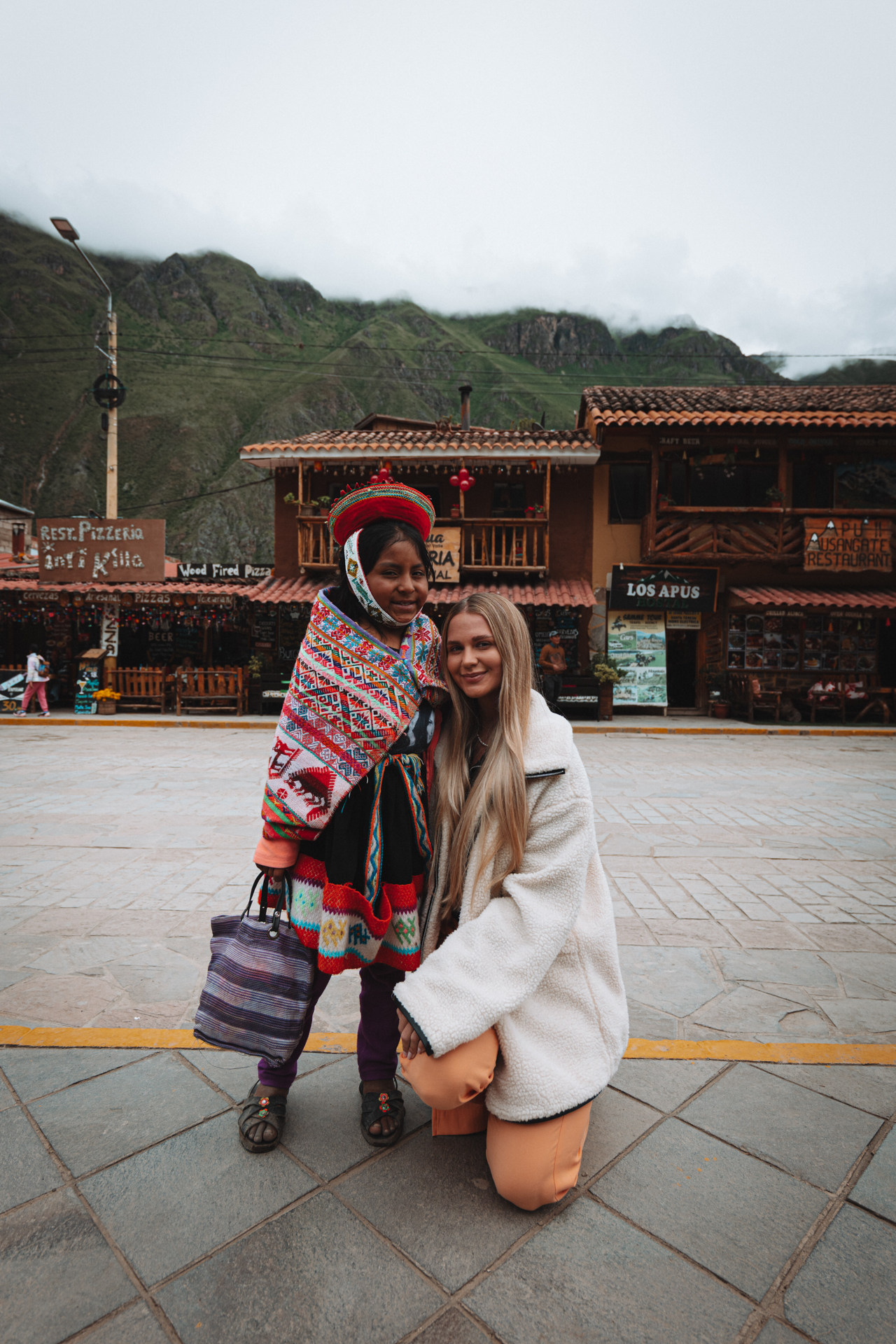 Ollantaytambo
 Sacred Valley Mountains
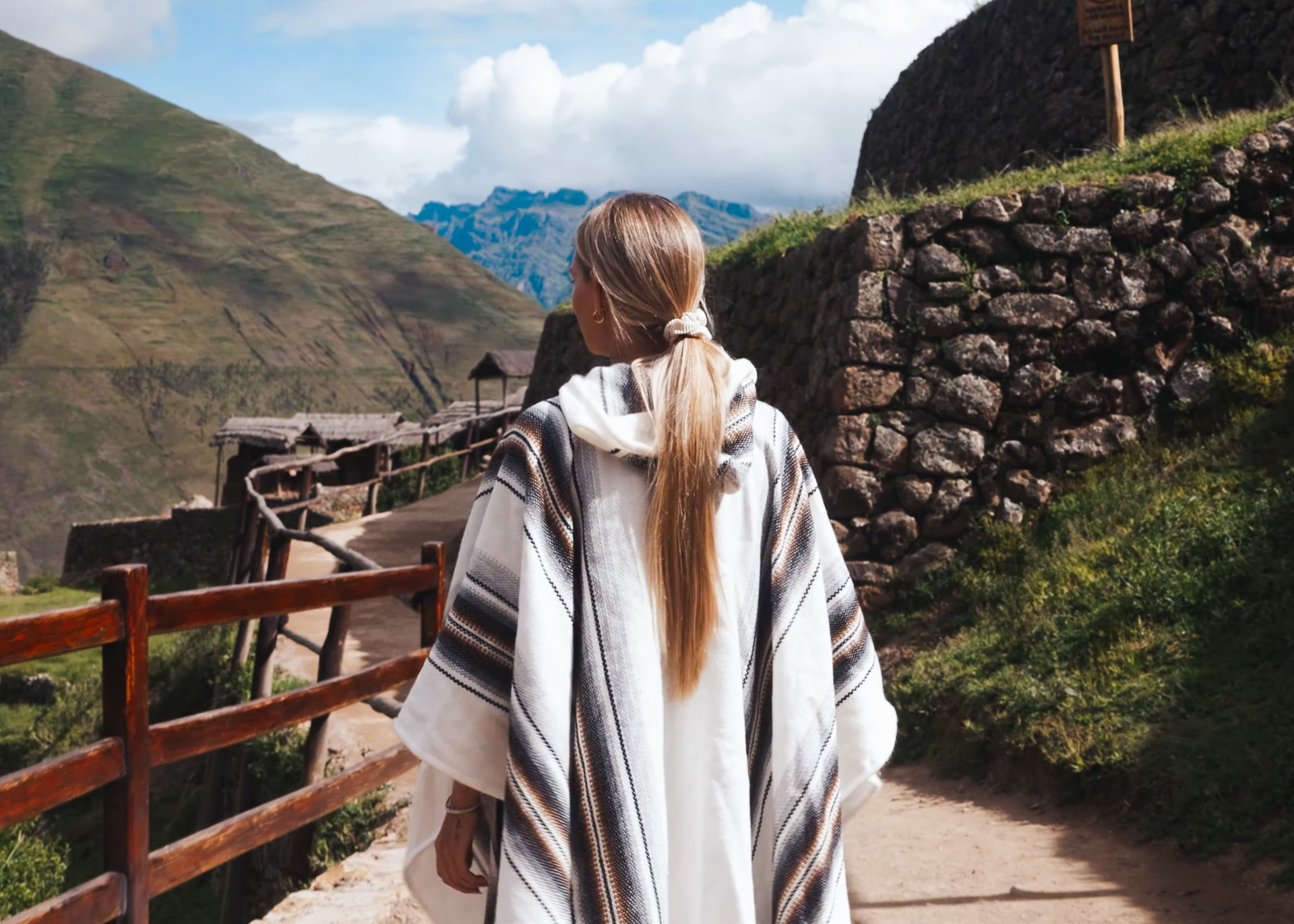 Pisac Ruins
Boleto Turístico del Cusco (Tourist Ticket)
Many of the main archaeological sites in and around Cusco and the Sacred Valley are covered by the Boleto Turístico del Cusco, a multi-site ticket required to enter places like Pisac Ruins, Ollantaytambo Ruins, and Moray.
You can purchase this ticket in person at the official COSITUC office on Avenida El Sol in Cusco, or directly at the entrance of major archaeological sites such as Pisac, Ollantaytambo, and Moray. The ticket cannot be bought online and is usually cash only (Peruvian soles).
Entry fee (Boleto Turístico del Cusco)
There are two main options:
Partial ticket: around 70 Peruvian soles (€18 / USD 19), valid for 1–2 days
Full ticket: around 130 Peruvian soles (€33 / USD 36), valid for 10 days, covering additional sites in Cusco and nearby regions
The Maras Salt Mines are not included and require a separate entrance fee of 20 Peruvian soles per person (around €5 / USD 5.50).
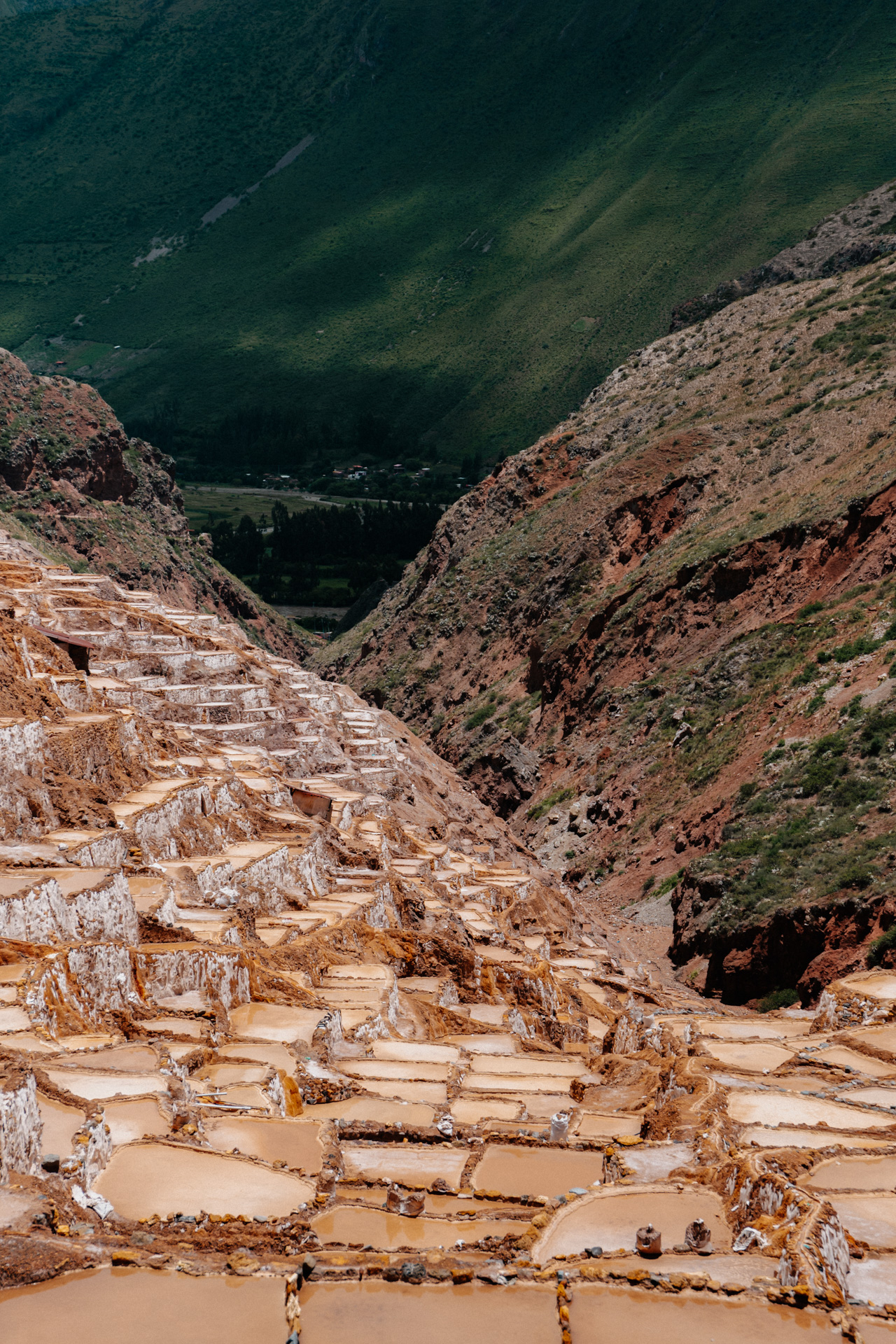 Maras Salt Mines
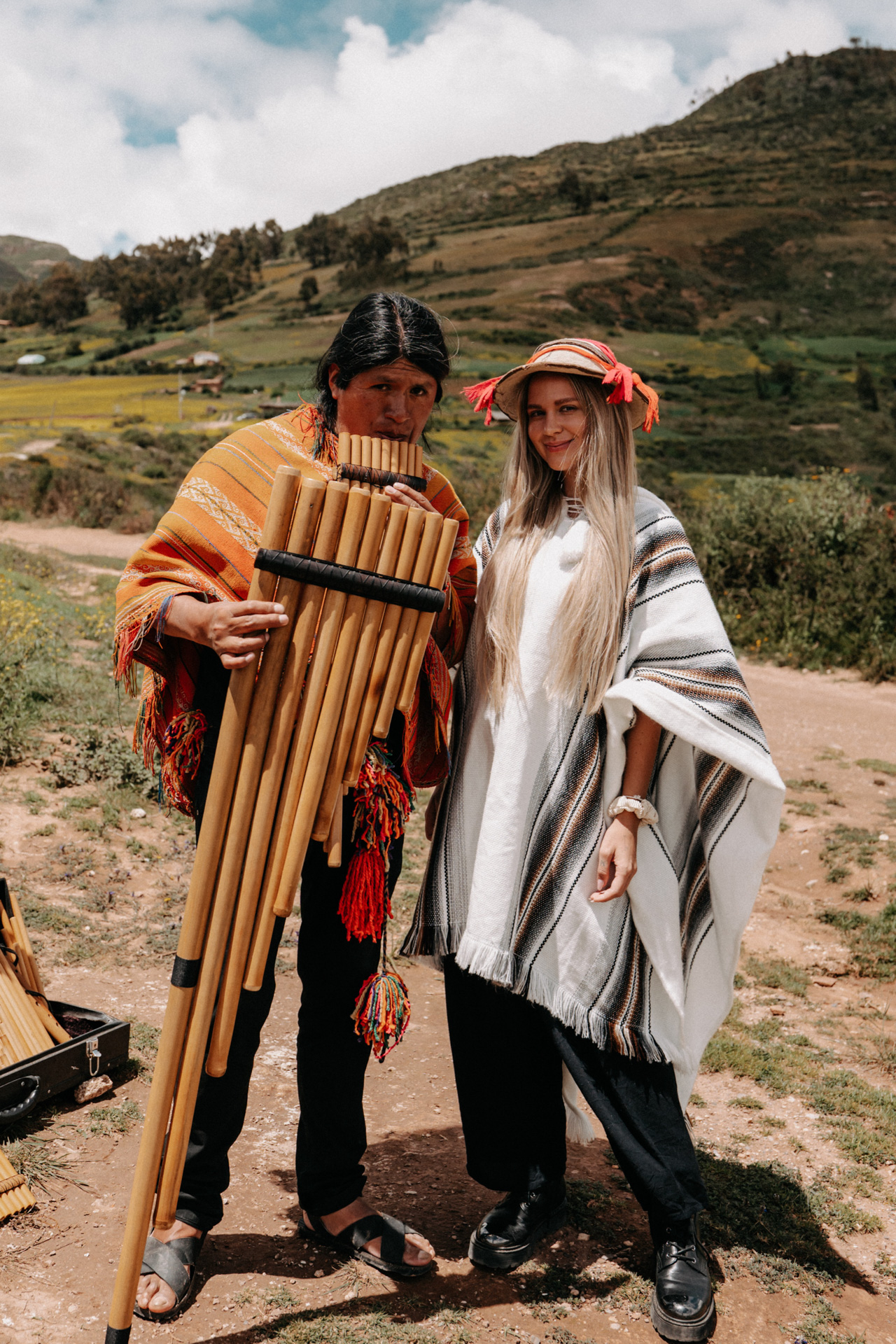 Moray
Moray
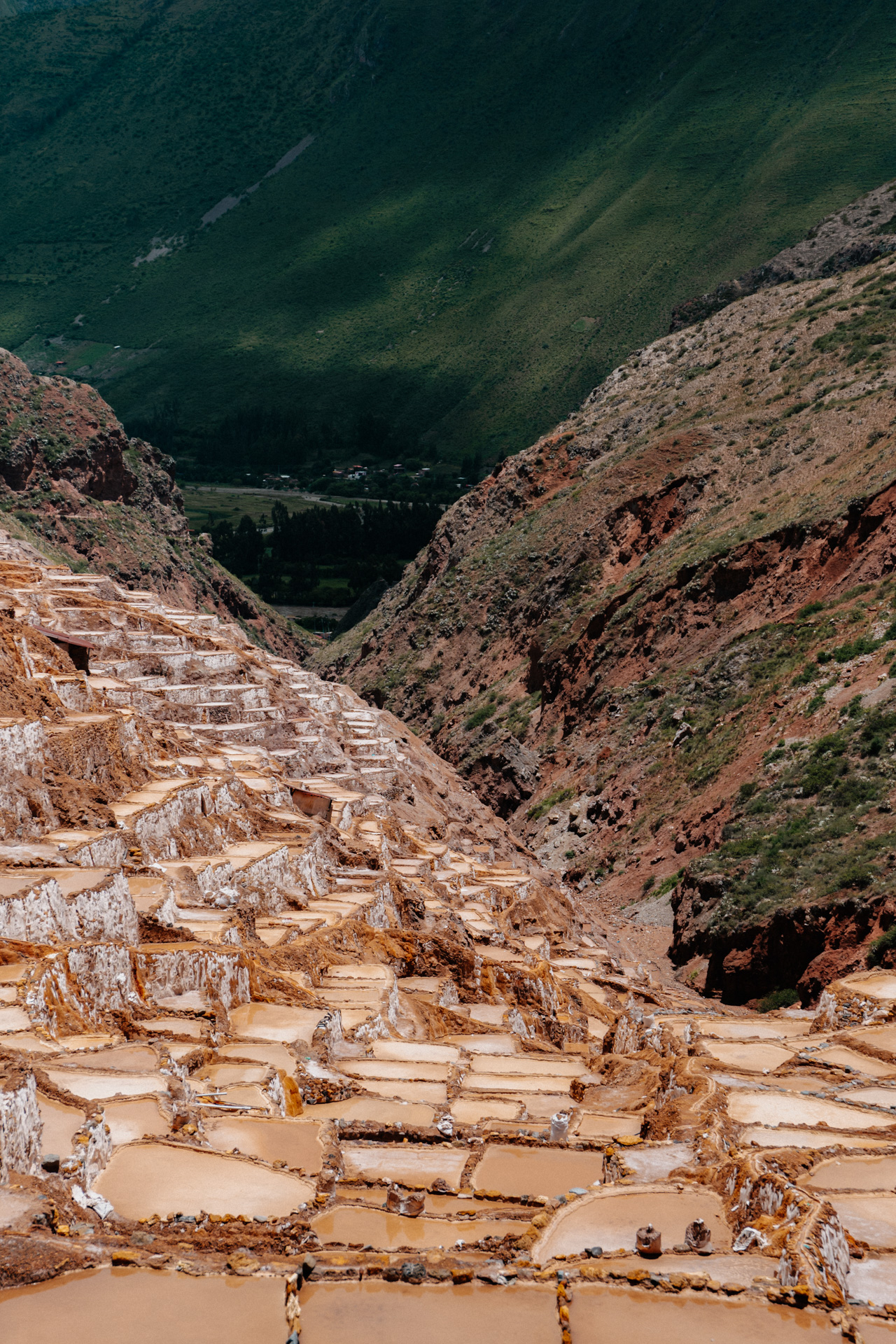 Maras Salt Mines
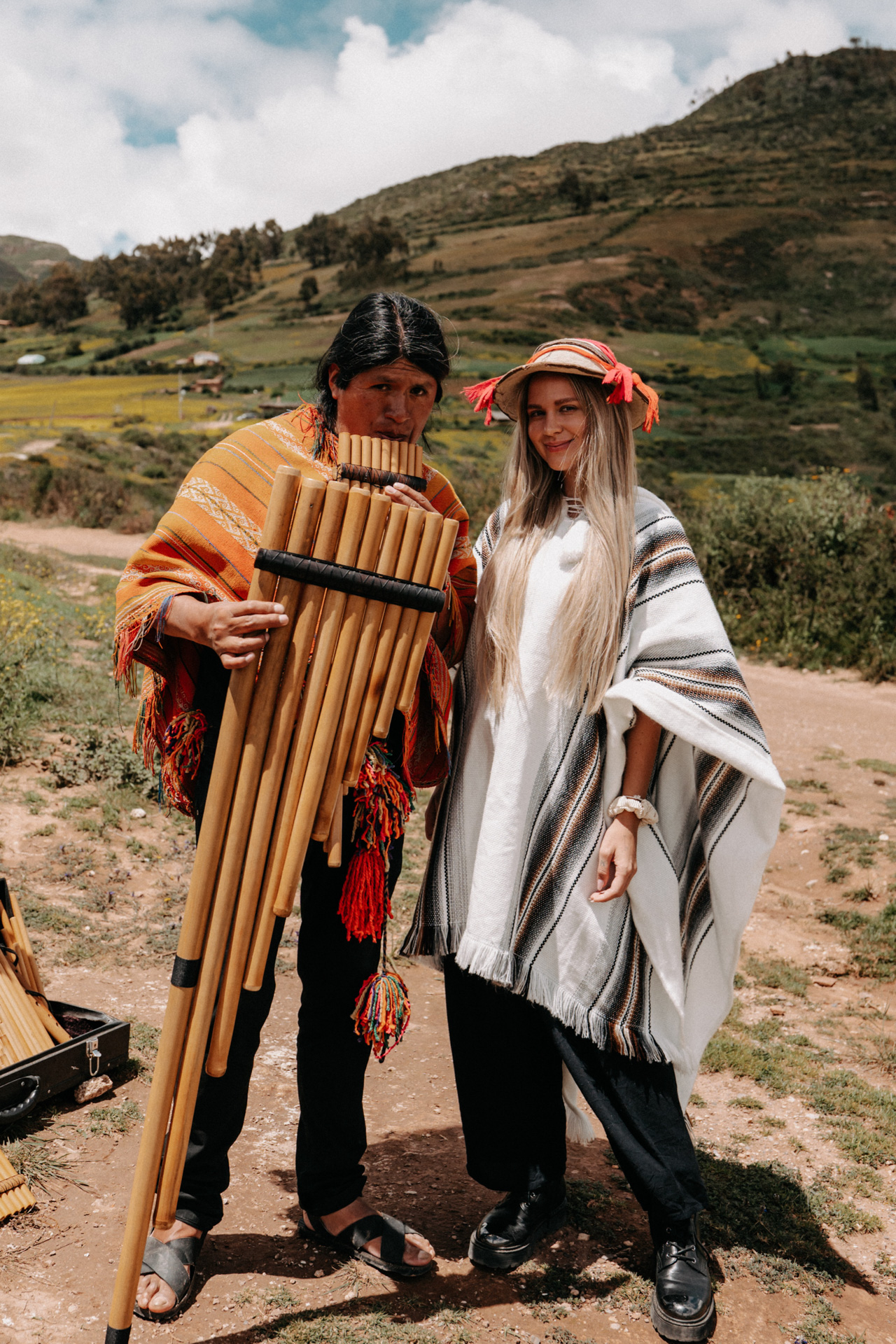 Moray
Moray
If you have extra time, experiences like a Pachamama ceremony, yoga retreats, or farm stays offer a deeper connection to the valley’s spiritual side. I personally took part in a private Pachamama ceremony, and it was a grounding, meaningful experience that added a completely different layer to my time in Peru.
Pachamama means Mother Earth. The purpose of this ritual is to express your deepest desires, what you want to achieve in life, and what you want for your loved ones.
 Pachamama ceremony
The best way to explore the Sacred Valley is by hiring a private driver or taking a guided tour. Hotels and guesthouses are a great resource too, and you can always ask at the reception for trusted contacts for private drivers.
A MOUNTAIN PAINTED BY NATURE
Rainbow Mountain
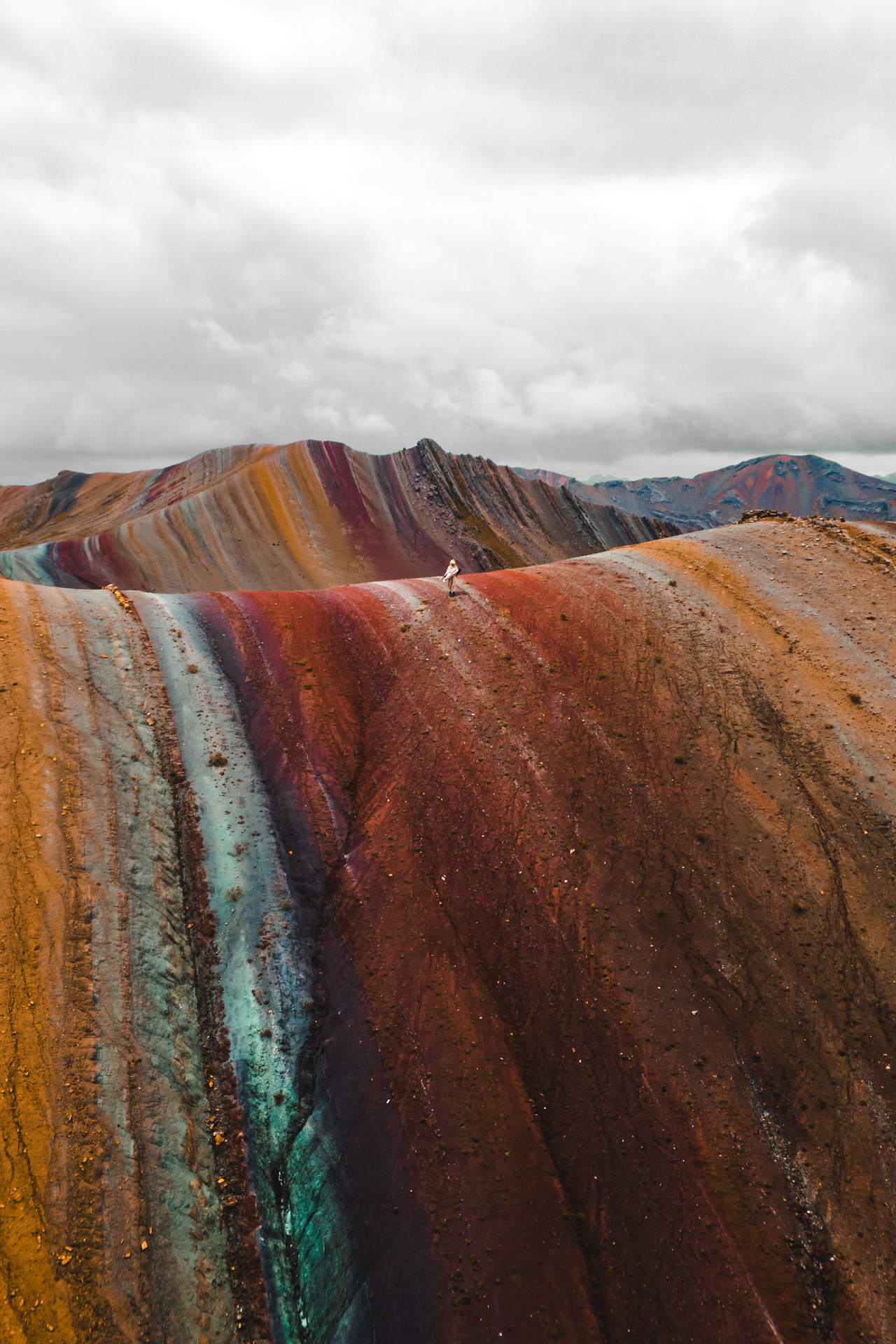
Rainbow Mountain (Vinicunca) is one of Peru’s most surreal natural wonders, known for its striking layers of red, pink, yellow, and turquoise created by mineral-rich sediment. Sitting high in the Andes, this colorful landscape feels almost unreal.
Even the journey by car to the mountain was incredible! Wide open valleys, snow-capped peaks in the distance, and animals along the way created a scene that felt straight out of a fairytale. It’s a powerful reminder of Peru’s raw beauty and one of those places that truly stays with you long after you leave.
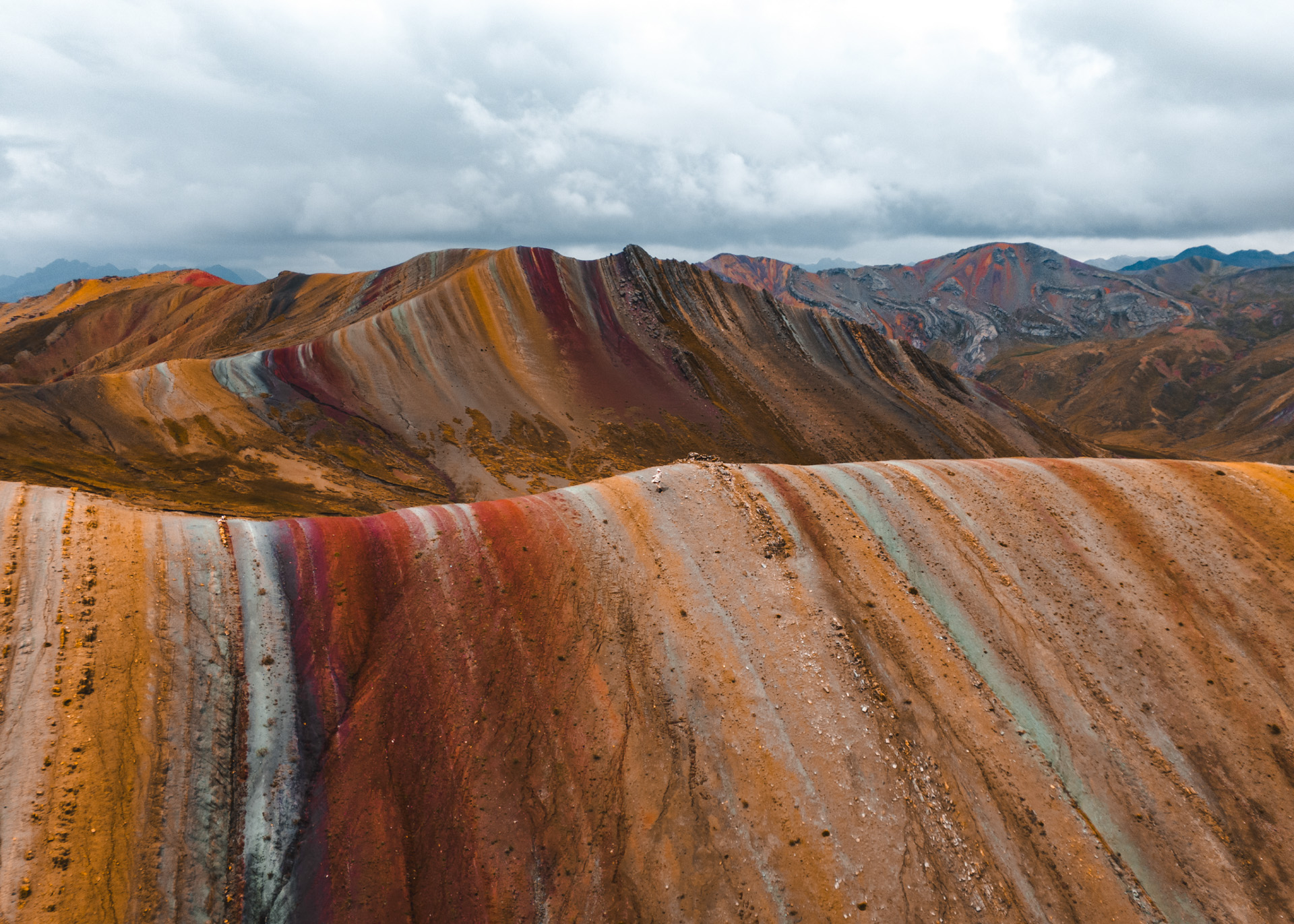 Palccoyo Rainbow Mountain
There are two Rainbow Mountains in Peru, and here’s a tip: we chose Palccoyo Rainbow Mountain instead of the more famous Vinicunca. It’s less crowded, the hike is shorter and easier, and it’s just as beautiful. At times, we even had the mountains all to ourselves, which made it feel extra special.
Rainbow Mountain Vinicunca
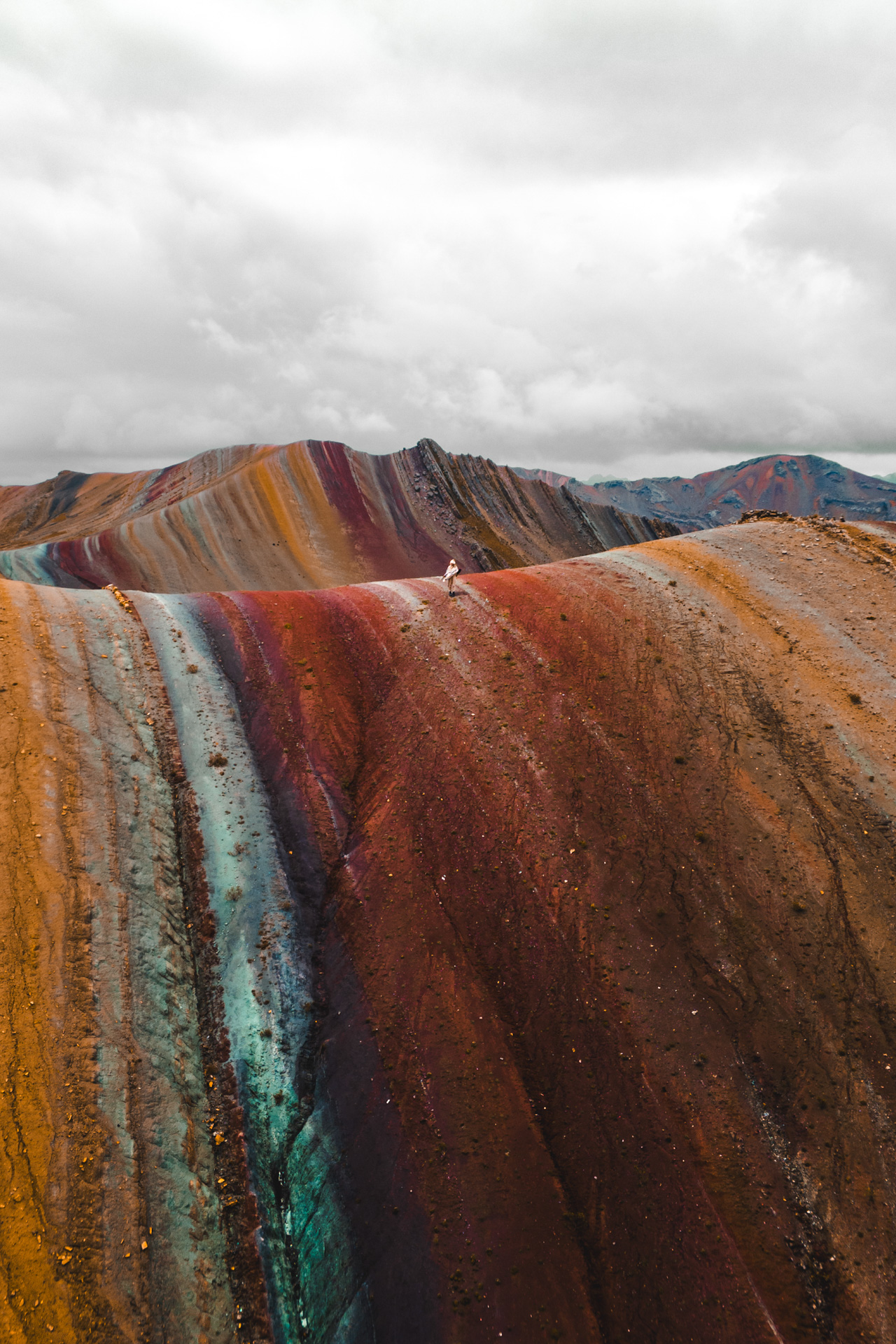 Rainbow Mountain Palccoyo
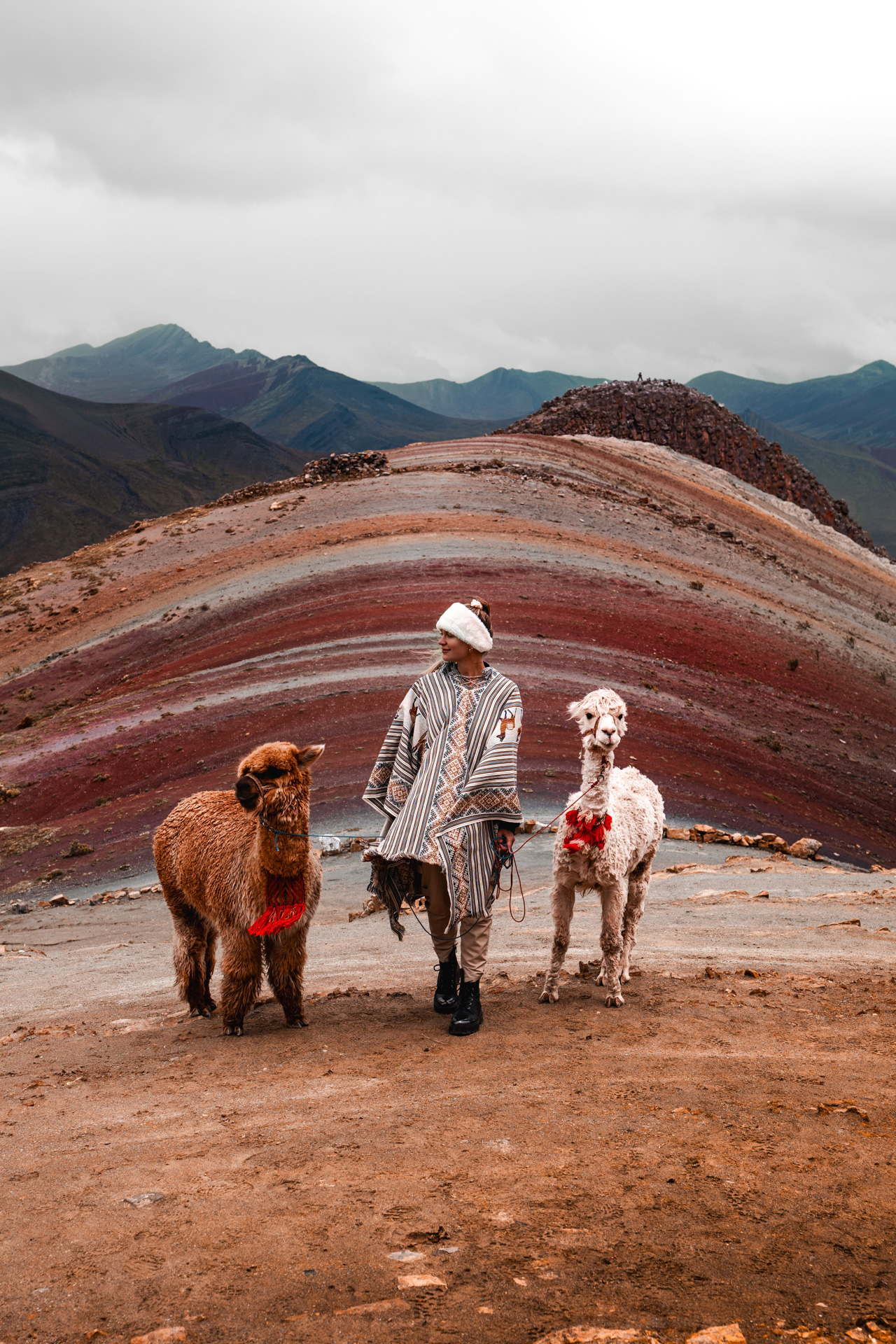 Rainbow Mountain Palccoyo
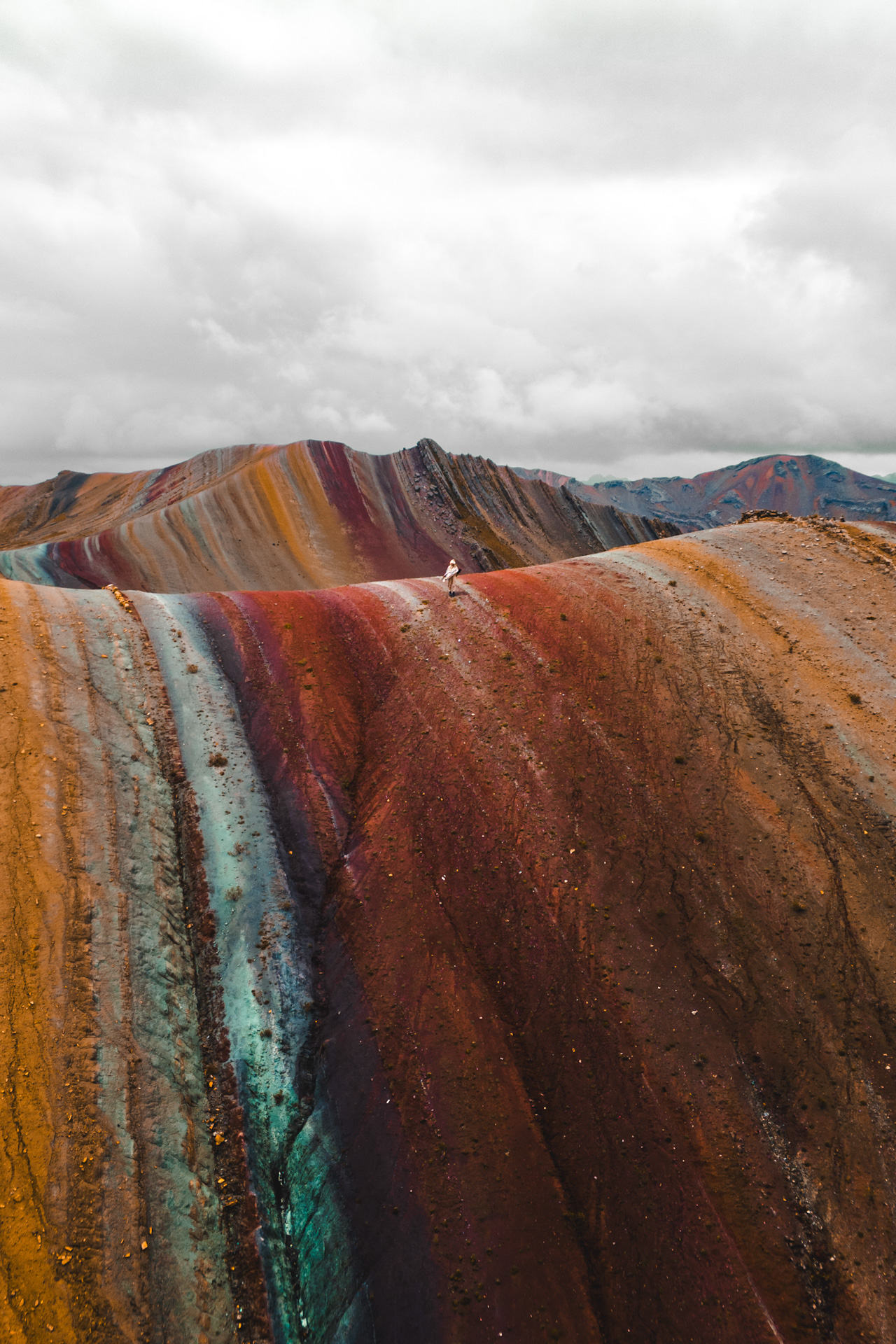 Rainbow Mountain Palccoyo
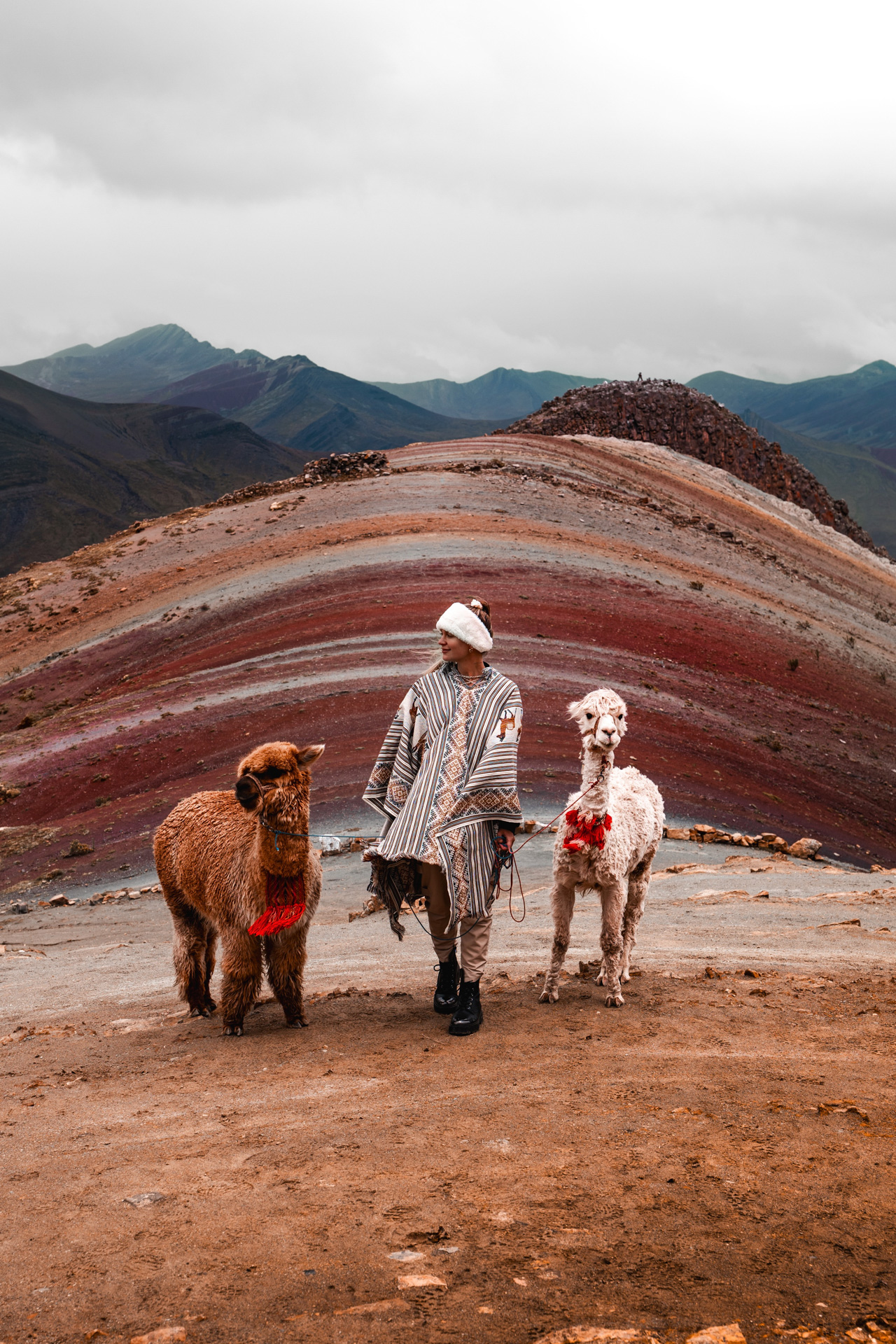 Rainbow Mountain Palccoyo
Rainbow Mountain Palccoyo
Acclimatization is essential! Spend at least 2 days in Cusco or the Sacred Valley before attempting the hike to reduce the risk of altitude sickness.
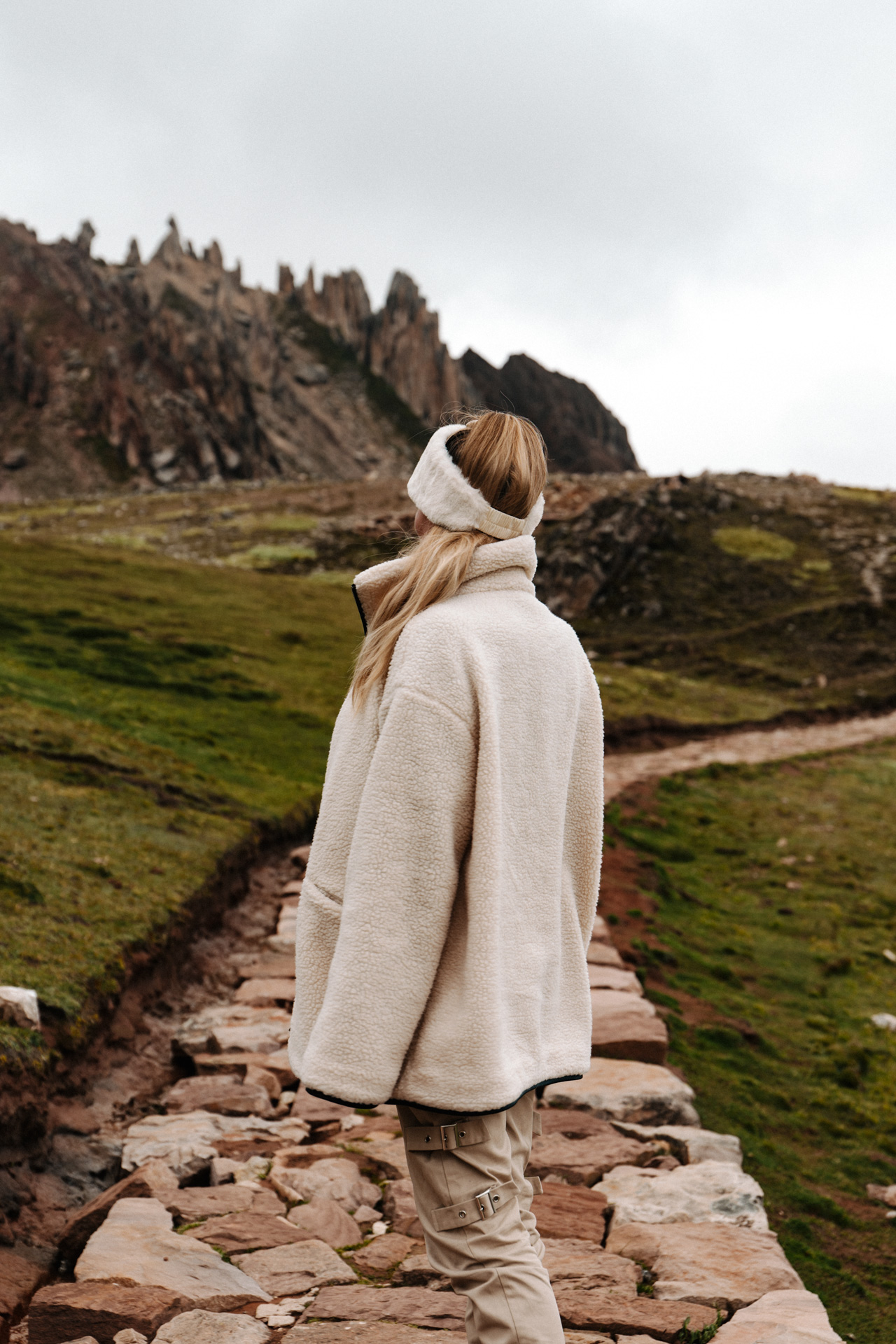 Palccoyo Hike
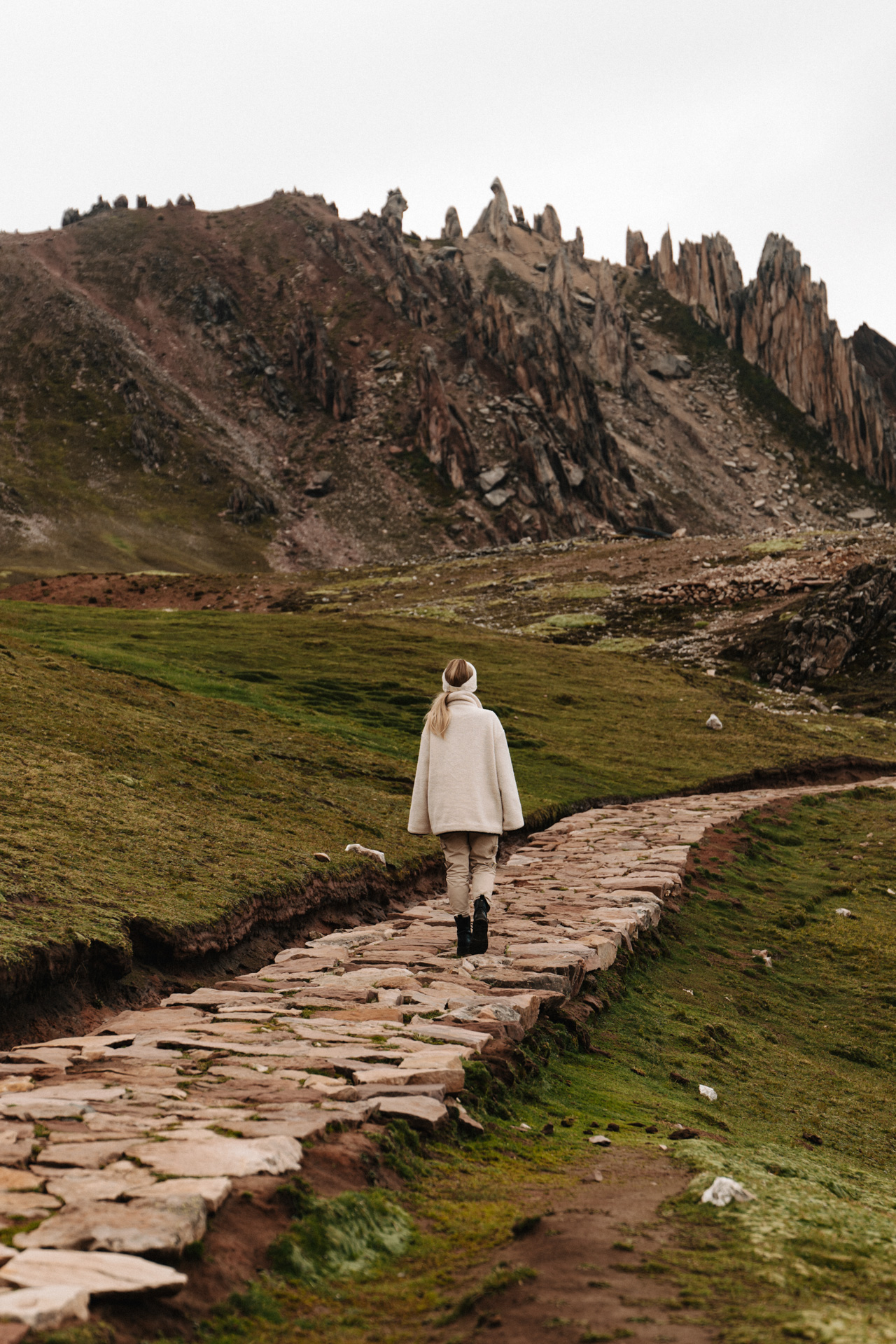 Palccoyo Hike
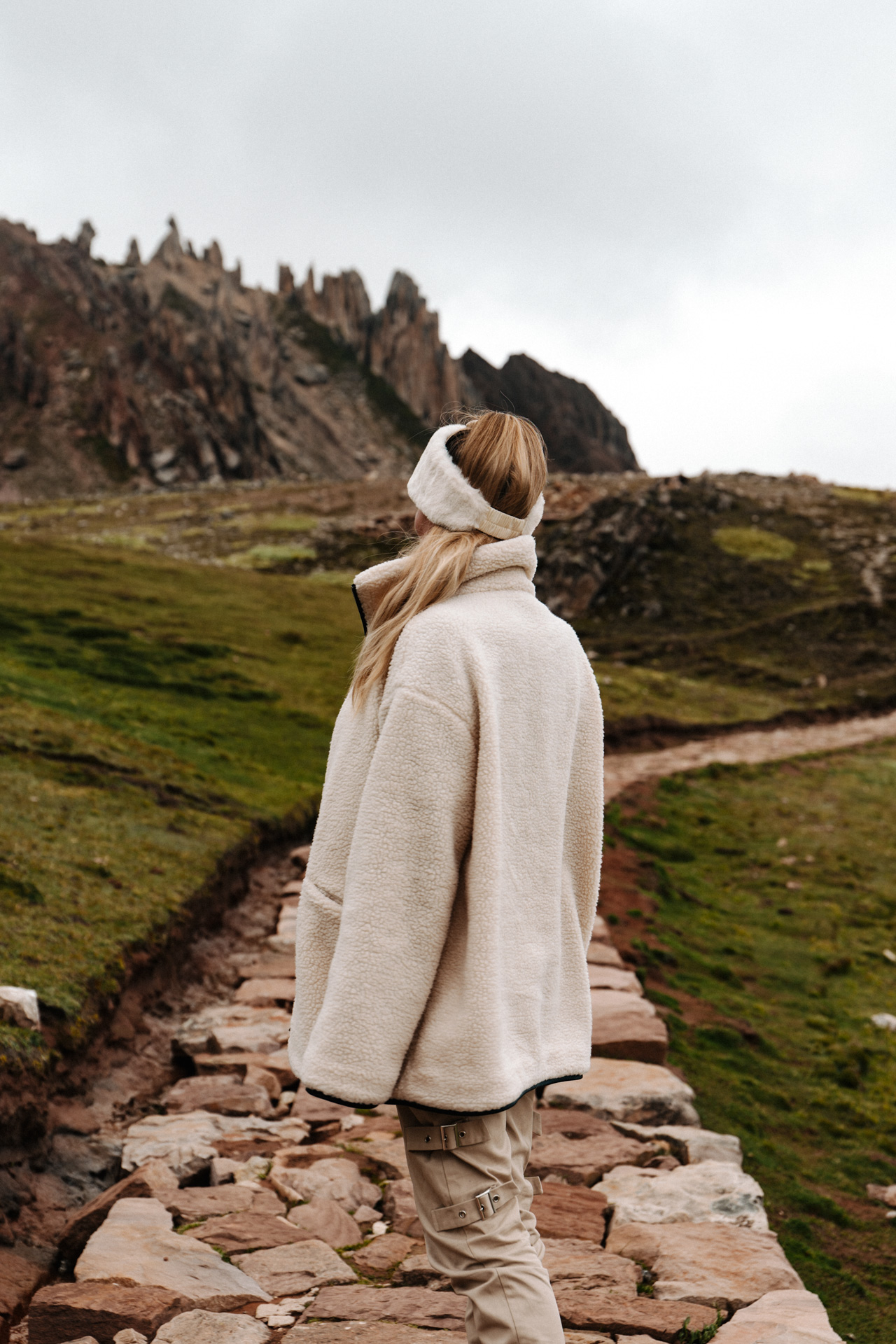 Palccoyo Hike
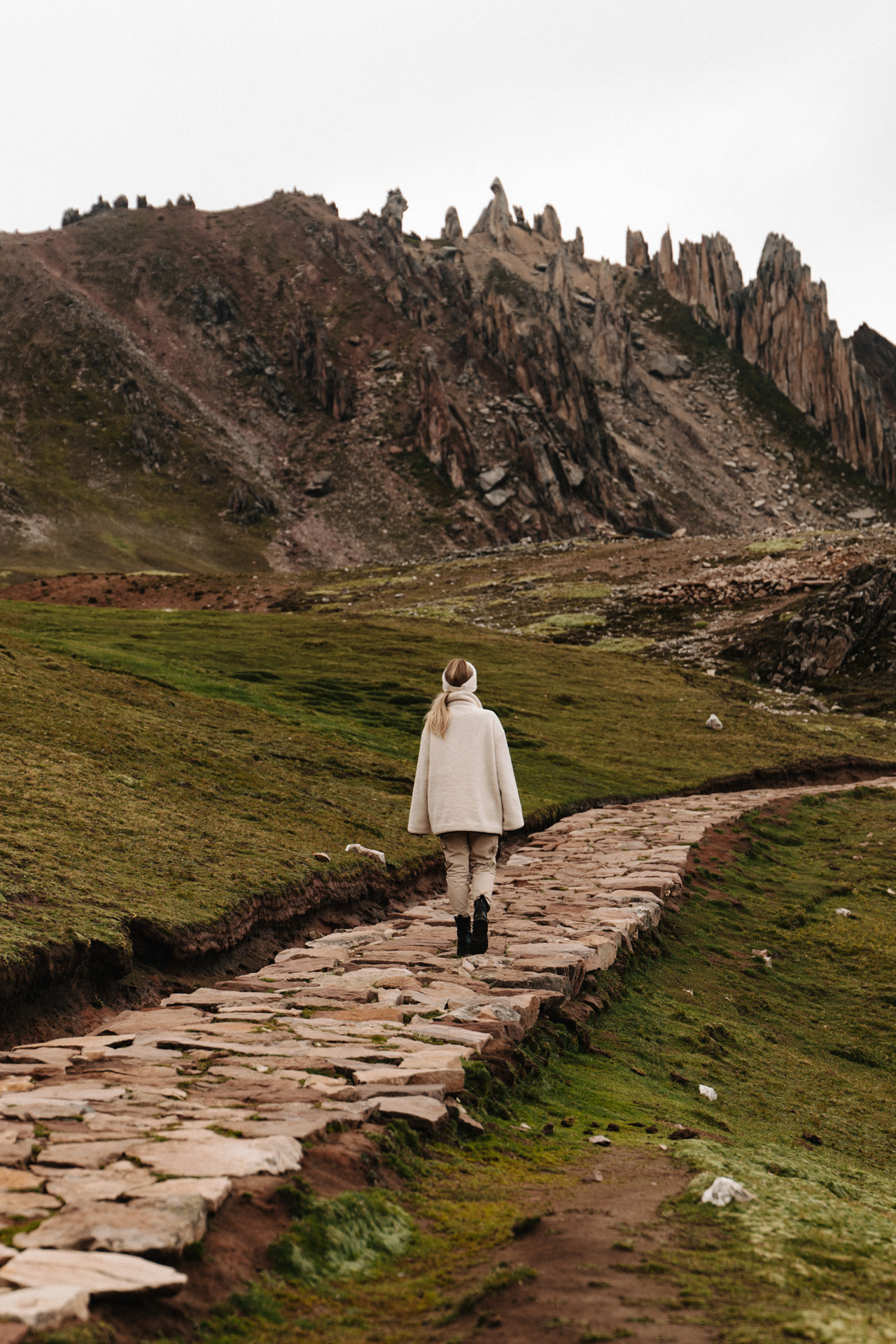 Palccoyo Hike
Gateway to Machu Picchu
Aguas Calientes
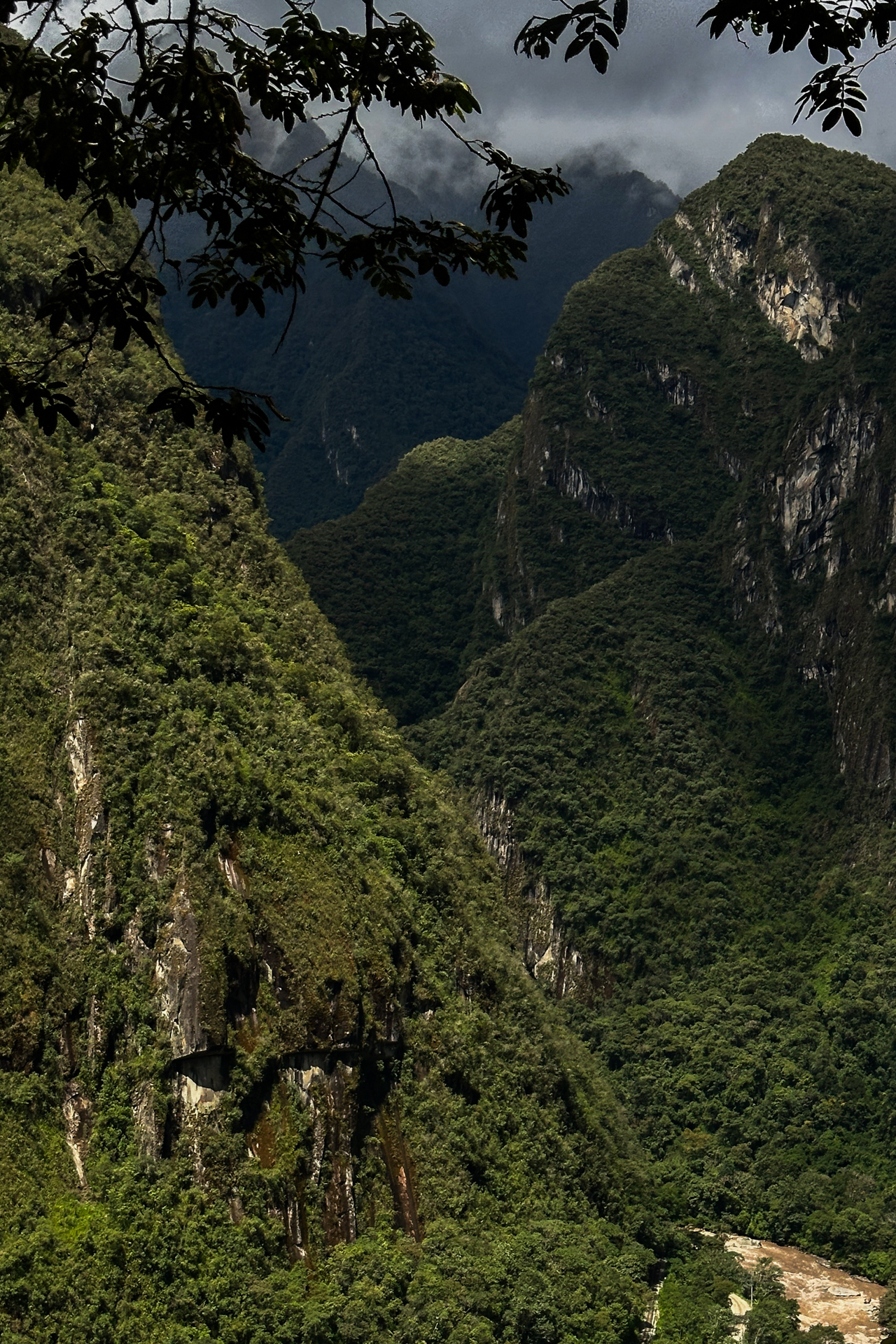
This little town tucked deep in the Andes quickly won me over. Aguas Calientes sits at the foot of Machu Picchu, surrounded by lush green mountains and rushing rivers, and buzzes with travelers from all over the world. After dreaming about Machu Picchu for so long, finally being here felt surreal — and yes, it absolutely lived up to the hype.
As the gateway to one of the world’s most iconic sites, it is compact and easy to explore, with narrow streets, local markets, cafés, and steaming food stalls that are perfect after a long day. While it’s undeniably touristy, the town still has its own charm.
 Aguas Calientes
Why Visit Aguas Calientes?
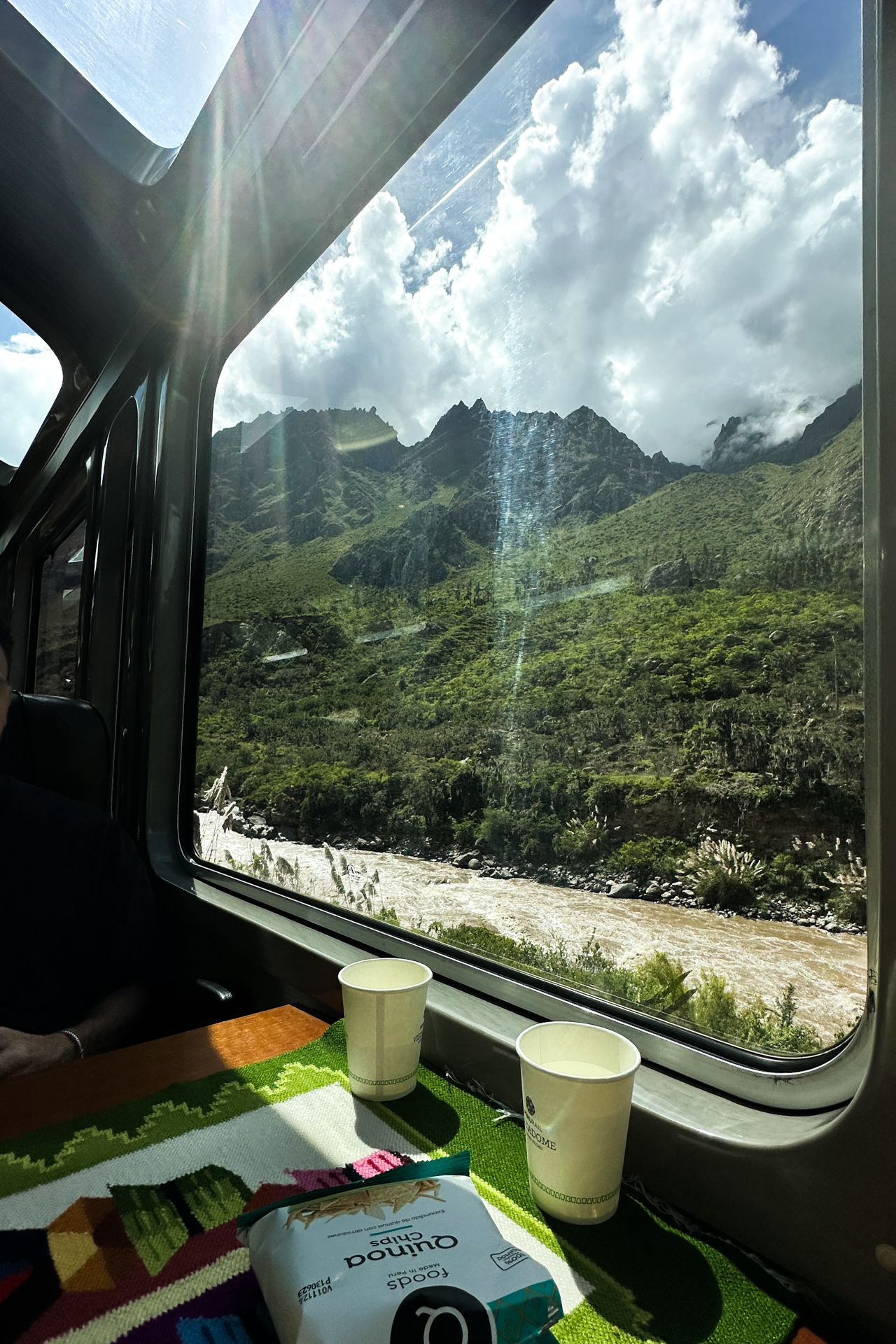 PeruRail
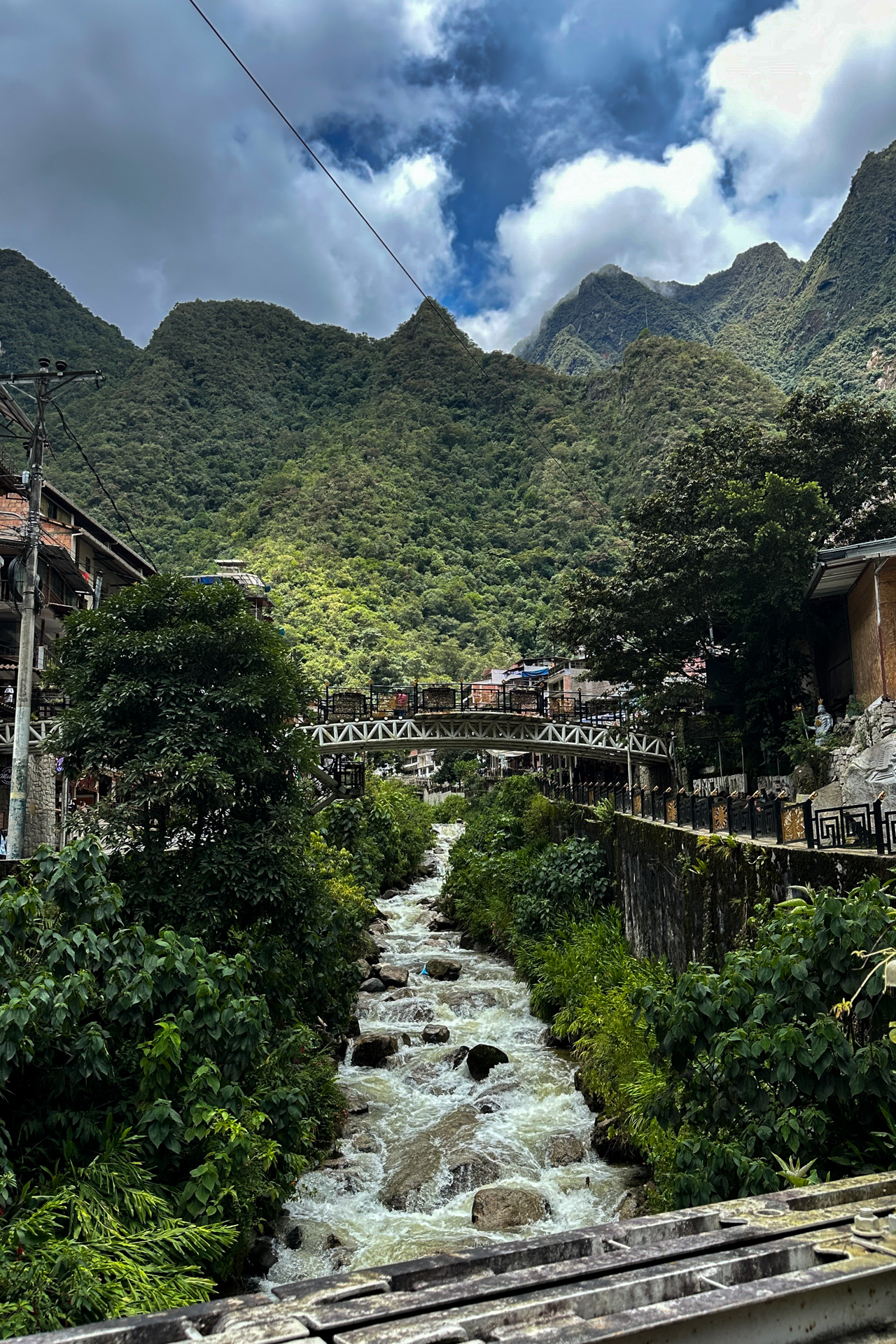 Aguas Calientes
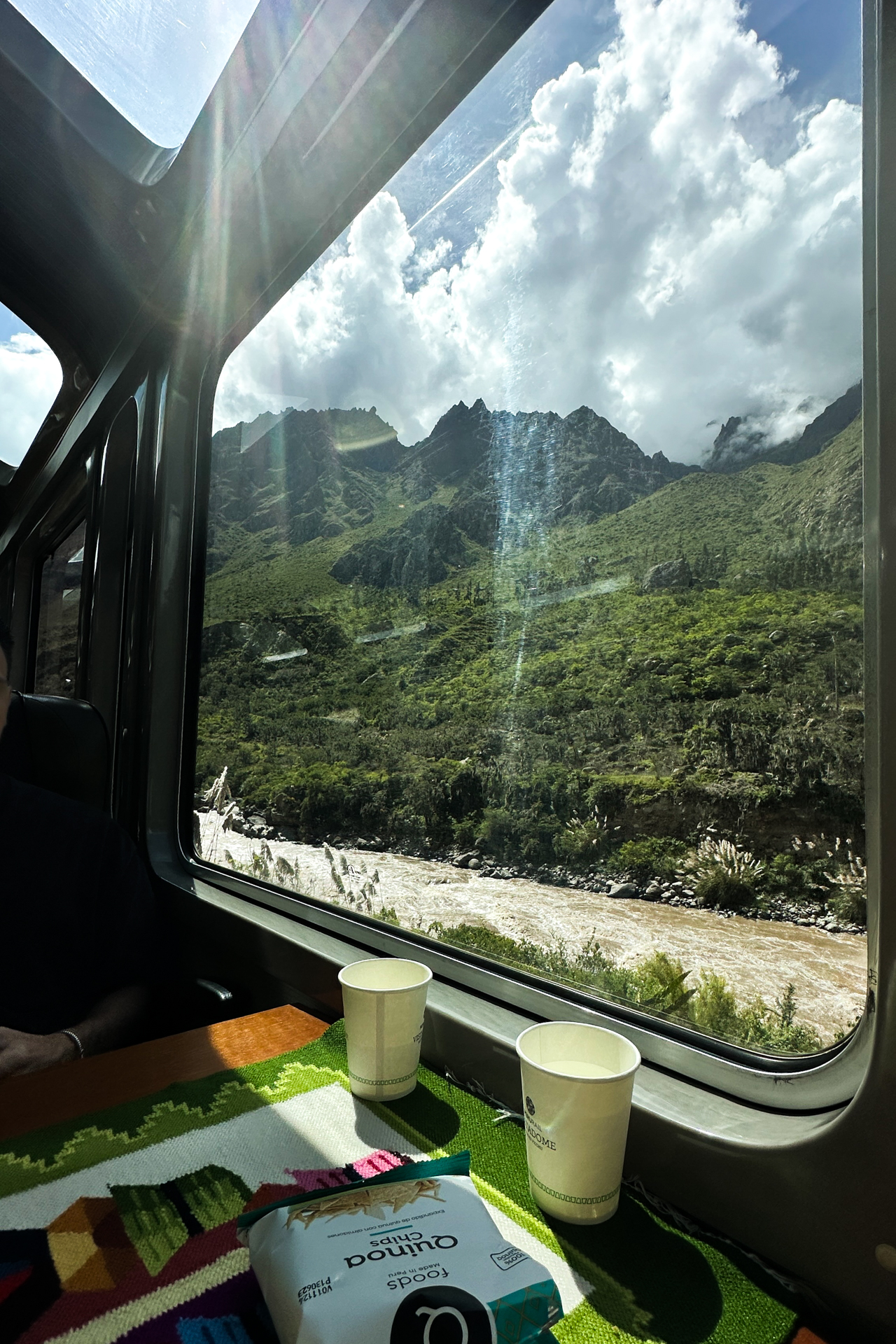 PeruRail
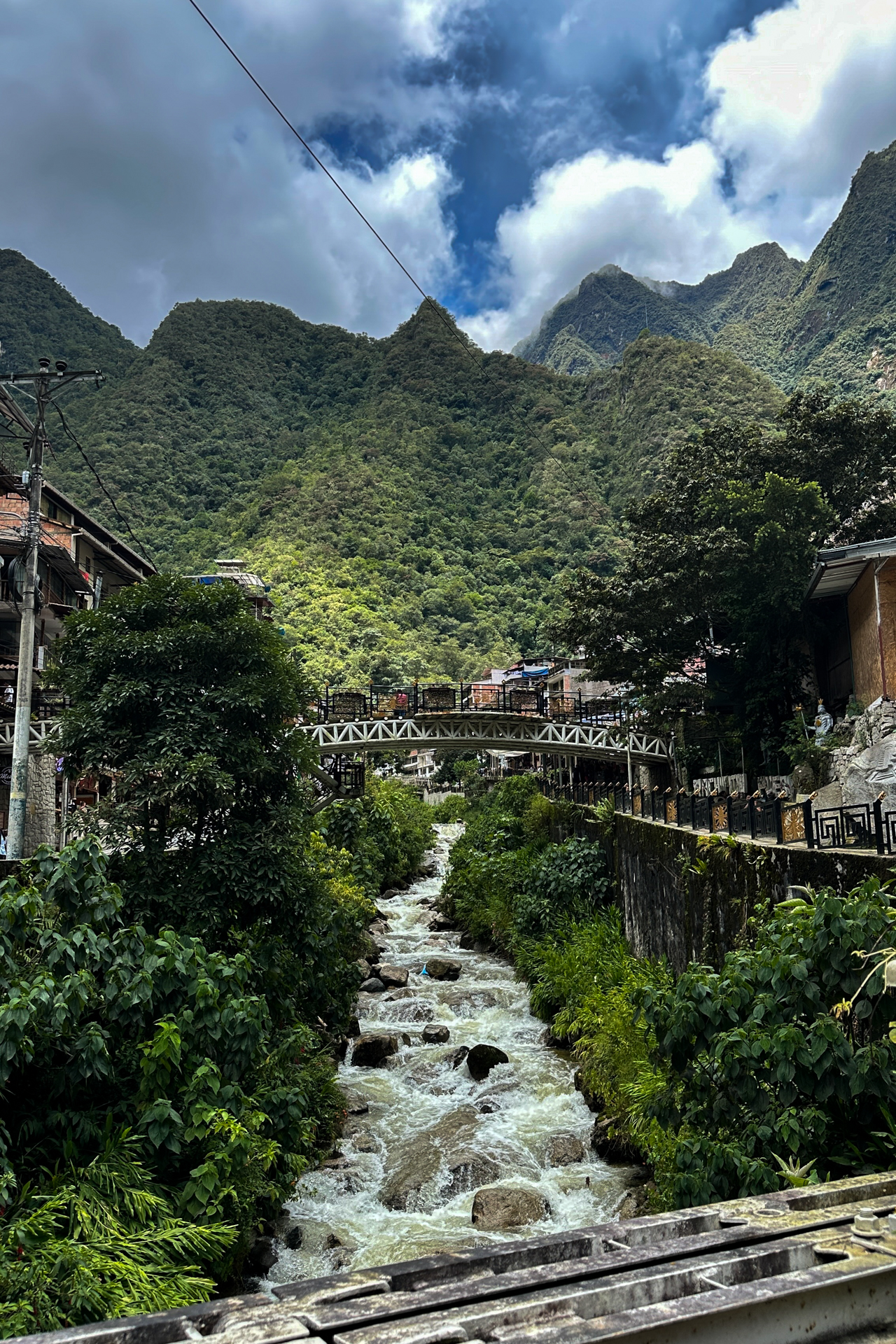 Aguas Calientes
Best Things to Do and See in Aguas Calientes
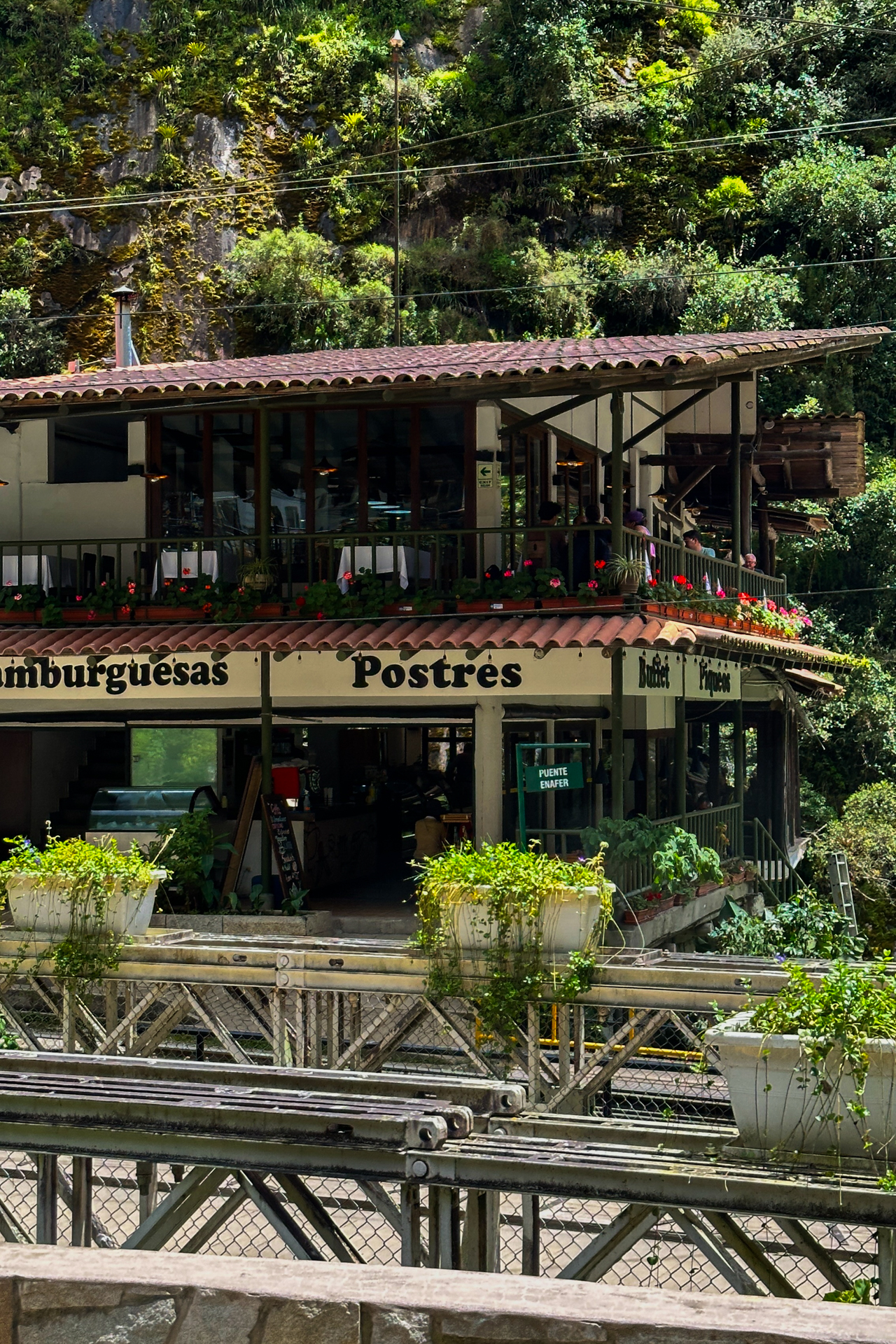 Aguas Calientes
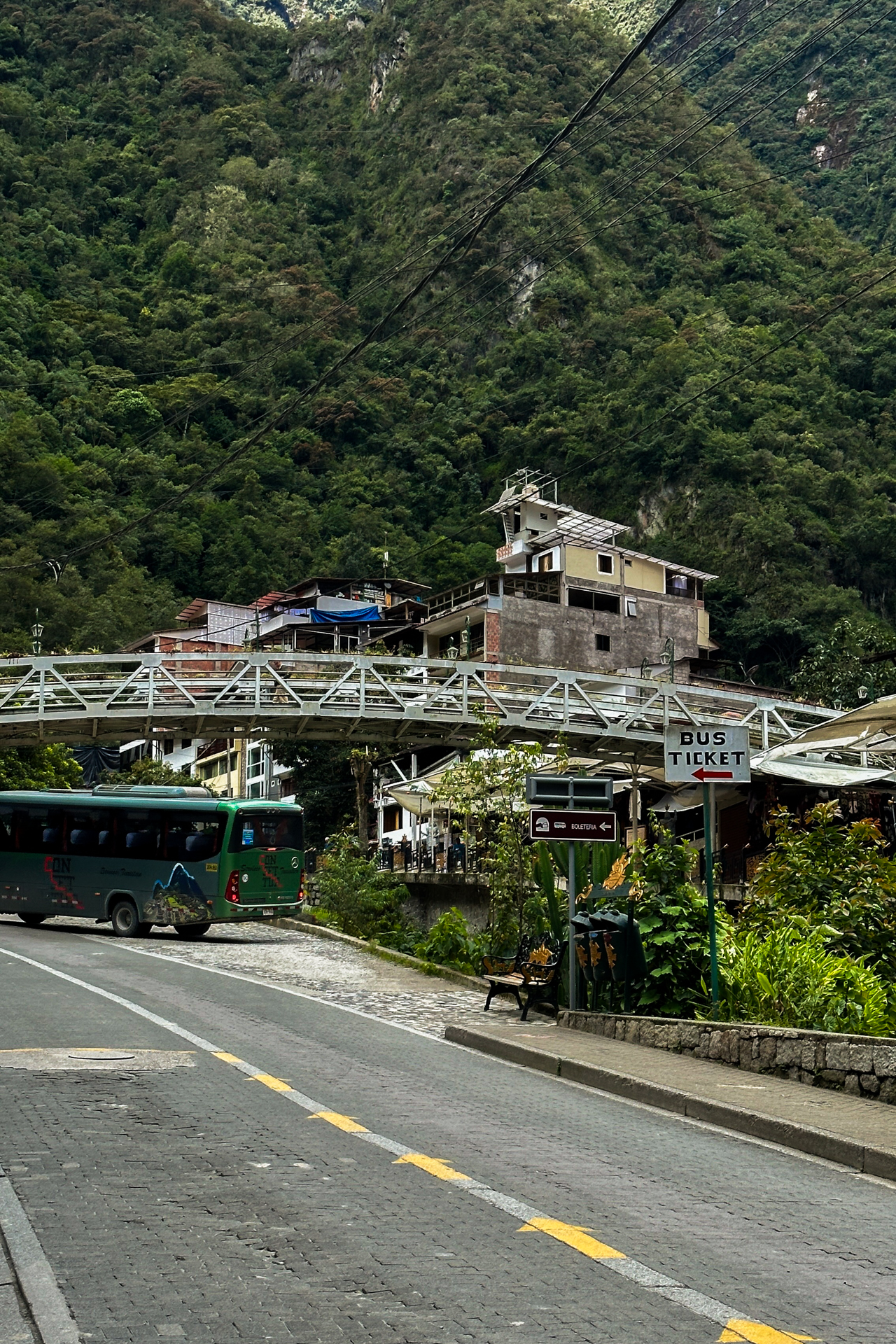 Aguas Calientes
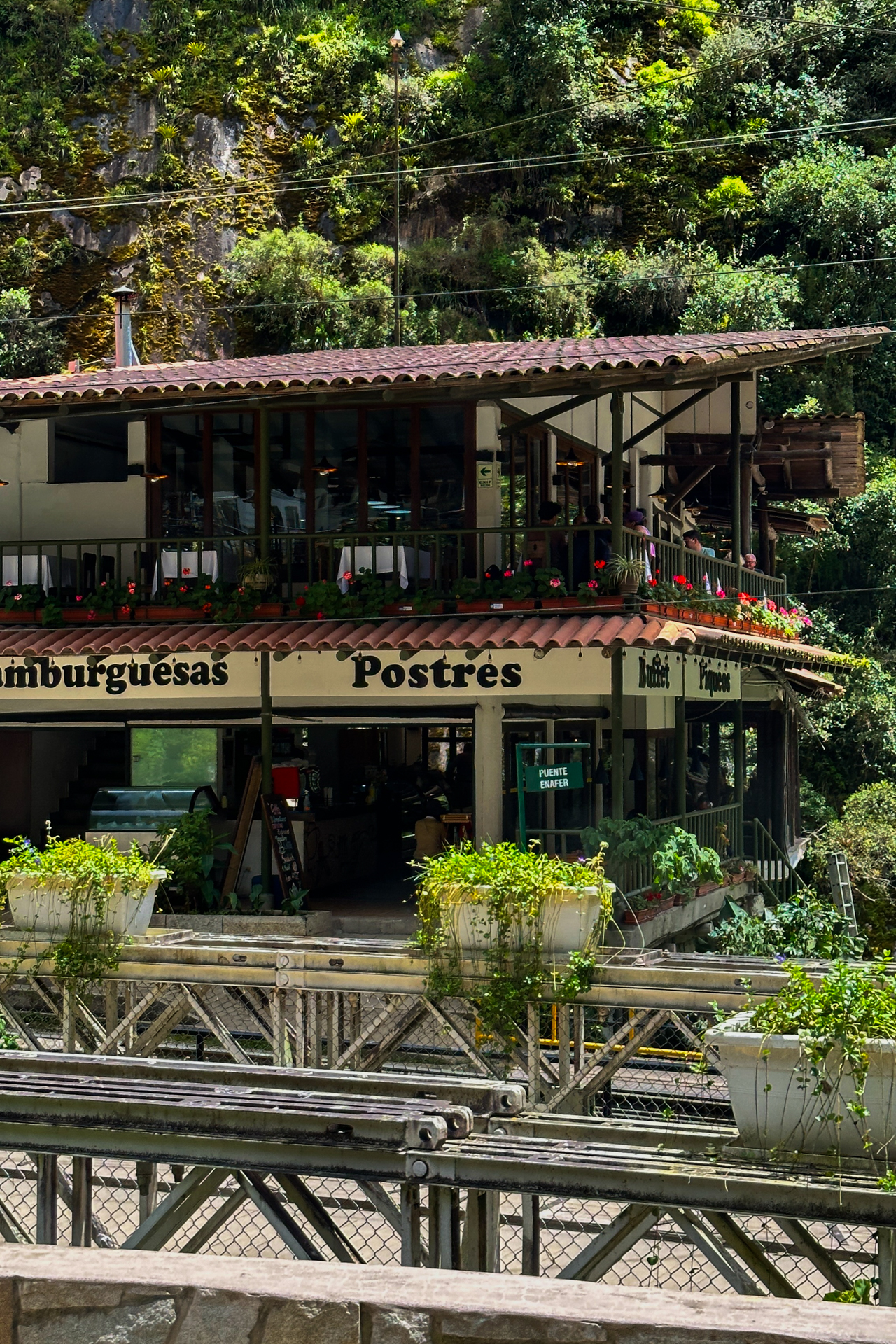 Aguas Calientes
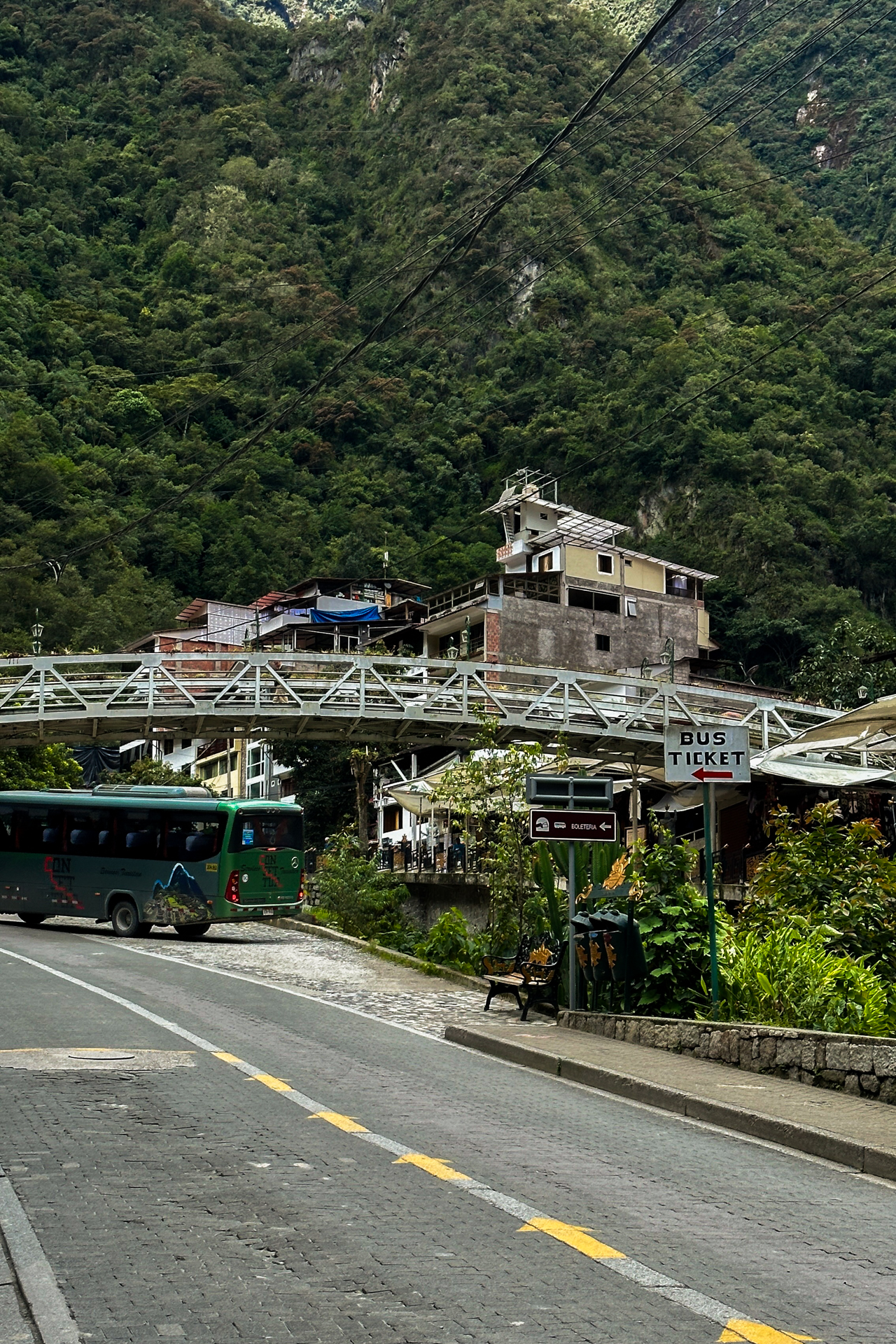 Aguas Calientes
Aguas Calientes is also known as Machu Picchu Pueblo and it's only accessible by train or on foot via multi-day hikes. There are no roads leading to the town, which makes the journey feel even more special.
How to Get to Aguas Calientes?
Most travelers take the train from Cusco or the Sacred Valley, usually departing from Ollantaytambo. The scenic train ride follows the Urubamba River and takes around 1.5 hours, passing through lush valleys and dramatic mountain landscapes. The train route is incredibly beautiful!
Trains are operated by PeruRail and Inca Rail, with multiple departures daily. It’s highly recommended to book tickets in advance, especially during high season.
For adventurous travelers, Aguas Calientes can also be reached via popular treks like the Inca Trail or Salkantay Trek, which finish near Machu Picchu.
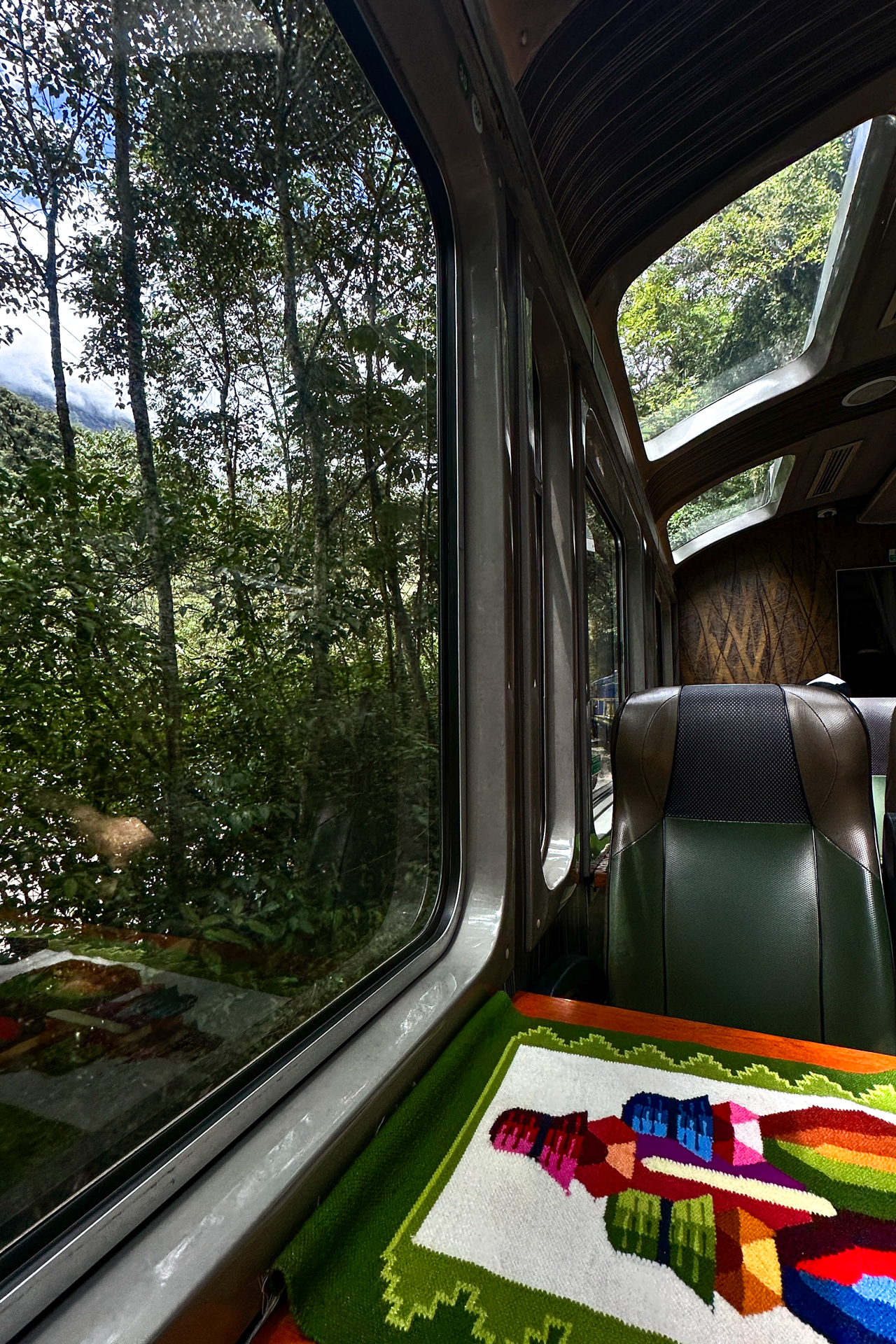 PeruRail
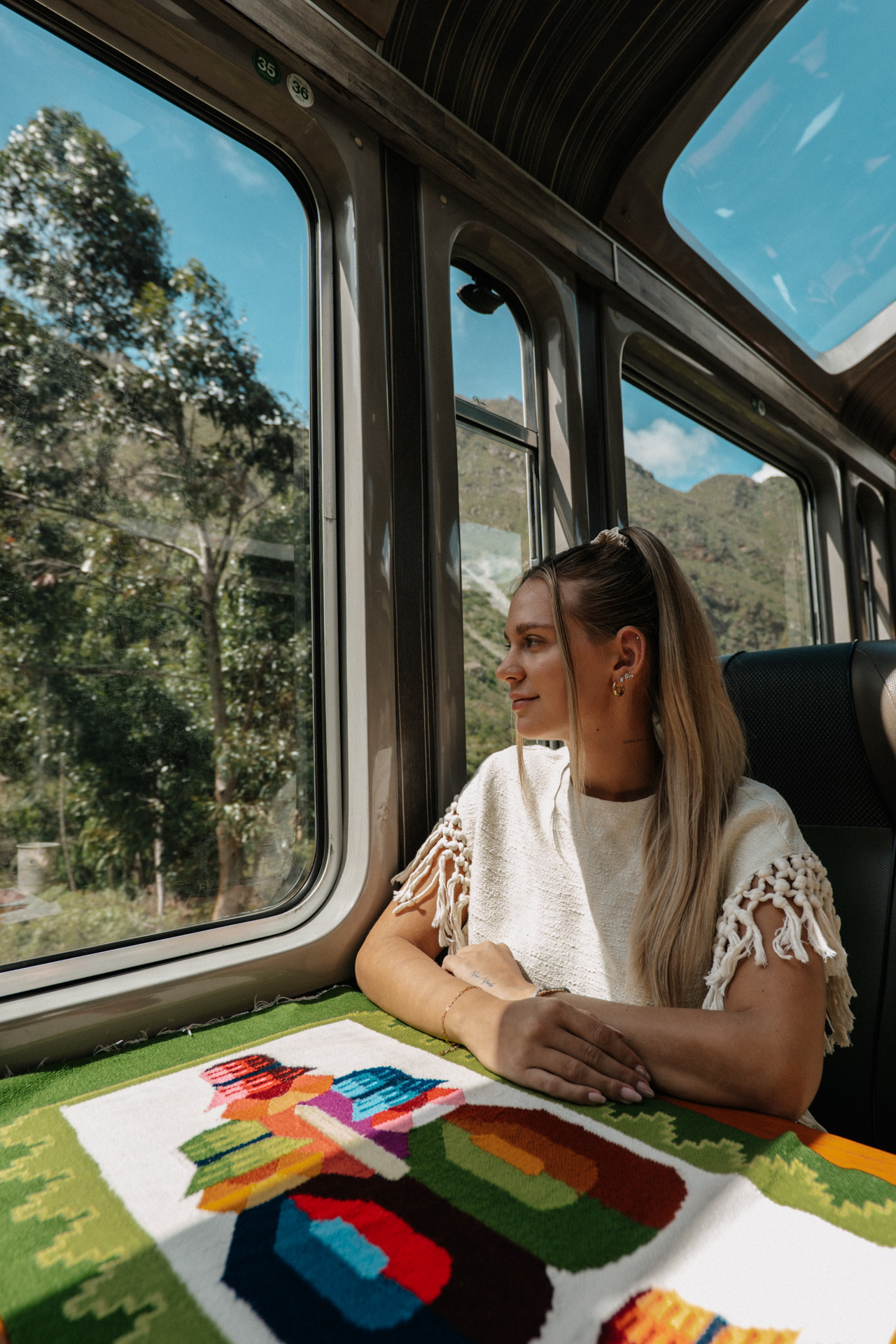 PeruRail
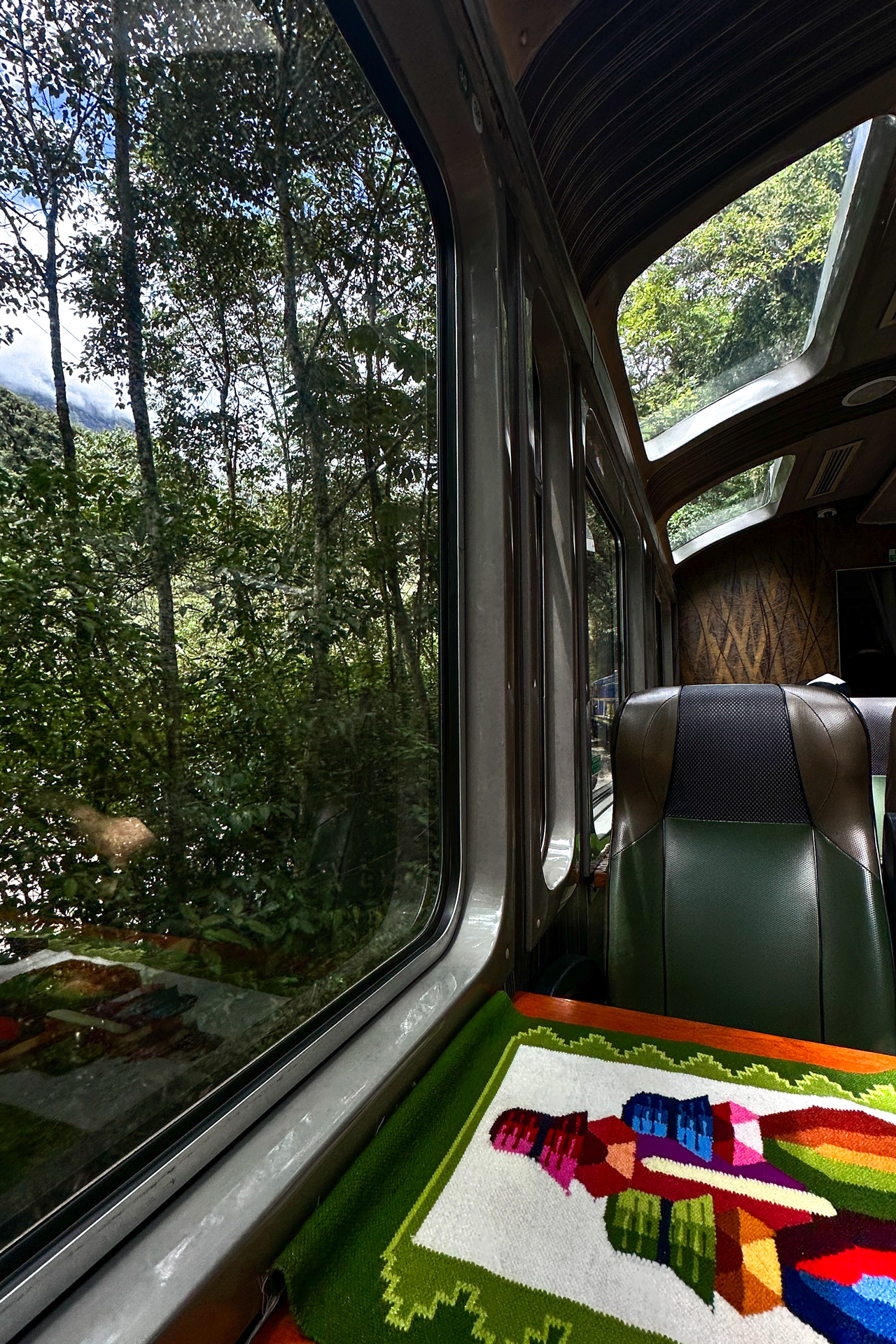 PeruRail
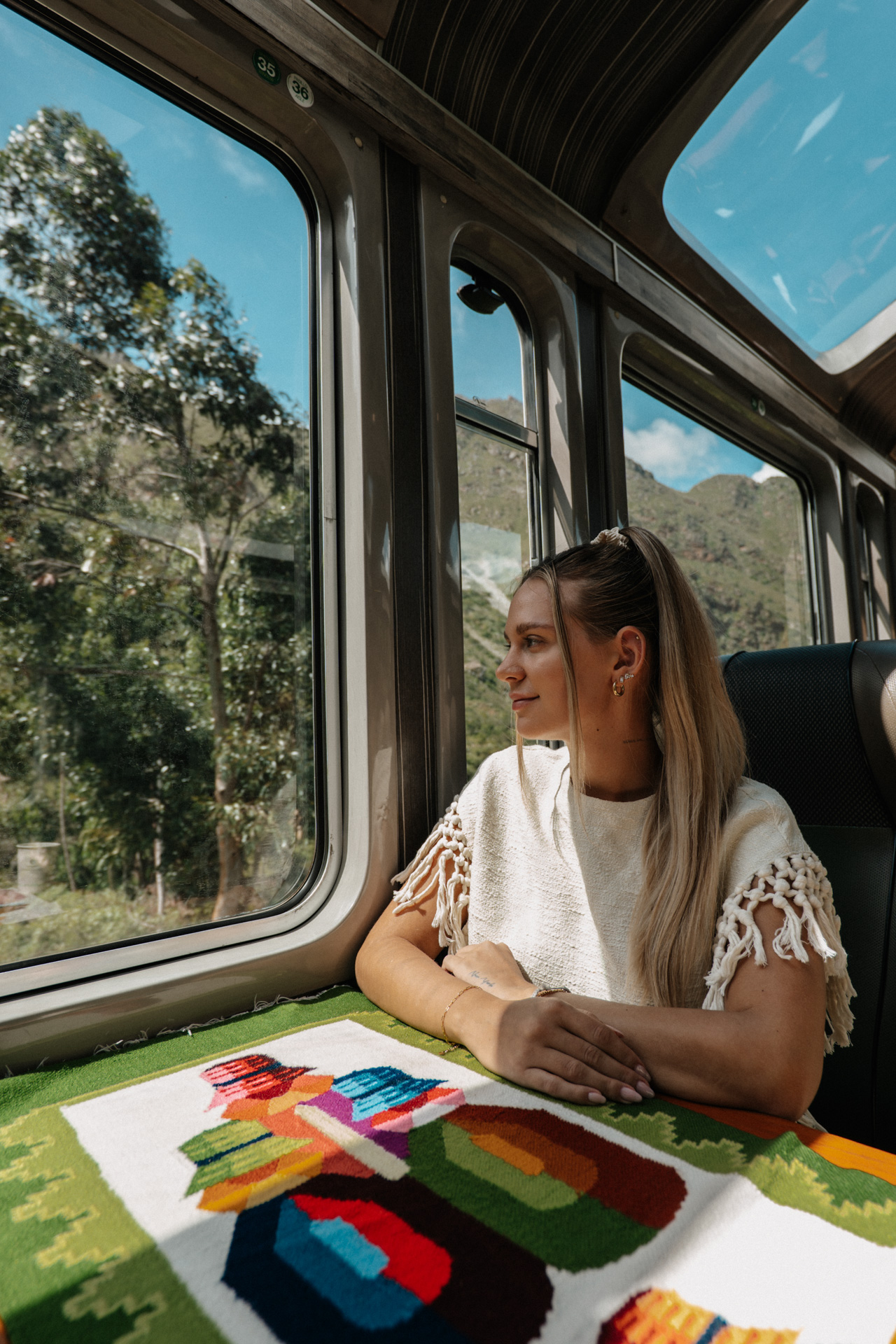 PeruRail
One of the new Seven Wonders of the World
Machu Picchu
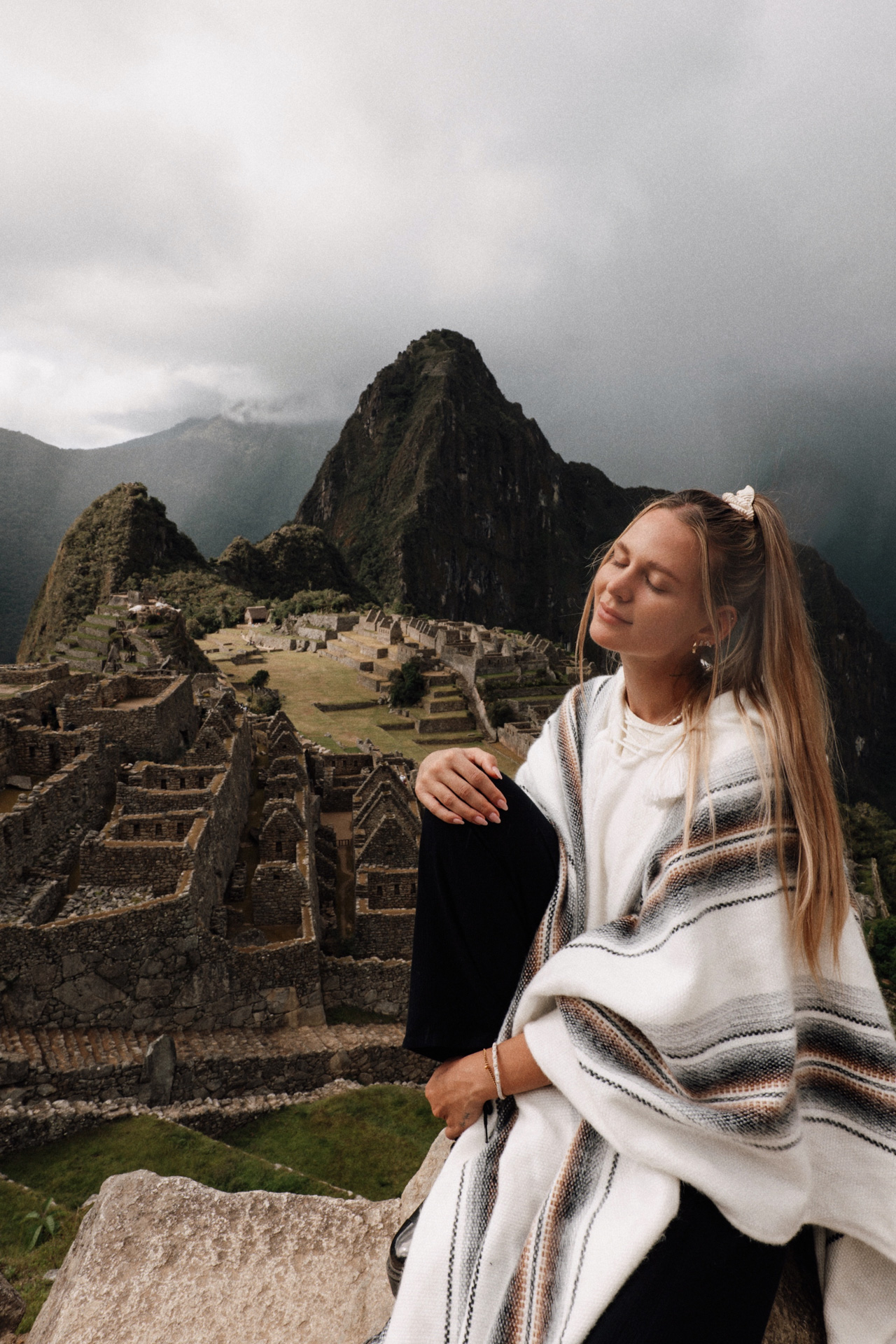
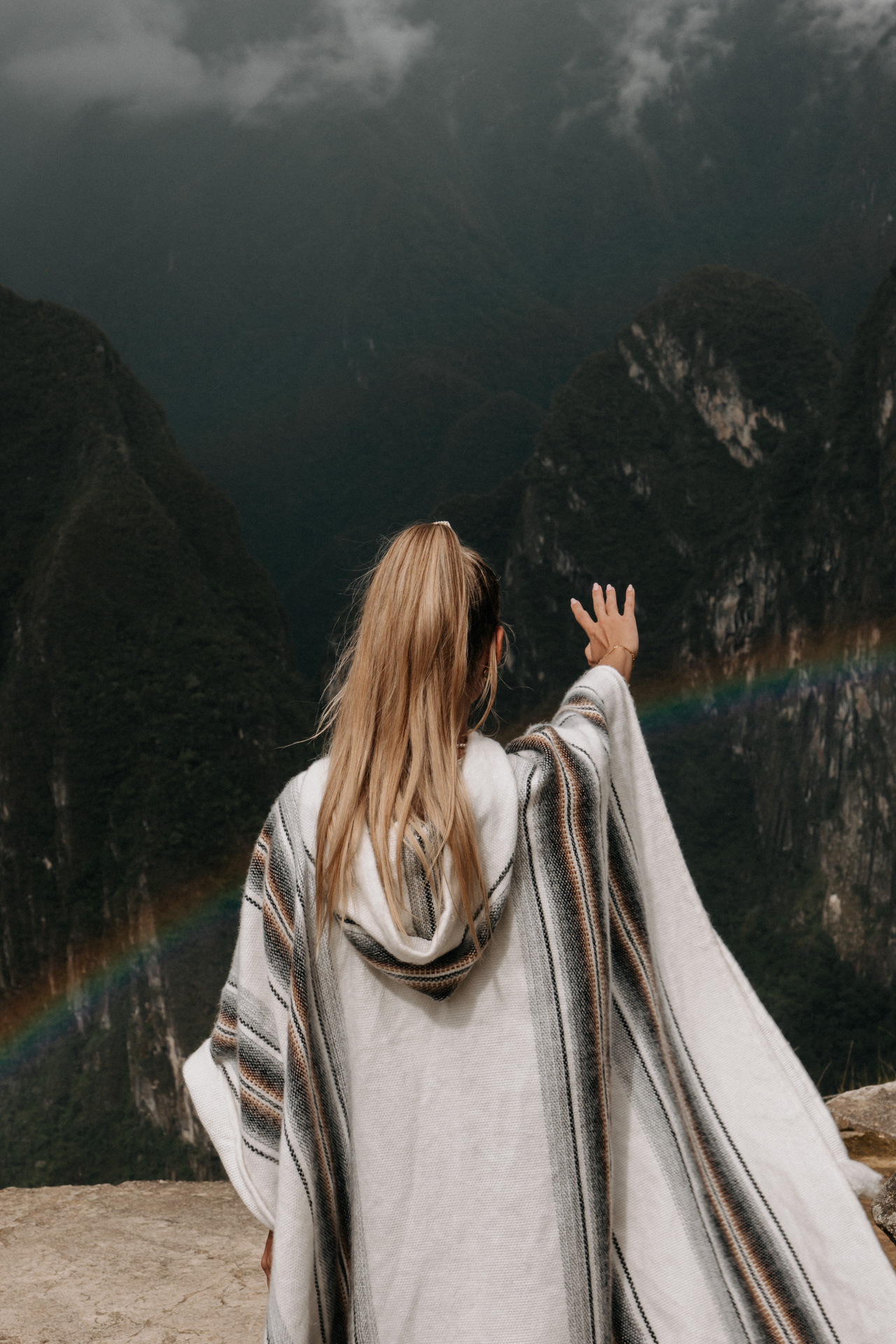
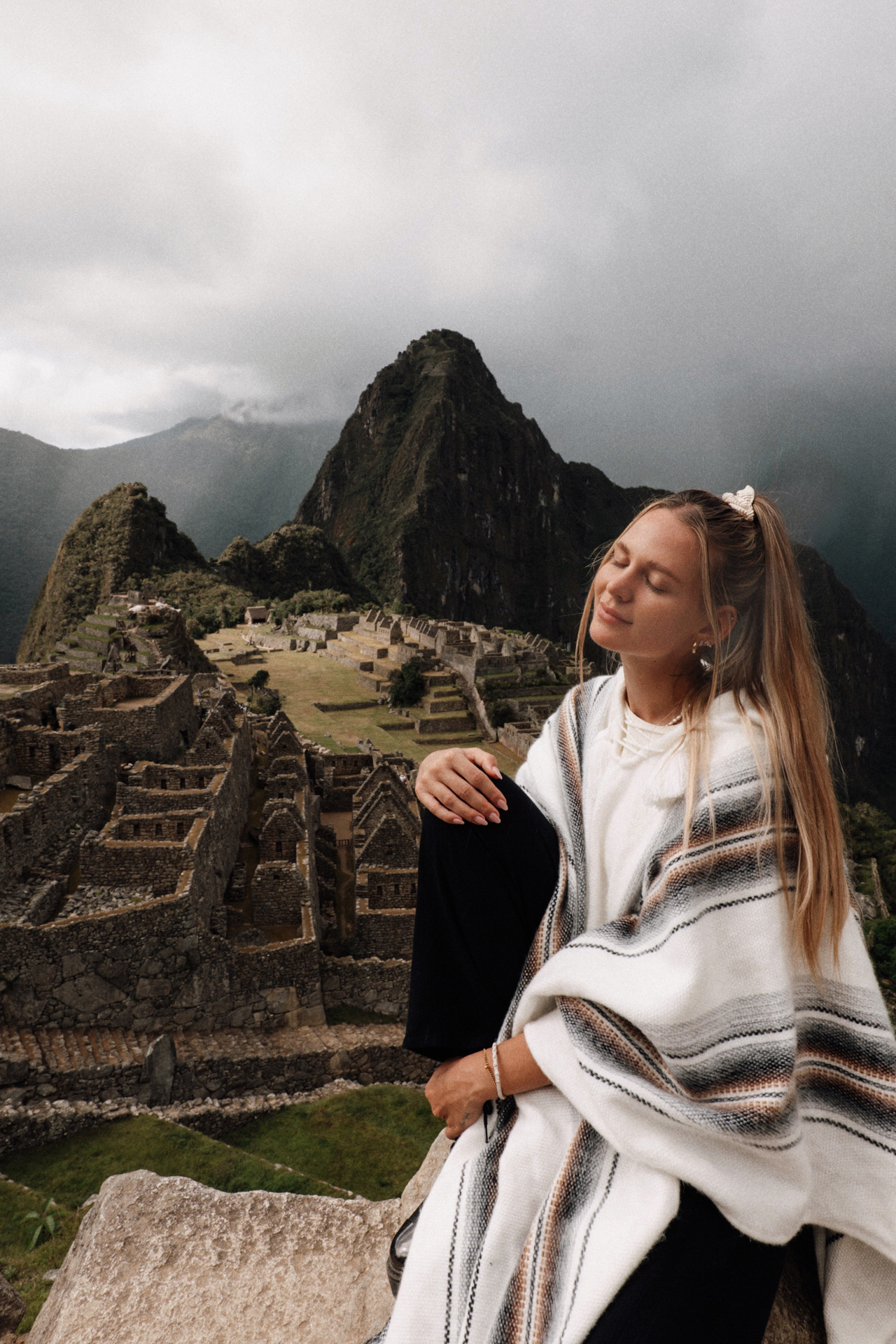
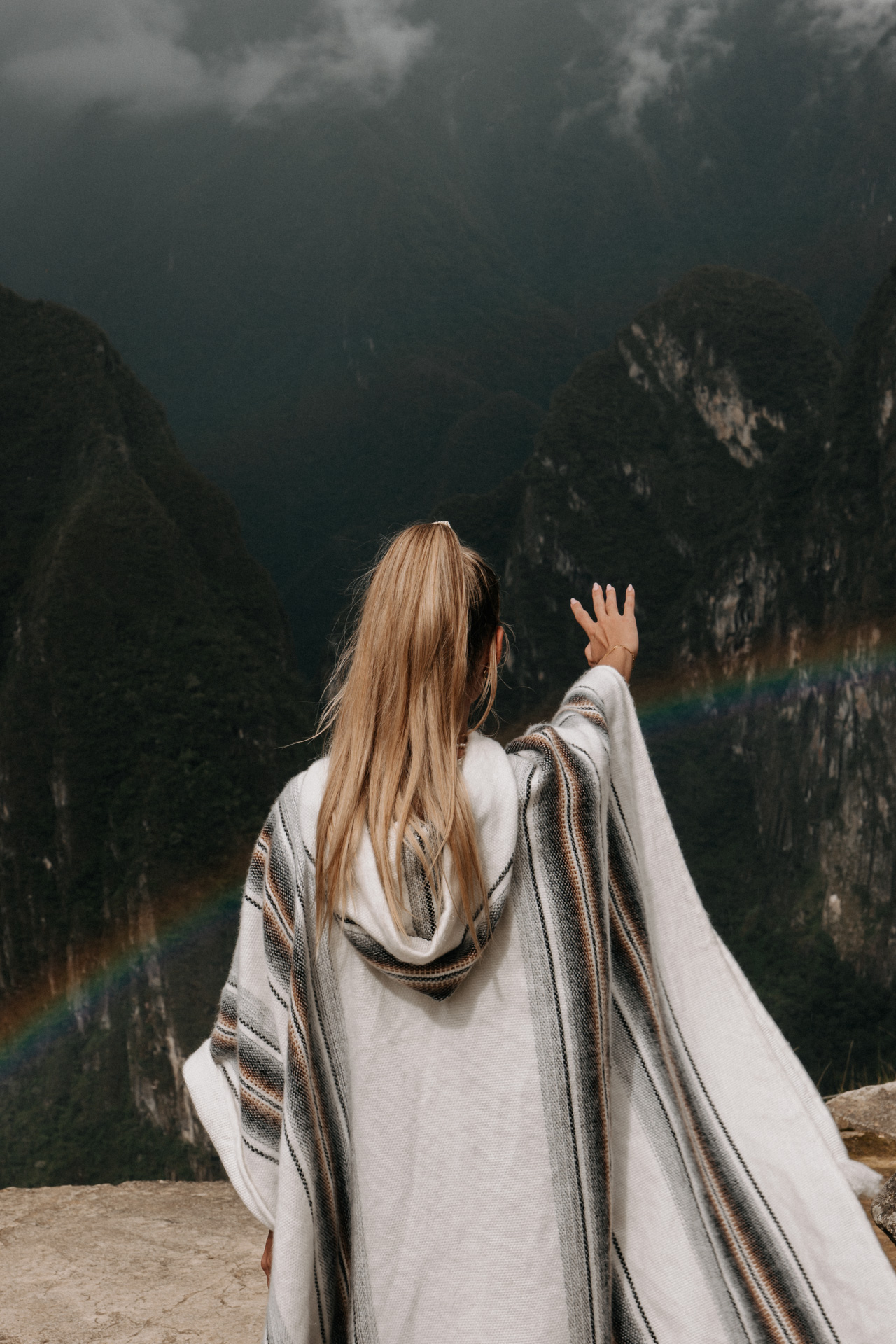
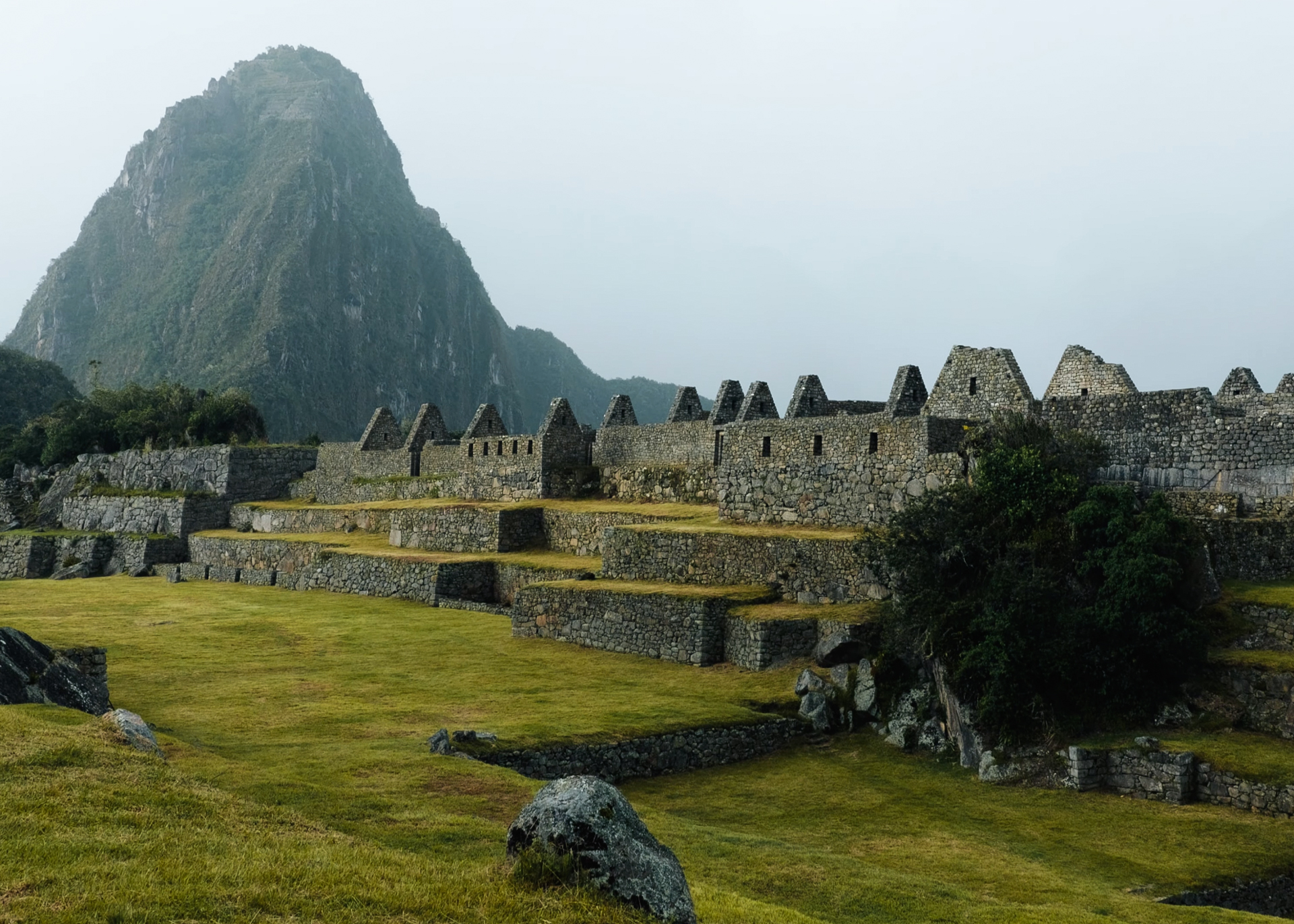
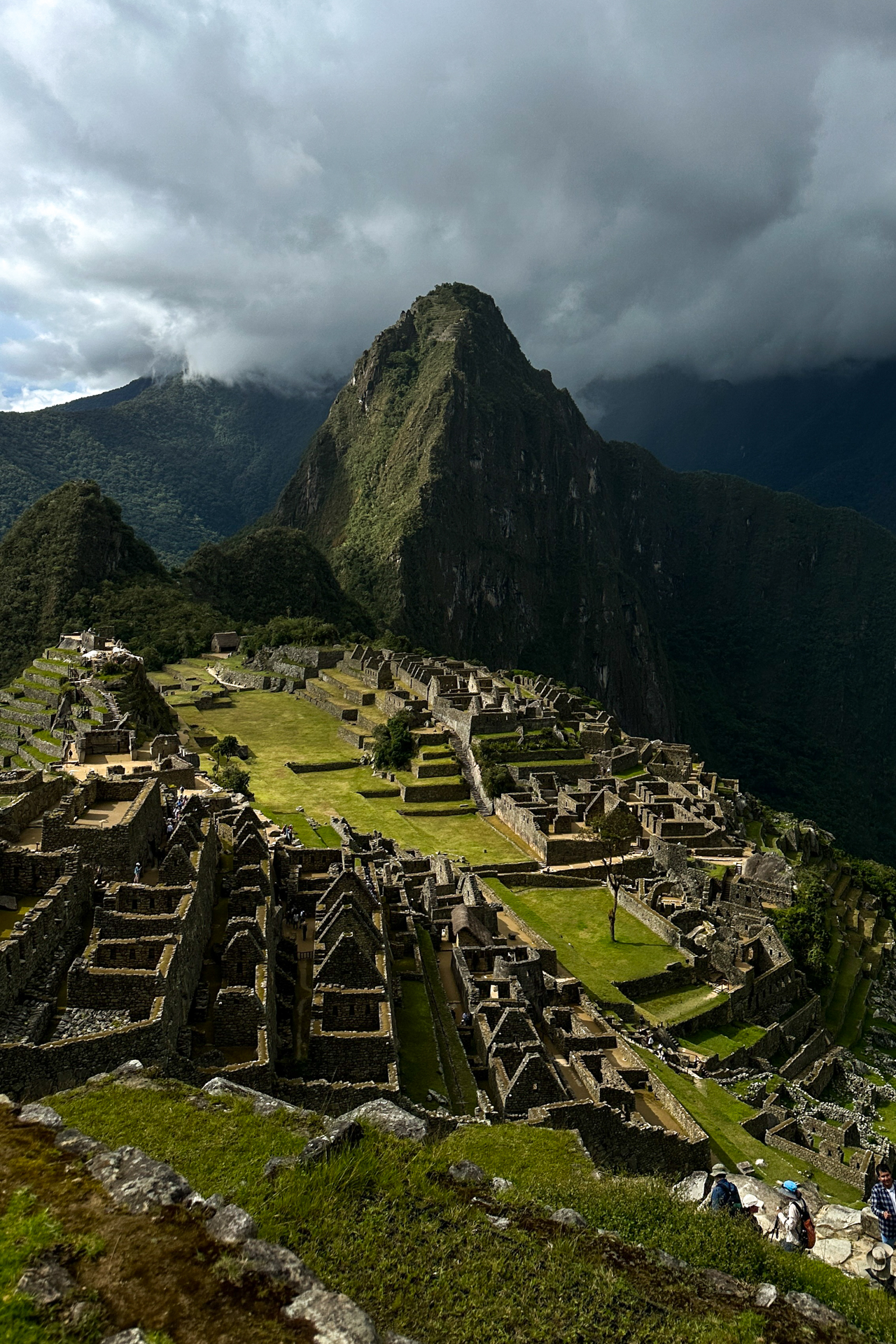
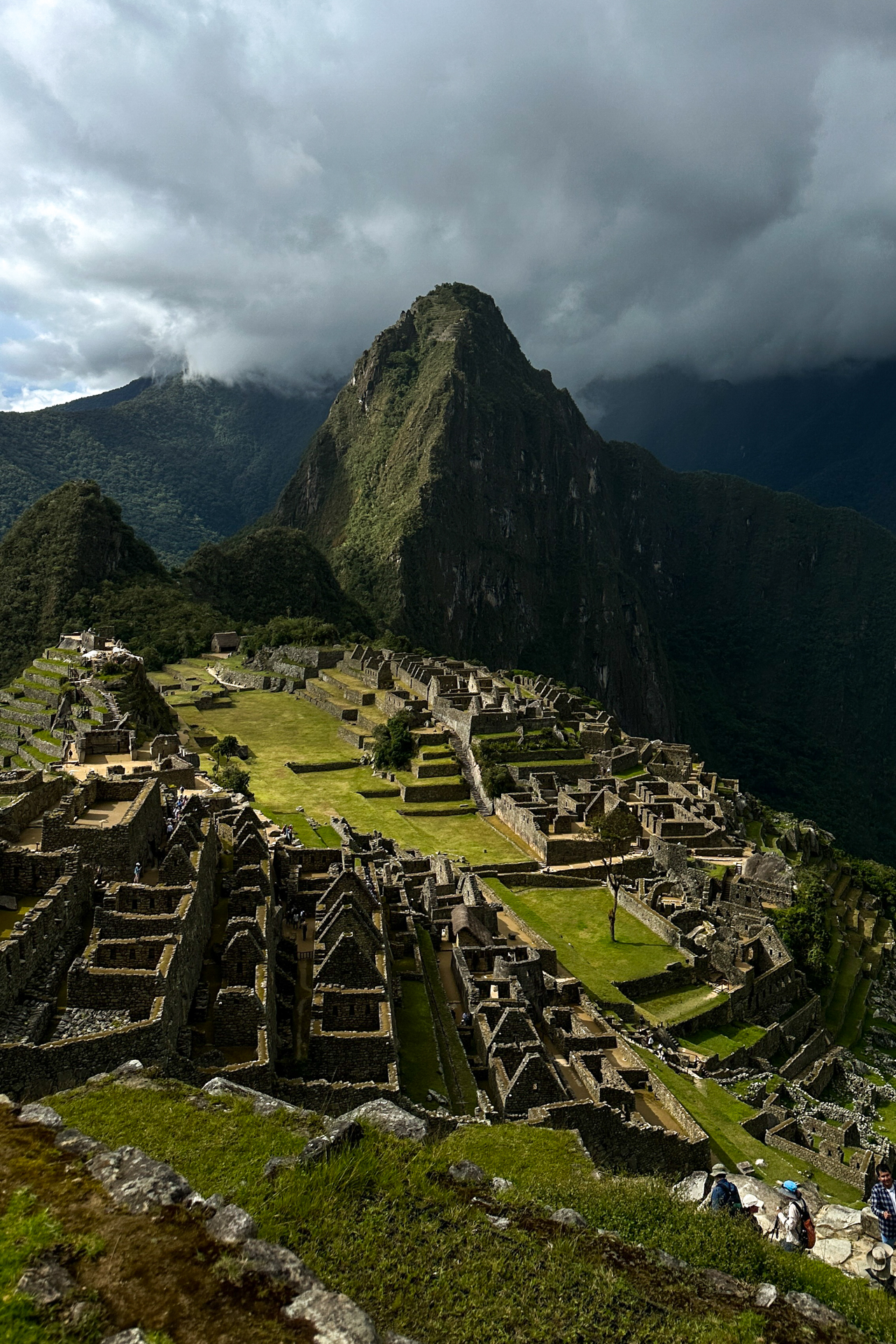
Machu Picchu is one of those places that feels almost unreal until you’re standing there yourself. Perched high in the Andes and wrapped in misty green peaks, the ancient citadel slowly reveals itself as the clouds move — no wonder it’s considered one of the New Seven Wonders of the World. The scale, the setting, the silence… it instantly feels special.
Built by the Incas in the 15th century, it is a masterpiece of engineering, spirituality, and harmony with nature. Stone terraces stretch down the mountainside, temples align with the landscape, and every path seems thoughtfully placed. Walking through the ruins, it’s impossible not to feel the history, mystery, and sheer brilliance of this place.
How to Get to Machu Picchu?
After explaining above how to get to Aguas Calientes, the final step is getting up to Machu Picchu itself. From town, you’ll need to purchase a bus ticket that takes you directly to the entrance of the ruins.
Shuttle buses from Aguas Calientes start running frequently from 5:30 AM and take around 30 minutes to reach Machu Picchu, winding up a scenic (and very steep) mountain road. The easiest and most popular option is the bus, saving your energy for exploring. You can also hike up for free, but it’s steep and physically demanding, taking about 1.5–2 hours.
It’s always best to line up well in advance and aim to join the line at least an hour before your entry time, especially as late-morning and early-afternoon queues can be busy. Don’t be intimidated by the long line though! While the queues can look long, buses run continuously and move quickly, so the wait is usually shorter than it seems.
Bus Ticket fee
Bus tickets can be bought in Aguas Calientes at the official ticket office. A round-trip ticket costs €24 / USD 26 per person.
The Different Tickets for Machu Picchu
Machu Picchu is explored through a system of five different circuits, each offering a slightly different route and perspective of the site. Which ticket you choose depends on how much hiking you want to do and which viewpoints or add-on mountains you’d like to include.
If it’s your first time visiting, option one or two is usually the best choice, as these routes offer the most complete experience of the site and its iconic viewpoints.
Machu Picchu Tickets
Tickets can be purchased online via the official website in advance, through tour operators, or in person in cities like Cusco or Aguas Calientes. Don’t forget to bring your passport when entering.
Make sure to use the bathroom before entering the site, as there are no toilets once you’re inside.
Machu Picchu Entry Times & Visit Duration
Entry slots are scheduled hourly, typically from 6 AM to late afternoon, to limit the number of visitors and improve the experience. Each time slot lasts 60 minutes and simply controls your entry time to help manage crowd flow. Once inside, you’re free to explore at your own pace. Most visits take around 3–4 hours, while adding a mountain hike can extend your time to 5–6 hours.
You’re not allowed to bring food, tripods, selfie sticks, or drones into Machu Picchu.
Inca Trail Trek
Another way to reach Machu Picchu is by hiking the official Inca Trail. This multi-day trek, usually lasting 4 to 5 days, allows you to be earlier inside the site than everybody else. It’s a challenging journey, but finishing the trail is incredibly rewarding and one of the most memorable ways to experience Machu Picchu.
Ancient Heart of the Inca Empire
Cusco
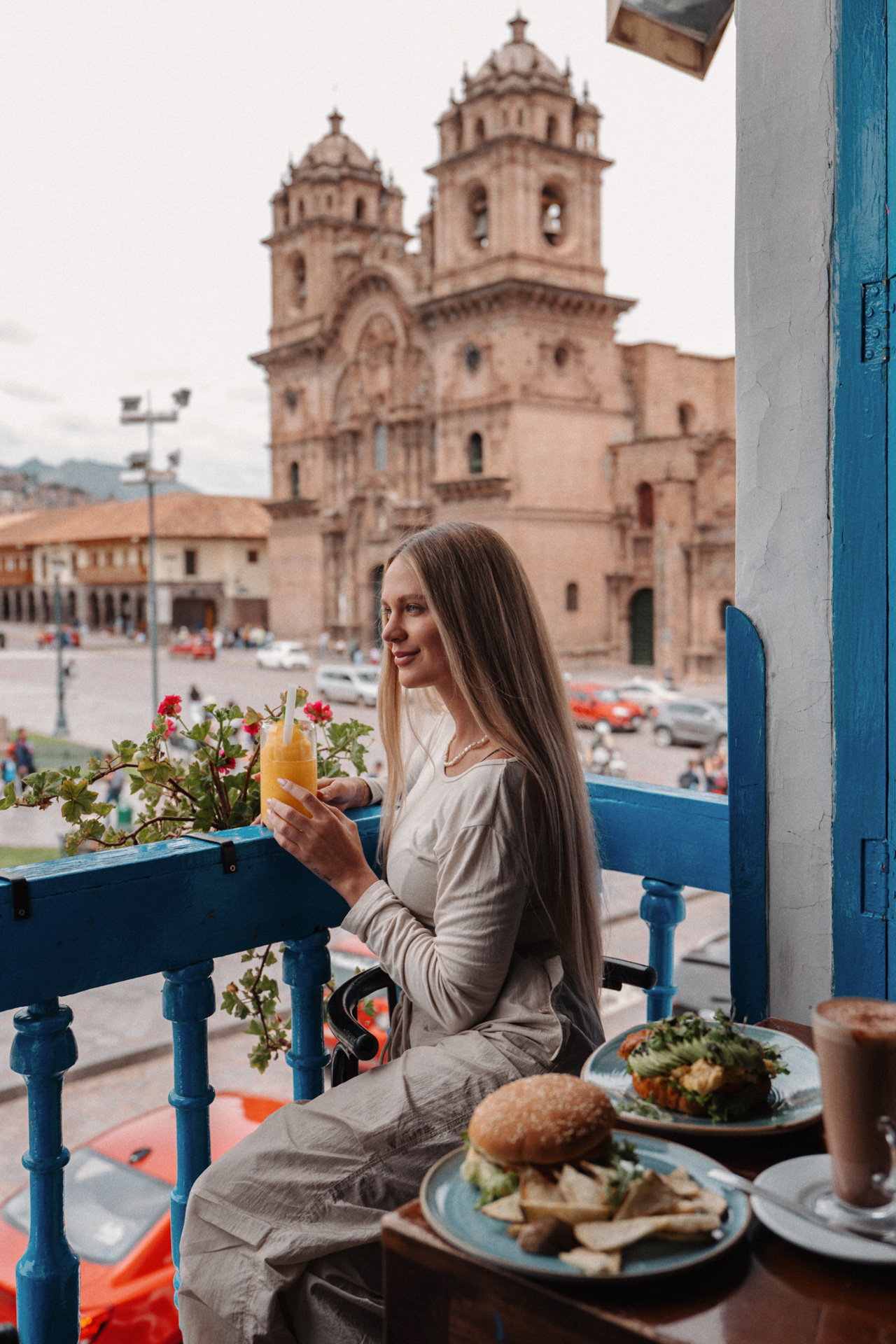
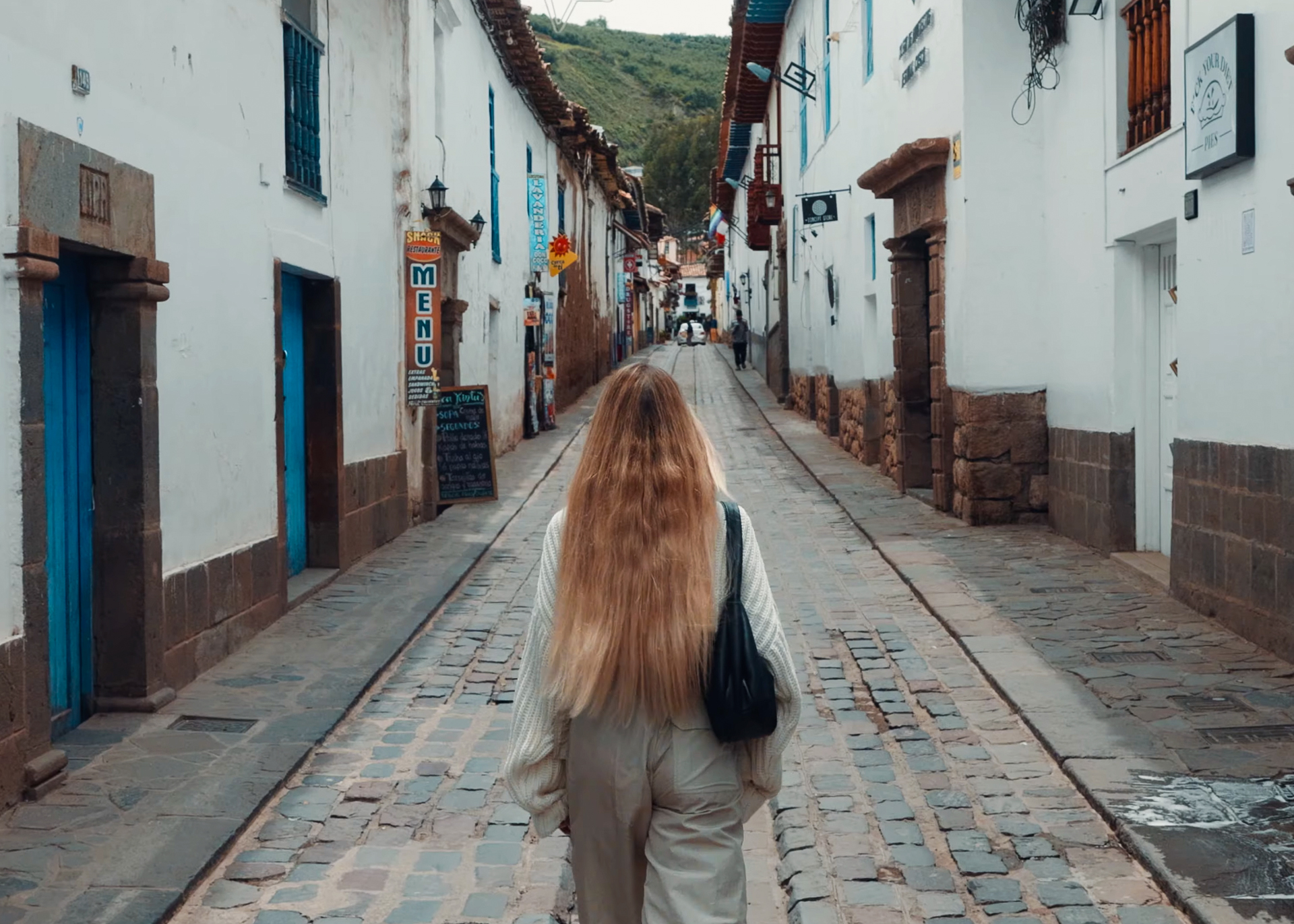
Once the capital of the Inca Empire, it sits high in the Andes where ancient stone walls blend with colonial architecture, giving every street a strong sense of history.
What makes Cusco special is this mix of old and new. Inca foundations, cobblestone streets, lively plazas, and traditional culture all exist alongside cafés and markets. It’s the perfect place to slow down, acclimatize, and truly feel Peru before exploring the Sacred Valley or Machu Picchu.


Why Visit Cusco?
Best Things to Do and See in Cusco
Many streets in Cusco are steep and cobblestoned, so comfortable walking shoes are essential — your feet will thank you.
Looking for a Cusco Travel Guide & Tips?
In the Heart of the Heights
Dealing with the Altitude
One thing many people worry about before visiting Cusco is altitude sickness, and it’s a completely valid concern. At 3,400 meters (11,200 feet), it’s very likely to feel the effects of altitude at first, especially if your body hasn’t had time to adjust yet.
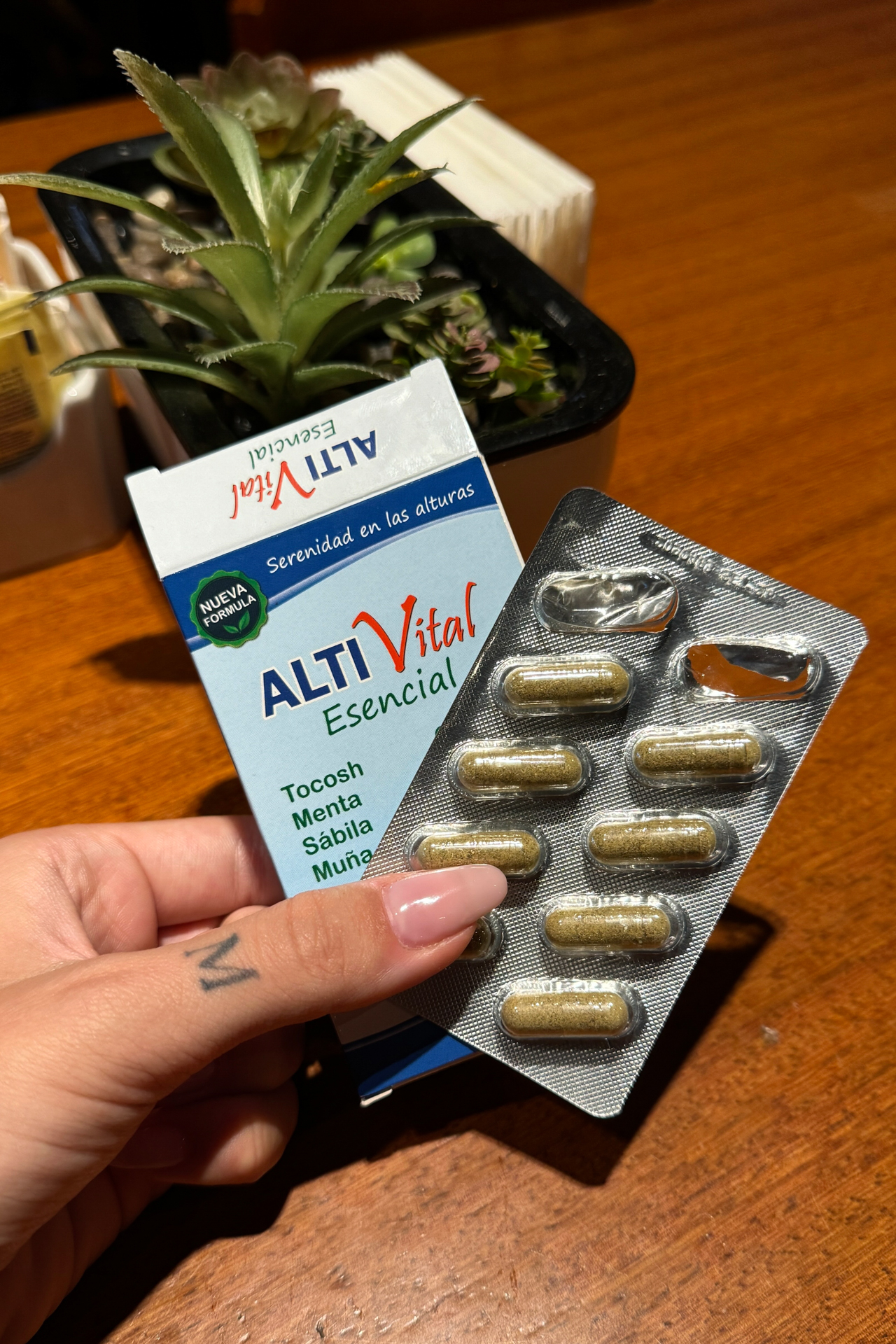
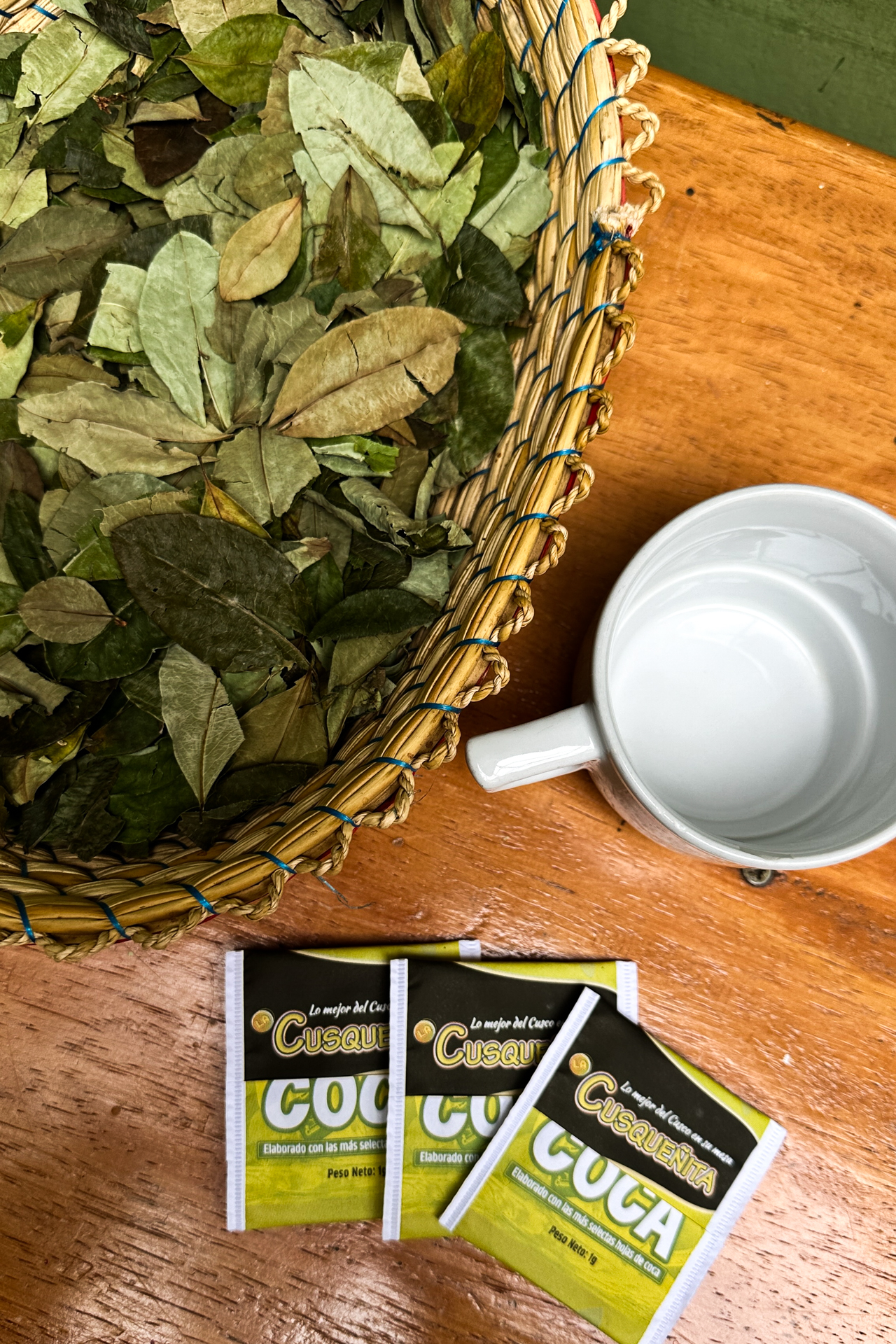
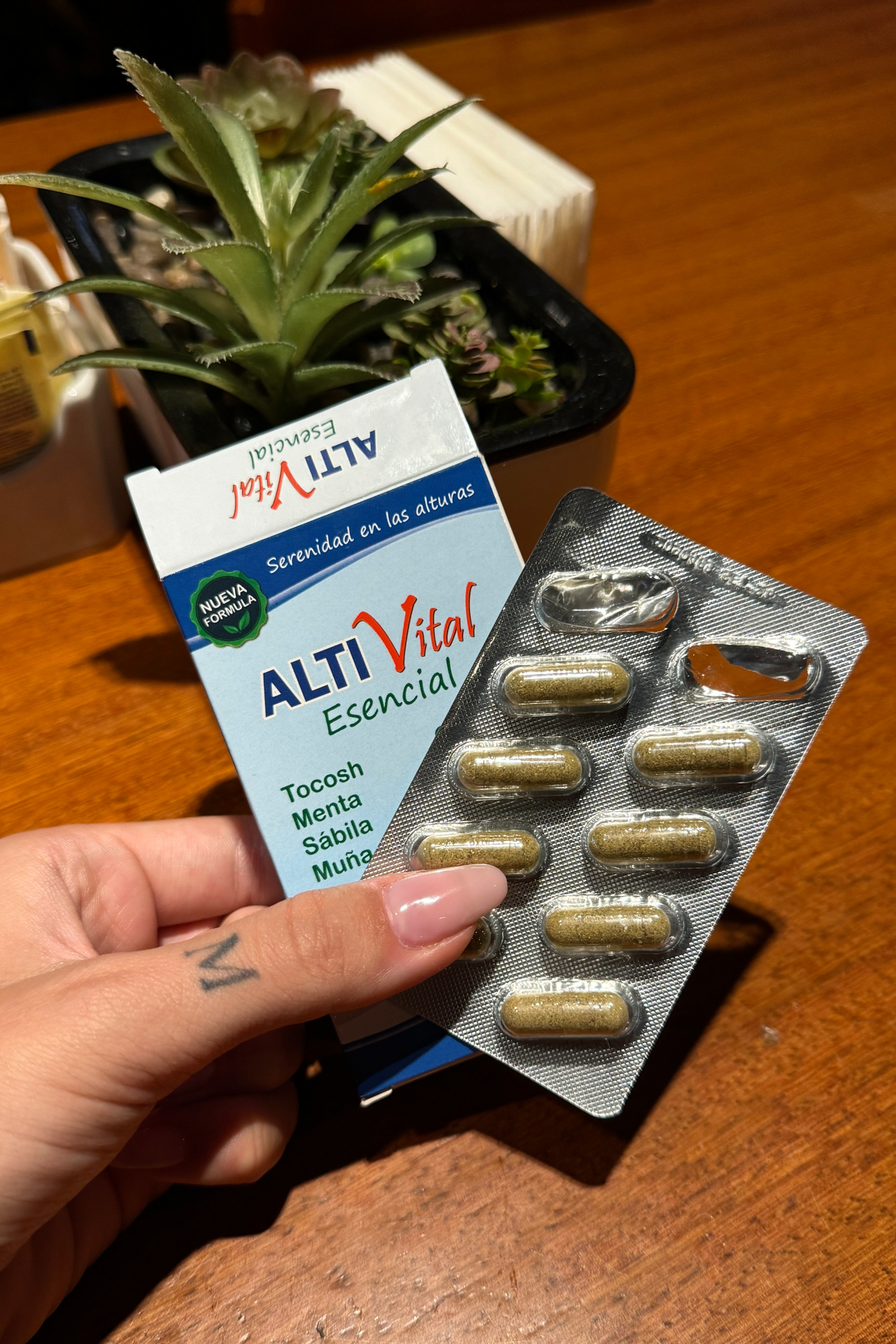
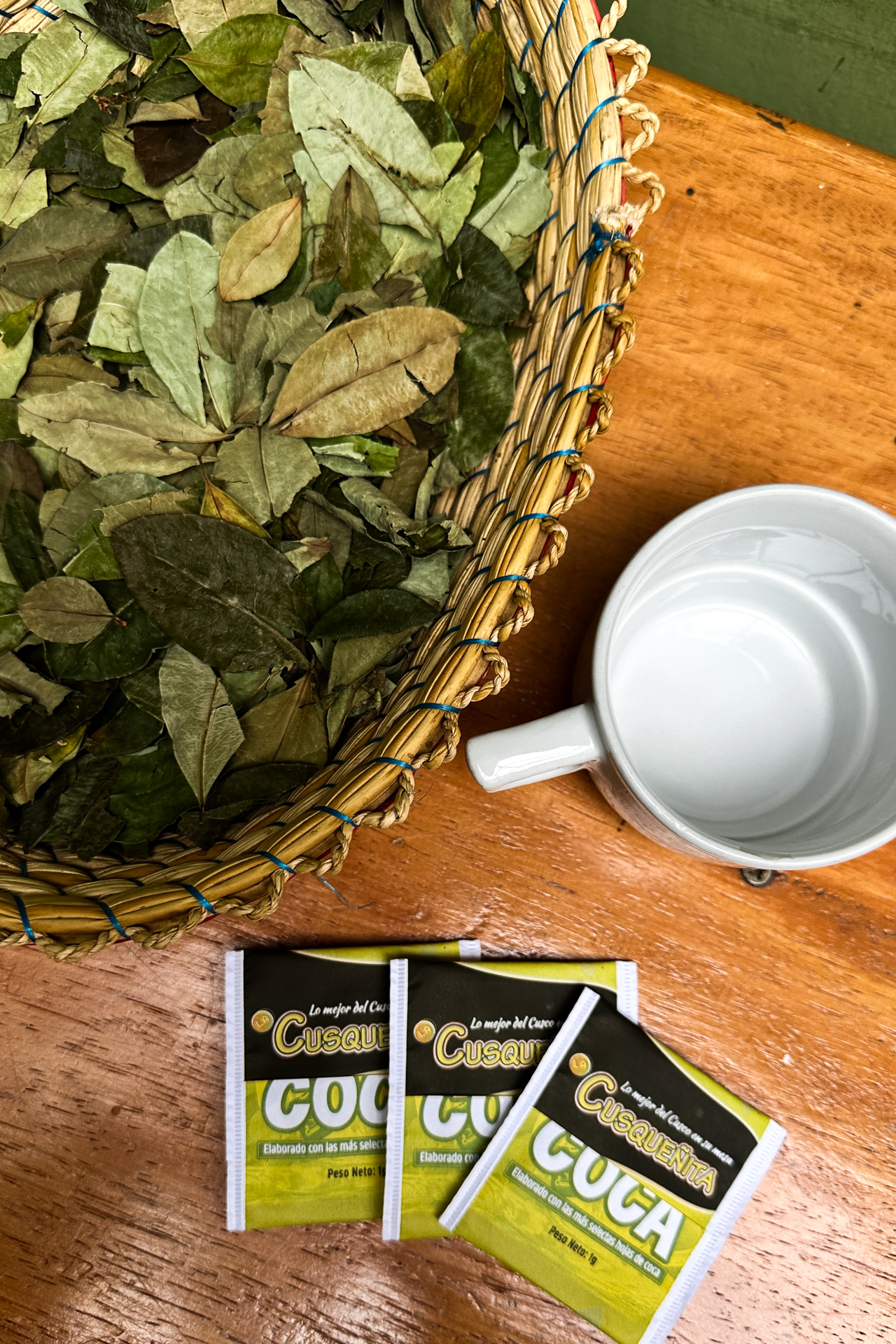
The most important thing you can do to help your body adjust is to drink plenty of water. Staying well hydrated makes a huge difference. Locals also strongly believe in coca leaf tea as a natural way to support your body at high altitude. Avoid alcohol at the beginning, as your tolerance can be much lower at this altitude.
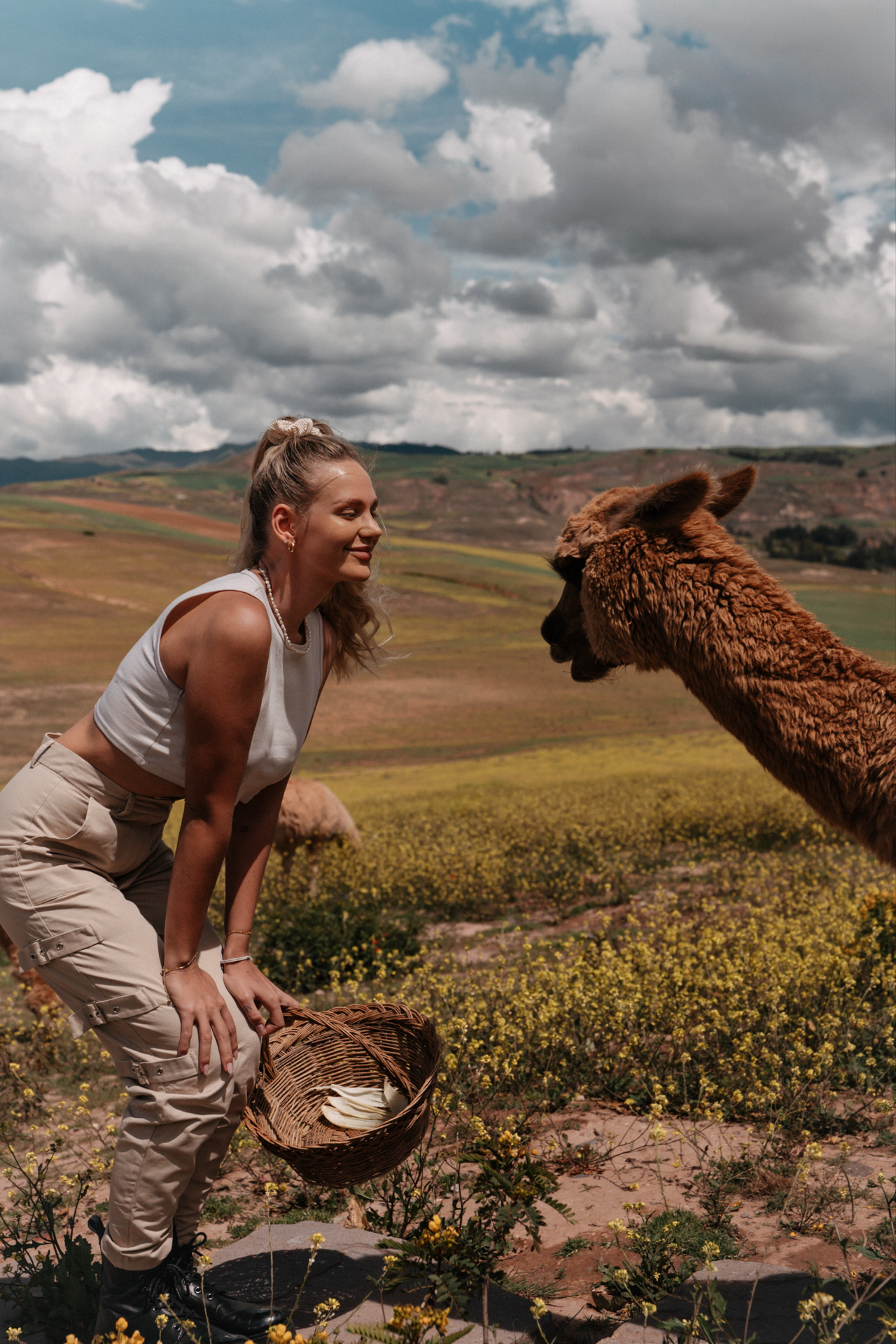
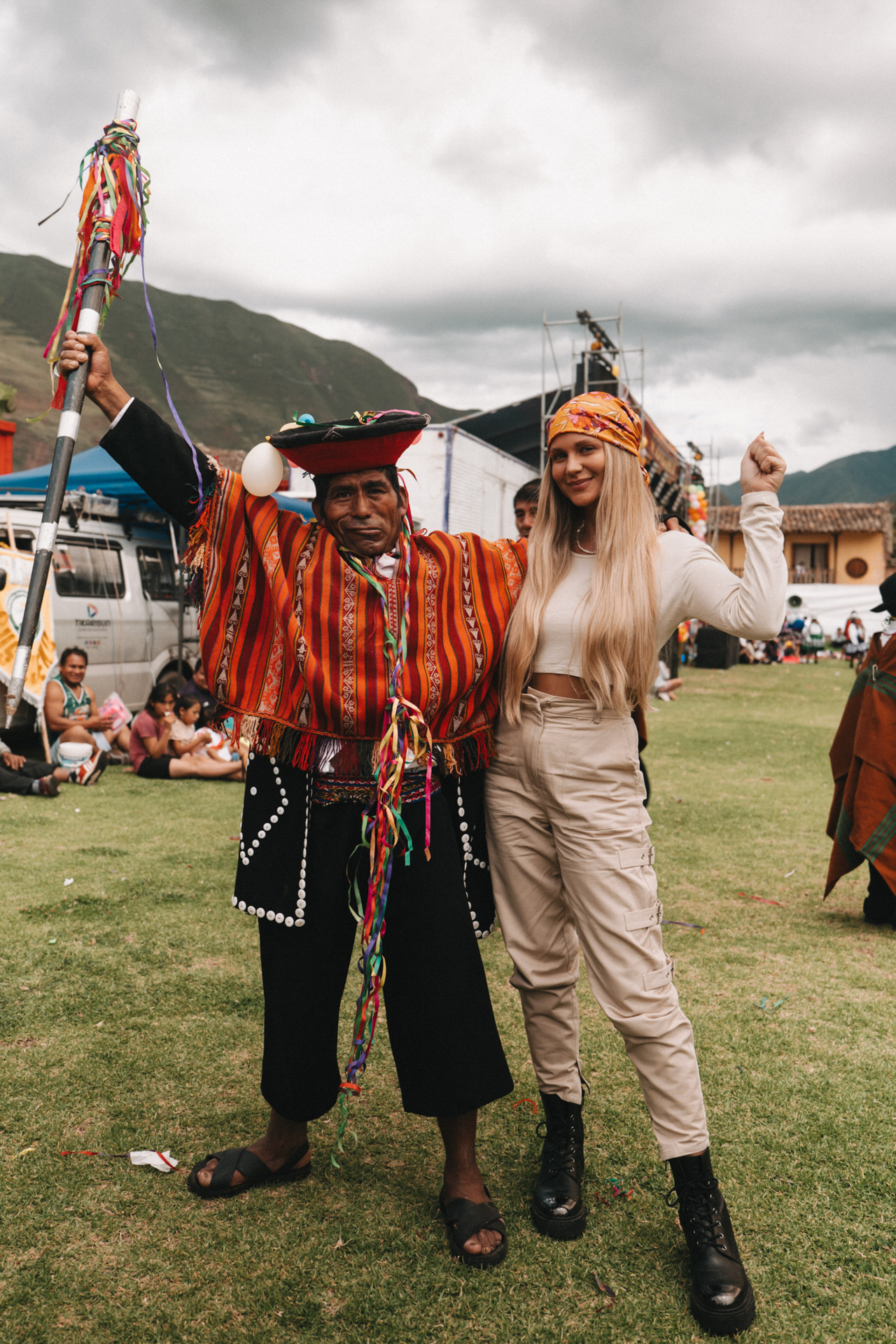
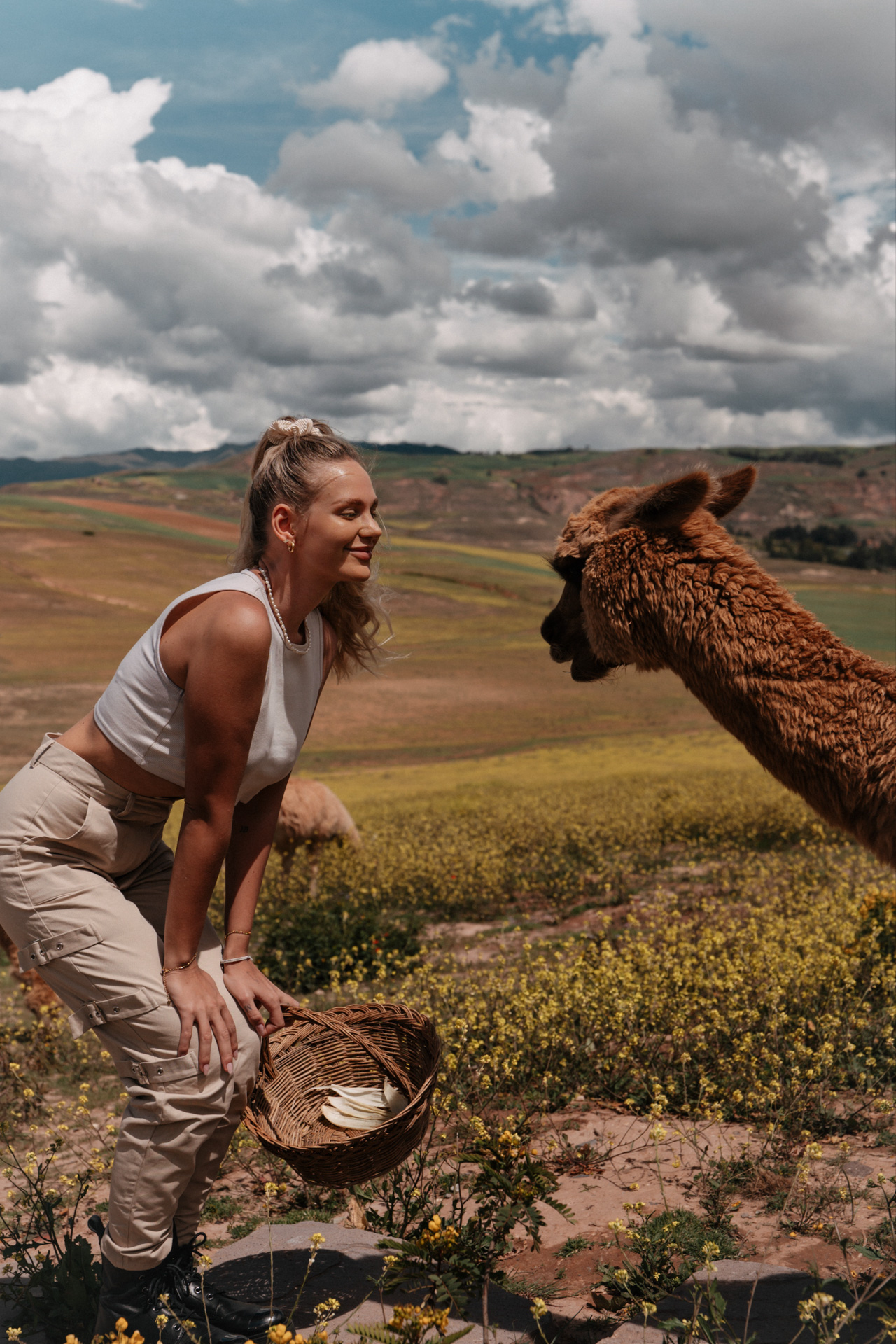
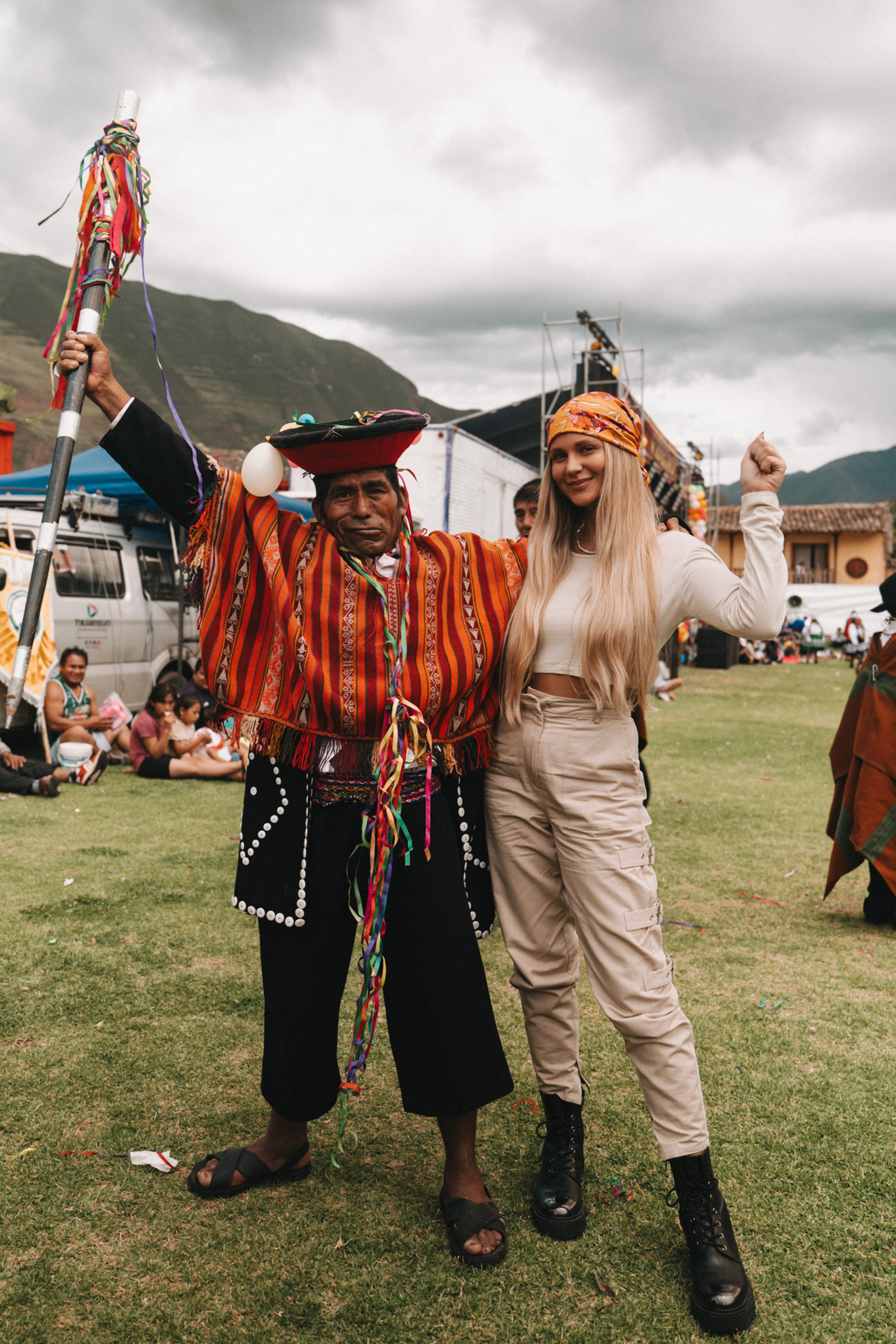
When planning your trip to Cusco it is best not to schedule anything too demanding for the first day or two. Taking it slow and allowing your body time to adjust can make the experience much more enjoyable.
A small tip that might help is that I bought coca leaf capsules at the airport in Lima and took them before arriving in Cusco. I cannot say for sure if that is what helped but it definitely gave me peace of mind.
Just a little note
If you book or buy something through one of my links, it helps support the work I do, and it doesn’t cost you anything extra.
Find Hotels
via Booking.com
Find Flights
via Skyscanner
Tours & Attractions
via GetYourGuide
Loved it? Pin it, Share it!
Inspire Others to Travel to Peru
Keep Exploring
More Travel Guides from Peru








THE TRAVEL

Let’s stay connected!
Get inspired, helpful tips and exclusive updates straight to your inbox. Subscribe to join a community of explorers.