
Peru


My Go-To Spots in Peru
13 Best Things To Do in Peru
Peru has a way of constantly changing the scenery on you. Just when you think you’ve figured it out, the landscape shifts, the pace changes, and you find yourself somewhere completely new without ever leaving the country.
It’s a destination that invites curiosity. Early mornings, mountain air that slows you down, and moments that feel untouched by time. Peru challenges you in unexpected ways, rewards you with unforgettable views, and fills your journey with contrasts that somehow all work together. Every stop feels unique, every experience adds depth, and every day leaves you with another story to tell.







Must-See & Do
Things to Do in Peru
From misty mountain peaks and ancient ruins to wild jungles and a coastline shaped by the ocean, Peru constantly reminded me how diverse one single country can be.
This list brings together my personal highlights and favorite experiences, the best things to do in Peru that shaped my journey and turned every stop into a memory I’ll carry with me long after leaving.
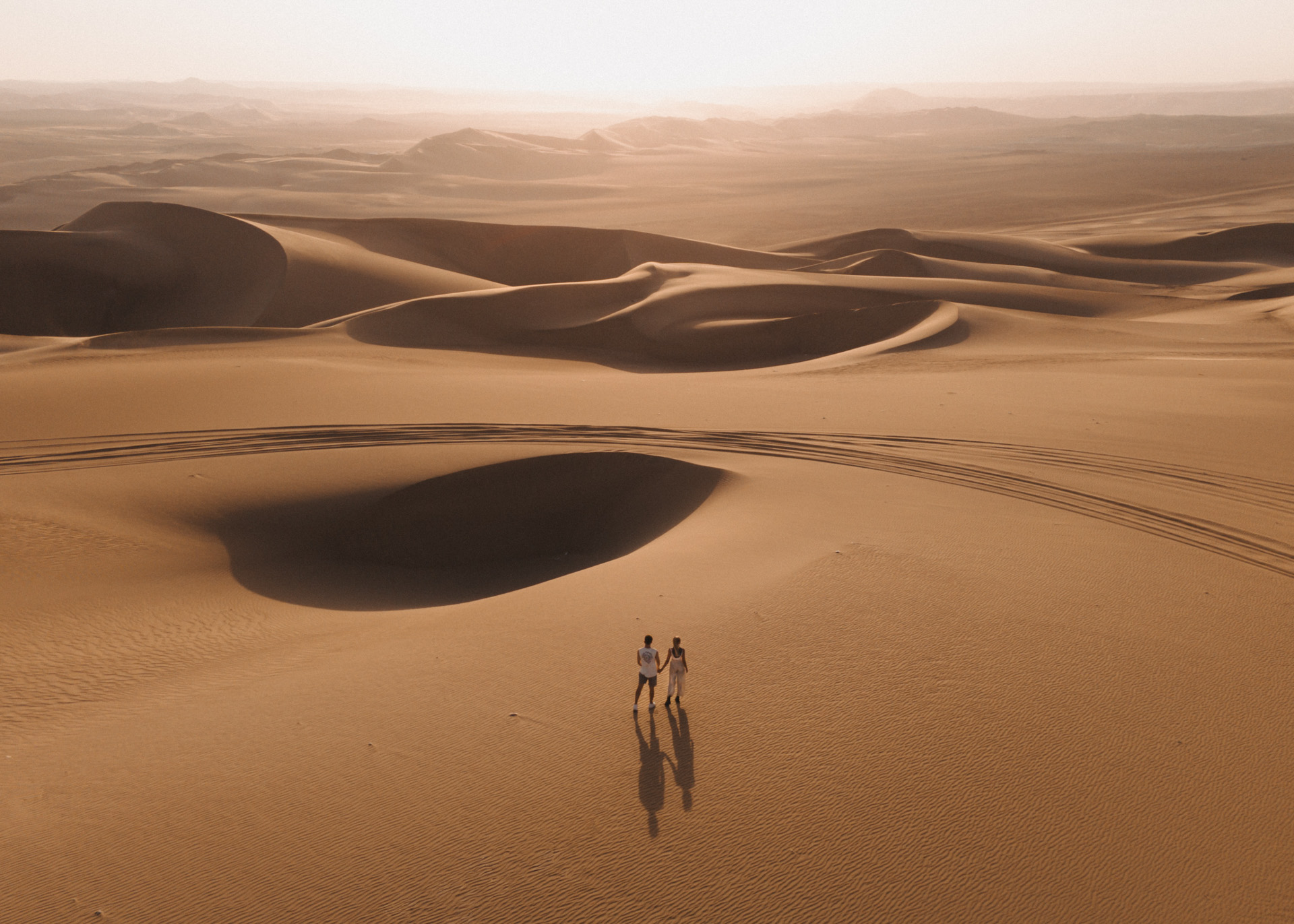 Huacachina
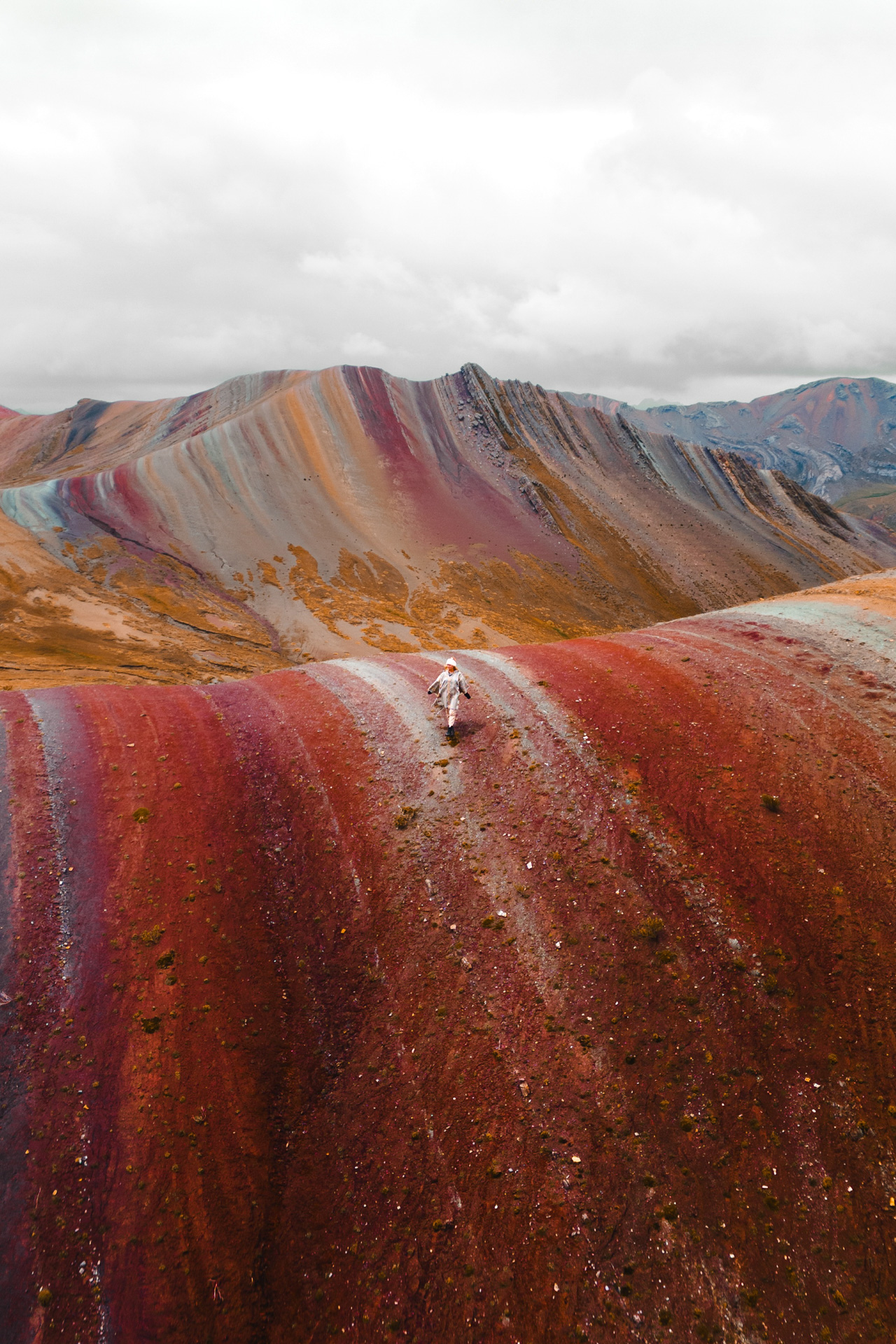
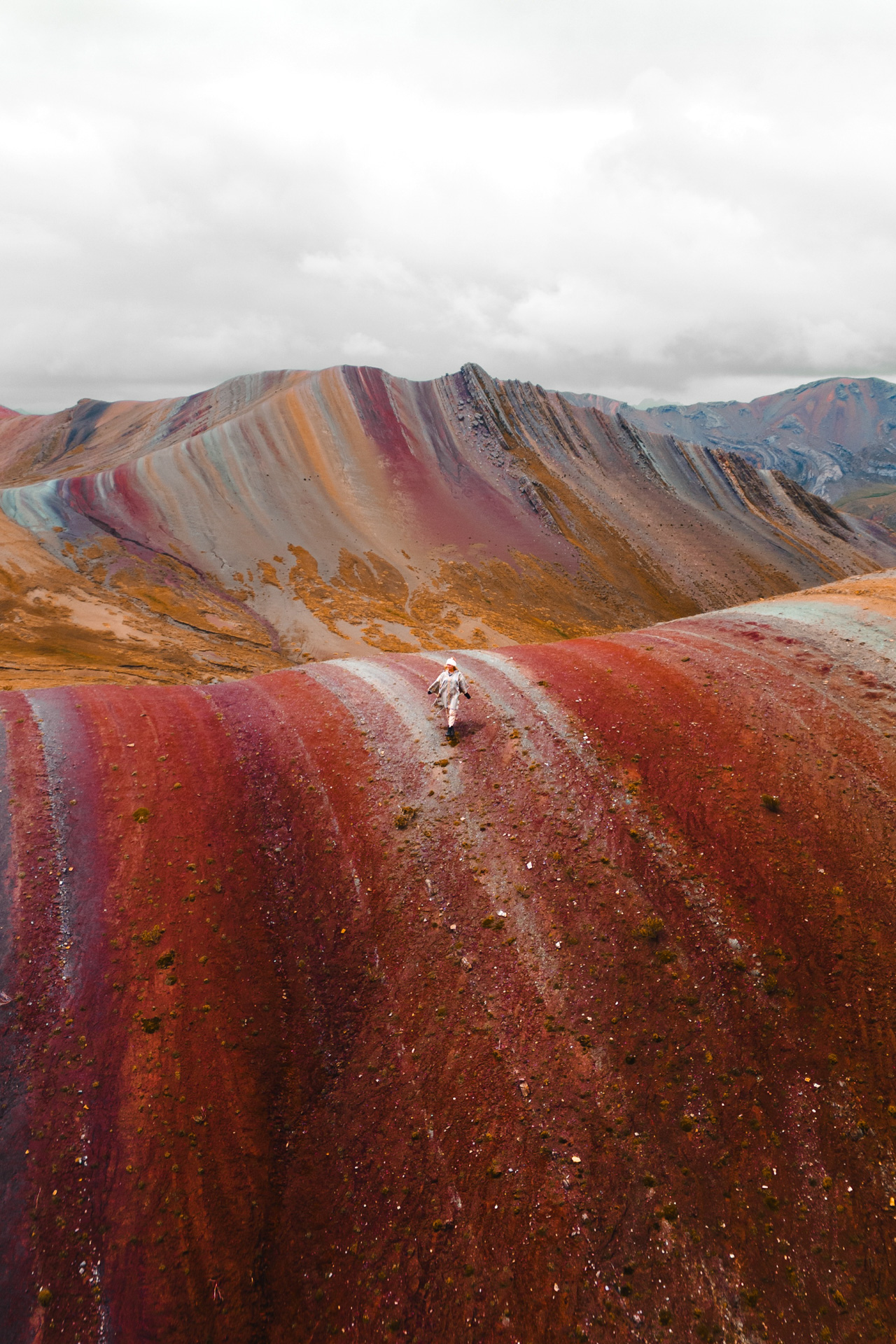
1. Hike the lesser-known trail of Palccoyo Rainbow Mountain
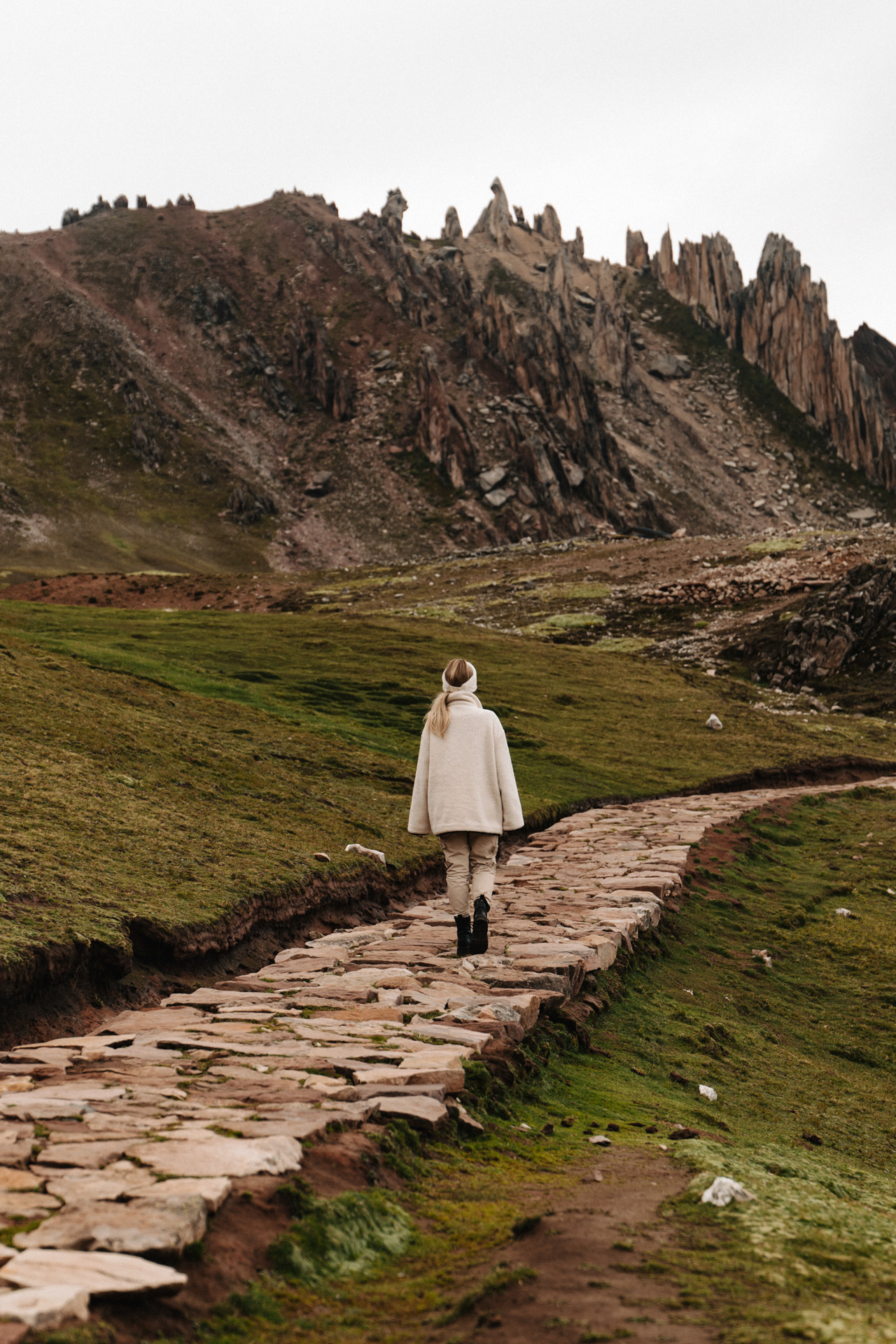
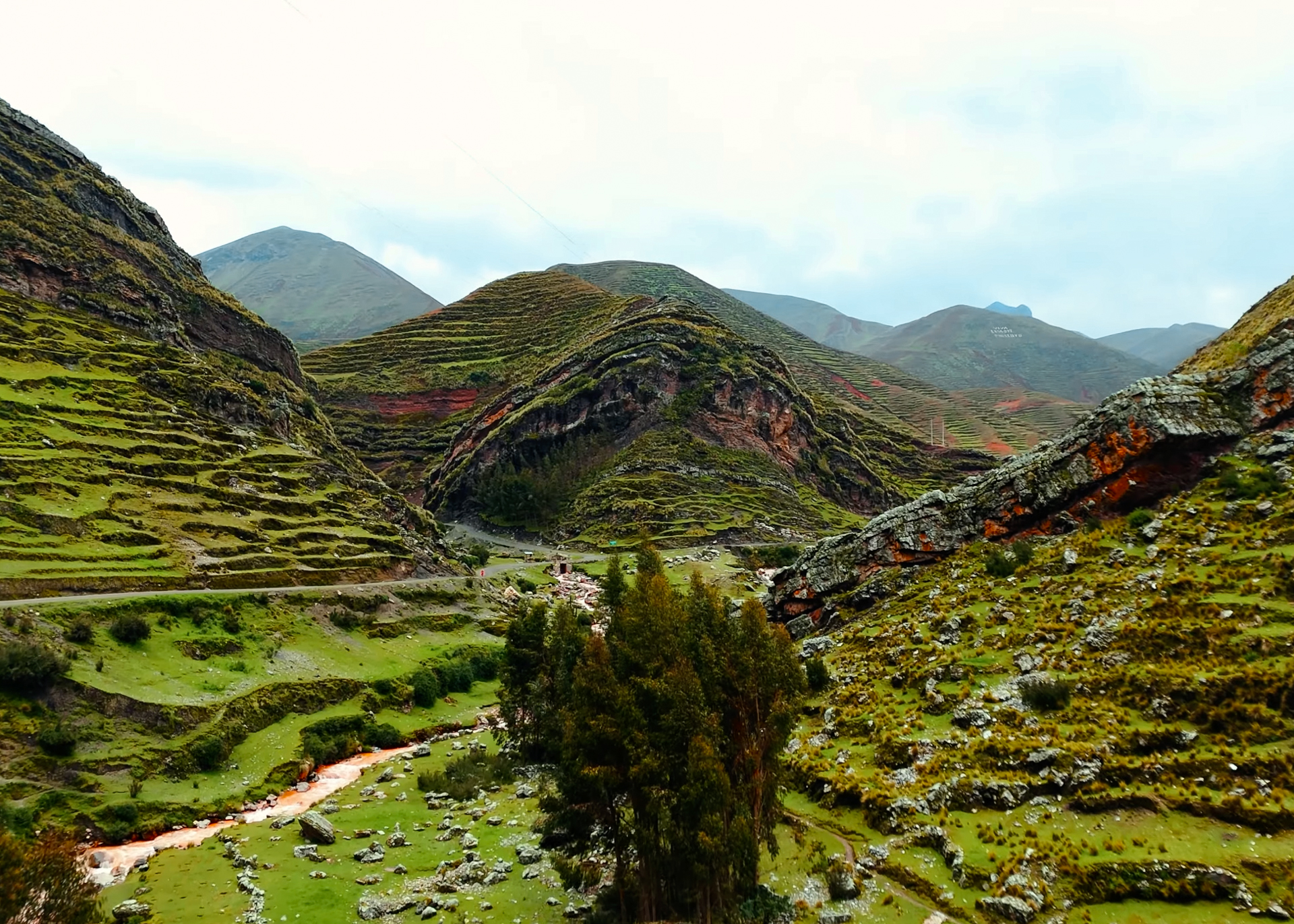
Most people know Vinicunca Rainbow Mountain, but surprise: Peru has two Rainbow Mountains! We chose its quieter sibling, Palccoyo Rainbow Mountain, and honestly? Best decision.

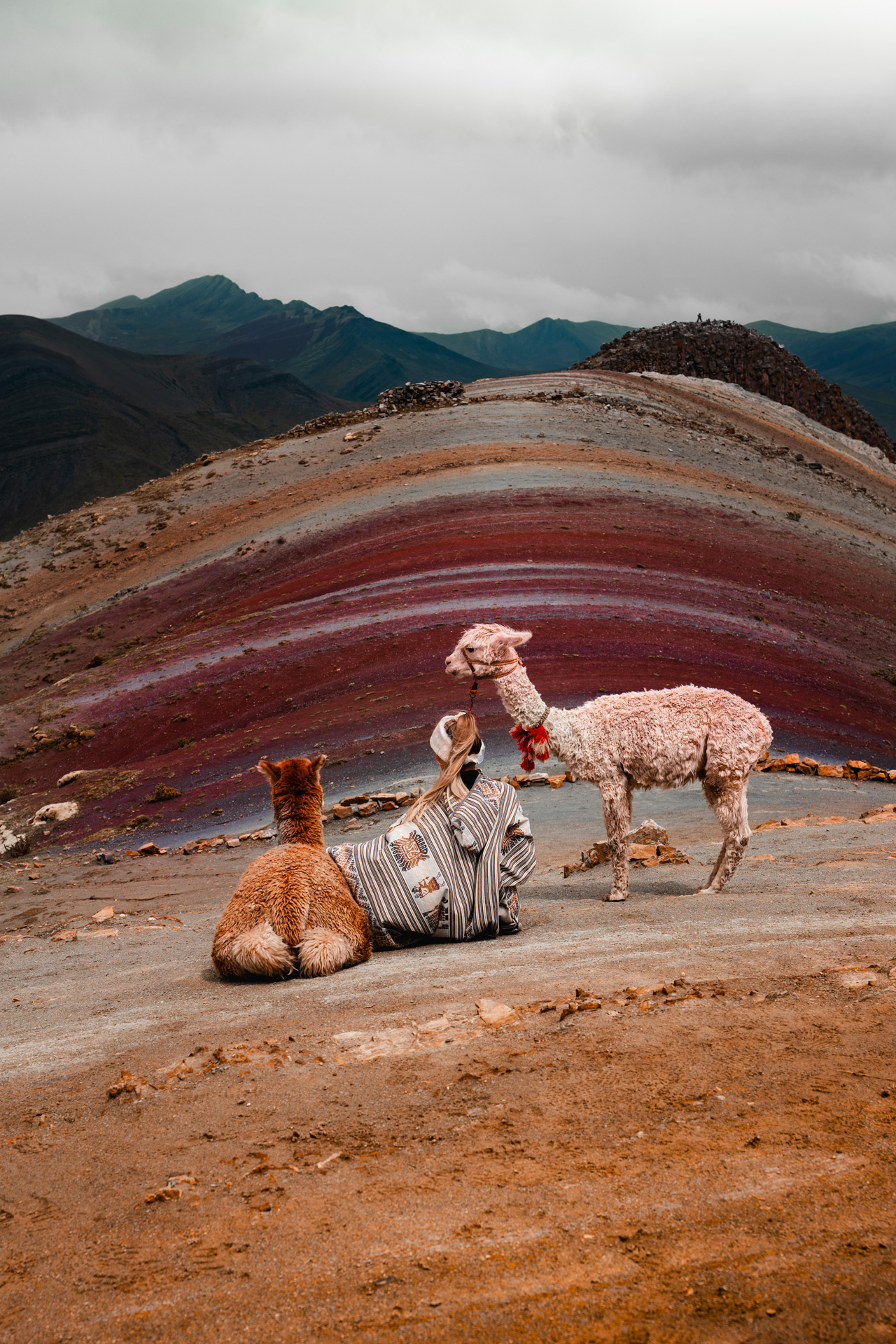

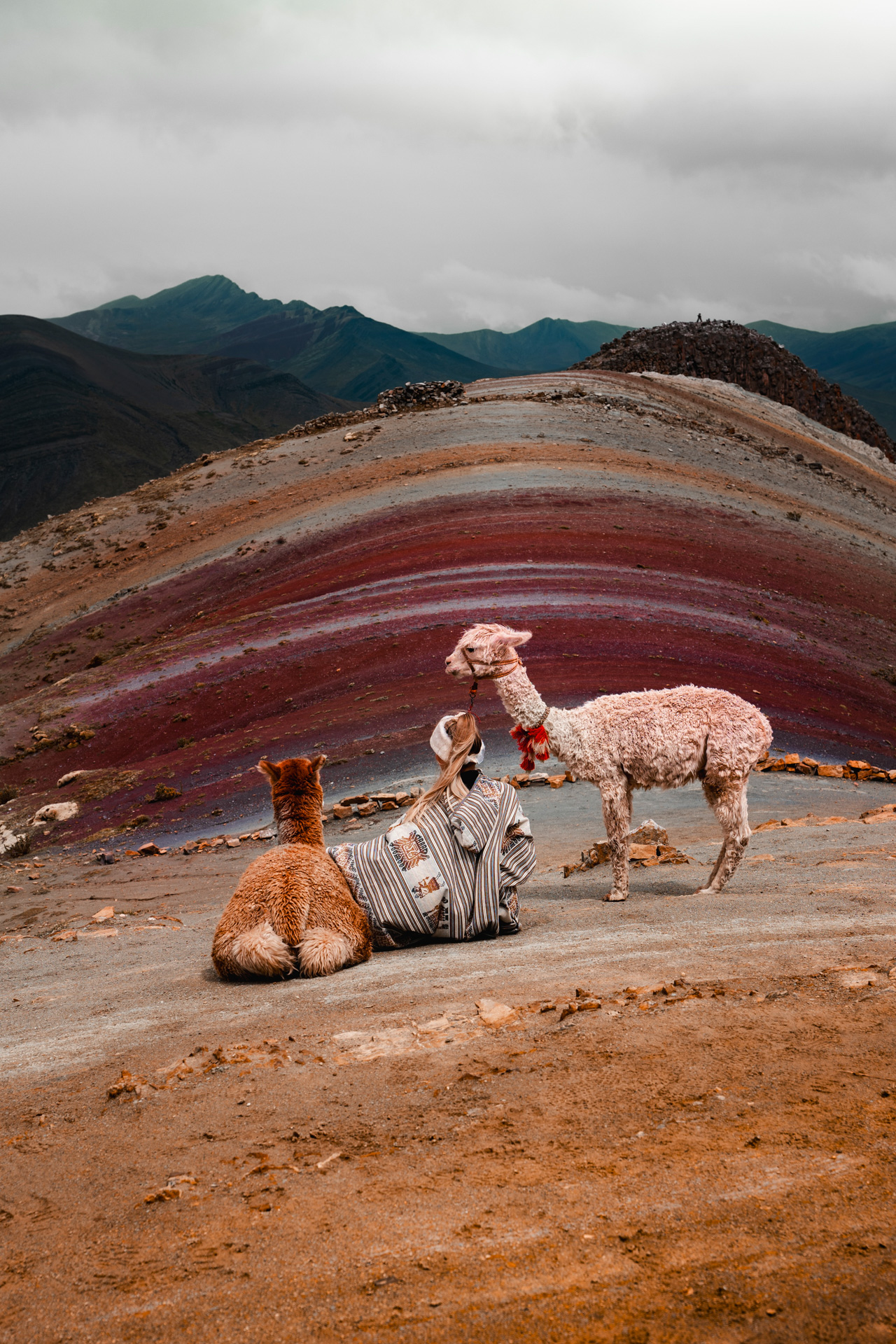
Fewer crowds, an easier hike, and the same insane rainbow colors created by natural minerals. At times, we had the mountains completely to ourselves, which made the experience feel even more magical.
Good to know: Acclimatization is key! Spend at least 2 days in Cusco or the Sacred Valley before the hike.
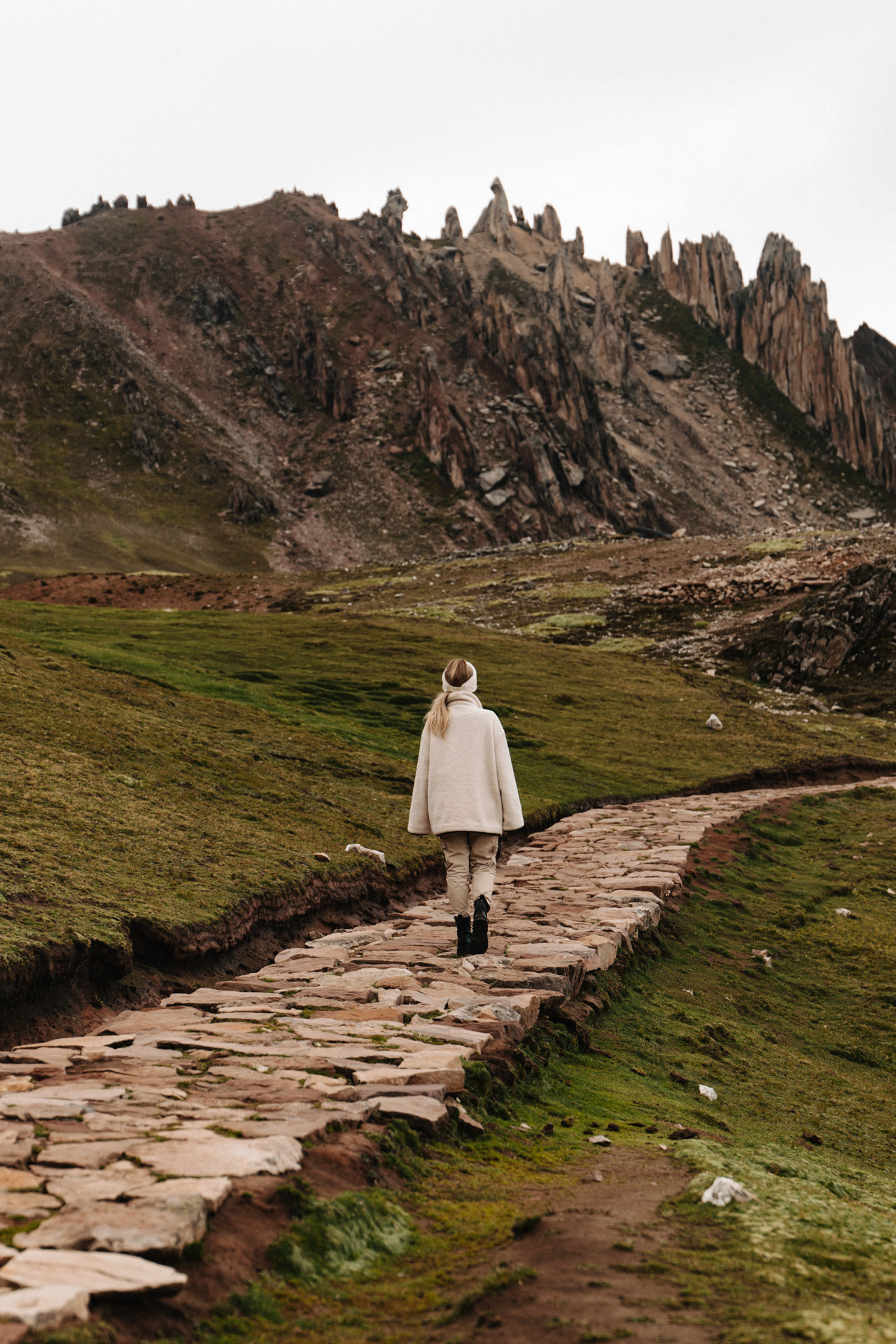
2. Explore the Sacred Valley
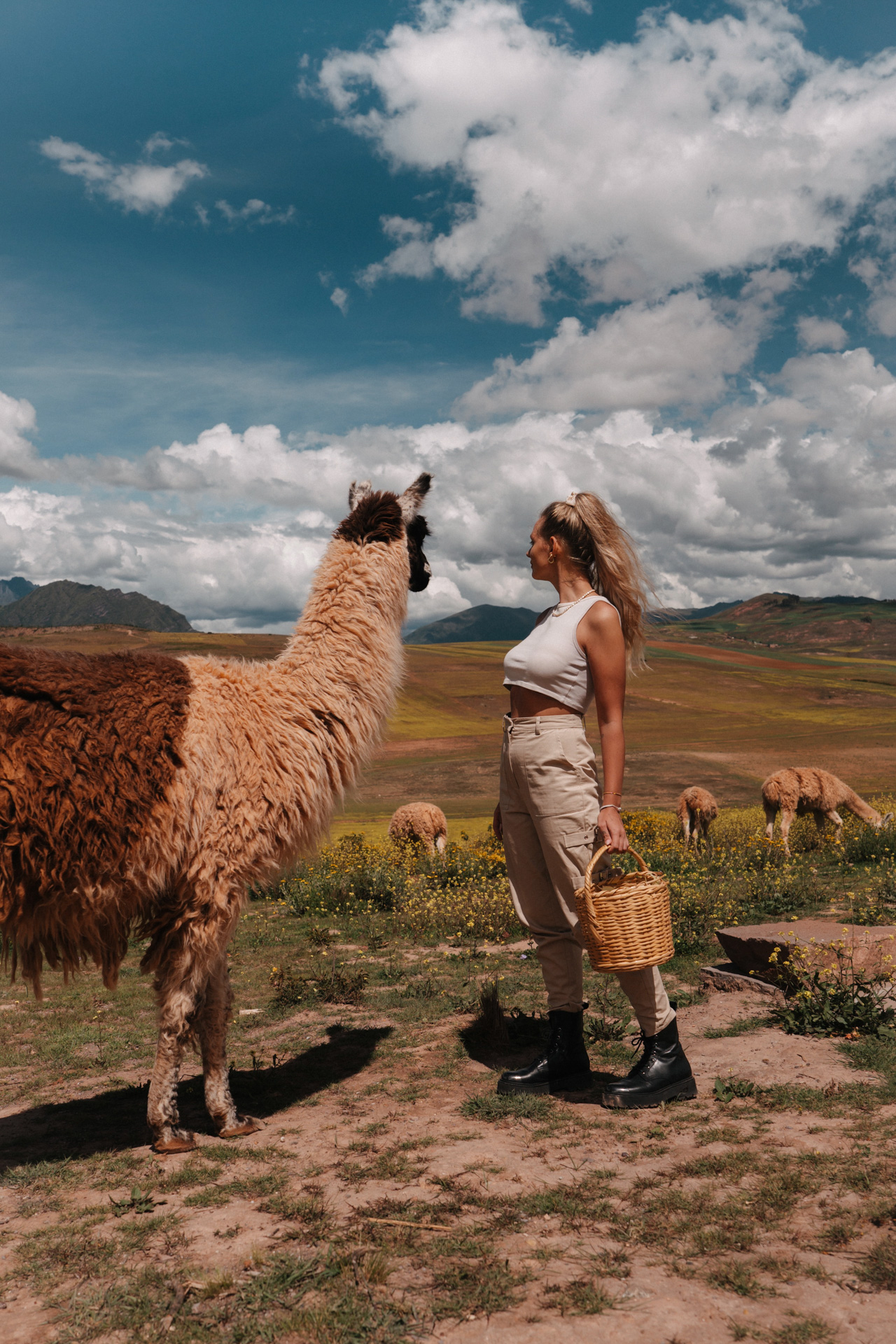
One of the most beautiful regions in Peru, filled with traditional villages, Inca ruins, mountains, and green valleys between Cusco and Machu Picchu. Its lush land made it one of the most important regions of the Inca Empire. And make sure to visit Urumabma!

The Sacred Valley sits at a lower altitude than Cusco, making it one of the best places to acclimatize before visiting higher sites like Machu Picchu or the Rainbow Mountain.


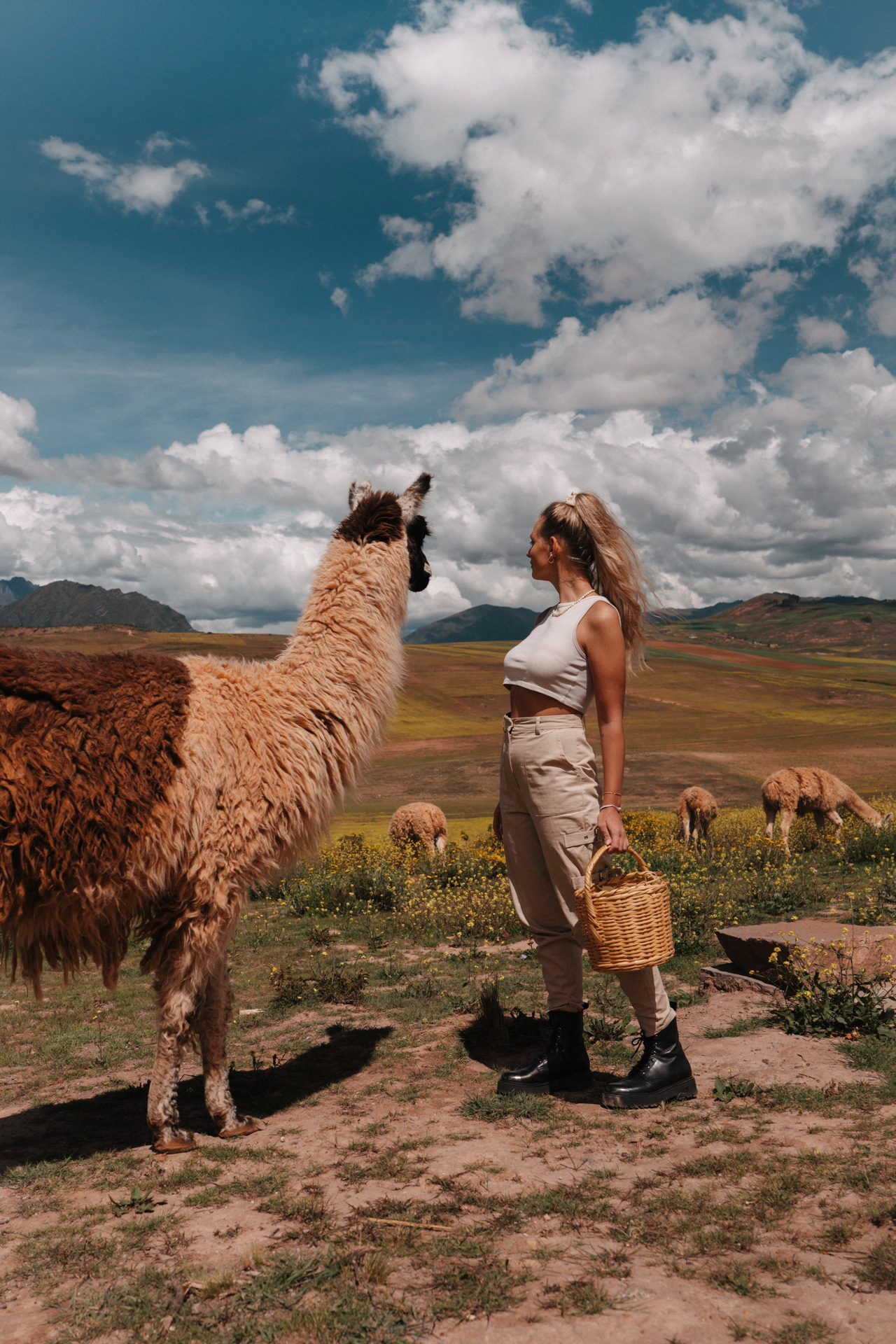
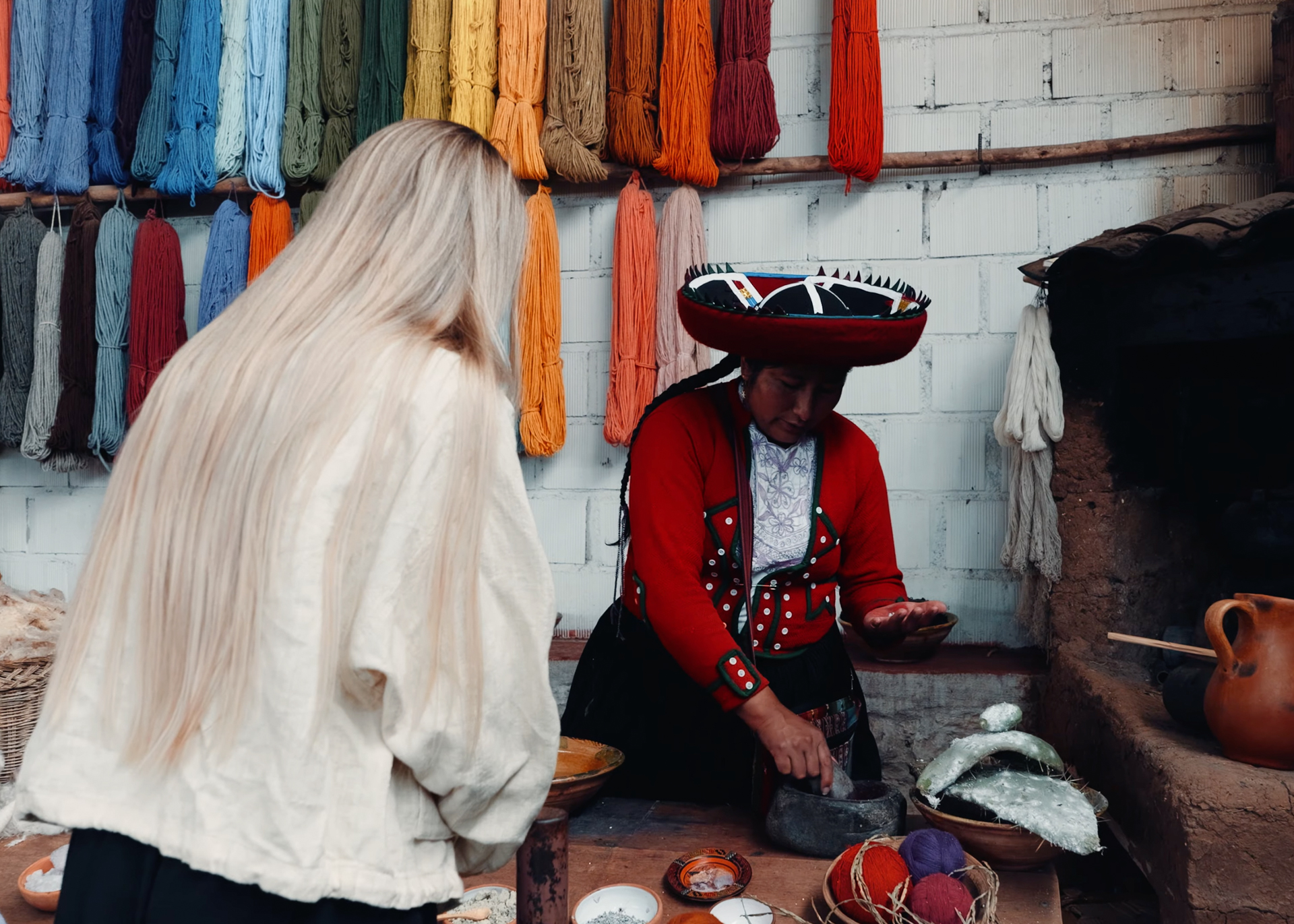
3. Visit the Amaru Wasi Weaving Center
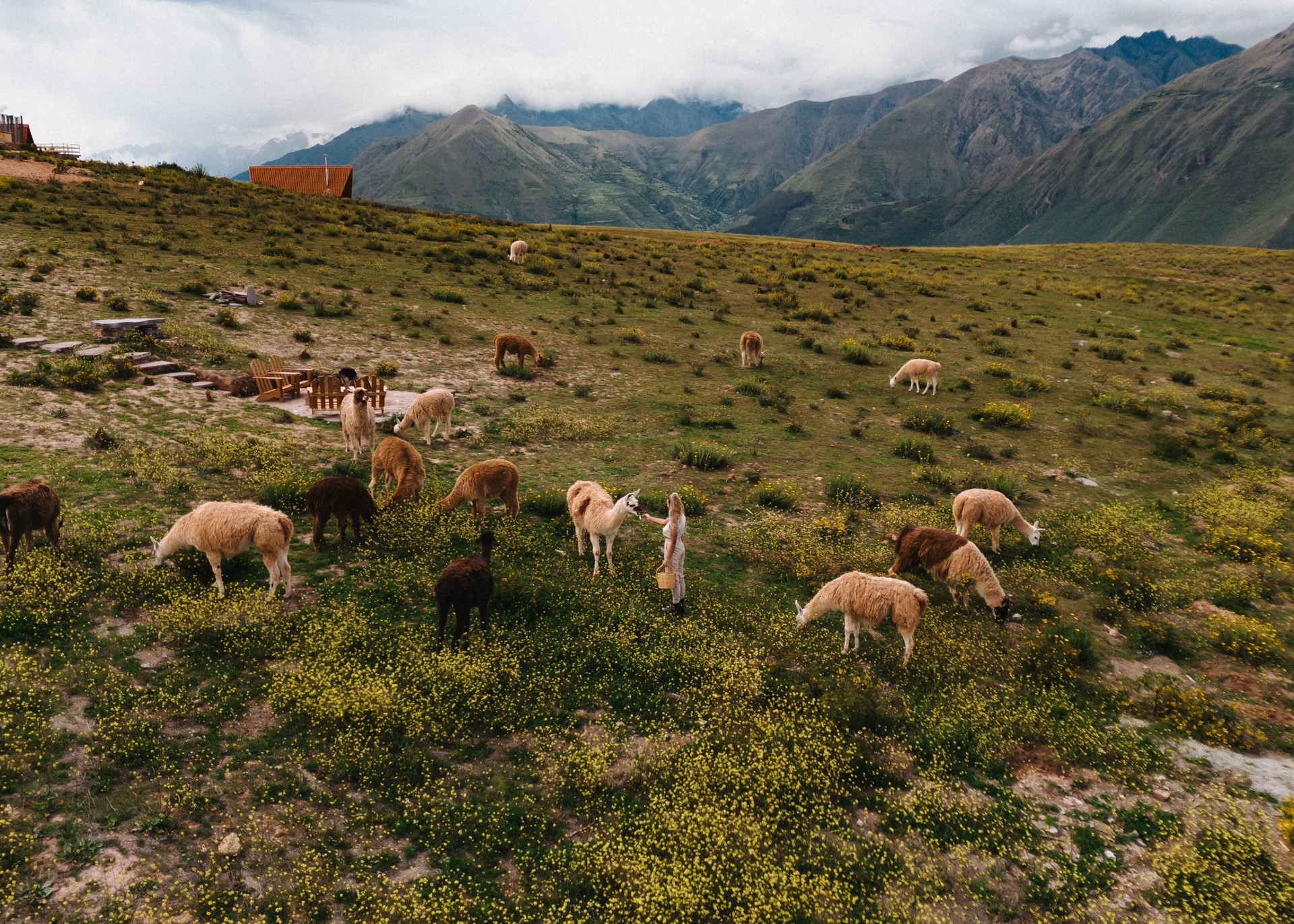
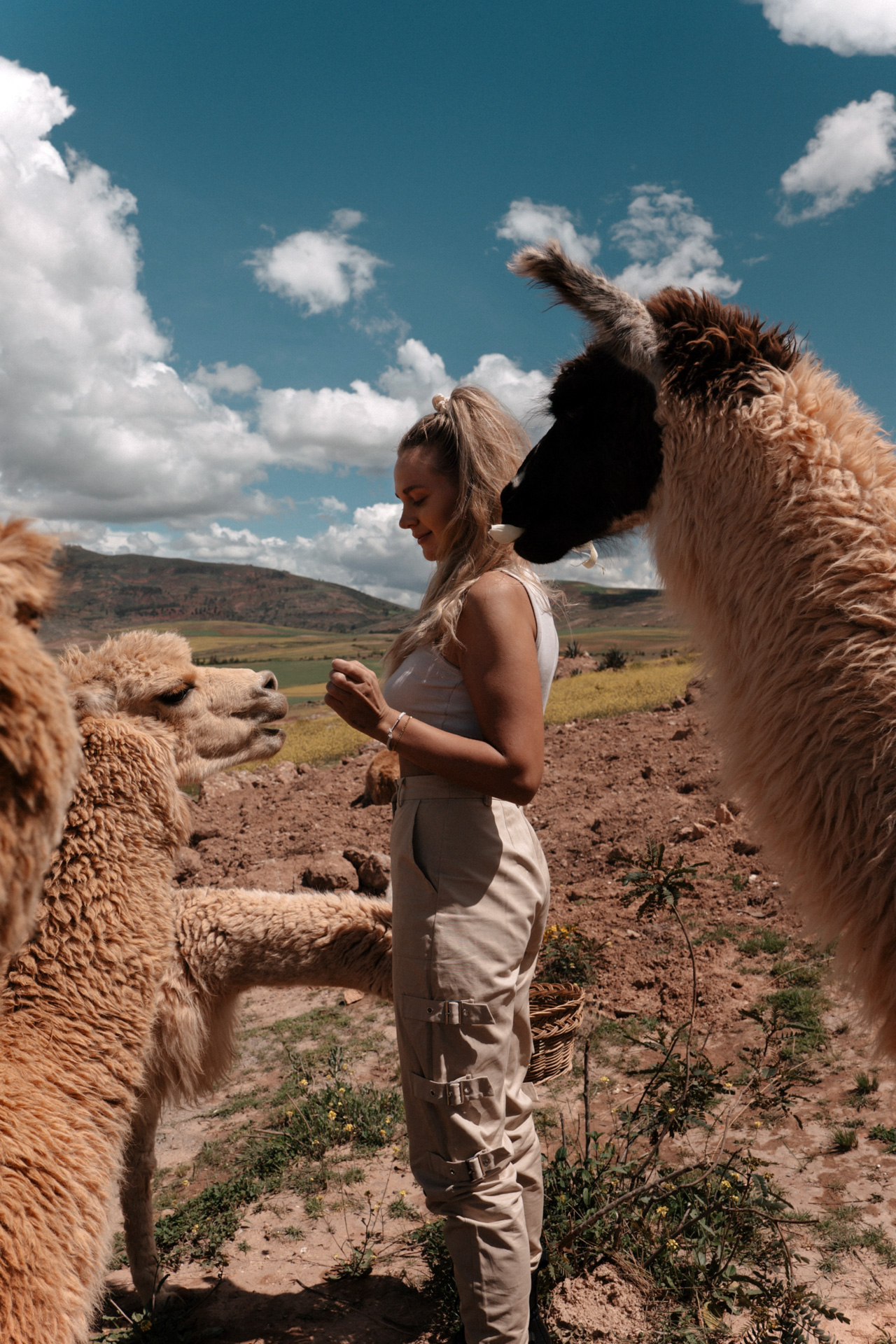
Learn about traditional Andean textile techniques, natural dyes, and centuries-old weaving traditions directly from local artisans in Chinchero. These workshops offer insight into how alpaca and sheep wool is spun, dyed with plants and minerals, and transformed into textiles that hold deep cultural and symbolic meaning.
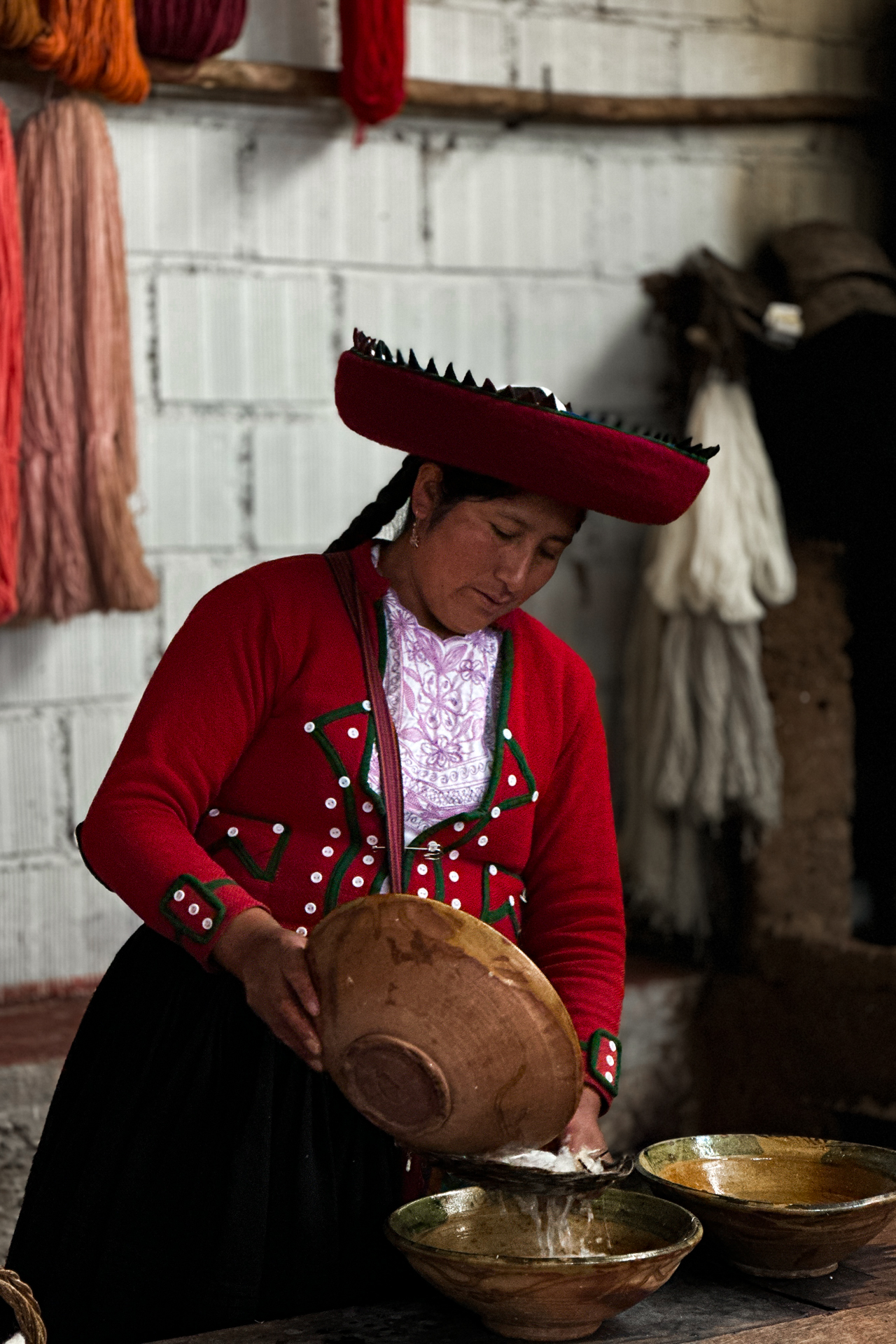
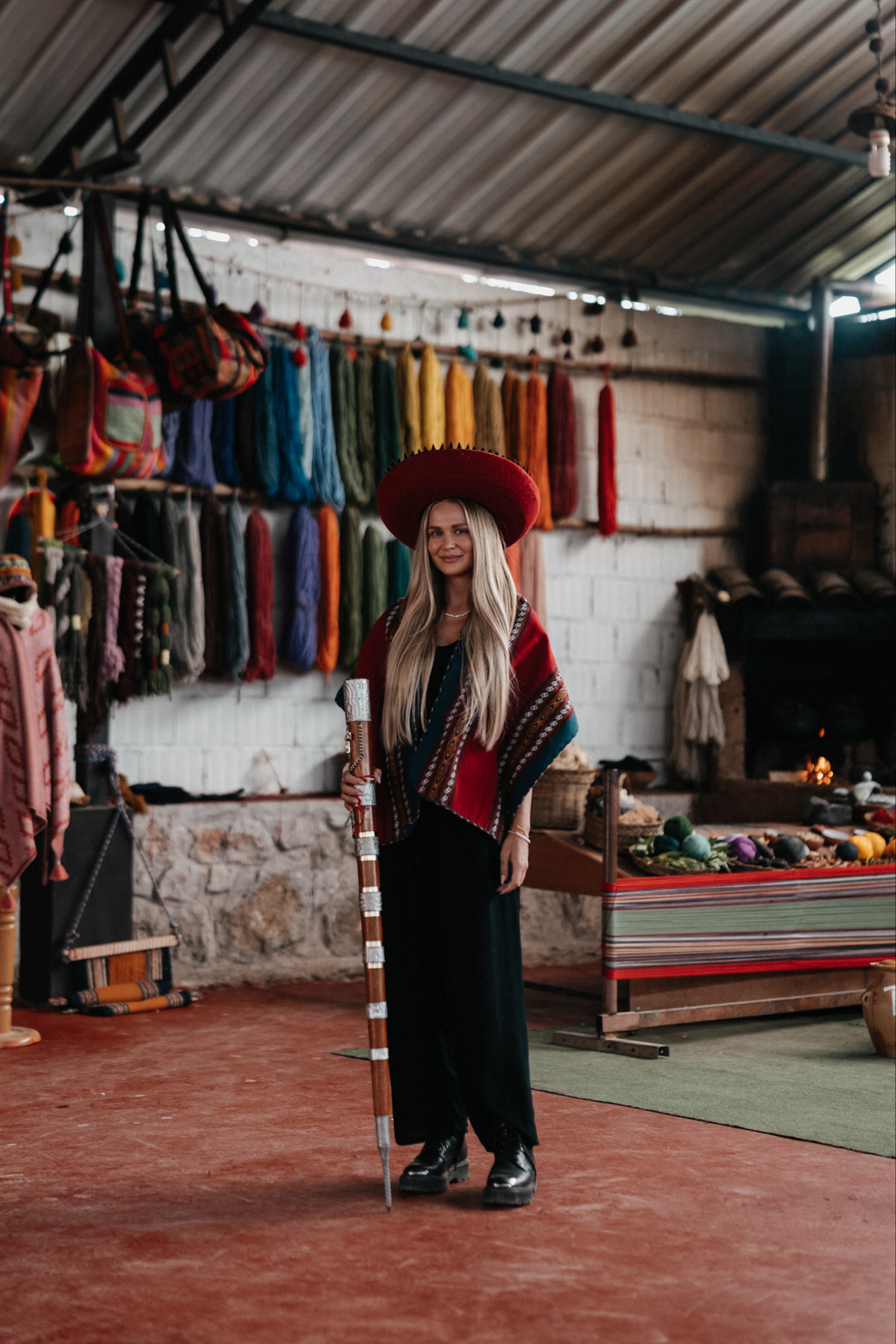
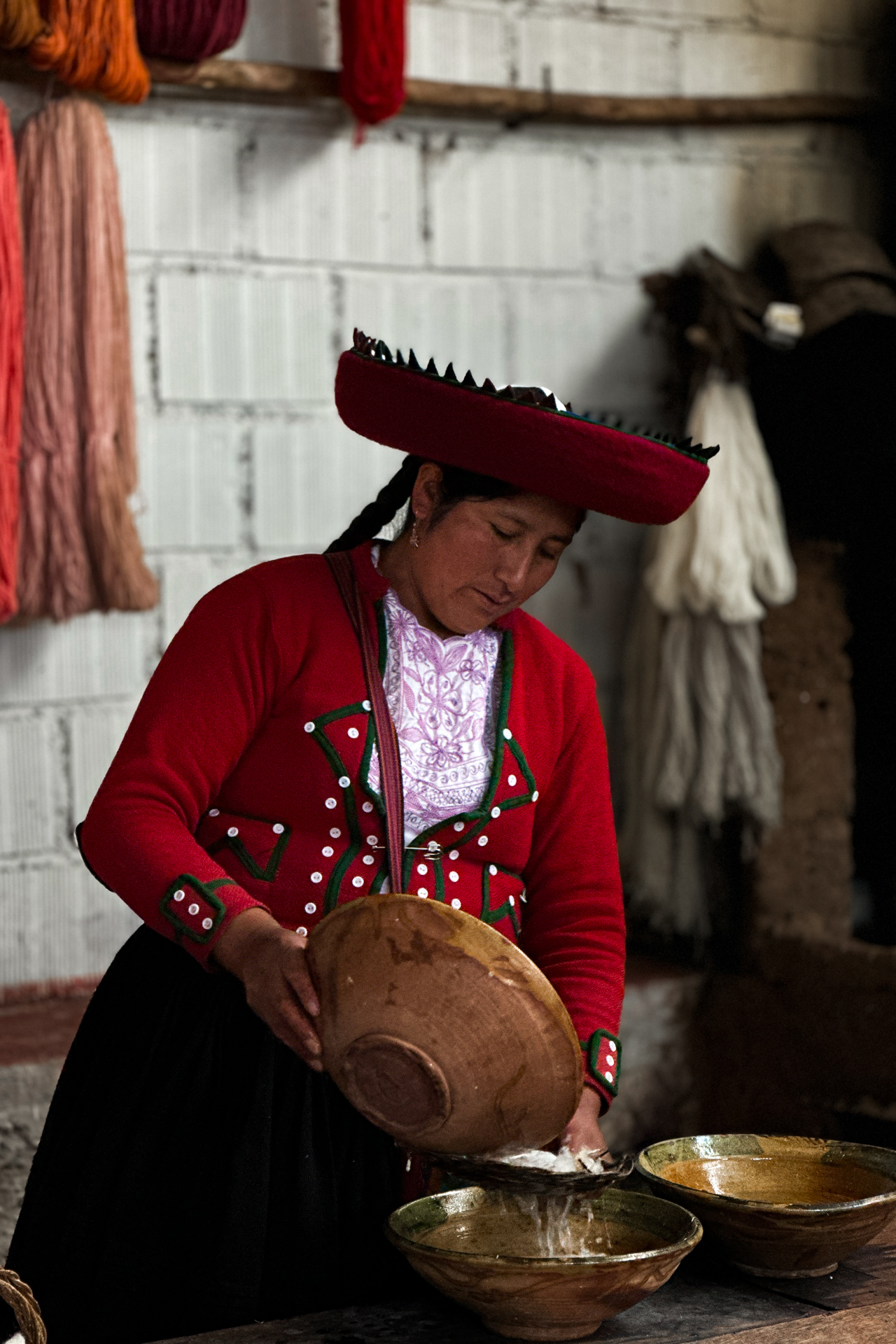
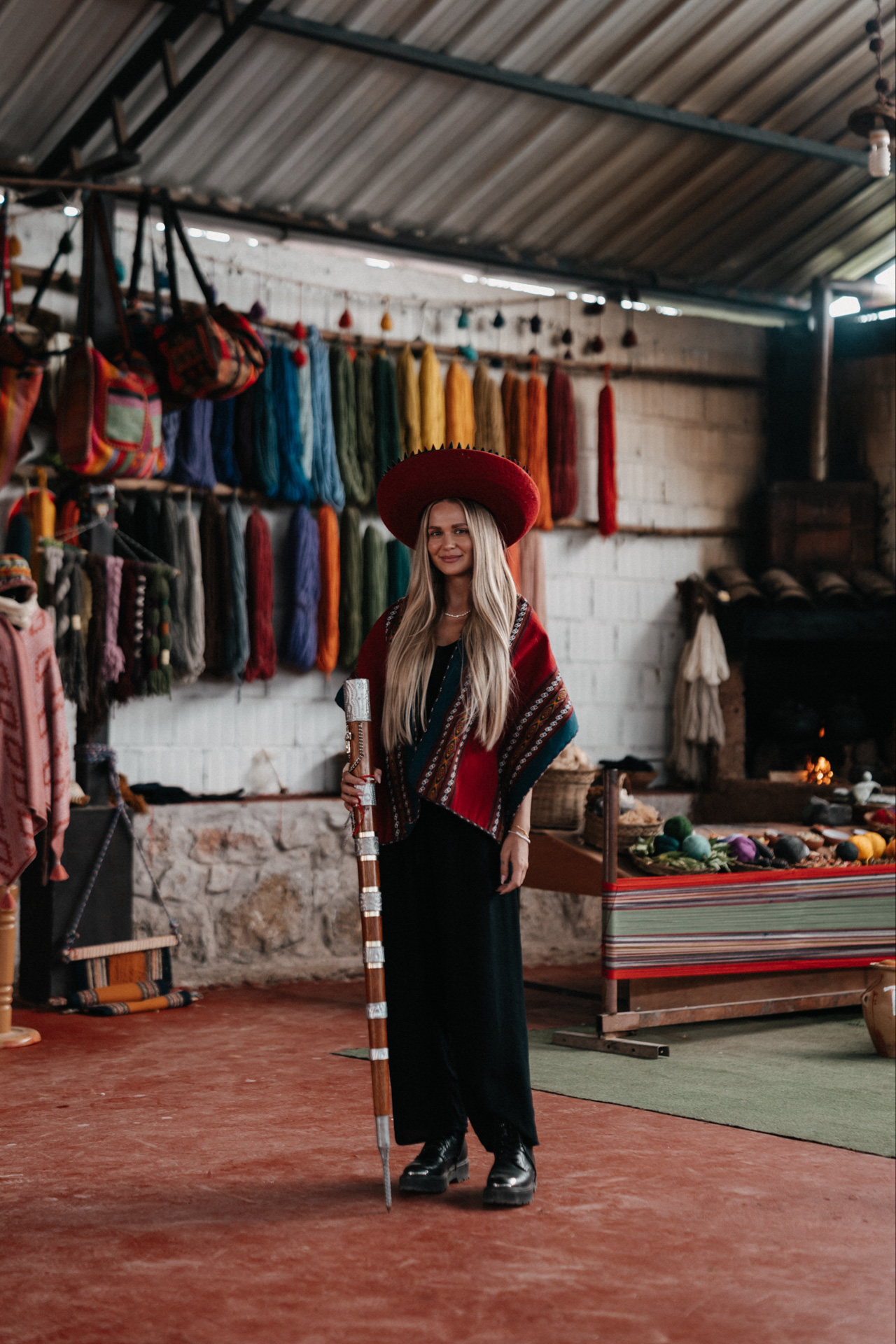
There is no fixed entrance fee and visits are typically free, but since this is a community-based project, tipping or buying something small is a great way to give back, even a little goes a long way.
4. Try Chicha – Peru’s Iconic Traditional Drink
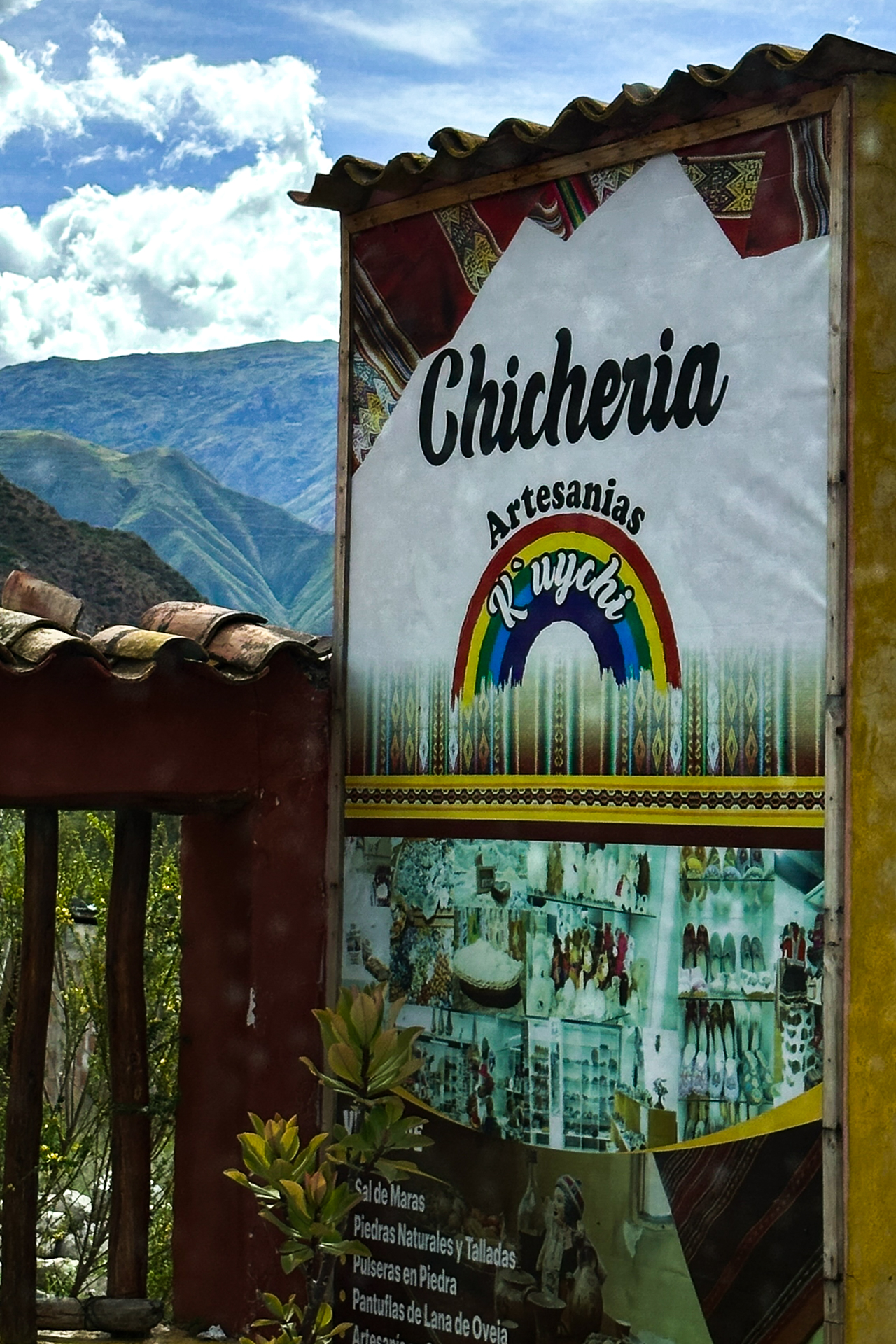
While traveling through Peru, you might spot a rose or yellow drink being poured from large buckets right on the street.
This is chicha, a traditional Andean corn-based drink that’s homemade, slightly fermented, and varies in taste from place to place. With a history dating back thousands of years, it’s something every visitor to Peru should try at least once.


5. Inca Ruins of Ollantaytambo & Pisac
Walk through impressive Inca ruins, massive terraces, and ancient stone structures while enjoying panoramic views over the Sacred Valley. Don’t forget to visit the market in Pisac and wander through the charming streets of Ollantaytambo, where history is still part of everyday life.
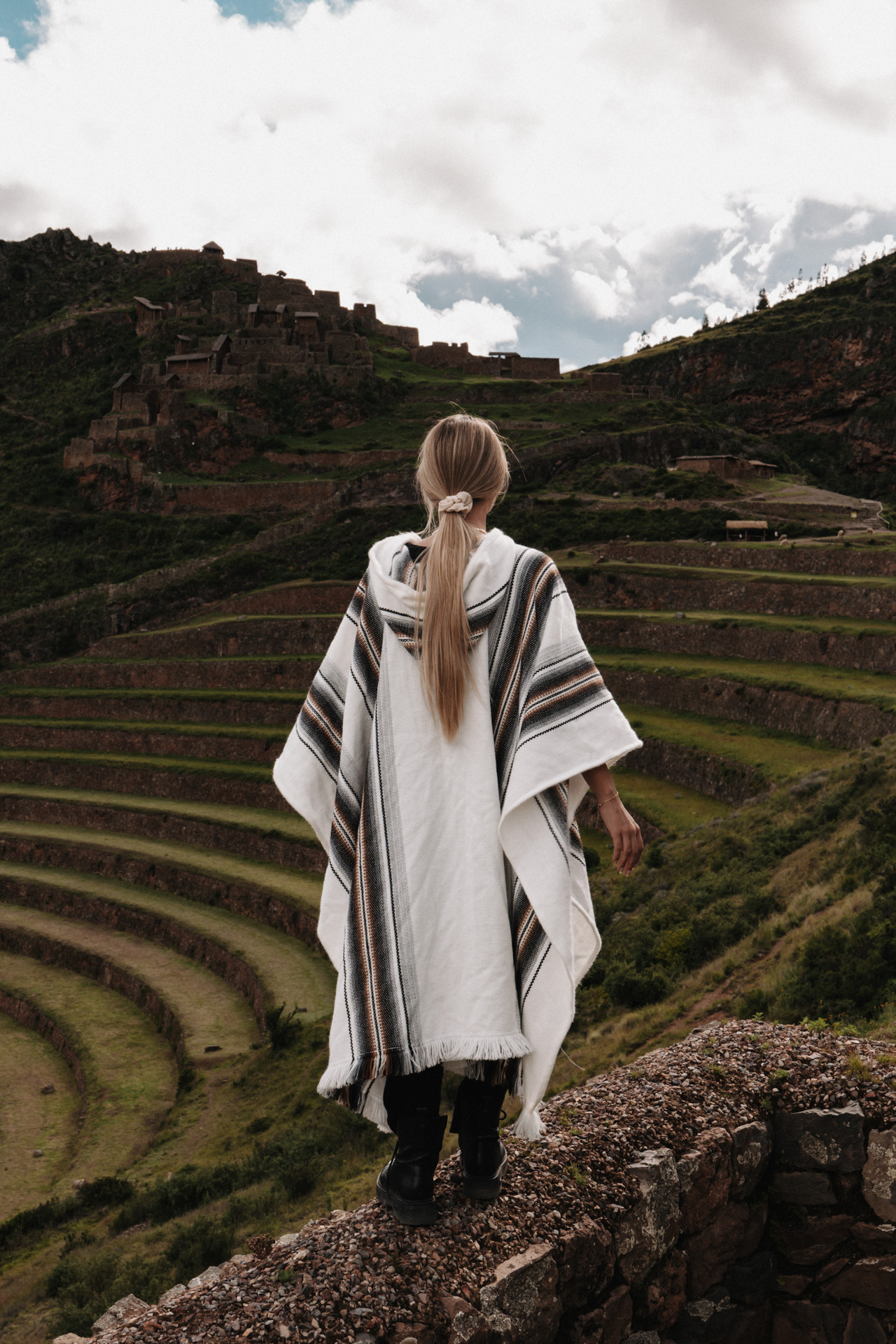 Pisac Ruins
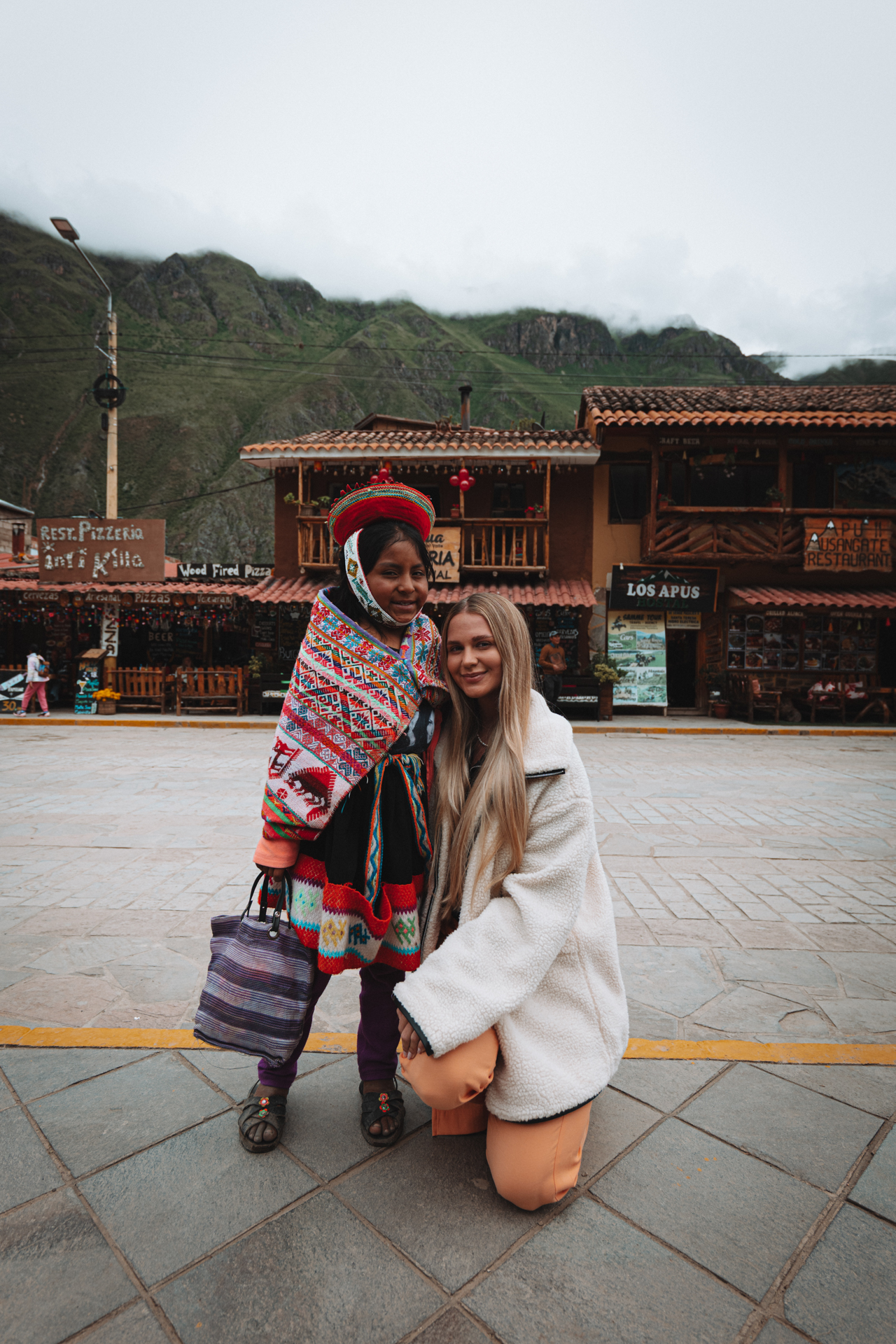 Ollantaytambo
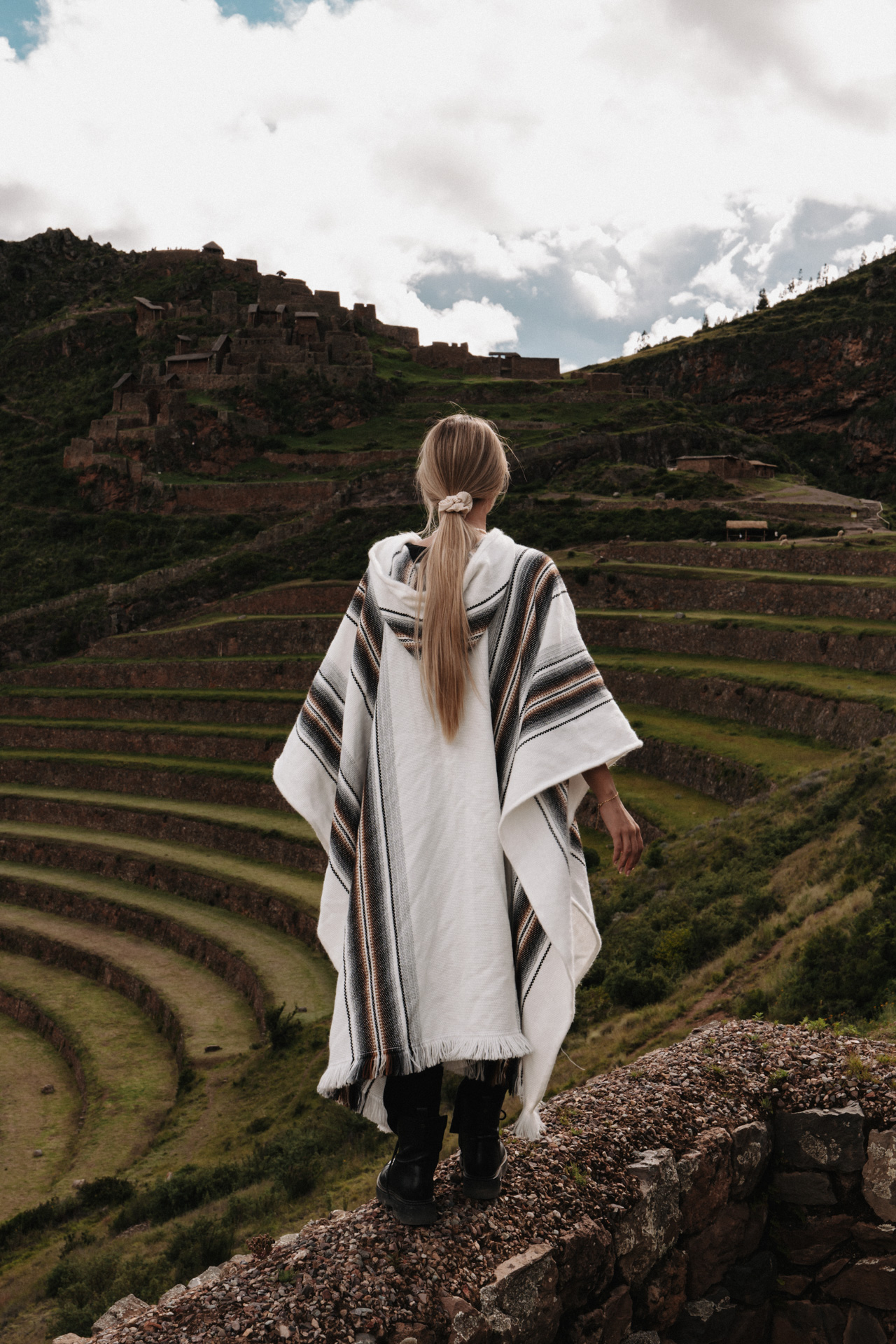 Pisac Ruins
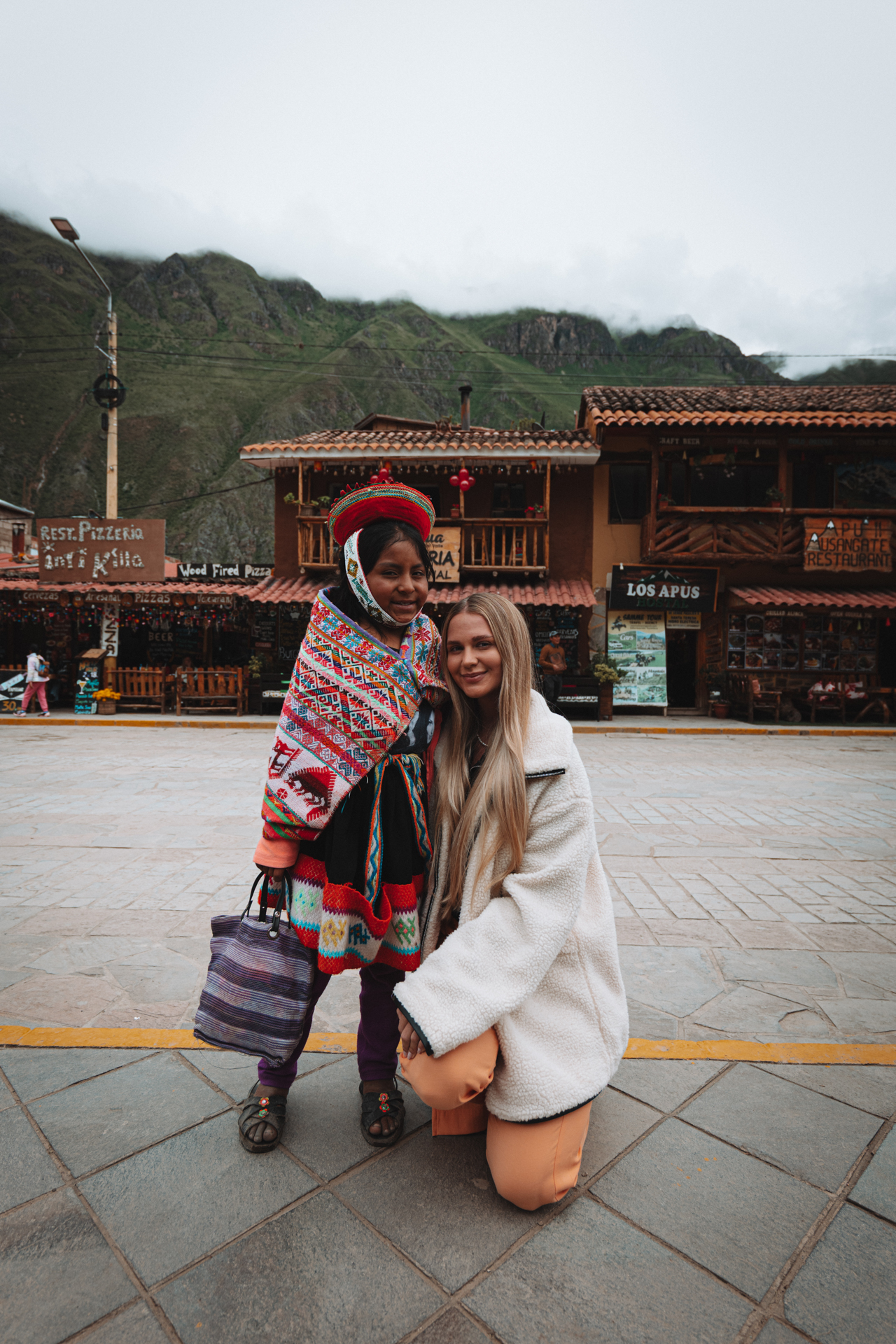 Ollantaytambo
6. Maras Salt Mines & Moray Terraces
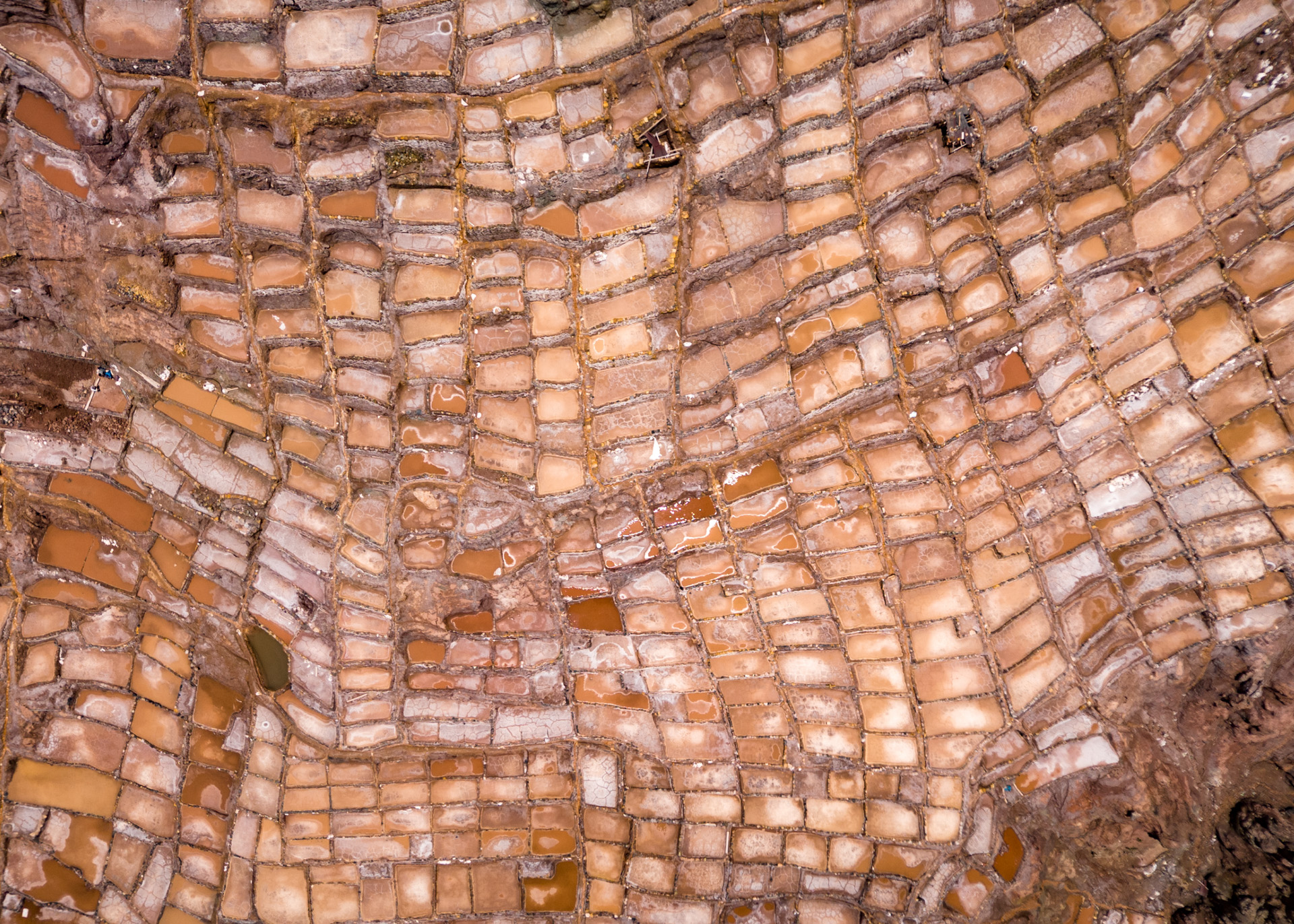
Explore the famous salt pools of Maras and the circular terraces of Moray. These sites highlight the Incas advanced agricultural knowledge and engineering, with Moray believed to have been an experimental farming center and Maras still actively producing salt today.
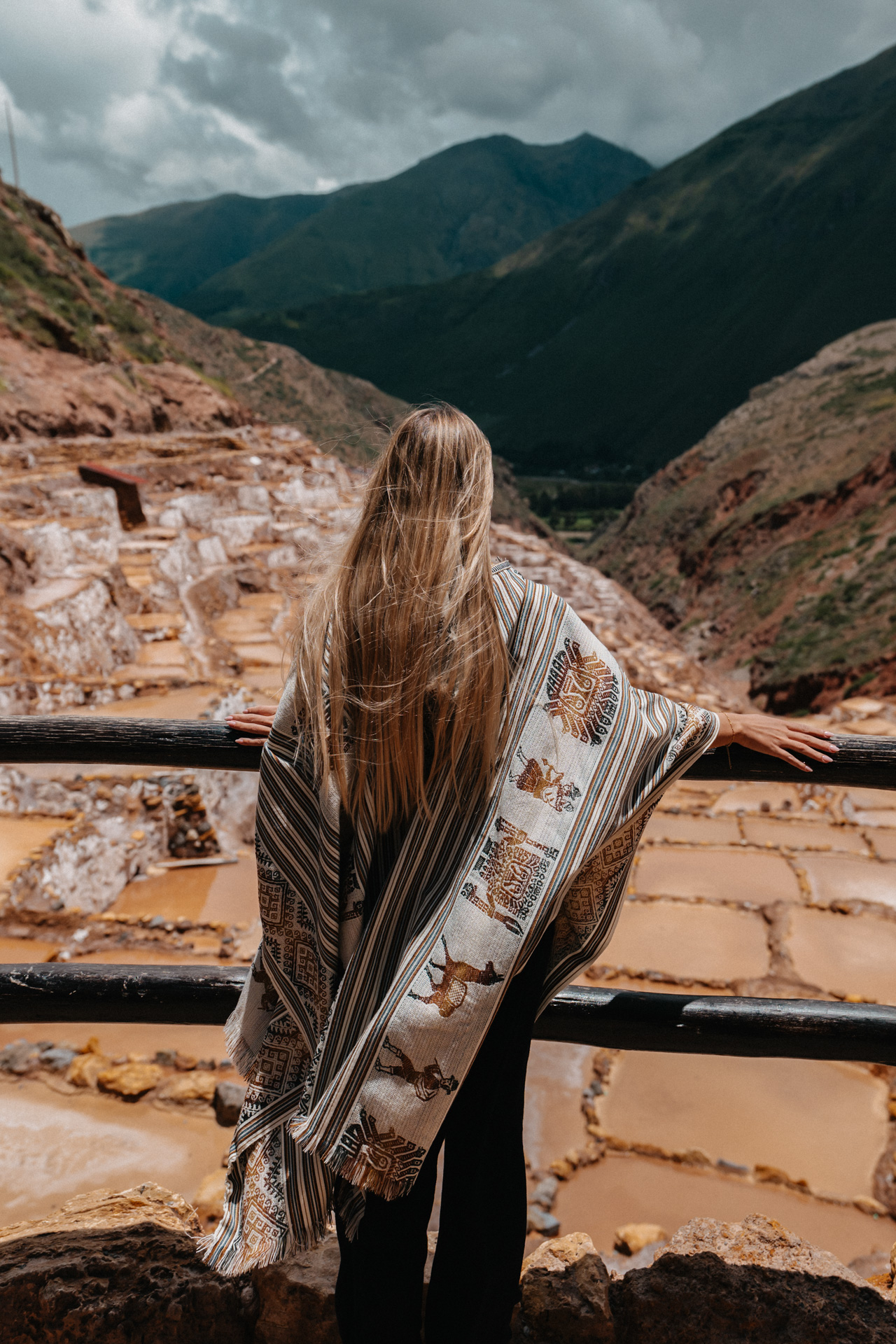 Maras Salt Mines
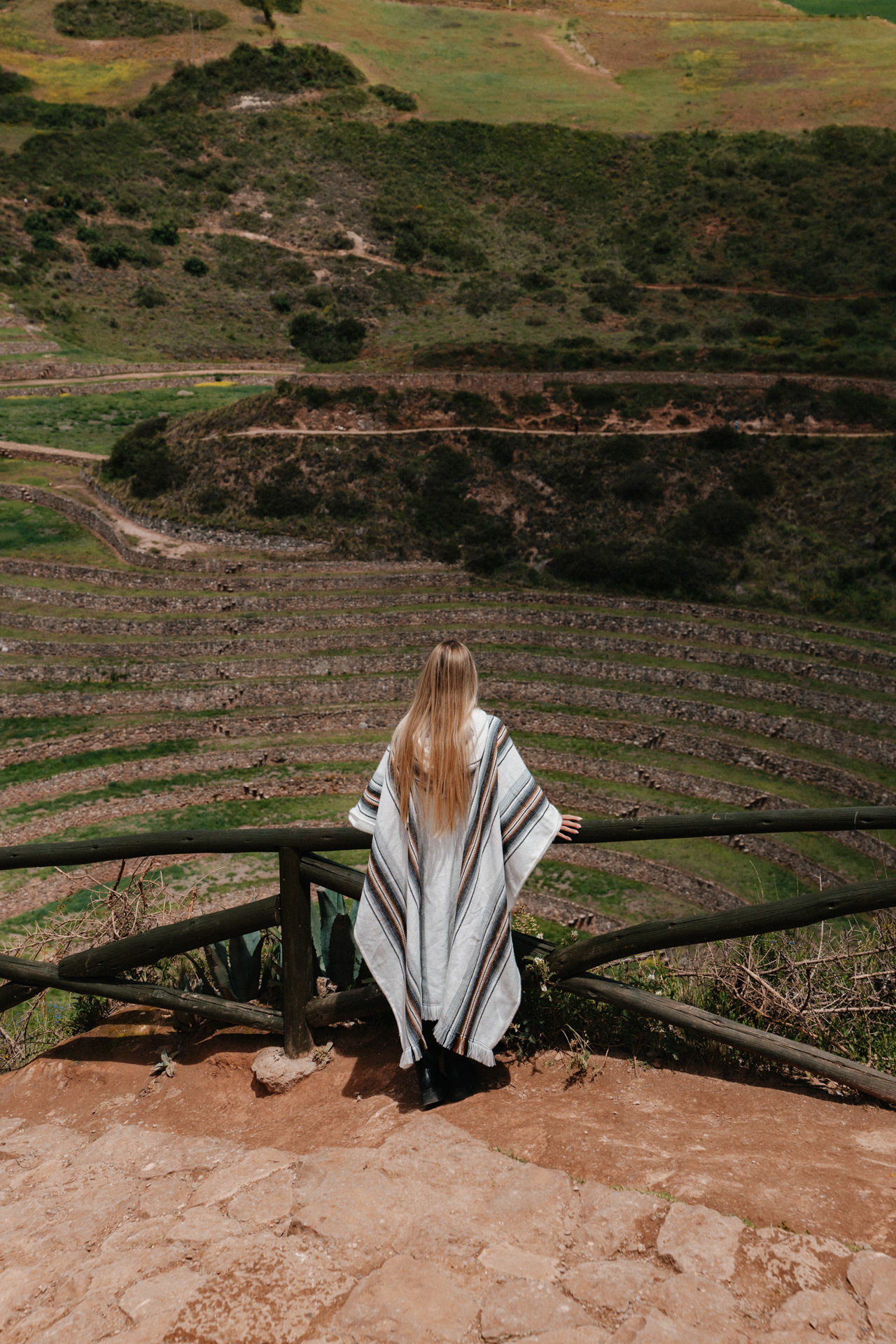 Moray Terraces
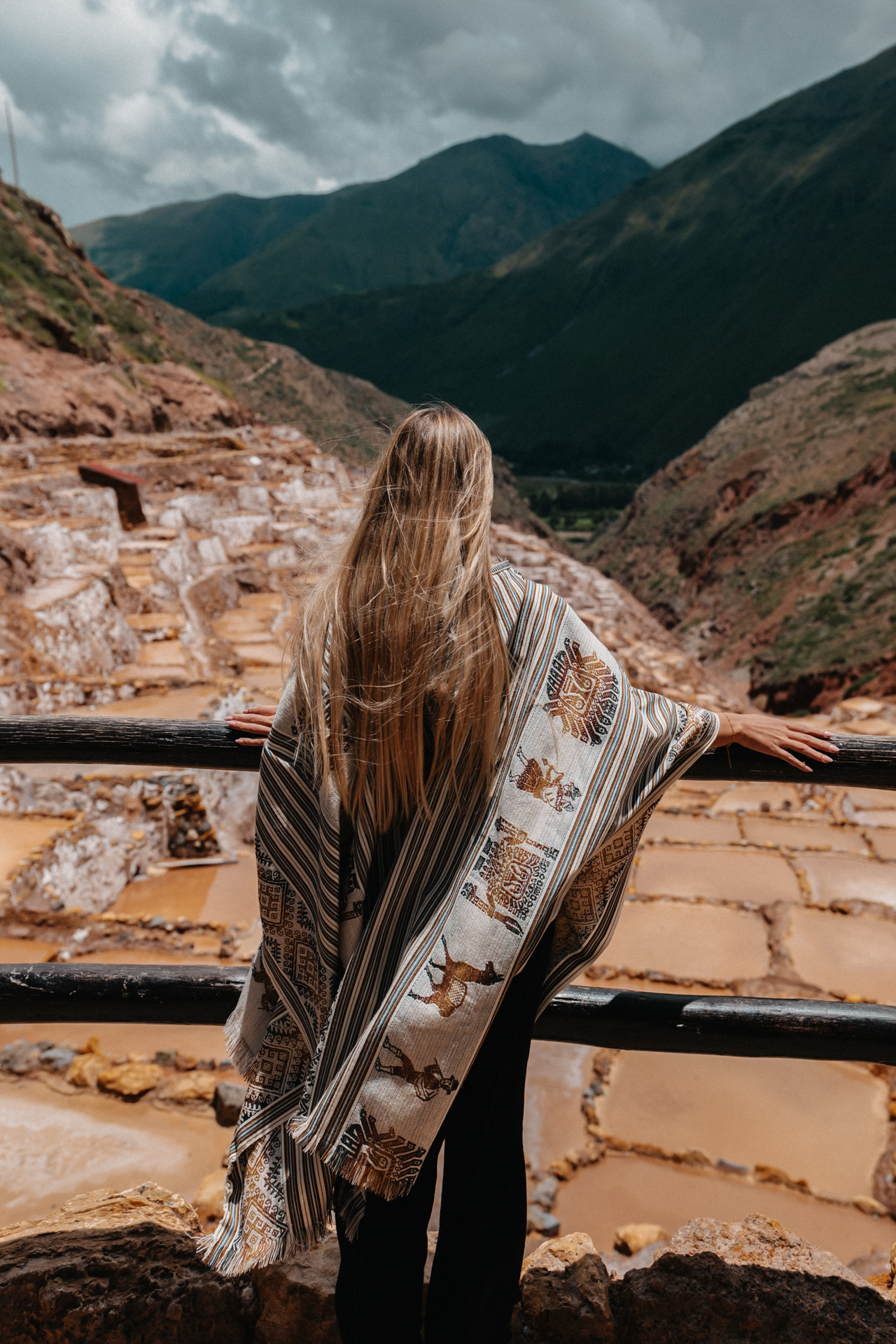 Maras Salt Mines
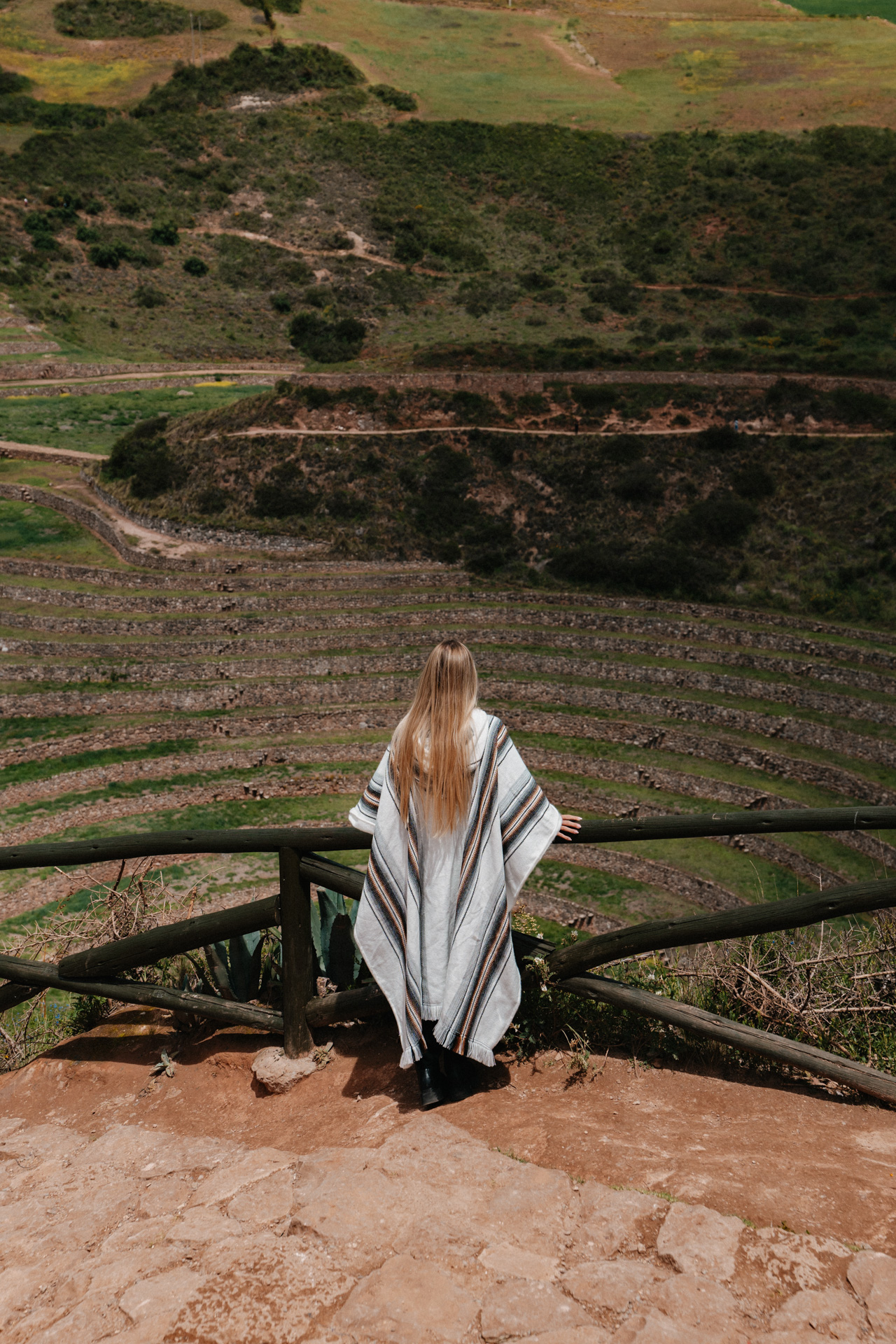 Moray Terraces
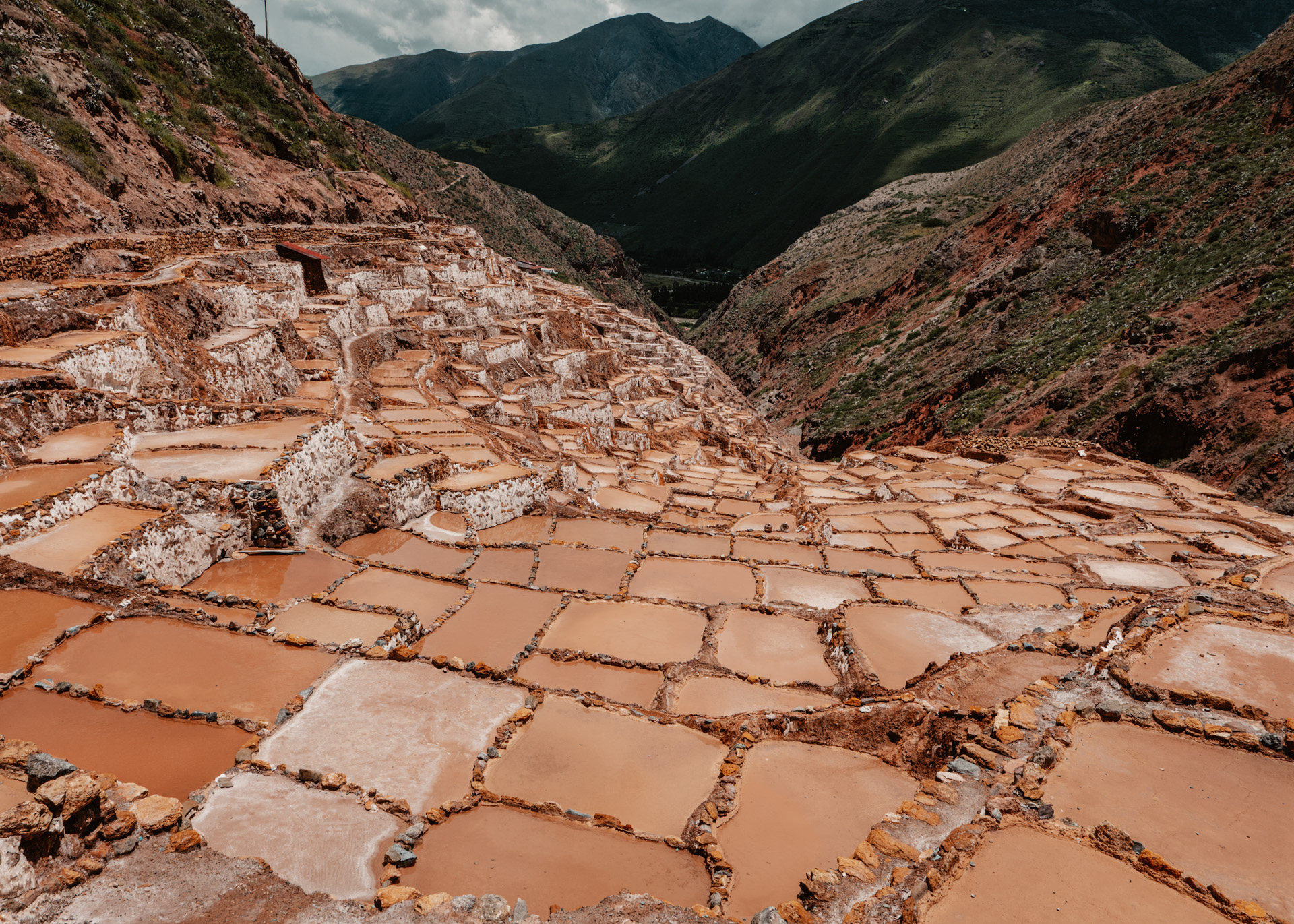 Maras Salt Mines
7. Take one of the most beautiful train journeys in Peru
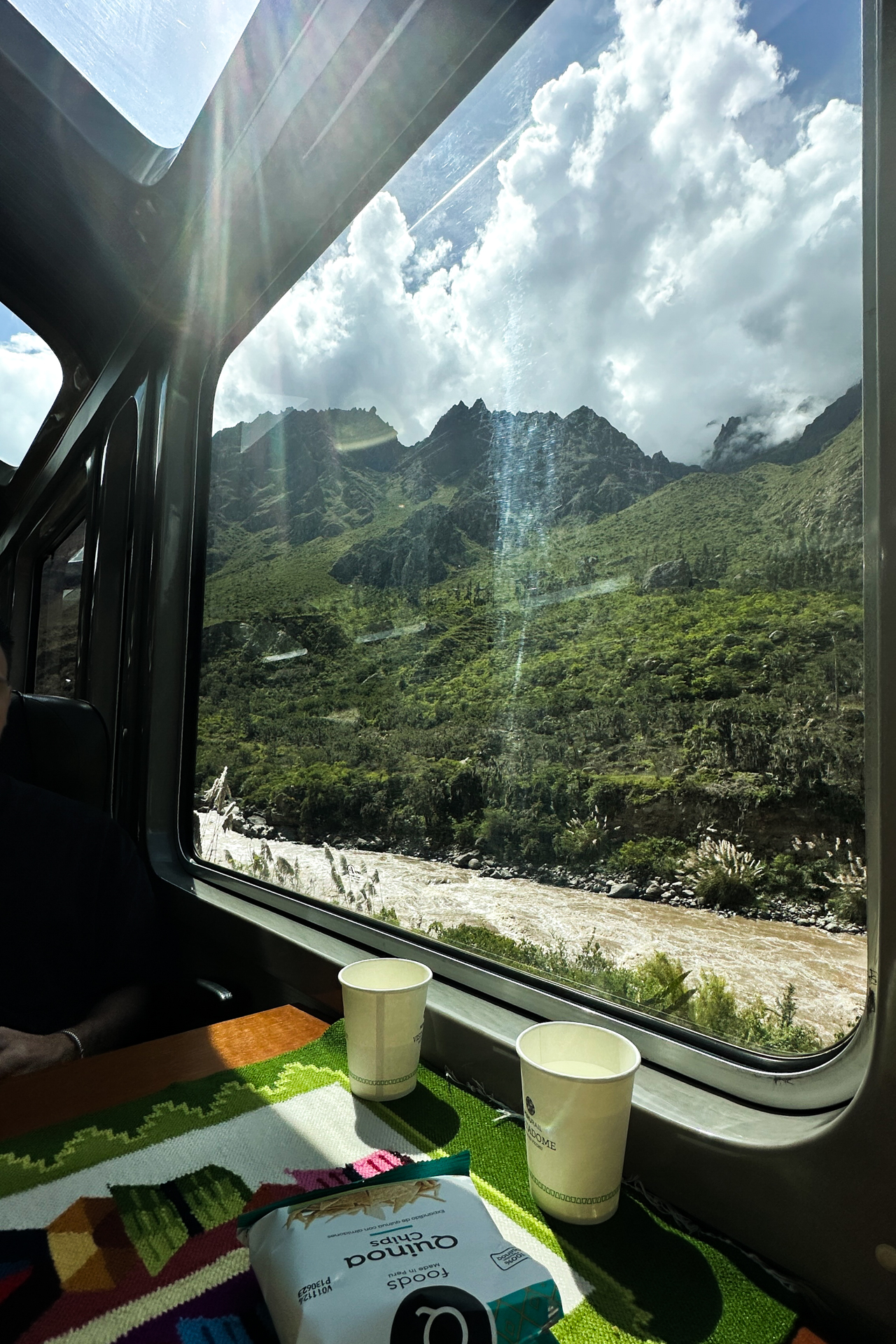
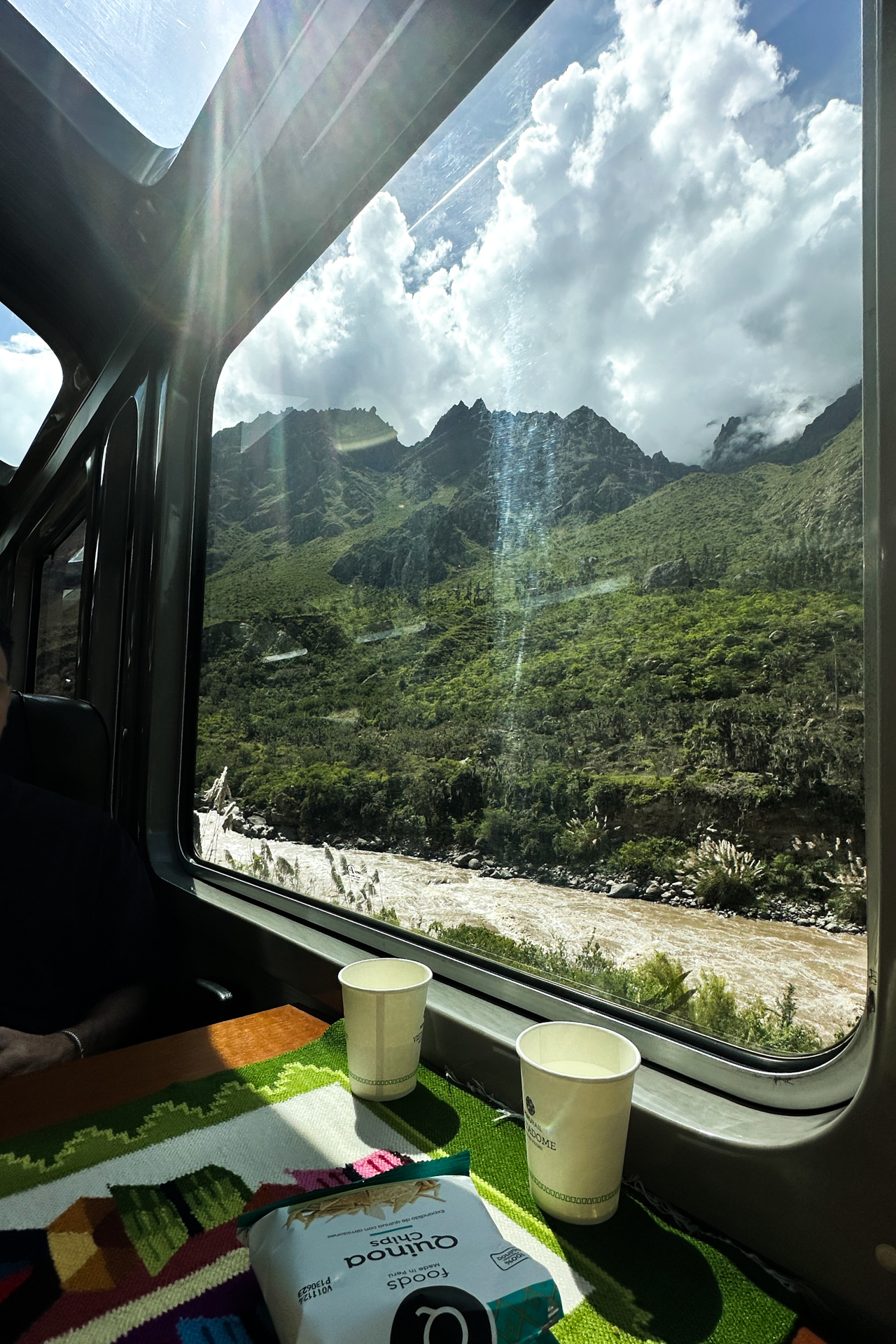
Aside from the beautiful train journey in Sri Lanka from Ella to Kandy, this is by far the most scenic and stunning train ride I’ve ever taken, leading all the way to the foot of Machu Picchu. The train carriages have large rooftop windows, allowing you to admire the towering mountain peaks from every angle.


8. Machu Picchu: An Ancient Incan City
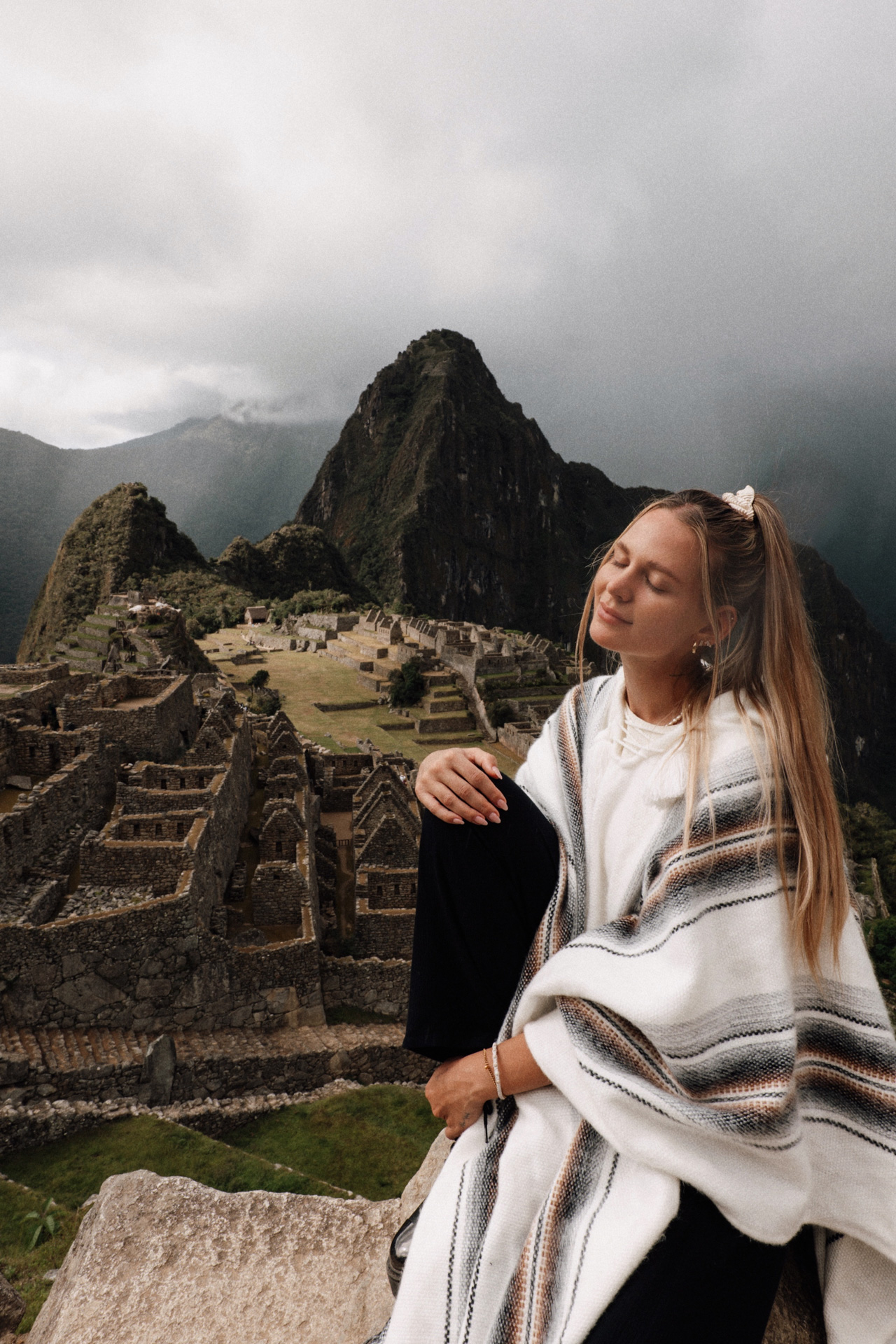
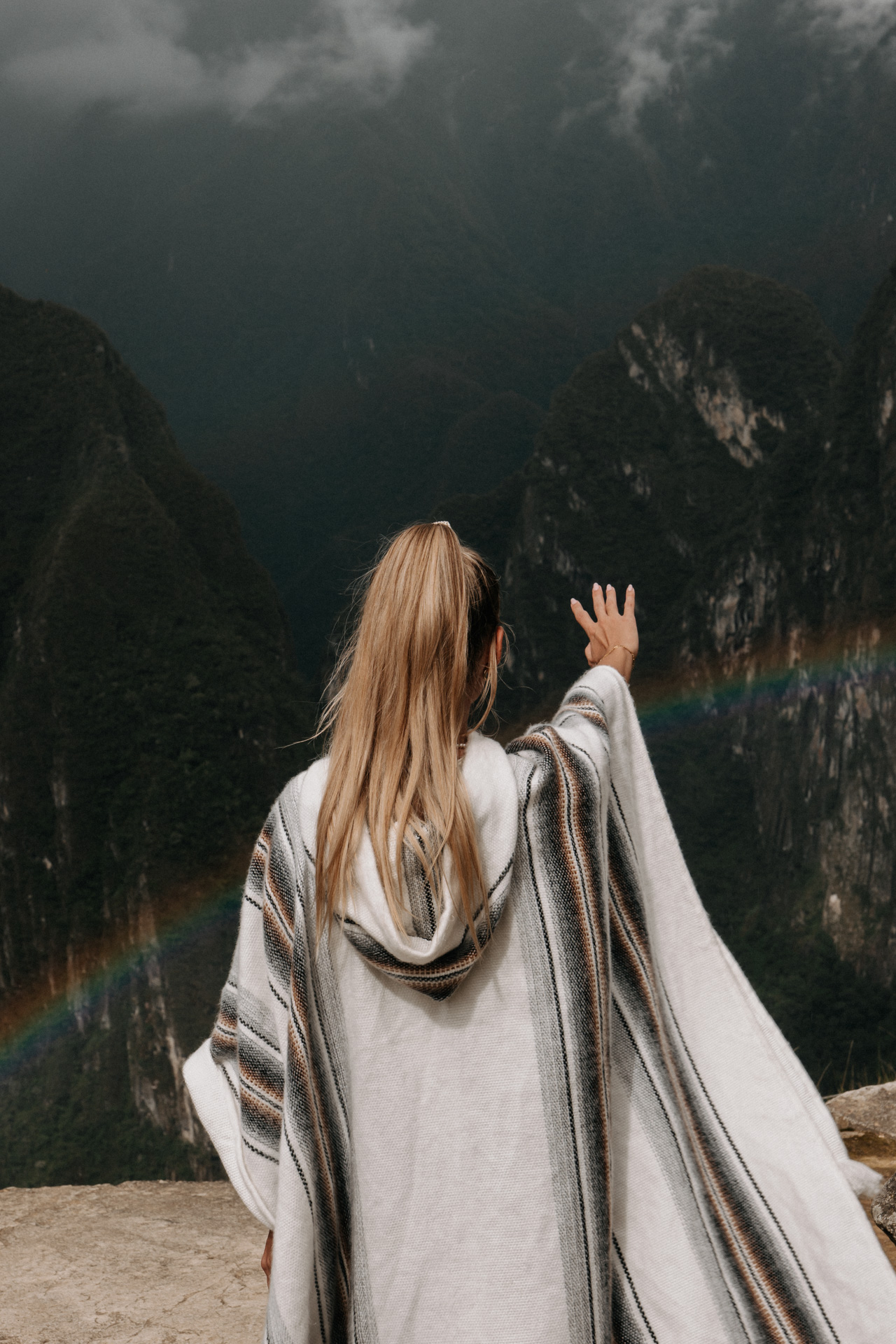
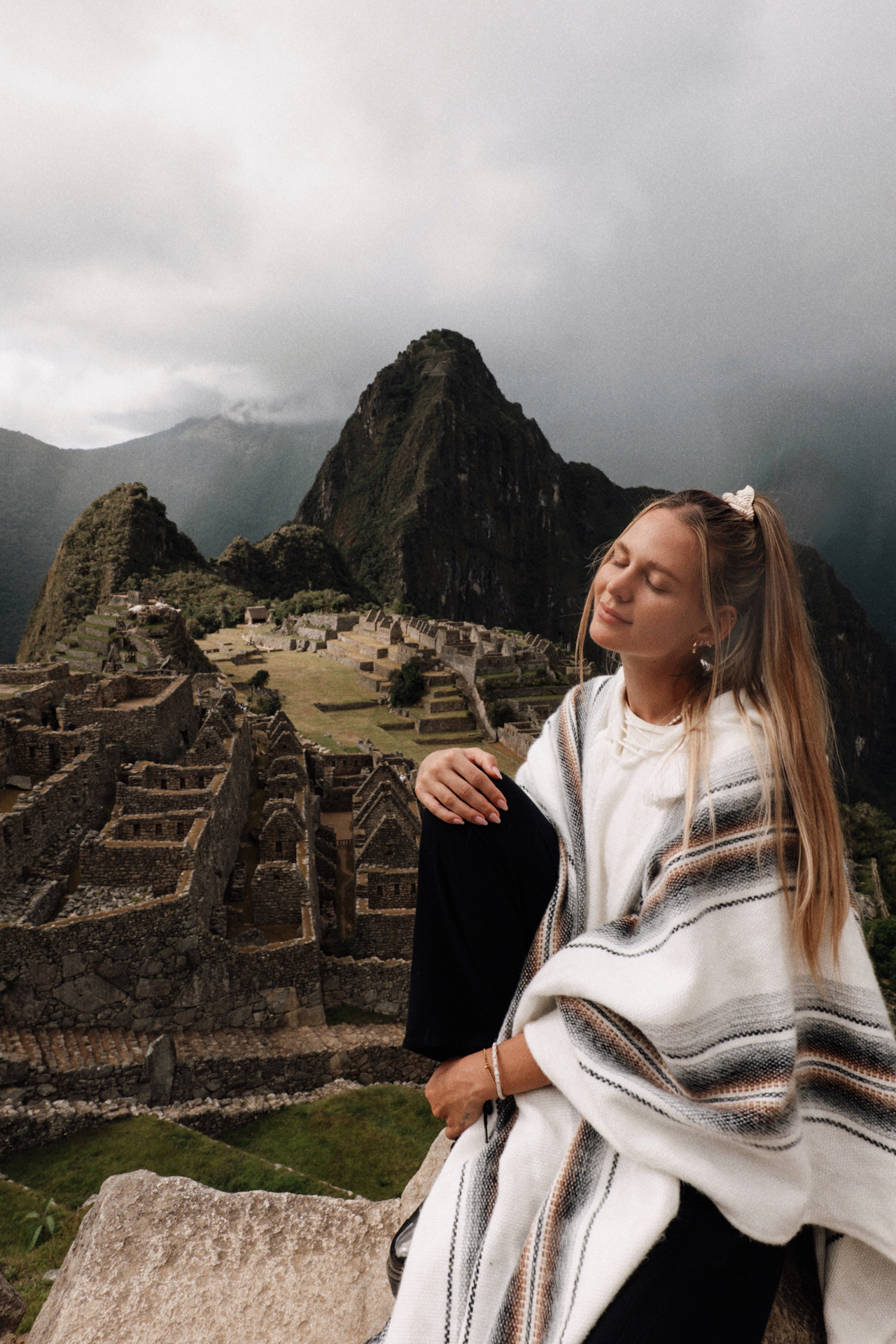
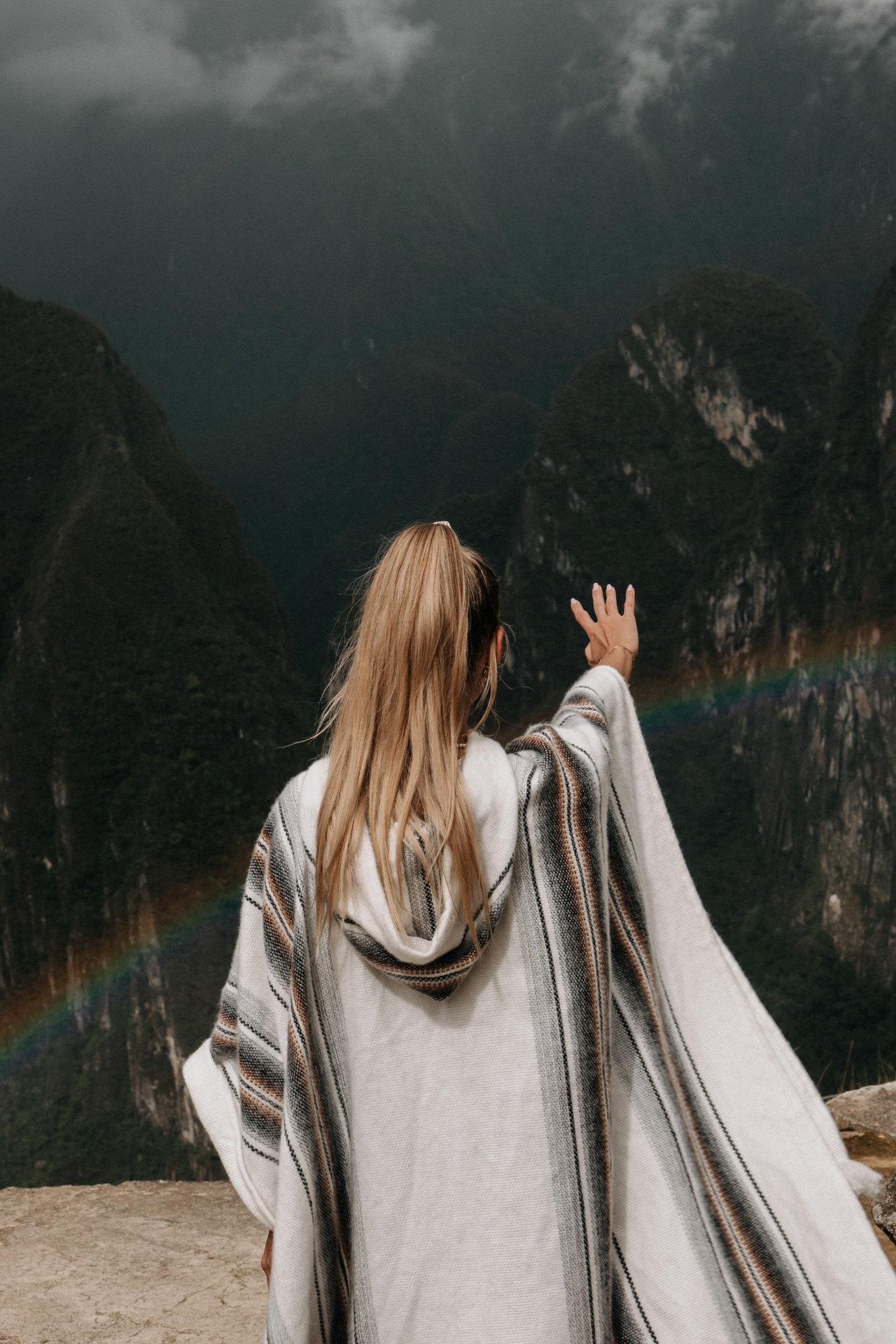
Peru’s most iconic destination and one of the New Seven Wonders of the World. Sitting high in the Andes, Machu Picchu is a centuries-old Inca site surrounded by mountains and misty forest. The fact that the Incas carried enormous stones up here without modern tools makes it even more incredible. It’s a place that shows what humans are capable of, and one you shouldn’t skip on a trip to Peru.
Aguas Calientes is the gateway town to Machu Picchu, surrounded by lush jungle and dramatic mountain scenery. It serves as a convenient, relaxed base before or after visiting the ruins, with restaurants and easy access to the entrance and train station.
9. Take Part in a Pachamama Cultural Ceremony
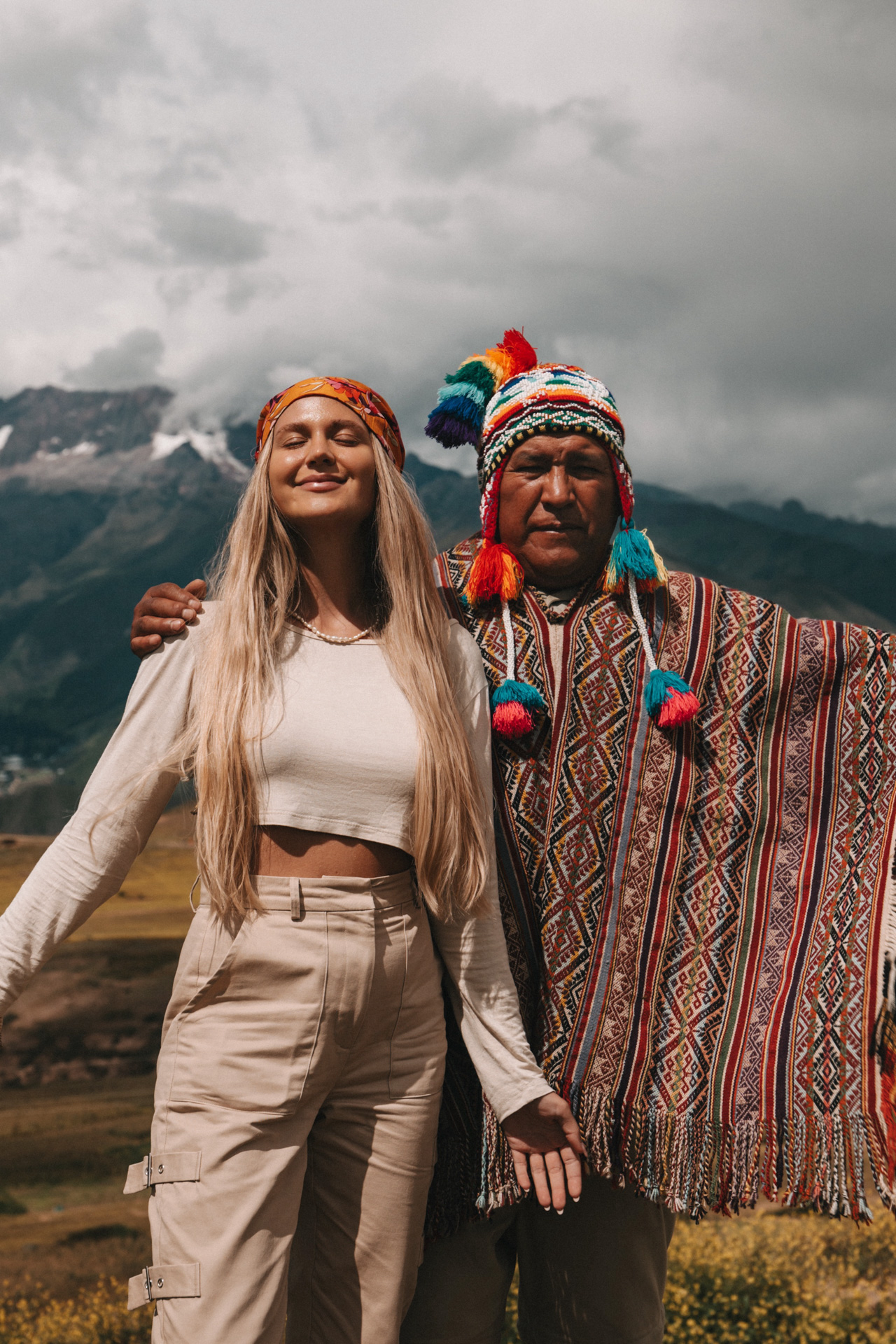
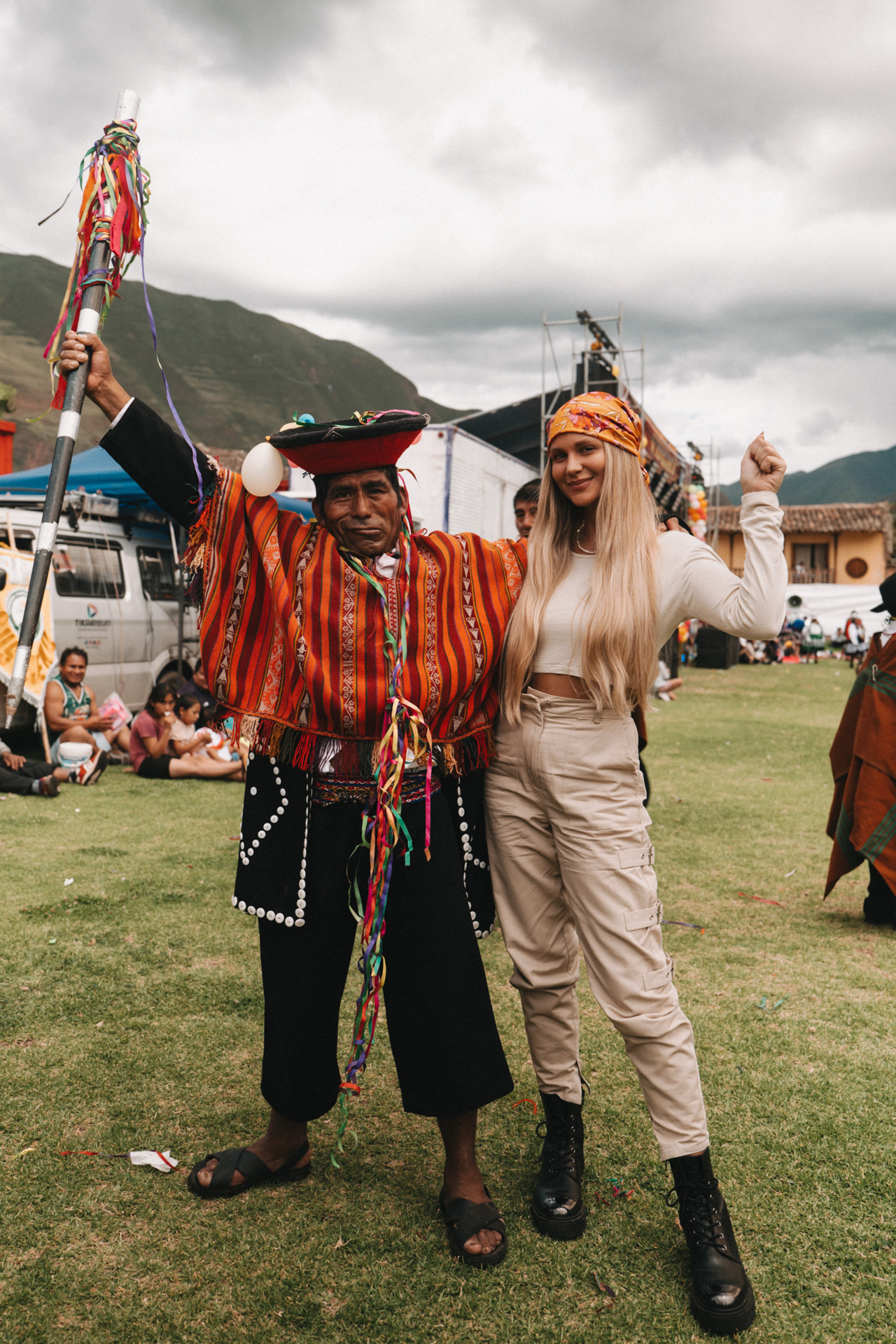
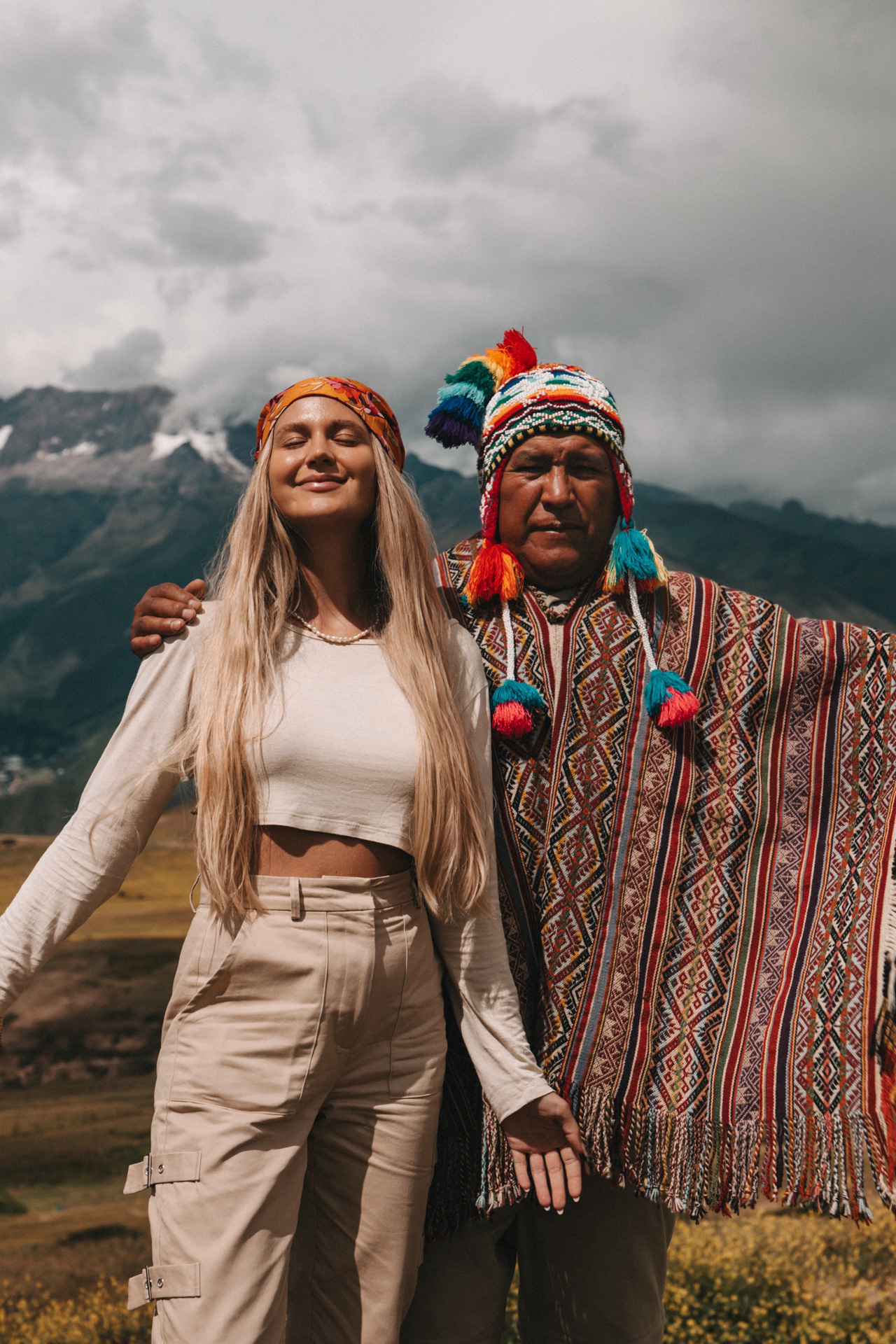
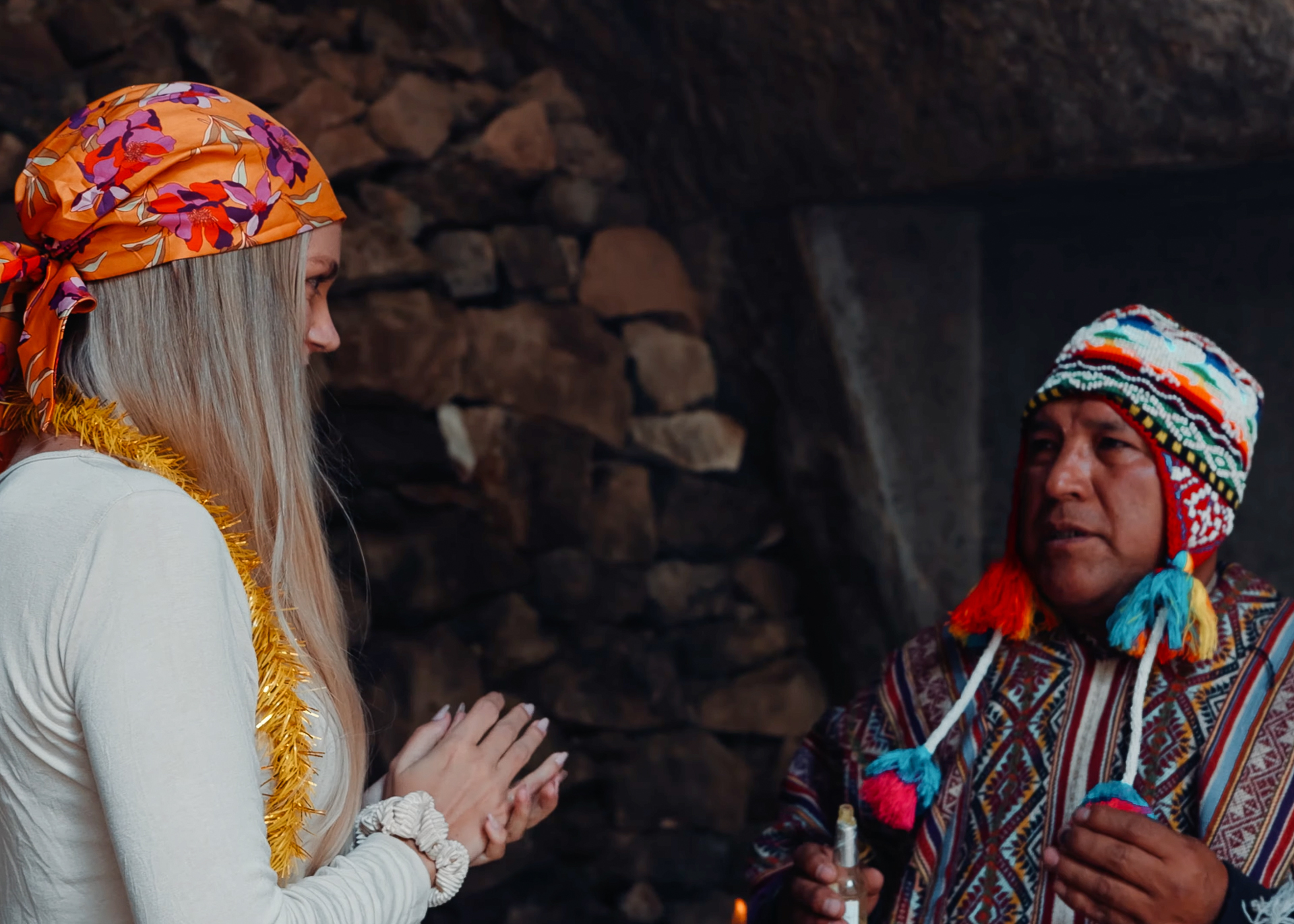
Experience a traditional Andean ceremony honoring Pachamama (Mother Earth) — a deeply spiritual ritual centered around gratitude, balance, and connection to nature. I personally took part in a private Pachamama ceremony, and it was a grounding, meaningful experience that added a completely different layer to my time in Peru.
The Sacred Valley is the most common and authentic place for ceremonies, led by Andean shamans (paqos) who still practice traditional rituals passed down through generations. Ask local guides or your accommodation to connect you with a real paqo or shaman.
10. Wander the Cobblestone Streets of Cusco
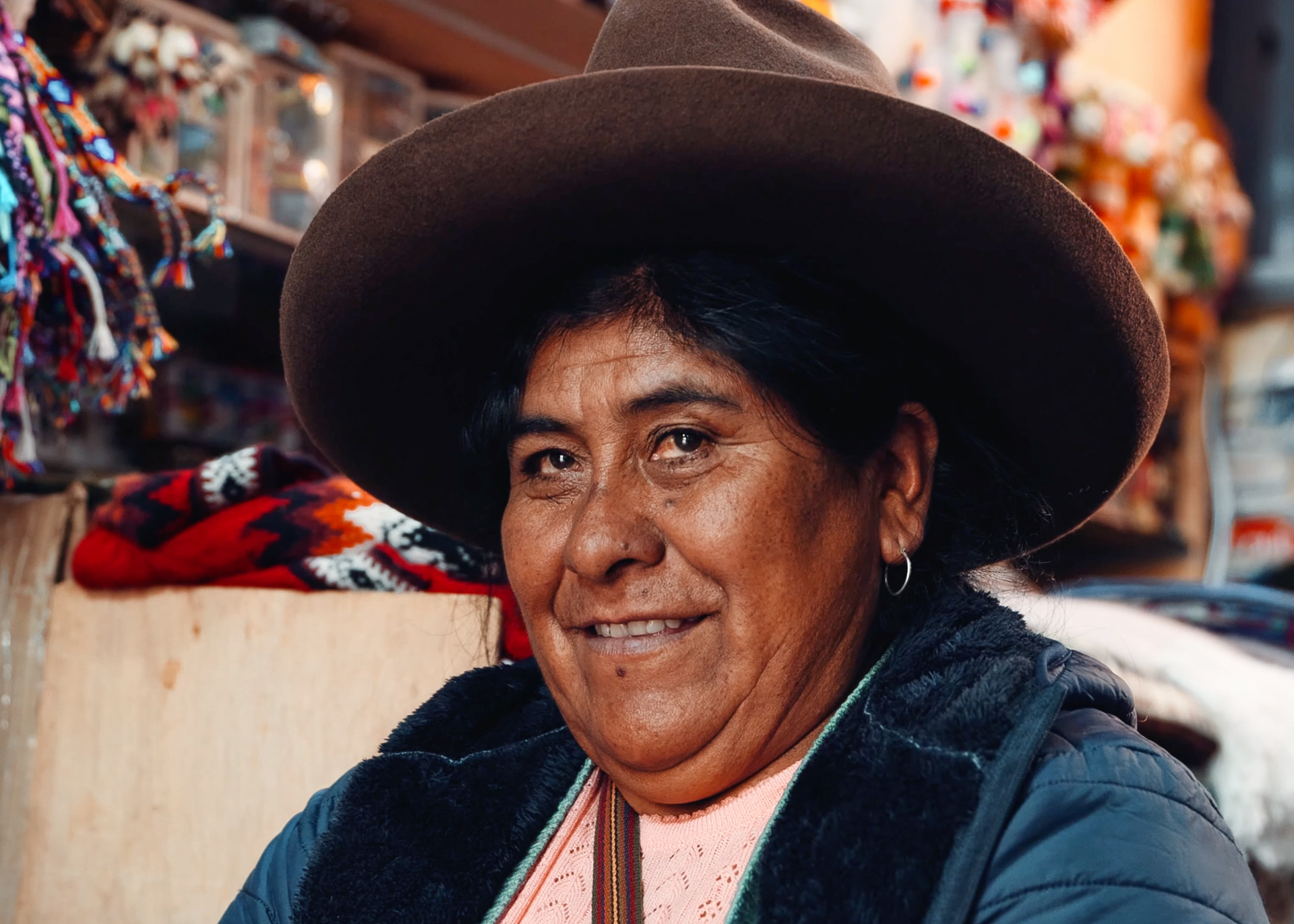
Once the capital of the Inca Empire, Cusco is one of the most popular and rewarding places to visit in Peru. Stroll through narrow cobblestone streets, lively plazas, local markets, and historic architecture that blend Inca stonework with Spanish colonial influences.




11. Huacachina Desert Oasis & Sand Dunes
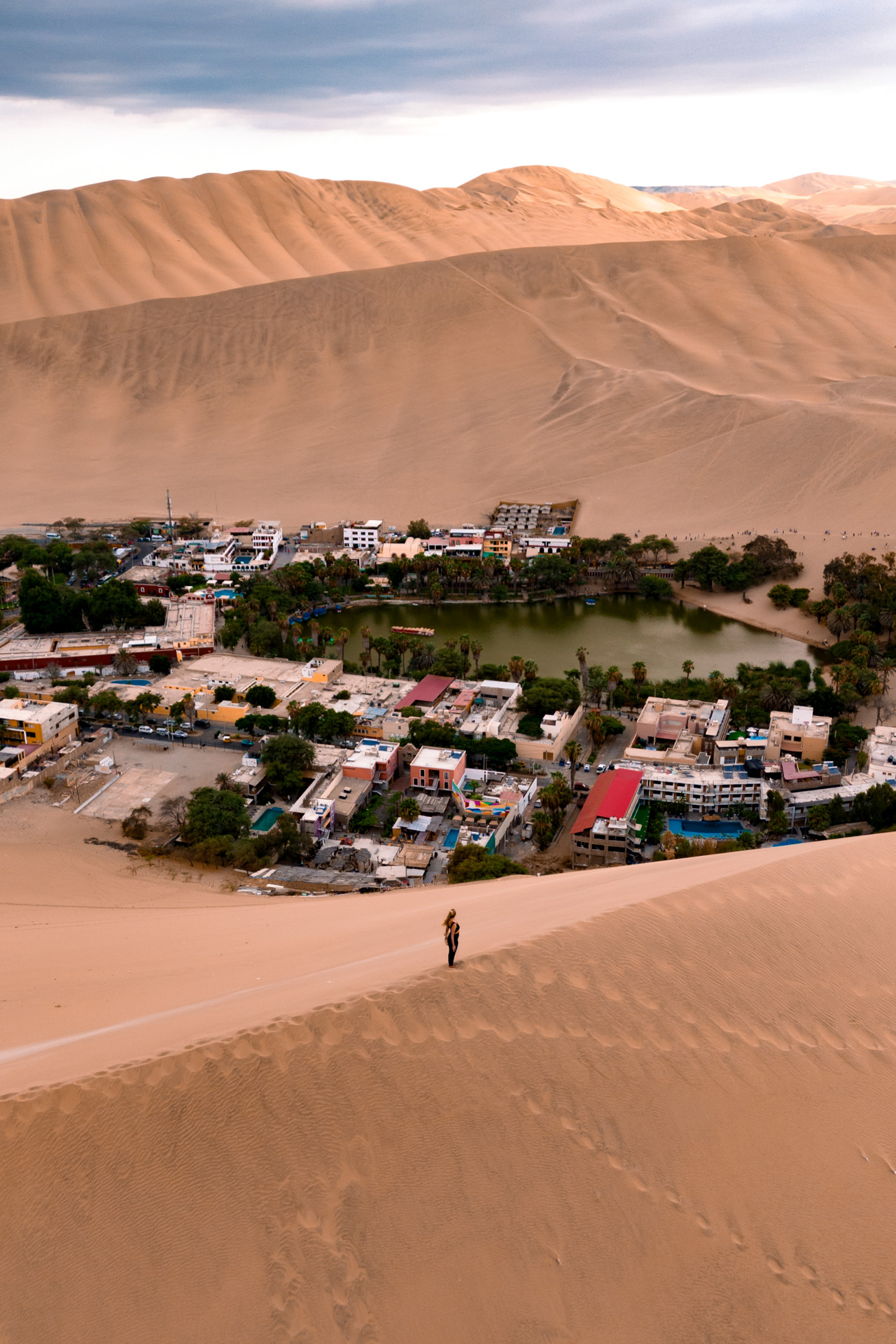
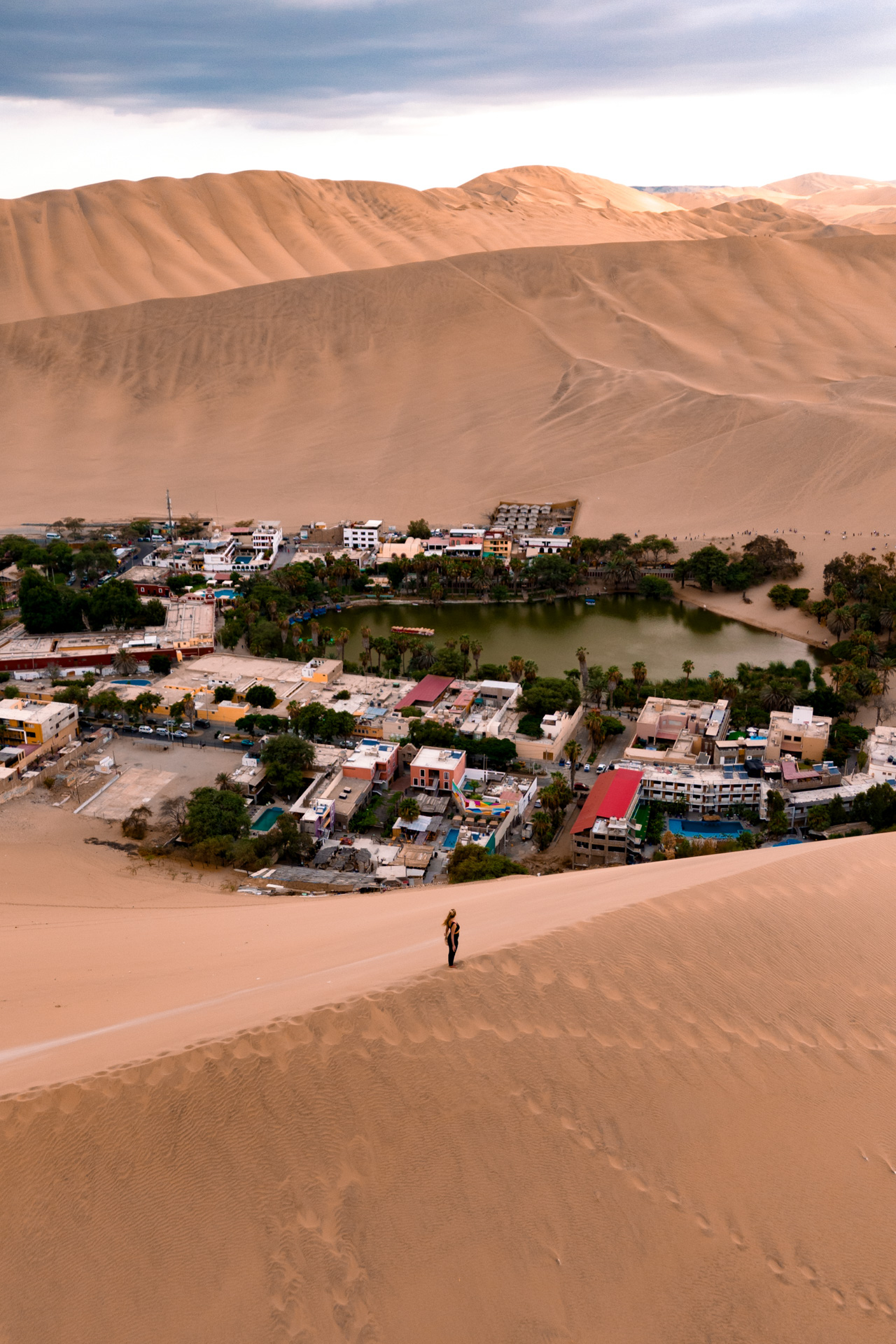
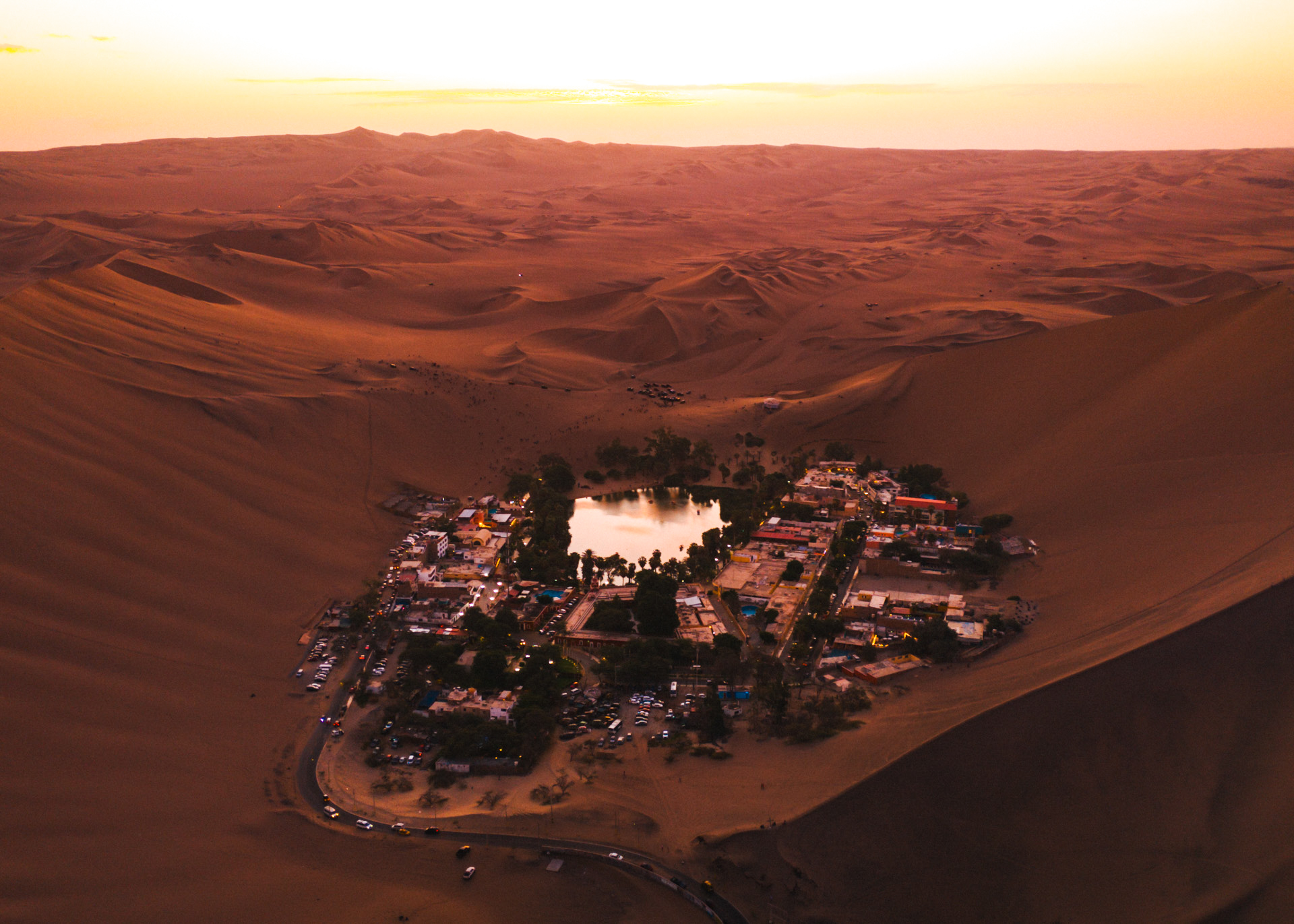
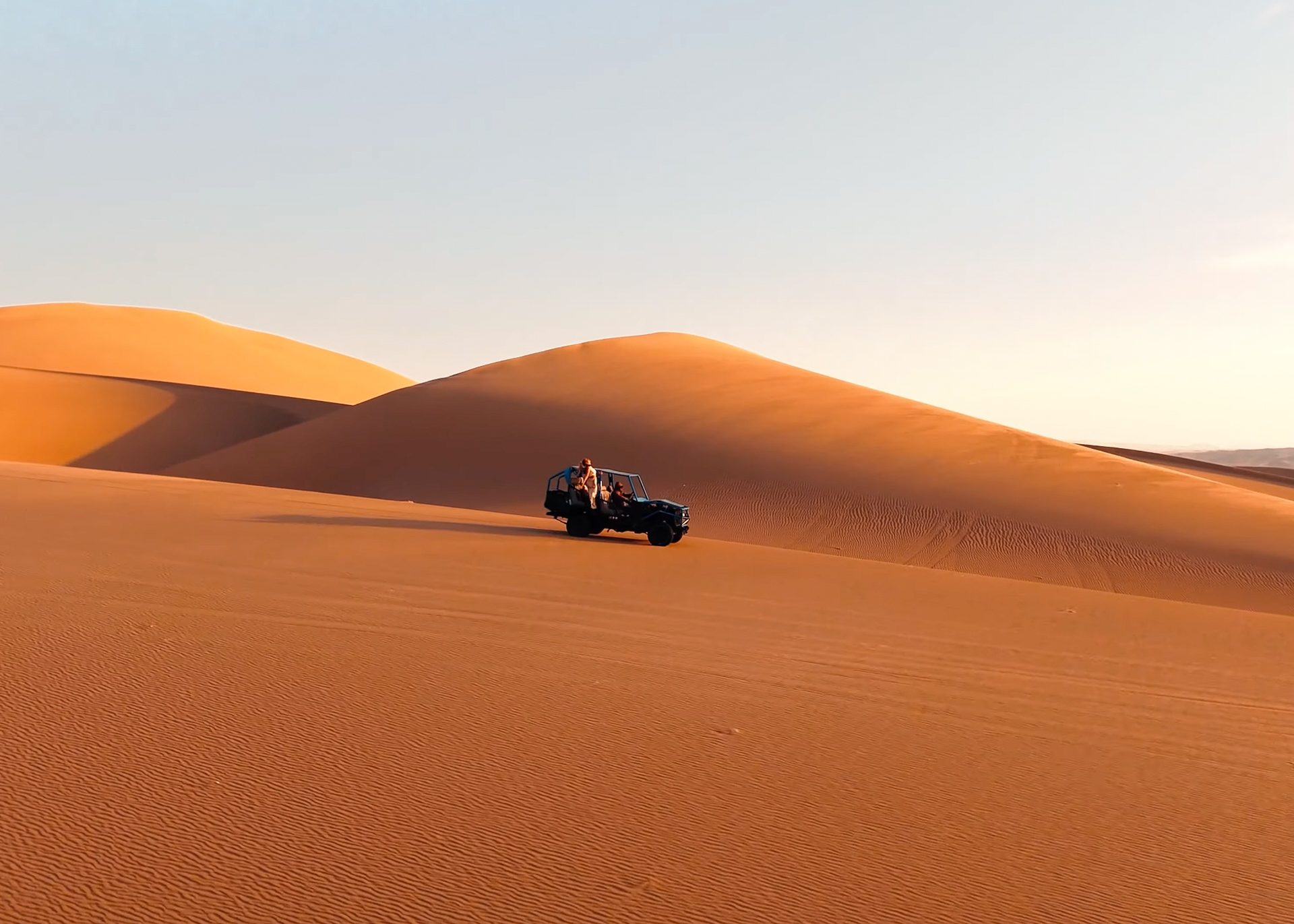
Home to the highest sand dunes in South America, this small oasis village sits around a palm-lined lagoon, creating the feeling of being worlds away from the surrounding desert. Go dune buggying, sandboarding, or simply enjoy sunset views over the desert.


12. Paracas & the Ballestas Islands
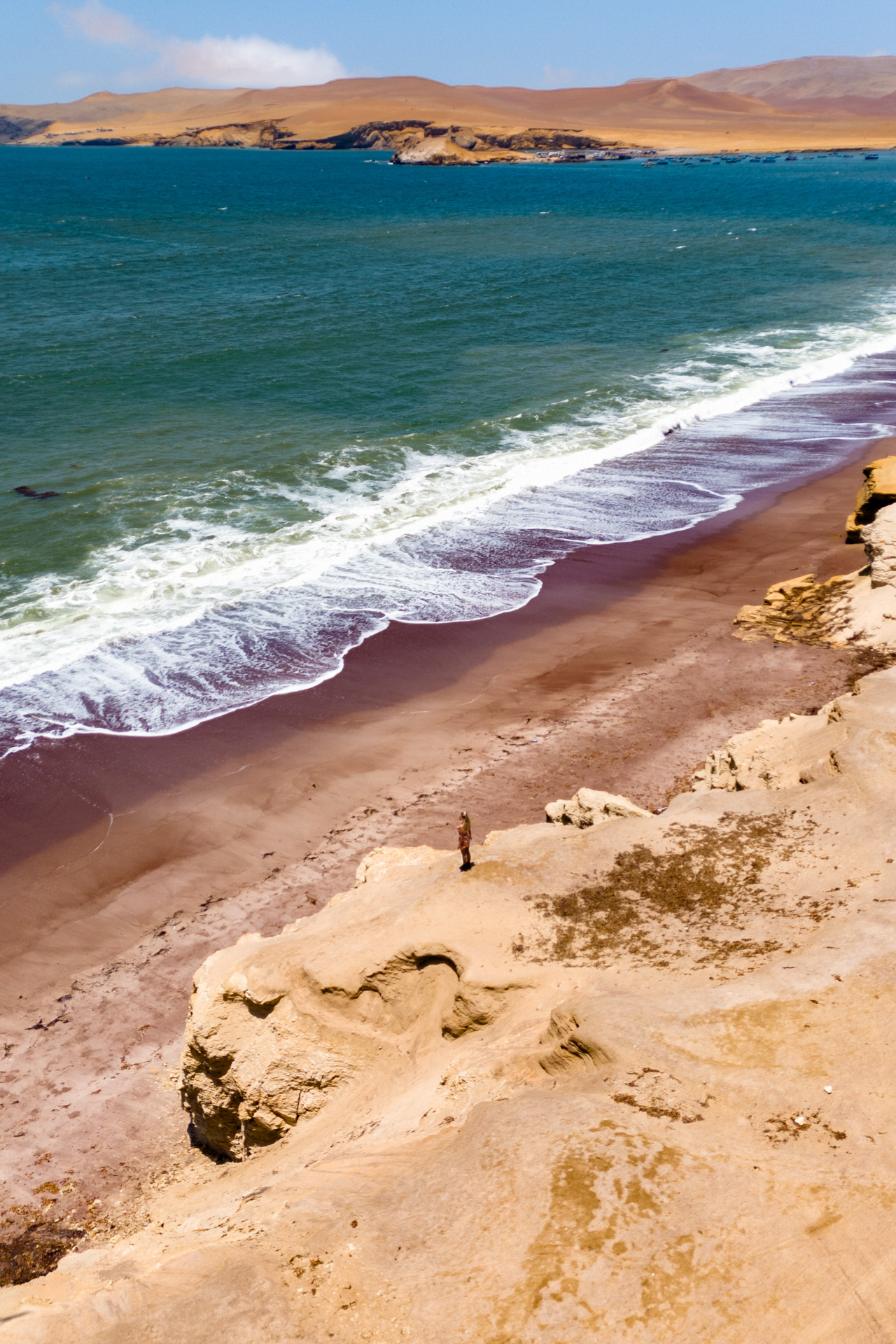
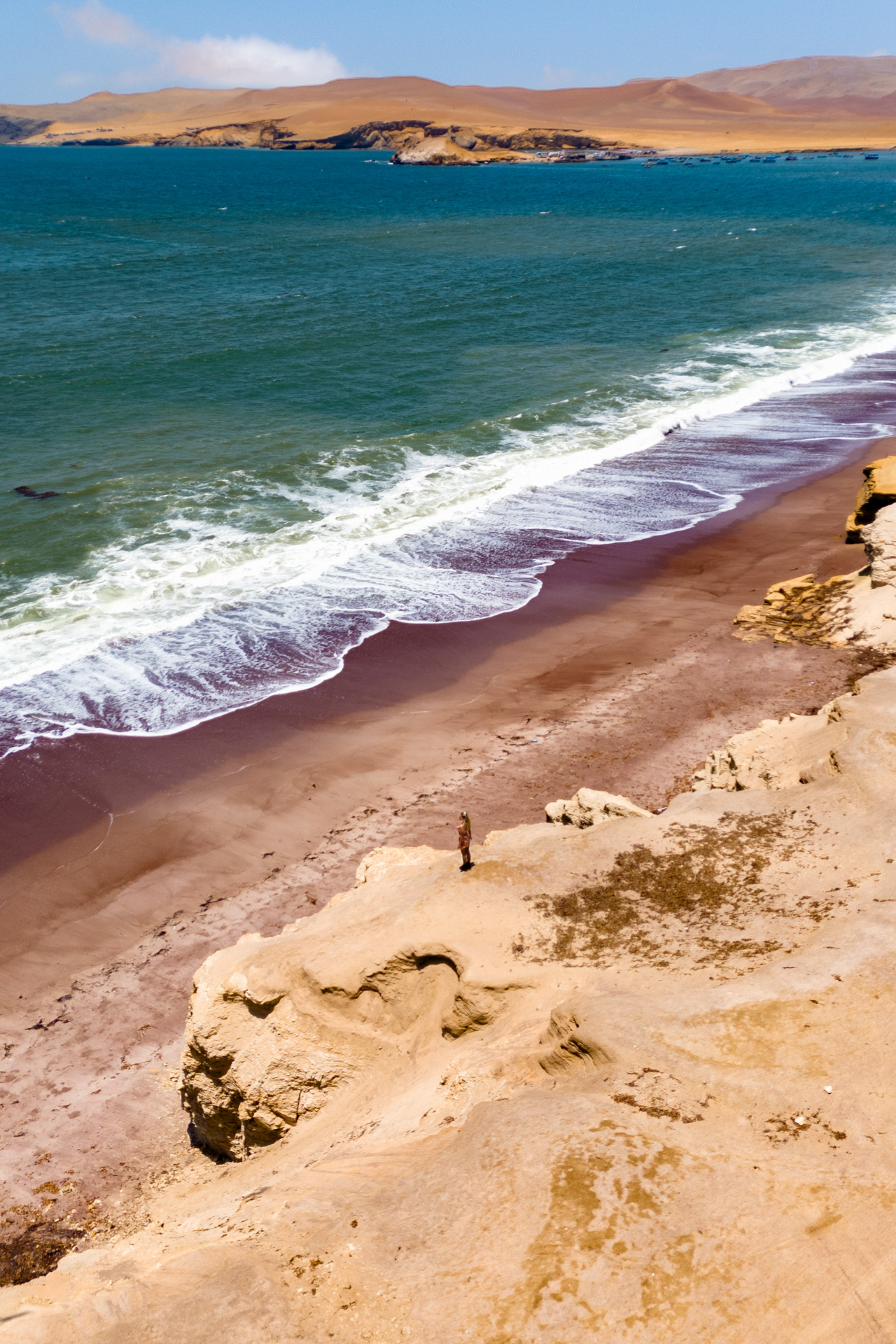
Visit Paracas National Reserve, where dramatic desert landscapes meet the Pacific Ocean. While here, don’t miss Playa Roja, a surreal red-sand beach that contrasts beautifully with the ocean. Take a boat tour to the Ballestas Islands, home to incredible wildlife including sea lions, penguins, dolphins, and countless seabirds circling above rugged coastal cliffs.


13. Explore Lima’s Neighborhoods
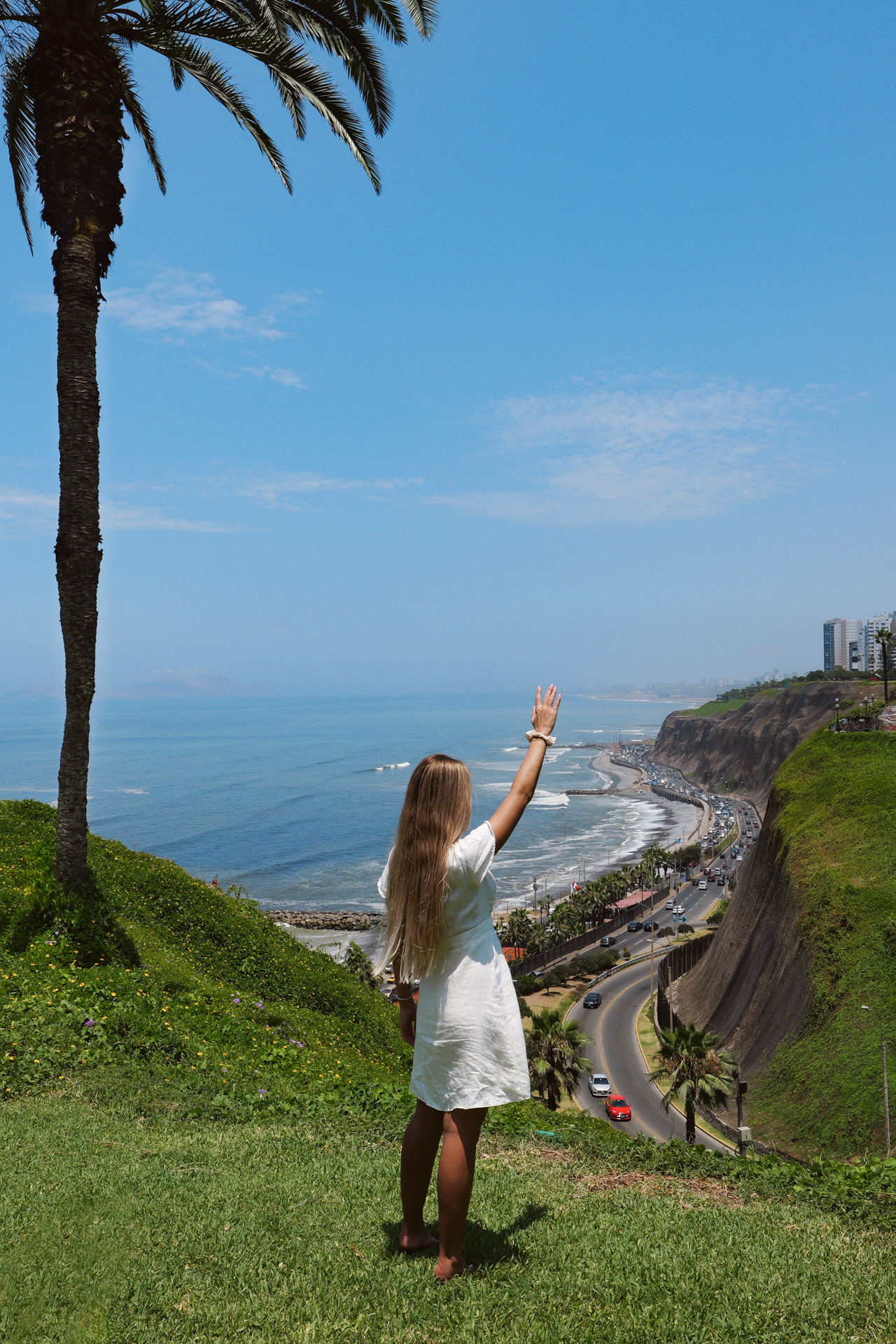
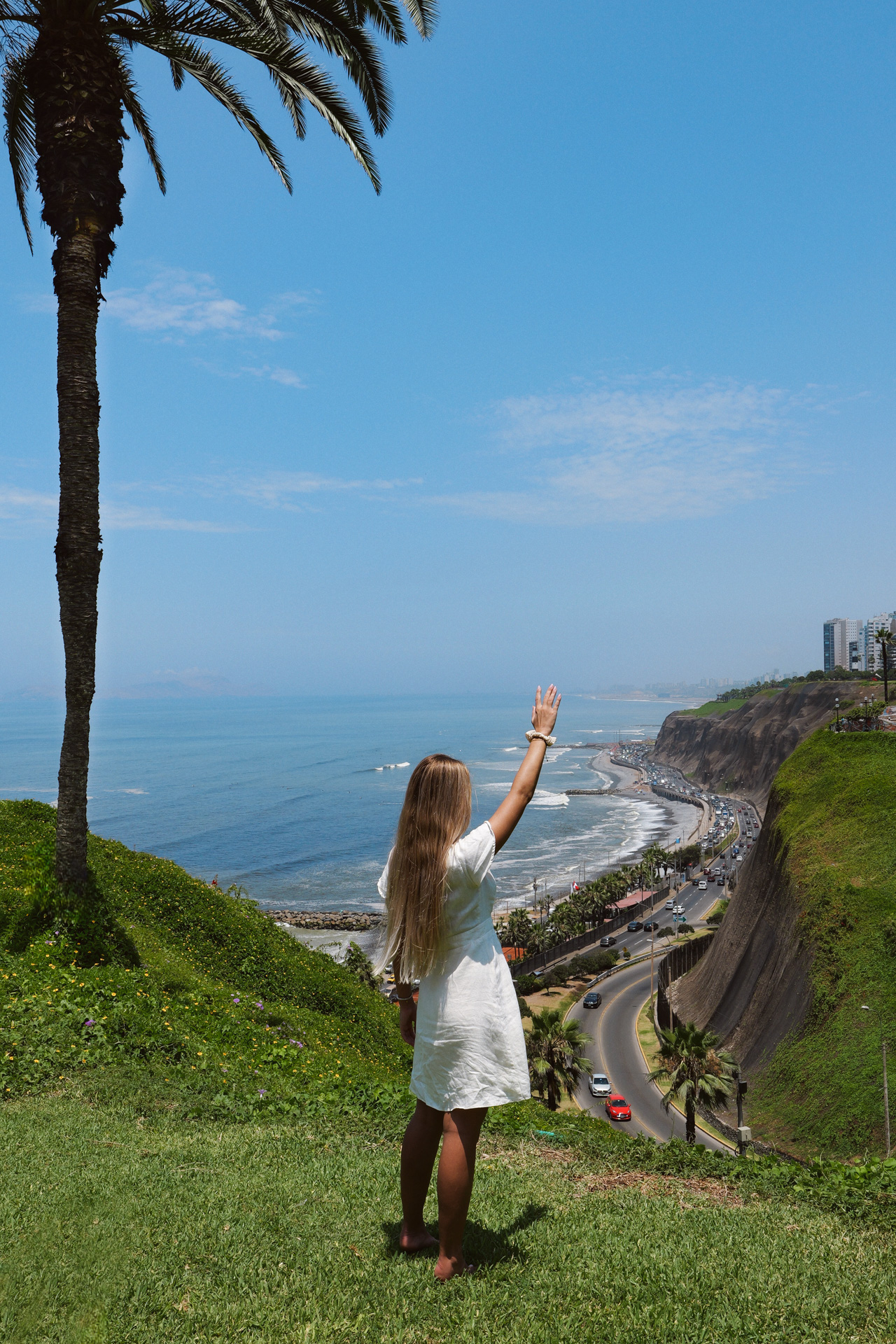
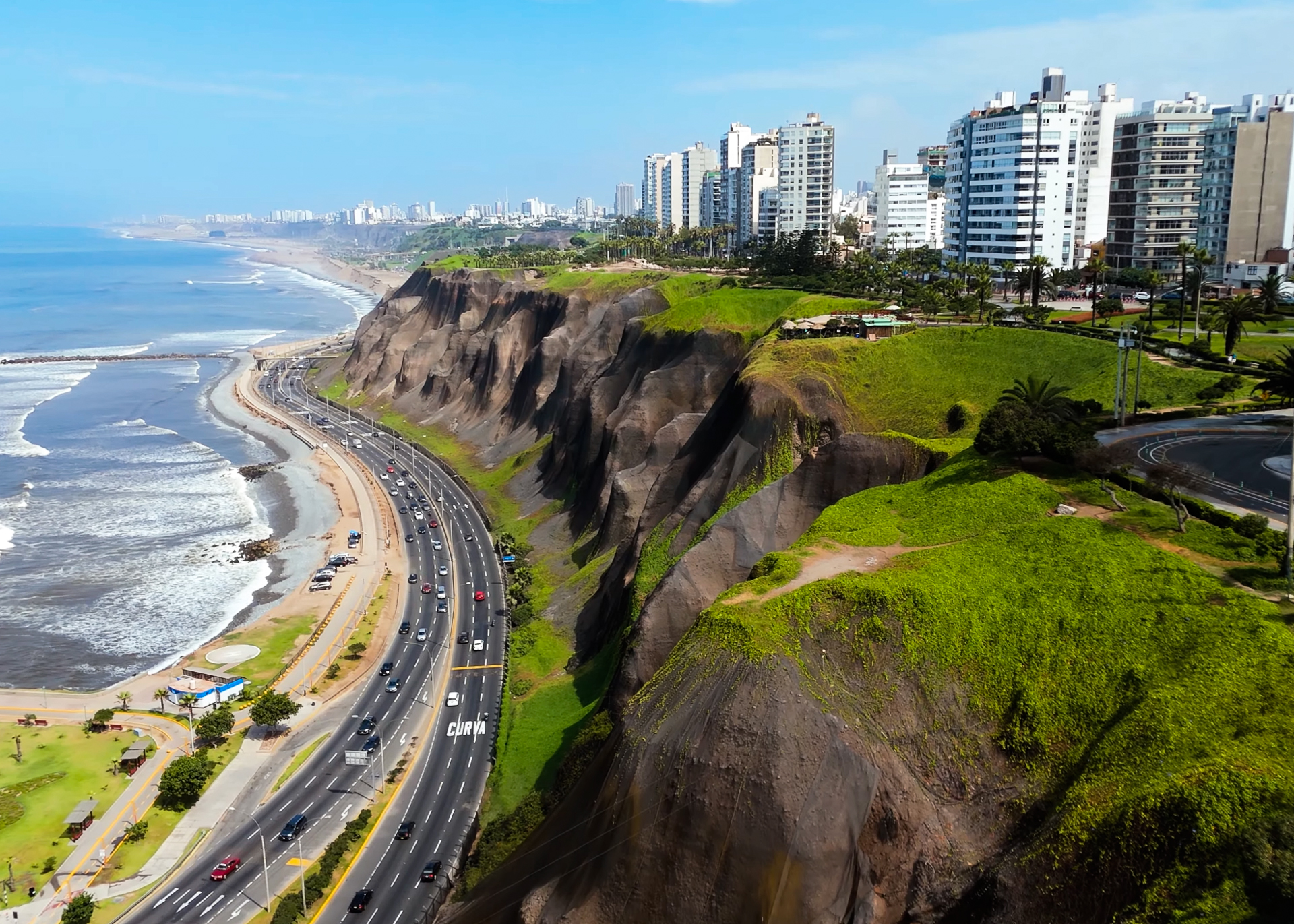
Don’t skip the capital of Peru! Lima offers a mix of coastal views, culture, and creativity. Stroll along the oceanfront paths of Miraflores, wander through Barranco’s colorful streets filled with murals and cafés, and explore the historic center with its grand colonial buildings and lively squares.
 Miraflores Coastline
 Miraflores
 Miraflores Coastline
 Miraflores
With its flat layout and seaside setting, Lima is ideal for cycling past green parks, dramatic cliffs, and some of the city’s best street art. But if you are up for more adrenaline instead, try paragliding over the coast or catching waves while surfing, two of the most popular activities in Lima.
 Barranco
 Barranco
 Barranco
 Barranco
Top Places to Stay
Where to Stay in Peru
Staying in Peru offers a wide range of accommodation options, from charming boutique hotels in historic city centers to cozy lodges surrounded by nature. In cities like Cusco and Lima, you’ll find comfortable hotels with easy access to major sights, restaurants, and transport. In more remote areas such as the Sacred Valley or near Machu Picchu, lodges and eco-stays offer a more immersive experience.
In Lima, it’s best to stay in Miraflores or Barranco. Miraflores is ideal if you want easy access to the coast, parks, restaurants, and shopping, while Barranco offers a more artistic and laid-back vibe with colorful streets, cafés, and a great nightlife scene. Both areas are safe, walkable, and well connected, making them the most convenient bases for exploring the city.
Popular bases in the Sacred Valley include Ollantaytambo and Urubamba, both well connected and surrounded by beautiful scenery.
For Cusco, I personally would recommend the San Blas neighborhood. It’s a charming, safe, and slightly quieter area within walking distance of the city center.

My Top Picks
Bogliasco has a range of great places to stay, from cozy seaside guesthouses to charming boutique hotels with stunning sea views. Here are a few of my top picks:
Hotel XXX
via Booking.com
Hotel XXX
via Booking.com
More Hotels
via Booking.com
Where to Eat & Sip
Best Cafés & Restaurants Peru
Eating in Peru is diverse, flavorful, and deeply connected to its regions. From world-class restaurants and casual cafés in Lima to small family-run eateries in the Andes and Sacred Valley, meals often reflect local ingredients, traditions, and climate.
Cusco
 Greenpoint
 Matcha Verde
 Greenpoint
 Matcha Verde
 Cappuccino Cusco Cafe
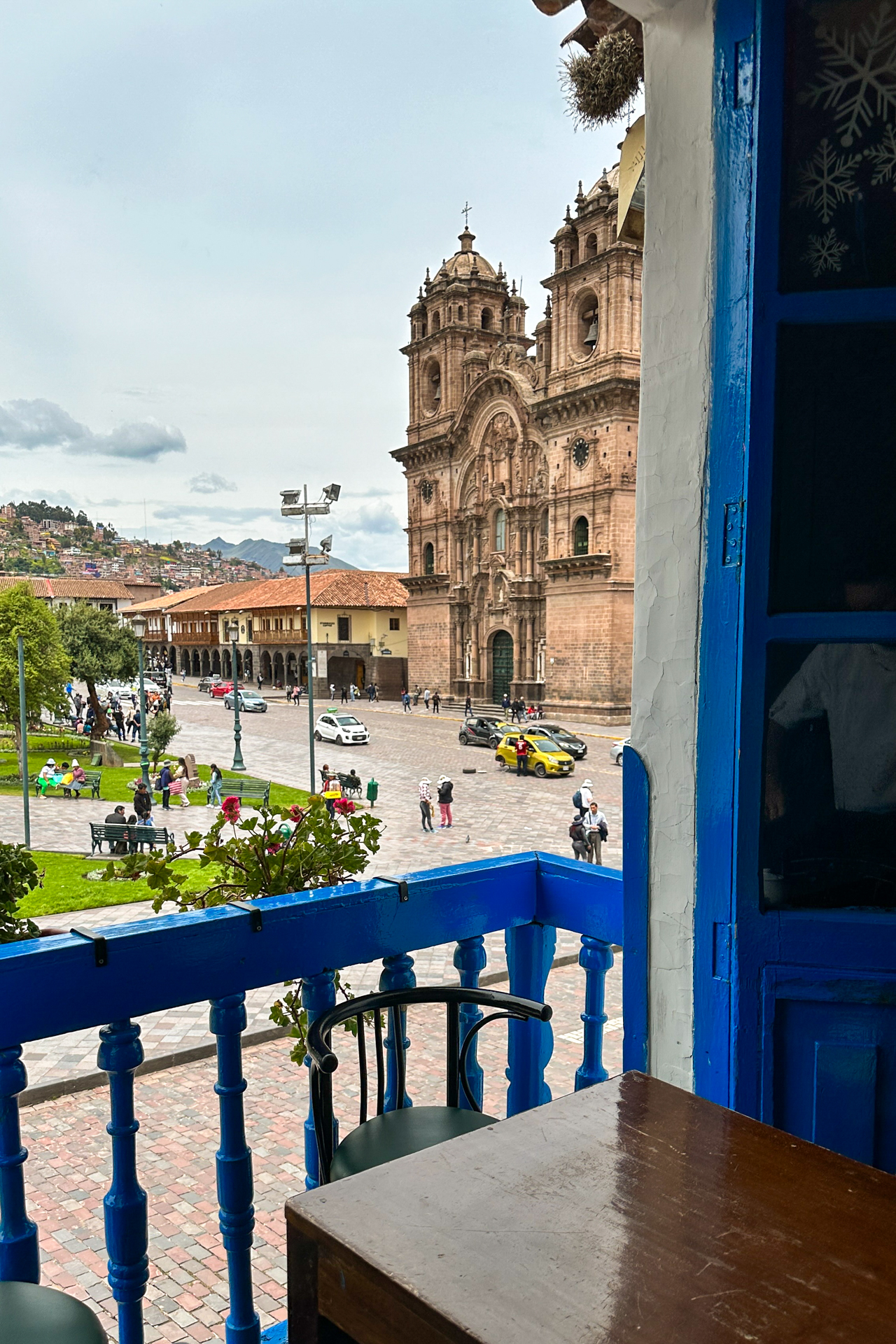 Cappuccino Cusco Cafe
 Cappuccino Cusco Cafe
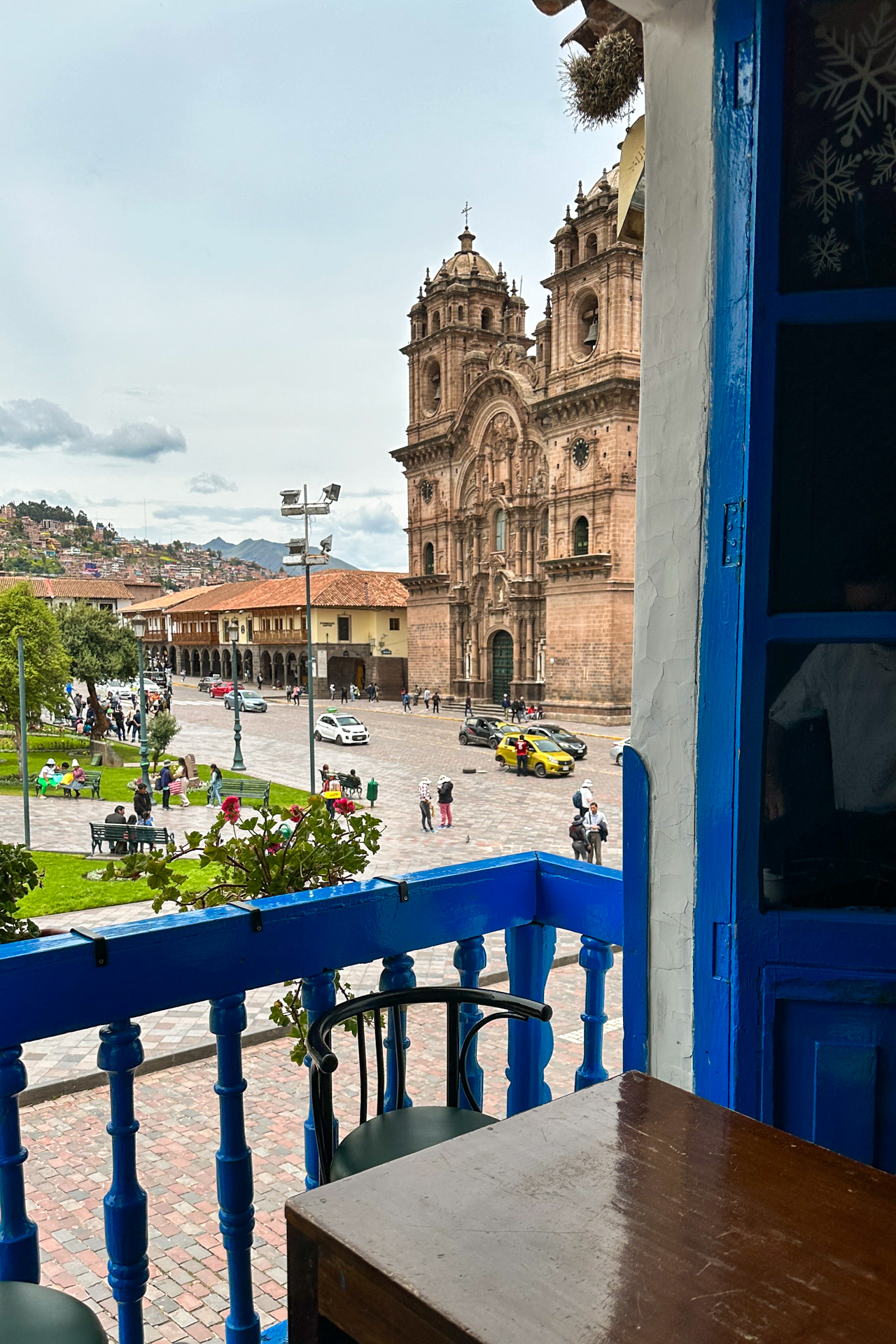 Cappuccino Cusco Cafe
Lima
Huacachina
Transportation
How to Get Around Peru
Getting around Peru is generally easier than in many South American countries, but travel times can still be long due to geography. Peru stretches from coast to mountains to jungle, and how you move will depend heavily on the region you’re visiting.
Cusco
It is a compact city and very walkable, especially within the historic center. Most sights are close together, but the cobblestone streets, stairs, and altitude mean it’s best to move slowly and take breaks. Taxis are widely used and pretty cheap, making them a good option for short rides or uphill areas.
Cusco can be reached either by a comfortable overnight bus or by flying into its international airport. There are direct flights from Lima to Cusco (1h), and from the airport it’s just a short 15-minute taxi ride into the city center.

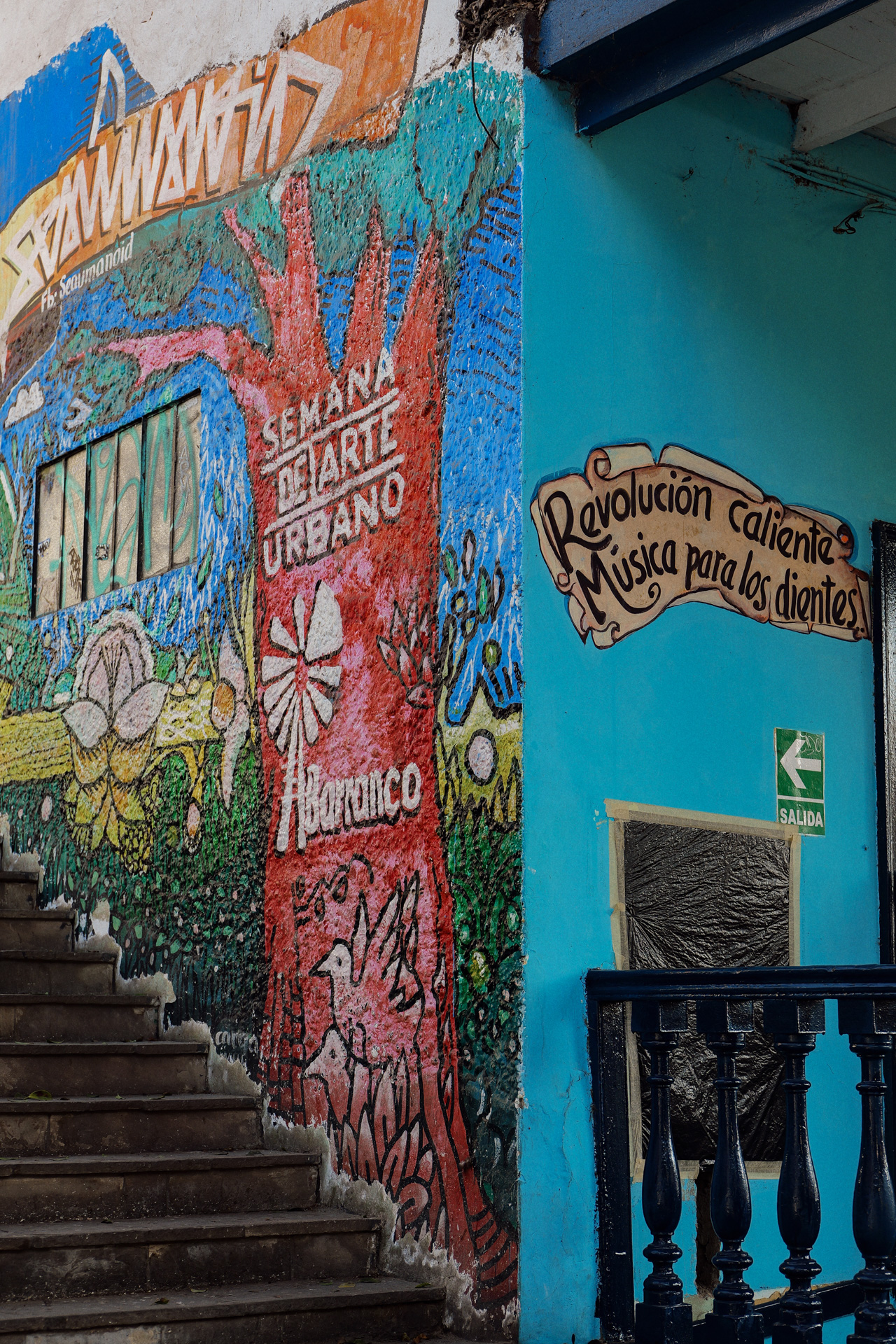

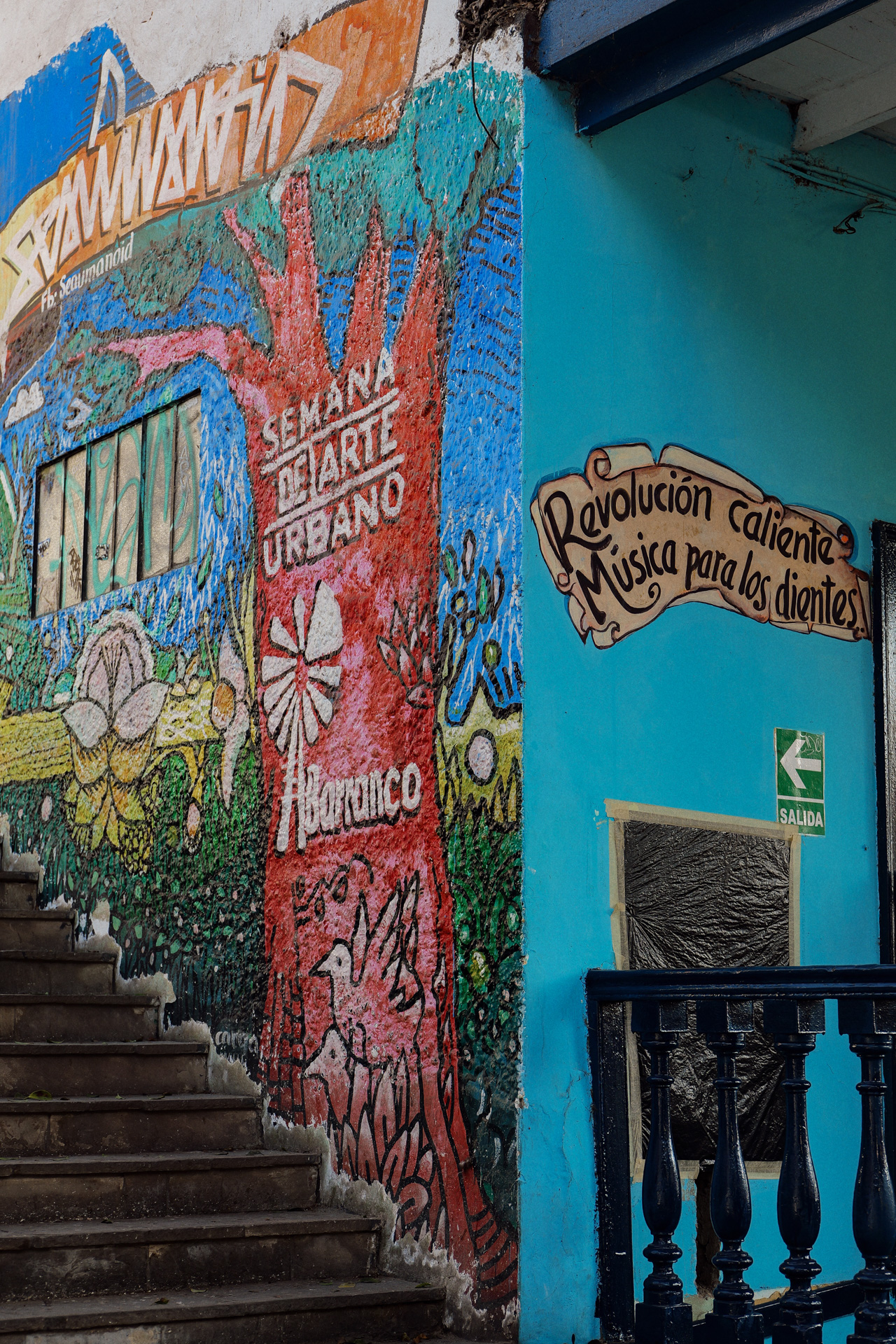
Lima
Lima is easiest to explore within specific neighborhoods rather than as one big city. In areas like Miraflores and Barranco, walking works very well, as many cafés, viewpoints, and attractions are close together.
For longer distances, taxis and apps like Uber are convenient and affordable, though traffic can be heavy during rush hours.
If you want to cover more ground, renting a bike or joining a bike tour is a great option, especially along the coast.
Huacachina
There is no airport near Huacachina. Instead, you’ll need to drive from Lima by bus or rental car. It is around 5 hours from Lima, while the journey from Paracas takes just 45 minutes. Buses arrive in Ica, from where Huacachina can be reached by a short 10 minute taxi ride. Hop-on / hop-off bus services are one of the easiest and most convenient ways to travel between destinations in Peru.
Alternatively, you can book a day trip to Huacachina from Lima. If you only have one day to spare, this is honestly the best option, as it removes all the stress and planning that come with using local transport. Just keep in mind that it will be a very long day.
We rented a car in Lima and drove to Paracas. From there, we made our way to Huacachina, where we stayed for one night.
Sacred Valley
Taxis and private drivers
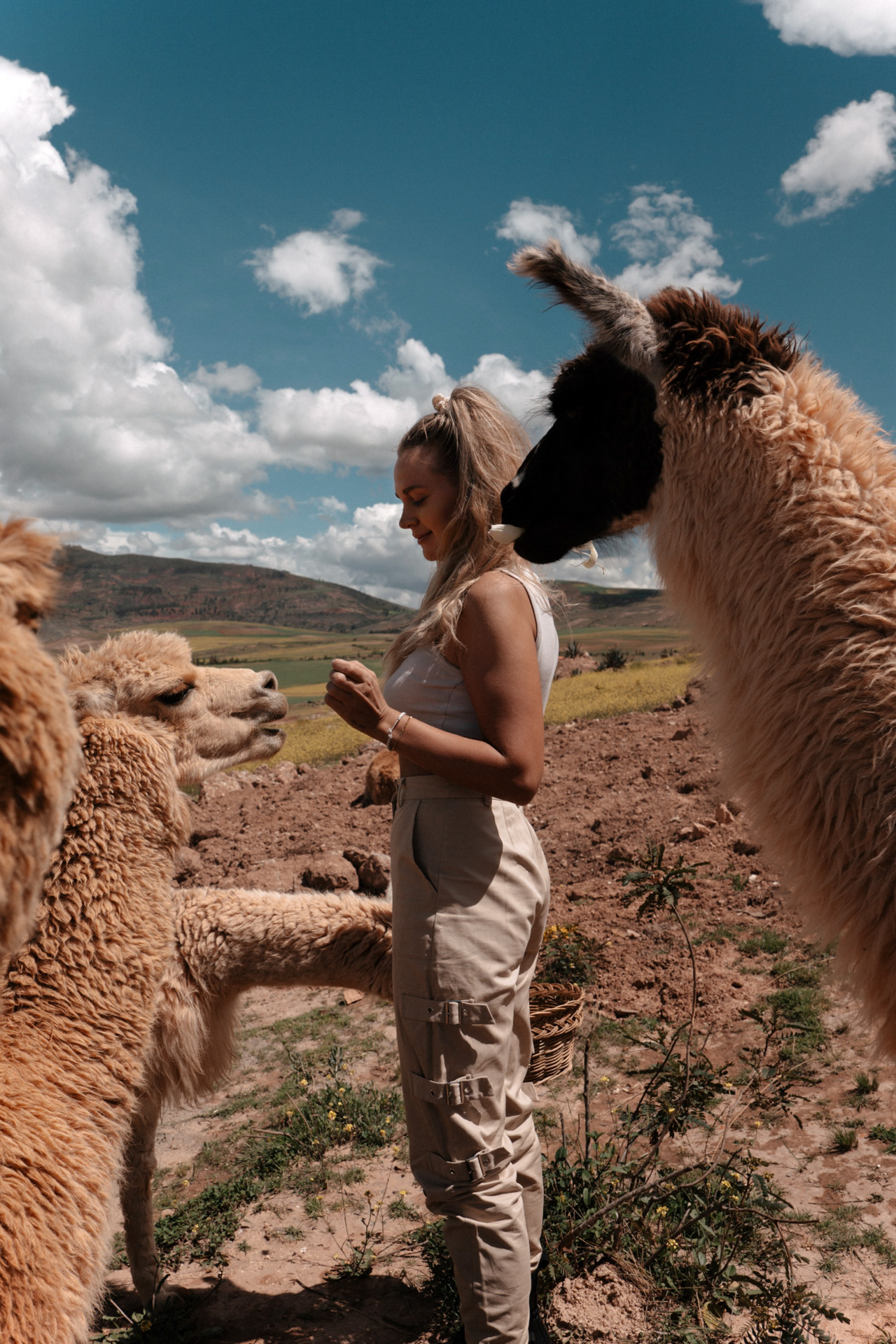
I’ll start with the way I chose to explore the Sacred Valley. We hired a private driver, which was honestly the best decision ever! We got to see and experience so much more than expected—especially if you want to visit multiple places in one day. It’s more expensive than public transport, but it saves a lot of time and offers much more comfort and flexibility.
Hotels and guesthouses are great places to ask at reception for trusted private driver contacts.
Most of the communication was through a translation app because our driver spoke only Spanish, but he was amazing! And it actually made the whole experience even more fun. Plus, I definitely improved my Spanish a lot haha.
Combis and colectivos
If you prefer not to drive, combis and collectivos (shared minibuses) are the most common and budget-friendly way to get around. They run frequently between Cusco, Pisac, Urubamba, and Ollantaytambo, but usually only depart once full and can be crowded. They operate on fixed routes, making stops along the way to pick up and drop off passengers.
Tour operators
For those short on time, guided day tours from Cusco are an easy, stress-free way to see the main highlights of the Sacred Valley without worrying about transport or logistics. Tour agencies are easy to find around Cusco, especially near the Plaza de Armas, and most offer both small-group tours and private guided day trips.
TRAVEL SMARTER
Peru Travel Tips


THE WEATHER
Best Time to Visit Peru
Peru has two main seasons—the dry season and the wet season. Peru’s climate is warm and tropical most of the year, but it really depends where you are. In Cusco and the Sacred Valley it can feel cooler, usually between 10°C and 20°C (50°F to 68°F), while places like Lima and Huacachina stay warm and dry, around 20–30°C (68°F to 86°F).
Dry season (May – October): The best time to explore most of Peru, with sunny days, cooler nights, and minimal rain. Perfect for visiting Cusco, Machu Picchu, and trekking the Andes. The clear skies make it ideal for hiking and sightseeing.
Wet season (November – March): Rainy season, especially in the Andes and Amazon. This is when landscapes turn vivid green, waterfalls are at their fullest, and wildlife thrives in the jungle. Travel may be trickier in some regions, but the scenery is stunning.
I explored Peru in February, and honestly it didn’t rain much. I only had a few wet days (really not many!), and the landscapes were so green and beautiful, it gave the whole trip such a unique vibe.
Don’t Miss These Places:
AREQUIPA & NAZCA LINES & COLCA CANYON
Those are the places I unfortunately didn’t make it to during my time in Peru. But if you have a bit more time, make sure to add them to your itinerary. I’ll give you a brief introduction to each place below.
Arequipa
A beautiful city known for its white volcanic stone architecture, colonial charm, and dramatic mountain backdrop. It’s a great base for exploring southern Peru and has a vibrant food scene and relaxed atmosphere.
Nazca Lines
One of Peru’s greatest mysteries: massive ancient geoglyphs carved into the desert, best seen from the air. Flying over the Nazca Desert reveals perfectly shaped figures, animals, and geometric patterns whose origins are still debated today.
Colca Canyon
Carved deep into the Andes in southern Peru, near the city of Arequipa, Colca Canyon is one of the deepest canyons in the world and a paradise for nature lovers. It’s known for breathtaking landscapes, traditional villages, and soaring Andean condors.
Visiting the Amazon in Peru is also a great experience. I visited the Amazon in Ecuador, and it was incredibly special.
Just a little note
If you book or buy something through one of my links, it helps support the work I do, and it doesn’t cost you anything extra.
Find Hotels
via Booking.com
Find Flights
via Skyscanner
Tours & Attractions
via GetYourGuide
Loved it? Pin it, Share it!
Inspire Others to Travel to Peru
Keep Exploring
More Travel Guides from Peru













THE TRAVEL

Let’s stay connected!
Get inspired, helpful tips and exclusive updates straight to your inbox. Subscribe to join a community of explorers.
Leave a Reply