
Pollença, Mallorca


My Go-To Spots in Pollença
7 Best Things To Do in Pollença, Mallorca
After a few busy days in the south of the island surrounded by tourists, Pollença felt much more local and authentic.
This little town in the north sits right at the foot of the Tramuntana mountains, with stone streets, great cafés on the square, and locals who still outnumber the visitors most mornings.
This list brings together my personal highlights, the best things to do in Pollença, Mallorca.







Must-See & Do
Things to Do in POLLENÇA, Mallorca
Pollença is small but it gives you a lot. Old stone streets, a square that turns into a living room in the evenings, mountain views from almost every corner, a wonderfully relaxed pace of life and the iconic 365 Calvari Steps.
1. Climb the famous 365 Calvari Steps
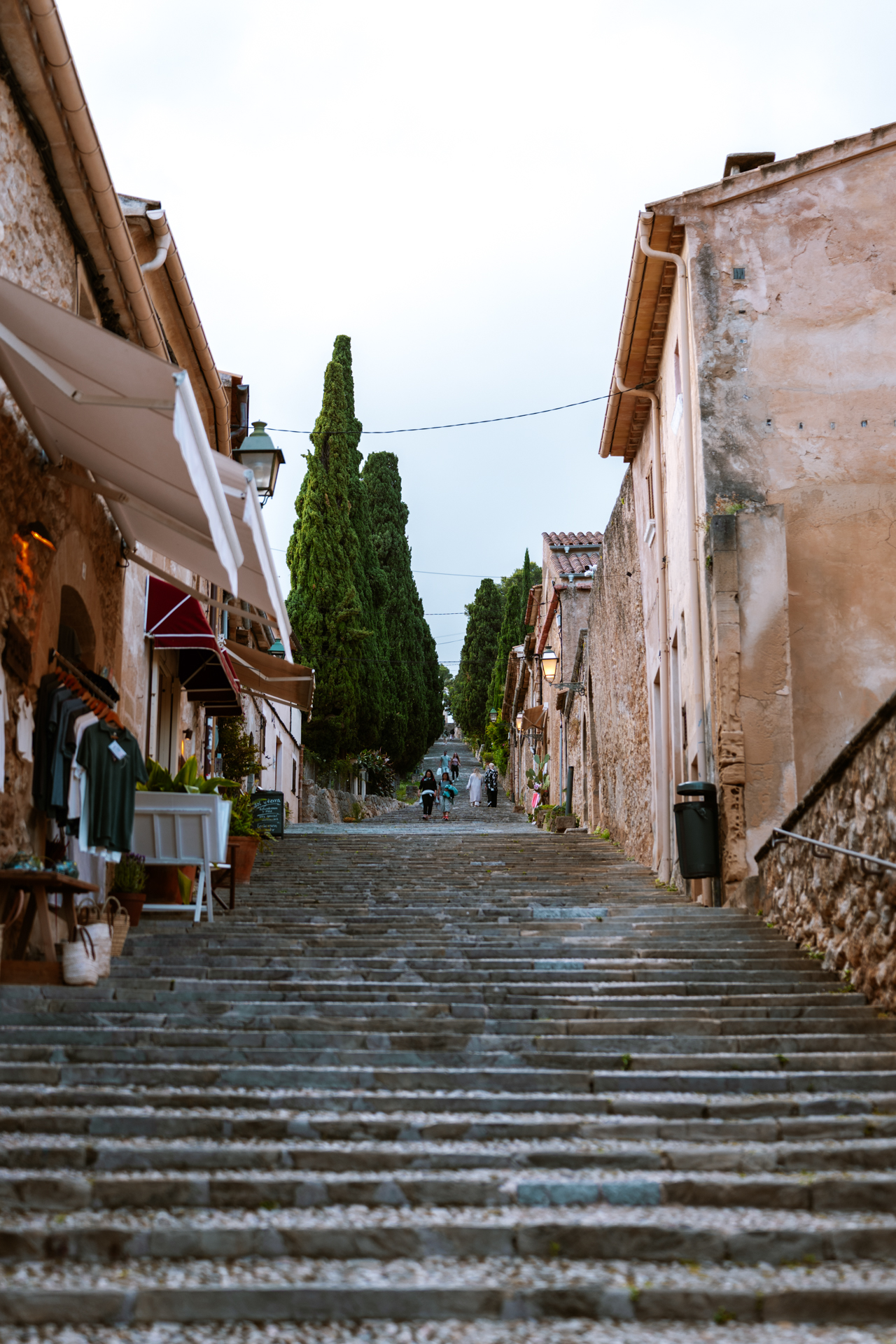
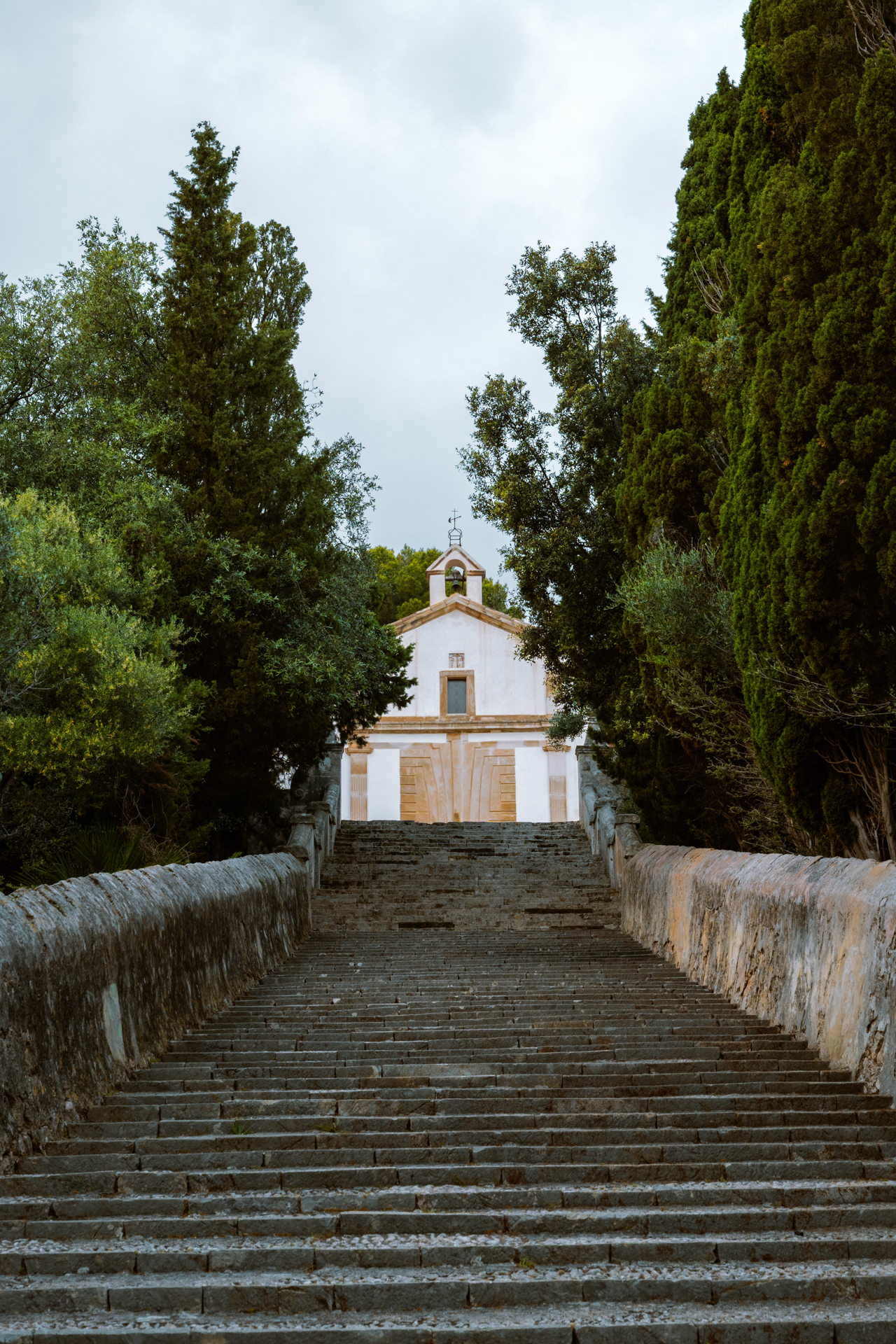
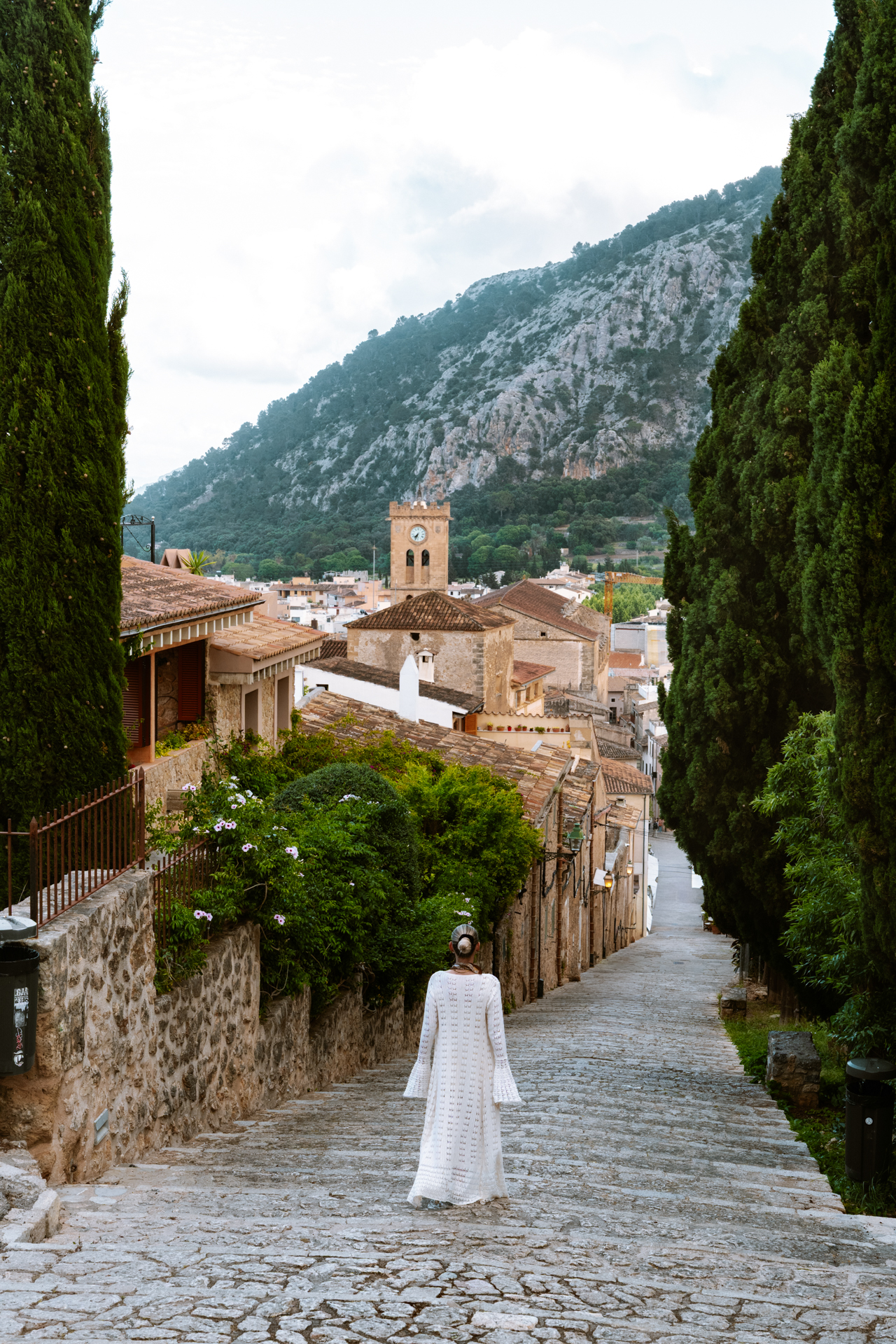
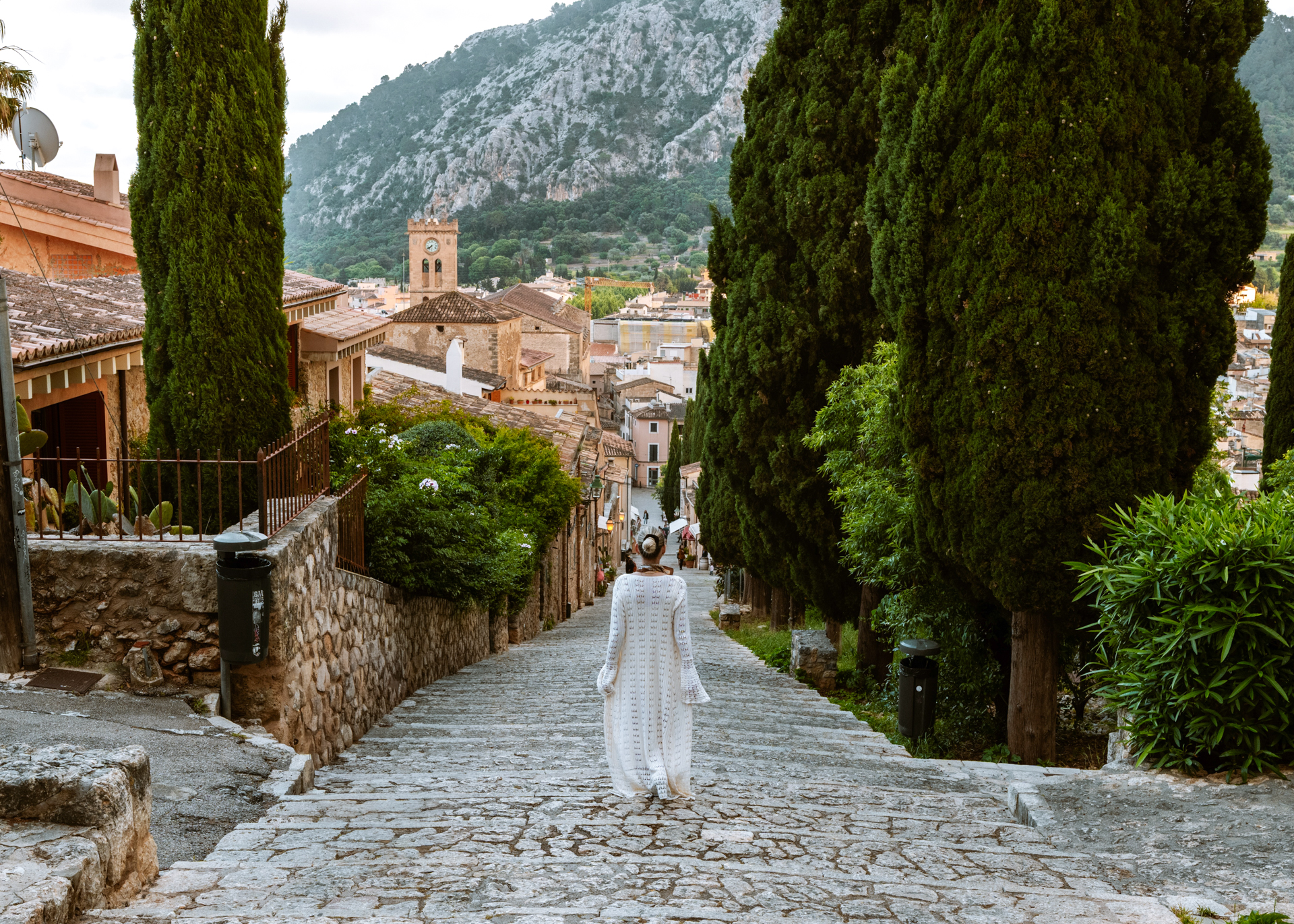
The 365 Calvari Steps are the postcard of Pollença, one for every day of the year, climbing straight up from the old town to a small chapel and a giant stone cross at the top. The climb is not long but it is steep, and the view at the top is worth every step. Cypress trees line the staircase the whole way up, which makes it feel almost theatrical.
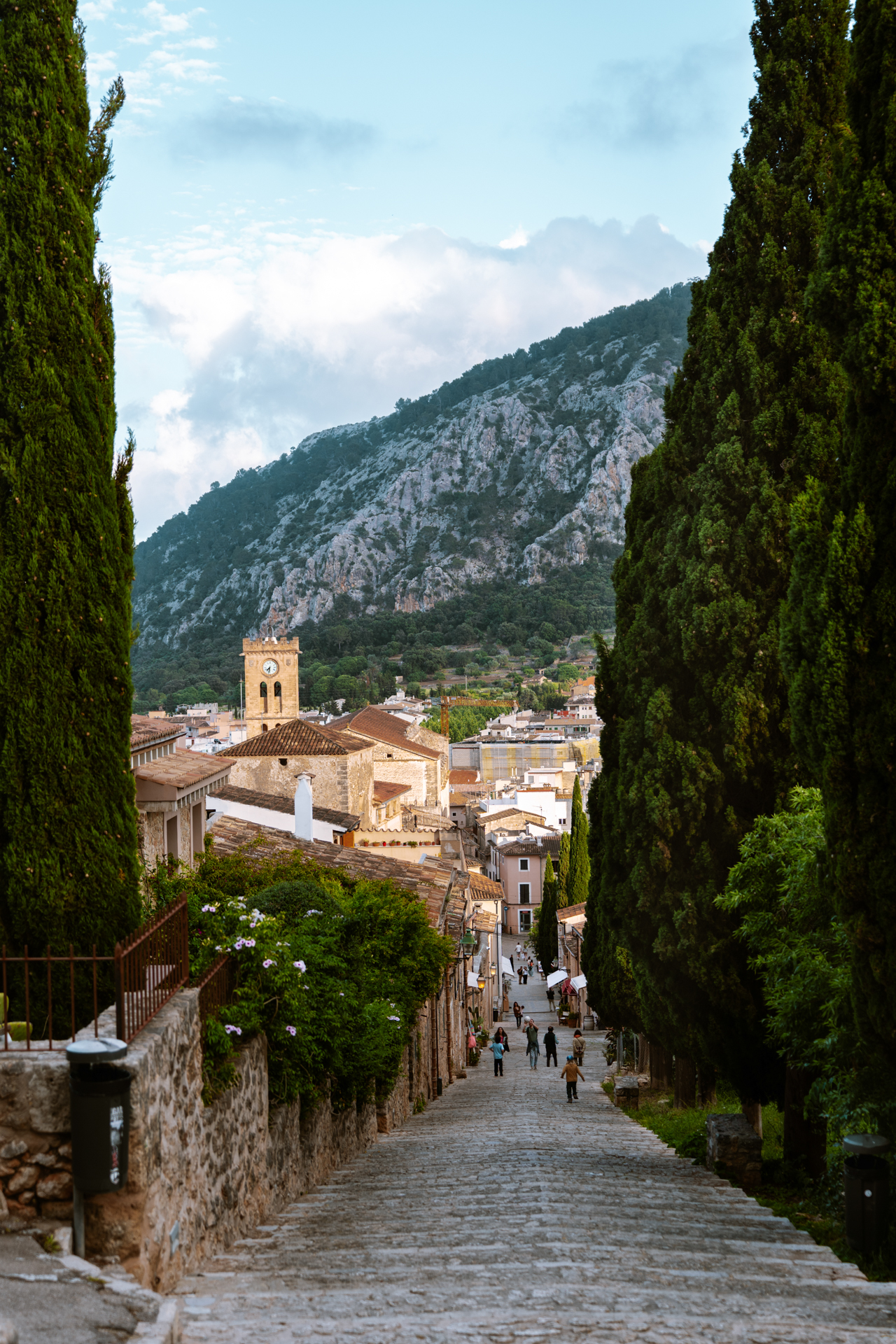
Once you reach the top, don’t miss the nearby Mirador del Calvari, a scenic viewpoint with panoramic views over Pollença and the surrounding mountains. The town suddenly looks tiny from up there, and you can see all the way to the bay on a clear day.

One thing that makes Pollença special is its strong artistic heritage. Artists have been drawn here for generations, and you’ll still find plenty of galleries, studios, and craft shops tucked throughout the Old Town.
2. Wander through the charming Old Town & Plaça Major
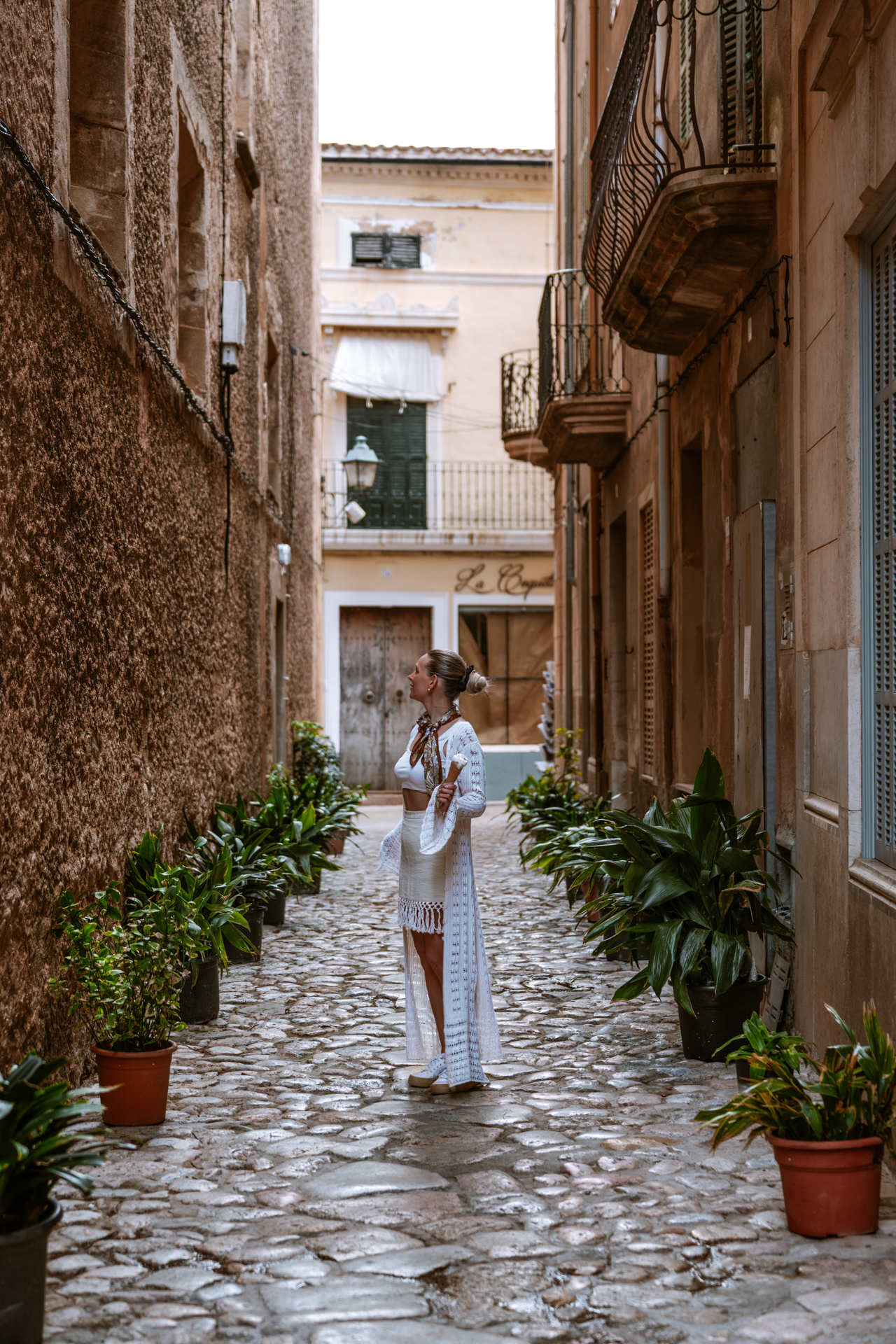
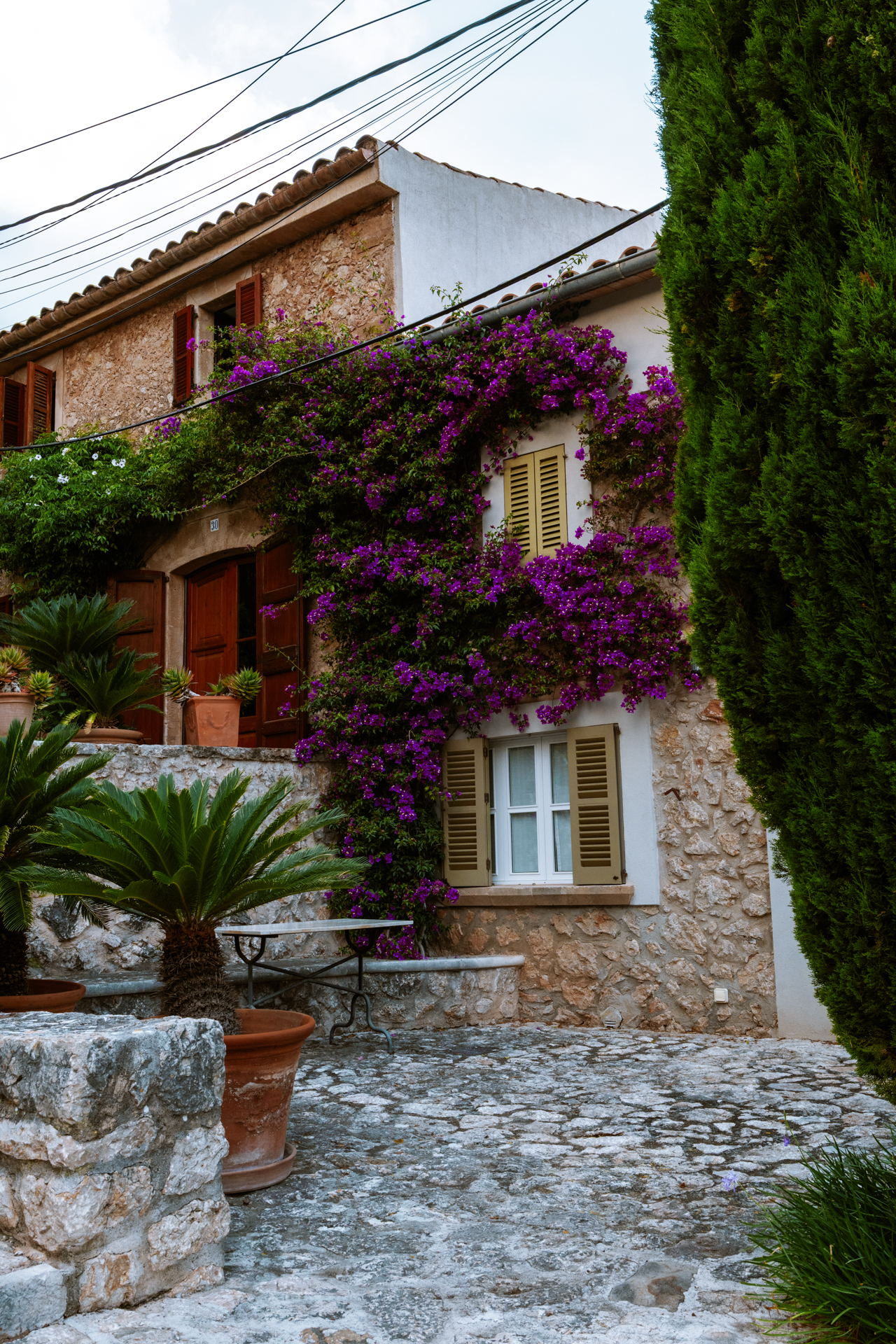
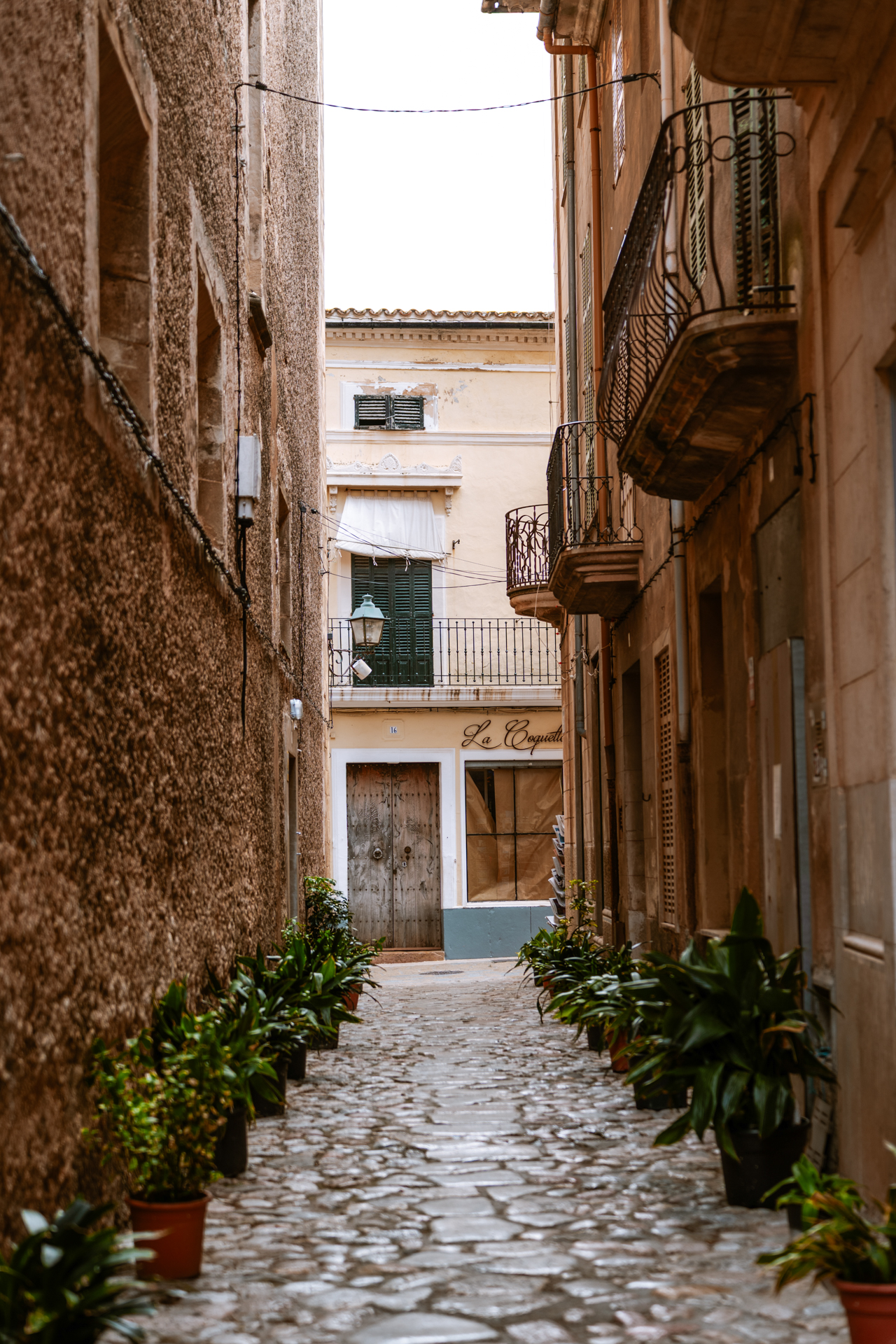
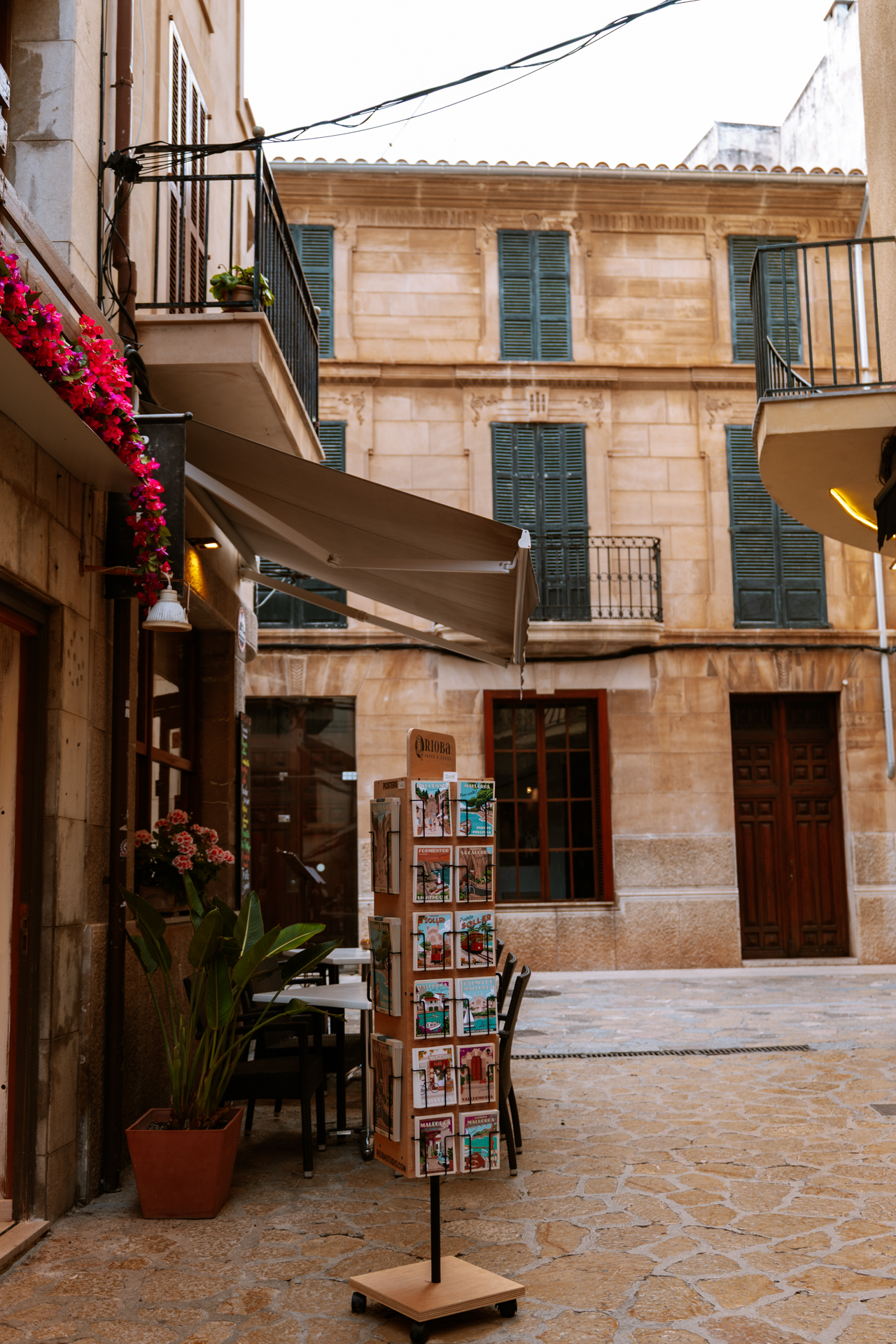
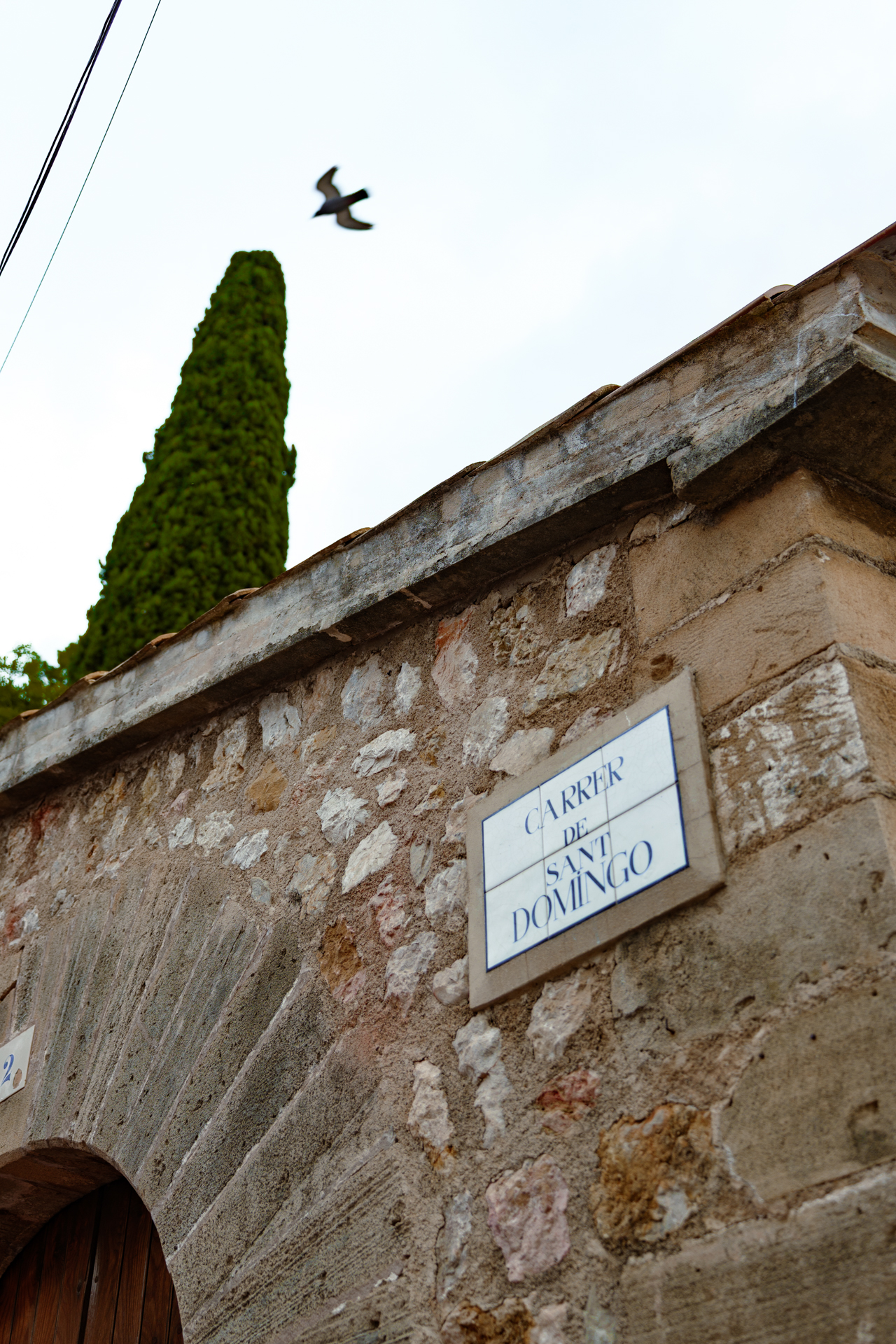
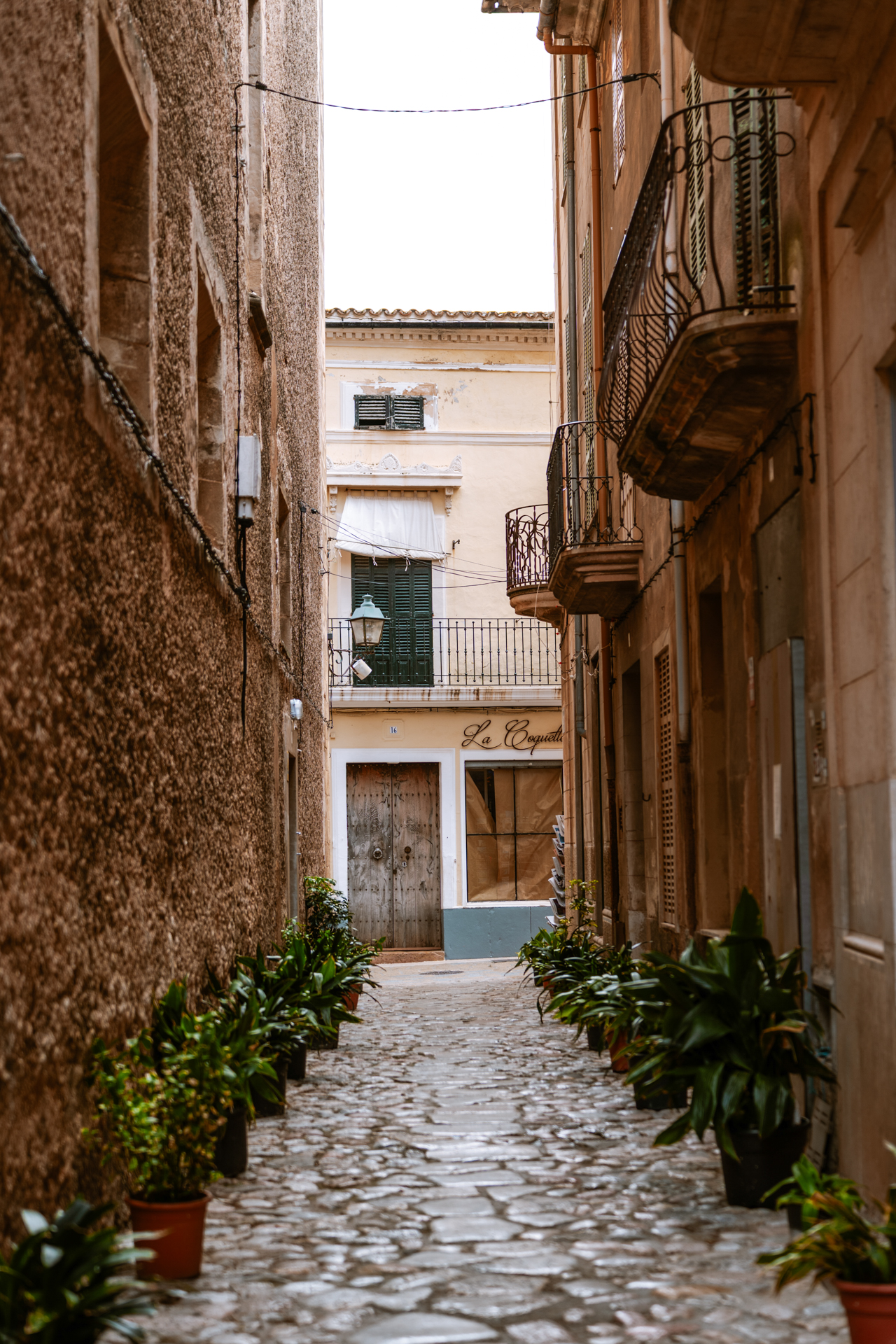
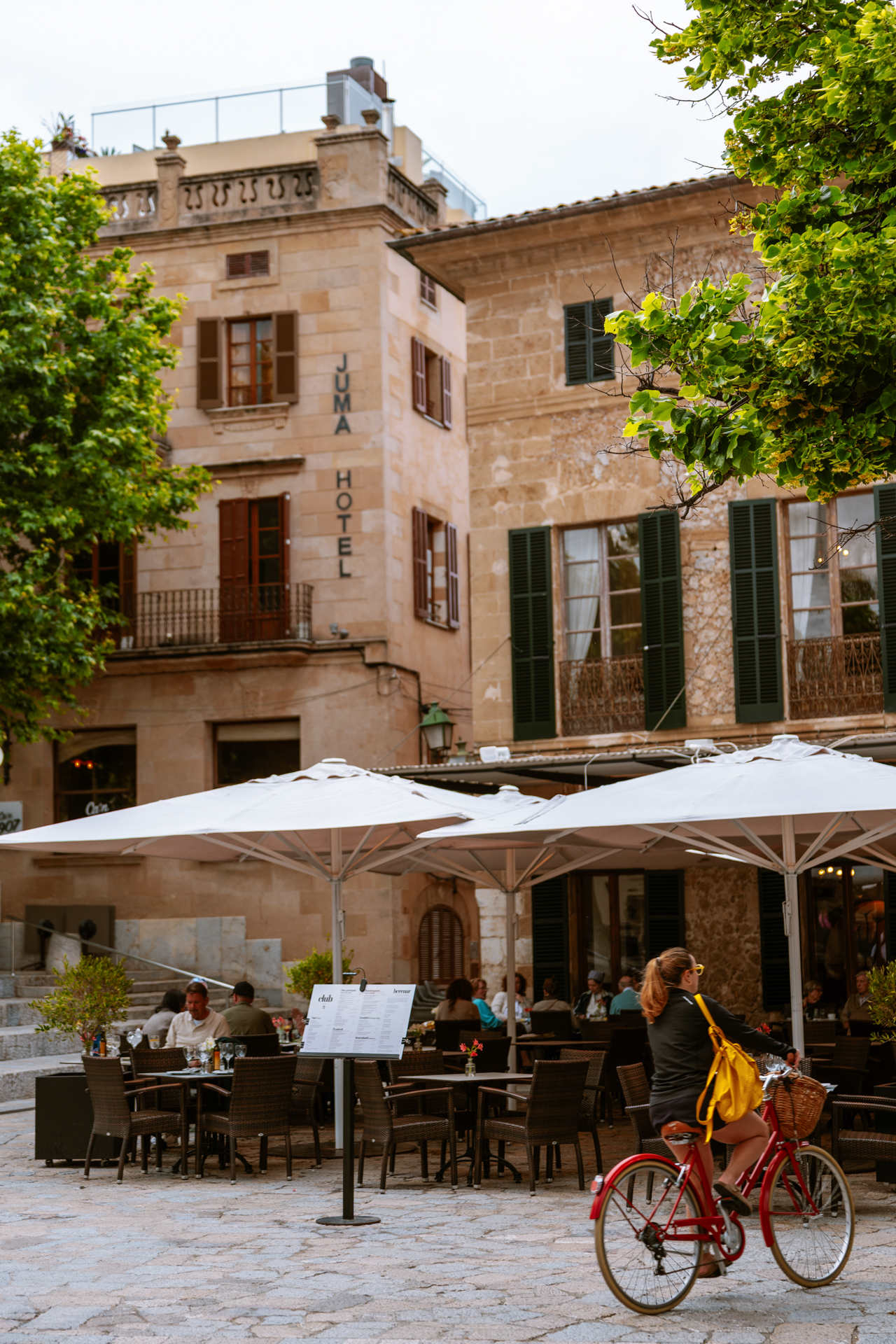
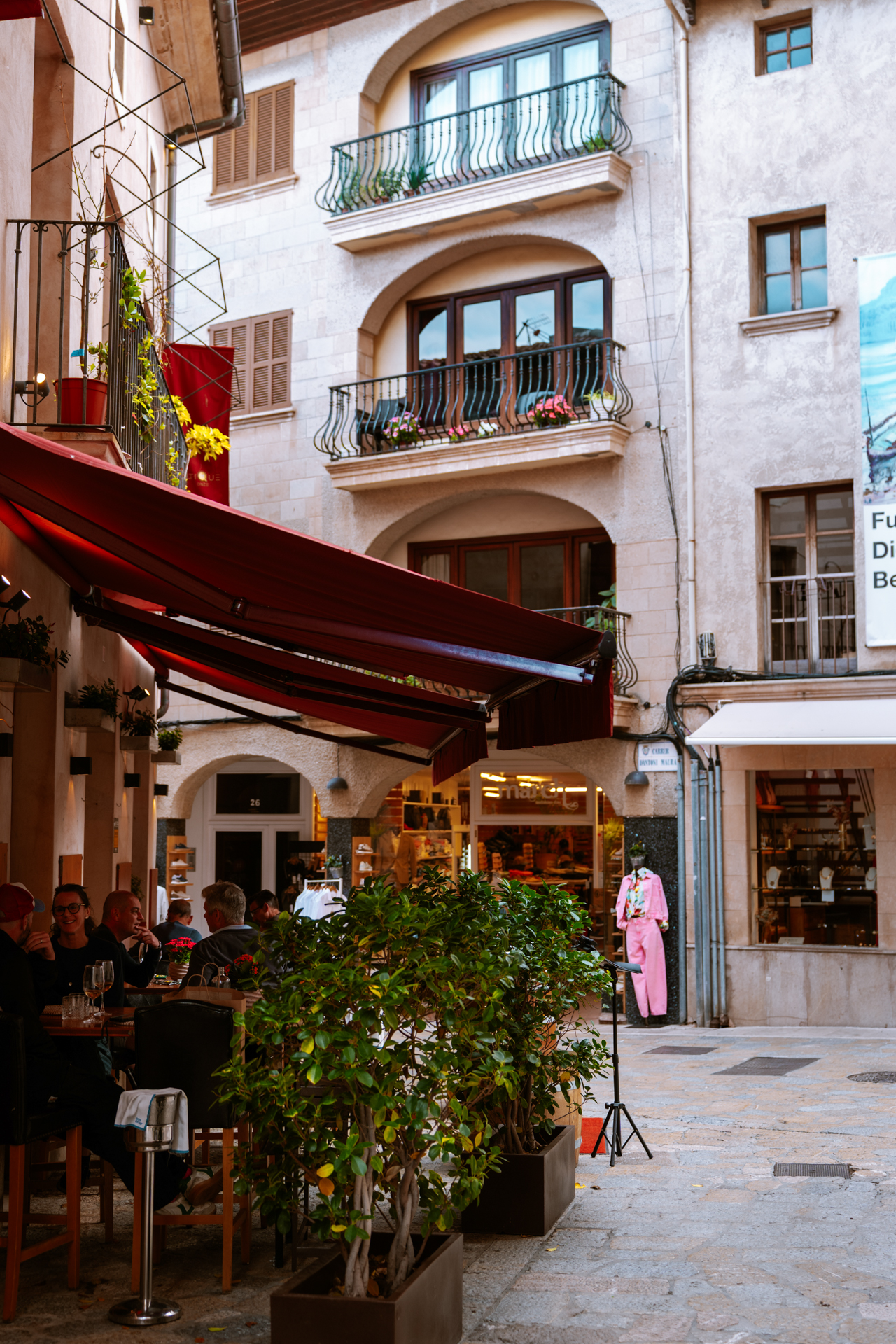
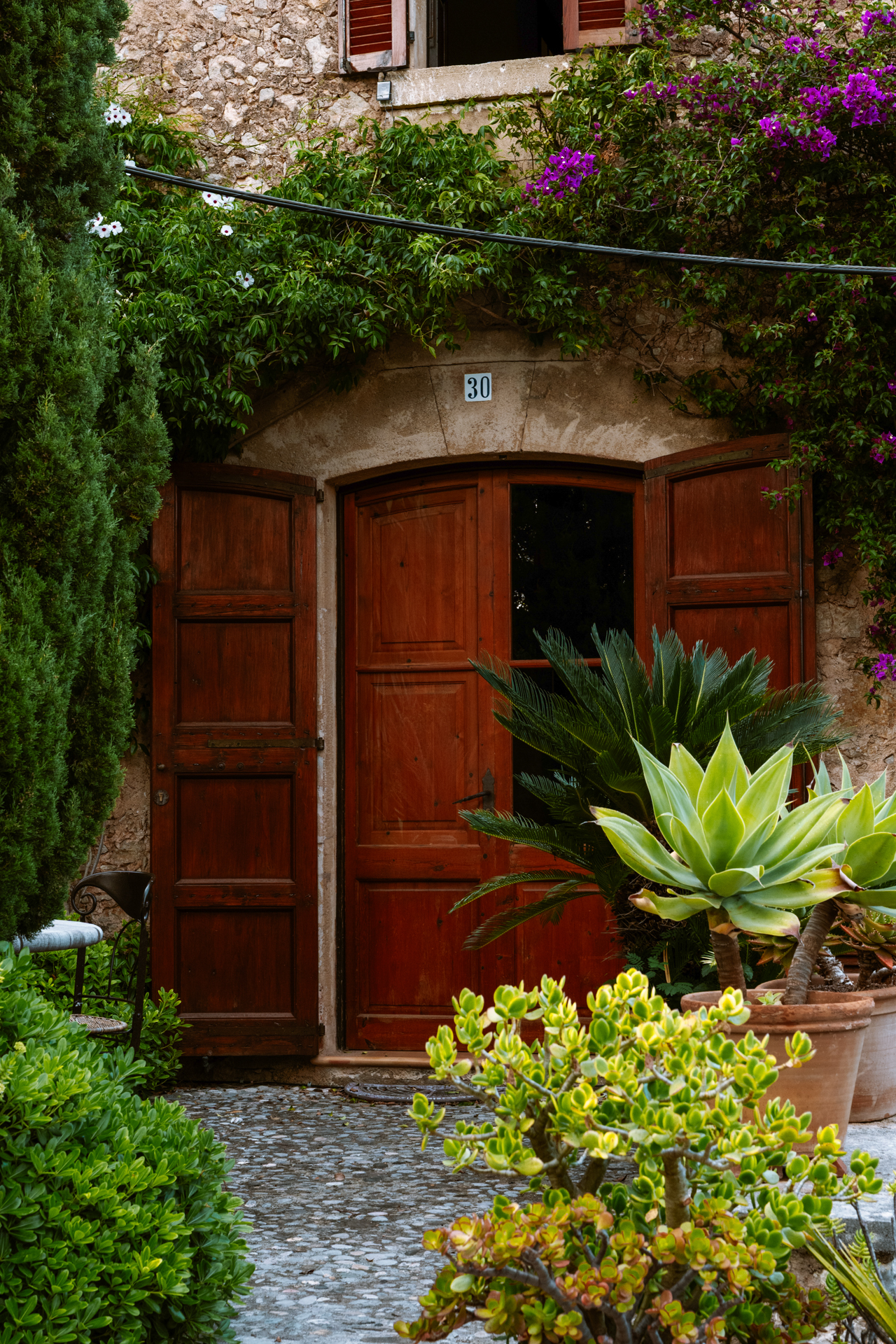
The old town is genuinely the best way to spend a morning here. Narrow stone lanes, shutters in soft greens and blues, flowers spilling over balconies, and every now and then a glimpse of the mountains at the end of the street.
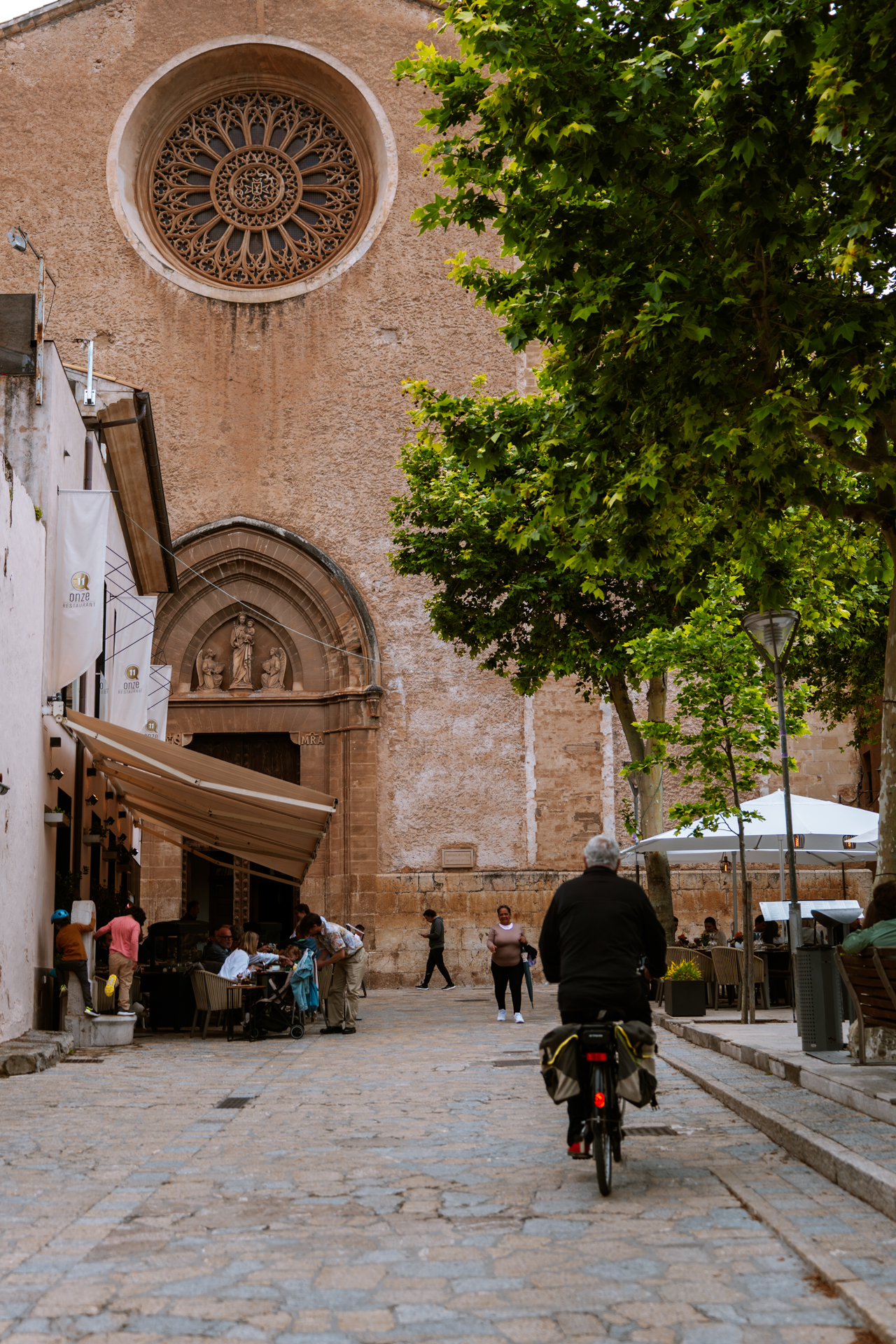
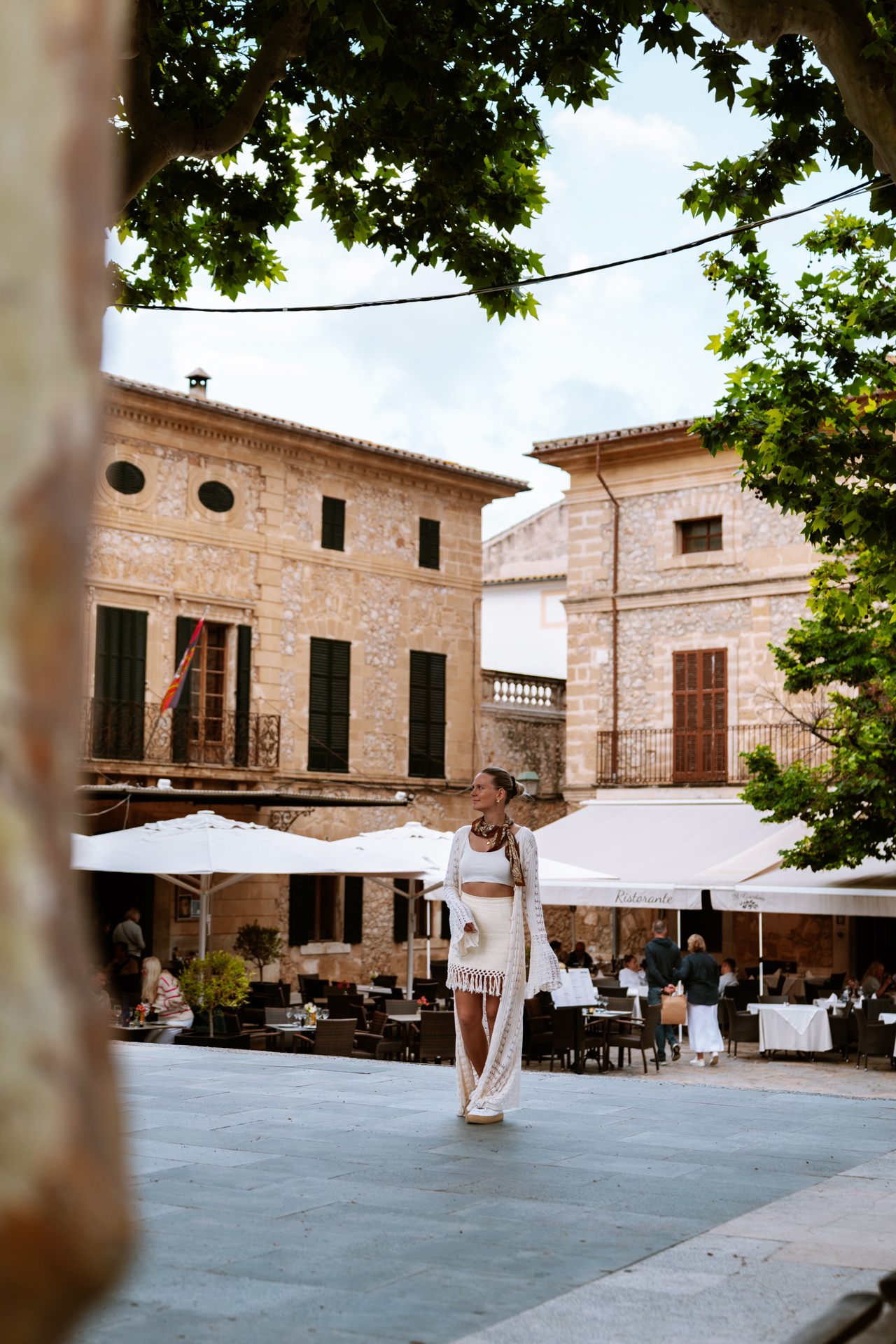
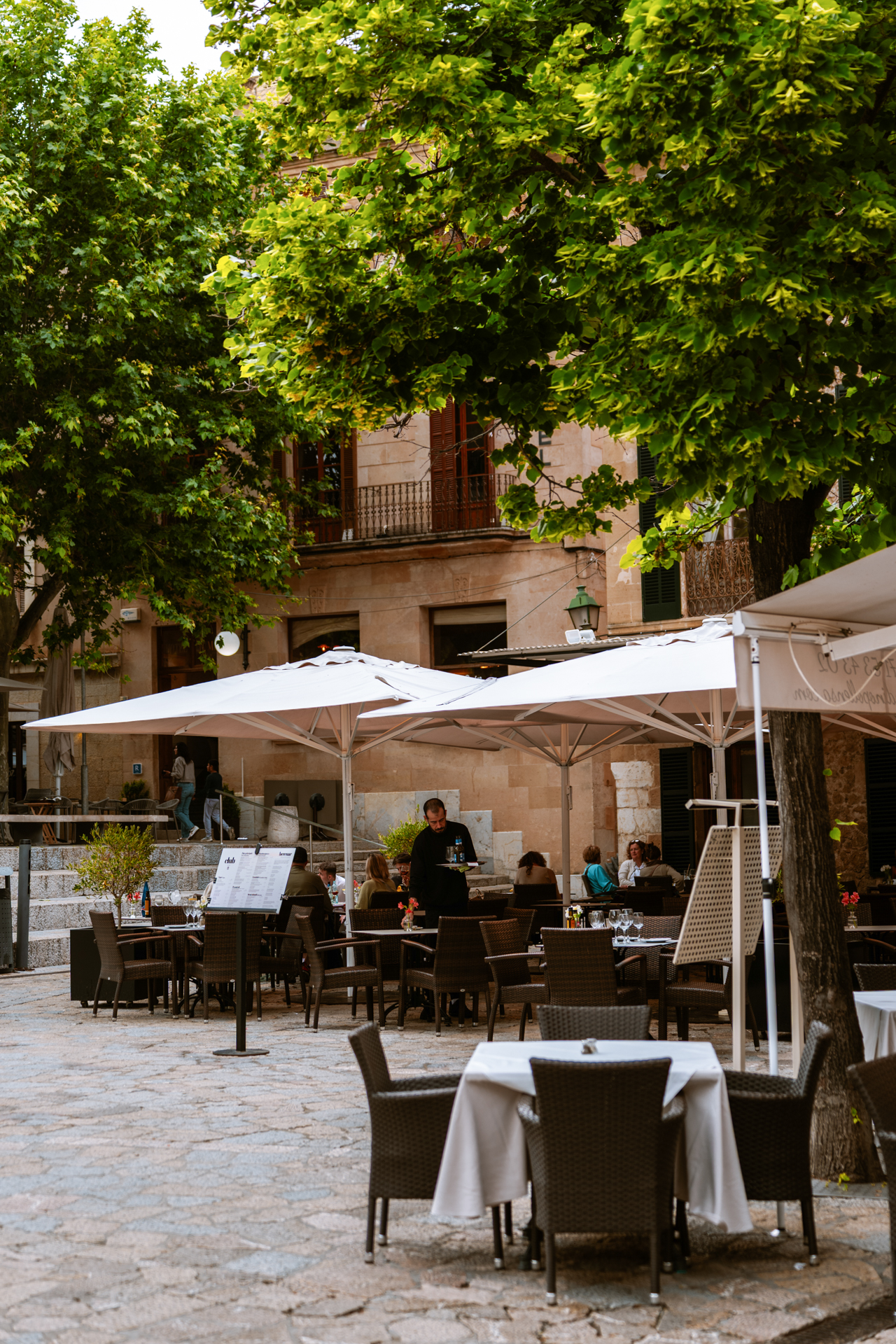
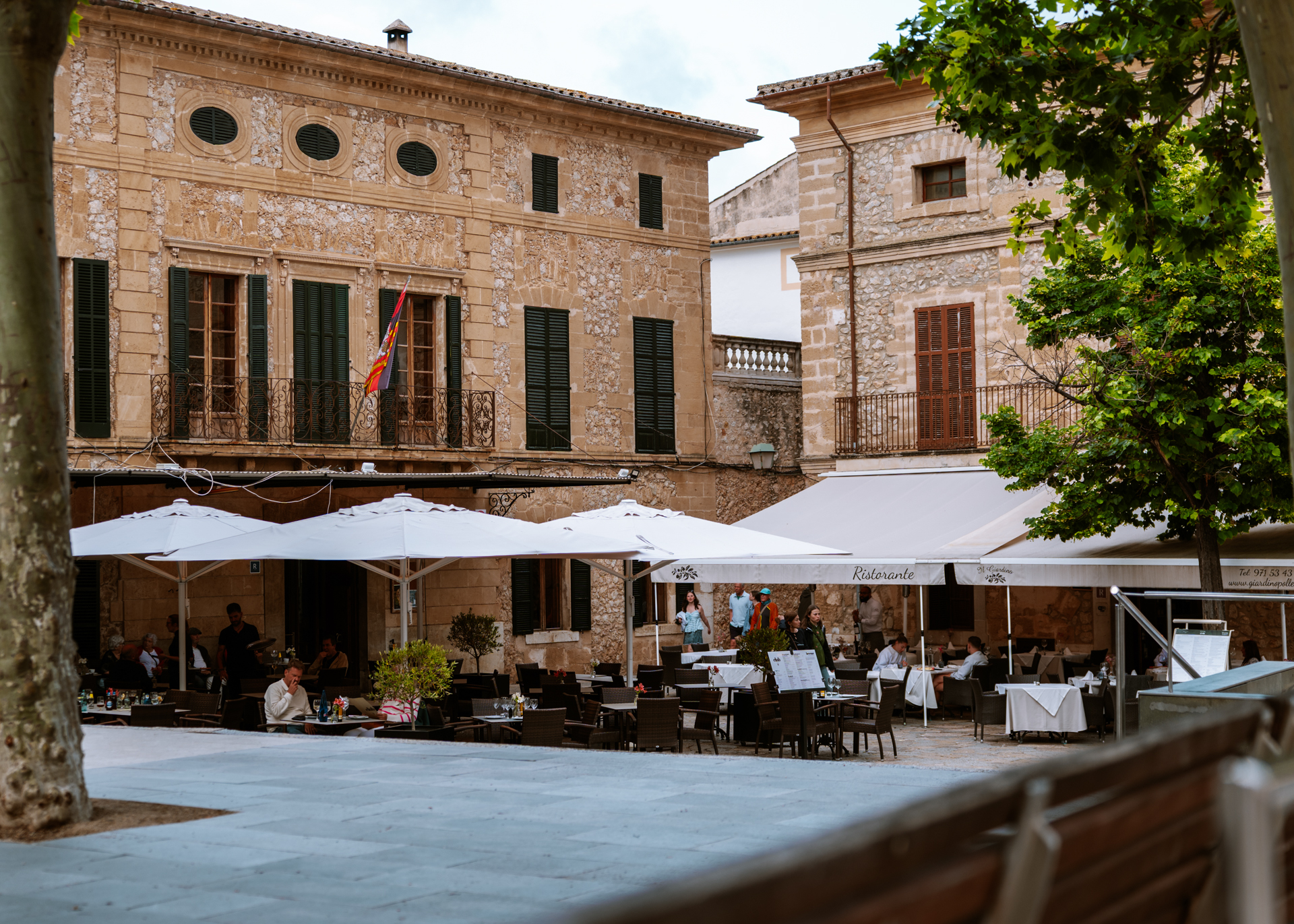
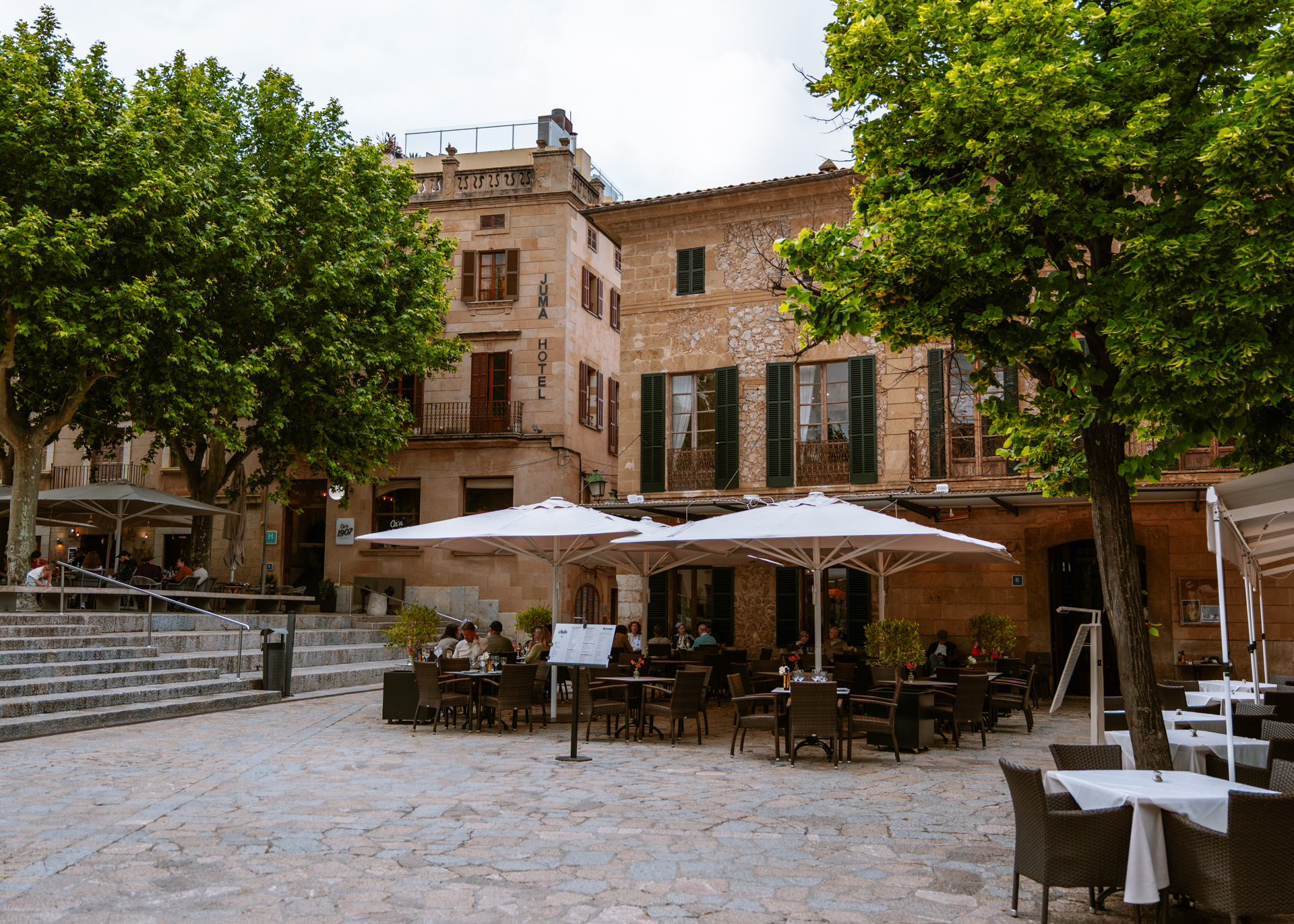
The heart of it all is Plaça Major, filled with cafés and big plane trees, and busy with locals reading the paper, kids running around, and the bells of Santa Maria church marking the hour.
Good to know: Pollença and Port de Pollença are two different places. Pollença is the historic inland town, while Port de Pollença is the seaside town located about 10 minutes away by car.
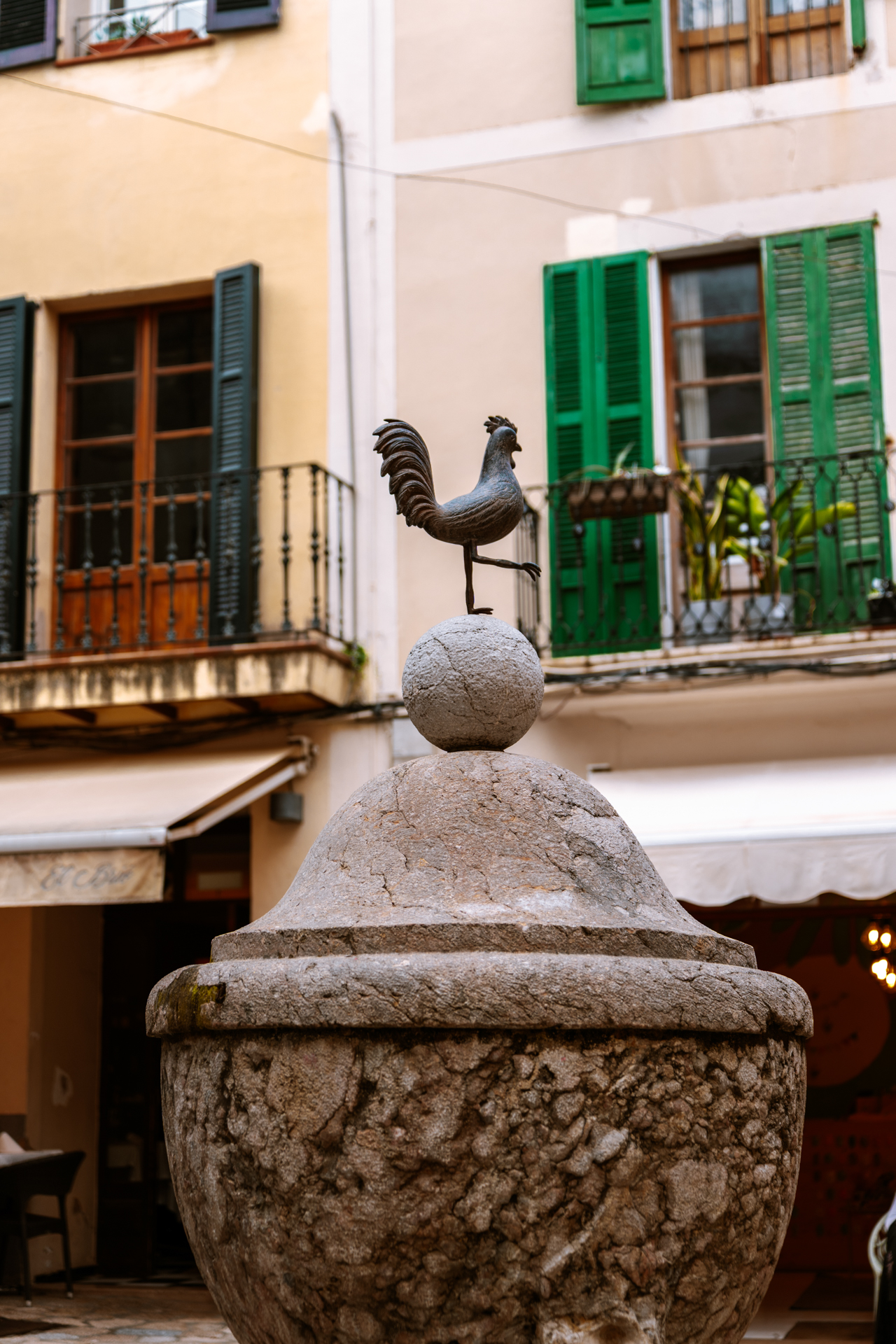
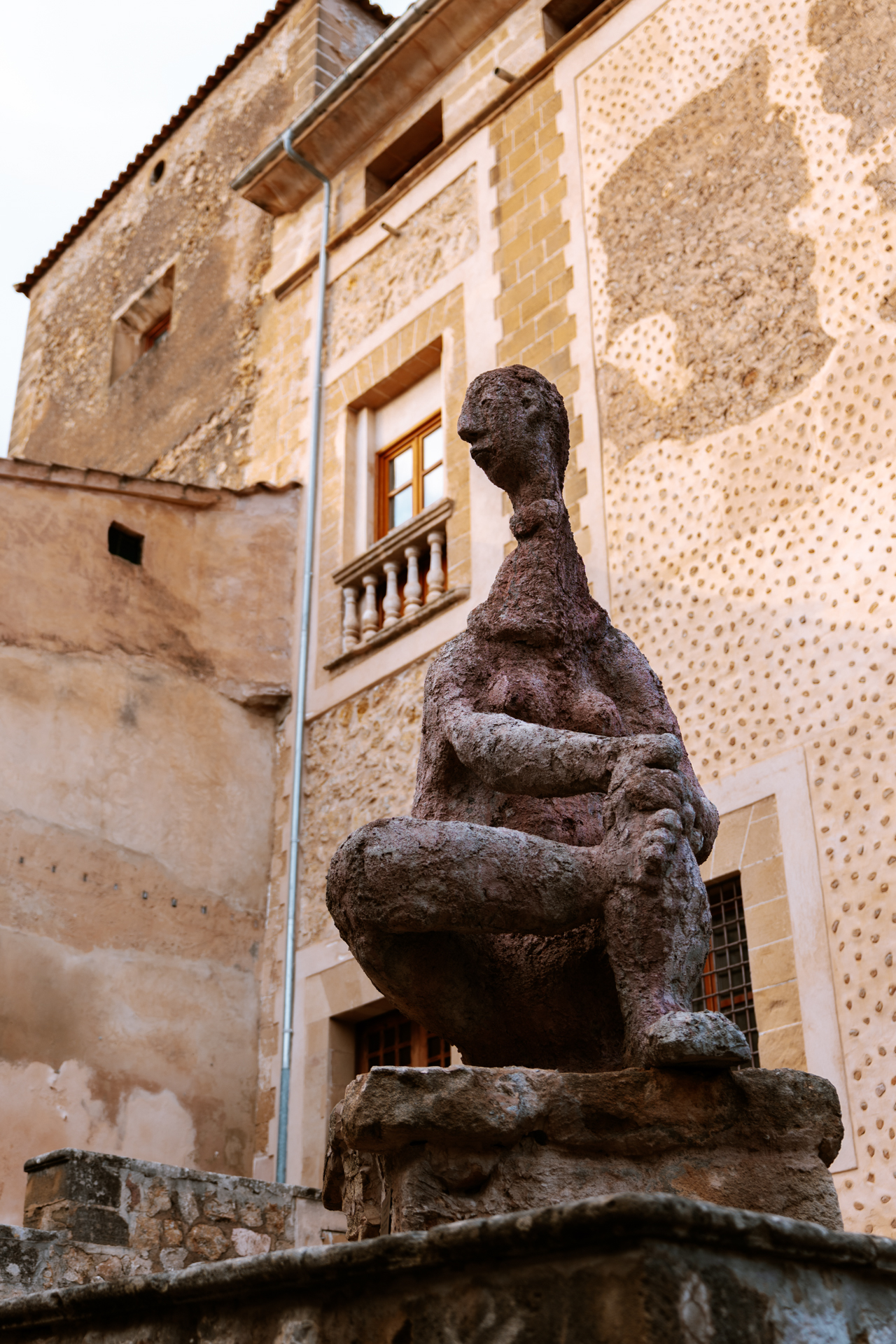
One of the more unusual things about Pollença is that the town’s symbol is a rooster! According to local legend, a rooster once alerted the townspeople to an approaching danger, helping protect the town. Ever since, the rooster has become an important symbol of Pollença.
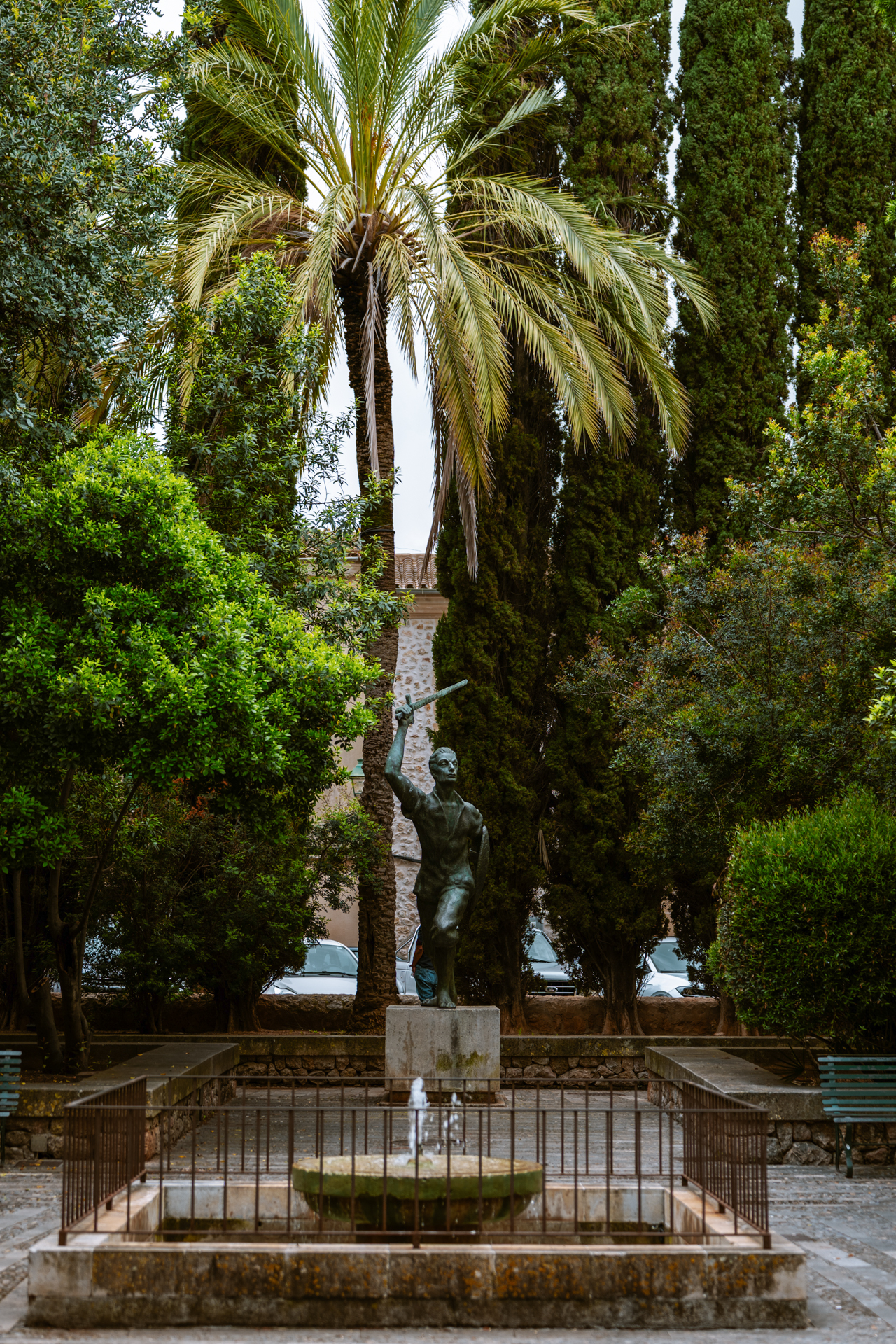
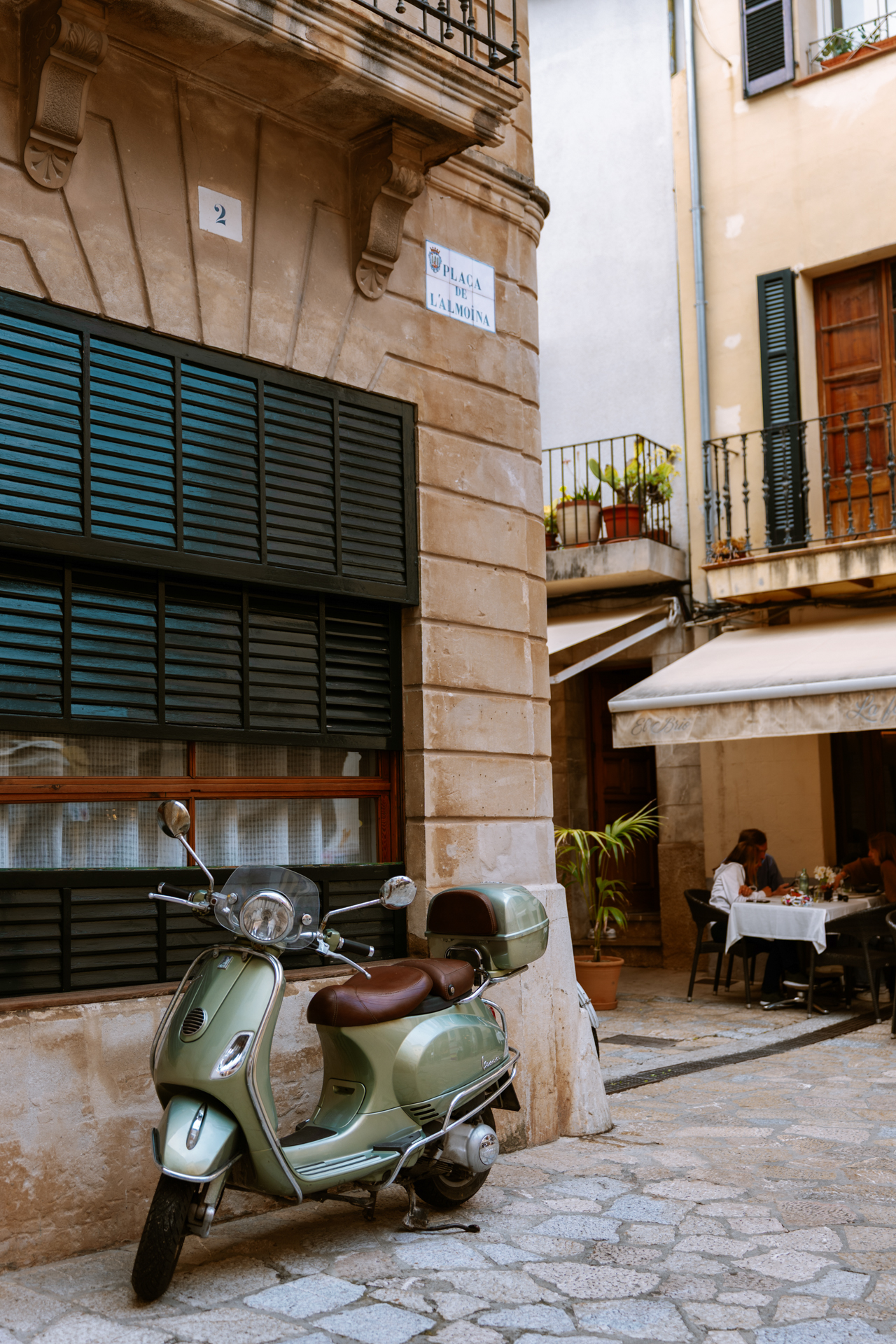
You can spot it at the charming Rooster Fountain (Font del Gall), placed in the small Plaça de l’Almoina in the heart of the Old Town. According to local tradition, touching the rooster brings good luck and protection. Whether or not you believe it, it’s a charming little spot to seek out while exploring the Old Town.
3. Admire the frescoes inside Santa Maria de Pollença Church
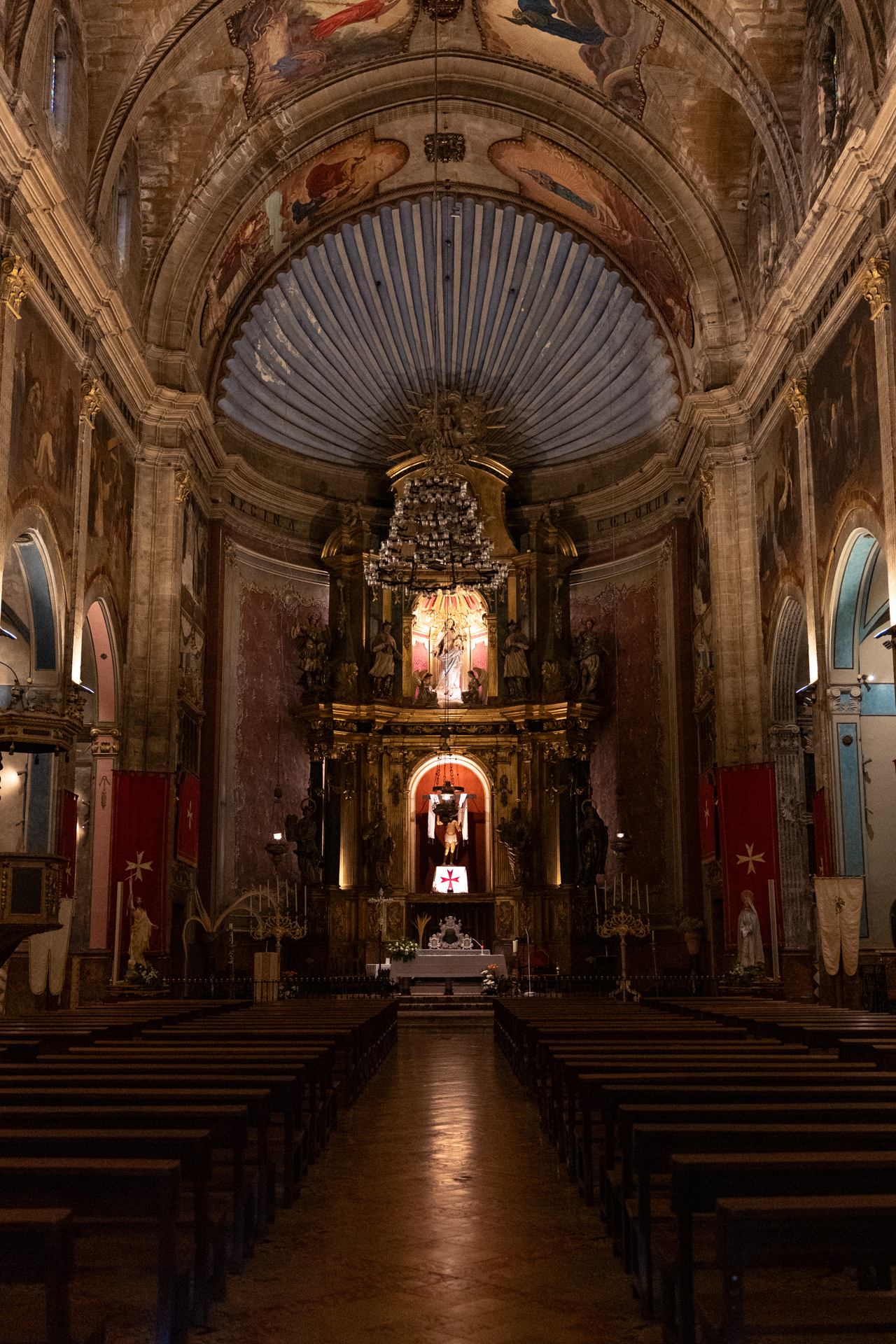
From the outside, Santa Maria de Pollença, also known as Església de Nostra Senyora dels Àngels, feels like a classic Mallorcan parish church. Step inside and the ceiling completely changes the mood, with painted frescoes, golden details, and a soft, dusty light.
Even if you’re not usually someone who visits churches, I think this one is worth a quick look. Entry is free, but the church closes for midday and again for evening mass. Check the door notice before you walk over.
4. Try the best ice cream in Pollença
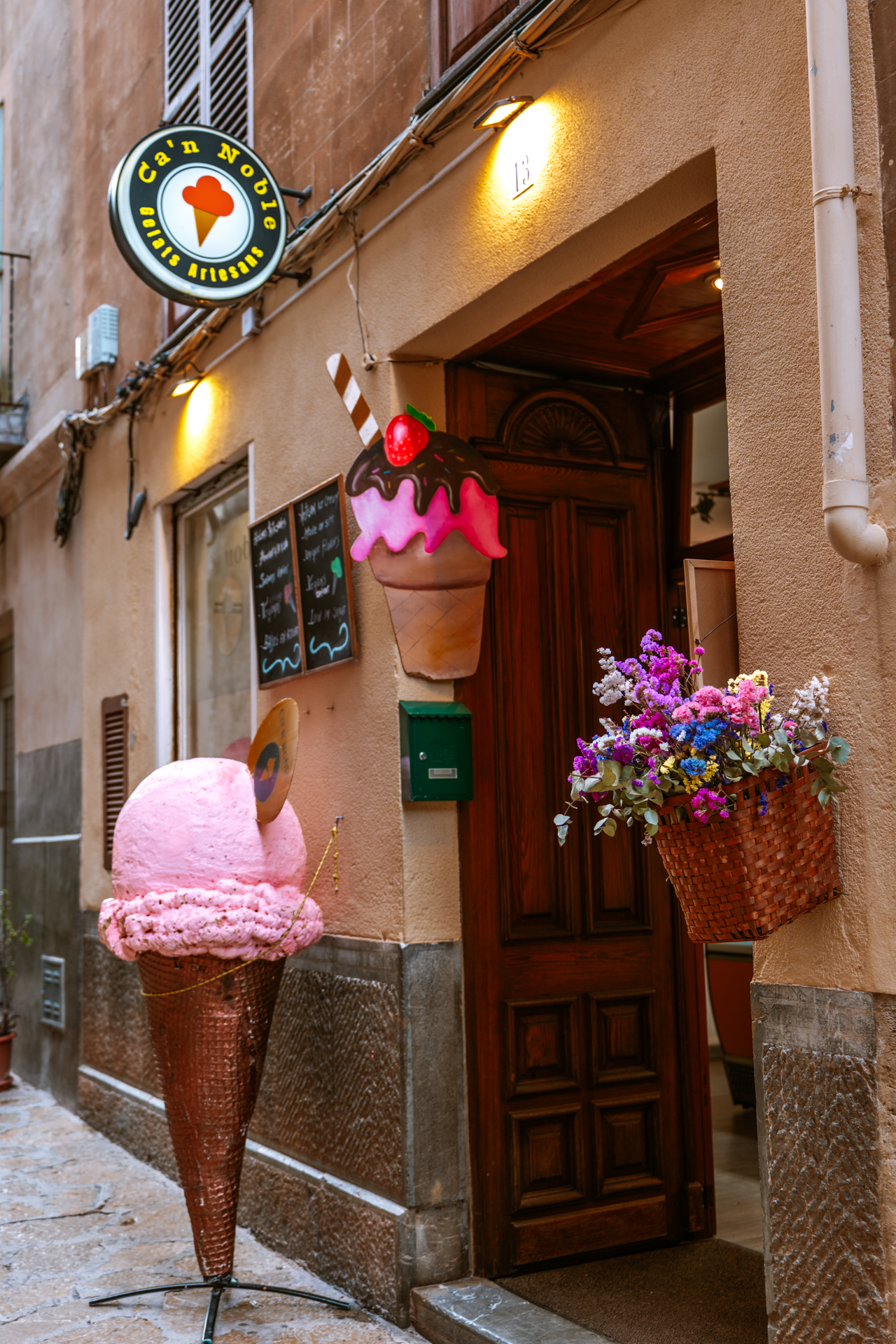
If you only chase one snack in town, make it ice cream at Can Noble Gelats Artesans.
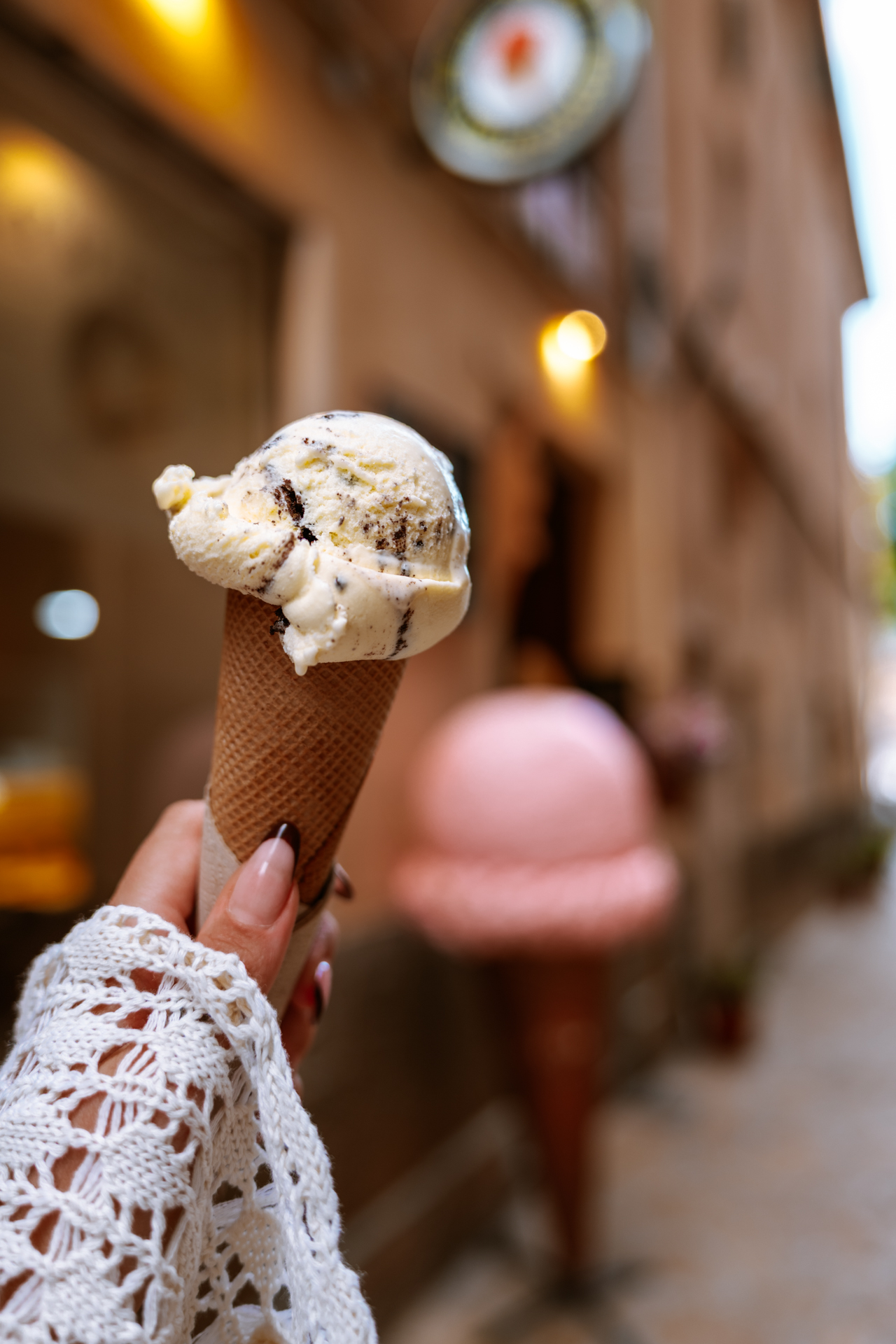
I almost walked straight past this little ice cream shop. It’s tucked away on a side street near the main square and serves homemade ice cream made with local ingredients that rotate often. While the classic flavours like strawberry and pistachio are great, you have to try some of the more unusual ones like rosemary honey, fig, and almond.
Flavors rotate, so ask for the “gust del dia”. If you only get one scoop, the pistachio and Mallorcan almond are the safe bets, and you’ll probably want a second one anyway.

5. Visit the famous Pollença Sunday Market
Every Sunday morning (around 8:00 AM to 1:30 PM), the whole town puts on its market. Plaça Major and the streets around it fill up with stalls selling fresh produce, olives, almonds, sobrasada, ceramics, linen, souvenirs and a small parade of flowers.
It’s one of the biggest weekly markets on the island, and somehow still feels much more local than touristy. Get there early and you’ll see Pollença at its most alive.
Get there before 9 am, walk the outer streets (not just the square) for the real local stalls, and bring cash.
6. Explore the Convent de Sant Domingo
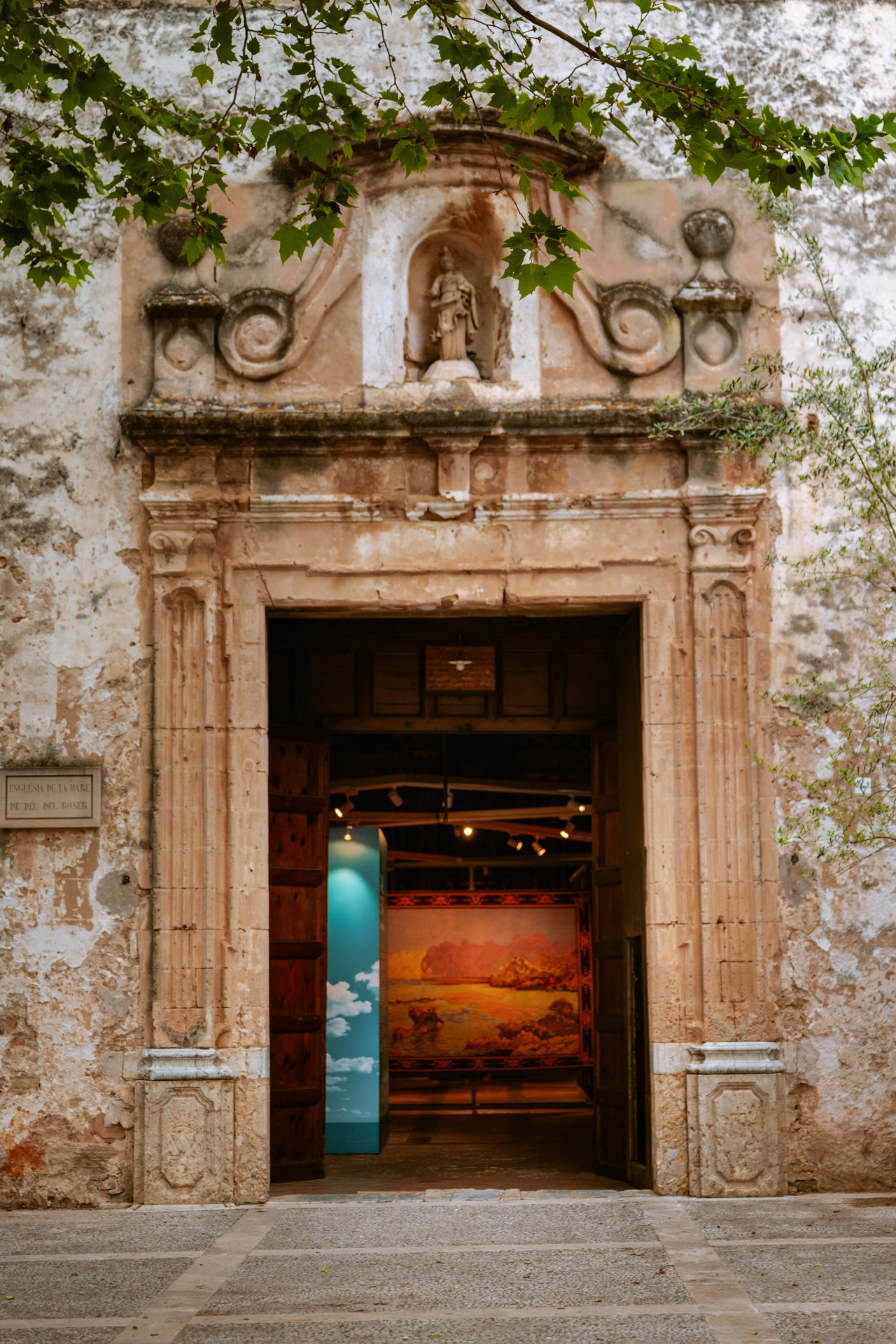
A few steps off the square sits the Convent de Sant Domingo, a former Dominican convent with a beautiful arched cloister, a small museum, and a quiet courtyard with orange trees. Even if you skip the museum, the cloister itself is worth a walk through. Besides, the entry to the museum is free by the way!
If you’re here in August, time your visit with the Festival de Pollença. They host classical music concerts inside the cloister and it’s one of the most magical things you can do in town!
7. Discover Pollença’s beautiful local boutiques
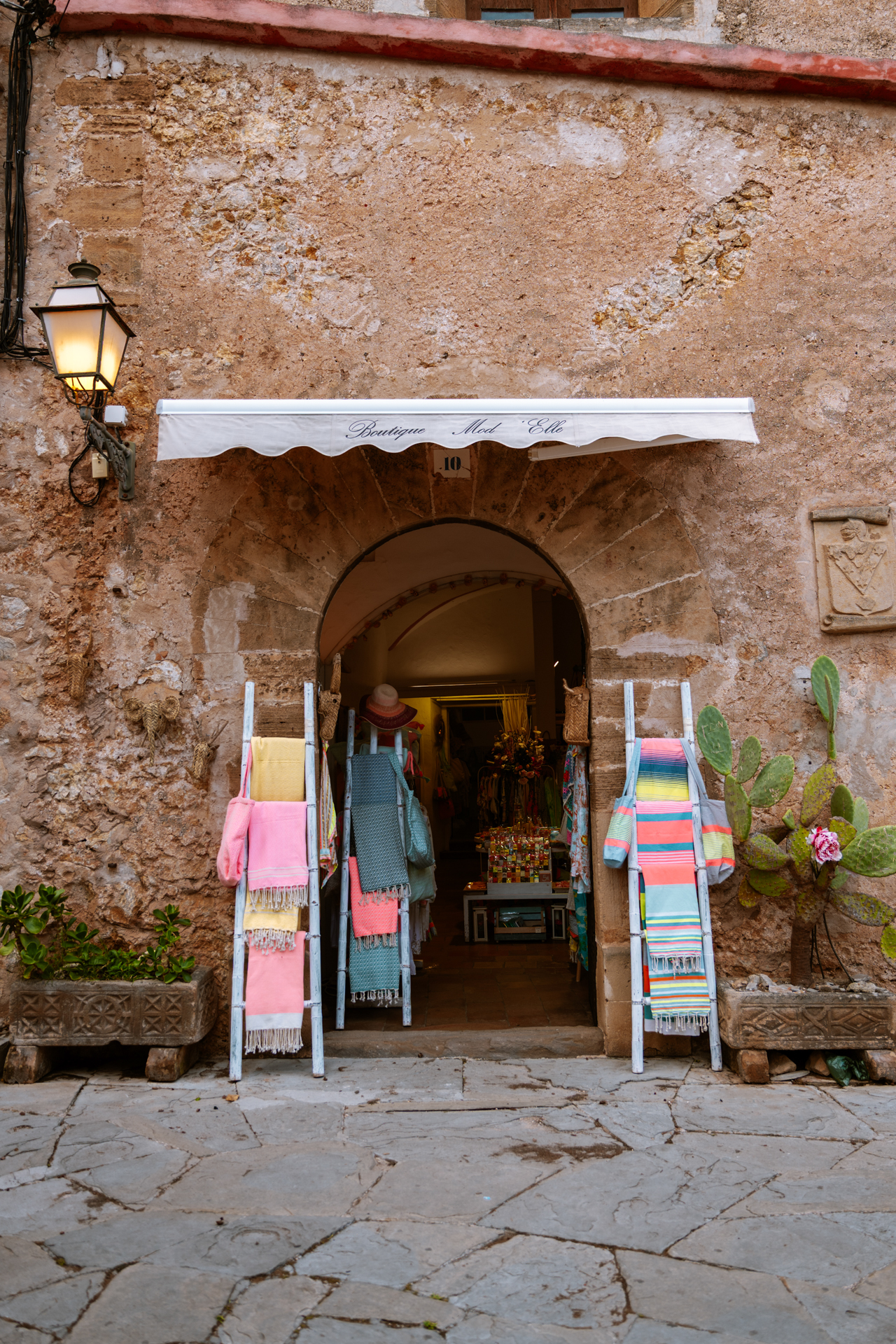
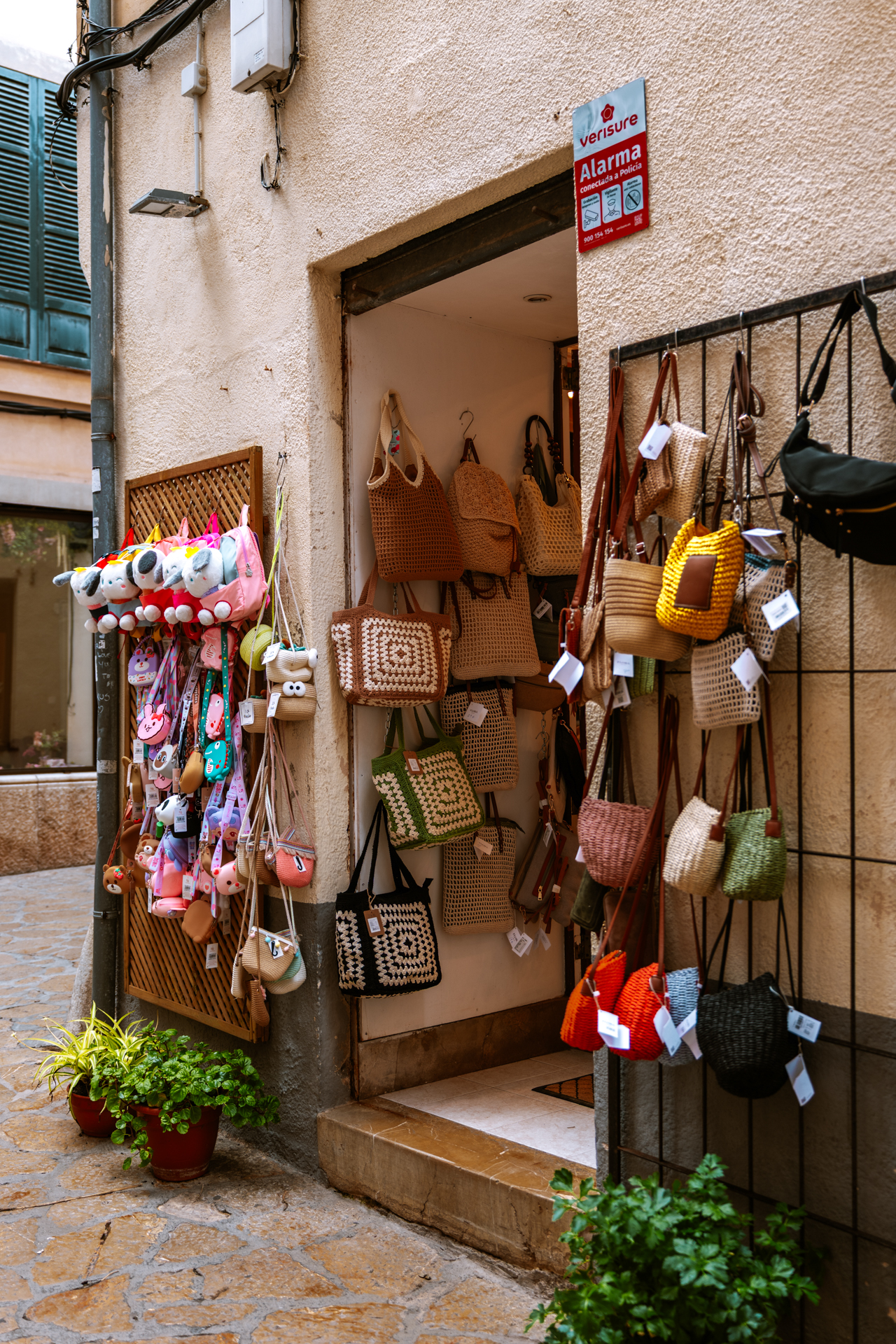
One of my favourite things about Pollença was simply wandering through the side streets. Around every corner, I seemed to find another beautiful little shop, from handmade ceramics and local perfumes to small galleries and curated boutiques. It all feels very personal and authentic, offering a side of Spain that’s becoming increasingly hard to find.
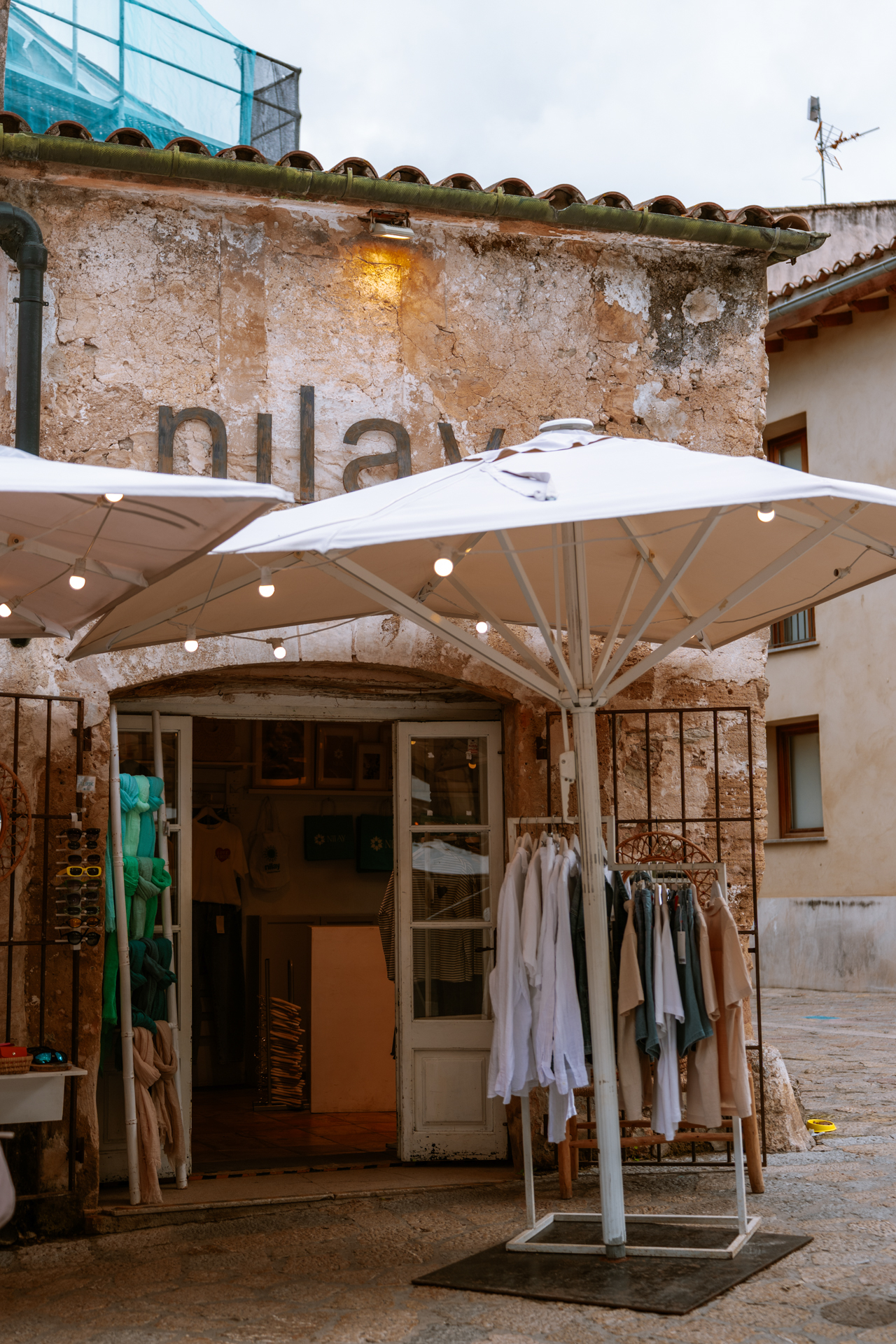
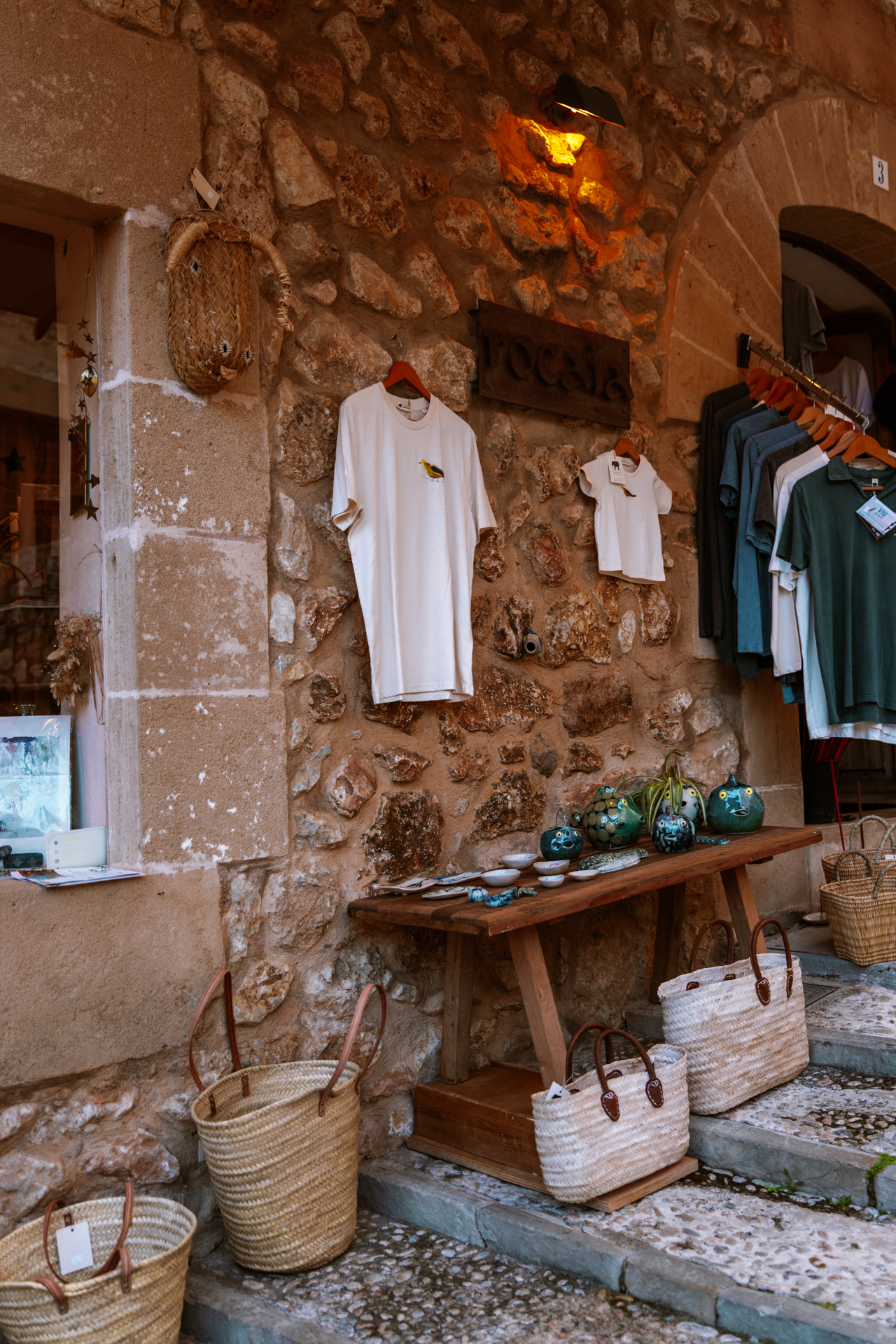
If you enjoy shopping, Pollença is a great place to do it. You’ll find beautiful linen clothing, handmade jewellery, home decor, and other thoughtfully selected pieces. You’re far more likely to leave with something you’ll genuinely love and use for years to come.
Most independent shops close for siesta, roughly 2 to 5 pm. Late morning and early evening are the best browsing windows, and the light at golden hour makes the streets look even more beautiful.
Top Places to Stay
Where to Stay in Pollença
Pollença has some very pretty places to stay, mostly small and mostly run by people who actually live there. You can pick between boutique hotels in restored townhouses inside the old town, family-run guesthouses, or quiet rural fincas a short drive out towards the mountains. If you’re not sure which neighborhood to pick, head straight for the old town (Centre Històric).
If being close to the beach is your priority, Port de Pollença is the better choice. You’ll find a long sandy beach, a waterfront promenade, and plenty of restaurants, while still being only a 10-minute drive from Pollença.
Where to Eat & Sip
Best Cafés & Restaurants Pollença
Eating in Pollença is one of the best parts of a stay here. You’ve got proper Mallorcan kitchens, easy tapas spots on the square, a few stand-out modern restaurants, and great cafés.
Transportation
How to Get Around Pollença
Pollença is small, mostly flat in the centre, and built for walking. For everything beyond the town itself, a rental car is the easiest way to see the rest of the north, the Tramuntana, and the beaches around Cala San Vicente and Formentor.
By Car
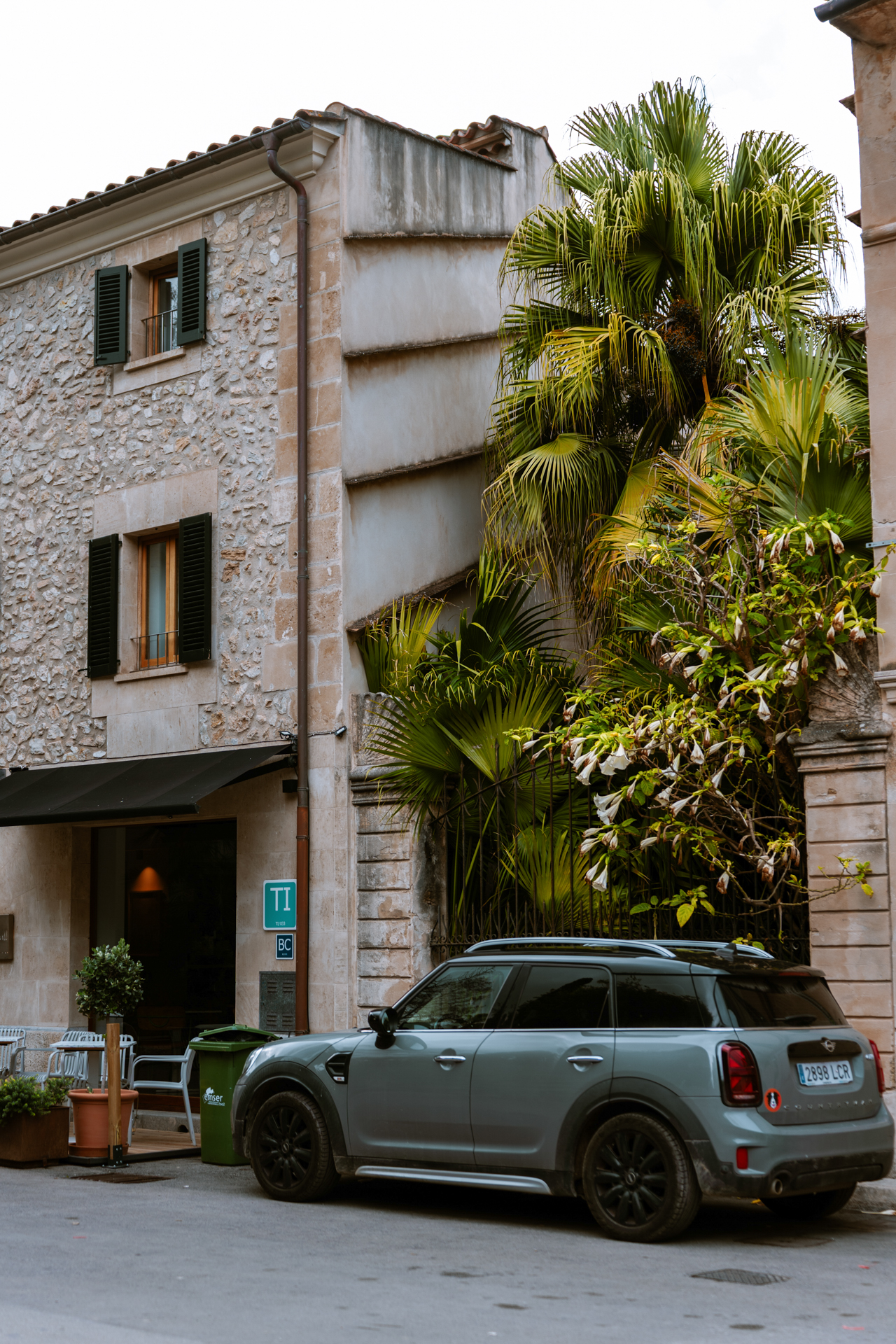
A rental car is the easiest way to explore the north of the island. Pick it up at Palma Airport on arrival, and you'll reach Pollença in around 50 minutes. Once you're in town, leave the car in one of the free parking lots on the edge of the Old Town and explore on foot. The roads through the Tramuntana mountains and up to Cap de Formentor are incredibly scenic. Also, don't miss the chance to visit beautiful mountain villages like Deia and Valldemossa!
By Bus
Take the direct TIB 301 bus from Palma's Estació Intermodal to Pollença. The journey takes around an hour and is a convenient option if you don't plan to rent a car.
If you're staying in Port de Pollença rather than Pollença town, the same 301 route continues all the way to Port de Pollença.
On Foot
The old town is best on foot. Most streets are narrow and partly pedestrian, and you can get from Plaça Major to the Calvari Steps to the Convent in a single easy loop.
TRAVEL SMARTER
Pollença Travel Tips
THE WEATHER
Best Time to Visit Pollença
The best time to visit Pollença is shoulder season, roughly May to June and September to October. You get warm sea, long days, the Sunday market in full swing, and a fraction of the summer crowds. July and August are hot and busy!
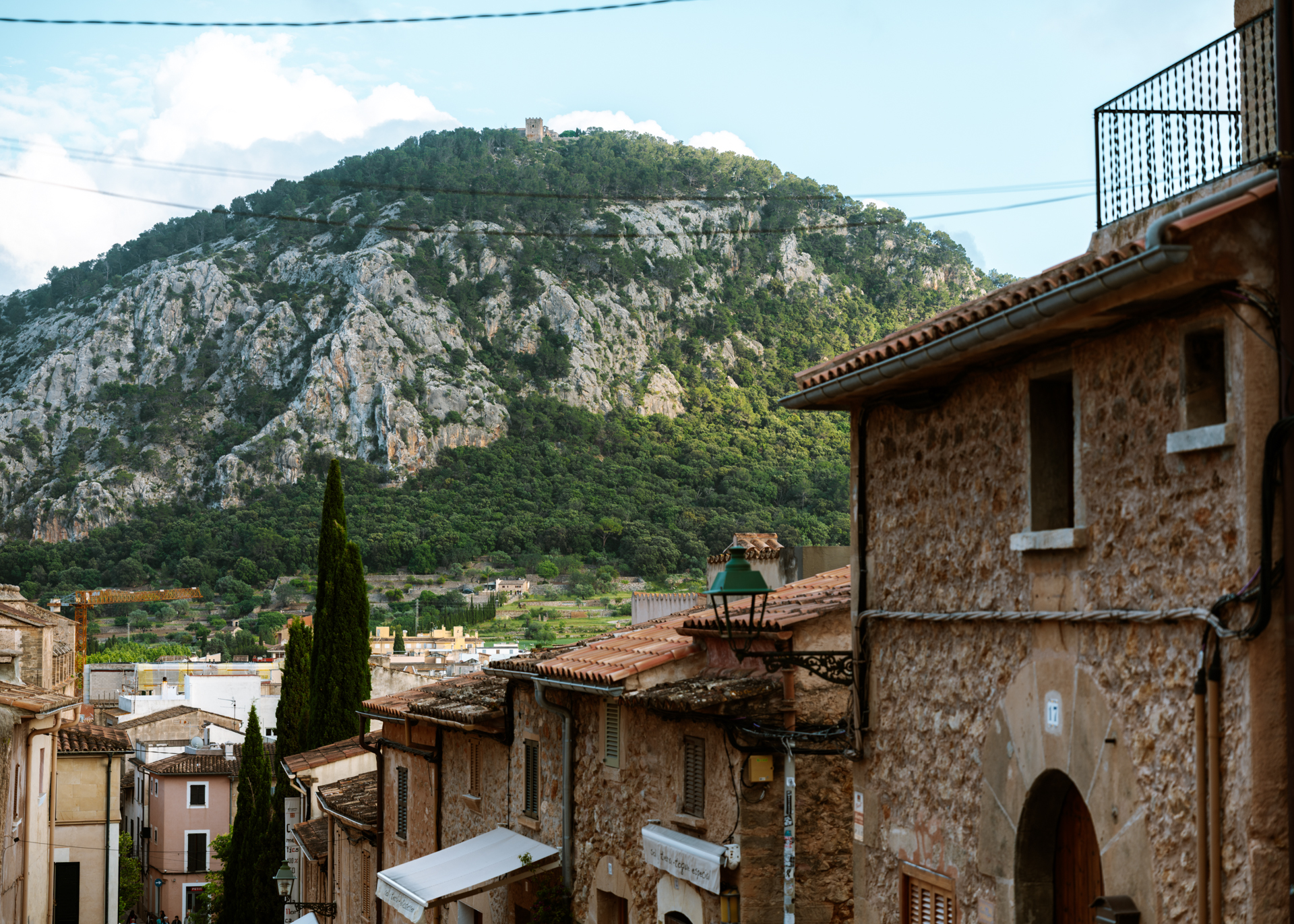
Shoulder season (May, September & October): My personal sweet spot. The sea is warm enough to swim, the market is still busy, and the streets feel like they belong to you again. Restaurants are easy to book and accommodation is noticeably cheaper than peak.
Summer (June to August): The festival season. Hot, busy, and lively, with classical music at the Convent de Sant Domingo and packed cafés in the evenings. Book everything in advance and embrace the slower midday pace.
Winter (December to February): Mild, quiet, and very local. Mornings can be brisk, but you get a different side of Pollença. Note that some shops and restaurants close for parts of the off-season.
I’ve been in Pollença in both summer and shoulder season, and shoulder wins every time. May especially is hard to beat, warm sea, easy evenings, and the town still feels relaxed before the peak summer crowds arrive.
Just a little note
If you book or buy something through one of my links, it helps support the work I do, and it doesn’t cost you anything extra.
Find Hotels
via Booking.com
Find Flights
via Skyscanner
Tours & Attractions
via GetYourGuide
Loved it? Pin it, Share it!
Inspire Others to Travel to Pollença






THE TRAVEL

Let’s stay connected!
Get inspired, helpful tips and exclusive updates straight to your inbox. Subscribe to join a community of explorers.
Leave a Reply