
Mallorca, Spain


My Go-To Spots in Mallorca
20 Best Things To Do in Mallorca, Spain
I have been coming to Mallorca for as long as I can remember. Every single year as a kid, this island was our family tradition.
The thing is, we always did the all-inclusive thing. Stayed at the resort, hit the same pool, ate at the same buffet. We never really explored. So this time around I came back on my own to actually see the island, the proper Mallorca with its mountain villages, hidden coves, twisty roads and tiny fishing harbours. And honestly, it blew me away!
This list pulls together the 20 best things to do in Mallorca that will make you fall in love with the island.







Must-See & Do
Things to Do in Mallorca, Spain
From buzzing Palma and sleepy mountain villages to dramatic coastal drives and the bluest little coves you have ever seen, Mallorca really does have it all packed into one island.
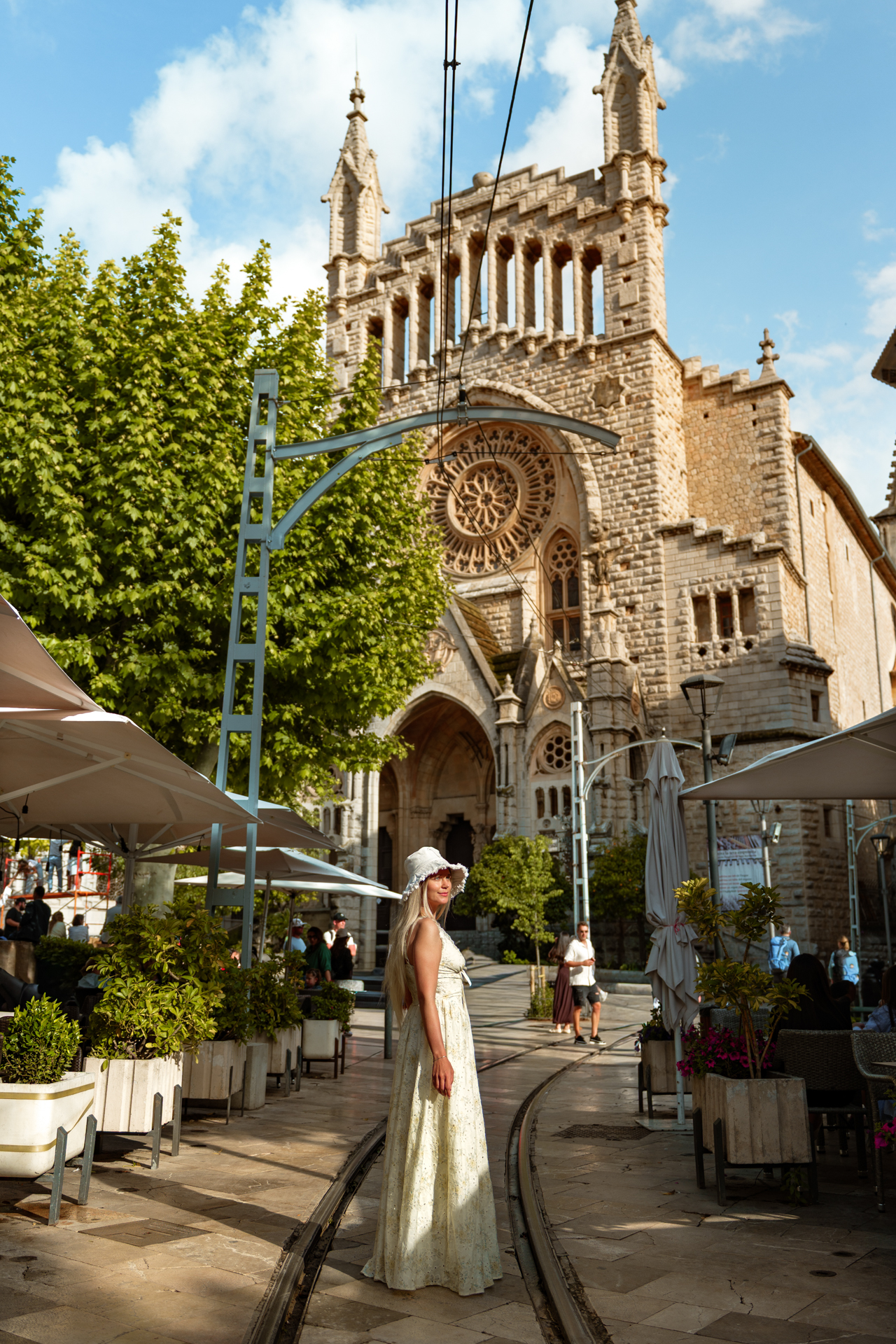
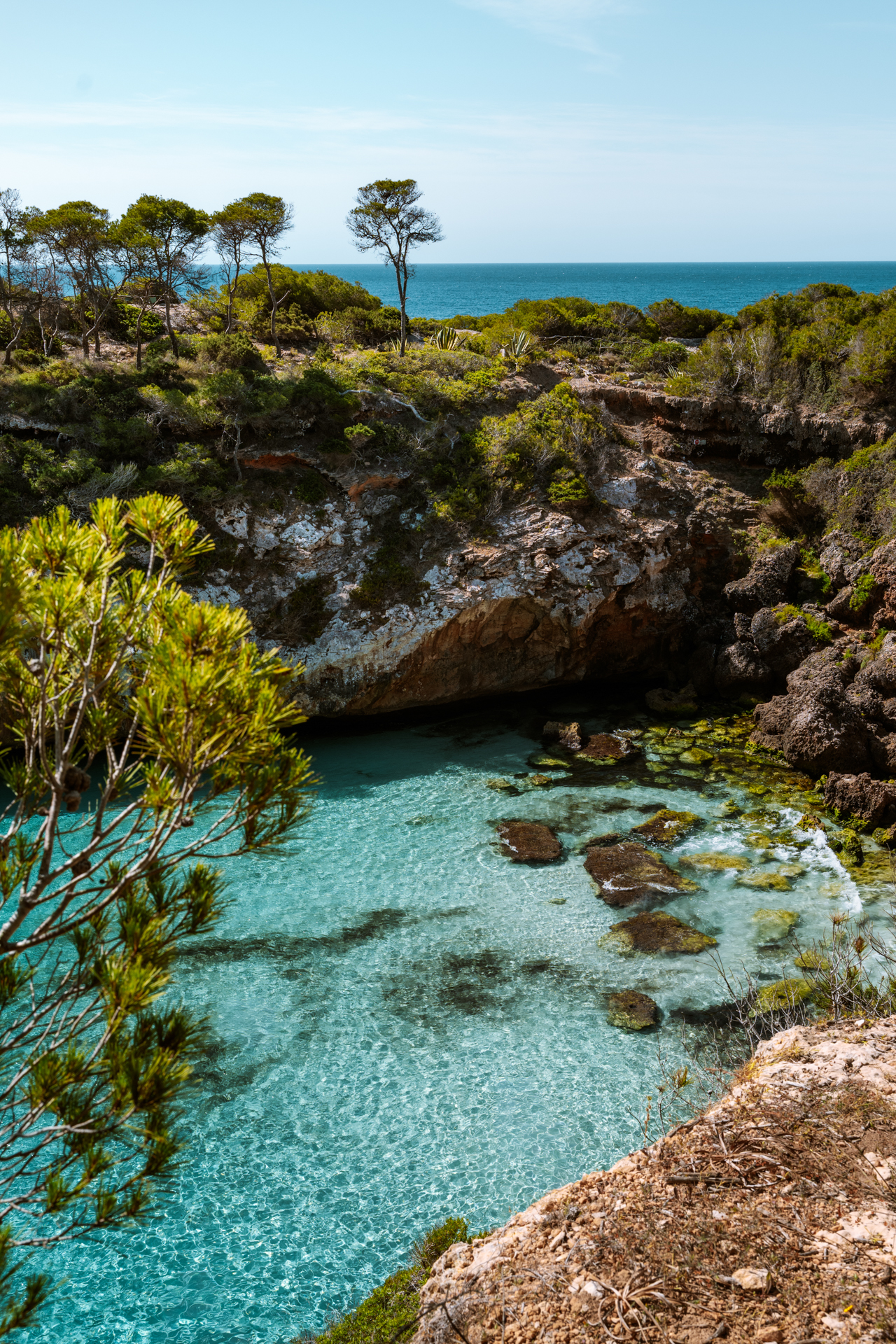
1. Explore the Capital Palma de Mallorca
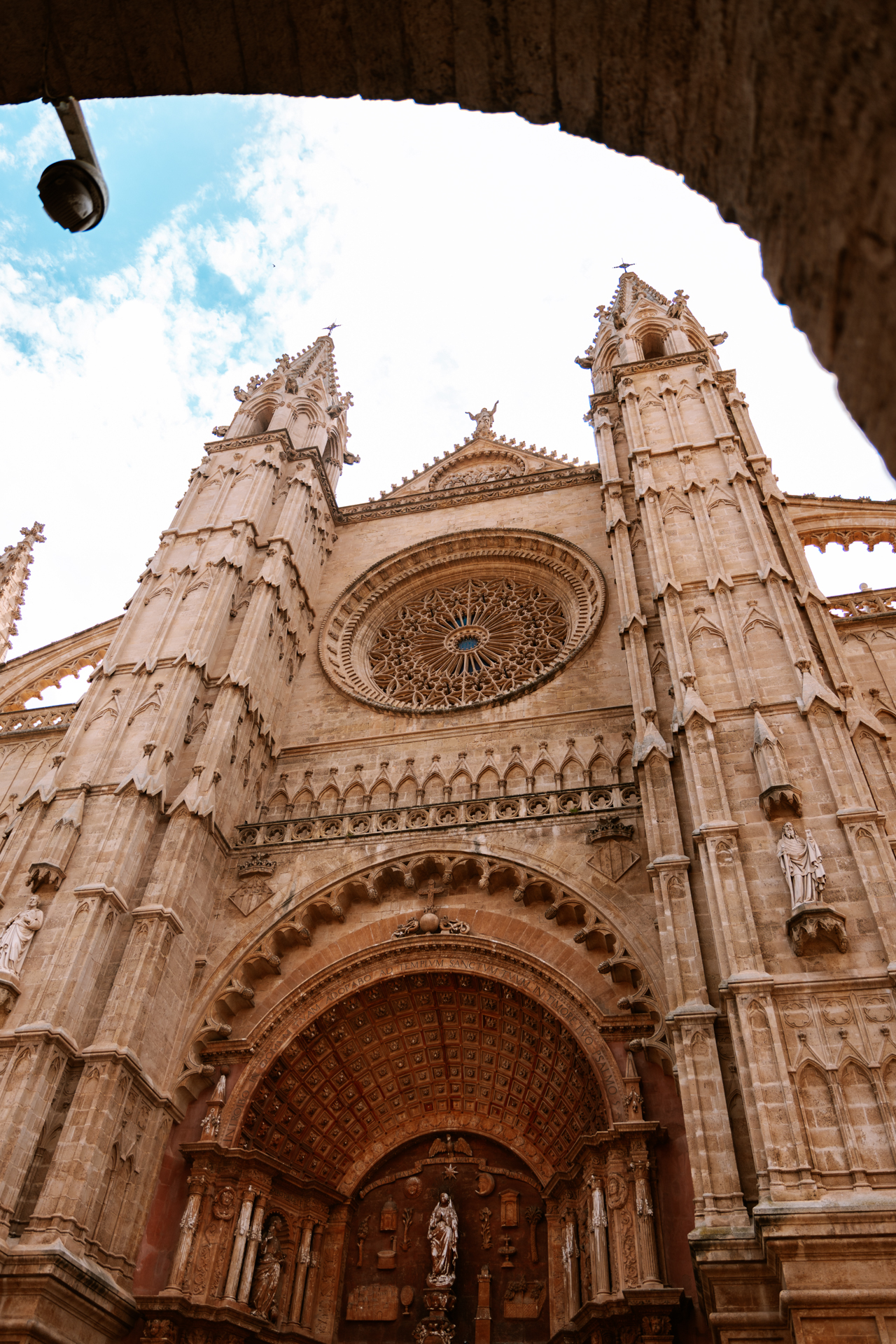
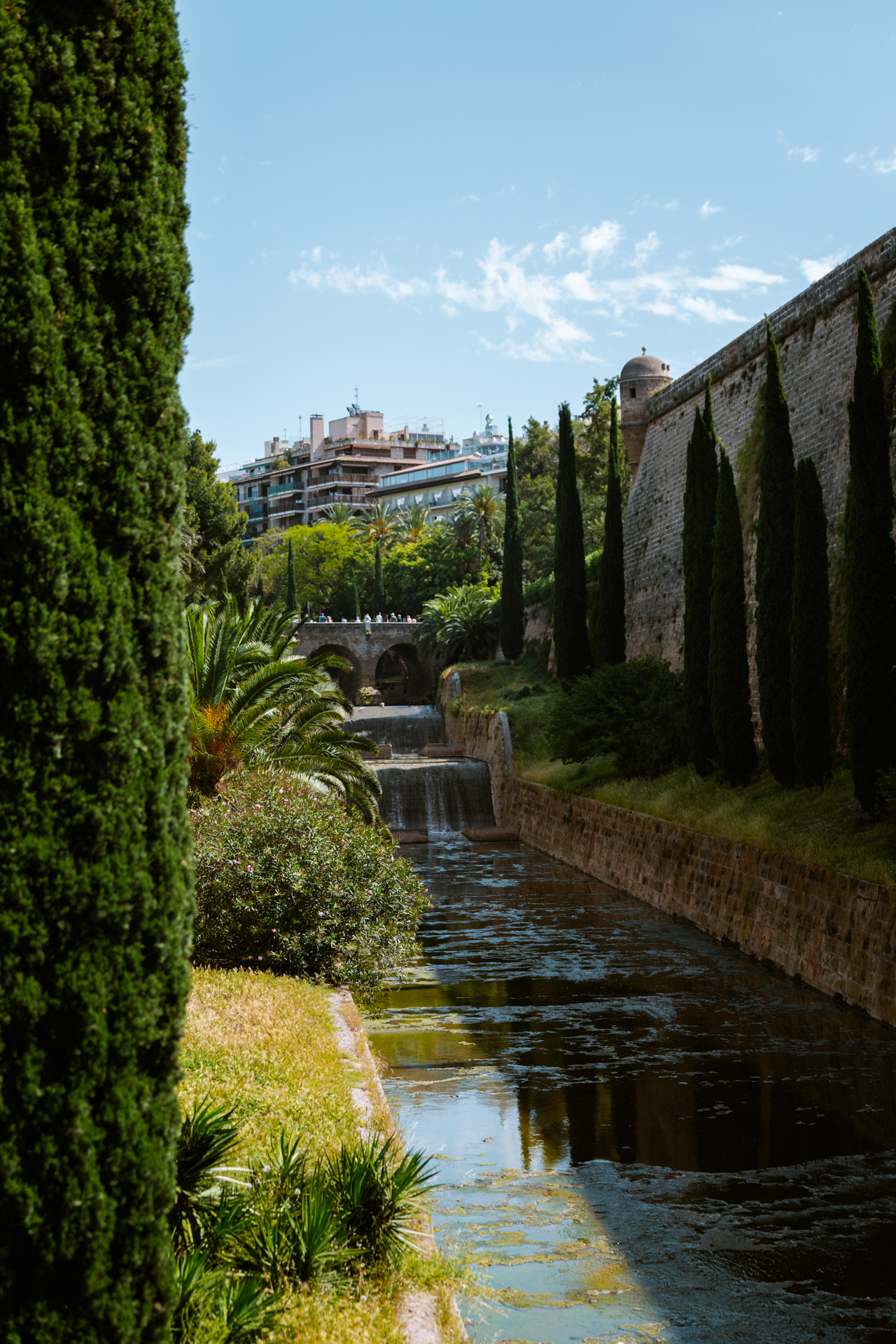
Palma is honestly so underrated! The historic center is one of the largest in Europe. The Old Town is a maze of golden-stone streets, hidden patios, palm-tree-filled squares, and tucked-away cafés. The magnificent Cathedral La Seu sits right on the waterfront and looks especially beautiful at sunrise and sunset.
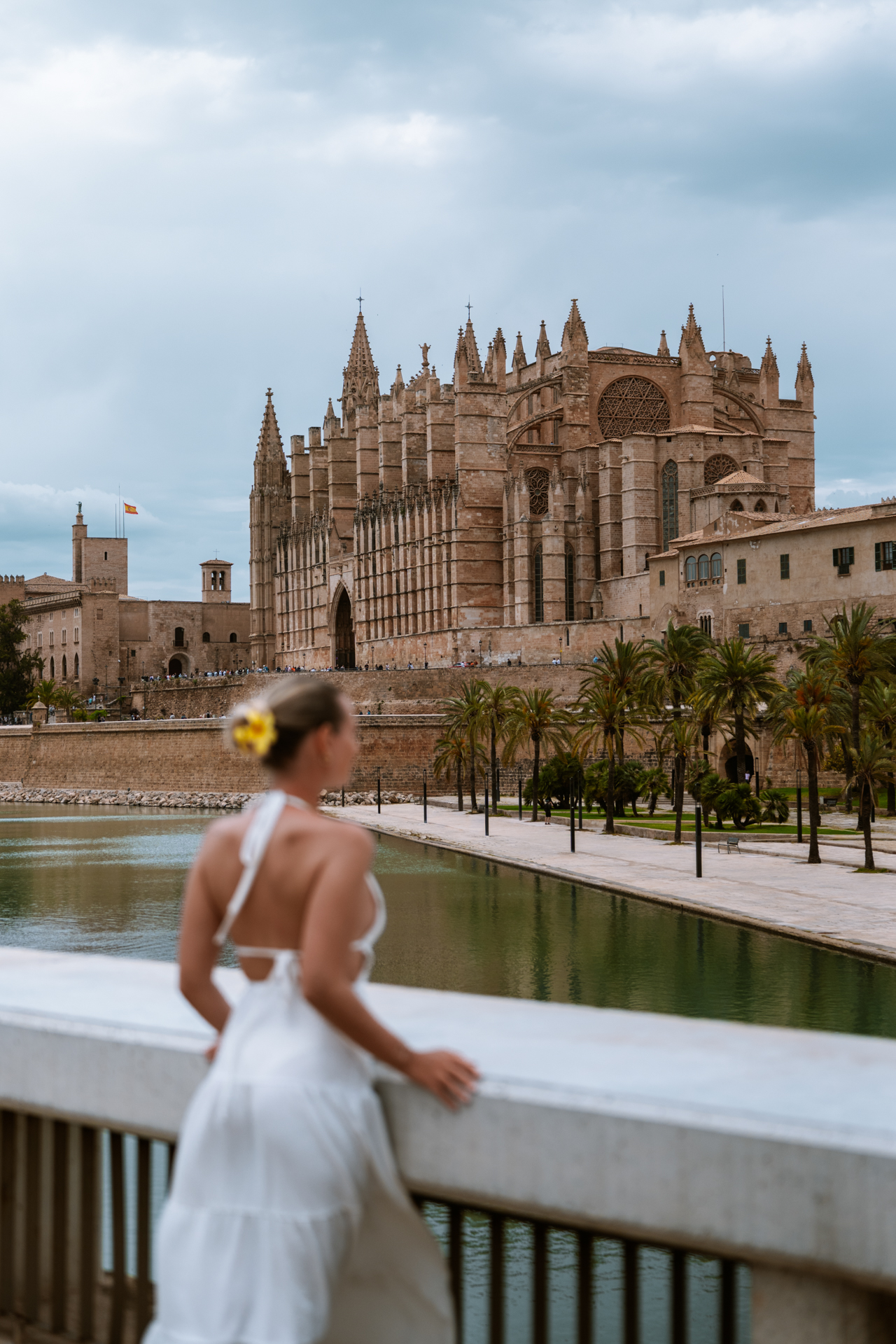
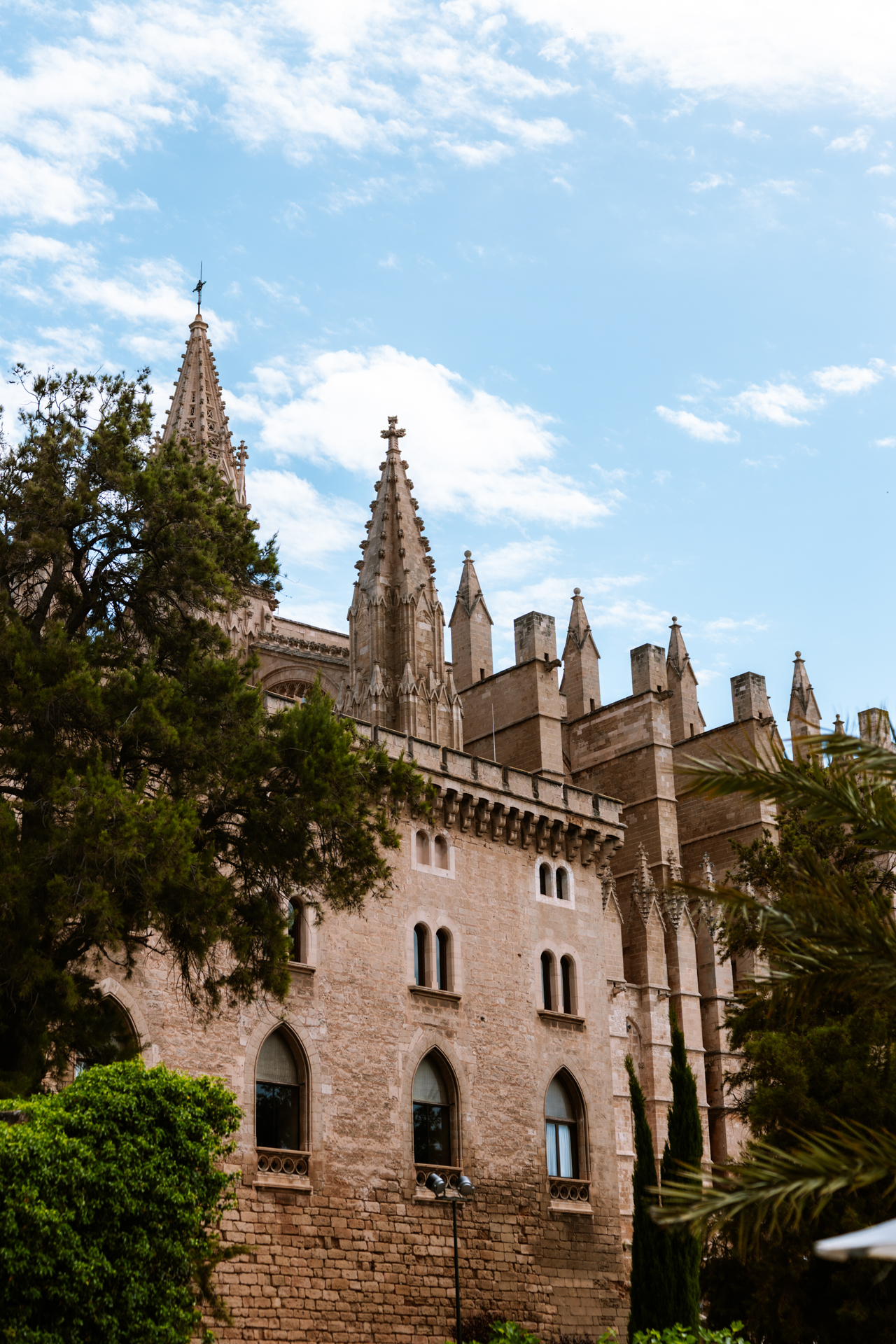
I love how walkable everything is here. You can easily spend a whole day just wandering, eating tapas, popping into little boutiques, and getting a bit lost in the side streets.

Skip the stress of driving into the centre. Park at one of the underground garages near Parc de la Mar and walk in, the old town is best on foot anyway.
2. Fishing Village Cala Figuera
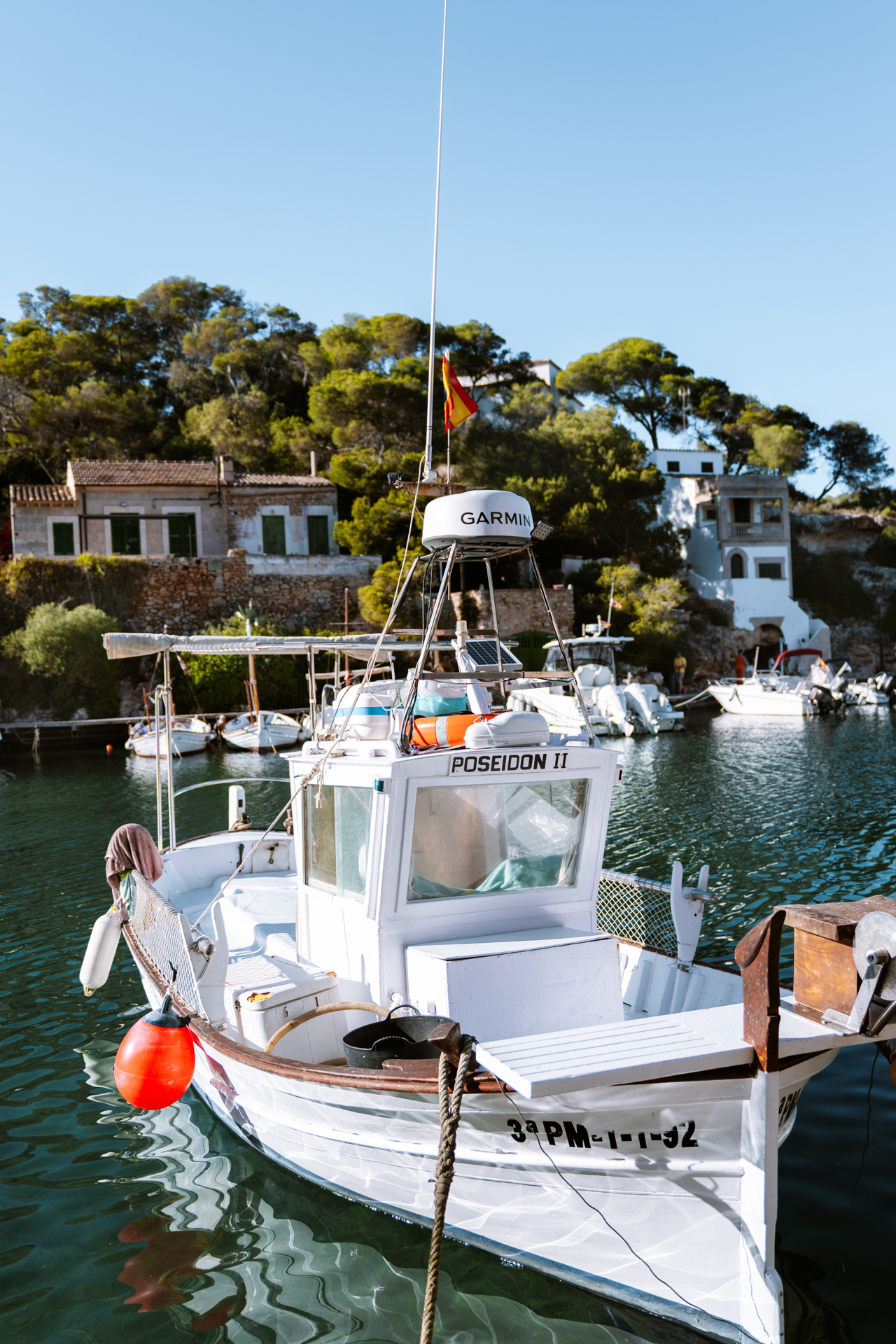
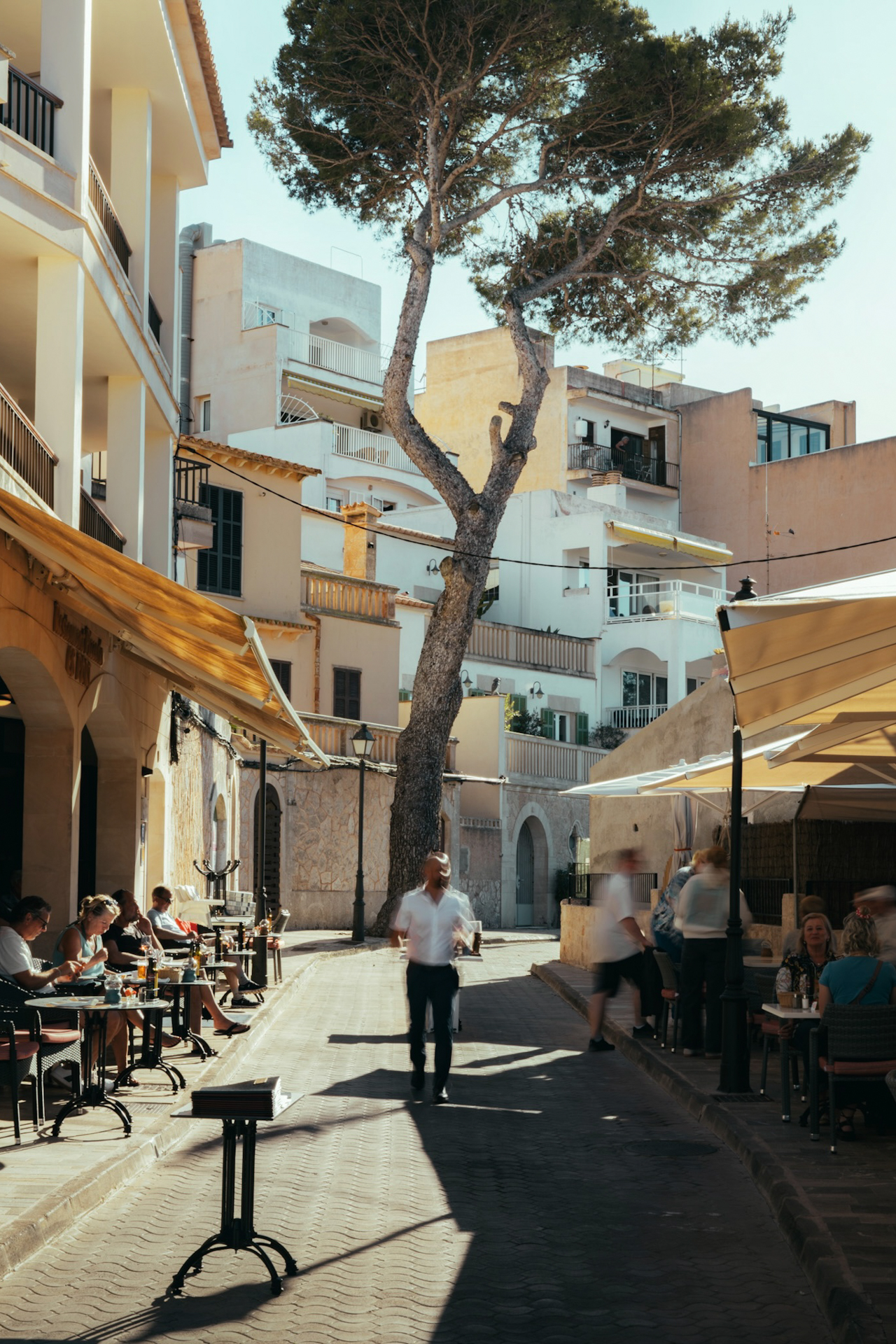
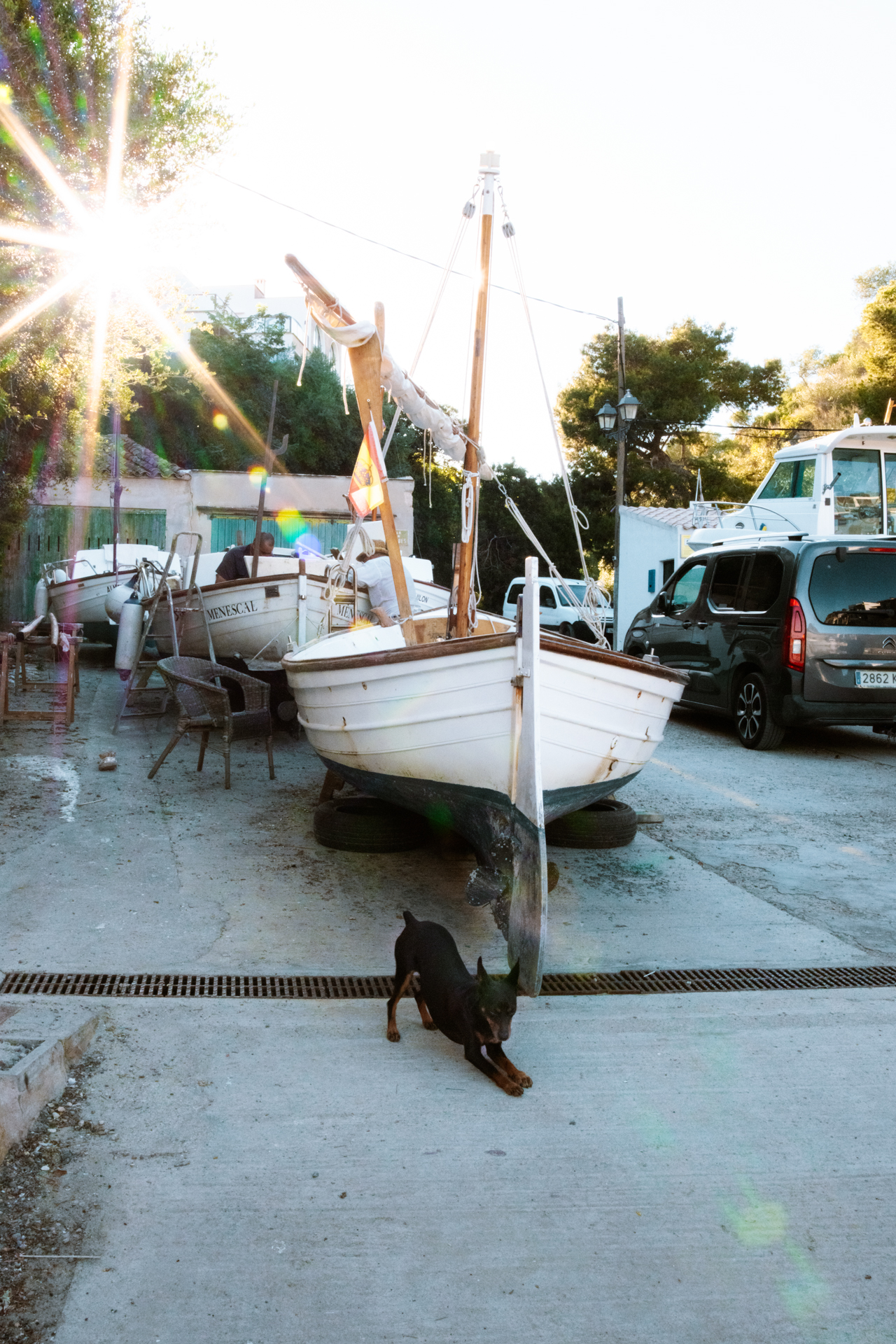
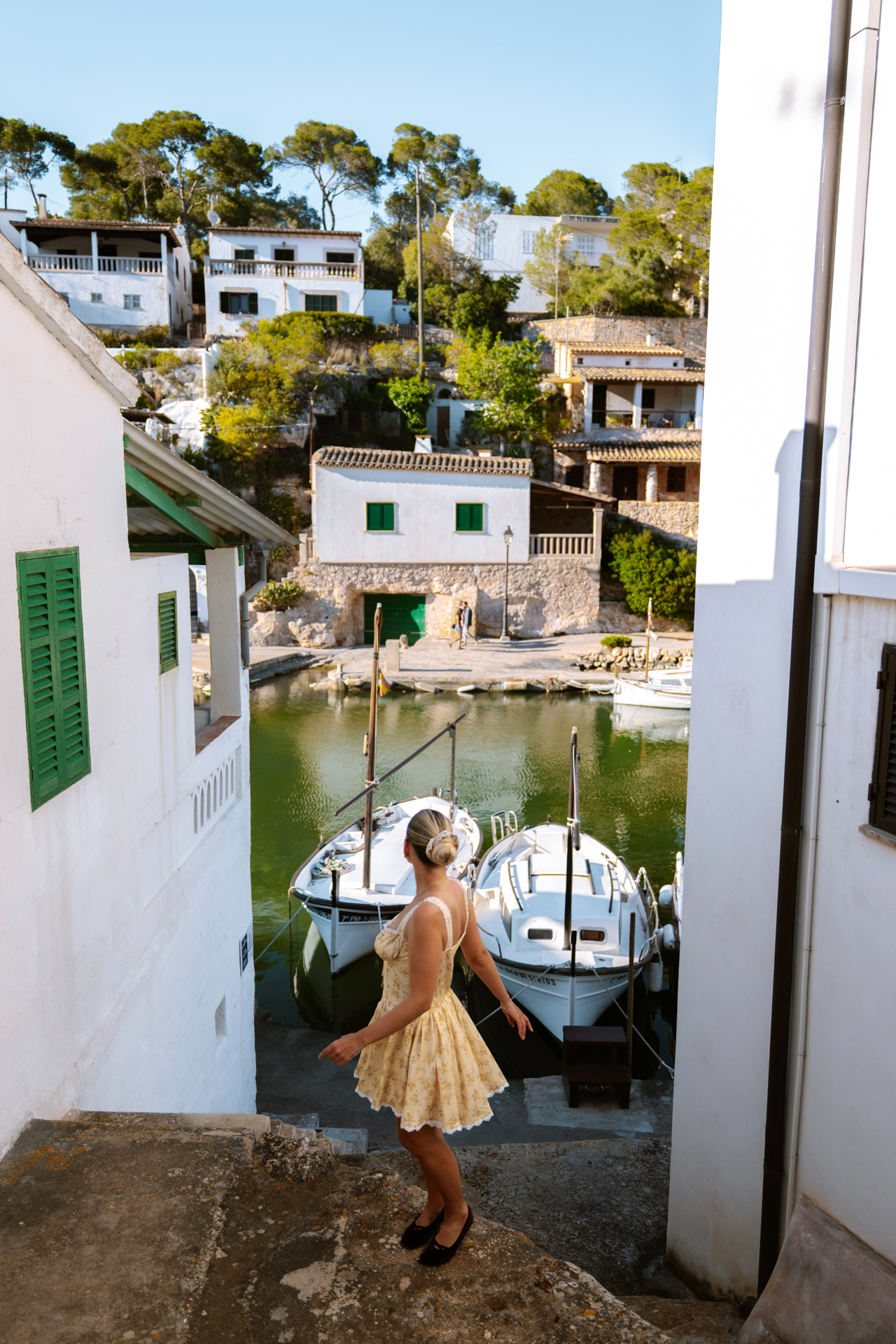
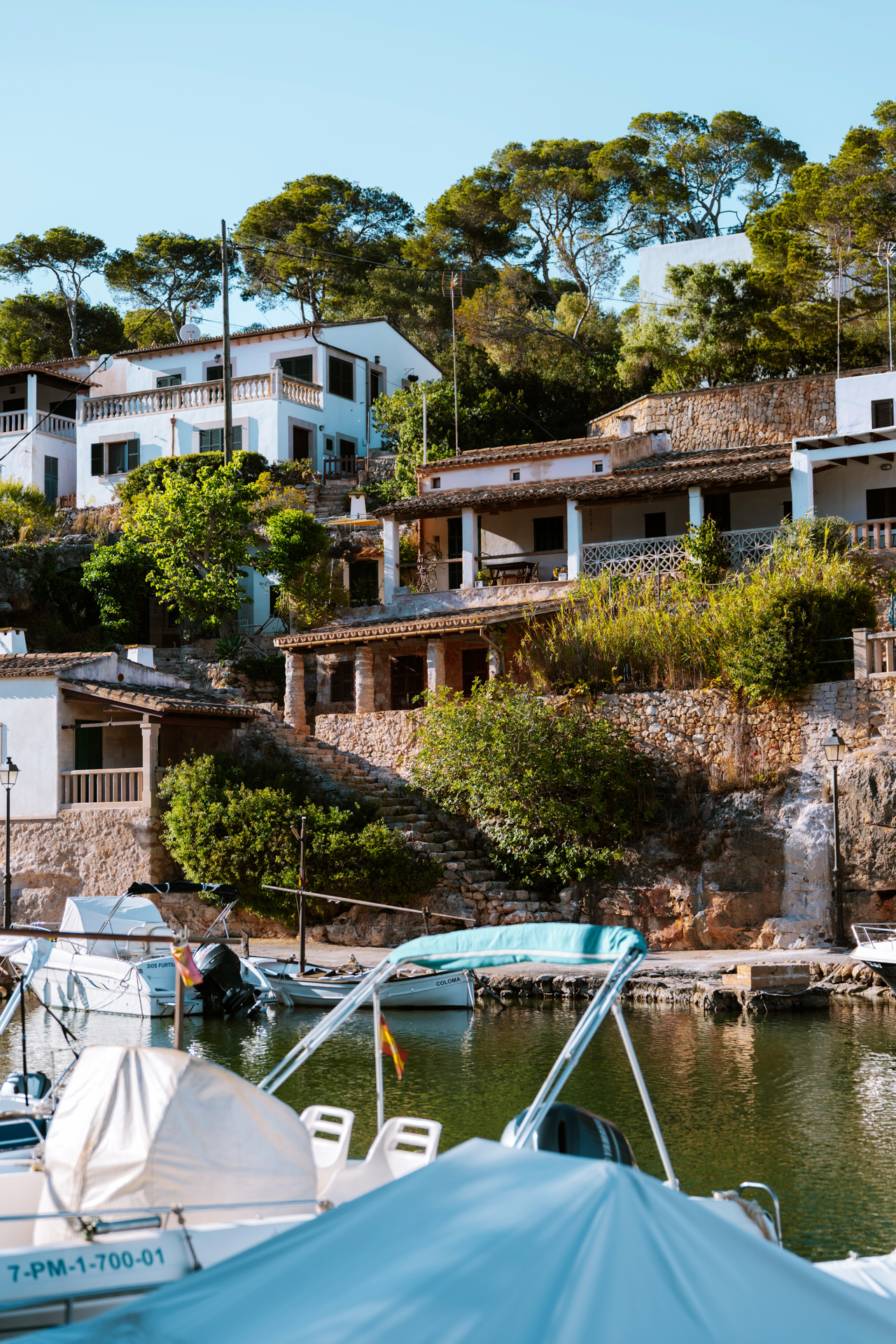
Cala Figuera is a tiny working fishing village on the southeast coast, where time genuinely seems to have slowed down. Pastel-coloured boats line the harbour, fishermen still mend their nets right on the dock, and before lunchtime, you’ll hardly see another tourist in sight.
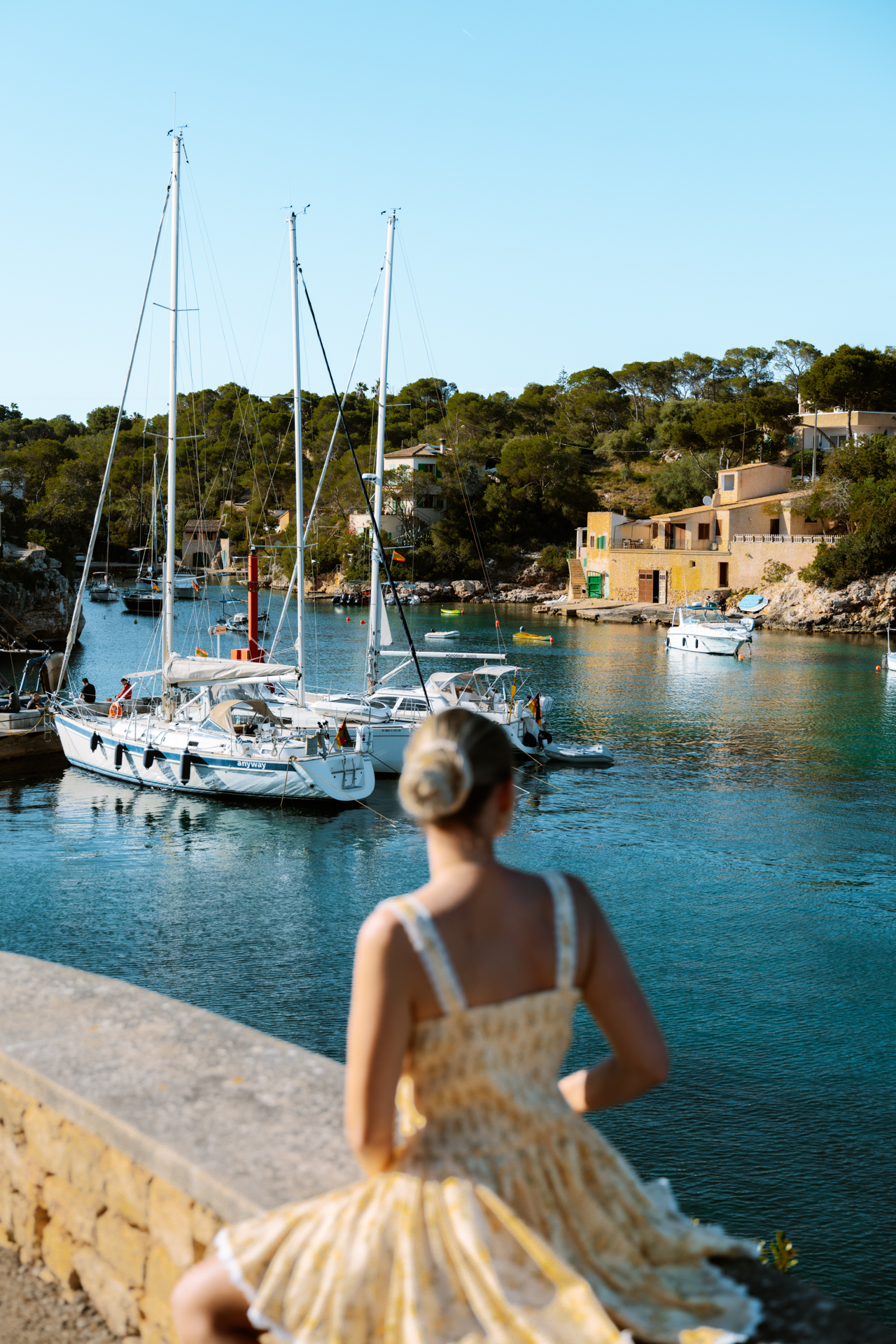
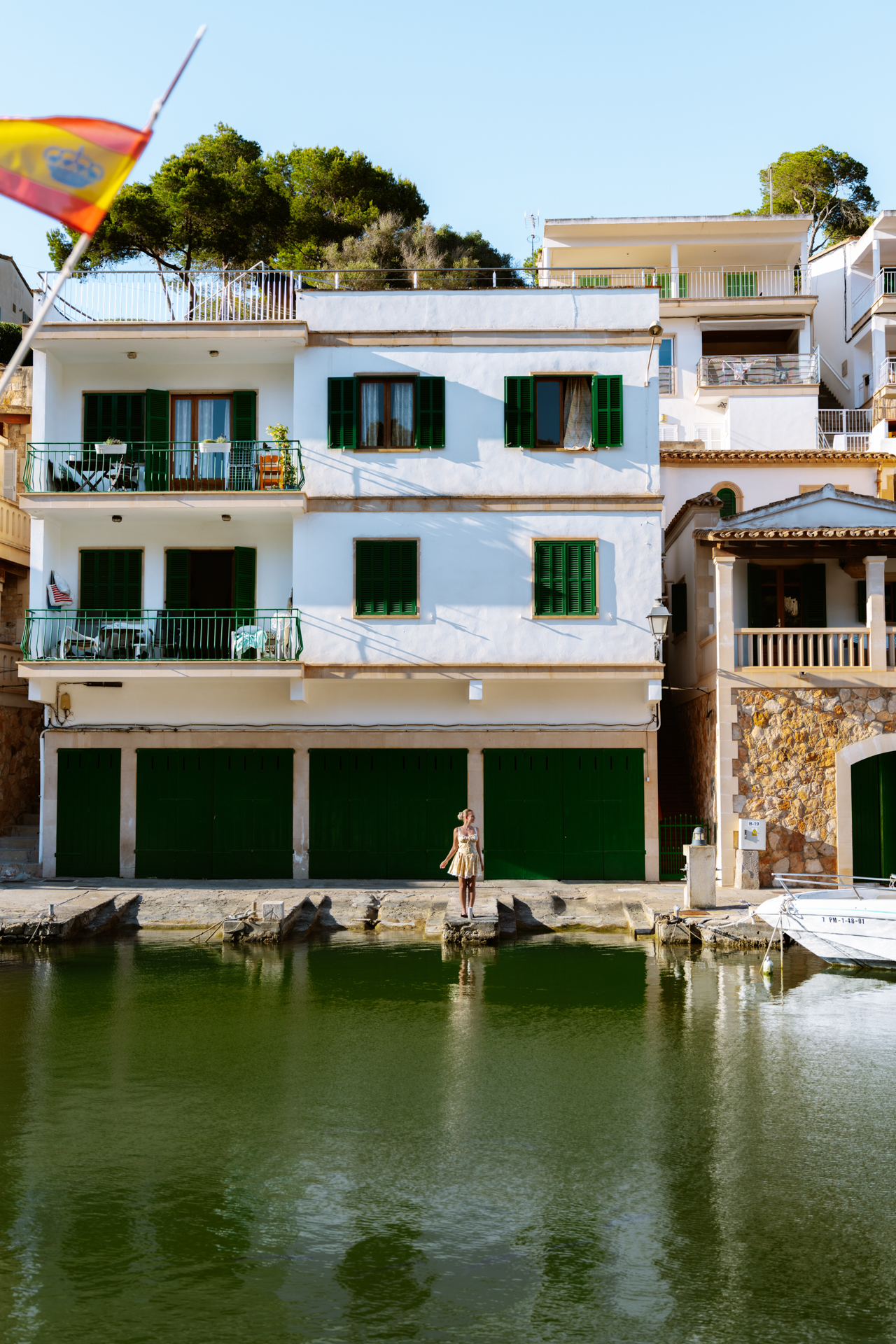
Come in the late afternoon for that warm golden light hitting the boats and white houses. Stop by for dinner at one of the restaurants, many of which feature terraces overlooking the harbour.
3. Drive the Legendary Road to Sa Calobra
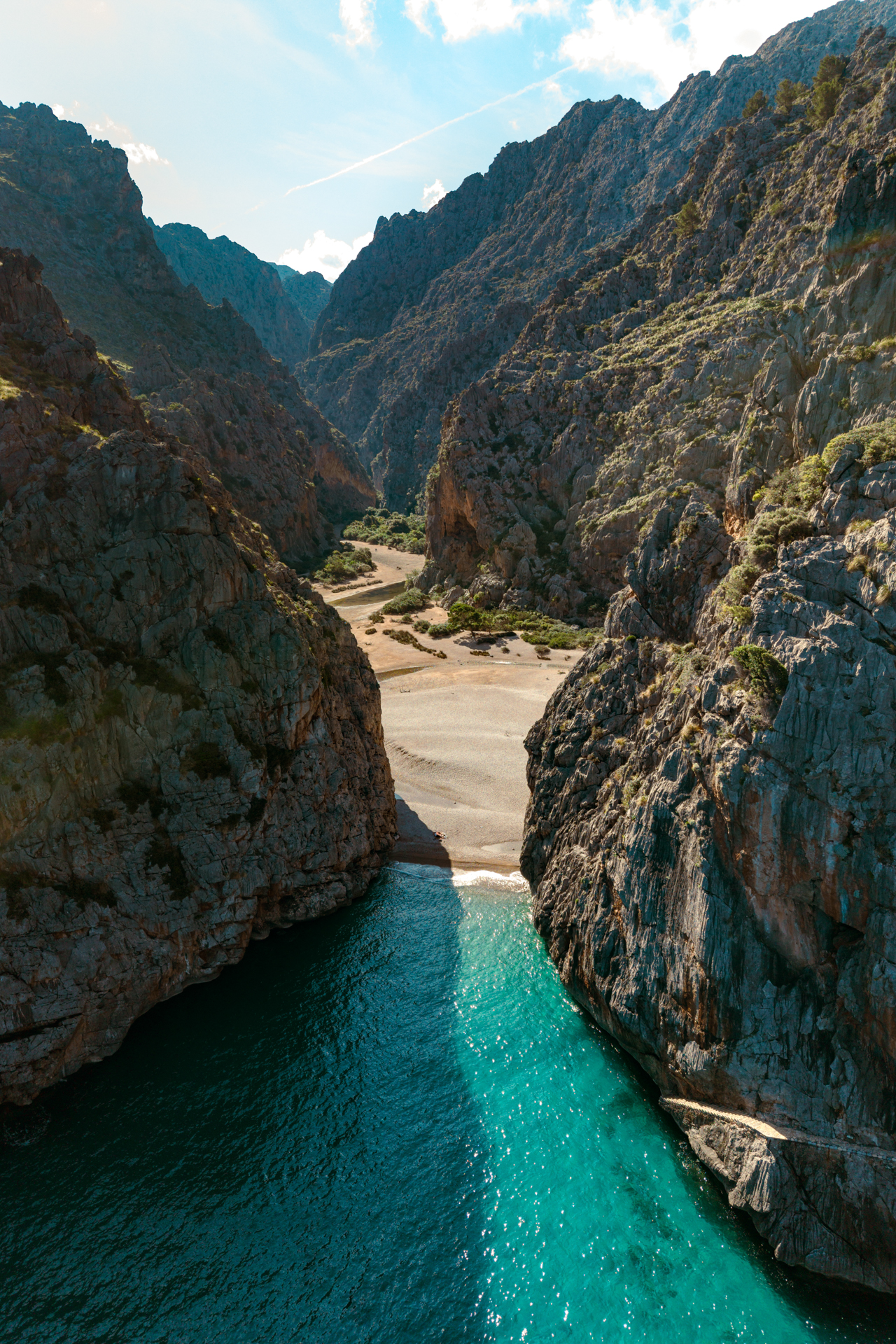
One of the most insane drives in Europe, no exaggeration! The road snakes down the Tramuntana mountains with 26 hairpin turns and even loops fully under itself at the famous Nus de sa Corbata (Tie Knot).
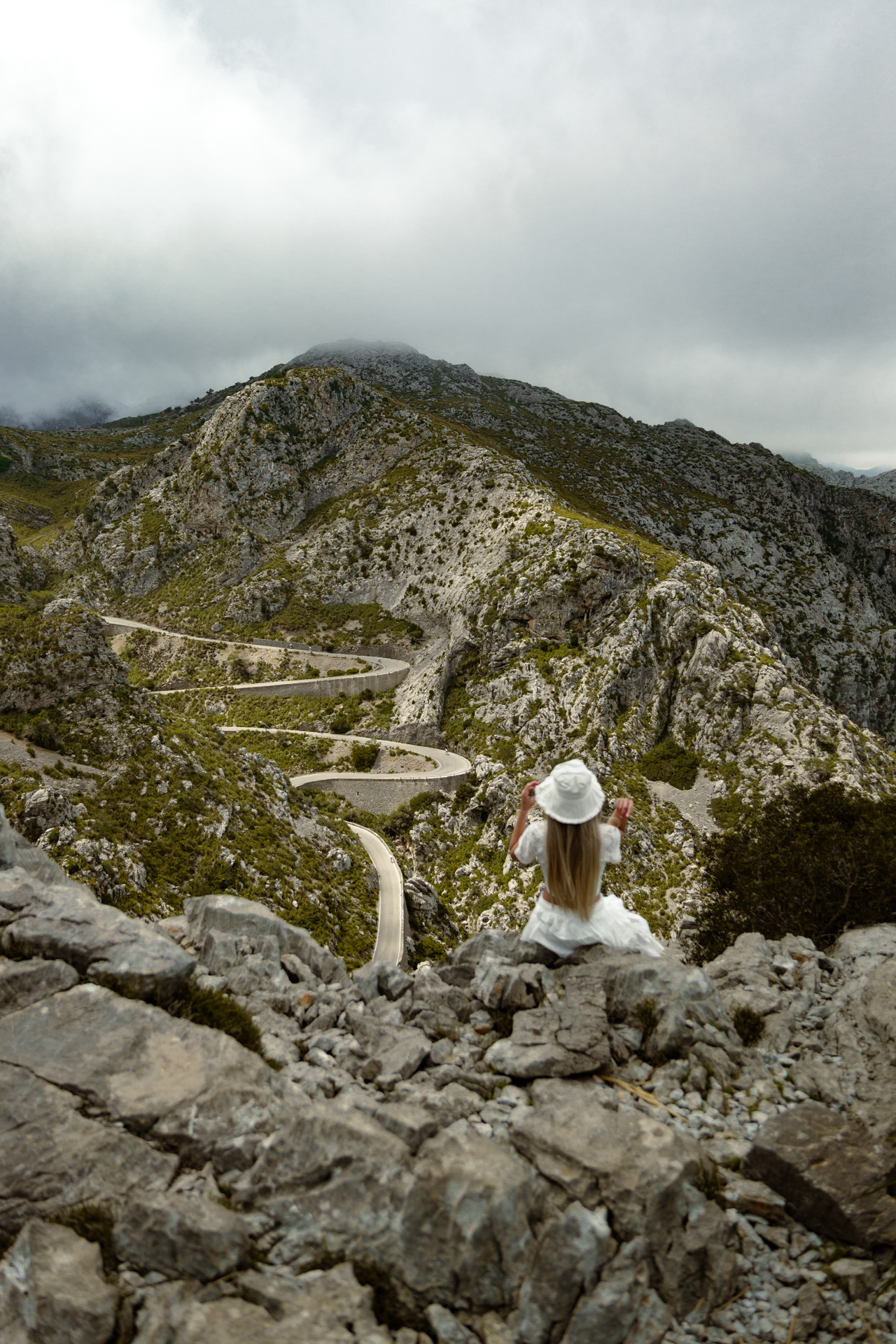
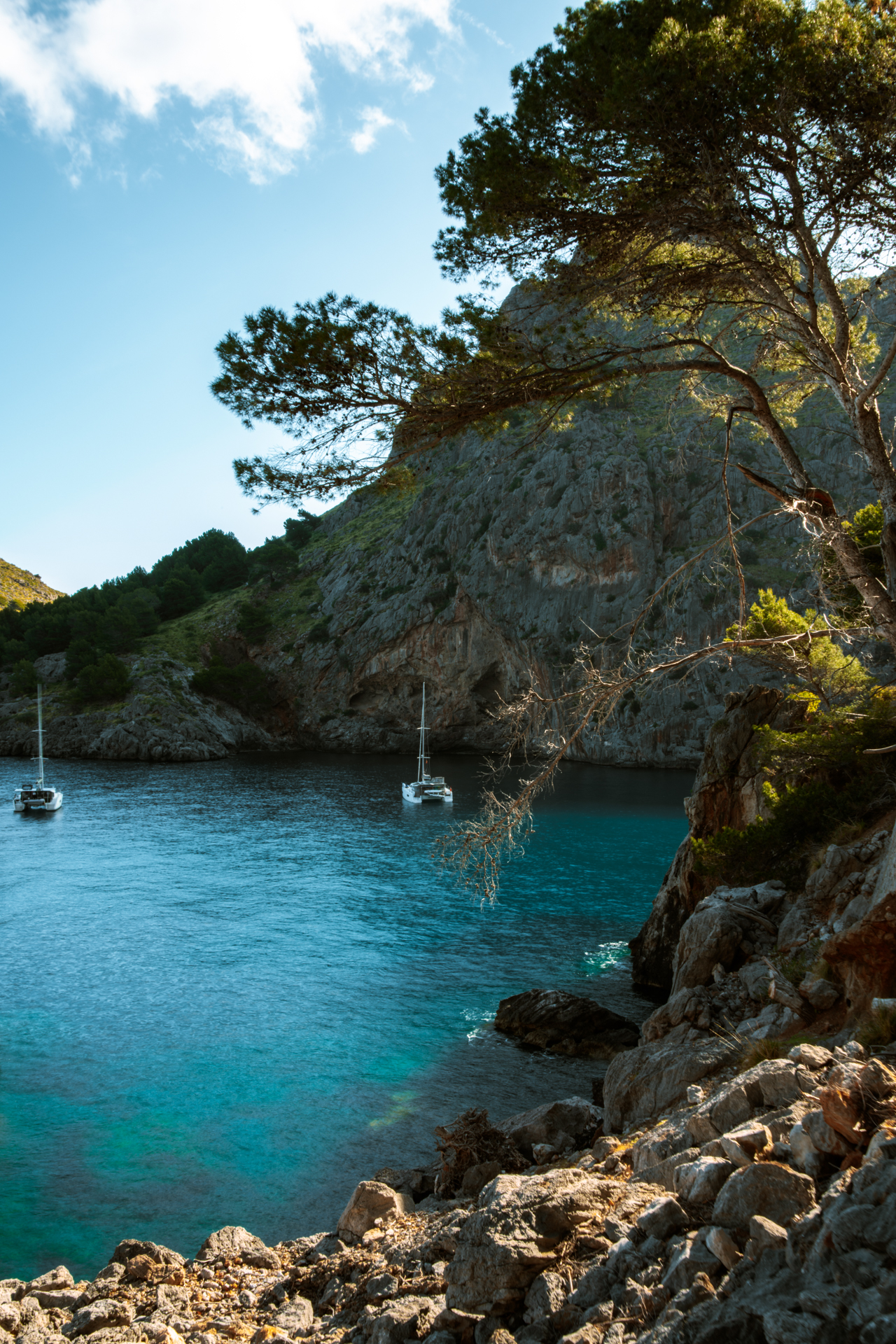
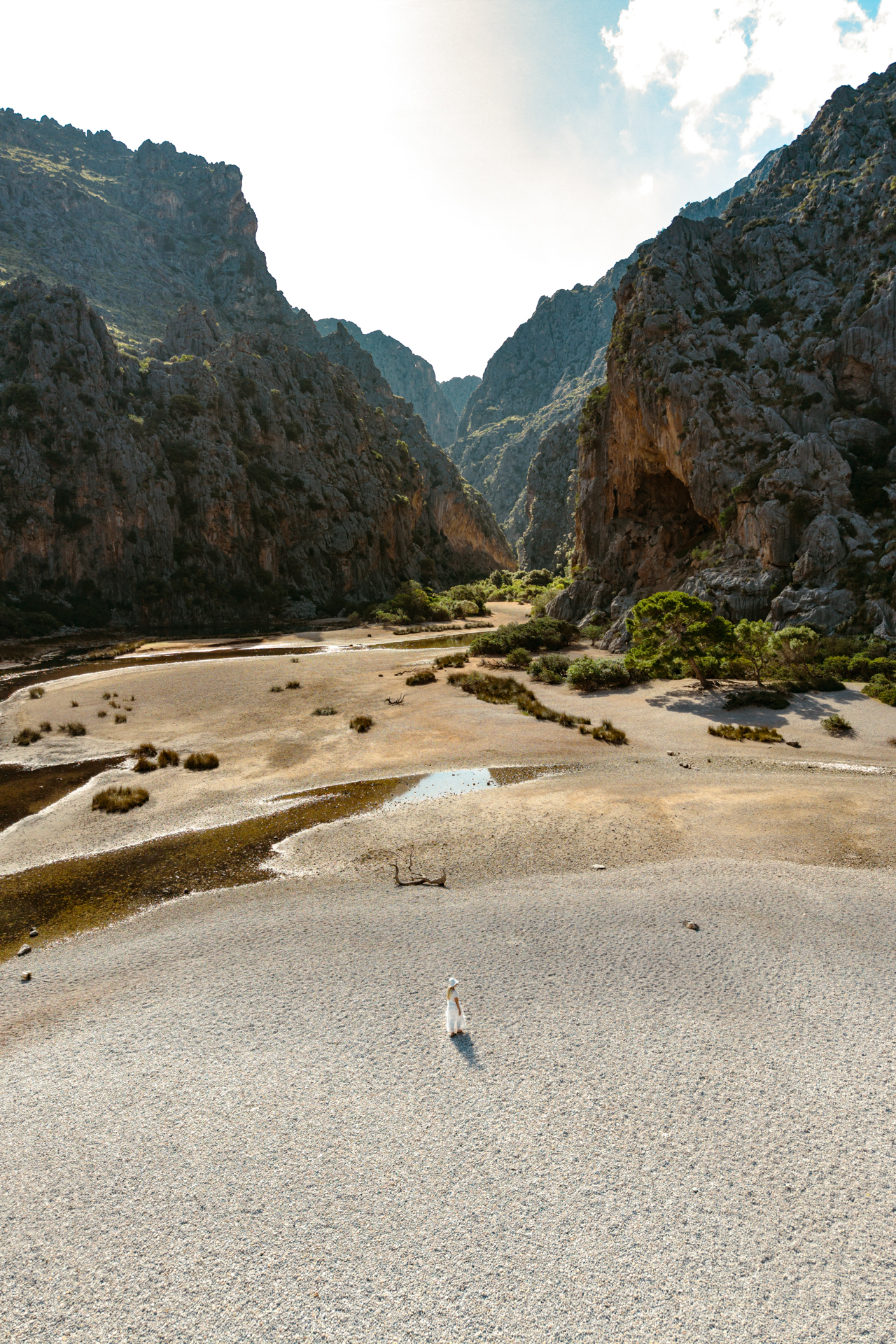
At the bottom you will find a hidden cove and an incredible gorge you can walk through called Torrent de Pareis. You can reach it either by road or by boat, making the journey just as scenic as the destination itself.
Leave early. Try to be on the road before 9am. By mid-morning it fills up with tour buses, the hairpins get tense, and the parking at the bottom is full.
4. Valldemossa Mountain Village
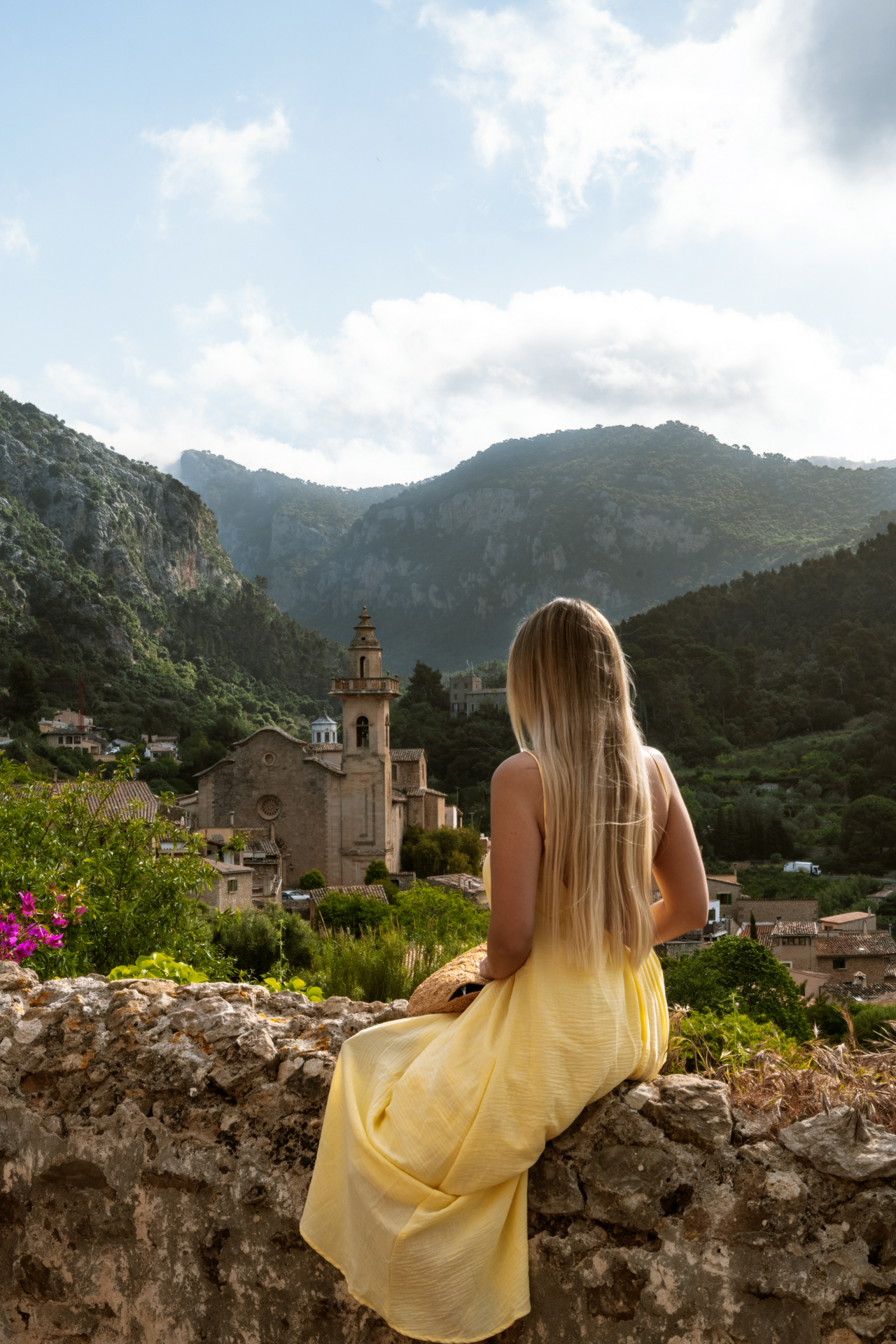
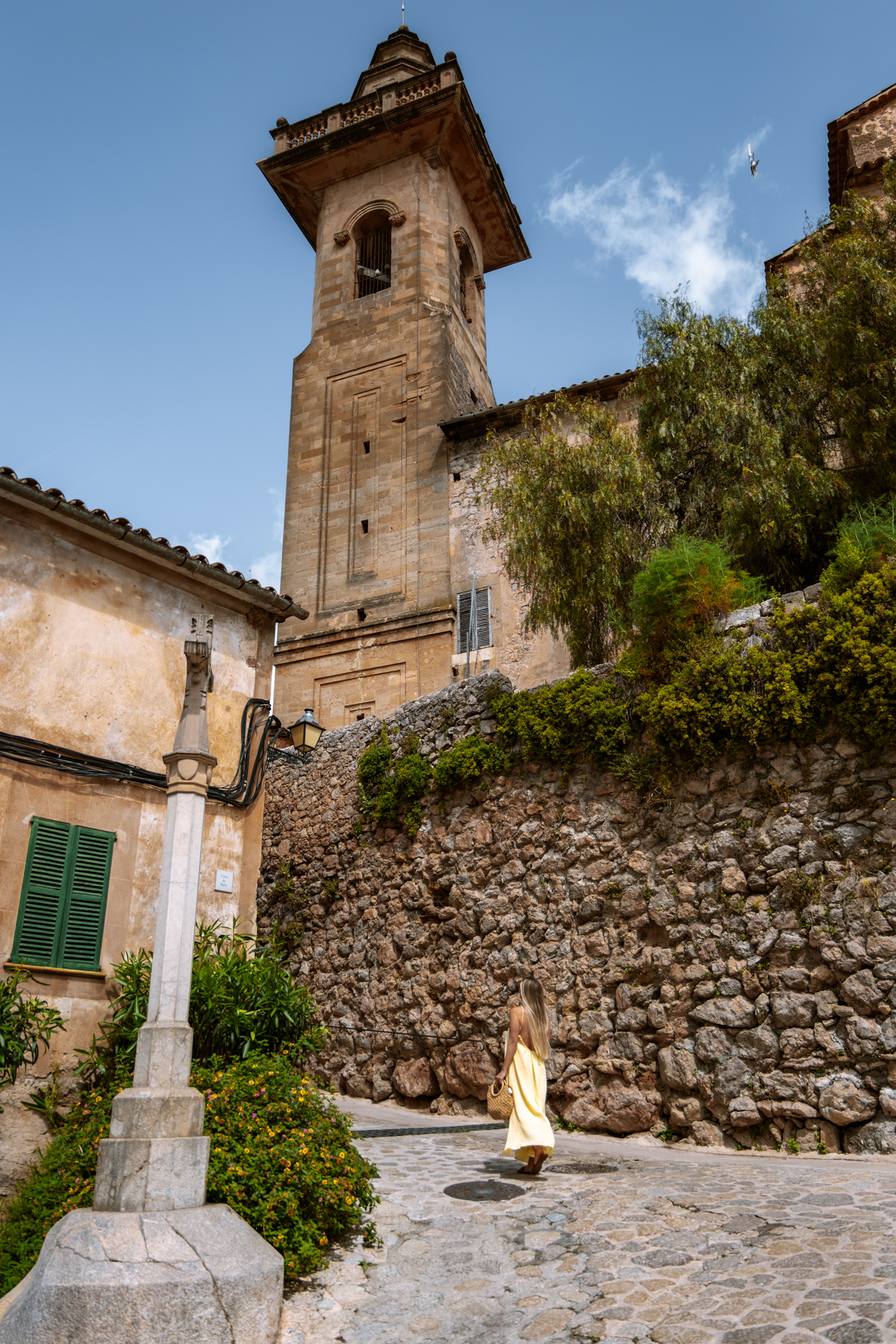
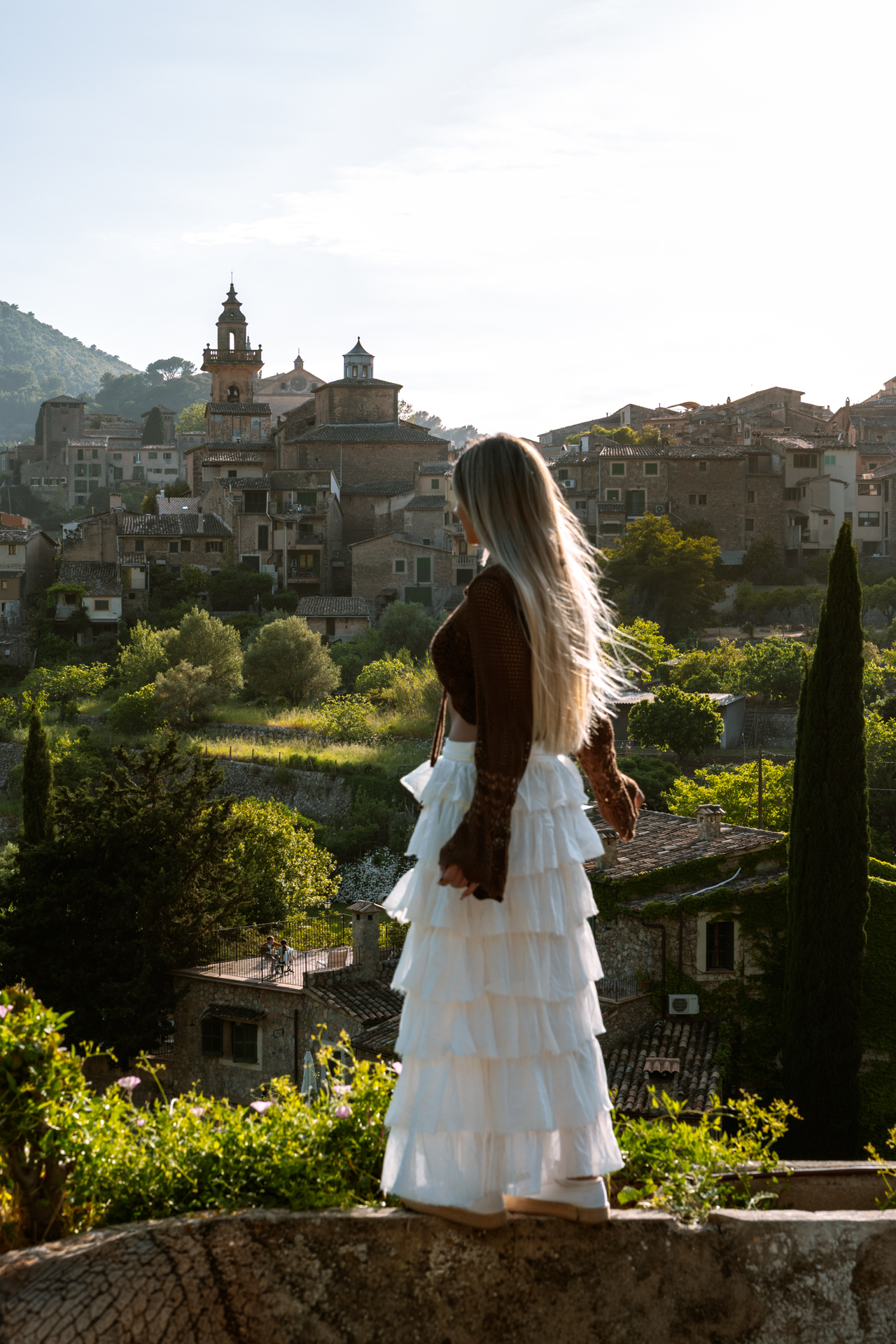
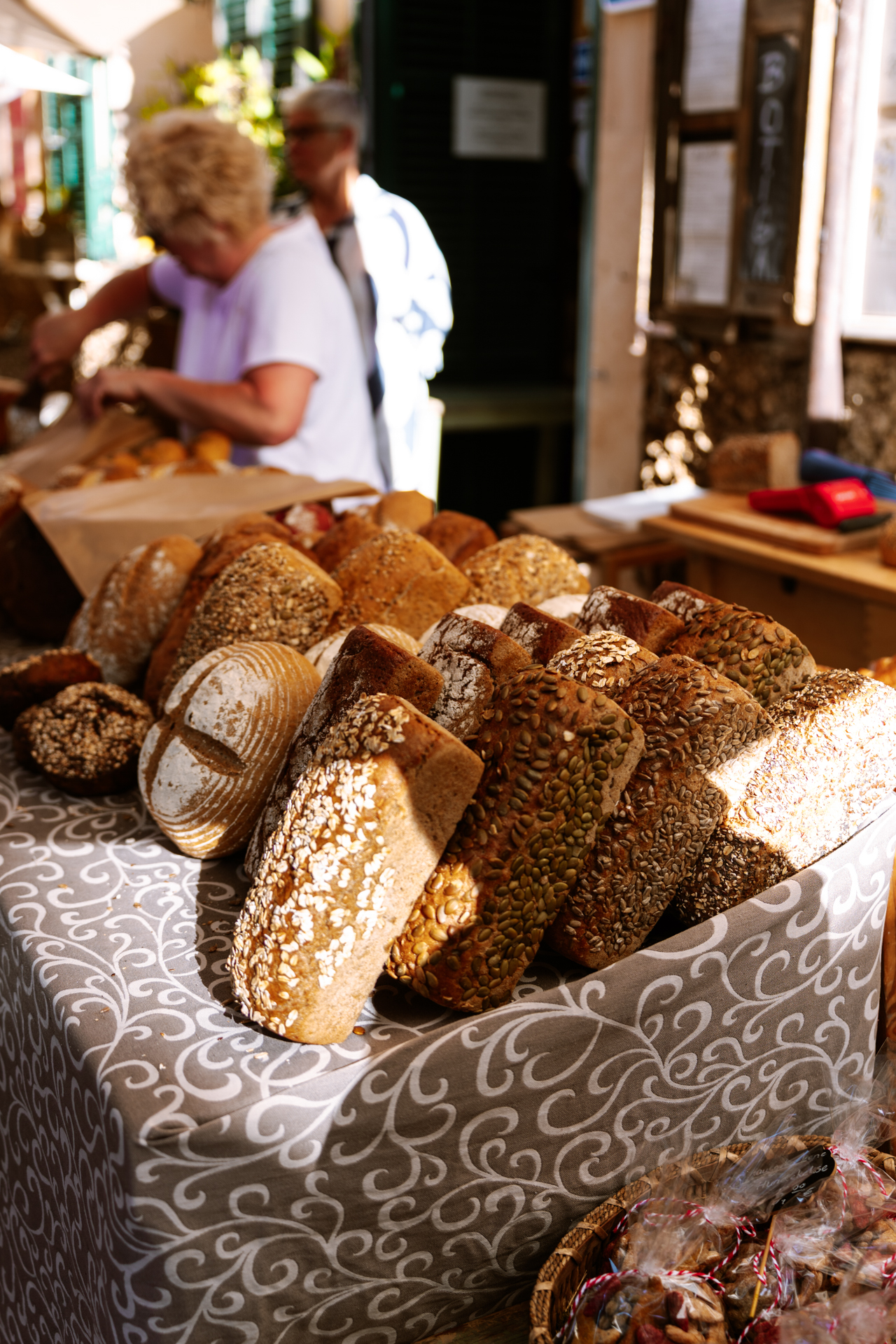
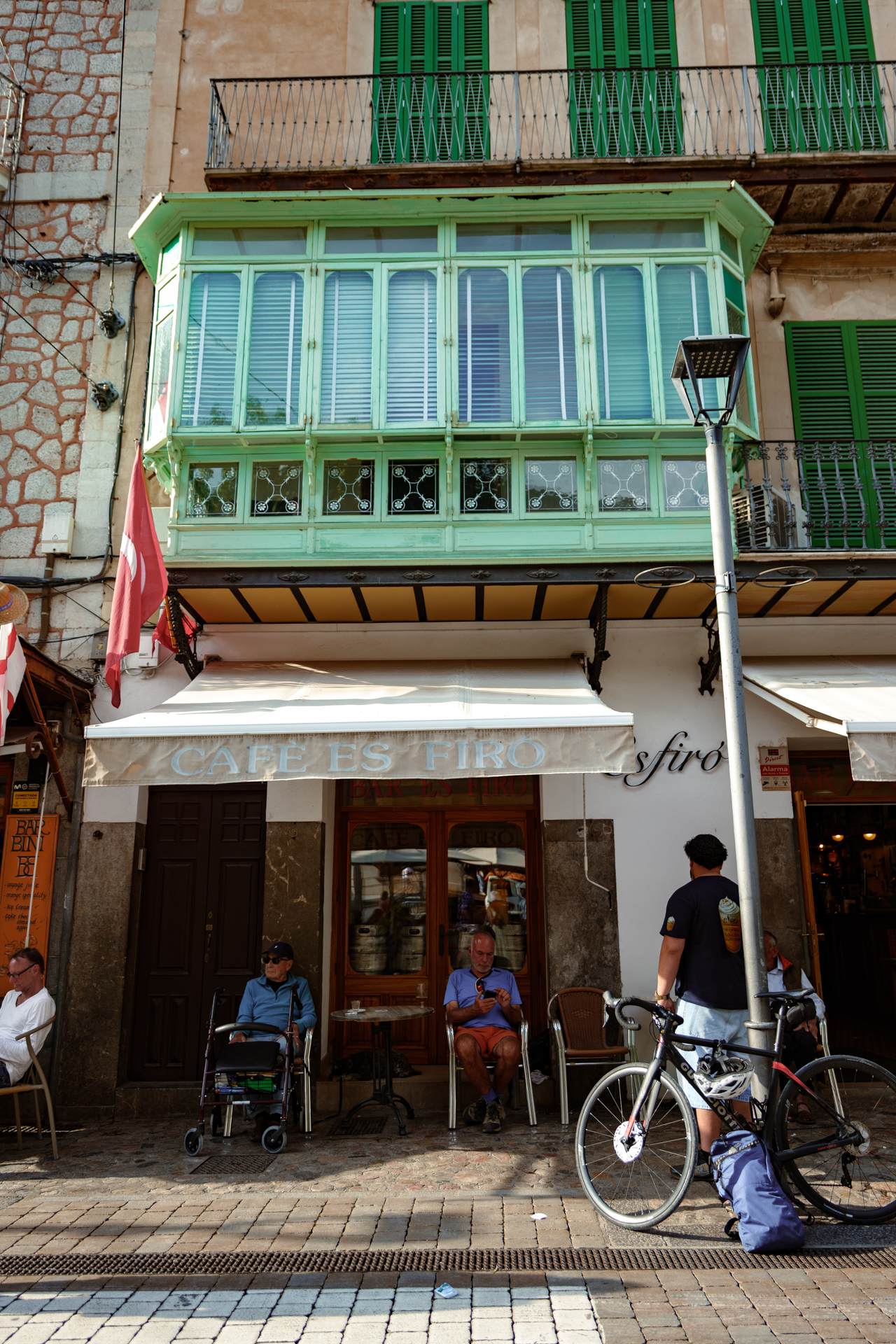
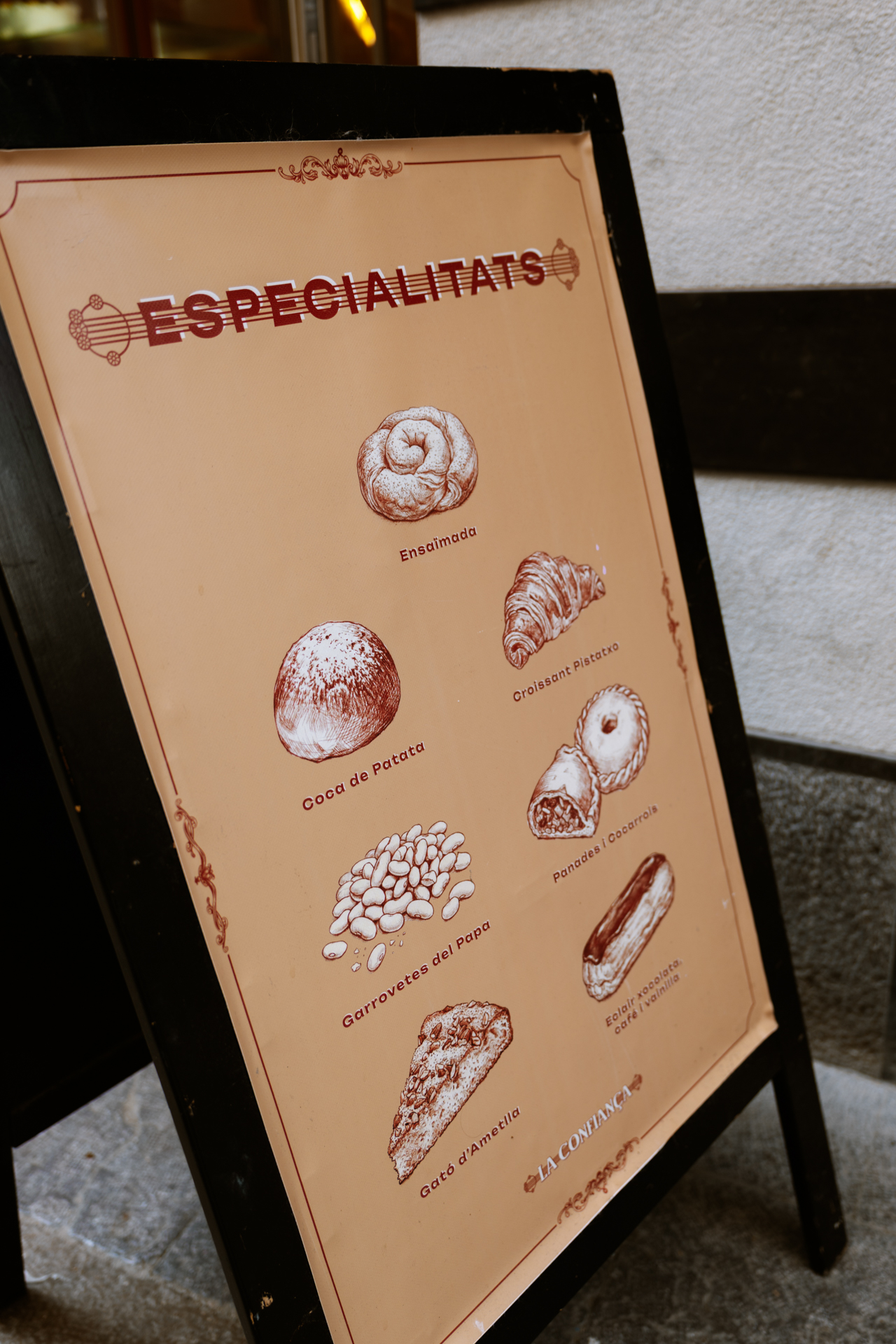
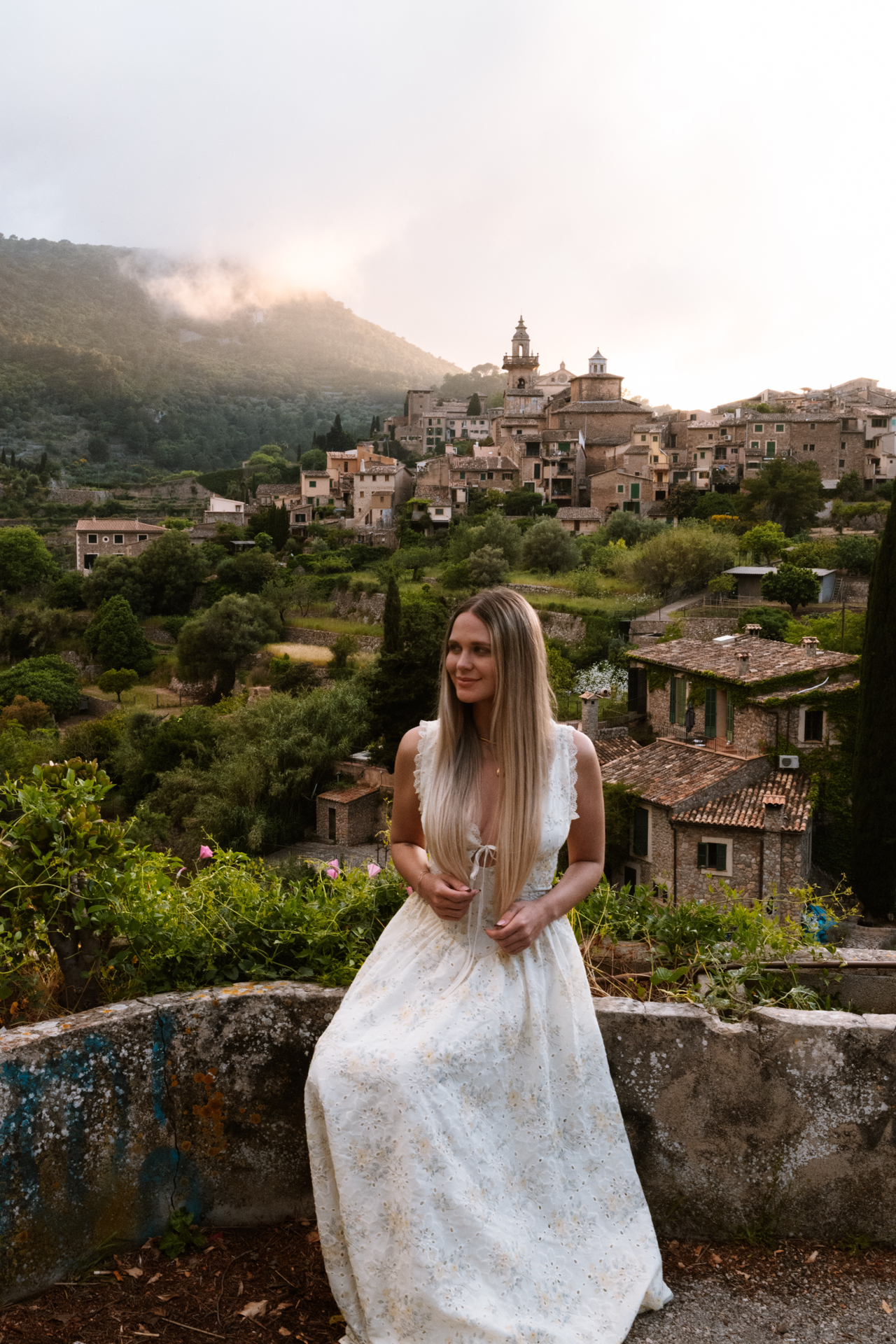
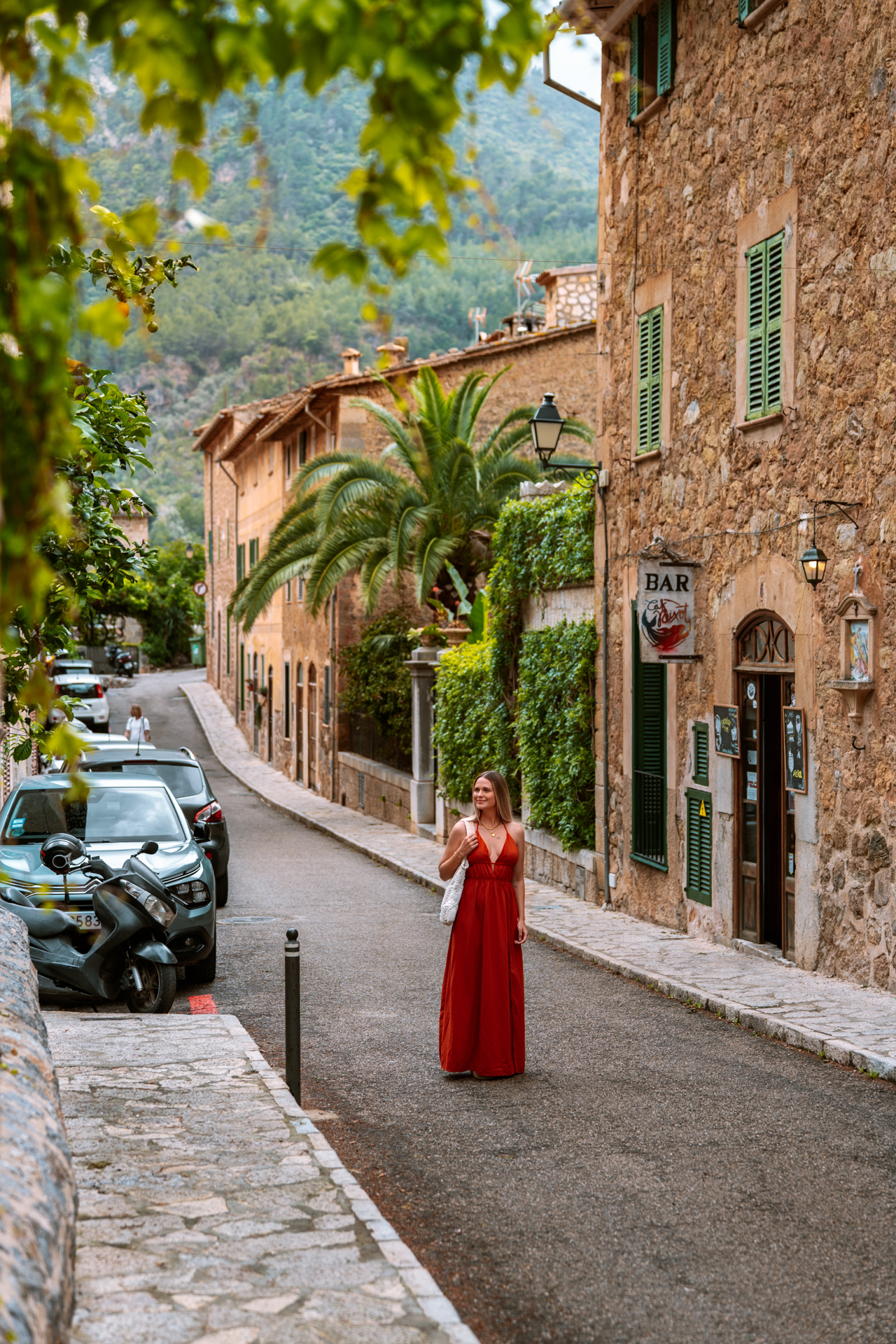
Tucked into the Tramuntana mountains, Valldemossa is one of those storybook villages that almost feels too pretty to be real. I mean it! Stone houses with green shutters, blooming flower pots on every windowsill, narrow cobblestone alleys, and that smell of bakery pastries everywhere. Chopin and George Sand famously spent a winter here. Make sure you try the local potato pastries (coca de patata) and Ensaimada while you stroll around.
5. Deia Mountain Village
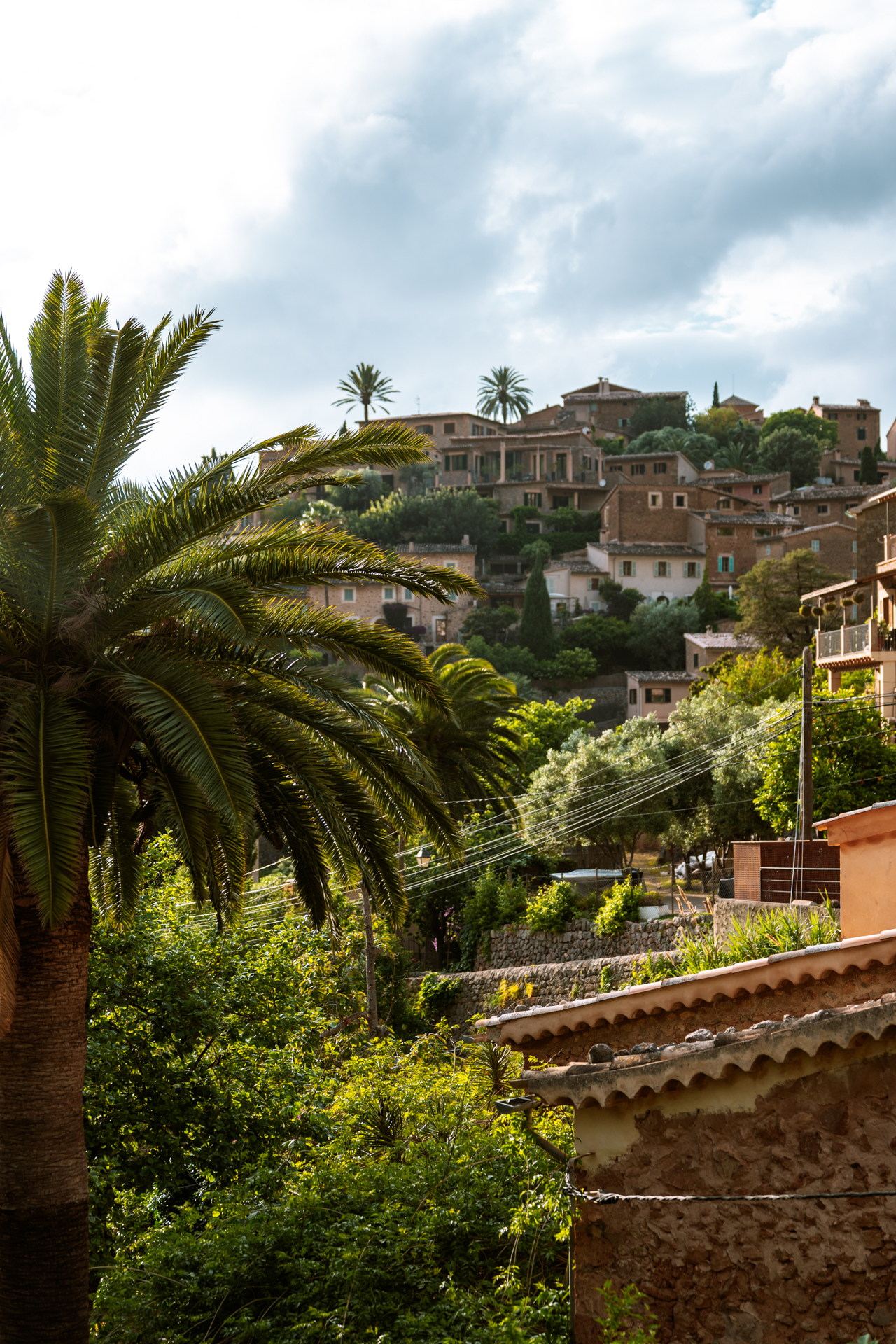
My personal favourite spot on the whole island. Deia hangs on a cliffside between the mountains and the sea, surrounded by olive groves and lemon trees. There is a tiny old cemetery at the top of the village with one of the best views. The whole place has this slow, creative, almost magical energy. I could honestly spend so much more time here.
Hike or drive down to Cala Deia, the small pebble cove tucked below the village. And grab lunch at Ca’s Patró March on the rocks while you are there.
6. Ride the Wooden Train and stop at Soller
The historic wooden train from Palma to Soller is a whole experience in itself. It has been running since 1912 and rolls through orange groves, old tunnels and mountain villages on its way through the Tramuntana.
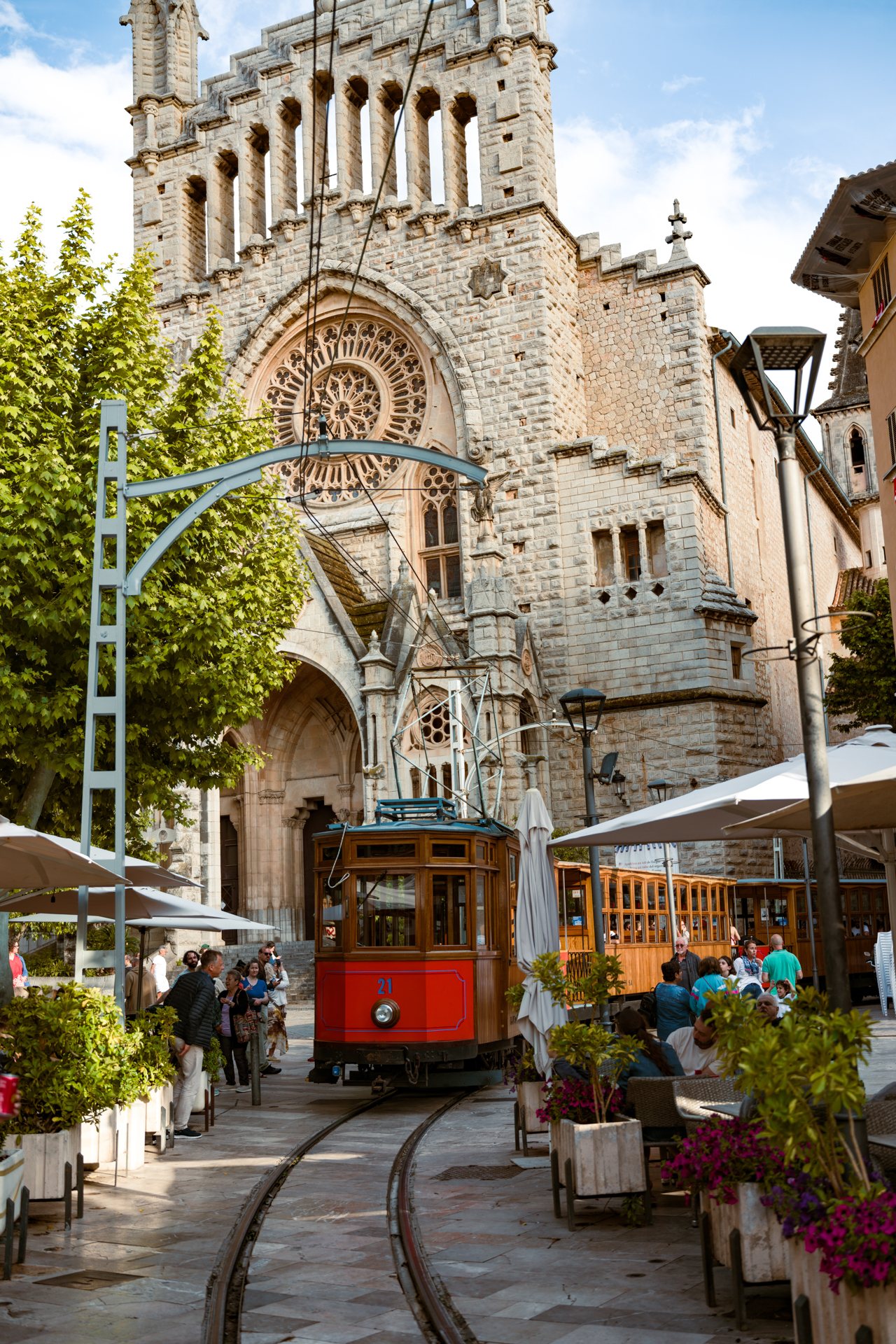
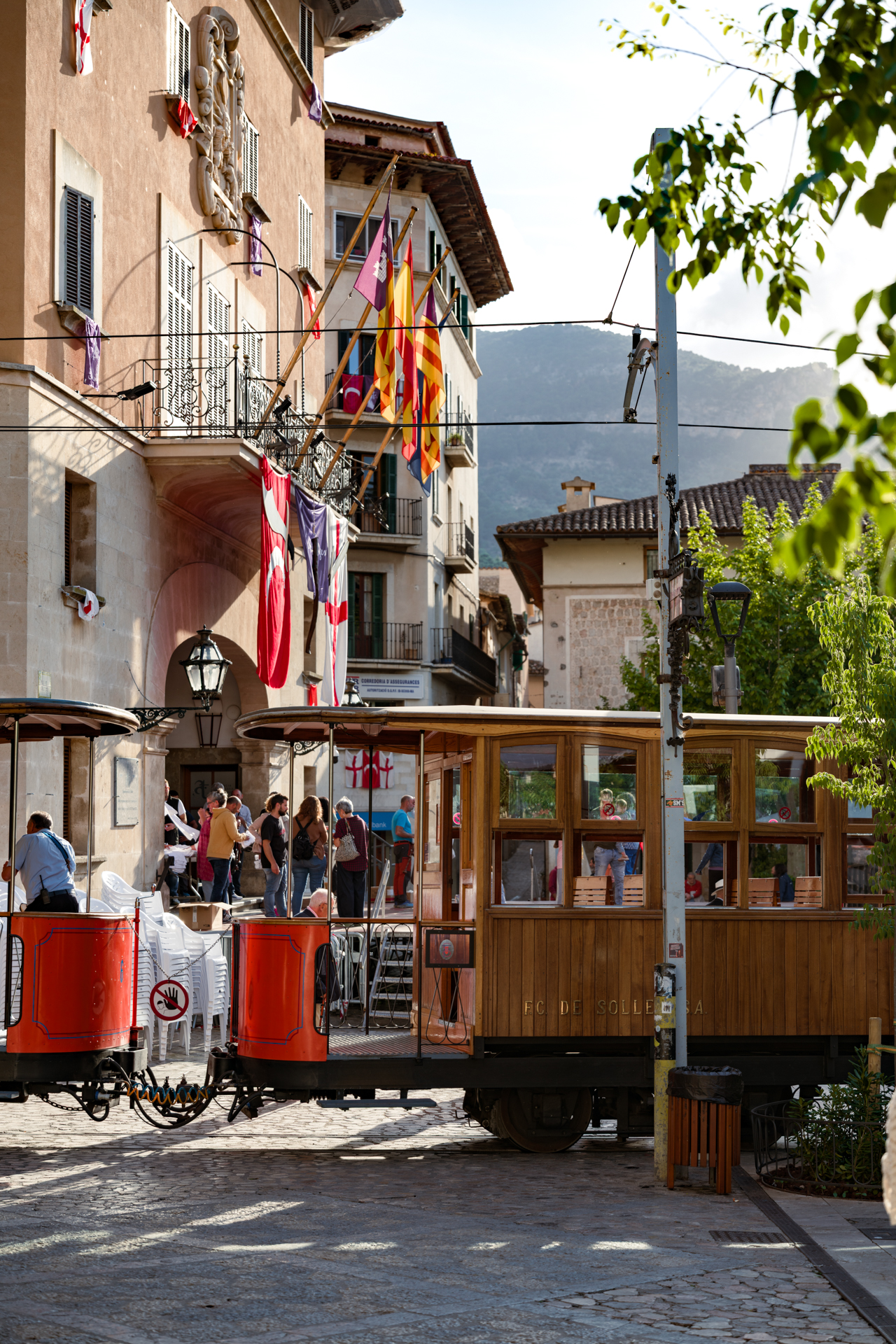
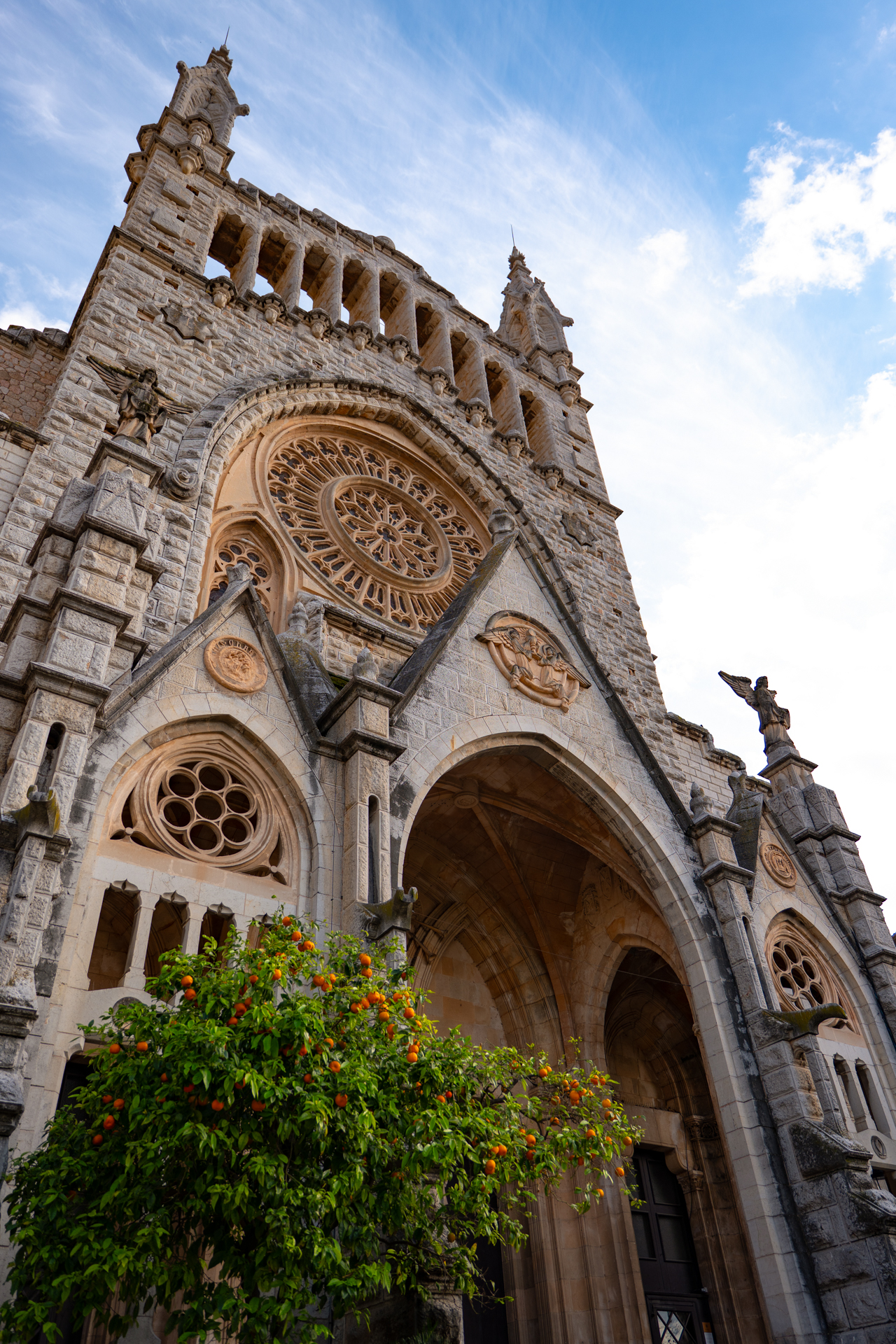
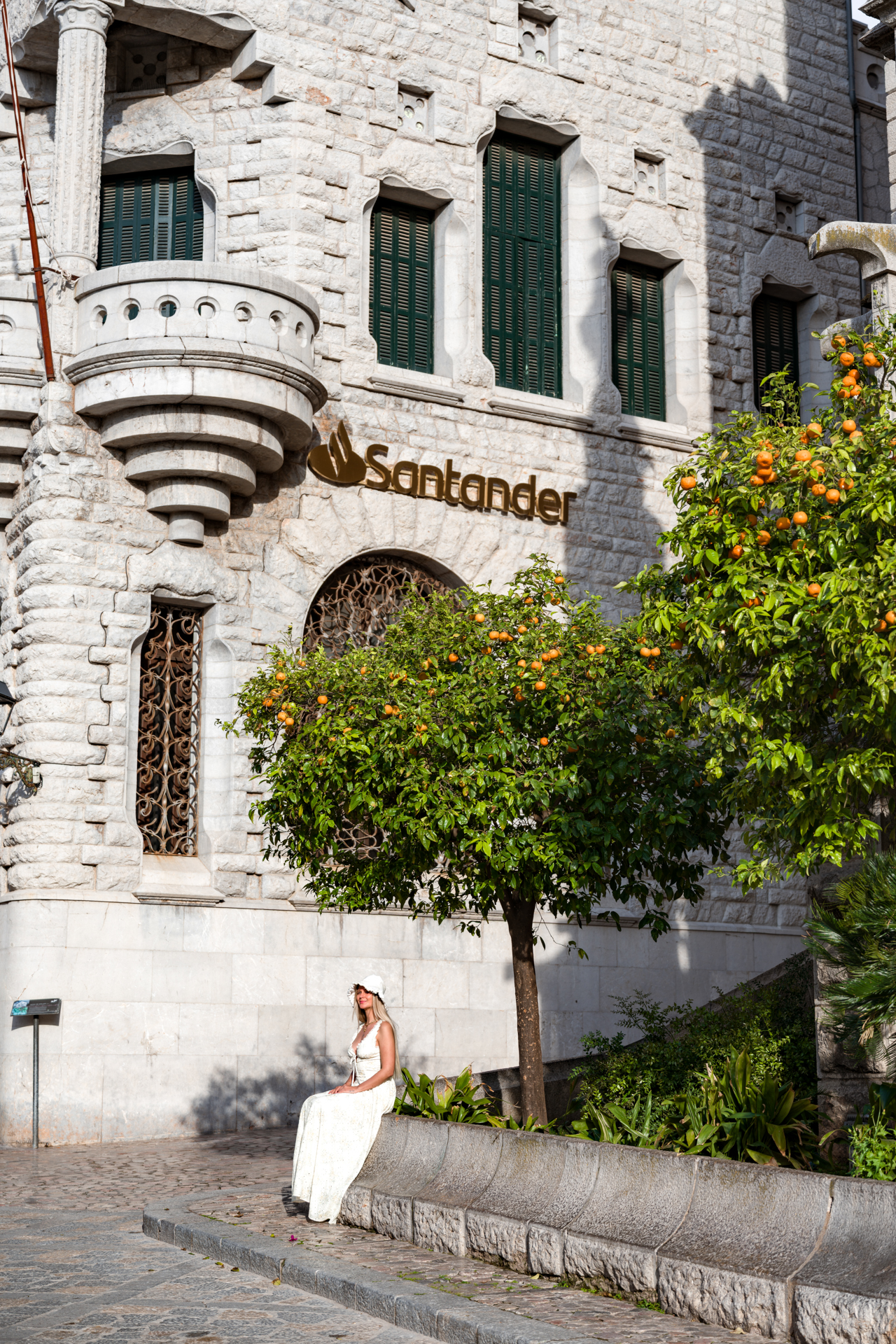
Soller itself is gorgeous, I absolutely loved exploring Soller. The area consists of the inland town of Soller and Port de Soller on the coast, which are connected by a historic tram ride that takes around 15 minutes. The town is full of character, with charming streets, a lovely main square, beautiful church, and some amazing restaurants.
Tram Tickets
If you’re planning to take both the historic train from Palma and the vintage tram to Port de Soller, it’s worth buying a combined ticket, which costs €40 per person. The train journey takes around an hour, while the tram ride to the port takes about 15 minutes. I recommend starting early and combining Palma, Sóller, and Port de Sóller into one easy day trip without a car.
You can also buy your train ticket in advance, here is the website. I would recommend to go for an early departure.
7. Calo des Moro (Best Thing to do in Mallorca!)
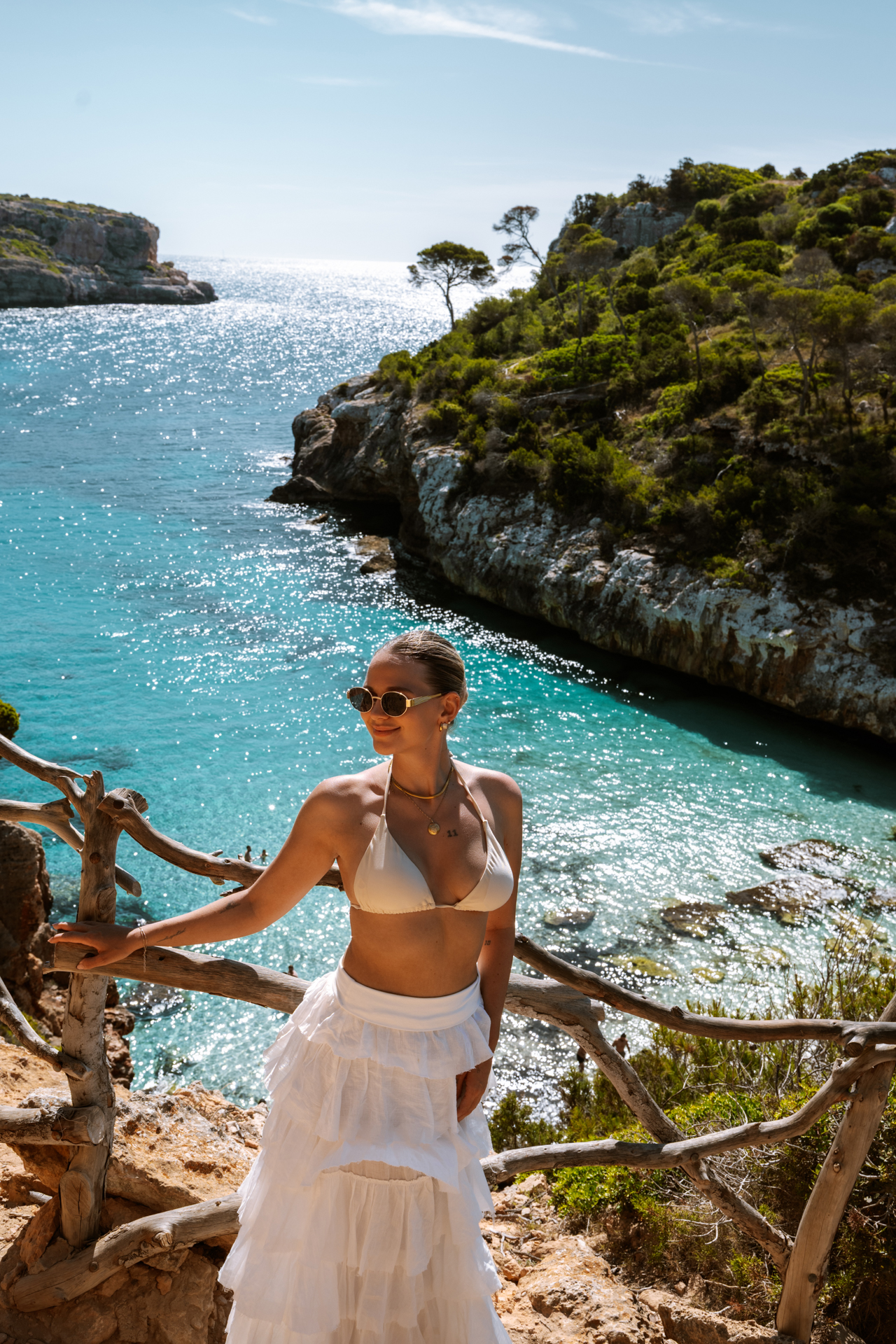
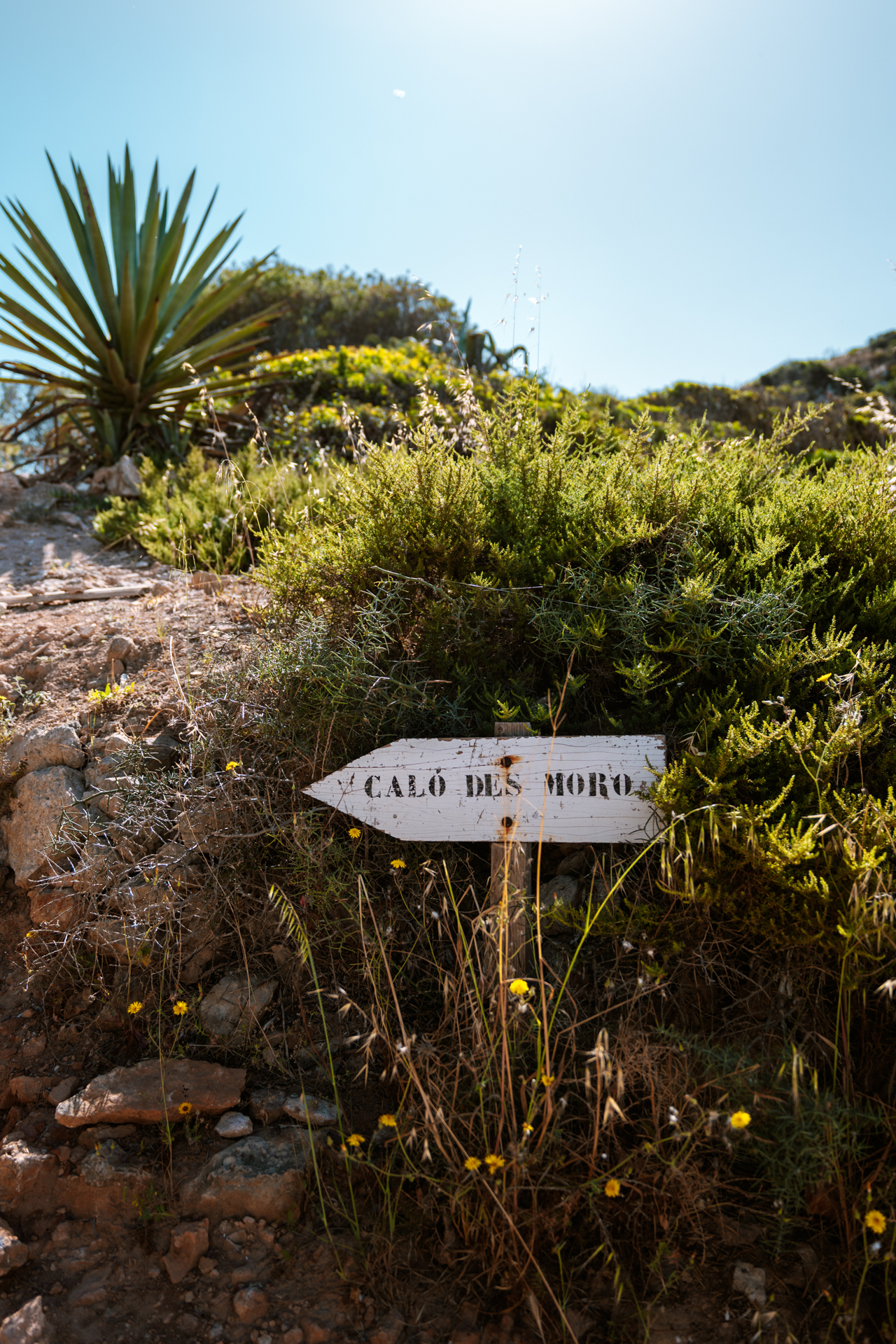
Probably the most photographed beach on the whole island, and yes it really does look like that in real life. Crystal turquoise water tucked between two tall cliffs, framed by pine trees. The catch is that it’s tiny, the path down is steep, and it can get really crowded. You can reach it via the same path that leads to Cala s’Almonia.
Arrive before 8am or after 6pm if you actually want a spot on the sand. Wear proper shoes for the path down or be very careful wearing flip flops on those rocks.
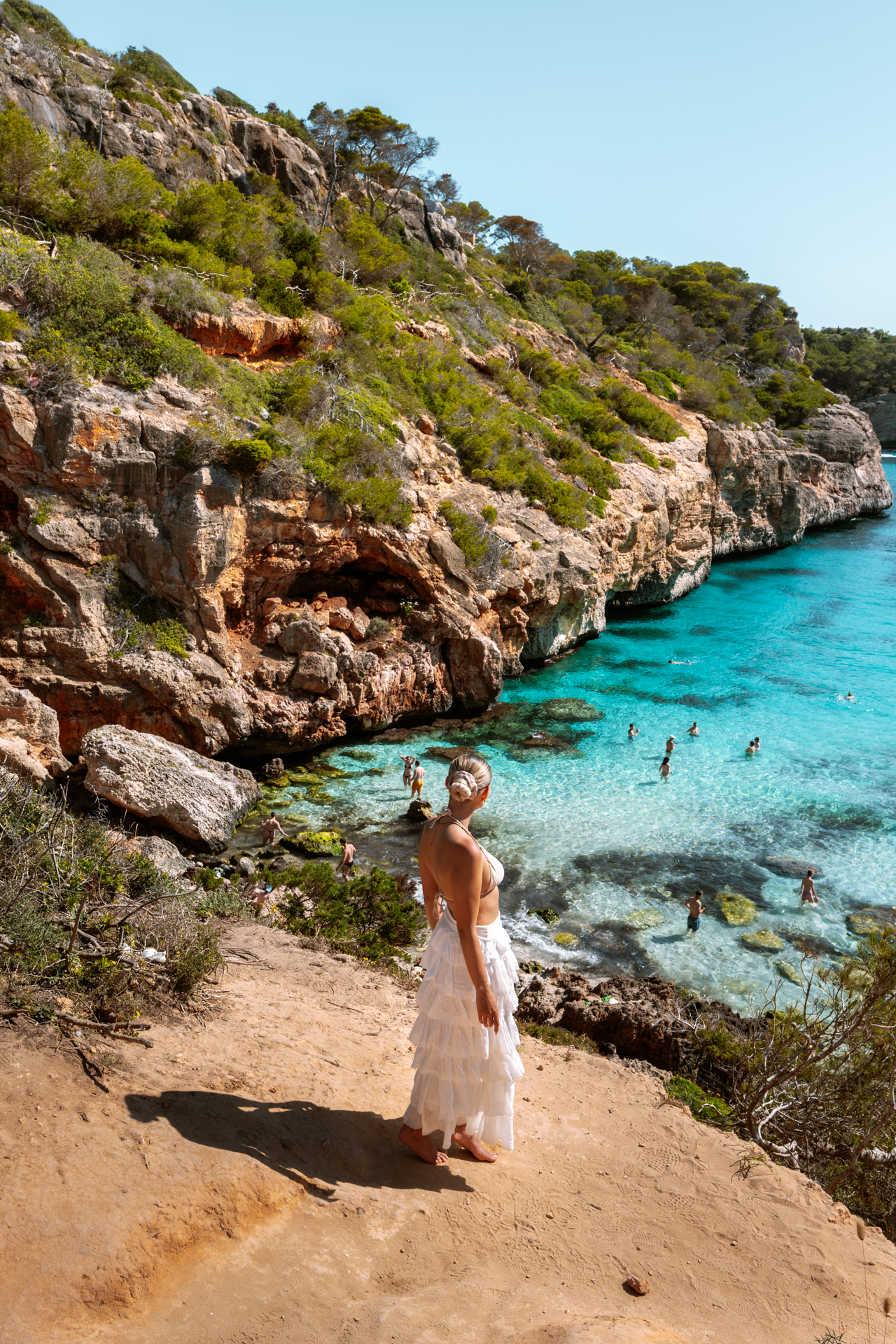
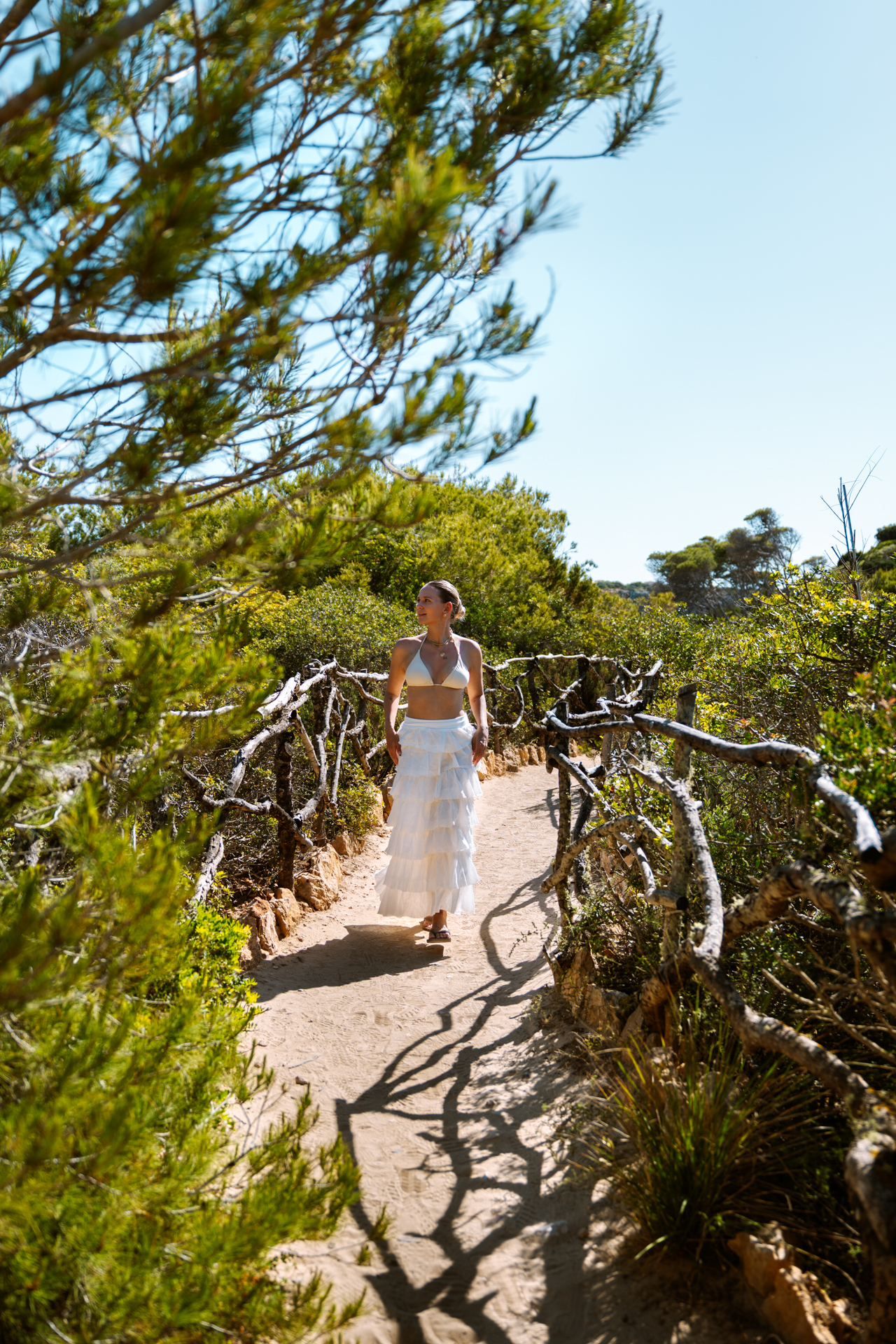
There is also another path along the cliffs that starts before Cala s’Almonia. Again, don’t expect a wide sandy beach here. Most of the shoreline is covered in large rocks and boulders, which is actually part of what makes this spot so unique and beautiful. Finding a comfortable place for your towel can be a bit challenging, especially during peak times.
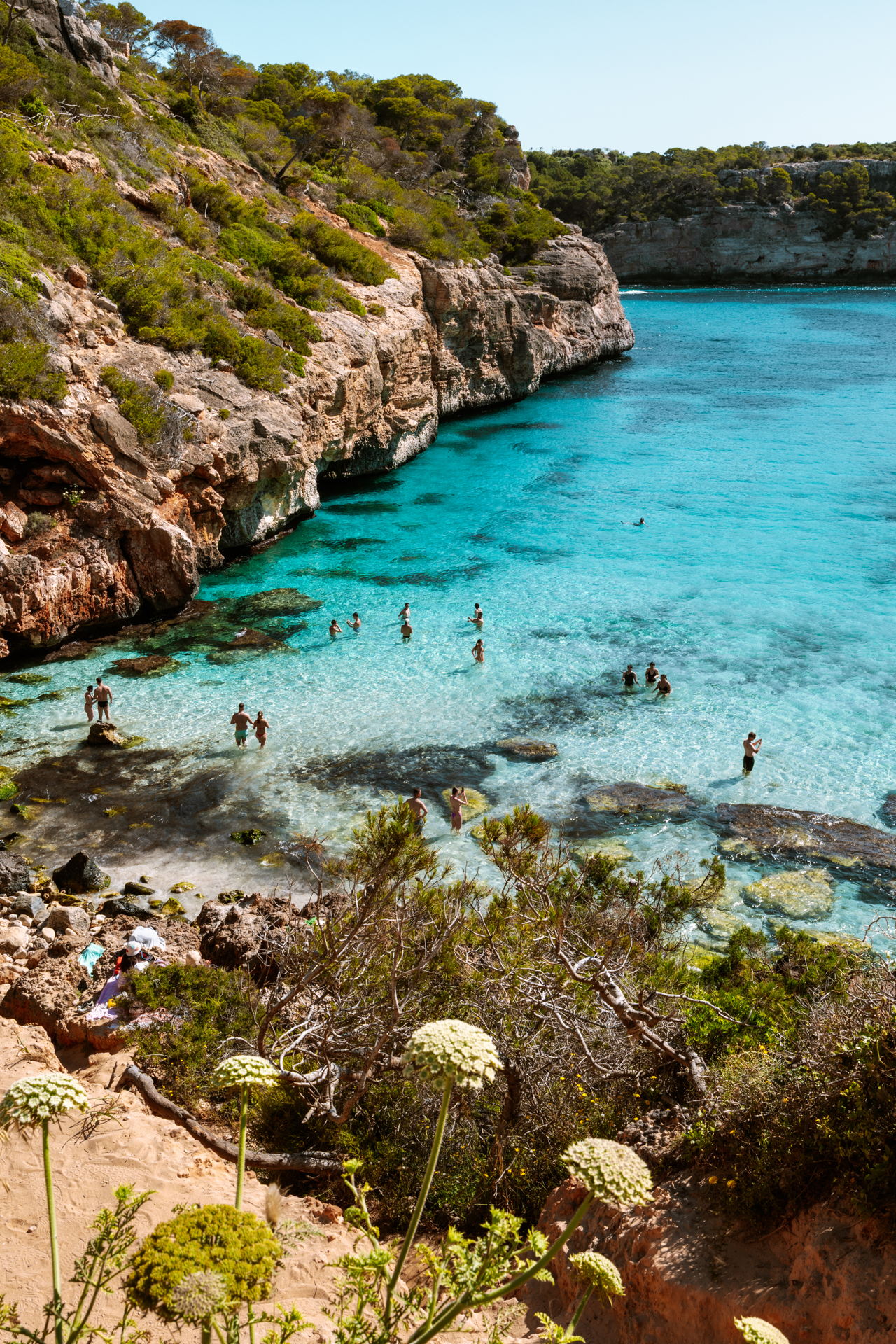
Parking at Calo des Moro
You can find free parking nearby on the side of the road, but it gets full quickly. We luckily got a spot because we came really early. If you can’t find a space, there is a bigger free parking lot 15 minutes away. Here is the exact location. But remember, if you have to park further away, don’t forget the heat in the summer for your walk as most of the route in not shaded. This goes also for Cala S’Almonia.
8. Watch a Magical Sunset at Cap de Formentor
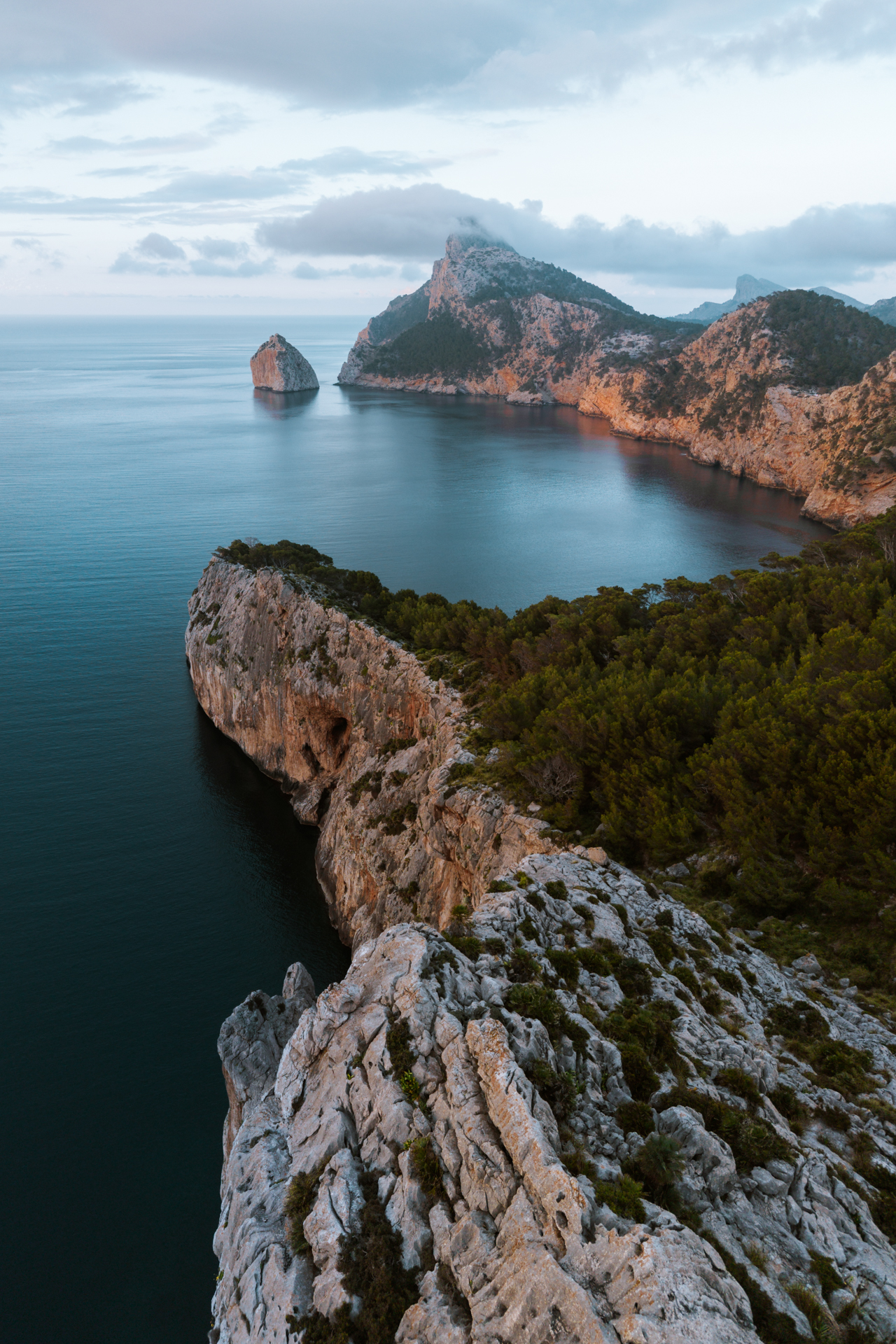
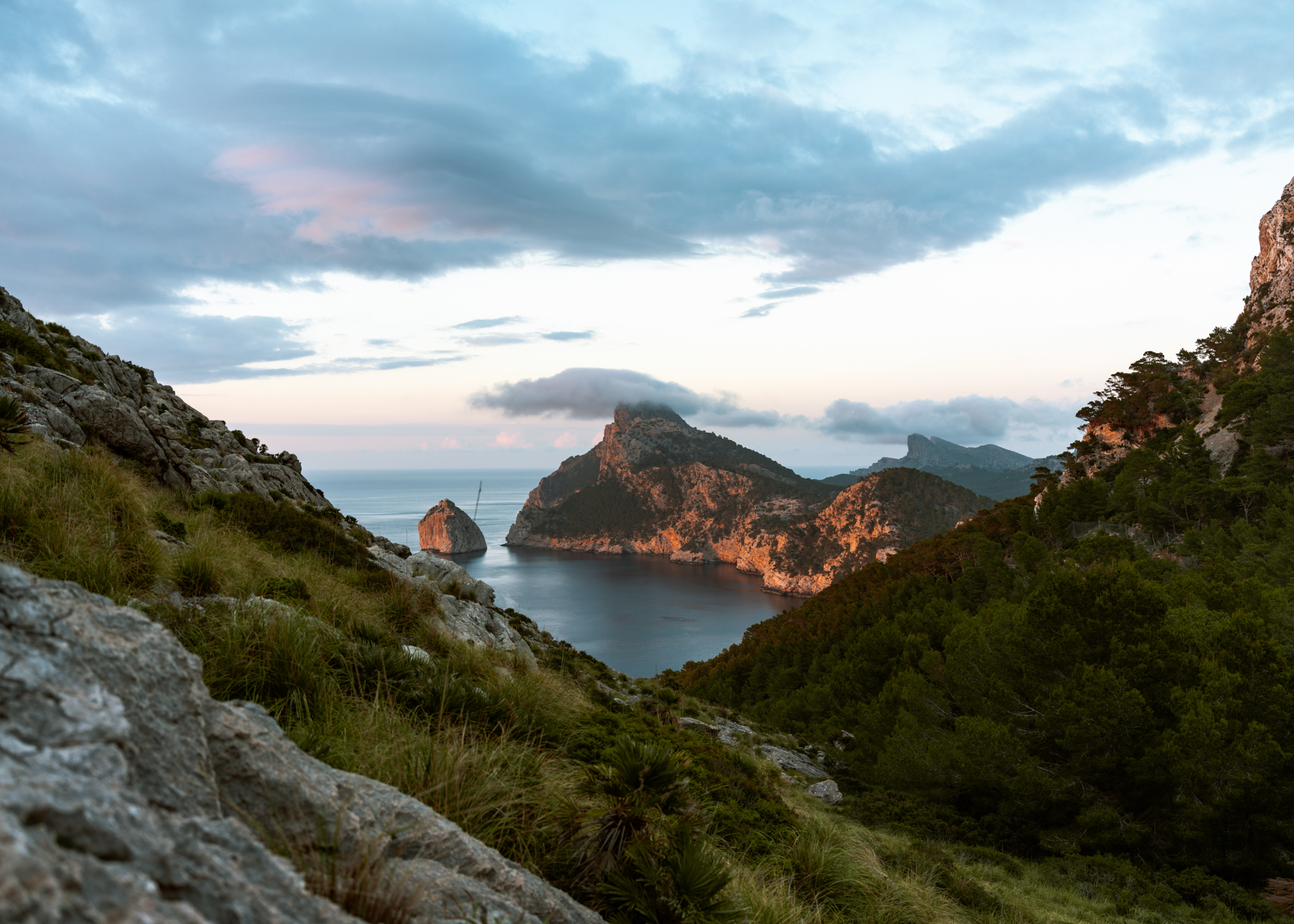
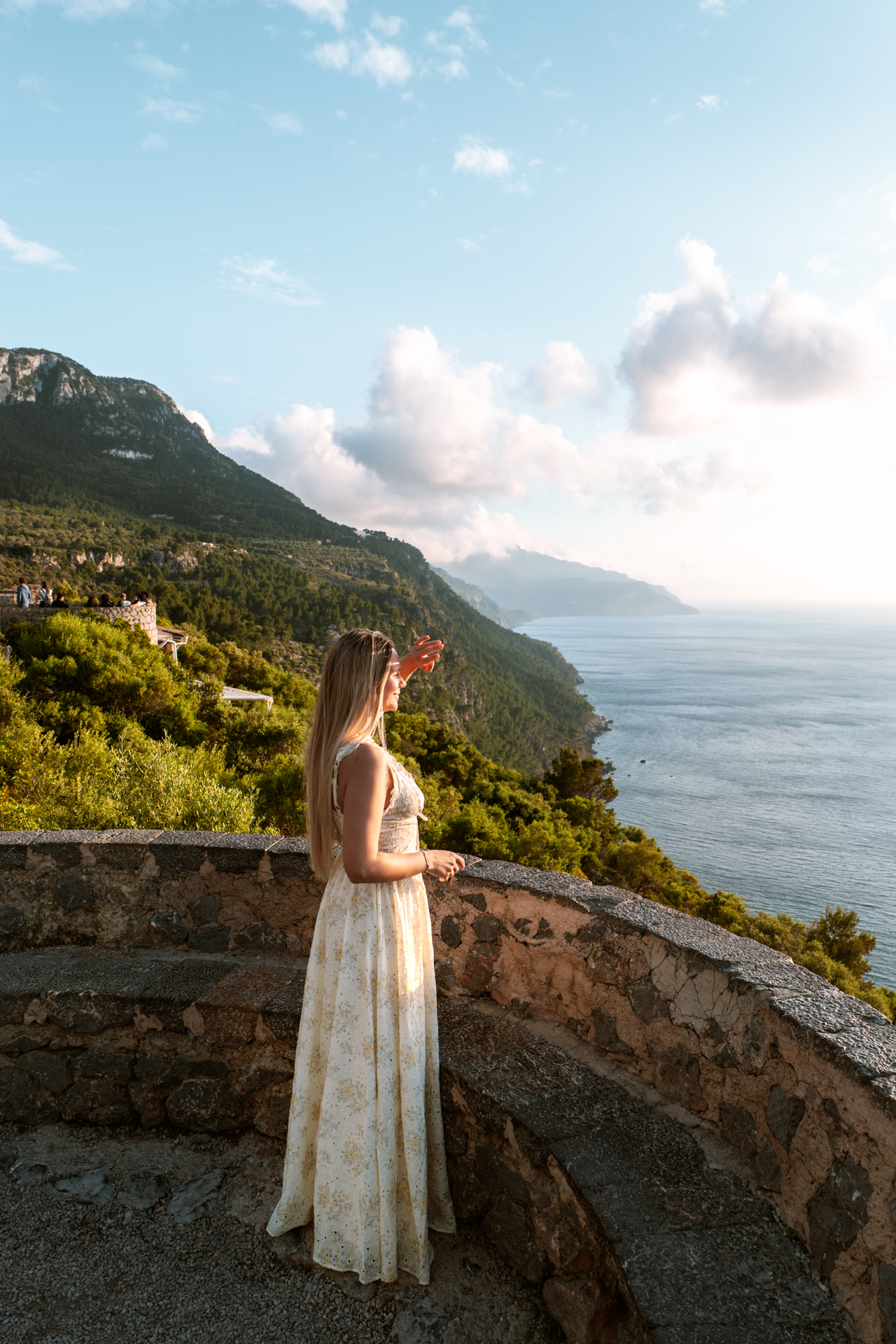
The northern tip of Mallorca, where the mountains drop dramatically straight into the sea. The lighthouse is the first stop for many visitors, but don’t miss out on the smaller viewpoints along the way, (which are far less crowded than the lighthouse itself), they are incredible! Bring a jacket, it gets windy up there.
Arrive at the lighthouse about an hour before sunset to find parking. Stop at the Mirador des Colomer viewpoint on the way up, the views over the cliffs are stunning.
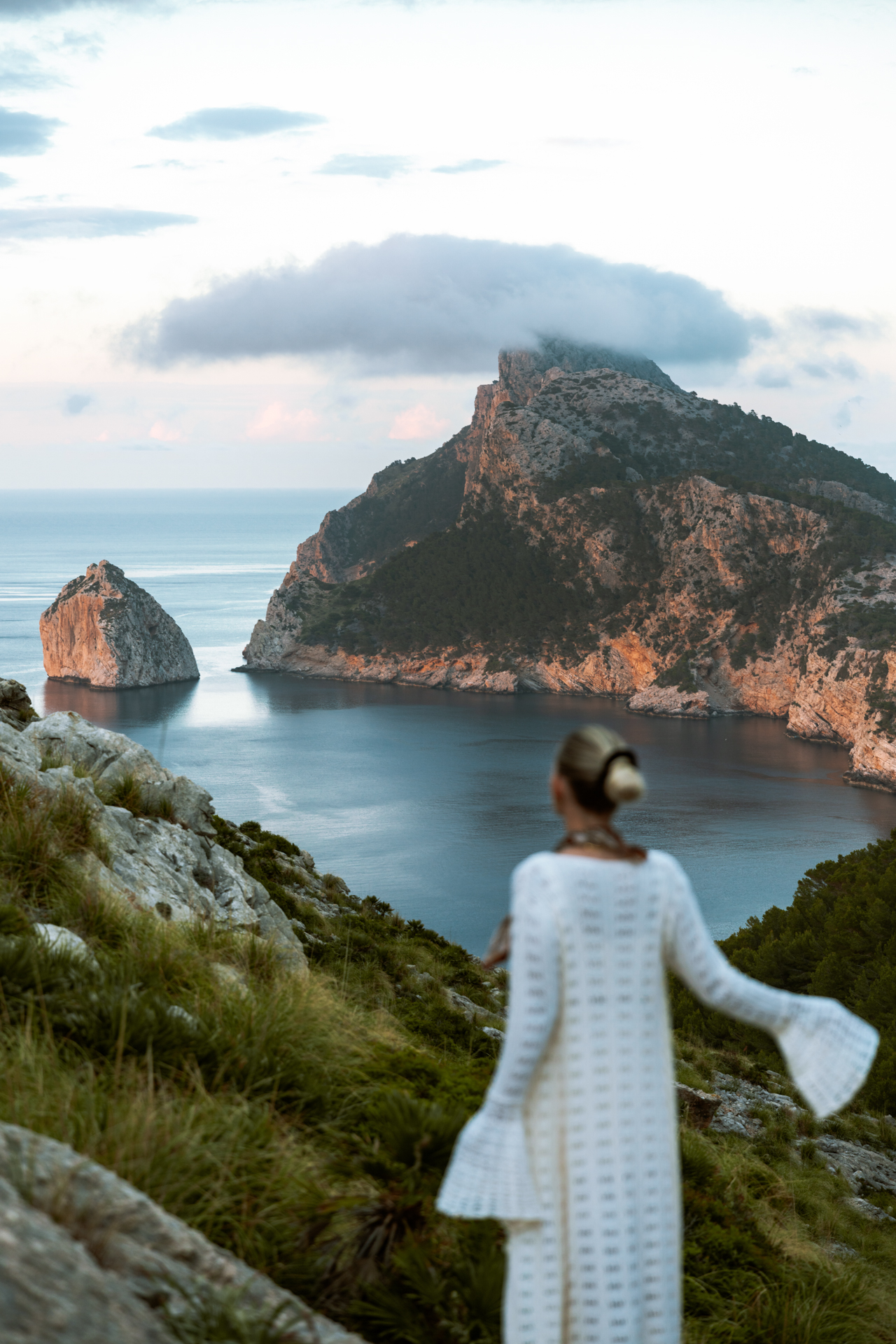
How to Get to Cap Formentor
Planning to drive to Cap de Formentor? The journey from Palma takes around an hour. There is a free parking area near the lighthouse, but spaces are limited and often fill up early, especially during peak season.
Another option is to take the public bus (route 334) from Pollença to Cap de Formentor. It’s an easy and affordable way to reach the lighthouse.
For a completely different perspective, consider joining a boat tour along the coast. Many excursions visit the secluded coves, sea caves, and cliffs around Cap de Formentor.
If you’re visiting Cap de Formentor during the summer months, keep in mind that private vehicles are not allowed on the road between 10 AM and 10 PM from June 1st to September 30th. The easiest alternative is to take the shuttle bus from Playa de Formentor.
9. Pollença Charming Village
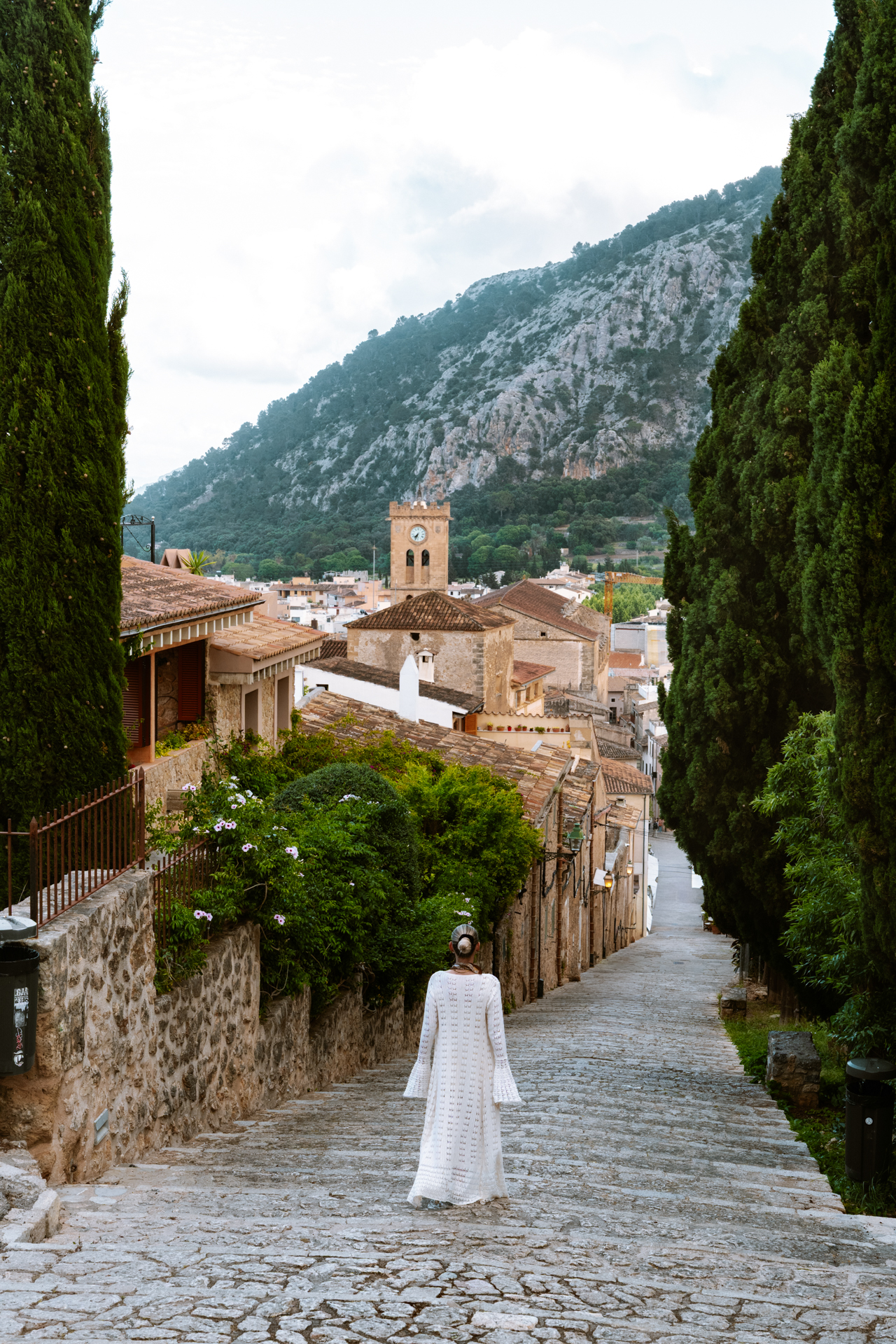
A laid-back inland town in the north with one of the best Sunday markets on the island, beautiful little cafés on the main square, and the famous Calvari Steps (365 stone steps lined with cypress trees that lead up to a tiny chapel with epic views over the rooftops). Pollença feels properly lived-in and local compared to the busier coastal resorts.
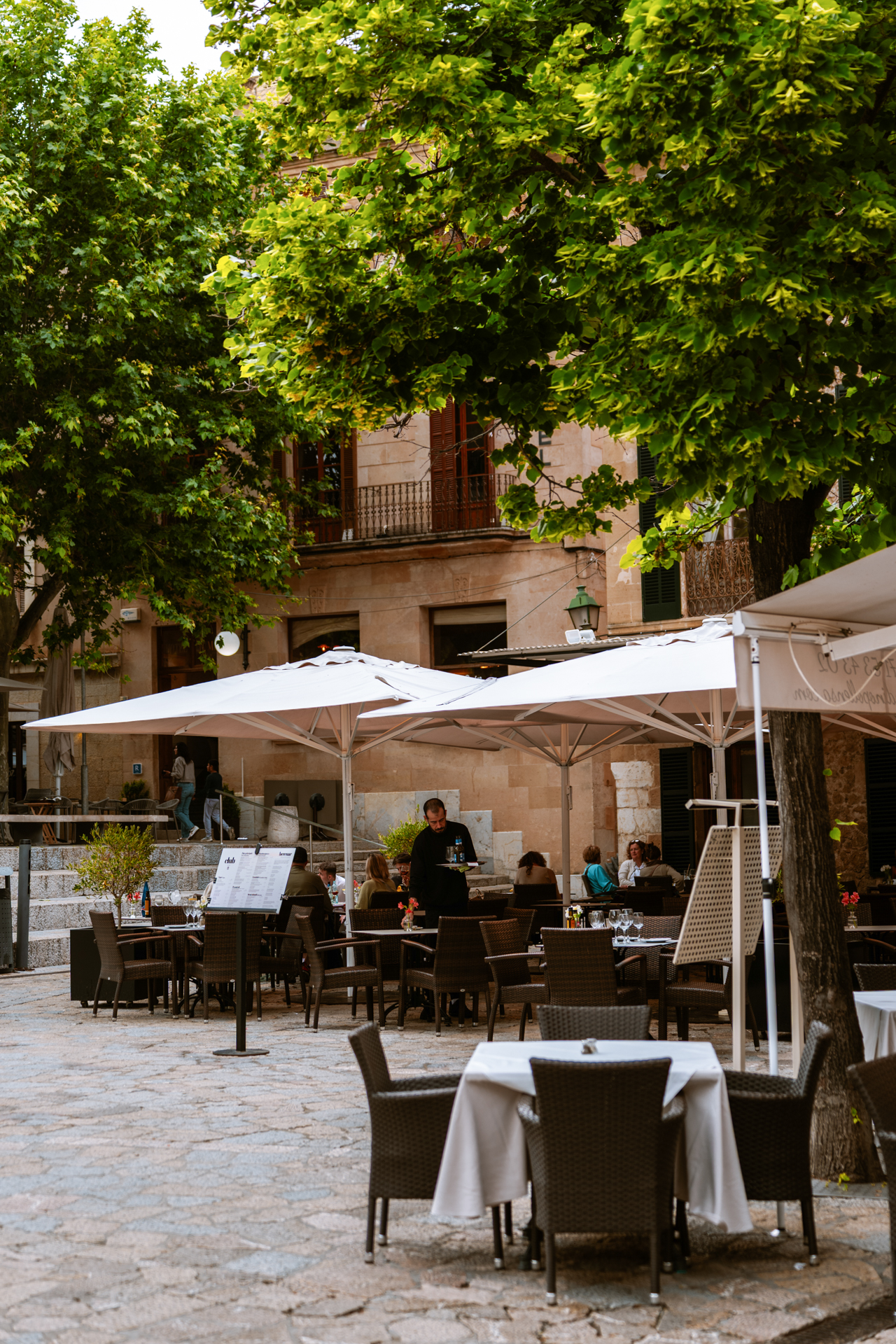
Stopping in Pollença on your way to or back from Cap de Formentor is well worth it. It’s a lovely place to stroll around, browse local shops, and pick up some traditional Mallorcan souvenirs. If you’re looking for somewhere to eat, we had a great meal at Voramar 57 Pizzeria in Port de Pollença, just a short drive from the town center.
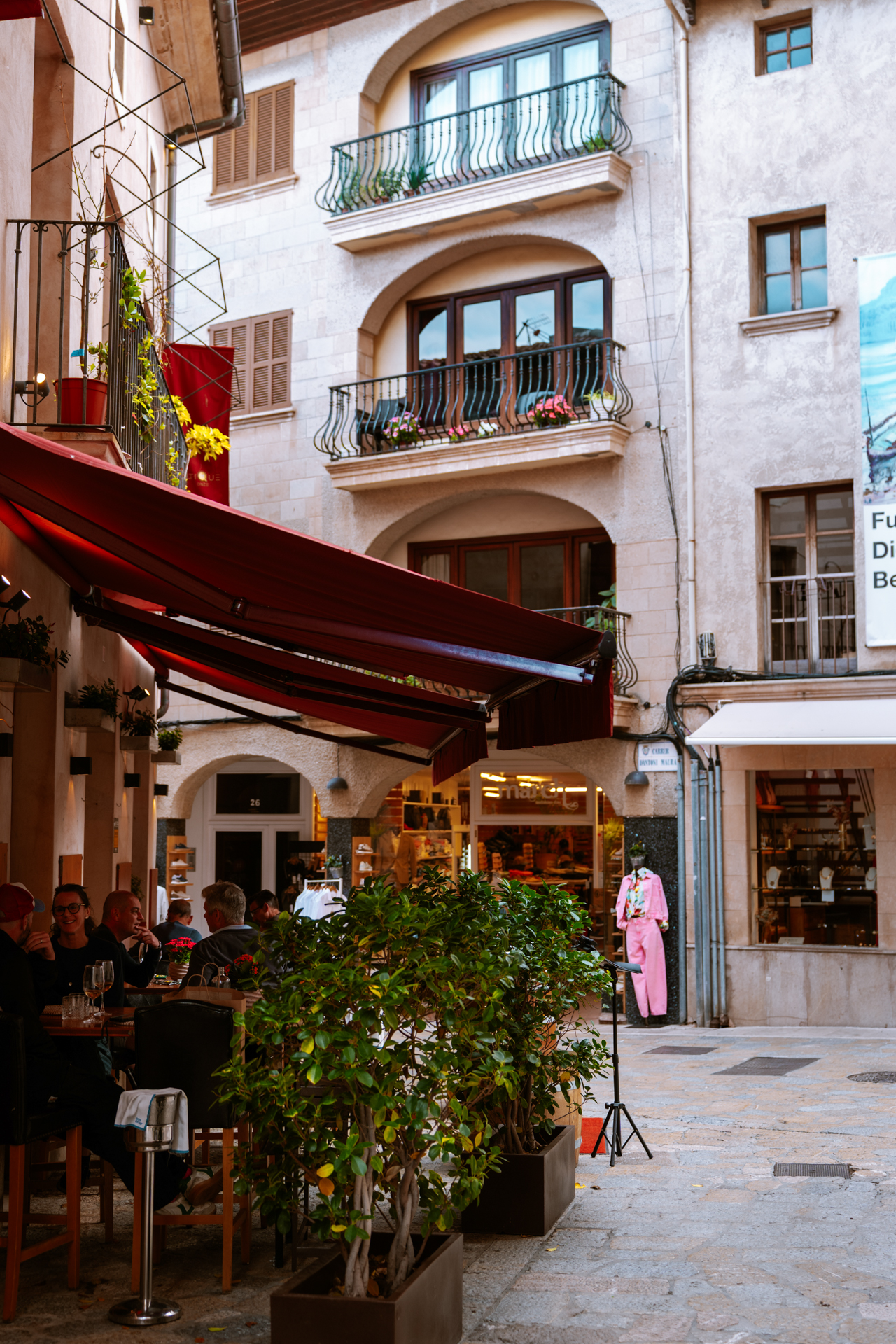
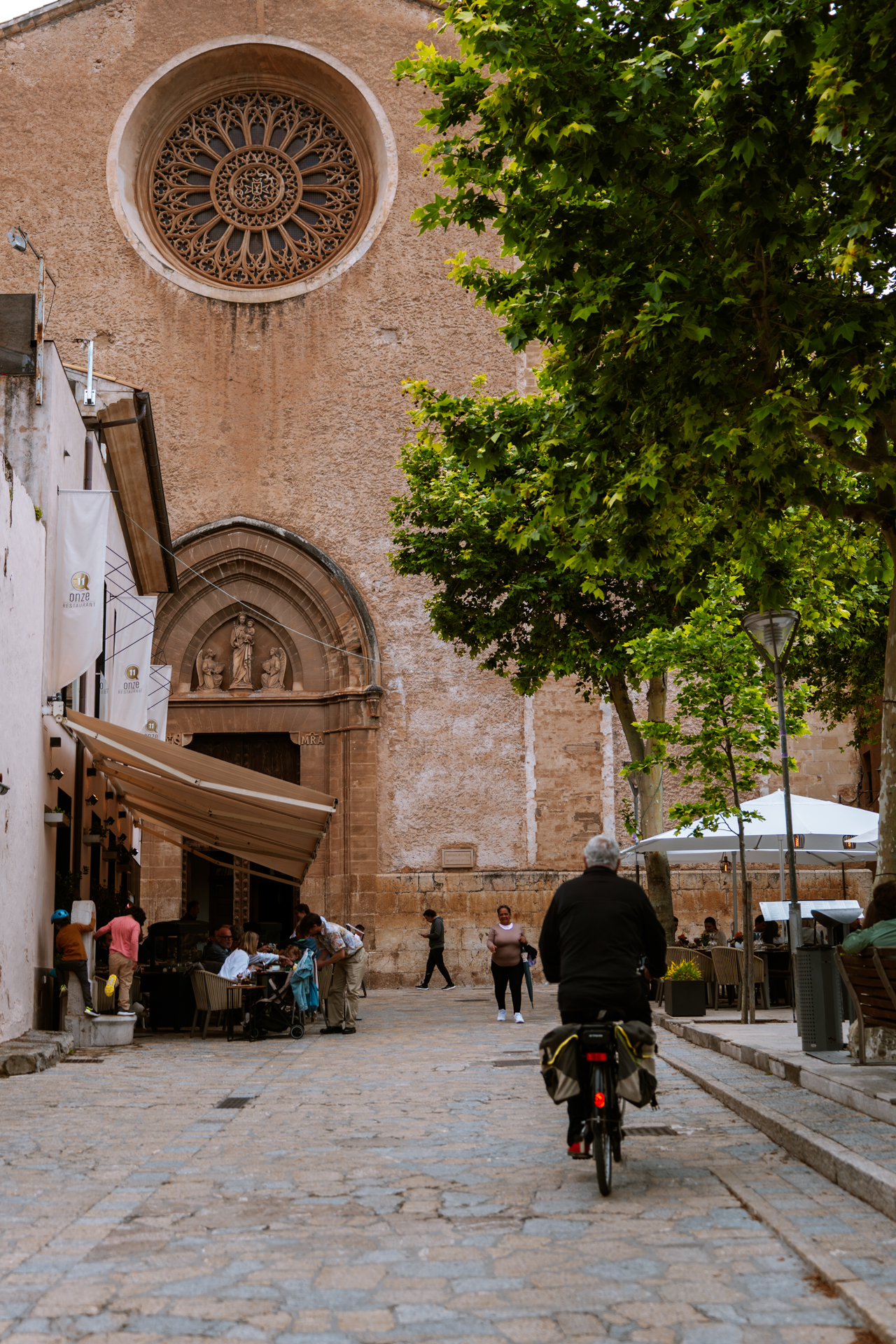
10. Explore Cova des Pont
A hidden gem on the southeast coast that most visitors miss entirely. Crystal-clear water, dramatic rock arches, and a beach ‘Cala Varques’ nearby where you can go for a swim with way less people around then other beaches on Mallorca. It’s not the easiest spot to find which is exactly why I loved it.
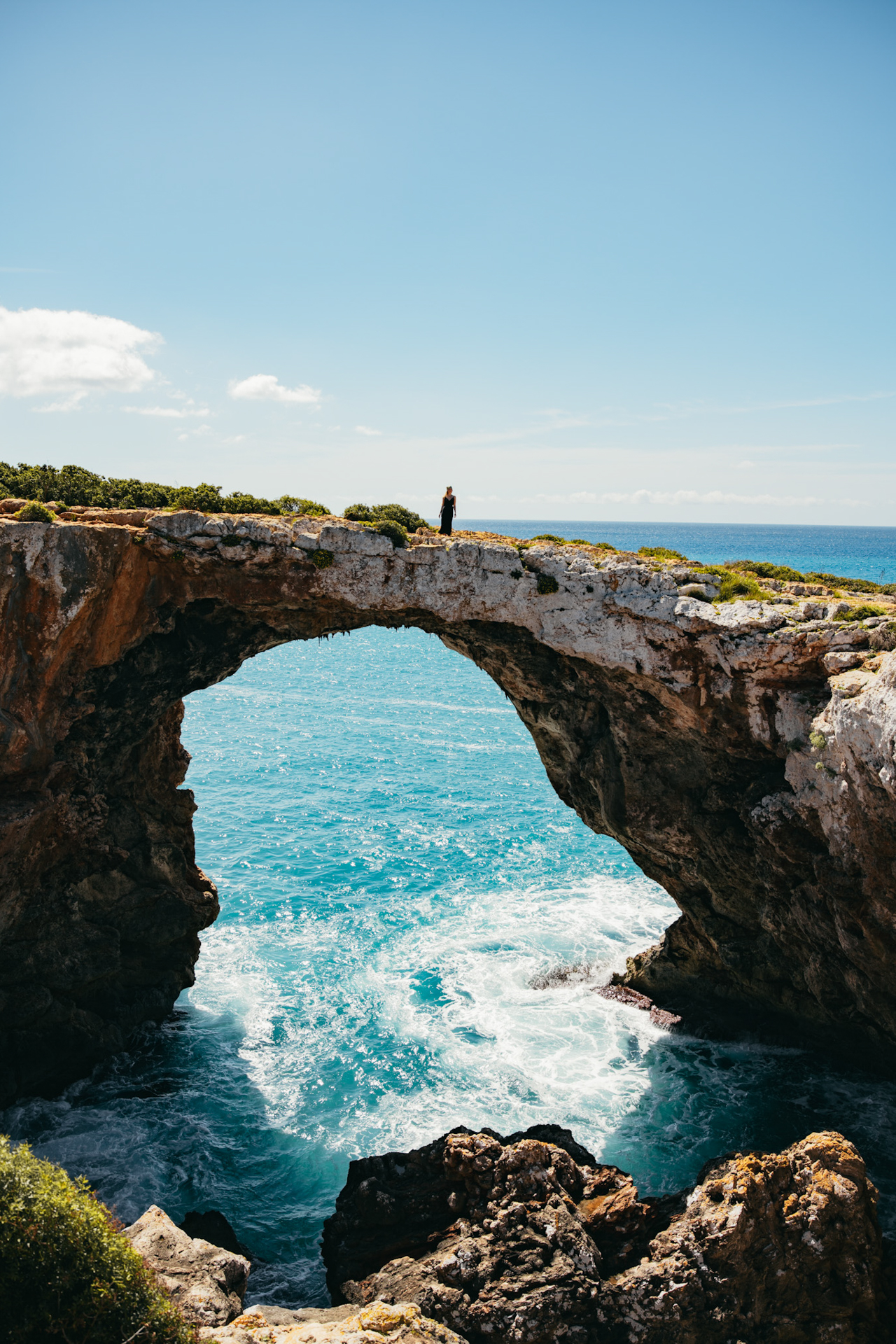
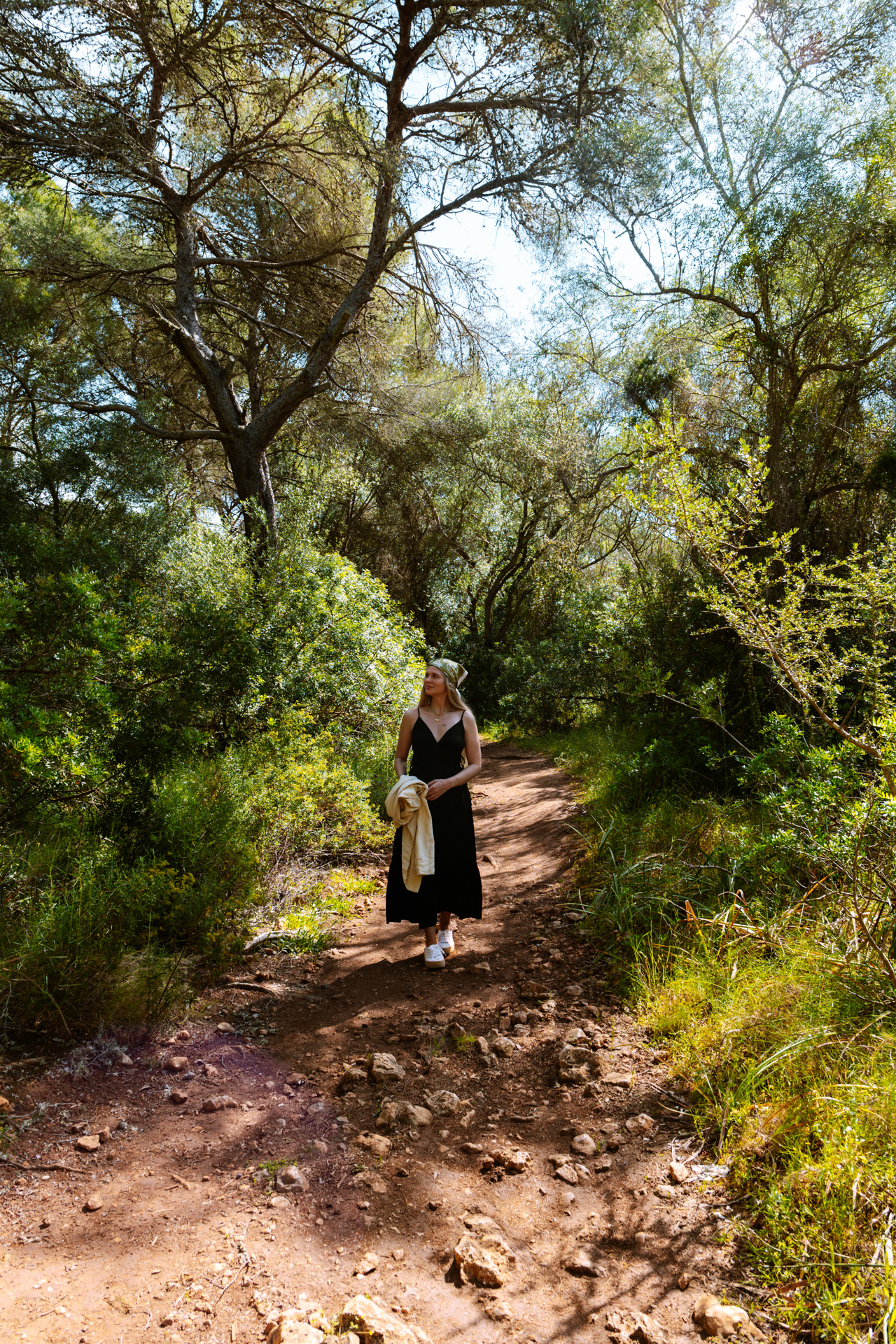
After parking near the road before the barrier, you’ll need to follow the trail all the way to the beach and then continue left along the coastline towards the arch. The hike takes around 45 minutes one way, depending on your pace.
The path is rocky, uneven, and exposed to the sun in places, so make sure to wear proper shoes. I didn’t, and I definitely regretted it. The effort is worth it though, as you’ll pass beautiful coastal scenery, hidden coves, and crystal-clear water before reaching one of Mallorca’s most impressive natural rock formations.
11. Traditional Town of Manacor
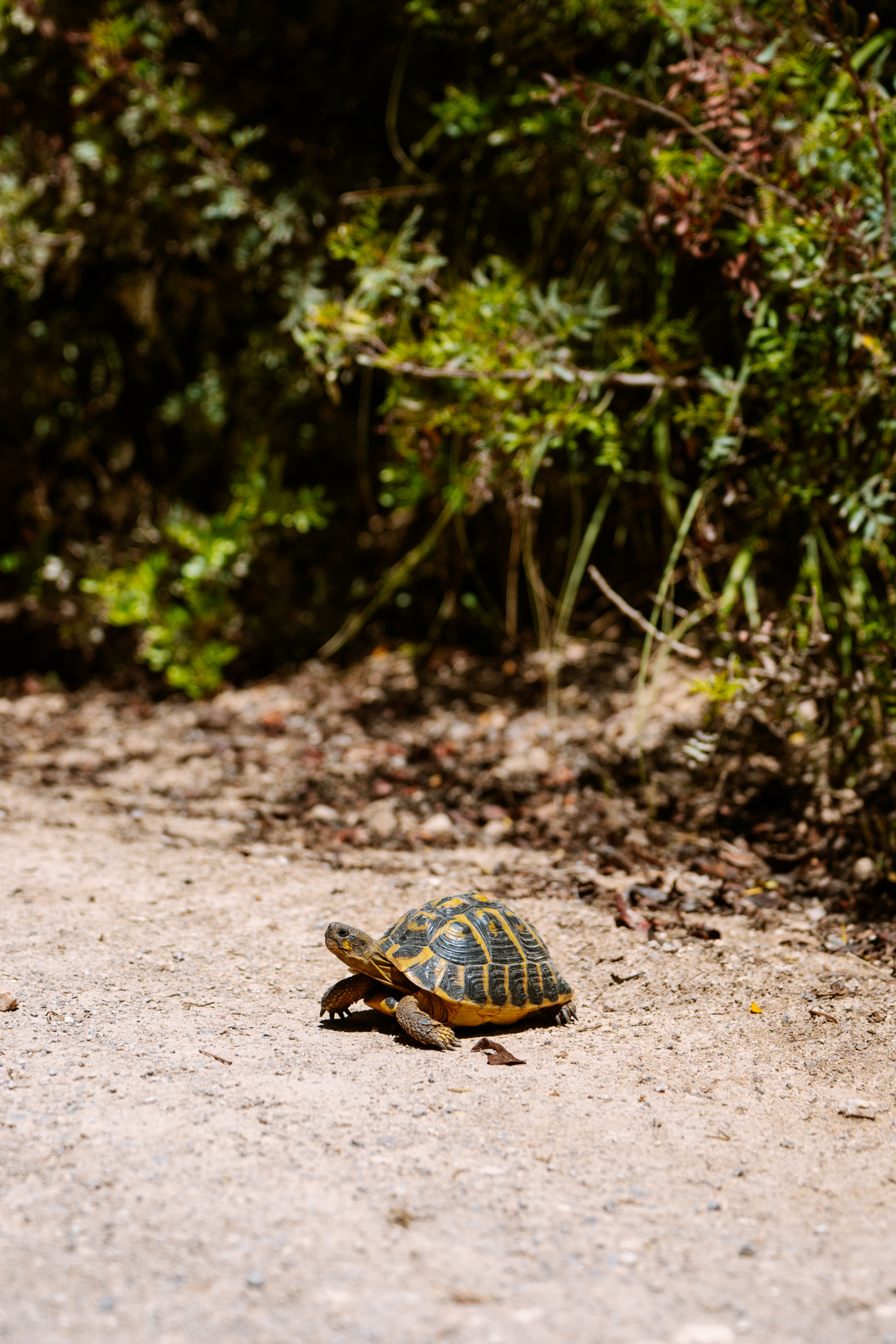
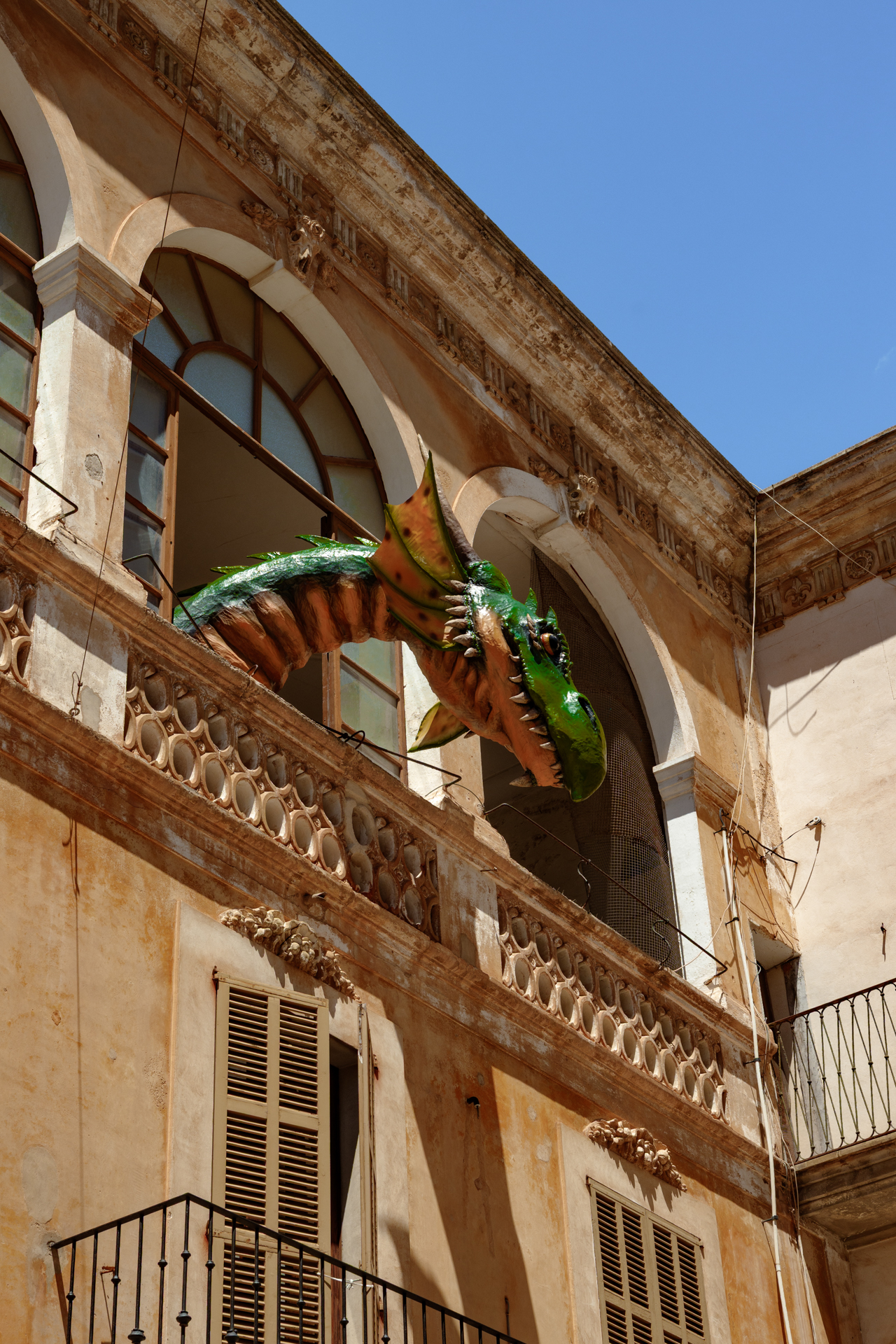
Manacor is the second largest town on the island and it feels properly Mallorcan. No tourist polish, just everyday Spanish life unfolding around you. It’s famous for being Rafael Nadal’s hometown and for its pearl industry (Majorica pearls have been made here for more than 130 years). A great place to grab a coffee, sit in the main square, and just people-watch for a while. It’s not a town packed with major attractions, but that’s exactly what makes it special.
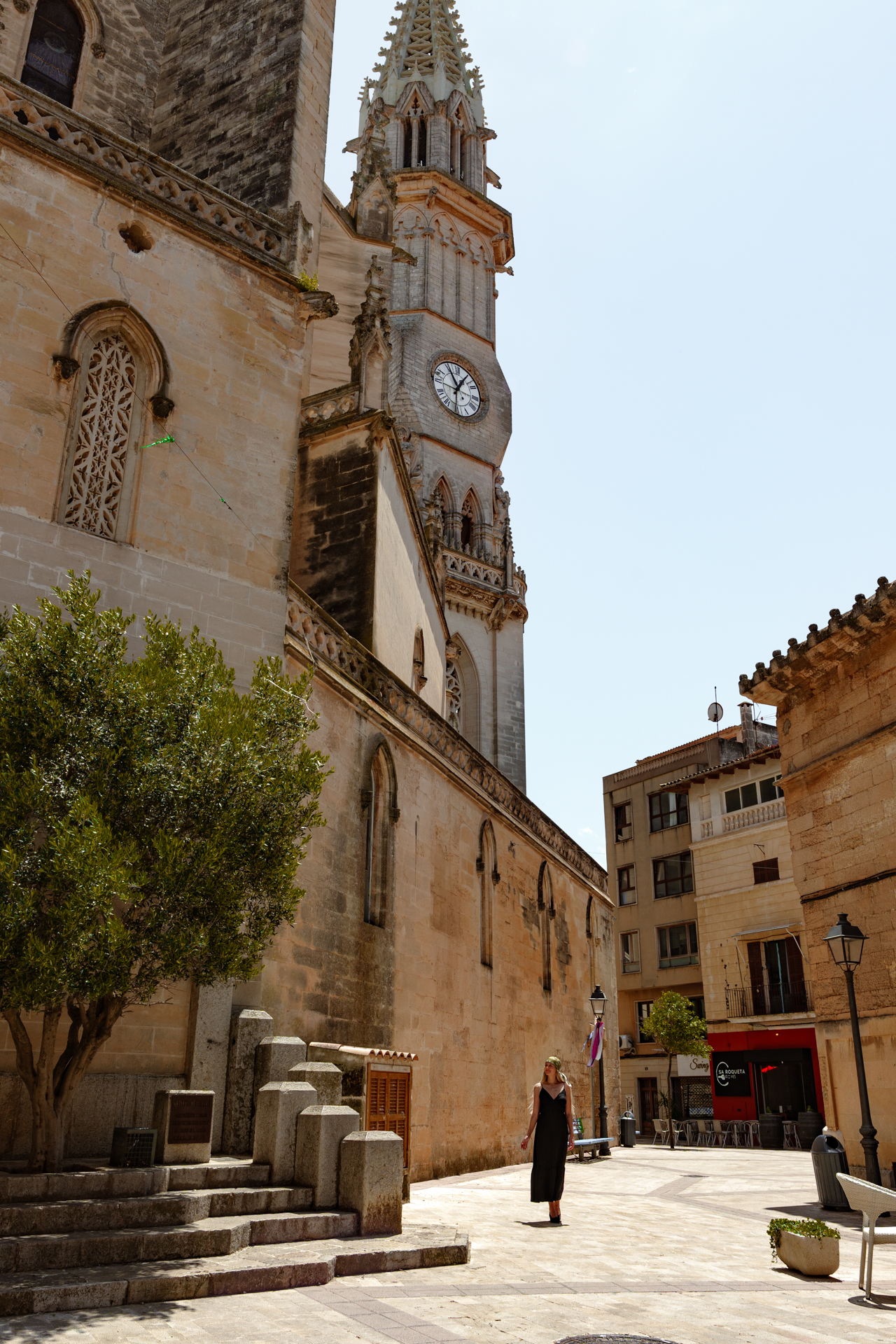
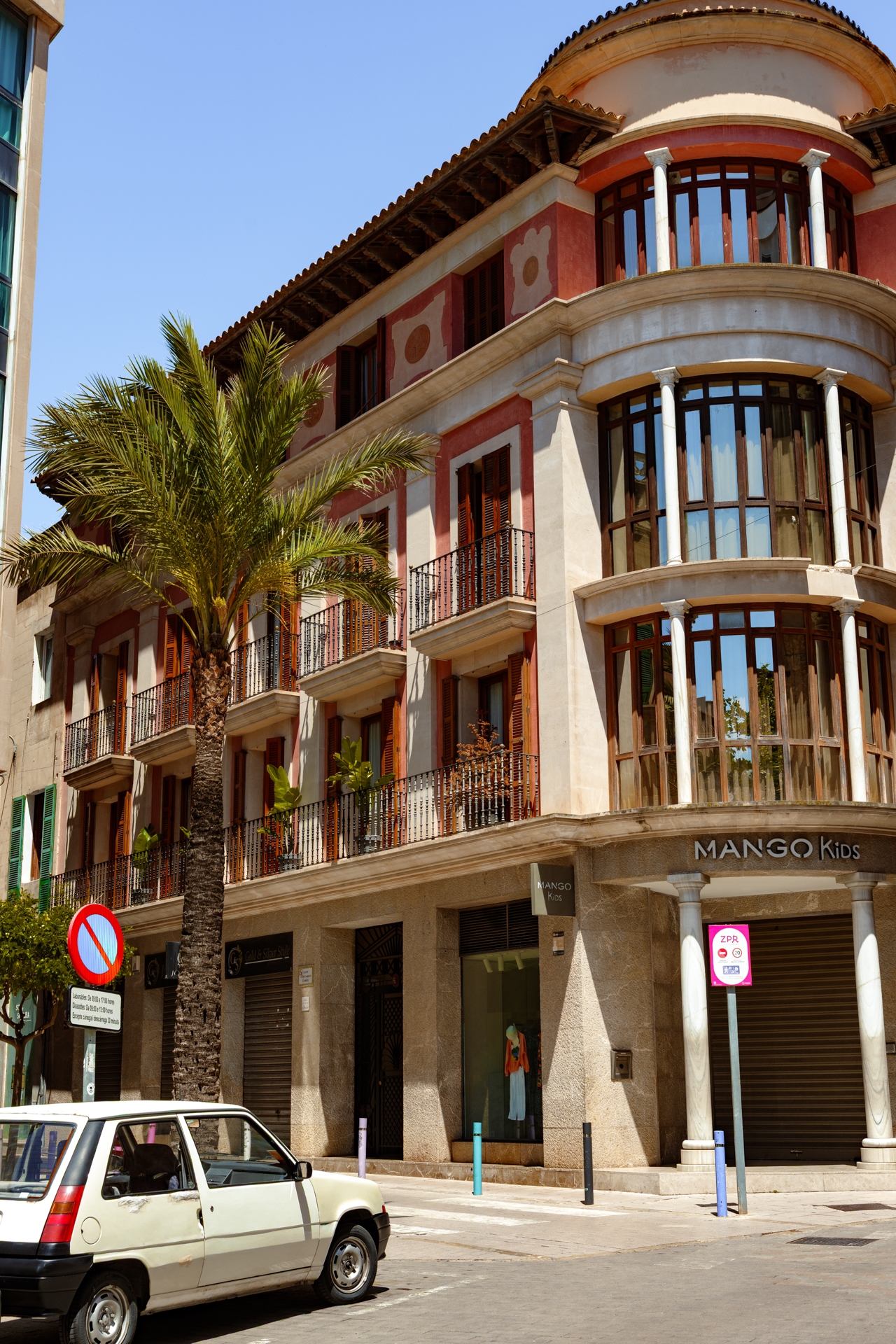
It really feels authentic. While many visitors head straight for Mallorca’s beaches and mountain villages, Manacor offers a glimpse into real, local island life. I wouldn’t come on a Sunday as we did because it was almost a ghost town haha. Monday would be the perfect day so you can even stroll through Manacor’s weekly market.
There’s also a fruit and vegetable market at Plaça Constitució that runs Monday to Saturday mornings, making Manacor feel lively even outside market day.
12. Turquoise Waters of Cala S’Almonia
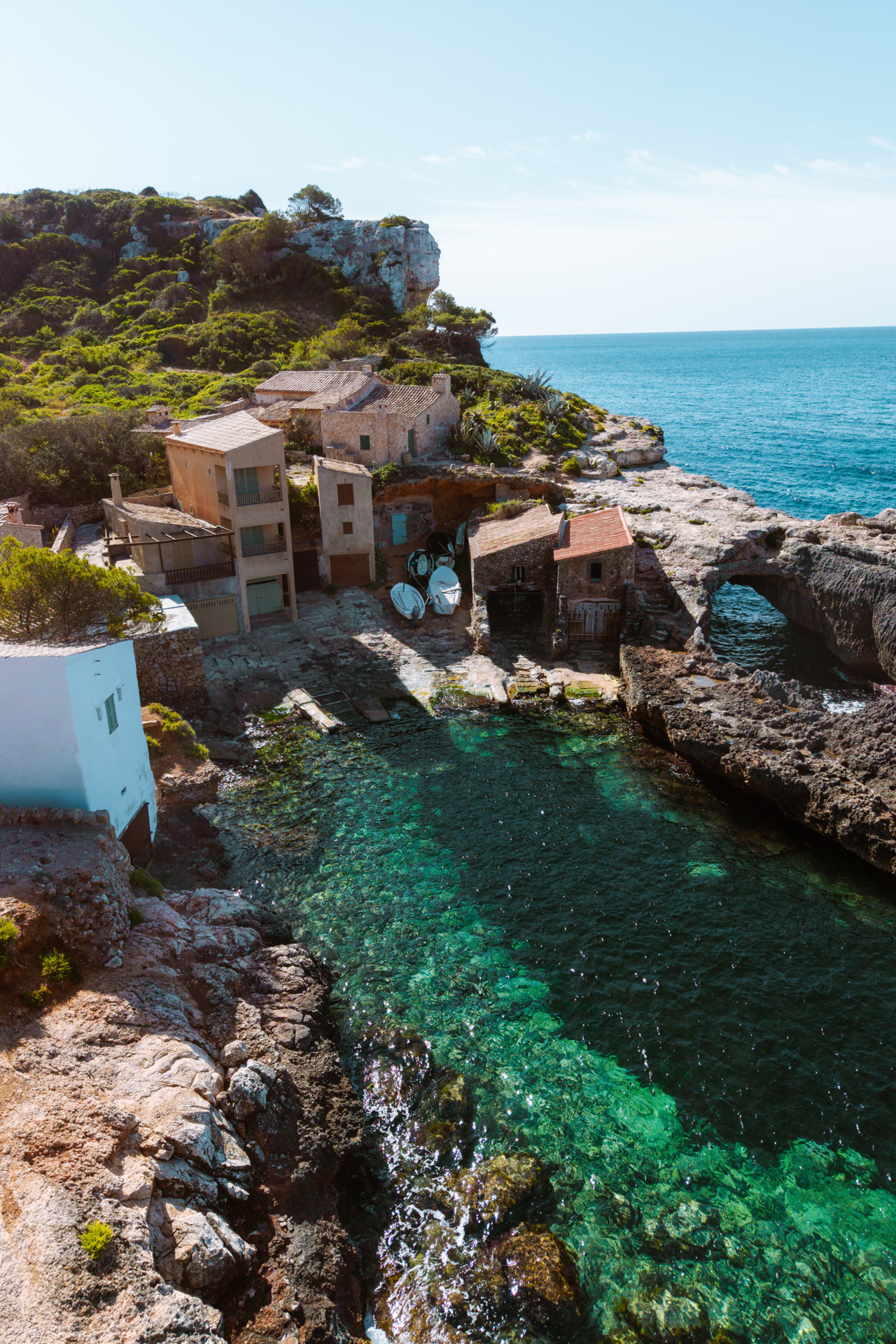
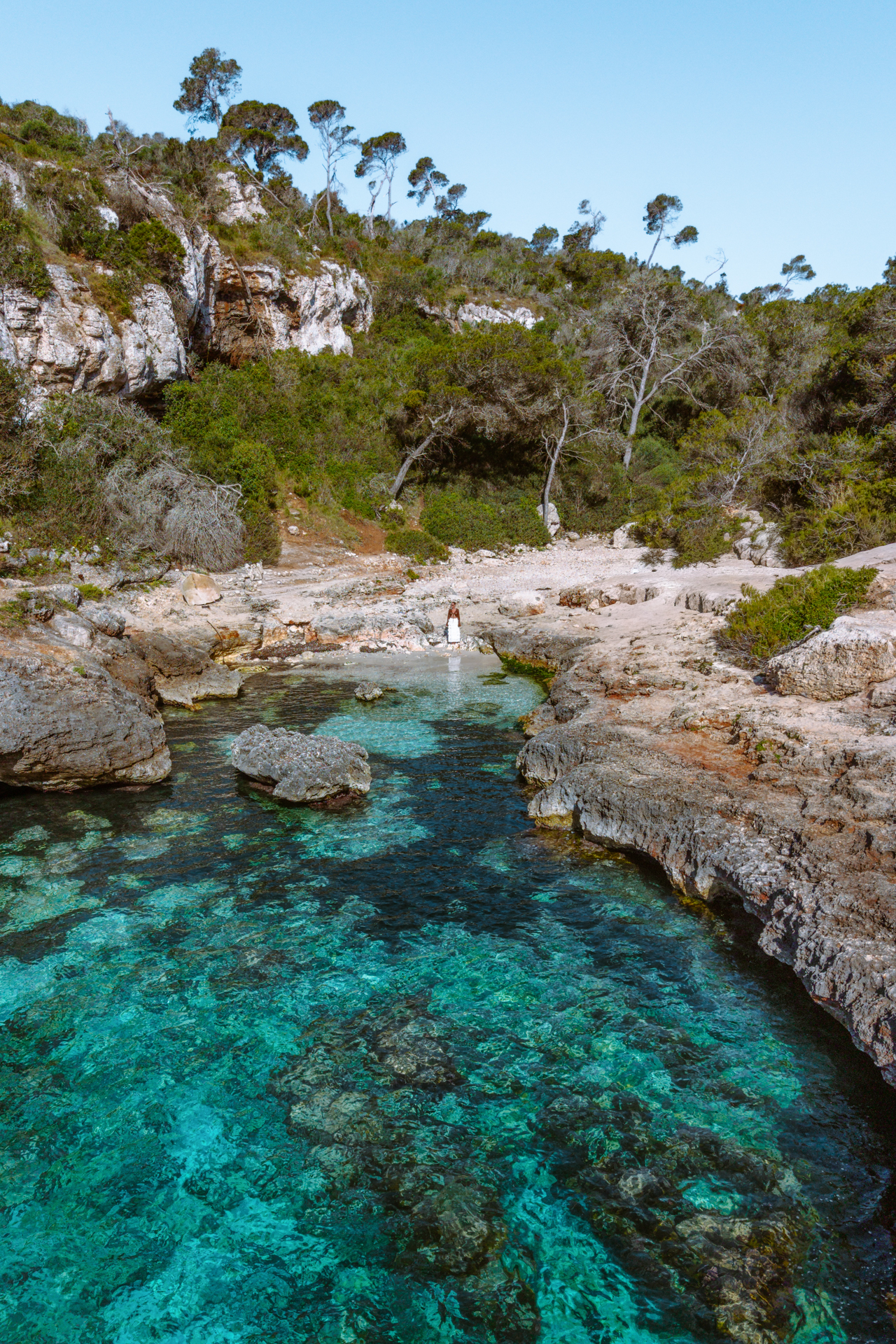
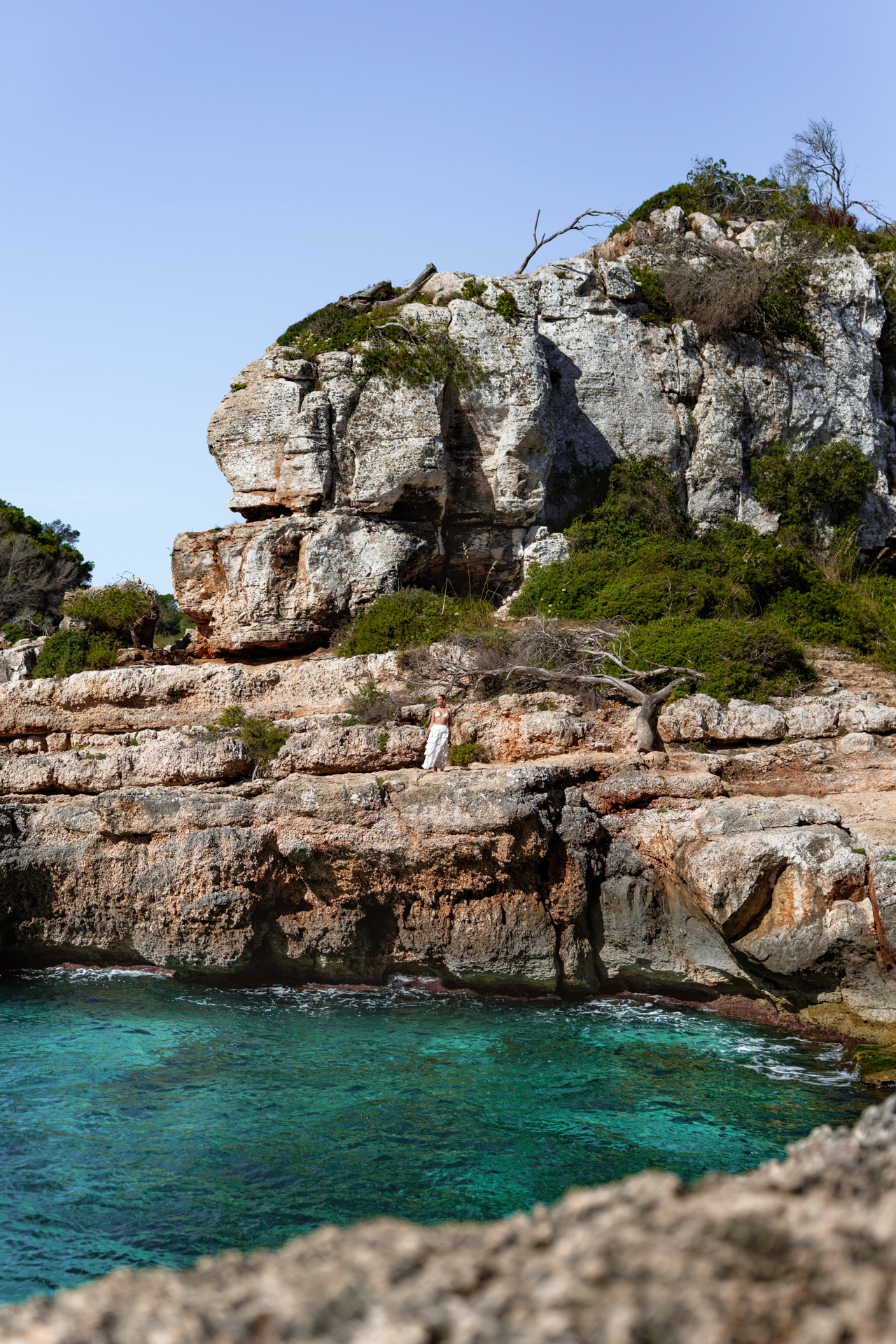
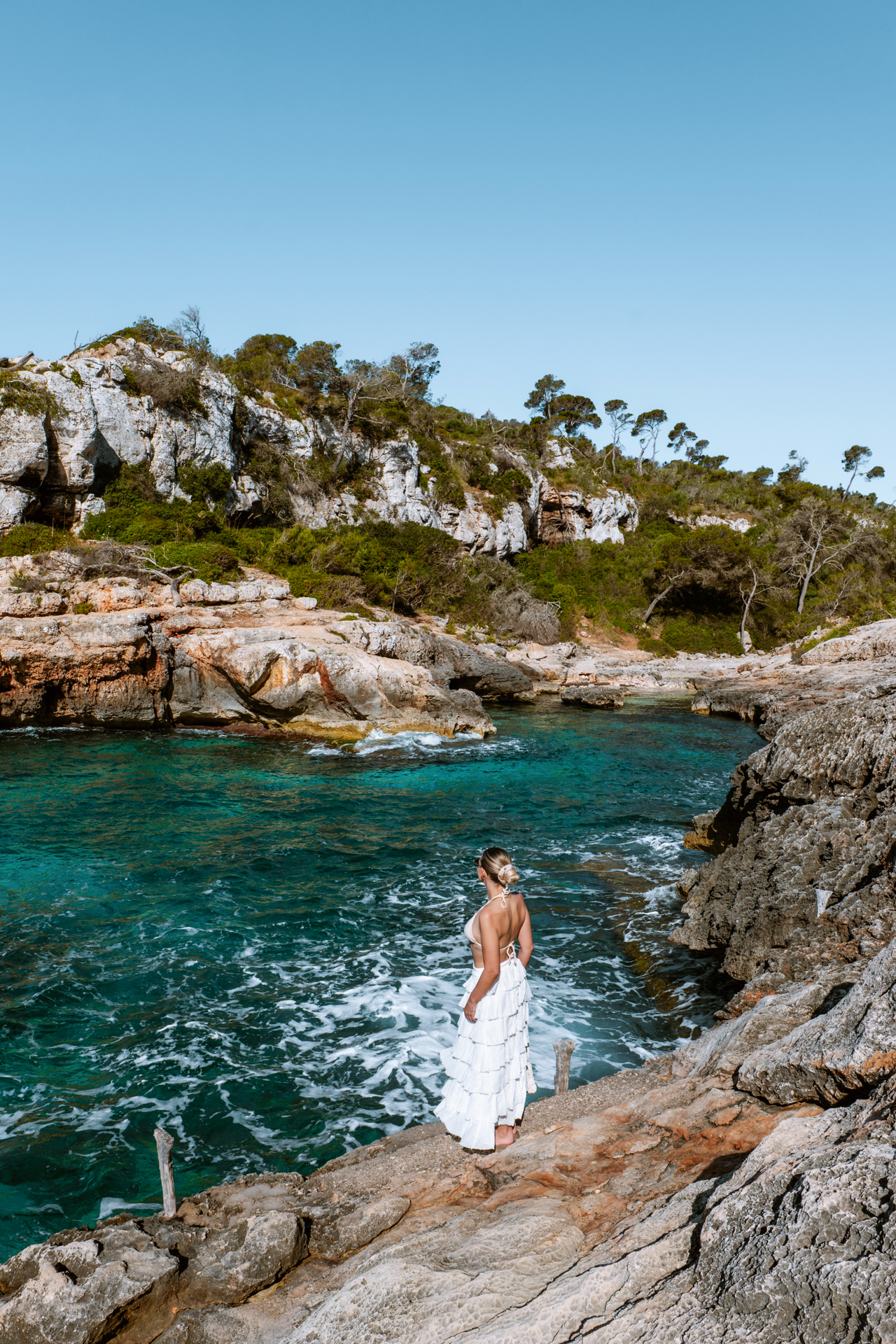
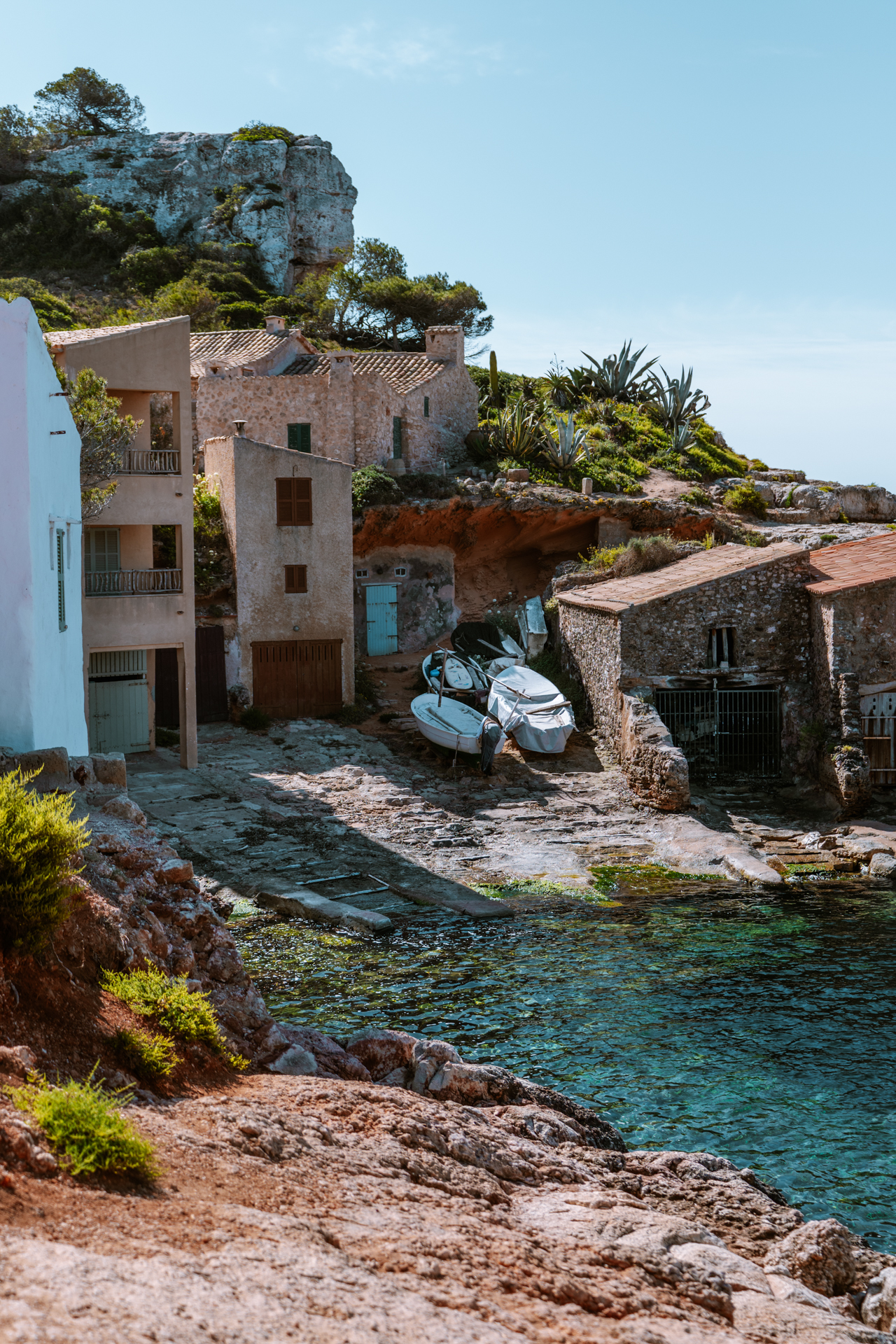
A wild, raw little cove on the southeast coast with some of the clearest water I have seen. Tiny old fishermen’s huts (called escars) cling to the rocks on your left and rugged cliffs and outcrops on your right.
There is no sand here and also no facilities, just smooth stones and water so transparent it almost looks fake. Quieter than Calo des Moro and honestly just as beautiful.
Parking at Cala S’Almonia
You can find free parking nearby on the side of the road, but it gets full quickly. We luckily got a spot because we came really early. If you can’t find a space, there is a bigger free parking lot 15 minutes away. Here is the exact location. But remember, if you have to park further away, don’t forget the heat in the summer for your walk as most of the route in not shaded. This goes also for Calo des Moro.
13. Try Traditional Mallorcan Food & Local Pastries
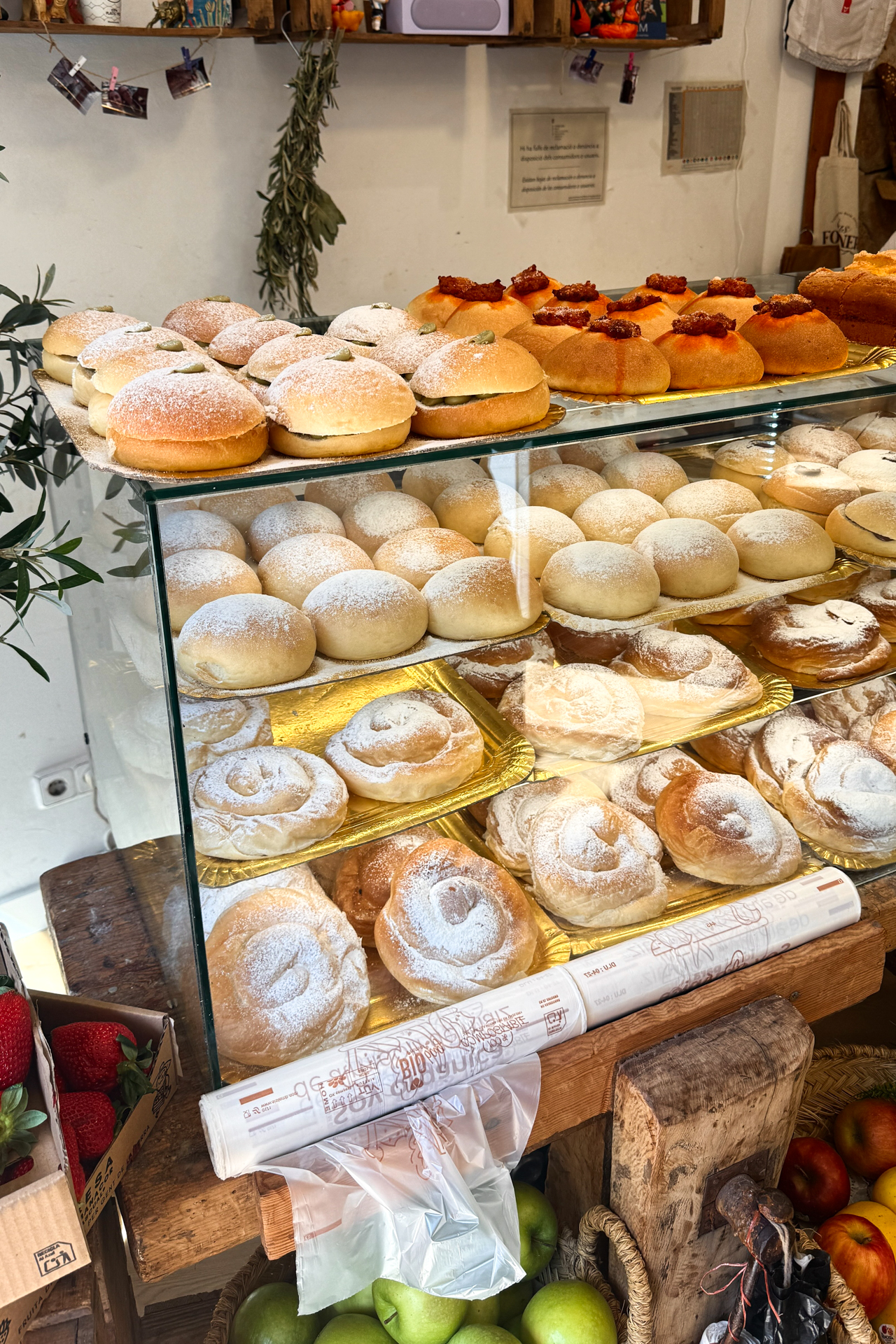
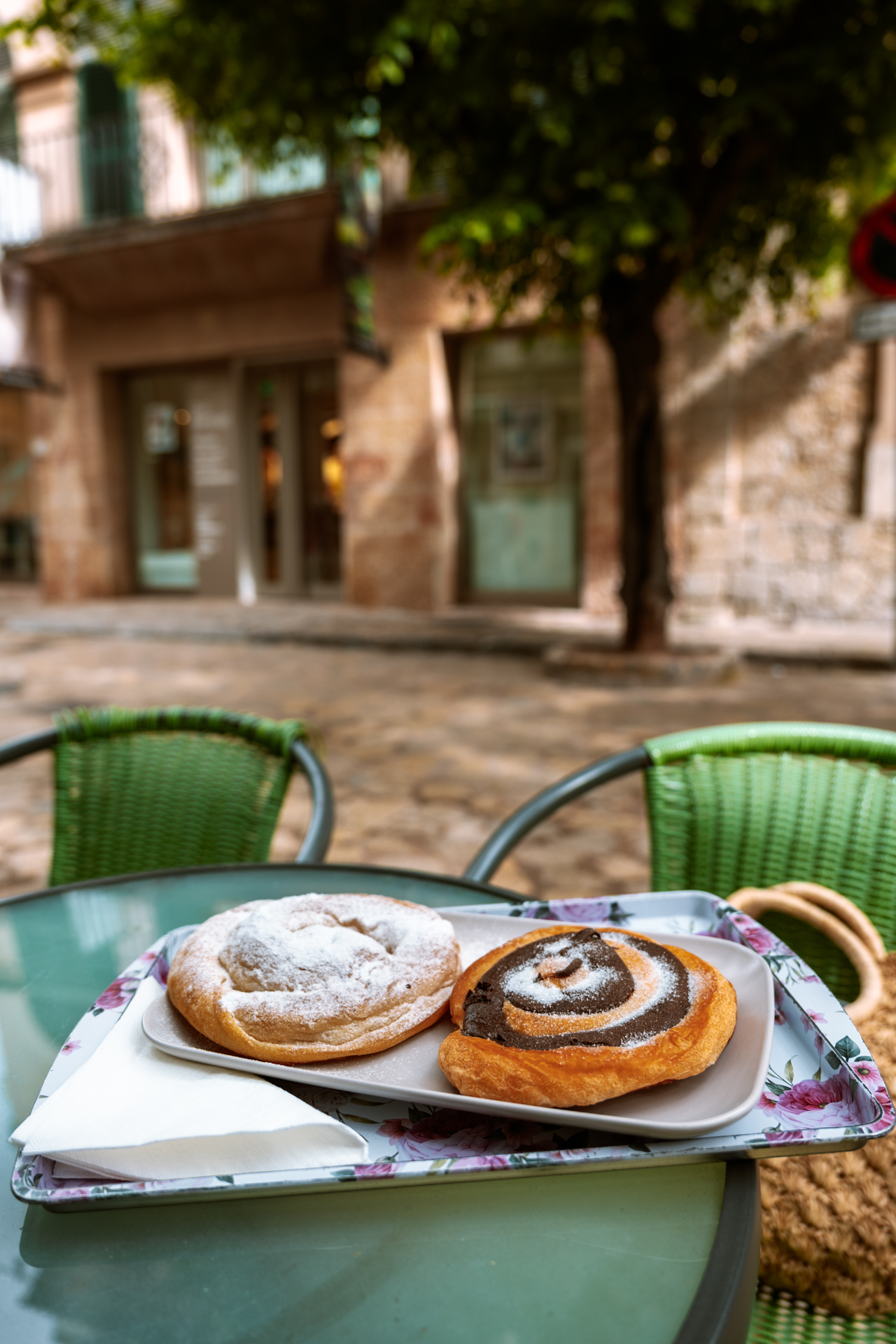
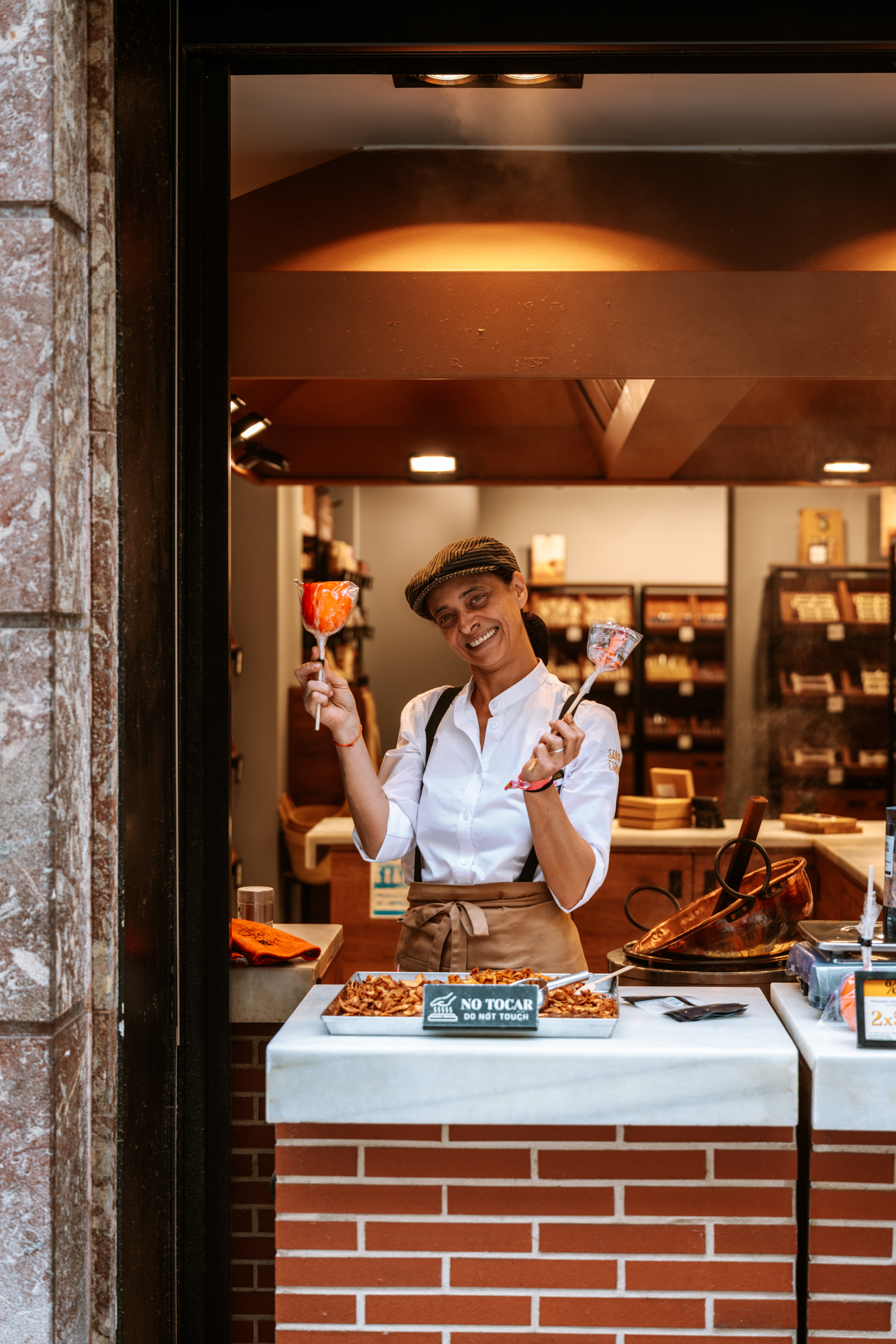
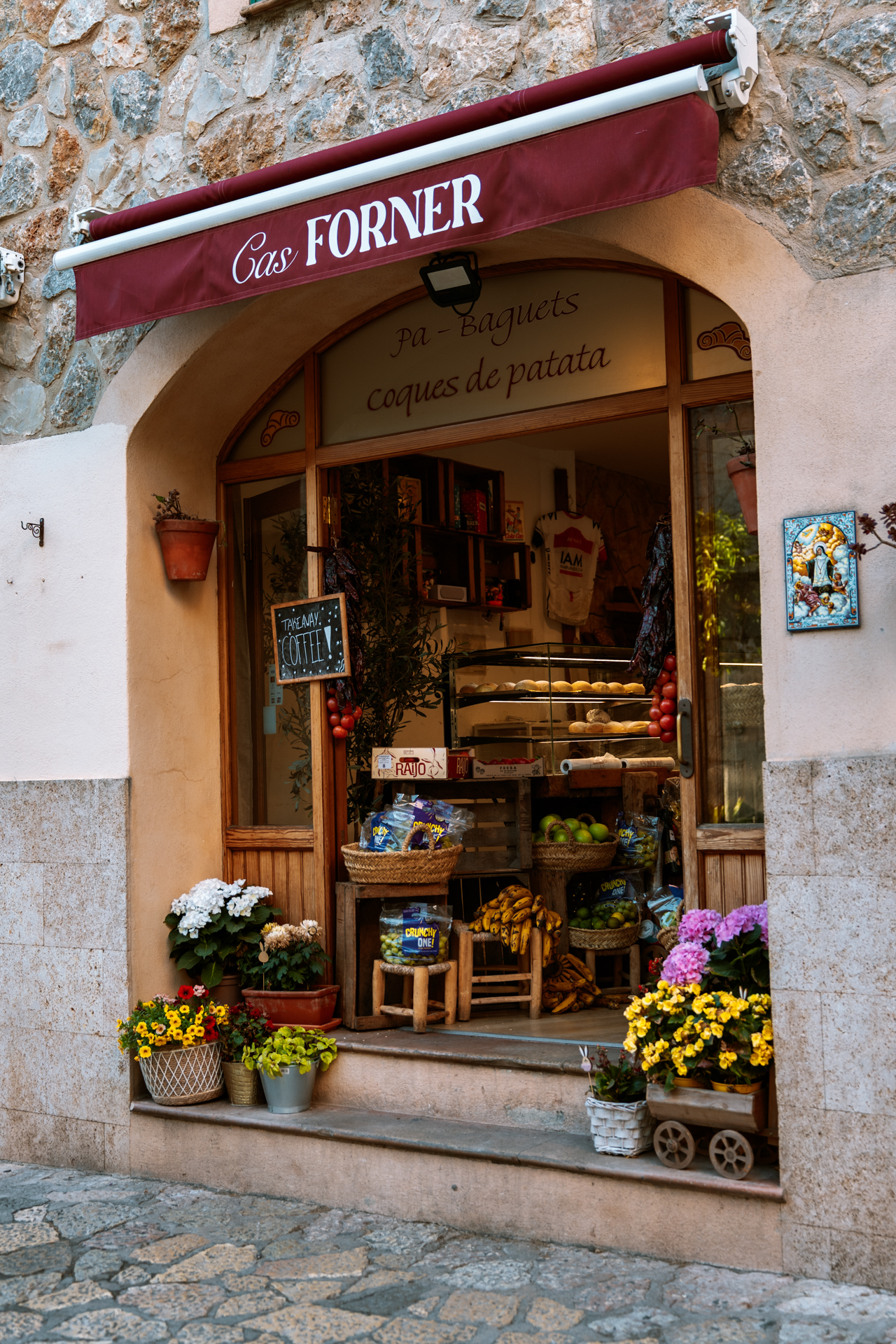
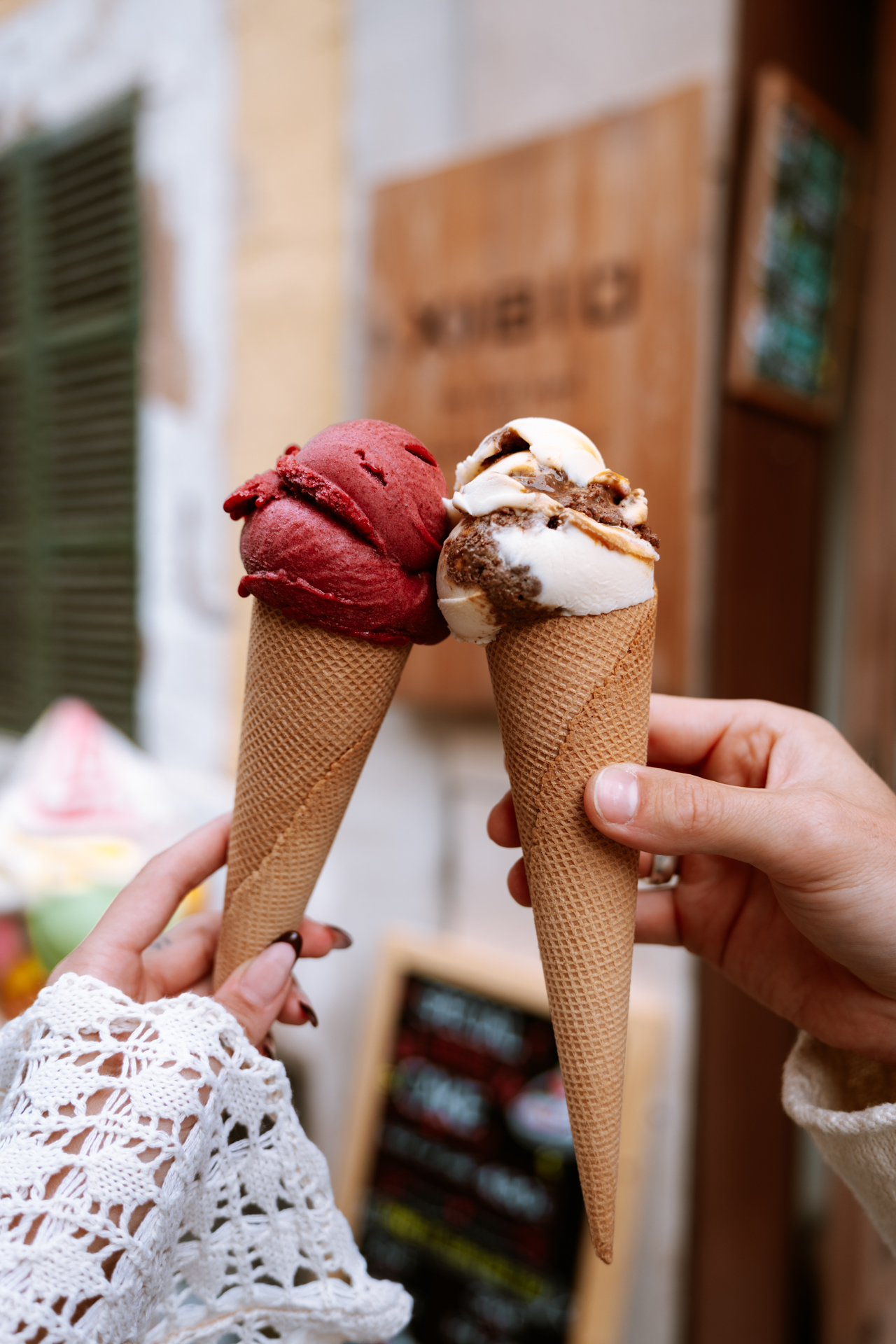
Do not leave the island without trying ensaimada (a spiral pastry dusted with icing sugar that locals eat for breakfast), pa amb oli (toasted bread with tomato and olive oil), and coca de patata (a light and fluffy potato bun that’s perfect with a coffee).
For something heartier, try tumbet (layers of roasted vegetables) or arroz brut, a rich rustic rice stew that is very local here.
Pick up your ensaimadas from Ca’n Joan de s’Aigo in Palma or Forn i Pastisseria Ca’n Molinas / Cas forner 1961 in Valldemossa. Those bakeries have been doing it forever and the pastries are unreal. Trust me on this one.
14. Take a Swim at Cala Pi
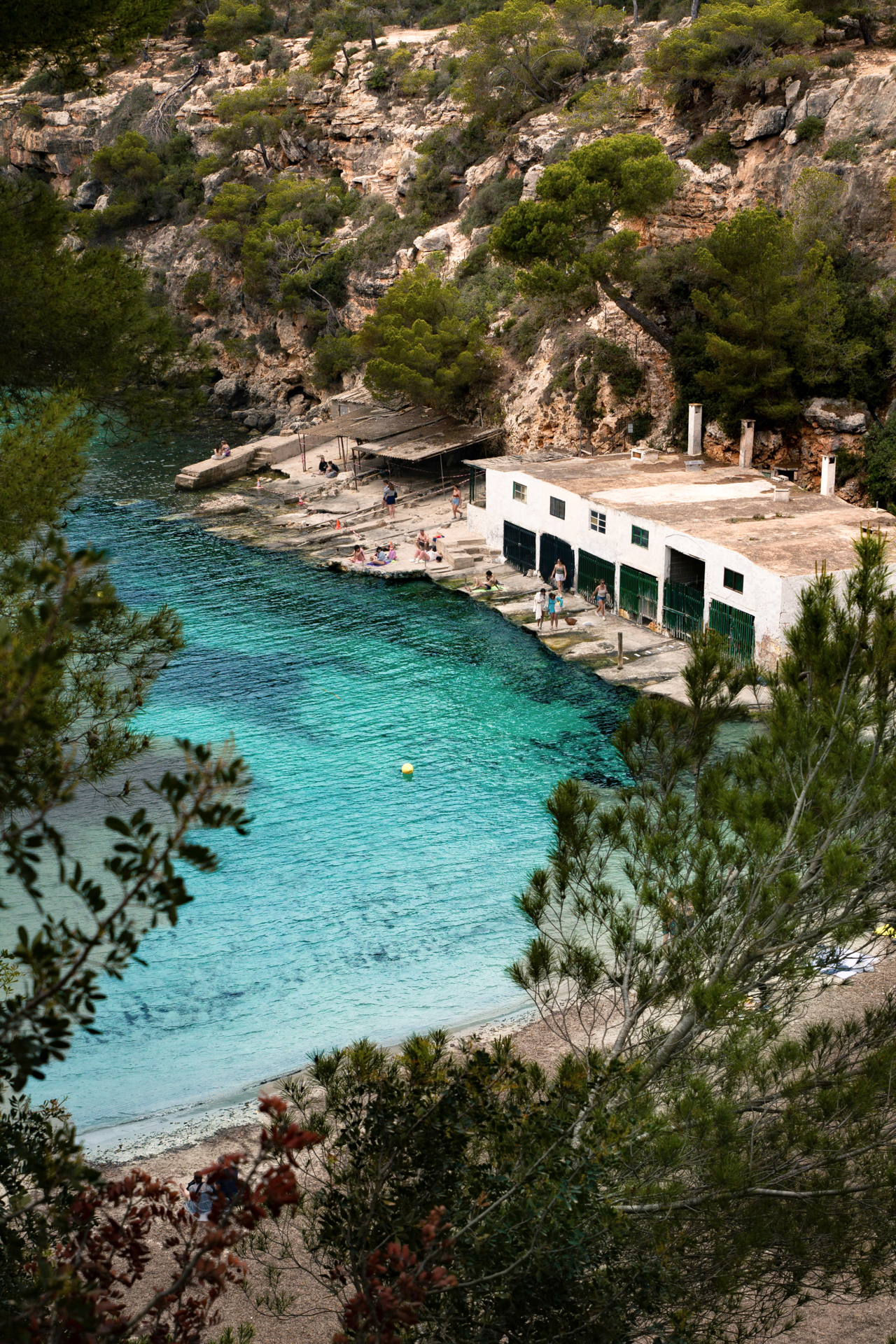
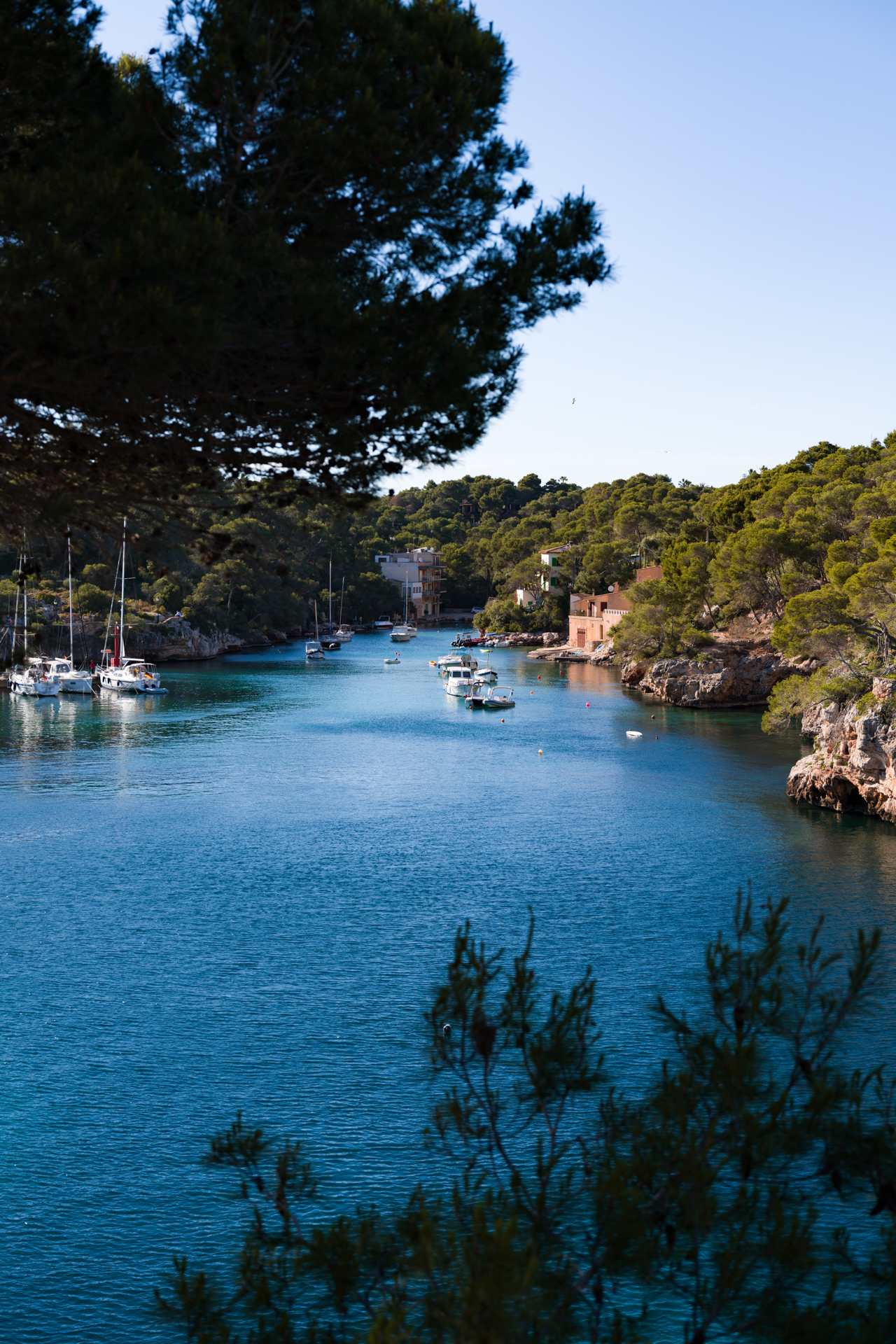
A long, narrow bay on the south coast with a small sandy beach at the end and golden cliffs rising up on either side. Because it’s so sheltered, the water stays calm and warm, perfect for a relaxed swim. It’s also a great snorkeling spot! There is a path along the top of the cliffs with really stunning views if you want to stretch your legs after a swim.
Good to know: Getting down is easy, but be prepared for the climb back up, as you’ll need to tackle nearly 150 steep steps! Make sure to bring water and snacks, as there are no facilities down at the beach. Also, parking is much easier here, with free roadside parking available throughout the village.
15. Alcúdia Old Town
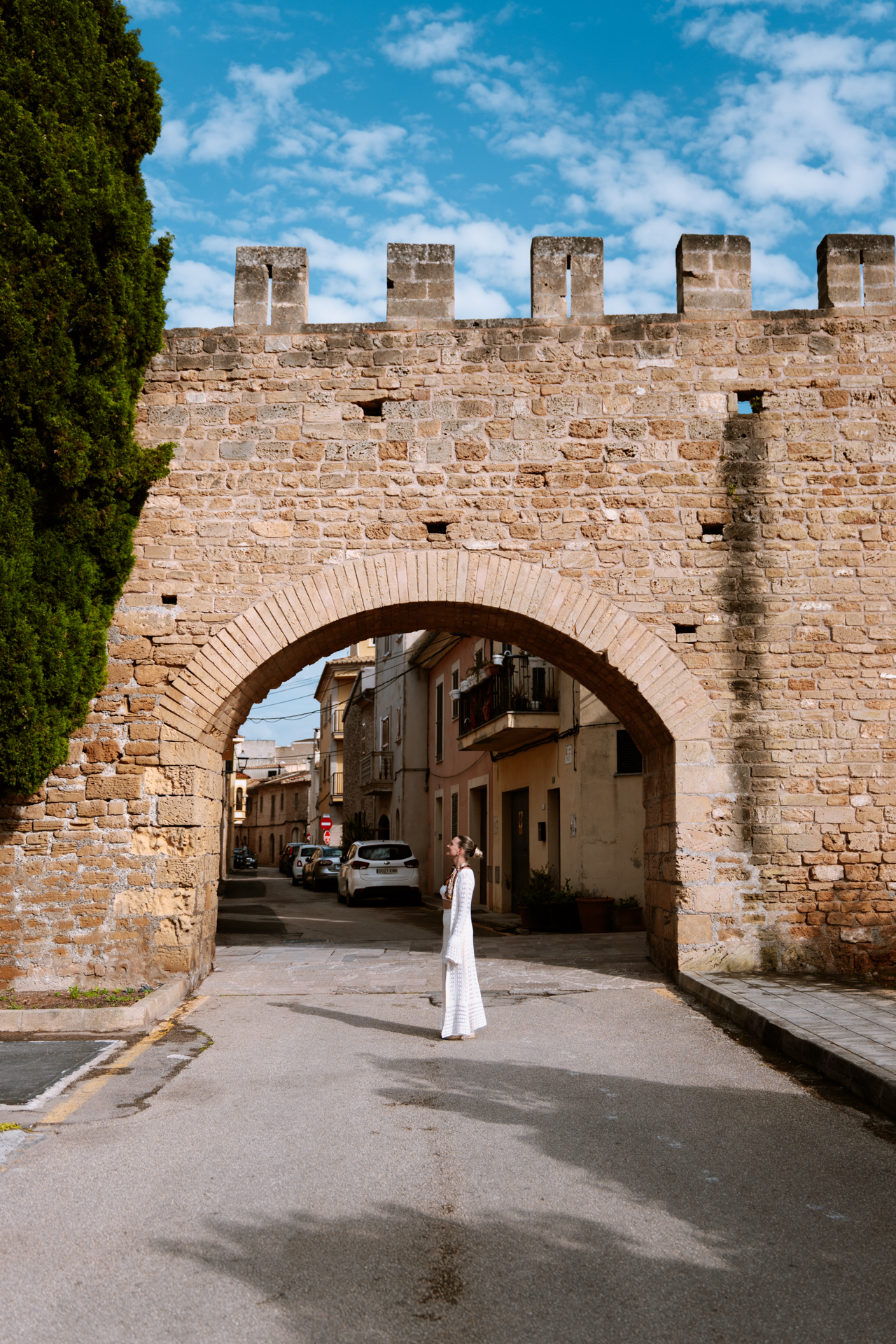
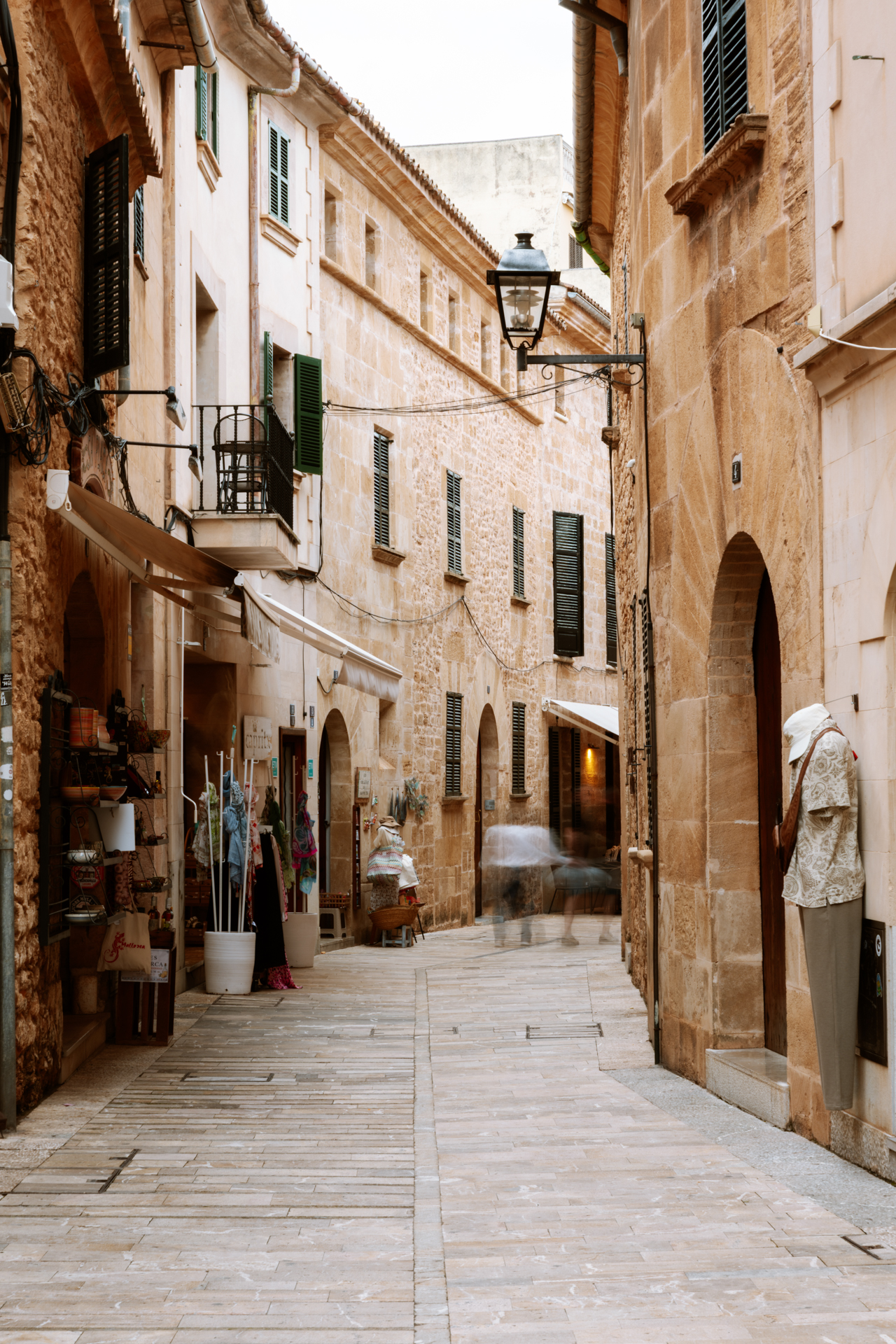
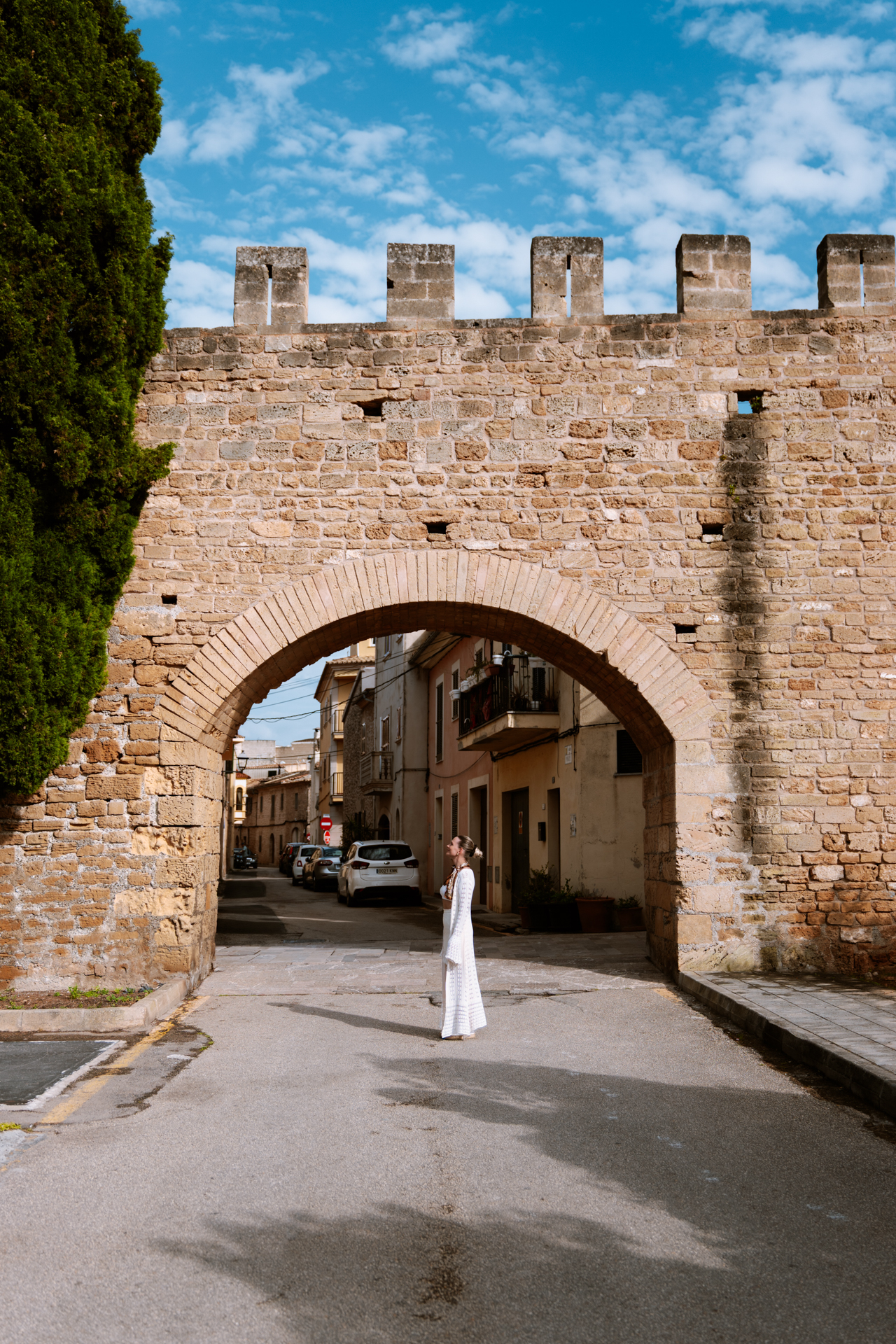
A walled medieval town up in the north that does not get nearly the attention Palma does, but absolutely deserves a visit. The old stone walls still wrap right around the historic centre, and you can actually walk along the top of them. The Tuesday and Sunday markets here are huge and packed with local produce, ceramics and a lot of cheese.
16. Explore the Famous Santanyí Market
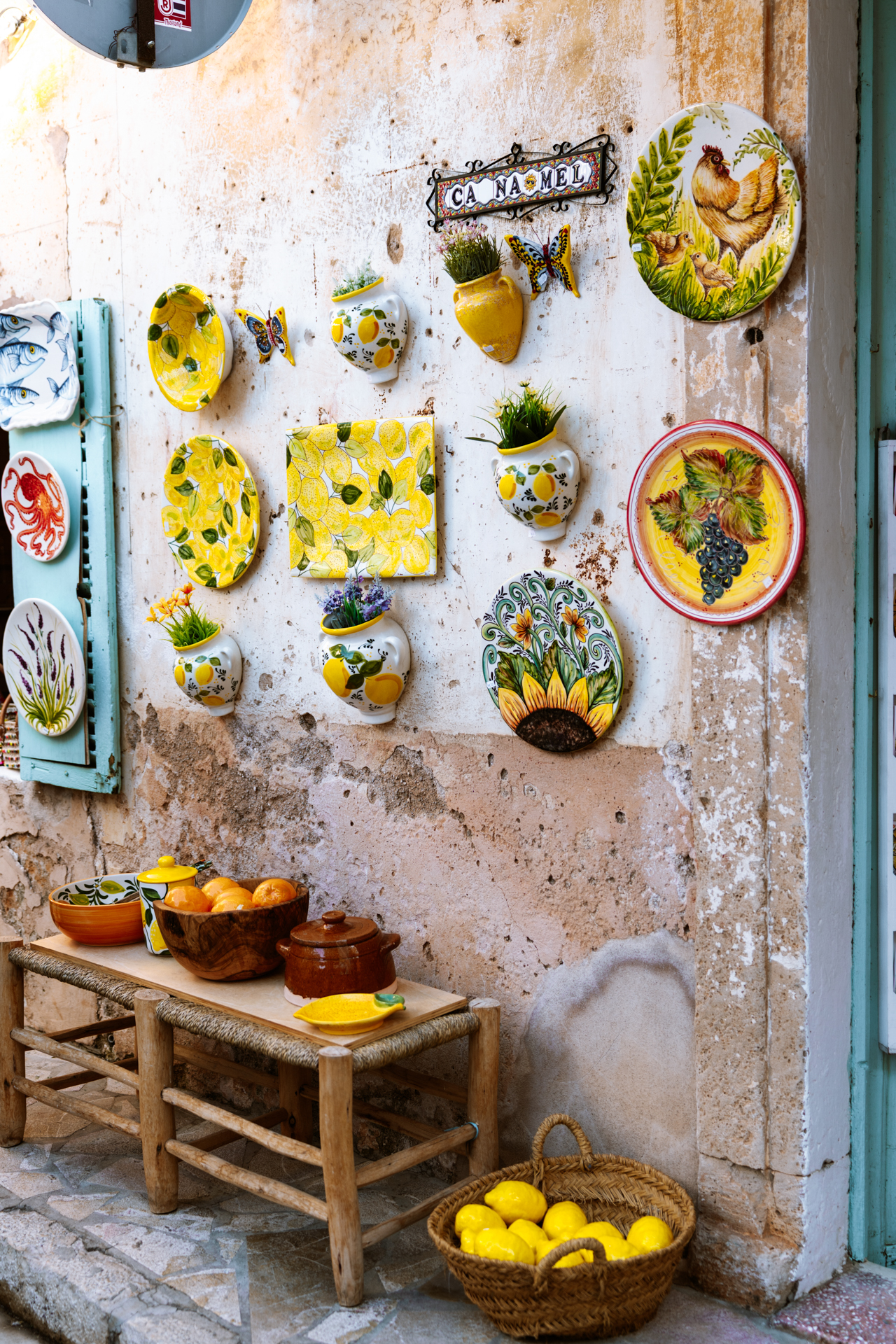
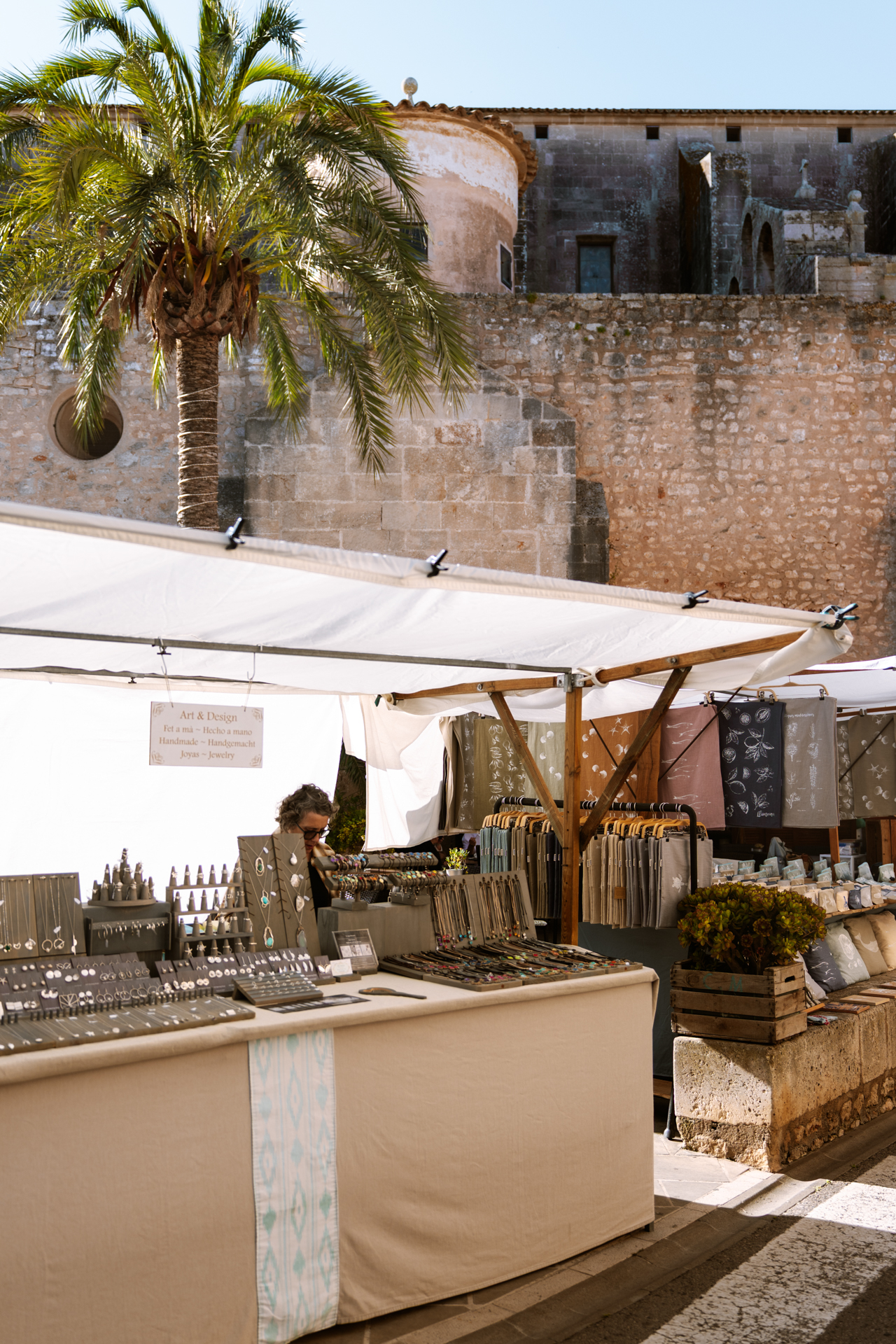
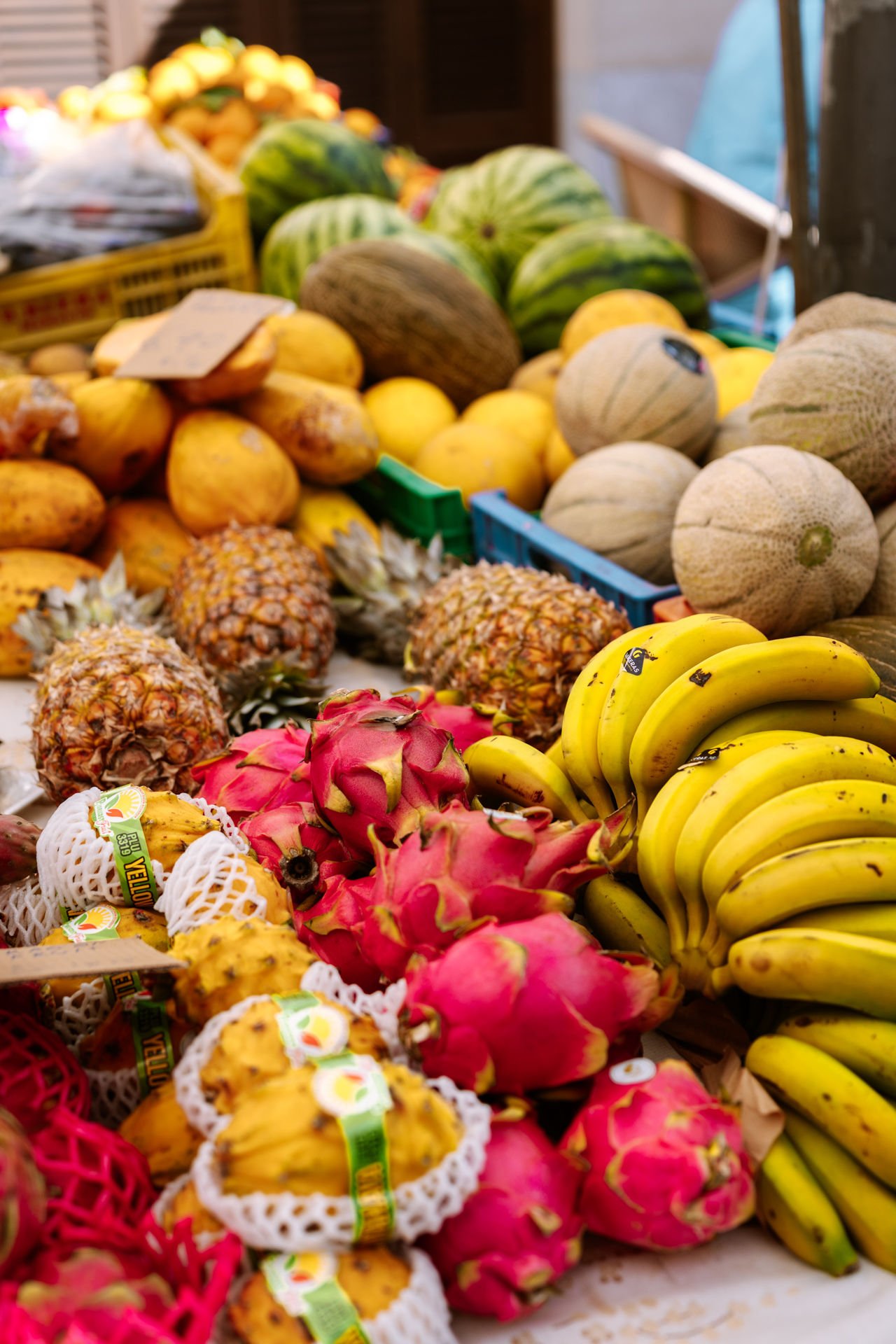
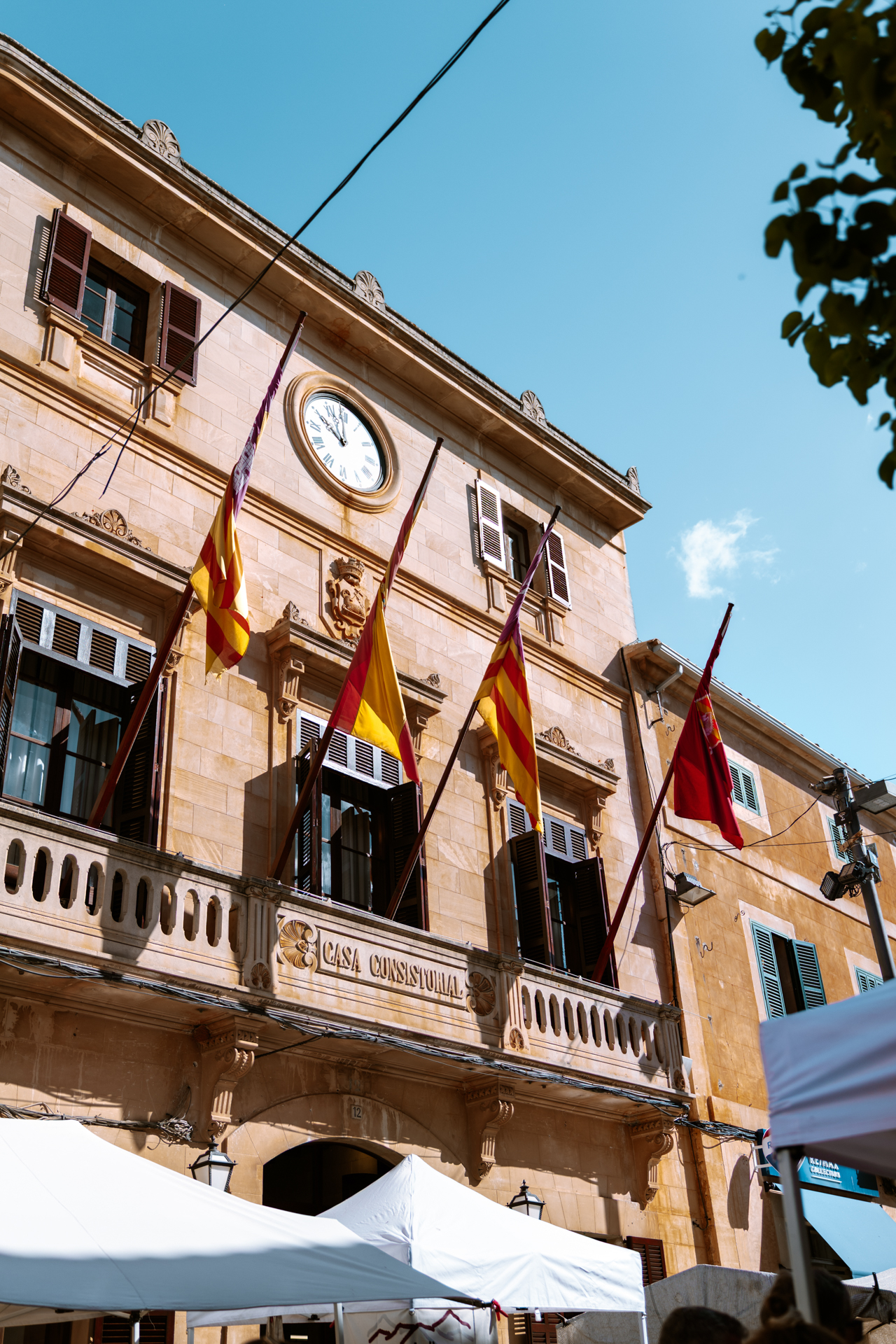
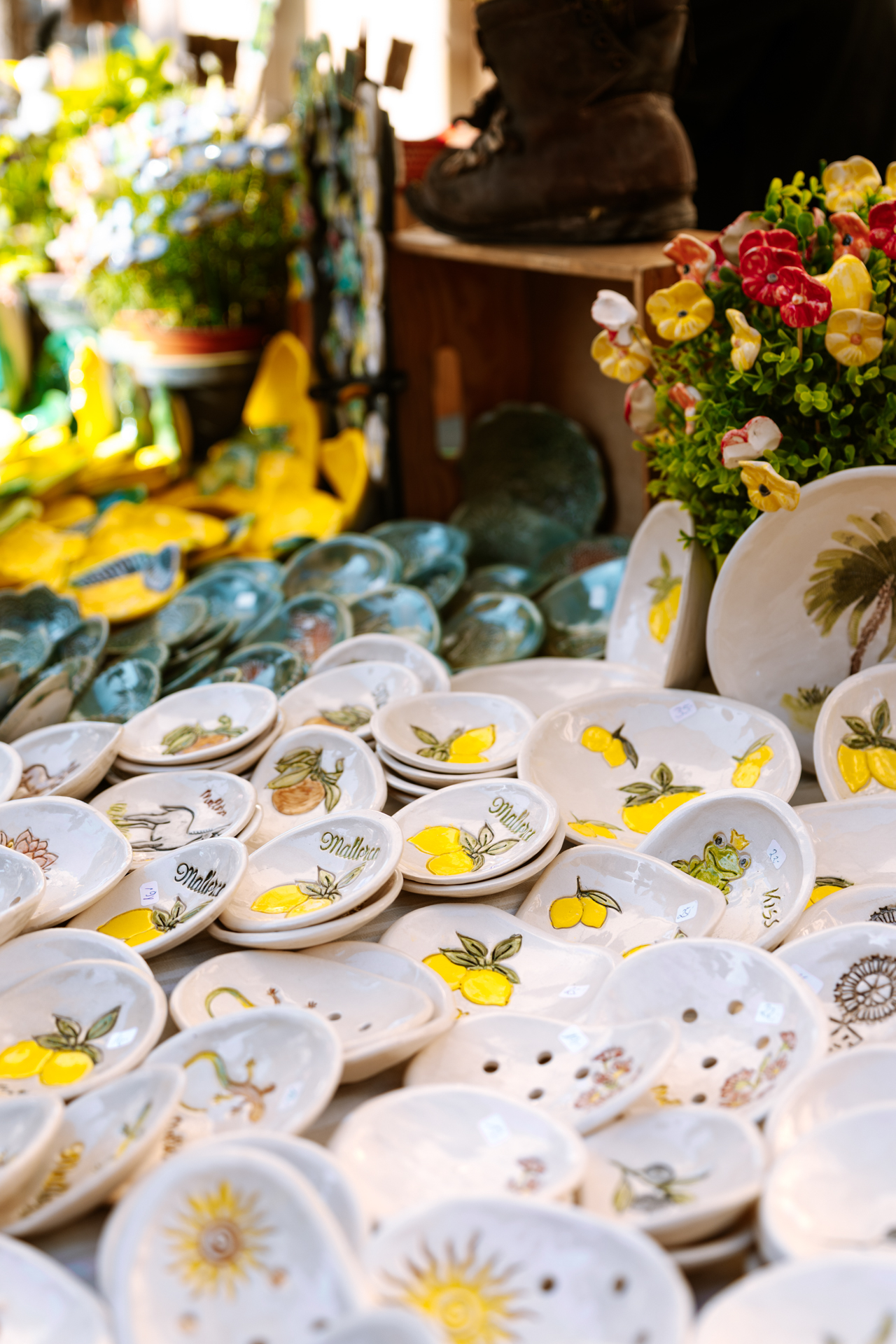
This is definitely one of the best things to do in Mallorca! Every Wednesday and Saturday morning (between 9 AM & 2 PM), the sleepy little town of Santanyí transforms into one of the best markets on the whole island. Local cheeses, olives, fresh fruit, handmade ceramics, vintage finds, handicrafts, clothing, you name it.
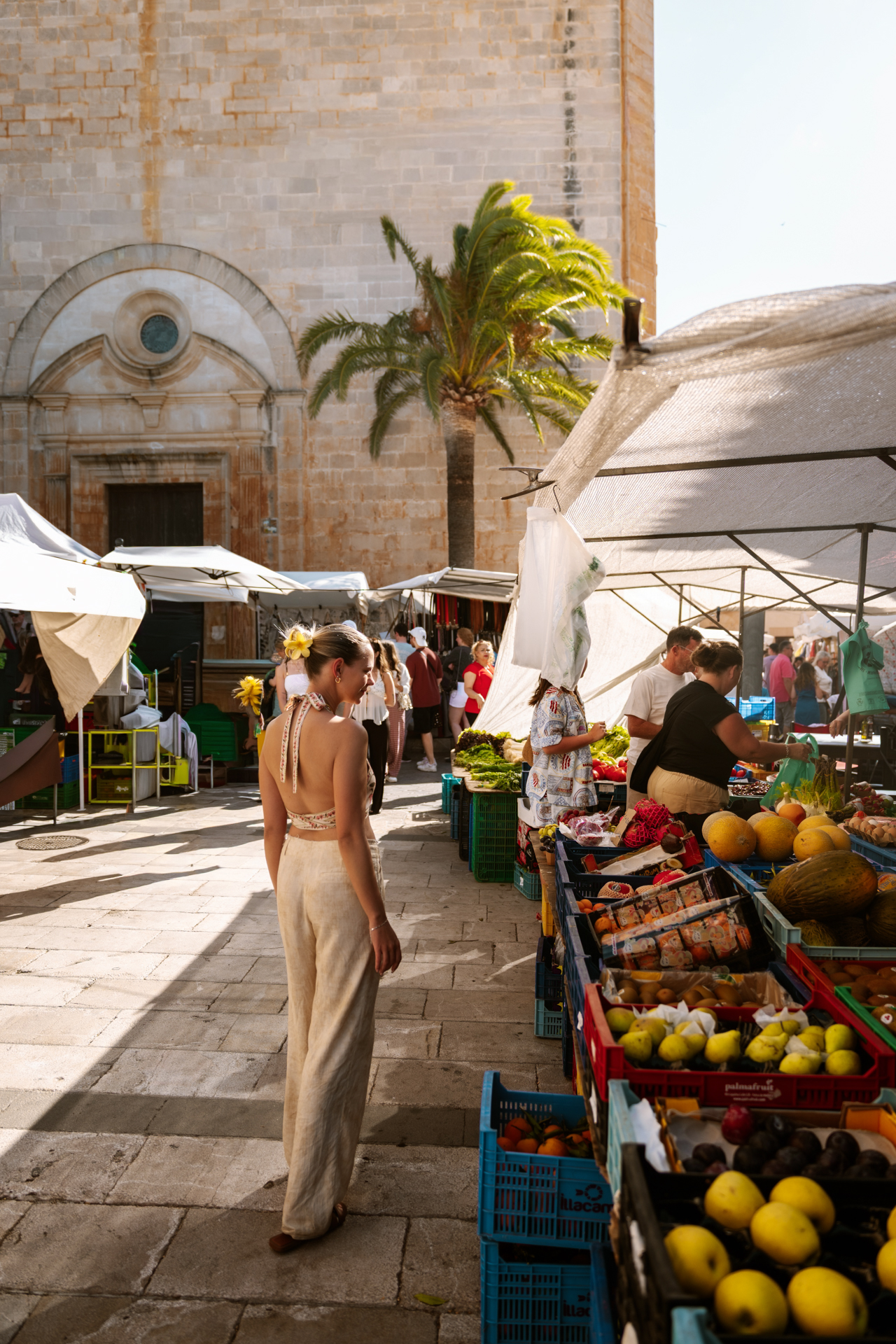
The streets start filling up very early, so I recommend arriving in the morning, ideally at 9 AM. Grab a coffee or matcha at one of the cafés on the main square and take your time wandering around. By 10 AM, it was already incredibly crowded when we visited.
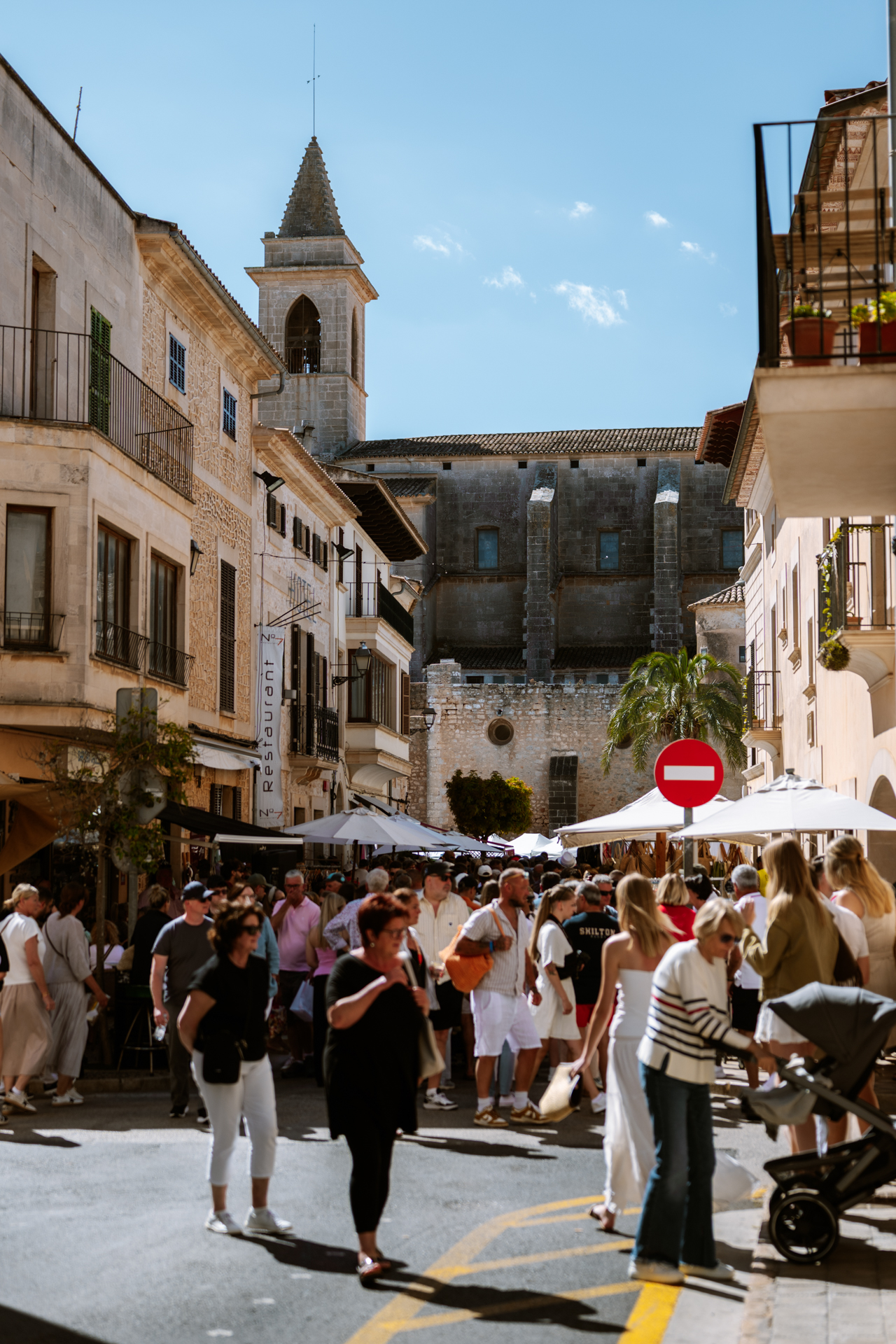
If you love home decor as much as I do, don’t miss Terra Origens or Terra Cuita. The shops are filled with beautiful stoneware, textiles, and unique interior pieces.
Parking in Santanyí on market days fills up fast. Here is a parking spot. Bring cash, some of the small stalls do not take card.
17. Visit the Beautiful Cala Llombards Beach
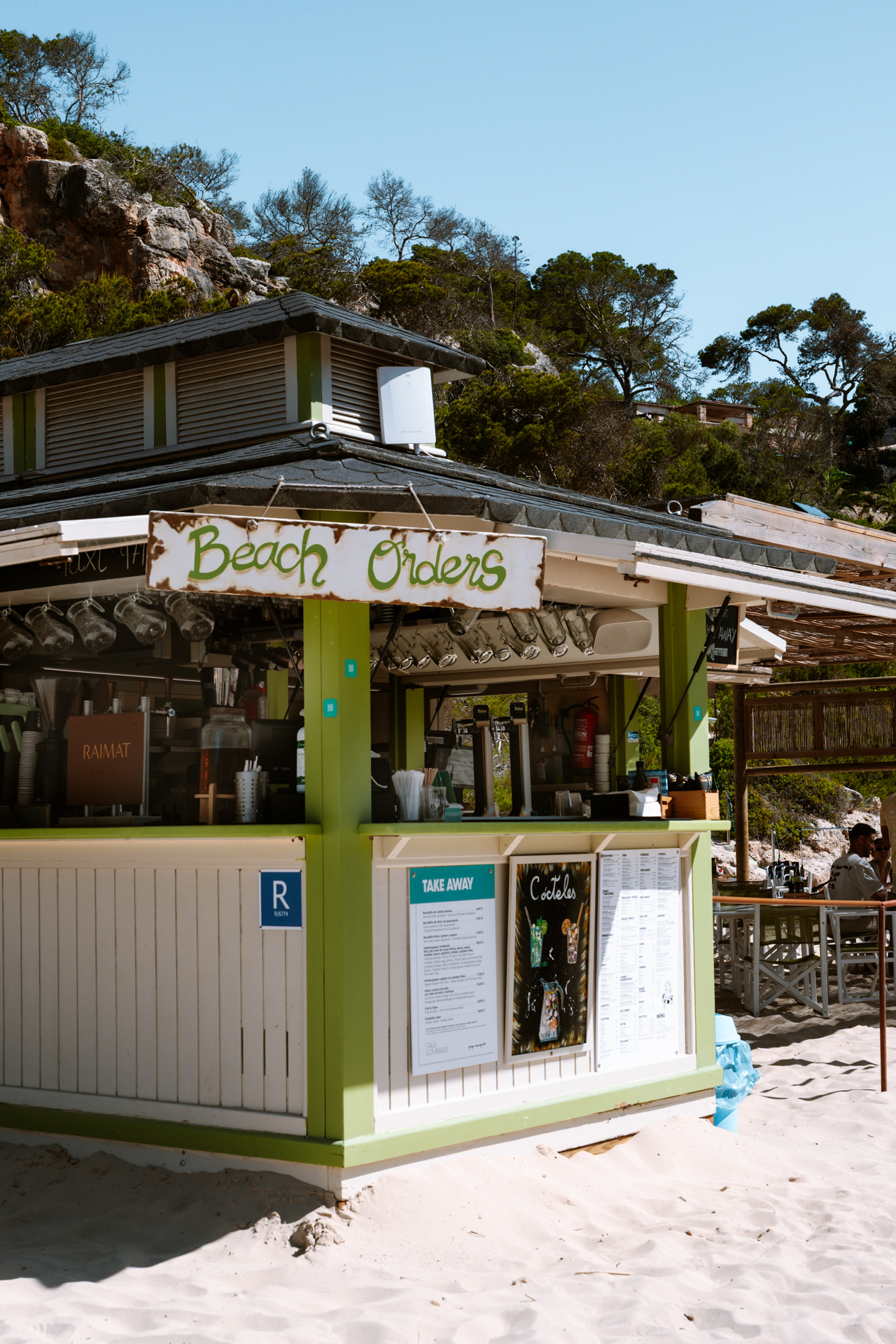
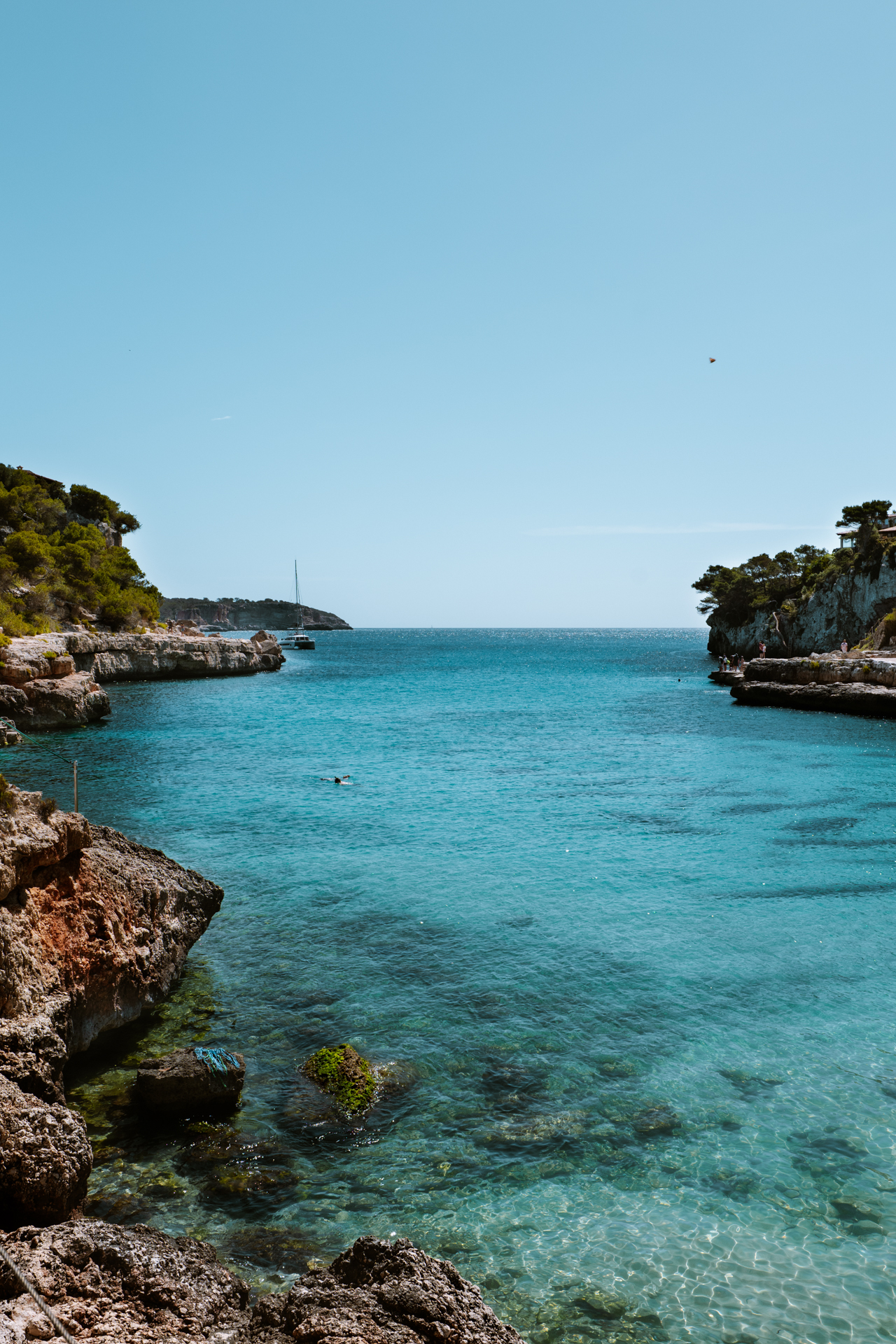
One of my favourite beaches in the south. Soft white sand, turquoise water, and old wooden fishermen’s huts perched up on the rocks on one side. There is a small beach bar for drinks and snacks.
When you get hungry after or before the beach, stop by at Cassai Gran Café or Cafe Drac. Both are nearby and worth the detour.
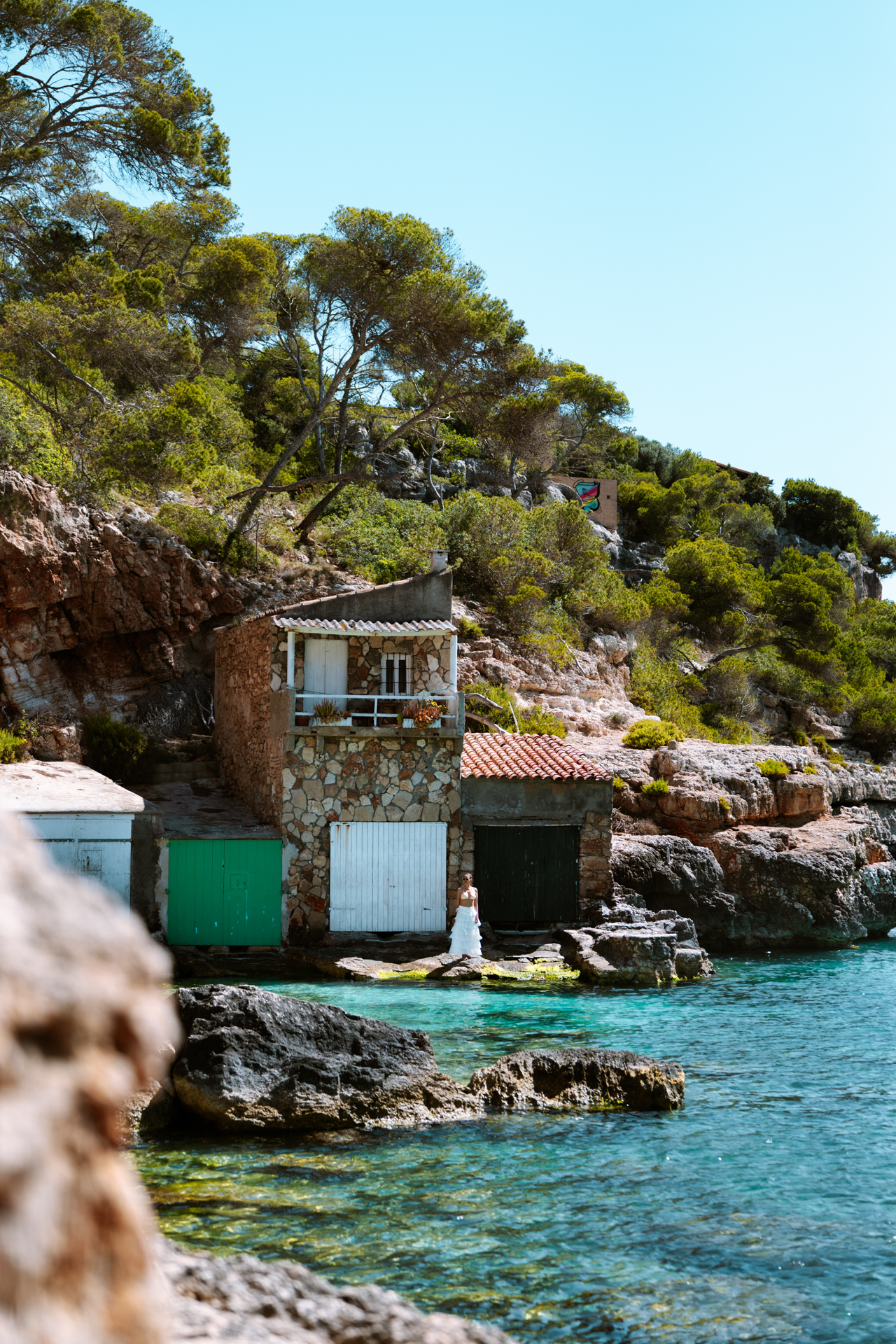
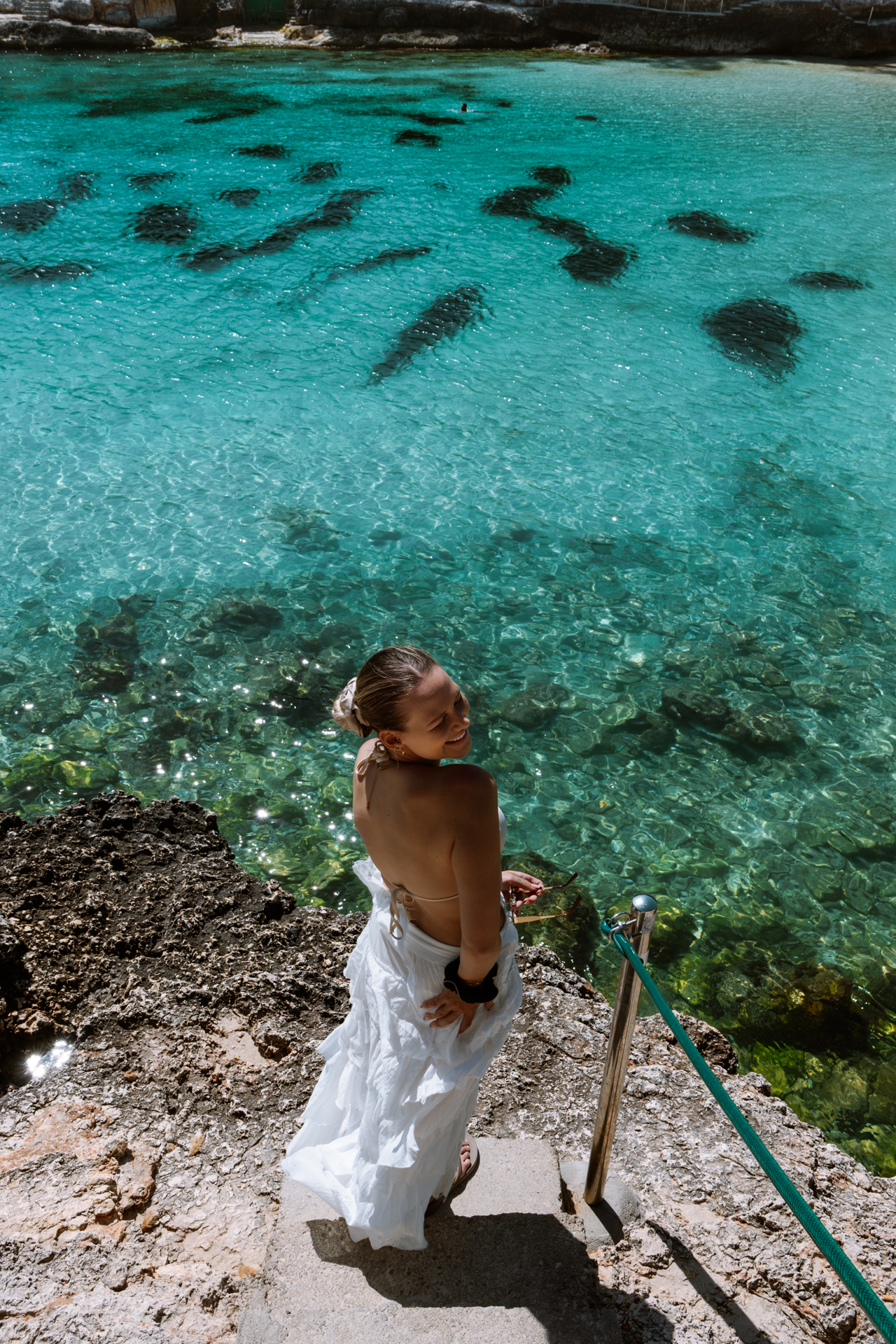
One of the things I liked most about this beach is how convenient it is. You can rent sun loungers and umbrellas, grab a drink or snack from the small beach bar, and park just a short walk away. Just keep in mind that parking fills up quickly, so here as well, it’s best to arrive early, especially during the summer months.
18. Authentic Mallorcan Town of Felanitx
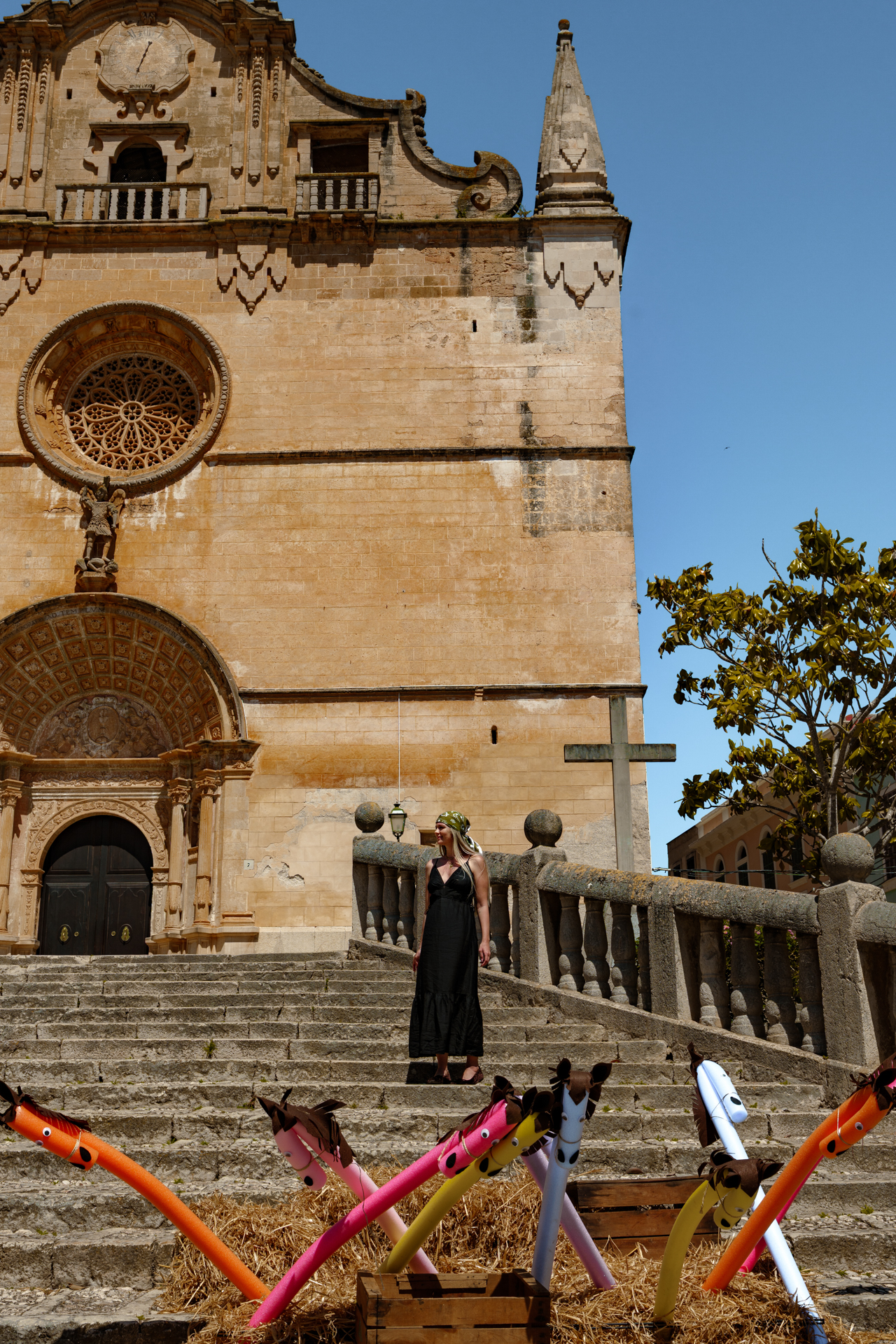
Felanitx is a traditional Mallorcan market town away from the busy coastline, where you’ll experience authentic local life rather than crowds of beachgoers. Every Sunday, the lively market fills the historic centre with fresh produce, local delicacies, handmade crafts, and a warm community atmosphere.
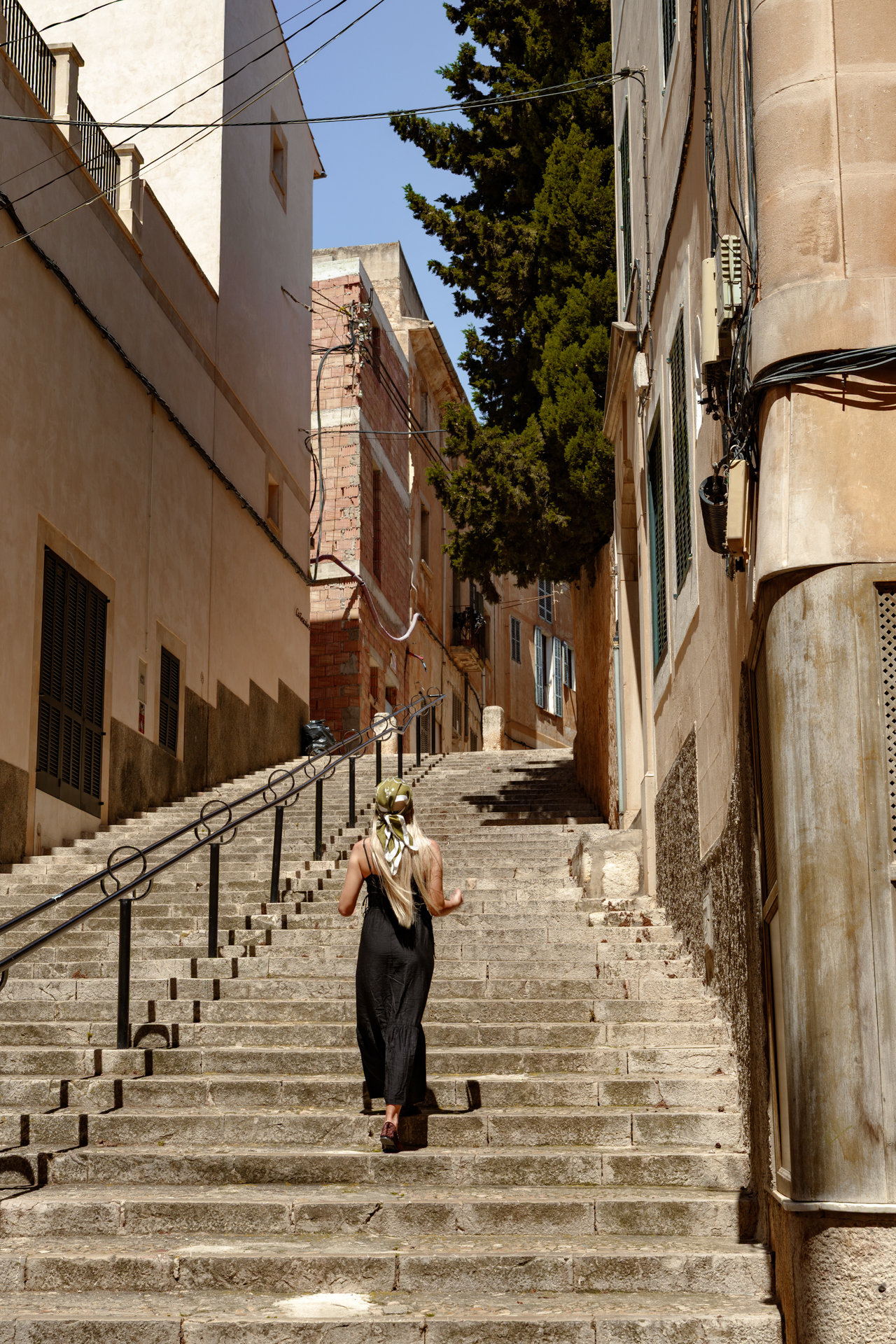
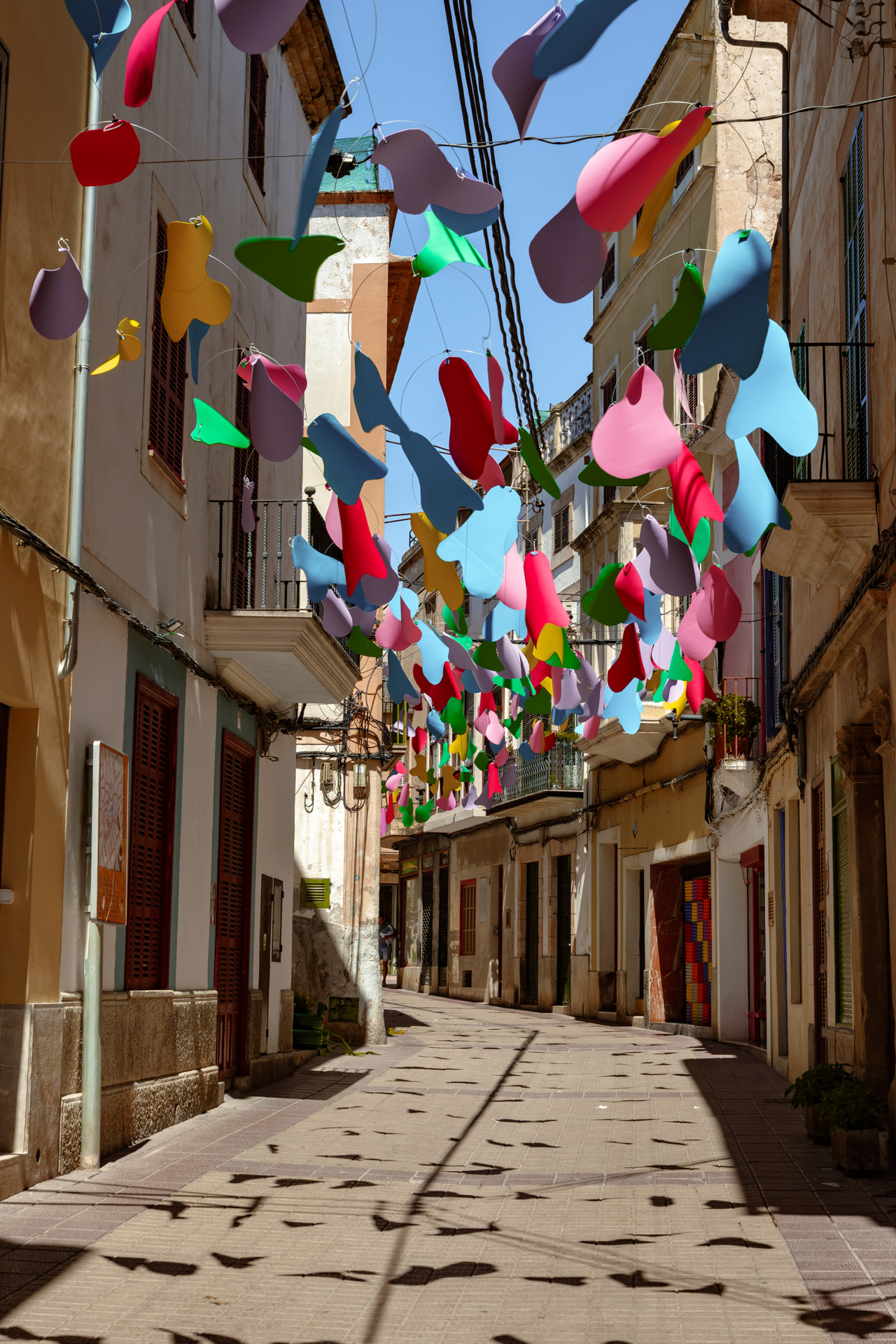
The town is also known for its long winemaking tradition and surrounding vineyards, making it a great stop for wine lovers. Just outside town, the Sant Salvador Monastery sits high on a hilltop, rewarding visitors with incredible panoramic views on the island. If you want to discover Mallorca beyond its beaches, Felanitx is one of the most authentic places to visit.
19. Hike and Swim in Mondrago Natural Park
A beautiful protected coastal park with pine forests, peaceful wetlands where you can spot a variety of beautiful bird species, and two of Mallorca’s most stunning natural beaches, S’Amarador and Cala Mondragó.
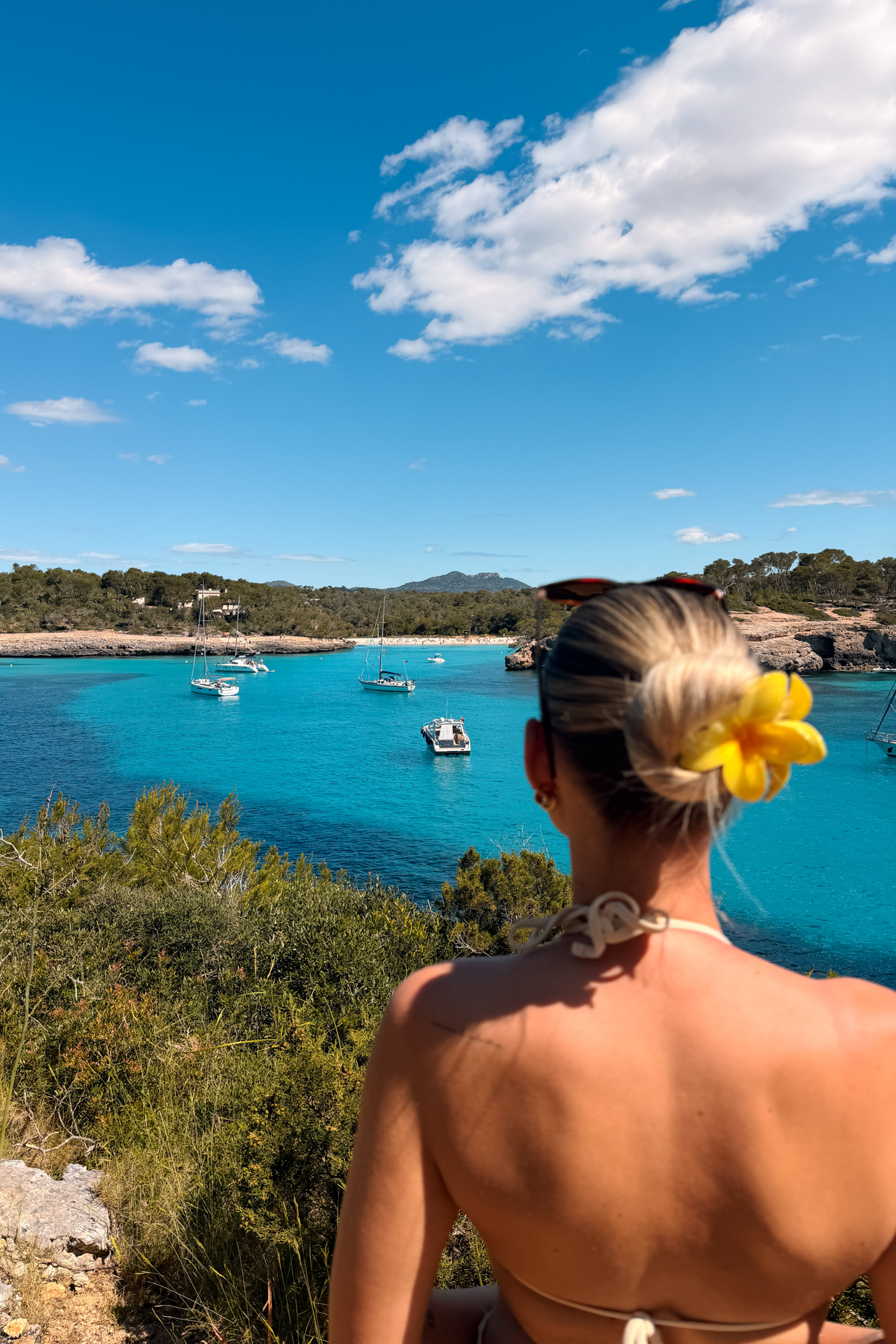
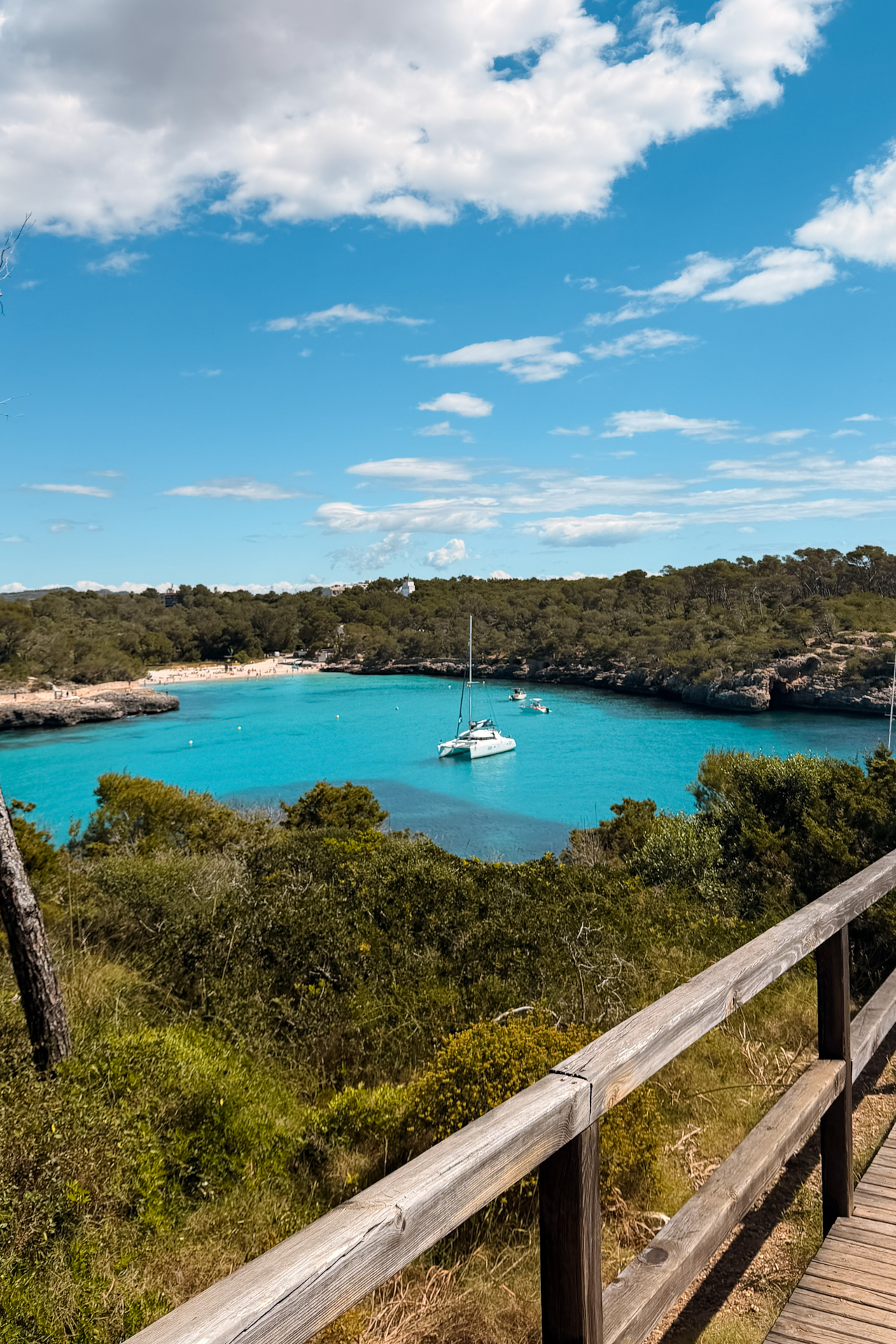
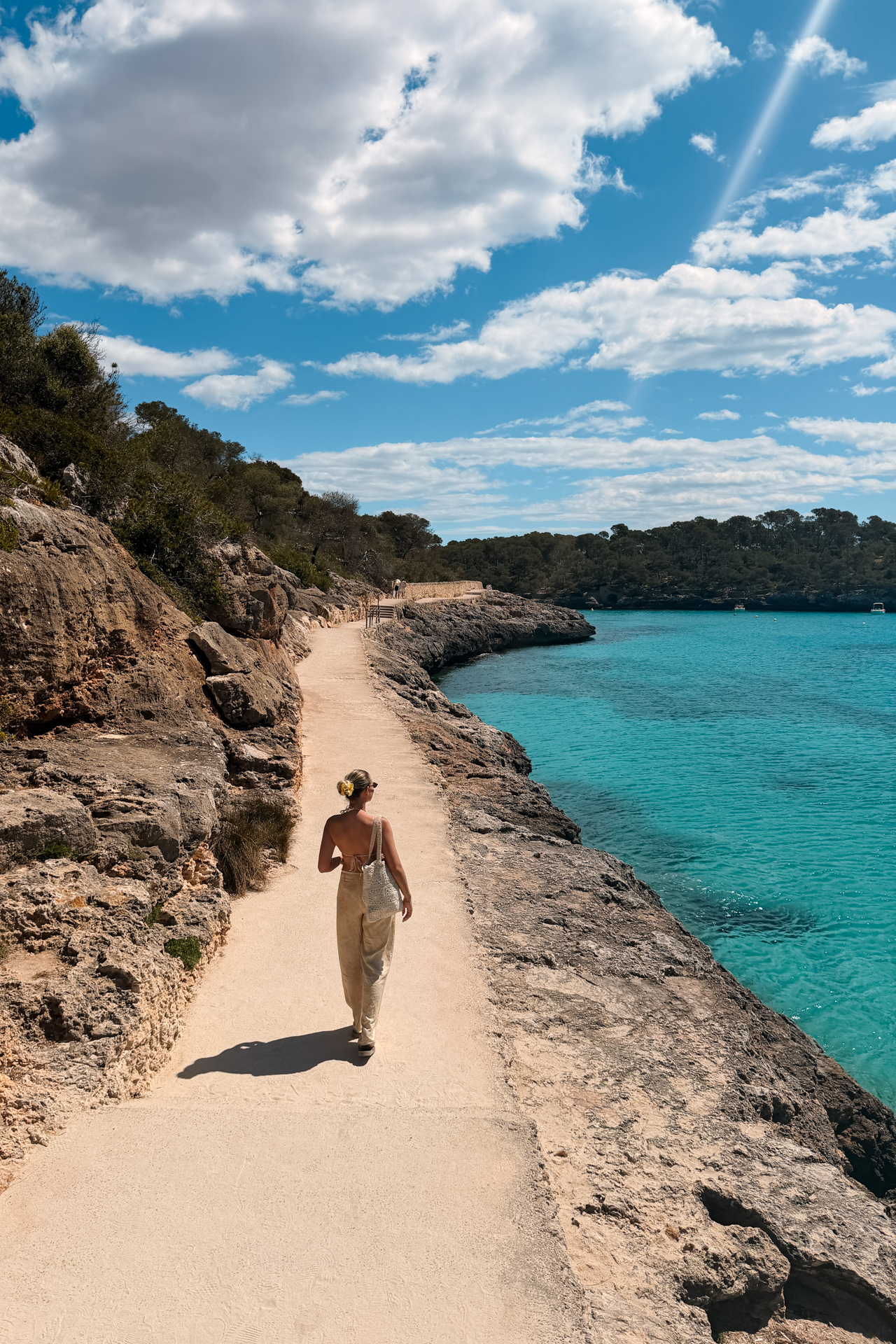
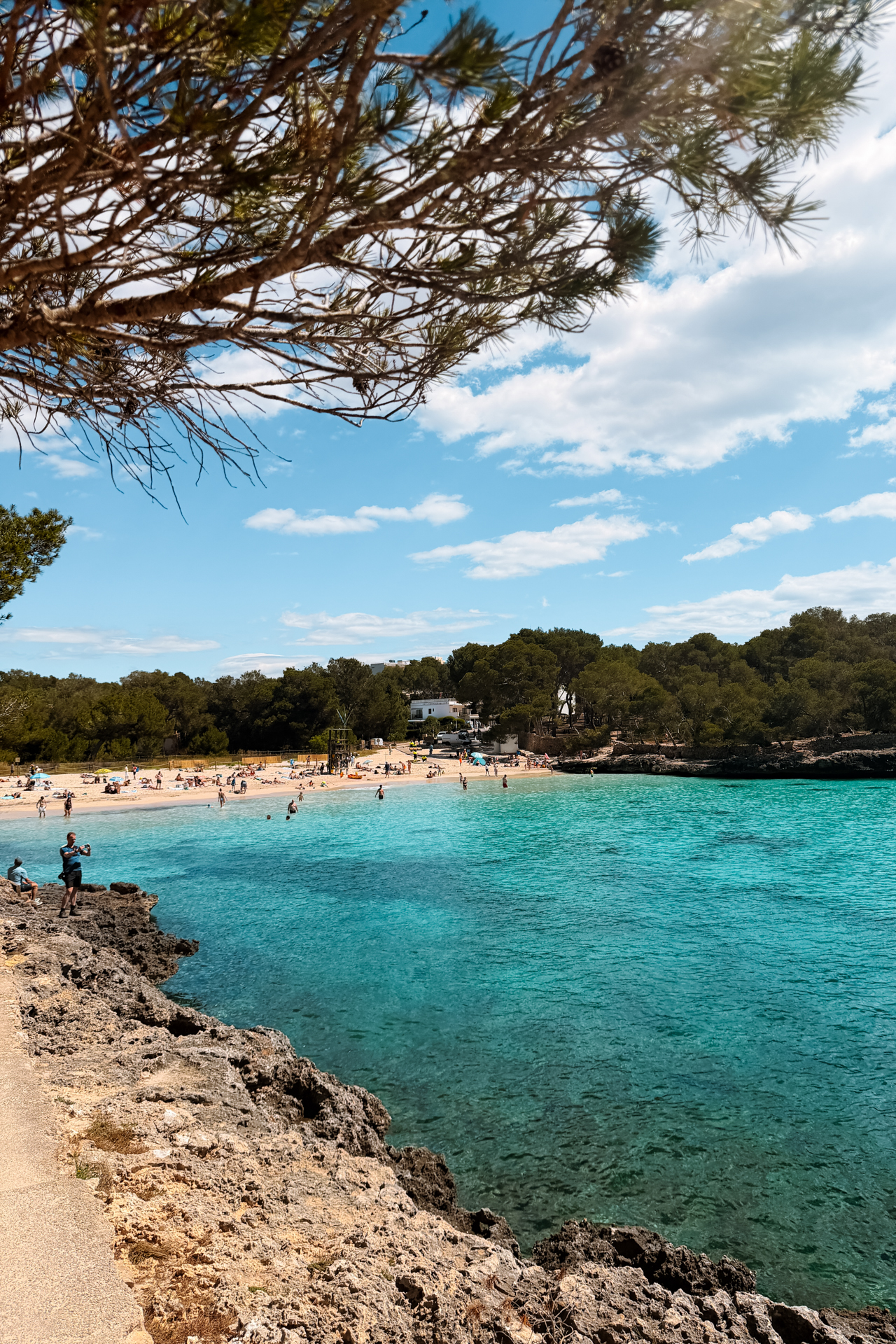
S’Amarador is the larger of the two beaches, and both are connected by an easy nature trail that follows the coastline and offers beautiful viewpoints along the way. Bring plenty of water, your swimsuit, and a packed lunch, and you can easily spend an entire day here.
Whether you want to go for a swim, enjoy the scenery, or simply relax on the soft white sand, this is the perfect place. With crystal clear turquoise water, plenty of space, and a peaceful natural setting, it’s easy to see why this is one of Mallorca’s most beautiful coastal spots.
How to Get to Mondrago (Top Thing to do in Mallorca!)
The easiest place to park is at the main car park beside Mondragó Natural Park. While access to the park is completely free, there is a parking fee during the season. From there, follow the scenic coastal trail that follows along the cliffs. The path is easy to walk and lined with plenty of pine trees, making it a pleasant hike even on hot summer days.
20. Visit the Adorable Mountain Village of Fornalutx
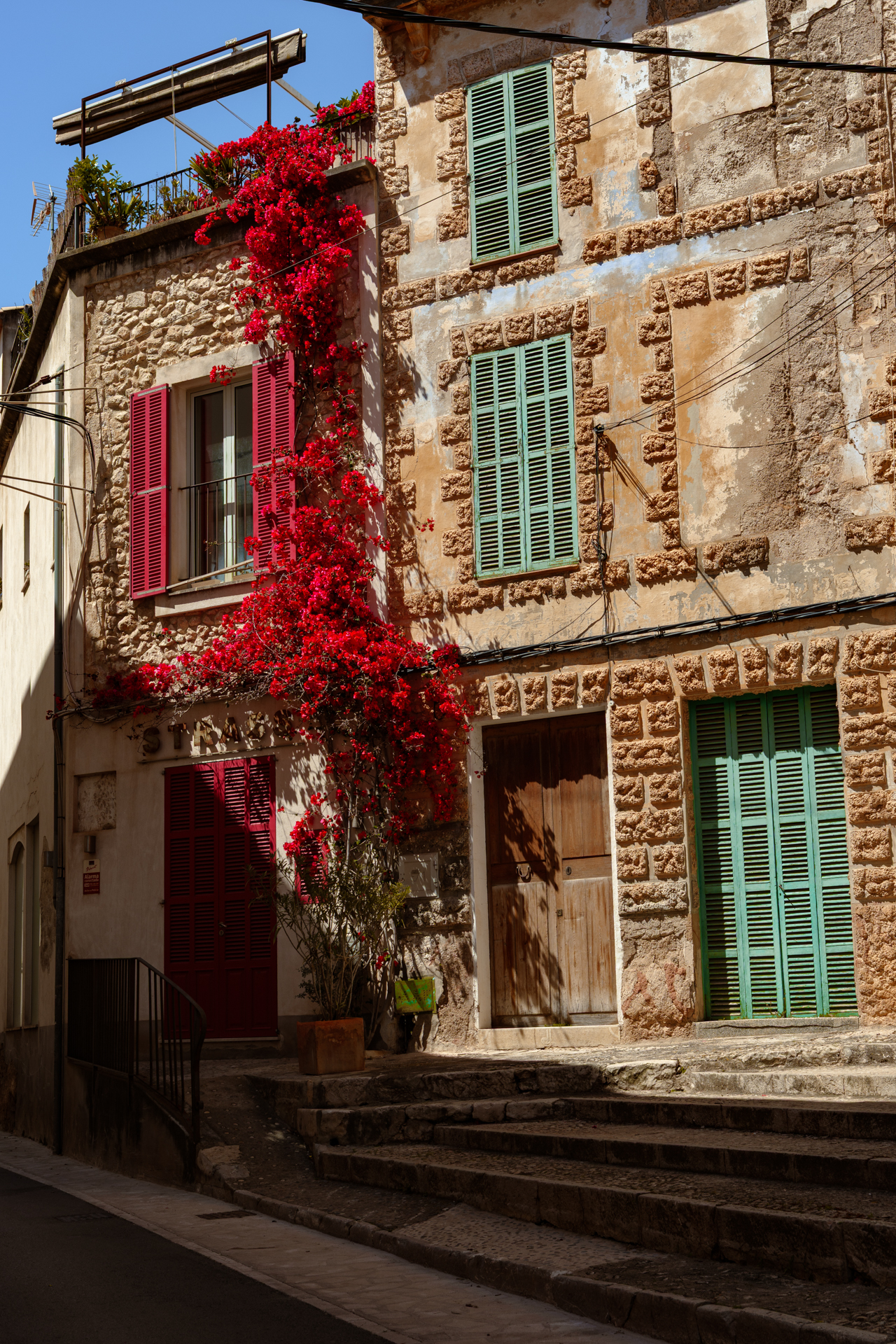
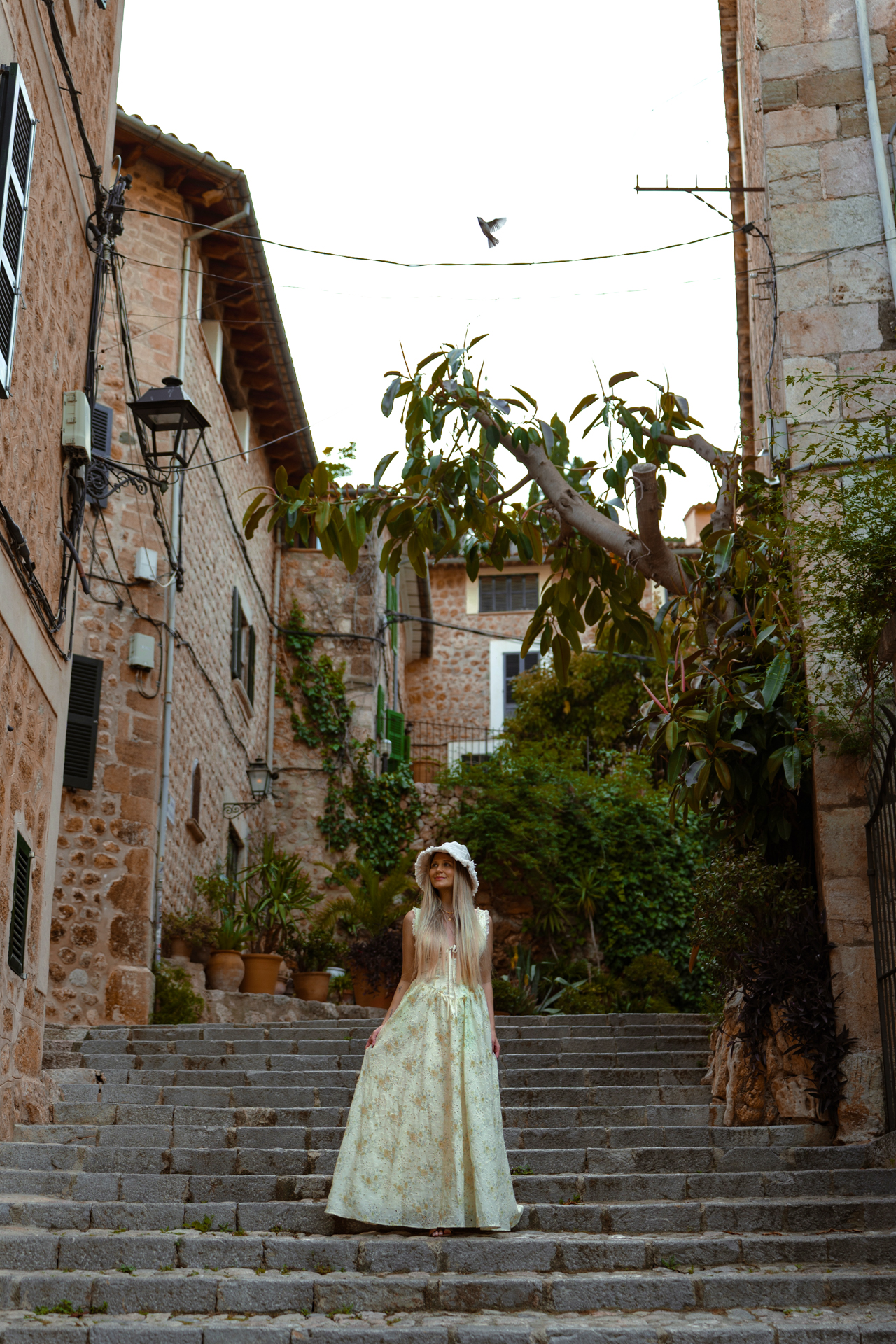
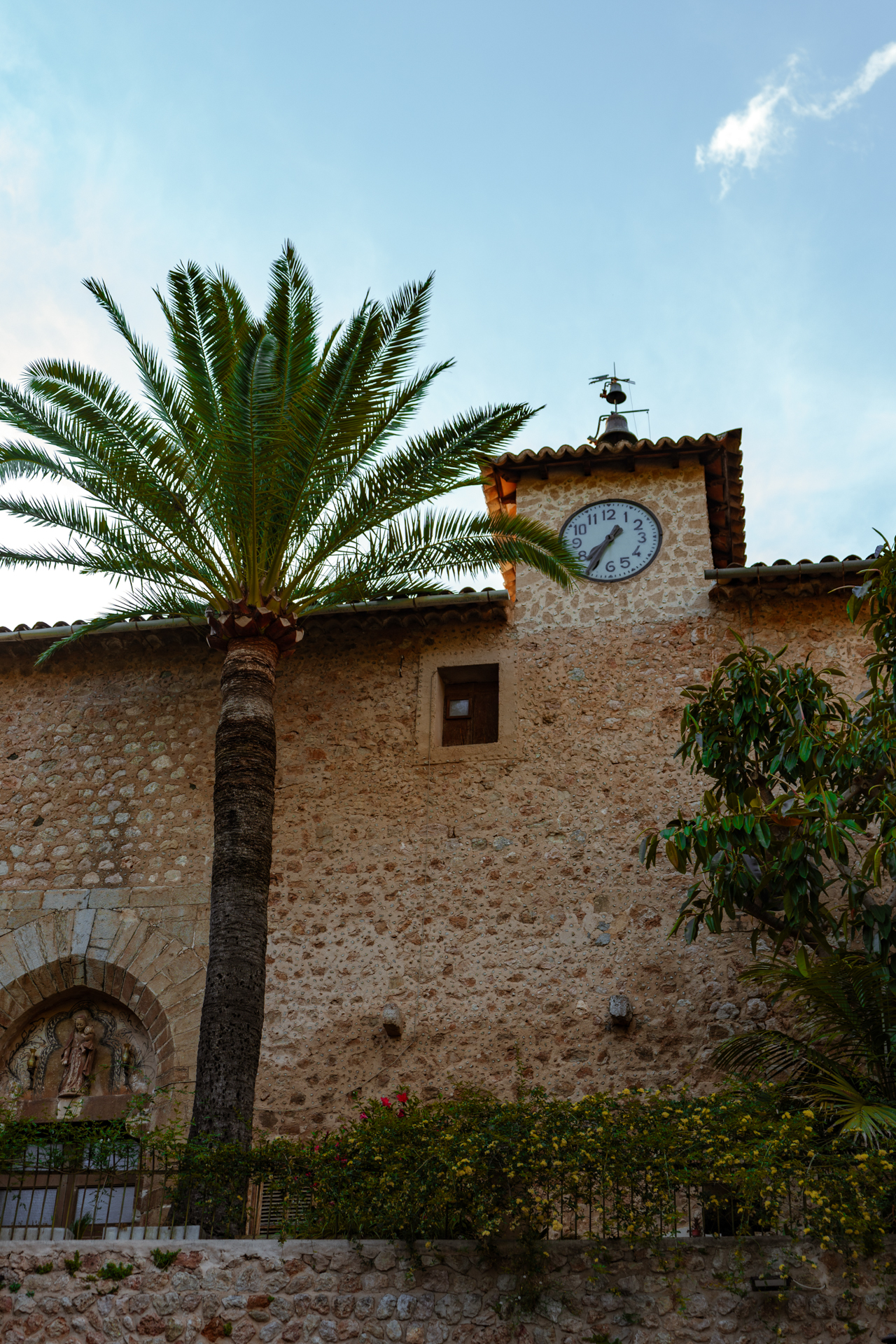
Often voted one of the prettiest villages in all of Spain! Steep cobblestone streets, stone houses with bright green shutters, orange and lemon trees on every corner. It sits in a valley surrounded by the Tramuntana mountains. Tiny, completely walkable, and absolutely worth the drive up after a stop in Soller.
Top Places to Stay
Where to Stay in Mallorca
Honestly, Mallorca has accommodation for every kind of trip you can dream up. From luxury cliffside hotels in the mountains to boho beach stays, charming family-run boutiques, and converted old fincas in the countryside, you really can find something for any budget. Here are my picks for each of the main areas, with one more affordable option first, and the pricier second for each.
Where to Eat & Sip
Best Cafés & Restaurants Mallorca
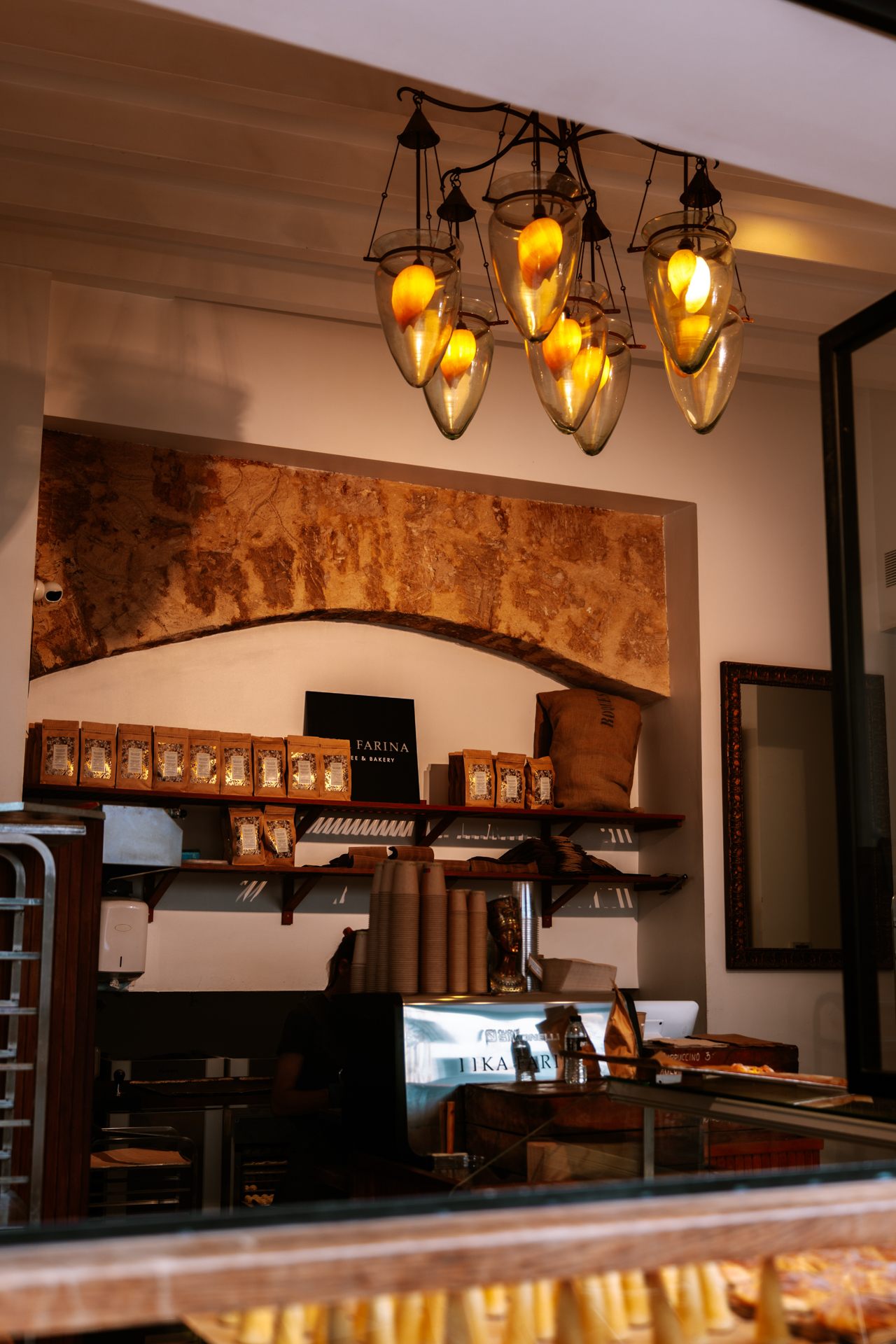
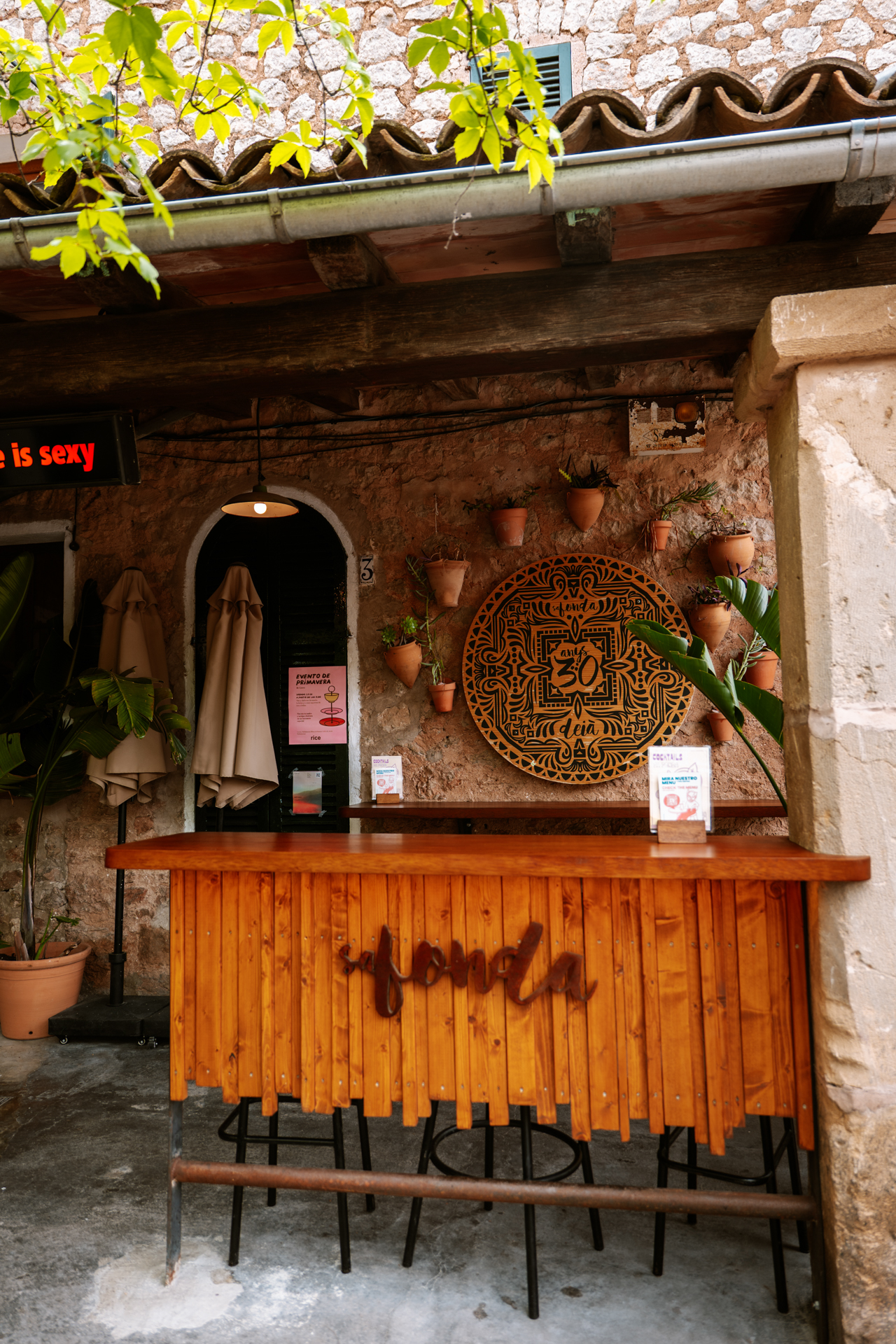
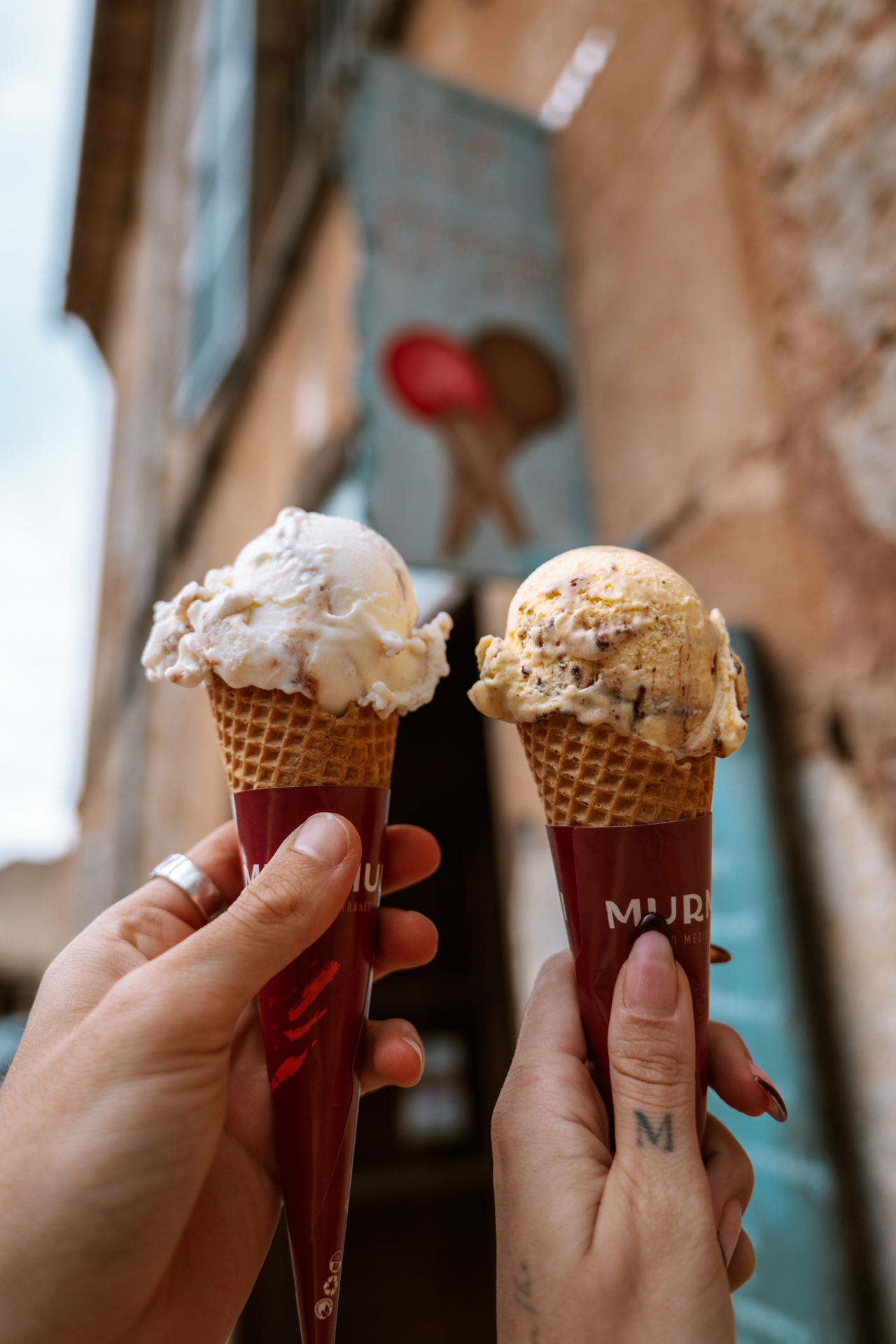
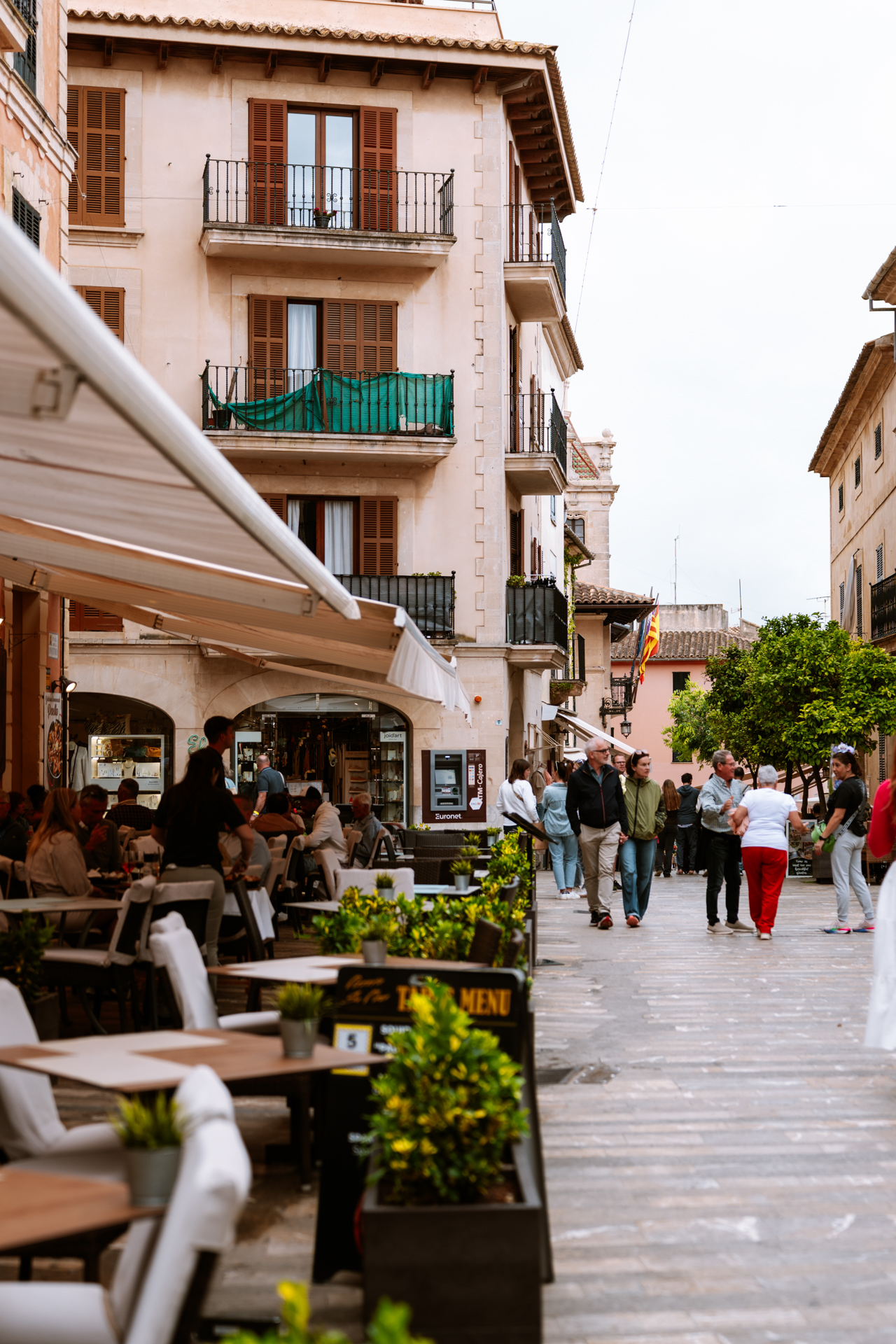
Mallorca's food scene is way better than it gets credit for. From tapas bars in Palma and tucked-away mountain village taverns to beachside restaurants and century-old bakeries, there is something delicious around every corner and so much to choose from. Here are some of my favourites organised by location, so you know exactly where to go when you are in the area.
Transportation
How to Get Around Mallorca
Getting around Mallorca is honestly easier than you might think. The island is compact, the roads are well-maintained, and you have a few solid options depending on how much freedom you want and where you are planning to explore.
Rental Car
Renting a car is hands down the easiest way to see the whole island. Most distances are under 90 minutes, signage is clear, and you can pick one up directly at Palma airport. Just be ready for tight parking in the old town centres and the twisty mountain roads in the Tramuntana. Book early in peak summer months because prices and availability get rough fast.
Public Transport
The bus network is surprisingly good, especially the routes that connect Palma with major towns like Soller, Valldemossa, Pollença and Alcúdia. The historic wooden train from Palma to Soller is also a must-do experience on its own. For shorter distances within Palma, taxis and Uber/Cabify are easy to find.
Tour Guides & Buses
If you would rather not deal with driving (especially the Sa Calobra road which is intense but beautiful), organised day tours are a great option. You can find full-day Tramuntana village tours, boat trips out to remote coves, and food and wine experiences across the island. GetYourGuide and Viator have the most variety to choose from.
How to visit Mallorca, Spain
Palma's international airport is one of the busiest in Spain and connects to pretty much every major city across Europe, with seasonal direct flights from the US during summer too.
It's a big airport, so give yourself plenty of extra time when walking to and from your gate. From the airport, getting into Palma takes around 15 to 20 minutes by bus or taxi. If you are not staying in Palma, there are reliable bus connections to other major towns on the island, or you can just pick up your rental car straight from the airport and drive.
TRAVEL SMARTER
Mallorca Travel Tips
THE WEATHER
Best Time to Visit Mallorca
Mallorca has a proper Mediterranean climate, with mild winters and hot, dry summers. The island actually has something to offer all year round, but some seasons are way better than others depending on what you are looking for.
Spring (March to May): My favourite time on the island. Warm enough to swim by late May, everywhere is green and blooming, wildflowers everywhere, and the crowds have not arrived yet. Perfect for hiking in the Tramuntana and exploring villages without the heat.
Summer (June to August): Peak season. Hot, busy, and pricey, but the beaches are at their absolute best and the island has so much energy. Book everything way in advance and expect crowds at the popular spots.
Autumn (September to November): Honestly amazing. The water is still warm from summer, the air starts cooling down, prices drop, and the crowds thin out.
Winter (December to February): Quiet and mild. Most coastal resorts shut down for the off-season, but Palma stays lively all year, the mountain villages are great for exploring or hiking.
I would honestly plan your trip for May, June or September. You get great weather, fewer crowds, and prices are way more reasonable than peak summer.
Just a little note
If you book or buy something through one of my links, it helps support the work I do, and it doesn't cost you anything extra.
Find Hotels
via Booking.com
Find Flights
via Skyscanner
Tours & Attractions
via GetYourGuide
Loved it? Pin it, Share it!
Inspire Others to Travel to Mallorca



THE TRAVEL

Let's stay connected!
Get inspired, helpful tips and exclusive updates straight to your inbox. Subscribe to join a community of explorers.
Leave a Reply