
Discover Furong Ancient Town


The Town That Hangs Above a Waterfall
FURONG ANCIENT TOWN, CHINA: The Waterfall Town in Hunan
Furong Ancient Town is the only town in China built directly on top of a waterfall, and that sounds like marketing right up until you are standing in it. Sixty metres of water crashing down through the middle of an old Tujia village, wooden stilt houses hanging off the cliff above it, and a two thousand year old stone street running through the whole thing. It’s small, it’s loud, and it completely won me over.
In this Furong Ancient Town travel guide, I’ll walk you through everything you need to plan your trip properly, from entrance tickets and the high speed train to where to stay, where to eat, and the practical things you need to know before arriving in China.

Hunan’s Cliffside Waterfall Town
About Furong Ancient Town
Furong Ancient Town sits in the far west of Hunan Province, in Yongshun County, on the bank of the You River. It belongs to the Xiangxi Tujia and Miao Autonomous Prefecture, the same region as Fenghuang, and the two towns are close enough that most people end up seeing both on the same trip.
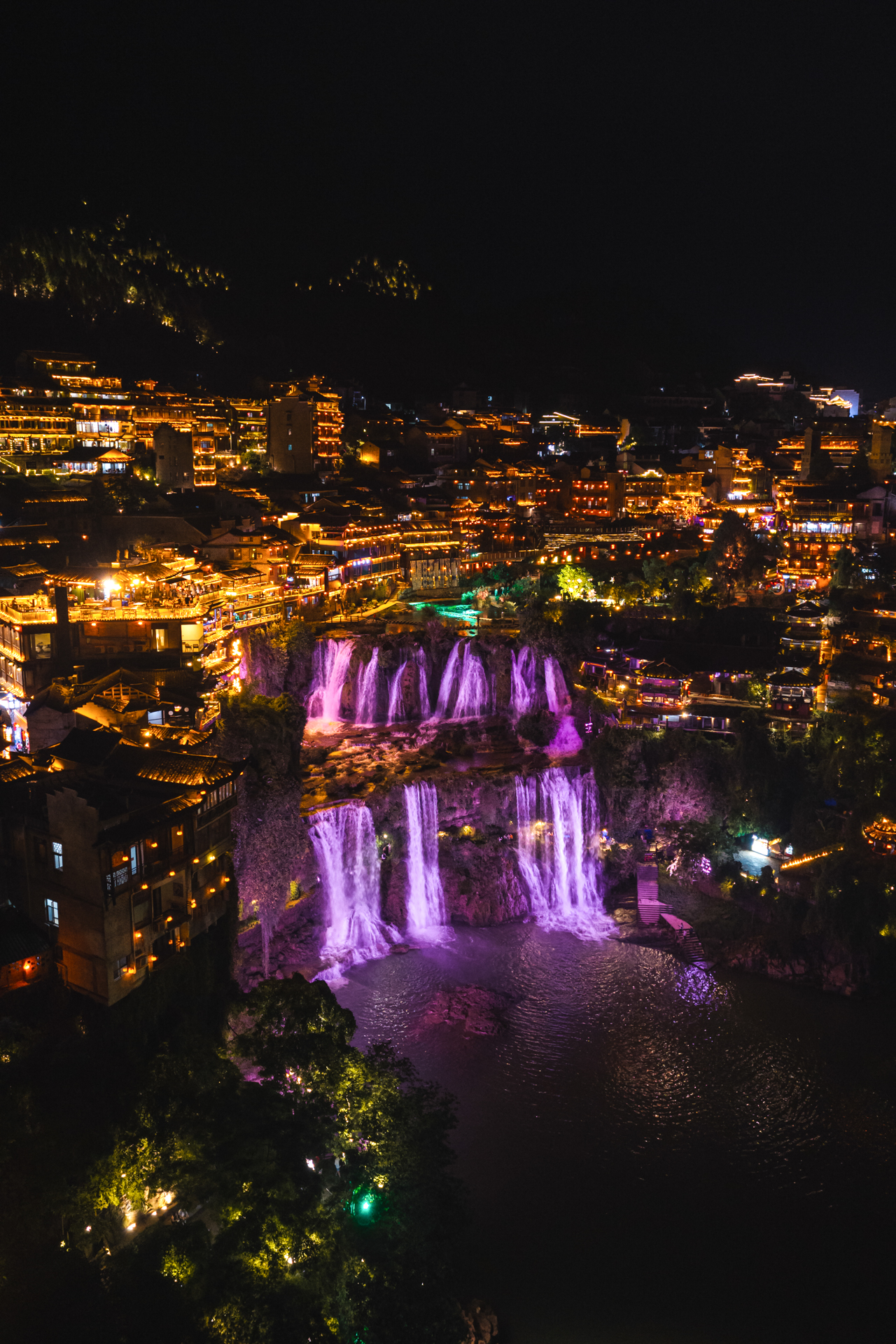
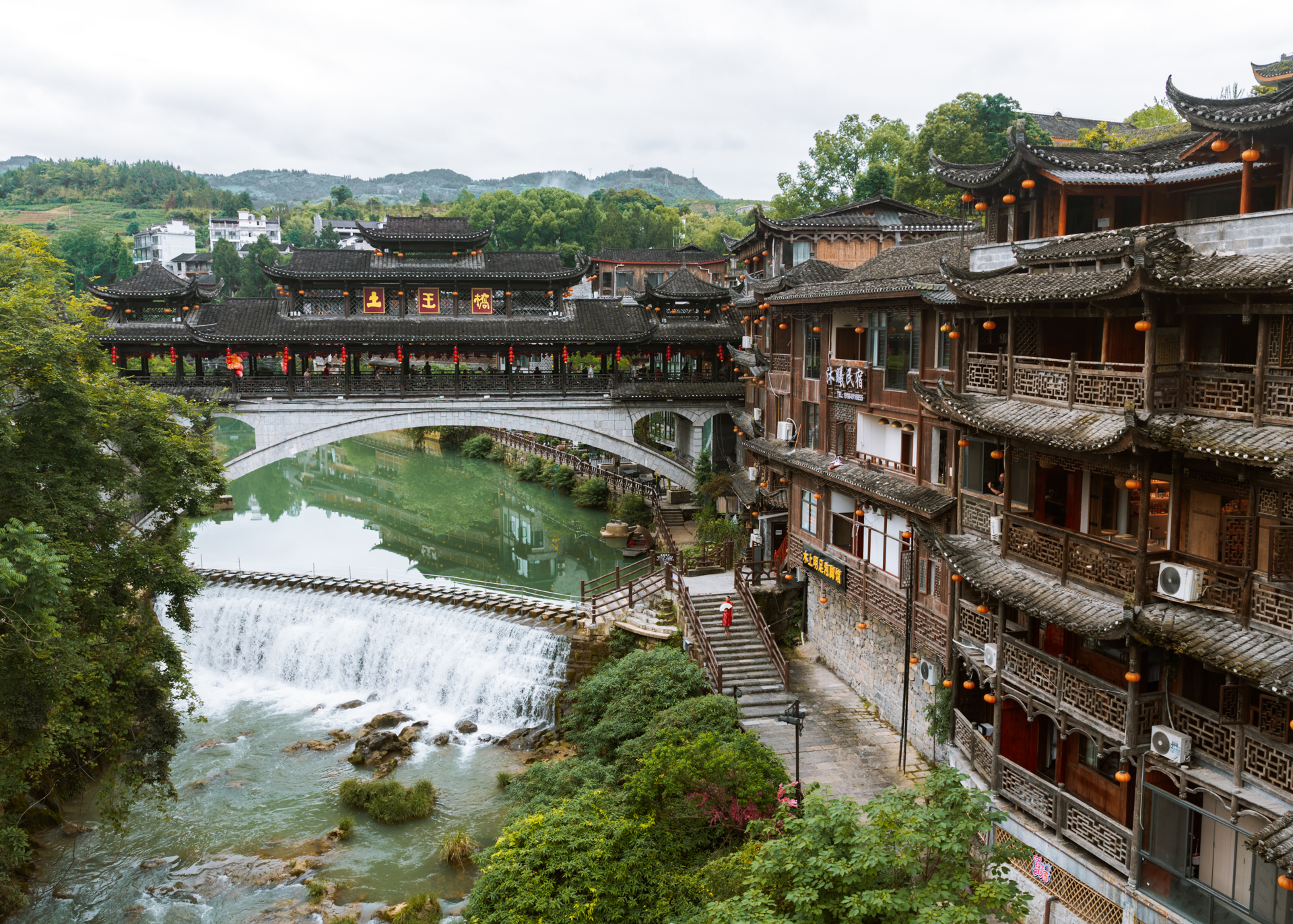
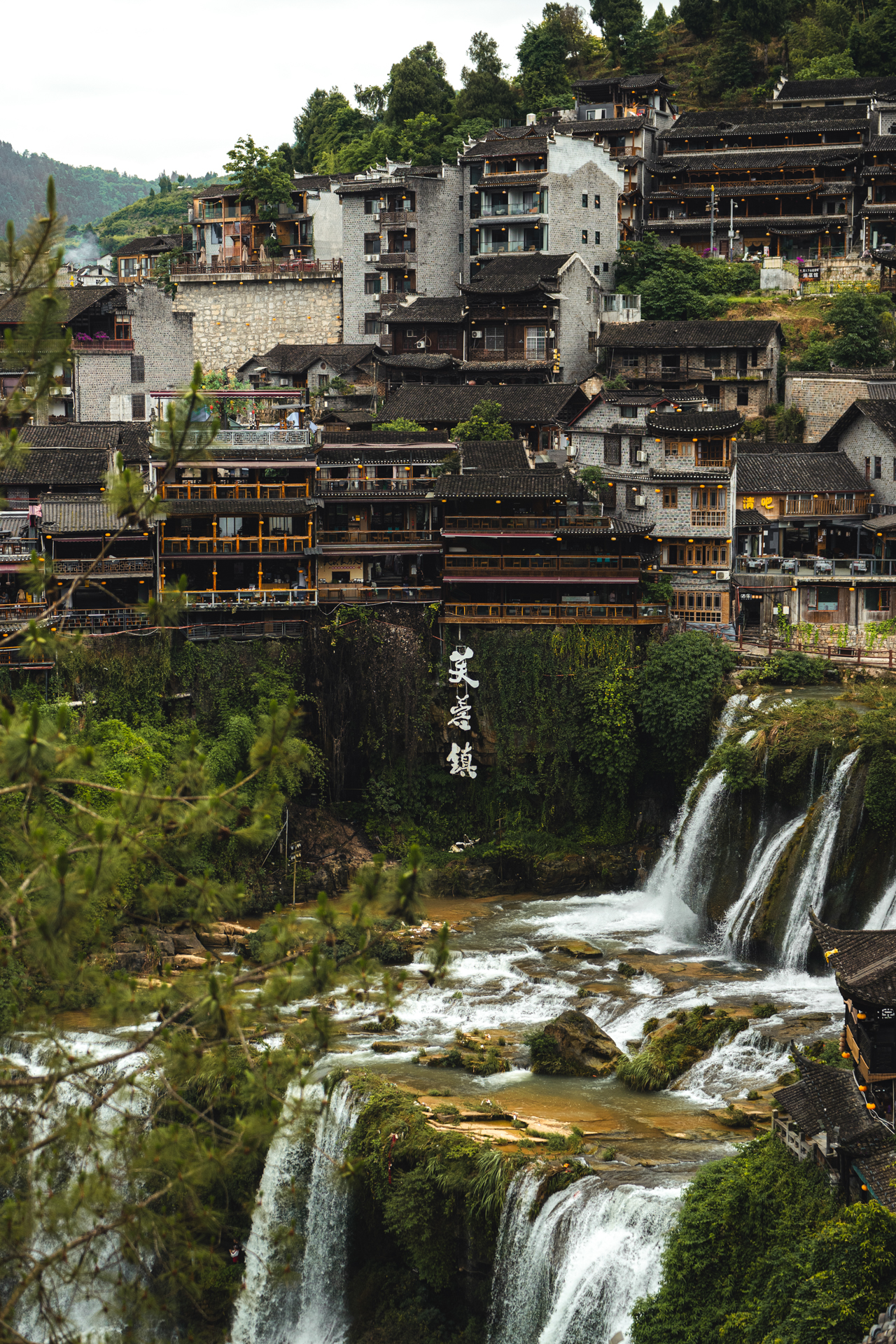
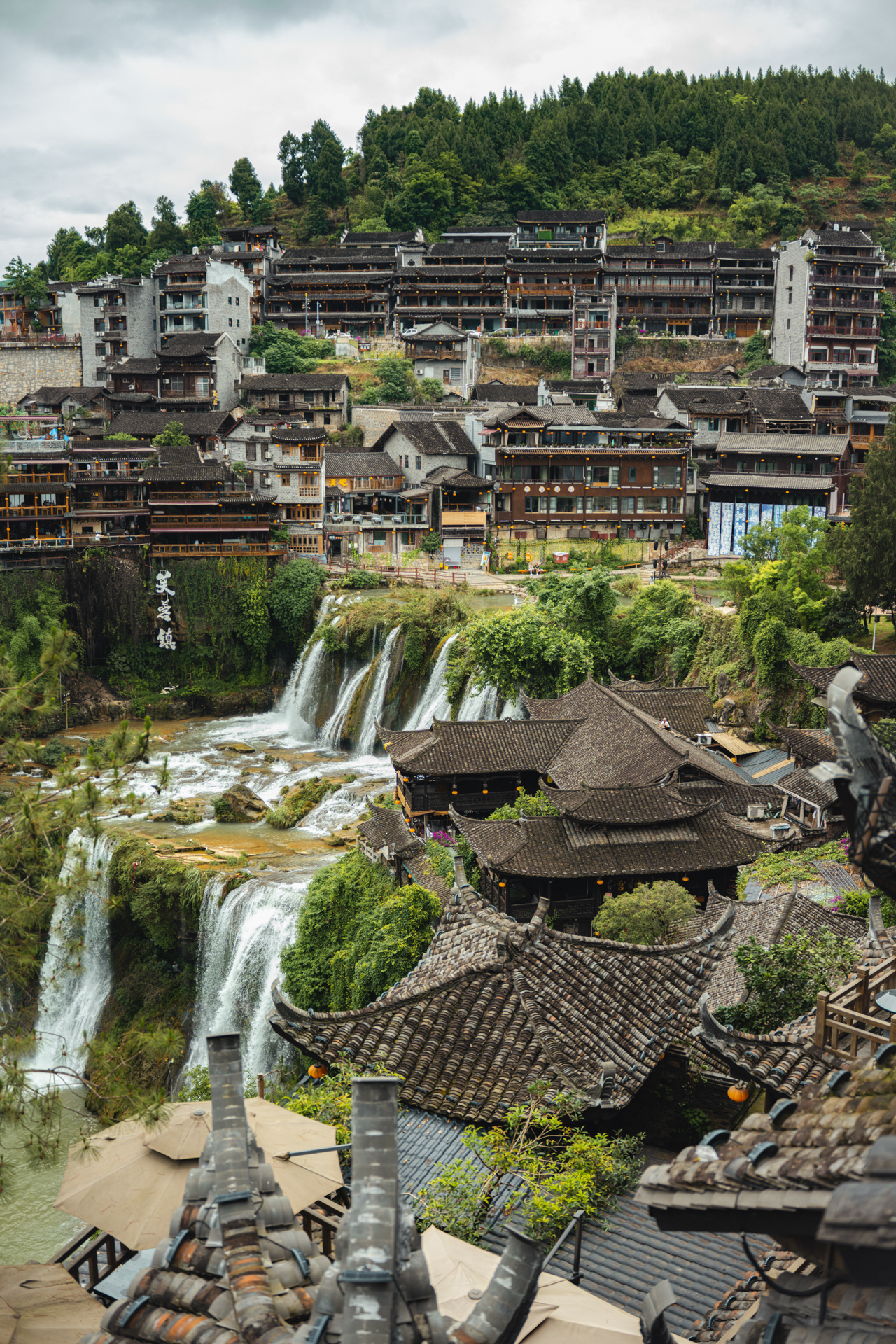
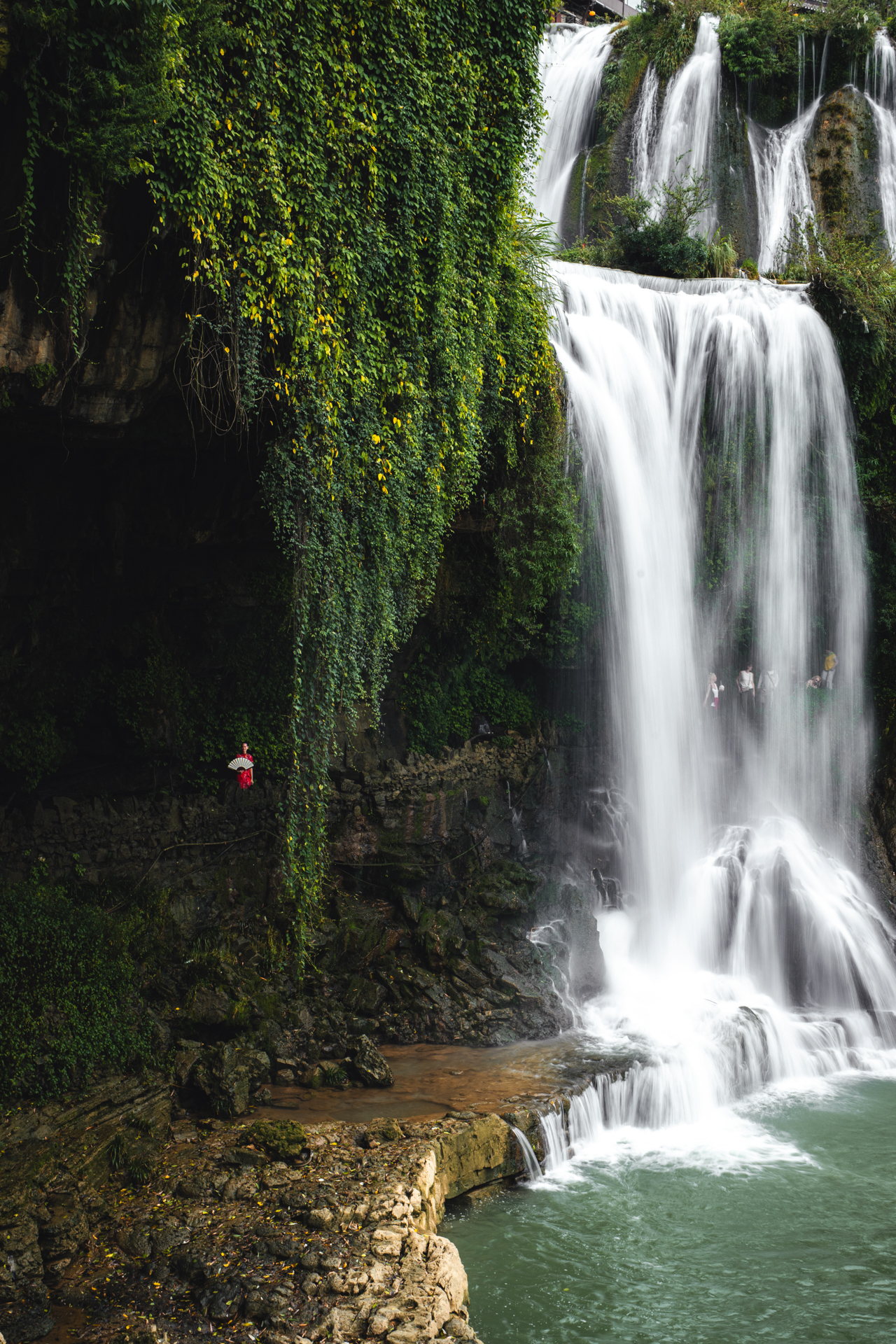
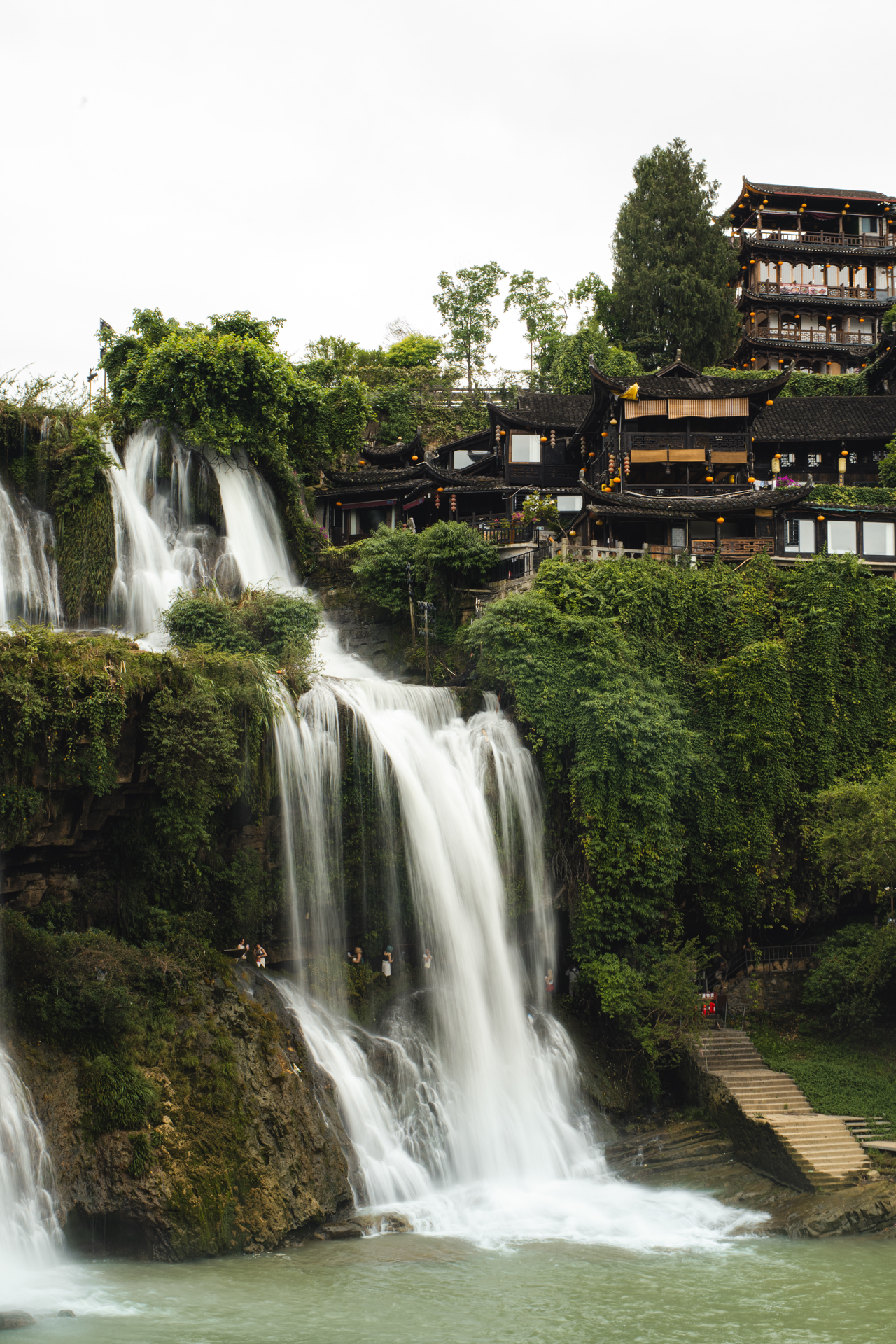
What makes it different from every other ancient town in China is the setting. Furong is built into a hillside directly above a waterfall that drops 60 metres straight through the middle of it, roughly 40 metres wide at the top. You do not look at this waterfall from a viewpoint somewhere across a valley. You walk above it, beside it, and along a damp stone passage that runs right behind the falling water.
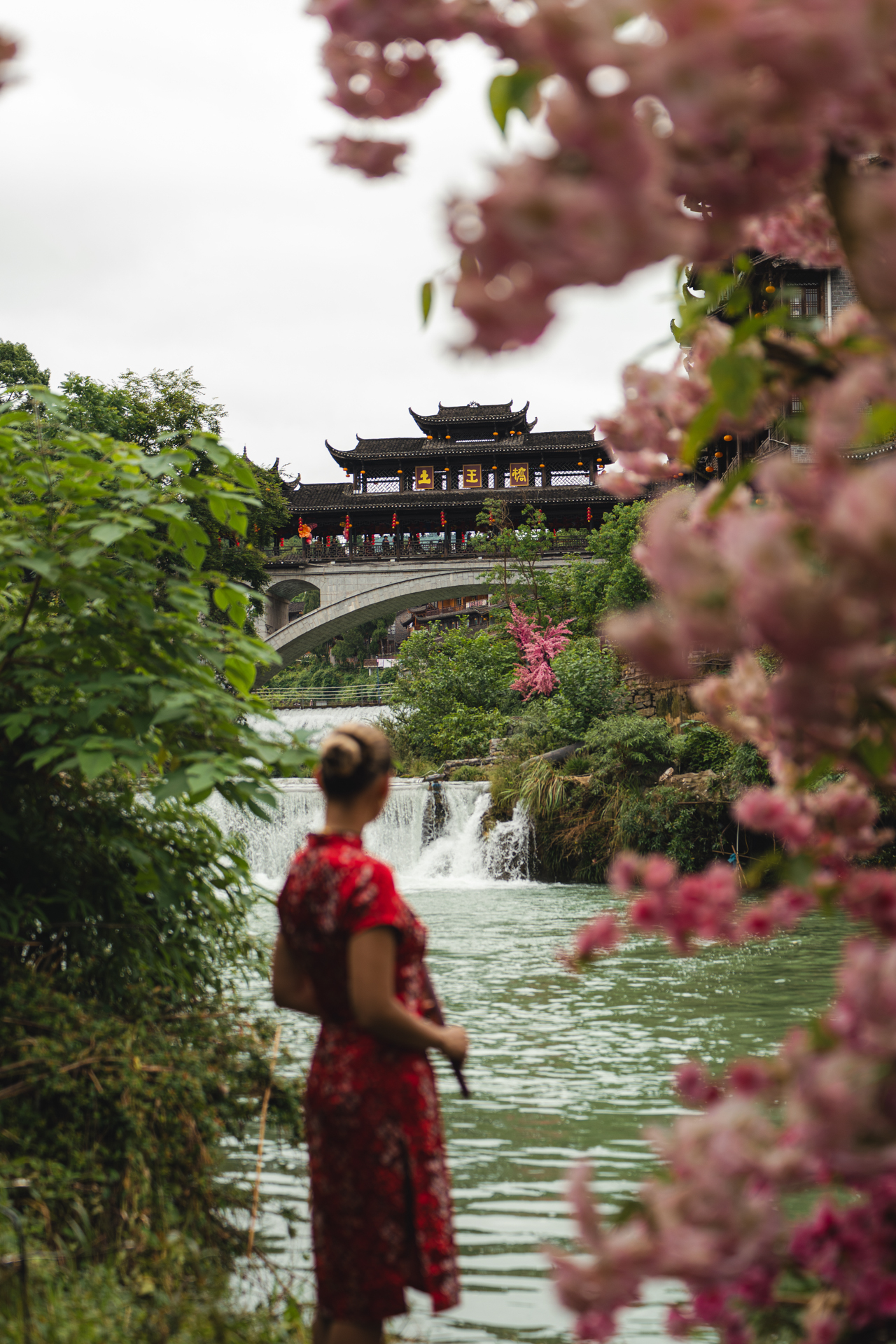
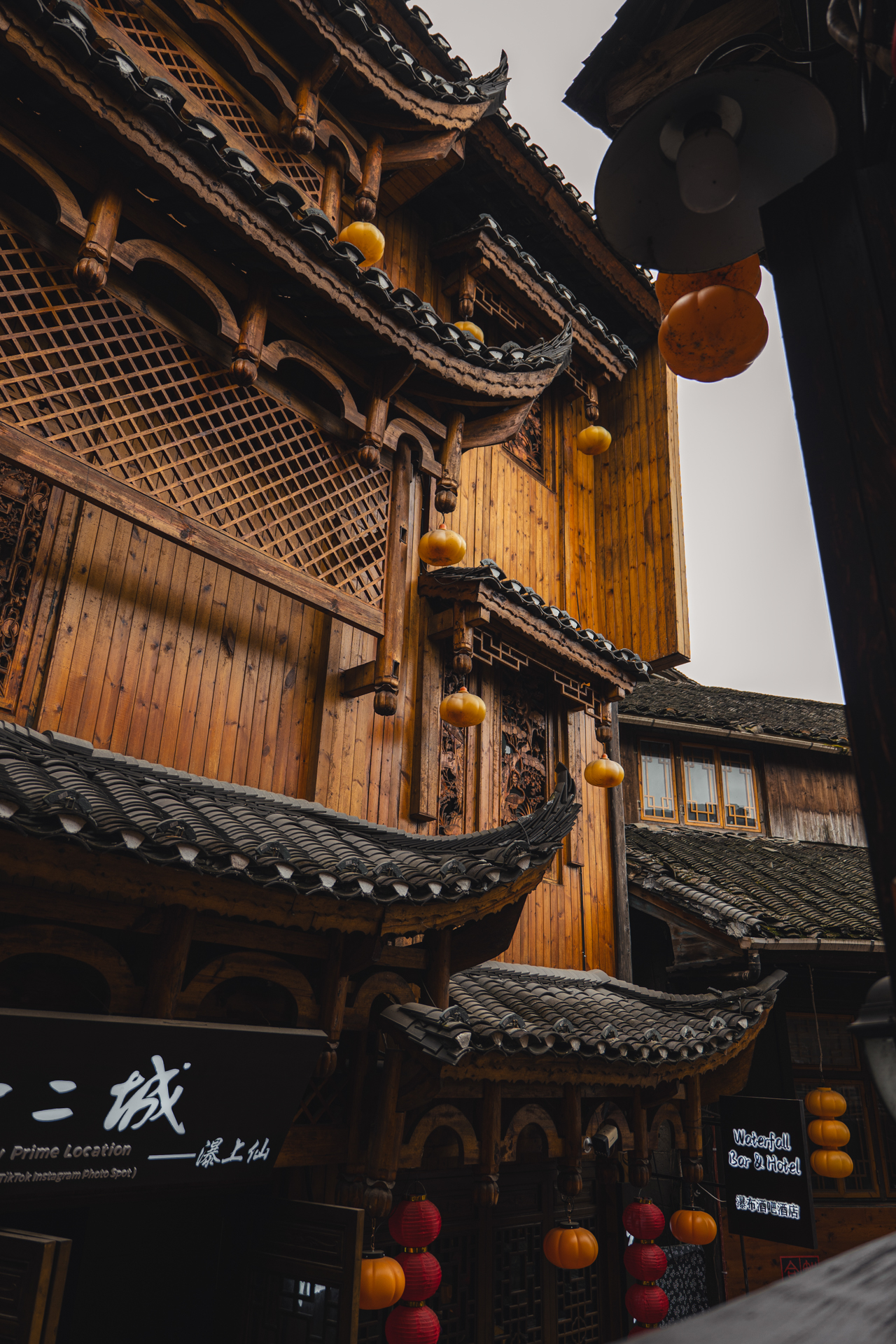
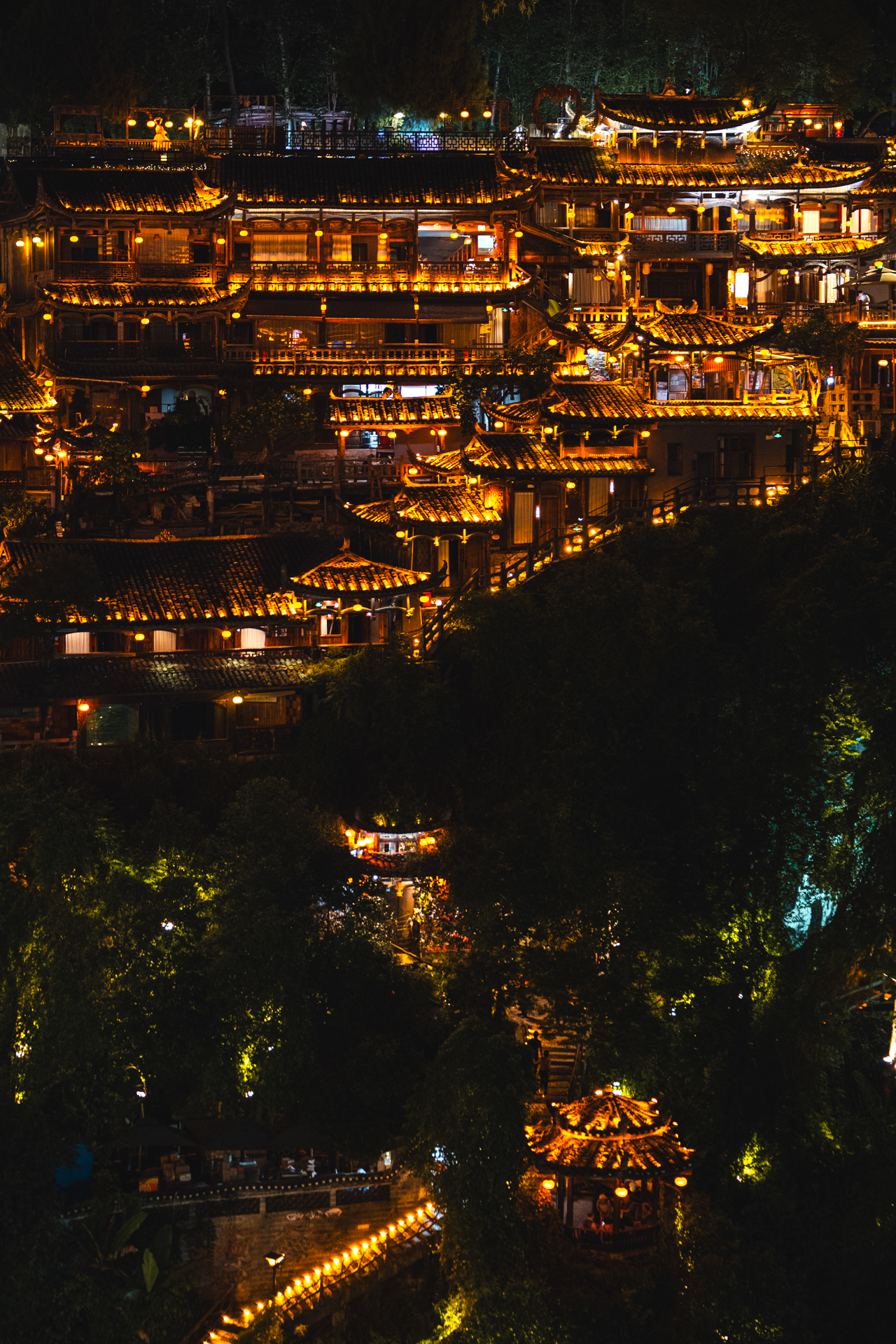
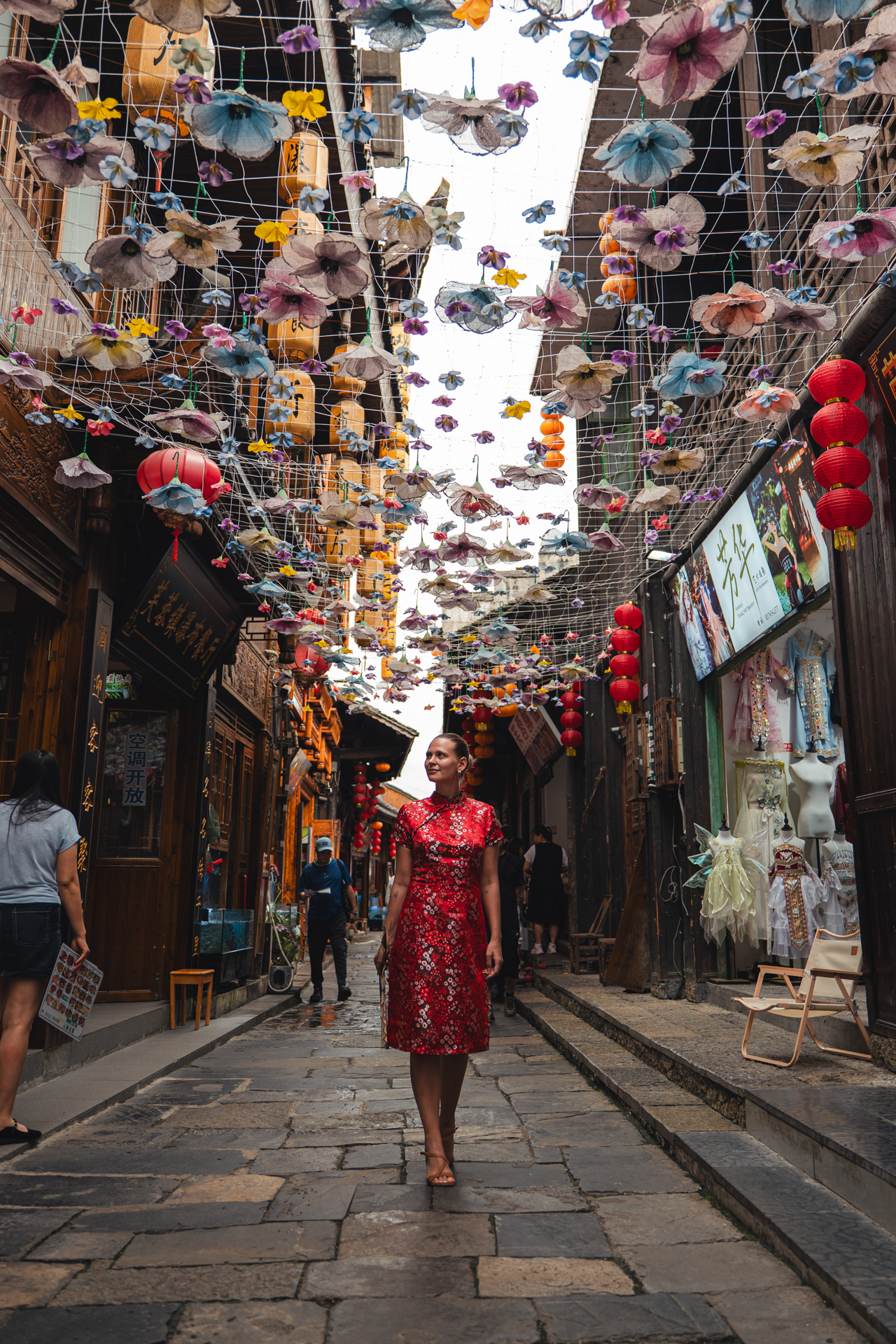
The architecture is classic Tujia. Wooden stilt houses called diaojiaolou stand on tall thin legs anchored into the cliff, stacked above each other. Behind them runs the Five Li Stone Street, an old slate-paved lane that has been used for around 2,000 years. Did you know? Back then, Furong was known as Wangcun and was an important center for local Tusi chieftains.
The name Furong is actually recent. A film called Hibiscus Town was shot here in 1986, it became a huge hit across China, and the town eventually took the film’s name.

The Tujia are one of China’s largest ethnic minority groups, and Furong sits right in the middle of their heartland in western Hunan. They are the people behind the stilt house architecture, the sour and spicy cooking, and handwoven brocade sold along the old streets.

Furong Ancient Town Overview
One thing worth knowing before you come: Furong is much smaller and more compact than Fenghuang.
What It Costs to Get In
Furong Entrance Ticket
This is the biggest practical difference between Furong and Fenghuang. Fenghuang is free to wander into, but Furong is a ticketed scenic area, so you pay to enter the old town itself. The standard ticket is 108 CNY and it covers pretty much everything you came for.
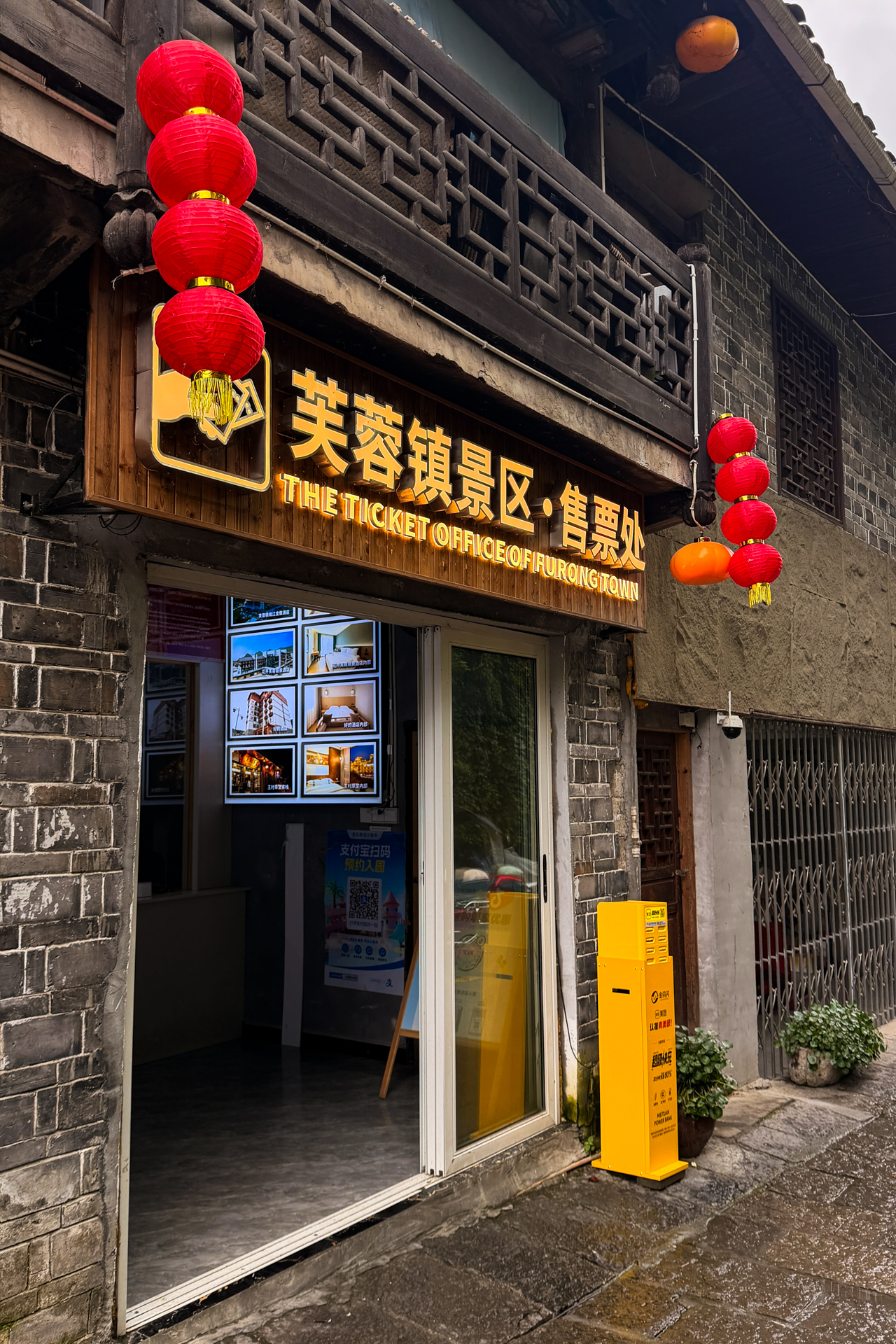
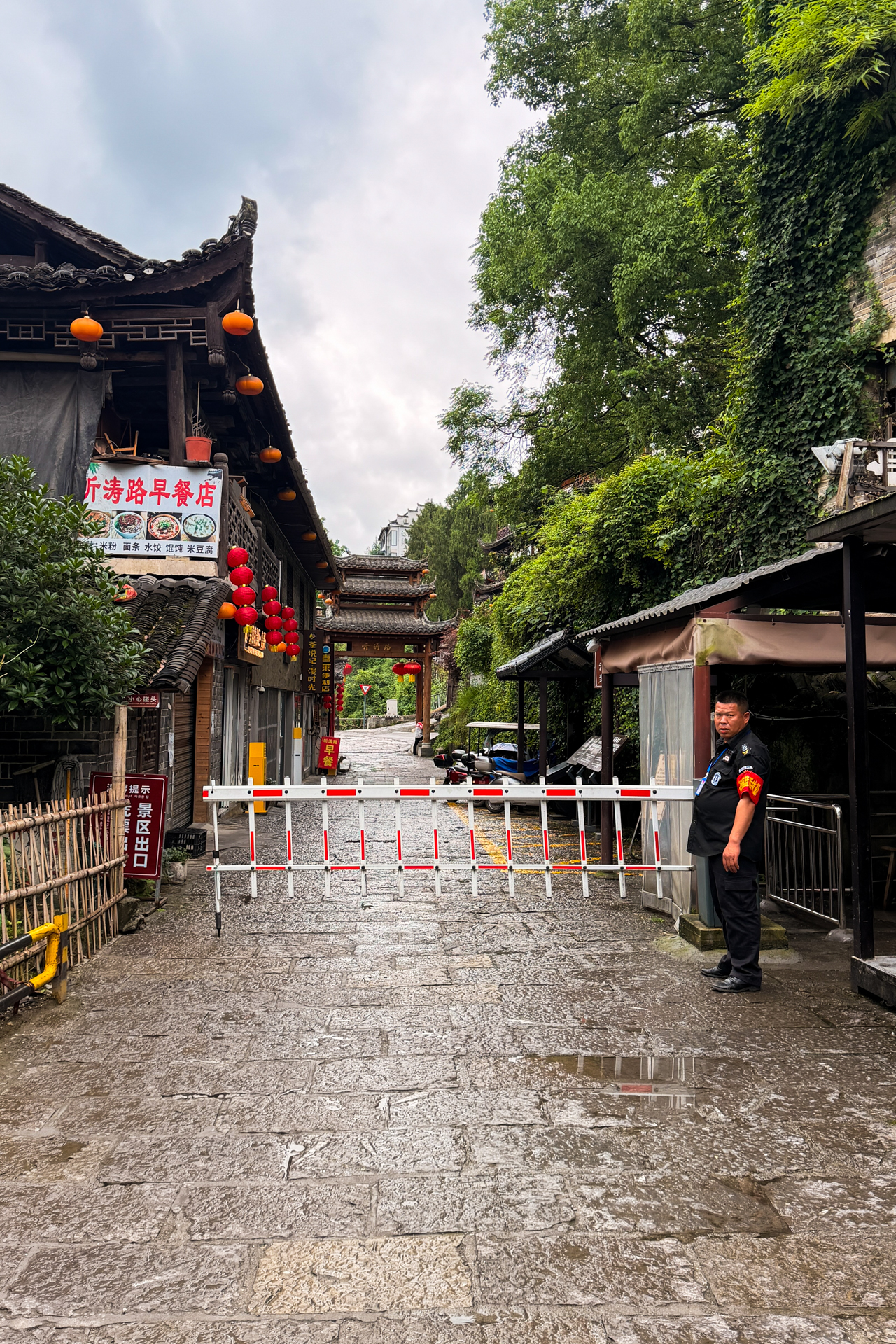
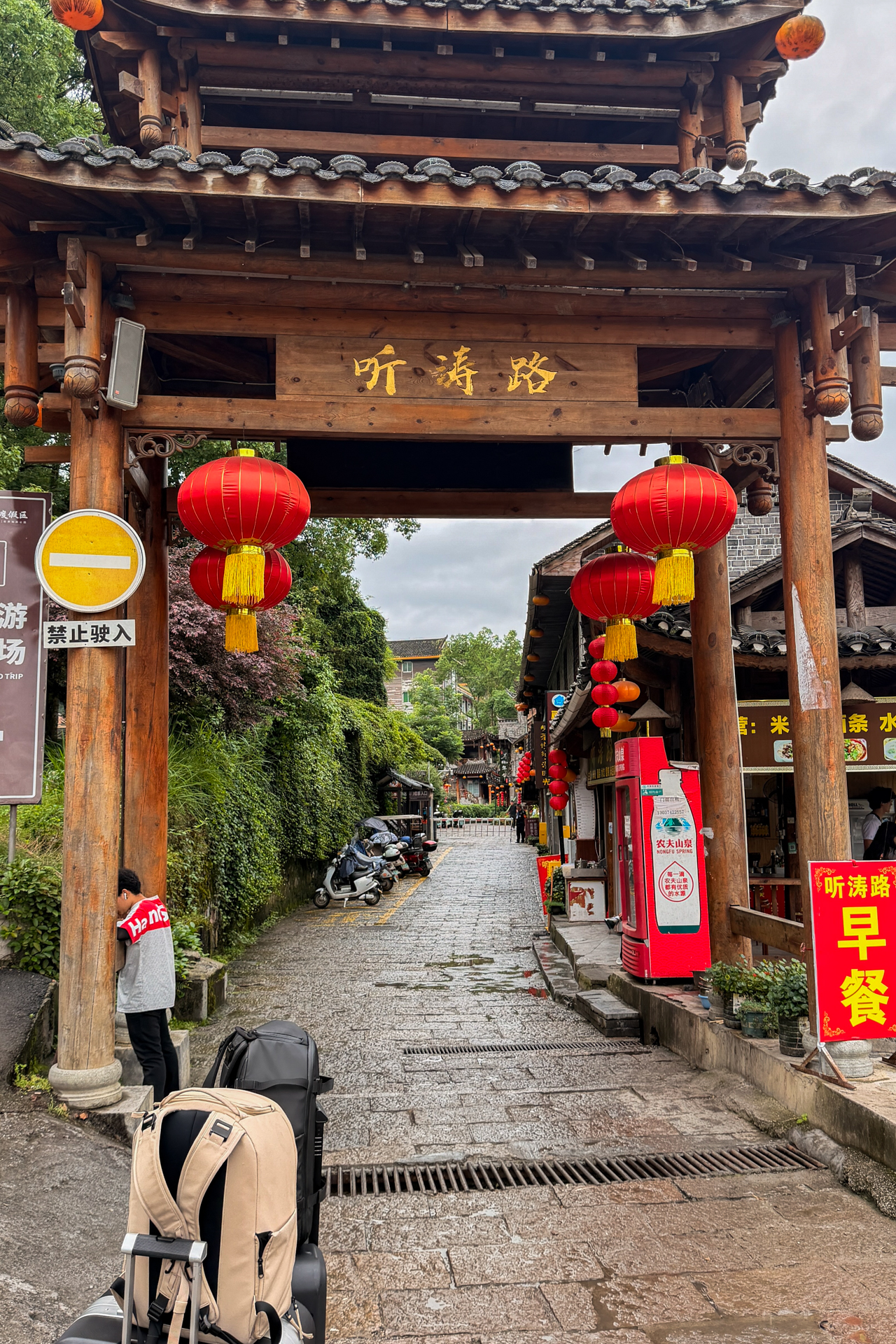
One thing that catches people out: staying at a hotel inside the old town does not get you in for free. If you are staying overnight, message your guesthouse before you arrive, as they can usually also help organize your entrance ticket.

Buy your entrance ticket online before you reach the gate. It's usually a few yuan cheaper than the window. Screenshot the QR code as well, because the signal down in the gorge is patchy.
What Not to Miss
Best Things to Do in Furong
Furong is small enough that you will see most of it simply by walking, and there is one very obvious main event. But there is more here than the waterfall, and a few things are easy to walk straight past if you only follow the crowd down to the viewing platform.
Attractions Near the Entrance (North Bank)
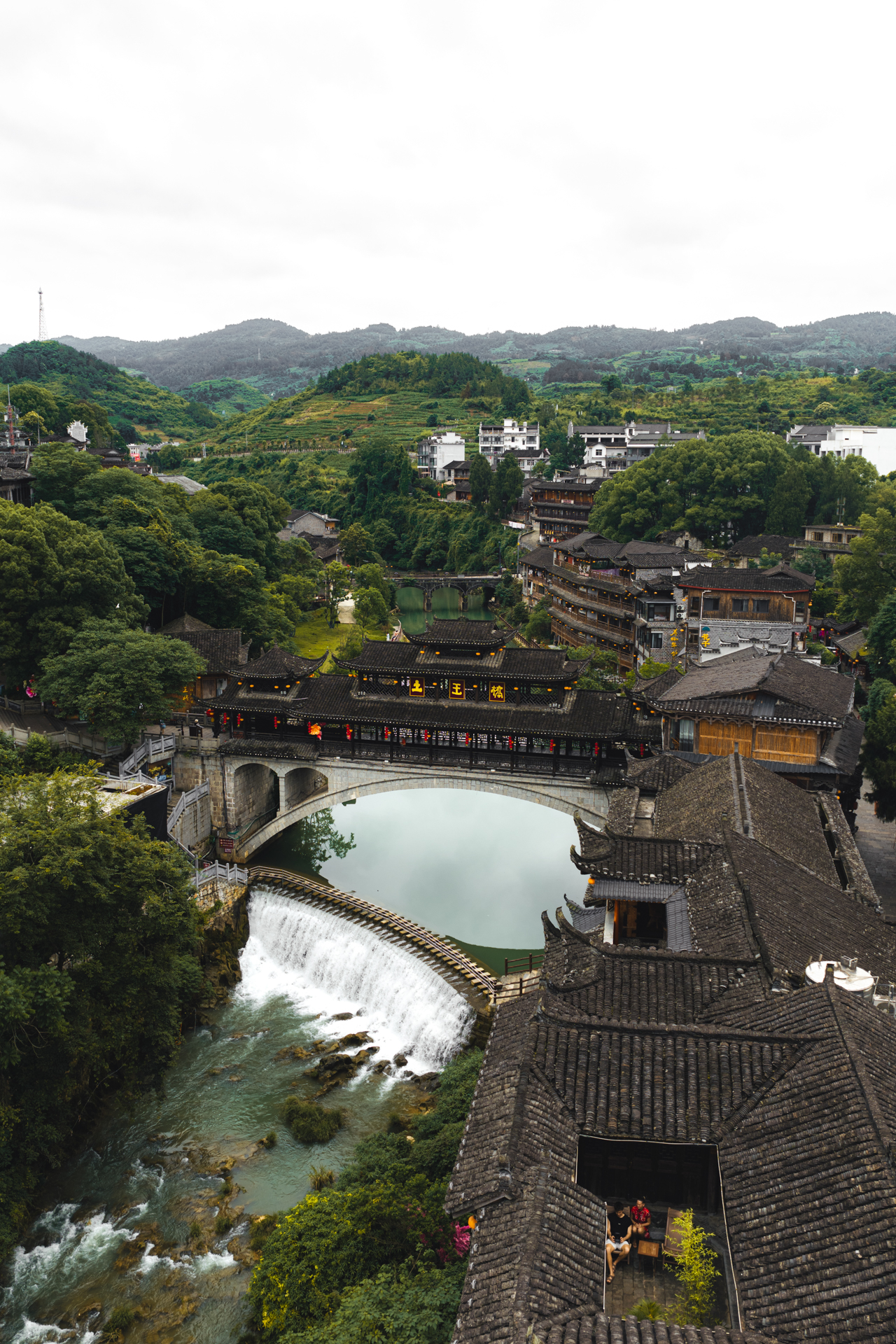
Attractions on the South Bank (The Waterfall Hub)
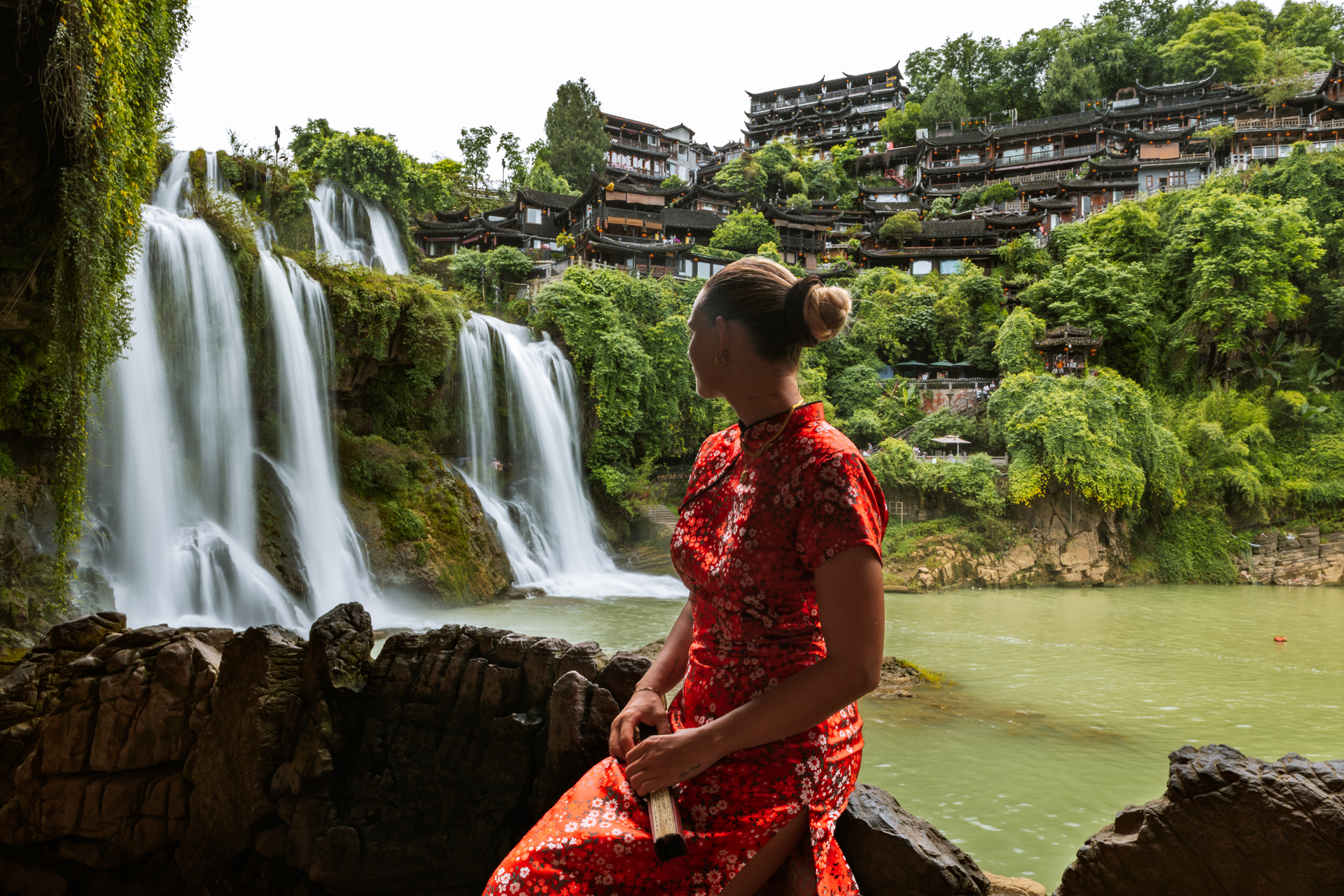
Attractions on the West Bank (The Final Loop Highlights)
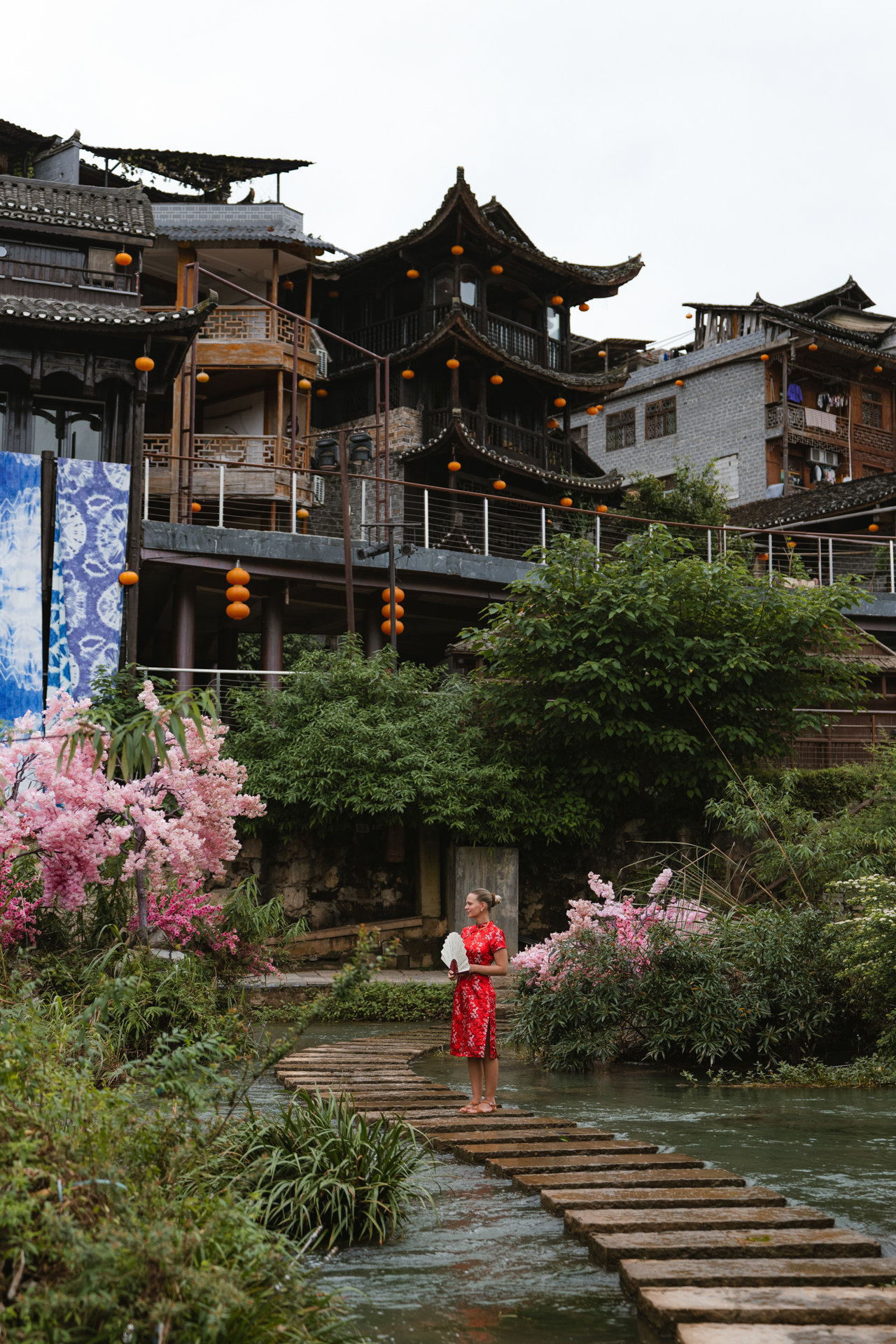
Two Completely Different Towns
Furong During the Day vs at Night
During the day you get the landscape. You can actually see how the town is put together, the wooden houses stacked up the cliff, the green hills behind them and the waterfall as water rather than as a light show. Mornings are the quietest by a long way, because most day trippers roll in from Zhangjiajie around lunchtime and are gone again by early evening.
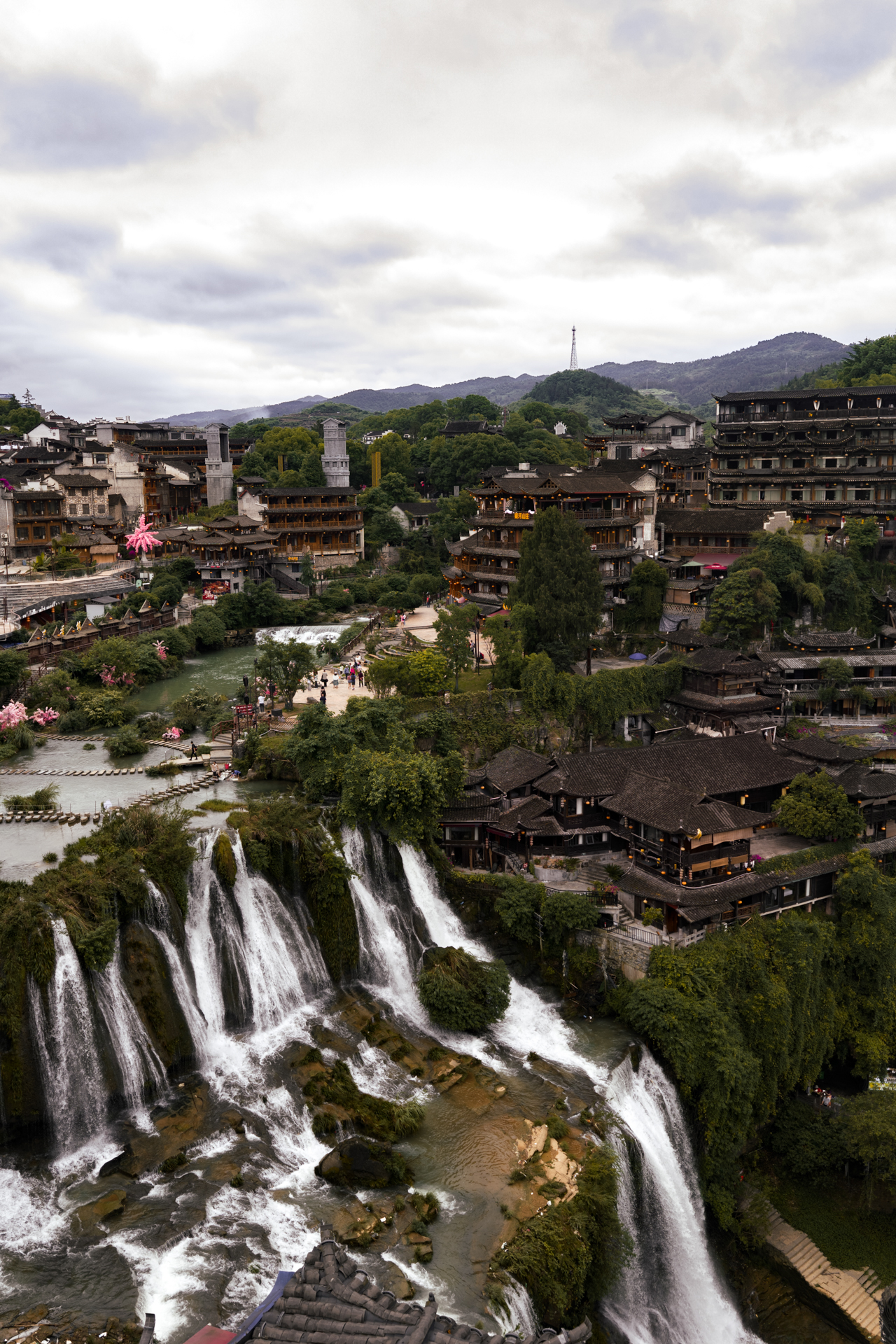
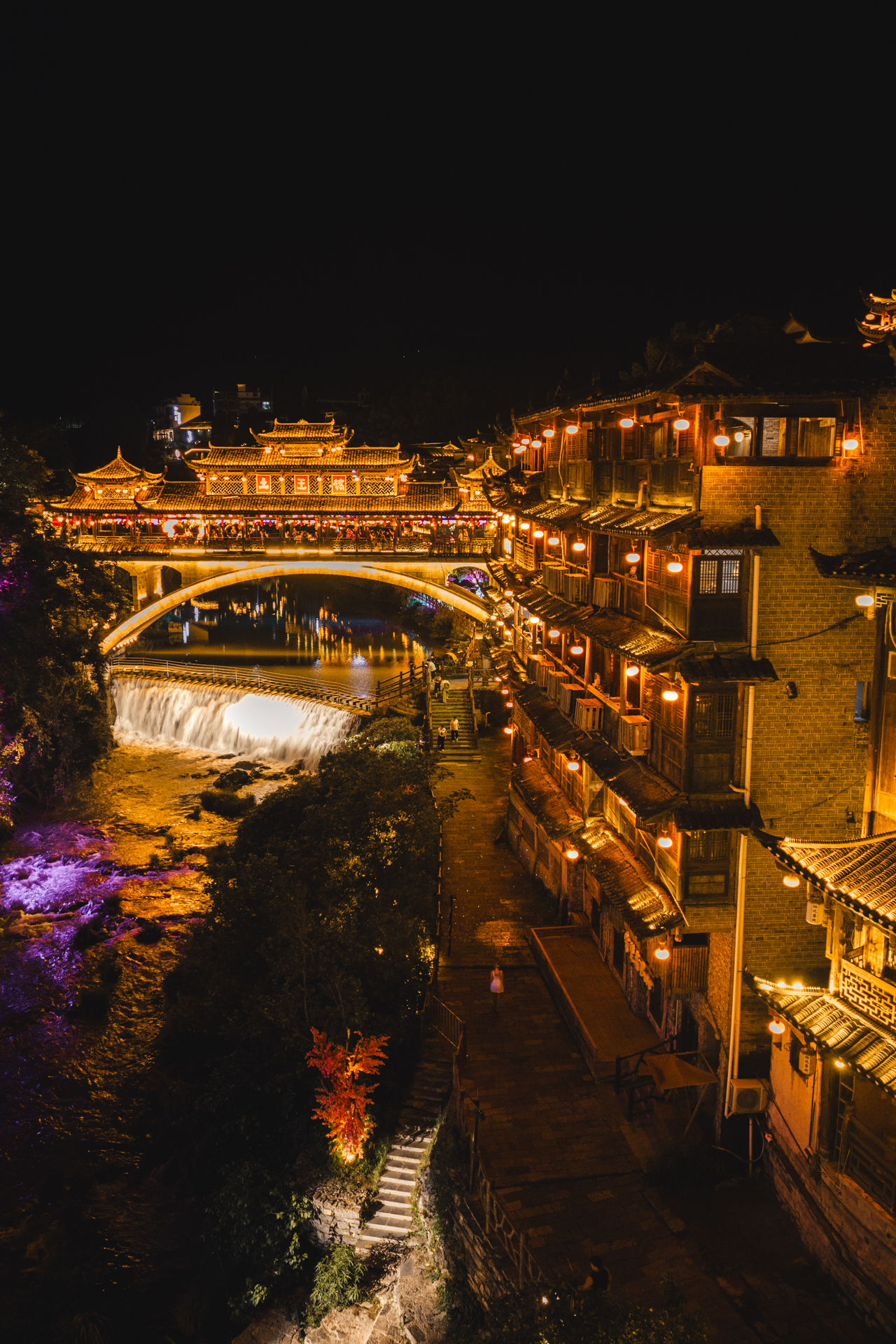
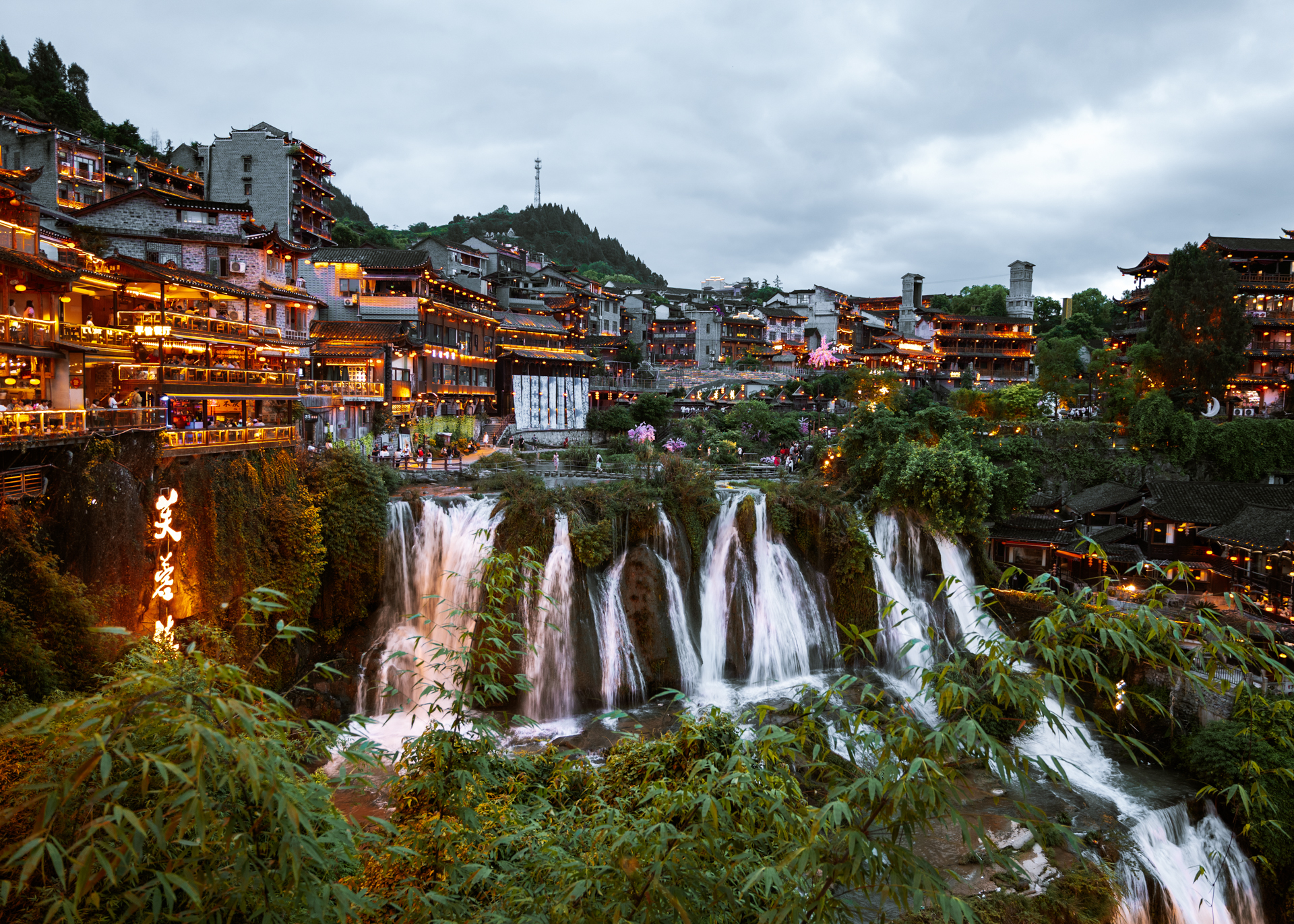
Then the lights come on and Furong turns into something else entirely. The waterfall gets lit from below, the stilt houses glow orange right up the cliff, and the whole gorge looks like a film set. It's dramatic in such a beautiful way and it's the reason I would push anyone to stay the night instead of treating this as a stop between two trains.

Stairs, Stones and Steep Bits
Getting Around Furong
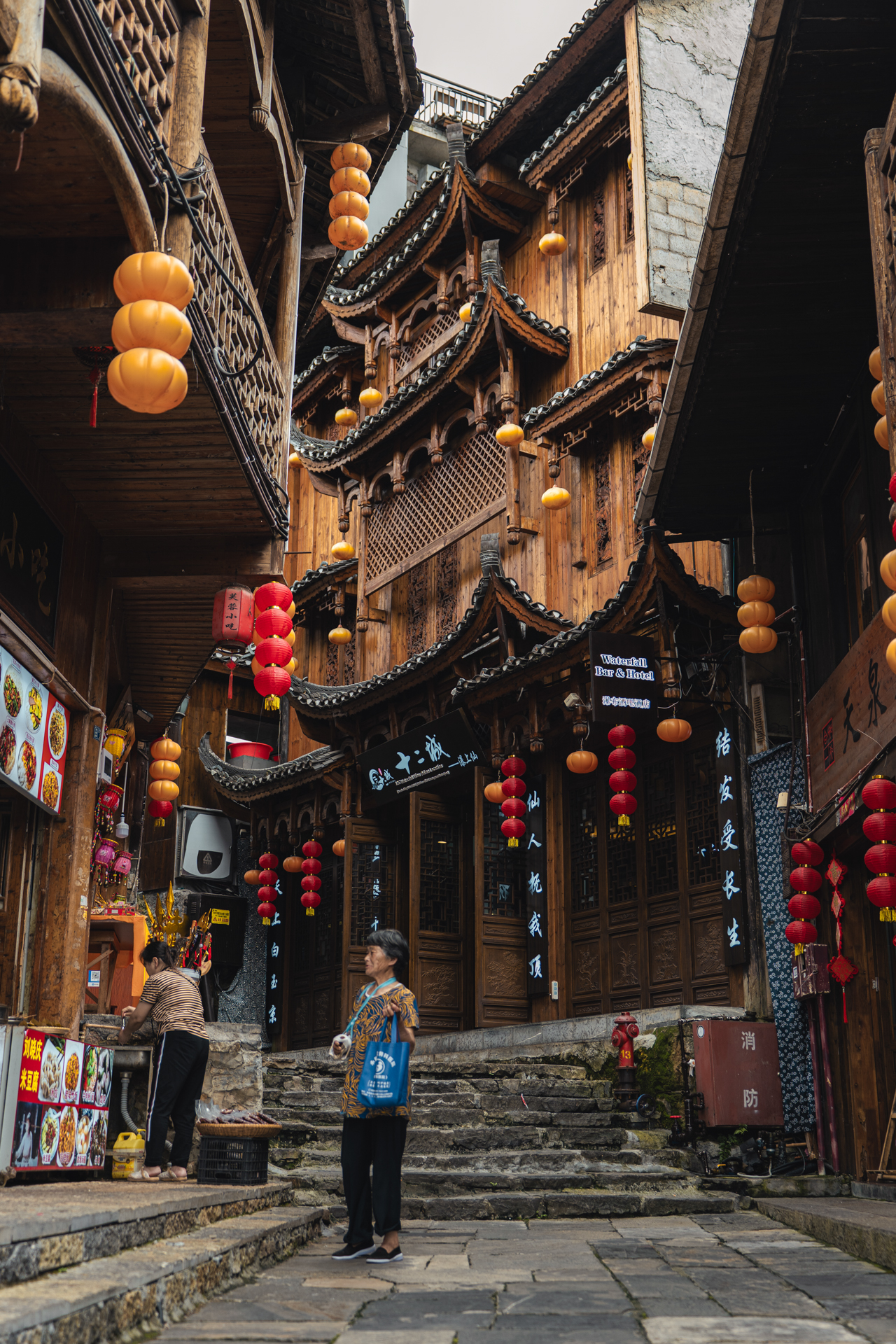
You walk, and that really is the whole answer. Furong is a pedestrian old town and it's small, so you will never need transport once you are inside it. What you will need is decent shoes, because the town is built on a slope and almost everything involves stairs. Close to the waterfall the stone stays permanently wet, so grip matters.
Travel light if you can. Furong has lots of hills and stairs, and cars can only drop you near the entrance. For anything outside the old town, the train station, a day trip or an early departure, use DiDi, which is China’s version of Uber and pays through Alipay or WeChat Pay.
How to Get to Furong Ancient Town
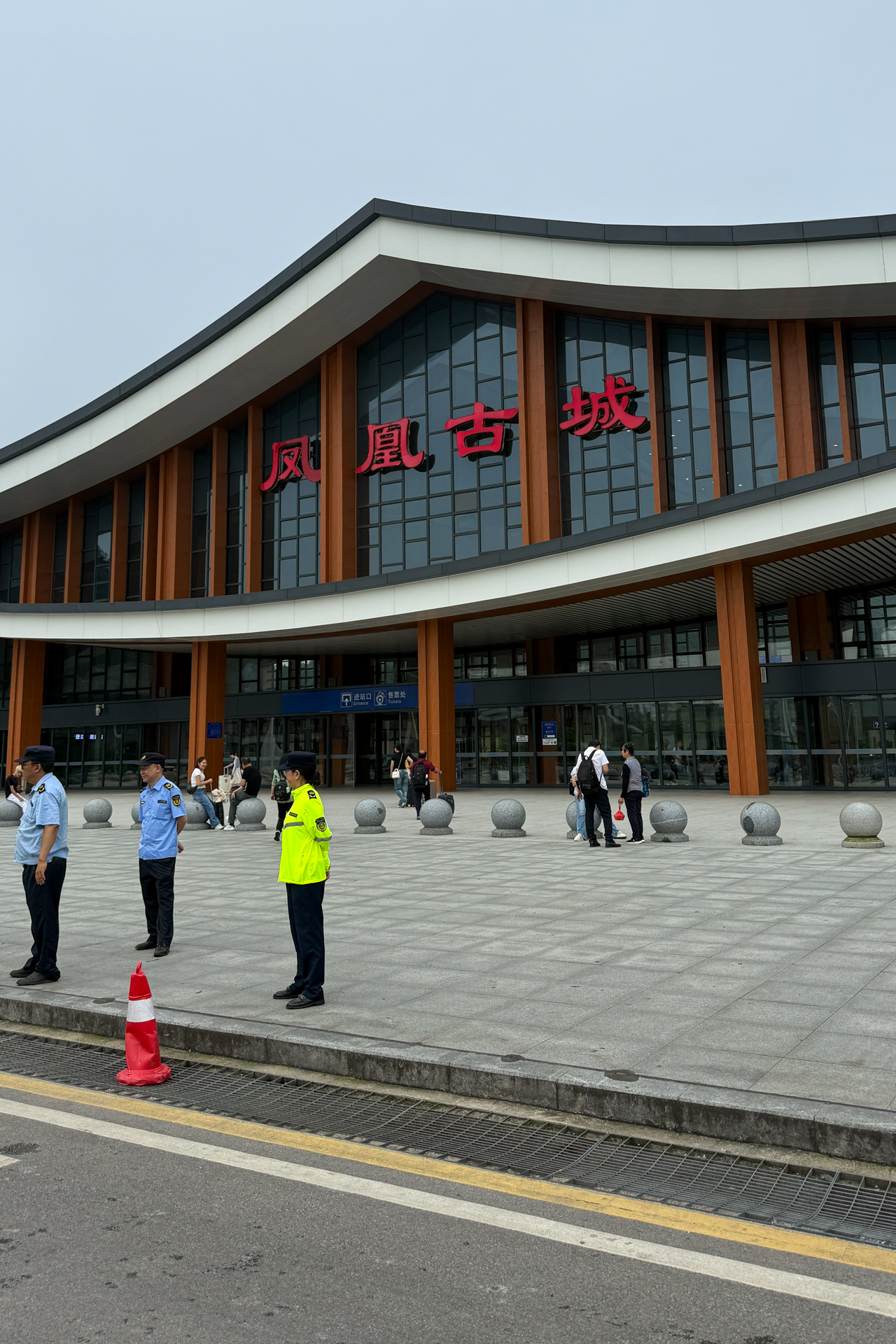
Furong used to be a bit of a mission to reach. Since the high speed line through western Hunan opened, it has become one of the easiest stops in the whole region.

Planning Your Stay
How Many Days in Furong
One night is enough for most people, and I would not plan much more than that. Furong is compact, and you can see the whole town properly in about four to six hours of walking.
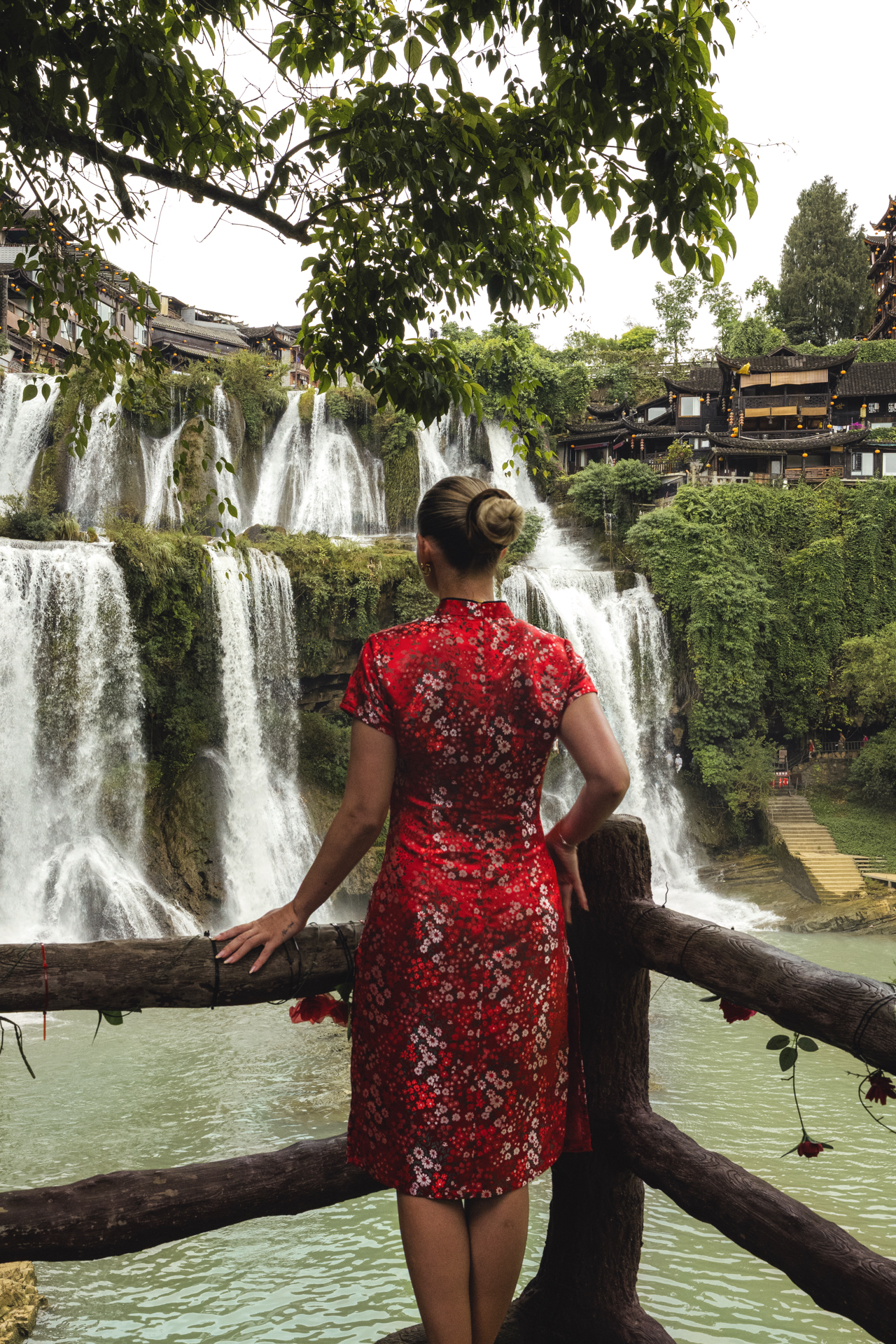
You can technically visit as a day trip from Zhangjiajie, and plenty of people do, but you would be leaving right before the best part. Staying one night gets you four completely different versions of the same small town: the waterfall in daylight, sunset from the upper street, the whole gorge lit up after 19:30, and a genuinely quiet old street the next morning before the first tour groups arrive.
Furong’s famous waterfall is seasonal, with its water flow changing significantly throughout the year, though it never completely dries up. (Peak Season: May to August)
Waterfall View or Not
Where to Stay in Furong
There is really only one decision to make here. Stay inside the ancient town, or right on its edge. Furong is small, the whole appeal is being able to walk out at nine in the evening for the lights and at seven in the morning for the empty street, and staying further out means arranging transport for both.

Stay With a Waterfall View
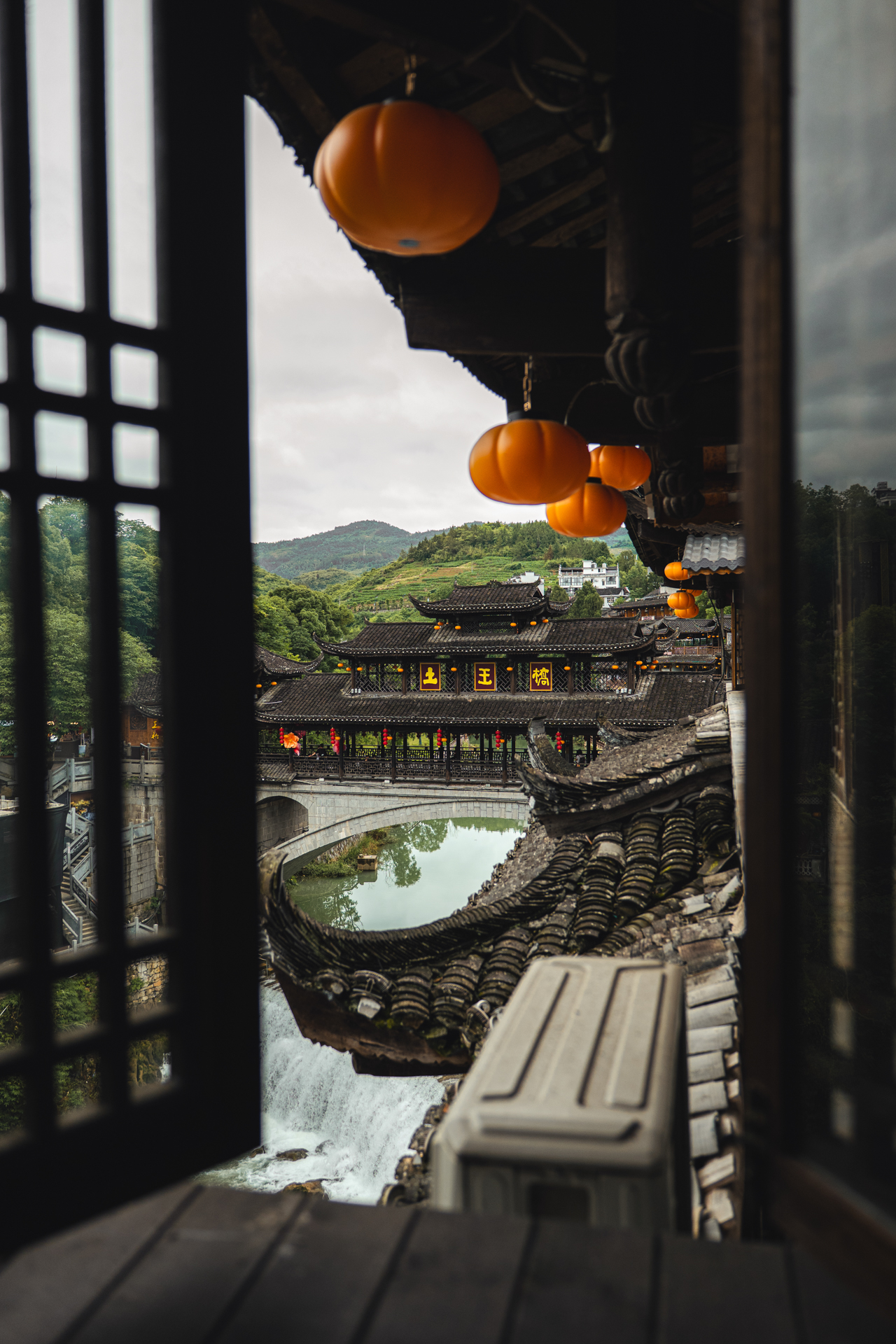
This is where Furong has something almost nowhere else does. A good number of guesthouses are built into the cliff facing the falls, so you get the sound all night and the beautiful waterfall from your window. It costs a bit more but it's worth it. A few names that come up again and again:
 Baihe Wharf Inn
Where to Eat and Drink
Best Cafes and Restaurants
Furong is small, so the food scene is small too, and most of it clusters along the old street and down in the gorge. The good news is that the settings are incredible. You can quite easily eat dinner looking straight at a floodlit waterfall.
The Famous Restaurant Overlooking Furong’s Waterfall

Other Restaurants


What to Eat in Furong (traditional)
Xiangxi food is sour, smoky and properly spicy! Hunan does not do mild, so if chilli is not your thing, say bu yao tai la, which means not too spicy.

Good to Know Before You Go
Furong Travel Tips
Seasons and Crowds
Best Time to Visit Furong
The best time to visit Furong Ancient Town is spring and autumn, so roughly April to June and September into early November. You get comfortable temperatures, green hills, and a waterfall with enough water in it to be impressive without the town being packed.
Summer, from July to August, is hot, very humid and busy because it’s Chinese school holidays (yes, two full months!). It’s also the rainy season, so expect occasional heavy rain and a much more powerful waterfall.
Winter is the quiet season, cold and often misty, which is atmospheric in photos and genuinely chilly in real life. Bring layers, because the old buildings are not heated the way you might hope.
Now the part that matters far more in China than in Europe: public holidays. During these dates, millions of people travel across the country, so places like Furong can become extremely crowded. Trains and hotels also book up quickly, so it’s worth checking the holiday calendar before planning your trip.
Chinese Public Holidays to Avoid
I explored Hunan in May, when the weather was warm and humid, the landscapes were beautifully green, and the crowds were still manageable compared to the peak summer months.
Loved it? Pin it, Share it!
Inspire Others to Travel to Furong
Keep Exploring
More Travel Guides from China
















THE TRAVEL

Let’s stay connected!
Get inspired, helpful tips and exclusive updates straight to your
inbox. Subscribe to join a community of explorers.