
Discover Zhangjiajie


The Mountains Behind Avatar
ZHANGJIAJIE TRAVEL GUIDE 2026: China’s Avatar Mountains
Zhangjiajie is the reason the floating mountains in the movie Avatar look so otherworldly, with its dramatic sandstone peaks serving as inspiration for the film’s landscapes. Thousands of them, hundreds of meters tall, disappearing into fog and then reappearing. It’s enormous and nothing like the rest of China.
In this Zhangjiajie travel guide I will walk you through all of it, from which ticket actually covers what, to what to do here, where to sleep so you are not stuck in a car for two hours a day, and how to do the whole thing yourself without a tour group.

Where It Is and What It Actually Is
About Zhangjiajie
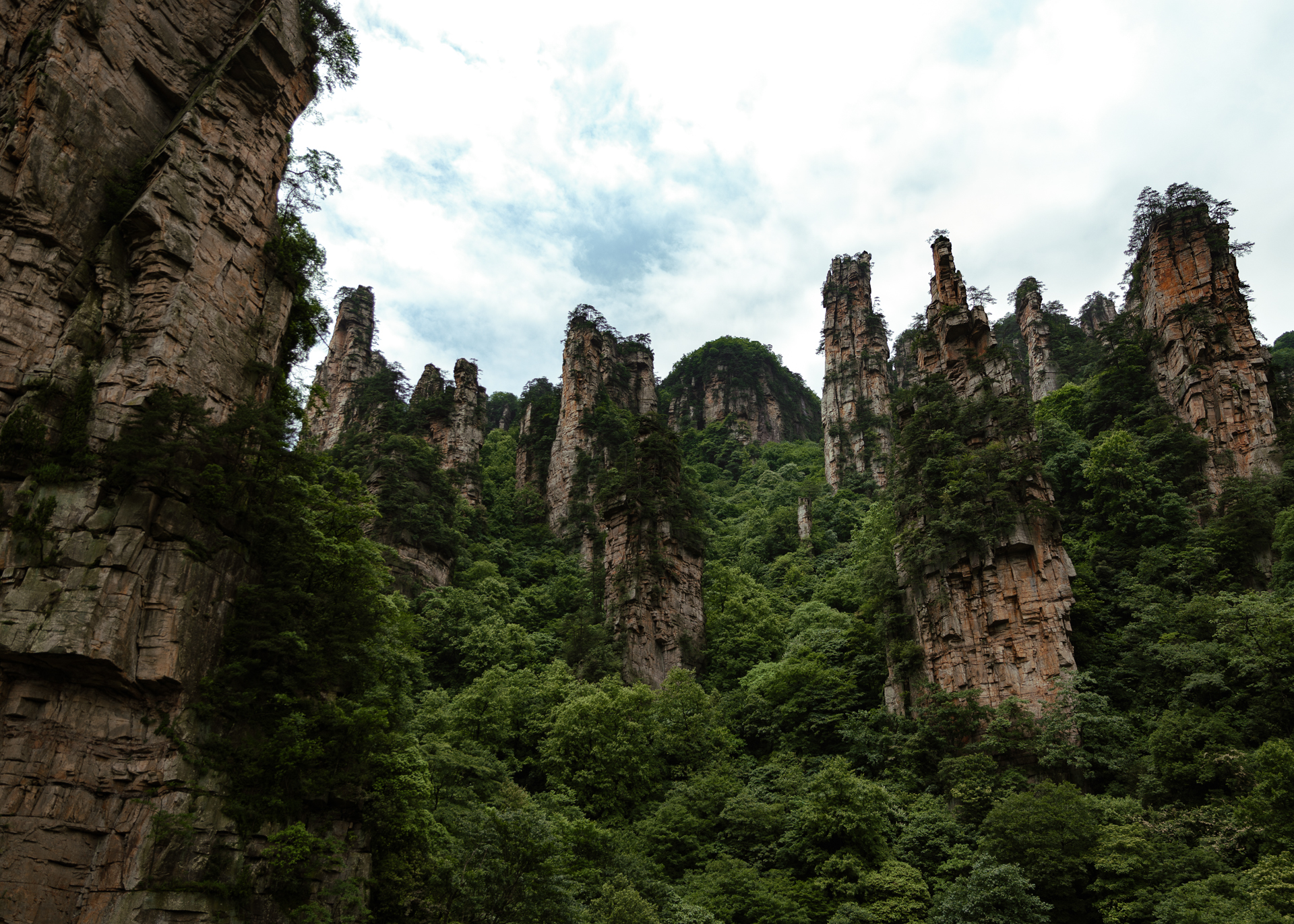
Zhangjiajie sits in the northwest corner of Hunan Province, right in the middle of China, and it looks like nowhere else in the country. Thousands of sandstone pillars stand in rows like a forest that forgot to be made of wood. Between them, you’ll find fog, pine trees, and cable cars. UNESCO listed the entire Wulingyuan area as a World Heritage Site back in 1992, long before anyone was calling them the Avatar Mountains.
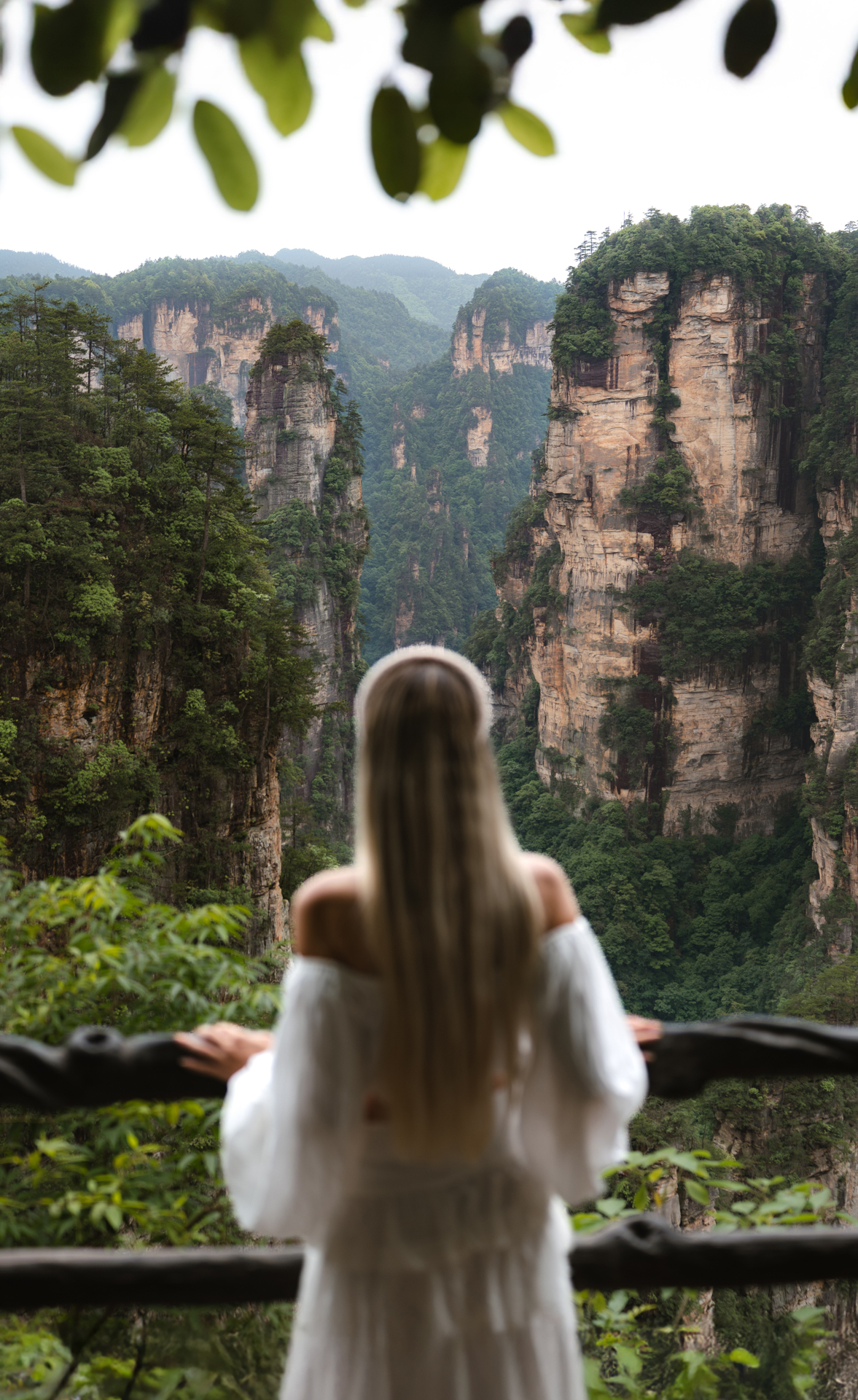
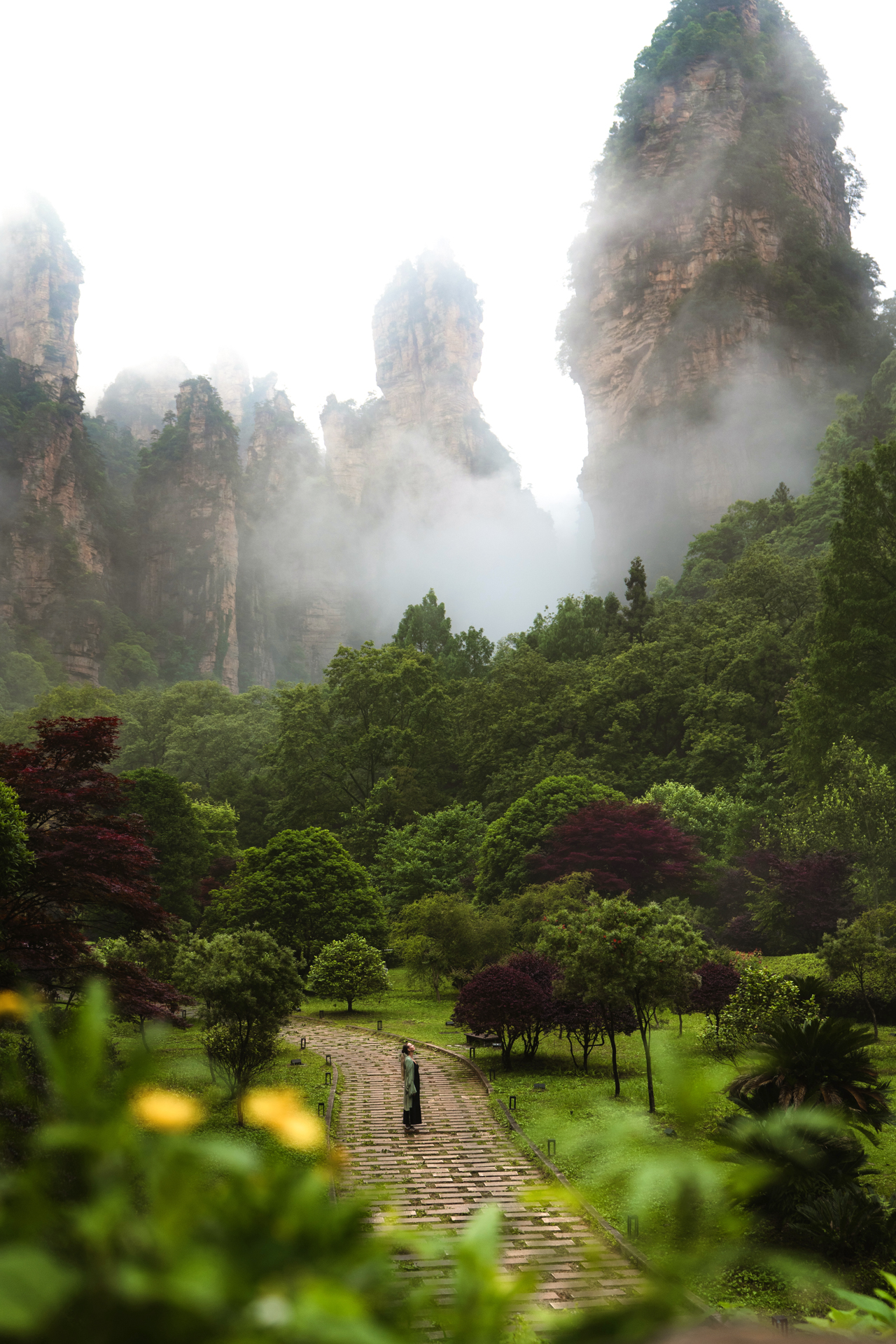
The pillars are quartz sandstone, and they exist because of a very slow and very patient process. Water got into the cracks, froze, thawed, and over a few hundred million years it carved a flat plateau into columns. Standing at the bottom of one looking up, none of that geology really lands. It just looks impossible, and slightly fake, in the best way.
The other thing worth knowing early is that Zhangjiajie is not one attraction. It’s a whole region with several separate sights that each need their own ticket, their own half day and often their own DiDi ride. That is the part most people underestimate, and it’s the reason a two day trip here feels like a rush.
Zhangjiajie Overview
Why People Call It the Avatar Mountains
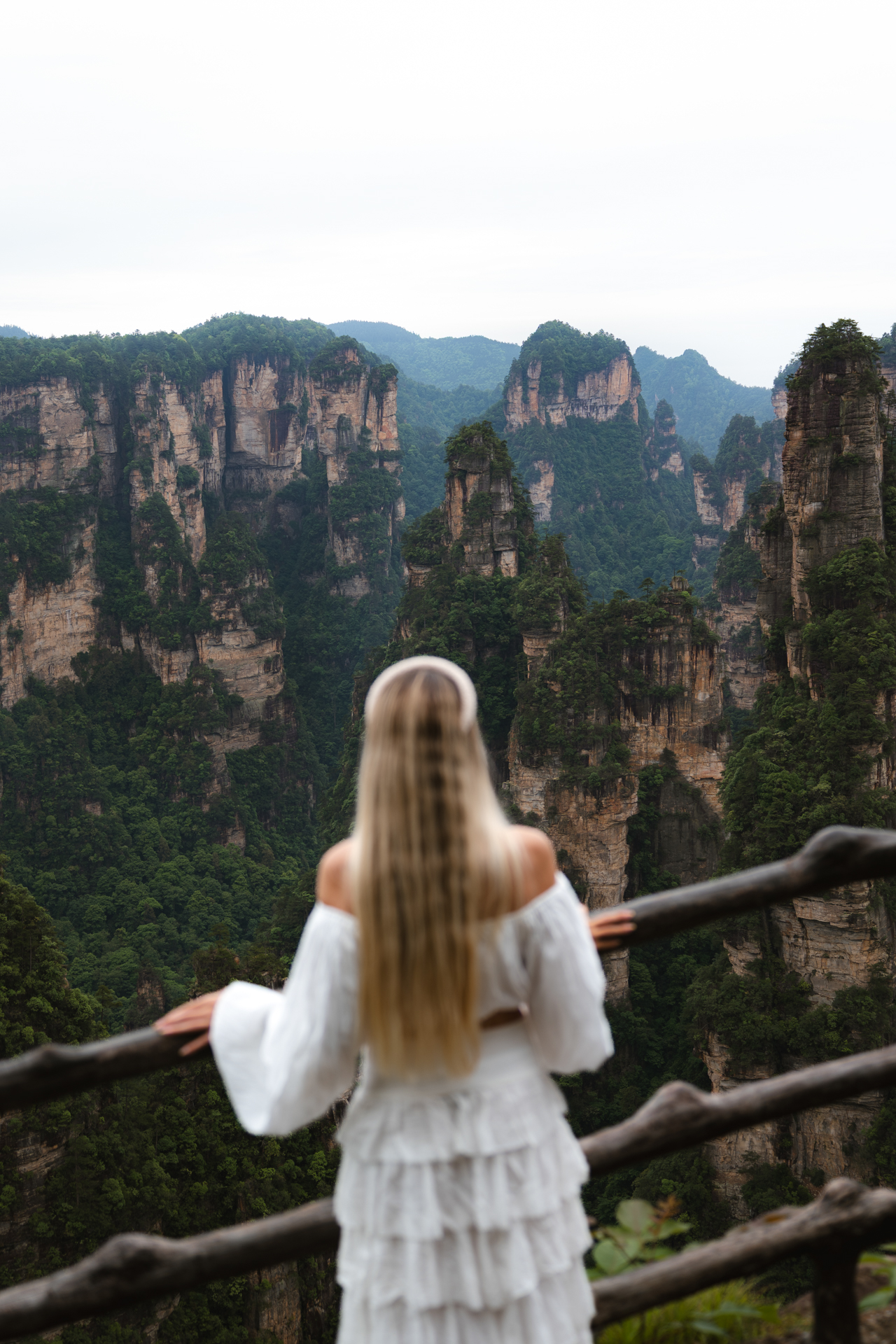
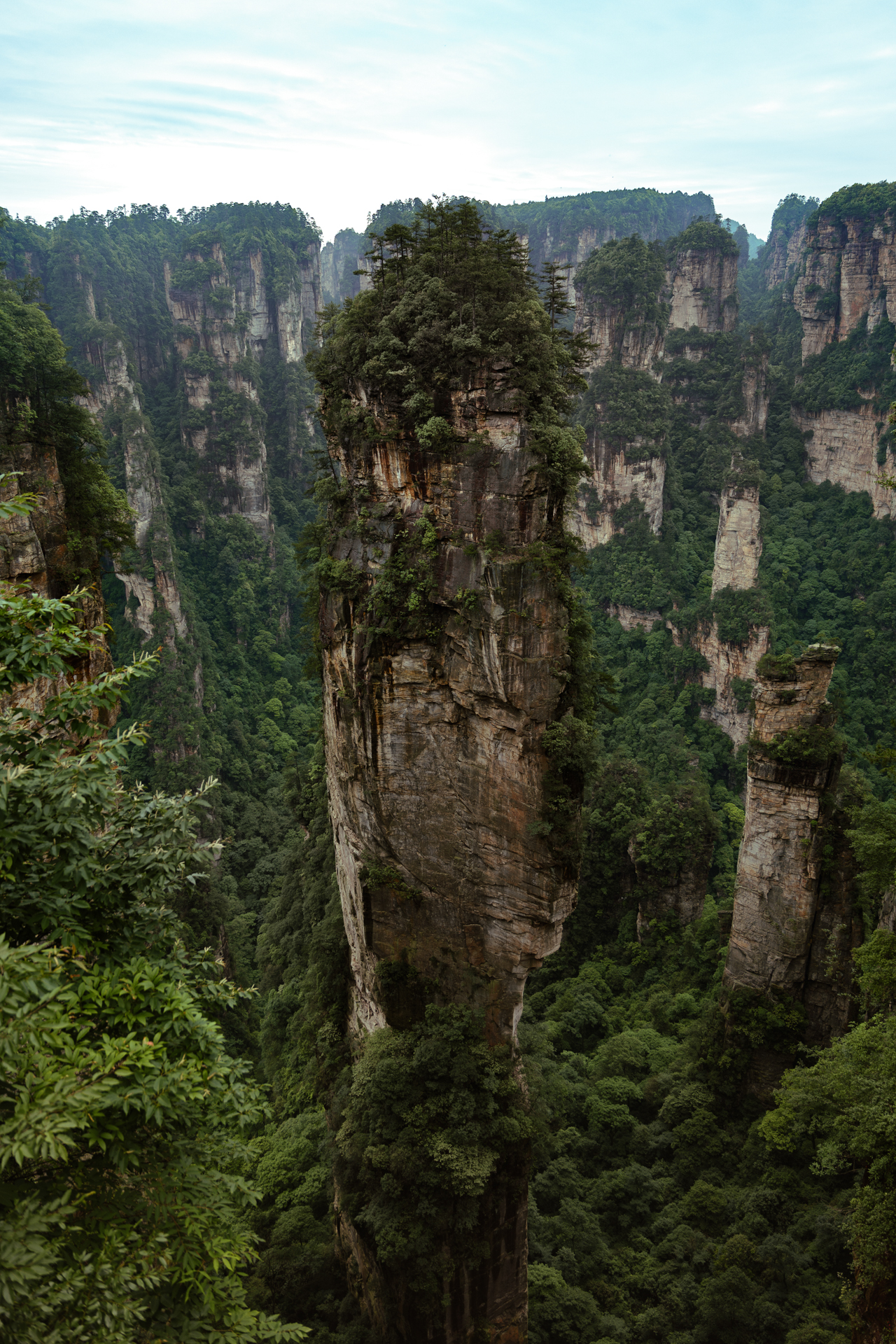
In 2008 the Avatar art team came to Zhangjiajie to photograph the pillars while they were designing Pandora, and the floating Hallelujah Mountains in the film borrow their shape directly from the ones in Yuanjiajie. Once the film came out, China leaned all the way in. In 2010 the park officially renamed a pillar called Southern Sky Column to Avatar Hallelujah Mountain, and it now has a sign, a viewing platform and a permanent queue of people photographing it.

Zhangjiajie City vs. the National Park Area
This one confuses almost everybody. Zhangjiajie is a prefecture level city, and the name covers a far bigger area than the park does. Four names get used more or less interchangeably online, and they are not the same place.
So when a hotel calls itself something with Zhangjiajie in the name, that tells you almost nothing about where it is. Read the district, not the hotel name. Booking a bed in Zhangjiajie City when you meant to be at the park gate costs you two hours of driving every single day.

The Tujia and Miao are the two ethnic minority groups you will meet all over western Hunan. Zhangjiajie sits in their heartland, which is why you see stilt houses, silver headdresses and a lot of smoked bacon on menus. If a dish is described as Tujia style, it usually means dried, smoked or seriously spicy.
Which One Should You Use?
The 5 Entrance Gates
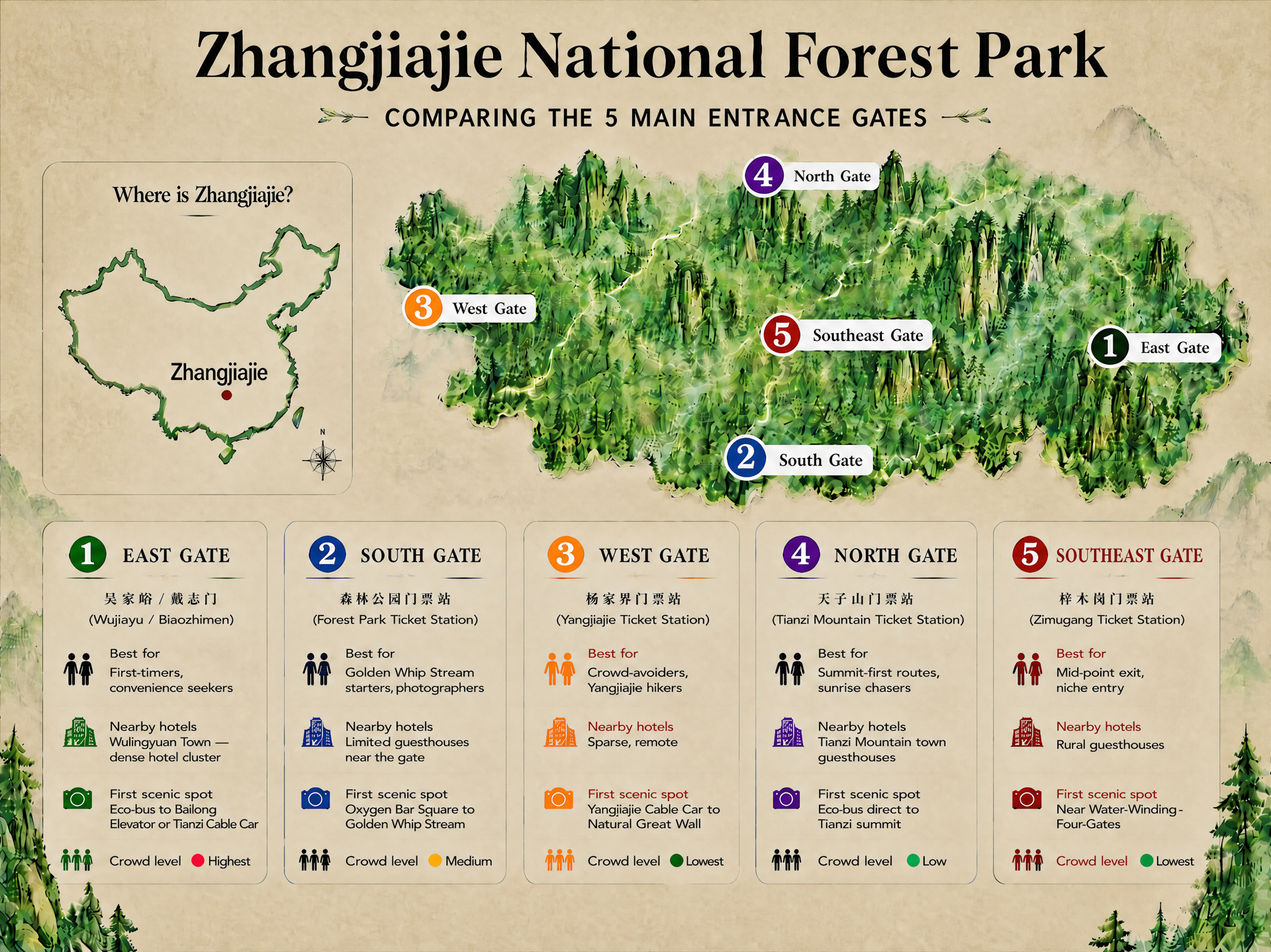
What You Actually Pay For
Zhangjiajie Entrance Tickets
The most confusing part of planning Zhangjiajie is that there is no single ticket covering everything. There is one pass for the national park, and then almost every lift, cable car and neighbouring attraction charges separately on top. Once you understand that split it all makes sense, but it's worth budgeting properly before you go, because the extras add up fast.
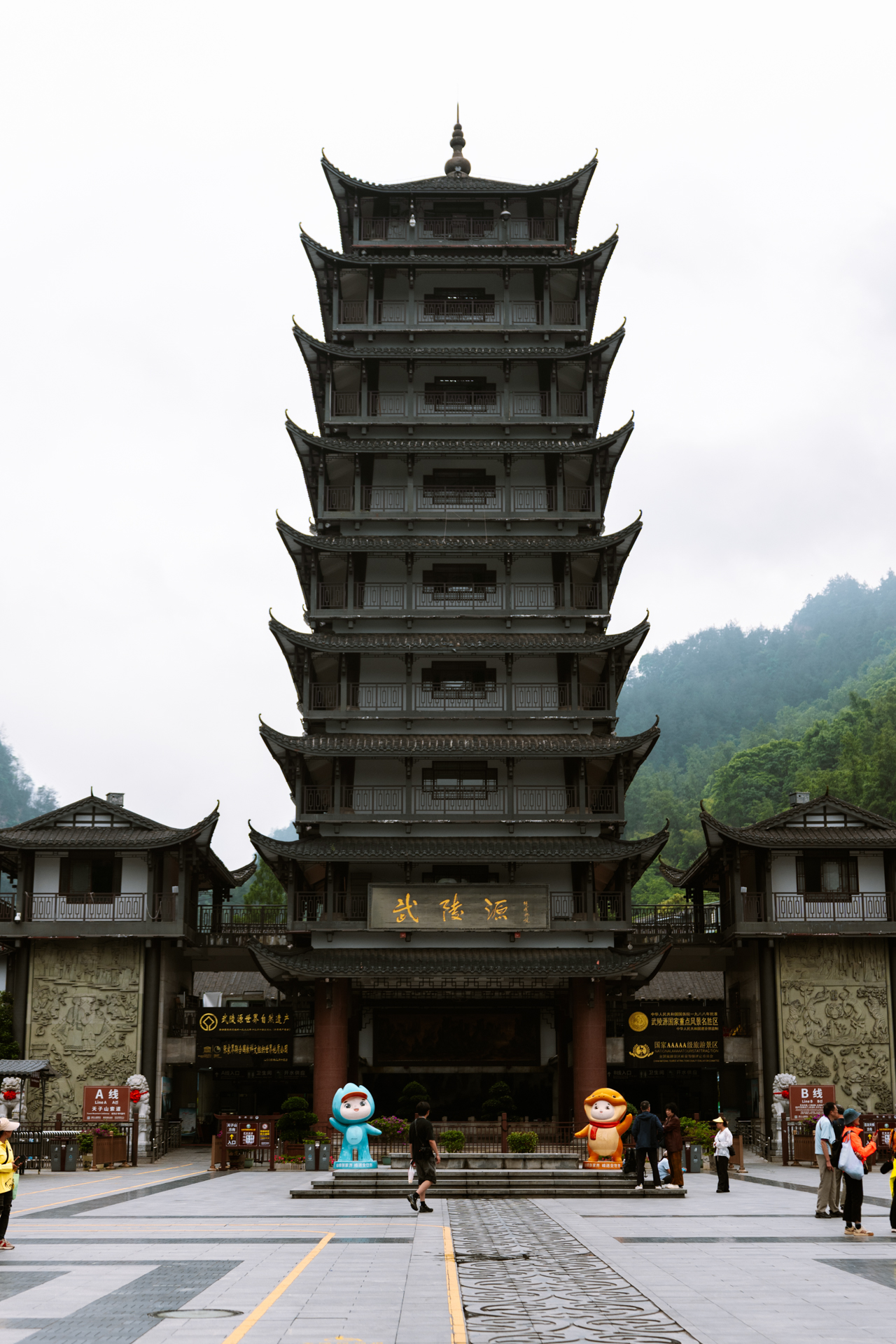
National Park Entrance Ticket
The standard adult 4-day pass for Zhangjiajie National Forest Park costs around 236 to 240 CNY (roughly €30–€32 / USD 32–35), which covers park entry and unlimited rides on the internal green eco-shuttle buses. Since January 2026 there is one flat price all year, so the old peak and off peak split you might still see quoted on older blogs is gone.
What the Park Pass Does NOT Cover
Everything that goes up costs extra. Every cable car, the famous elevator, and the little monorail are charged separately, and this is where your budget can quietly double.
Ticket Combinations (Important to Know)
Money-saving tip: If you’re planning to use several lifts during your visit, look into the “Three Cableways + One Elevator” combo pass. It can work out cheaper than paying for each ride separately.
How the Multi Day Pass Actually Works
This is the bit worth reading twice, because the rules are stricter than they look and people lose money on them every week.
Tickets for the Other Zhangjiajie Attractions
These sit outside the national park boundary and each needs its own ticket, bought separately.
When booking online through platforms like Trip.com, the price may be higher due to platform service or booking fees.
Zhangjiajie Without a Tour Group
You absolutely do not need a tour here, and I did the whole thing independently. Zhangjiajie has a reputation for being complicated, and the logistics are more work than Fenghuang or Furong, but nothing about it requires a guide. It requires a little homework before, which is a different thing.
Prices in Zhangjiajie get adjusted more often than most places in China, and 2026 already brought a restructure. Treat every number on this page as a planning figure and check the official site or your booking platform before you go.
What Not to Miss
Best Things to Do in Zhangjiajie
Zhangjiajie is not one park with one famous viewpoint, it's many sights spread across a wide area. Below is everything worth your time, grouped the way you will actually visit it.
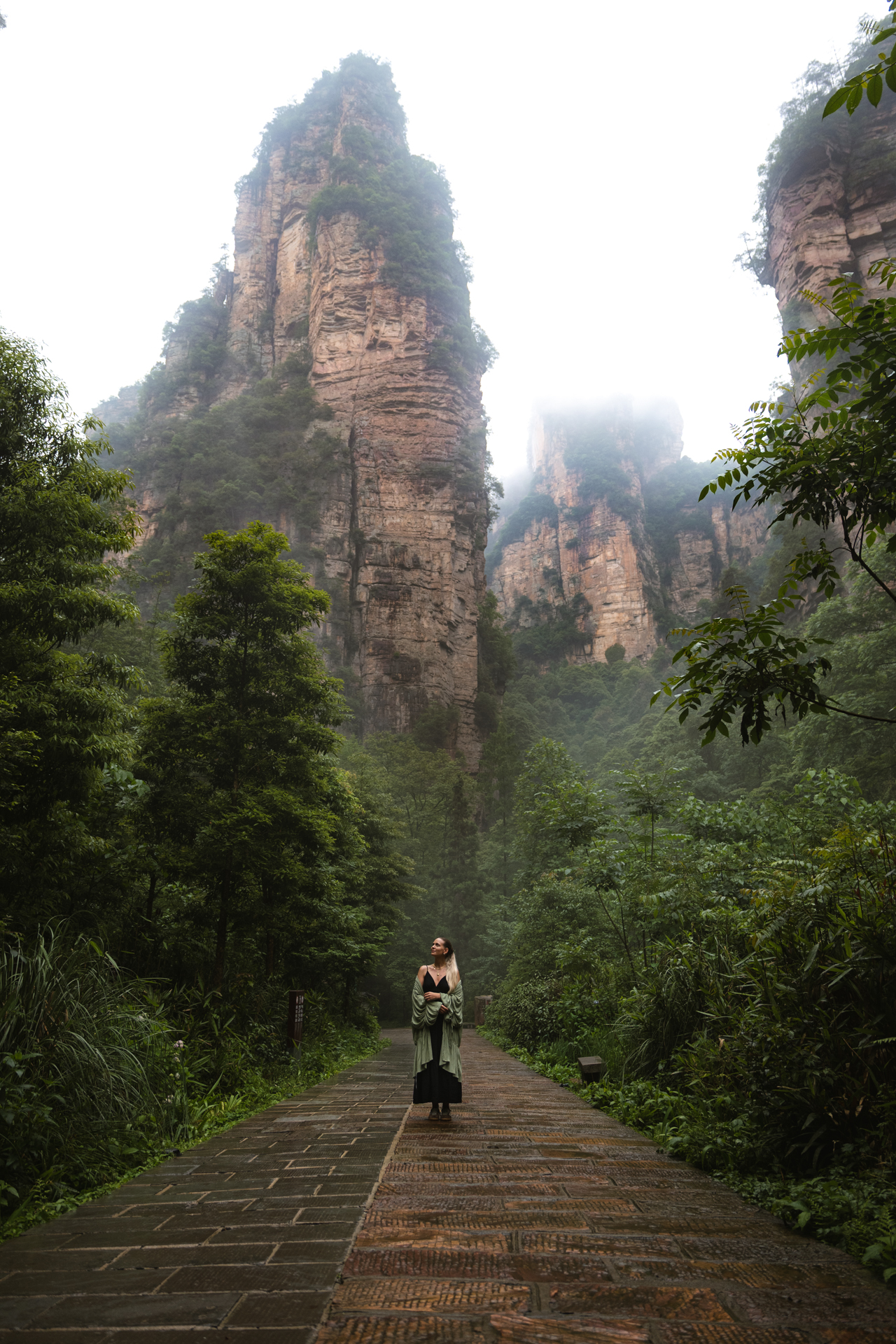
Zhangjiajie National Forest Park
The main reason most people come. This is the park with the pillars, and it's enormous. The park splits into 4 areas: Zhangjiajie itself in the south, Yuanjiajie in the middle where the Avatar viewpoints are, Tianzi Mountain in the north, and Yangjiajie in the northwest.
Green shuttle buses connect them all and are included in your ticket, but the drives between zones are 20 to 40 minutes each.
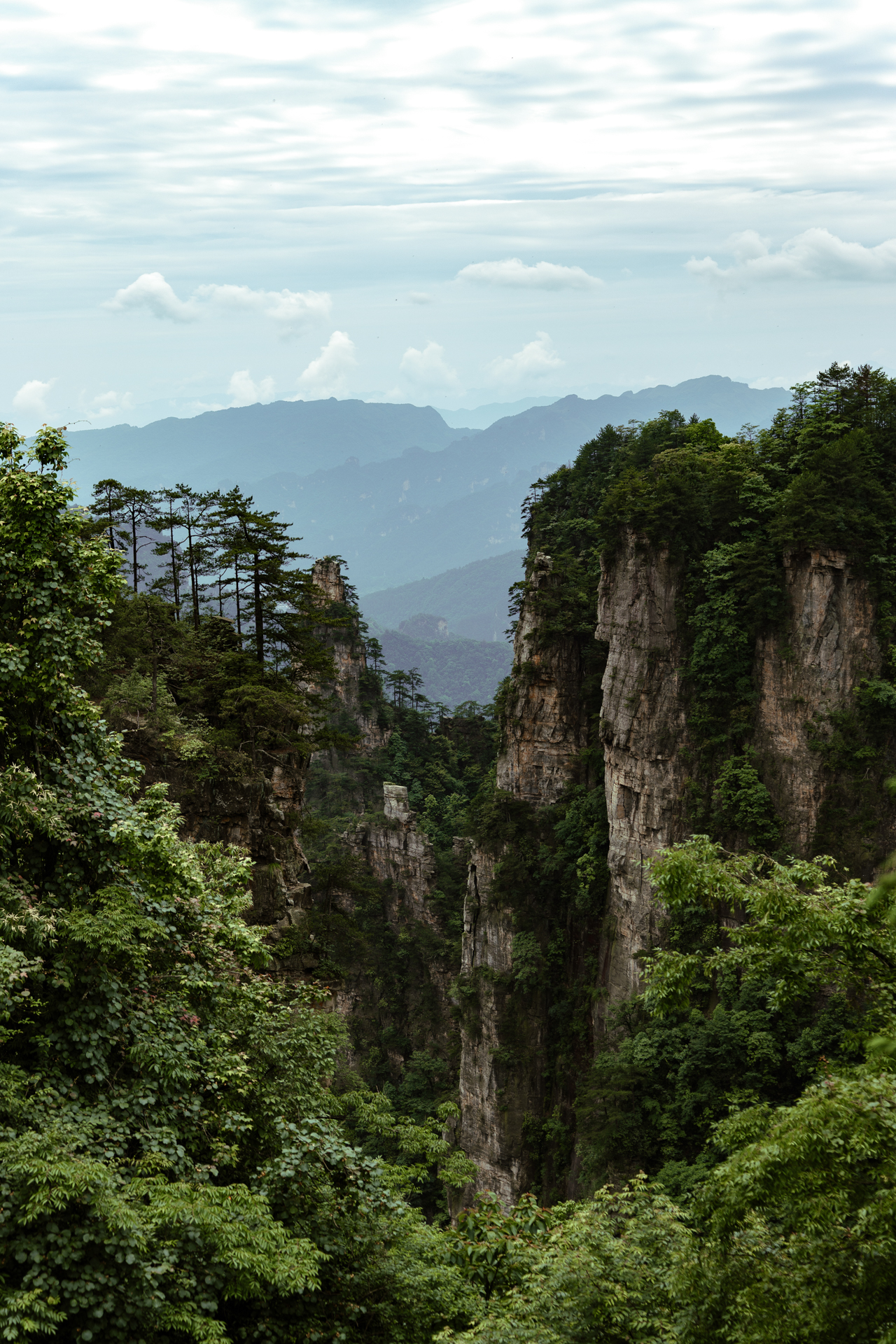
Golden Whip Stream
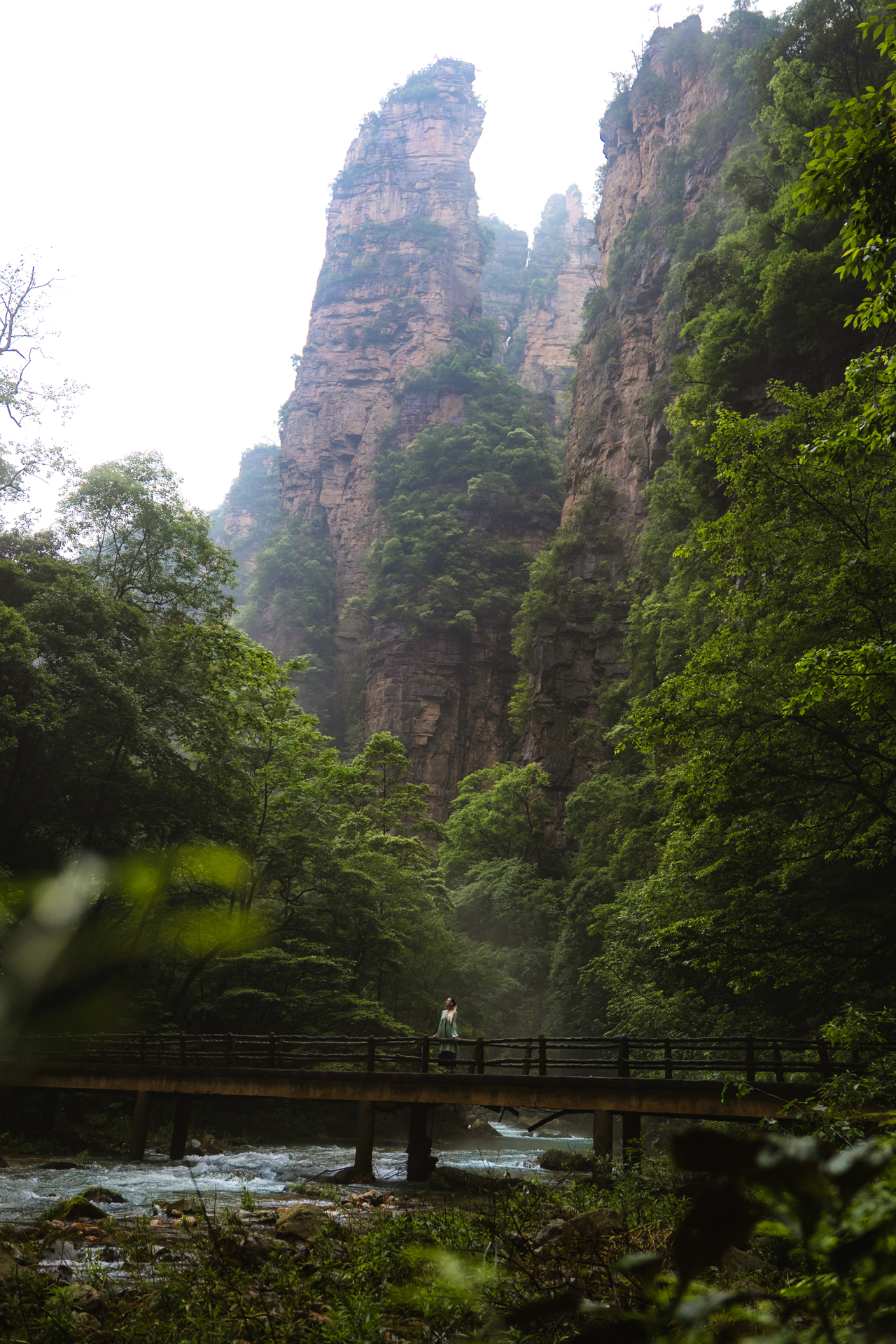
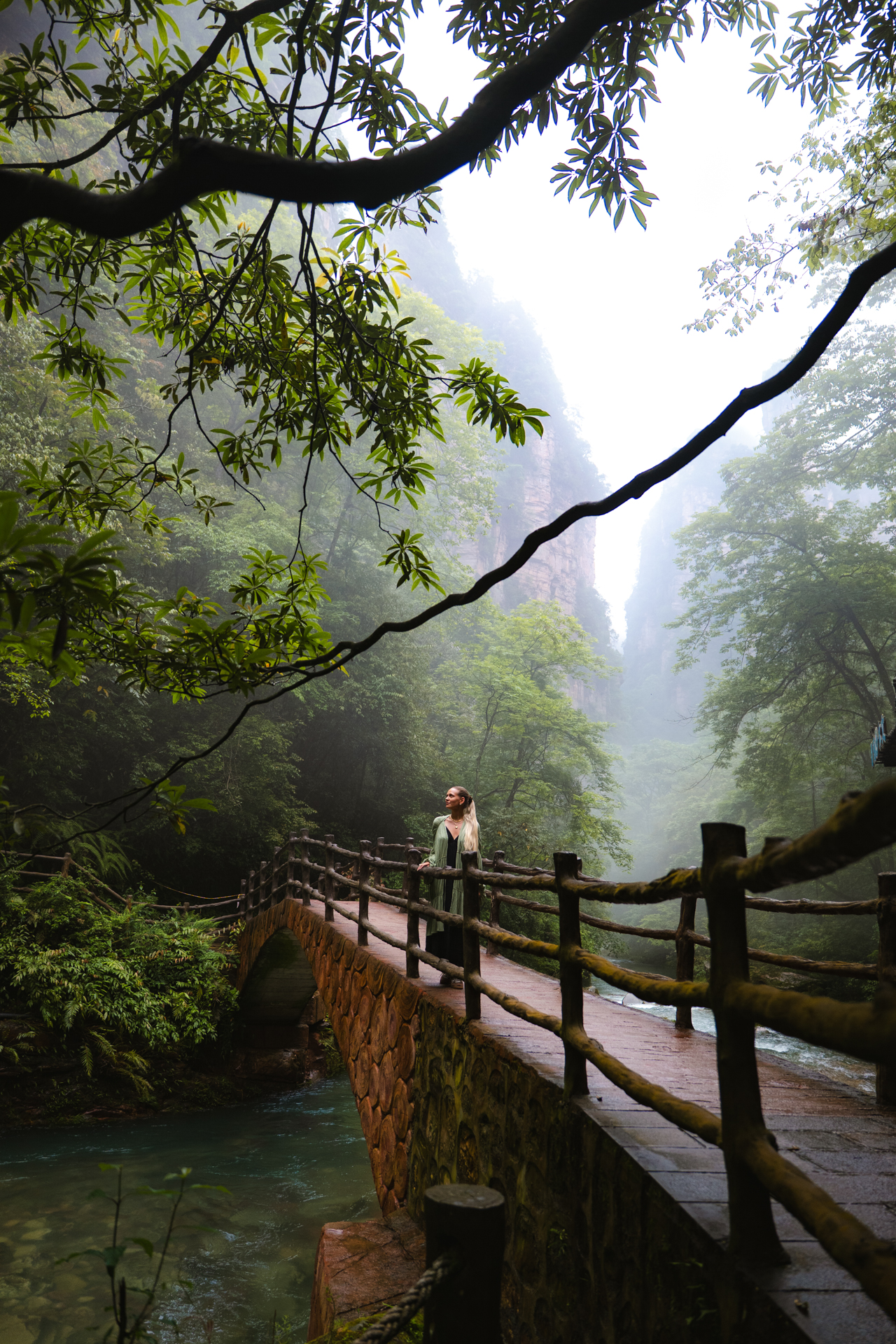
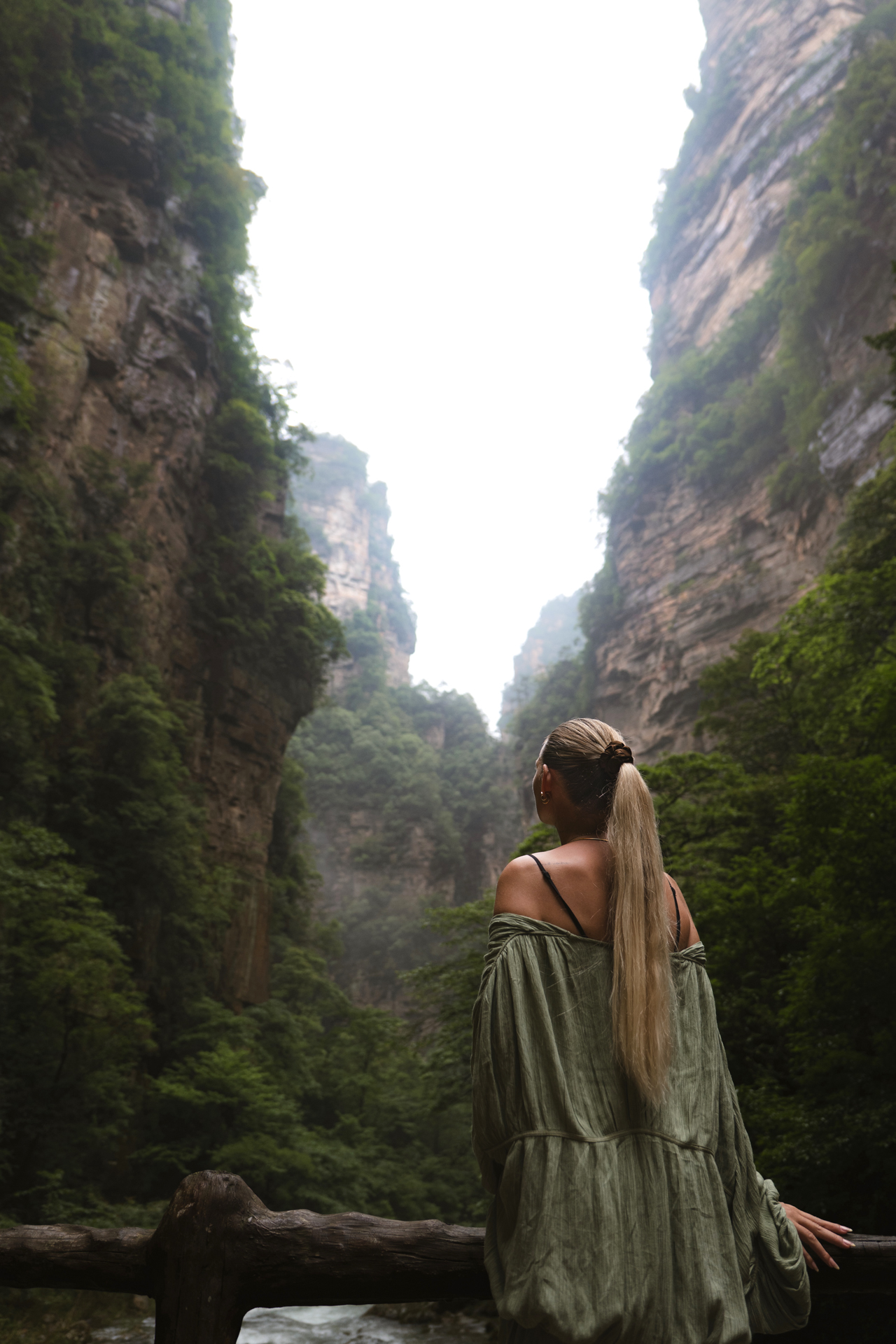
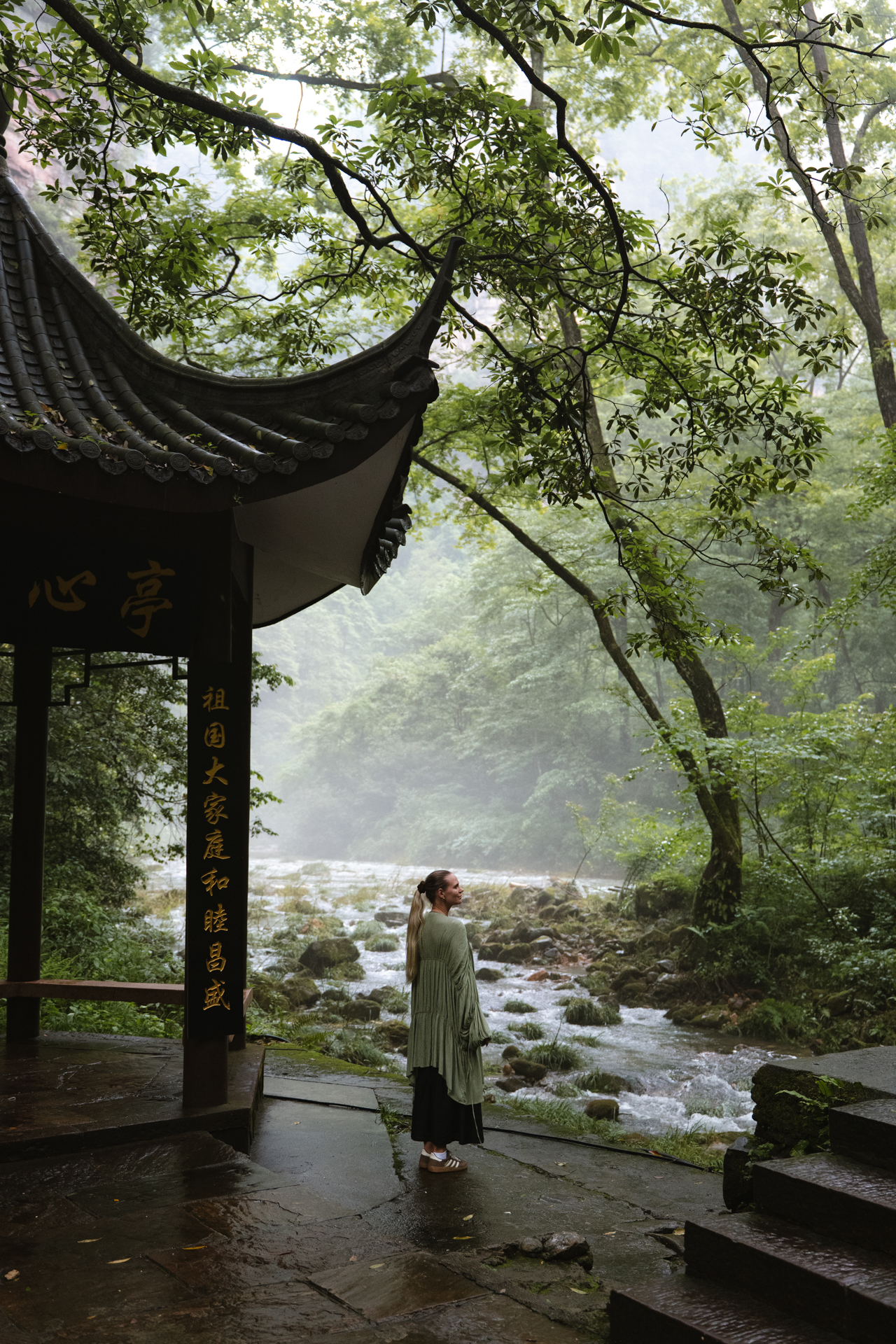
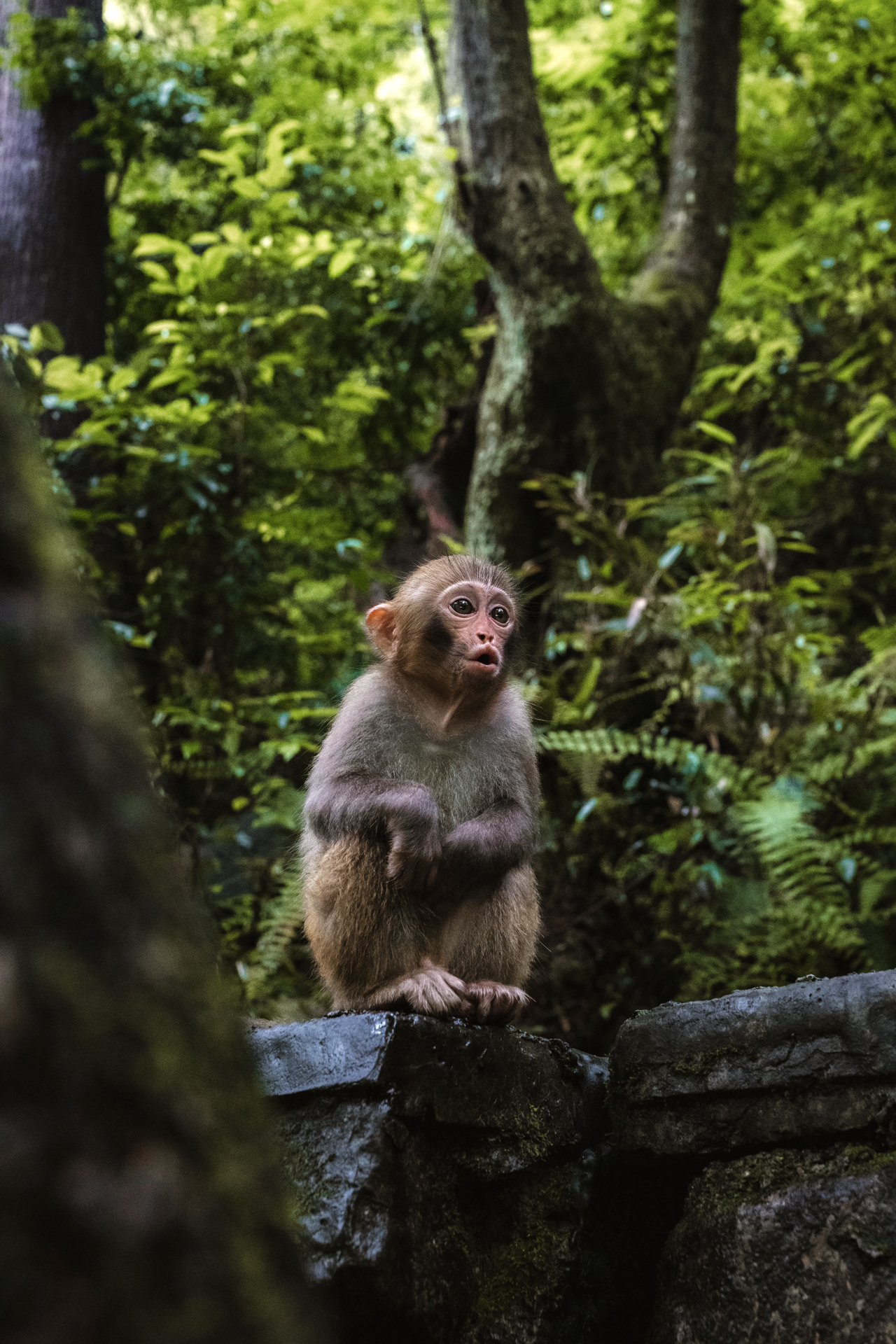
A flat 7.5 kilometre path following a clear stream along the bottom of the canyon, with the pillars towering over you the whole way. No stairs, no cable car, just walking, and it really is one of my favorite hours in the whole park. Especially because it is way less crowded. Everyone else is up on the platforms fighting for a photo, and down here it's water, moss, and monkeys.
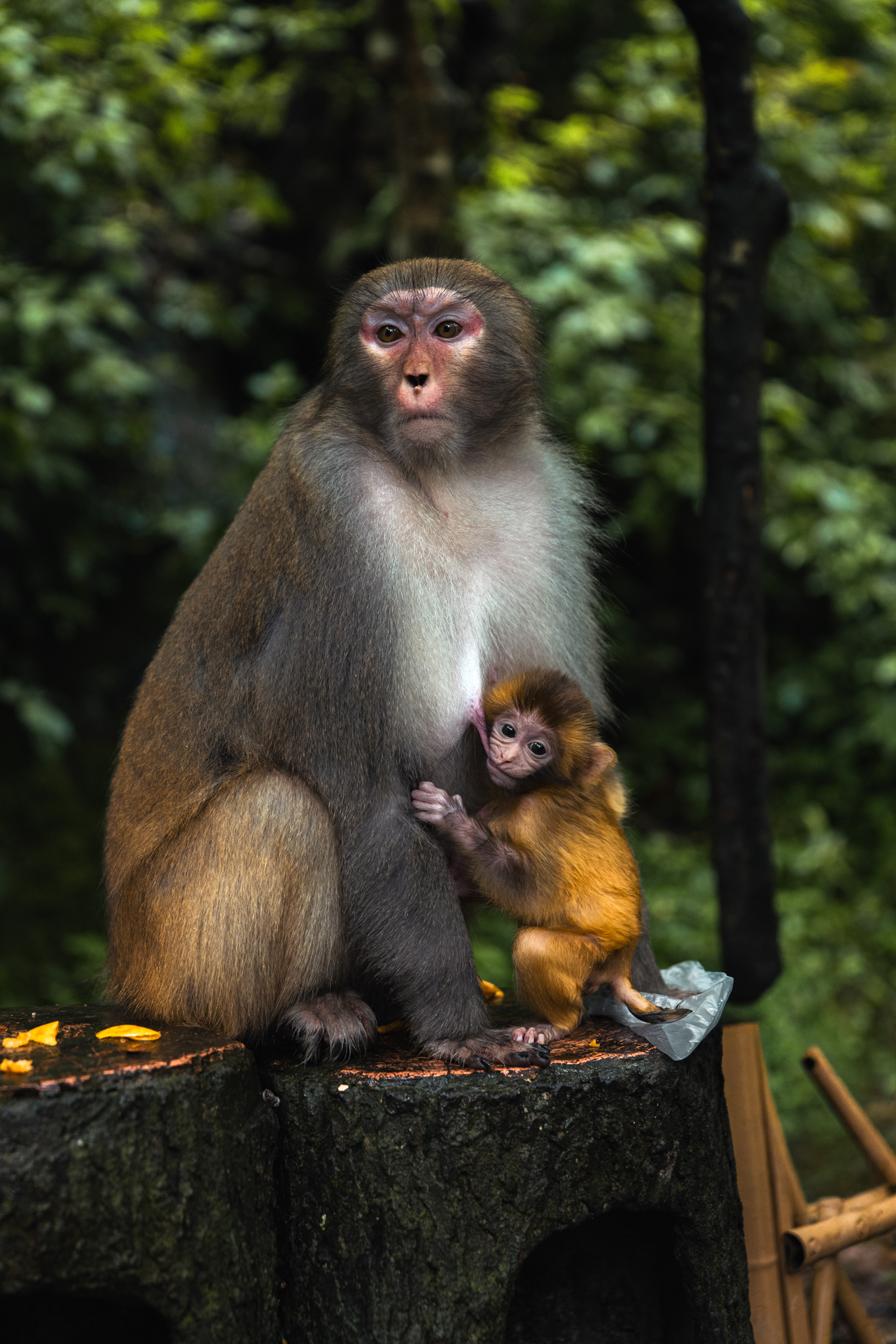
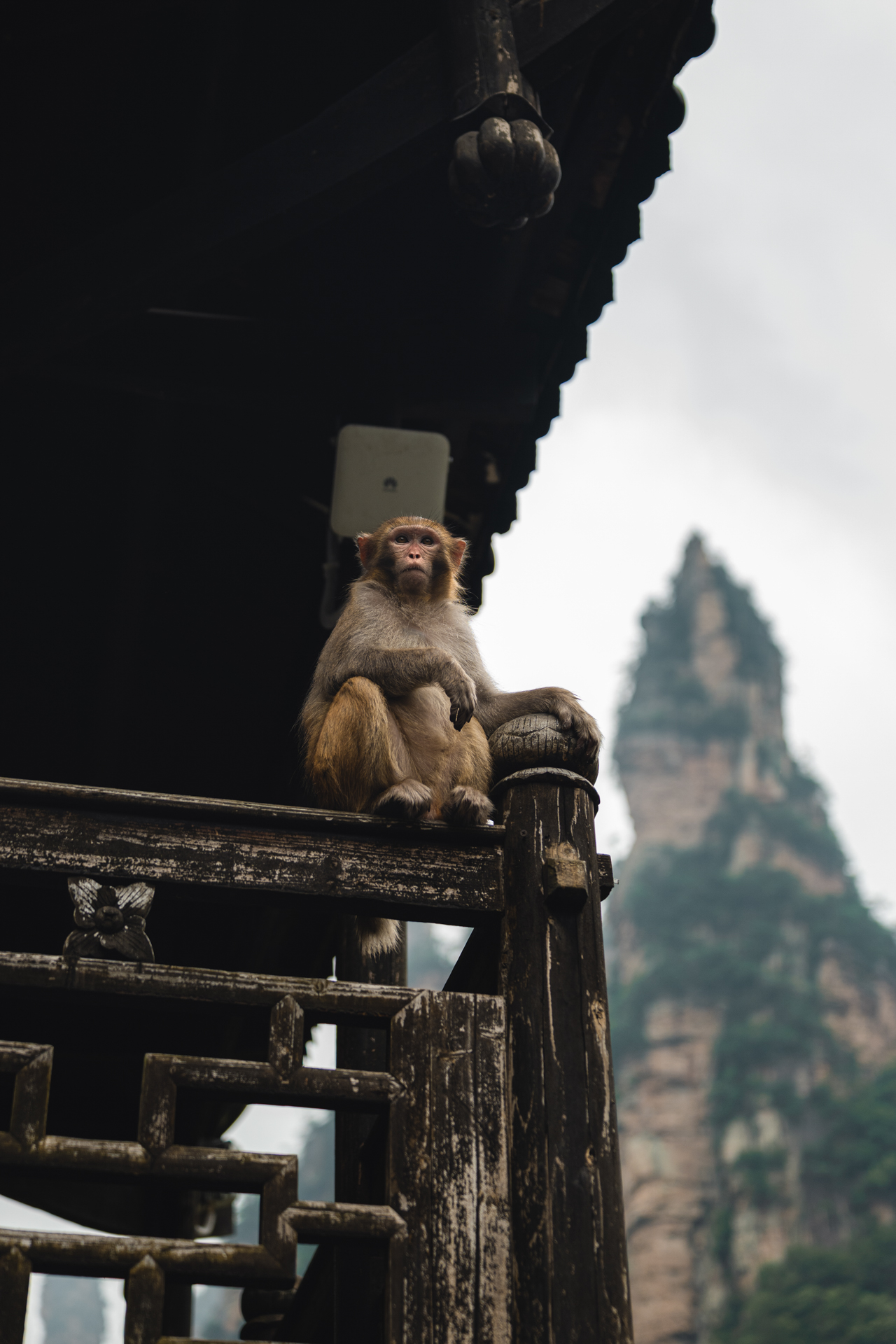
Do it in the morning while your legs are fresh, and walk it one way rather than doubling back. Watch the macaques, they are cute for about four seconds and then one of them tries to open your bag. Do not feed them, and keep snacks out of sight.
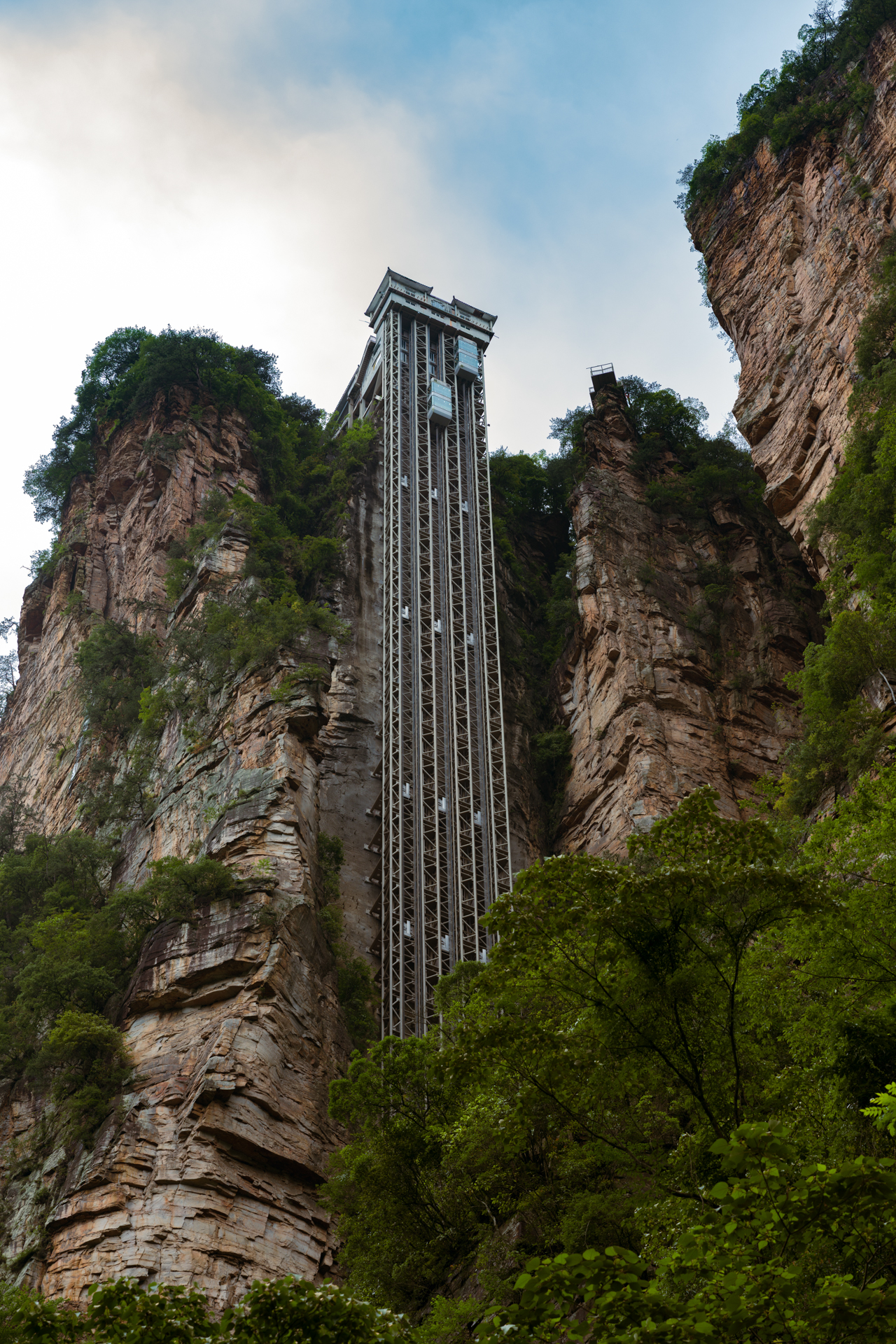
Bailong Elevator
The Bailong Elevator is a glass lift bolted to the outside of a 326 metre cliff, and it holds the Guinness record for the tallest outdoor lift in the world. The ride takes under two minutes. The first half is inside the rock and slightly dull, then you burst out of the cliff face and the entire valley opens up below you. It is genuinely an amazing experience!
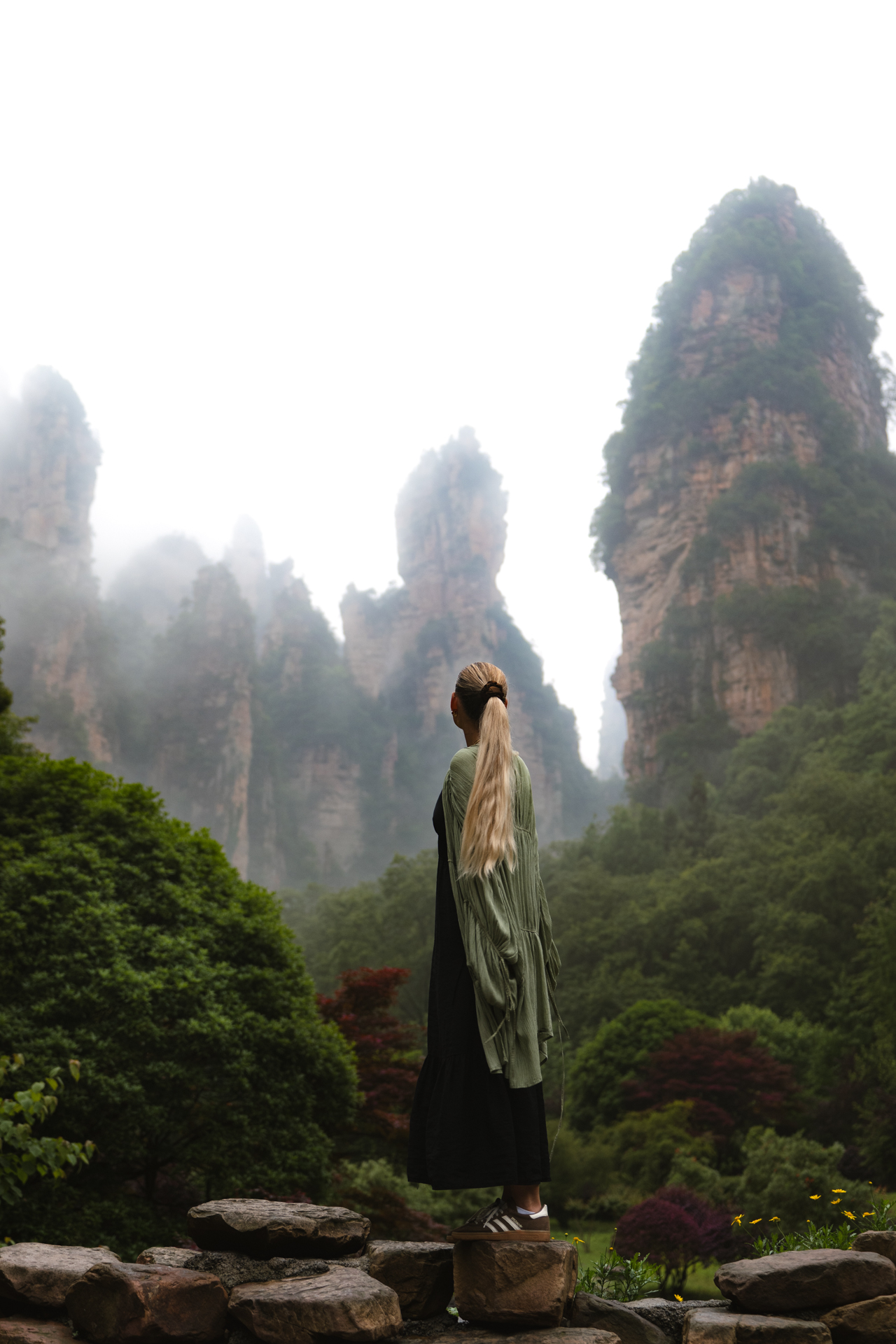
First Bridge Under Heaven
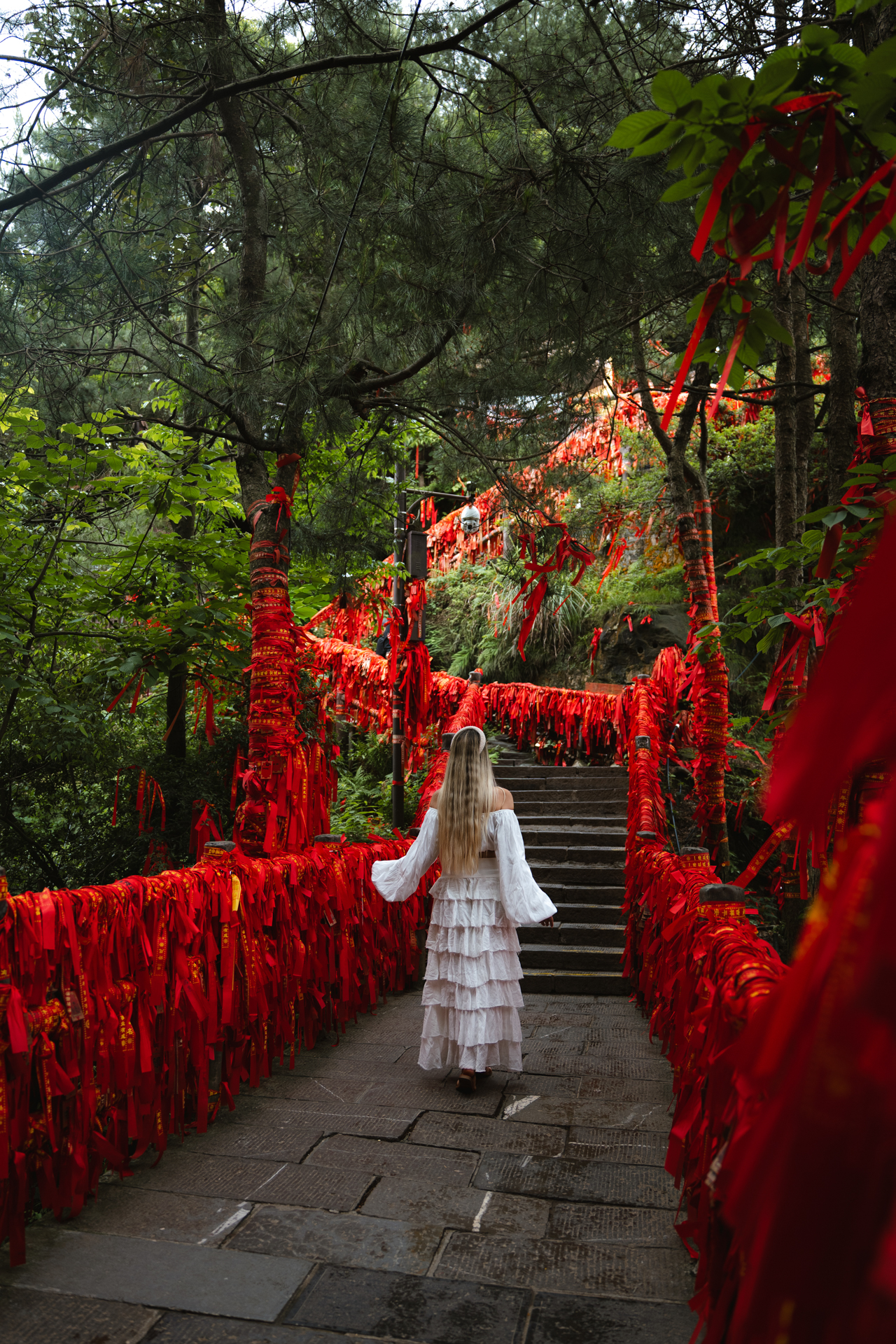
Up on Yuanjiajie, this is a natural stone arch spanning two pillars with a drop of around 350 metres underneath it. You'll see thousand of red wish ribbons are tied to the railings and trees, where visitors write wishes for love, health, and happiness.
Avatar Hallelujah Mountain
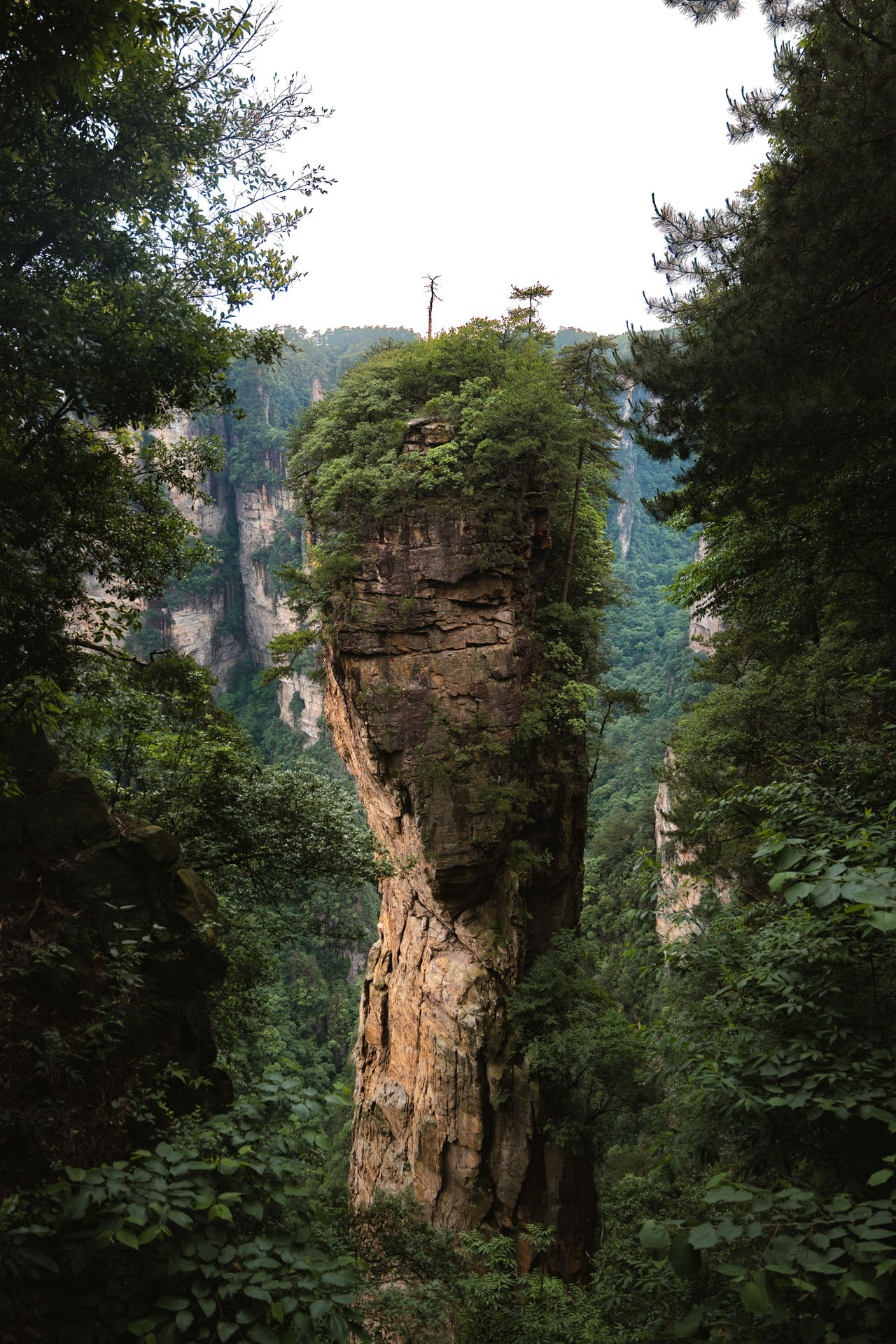
The pillar formerly known as Southern Sky Column, was renamed in 2010 after the movie Avatar. It's a five minute walk from First Bridge Under Heaven and there is a marked platform pointing at it. Whether it looks like Pandora depends entirely on the fog, which is either going to hide it completely or make it look like it is floating.
Tianzi Mountain
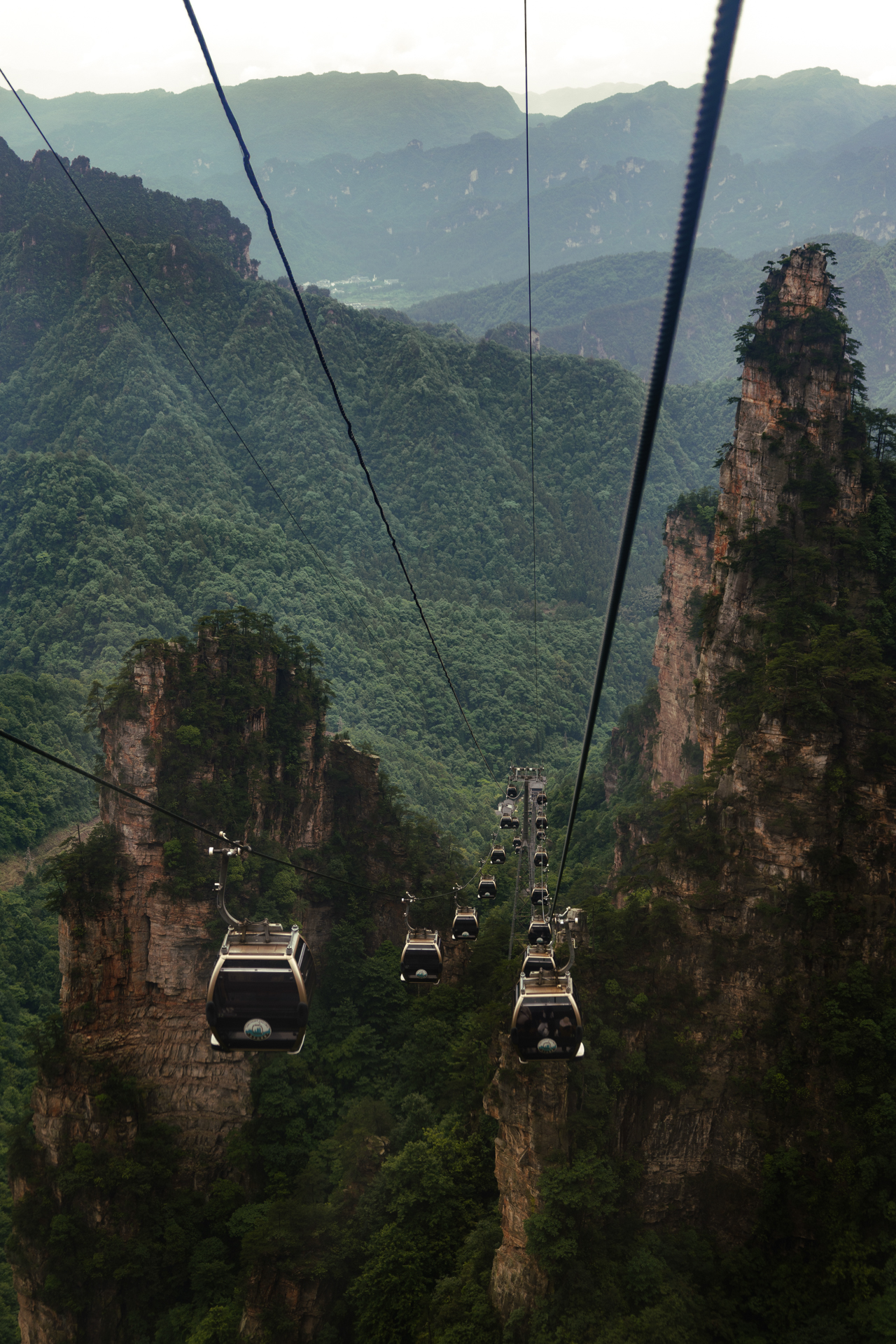
The northern zone, and for my money the best wide views in the park. The pillars here spread out in every direction. There is a cable car up or you can arrive on the shuttle from Yuanjiajie for free with your park pass.
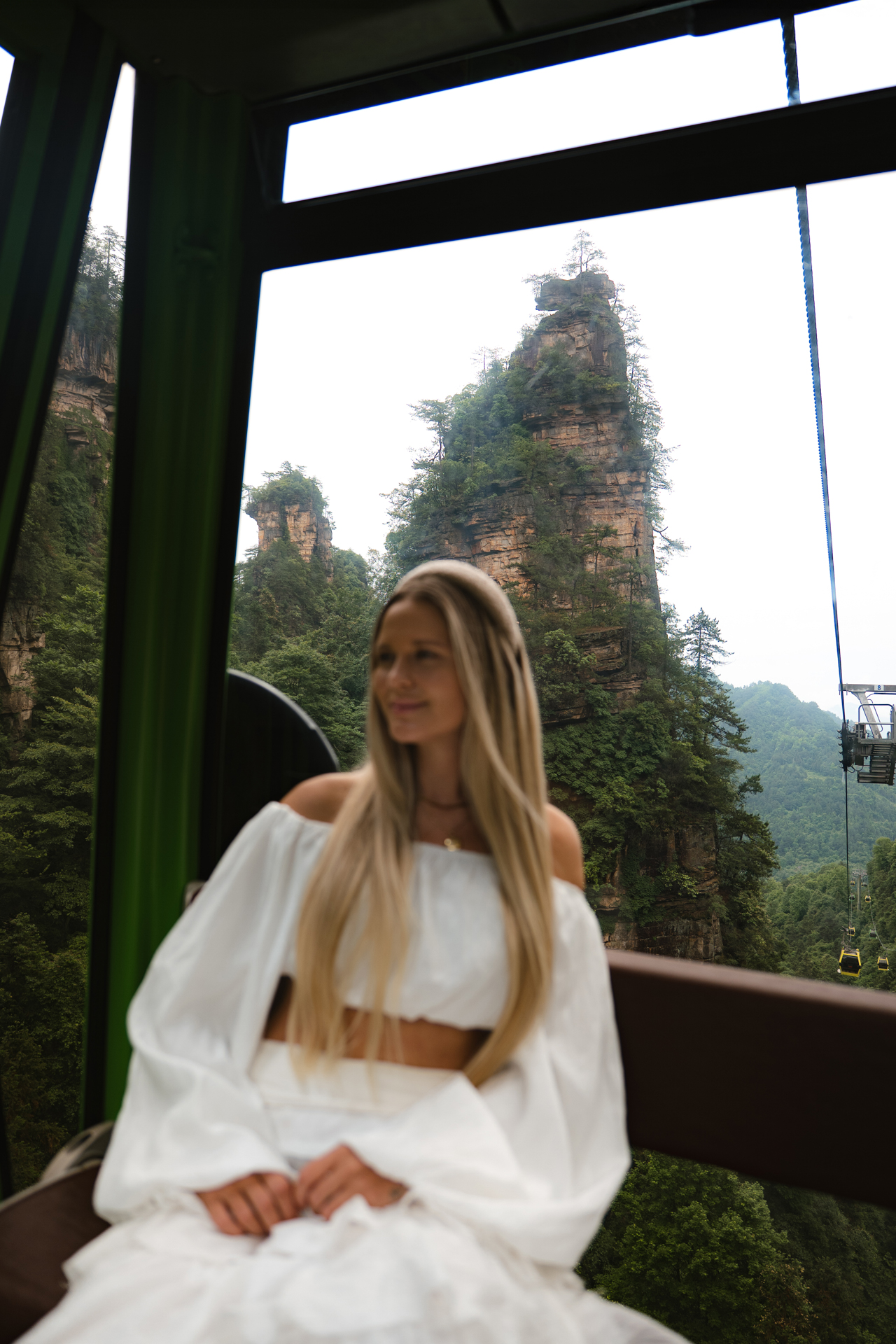
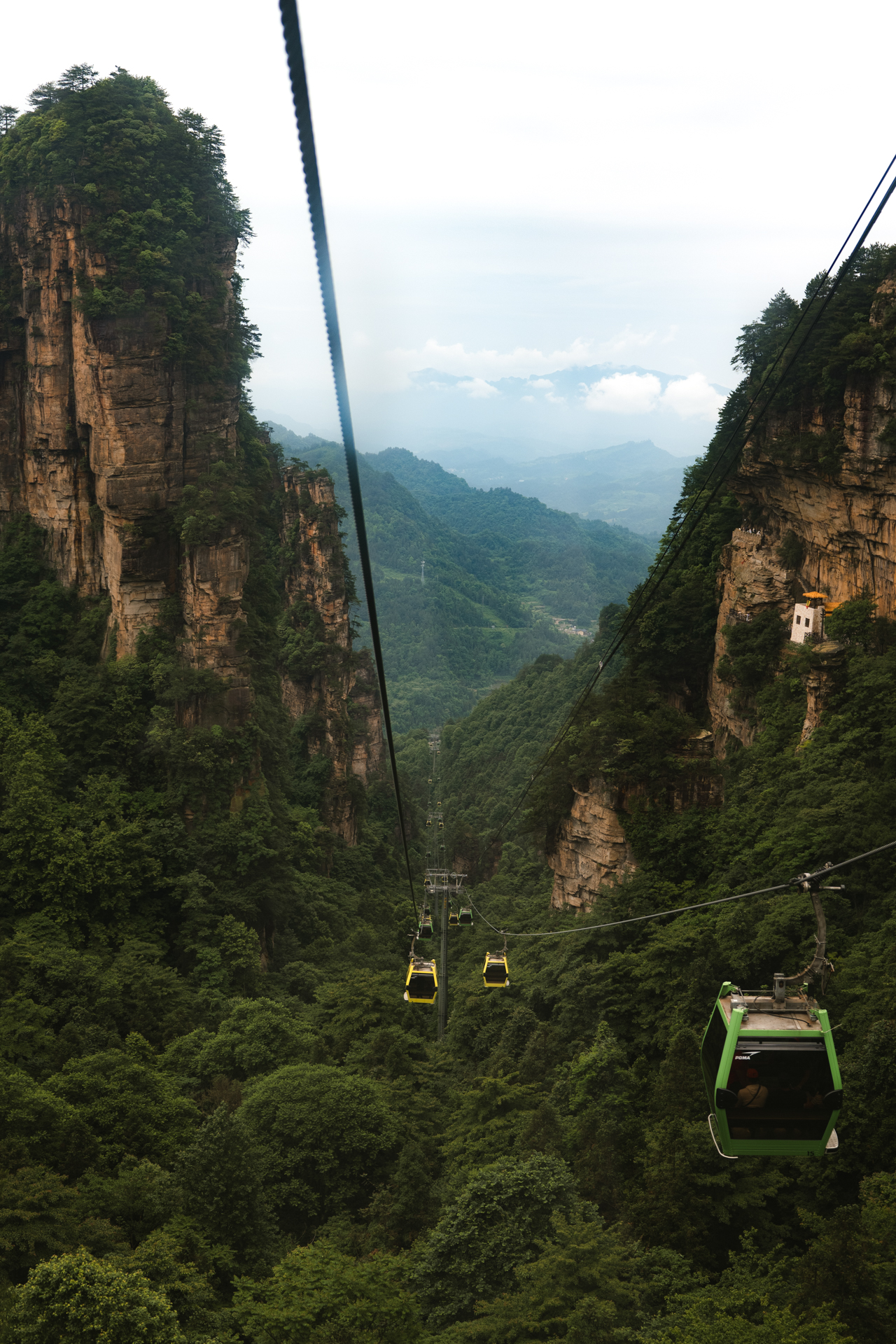
The main viewpoints are West Sea Stone Forest and Helong Park, both a short walk from the shuttle stop. But I highly recommend taking the gondola ride here! This was the most beautiful ride I've ever taken, and I don’t just mean inside the park.
Huangshizhai
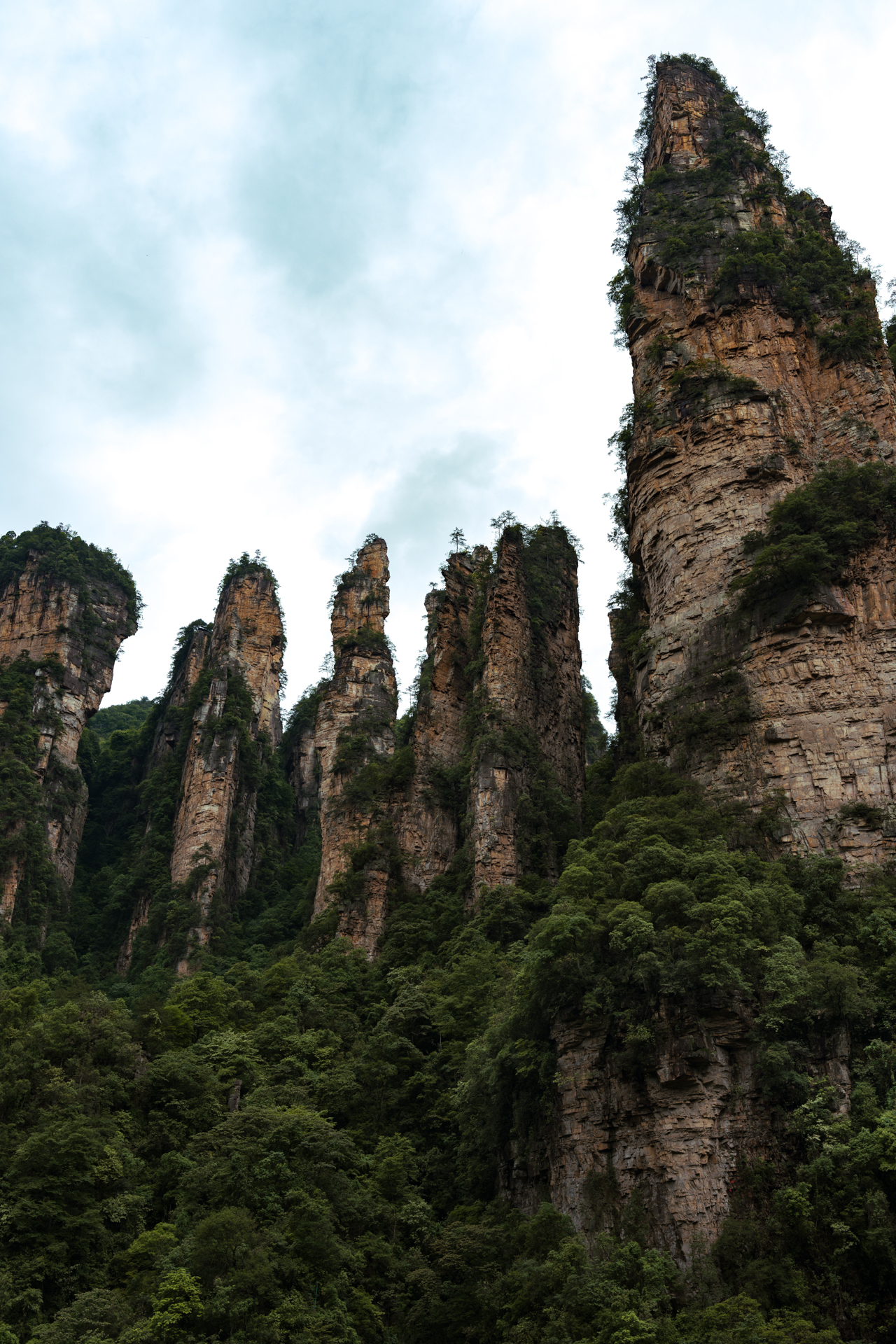
The southern plateau, reached from the Zhangjiajie village gate by cable car or by a climb of around 3,800 steps if you are feeling it. There is a local saying that if you do not go up Huangshizhai you have not really been to Zhangjiajie. It's a lovely loop with several platforms, and it's noticeably quieter than Yuanjiajie.
Zhangjiajie Grand Canyon Glass Bridge
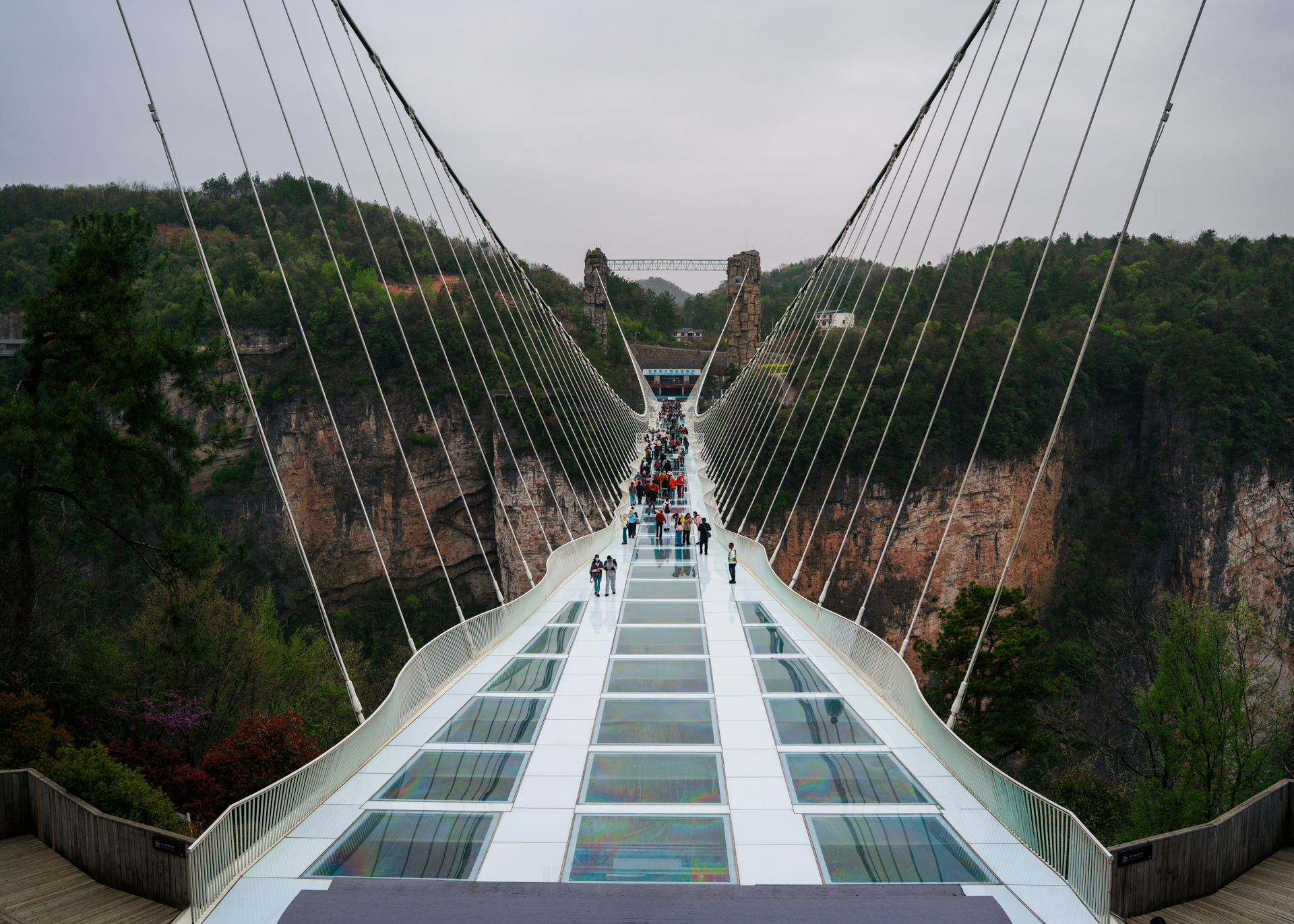
A 430-metre glass bridge hangs about 300 metres above Zhangjiajie Grand Canyon, around 20 minutes from Wulingyuan. It’s a separate attraction with its own ticket. The bridge is famous for its transparent glass floor and dramatic views straight down into the canyon. You can also combine the visit with a walk through the canyon below for a longer half-day trip.
Tianmen Mountain
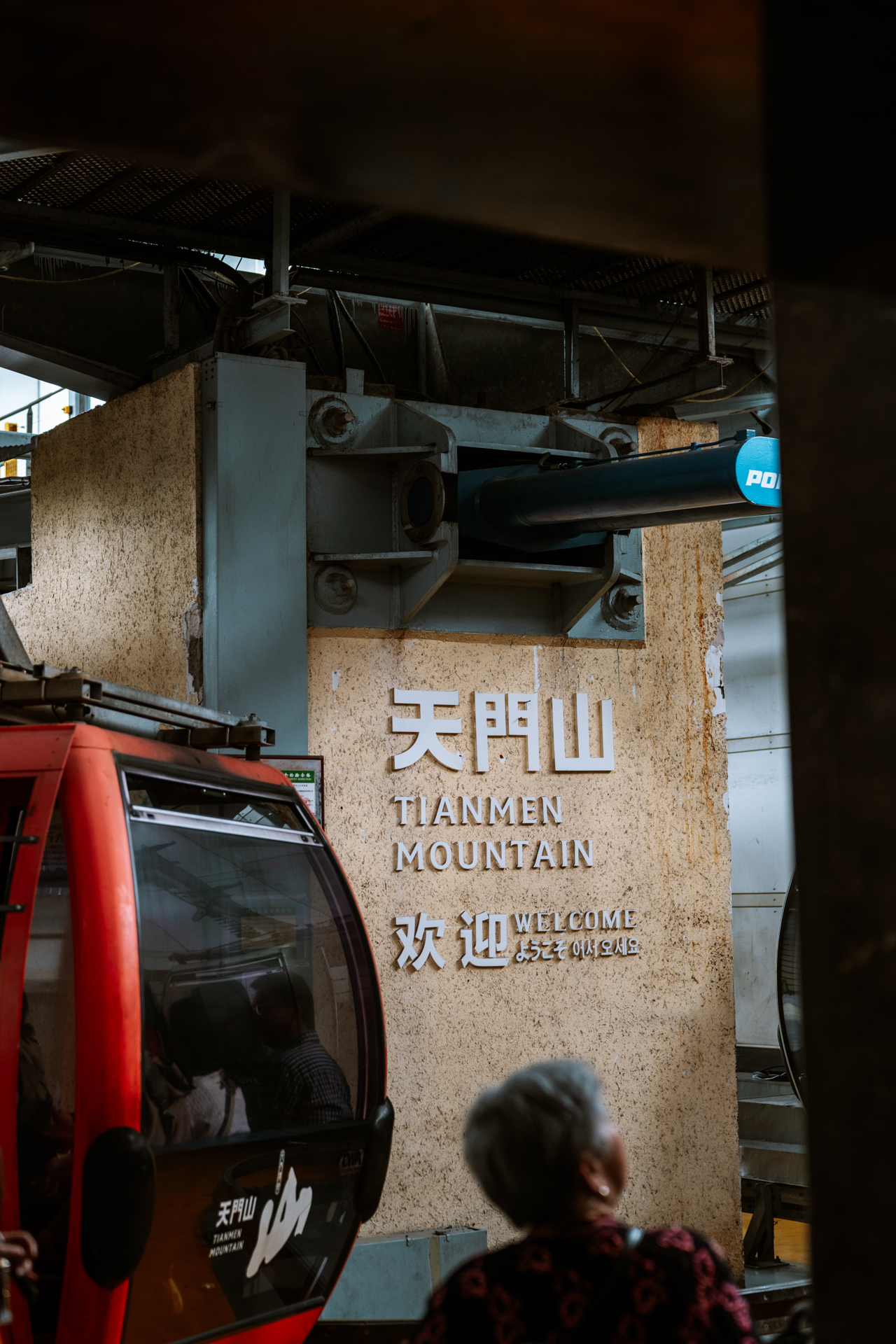
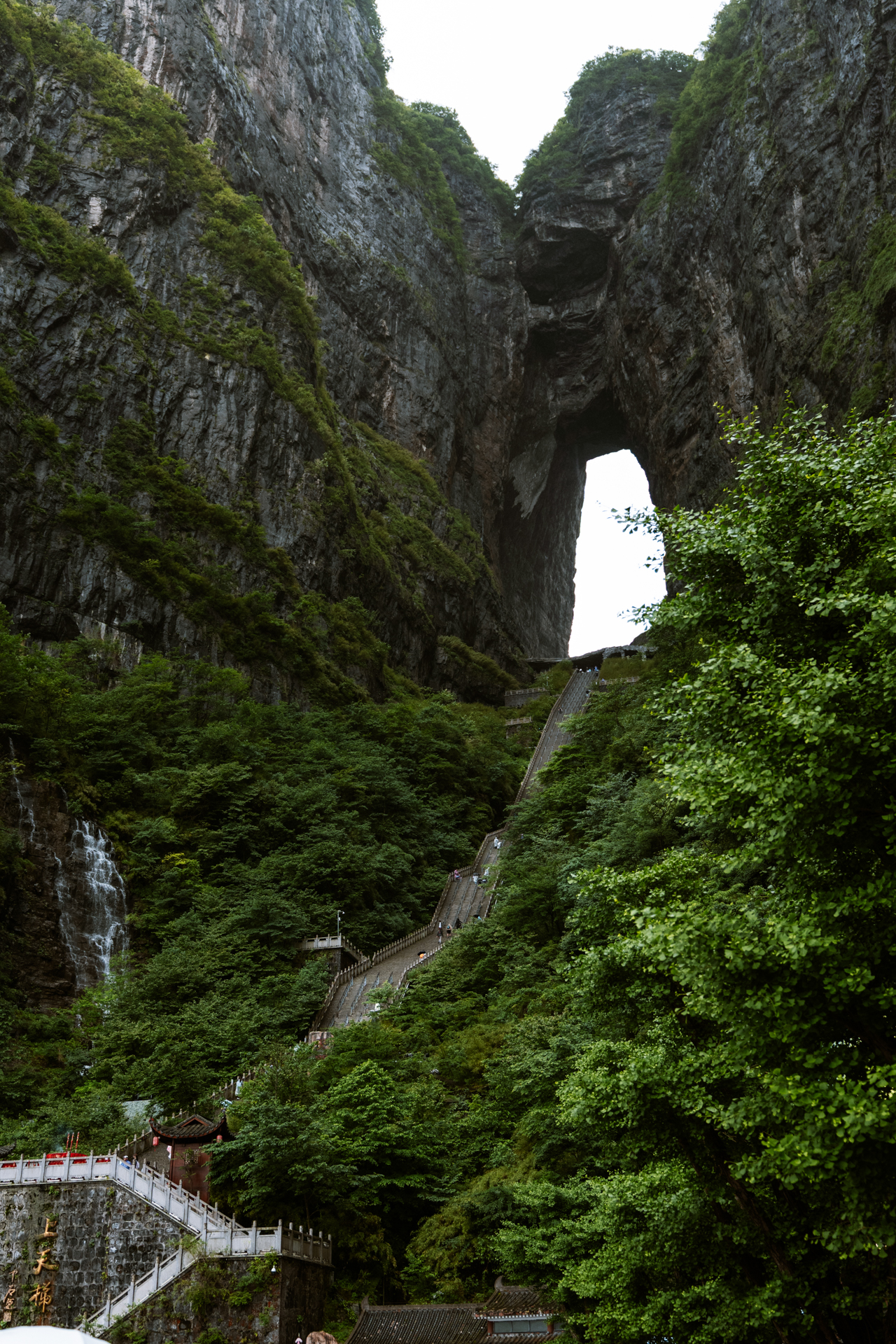
Tianmen Mountain rises directly above Zhangjiajie City and feels completely different from the national park, with cliffs, cable cars, glass walkways and the famous 999 steps.
When booking, you choose between Routes A, B and C. Route A is my recommendation: you go up by cable car + shuttle bus, then return via a cable car and shuttle bus. Route B does the reverse, while Route C only uses the shorter cable car and shuttle bus.
Important: As of 2026, the full cable car ride from the city to the summit is not operating due to reconstruction and the reconstruction is expected to run for years, so current routes include an eco-bus section along the 99 Bend Road.
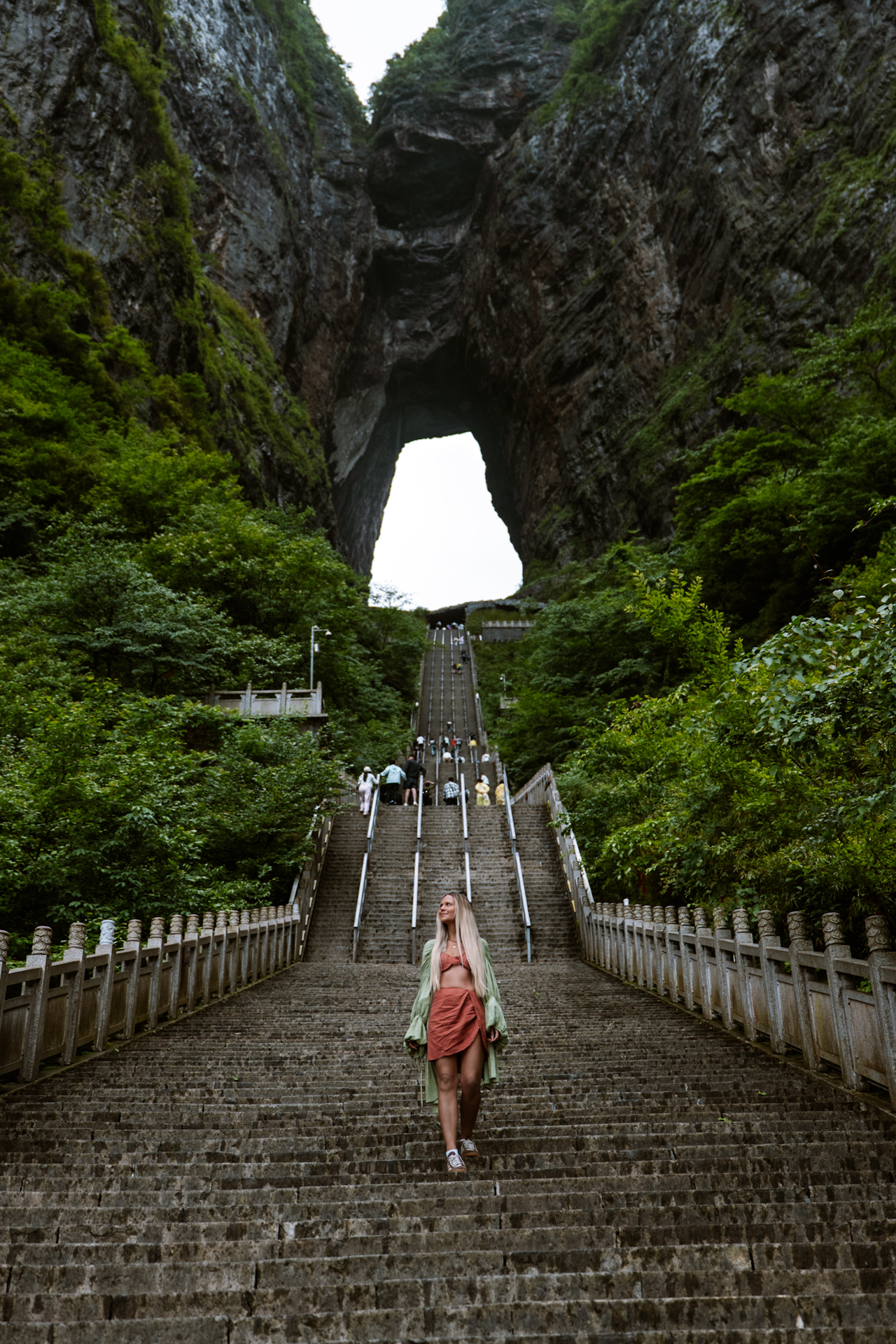
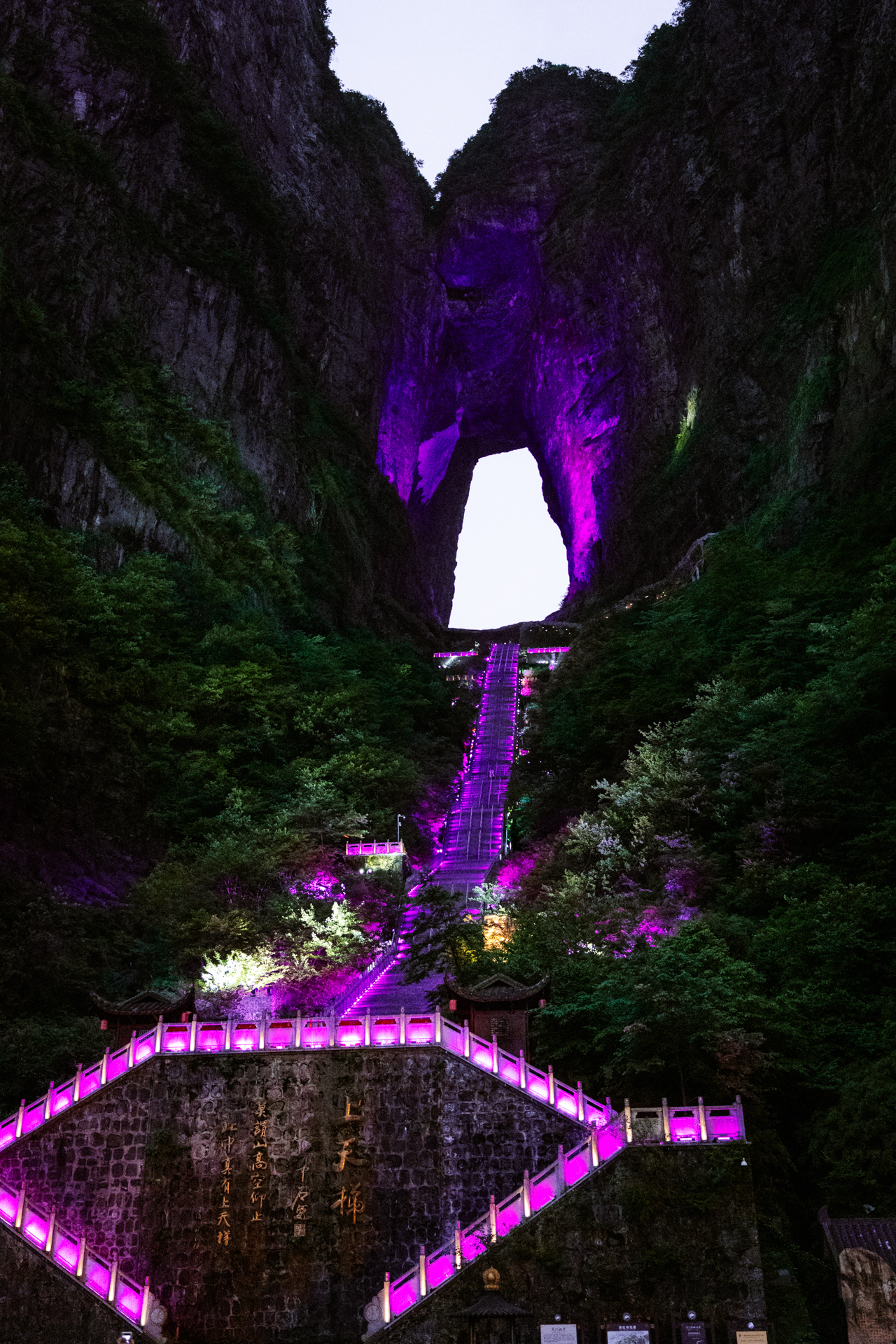
Tianmen Cave
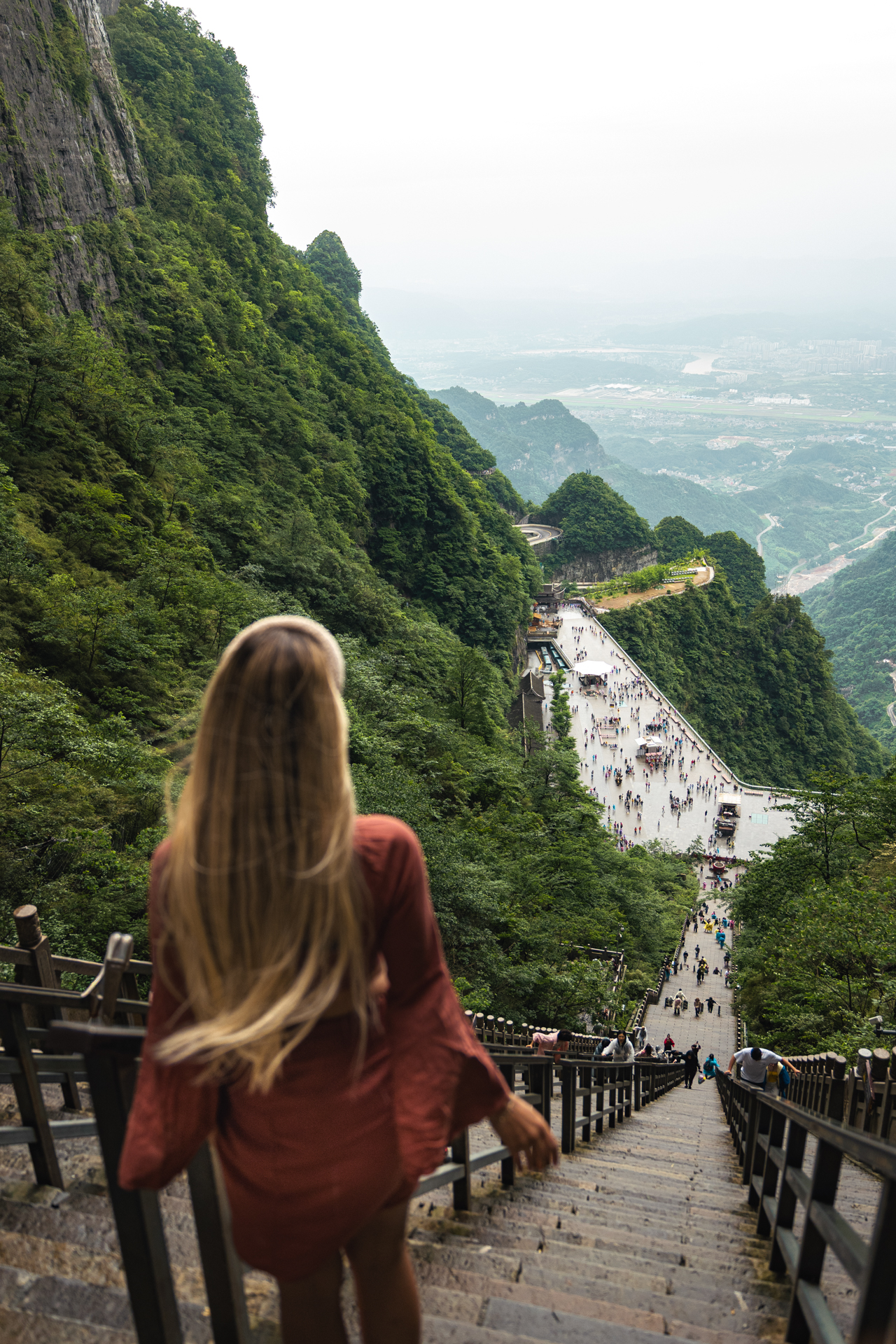
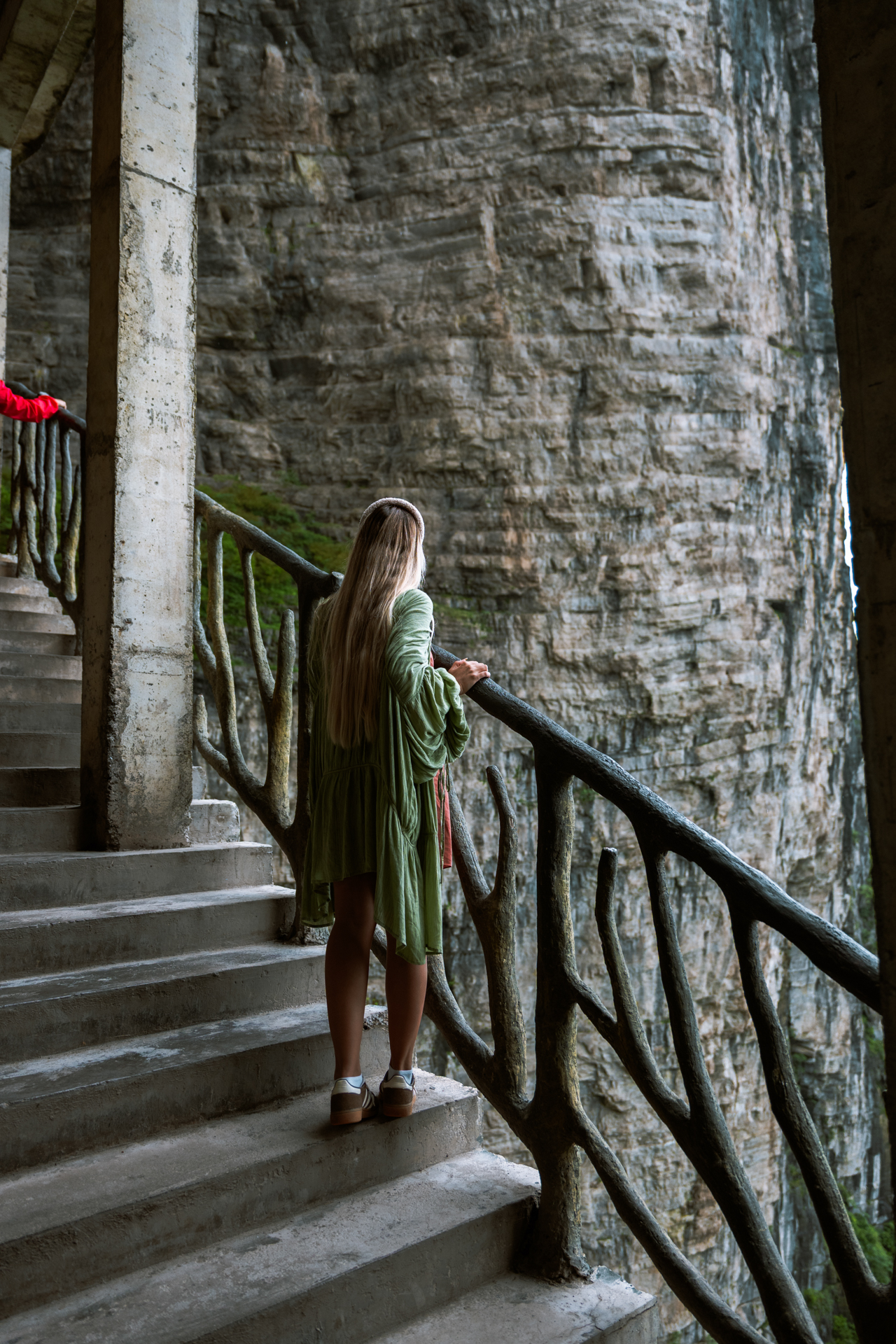
Also called Heaven's Gate, this is a natural hole straight through the mountain, 131 metres high and 57 metres wide, and it's the thing you have seen planes fly through in videos. From the cave square you climb 999 steps to reach it, or take the escalator tunnel alongside for 32 CNY (about €4 / USD 5) if the stairs sound like a bad idea.
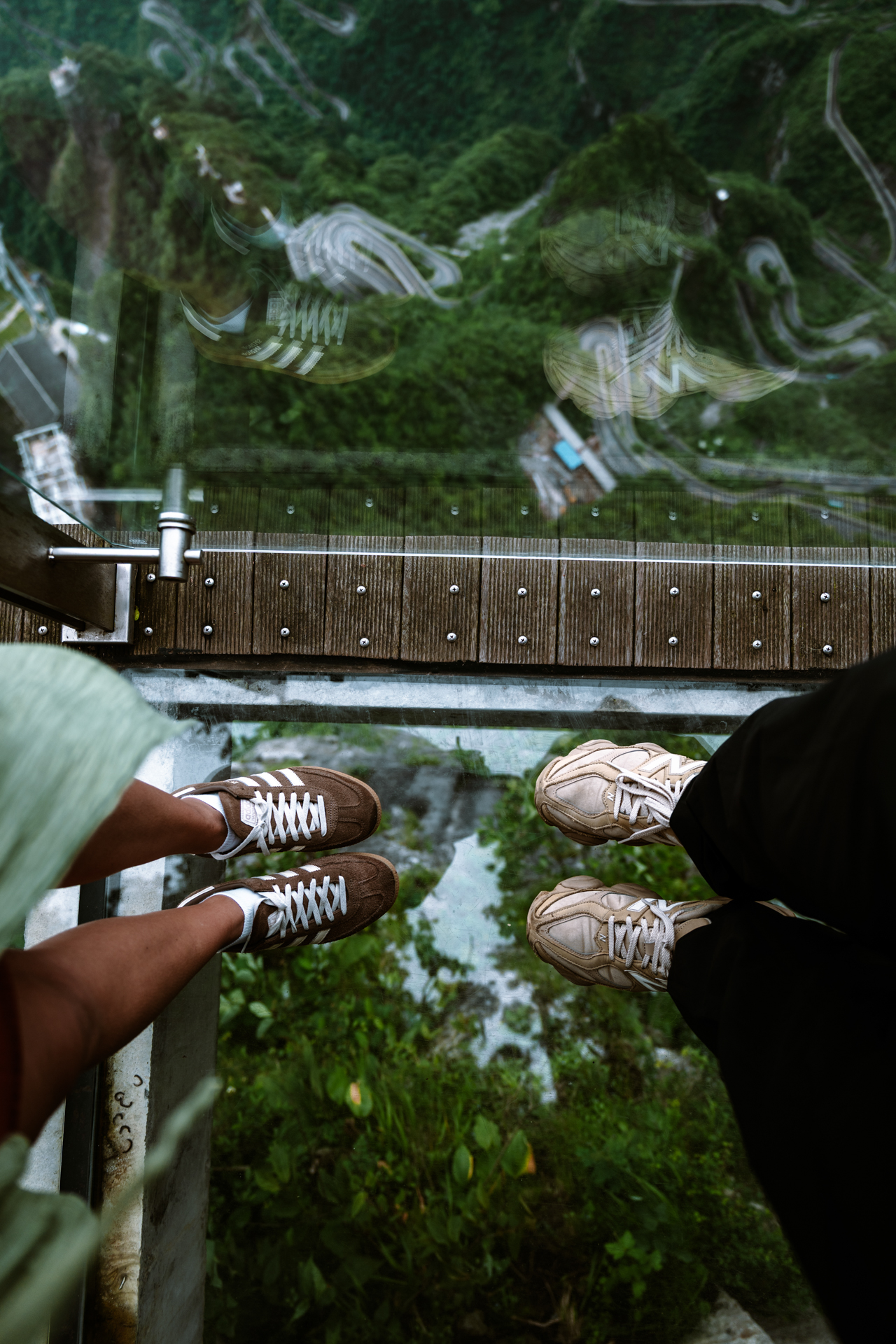
Tianmen Mountain Glass Walkway
There are several glass walkways on the mountain, but the most famous is the Coiling Dragon Cliff Walkway, a glass path built along the side of a steep cliff with a huge drop below. There really is nothing but air underneath. It's not included in your ticket, but it only costs 5 CNY (under €1 / USD 1).
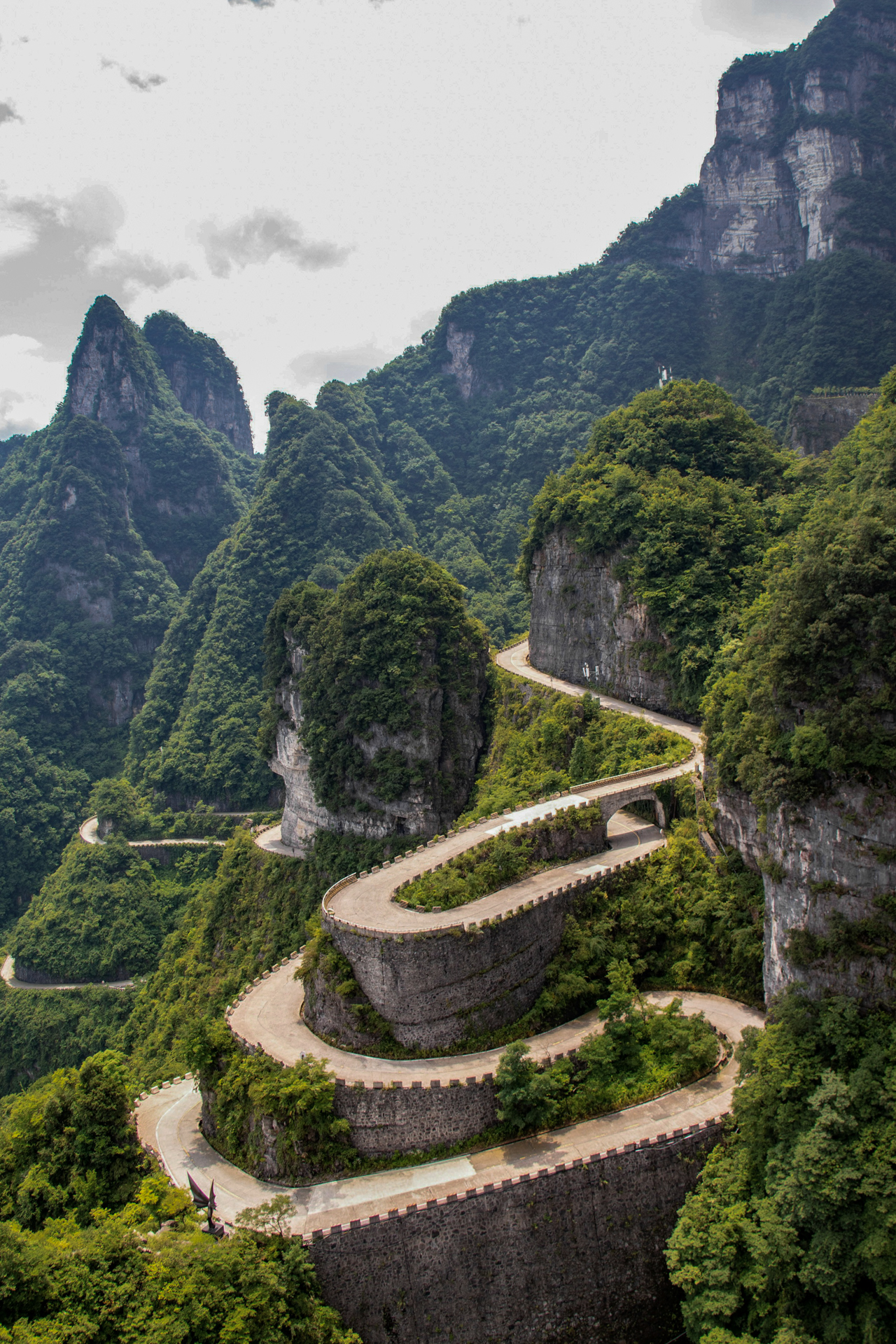
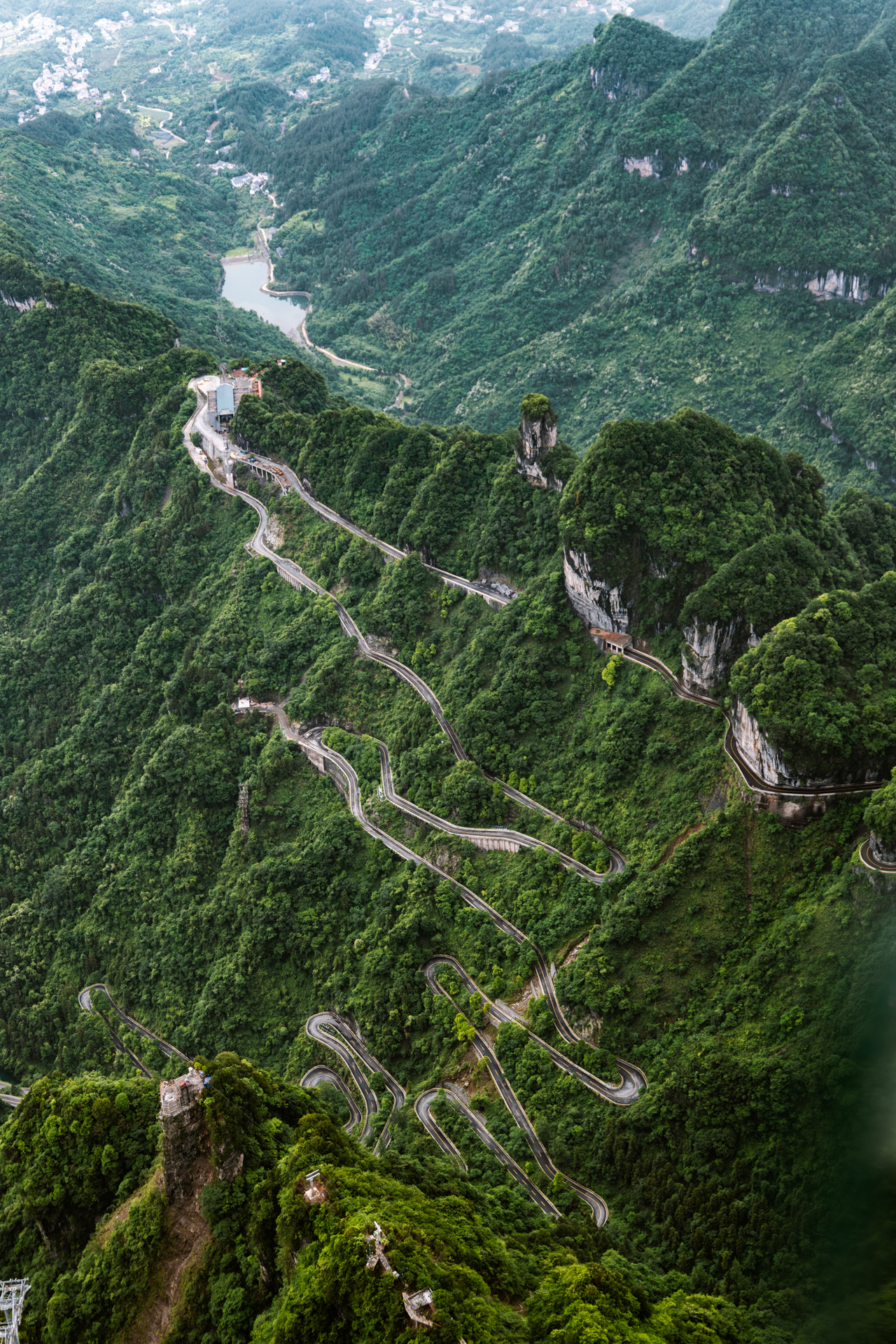
The 99 Bend Road
The road up to Tianmen Cave has 99 hairpin bends packed into about 11 kilometres, climbing more than 1,000 metres. Since the cable car closure you now ride it on an eco bus as part of every route.
Baofeng Lake
A small green lake sitting up in the hills about 10 minutes from Wulingyuan, with a boat ride between the peaks and Tujia singers performing from the shore. It costs 121 CNY (about €15 / USD 18) and takes around two hours. It's pretty, and it's completely optional.
Yellow Dragon Cave
One of the largest cave systems in China, with a boat section on an underground river and some genuinely huge chambers. Tickets are 125 CNY (about €16 / USD 9) and it's about 15 minutes from Wulingyuan. Same verdict as the lake: a decent rainy day option.
the world’s tallest outdoor elevator
The Bailong Elevator
The iconic Bailong Elevator is the world’s tallest outdoor elevator, taking you 326 metres up in just 118 seconds!
The ride itself is incredibly fast, but the wait can be anything than fast. During busy periods, queues can stretch to two hours, which is one of the main reasons people end up feeling like they spent half their day waiting around. The elevator moves a huge number of visitors every hour, but with tour groups arriving from mid-morning, the crowds build up quickly. The best way to avoid this is to go as early as possible.
How to Avoid the Worst of It
The elevator is one way only per ticket. If you plan to go up and come back down the same way, buy both directions at once at the bottom rather than joining a second ticket queue at the top when your legs are already finished.
Bigger Than It Looks
Getting Around Zhangjiajie
Zhangjiajie is much more spread out than Fenghuang or Furong, and the distances between the main sights are real distances, not five-minute walks. Getting the geography straight in your head before you arrive will make planning your days much easier.
The Five Areas You Need to Know
How to Move Between Them
There is no metro and no single tourist bus that links everything, so you end up mixing four or five different things depending on the day. None of it is difficult once you have done it once.
How to Get to Zhangjiajie
Zhangjiajie is well connected for somewhere that looks this remote on a map. You have two realistic ways in, and which one you pick usually depends on where you were the day before.
By Plane
Zhangjiajie Hehua International Airport (DYG) is about 5 km from the city and 35 km from Wulingyuan. A taxi or DiDi to Wulingyuan takes around 40 minutes, with buses available as a cheaper alternative.
By High Speed Train
Use Zhangjiajie West Railway Station, not the old Zhangjiajie Railway Station. It’s about 30 minutes by car to Wulingyuan and 20 minutes to the city centre. Book trains around 15 days ahead and bring your passport, as it acts as your ticket.
From Changsha
Changsha is a major gateway to Zhangjiajie, with frequent high-speed trains taking around 2–3.5 hours to Zhangjiajie West.
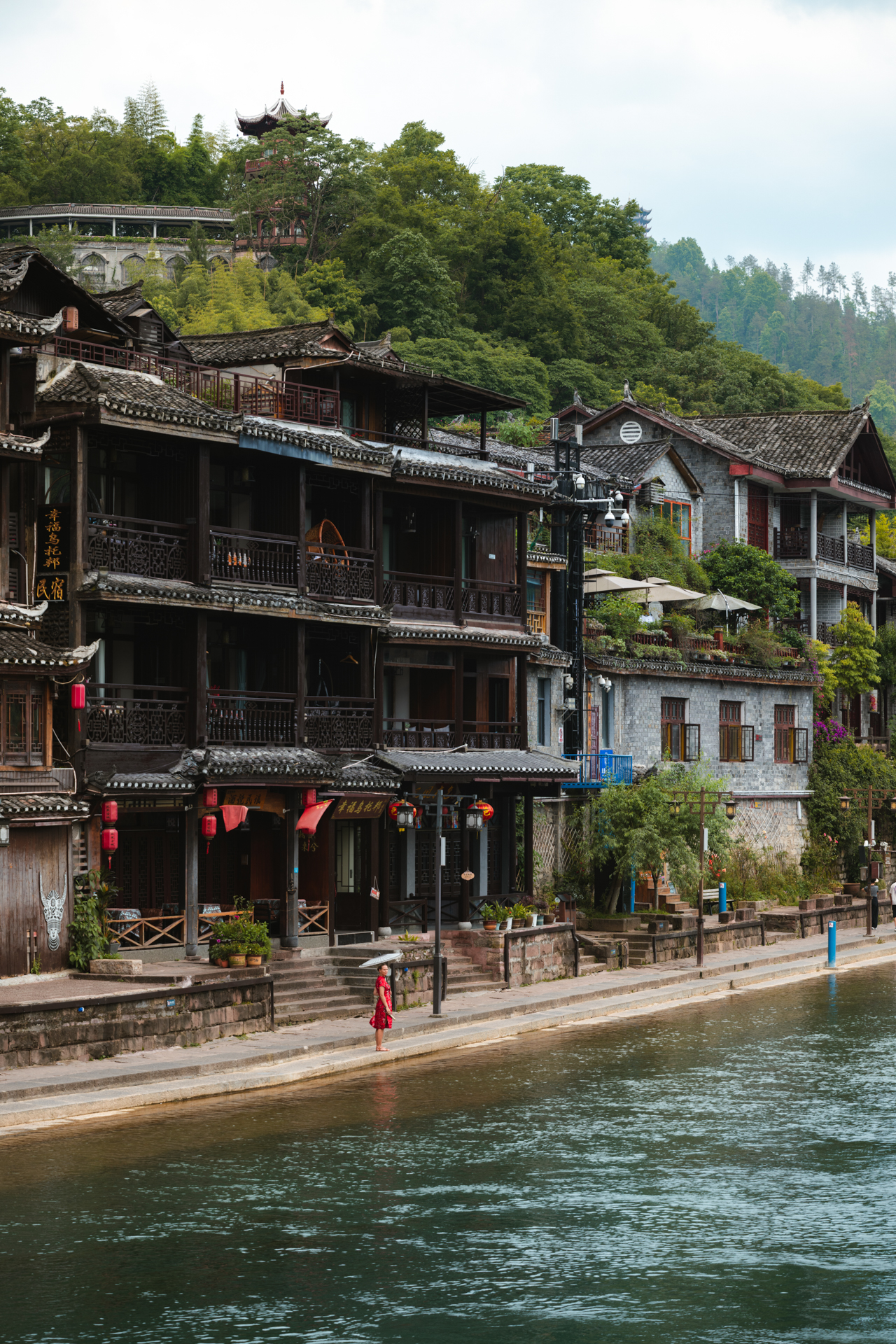
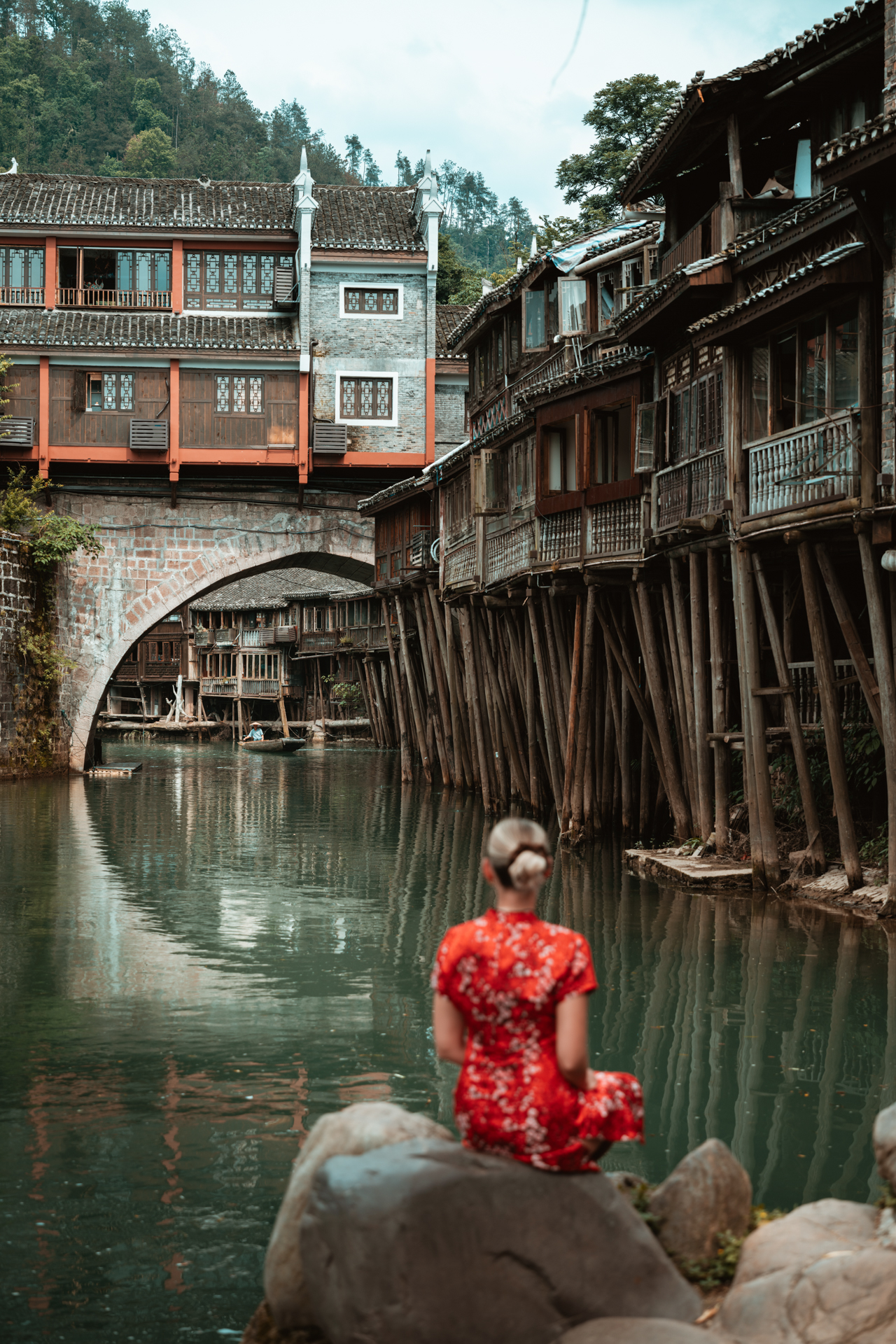
This is the combination most people do. Around 15 high-speed trains a day run from Fenghuang Ancient City to Zhangjiajie West, with the journey taking about 1 hour.
 Fenghuang Ancient Town
 Fenghuang Ancient Town
- Fenghuang Ancient Town
- Fenghuang Ancient Town
From Furong Ancient Town
Even easier. More than 10 high-speed trains a day connect Furongzhen with Zhangjiajie West in about 30 minutes. If you visit all three places, Fenghuang → Furong → Zhangjiajie keeps the travel times short.
Chinese high speed tickets go on sale about 15 days ahead and the popular western Hunan services do sell out, especially on Friday and Sunday. Book as soon as your dates are fixed, and put your passport number in exactly as printed, because the name on the ticket has to match the document you scan at the gate.
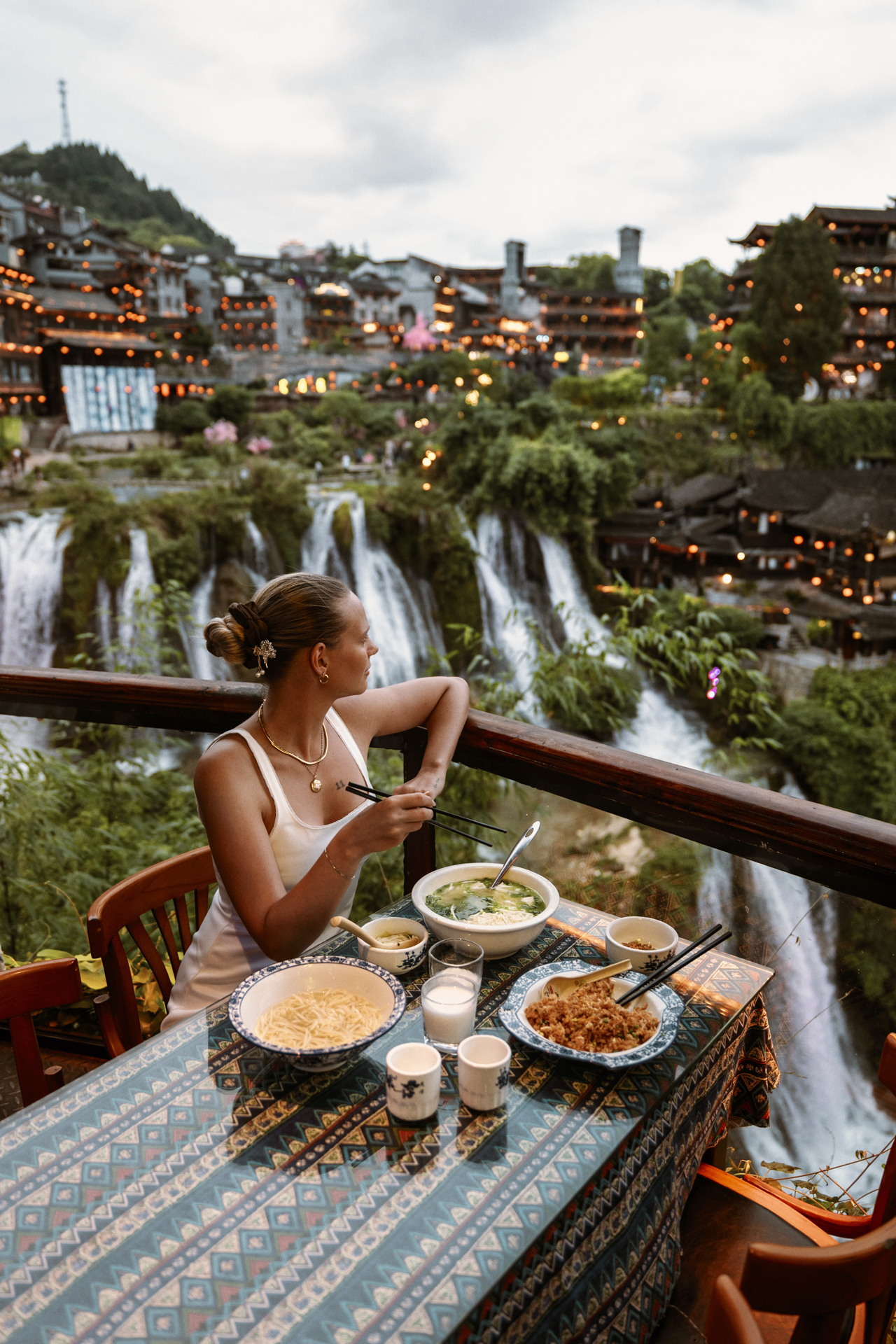 Furong Ancient Town
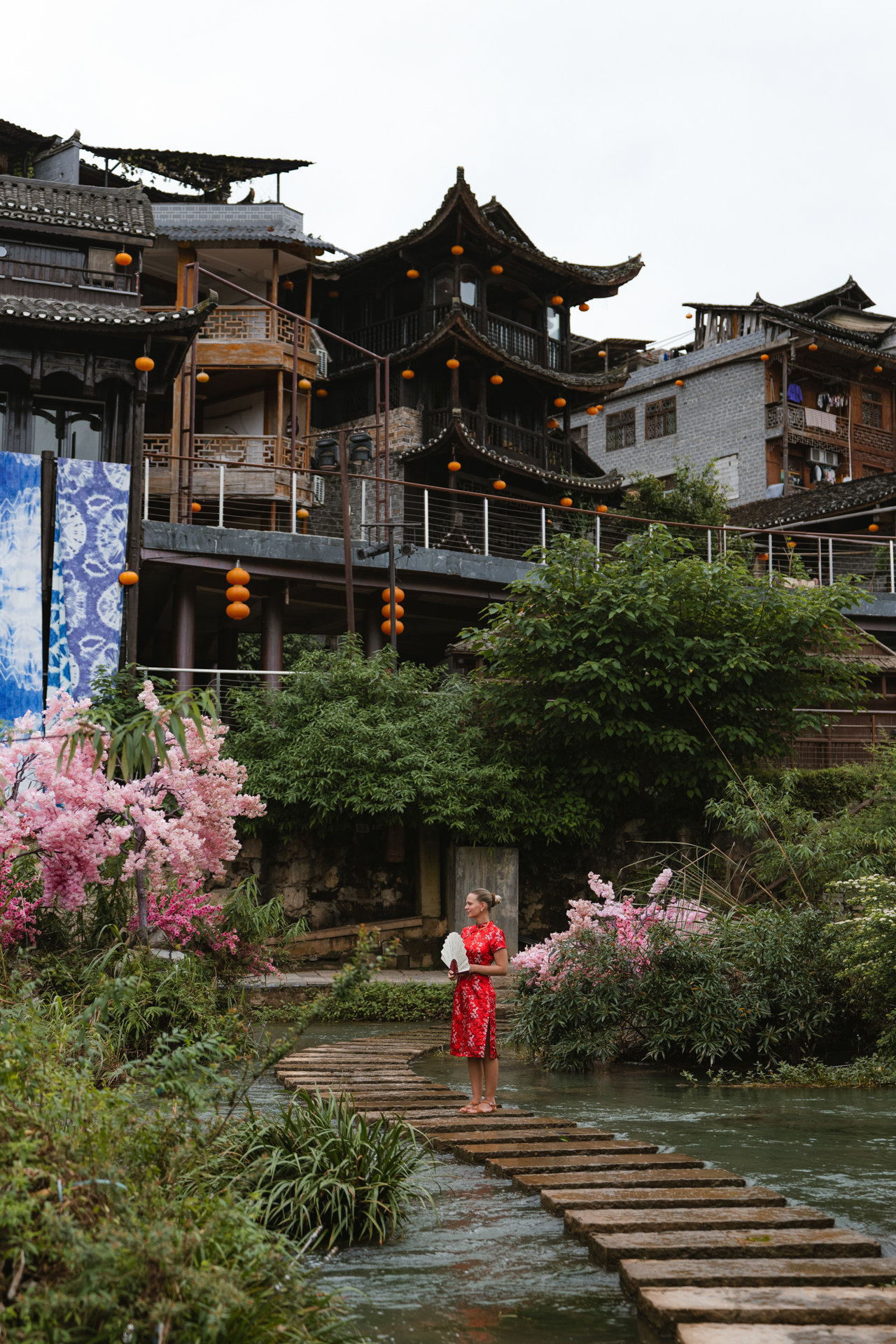 Furong Ancient Town
- Furong Ancient Town
- Furong Ancient Town
Planning Your Time
How Many Days in Zhangjiajie
Three to four full days is the sweet spot, and I would push most first timers towards four. Zhangjiajie punishes tight itineraries more than almost anywhere else I have been in China, because every sight comes with a transfer, a queue and a climb attached.
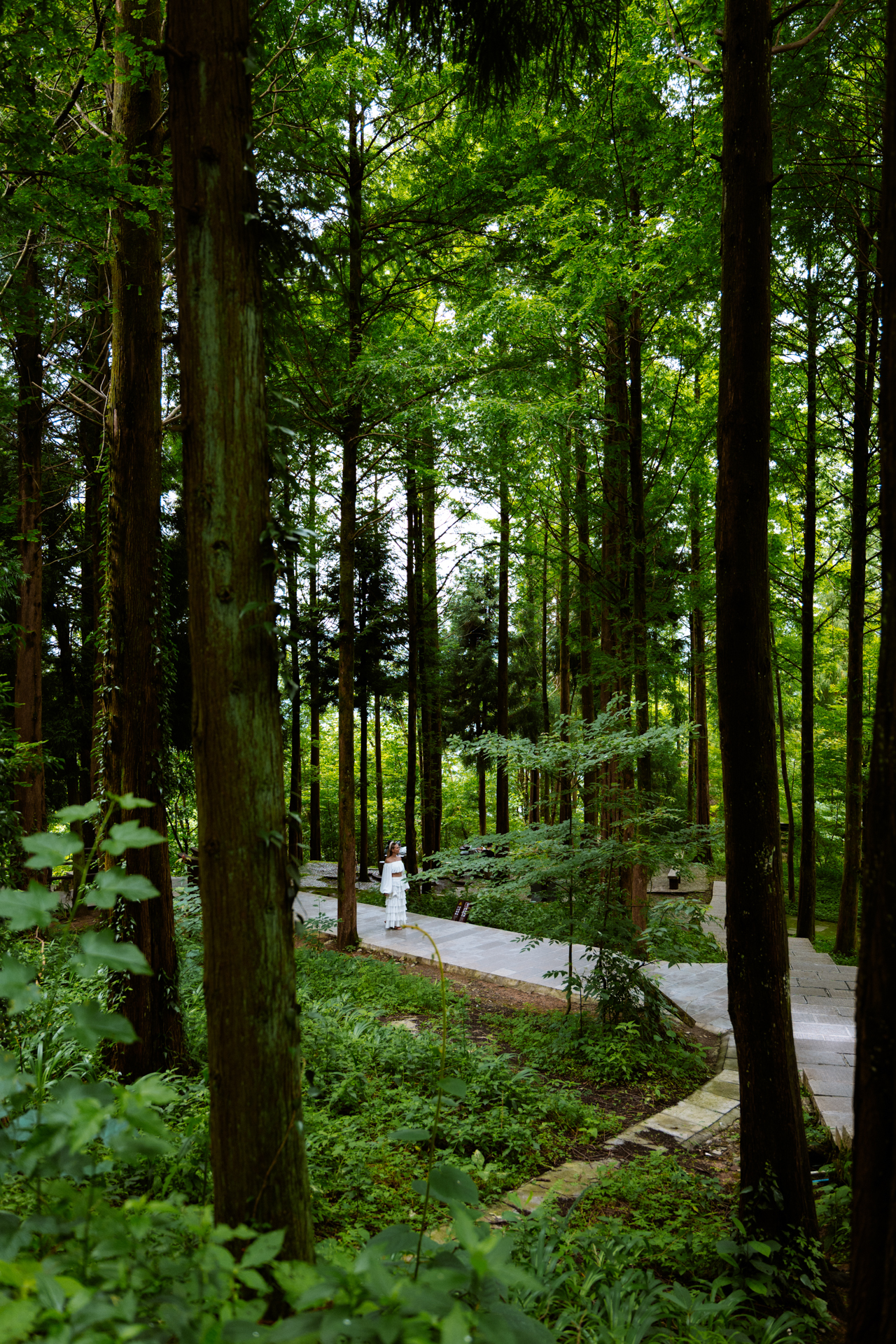
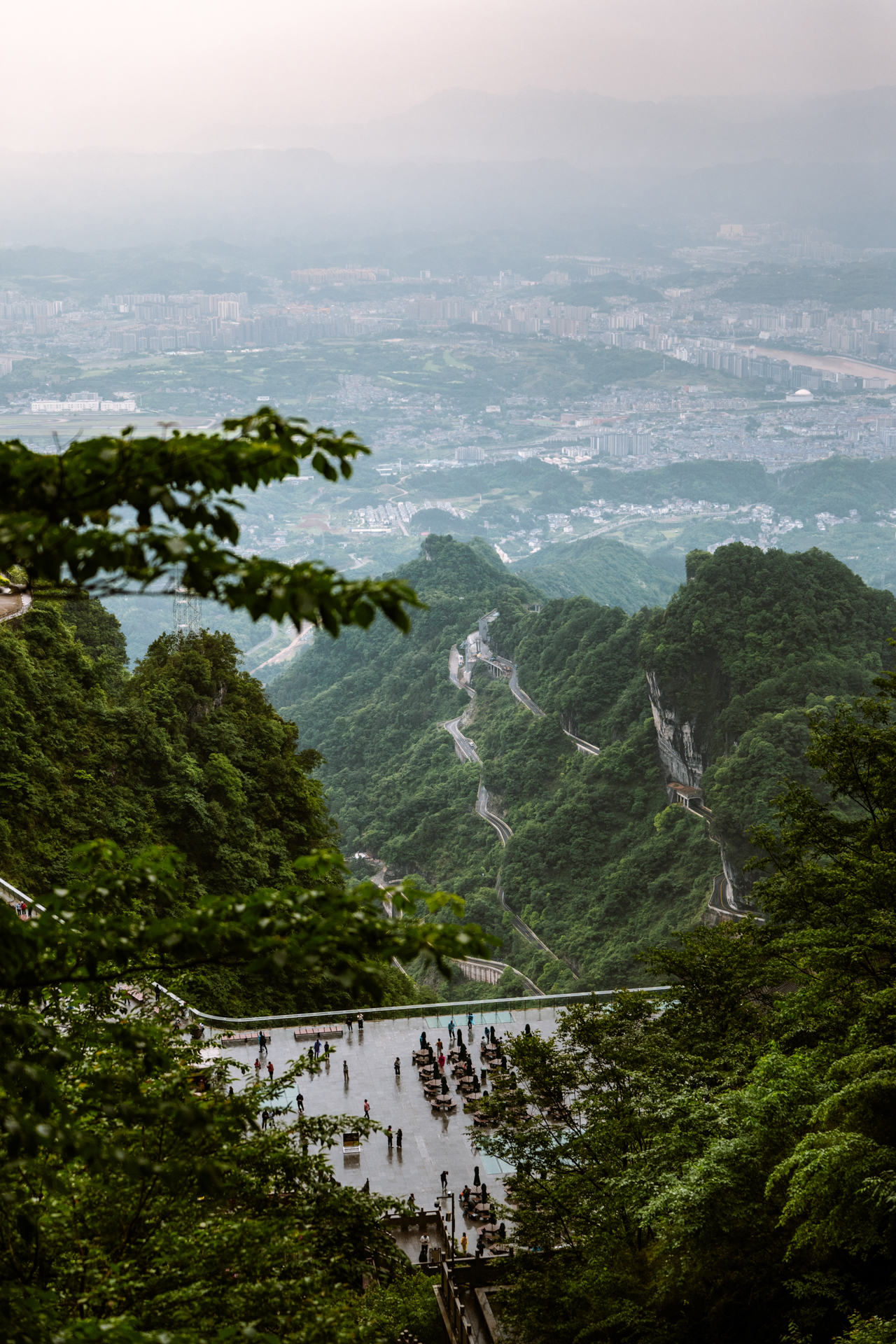
In my opinion, two full days in Zhangjiajie National Forest Park are a must, especially if you want to explore both the lower and upper parts of the park, plus one full day for Tianmen Mountain. Everything else is optional.
Build one weather buffer into your plan if you possibly can. Zhangjiajie fog does not care about your itinerary, and having a spare day means you can move Tianmen Mountain to the morning the sky finally clears instead of paying full price for a view of nothing.
Your Base
Wulingyuan, the Best Base
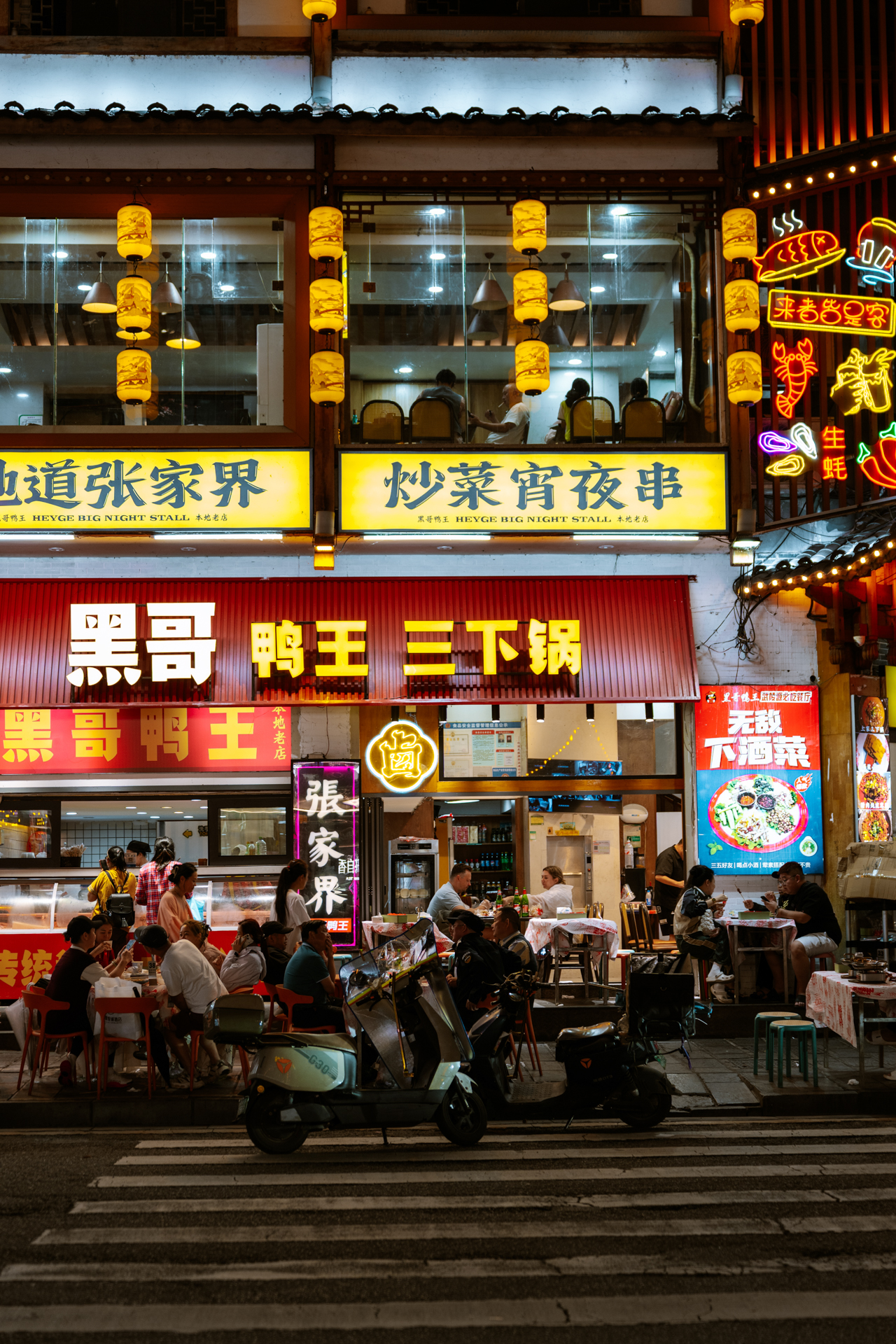
If you take one booking decision from this guide, make it this one: stay in Wulingyuan, not in Zhangjiajie City. Wulingyuan is the small town sitting directly outside the main gate of Zhangjiajie National Forest Park.
Wulingyuan is a functional tourist town, built to serve the park, with a main strip of hotels, restaurants, convenience stores and shops selling ponchos and souvenirs.
Why Most Travellers Base Themselves Here
Picking the Right Base
Where to Stay in Zhangjiajie
In Zhangjiajie, location matters more than the hotel itself. A brilliant room an hour from the park gate is worse than an average room five minutes from it. There are two areas worth considering, and they serve completely different purposes.
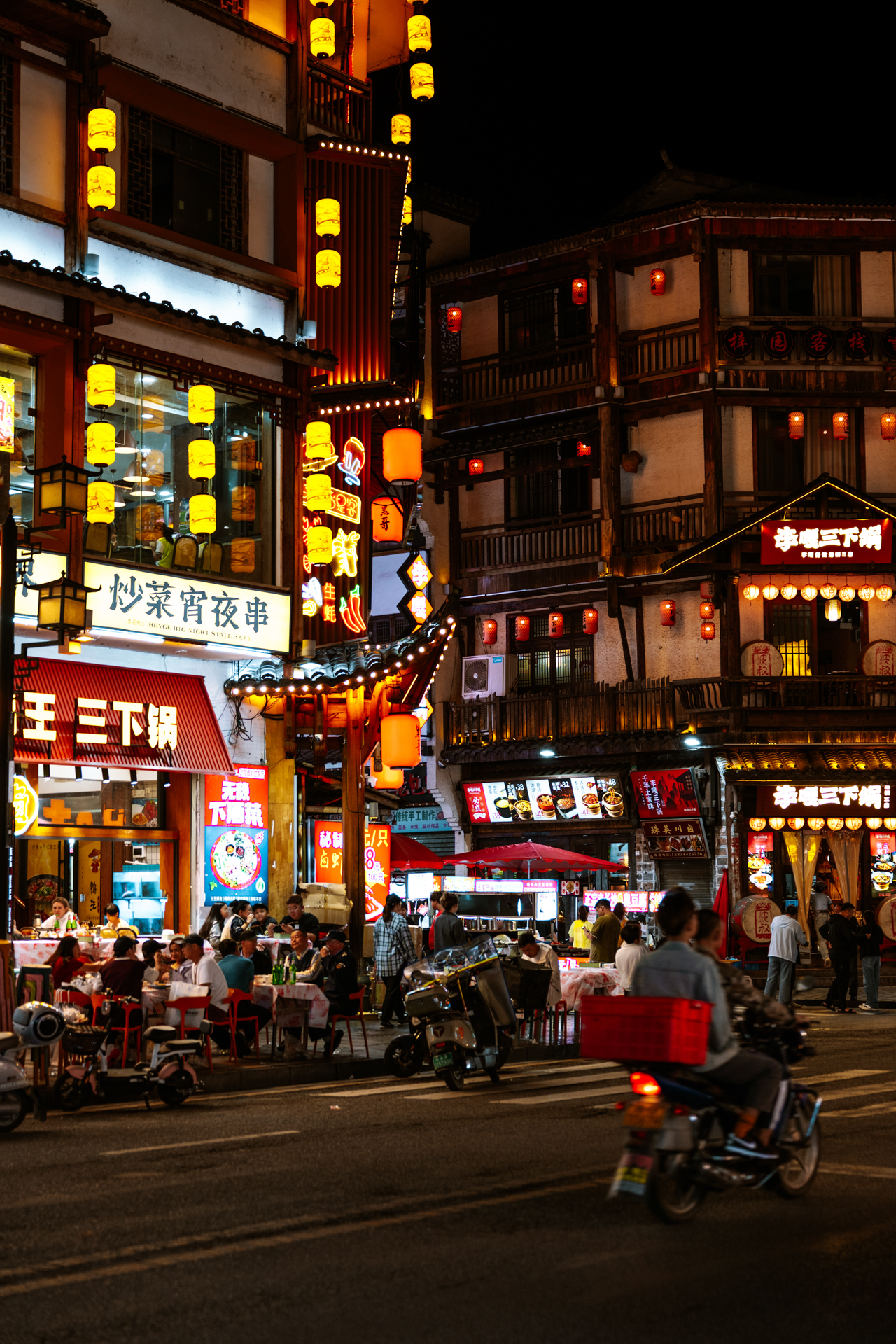
Stay in Wulingyuan (This was our base)
Best if you’re spending most of your days in the national park. You’ll wake up close to the gate, and while prices are higher than in the city, you’re paying for the convenience of a short DiDi ride, which is worth it.
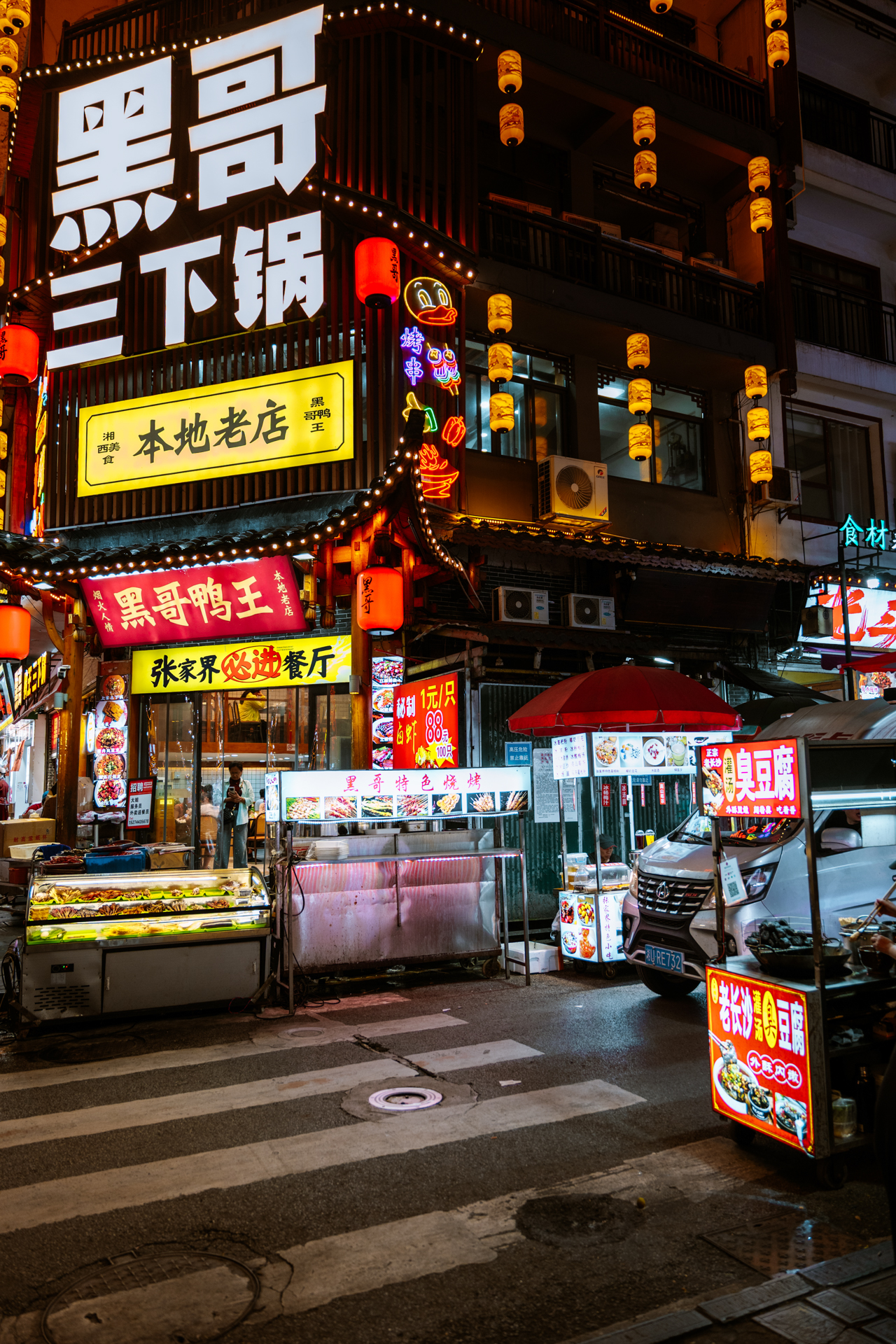
Stay in Zhangjiajie City
Best for Tianmen Mountain, the train station, and the airport. Rooms are generally cheaper, and you’ll find better value food options. The downside is that you’ll need to take a DiDi for around 35–45 minutes to reach Zhangjiajie National Forest Park, depending on where you stay in the city.
Many hotels and guesthouses in Zhangjiajie can help guests book official entrance tickets and select time slots for both Zhangjiajie National Forest Park and Tianmen Mountain.
Where to Eat
Best Cafes and Restaurants
Let me set expectations honestly: Zhangjiajie is not a cafe destination. What it does have is properly good Hunan and Tujia food, heavy on chilli, smoke and sour flavours.
Most travelers, just like us, spend their evenings in Wulingyuan, so here’s a list of a few great restaurants:
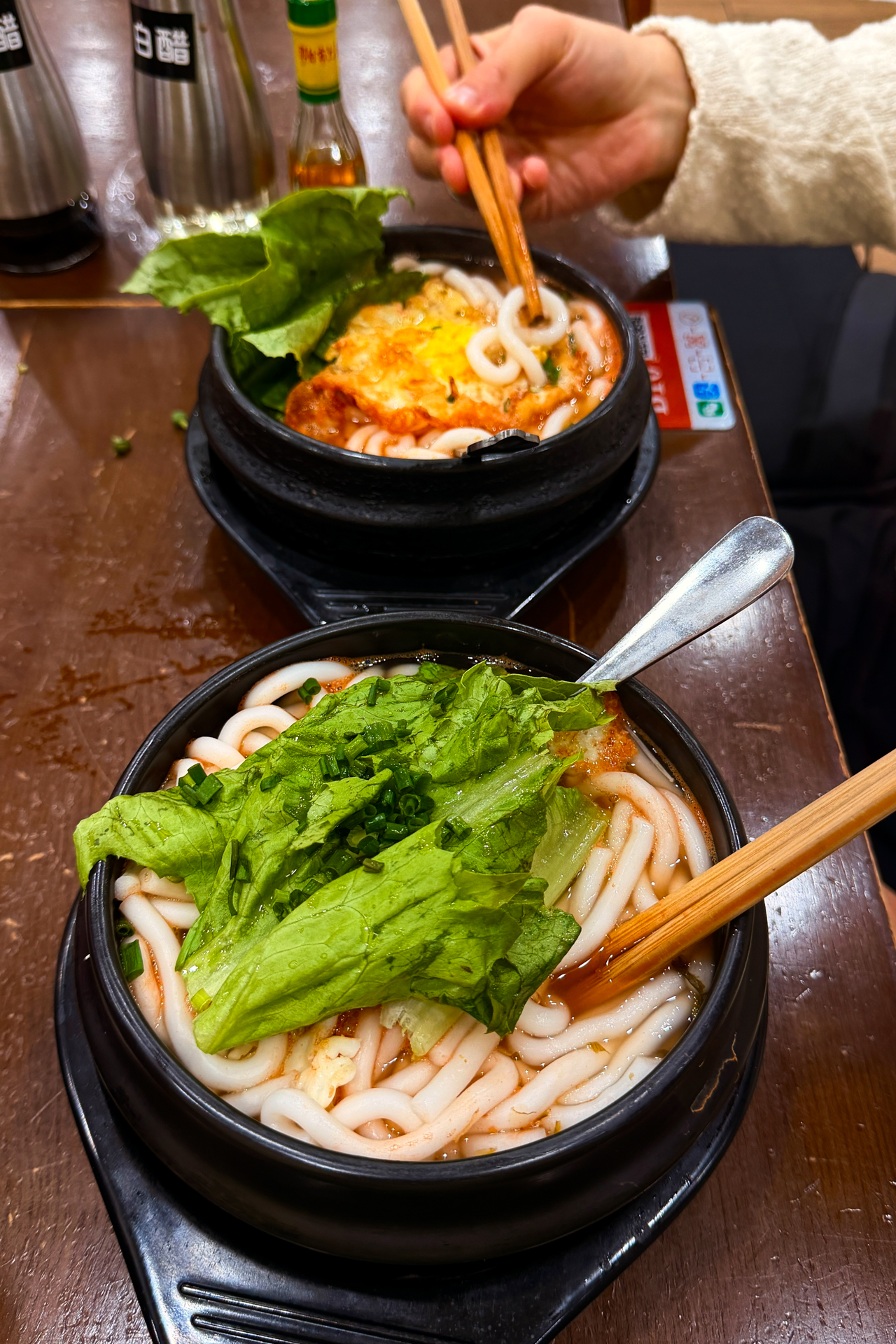
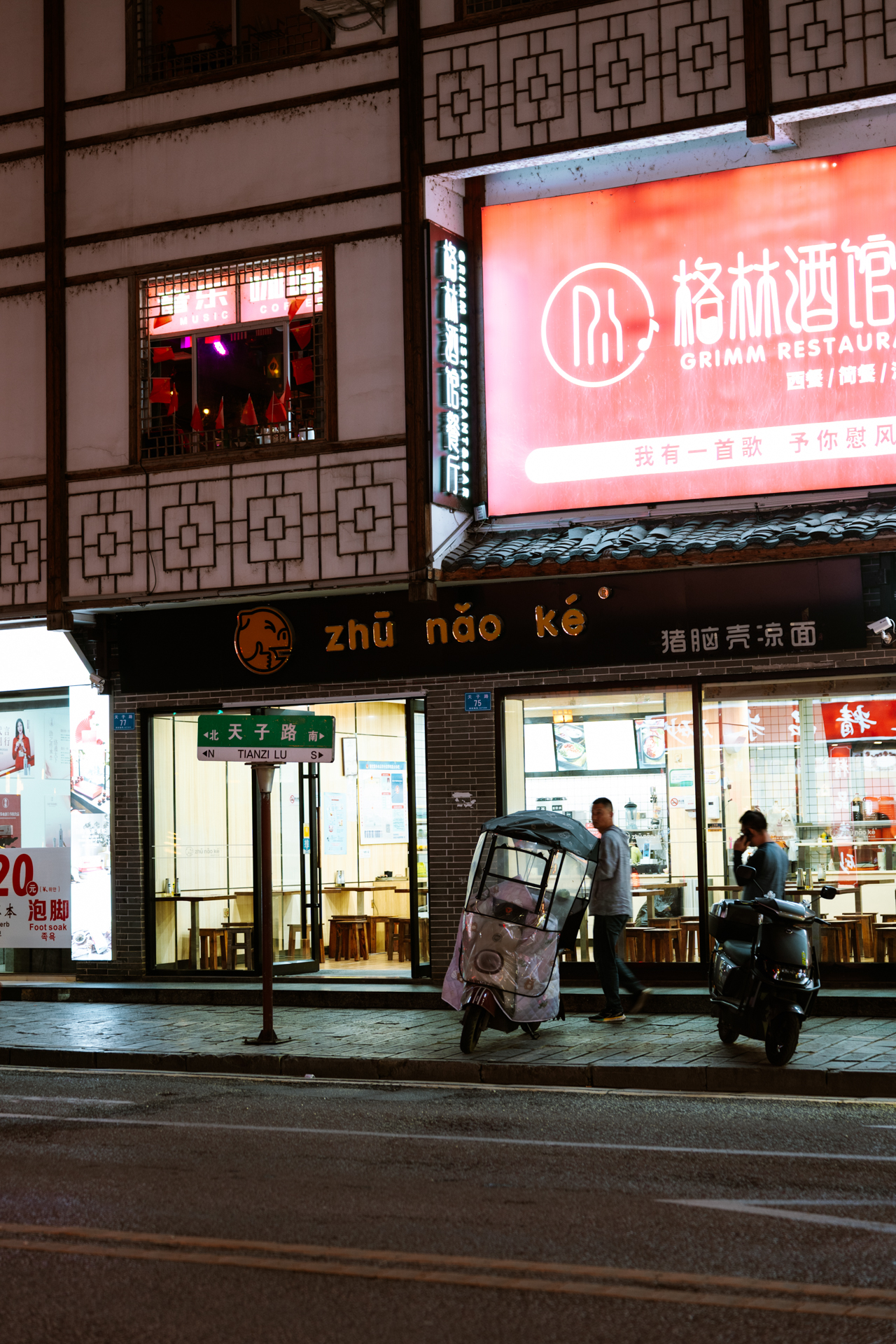
Local Hunan and Tujia Dishes to Try
Hunan food is sour, smoky and properly spicy! Hunan does not do mild, so if chilli is not your thing, say bu yao tai la, which means not too spicy.
Good to Know Before You Go
Zhangjiajie Travel Tips
Timing Your Trip
Best Time to Visit Zhangjiajie
Autumn is the best time to visit Zhangjiajie, with October (after the Golden Week rush) being the sweet spot. Expect clear air, comfortable temperatures, beautiful autumn colors across the mountains, and fewer summer crowds. Spring, from April to May (excluding the Labour Day holiday), is also a great time to visit!
Summer, from July to August, is hot, very humid and busy because it’s Chinese school holidays (yes, two full months!). It’s also the rainy season, so expect occasional heavy rain and a much more powerful waterfall.
Winter is the quiet season, cold and often misty, which is atmospheric in photos and genuinely chilly in real life. Snow falls a few times each winter, mostly from late January into mid February. The trade offs are real though: the days are short, some trails and lifts can close due to ice, and it gets really cold on the peaks.
Chinese Public Holidays to Avoid
This matters more in Zhangjiajie than in most places, because the bottlenecks here are physical. The Bailong Elevator, the cable cars and the scenic buses can only move so many people per hour, and during national holidays the demand is several times that. Queues that are 20 minutes in April become two hours plus.
I explored Zhangjiajie in the middle of May, when the weather was warm and humid, the landscapes were beautifully green, and the crowds were still manageable.
Loved it? Pin it, Share it!
Inspire Others to Travel to Zhangjiajie
Keep Exploring
More Travel Guides from China





THE TRAVEL

Let’s stay connected!
Get inspired, helpful tips and exclusive updates straight to your
inbox. Subscribe to join a community of explorers.