
Discover Harbin Ice City

China’s Coldest City
HARBIN TRAVEL GUIDE: The Ice Festival & China’s Ice City
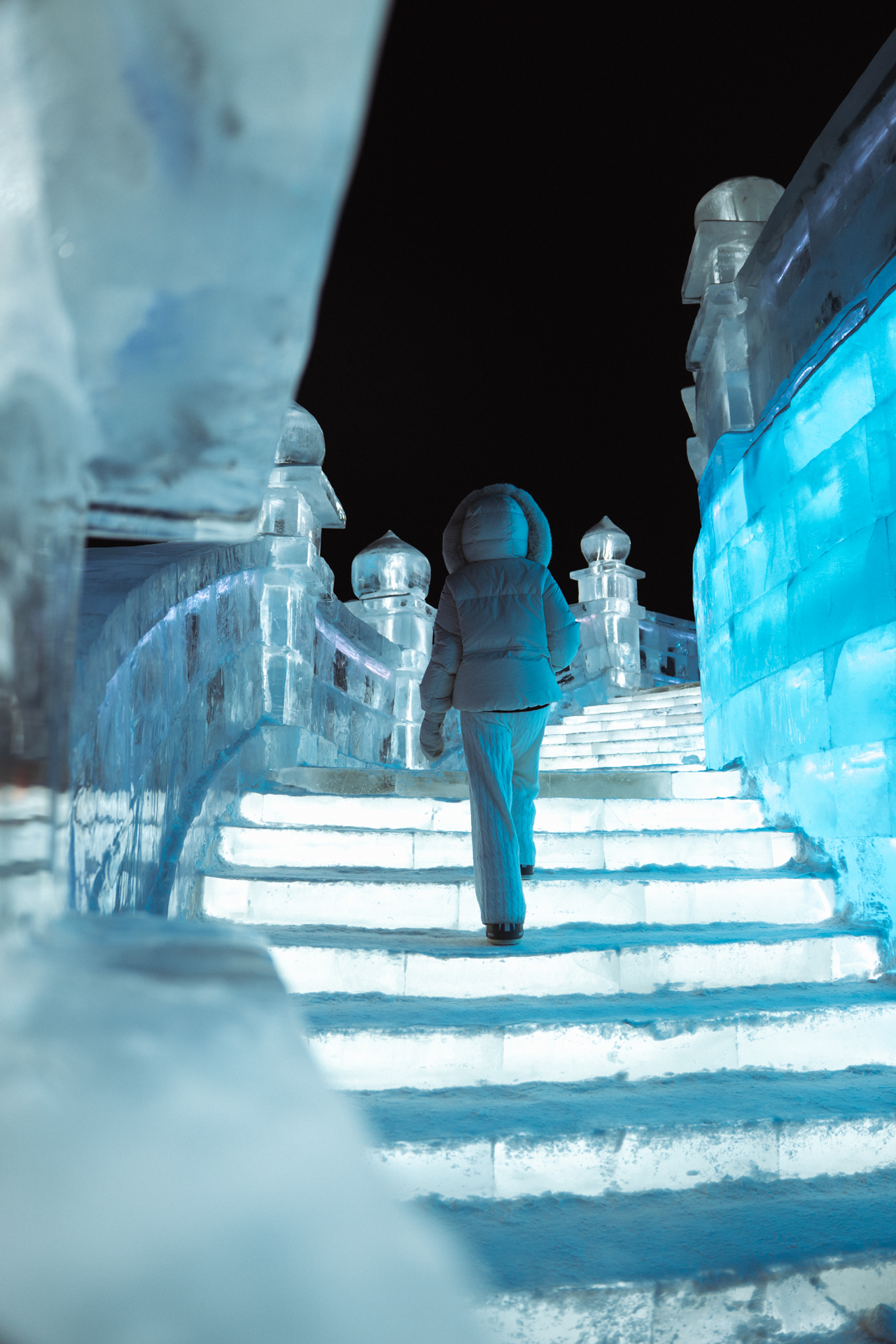
Harbin is the only place I have been where my scarf froze solid to my face within a few minutes of walking outside, and I still stayed out for four more hours because I could not stop looking at it. A whole city built out of ice blocks cut from the river, glowing pink and green in the dark, with Russian onion domes and cobbled streets. Harbin is incredible and colder than you think.
In this Harbin travel guide I will walk you through the Ice Festival and how it actually works, how many days you need, what to wear so you can enjoy it instead of just surviving it, where to stay, what to eat, and the practical China things that are easier to sort out before you land.

The Ice City in China’s Far North
About Harbin
Harbin sits right up in the northeast corner of China, in Heilongjiang Province, closer to the Russian border than to anywhere most travellers have heard of. It’s the northernmost provincial capital in the country, roughly 1,100 kilometres from Beijing, and in winter it turns into the single most famous cold weather destination in China.
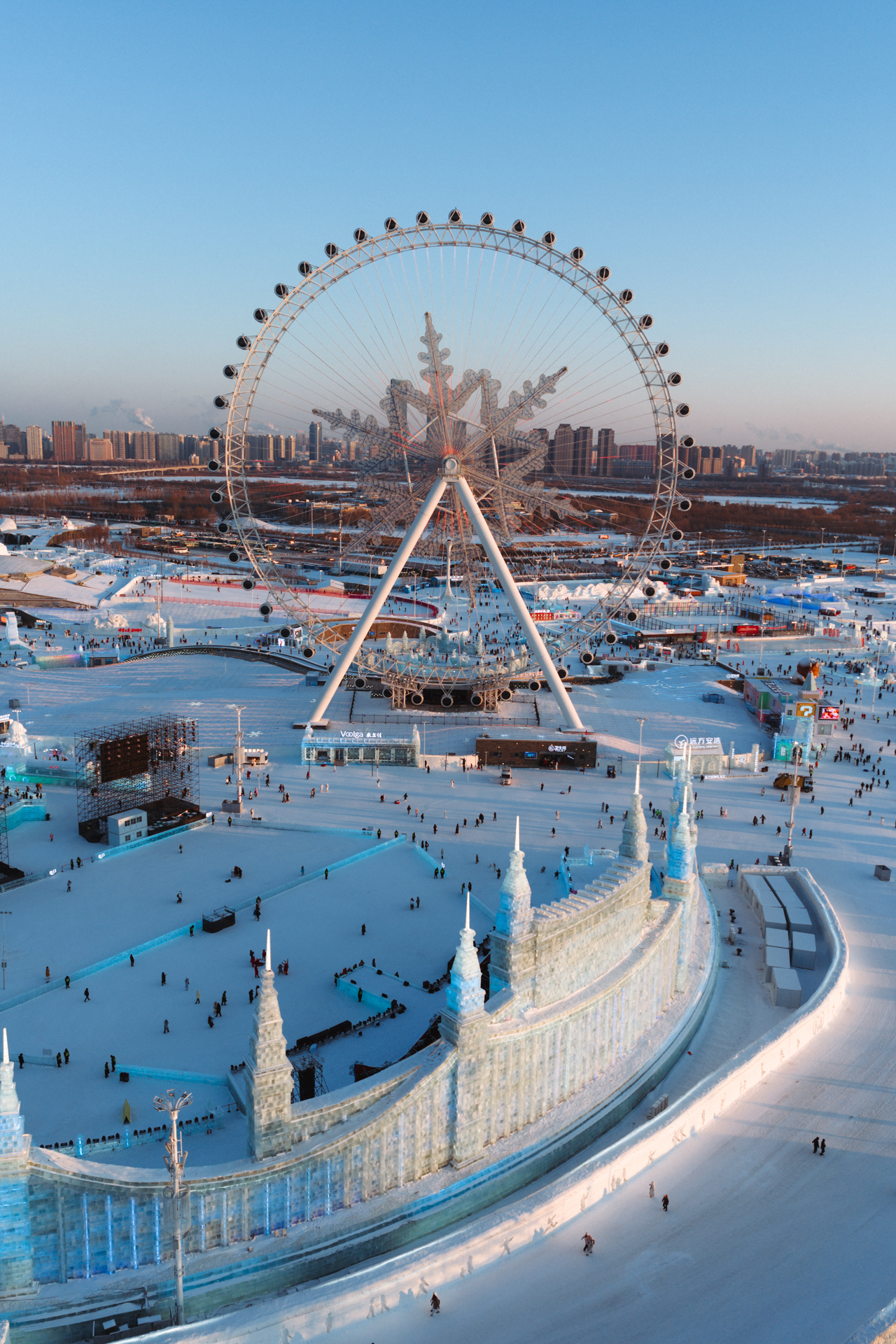
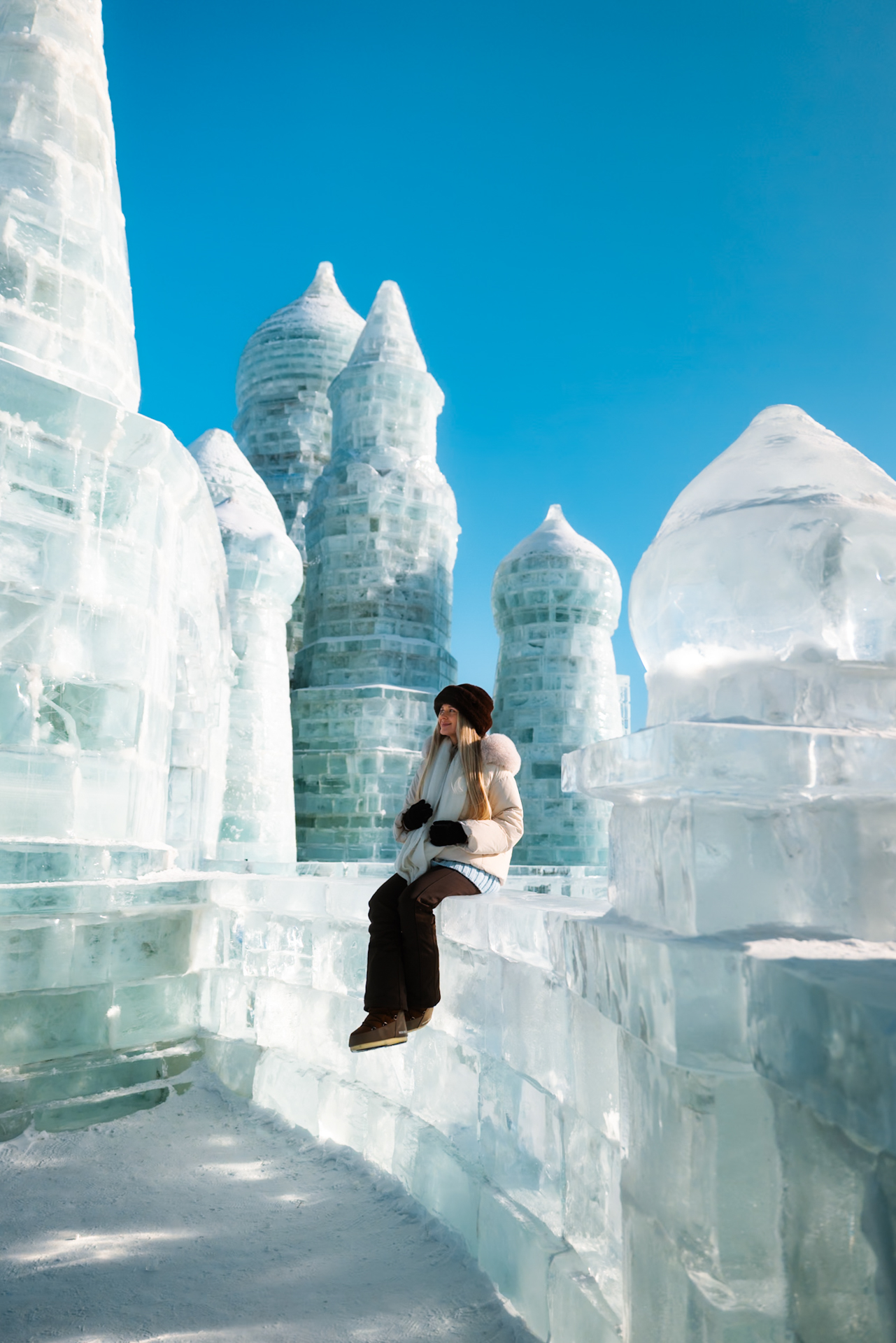
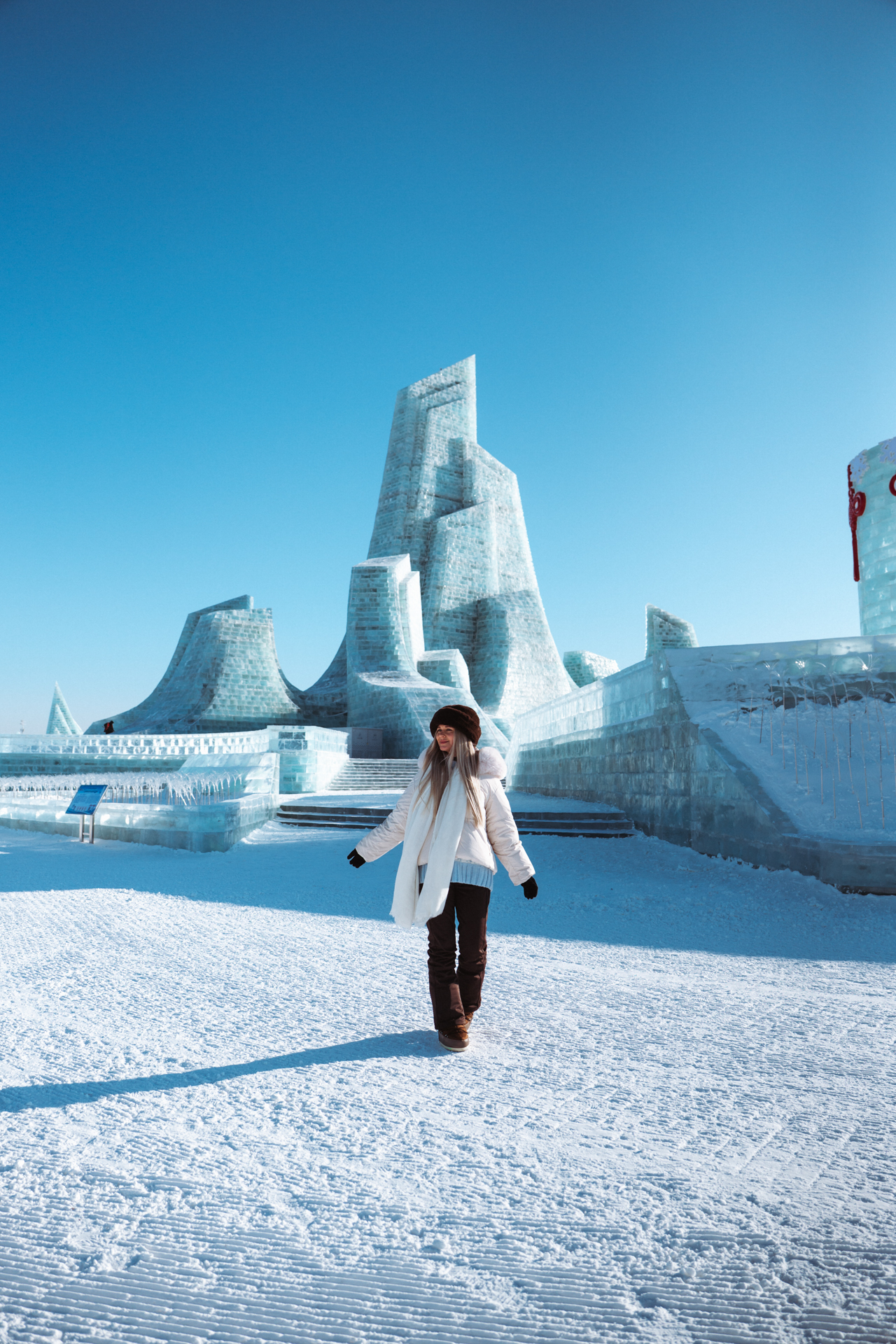
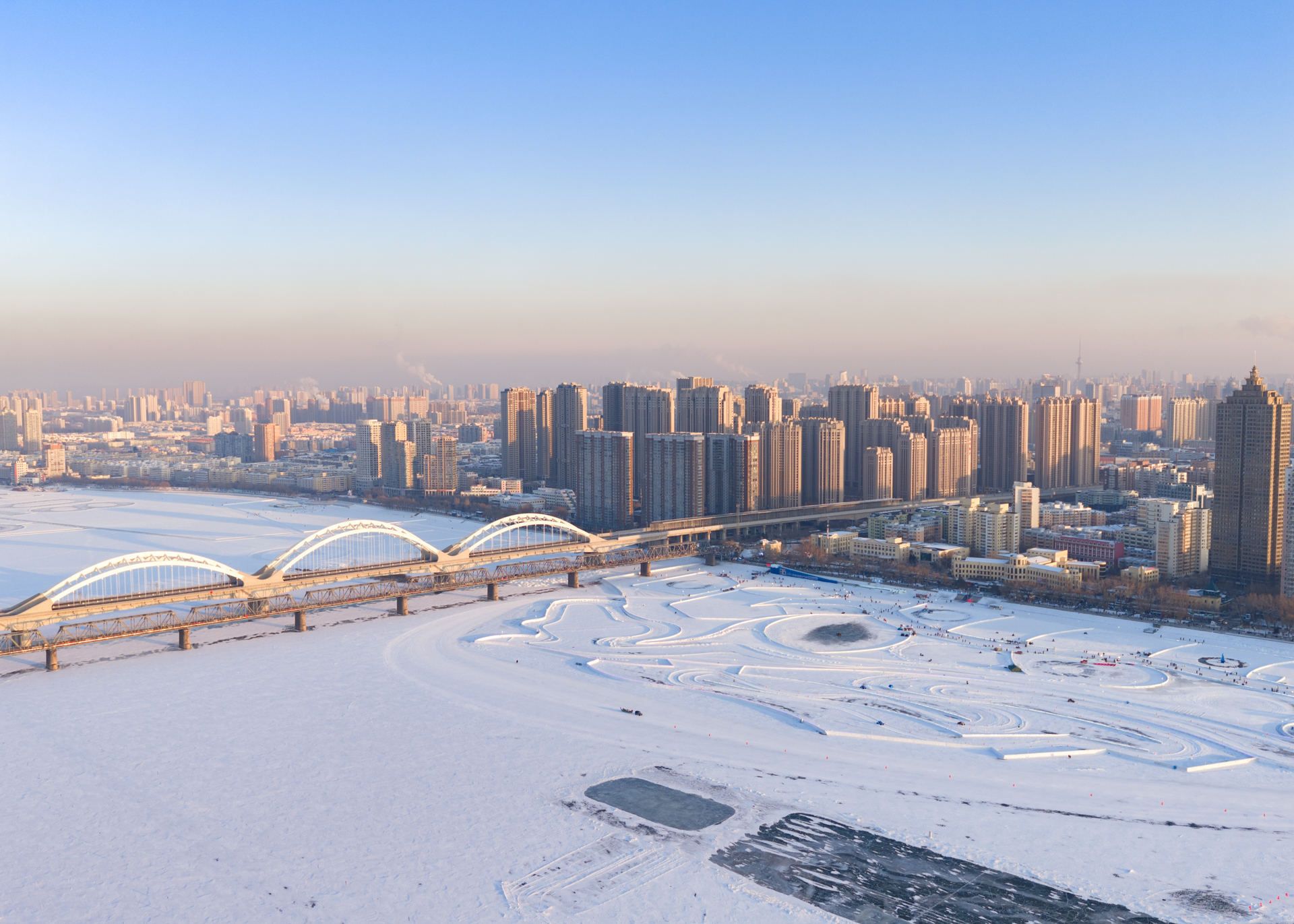
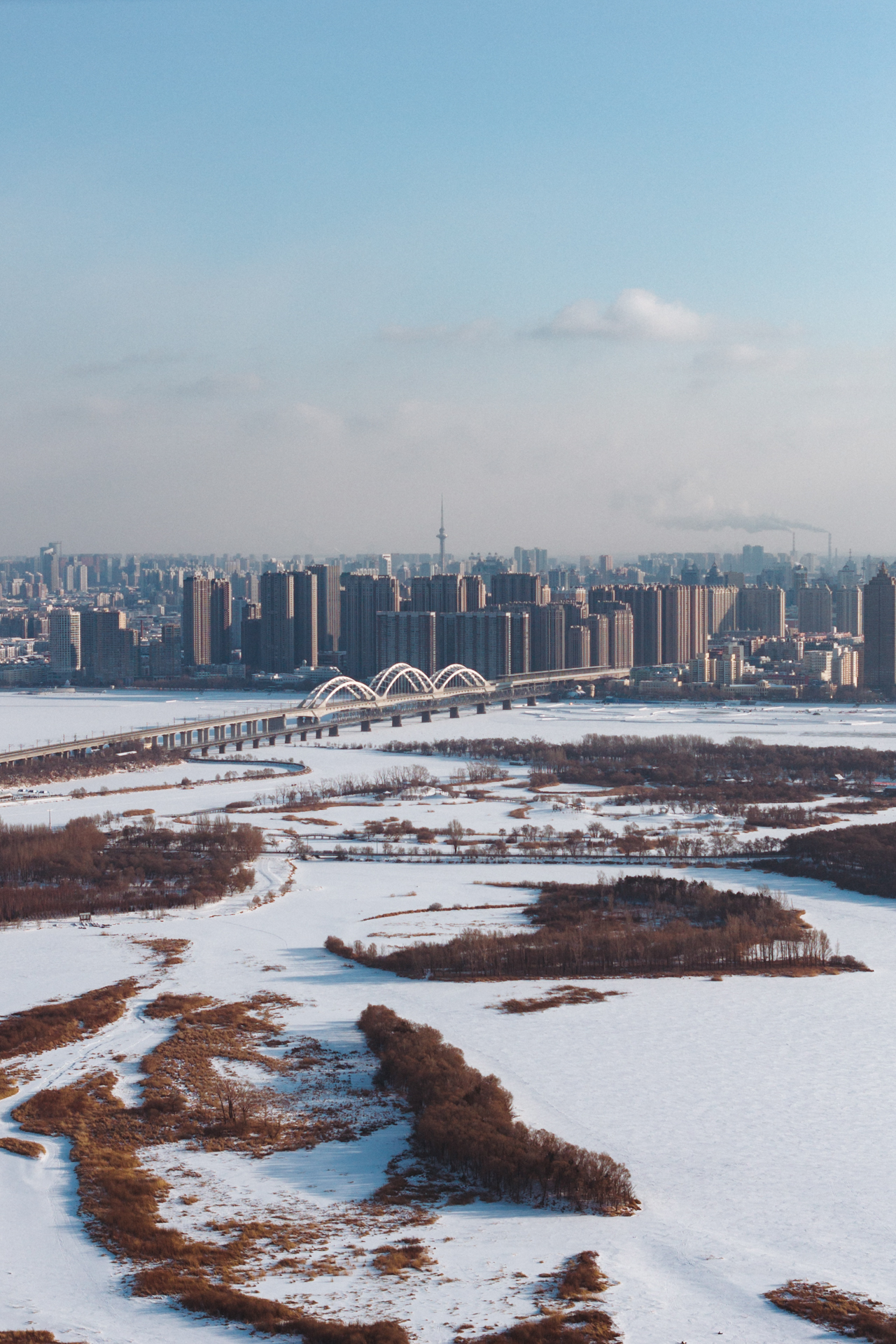
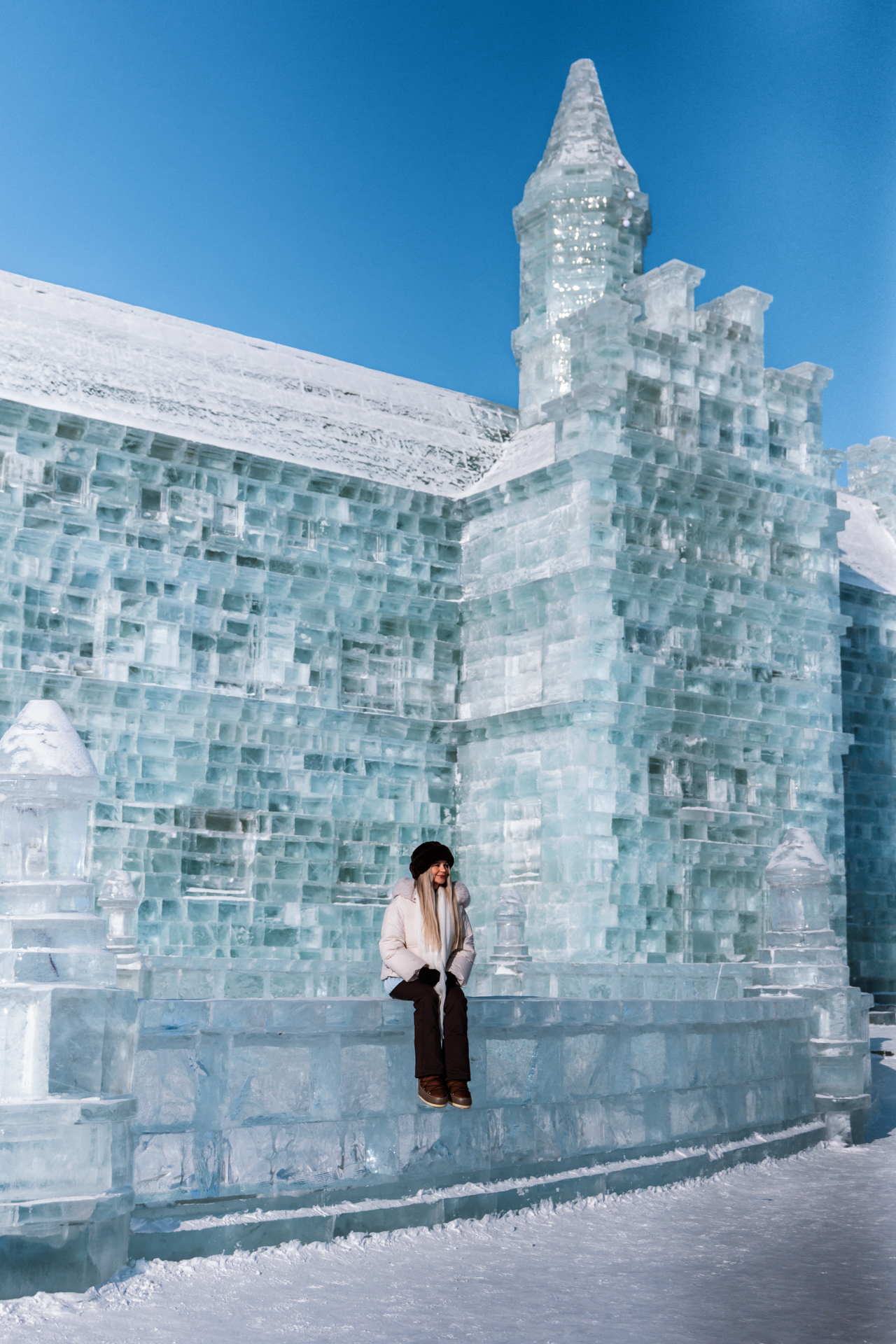
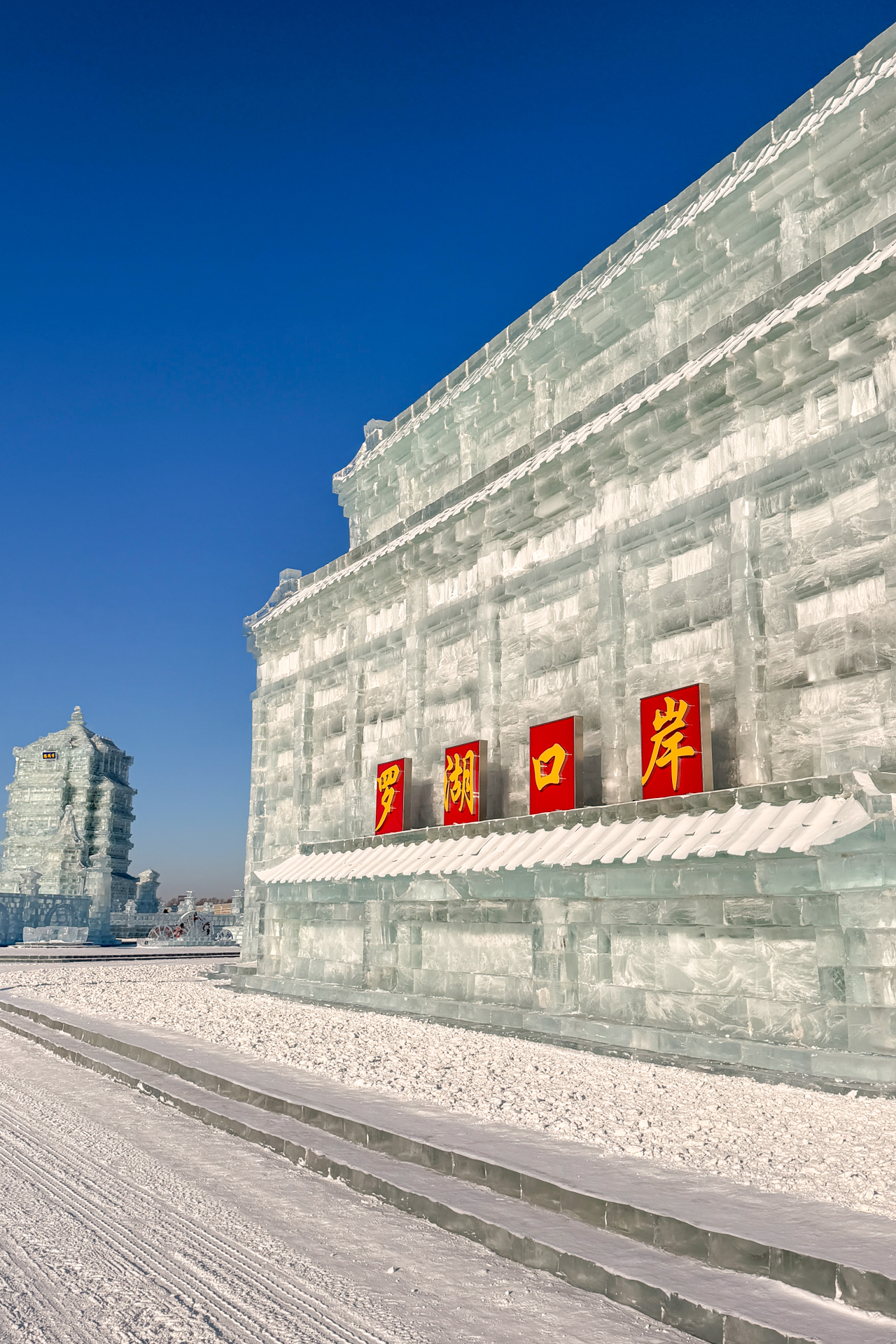
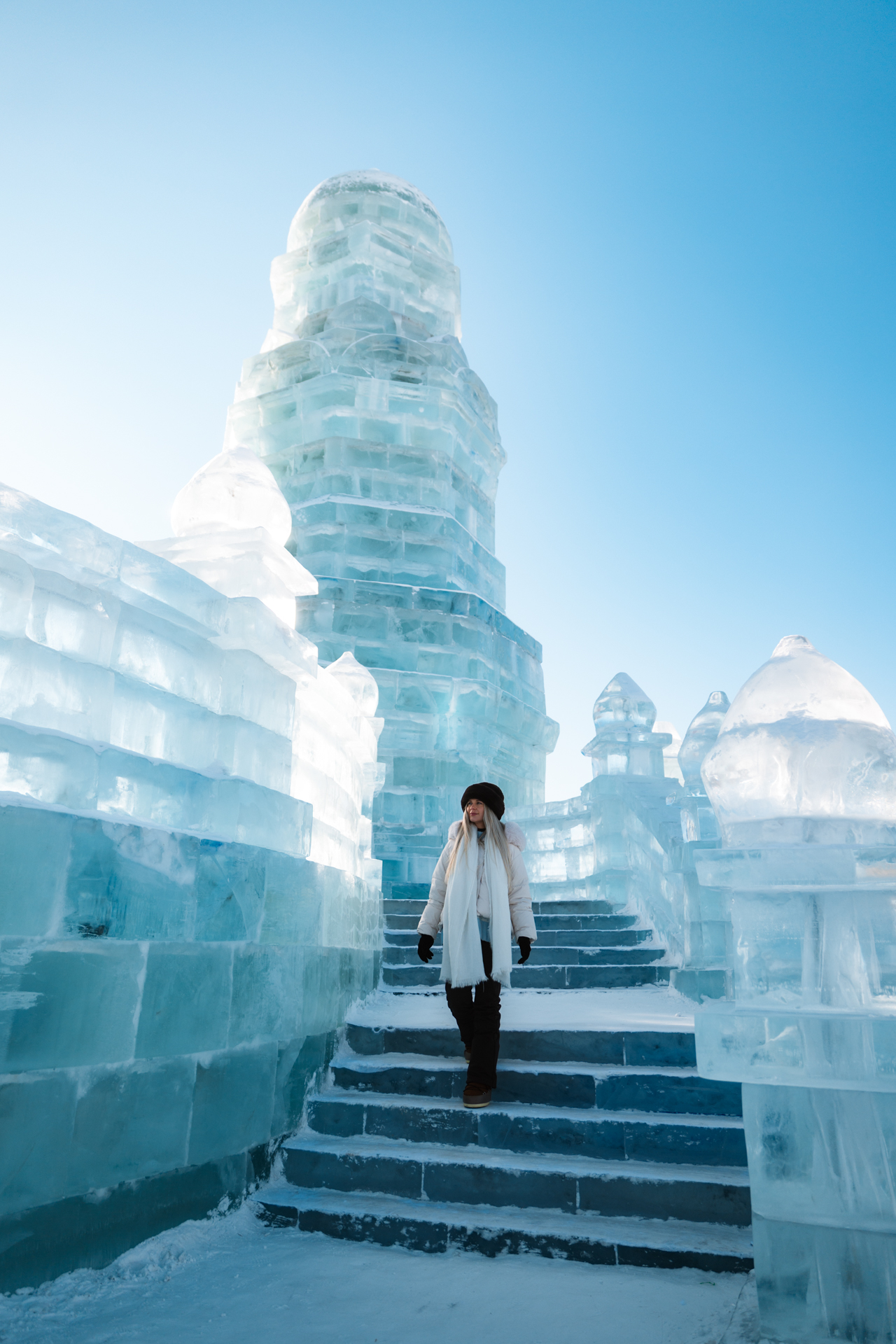
The nickname is Bing Cheng, the Ice City, and it’s not marketing. Winter here runs long and hard, daytime temperatures sit somewhere around -15°C (5°F), and the Songhua River that cuts through the city freezes thick enough to walk across. Instead of hiding from that, Harbin leaned into it. Ice blocks get cut straight out of the frozen river every December and rebuilt into an entire illuminated city that only exists for a couple of months.
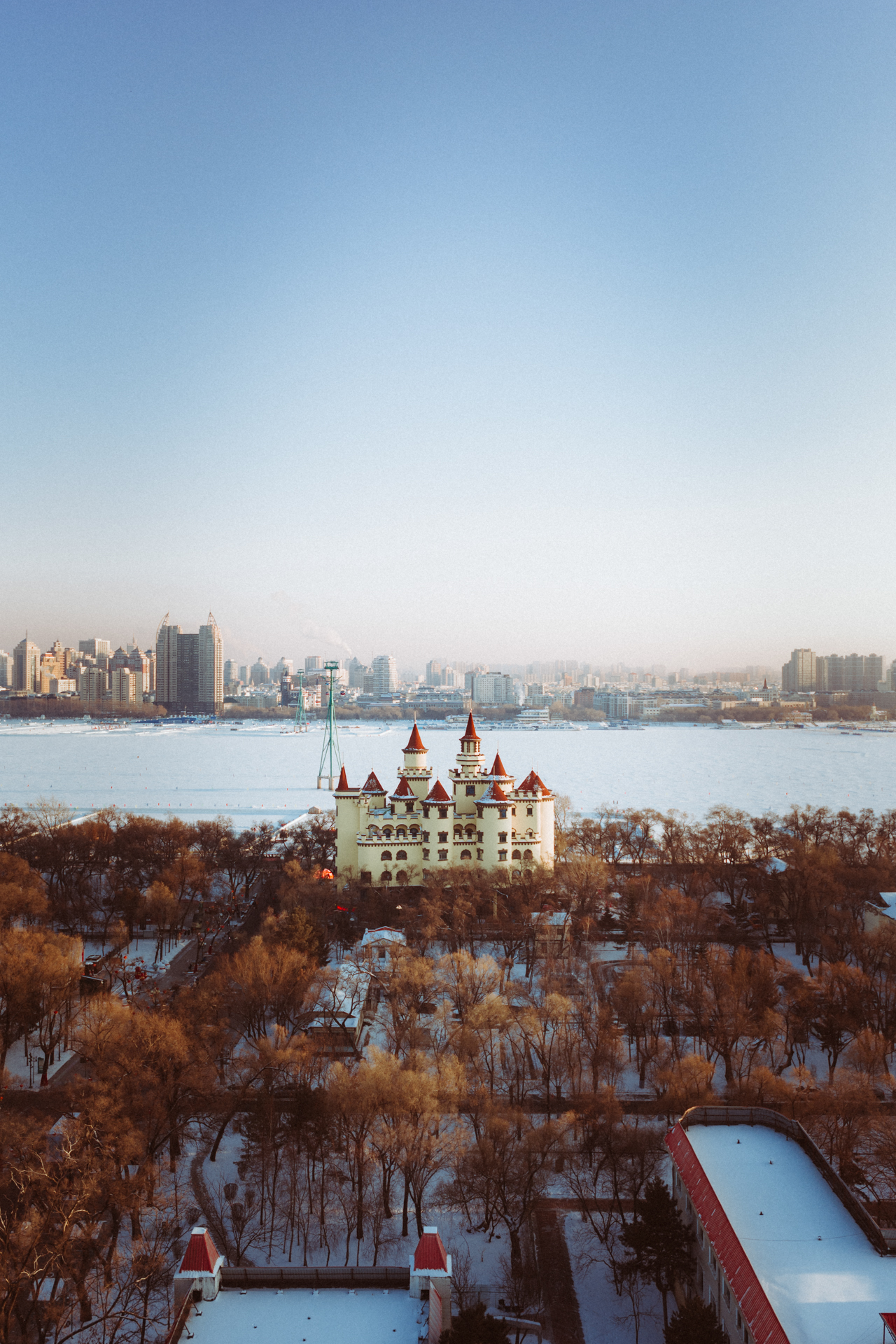
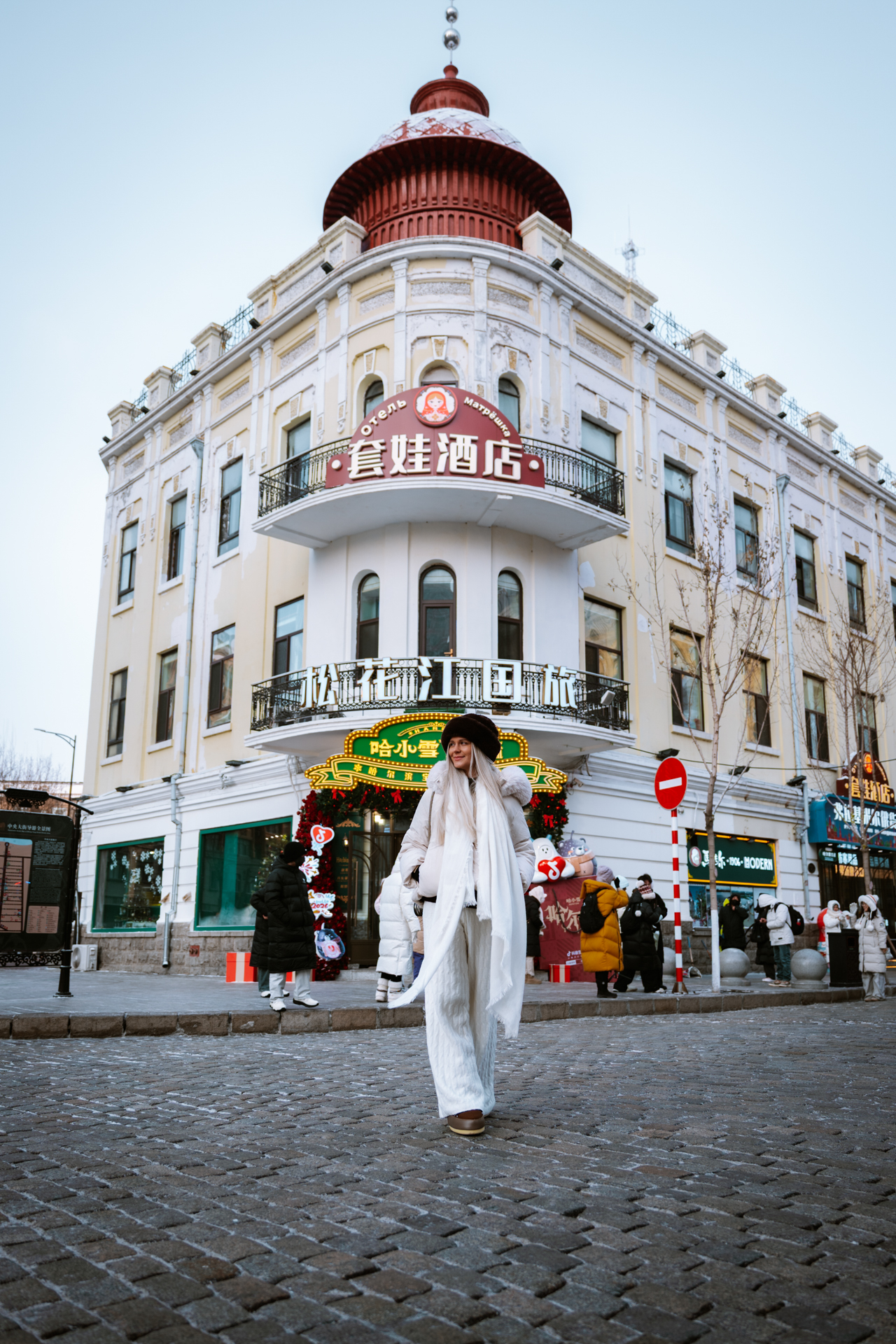
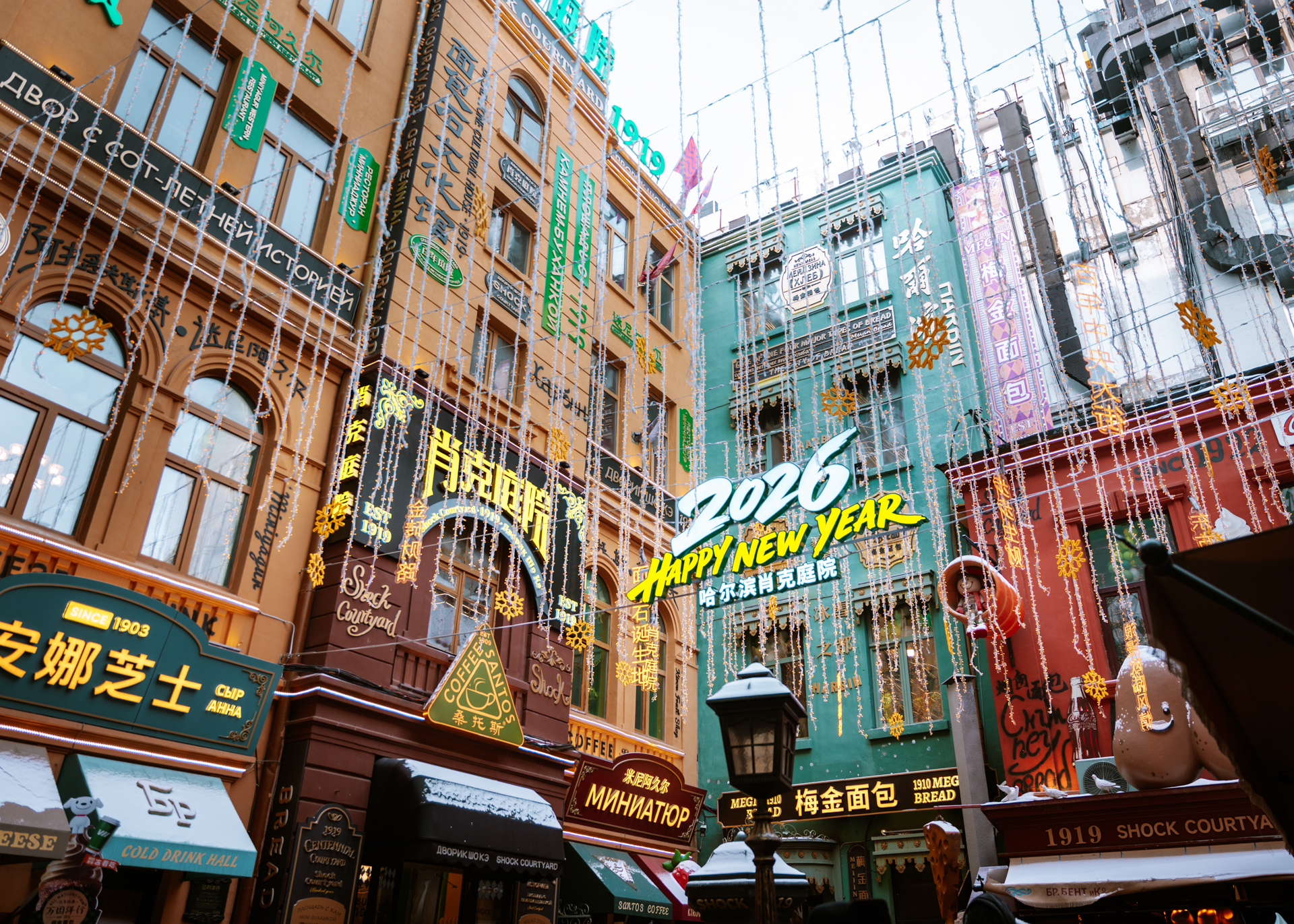
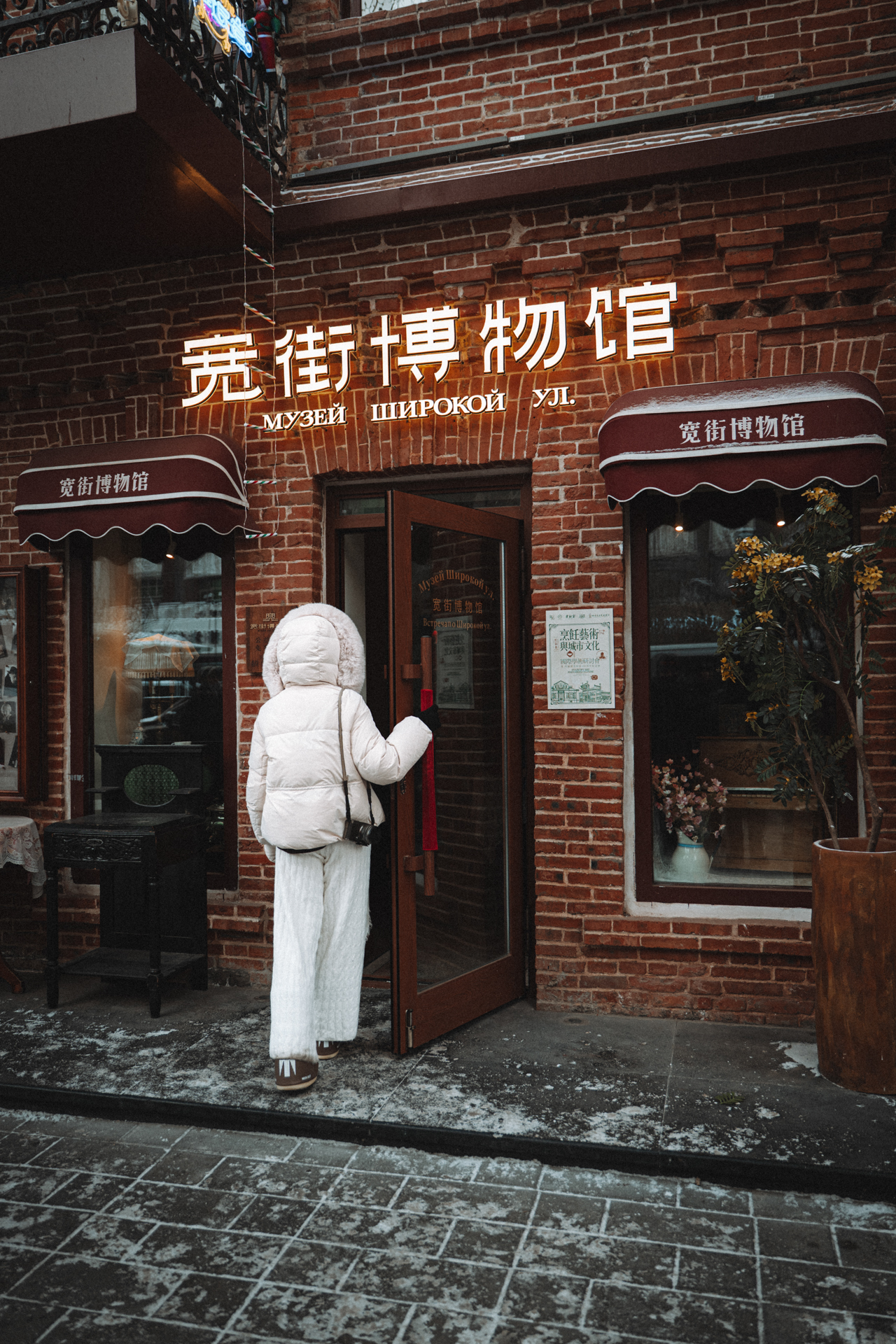
The other surprise is the architecture. Harbin was heavily influenced by Russia after Russian engineers helped develop the city from 1898 while building the Chinese Eastern Railway. Many Russians later settled here, leaving behind onion-domed churches, Art Nouveau buildings, cobbled streets and the beautiful Byzantine-style Saint Sophia Cathedral. If you have been travelling around Yunnan or Hunan, Harbin will feel like a different country.
Almost everyone comes between late December and February, for the ice and snow attractions. That does mean you are visiting in genuinely extreme cold, which is worth planning for properly rather than discovering on arrival. There is a whole chapter on what to wear further down, and I would read it before you pack.

Harbin Overview

Must See and Do
Best Things to Do in Harbin
Harbin is not a city you wander aimlessly in winter, because after about forty minutes outside your face stops cooperating. You plan it in hops instead: something outside, then somewhere warm, then out again.

Harbin Beer has been brewed here since 1900, making it China’s oldest brewery. Drinking one outdoors in February is a genuinely local thing to do, and yes, it stays cold.
Everything You Need to Know
Harbin Ice Festival
This is the big one, and it is worth understanding how it's actually structured before you buy anything. The Harbin Ice Festival is not one place with one ticket. It's a season, with several separate venues spread across the city, each with its own entrance and its own price.
What the Harbin International Ice and Snow Festival Actually Is
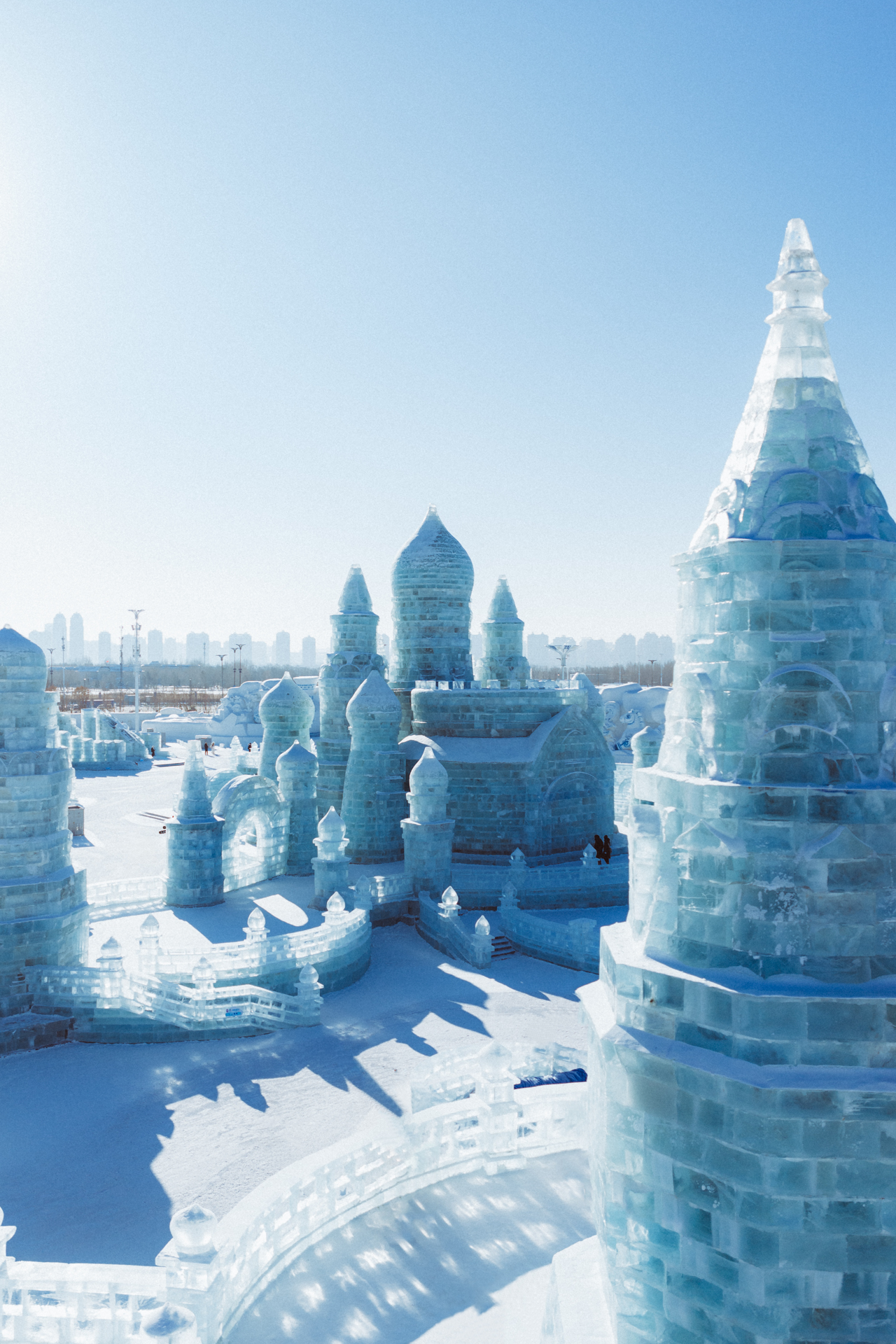
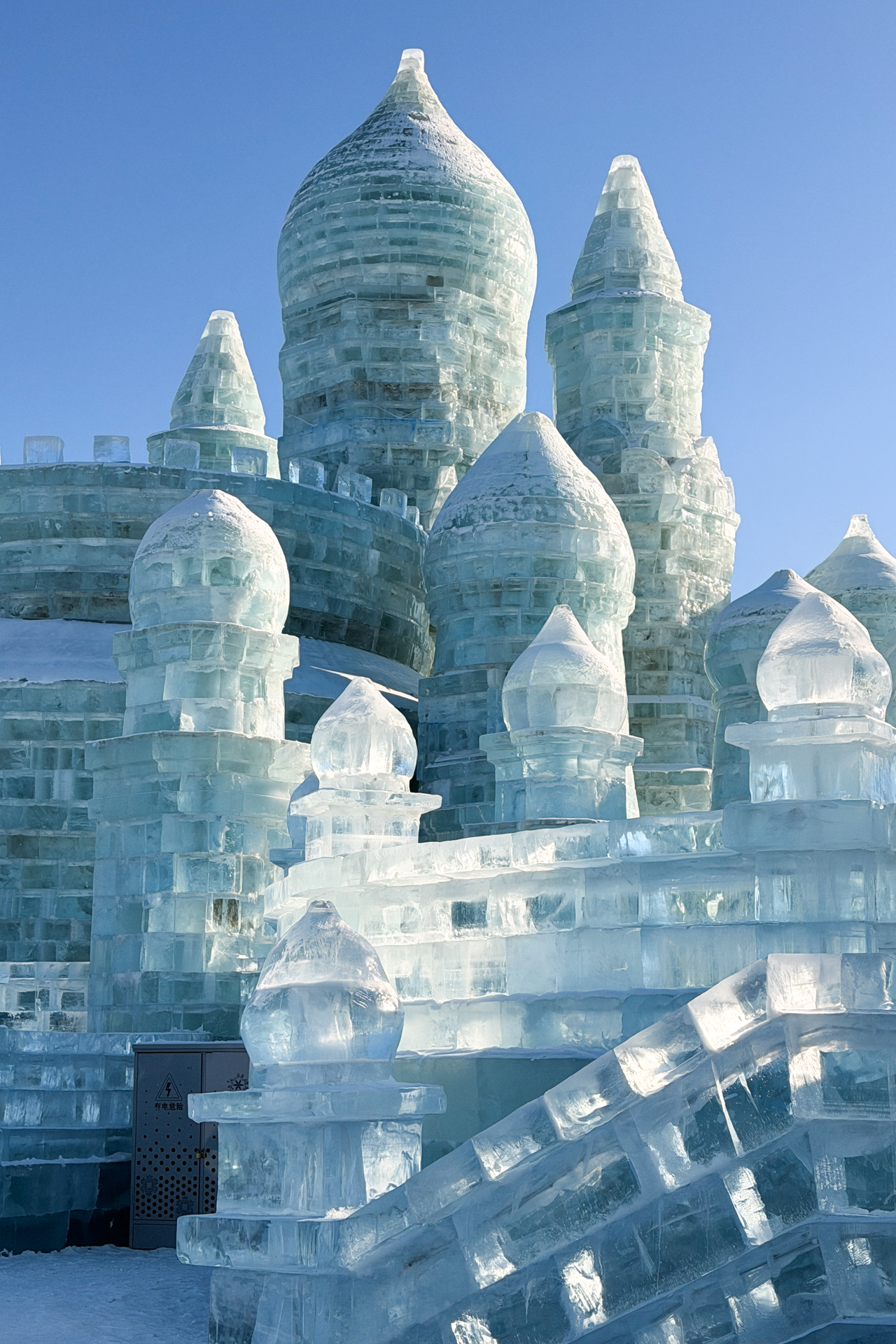
It’s the world’s largest winter festival and serves as the umbrella name for Harbin’s entire winter programme. Held every year, it transforms the city into a spectacular frozen wonderland filled with enormous illuminated ice castles, towering snow sculptures, and giant ice slides.
When Is the Harbin International Ice and Snow Festival?
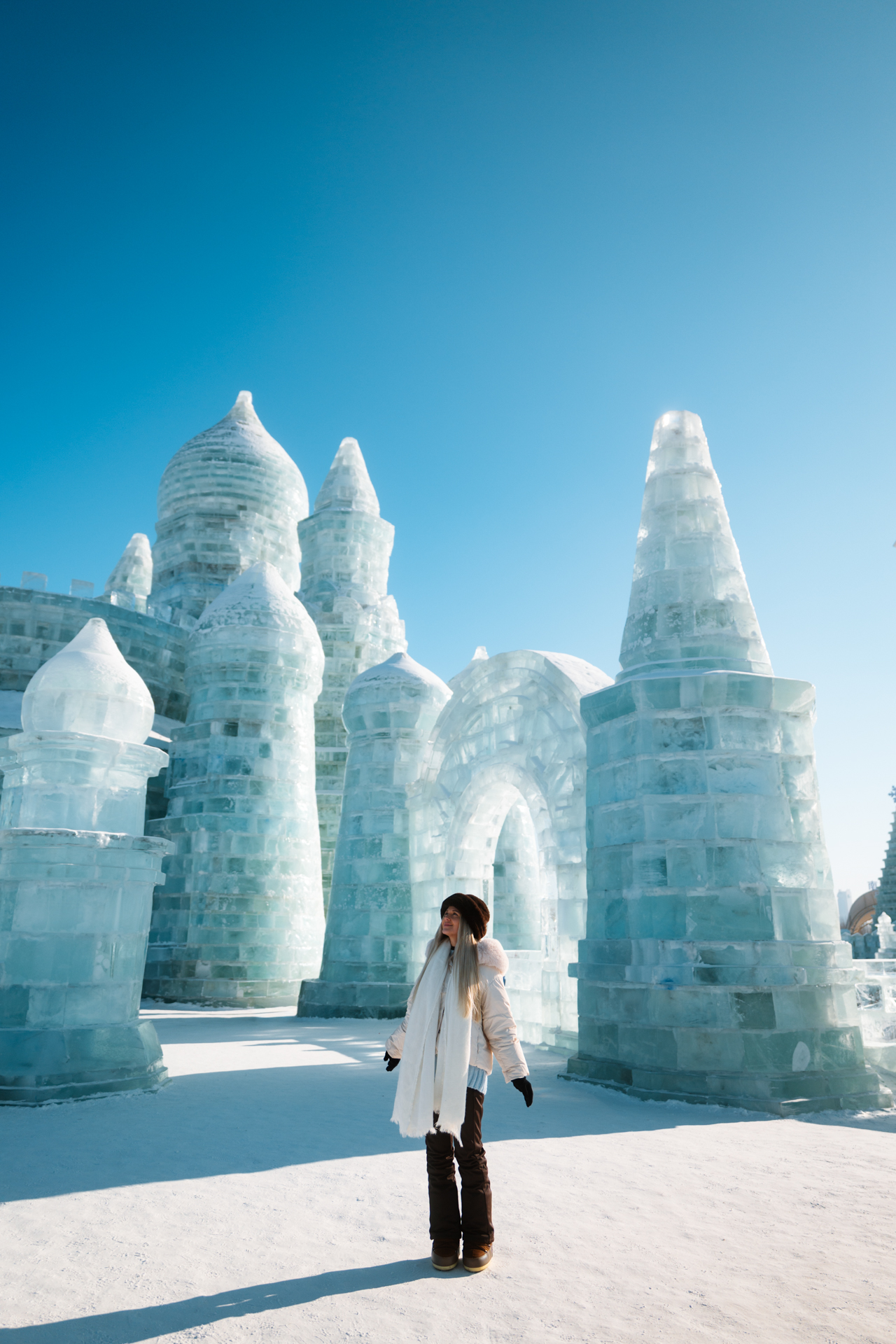
Officially the festival opens in early January, but the main venues usually start letting people in from around late December, as soon as the river ice is thick enough to build with. The season then runs through to late February. Exact dates move every year with the weather, so treat late December to late February as the window and check the current schedule before you book flights.
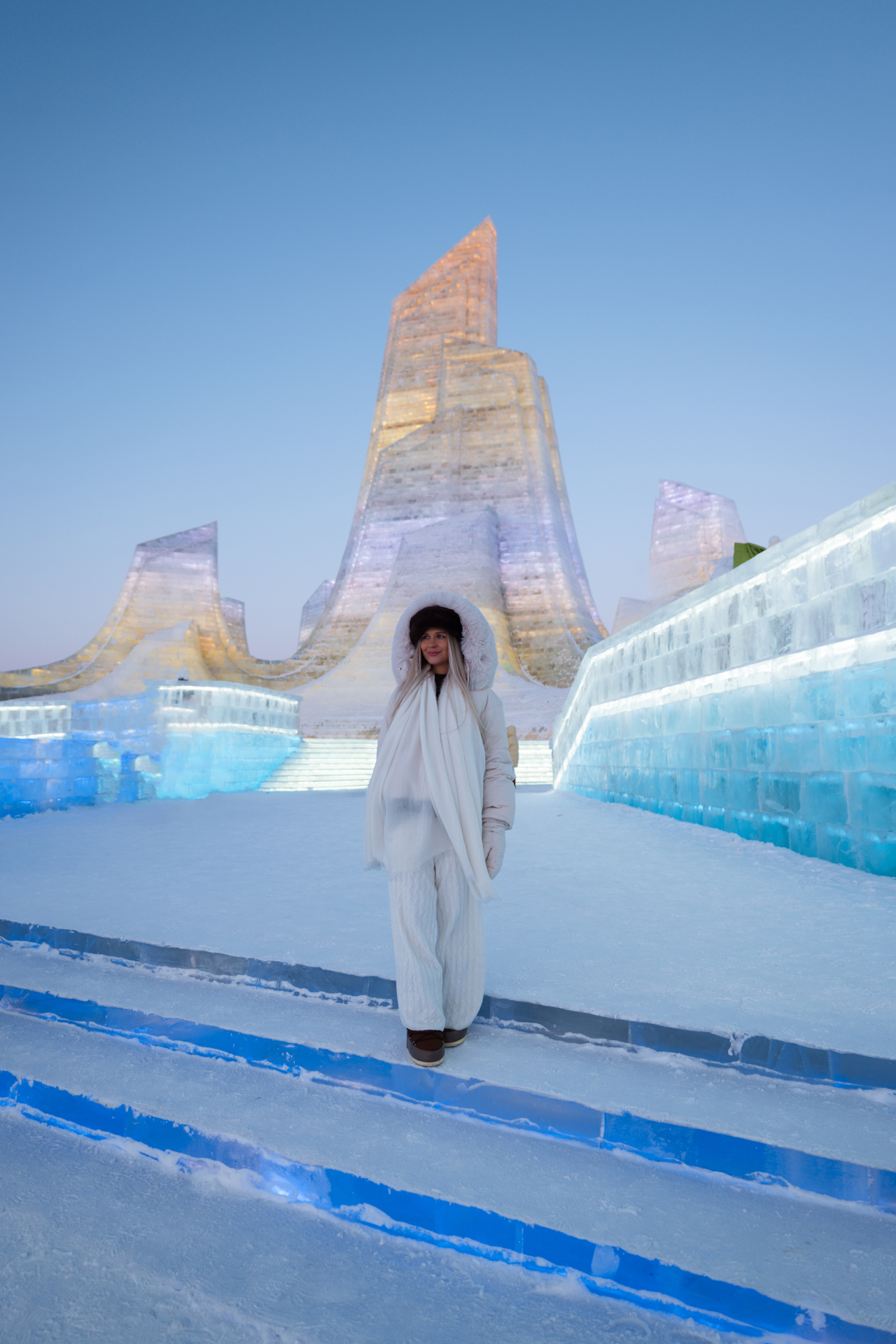
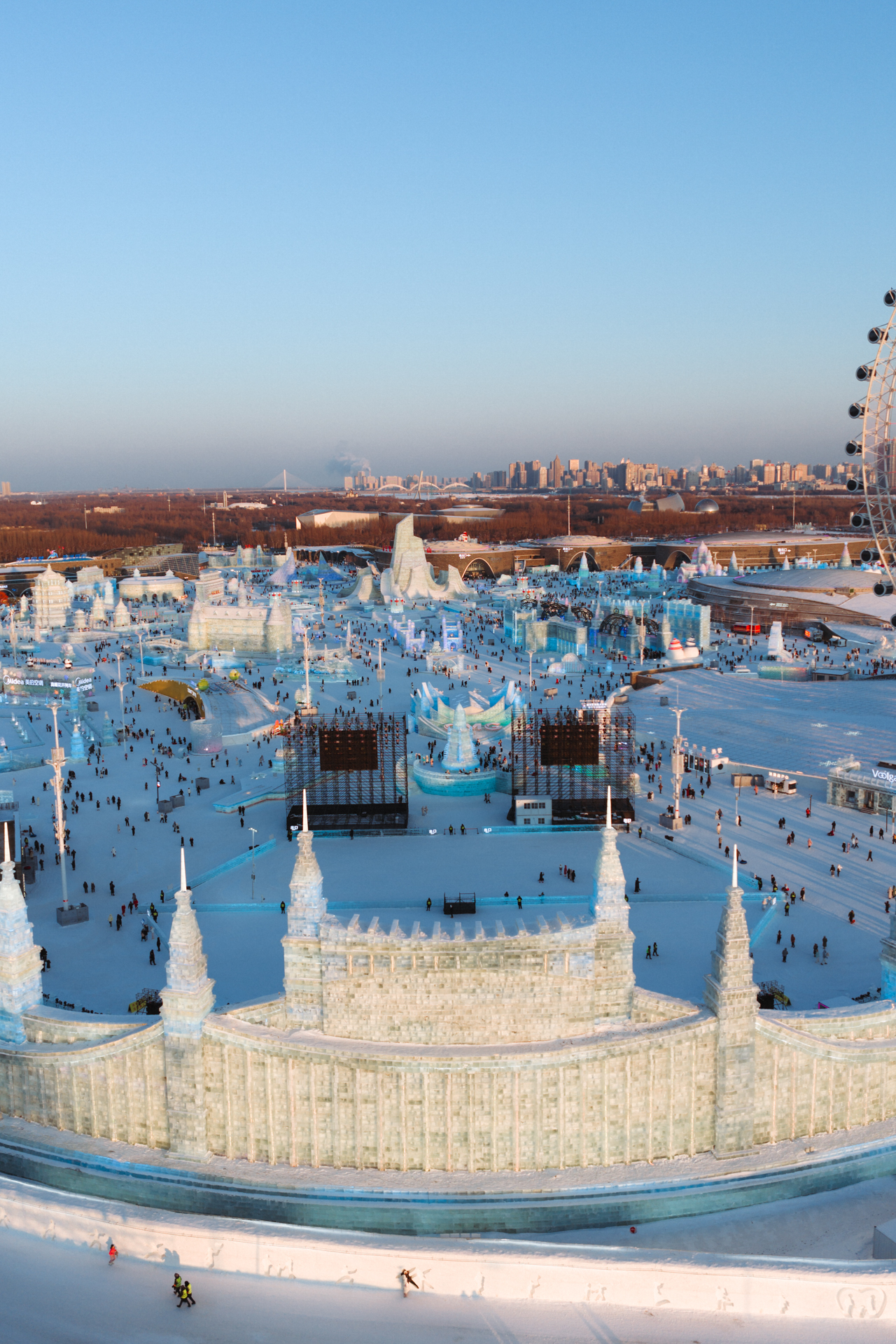
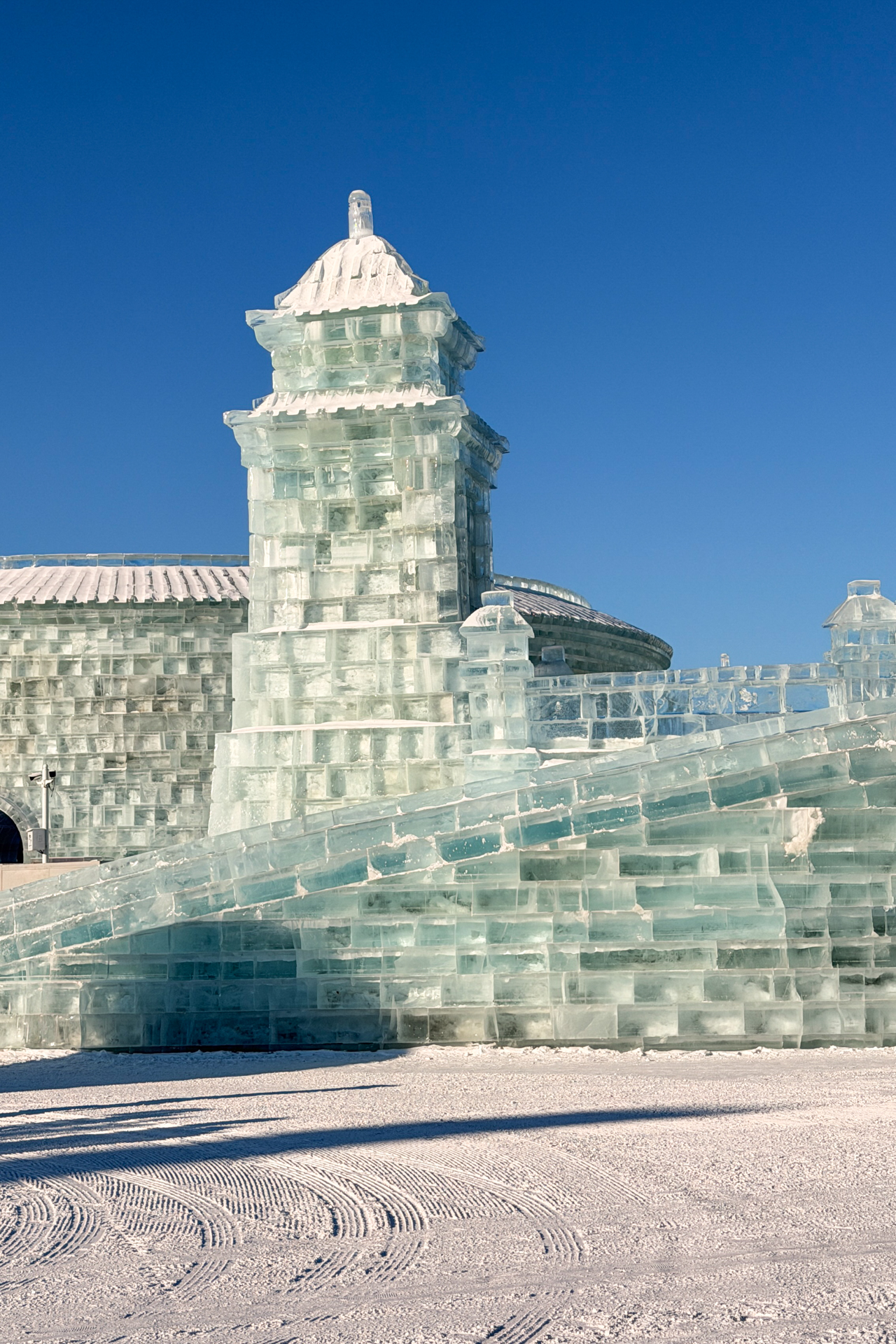
The entire ice city is rebuilt from nothing every single year. Around 100,000 cubic metres of ice get cut out of the frozen Songhua River, carved into buildings over a few weeks, stood up for two months, and then simply melted back into the river in spring. Nothing you photograph there will exist next winter.
Harbin Ice and Snow World
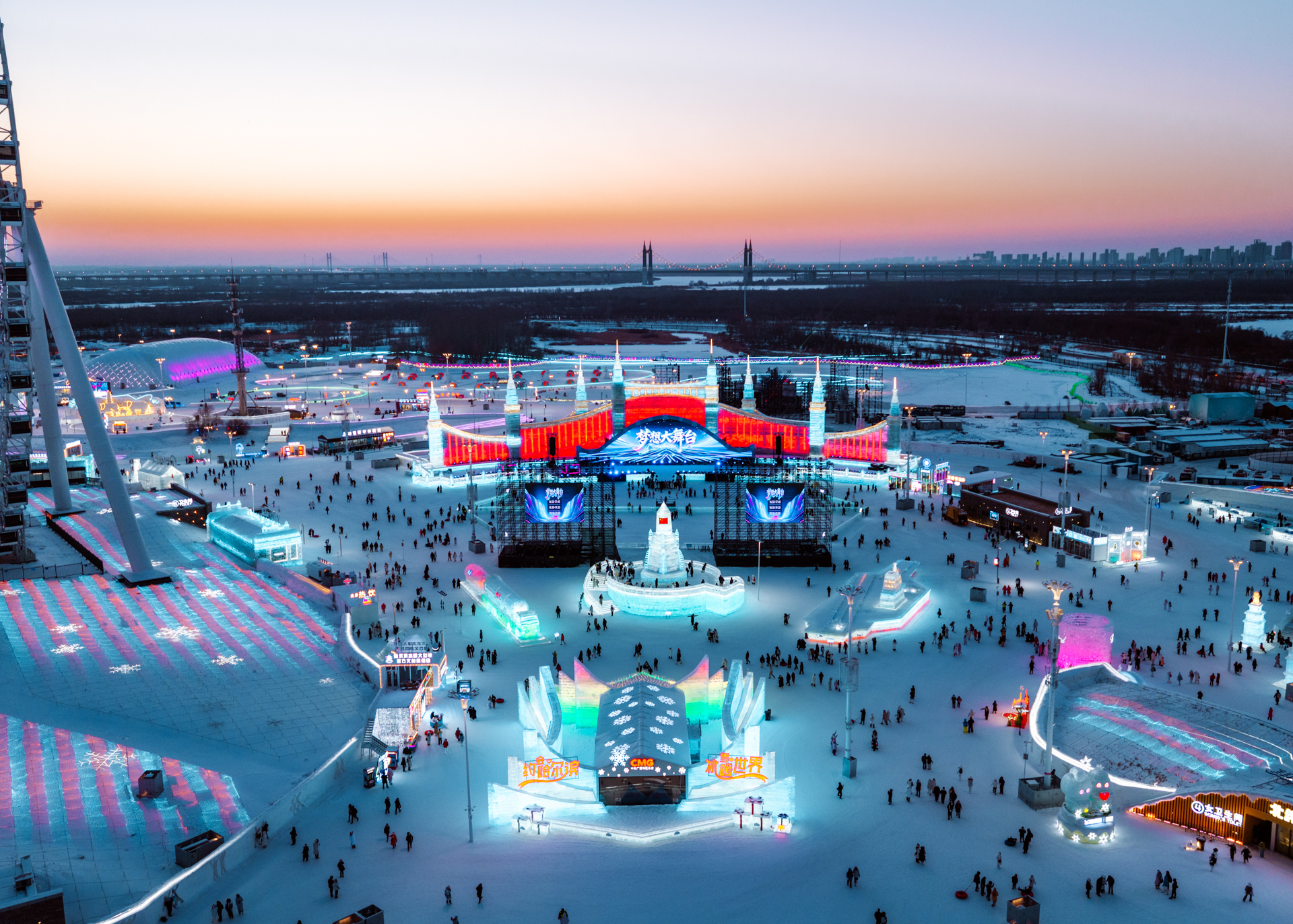
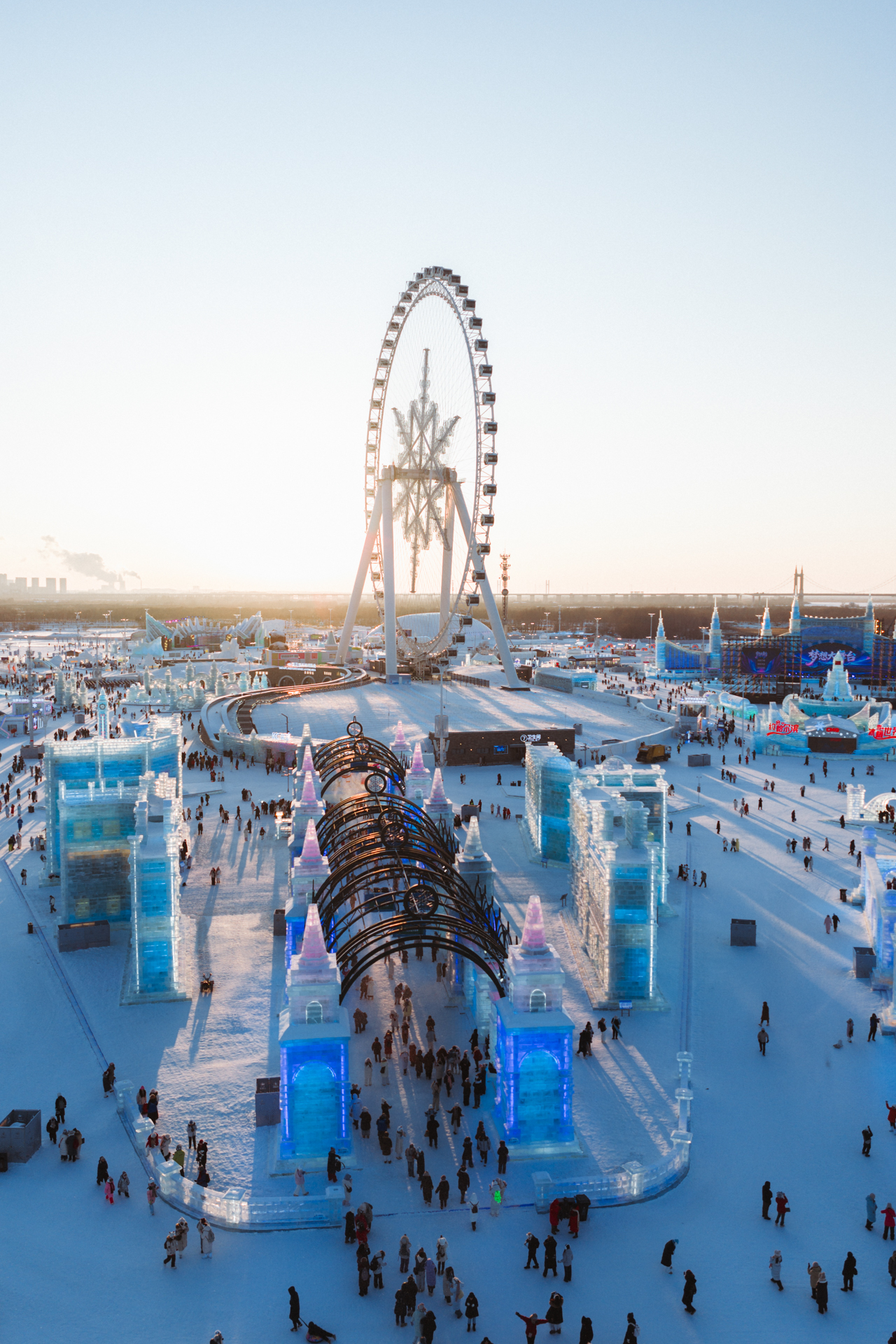
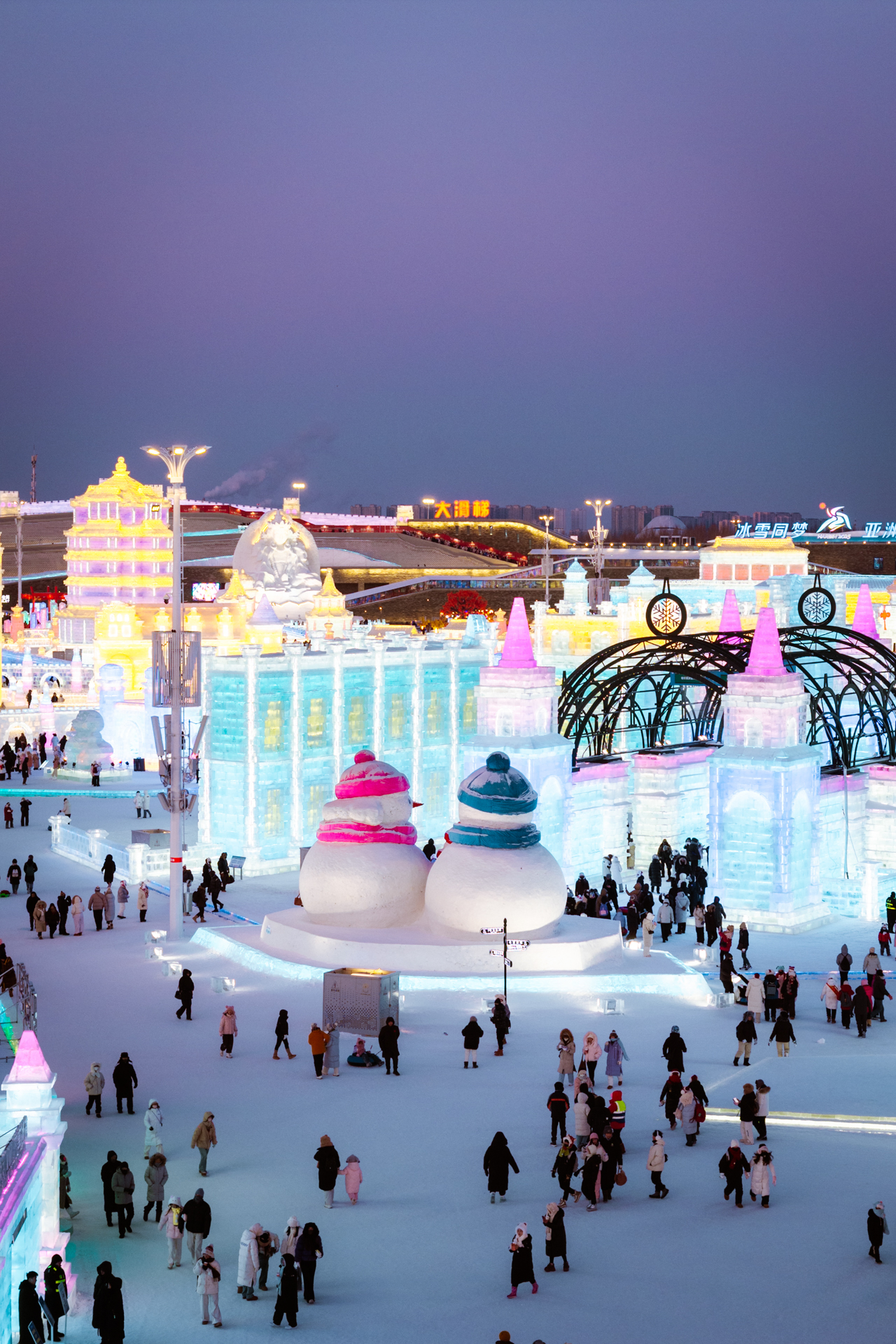
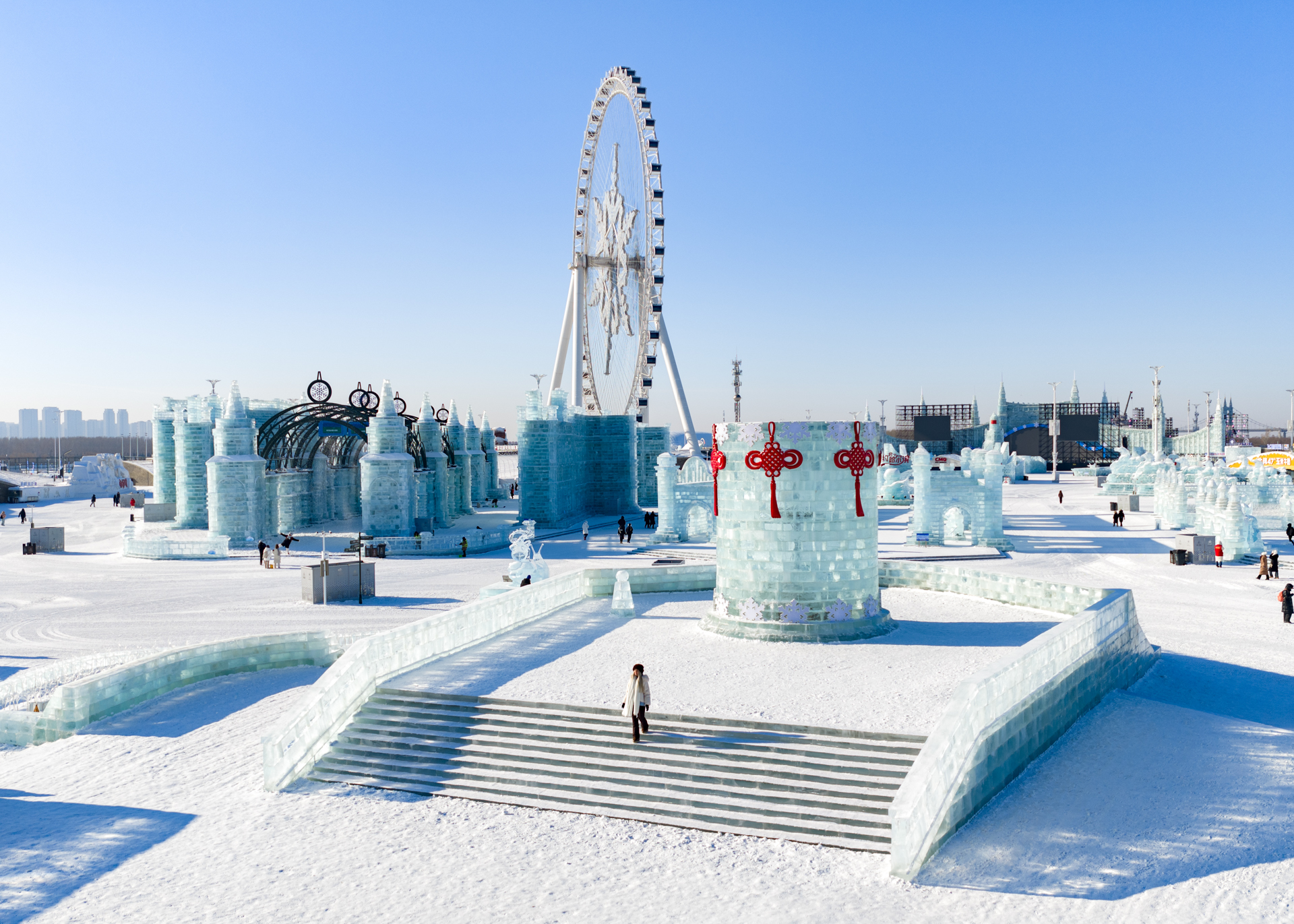
The Harbin International Ice and Snow Festival is the official, city-wide winter festival, while Harbin Ice and Snow World is its largest and most famous theme-park venue. Many of the ice structures have LEDs frozen inside, making the entire park glow after dark. There are also long ice slides, skating, and usually a live show. You should definitely see it both in daylight and after dark.
Apparently, China spends nearly $500 million into building this ice city every year. It takes more than 10,000 people to bring it to life, it only exists for 2 months, and yet it generates close to $4 billion for the local economy. Absolutely mind-blowing!
Sun Island International Snow Sculpture Art Expo
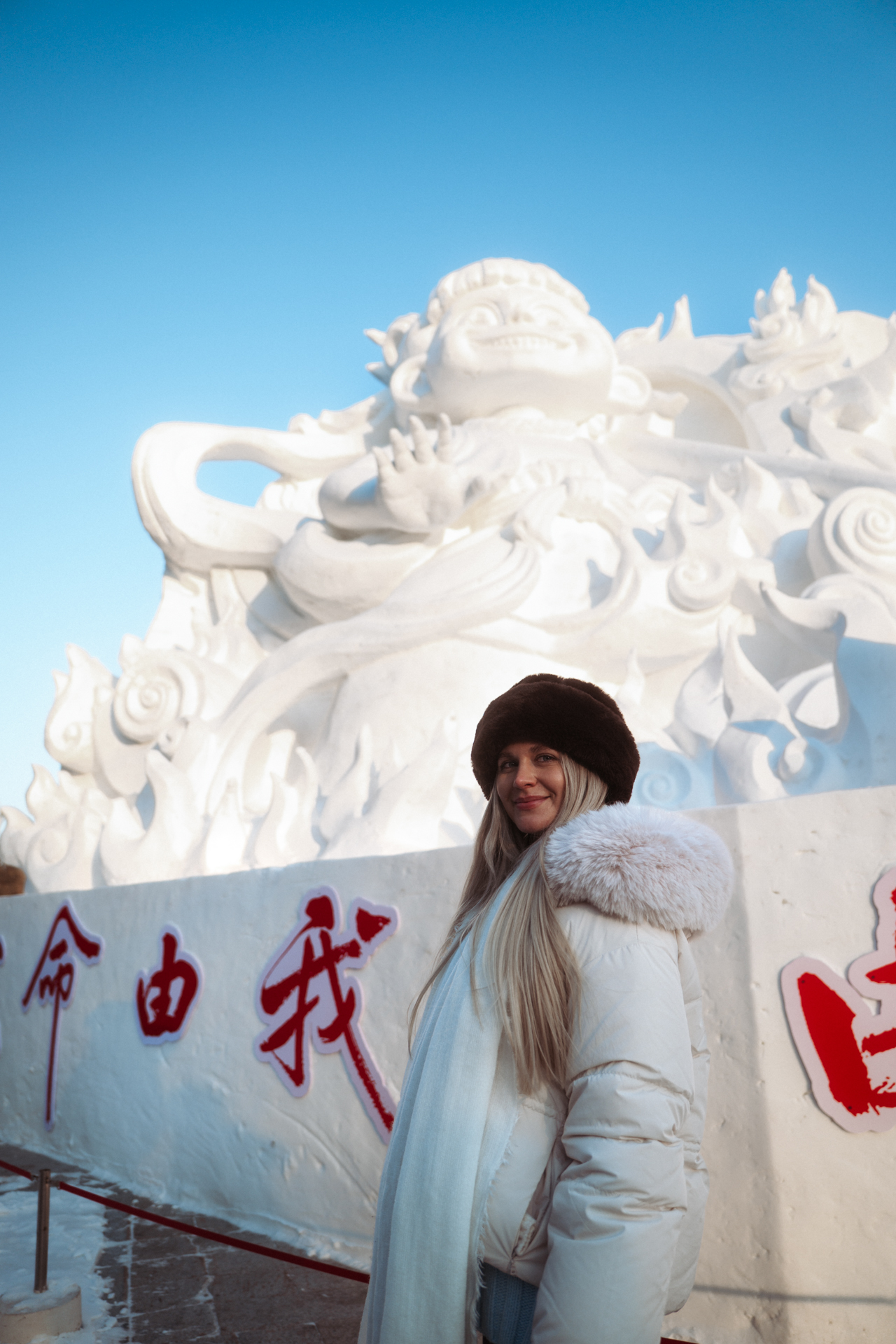
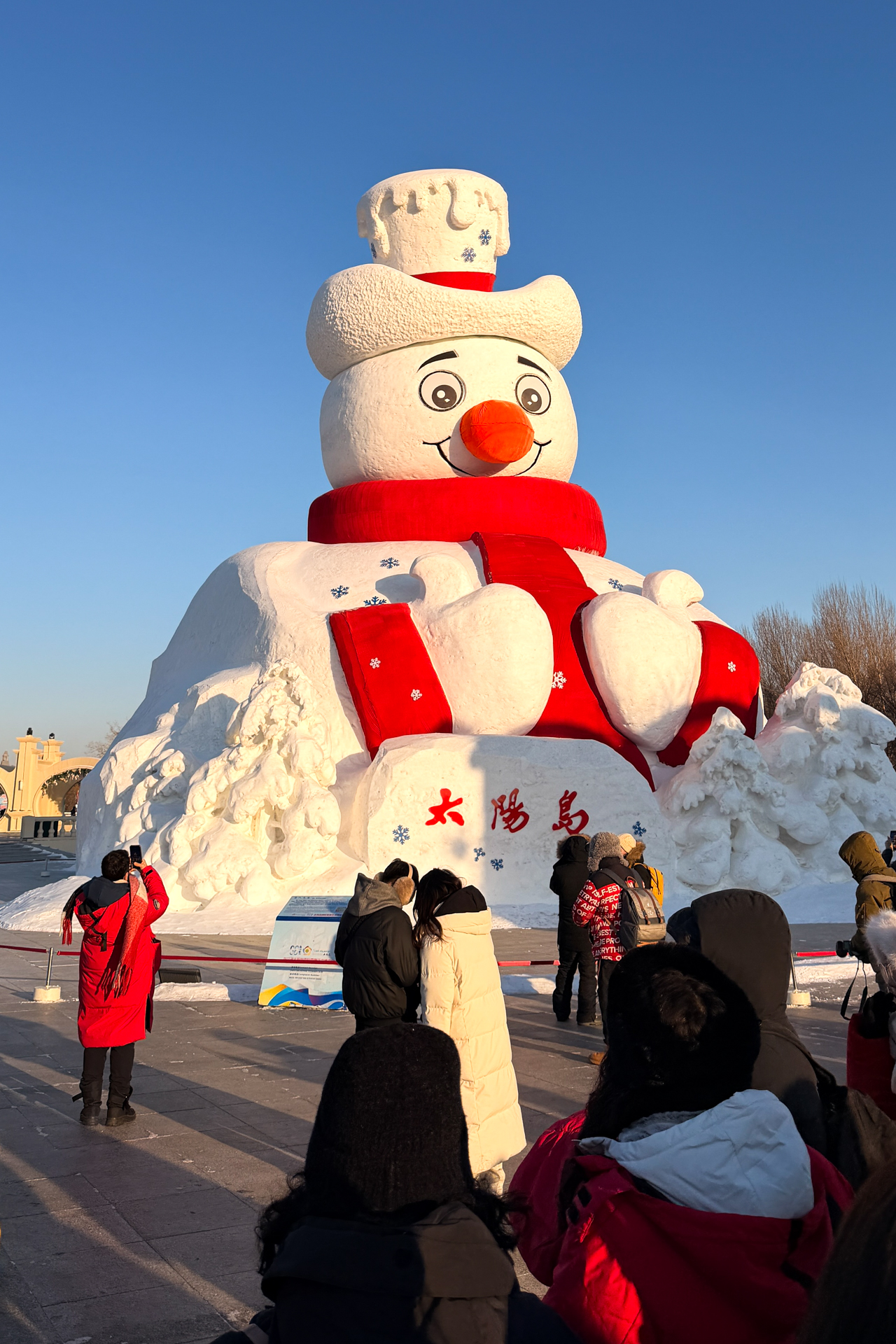
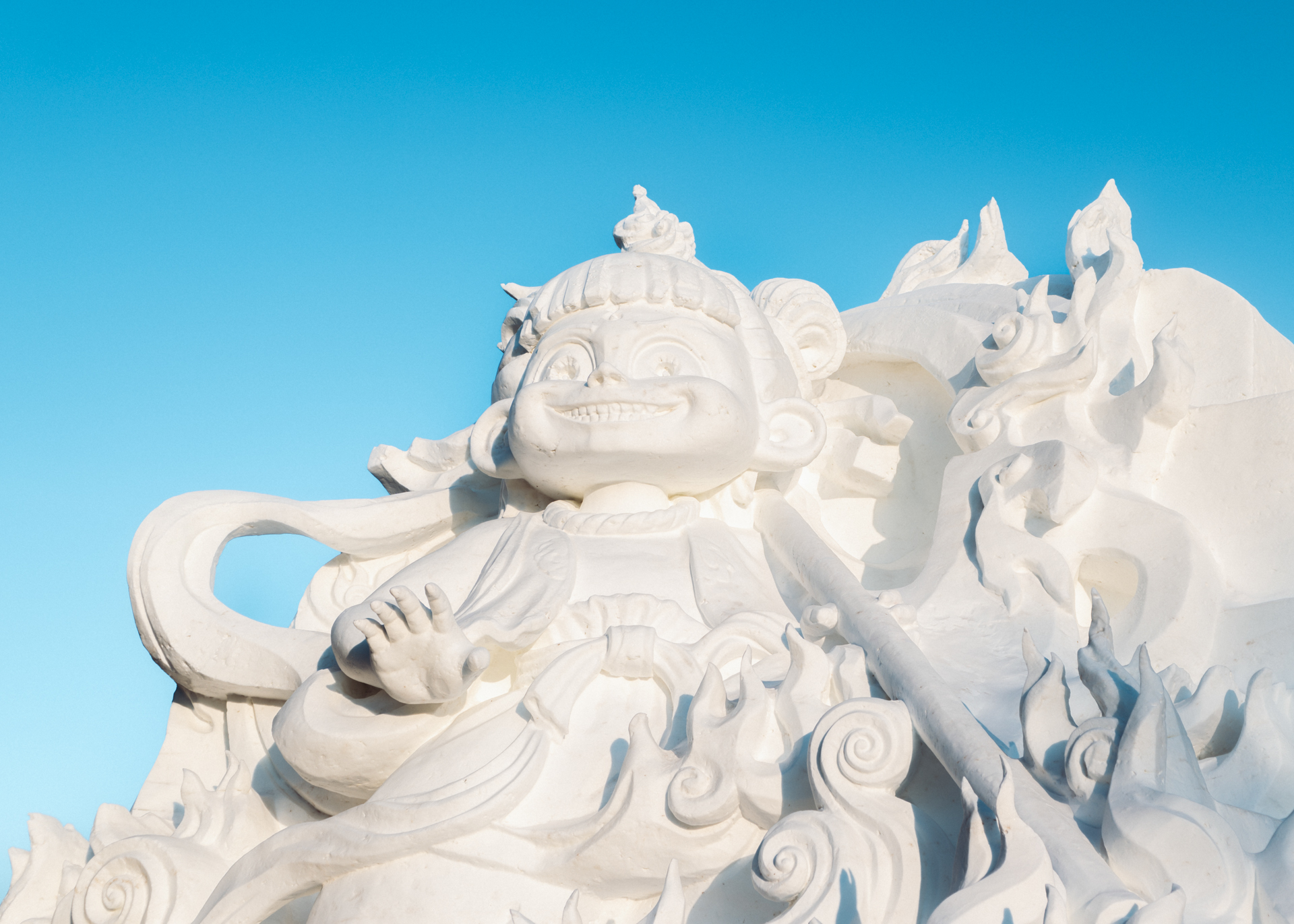
Also in Songbei, just ten minutes from Ice and Snow World, this is a completely different experience. Snow instead of ice, so you get enormous carved white sculptures, some over 20 metres tall. They are best seen in daylight when the shadows bring out all the details. Visit in the morning or early afternoon. It’s the world’s largest non-melting snow sculpture carnival.
Zhaolin Park Ice Lantern Fair
It is the world’s oldest and largest outdoor ice lantern exhibition. First held in 1963, the annual event transforms Zhaolin Park into a glowing winter wonderland filled with hundreds of colorful ice and snow sculptures. Best of all, admission is completely free, and the park is just a short walk from Central Street.
What it costs to get in
Tickets and Prices
Each venue is ticketed separately, so budget for them individually. Prices below are from the most recent season and shift a little every year.
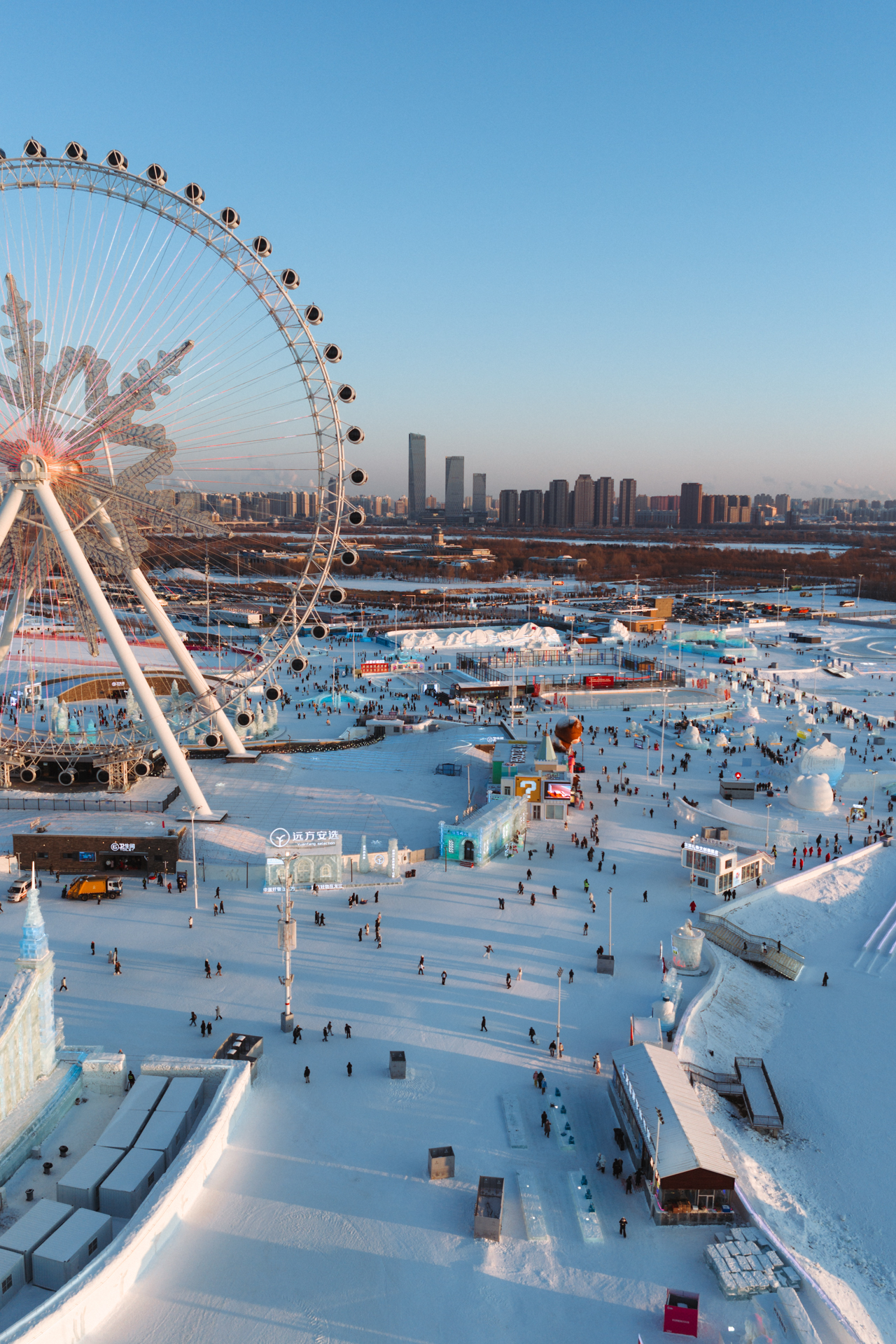
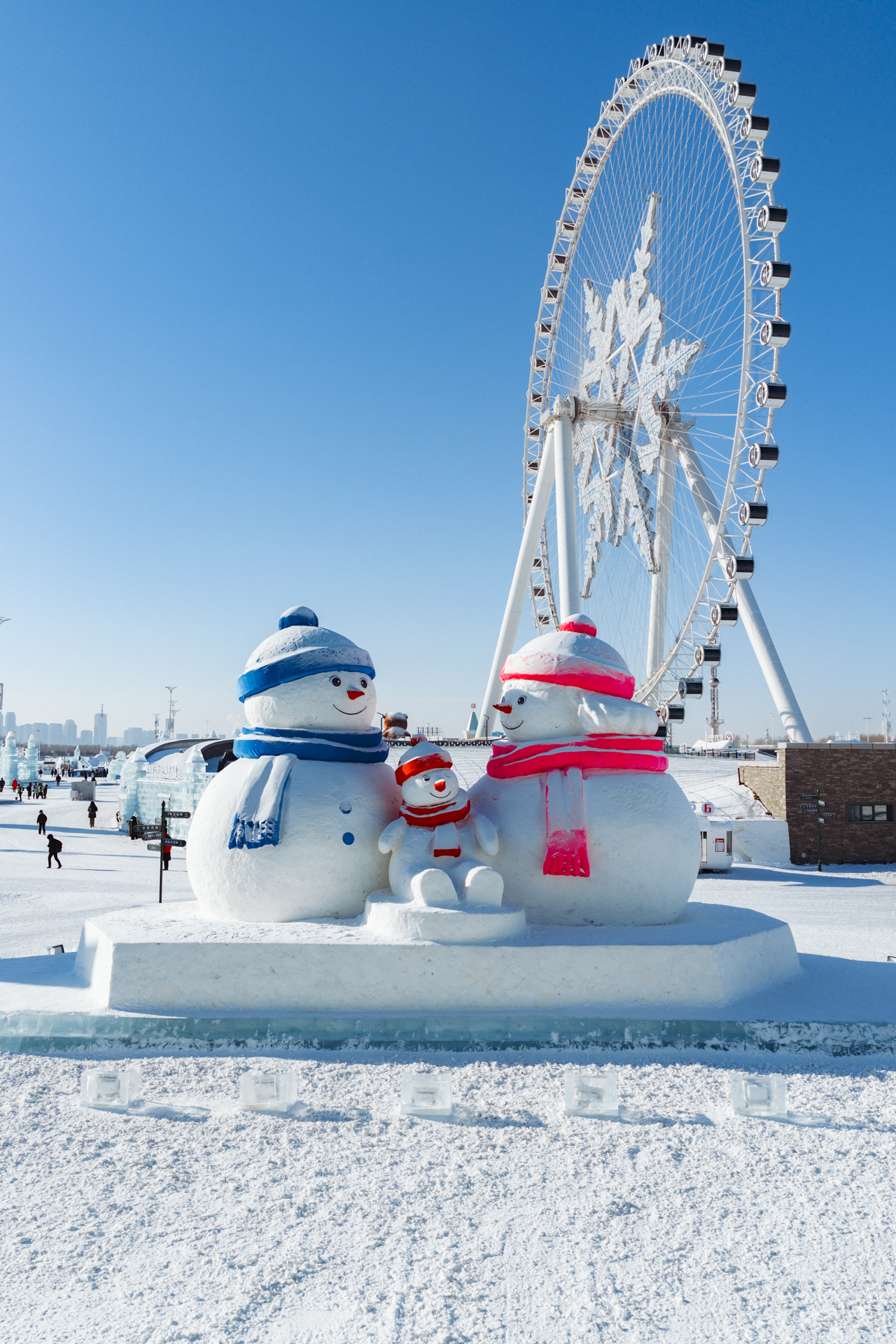
Getting a VIP Ticket (costs about €116 / USD 135) means access to fast-track line for the Ferris wheel. Since it's included with general admission, the regular line can take over 2 hours with more than 300,000 visitor here. If you're coming to Harbin, the VIP ticket will save you a lot of time!
Planning Your Time
How Many Days in Harbin
Three to six days covers Harbin properly for most first time visitors, and I would lean towards four. People consistently underestimate this city, because the cold itself slows you down. Everything takes longer when you are stopping to warm up, and the big winter venues are enormous.
3-Day Itinerary
If you only have 3 days, here is roughly how I would order it:
Day 1 (City Highlights) for Central Street, Saint Sophia and Zhaolin Park in the evening, since they are all central and you will still be adjusting to the temperature. Also, this is a great time to try some local food.
Day 2 (Ice and Snow World) for Sun Island Snow Expo in the morning and Ice and Snow World from mid afternoon into the night, because they are on the same side of the river.
Day 3 (River Fun & Culture) for the frozen Songhua, Guogeli Street and whatever indoor thing you have been saving for the coldest afternoon.
Metro, Taxis and Icy Pavements
Getting Around Harbin
The historic core of Harbin is genuinely walkable, and the winter attractions are genuinely not. Central Street, Saint Sophia Cathedral, Zhaolin Park and the riverfront all sit within about fifteen minutes of each other on foot. Everything else needs the metro or a taxi/DiDi.
One thing worth knowing early: Harbin Ice and Snow World is in Songbei District, on the far side of the Songhua River from the old centre. You cannot walk there from Central Street. Budget 20 to 30 minutes by taxi/DiDi, or take Line 2 across the river and expect a short walk at the other end.
How to Get to Harbin
By Plane
Harbin Taiping International Airport sits about 35 kilometres southwest of the centre, roughly 40 to 50 minutes by taxi/DiDi in normal conditions and longer after heavy snow. There are frequent domestic flights from Beijing, Shanghai, Guangzhou, Shenzhen and Xi’an.
By High-Speed Train
Harbin is a major rail hub with several stations. The two you will actually use are Harbin Railway Station, which is central and close to the Central Street area, and Harbin West Railway Station in Nangang District, which handles most high speed services. Check which one your ticket says, because they are a long way apart.
From Beijing
The high speed line runs the whole way and takes roughly 4.5 to 6.5 hours depending on the service, arriving mostly at Harbin West. Flying takes about two hours in the air.
From Shanghai
Flying is the good option here, at around 3 hours. There are direct trains, but you are looking at somewhere between 10 and 13 hours, so an overnight sleeper only really makes sense if you actively enjoy Chinese train travel.
Buy train tickets as early as you can in festival season, and bring your passport. Foreign passports are used as the ticket itself on Chinese high speed rail, and you will need it again for hotel check in and for some attraction entries, so keep it on you rather than in the hotel safe.
Best Areas and Hotels
Where to Stay in Harbin
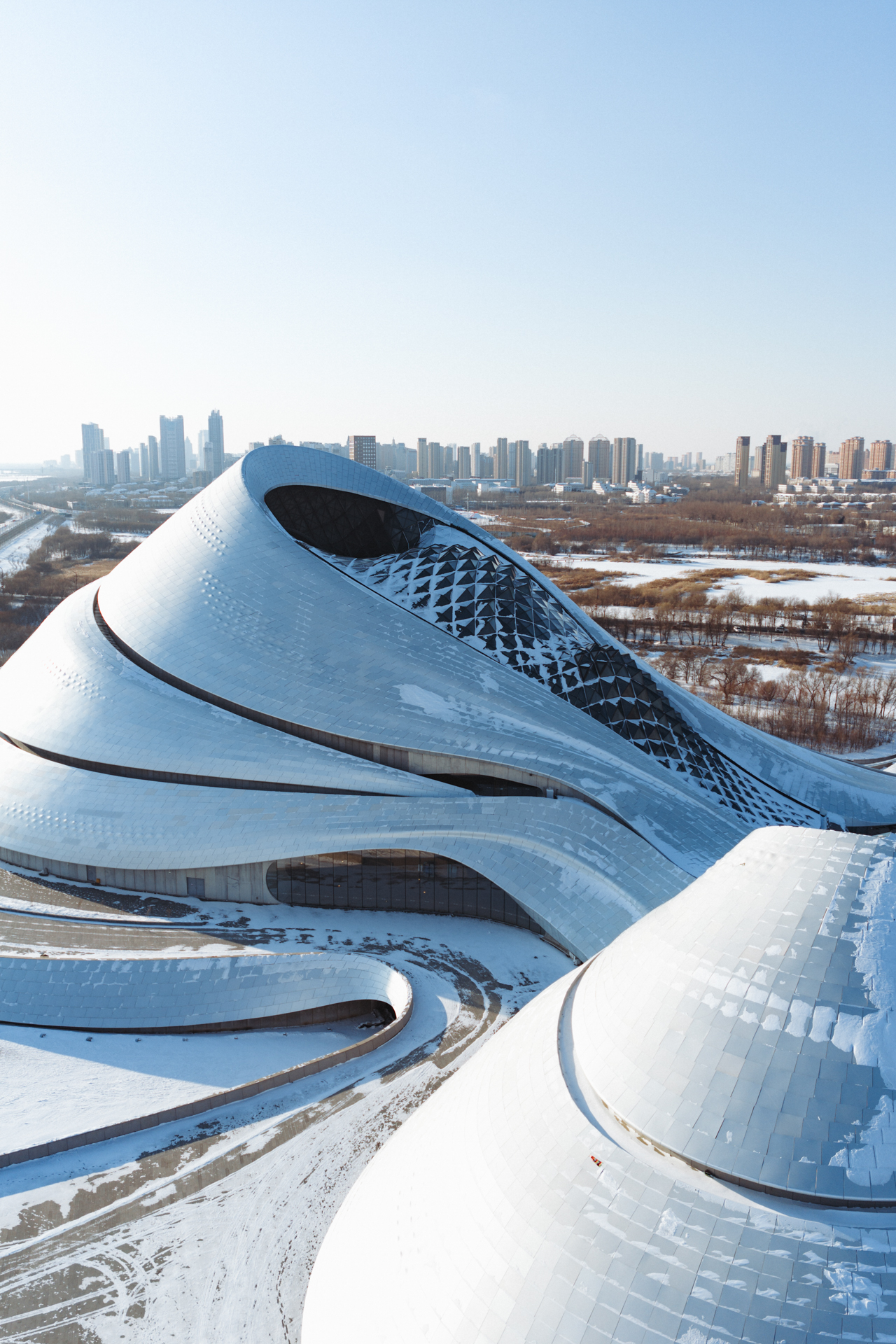
There are really only two areas worth considering in Harbin, and which one you pick depends on whether the city or the ice is your priority.
Daoli District, Near Central Street and Saint Sophia
This is what I would recommend for most first time visitors, and it's where I stayed. You are in the historic Russian quarter, and you are surrounded by places to duck into when your hands stop working.
Songbei, Near Ice and Snow World
This makes sense if the winter attractions are the entire point of your trip. You are ten minutes from Ice and Snow World and Sun Island instead of half an hour. The trade off is that Songbei is a wide, modern, spread out district. There is very little to walk to, and you will be taking taxis/DiDi's every time you want dinner or the historic centre.
Hotel Recommendations
Book early if you are coming in January. Harbin hotel prices roughly double during the festival, and the well located places in Daoli sell out weeks ahead.
Dressing for -25°C
What to Wear in Harbin in Winter
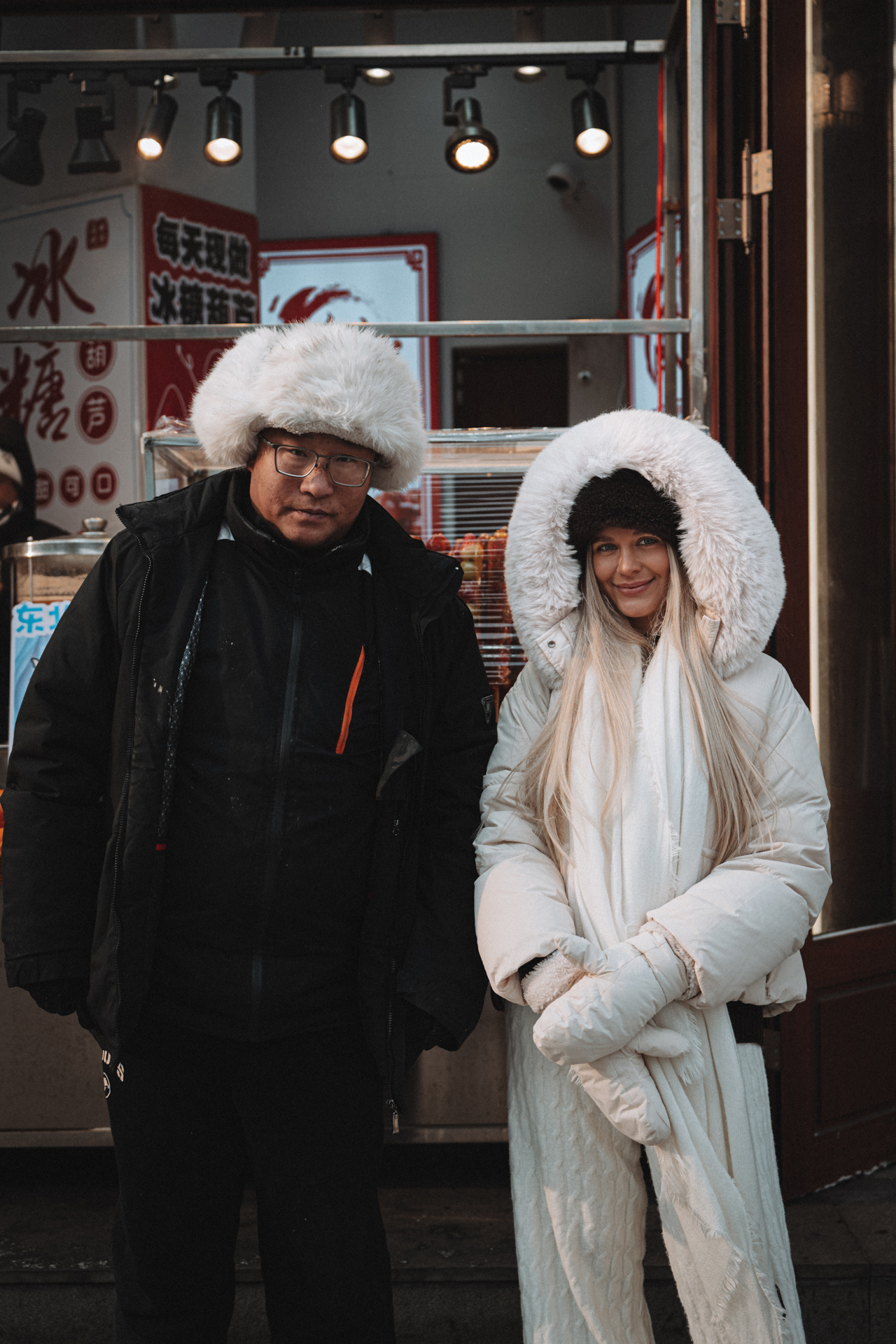
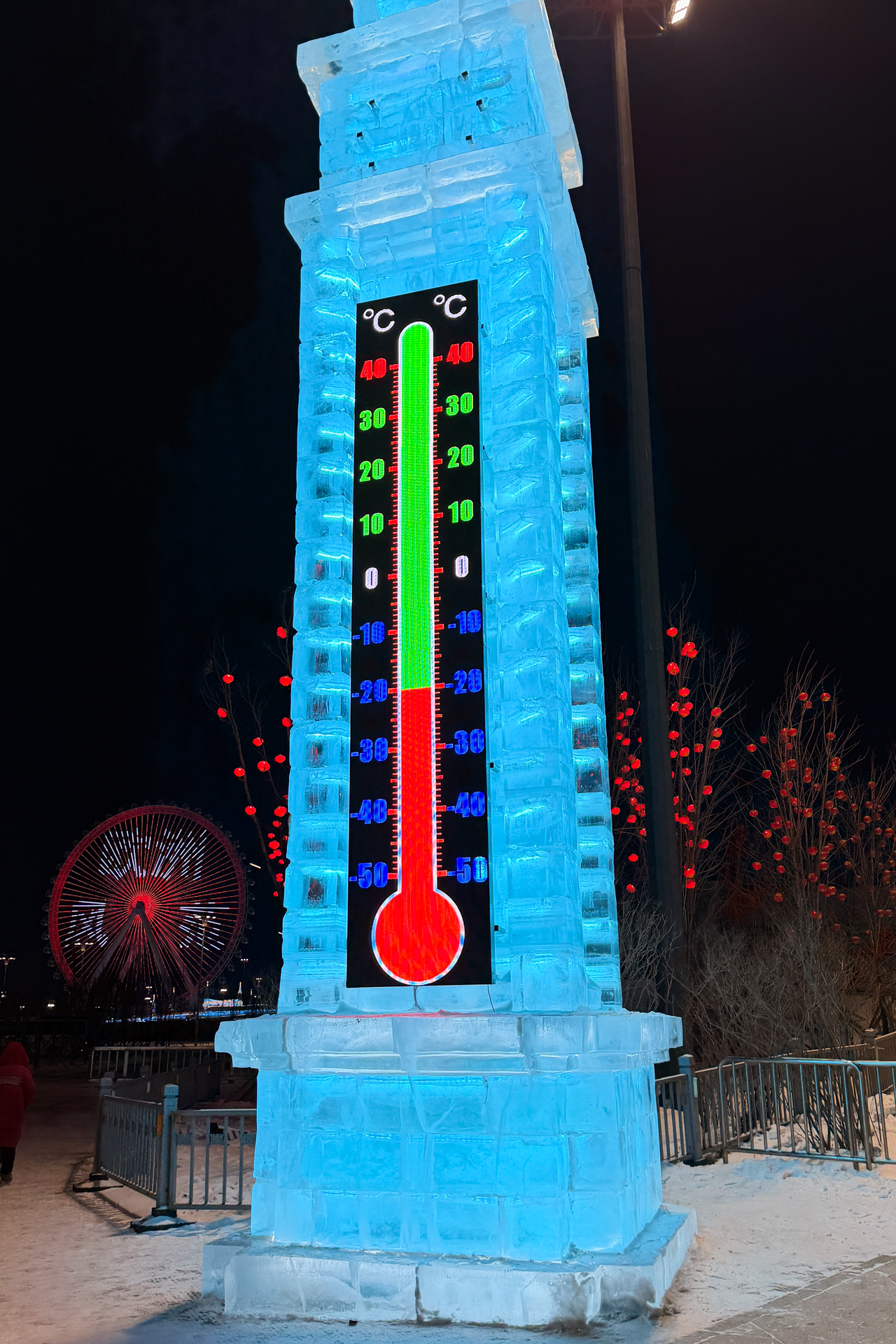
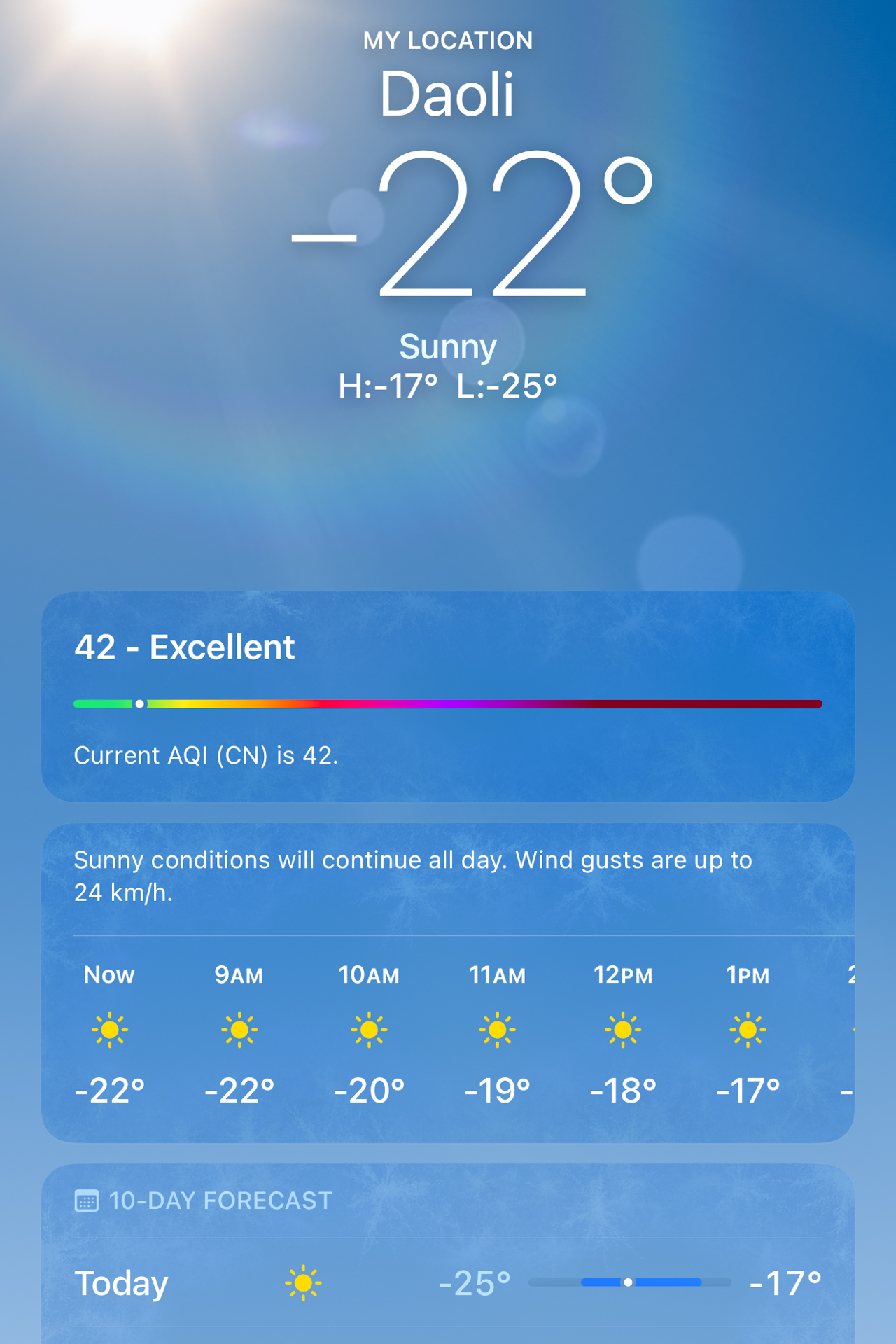
This is the chapter I would have wanted before my first Harbin trip. January daytime highs sit around -12 to -20°C (10 to -4°F), nights drop to -25°C (-13°F) or lower, and with wind off the river it feels worse. That is a different category of cold from anything you have packed for in Europe. I found it even colder than during my trip to Lapland, Finland, in December.
What to Pack
Protect Your Electronics from the Cold
Your electronics need a plan too. Phones shut down fast in this kind of cold, so keep yours in an inside pocket against your body and only bring it out to shoot. Camera batteries drain several times faster than normal, so carry two or three spares and keep them warm as well. And when you go back inside, put the camera in a sealed bag first, otherwise condensation forms on and inside the lens within seconds.
If you don’t want to buy an expensive down coat for one trip, Harbin has rental shops near the main attractions offering coats, boots, and snow trousers by the day. It's a practical option and popular with visitors coming from warmer parts of Asia.

Where to Eat and Warm Up
Best Cafes and Restaurants in Harbin
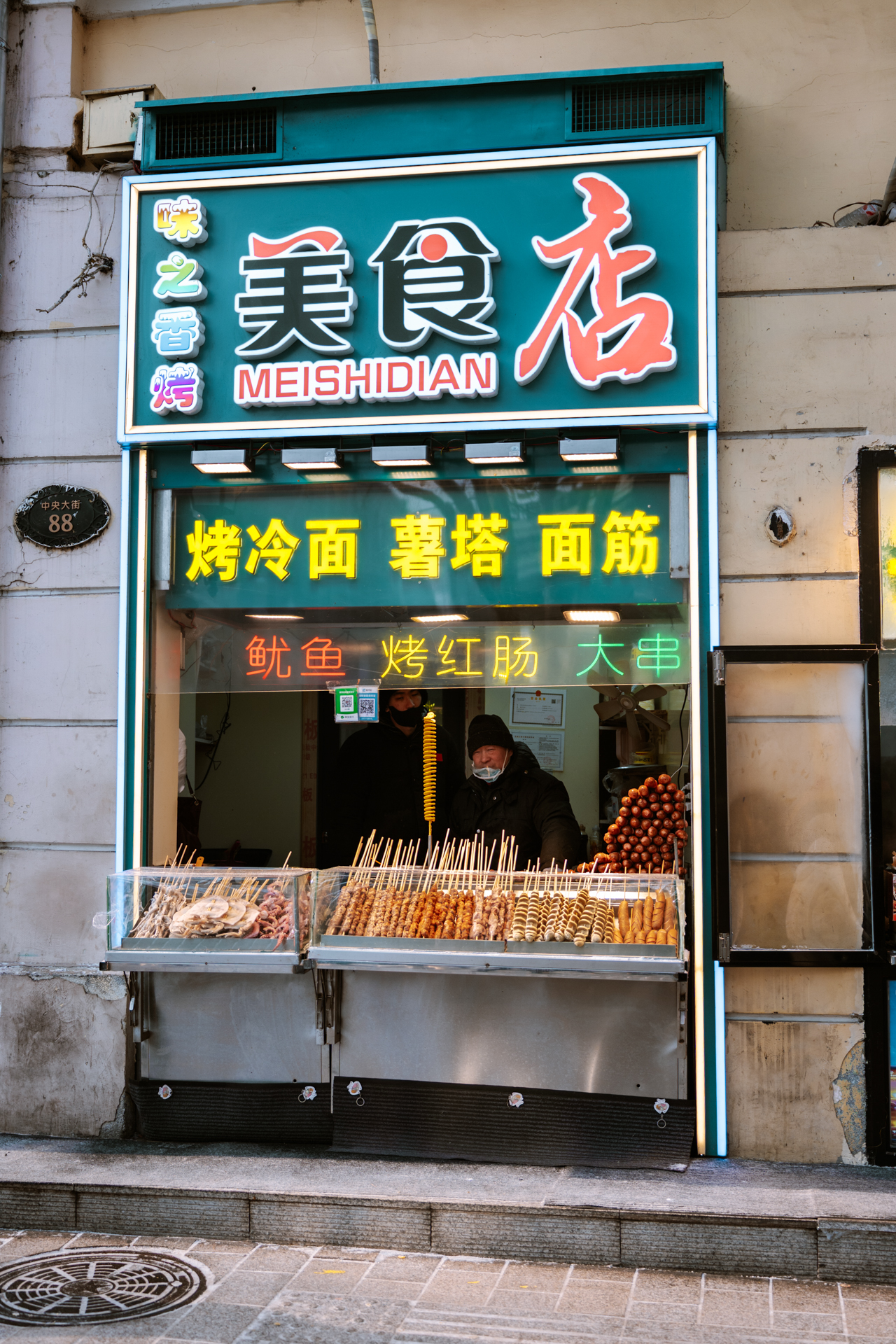
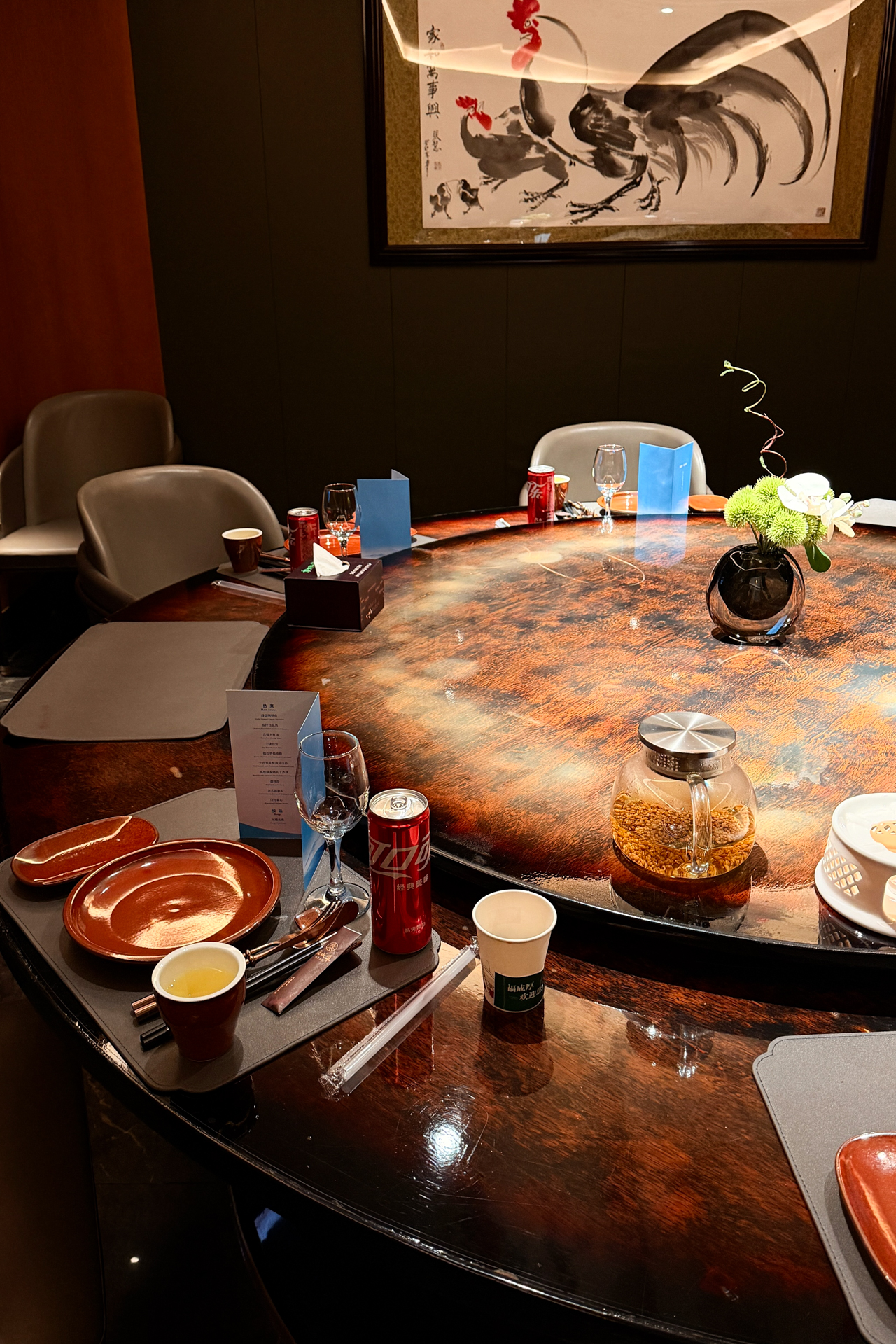
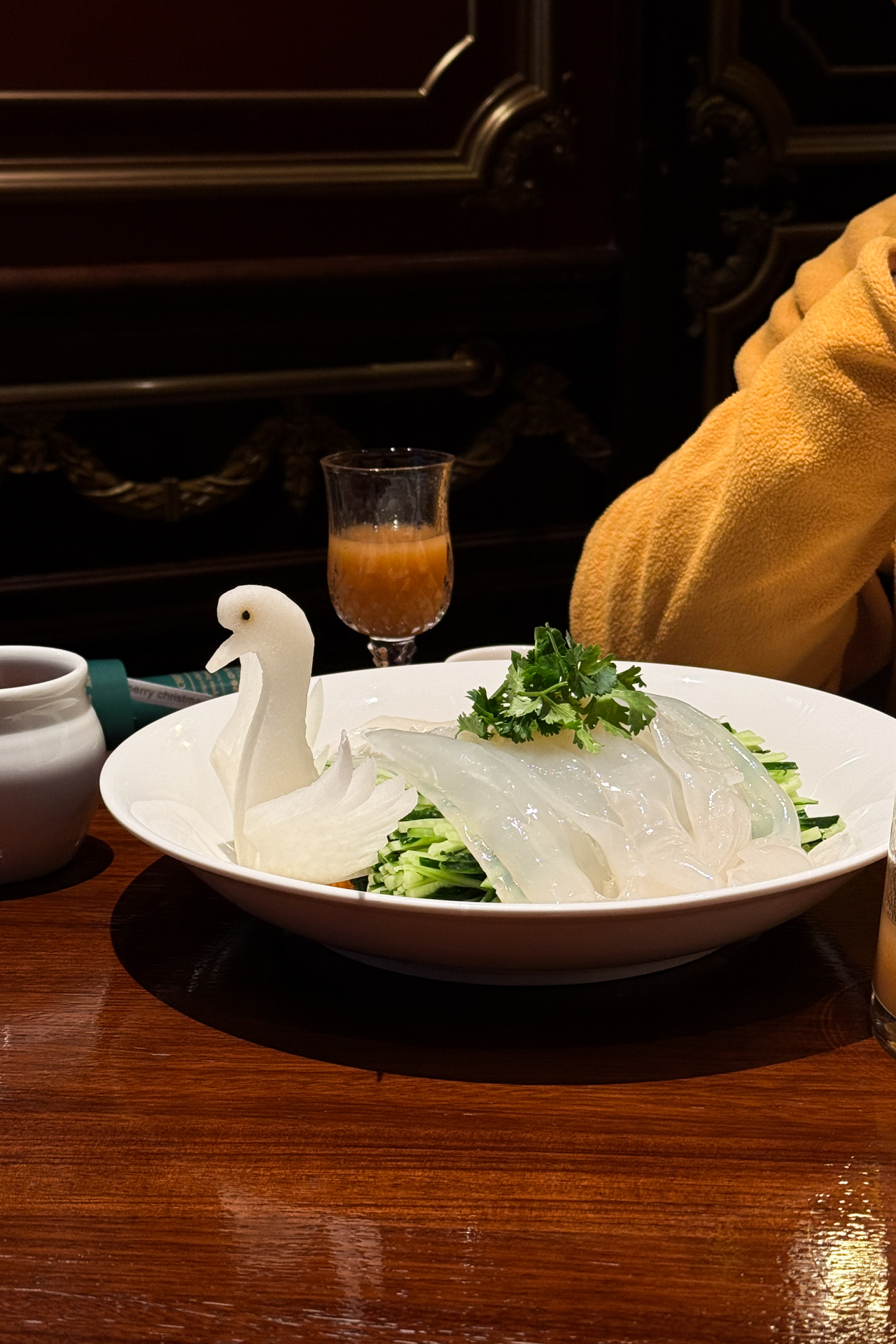
Harbin food is one of the real surprises of this city. You get hearty northeastern Chinese cooking and a Russian tradition that has been here for over a century, often on the same street, occasionally on the same menu.
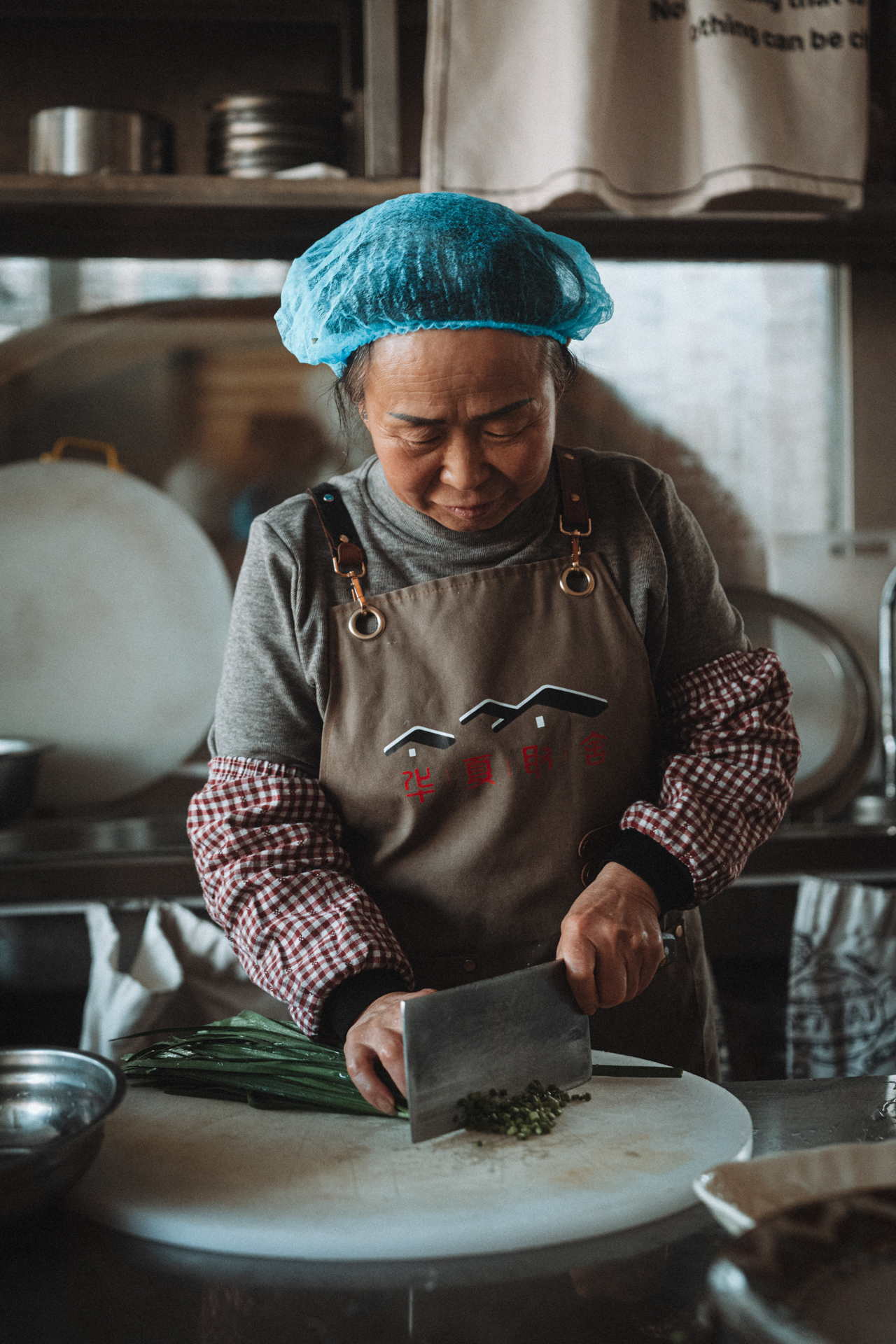
Restaurant Recommendations
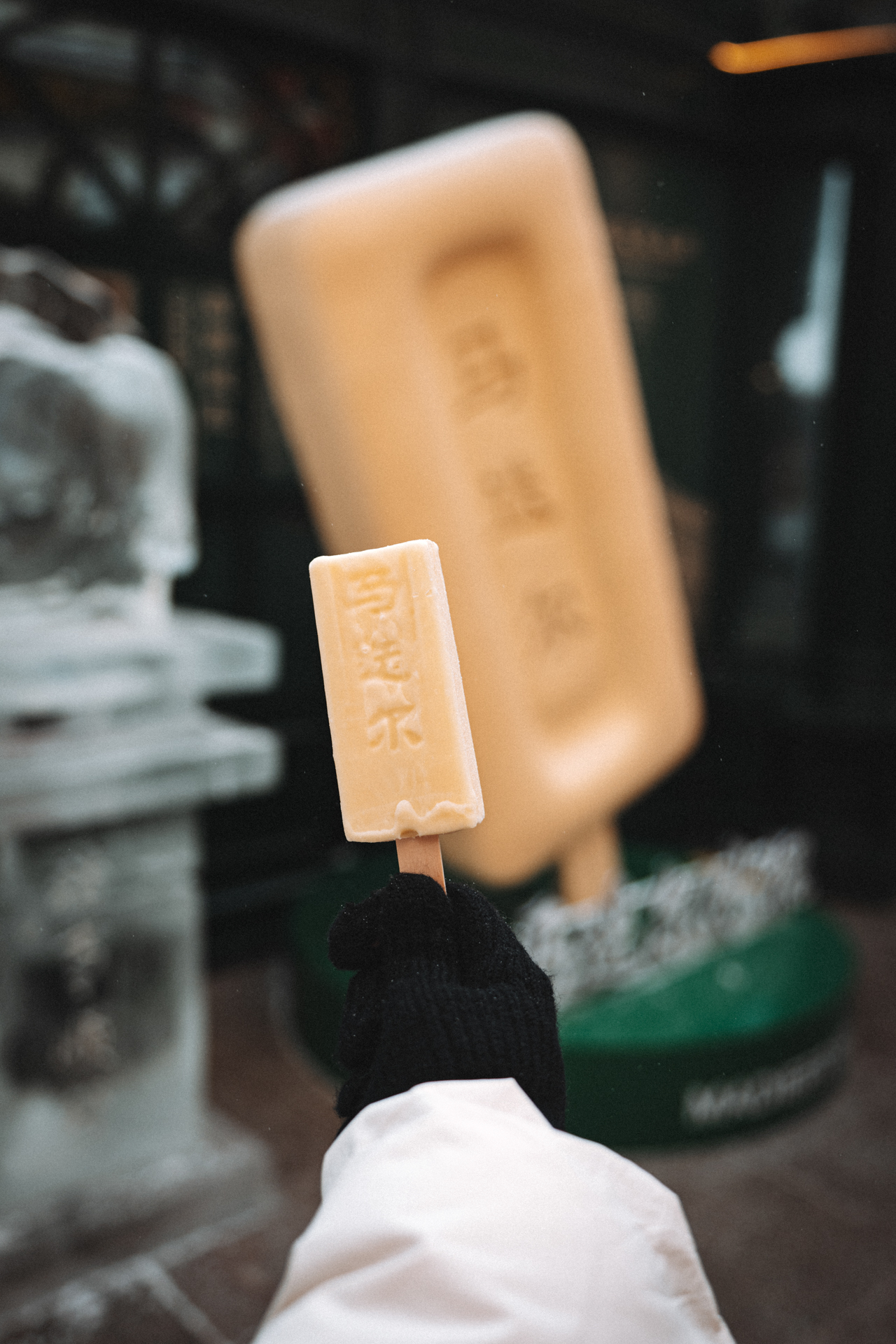
What to Eat in Harbin
Eating ice cream outdoors in the middle of winter is a real Harbin tradition, dating back to the city’s Russian dairy influence.
Good to Know Before You Go
Harbin Travel Tips

Seasons and Crowds
Best Time to Visit Harbin
Harbin is the rare Chinese city where the high season is also the most uncomfortable one, and that is completely on purpose. Almost everyone who travels here from abroad comes for the ice, which means winter is both the best time and the busiest.
Winter, November to March
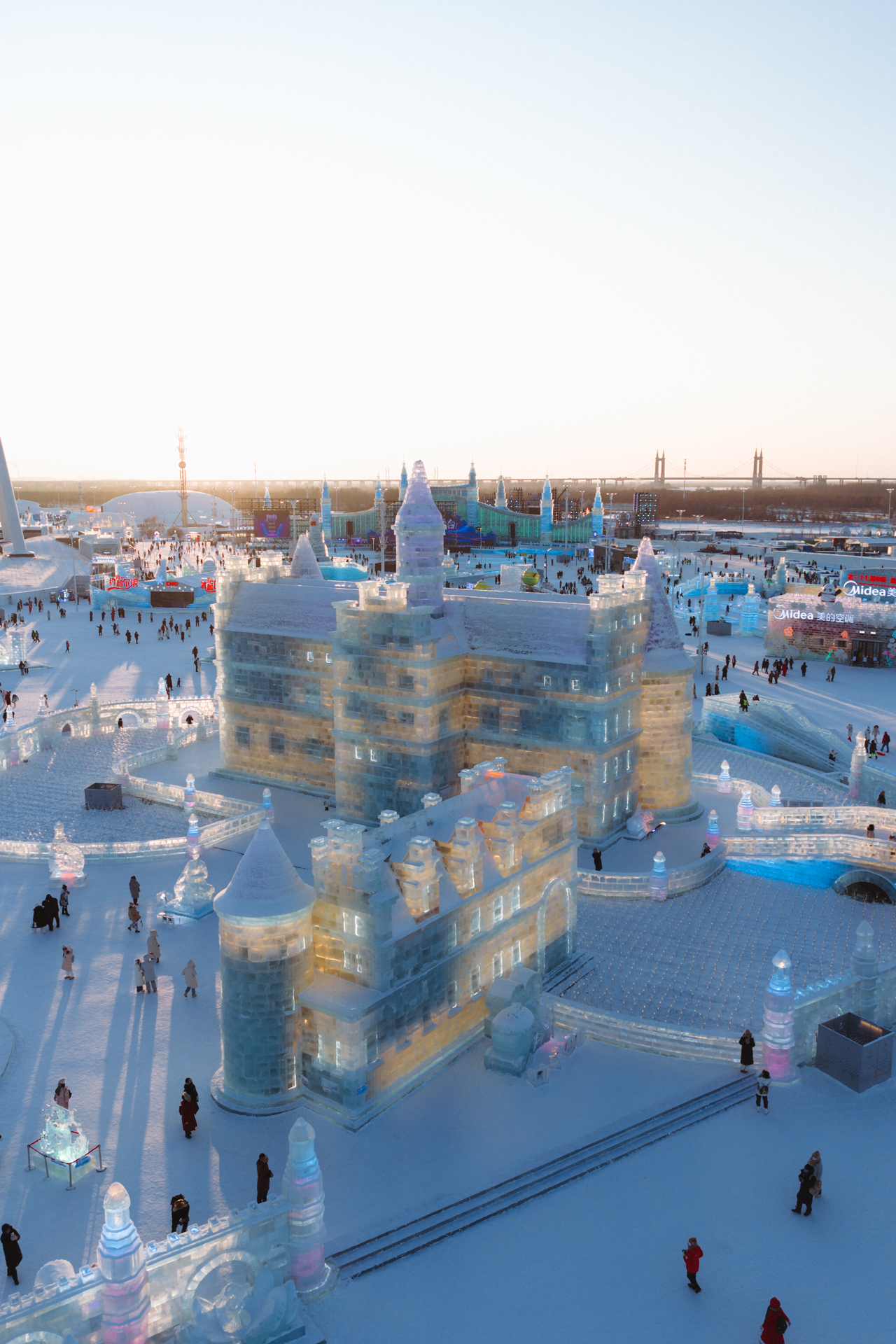
The main season, and the reason Harbin is on your list at all. The ice and snow attractions are open, the river is frozen solid, and the city is at its most atmospheric. It's also seriously cold, with January the coldest month. The sweet spot is early January to mid February, when every venue is finished and fully open.
Spring, April to June
The ice melts, the venues close, and Harbin goes quiet. March is still cold and grey with a lot of slush. By May it's genuinely pleasant and the parks come back to life, but there is no winter spectacle left to see.
Summer, July to August
Harbin’s other high season, though a domestic one. Around 25°C while the rest of China melts, which makes it a popular escape for Chinese travellers. There are river beaches, a beer festival, and a completely different, much greener city underneath all that snow.
Autumn, September to October
Cool, crisp and quiet, with good light and very few tourists. A lovely time to see the architecture without queues, as long as you have made peace with the fact that there will be no ice.
Snow Beyond the City
Day Trips From Harbin
Harbin has better day trip potential than most Chinese cities, mostly because Heilongjiang gets the deepest snow in the country. Two of the options below are honestly better as overnights than day trips.
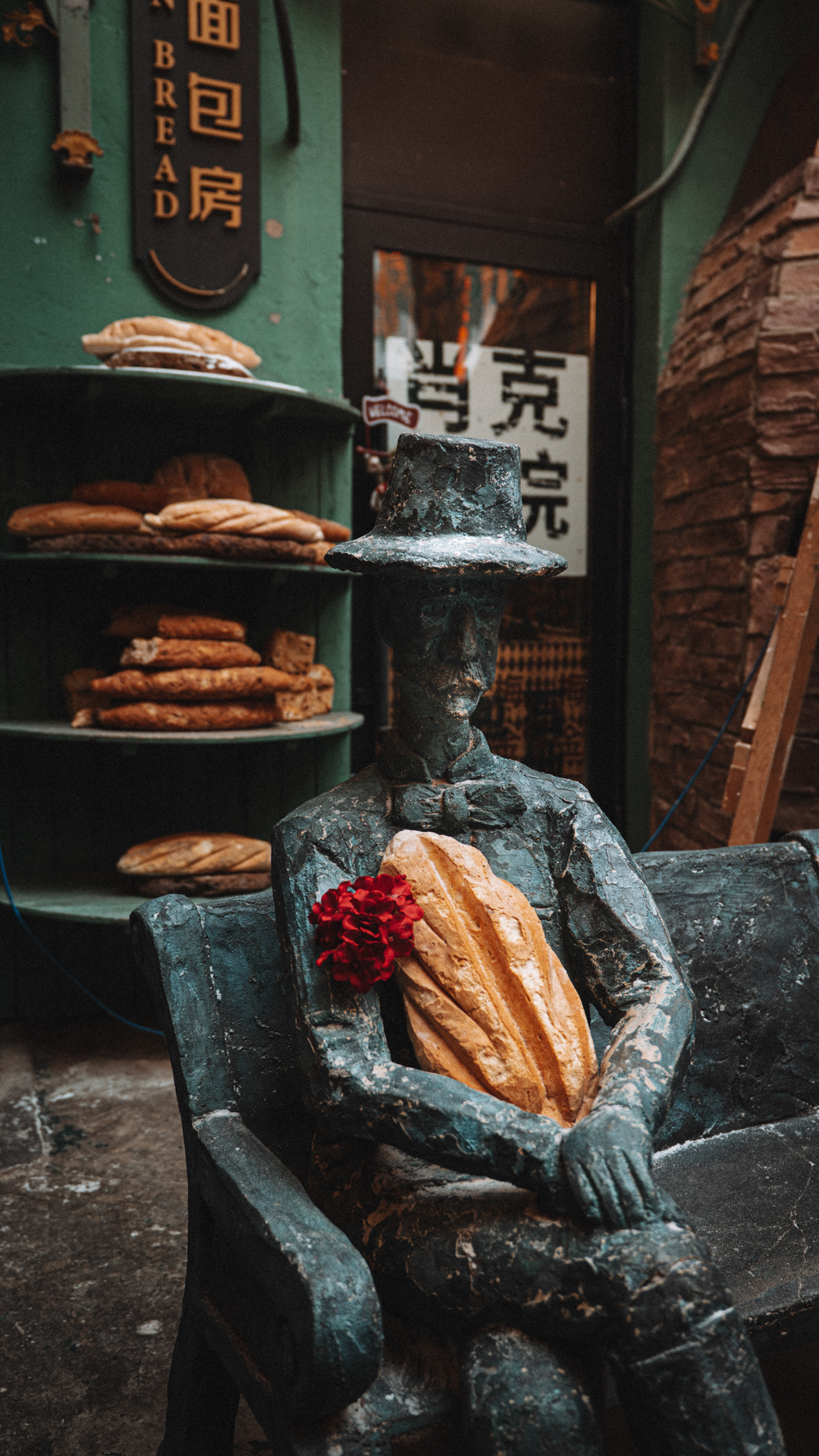
Yabuli Ski Resort
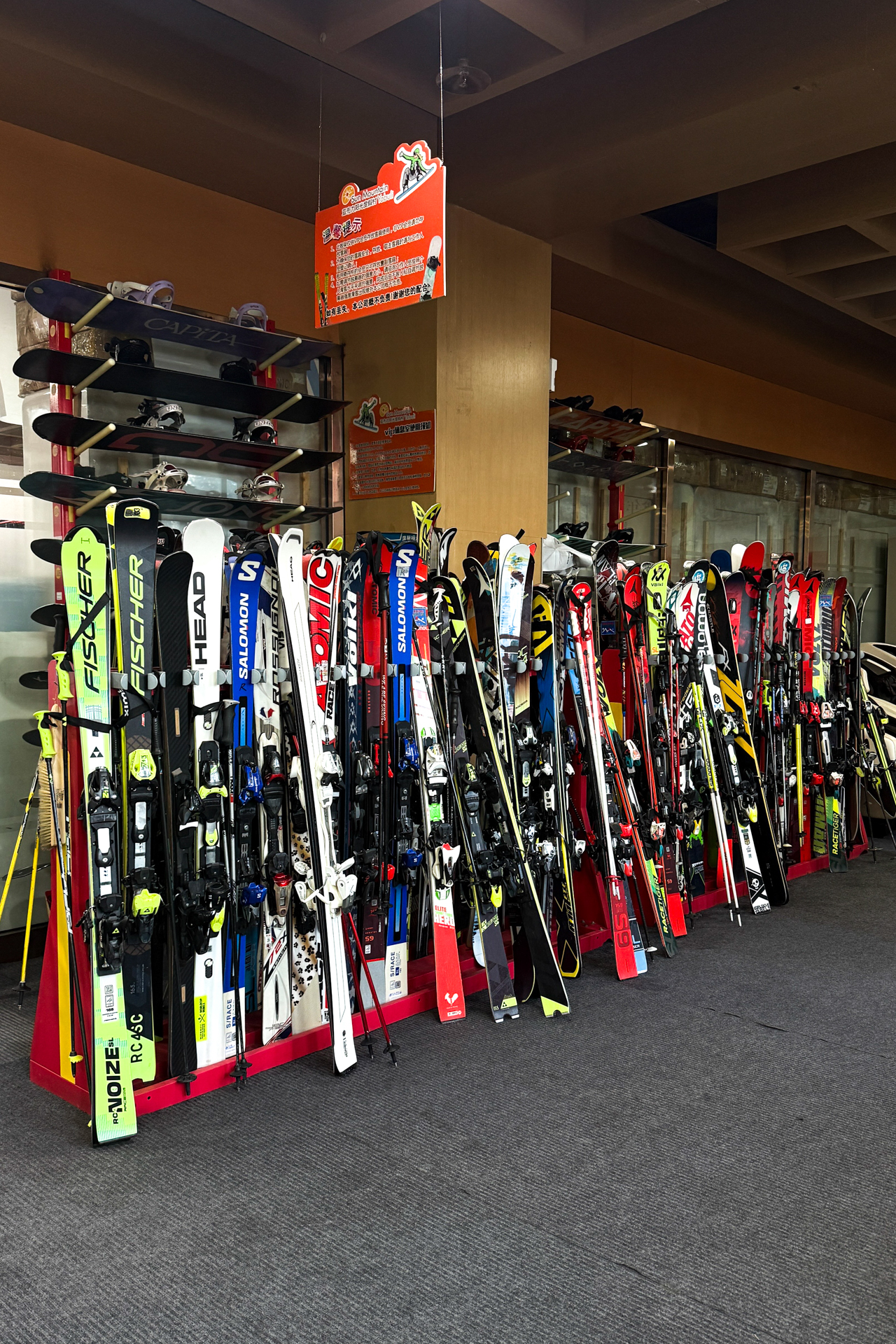
China’s largest ski resort, about 250 kilometres east of Harbin. Driving takes around 3 hours each way, or you can take a high speed train to Yabuli South in roughly 1 hour and a half and pick up a shuttle from there. The runs are proper, the season is long, and lift passes are a fraction of what you would pay in the Alps. Doable in a day if you take the train, much better as an overnight. I went skiing here for the first time in my life!

China Snow Town (Xuexiang)
Wooden houses buried under metres of snow, red lanterns glowing on the rooftops, snow piled up in thick curling drifts. It's about 300 kilometres away and takes 5 to 6 hours each way, so a day trip means around 11 hours in a vehicle. Stay the night instead. It's touristy and not cheap, but it does look exactly like the pictures.
Volga Manor
The easy one. A Russian style estate about half an hour from the centre, with rebuilt wooden churches, a frozen lake and a manor house you can eat lunch in. Half a day is plenty, and it works well on an afternoon.
Loved it? Pin it, Share it!
Inspire Others to Travel to Harbin
Keep Exploring
More Travel Guides from China








THE TRAVEL

Let’s stay connected!
Get inspired, helpful tips and exclusive updates straight to your
inbox. Subscribe to join a community of explorers.